Refutations

Abraha's Elephant — Can an Elephant Walk from Yemen to Mecca? Every Doubt Refuted

35 min read 7736 words

Responding to Doubts About the Story of Abraha’s Elephant — A Comprehensive Refutation


Table of Contents

Doubt 1 — Abraha Died Decades Before the Prophet ﷺ

The Claim A Christian claimed that Abraha al-Habashi died more than twenty years before the Prophet ﷺ.
The Refutation No scholar stated that Abraha died more than twenty years before the Prophet ﷺ. In fact, foreign scholars do not even know the exact year of Abraha’s death.

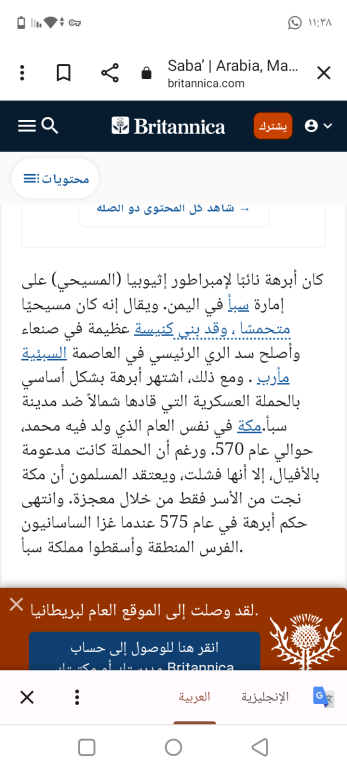
The Encyclopedia Britannica states that Abraha’s reign ended in 575 AD, when the Persian Sassanids attacked Yemen. This means Abraha was present at the time of the Prophet’s birth — he did not die years before it.
story of abrahas elephant and how the elephant traveled in the desert and can the elephant walk in 1


Doubt 2 — An Elephant Cannot Travel from Yemen to Mecca

The Claim The Christian claims that an elephant cannot travel from Yemen to Mecca because it needs water and drink and spends 15–16 hours a day searching for food.

Desert Elephants vs Indian Elephants

Key Distinction — The Desert Elephant We are not talking here about the Indian elephant — but rather the desert elephant used by Abraha.

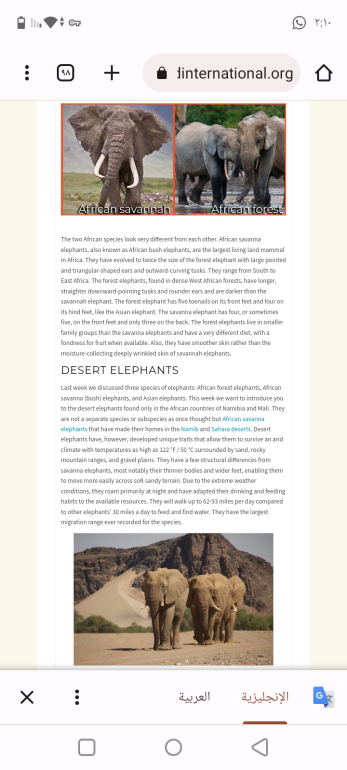
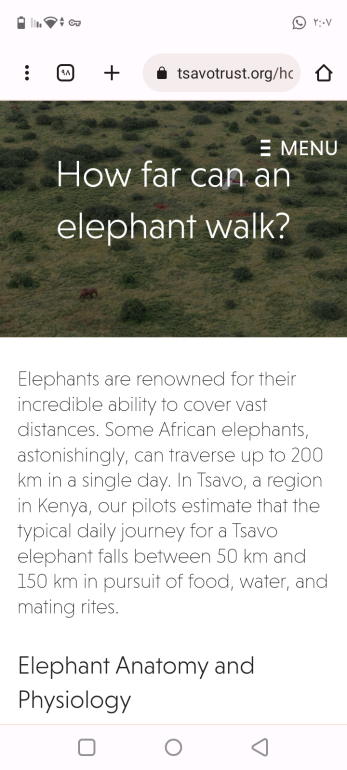
The desert elephant (found in Africa and desert regions) can:

  • Travel between 62 and 93 miles (99.8–149.7 km) per day in search of food and water
  • Navigate sand, rocks, and desert mountains
  • Travel up to 200 km in a single day according to some scientific sources
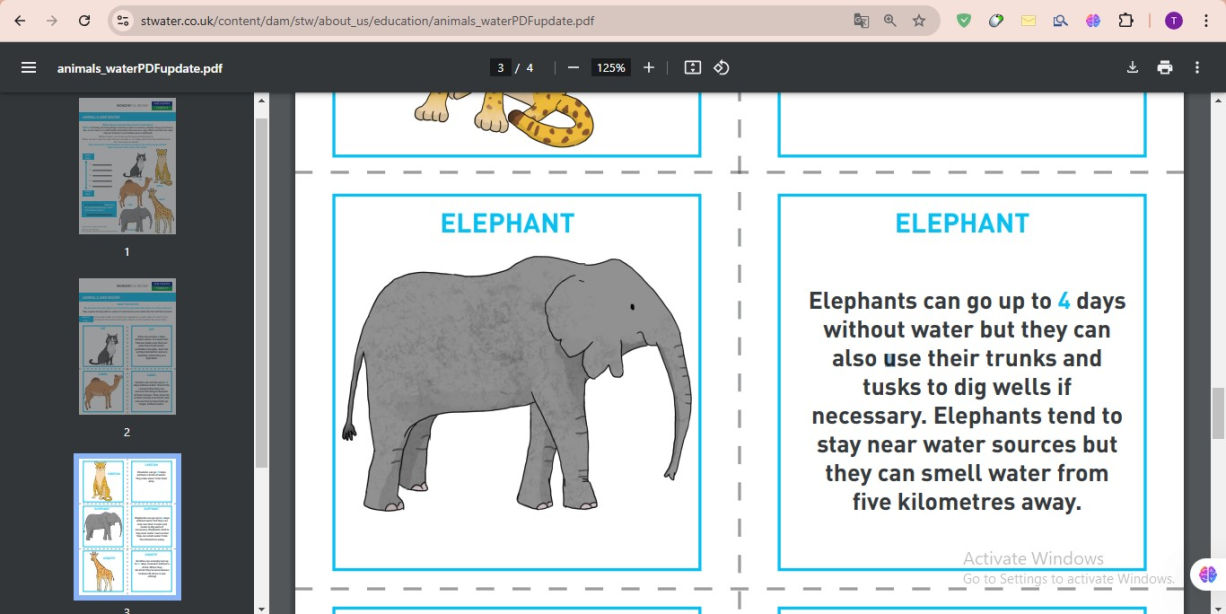
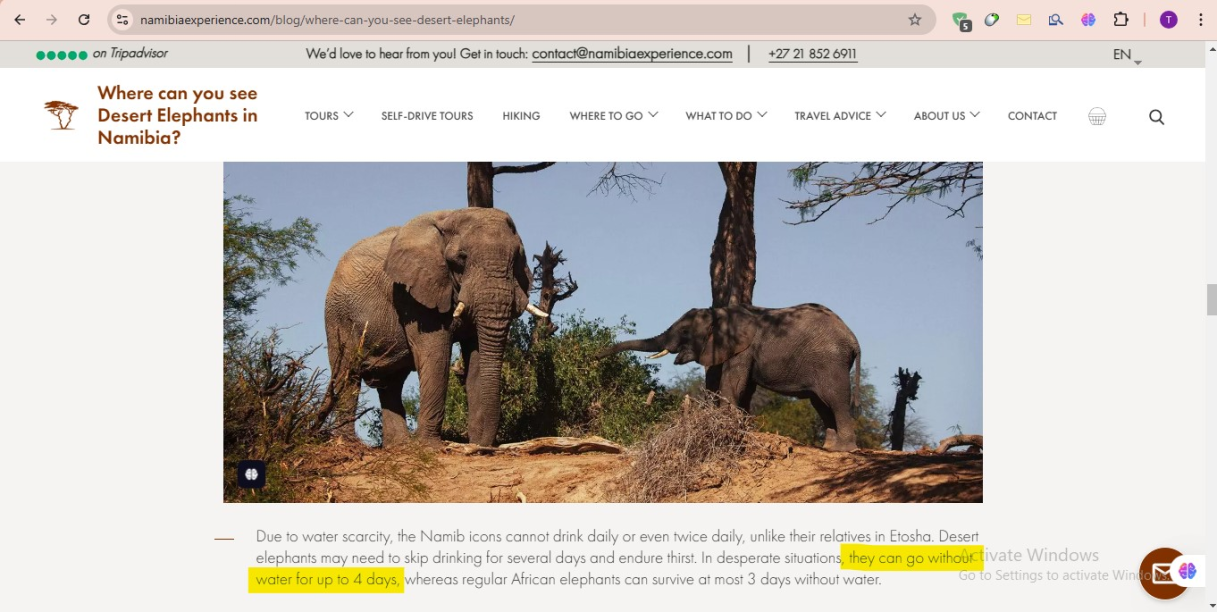
  • Endure thirst for up to four days, obtaining moisture from the plants it eats
  • Endure hunger for several weeks, depending on stored body fat
  • Smell water from 5 km away
  • Dig wells with its trunk and tusks
Travel Time Calculation The distance between Yemen and Mecca is approximately 1,000 kilometers.

At desert elephant speeds, the journey would take only 5–10 days — not months, as the enemies of Islam claim.

Even an Indian elephant, which covers 30 miles on an average day, could make the trip in about 20 days at leisure — or faster if hurried.
story of abrahas elephant and how the elephant traveled in the desert and can the elephant walk in 2

story of abrahas elephant and how the elephant traveled in the desert and can the elephant walk in 3

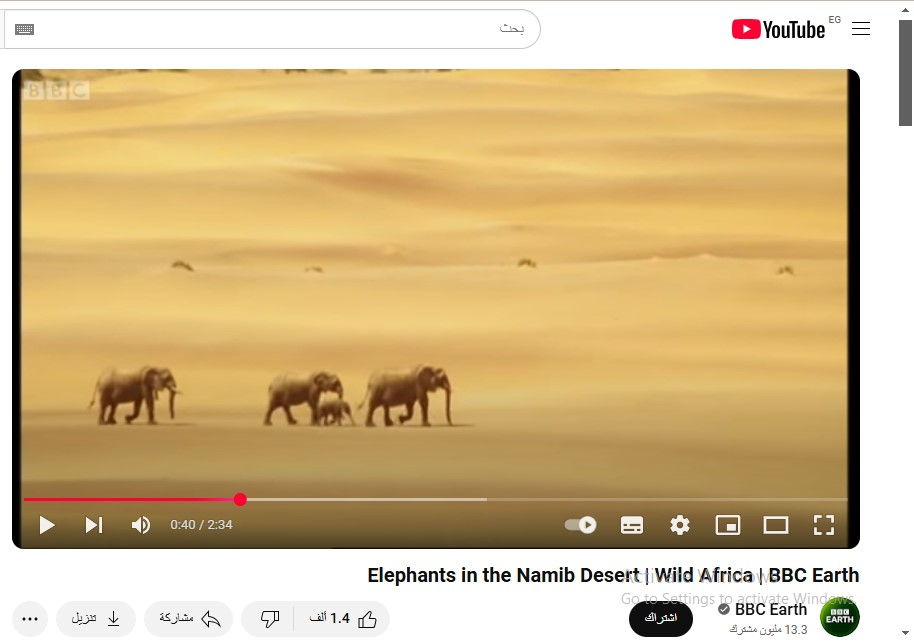
BBC Documentary Evidence Here is a screenshot from a video published by the BBC on YouTube, which includes a herd of elephants living in the desert and walking in it.

story of abrahas elephant and how the elephant traveled in the desert and can the elephant walk in 4

story of abrahas elephant and how the elephant traveled in the desert and can the elephant walk in 5

story of abrahas elephant and how the elephant traveled in the desert and can the elephant walk in 6

Historical Presence of Elephants in Abyssinia This species of desert elephant was once widespread throughout Africa, including Ethiopia, but its population has declined in recent times due to increased population density, deforestation, and hunting — the same fate suffered by many other animals, such as lions in Egypt.

Historical Evidence of Elephants in Abyssinia

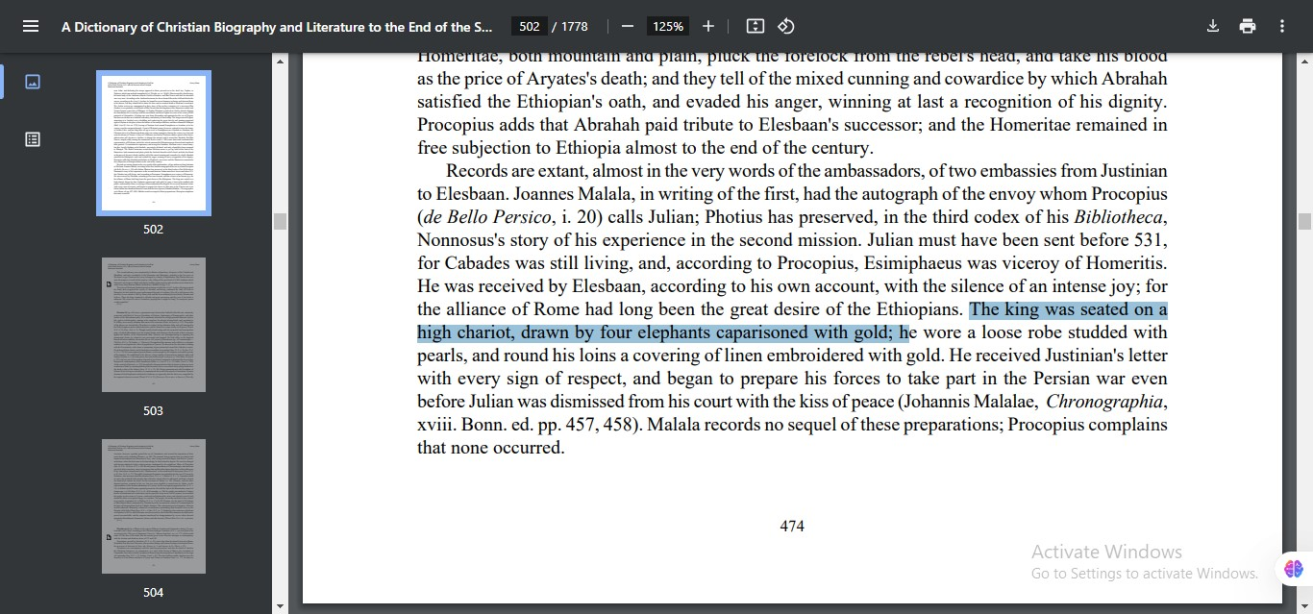
A Dictionary of Christian Biography and Literature — Henry Wace + William Coleman Piercy The King of Abyssinia received the Roman delegate sent by the Roman Emperor Justinian to the King of Abyssinia, Elesbaan (a contemporary of Abraha) — “He was sitting on a high chariot, carried by four elephants.”

Johannis Malalae, Chronographia, xviii. Bonn. ed. pp. 457, 458
story of abrahas elephant and how the elephant traveled in the desert and can the elephant walk in 7

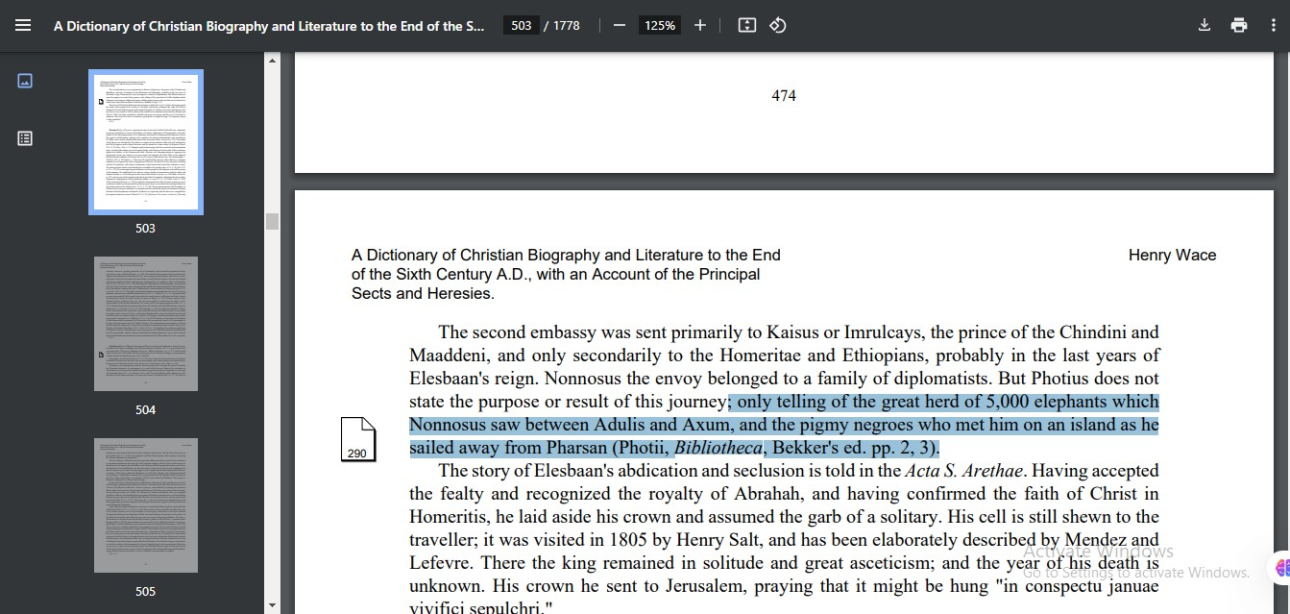
Photius — Bibliotheca (Bekker’s ed. pp. 2–3) Photius spoke of a huge herd of 5,000 elephants that Nonnosus saw between the region of Adulis and Aksum.

story of abrahas elephant and how the elephant traveled in the desert and can the elephant walk in 8

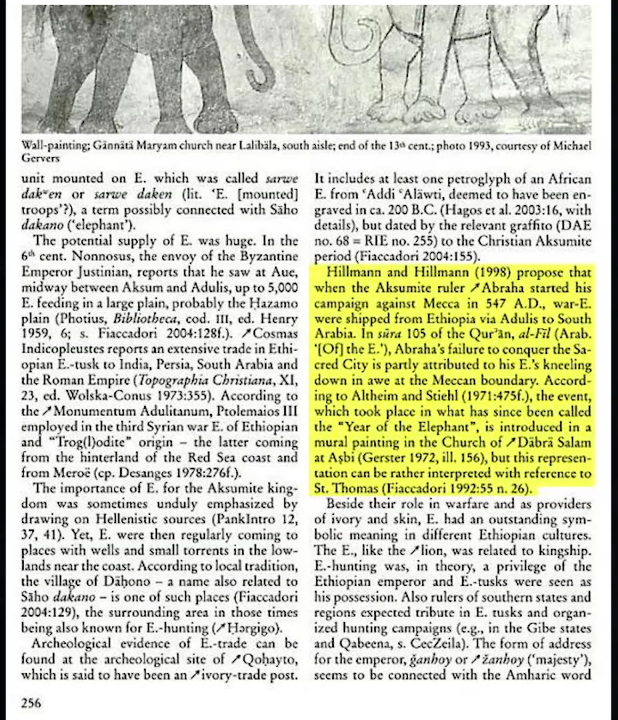
Key Point Elephants were found in abundance in ancient Ethiopia and were brought to Yemen. Abraha’s elephant was not raised in Yemen — it was brought from Africa, shipped on vessels from the port of Adulis in the Kingdom of Aksum before the campaign.

Encyclopaedia Ethiopica (2: 256)

story of abrahas elephant and how the elephant traveled in the desert and can the elephant walk in 23


The Route Was Not Barren — Maps of Vegetation Water and Rainfall

The Arabian Peninsula Was Not a Wasteland Many people mistakenly believe that the road from Yemen to Mecca was devoid of water and vegetation. This is completely false. If the Arabian Peninsula were completely devoid of water and vegetation, how would the Arabs have lived there? How would they have raised sheep, horses, donkeys, mules, camels, and other livestock?
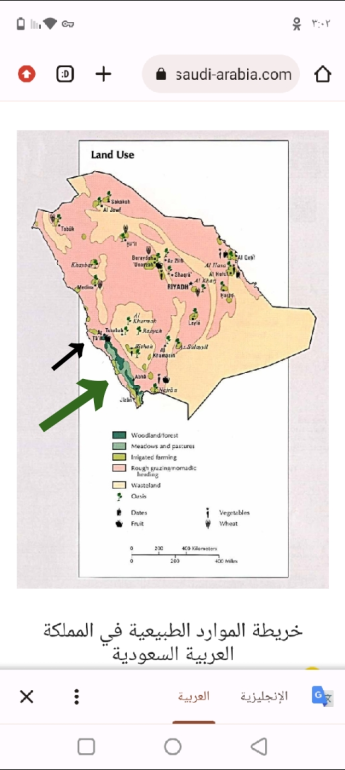
Map 1 — Vegetation Areas Along the Route The following map shows areas in green where plants are abundant in the Arabian Peninsula. Notice that the plant meadows spread from Yemen to Mecca — the same route that Arab trade caravans used between Mecca and Yemen in ancient times.

The green arrow indicates vegetation areas. The black arrow indicates the location of Mecca next to Taif.
story of abrahas elephant and how the elephant traveled in the desert and can the elephant walk in 9

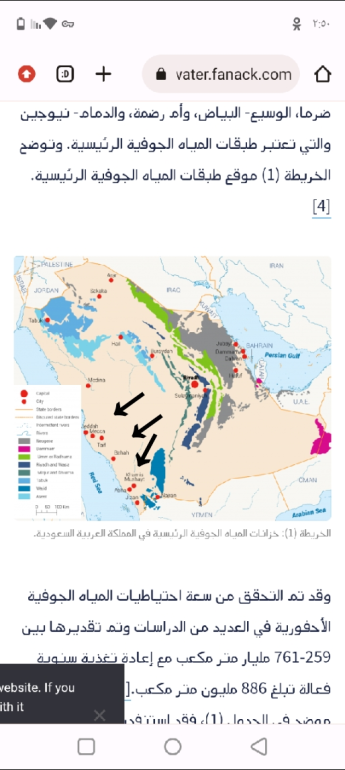
Map 2 — Main Water Wells Along the Route This map shows the main water wells along the road between Yemen and Mecca — the same road that ancient Arab trade caravans used, and the same road that Abraha took.

The red dots indicate the locations of wells along the road.
story of abrahas elephant and how the elephant traveled in the desert and can the elephant walk in 10

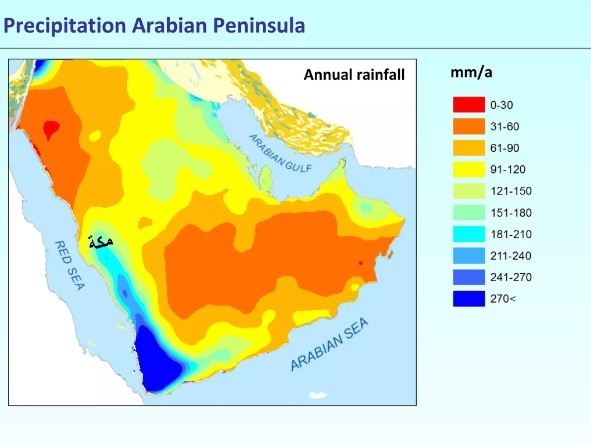
Map 3 — Rainfall Areas Along the Route A map of rainfall areas along the route taken by Abraha’s Abyssinian elephant from Yemen to Mecca.

Areas in dark and light blue are areas with good rainfall.

Source: Lecture on groundwater management in the Kingdom of Saudi Arabia — Dr. Ali Saad Al-Takhis — UN International Water Conference, Zaragoza, 2012/2013.
story of abrahas elephant and how the elephant traveled in the desert and can the elephant walk in 11

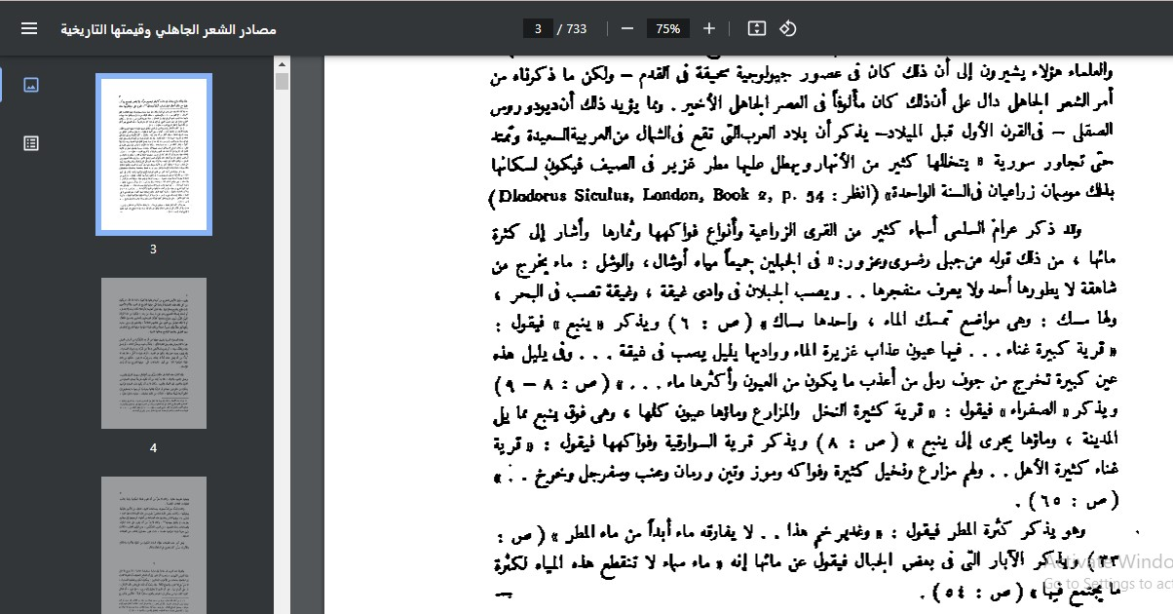
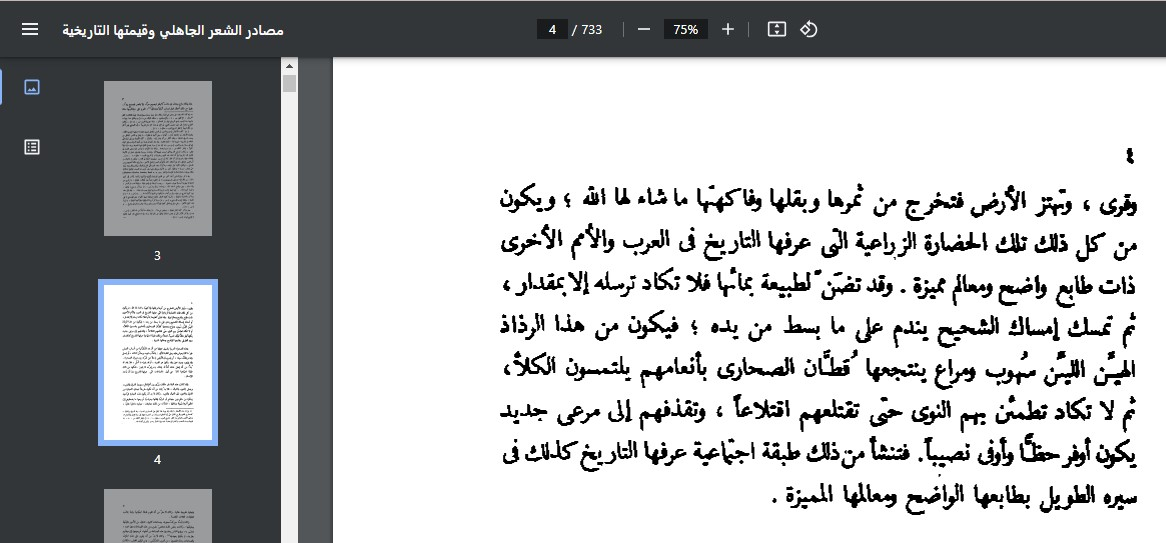
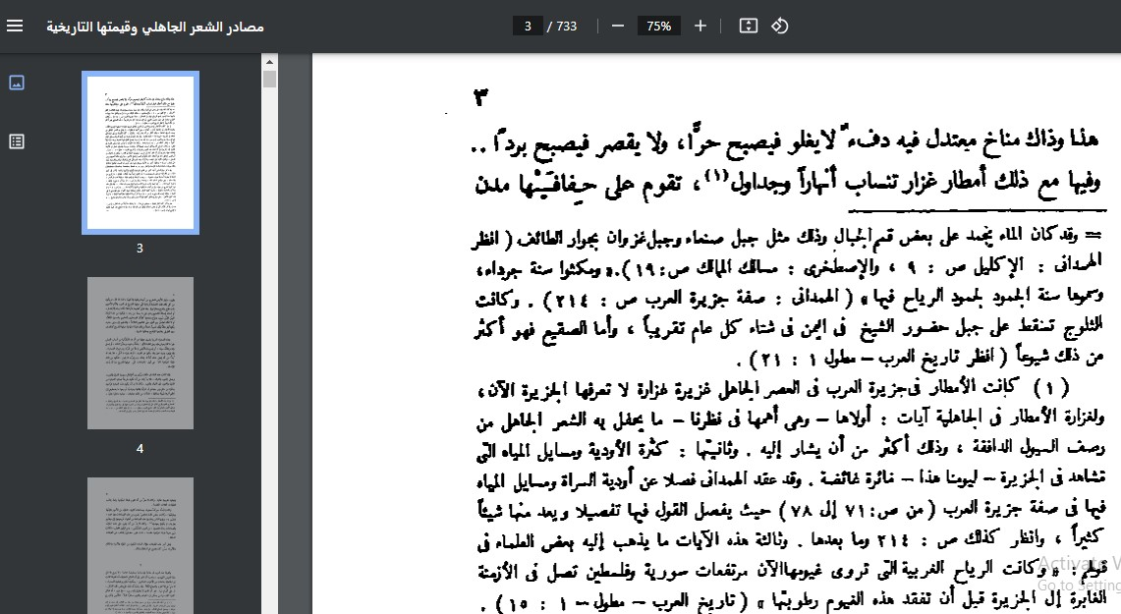
Historical Note — Rainfall Was Greater in the Past Rains in the Arabian Peninsula in the past were more abundant than today. History and biography books have addressed this point — the Arabian Peninsula was filled with rivers and had water pools, such as the water pool in the Khumm region, the Yanbu region, and other water areas.

story of abrahas elephant and how the elephant traveled in the desert and can the elephant walk in 12

story of abrahas elephant and how the elephant traveled in the desert and can the elephant walk in 13

story of abrahas elephant and how the elephant traveled in the desert and can the elephant walk in 14

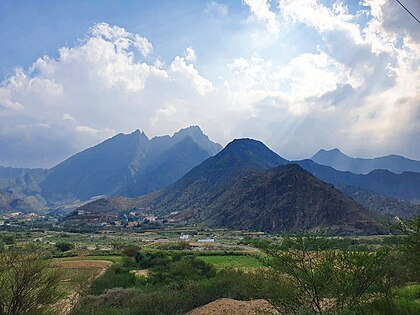
A Valley Near Tihama Asir — On the Road Between Mecca and Yemen

story of abrahas elephant and how the elephant traveled in the desert and can the elephant walk in 15

Conclusion on Doubt 2 The desert elephant’s journey from Yemen to Mecca takes no more than ten days. There are vegetation and water sources along the way. Soldiers can simply provide water for the elephant — just as the ancient Arabs did with their horses and sheep, as Moses did at the well of Madyan, and as the Muslims did at the Battle of Badr.

The Qur’an does not mention that Abraha’s army contained several thousand elephants. It is therefore pointless for the enemies of Islam to attack the Qur’an based on something the Qur’an never stated.


Doubt 3 — Christian Tradition Does Not Allow Pilgrimage to a Church

The Claim The Christian says that Christian traditions do not allow pilgrimage to any church in Abyssinia, and therefore it is wrong for Muslims to claim that Abraha called people to make pilgrimage to the church he built.
The Refutation When historical references spoke about the pilgrimage to Abraha’s Church, they did not mean performing rituals similar to the Islamic Hajj to the Kaaba. The intended meaning was simply to visit the church.

The word (Hajj) in the Arabic language means “visiting a place.” Therefore, the word is used for visiting any place that is important to its followers.

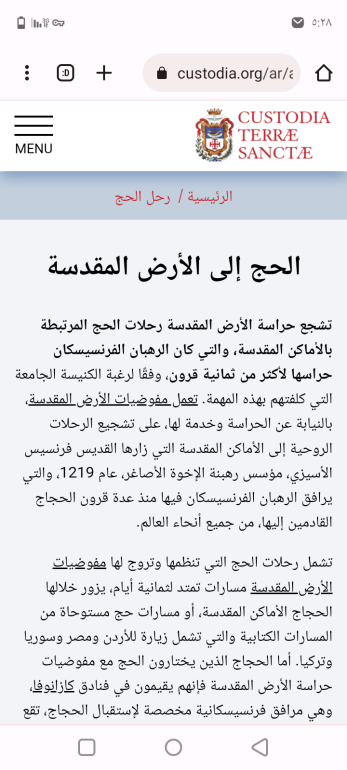
You will find news and Christian websites mentioning the phrase: “Pilgrimage to the Church of the Resurrection” — as hundreds of Christians go every year to visit it.

story of abrahas elephant and how the elephant traveled in the desert and can the elephant walk in 16

story of abrahas elephant and how the elephant traveled in the desert and can the elephant walk in 17

story of abrahas elephant and how the elephant traveled in the desert and can the elephant walk in 18

Linguistic Clarification The word “Hajj” in Arabic dictionaries is a general term meaning visiting a specific place. Since Muslims go to the Kaaba, this is called “Hajj to the Kaaba.” It is essential to differentiate between the linguistic meaning of the word and its technical/Islamic meaning.

Abraha wanted people to visit his church just as Arabs visited the Kaaba — the same thing Christian priests have always done: establishing a specific location, placing relics or icons there, and attracting visitors and donations.


Doubt 4 — Why Did God Not Protect the Kaaba from the Qarmatians?

The Claim Why did God not save the Kaaba during the era of the Qarmatians, even though He claims to have saved it from Abraha?
The Refutation Abraha al-Habashi wanted to completely demolish the Kaaba and erase all traces of it — a decision that would have had lasting impact on the future of Islam.

The Qarmatians, however, never destroyed the Kaaba at all. They even returned the Black Stone they had stolen — after Allah afflicted their leader with smallpox leading to his death, and the camels they used to carry the Black Stone kept dying one after another.

The situations are fundamentally different. God protected the Kaaba in both cases.

Turning the Tables on the Christian If Christians want to use this logic — let them first explain why their God could not protect the Ark of the Covenant from those who came after the Ashdodites and destroyed the Temple multiple times. The Ark of the Covenant is still missing to this day.

Doubt 5 — No Geological Traces of the Army or Shale Stones

The Claim Why hasn’t geological research discovered traces of Abraha’s dead army or the shale stones?
The Refutation — Shale Stones The word “sijil” means petrified clay with pointed heads — small enough to be carried in a bird’s beak and talons.

Any geologist knows that stones — especially clay — undergo:

  • Mechanical weathering: disintegrating into smaller and smaller pieces over months and years, then blown away by wind
  • Chemical weathering: minerals changing into new, different minerals
  • Flooding: sweeping away soil in the Arabian Peninsula
  • Sand coverage: burying the stones under drifting sand

Therefore, it is extremely difficult to find these stones approximately 1,500 years after the event. If anything remains, it will most likely be dirt or a pebble the size of a fingernail or smaller.

The Challenge Back to Christians By the same logic — where is:
  • The altar that Abraham built with stones, as the Bible claims?
  • The stone that Jacob set up, anointed with oil, and named “Bethel”?
  • The two stone tablets that God gave to Moses?
  • The stones Moses commanded his people to bring after crossing the Jordan (Deuteronomy 27)?
  • The twelve stones the Prophet Joshua spoke of (Joshua 4), claiming they would remain a memorial forever?
  • The altars the prophets built with stones?
  • The alleged cross of Jesus?

Where, where, and a thousand wheres?!


As for the Corpses of Abraha’s Army

The Qur’an Never Said the Entire Army Was Killed The Holy Qur’an did not say that Abraha’s entire army was killed. All the Qur’an mentioned was that Allah sent birds upon those soldiers, which dropped stones on them, injuring them and leaving them like eaten straw due to wounds and fractures. The Qur’an did not say the entire army died.

Therefore, some Islamic books report that Abraha fled with part of his army after the incident.

Sheikh Asaad Houmed — The Easiest Interpretations (1/6066) “When Abraha saw this, he returned with the remaining army unharmed, after the Abyssinians had suffered heavy casualties.”
Even If All Had Died Even assuming all of Abraha’s army died there — it would still be difficult to find their bodies approximately 1,500 years later. Bodies decompose and skeletons dissolve. Only tiny fragments of bone might remain — with no clue as to the identity of the deceased.

Using the same logic: where are the skeletons of the soldiers who died in the wars mentioned in the Holy Bible? Throughout history, millions of soldiers have died — where are the millions of corpses?


Doubt 6 — The Qur’an Gives No Details About Time or Place

The Claim Why did the Qur’an not give any details about the time and place of the elephant incident?
The Refutation The Holy Qur’an is a book of eloquence based on the principle of presenting information without unnecessary padding. This is different from the Bible, which contains entire chapters of idle content with no religious value — including entire paragraphs discussing Solomon’s menu, entire books dedicated to the wars of the Children of Israel, and the lives and deaths of their kings.

Meanwhile, the same Bible neglects important details such as the explicit formulation of the Trinity — which cannot be found in a single clear text anywhere in the Bible.

As for the elephant campaign: its date and location are well known in Islamic history books. It occurred in a year the Arabs called “the Year of the Elephant”, and the location was in the Wadi Al-Maghmas region, miles from Mecca.


Doubt 7 — No Historical Inscription Indicating an Elephant Marched Toward Mecca

The Claim There is no historical inscription indicating the arrival of an elephant toward Mecca.

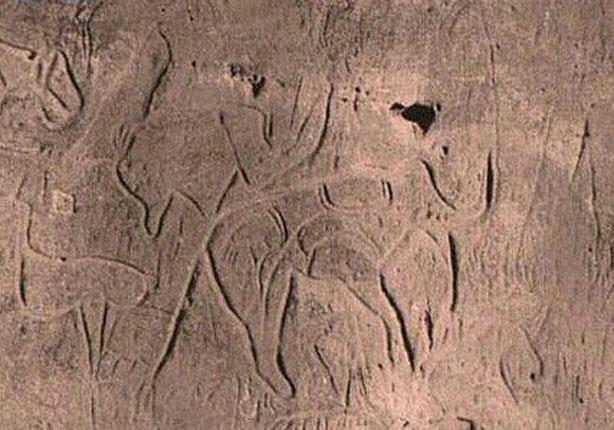
Inscriptions and Elephant Carvings on the Elephant Road

The Elephant Road — A Physical Historical Record There are numerous carvings on the sides of the Elephant Road. The Elephant Road stretches between Yemen and Mecca and was used for trade in ancient times. This road passes through:
  • The borders of Yemen
  • The western Najran region
  • The Asir region
  • The Al-Baha region
  • Mecca

These areas have abundant natural vegetation and wells along the route.
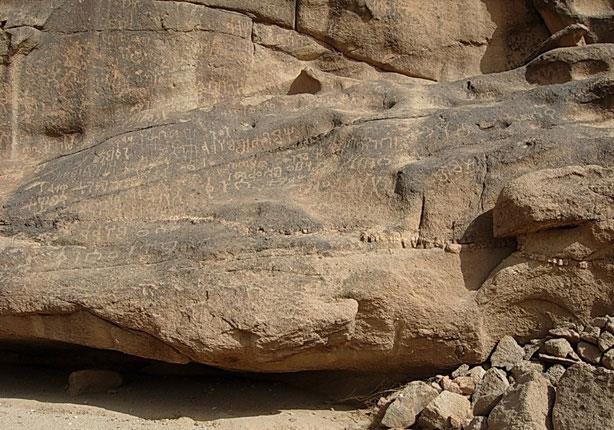
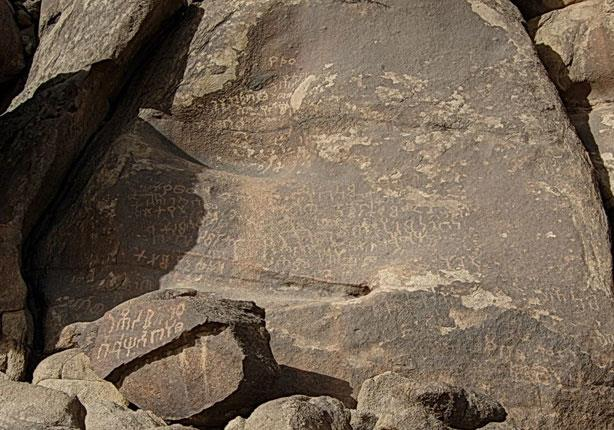
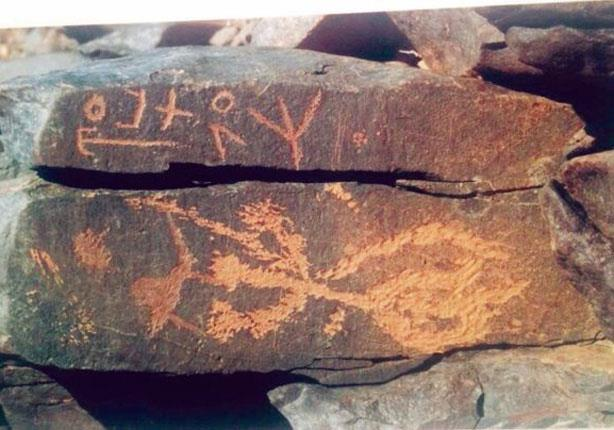
South Arabian Script Inscriptions The following are inscriptions written in South Arabian script — the writing used by the people of Yemen:

story of abrahas elephant and how the elephant traveled in the desert and can the elephant walk in 19

story of abrahas elephant and how the elephant traveled in the desert and can the elephant walk in 20

story of abrahas elephant and how the elephant traveled in the desert and can the elephant walk in 21

Elephant Engraving on Elephant Road

story of abrahas elephant and how the elephant traveled in the desert and can the elephant walk in 22


The Incident in Pre-Islamic Arab Poetry

The Elephant Incident in Pre-Islamic Poetry The incident of the elephant was mentioned in the poetry of ancient Arabs, including:
  • Abdul Muttalib
  • Talib bin Abi Talib
  • Umayya bin Abi Al-Salt
  • Abu Qais bin Al-Aslat
  • Nafil bin Habib — and others.

See: The Book of Poetry of the Six Pre-Islamic Poets — p. 218 — by Al-Alam Al-Shantamari. The Book of Poetry of Abdullah bin Al-Zubayri — p. 49 — by Dr. Yahya Al-Jubouri.

Nafil — On the Birds and Stones “I thanked God when I saw a bird… and I was afraid of stones being thrown at us. Everyone is asking about Nafil… as if I owe the Abyssinians a debt.”

“Where is the escape when the seeking God… and the defeated Ashram is not the victorious one?”


Doubt 8 — Why Did God Defend Pagan Meccans Against a Christian?

The Claim Why did God defend the pagan people of Mecca against Abraha the Abyssinian, who was a monotheistic Christian?
Response — Part 1: Abraha Was Not a Monotheist Abraha the Abyssinian was not a monotheist — but rather a pagan Christian polytheist. The Christian Abyssinians worshipped three gods: the Father, the Son, and the Holy Spirit. They also:
  • Placed icons and statues of Christ and his mother
  • Prostrated before them
  • Burned incense to them
  • Sought blessings from them
  • Asked Christ and his mother for help, support, provision, and healing

These Christians are pagans who believe in several gods and worship a human being — just as the ancient Greeks and Egyptians did. So what is the difference between them and the polytheists of Quraysh on this point?

Response — Part 2: The Goal Was to Protect the Kaaba The main objective of the Ababil birds was to protect the Kaaba itself from the evil of Abraha — not to protect the Arabs personally.

Note that the Quraysh themselves fled to the mountains. Some Arab tribes even fought with Abraha, others fled, and some became his agents. The protection was of the Sacred House, which would later become the center of Islam — and the miracle was a sign for the Arabs to return to the worship of God alone and abandon idolatry.


Doubt 9 — Elephants Cannot Live in Yemen’s Climate

The Claim Elephants do not live in Yemen and cannot survive in a climate like Sana’a’s — little humidity, 2,000 meters above sea level. Elephants need tropical climates with abundant water and humidity, like India and Africa.
The Refutation — Part 1: The Elephant Was Not From Yemen Abraha’s elephant was not raised in Yemen. It was brought from Africa and shipped from the port of Adulis in the Kingdom of Aksum (Abyssinia) before the campaign.

Encyclopaedia Ethiopica (2: 256)

The Refutation — Part 2: Yemen’s Climate Is Not Uniform The dry climate characteristics apply only to the southeastern regions of Yemen, such as Hadhramaut and Shabwa — regions that have no connection to the story of the elephant.

The highlands of Yemen (Sana’a, Taiz, Hodeidah) have a moderate climate: relatively moderate summer temperatures, seasonal monsoon rains, and around 15°C in winter.

Yemen’s coastal areas (Aden, Mukalla) have a tropical, hot, and humid climate with temperatures of 30–35°C year-round, high humidity, and heavy seasonal rains in summer. These regions are not dry, as the enemies of Islam claim.

Furthermore, elephants can live in mountainous regions — some Indian elephants live in the temperate Sahyadri Mountains or the Eastern Himalayas.

Areas such as Taiz, Aden, and Hodeidah overlook the coast facing Ethiopia — a suitable area for receiving elephants. Even today, Yemen has a zoo with elephants in it.


Doubt 10 — Abraha’s Army Died of Disease, Not Birds

The Claim The death of Abraha’s army was caused by disease, not the Ababil birds.
The Refutation — Part 1: The Qur’an Does Not Contradict This The Holy Qur’an never said that Abraha’s entire army died because of the Ababil birds. All the Qur’an mentioned is that God sent the Ababil birds to prevent them from reaching Mecca. Islamic history books report that Abraha was afraid and returned with his army southward after the incident.
The Refutation — Part 2: Disease from Wounds Does Not Contradict the Qur’an The shale stones caused injuries to Abraha’s army, and those injuries were a major factor in the spread of disease among them. Known wound-related diseases include:
  • Tetanus — caused by Clostridium tetani bacteria, which lives in hot climates and survives heat
  • Sepsis — caused by infected wounds, often fatal without modern healthcare
  • Gangrene — famous in ancient times, causing gradual tissue death and death
  • Cellulitis — commonly caused by contaminated wounds
Ibn Ashur — Al-Tahrir wa Al-Tanwir (30/546) “When morning came, he prepared his army to enter Mecca. Abraha was riding an elephant, and his army was with him. While he was preparing for that, a fatal disease struck his soldiers, which was smallpox, a deadly disease that caused their fingers to fall off. Before that, they had seen birds throwing stones at them, and no one who struck them died. They were birds from the soldiers of Allah. Most of the army perished, some of them fled, and Abraha fell ill. He returned to Sana’a sick, and died in Sana’a.”
Muhammad Abu Zahra — The Seal of the Prophets (1/97) “Some writers have said that they were afflicted with smallpox, which had ulcerated their bodies. Perhaps the germ of that terrible disease was in the stones thrown by the birds that came to them as an epidemic, a plague, and a destruction… Ibn Ishaq said in his biography: ‘Yaqoub bin Uyaynah told me that the first time measles and smallpox were thrown at the land of the Arabs was in that year.’”
Ibn Ishaq — Description of Their Condition “They went out falling and perishing in every way at every watering place, and Abraha was injured in his body, and they went out with him, falling finger after finger, and whenever a finger fell, a period of pus followed it, and it became pus and blood, until they brought him to Sana’a, and he was like a young bird, and he did not die until his chest cracked open revealing his heart.”
Ibn Hisham — On the Elephant’s Leader and Handler “Abdullah ibn Abi Bakr told me, on the authority of Amrah bint Abd al-Rahman ibn Sa’d ibn Zurarah, on the authority of Aishah, who said: I saw the elephant’s leader and its handler in Mecca, two blind, crippled men, begging people for food.”
Lady Aishah Never Denied the Birds It was narrated from Lady Aishah that she said the birds that threw stones at Abraha’s army were like swallows. She never denied the story of the Ababil birds.

Taher Ibn Ashur — Al-Tahrir wa Al-Tanzir (30/549): “The correct version is what was narrated on the authority of Aishah: that it is most similar to hooks.”

Ibn Al-Zubayri — His Poem “Avoid the valley of Mecca, for in ancient times its women were untouchable. Sirius was not created for forbidden nights… for no noble person among mankind desires it. Ask the commander of the army about it, what he saw… and the one who knows it will inform the ignorant. Sixty thousand have not returned to their land… and its sick have not lived after their return.”

Doubt 11 — The Rockmans Inscription Contradicts the Story
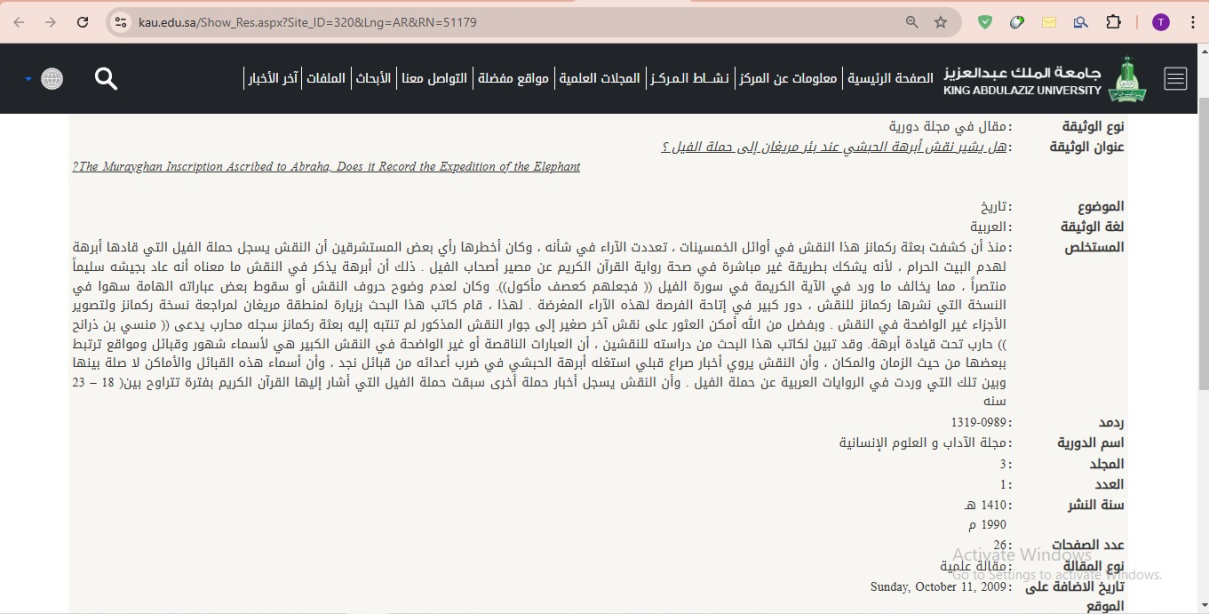
The Claim An archaeological inscription discovered by the Rockmans expedition states that Abraha led raids against the Arabs and returned victorious in the year 662 — contradicting the story of the elephant.
The Refutation The inscription does not discuss the Elephant Campaign at all. It recounts Abraha’s war against Arab tribes in the Najd region — a completely different incident that occurred approximately 18–23 years before the Elephant Campaign.
King Abdulaziz University — Published Article “Since the Rückmans expedition uncovered this inscription in the early 1950s, opinions have varied regarding it… By the grace of God, it was possible to find another small inscription next to the aforementioned inscription, which the Rückmans expedition had not noticed. It was recorded by a warrior named Mansi ibn Dharanah, who fought under Abraha. The author of this research has found from his study of the two inscriptions that the missing or unclear phrases in the large inscription are the names of months, tribes and locations related to each other in terms of time and place, and that the inscription narrates the news of a tribal conflict exploited by Abraha the Abyssinian to strike his enemies from the tribes of Najd, and that the names of these tribes and places have no connection with those mentioned in the Arabic accounts of the Elephant Campaign. The inscription records the news of another campaign that preceded the Elephant Campaign referred to in the Holy Qur’an by a period ranging between (18–23 years).”

story of abrahas elephant and how the elephant traveled in the desert and can the elephant walk in 24

Additional Note Even if Abraha had mentioned his “victory” in the Battle of the Elephant in an inscription, this would be no argument against us — it is well known that ancient kings exaggerated their self-praise and rarely recorded their own disgraces on monuments. This is something archaeologists know for certain.

Doubt 12 — The Sabaean Calendar Argument

The Claim The inscription uses the Sabaean calendar year 662, corresponding to approximately 560 AD — placing the campaign decades before the Prophet’s ﷺ birth.
The Refutation Abraha al-Habashi was not originally Yemeni — he was of Abyssinian Aksumite origin. The inscription does not record the year 662 according to a Sabaean calendar corresponding to 560 AD — that calculation is incorrect.

Furthermore, the Quraysh also had their own calendar based on lunar months (Muharram, Safar, Rabi’ al-Awwal, etc.), and they dated years according to the most important incidents they faced — such as the Year of the Elephant, the Year of the Fijar, the Year of Treachery, etc.


Doubt 13 — Why Did Abraha Not Destroy the Other Kaabas?

The Claim Why did Abraha the Abyssinian not go to demolish the Kaaba of Hawazin, the Kaaba of Taif, the Kaaba of Sindad, the Kaaba of Yamamah, or the Kaaba of Yemen?

The Kaaba of Hawazin

No Such Thing Exists Old books do not mention anything called “Kaaba of Hawazin.” There was no Kaaba with this name at all. This is a fabrication.

The Kaaba of Taif

Linguistic Misunderstanding There was also no “Kaaba of the Taif region.” When the phrase appears in poetry, the intended meaning is a person circumambulating the Kaaba — not a separate structure in Taif.

In Taif there was the idol Al-Lat. When Abraha passed by Taif, Masoud bin Mu’tab went out with the men of Thaqif, humbled themselves before Abraha, and offered to guide him to Mecca — in exchange for him sparing Al-Lat. Abraha pardoned them, and they sent Abu Righal as a guide. The Arabs later stoned Abu Righal’s grave after his death as a traitor.

Al-Tabari’s History (2/131 and following); Al-Tabari’s Interpretation (30/167, 30/194); Al-Qurtubi’s Interpretation (20/188)


The Kaaba of Sindad

Geographic and Political Impossibility The Kaaba of Sindad was located in Iraq, between Kufa and Basra — meaning Abraha would first have to pass through Mecca before reaching Sindad. Moreover, Iraq at that time was under the rule of the Persian Empire, and it is not logical that the Persians would allow the Christian Abyssinians — allies of the Christian Romans, the primary enemy of Persia — to enter their territory.

The Kaaba of Yamamah

A Copyist Error There is no such thing as “Kaaba of Yamamah.” This name is an error that spread from the book of Al-Jawhari (4th century AH), who was discussing the house of Dhu al-Khalasa and wrote “Kaaba al-Yamamah” instead of “the Yemeni Kaaba” — a copyist error that spread through later writers.

Abdullah Abdul Jabbar — The Story of Literature in the Hijaz (1/210): “Al-Zubaidi and Ibn Manzur reported on the authority of Al-Jawhari that it was called ‘Kaaba Al-Yamamah.’ This is a mistake by Al-Jawhari or a distortion by the copyist, as the difference is clear between Al-Yamamah and Al-Yamaniyyah, and the place is different.”

Furthermore, Al-Yamamah was located northeast of Mecca — meaning anyone coming from Yemen would have to pass through Mecca first before reaching Al-Yamamah. The direct route from Yemen to Al-Yamamah also lacked food and water resources.


The Yemeni Kaaba

Two Different Buildings Confused The title “Yemeni Kaaba” refers to two entirely different things:

1. The Qalis built by Abraha al-Ashram al-Habashi himself in Yemen. It is inconceivable that Abraha would demolish something he himself built.

2. A completely different building built by Abraha ibn Sabah al-Himyari — a descendant of Abraha al-Habashi — built years after the Elephant Incident, and therefore did not exist during Abraha al-Habashi’s campaign.

Yaqut Al-Hamawi — Dictionary of Countries (2/383) Ibn Abd Rabbih al-Andalusi — Al-Iqd al-Farid (3/320) Muhammad Sulayman al-Tayyib — Encyclopedia of Arab Tribes (7/667)


The Kaaba of Najran

Built by Christians Themselves — to Imitate the Kaaba The Kaaba in Najran was built by Christians — in imitation of the Kaaba in Mecca. It is unreasonable for Christians to demolish something they themselves built.
Jawad Ali — Al-Mufassal min Tarikh Al-Arab (12/192) “The church that the Abyssinians built there, which was known as ‘the Kaaba of Najran’… It was built by the sons of Abd al-Madan ibn al-Dayyan al-Harithi. They built it on the Kaaba and glorified it to imitate it.”
Jawad Ali — Al-Mufassal (11/417) “It can be deduced from the reports about this Kaaba, the names of its owners, and the fact that they were bishops, that it was a church founded by Christians in the center of Christianity in Yemen.”
On the Claim of Forty Kaabas As for the claim that the pagan Arabs had forty Kaabas — this has no evidence from ancient books. Moreover, the shapes of most pagan Arab temples are unknown.

Jawad Ali — Al-Mufassal fi Tarikh Al-Arab (11/412): “It is difficult for us to determine the form of the idol houses in other temples, as there is no text specifying the nature of those houses. We do not know whether they were cubes or other shapes.”


Doubt 14 — Why Did Abraha Target Mecca Specifically?

Four Reasons Why Abraha Targeted Mecca
Reason 1 — The Defilement of the Qalis A man from the Banu Kinanah tribe (residents of the Sacred Sanctuary of Mecca) heard that Abraha had built the Qalis and intended to divert the Arabs’ Hajj to it — so he went and defiled it from the inside. When the news reached Abraha, he swore to march to the Kaaba and demolish it.

Al-Mawardi — Al-Nukat wa Al-Uyun (6/339); Al-Rawdh Al-Anf (1/40); Al-Qurtubi (20/188); Al-Azraqi’s History (1/9); Ibn Khayyat’s History

Reason 2 — Murder of Abraha’s Envoy After the defilement, Abraha sent a man to the Kinanah tribe to spread Christianity — and the tribe killed the envoy. This intensified Abraha’s rage toward Mecca.

Al-Qurtubi (20/188); Al-Tabari (30/193)

Reason 3 — Young Men from Quraysh Burned the Qalis Young men from Quraysh entered the Qalis and lit a fire in it on a very windy day. The fire burned and fell to the ground, destroying the church. Abraha insisted on revenge — demolishing the Quraysh’s temple just as they had caused the destruction of his.

Al-Kashaf (4/233); Ruh al-Ma’ani (28/233); Tafsir al-Fakhr al-Razi (31/96); Ibn Kathir (4/549); Al-Naysaburi (30/163)

Reason 4 — Strategic Political Goals Abraha wanted to seize the Red Sea coast and link his state to the Christian Roman Empire — establishing a trade route from Yemen to the Levant across the Red Sea. Mecca lay directly within this strategic line. This would also free the Romans from the high prices imposed by the Sassanids on rare trade goods from India and Ceylon.

Doubt 15 — The Name Abraha Is Not Abyssinian

The Claim The name Abraha is not in the Ethiopian-Abyssinian language and there is no Abyssinian king with this name.
The Refutation — Part 1 Abraha al-Habashi was not one of the kings of Abyssinia — he was an Abyssinian member of the army who invaded Yemen, then rebelled against the Abyssinian leader Ismphaeus who was ruling Yemen at the time. His origins trace to the region of Adulis in Africa, overlooking the Red Sea coast.
Abdul Rahman Al-Mu’allimi Al-Yemeni — Commentary on Al-Farahi’s Interpretation of Surat Al-Fil (8/28) “Abraha is Abraham in the Ethiopian language.”

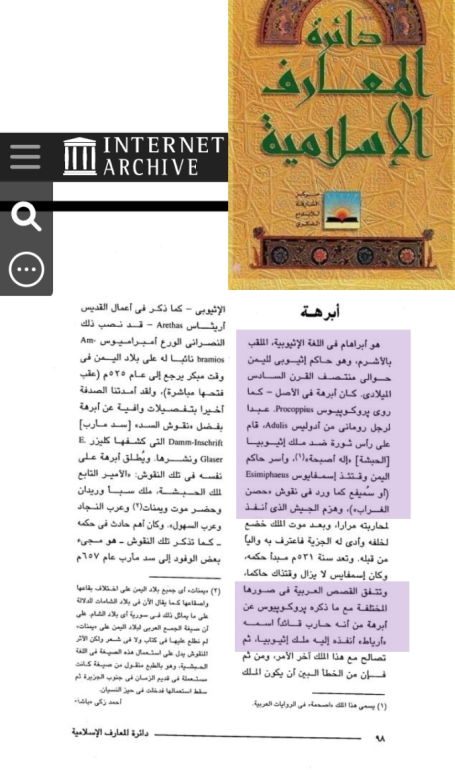
The Encyclopedia of Islam (1/61) states: “Abraha is Abraham in the Ethiopian language” — a name given to Christians. Those who compiled the Encyclopedia of Islam were European Christians and Jews hostile to Islam, yet none of them challenged the name Abraha — they acknowledged it and cited the historian Procopius and the book (Leges Homeritarum).
story of abrahas elephant and how the elephant traveled in the desert and can the elephant walk in 25

story of abrahas elephant and how the elephant traveled in the desert and can the elephant walk in 26

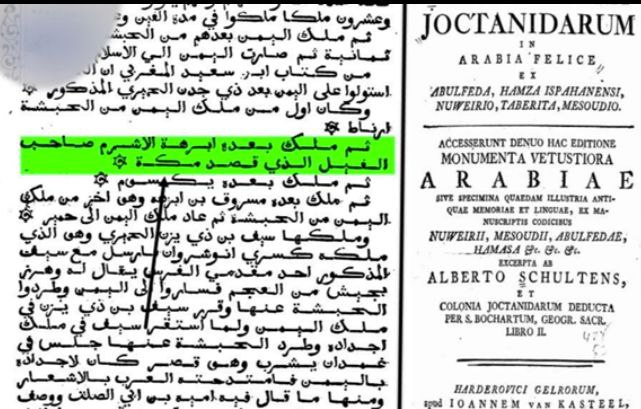
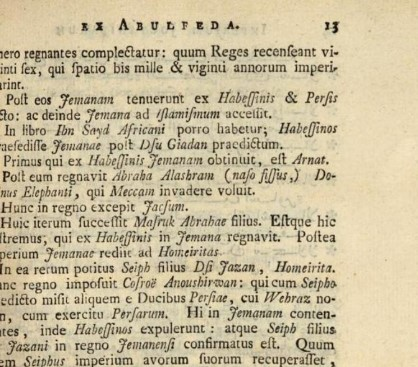
Albert Schultens — Historia imperii vetustissimi Joctanidarum in Arabia Felice (Latin & Arabic) Schultens mentions that Abraha al-Ashram was the second Abyssinian to seize and rule Yemen after Arnat, and that Yaksum took over the rule after his father Abraha al-Ashram.

story of abrahas elephant and how the elephant traveled in the desert and can the elephant walk in 27

story of abrahas elephant and how the elephant traveled in the desert and can the elephant walk in 28

The Meaning of the Name Khair al-Din al-Zarkali — Al-A’lam (1/82) — indicates that the name (Abraha) is an Abyssinian name meaning “bright face” or “the shining, radiant one” — derived from the name of the Prophet Abraham, who is famous in the Abyssinian Church.

Even today, modern Ethiopian (Amharic) contains the name Abraha. The word “bright/radiant” in Amharic is (ብሩህ) — pronounced (Bruhi).


Doubt 16 — Abraha ibn al-Sabah al-Himyari Is the Same as Abraha al-Habashi

The Claim Muslim historians insulted King Abraha ibn al-Sabah al-Himyari by accusing him of wanting to destroy the Kaaba.
The Refutation — These Are Two Different People Abraha al-Habashi in the story of the elephant is not Abraha ibn al-Sabah al-Himyari, who ruled Yemen for 73 years.
Khair al-Din al-Zarkali — Al-A’lam (1/82) “Abraha ibn al-Sabah al-Himyari: One of the kings of Yemen in the pre-Islamic era. He succeeded Hassan ibn Amr and continued for 73 years. He was a knowledgeable and generous man. He is not Abraha the owner of the elephant, whom al-Fayruzabadi called in the dictionary ‘Abraha ibn al-Sabah’; he was an Abyssinian with no connection to the Arabs. Ibn al-Athir mentioned — in the story of the elephant — that when he spoke with Abdul Muttalib, there was an interpreter between them.”
Al-Suhayli — Al-Rawdh Al-Anf (1/219) “This supports the statement of those who say: Abraha ibn al-Sabbah al-Himyari is not Abu Yaksum al-Habashi.”
Al-Mu’allimi Al-Yemeni — Commentary on Surat Al-Fil (8/29) “A group of authors mixed each of these with the other, and some of them even mixed, calling Al-Ashram: Abraha bin Al-Sabah, and claiming that he was a Himyarite!”

Doubt 17 — Why Would Abraha Fight a Small Tribe Like Quraysh?

The Claim Is it reasonable that Abraha would come from Yemen to fight a small tribe called Quraysh?
The Refutation Abraha’s goal was not to fight the Quraysh themselves — it was to conquer the Arab regions and spread Christianity.

Al-Tabari narrated that Abraha sent a messenger to Mecca saying: “I have not come to fight you. I have come to demolish the Kaaba. If you do not offer war over it, I have no need of your blood.”

Just as the Christian Roman emperors issued orders to demolish pagan temples and convert them into churches — Abraha sought to control the most important regions of the Arabian Peninsula, including Mecca, and to spread Christianity throughout its tribes.

Jawad Ali — Al-Mufassal fi Tarikh Al-Arab (6/196) “During their stay in Yemen, the Abyssinians sought to spread Christianity among the people and build churches… The Church of Najran became famous, as did the Church of Sana’a and the Church of Dhofar, which was built by the Abyssinians.”

Doubt 18 — What Military Value Do Elephants Provide?

The Claim What victory can an elephant achieve? Were elephants used in wars at all?
Elephants Were Widely Used in Ancient Warfare The questioner does not know that elephants were used in many ancient wars. Examples include:
  • Pyrrhus of Epirus (Greek commander) — trained elephants to attack, trample, and ram the enemy, with a dedicated legion of soldiers assigned to ride and direct them
  • The Nanda and Gangaridian empires — deployed 3,000–6,000 war elephants, halting Alexander’s advance into India
  • Alexander the Great — established elephant units to guard his palace in Babylon
  • The Sassanids — used elephants in many campaigns, including the Battle of Avarayr (451 AD) against the Armenians
  • Shapur, King of Persia — used elephants in the siege of Nisibis (338 AD)
  • The Romans — captured elephants after the Punic Wars and used them in the conquest of Greece, Macedonia, and Britain
  • The Carthaginians — used elephants in their wars
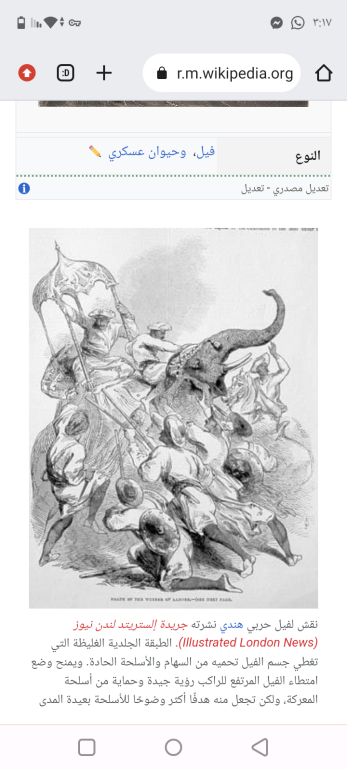
The Illustrated London News “The thick layer of skin covering the elephant’s body protected it from arrows and sharp weapons. The elephant’s height gave the mounted soldier good visibility and protection from close-quarters weapons such as swords.”

story of abrahas elephant and how the elephant traveled in the desert and can the elephant walk in 29

story of abrahas elephant and how the elephant traveled in the desert and can the elephant walk in 30

The Bible Itself Mentions War Elephants 1 Maccabees 1:18; 1 Maccabees 3:34; 1 Maccabees 6:34; 2 Maccabees 15:20–21 — and other texts.

The Christian who mocks the use of elephants in war needs to reckon with his own scripture first.


Doubt 19 — Elephants Can Be Killed by Arrows

The Claim Why did Abraha use an elephant when it could be hit by an arrow or sword and die?
The Refutation By the same logic: why did the ancients use soldiers in war, when they too could be killed by arrows? Why did they use horses, when they too could be struck and die?

The argument proves nothing. Every military asset carries risk. The elephant’s thick skin provides significant protection compared to human soldiers, and its height provides tactical advantage — as the Illustrated London News already noted.


Doubt 20 — Foreign History Books Date the Campaign to 547 AD

The Claim Some foreign history books date Abraha’s campaign to 547 AD — approximately 23 years before the Prophet’s ﷺ birth. How can Muslims claim it occurred in the Year of the Elephant?
The Refutation Ancient Islamic books themselves mention multiple opinions about the timing of Abraha’s campaign relative to the Prophet’s birth. Among those who said the campaign may have occurred 23 years before the Prophet’s birth are Al-Kalbi and Ubaid bin Umair — as Al-Qurtubi reported in his interpretation (20/194).

This is not a new claim invented by enemies of Islam — it was already known and discussed within Islamic scholarship.


Doubt 21 — Did Manar’s Owner Deny the Ababil Birds?

The Claim Muhammad Rashid Rida denied the incident of the elephant and interpreted the birds as microbes.
The Refutation Muhammad Rashid Rida did not deny the Elephant Incident at all. He never denied the story of the Ababil birds. What he said was that the clay stones that fell on Abraha’s army were contaminated with germs — which does not contradict the Holy Qur’an.
Muhammad Rashid Rida — Al-Manar Magazine (11/145) “When Abraha woke up and prepared to enter Mecca, the elephant he was riding knelt down and stopped moving. They went to every gate of the city so that the elephant would stand up and walk towards Mecca, but it did not stand up. Then they saw stones falling on them from the feet of a type of bird.”
Muhammad Rashid Rida — Al-Manar Magazine (32/24) “It appears that those Ababil birds, that is, the groups, were the ones who carried the germs of this disease to them in an epidemic manner, as they threw stones of clay at them. It has been reported that they came from the sea, so it appears that they were contaminated with the poison of the disease from a swamp on its shore.”
Muhammad Rashid Rida — Al-Manar Magazine (14/674) “Pumice stone: a type of light stone that absorbs moisture… From these stones, some lands and islands were formed… At that time it was inflamed, and when it was thrown on the people of the elephant, it was cold but contaminated with the smallpox microbe. It appears that the birds that carried it wanted to build their nests from it… so they took it from places where the bodies of the dead were thrown in abundance.”
Clarification The one who interpreted the birds themselves as microbes was not Muhammad Rashid Rida — it was another person whom Rashid Rida himself spoke about at the end of his article. The enemies of Islam falsely attributed that person’s statement to Rashid Rida.

Doubt 22 — Why Did God Not Protect the Kaaba from Floods Hajjaj and the Umayyads?

The Claim Why did Allah protect the Kaaba from Abraha but not from floods, Al-Hajjaj, Muslim bin Uqba, Abd al-Malik ibn Marwan, or the Qarmatians?
Response — Point by Point
The Qarmatians Already addressed above. The Black Stone was not replaced — it is the same stone recovered from the Qarmatians. The small pieces visible are fragments from attempted theft — not replacements. The stone is one long stone over 30 cm in diameter, deeply embedded in the Kaaba wall.
Al-Hajjaj bin Yusuf Al-Thaqafi Al-Hajjaj did not intend to hit the Kaaba itself — he intended to eliminate Abdullah bin Al-Zubayr. Ibn Taymiyyah denied that Al-Hajjaj intended to hit the Kaaba.

Ibn Taymiyyah — Minhaj al-Sunnah (4/583): “None of them intended to insult the Kaaba. Whoever says that any of God’s creation intended to throw a catapult or excrement at the Kaaba has lied.”

Furthermore, historical books mention that God sent a thunderbolt that burned the catapult and its people:

Ibn Asakir — History (12/120): “Then a thunderbolt came and burned them all, so the people refrained from shooting.”

As for Al-Hajjaj’s later demolition of the Kaaba — this was to rebuild and restore it to its original dimensions on the orders of Caliph Abd al-Malik. He demolished it to rebuild, not to destroy.

Muslim bin Uqba No book mentions that Muslim bin Uqba demolished the Kaaba. This is a fabrication.
Abd al-Malik ibn Marwan and the Dome of the Rock Reliable historians do not attribute the building of the Dome of the Rock to Abd al-Malik — but to his son Al-Walid ibn Abd al-Malik.

Mustafa al-Siba’i — The Sunnah and its Status (p. 243): “Trustworthy historians did not differ that the one who built the dome was Al-Walid bin Abdul-Malik. This is what Ibn Asakir, Al-Tabari, Ibn Al-Athir, Ibn Khaldun, Ibn Kathir, and others mentioned.”

Ahmed Moharam Al-Sheikh Naji — The Shining Light (p. 266): “Reliable historical sources do not mention that it was Abd al-Malik who built the Dome of the Rock.”

Furthermore, the claim that Abd al-Malik diverted the Hajj from Mecca to the Dome of the Rock originates from Al-Ya’qubi alone — who was known for his hatred of the Umayyads — and contradicts himself two pages later, mentioning the Umayyad banner on Mount Arafat in the year 68 AH, and that Abd al-Malik himself performed Hajj to the Kaaba in 75 AH.

The Umayyads The Umayyads did not have any hatred for the Kaaba — they were responsible for its service and the service of its visitors. They covered it with brocade on the Day of Tarwiyah and with Egyptian Coptic cloth on the 27th of Ramadan.
Floods Floods have nothing to do with the story of the People of the Elephant. Floods are a natural phenomenon and do not aim to demolish the Kaaba or spread Christianity.

Doubt 23 — How Did a Bedouin Enter and Desecrate the Church Without Knowing Yemeni?

The Claim How will a Bedouin enter the hall and urinate in it when he does not know the Yemeni language?
The Refutation What does urination have to do with language?

Does defiling a place require knowing the language of that place?

Moreover, no one denies that some Arabs knew the Yemeni language. Arabs traveled to Yemen regularly on trade trips. The Prophet ﷺ himself sent companions to Yemen to teach its people Islam.


Foreign References Confirming Abraha’s Campaign

Academic and Foreign References The following foreign scholarly references confirmed that Abraha launched a military campaign against Mecca:
  • Sidney Smith, “Events in Arabia in the 6th century AD,” Bulletin of the School of Oriental and African Studies, Vol. XVI (1954)
  • A. F. L. Beeston, ABRAHA in Encyclopaedia of Islam (1960)
  • Beeston, “Problems of Sabaen Chronology,” BSOAS, Vol. XXVI (1954)
  • M. J. Kister, “The Campaign of Huluban. A New Light on the Expedition of ‘Abraha,” Le Muséon, Vol. LXXVIII (1965)
  • Sergew Hable-Selassie, Ancient and Medieval Ethiopian History to 1270 (Addis Ababa, 1972)
  • T. Noldeke, Geschichte der Perser und Araber Zeit der Sassaniden (Leyden, 1879)
  • F. Praetorius, “Bemerkungen zu den beiden grossen Inschriften von Dammbruch zu Marib,” ZDMG, Vol. LIII (1899)
  • E. Glaser, “Zwei Inschriften über den Dammbruch von Mareb,” Mitteillungen der Vorderasiatischen Gesellschaft, VI (1897)
  • A. Wiedemann in Orientalische Litteratur-Zeitung, I (1898)
  • Procopius (H. B. Dewing, ed.), De Bello Persico (London, 1957), I, xx