

Aisha's Narration on Ghusl and the Circumcision Hadith Explained
This is the twelfth entry in the series refuting misconceptions about Aisha, the Mother of the Believers (may Allah be pleased with her). The misconception addressed here concerns Aisha’s narration of the hadith of Abu Musa al-Ash’ari regarding the ruling on ghusl when the circumcised parts meet, and her statement, “You have consulted an expert.”
The Hadith in Question
Abu Musa said: “I will resolve this for you.” So I got up and asked permission to enter upon Aisha, and she granted it. I said to her: “O Mother, or O Mother of the Believers, I want to ask you about something, but I am shy.” She said: “Do not be shy to ask me about what you would have asked your own mother who gave birth to you, for I am your mother.”
I said: “What necessitates ghusl?” She said: “You have consulted an expert. The Messenger of Allah ﷺ said: ‘When he sits between her four limbs and the circumcised part touches the circumcised part, then ghusl becomes obligatory.’”
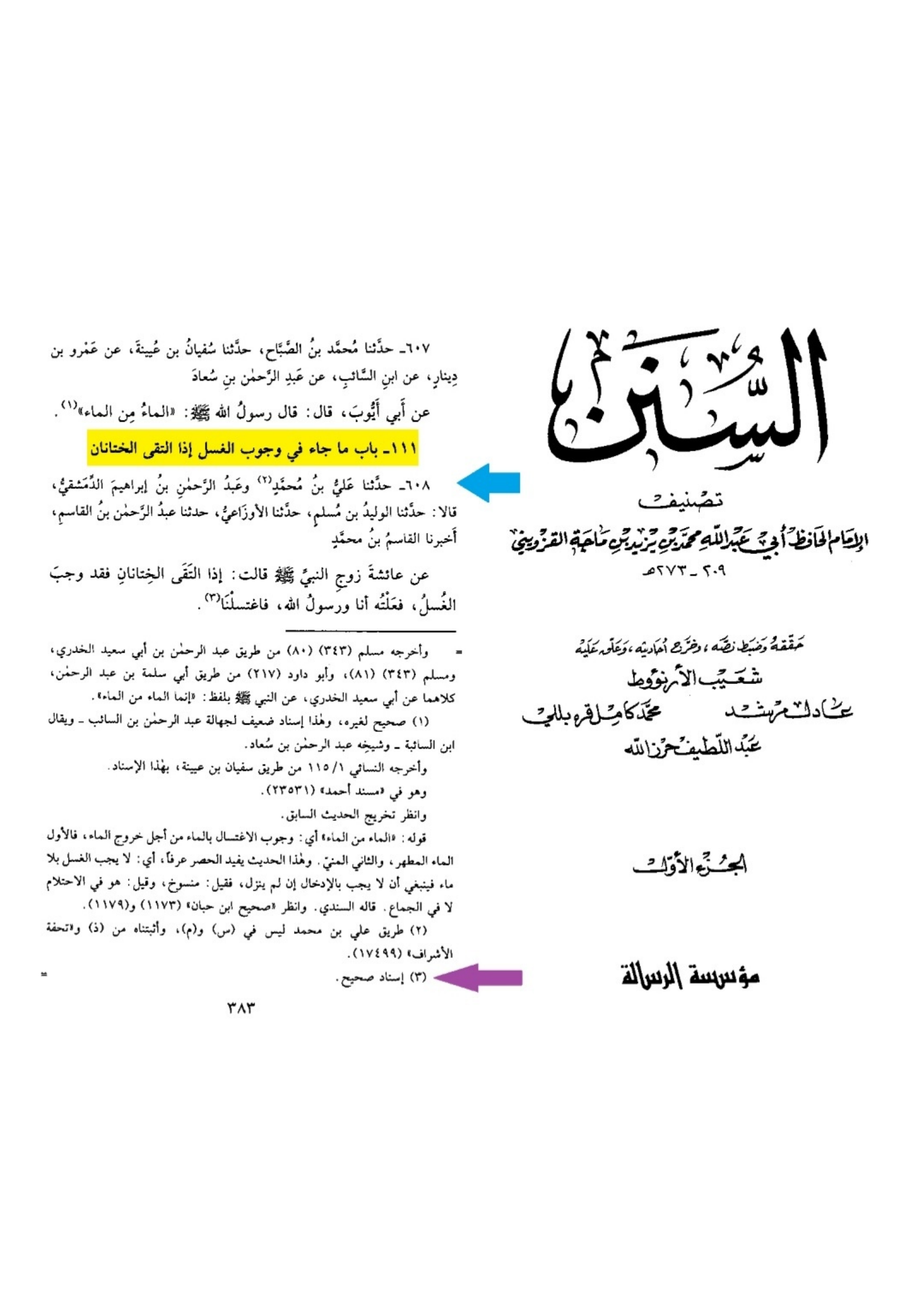
This hadith is also recorded in Sunan al-Tirmidhi with an authentic chain of transmission. The chain runs through Ali ibn Muhammad and Abd al-Rahman ibn Ibrahim al-Dimashqi, who said: al-Walid ibn Muslim narrated to us, al-Awza’i narrated to us, Abd al-Rahman ibn al-Qasim narrated to us, al-Qasim ibn Muhammad informed us, on the authority of Aisha, the wife of the Prophet ﷺ, who said: “When the circumcised part meets the circumcised part, ghusl becomes obligatory. I did it — I and the Messenger of Allah — and we bathed.” The hadith is graded as having an authentic chain (isnad sahih).
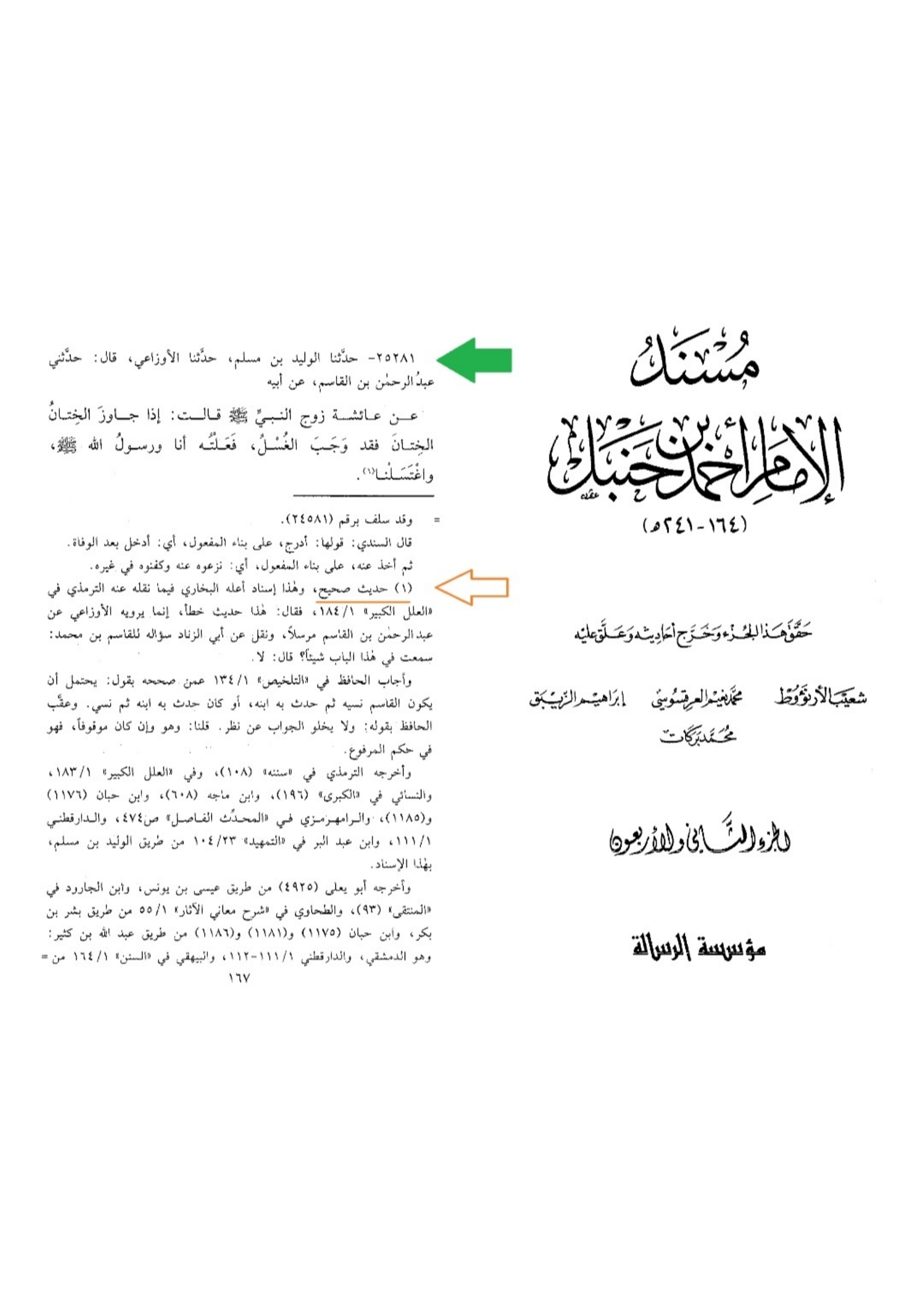
The narration is also recorded in Musnad Ahmad (No. 25281) through the chain: al-Walid ibn Muslim narrated to us, al-Awza’i narrated to us, Abd al-Rahman ibn al-Qasim, on the authority of his father, on the authority of Aisha, the wife of the Prophet ﷺ, who said: “When the circumcised part passes the circumcised part, ghusl becomes obligatory. I did it — I and the Messenger of Allah ﷺ — and we bathed.”
The Shia Objection
Part One: The Chain Analysis of the Musnad Ahmad Version
What the Scholars Said About al-Walid Ibn Muslim
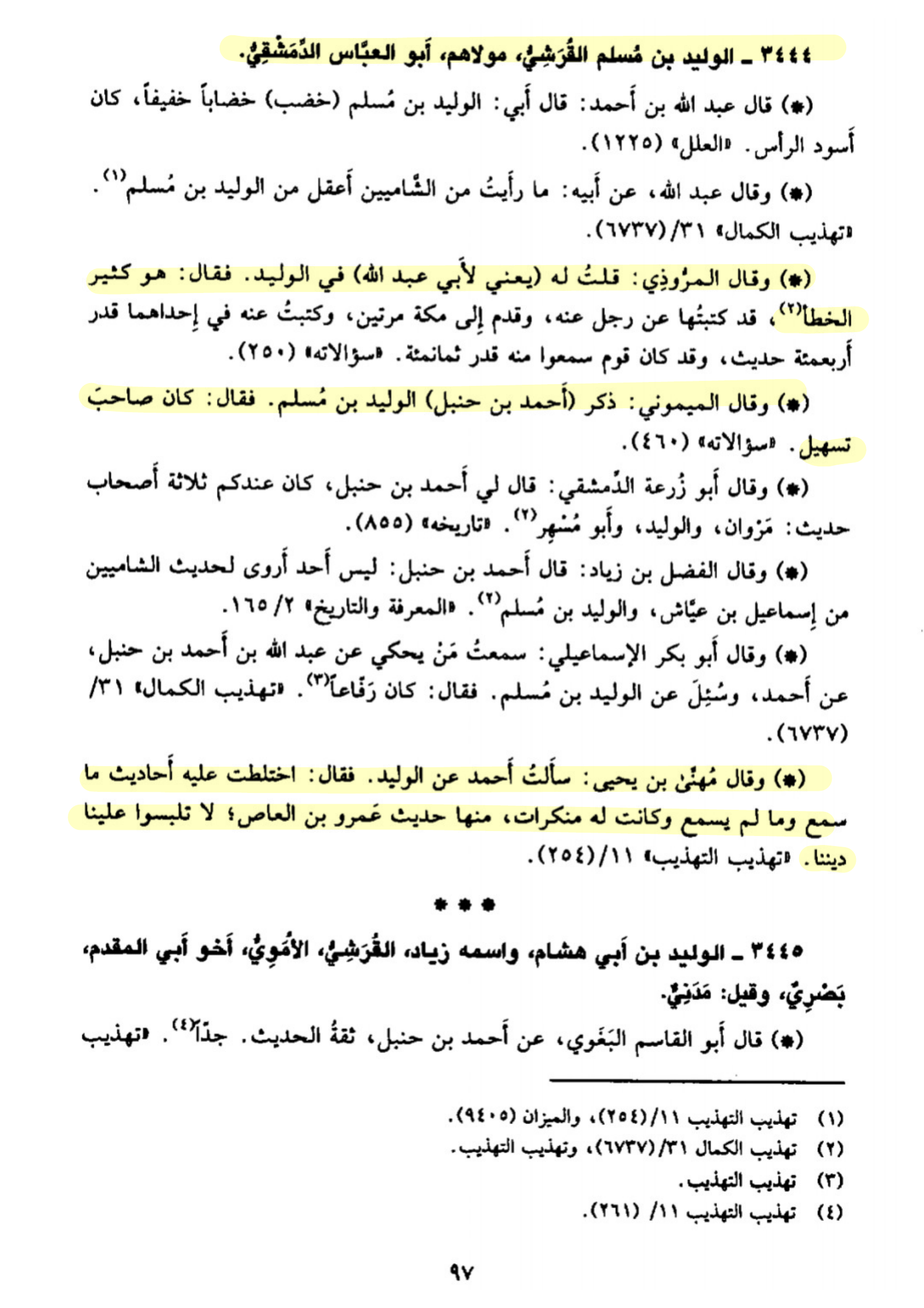
Imam Ahmad Ibn Hanbal’s Assessment
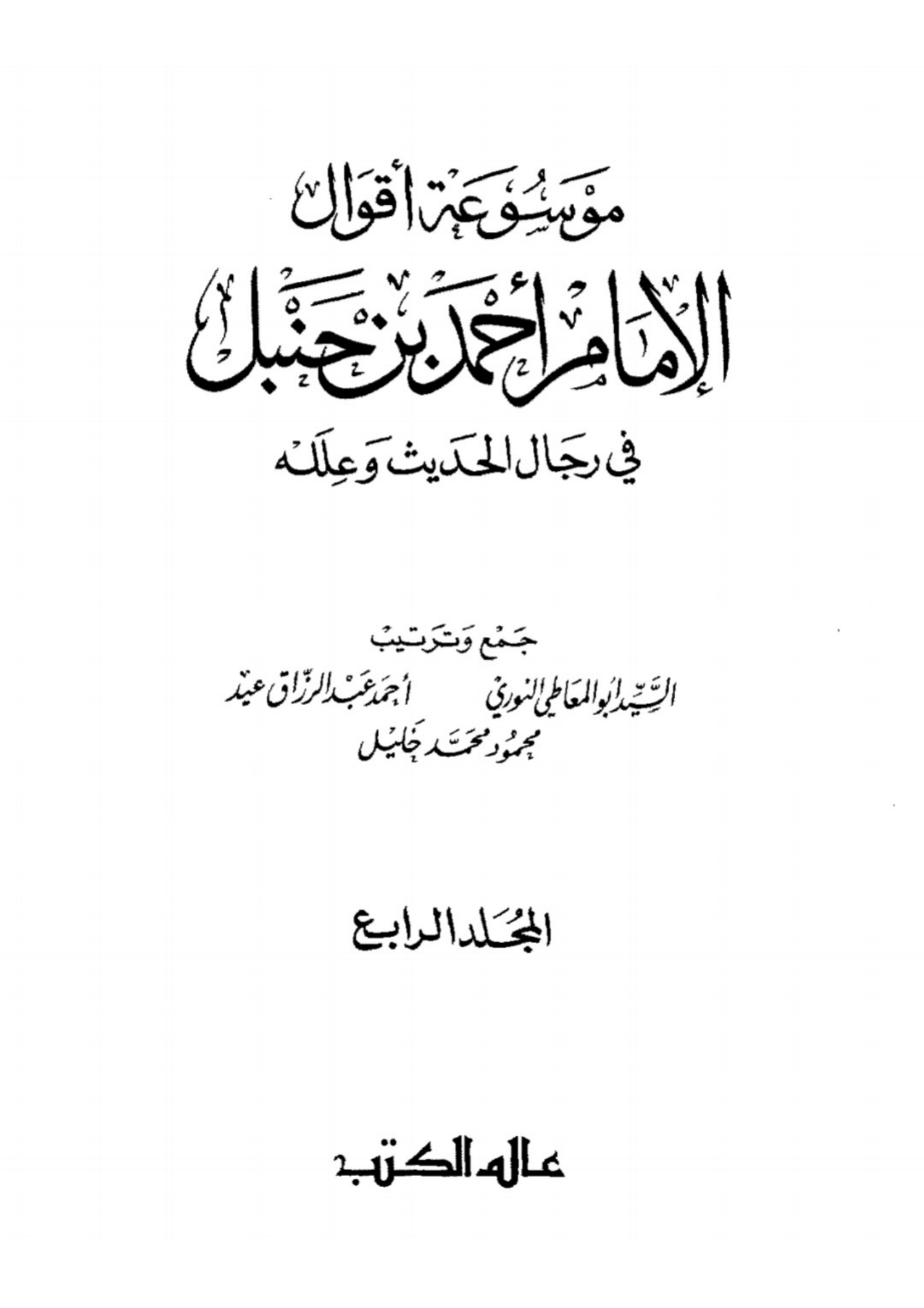
The following assessments are recorded in the Mawsu’at Aqwal al-Imam Ahmad fi Rijal al-Hadith wa ‘Ilalihi (Vol. 4, p. 94, Alam al-Kutub edition):
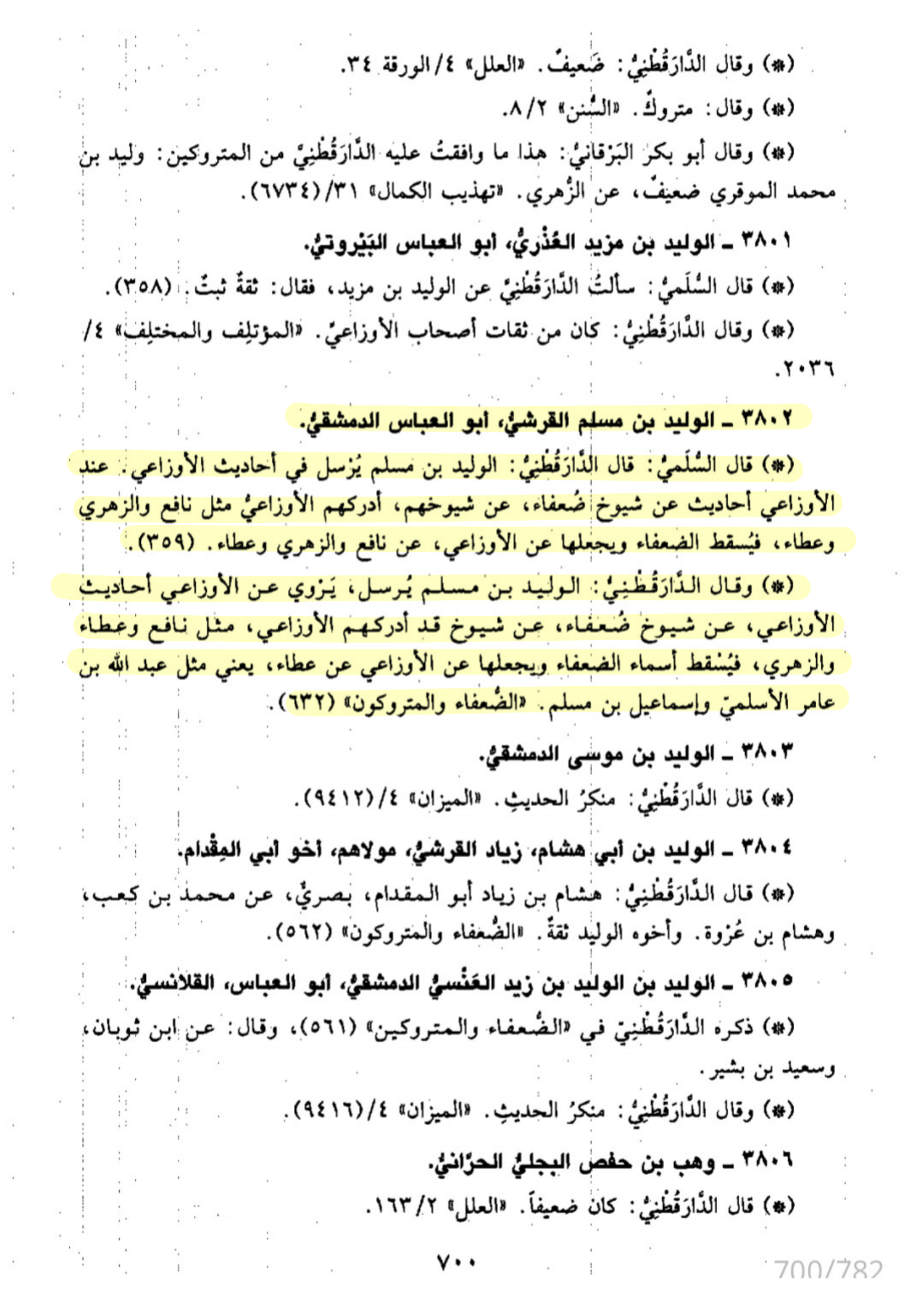
Imam al-Daraqutni’s Assessment
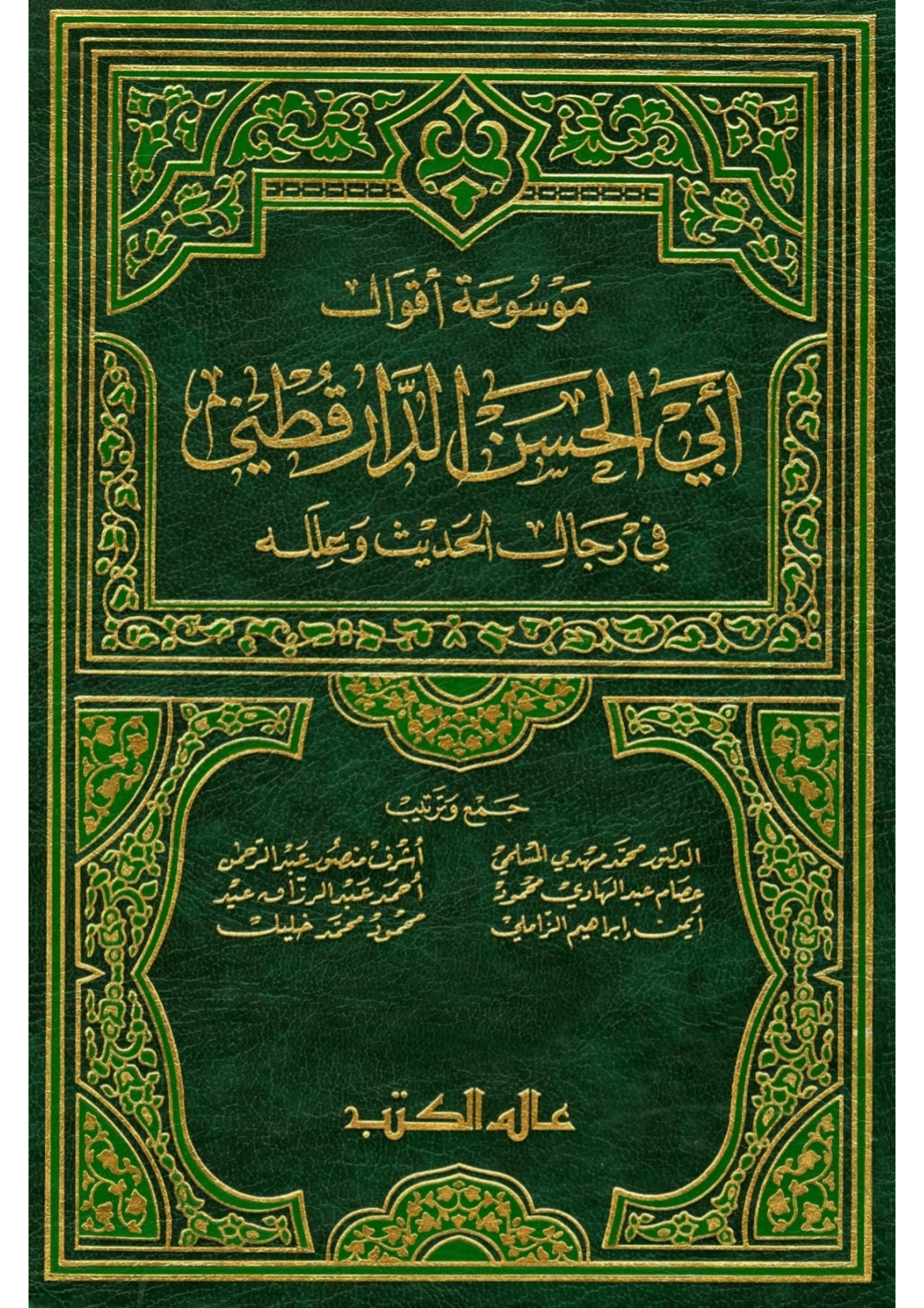
The following assessments are recorded in the Mawsu’at Aqwal al-Imam al-Daraqutni fi Rijal al-Hadith wa ‘Ilalihi (Vol. 2, p. 700, Alam al-Kutub, Beirut, 1st edition, 2001 CE):
What Is Recorded in Tahdhib al-Kamal by al-Mizzi
The following assessments are recorded in Tahdhib al-Kamal fi Asma’ al-Rijal by al-Mizzi (Vol. 31, pp. 96–97, Mu’assasat al-Risalah, 1st edition):
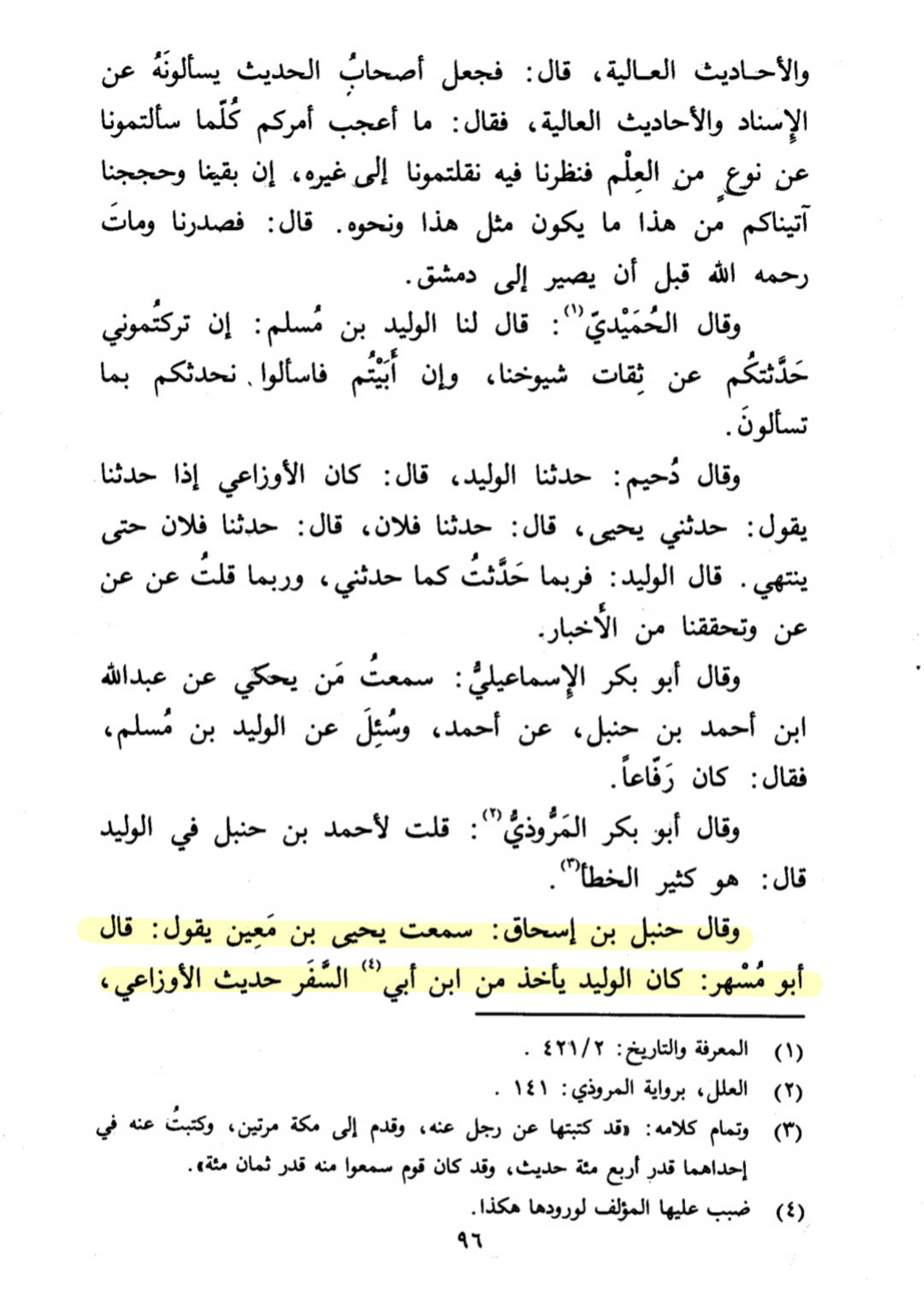
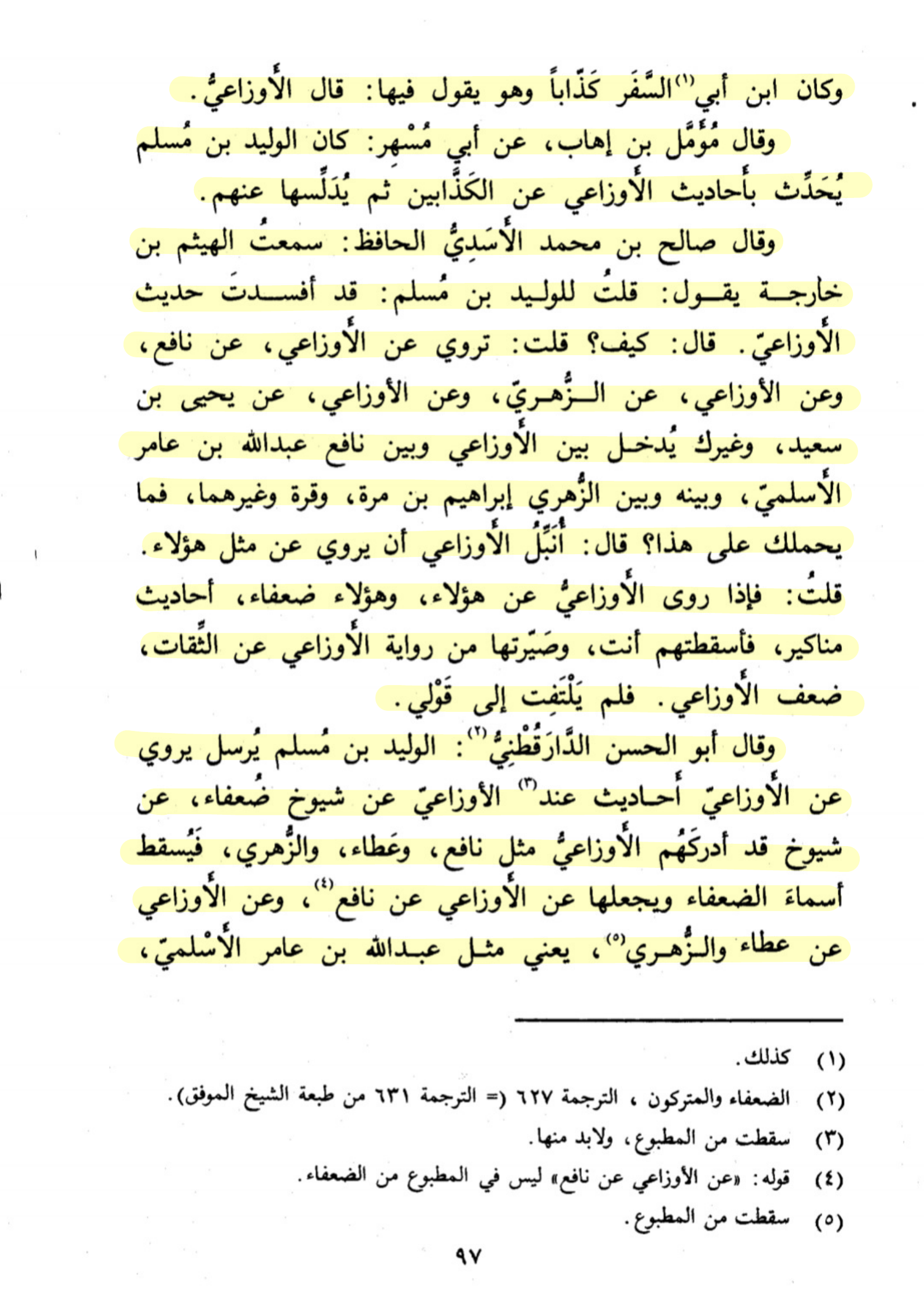
The conclusion is that this particular version of the narration — containing the addition “I did it — I and the Messenger of Allah — and we bathed” — falls from its foundation because its chain contains al-Walid ibn Muslim, who practised tadlis.
Part Two: The Quranic Command to the Prophet’s Wives
“And remember what is recited in your houses of the verses of Allah and wisdom. Indeed, Allah is ever Subtle and Aware.”
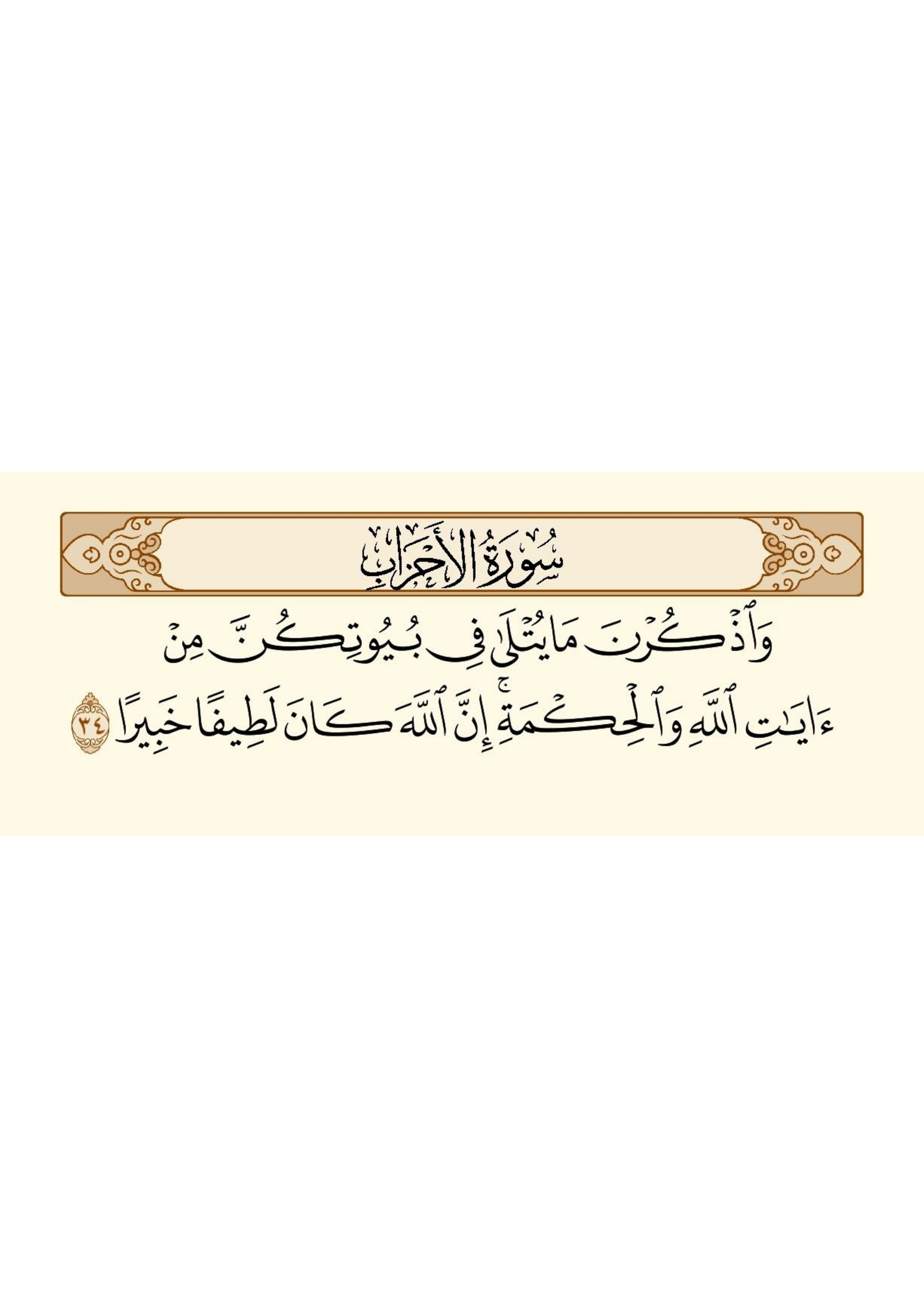
Accordingly, if the Shari’a interest requires mentioning what may seem sensitive, then there is nothing wrong with it — it is permissible. However, what some people do by way of mockery and ridicule — that is forbidden.

Furthermore, their mention of purification rulings is a praiseworthy act, not an ugly one — contrary to what the Rafidah, who have deviated from Islam, portray by their attacks on the wife of the Prophet ﷺ. Allah has said:
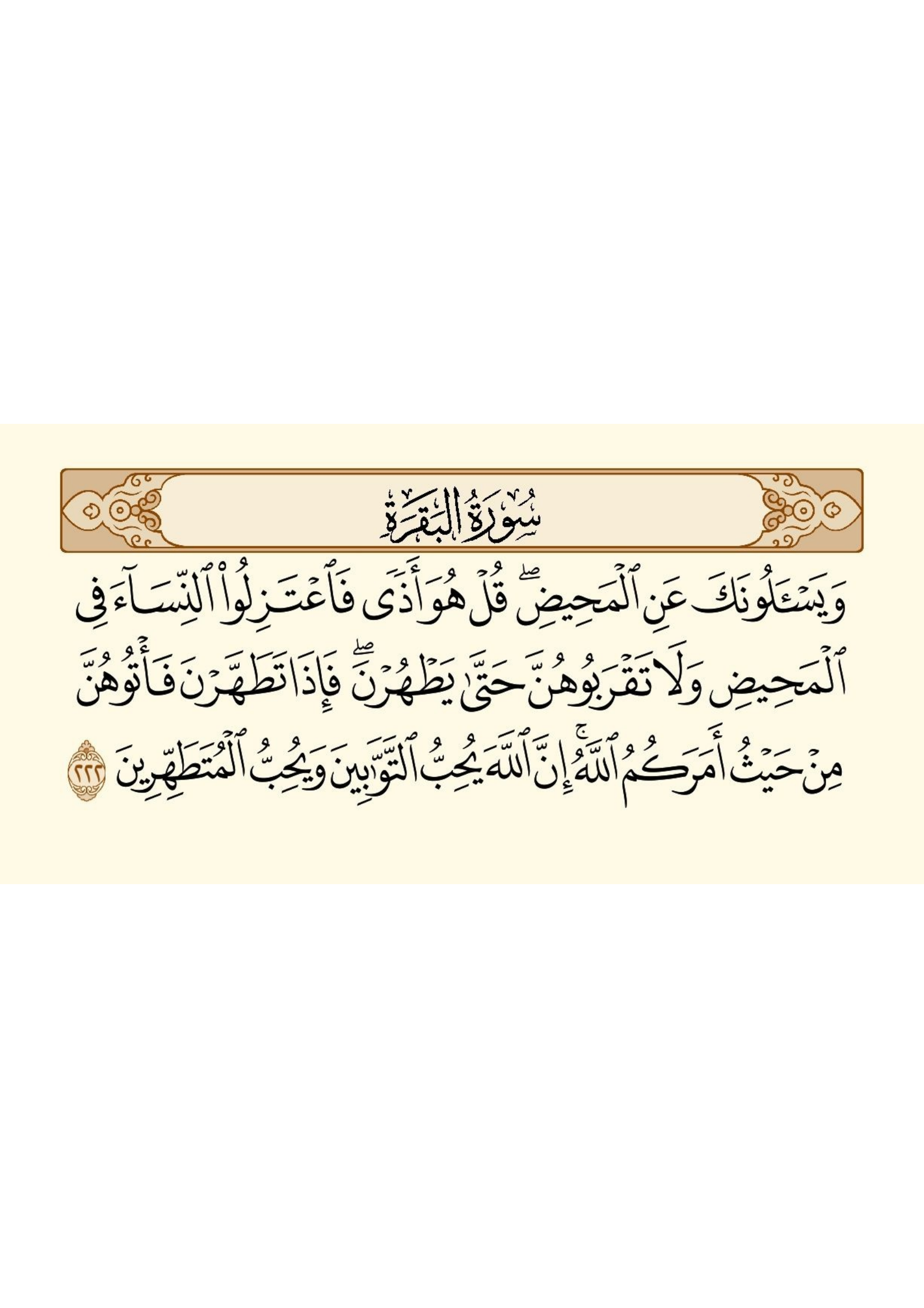
“And they ask you about menstruation. Say: ‘It is a harm, so keep away from women during menstruation. And do not approach them until they are purified. And when they have purified themselves, then come to them from where Allah has ordained for you. Indeed, Allah loves those who are constantly repentant and loves those who purify themselves.’”
Part Three: The Narration Without the Addition
The narration has been transmitted through other routes ==without the addition “I did it — I and the Messenger of Allah”==. This is significant because it demonstrates that the core ruling hadith is established independently of the disputed additional wording.
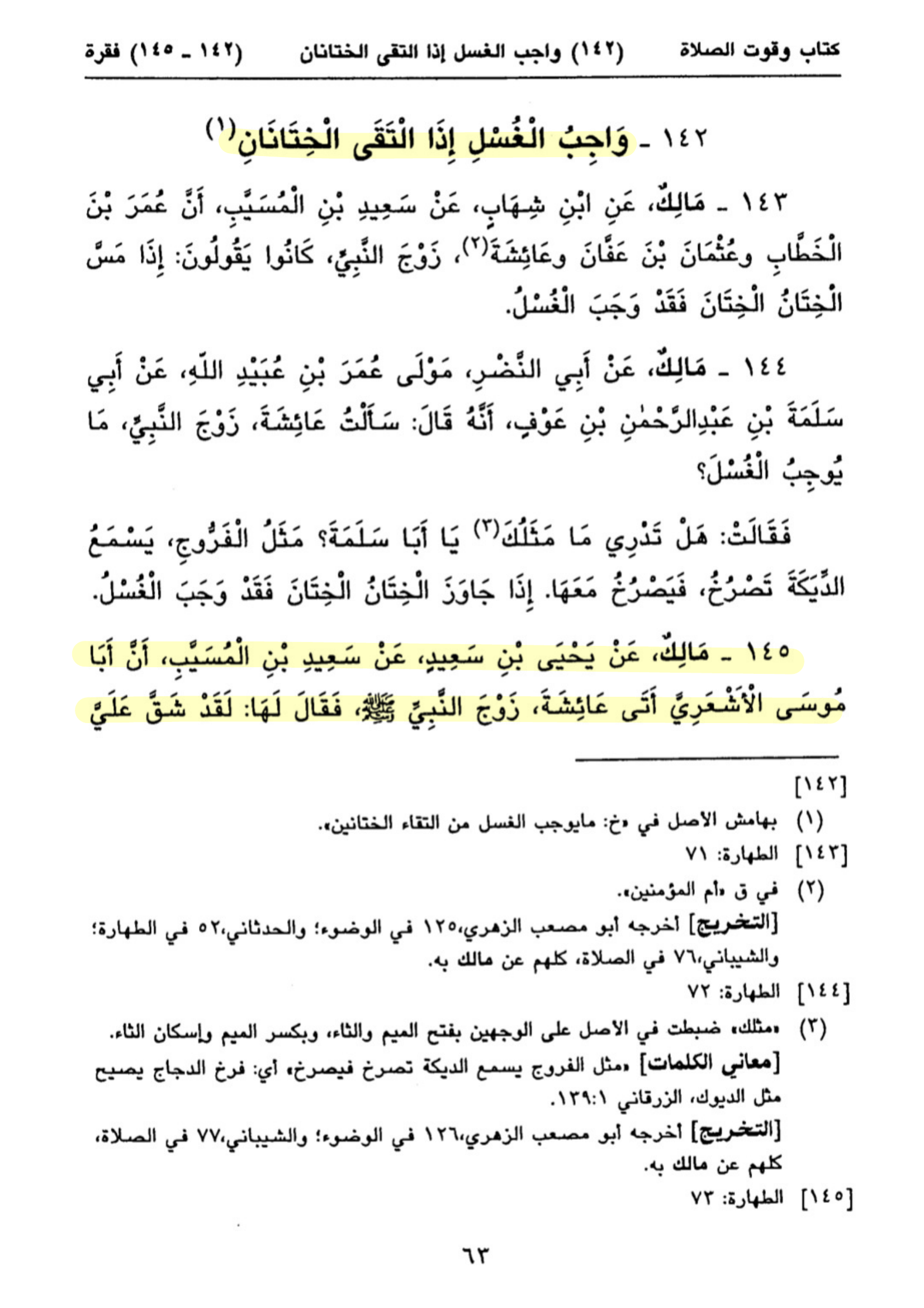
The following is recorded in the Muwatta of Imam Malik (Vol. 2, p. 63, Tahqiq al-A’zami, 1st edition, Mu’assasat Zayed ibn Sultan Al Nahyan for Charitable and Humanitarian Works, Abu Dhabi, 1st edition, 1425 AH / 2004 CE):
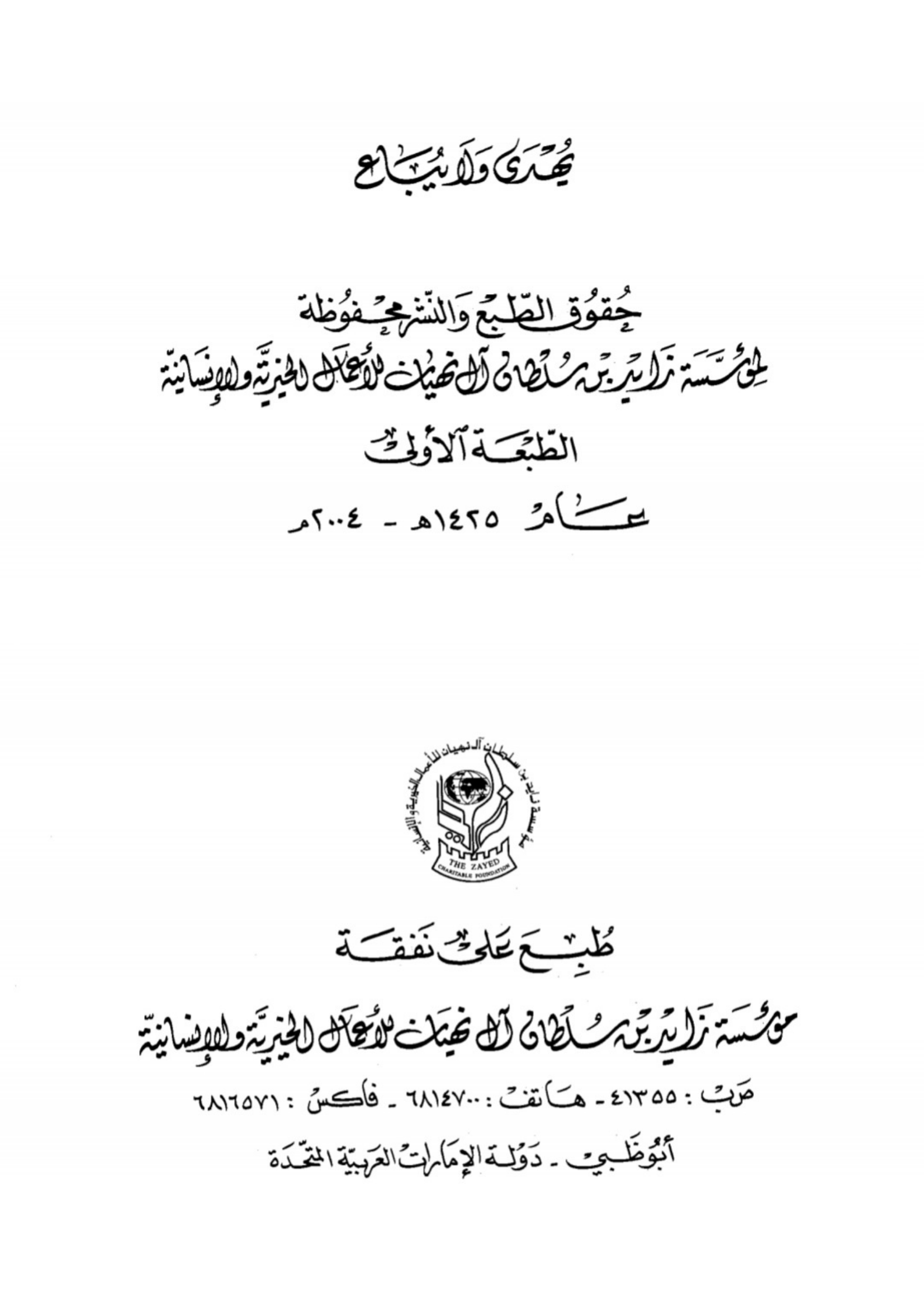
The edition was published by Mu’assasat Zayed ibn Sultan Al Nahyan for Charitable and Humanitarian Works, Abu Dhabi, 1st edition, 1425 AH / 2004 CE.
Entry 144: Malik, on the authority of Abu al-Nadr, the freed slave of Umar ibn ‘Ubaydillah, on the authority of Salama ibn Abd al-Rahman ibn ‘Awf, that he said: “I asked Aisha, the wife of the Prophet: ‘What obligates ghusl?’”
She said: “Do you know what your likeness is, O Abu Salama? Like the rooster — it hears the hen clucking and clucks with her. When the circumcised part passes the circumcised part, ghusl becomes obligatory.”
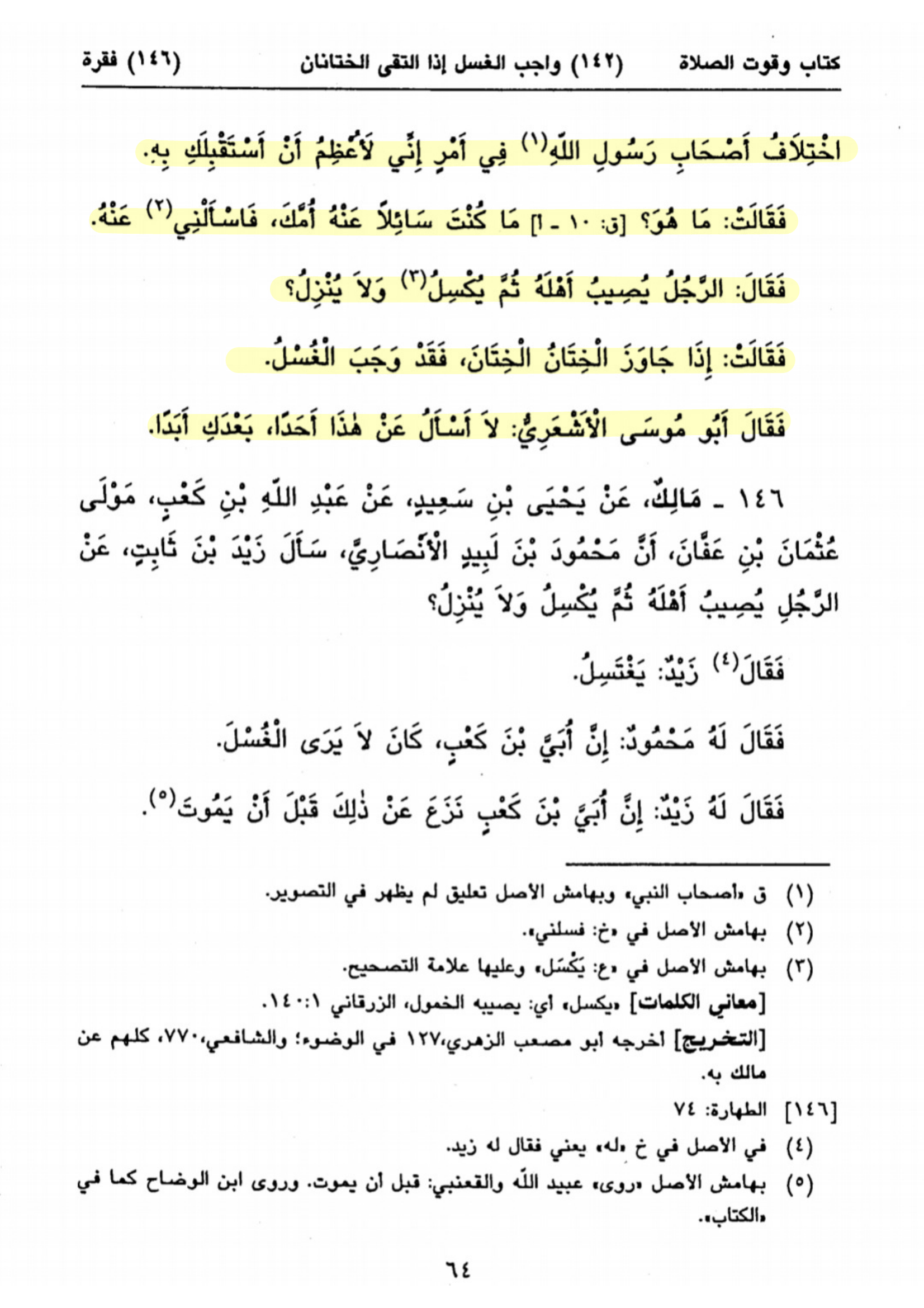
Entry 145: Malik, on the authority of Yahya ibn Sa’id, on the authority of Sa’id ibn al-Musayyib, that Abu Musa al-Ash’ari came to Aisha, the wife of the Prophet ﷺ, and said to her: “The disagreement of the Companions of the Messenger of Allah on a matter has troubled me greatly, and I find it too significant to bring before you.” She said: “What is it? What you would have asked your mother about, ask me about it.”
He said: “A man has intercourse with his wife, then becomes sluggish and does not ejaculate.” She said: “When the circumcised part passes the circumcised part, ghusl becomes obligatory.” Abu Musa al-Ash’ari said: “I will never ask anyone about this after you, ever.”
Entry 146: Malik, on the authority of Yahya ibn Sa’id, on the authority of Abdullah ibn Ka’b, the freed slave of Uthman ibn ‘Affan, that Mahmud ibn Labid al-Ansari asked Zayd ibn Thabit about a man who has intercourse with his wife, then becomes sluggish and does not ejaculate. Zayd said: “He performs ghusl.” Mahmud said to him: “Ubayy ibn Ka’b did not hold the obligation of ghusl.” Zayd said to him: “Ubayy ibn Ka’b retracted that position before he died.”
The narration continues on the following page with entries 145–146, showing Abu Musa al-Ash’ari’s exchange with Aisha and Zayd ibn Thabit’s verdict:
Notice that this narration in the Muwatta confirms that Aisha was more knowledgeable than some of the Companions in certain matters. And undoubtedly, some of the Companions were more knowledgeable than her in other matters. Each Companion had areas of expertise.
Part Four: The Same Rulings in Shia Sources
If the experience transmitted from the Messenger of Allah ﷺ were considered a disgrace and a defect by the Shia, then Maymuna and Umm Salama would not have transmitted that same experience from the Messenger of Allah ﷺ in Shia books, on the authority of their infallible Imams, and in the same matters and rulings. Nor would their infallible Imam have transmitted it from Aisha (may Allah be pleased with her) in the rulings and matters of ritual impurity and nocturnal emission, and their terminology, in their books and narrations.
Imam al-Rida Narrating From Aisha
The infallible Imam himself narrated from Aisha regarding matters of ritual impurity between husband and wife, and he did not consider this narration as shameful or submissive. Rather, he treated it as knowledge and understanding.
Now, if one of the ignorant Rafidah says that Aisha reveals her intimate secrets without shame, we say to him: this is exactly what your Imam Ali al-Rida did — and by your flawed understanding of the narration, Imam al-Rida likewise reveals his intimate matters.
The Hadith Authenticated by al-Majlisi
If these words were considered submissive and forbidden, why would the infallible Imam have included them in their narrations as a matter of religious knowledge and understanding?
The Term “Circumcision” in Shia Narrations
Were Imam Ali, Imam al-Rida, and Imam Ja’far then considered to have used vulgar language by the Shia’s own standard? The very same term — “circumcision” (khitan) — is used by their infallible Imams in their own books.
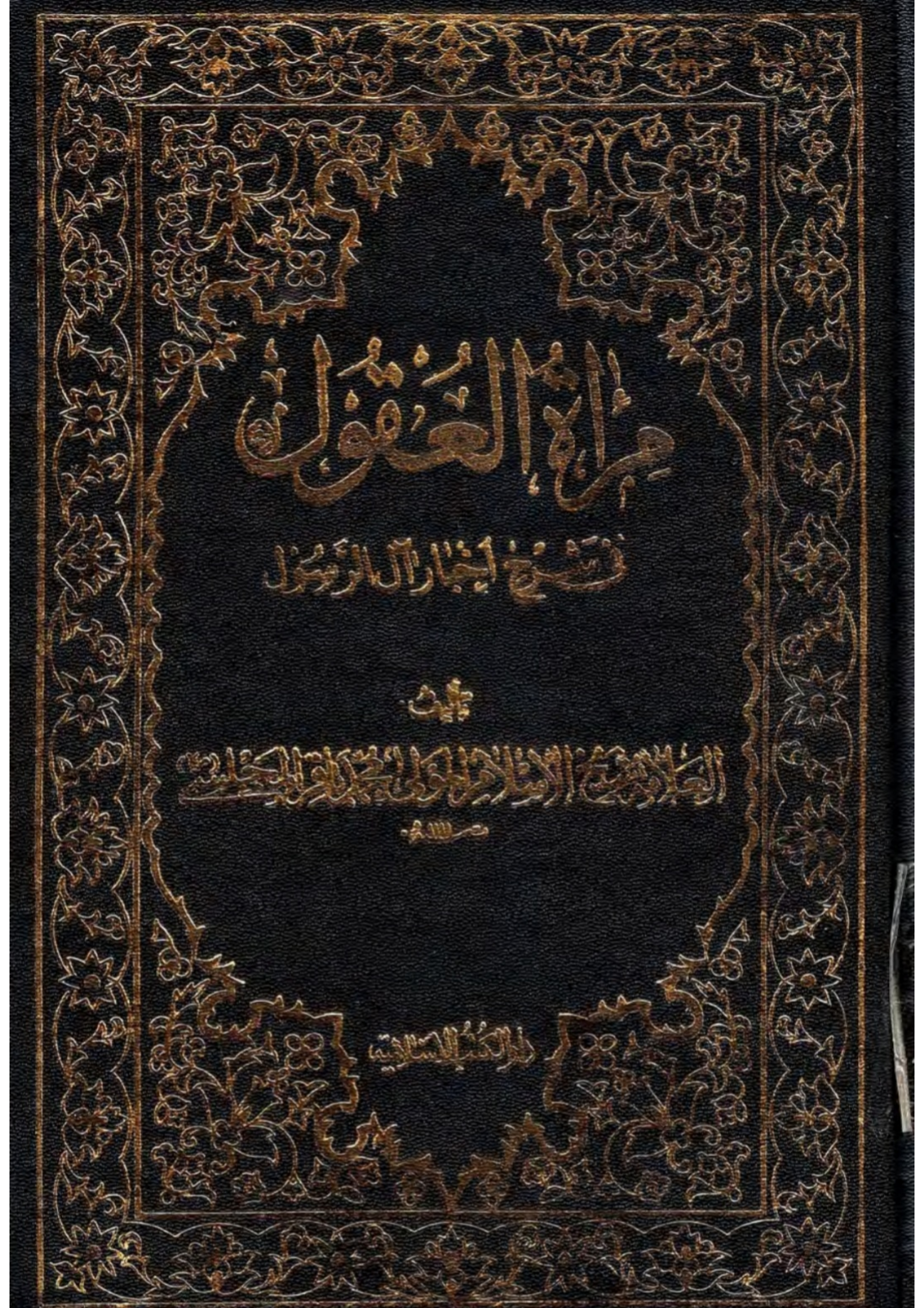
What al-Majlisi Recorded in Mir’at al-‘Uqul
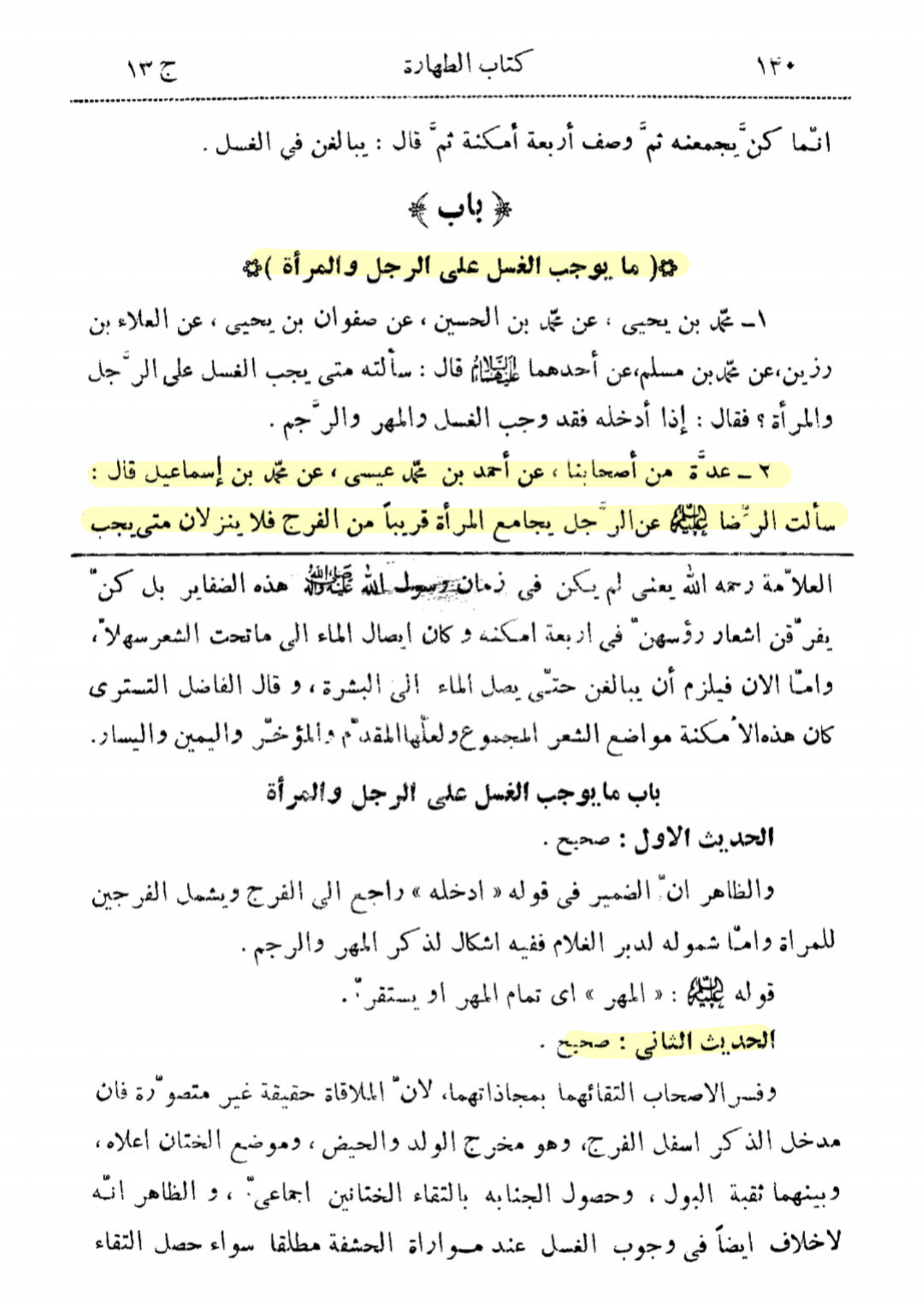
In Mir’at al-‘Uqul by al-Majlisi (Vol. 13, p. 140, Dar al-Kutub al-Islamiyyah edition), under the chapter heading “What Obligates Ghusl Upon the Man and the Woman,” several narrations are recorded:
Al-Majlisi graded it: Sahih.
Hadith Two (Sahih): A group of our companions, on the authority of Ahmad ibn Muhammad ‘Isa, on the authority of Muhammad ibn Isma’il, who said: “I asked al-Rida (peace be upon him) about a man who has intercourse with a woman near the vagina without either of them ejaculating — when does ghusl become obligatory?” He said: “When the circumcised part meets the circumcised part, ghusl becomes obligatory.” I said: “The meeting of the circumcised parts is the disappearance of the glans?” He said: “Yes.”
Al-Majlisi graded it: Sahih.
Hadith Three (Sahih): With this chain, on the authority of Ahmad ibn Muhammad, on the authority of al-Hasan ibn Ali ibn Yaqtin, on the authority of his brother, Ali ibn Yaqtin, who said: “I asked Abu al-Hasan (peace be upon him) about a man who has intercourse with a slave girl. Does she not bleed, and he does not ejaculate upon her — does she need to perform ghusl? And if she was not a virgin and he had intercourse with her and did not ejaculate upon her — does she need to perform ghusl?” He said: “When the circumcised part falls upon the circumcised part, ghusl becomes obligatory — whether virgin or non-virgin.”
Al-Majlisi graded it: Sahih.
Hadith Five (Sahih): A group of our companions, on the authority of Ahmad ibn Muhammad, on the authority of Isma’il ibn Sa’d al-Ash’ari, who said… (concerning the meeting of the circumcised parts).
Al-Majlisi graded it: Sahih.
The chapter continues with hadiths three through five, all graded sahih by al-Majlisi, discussing the same rulings on the meeting of the circumcised parts:
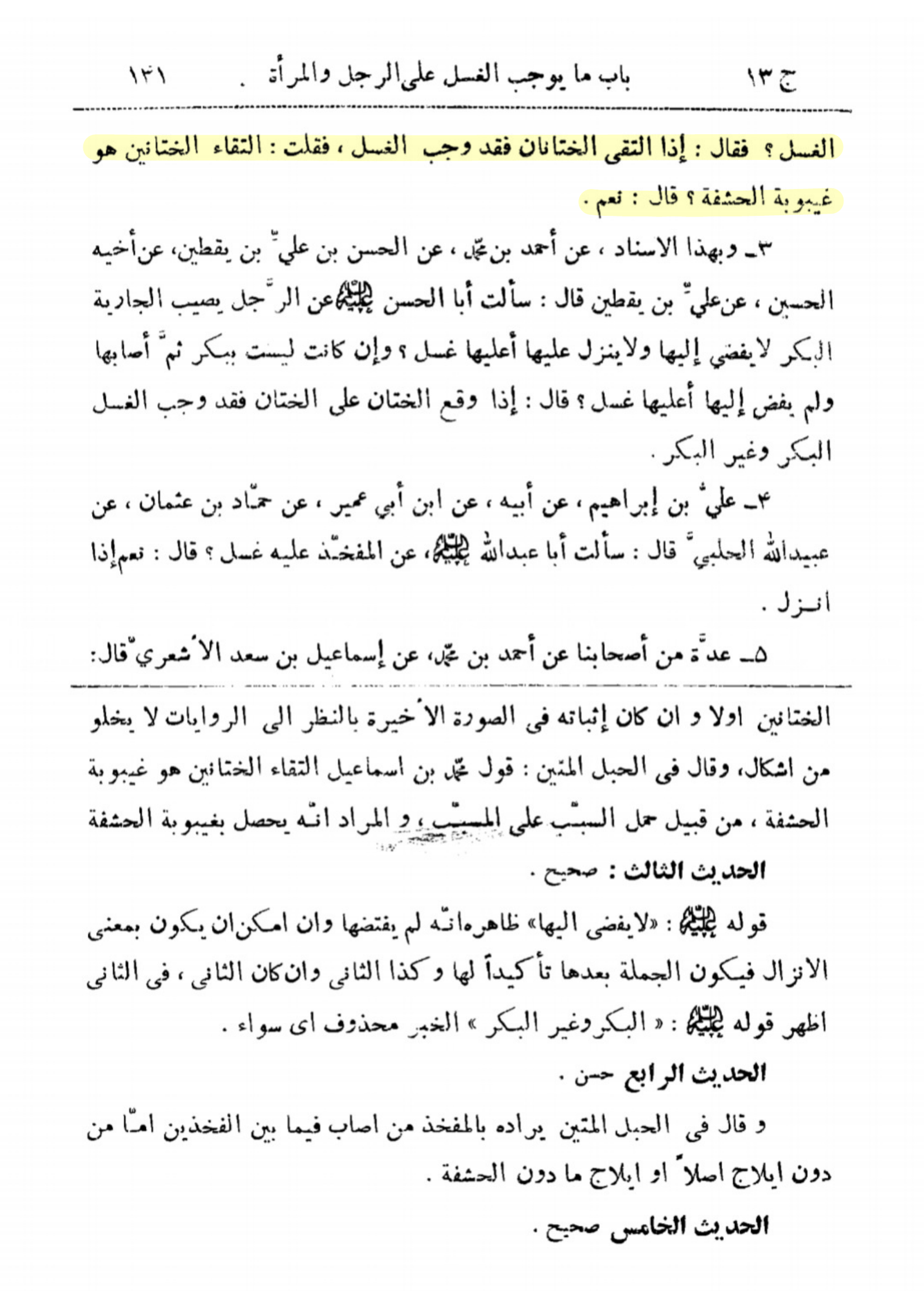
The Shia’s own infallible Imams discuss the very same intimate rulings, using the very same terminology, in their own authenticated sources. If this constitutes “revealing intimate secrets” when Aisha does it, then by the same standard, their own Imams are equally guilty of the same.
Imam Ali’s Shyness About Pre-Ejaculatory Fluid
Not all the Companions possessed the same level of knowledge and understanding as Aisha (may Allah be pleased with her). Some of them were unaware of certain rulings regarding ritual purification, and therefore they asked her about it. Even Imam Ali (may Allah be pleased with him) was unaware of the ruling regarding pre-ejaculatory fluid (madhi) — a matter that occurs regularly — and he was too shy to ask the Prophet ﷺ directly.
So if Imam Ali himself — who by Shia standards is infallible — was unaware of a common ruling about pre-ejaculatory fluid and needed someone else to ask the Prophet ﷺ on his behalf, how can the Shia then criticise Aisha for answering a question about purification that was put to her?
Part Five: The Meaning of “You Have Consulted an Expert”
Knowledge transmitted from the Messenger of Allah ﷺ is a virtue, an honour, and a privilege for the one who possesses it.
Part Six: The Distinction Between Submissive Speech and Conveying Knowledge
As for the accusation that Aisha’s narration constitutes “submissive speech” (khud’ bil-qawl): submissiveness, according to the statements and interpretations of all Sunni and Shia scholars, refers to softening, diluting, and making one’s speech alluring. Speech itself is not prohibited — rather, what is prohibited is speaking in a submissive manner. Aisha did not speak in a submissive, softening, or diluting manner. She transmitted a legal ruling in its clear, direct form, exactly as the Prophet ﷺ stated it.
The word “circumcision” (khitan) is not vulgar — it is an ordinary term that clearly conveys the meaning and concept to the listener. It is the same term used by Imam Ali, Imam al-Rida, and Imam Ja’far in Shia books and narrations.
Part Seven: Abu Musa’s Entry Upon Aisha
As for Abu Musa al-Ash’ari entering upon Aisha (may Allah be pleased with them both) to ask her questions — this was after seeking her permission. Anyone who entered upon her who was not a close relative, for a need, did so only after seeking her permission — such as Ibn Abbas entering upon her during her final illness after seeking her permission, and others. Permission here means she initiated the veiling and covering of herself, may Allah be pleased with her, in the presence of her maids.
Part Eight: The Counter-Question to the Shia
As for the answer to his question: it is yes — but with two conditions:
First: That her conveying of knowledge be through direct transmission from the Messenger of Allah ﷺ — that is, from the primary source of legislation for the entire Muslim community, who is the Prophet ﷺ. For concealing it would prevent the transmission of the Prophet’s knowledge to the entire community.
Second: That she be a wife of the Prophet ﷺ, because the wives of the Prophet ﷺ — and no other women — are explicitly commanded in the Holy Quran to convey all the knowledge they witnessed or learned from the Messenger of Allah ﷺ to the entire Muslim community, without omission, distortion, misrepresentation, or concealment. This command was specific to them, and not to others.
If these two conditions apply to the Muslim woman, then he must accept and submit to Allah’s command to the wives of His Prophet in the Holy Quran. Therefore, a Muslim woman’s emulation of the Mothers of the Believers pertains to rulings applicable to all Muslim women — not to rulings specific to the Mothers of the Believers, such as their marriage to the Prophet ﷺ with more than four wives, or their abstention from remarriage after his death, and so on. A Muslim woman is not permitted to marry a man who already has four wives unless he divorces one of them, nor is she permitted to forbid marriage after her husband’s death, following the example of the Mothers of the Believers.
As previously established, intimate matters between spouses — when necessity demands their disclosure for the purpose of clarifying Shari’a rulings — are permissible to mention. However, doing so for the purpose of mockery and amusement is forbidden. This is clearly demonstrated by the Shari’a rulings themselves: Allah, the Exalted, mentions in His Book menstruation, touching women (intercourse or direct contact), and all of these serve to clarify legal rulings.
Aisha (may Allah be pleased with her) transmitted this ruling and saying from the Prophet ﷺ exactly as she heard it from him, without distortion, misrepresentation, concealment, or secrecy. She was not the only one to transmit those rulings — rather, Maymuna and Umm Salama (may Allah be pleased with them) transmitted them in narrations concerning the same issues and rulings from the Messenger of Allah ﷺ in the books and narrations of the Shia. Therefore, this transmission was not related to Aisha alone.
This is the law and religion of the Messenger of Allah ﷺ, and expertise in it is among the greatest forms of understanding, knowledge, and virtue. She (may Allah be pleased with her) was honoured by what she learned from the Messenger of Allah ﷺ regarding the jurisprudence of this permissible matter and its rulings. Her acquisition of this knowledge and these rulings from her husband, the Messenger of Allah ﷺ, was among the noblest and most sublime of matters.