Argument From Miracles
👍 (3)
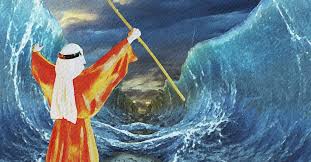
P1: A miracle is defined as an event that:
a) occurs within the natural world,
b) violates or transcends the regular patterns (laws) of nature, and
c) is purposive and intelligible in a theological context (e.g., confirming a prophet).
P2: If a genuine miracle occurs, then it must be caused by a non-natural agent (since natural laws alone cannot account for its occurrence).
P3: There is strong historical, testimonial, and cumulative evidence that certain miracles have occurred particularly:
a) The splitting of the moon witnessed by multiple people (Qur’ān 54:1) see #《moon-split》
b) The Qur’an’s inimitability as a linguistic and epistemic miracle.
c) Fulfilled prophecies and physical healings by prophets
P4: These miracle claims are:
a) multiply attested,
b) embedded in coherent religious traditions, and
c) often accompanied by direct purpose (e.g., authenticating a messenger of God).
P5: Naturalistic explanations (e.g., hallucination, legend development, coincidence) fail to plausibly account for the scope, timing, and theological significance of these events.
P6: Therefore, the best explanation for such miracle claims is that a supernatural agent intervened in nature to achieve a meaningful purpose.
P7: Therefore, the most coherent explanation of miracles in history is that the transcendent God, exists and acts in the world.
C: Therefore, the occurrence and explanatory power of miracles provides strong rational support for the existence of God.