Arius and Tatian
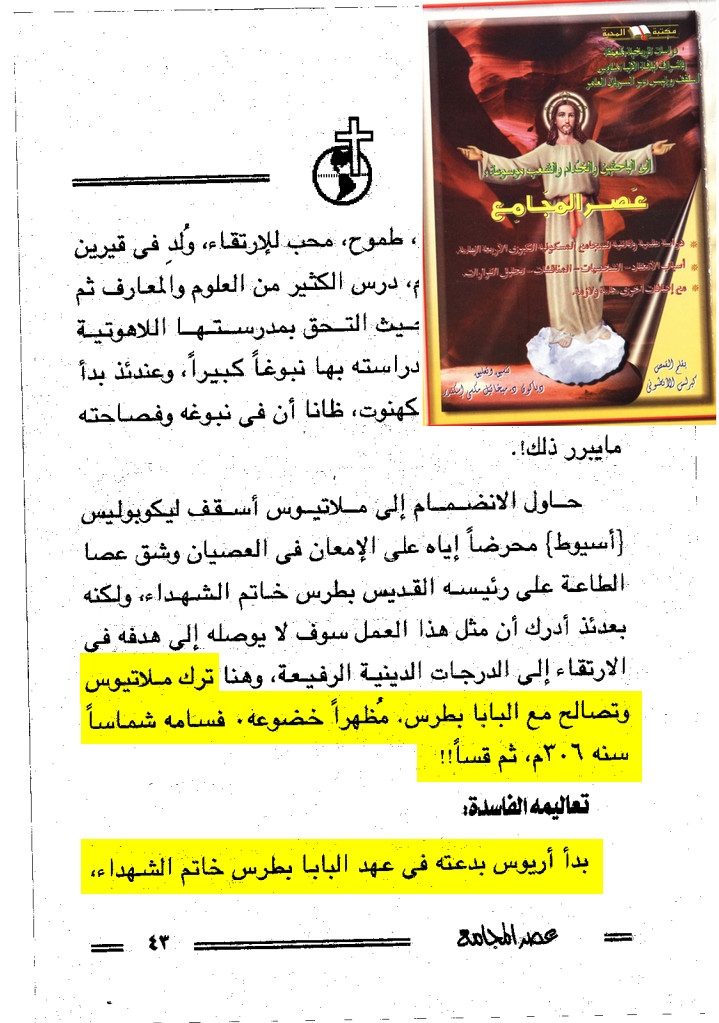
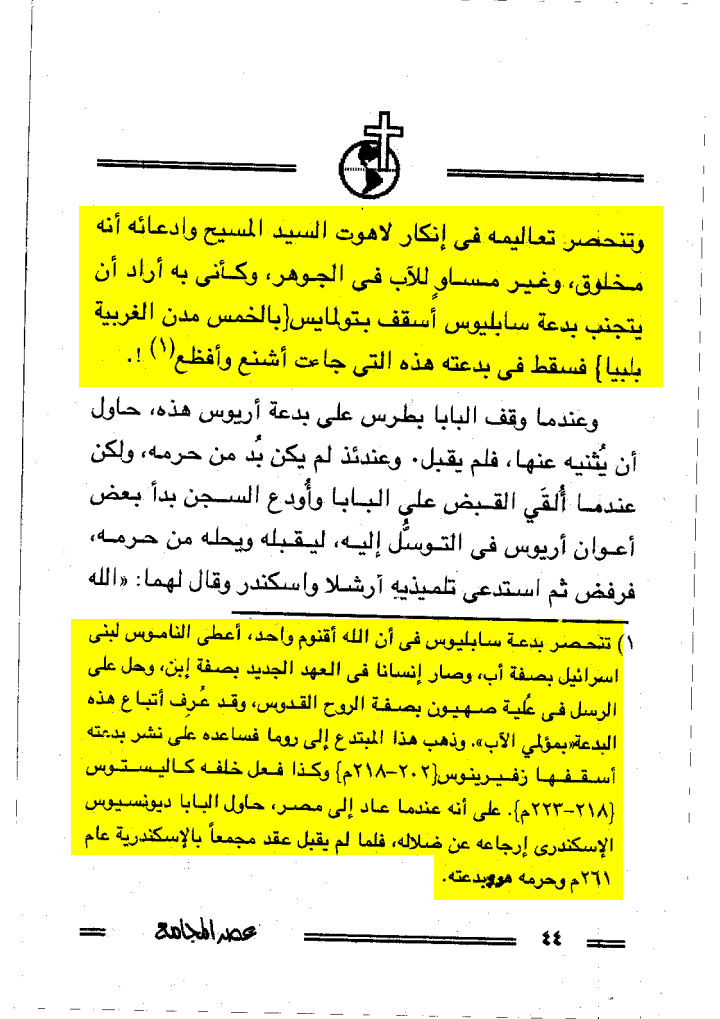
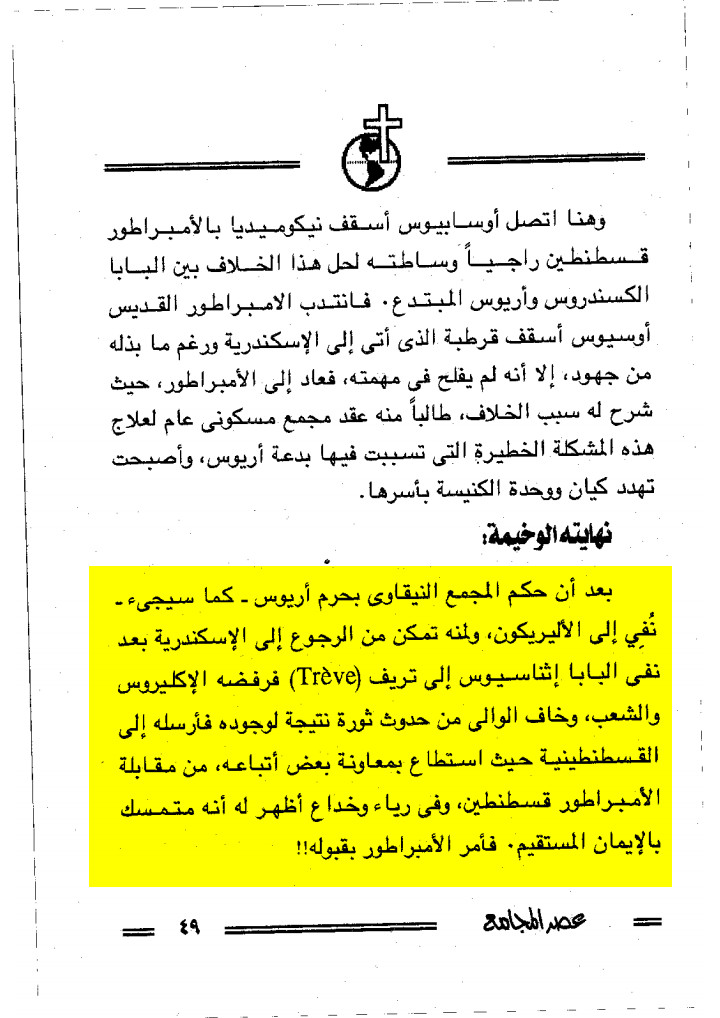
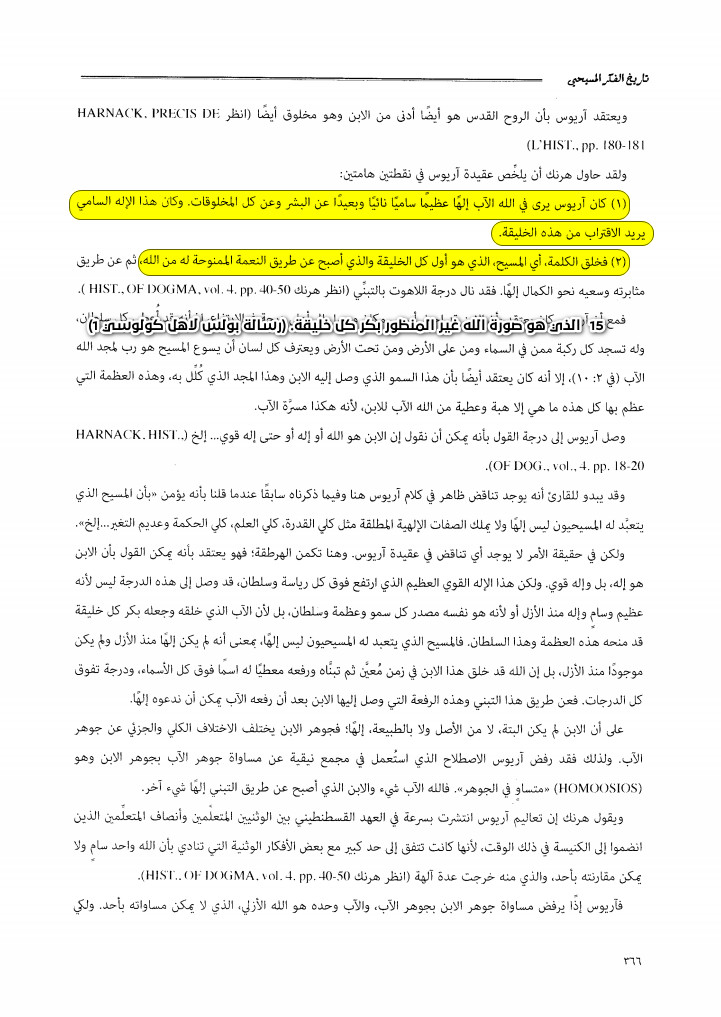
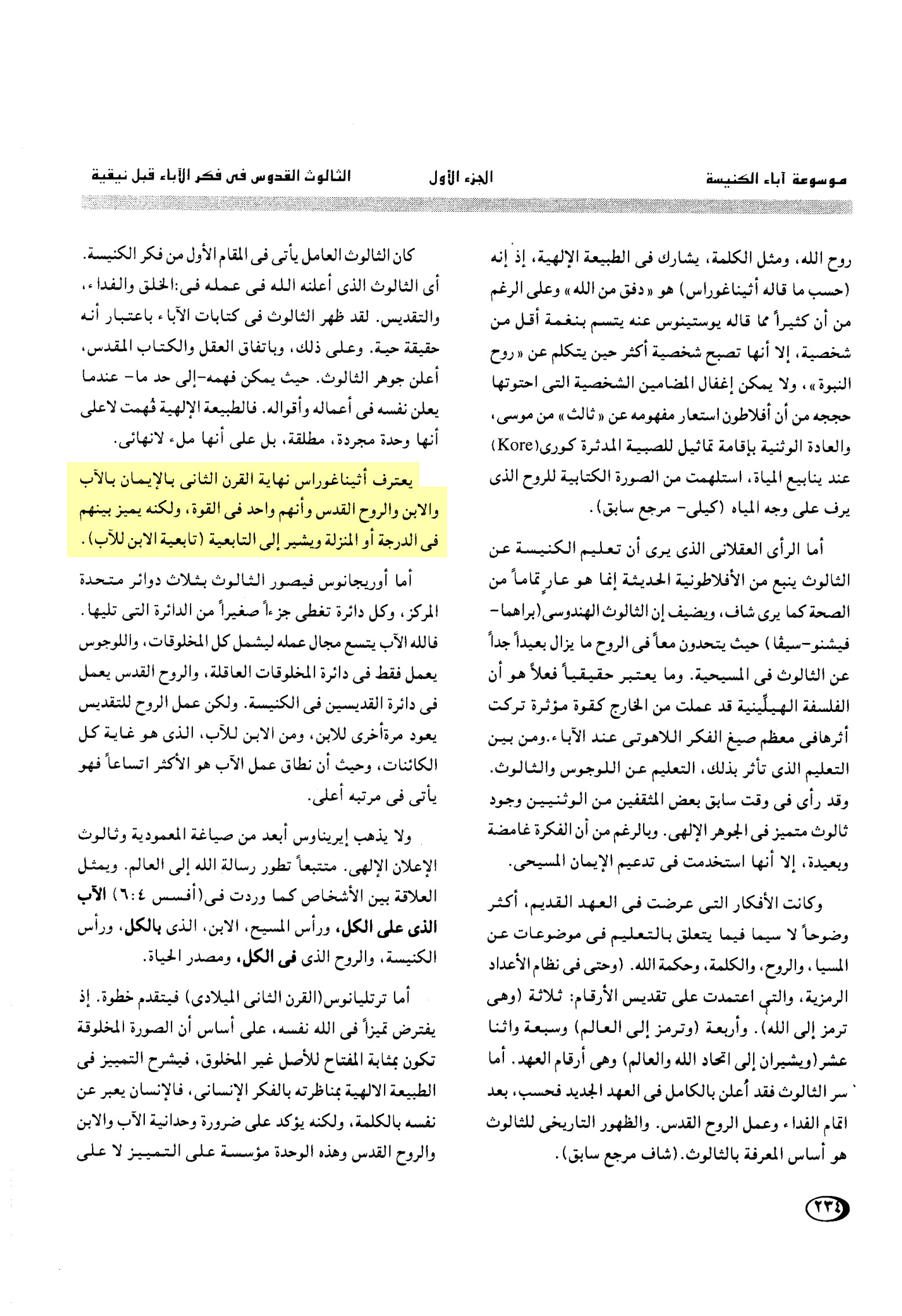
The highlighted sections describe the theological conflict surrounding Arius and his teachings. Arius claimed that Jesus Christ was a created being and not of the same essence as God the Father, contradicting the orthodox Christian belief in the divinity of Christ. His ideas were rejected by key church figures like Pope Peter and later formally condemned at the Council of Nicaea. Arius’s teachings caused deep divisions in the church, prompting interventions from emperors and bishops to preserve unity and correct doctrine.
Tatian committed heresy by:
Denying the eternal divinity of Christ, claiming that the Son (Jesus) was not eternal but was created by God the Father.
He rejected the equality between the Father and the Son, suggesting they were not of the same essence (which opposes the orthodox belief in the Trinity).
His teachings were influenced by Gnostic and dualistic ideas, viewing the material world as evil and created by a lesser being.
He also rejected marriage and promoted extreme asceticism, which went against the Church’s teachings.
These views led the Church to label him a heretic, as they contradicted the core doctrines of Christianity regarding the nature of Christ and creation.