

Christian Takfir — Excommunication, Damnation of Non-Christians, and Apostasy Penalties in Christian Theology
Christianity contains an extensive internal tradition of excommunication and the condemnation of non-Christians to eternal hellfire, a body of doctrine that spans the atonement theology of Jesus and Paul, the damnation of all pre-Christian humanity including the prophets, the mutual excommunication of Christian sects toward one another, the condemnation of unbaptized children, and the historical practice of executing apostates. The following is a compiled research document presenting these doctrines through their primary sources, ecclesiastical statements, and scholarly evidence.
The Atonement of Jesus and Paul
The following images present source material on the atonement texts attributed to Jesus and Paul in the biblical record, drawn from primary translations.
The following image continues the presentation of atonement source texts.
The following image presents further atonement evidence from the scriptural record.
The following image presents the final entry in this first sequence of atonement source texts.
Texts of atonement from the words of Jesus and Paul appear across multiple Arabic translations. The Alvandyk translation renders the relevant passages as follows: In the infidel nation, anger flares up (Sir 7:16). He and the infidel Alcimus (1 Maccabees 9:7) were praying to the Lord to save them from the infidel Nicanor (2 Maccabees 14:8). But the King of Kings stirred up Antiochus’s anger against that infidel (2 Maccabees 4:13).
The following image presents the first of several Arabic translation comparisons for these atonement texts.
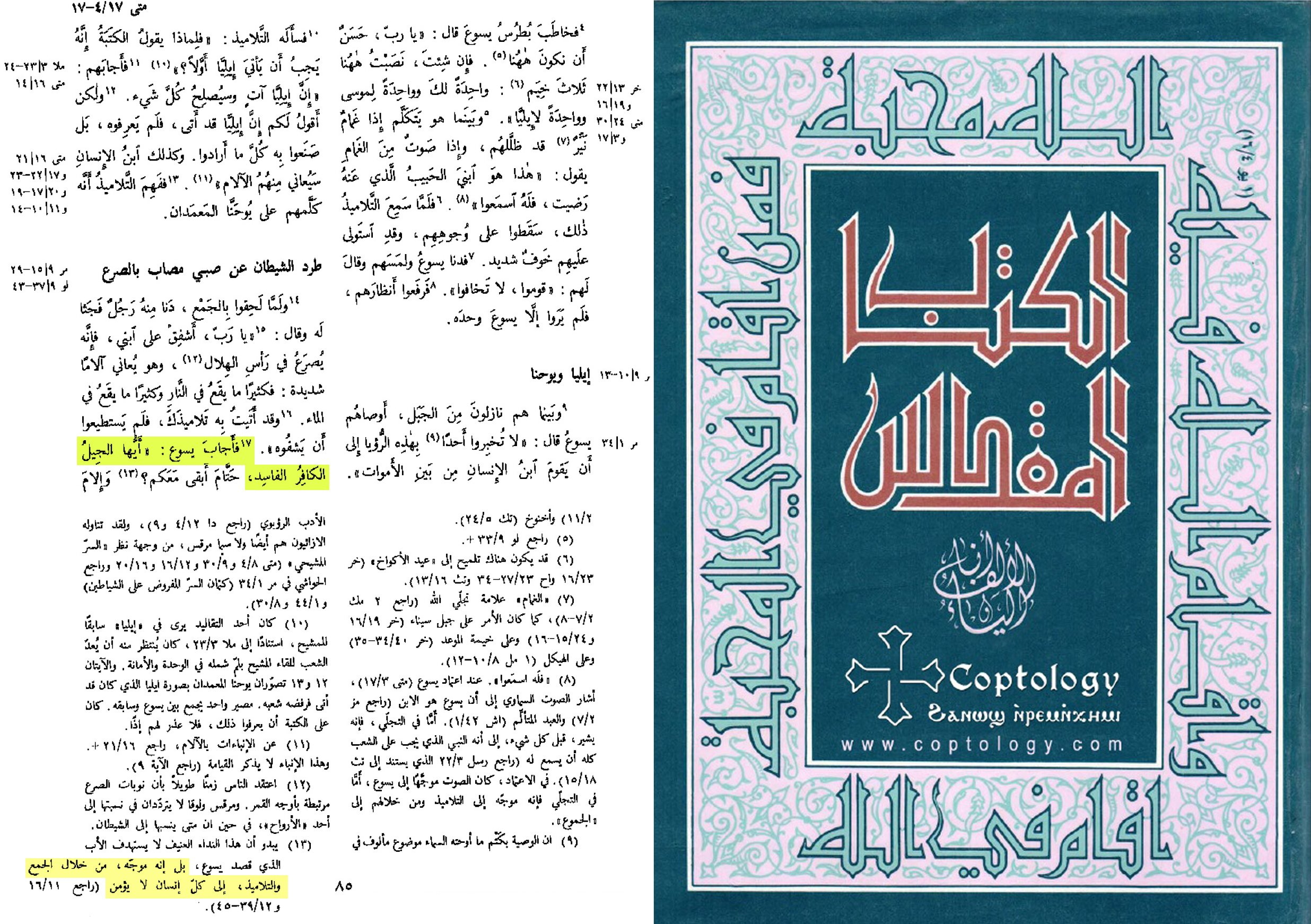
The following image presents the second Arabic translation comparison.
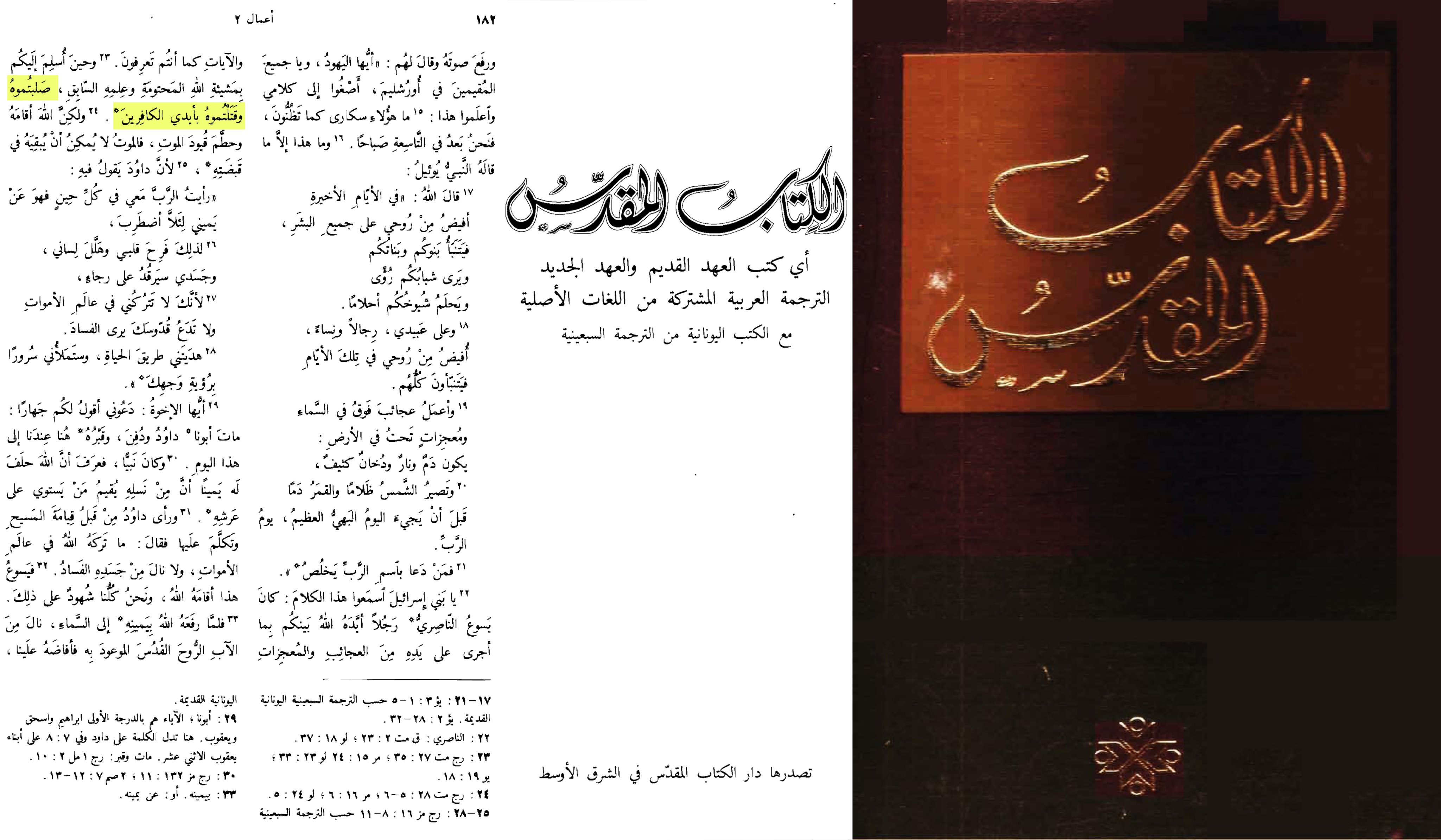
The following image presents the third Arabic translation comparison.
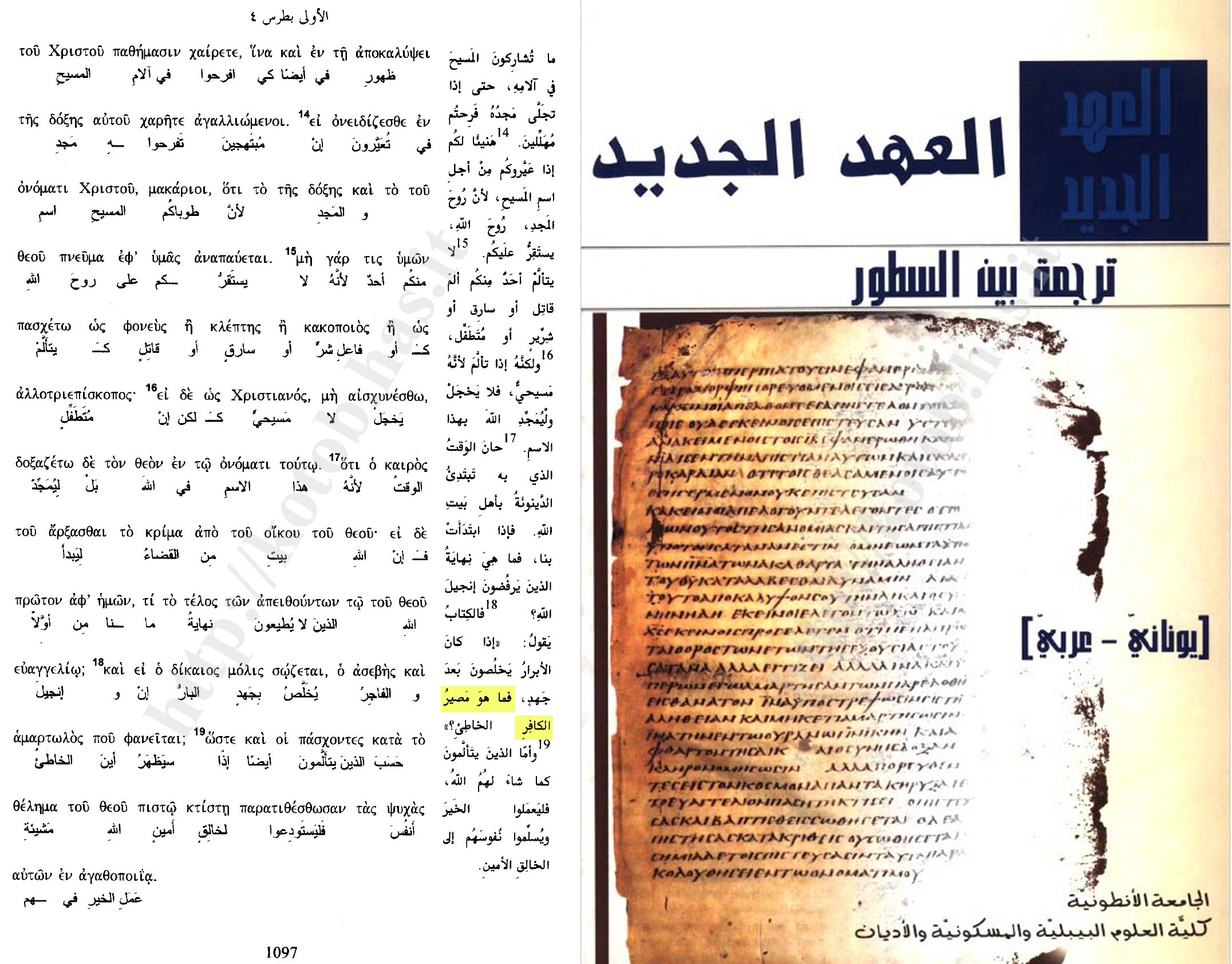
The following image presents the fourth and final Arabic translation comparison in this sequence.
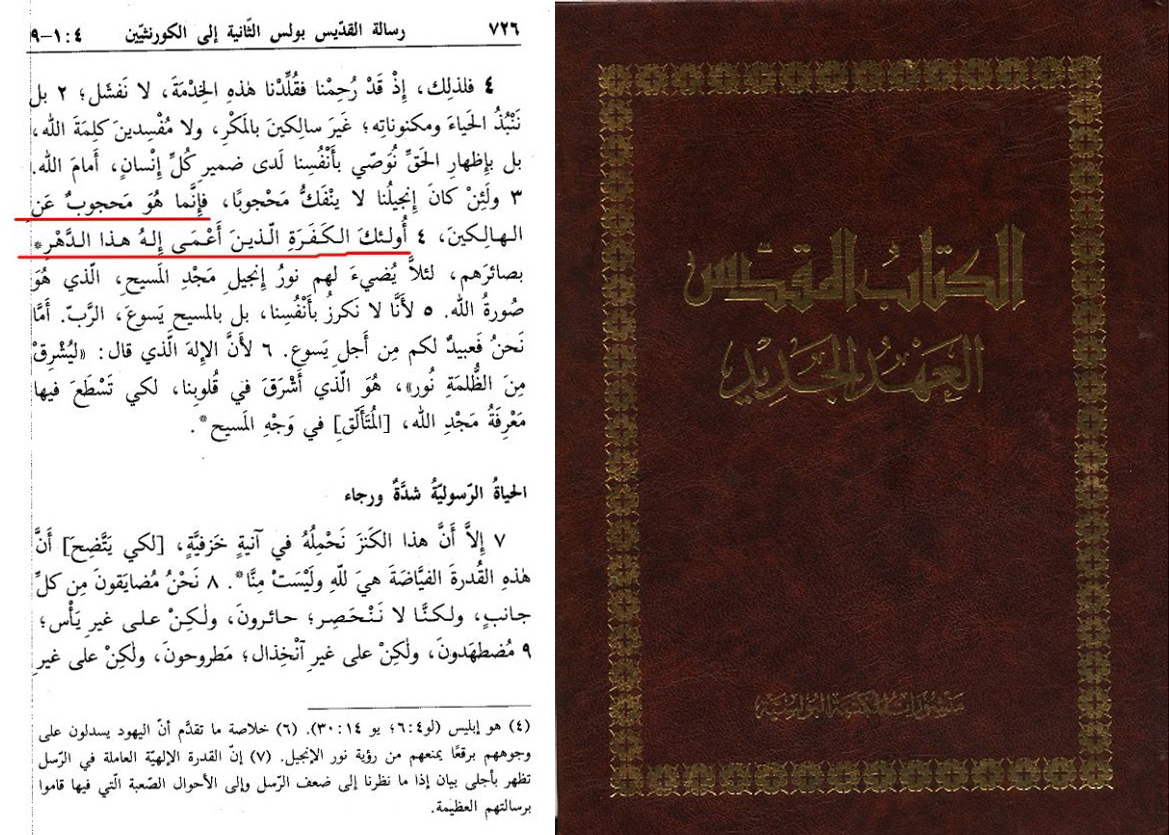
Paul the Apostle employs the relevant terminology in 2 Corinthians 4:4. The following images present multiple Arabic translations of this text.
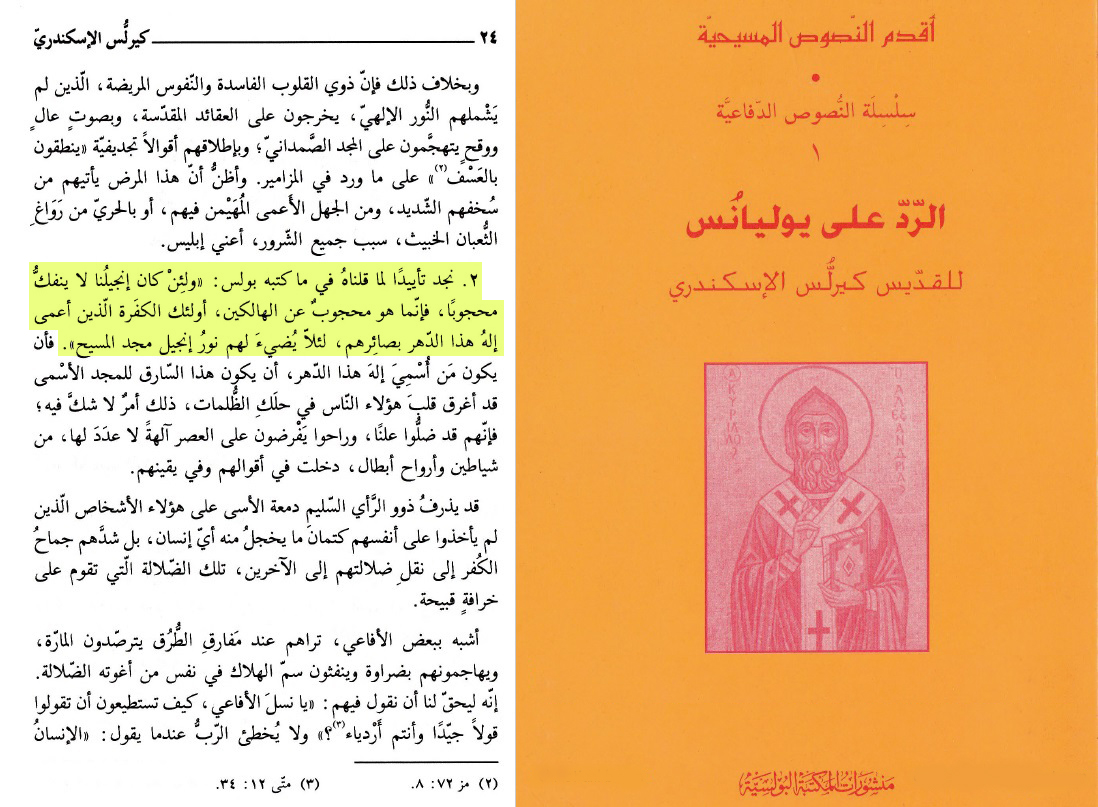
The following image presents the second Arabic translation of 2 Corinthians 4:4.
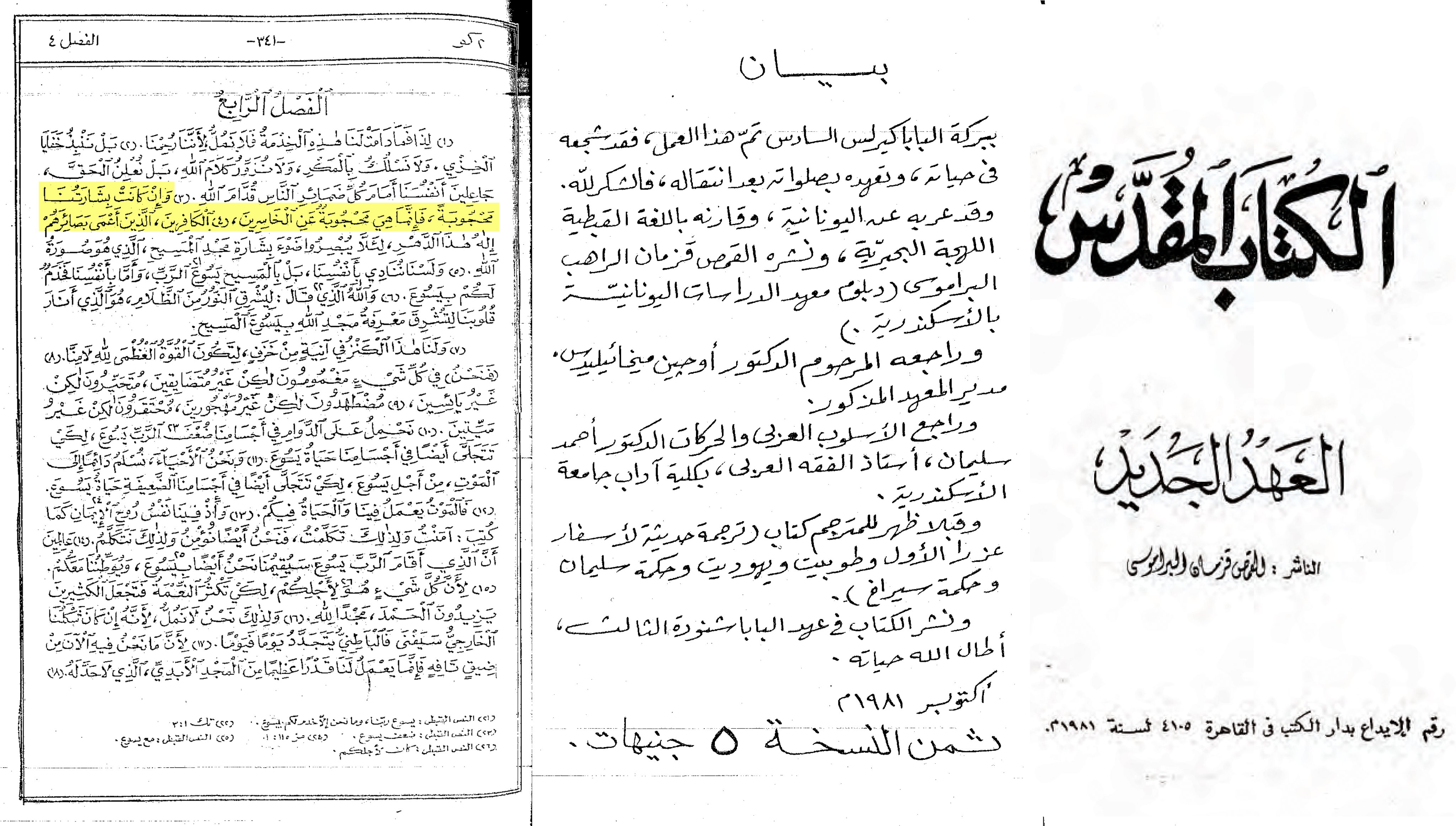
The following image presents the third Arabic translation of 2 Corinthians 4:4.
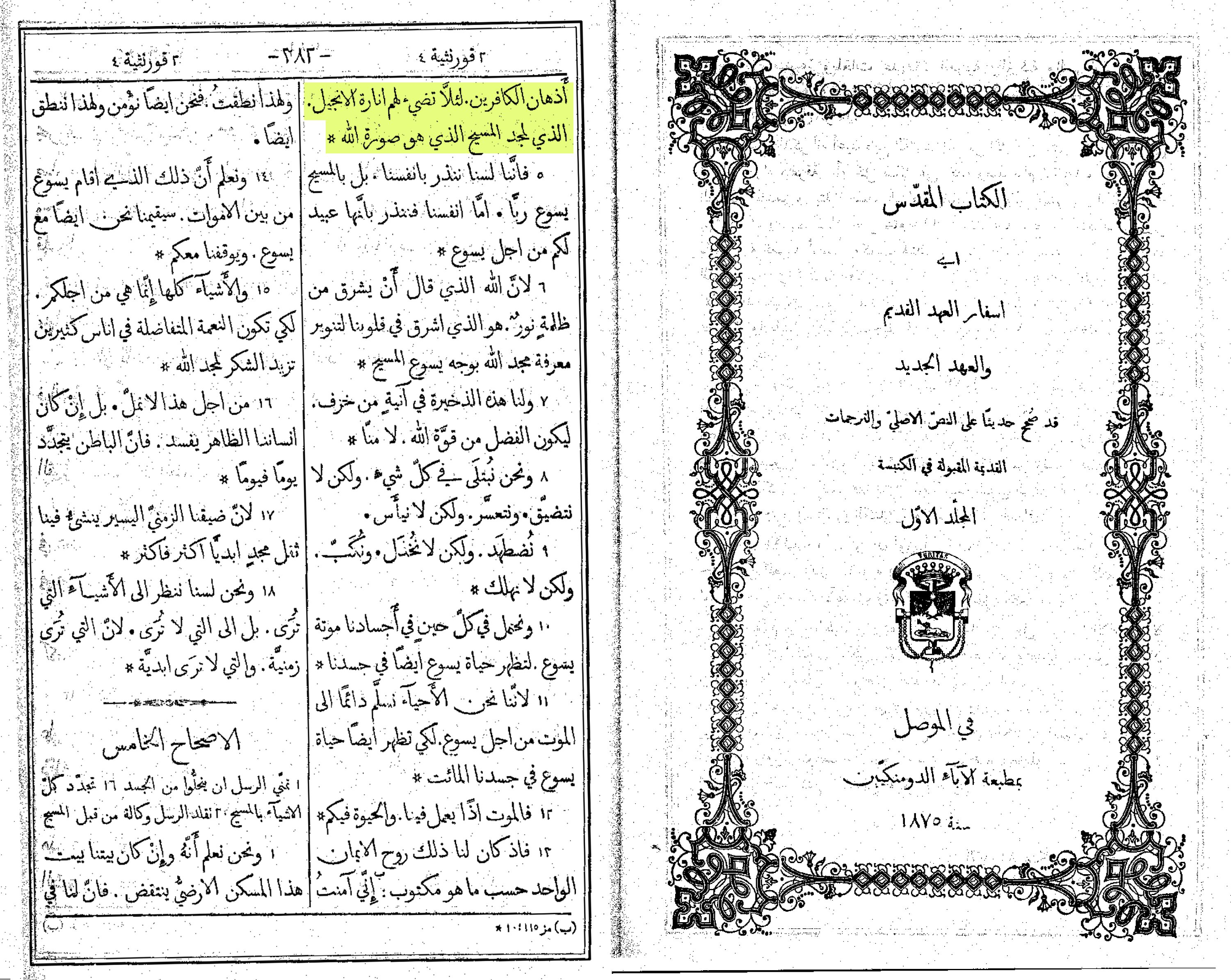
The following image presents the fourth Arabic translation of 2 Corinthians 4:4.
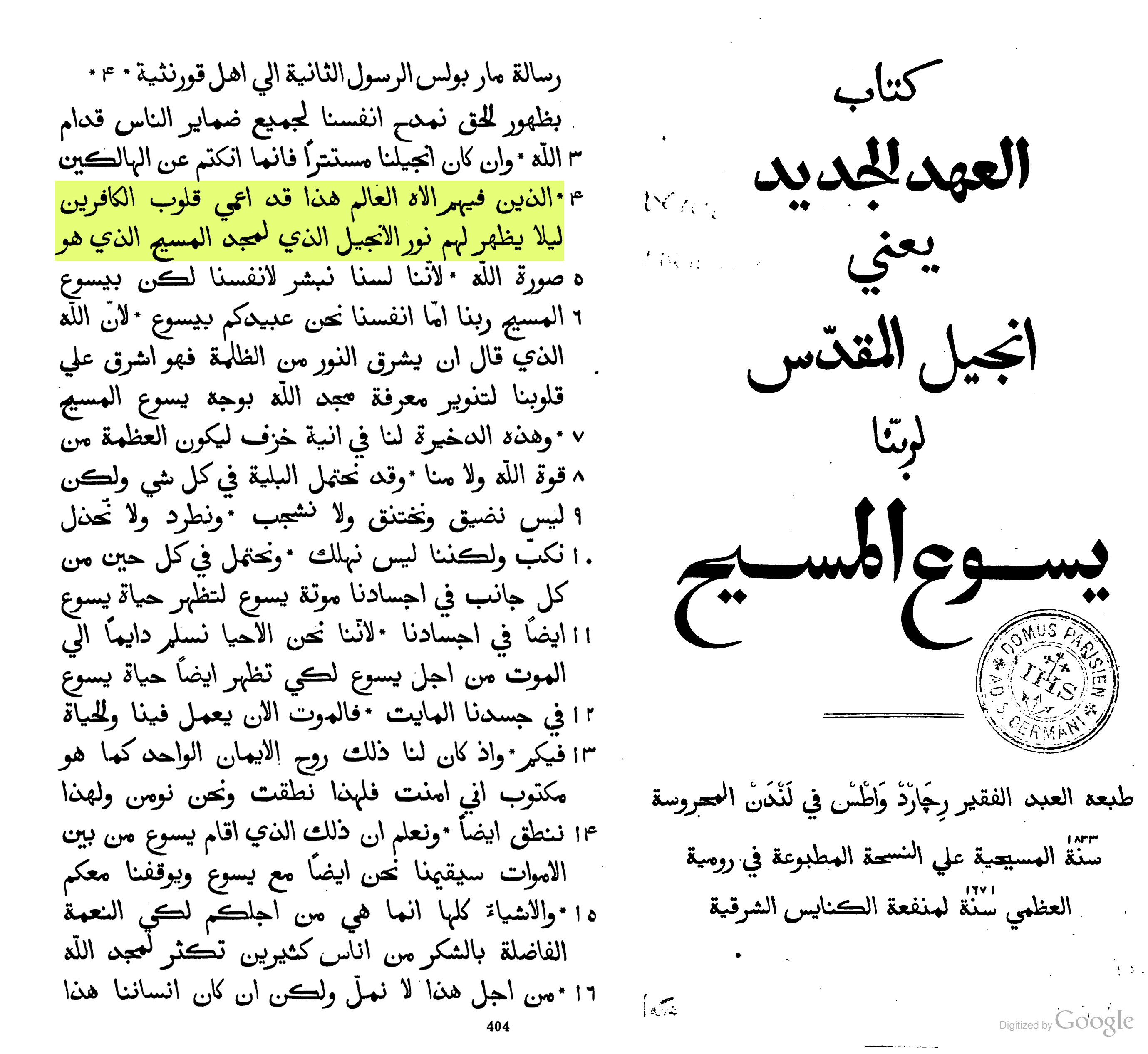
The Atonement and Destruction of All Who Died Before the Atonement, Including the Prophets
The doctrine of original sin condemns all of pre-Christian humanity to hellfire — including the prophets — for inheriting Adam’s sin, despite bearing no personal responsibility for it.
“There is none righteous, not even one. All have turned aside, they have together become corrupt; there is none who does good, not even one.”
The following image presents source material on the condemnation of all humanity under the doctrine of inherited original sin.
Atonement extends to all of humanity regardless of their religion, as they are held to deserve hell because they unjustly inherited Adam’s sin, in which they did not participate. On this point, Anba Raphael states: “When Adam sinned, we were in his loins. When he ate from the tree, all of humanity ate because they were in him, so they inherited sin and its defilement, even children who do not understand.”
Non-Christians in Hell
The doctrine that non-Christians — regardless of the quality of their morals — are destined for eternal hell is affirmed by prominent ecclesiastical figures. Father Daoud Lamei states: “If, out of mercy and compassion, we say that good unbelievers should enter the kingdom, then the whole Gospel is useless.”
“The salvation of non-believers is a new heresy that destroys Christianity more than it wins people, but Christianity has not been destroyed, rather this heresy is being destroyed.”
“Again, we confirm that there is no salvation outside of Christ. This is the declaration of the Holy Bible, whether people like it or not.”
The position is affirmed across multiple ecclesiastical authorities — Bishop Raphael, Father Youhanna Fayez, Father Mikhail Abdel Malek, Brother Wahid, and Bishop Mar Titus Touza — that non-Christians, no matter how good their morals or how much righteousness they have done, are destined for eternal hell.
Not Having Mercy on a Deceased Non-Christian
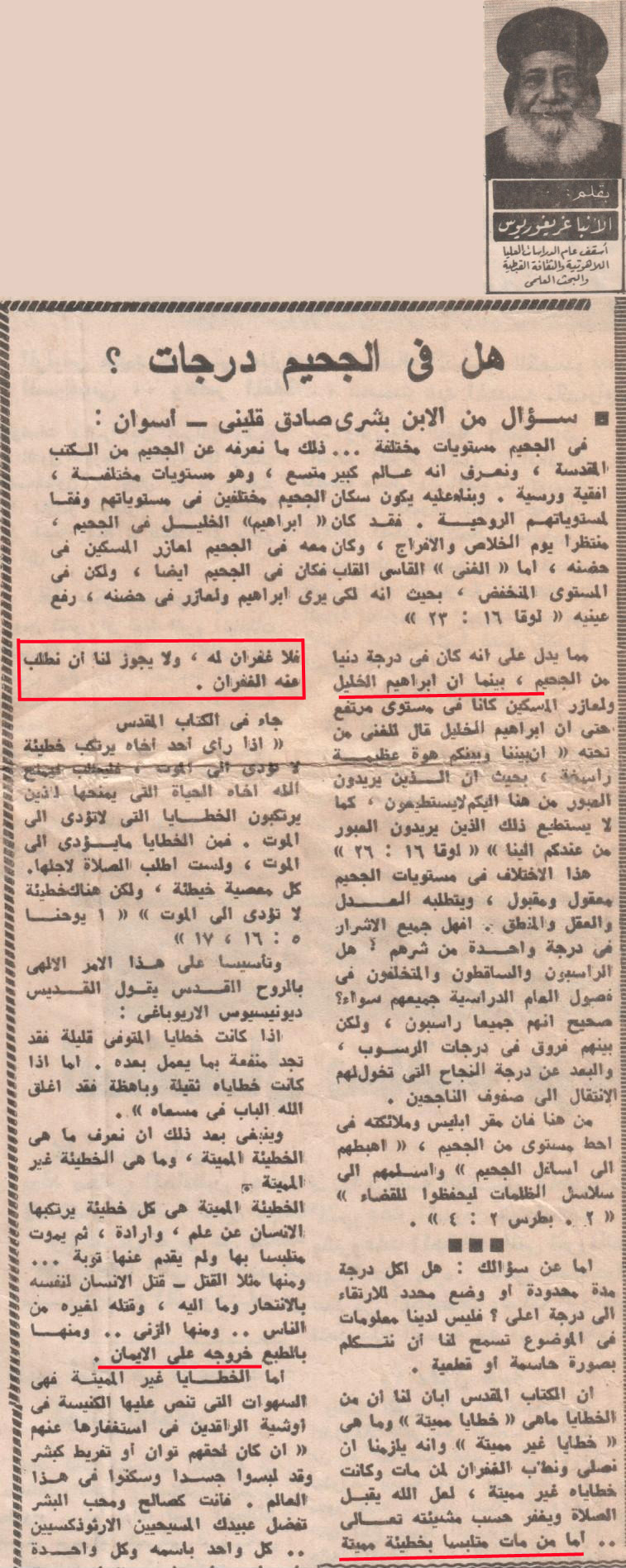
“If anyone sees his brother committing a sin not leading to death, he will ask, and he will give him life. For those who sin not leading to death, there is a sin leading to death. I do not say that he should ask for it.”
The following image presents source material on the Church’s position regarding prayer for deceased non-Christians and apostates.
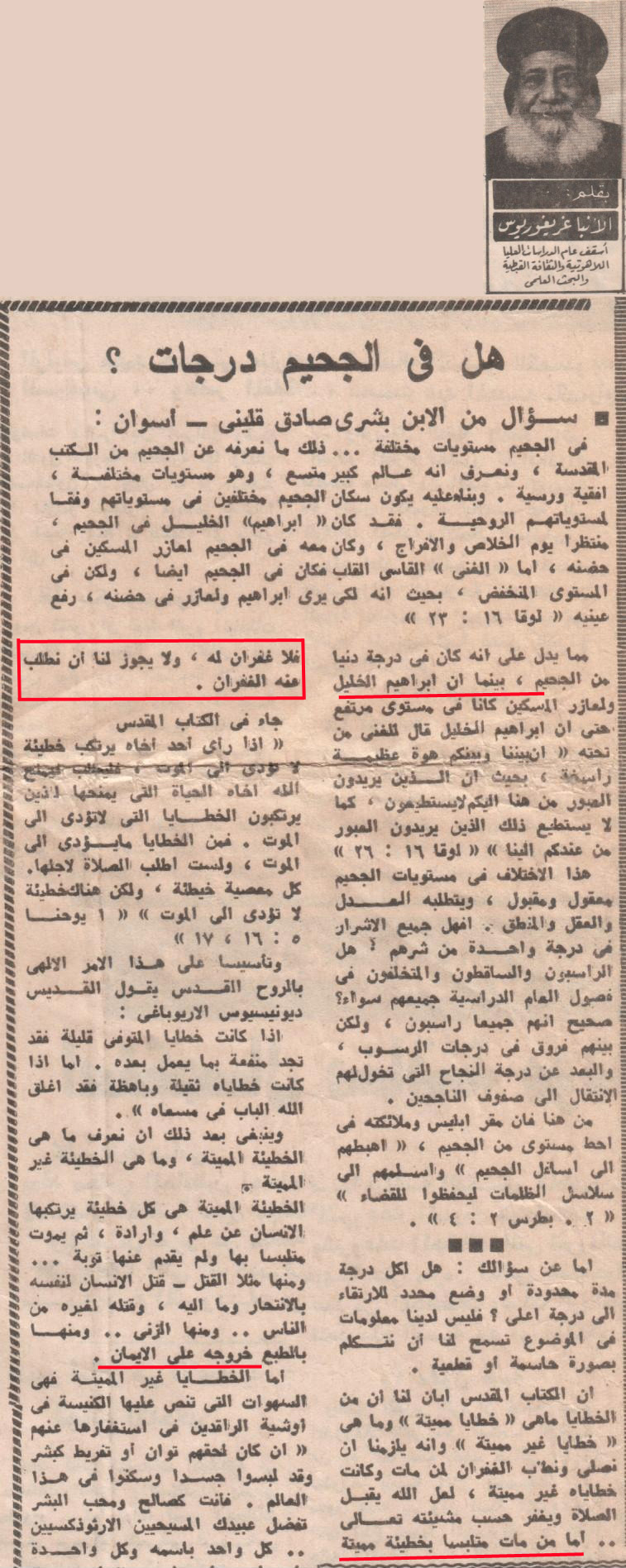
“The Church does not allow mercy on a dead person who was a Christian and then converted to Islam.”
“Apostasy from Christianity is a deadly sin, so the apostate has no forgiveness, and we are not permitted to ask forgiveness for him.”
The dead kafir in Christianity is held to be doomed to hell and beyond forgiveness, and the faithful are not permitted to petition God on his behalf. The Catholic rendering of 1 John 5:16 reinforces this: “There is a sin that leads to death, and I do not ask for prayer for it.”
Atonement by the Coptic Orthodox Church and Others of Historical Figures, Peoples and Beliefs
The following images present source material on the Coptic Orthodox Church’s excommunication of historical figures, peoples, and belief systems.
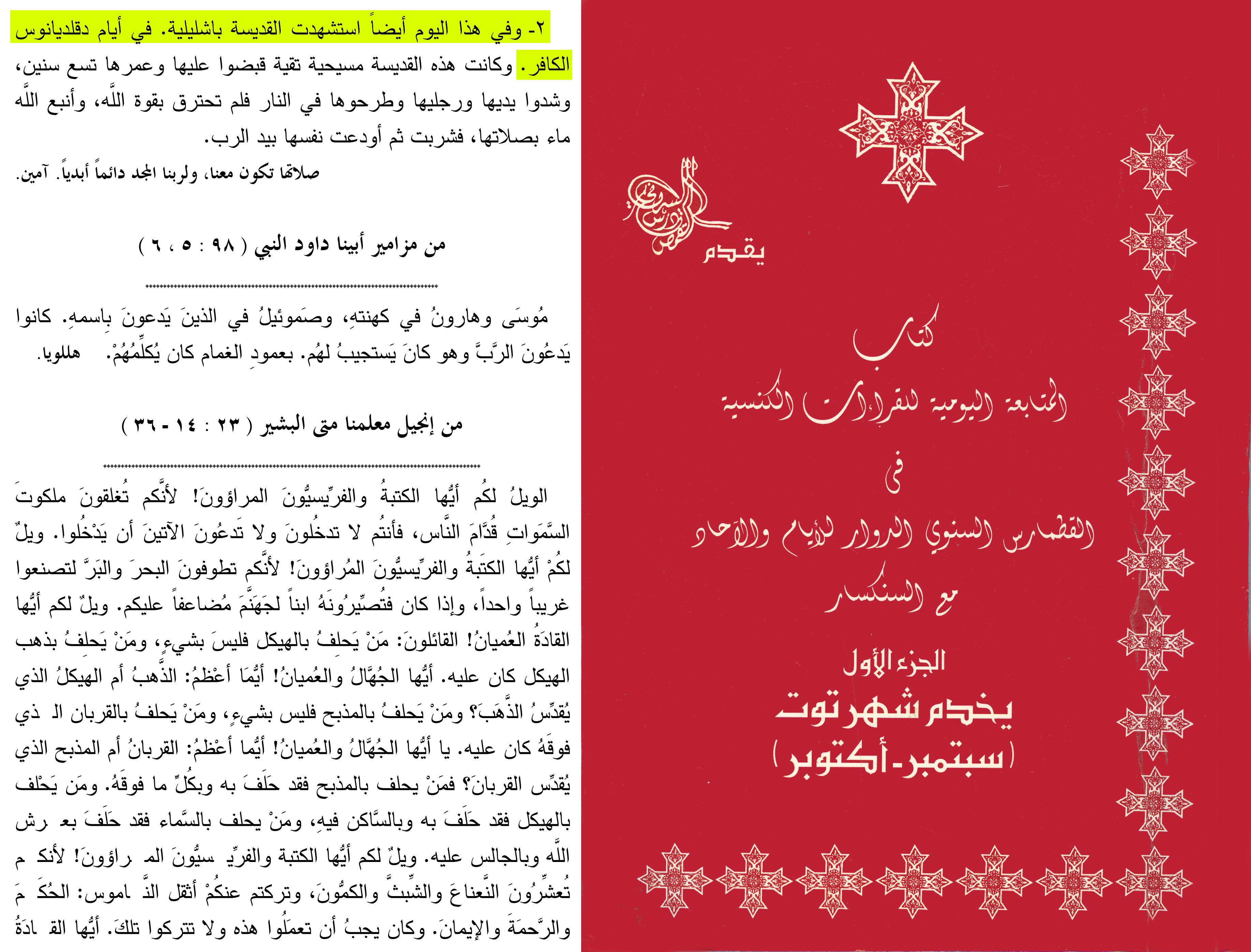
The following image presents the second entry in this sequence of Coptic Orthodox excommunications.
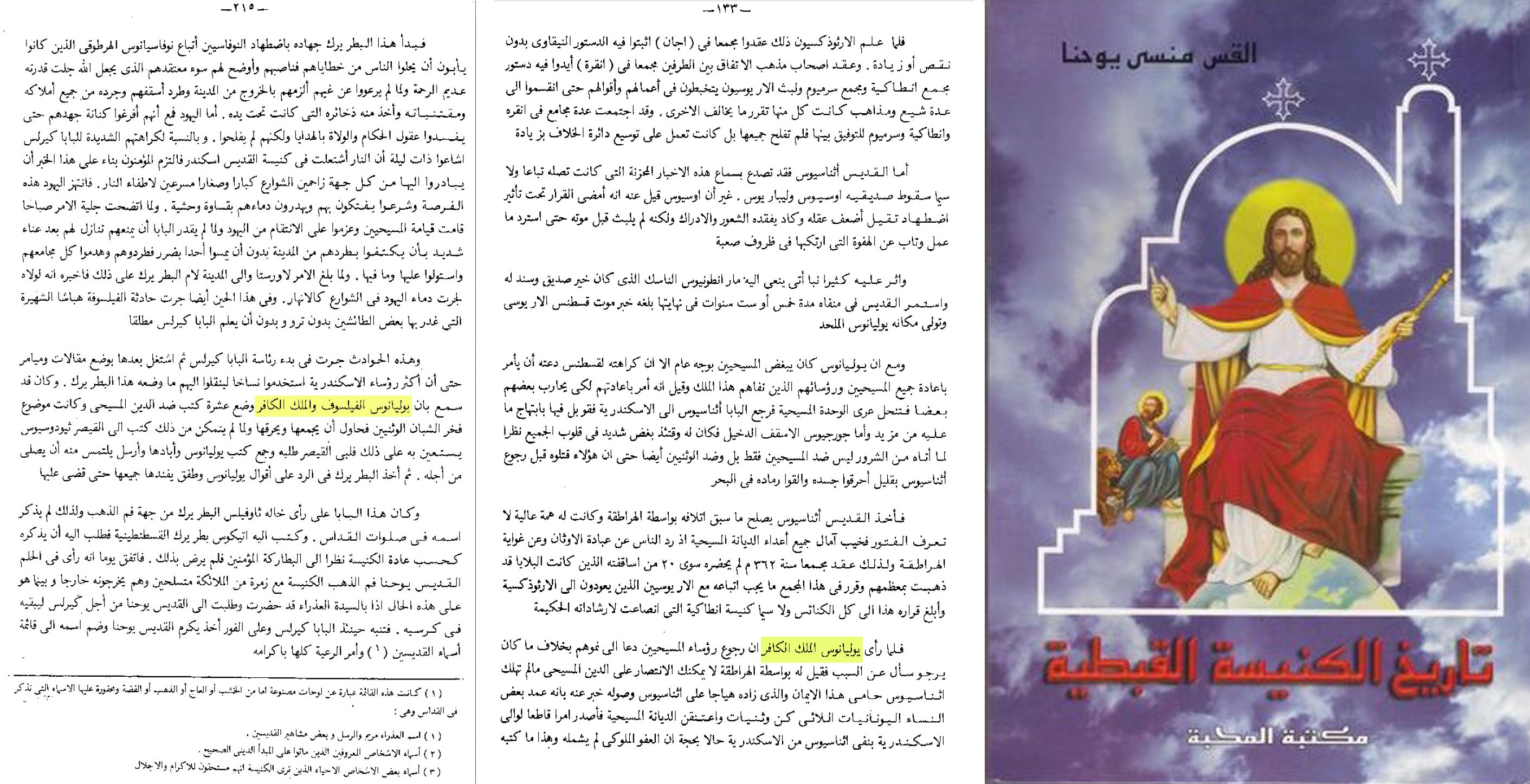
The following image presents the third entry in this sequence.
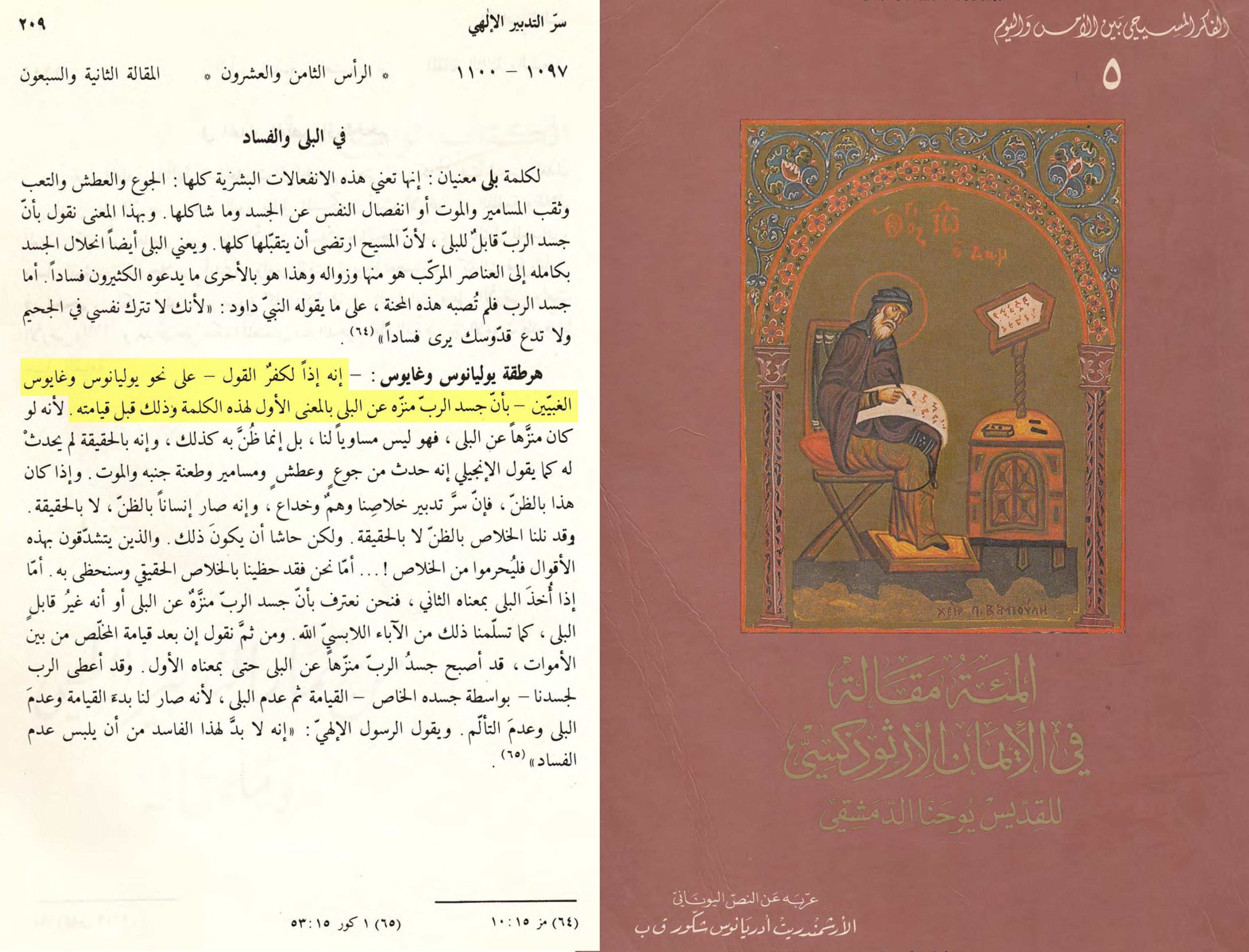
The following image presents the fourth entry in this sequence.
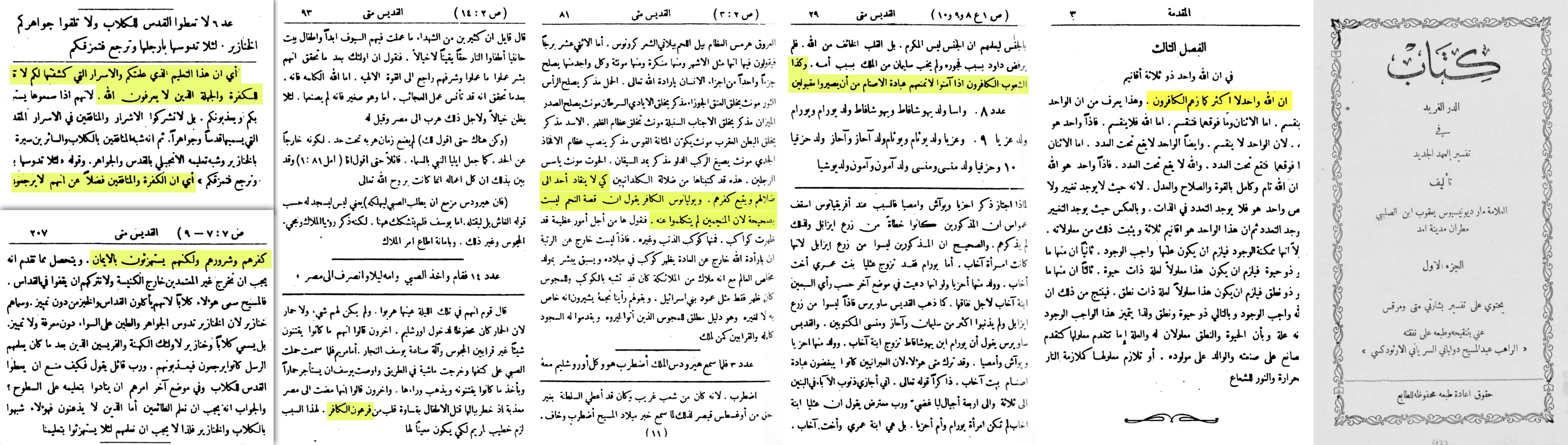
Excommunication of Muslims
The opposite of belief in a specific thing — in religion and otherwise. Every person who believes in something is necessarily a disbeliever in its opposite because opposites do not come together. For example, someone who adopts communism disbelieves in capitalism and vice versa because of their contradiction. The one who believes in one God disbelieves in Him as a trinity, and the one who believes in a born God disbelieves that He was not born.
The definition of infidels as understood within this theological framework is that those who believed in Jesus through baptism and declared their loyalty to him are the believers. Therefore, the title of infidel is given to those who were not baptized — and not only to those who are ignorant of the true God, such as pagans of all kinds, but also to those who do not worship or acknowledge Jesus, such as Jews and Muslims.
The following image presents source material on the definition of infidelity as applied to non-Christians including Muslims.
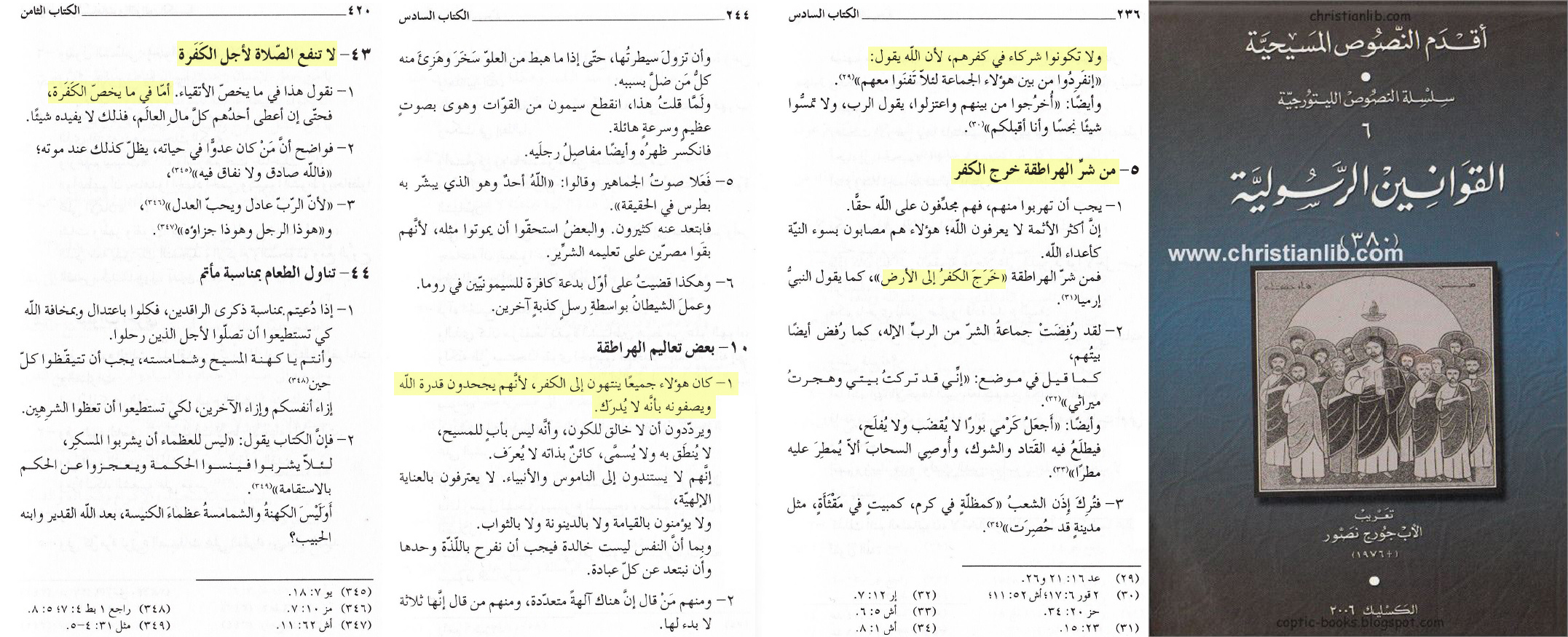
The following image presents further source material on this doctrinal definition.
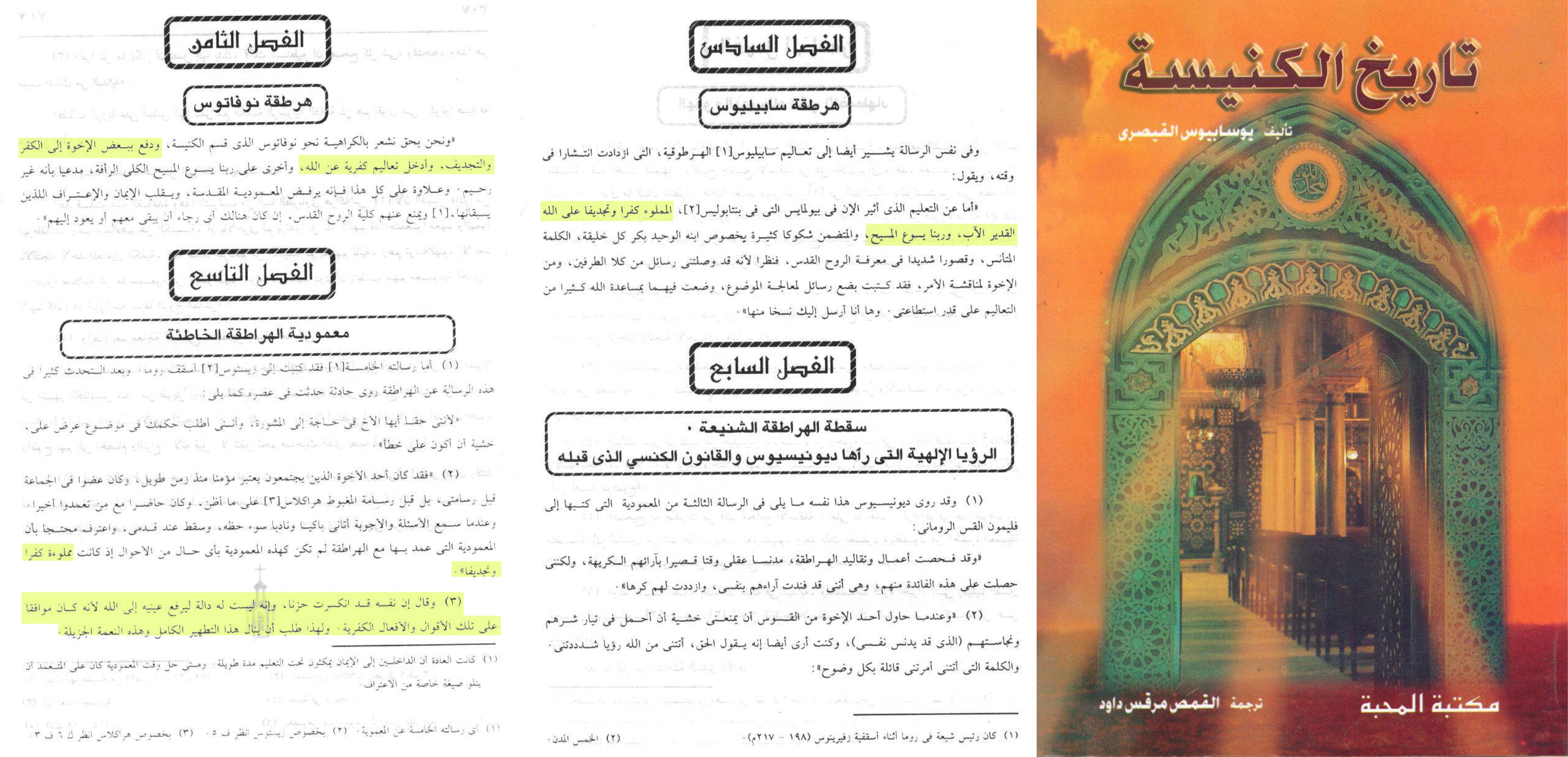
The following image presents the third entry in this sequence.
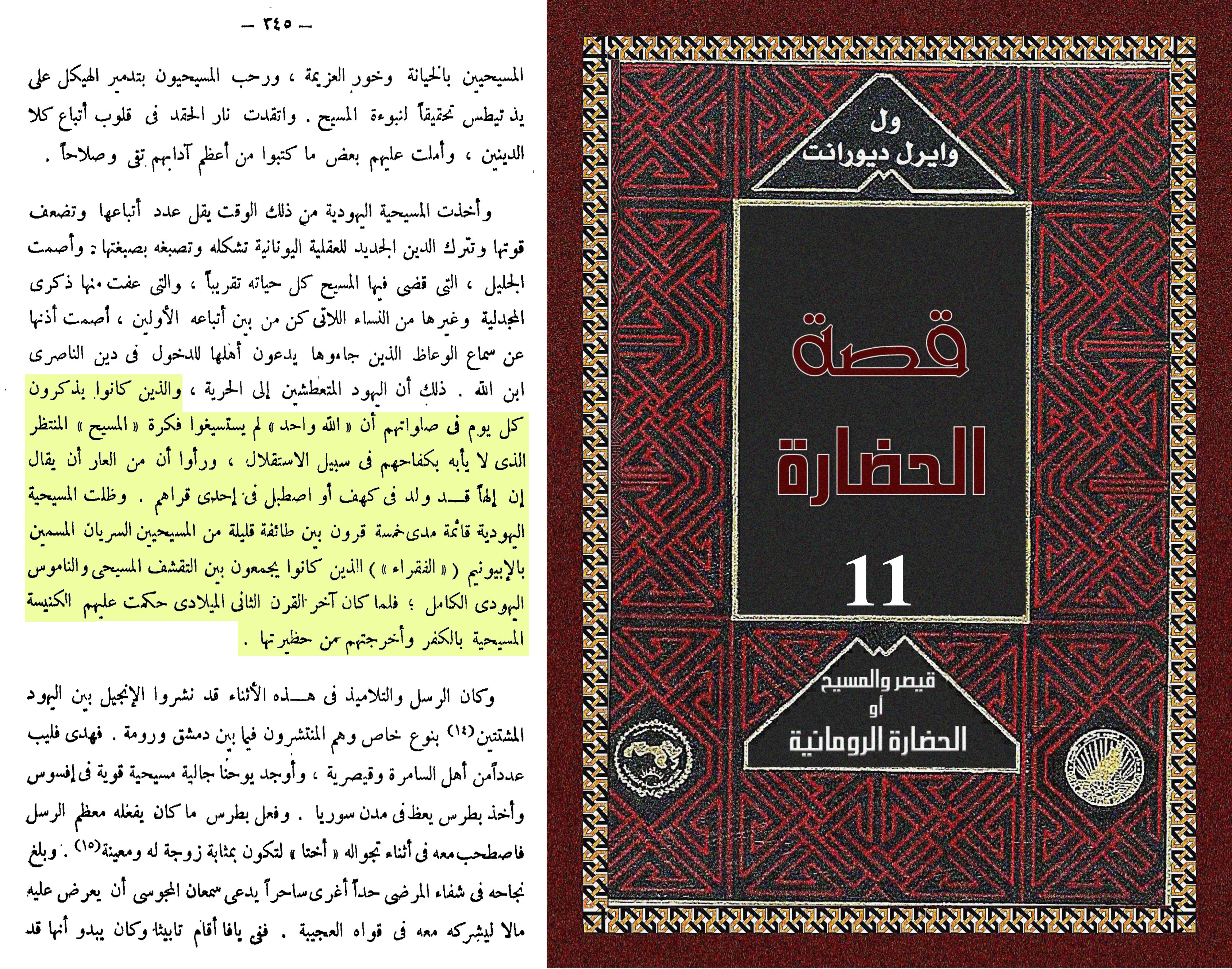
The following image presents the relevant passage defining the non-Christian as an infidel in explicit theological terms.
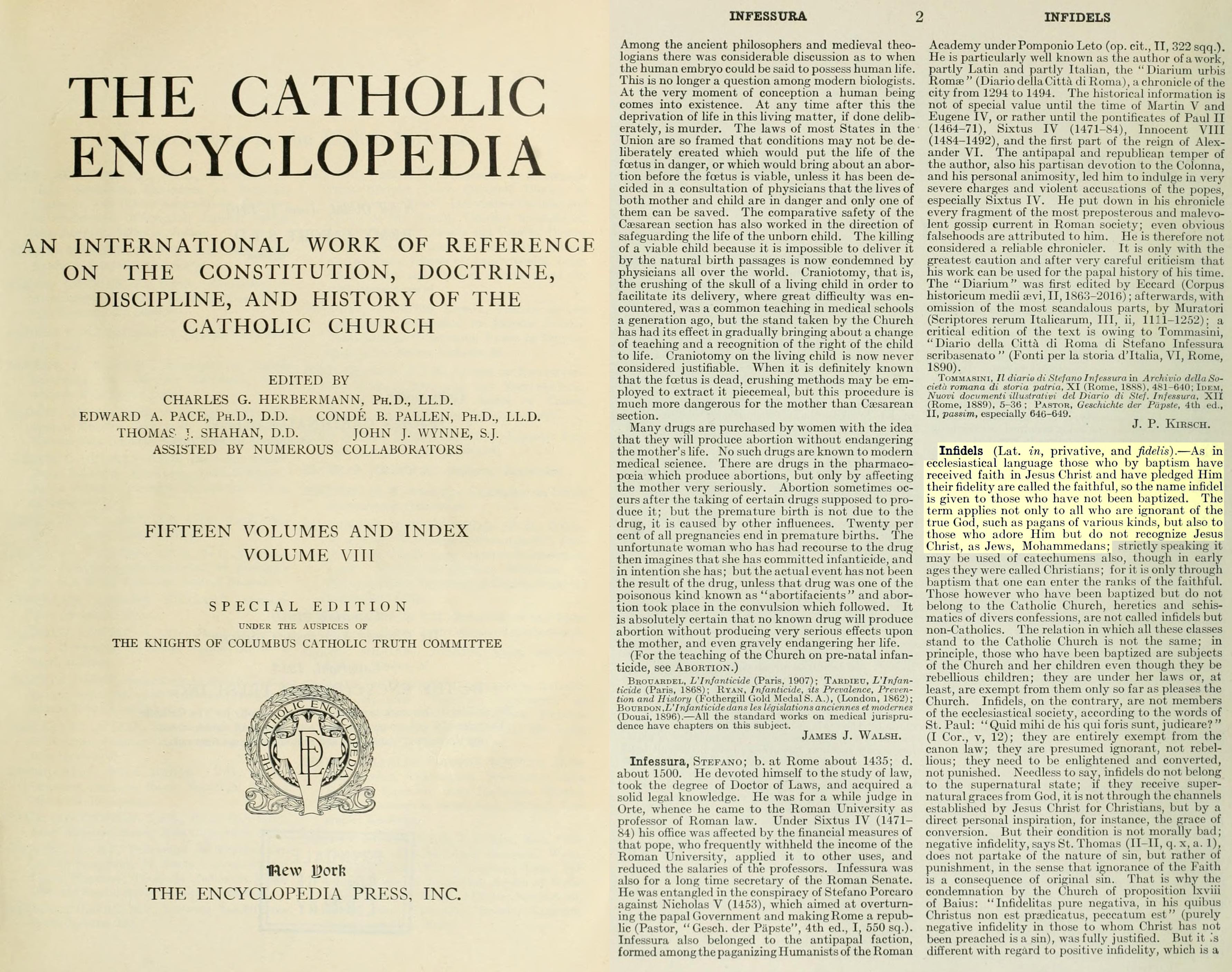
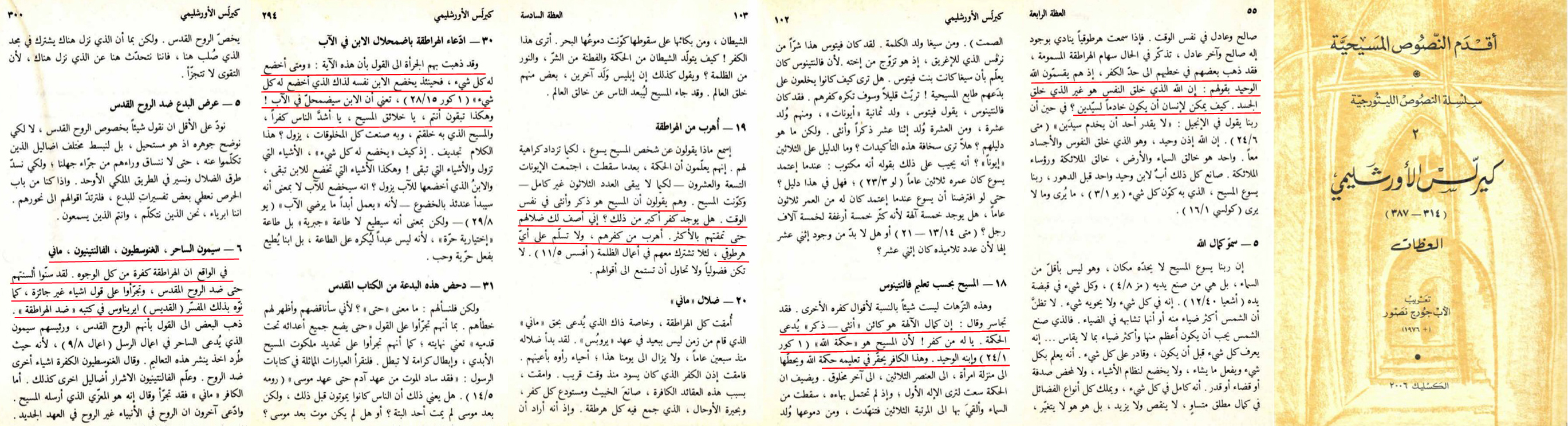
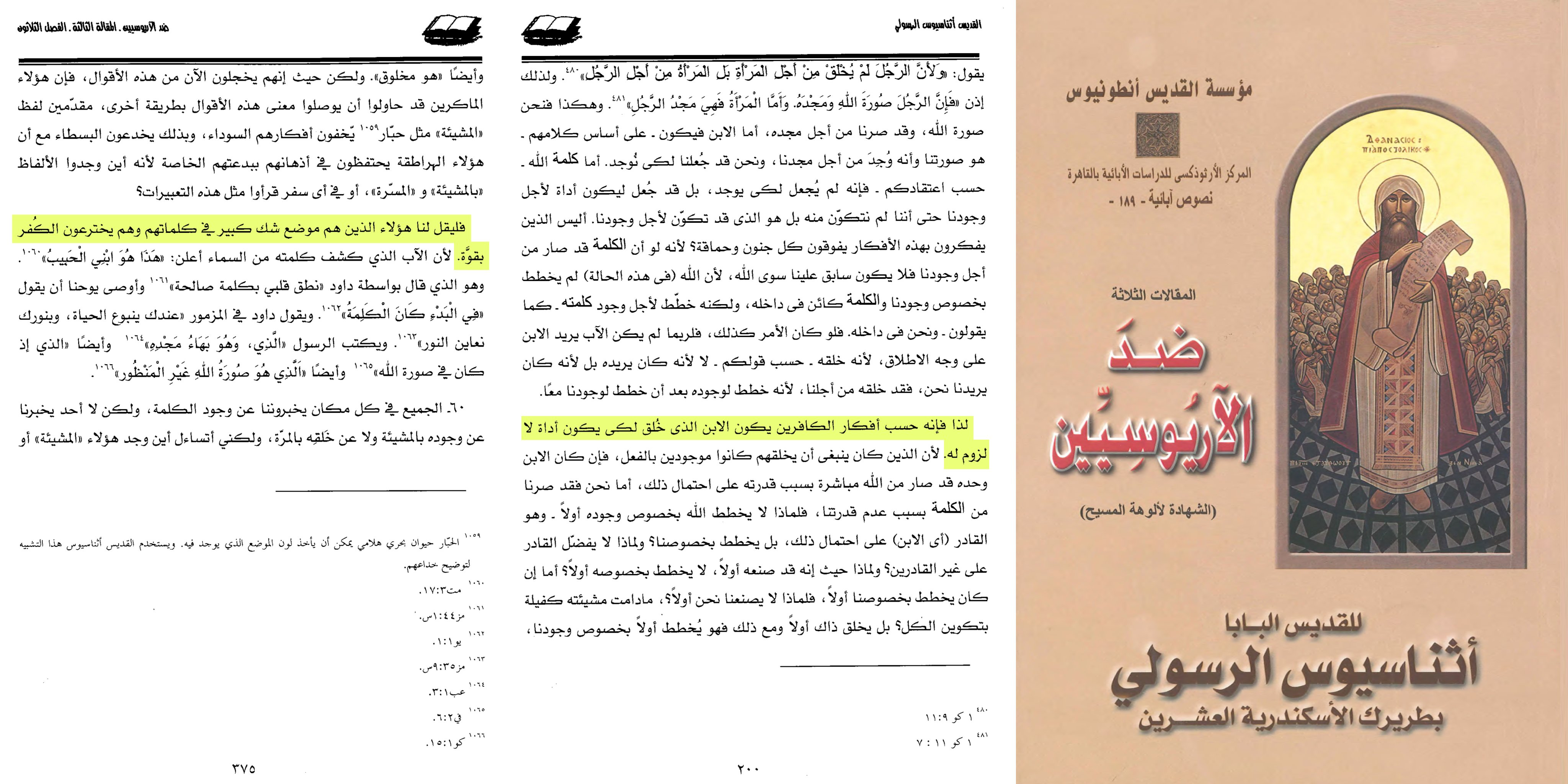
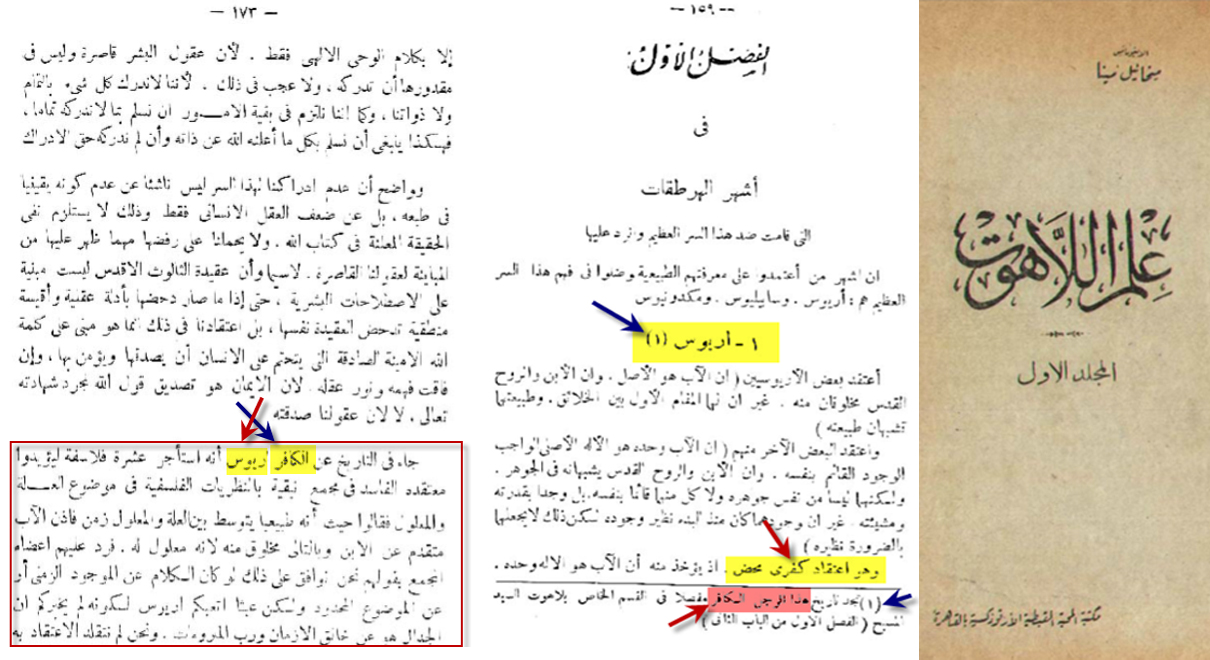
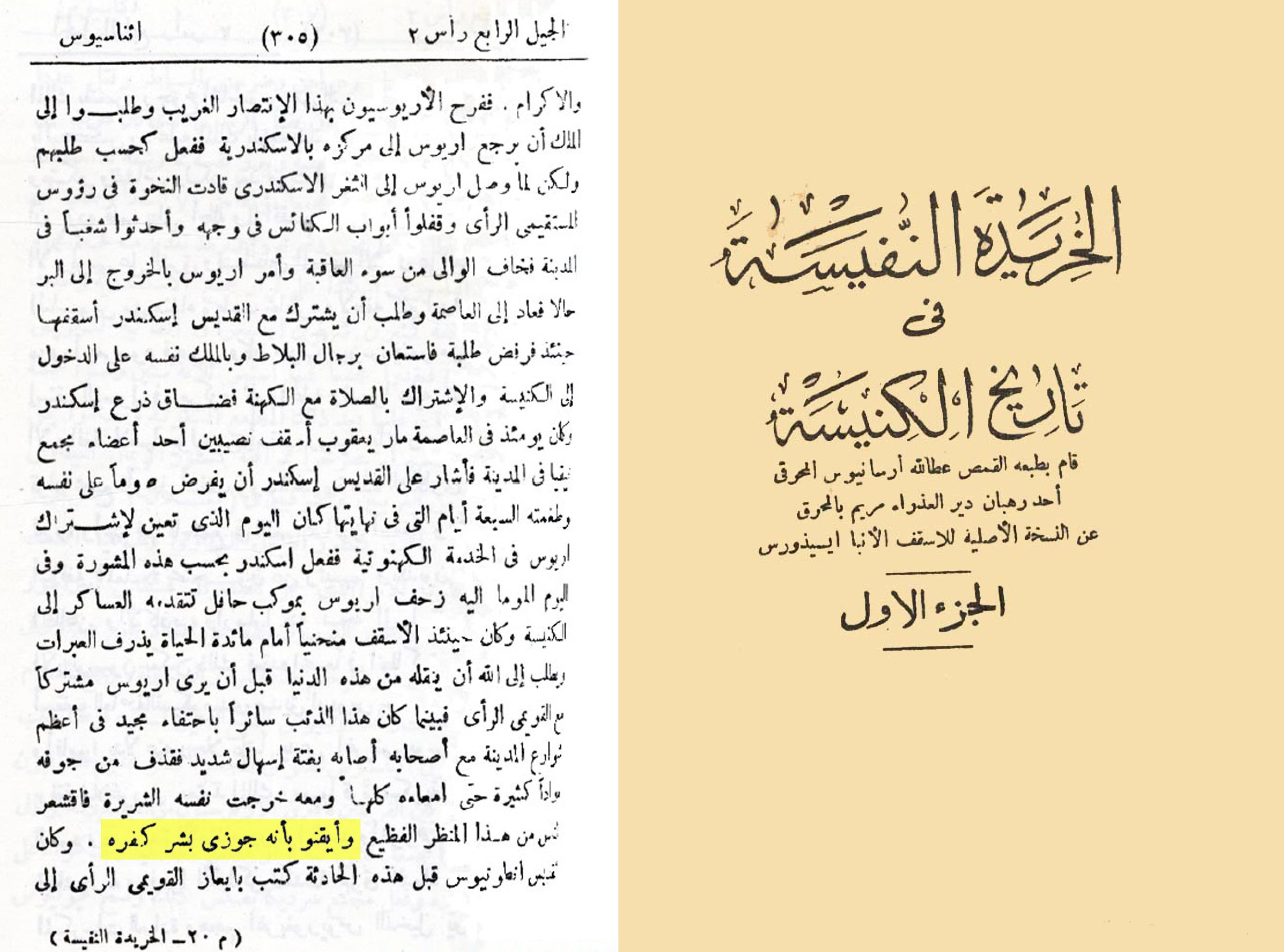
Christian Sects Accuse Each Other of Being Infidels
Inter-denominational excommunication is not an aberration in Christian history — it is a structural feature, with Orthodox, Catholic, and Protestant bodies each declaring the others outside salvation.
“Protestants, Catholics, and others are not acceptable to God and will not enter His kingdom. I will not stop attacking them until they admit that they are not Christians, just as they accuse the Orthodox of being idol worshippers.”
“The Orthodox are idol worshippers.”
“Whoever goes to Protestants or his children is excommunicated. Our Christ is not their Christ and our Jesus is not their Jesus and our faith is not their faith.”
Atonement of the Jehovah’s Witnesses
The following images present source material on the excommunication of Jehovah’s Witnesses by other Christian denominations.
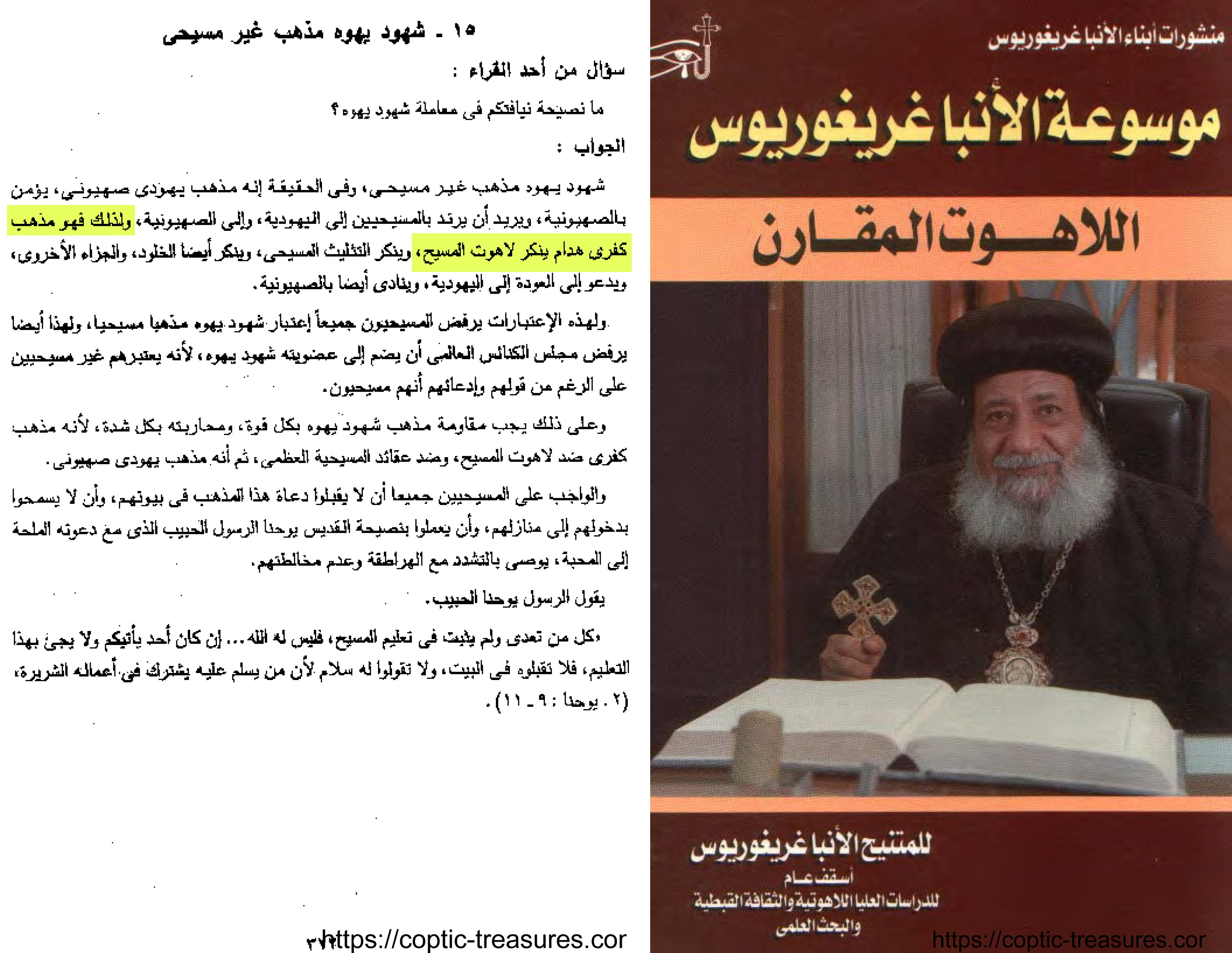
The following image presents the second entry in the Jehovah’s Witnesses excommunication sequence.
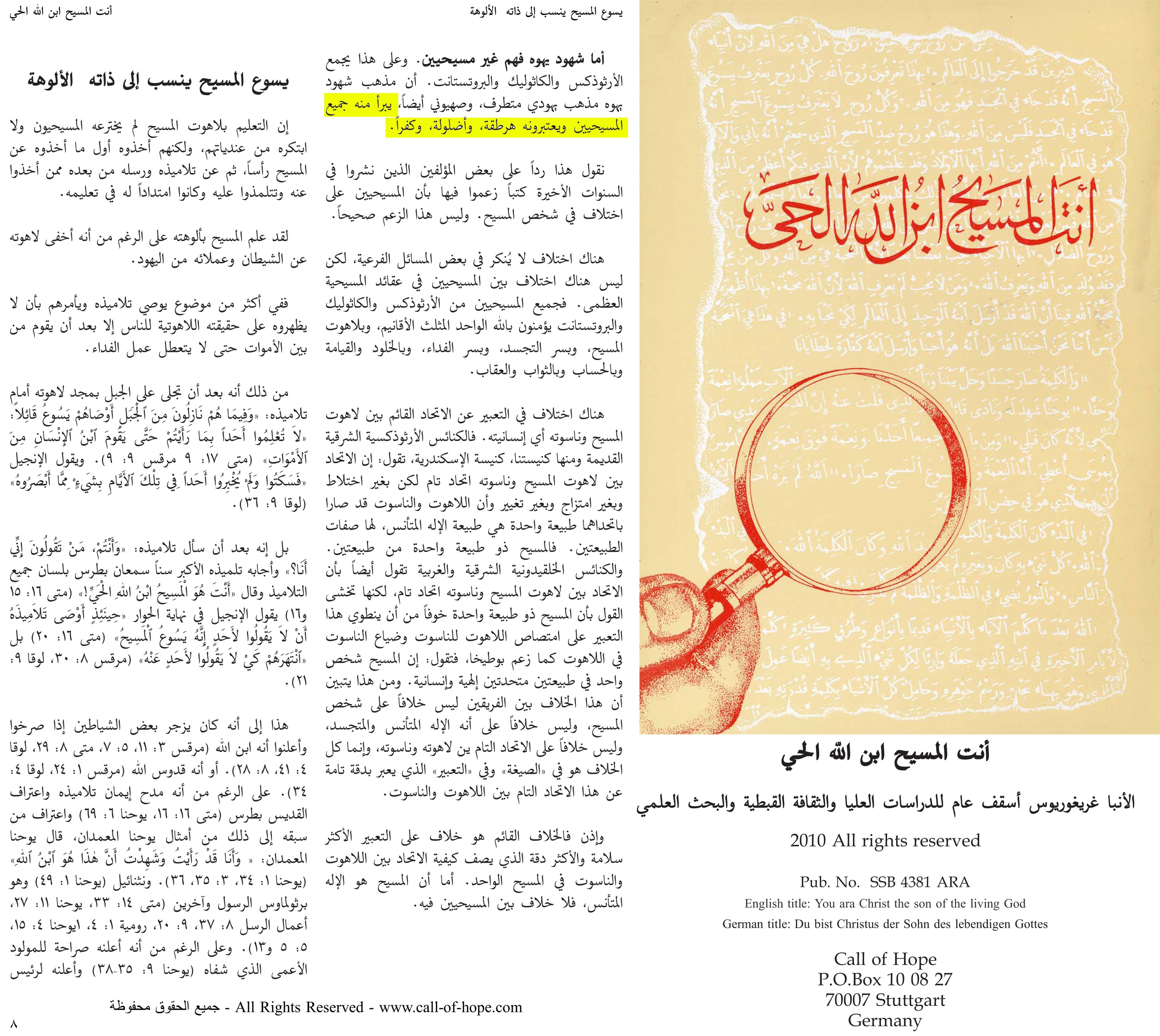
The following image presents the third entry.
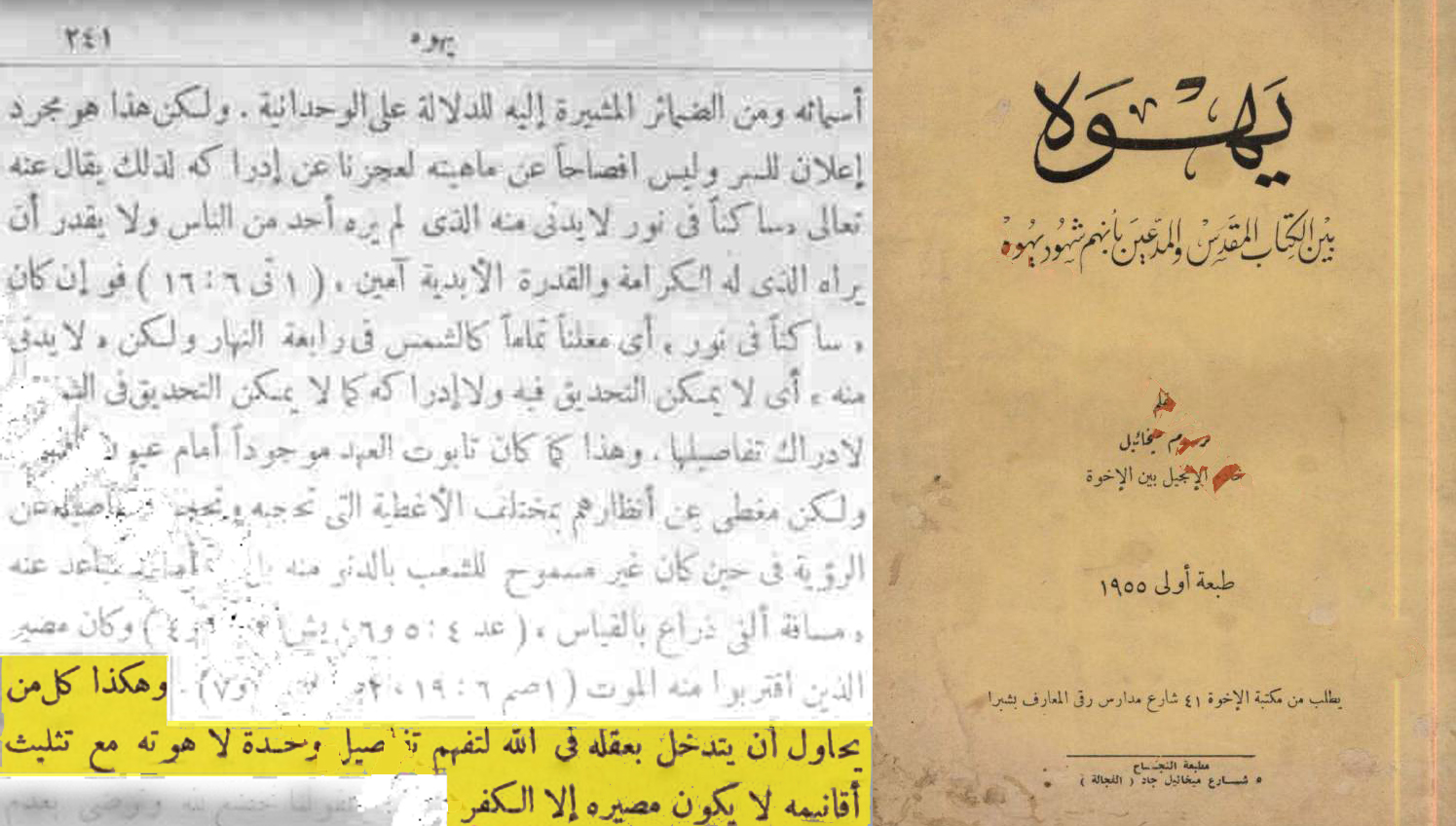
The following image presents the fourth entry.
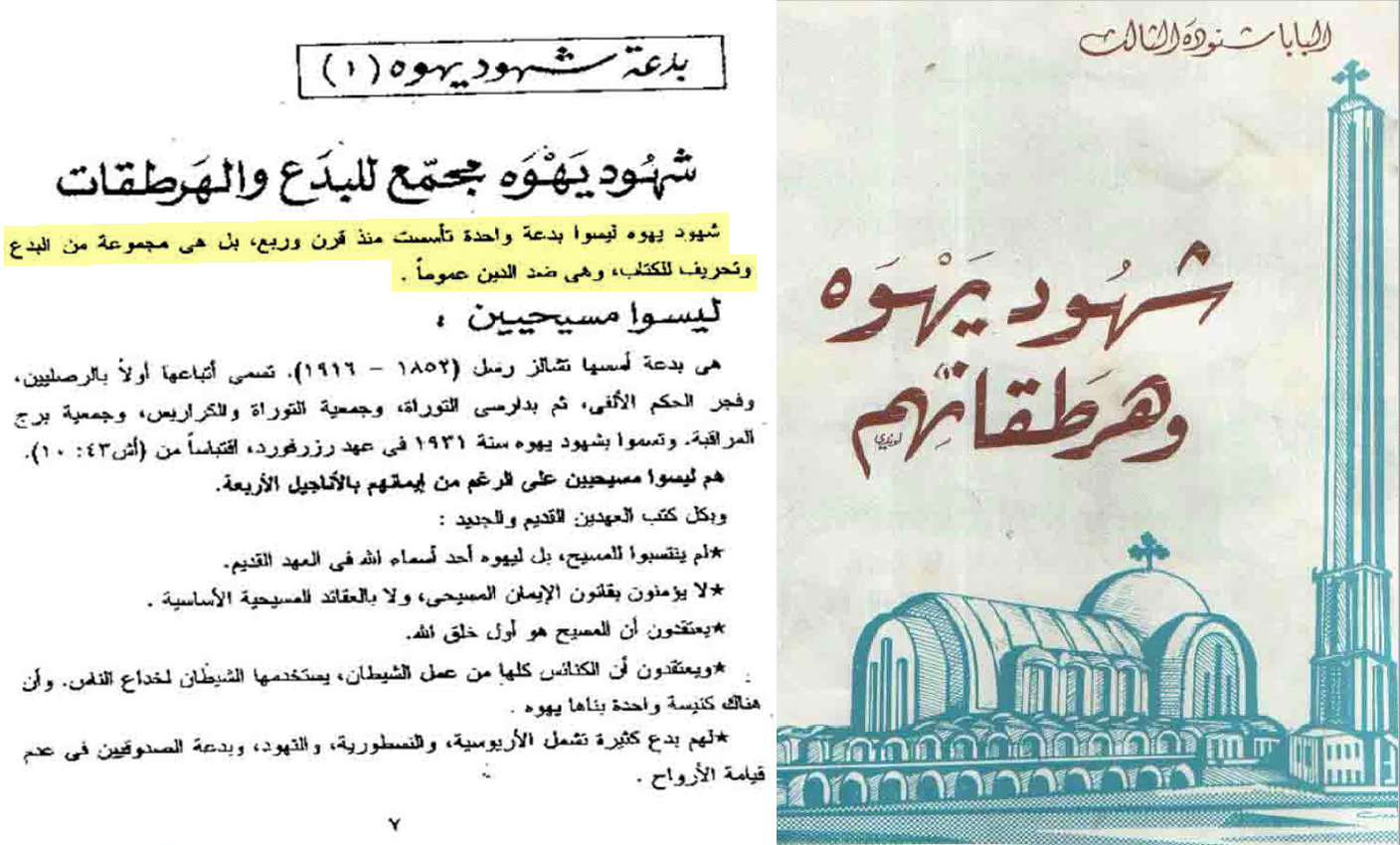
Excommunication of the Unbaptized — Including Children
Atonement of the unbaptized extends to members of the same sect. The doctrine holds that God inherited Adam’s sin unjustly for all people — despite their lack of responsibility for it — and thus any newborn, despite not being aware of anything and having no power, is condemned to disbelief and to hell if he dies without baptism. This also applies to the adult, even if he is a believer.
Atonement of All Those Who Adhere to an Ideology That Contradicts the Teachings of the Church
The following images present source material on the Church’s excommunication of all who hold ideologies contradicting its teachings.
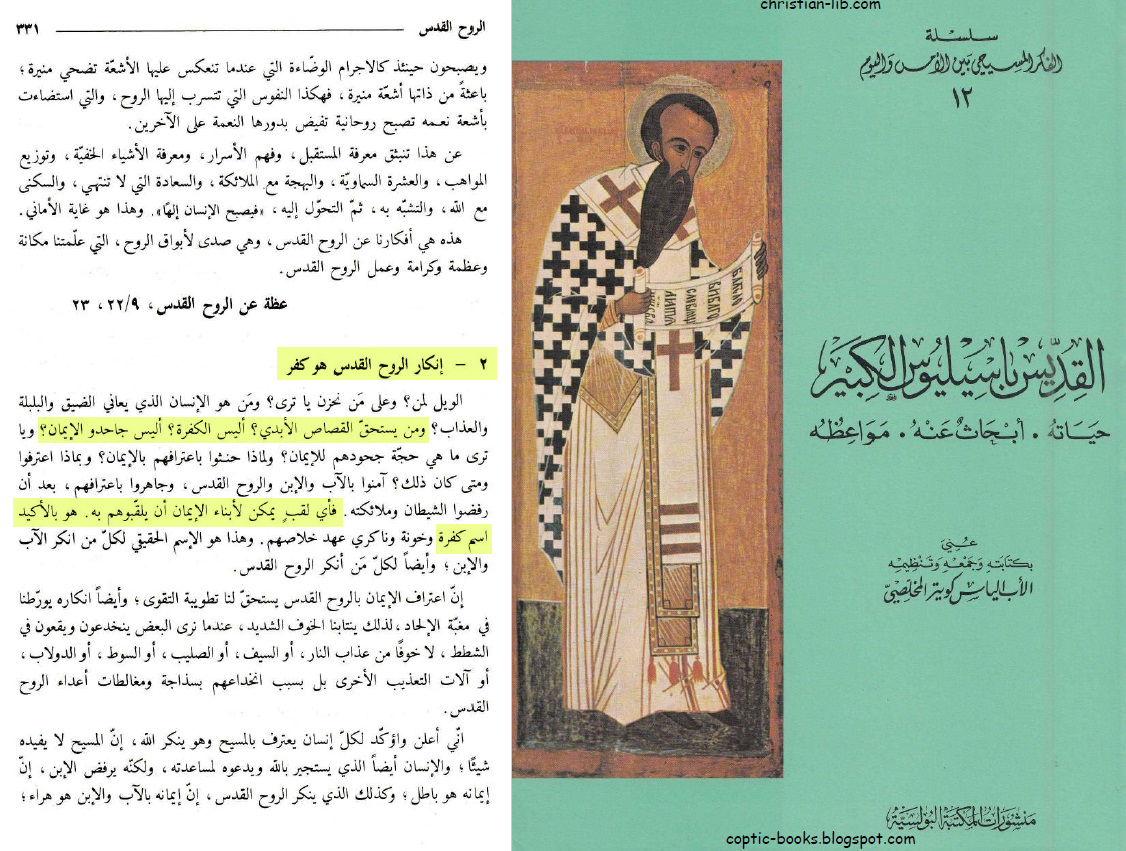
The following image presents the second entry in this sequence.
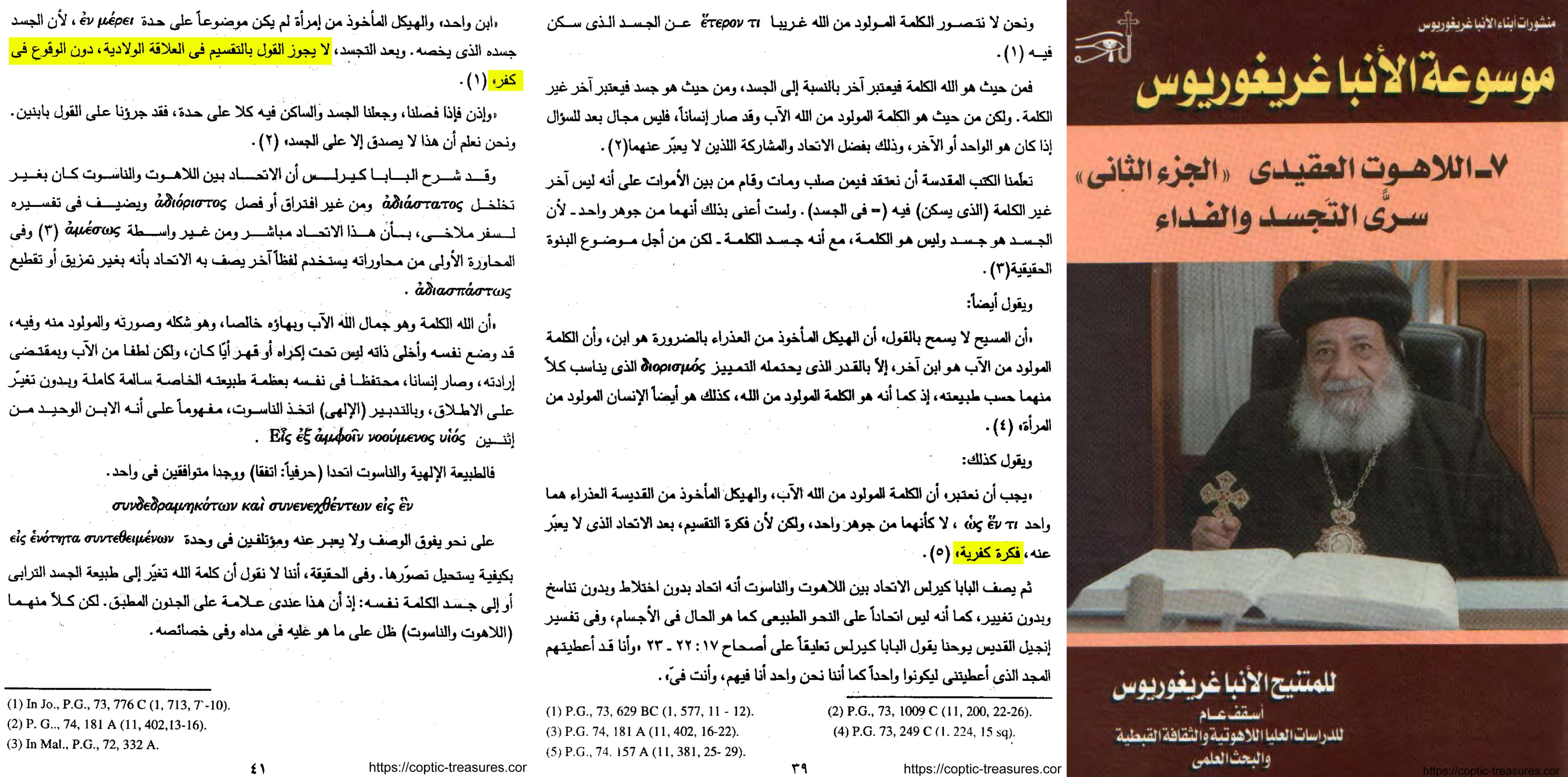
The following image presents the third entry.
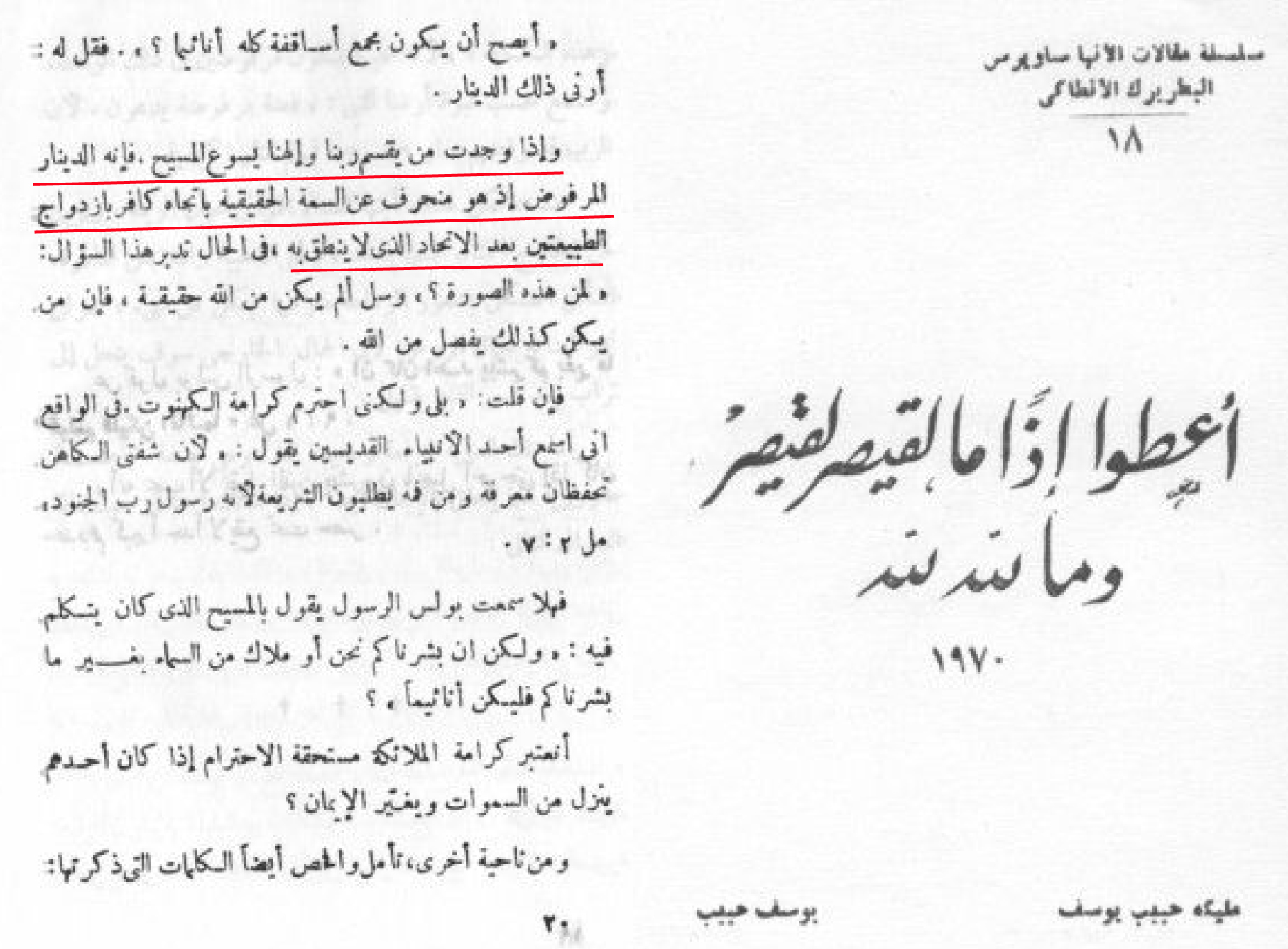
The following image presents the fourth entry.
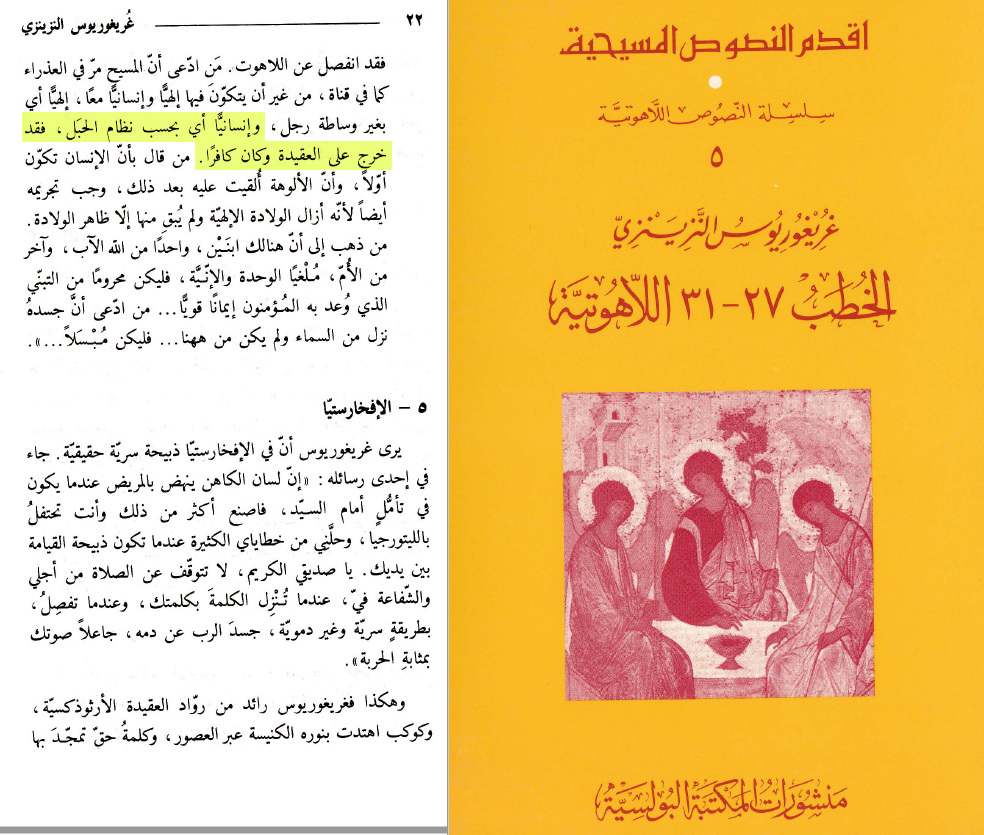
“He talks about the Church’s excommunication of Nestorius, because Nestorius excommunicated everyone who claims that the Virgin Mary is the Mother of God.”
Excommunicating Christians Who Disagree with the Pope
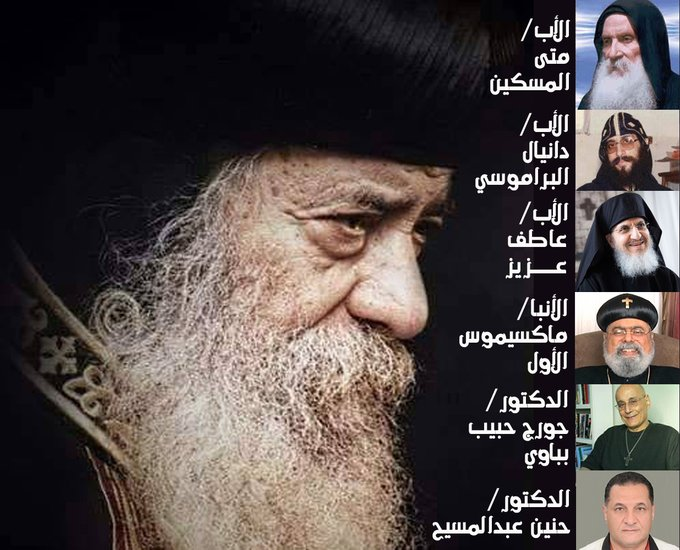
There are some Christians who objected to the Pope in matters or held ideas that the Pope considered heresy, and they were therefore excommunicated. The following image presents source material on this practice.
The Penalty of Apostasy
The Church has historically implemented the penalty of apostasy — including execution by burning — grounding this practice in the continuity between the Old and New Testaments. The theological argument runs as follows: Christians worship one God of the Old and New Testaments, not two gods, and God does not change (Malachi 6:3). Just as God ordered the killing of the apostate in the law (Deuteronomy 13:9), which Jesus pledged not to break (Matthew 5:17–18; Matthew 23:2–3), he ordered the slaughter of whoever does not accept him (Luke 19:27).
The following images present source material on the biblical basis for the apostasy penalty.
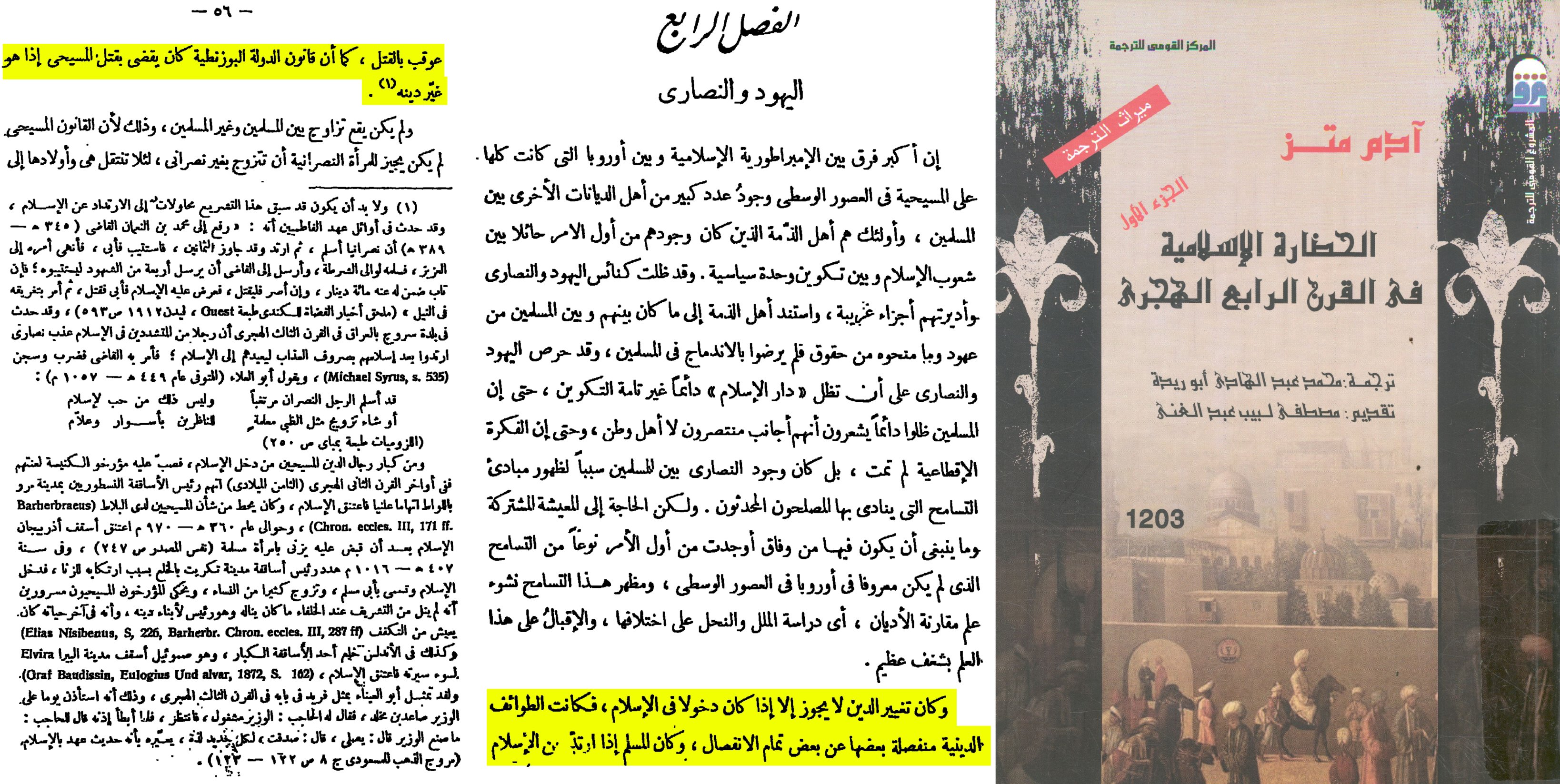
The following image presents the second entry in this sequence.
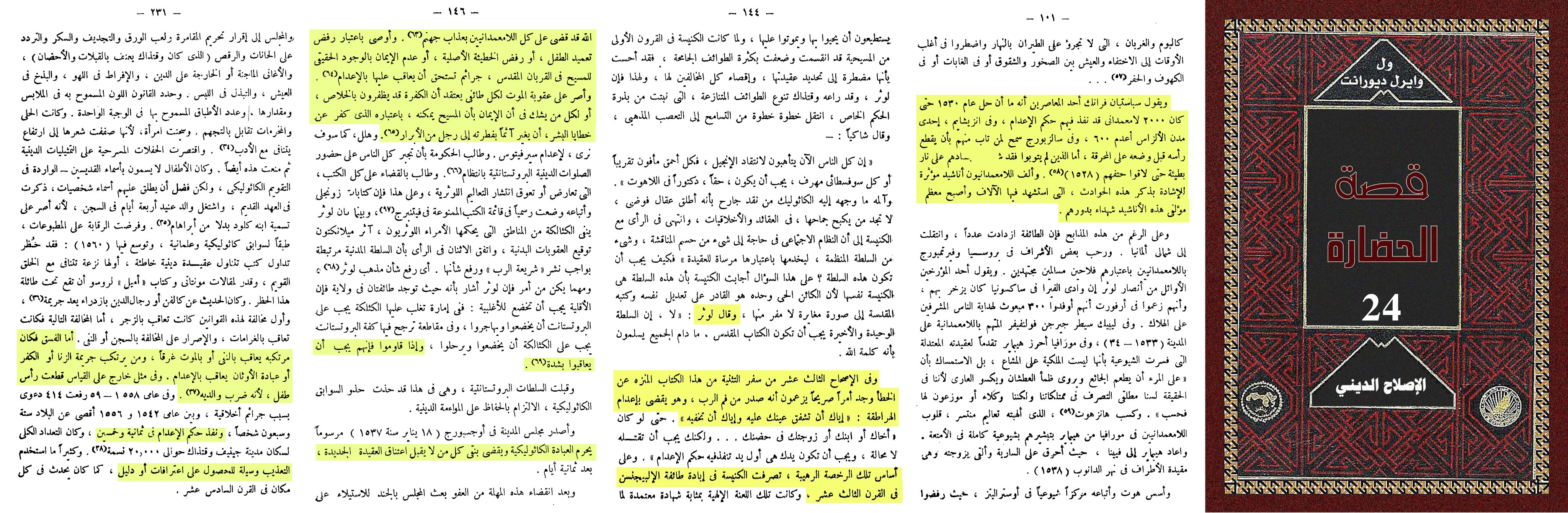
The following image presents the third entry.
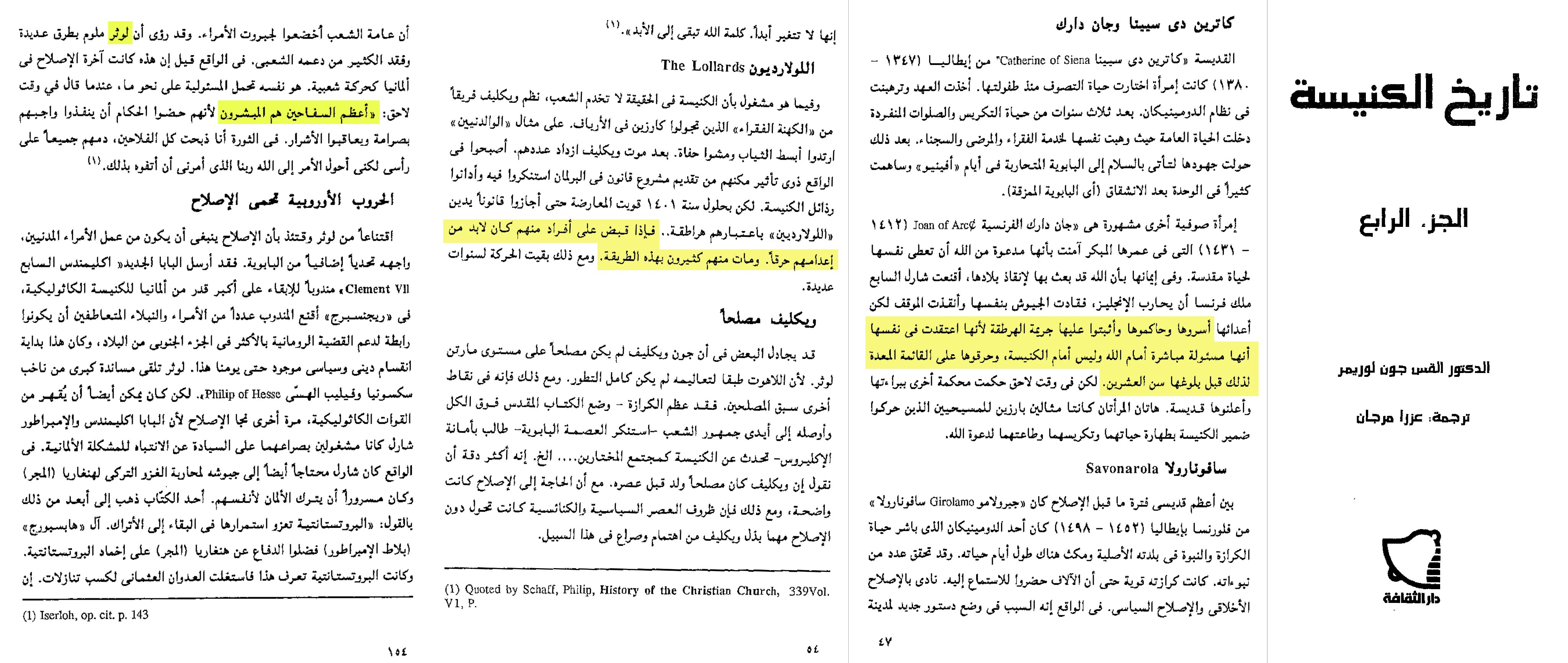
The following image presents the fourth entry.
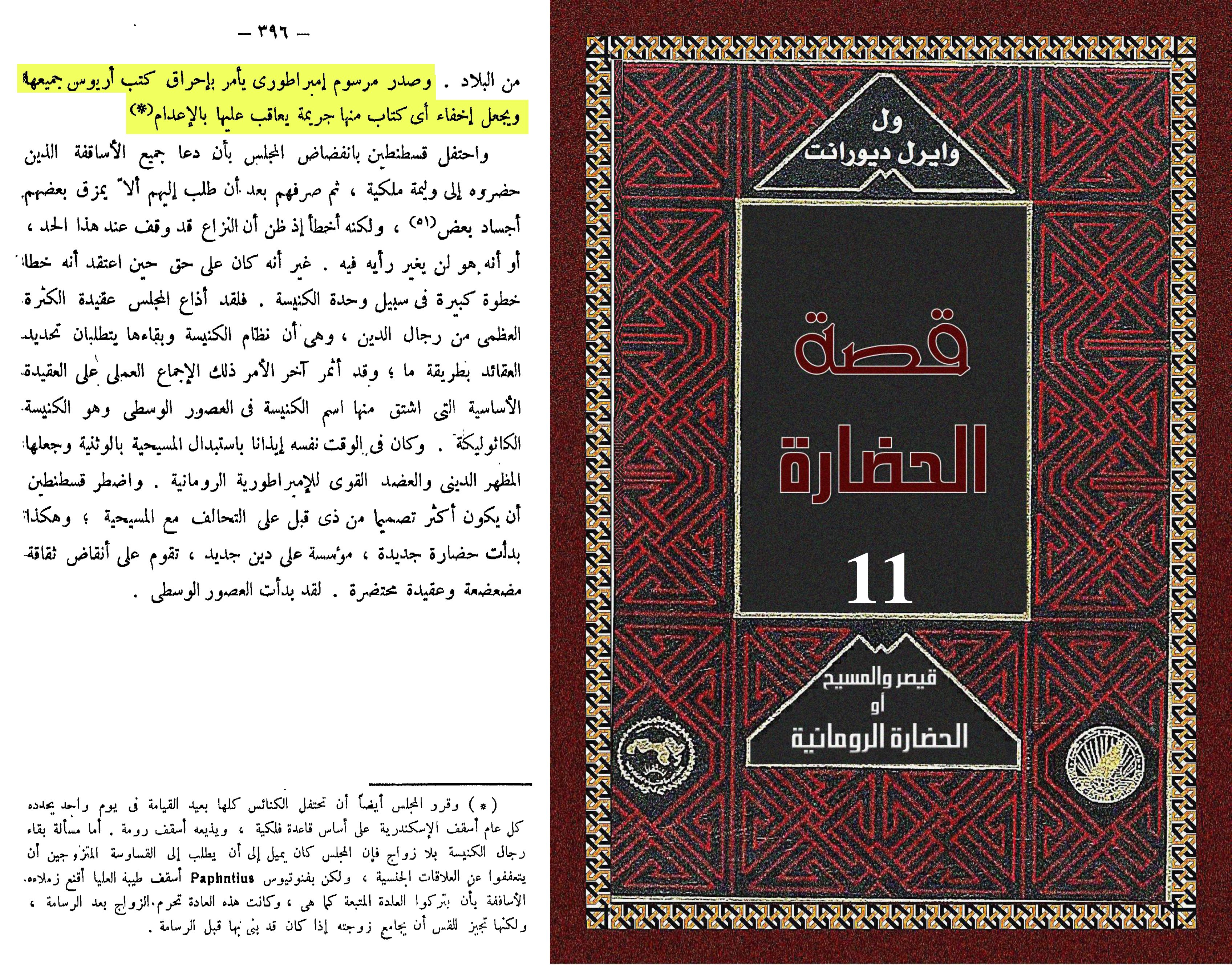
“Whoever abandons his Christianity and goes to Islam is high treason and must be killed.”
Atonement of the Protestants and Seventh-Day Adventists
“Protestantism is heresy and they will not enter the kingdom and their baptism, faith and prayers are invalid and their marriage (adultery).”
Note: The Orthodox Church later apologized for describing Protestant marriage as adultery specifically, clarifying that it is a marriage but not a holy sacrament.
The atonement of Seventh-day Adventists is added to the mutual excommunication between the Orthodox, Catholics, Protestants, and Jehovah’s Witnesses — the Adventist Christian sect is equally condemned within this framework of inter-denominational takfir.
The following image is from a Greek Orthodox Church source containing curses directed at followers of opposing Christian sects and other religions, presented in the context of a liturgical setting.
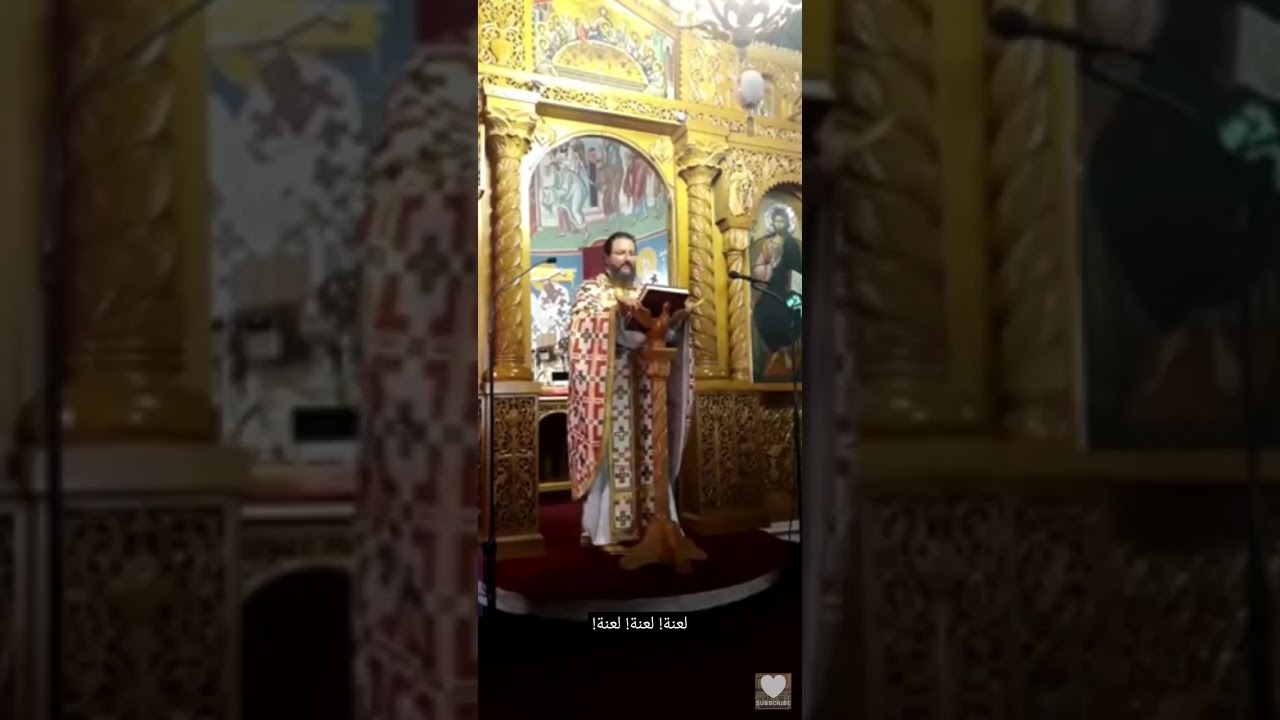
The priest of the Greek Orthodox Church of the Holy Light curses all followers of opposing Christian sects and their fathers — including Dioscorus, Origen, Pope, John Calvin, and Martin Luther — as well as all other religions including Muslims and Jews.
Excommunication of the Nestorians
The Orthodox, led by Pope Cyril, held the Second Council of Ephesus and excommunicated Father Nestorius and his followers, declaring their doctrine heretical. Nestorius in turn excommunicated Cyril and his church. Physical assaults against Nestorians followed, as also occurred in the case of Saint Mary Emmanuel, who was likewise Nestorian.
The following images present source material on the Nestorian excommunication controversy.
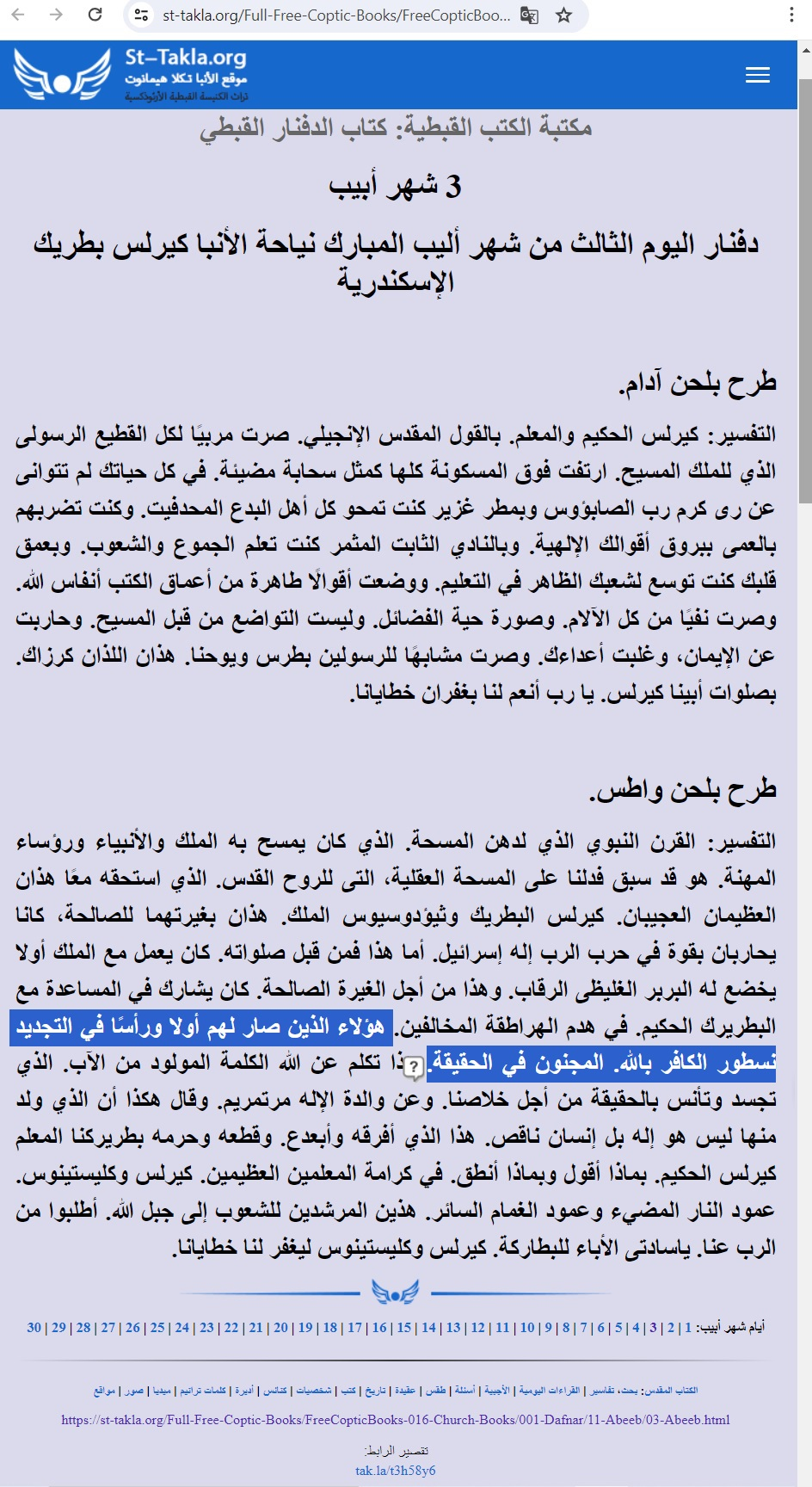
The following image presents the second entry in the Nestorian excommunication sequence.
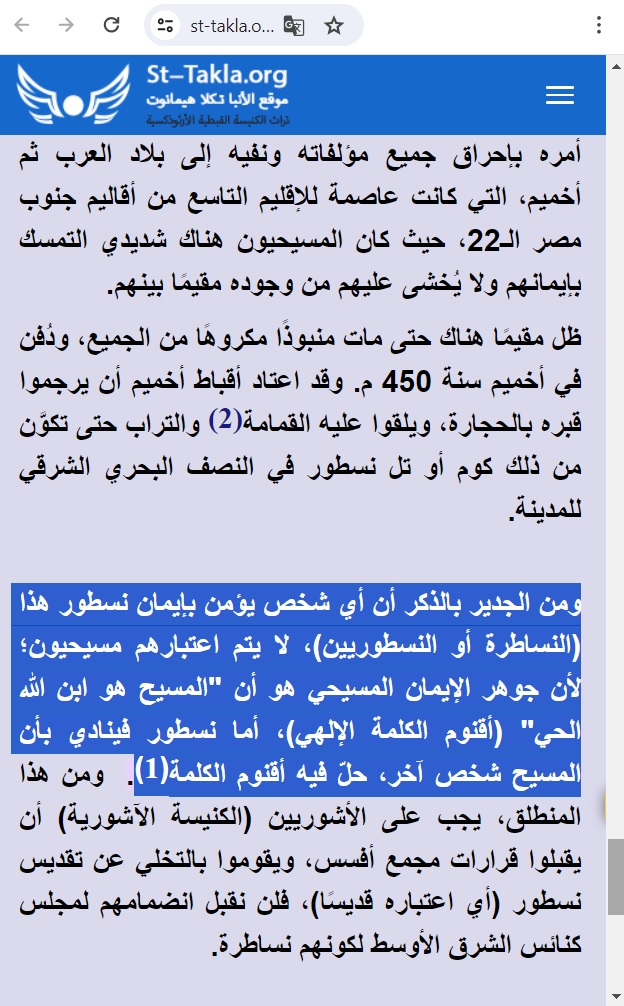
The following image presents the third entry.
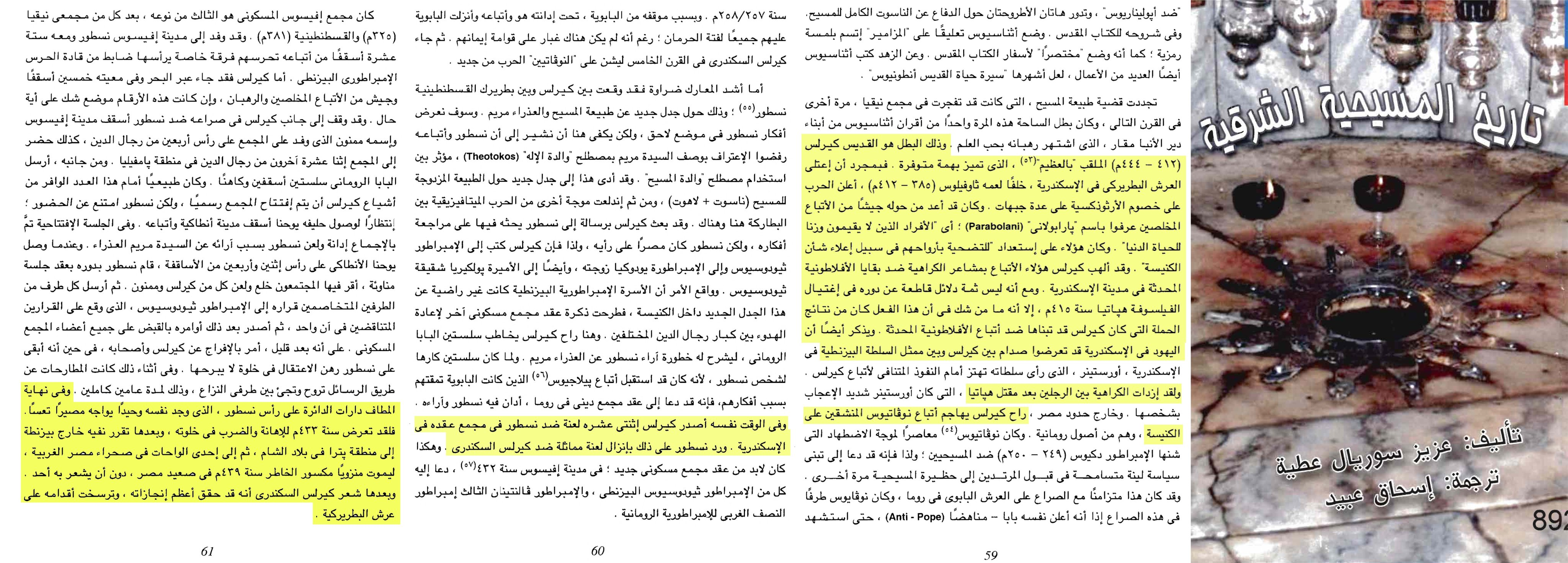
The following image presents the fourth and final entry in this sequence.
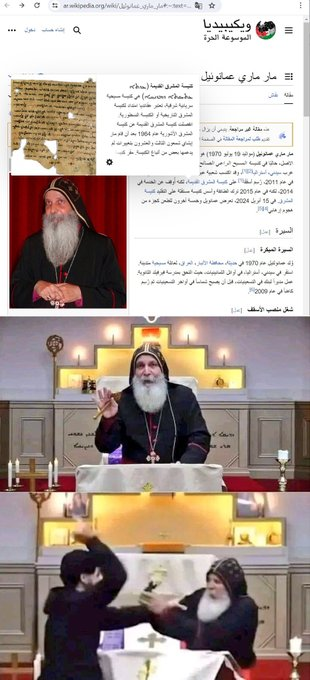
This document has compiled the Christian theological tradition of excommunication, damnation, and apostasy penalties across their primary sources. The evidence spans the atonement theology of Jesus and Paul condemning all of pre-Christian humanity including the prophets; the explicit position of Coptic, Orthodox, Catholic, and Protestant authorities that non-Christians are destined for eternal hell regardless of moral conduct; the mutual excommunication of Christian denominations toward each other; the condemnation of unbaptized newborns; the ecclesiastical and biblical basis for executing apostates; and the historical Nestorian controversy as a case study in violent inter-Christian takfir. The sources cited include the Ignatius Catholic Study Bible, Pope Shenouda, Bishop Raphael, Father Daoud Lamei, Father Marcos Aziz, Father Onesimus Rizk, Bishop Gregory, Anba Bishoy, and others.