

Did Ibn Abbas Permit Mut’ah? Why the Report Refers to Hajj Tamattu‘, Not Temporary Marriage
Did Ibn Abbas Permit Mut’ah? Refuting the Misuse of Sharik’s Report
Table of Contents
- The Report Being Used
- First: The Chain Contains Sharik ibn Abdullah
- Second: Sharik Was Criticized for Many Mistakes
- Third: His Narrations from Al-A’mash Are Especially Problematic
- Fourth: Even If the Report Is Accepted, It Refers to Tamattu’ in Hajj
- Fifth: Ali ibn Abi Talib Reported the Prohibition of Nikah al-Mut’ah
- Conclusion
The Report Being Used
Some people use a report from Ibn Abbas, may Allah be pleased with him, to argue that mut’ah remained permissible, or that Abu Bakr and Umar opposed something established from the Prophet ﷺ.
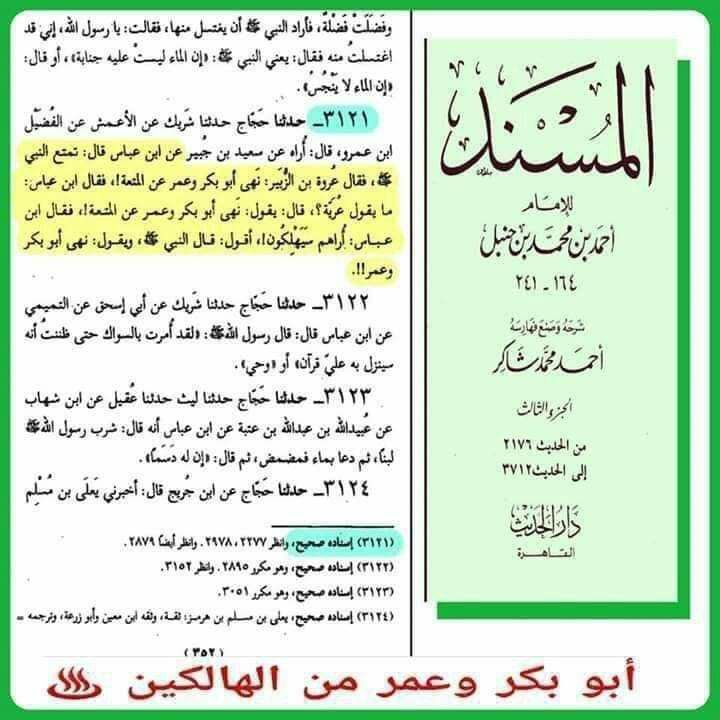
The important issue is that the word mut’ah here is being used in the context of Hajj tamattu‘, not necessarily temporary marriage. This distinction is decisive, because confusing Mut‘at al-Hajj with Nikah al-Mut‘ah creates a false argument.
First: The Chain Contains Sharik ibn Abdullah
Although Ahmad ibn Hanbal said about Sharik that he was trustworthy, this does not end the matter. The report still needs to be judged according to the totality of hadith criticism, especially when Sharik is narrating from al-A‘mash.
Second: Sharik Was Criticized for Many Mistakes
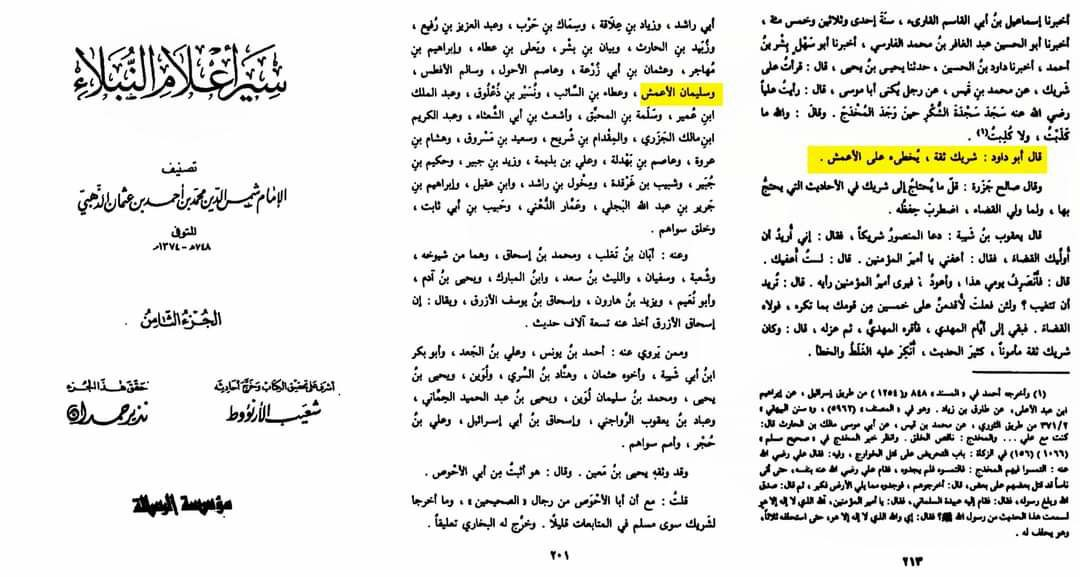
This scan collects statements from the scholars of hadith criticism concerning Sharik ibn Abdullah. Although some scholars gave him a level of reliability, the highlighted material shows that major critics also pointed out his mistakes. Ibrahim ibn Saeed al-Jawhari is quoted as saying that Sharik made mistakes infour hundred hadiths. This is not a minor criticism. It means that Sharik cannot simply be treated as an unrestricted proof in disputed matters, especially when the report is being used to establish a controversial legal or polemical claim.
Third: His Narrations from Al-A’mash Are Especially Problematic
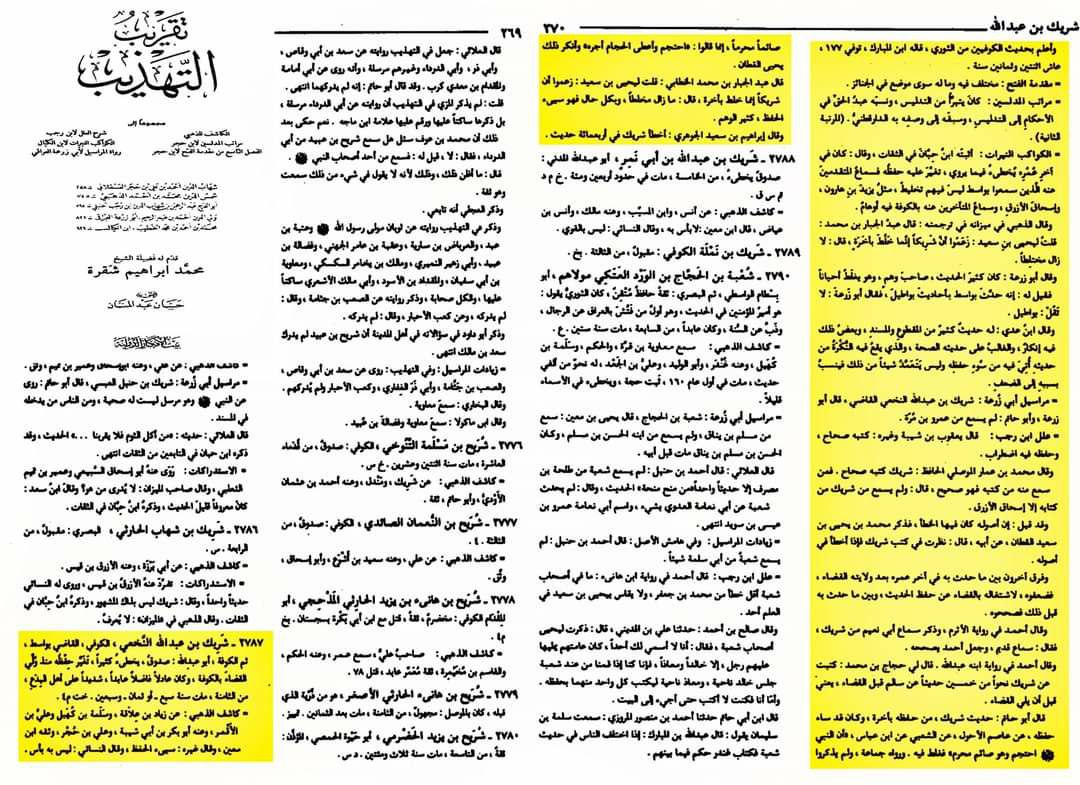
So the issue is not merely that Sharik was criticized in general. The exact route involved in this narration is one of the areas where critics specifically warned about his mistakes. That weakens the attempt to use this report as decisive proof.
Fourth: Even If the Report Is Accepted, It Refers to Tamattu’ in Hajj
The context indicates that what is meant here is Mut‘at al-Hajj, meaning tamattu‘ during Hajj, not Nikah al-Mut‘ah, meaning temporary marriage.
This is where many polemical arguments collapse: they take the word mut’ah, ignore the context, and then force it into the meaning of temporary marriage. That is not serious scholarship.
Fifth: Ali ibn Abi Talib Reported the Prohibition of Nikah al-Mut’ah
“The Prophet ﷺ forbade temporary marriage on the day of Khaybar, and the meat of domesticated donkeys.”
So even if the wording from Ibn Abbas is accepted, it should be understood according to its proper subject: tamattu‘ in Hajj, not temporary marriage.
Conclusion
First, the report used contains Sharik ibn Abdullah, and the scans show that many hadith critics considered him prone to mistakes, especially in narrations from al-A‘mash.
Second, even if the report is accepted, the context points to Mut‘at al-Hajj, meaning tamattu‘ during Hajj, not Nikah al-Mut‘ah, meaning temporary marriage.
Therefore, this narration cannot be used as proof that temporary marriage remained permissible, nor can it be used to claim that Abu Bakr and Umar opposed the Sunnah of the Prophet ﷺ.
The Truth About Mut’ah (Temporary Marriage): Permanently Forbidden in Quran & Sunnah — Full Evidence