Did Prophet Muhammad Borrow Surah Al-Fil? Refuting the Ru'bah ibn al-‘Ajjaj Claim
Responding to the Doubt: Is Surat Al-Fil Borrowed from the Poet Ru’bah Ibn al-‘Ajaj?
Content of the Doubt
And they were afflicted with what afflicted the owners of the elephant…
And the birds of Ababil played with them,
throwing stones of baked clay at them…
So they became like eaten straw.
It is also claimed that the Prophet borrowed Surat al-Fil from an Assyrian inscription allegedly discovered in 2017 and placed in the British Museum.
Response to the Doubt
Firstly
Look at the contradiction that the lying enemies of Islam have fallen into; they are confused as to whether to attribute Surat Al-Fil to the poet Ru’bah ibn al-‘Ajaj or to the Assyrian state.
Secondly
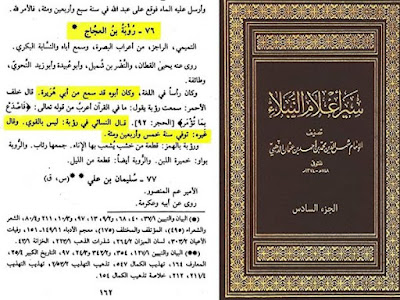
The previous verses were said by the poet Ru’bah ibn al-‘Ajaj, but this poet did not exist during the time of the Prophet Muhammad.
-
He was born in 65 AH, meaning 54 years after the death of the Prophet ﷺ.
-
Ru’bah lived during the Umayyad and Abbasid eras.
-
He was not a pre-Islamic poet and did not live in the Jahiliyyah at all.
How could the Prophet Muhammad steal from the poetry of Ru’bah ibn al-‘Ajaj when Ru’bah was not born until decades after the Prophet’s death?
The poet Ru’bah and his father transmitted hadith from the companion Abu Hurayrah, and both are recorded in the books of criticism and authentication among narrators.
- Ru’bah was not a strong narrator of hadith.
- His narrations were judged weak by scholars of jarḥ wa taʿdīl.
- He was an Islamic poet, not a pre-Islamic poet.
- He did not write the alleged verses at all.
Conclusion
It was later poets who quoted the Qur’an in their poetry, not the other way around.
Third
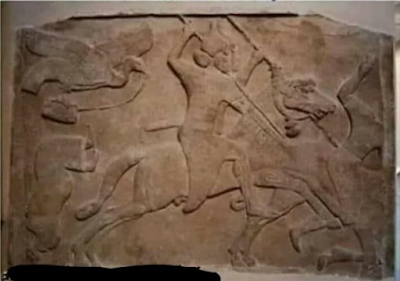
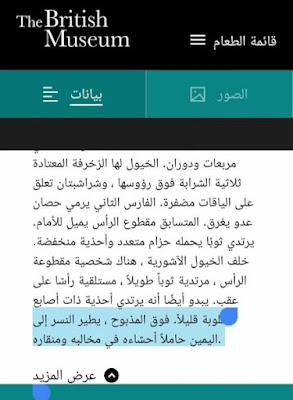
As for the Assyrian inscription, it has nothing to do with Surat Al-Fil.
- The inscription is in the British Museum, registered as 118907.
- Found in rooms seven and eight.
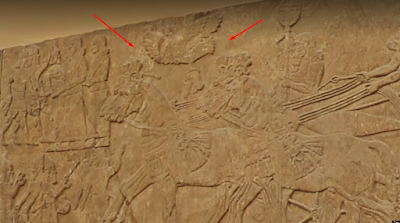
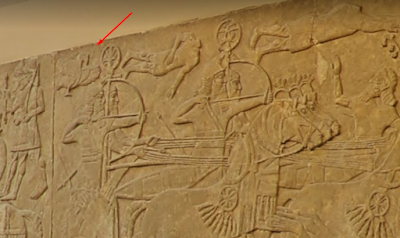
- It describes Assyrian warfare, not Abraha or the People of the Elephant.
- An eagle carrying entrails/intestines in its talons and beak.
- Vultures picking up severed heads.
- Birds circling battlefields.
These depict birds scavenging corpses after war, not birds throwing stones.
Images and Epigraphic Evidence
Ru’bah Ibn al-‘Ajaj Was Born during the Umayyad Era and Narrated from the Companion Abu Hurayrah
Vultures Pick up a Piece of Intestine that Has Fallen out with Their Beaks, and Do Not Throw Stones, as the Enemies of Islam Claim
Vultures Fly into the Battlefield to Pick up the Remains of Soldiers and Their Severed Heads to Eat
The Eagle Roams the Battlefield in Search of Food, but it Does Not Throw Stones at the Enemies
What the British Museum Says about the Assyrian Inscription (translated)
- Ru’bah ibn al-‘Ajaj lived after the Prophet ﷺ, making the plagiarism claim impossible.
- Later poets borrowed Qur’anic language, not vice versa.
- The Assyrian inscription depicts scavenger birds on battlefields, not birds casting stones.
- There is no evidence whatsoever that Surat al-Fil was borrowed from either source.