

Did the Prophet ﷺ Curse an Orphan Girl? Sahih Muslim 2603 Explained
Claims have been made — particularly by Sam Shamoun — that Sahih Muslim 2603 demonstrates that the Prophet ﷺ insulted and cursed an innocent orphan girl for no reason. A reading of the classical sharh literature shows the exact opposite: the Prophet ﷺ was being kind to her, using a common Arab rhetorical expression, and his subsequent du’a was a prayer that any misunderstanding of his words become a mercy for her.
The Core Principle: Arab Rhetorical Expressions
A fundamental error underlies the doubt: taking narrations in which the Prophet ﷺ used common Arab expressions of emphasis or endearment and reading them as literal curses or insults. The scholarly consensus on such expressions is clear — they carry no more weight than a figure of speech.
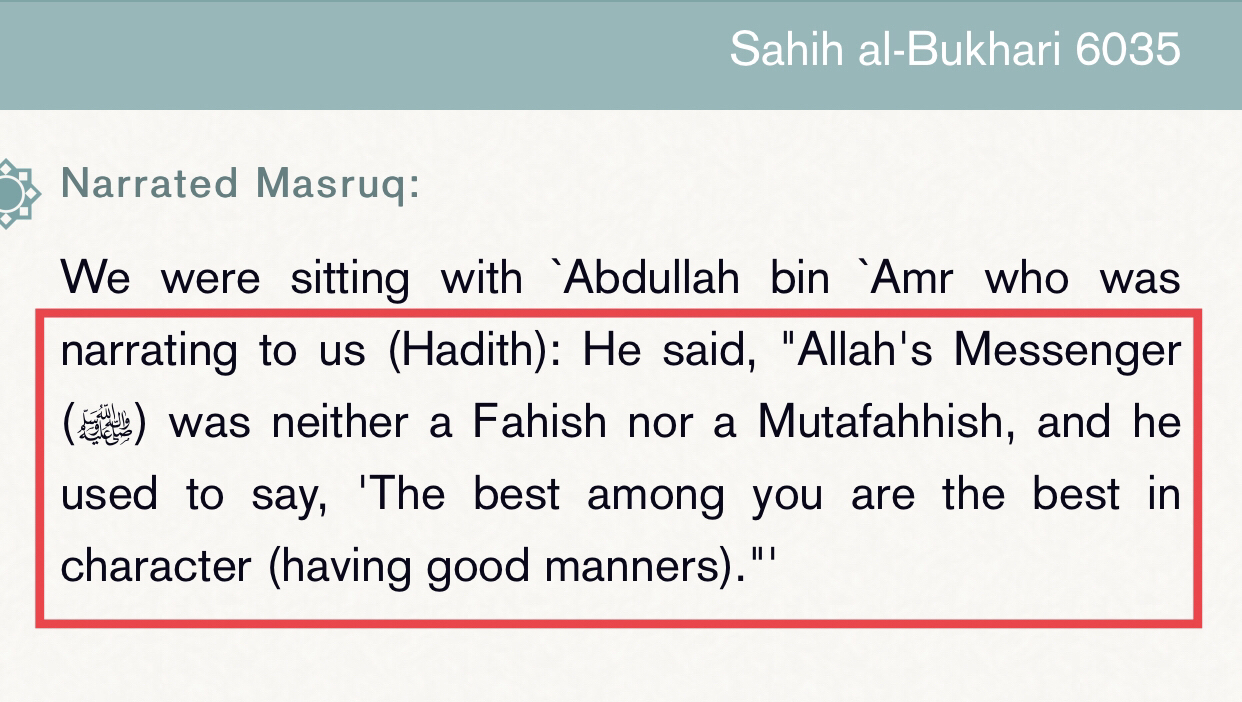
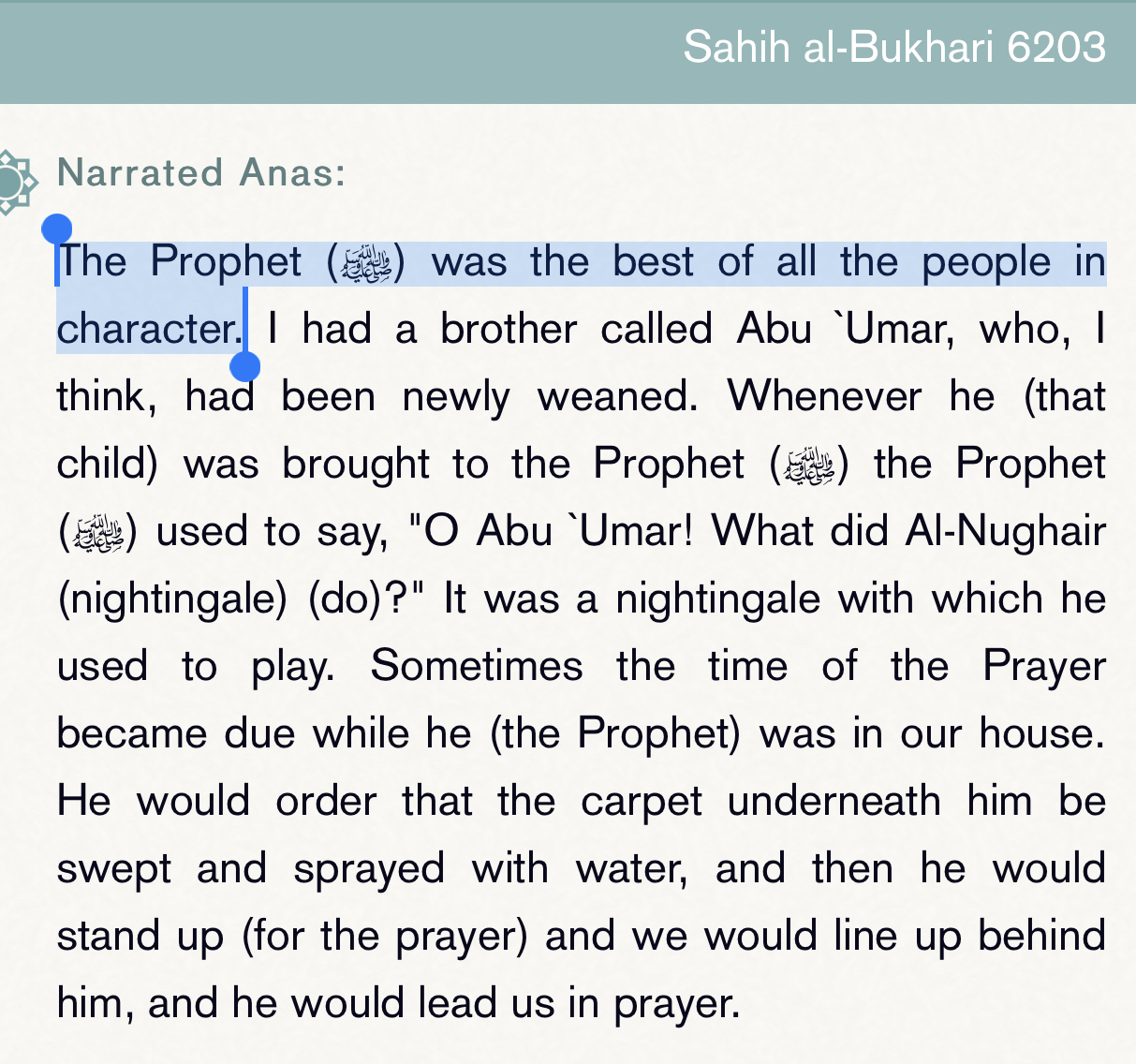
The following source images establish the classical position on narrations of this type.
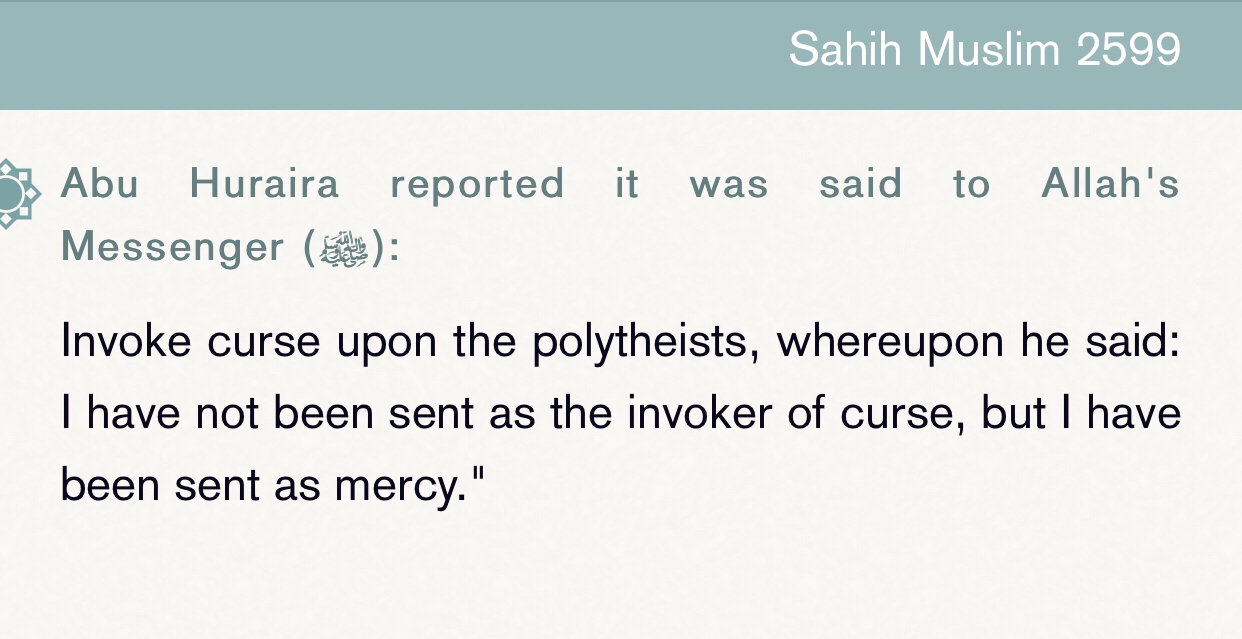
The “curse” in the consensus understanding of the scholars amounts to nothing more than a rhetorical label — comparable in weight to calling someone “unjust” — and carries no literal supplication against the person addressed. Just as the Ten Commandments say “do not kill” without making every person who kills absolutely condemned with no context, these expressions cannot be extracted from their rhetorical and cultural setting and read as literal divine imprecations.
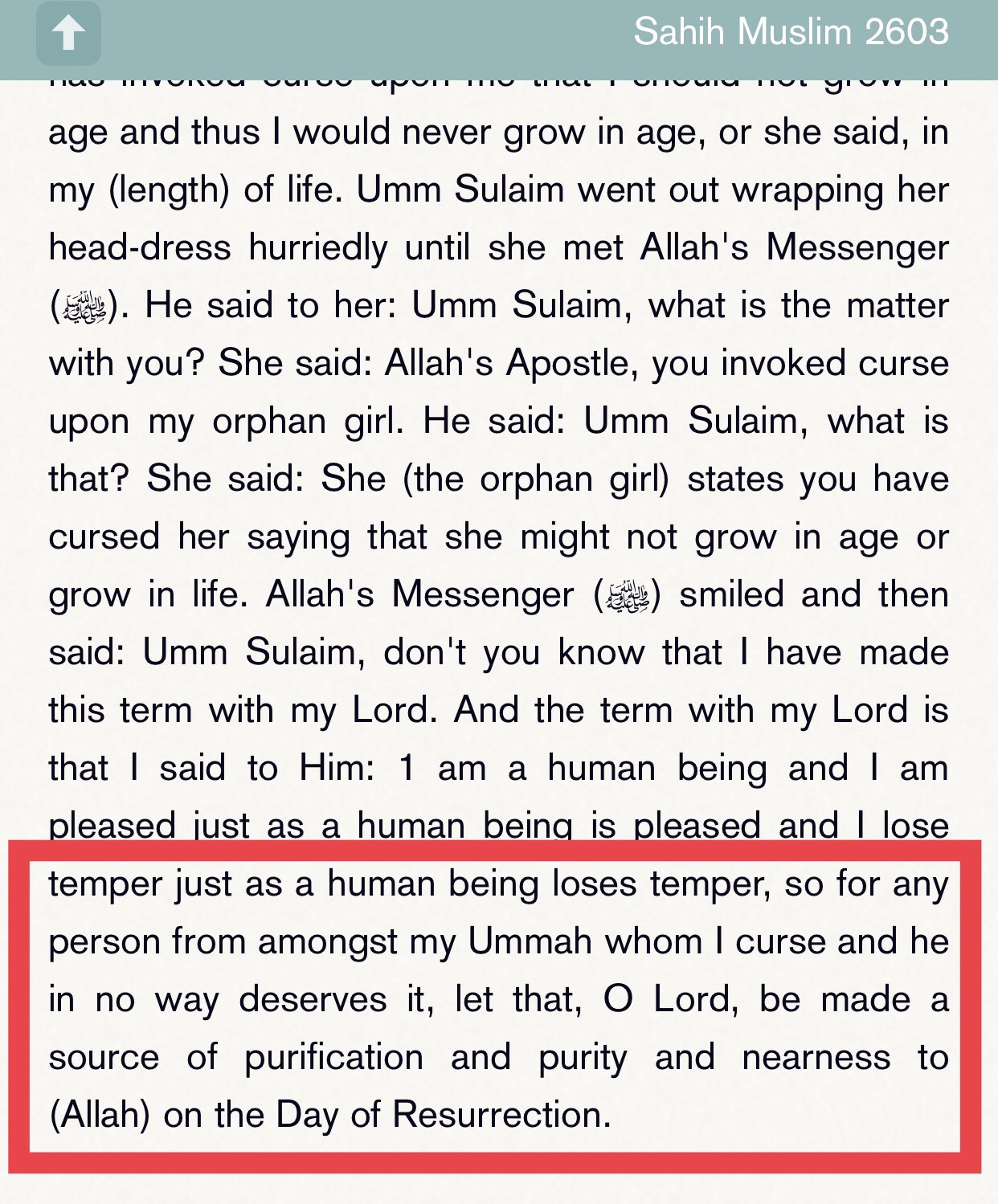
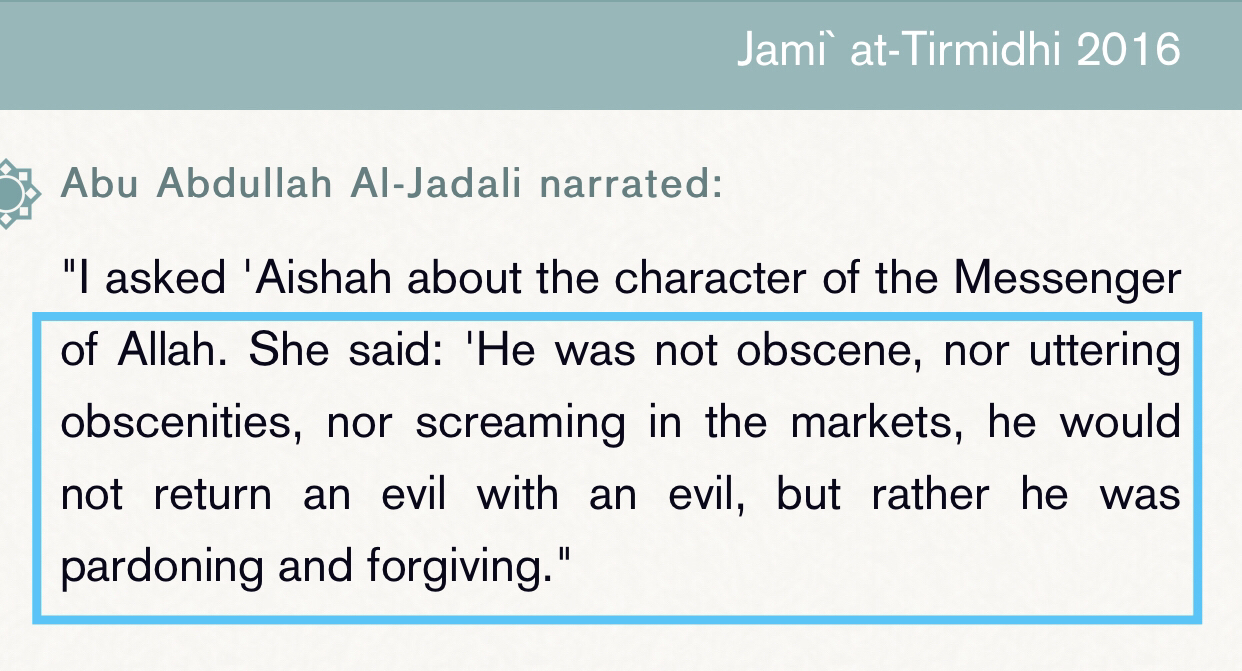
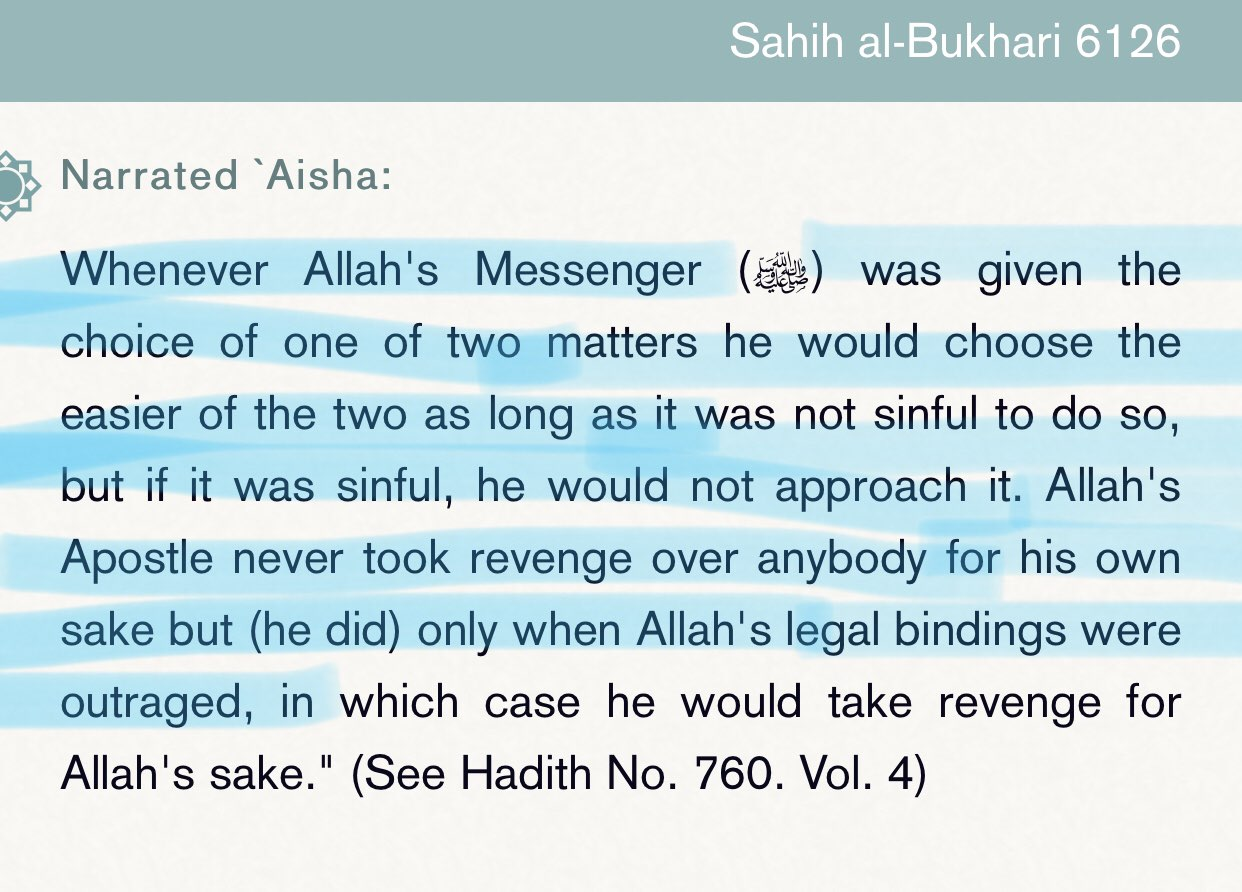
This is precisely why the Prophet ﷺ is the best of humanity: a lesser person in his position would have been far more arrogant and genuinely harsh. When he expressed anything resembling anger or sharpness, it was only for the sake of Allah — never for personal spite or revenge.
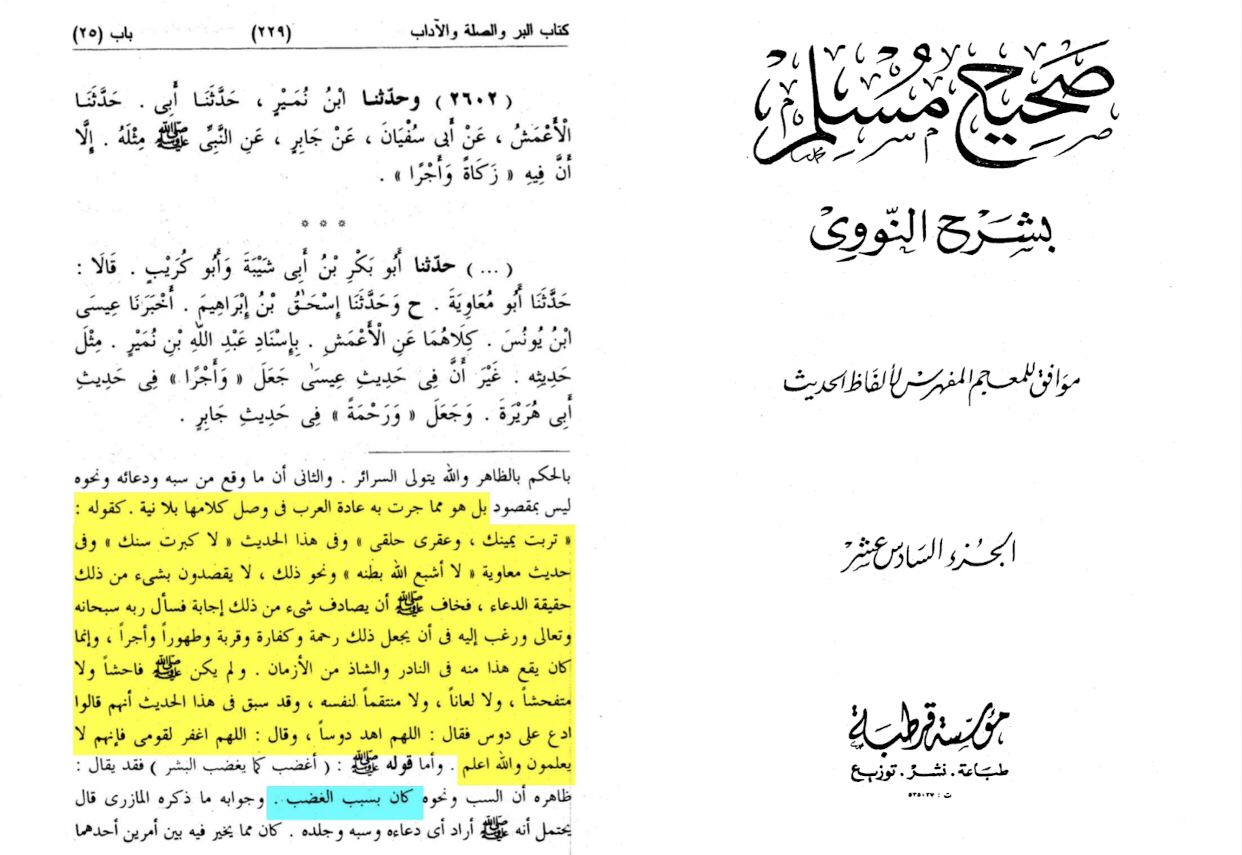
Al-Nawawi’s Explanation — Sharh Sahih Muslim (16/229)
The authoritative commentary of Imam al-Nawawi on this class of hadith addresses the matter directly:
[!scholar] Imam al-Nawawi — Sharh Sahih Muslim (16/229)
“What was caused by his du’a and curse upon the non-believers is not what is intended — but it is what the Arabs were doing at this time: saying words while not meaning them, as in the hadith ‘may your teeth never grow’ — he does not really mean anything by that du’a. So he became concerned that people would take what he said seriously, and he asked his Lord that any such curse or expression be turned into mercy upon them. And this did not happen often — it was the rarest of occurrences. The Prophet ﷺ was not fahish (foul-mouthed), nor mutafahish, nor a cursor. And this is evidenced by the fact that when he was asked to pray against the Daws tribe, he said: ‘May Allah guide Daws.’”
The following images are from the original Arabic text of this sharh.
The passage makes two things clear: the expressions in question were standard Arab rhetorical usages with no intended meaning, and the Prophet’s subsequent supplication was a precautionary prayer — not an admission that he had genuinely cursed anyone.
The evidence of the Daws narration is particularly significant: when genuinely asked to invoke Allah against a tribe, the Prophet ﷺ responded with a prayer for their guidance — establishing beyond doubt that harsh expressions in other narrations were not sincere supplications against their targets.
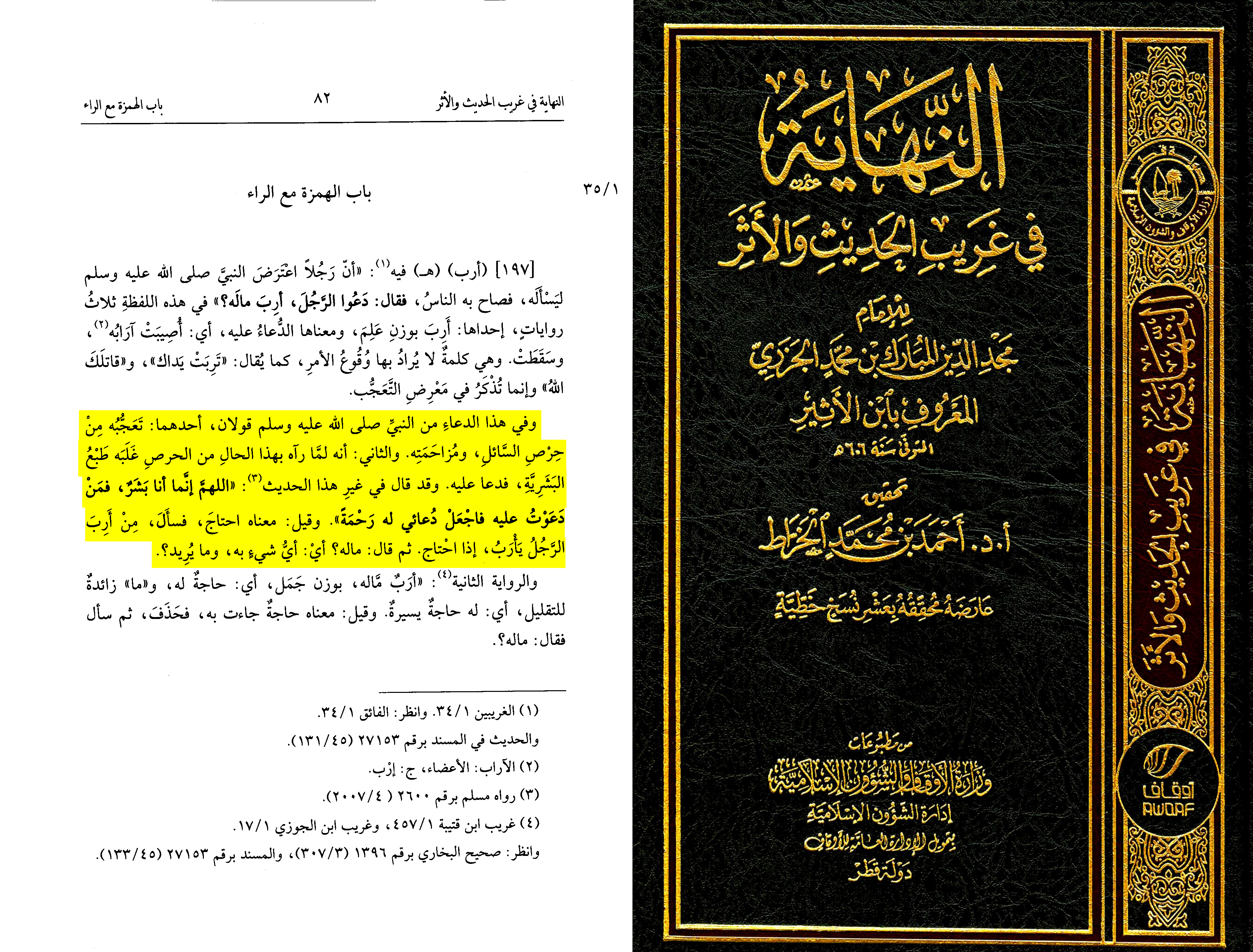
Al-Nihayah fi Gharib al-Hadith (Vol. 1, p. 82)
A further clarification comes from Al-Nihayah fi Gharib al-Hadith:
[!scholar] Ibn al-Athir — Al-Nihayah fi Gharib al-Hadith (1/82)
“In this supplication by Allah’s Messenger, there are two sayings: one of them is that it expresses his surprise at the questioner’s care and his use of humor; the other saying is that when he found this amount of care from the questioner, human nature overtook him.”
The stronger of the two sayings is the first — and it is the closest to what al-Nawawi stated. The Prophet ﷺ was responding warmly to a young child, and his expression was one of affectionate humor, not imprecation.
The Hadith of the Orphan Girl — Sahih Muslim 2603
Sahih Muslim 2603 demonstrates that the Prophet ﷺ insulted and cursed an innocent orphan girl for no reason.
“That these types of sayings — what seems to be an insult or a supplication of that sort — are not intended with malice or as a genuine supplication to Allah. Rather, they are the habitual and common rhetorical expressions of the Arabs, said without intention or purpose — such as in this hadith: ‘don’t grow old in age.’ This was not meant in any way as a supplication or curse by Allah. The Prophet ﷺ feared that — although they were common Arab expressions — it would be misunderstood in that sense. So he asked his Lord to make any such misunderstanding a mercy, a pardoning, a nearness, a purity, and a reward. This is an anomalous and unusual context. The Prophet was not foul-mouthed, not a cursor, and not vengeful.”
What the Prophet ﷺ actually said to the orphan girl — “don’t grow old” or “stay young” — is a common expression used even today to show warmth and delight toward children. The hadith clearly shows he was being kind and playful with her, expressing something like “wow, you’re so little!” The girl, being young, misunderstood him and thought he had said something against her. Such a vague and gentle expression could only be read as a curse by a child who did not yet understand Arab rhetorical convention.
What the Prophet’s Du’a to Umm Sulaim Actually Means
The final and decisive point concerns the Prophet’s supplication after Umm Sulaim came to him.
Sam Shamoun reads the Prophet’s du’a as an admission: “I cursed her — and if she didn’t deserve it, let it be a mercy.” This reading is false.
The Prophet ﷺ was not saying that he did curse the orphan girl and, if she did not deserve it, that the curse should become a mercy. He was saying: he did not curse her, she misunderstood what he said as a curse, and he prayed that this misunderstanding — born of her innocence and youth — be a source of purification and mercy for her on the Day of Resurrection. The misunderstanding itself, coming from an innocent child, is what is transformed into a mercy.
The Prophet ﷺ was not foul-mouthed, not a cursor, and not vengeful — al-Nawawi establishes this explicitly. The expression directed at the orphan girl was a standard Arab rhetorical expression of warmth toward a child. The Prophet’s subsequent supplication was not an admission of cursing — it was a prayer that any innocent misunderstanding of his words become a source of reward and purity. Sam Shamoun’s reading ignores the sharh literature entirely and imposes a literalism onto an expression whose figurative nature was understood by every Arab present.