Did ‘Umar (R.A.) Run Away From the Battle of Uhud
,
So many shi’ah
would use this narration found in Tafsir a-Tabari where ‘Umar (r.a.) recites the verse in which Allah the most high said: “Those of you who turned back on the day when the two armies clashed
it was Satan who caused them to backslide, on account of some of what they have earned. But God has forgiven them. God is Forgiving and Prudent.” [Qur’an, ch. 3, v. 155].
So after reciting the verse, Sayyiduna ‘Umar (r.a.) stated that he was of those who turned their backs during the battle of Uhud. The shi’ah specifically like to pick on the part in which ‘Umar (r.a.) compare himself to a mountain goat whilst running away.
So First We Respond by Saying that This Hadith is Weak because the Chain Contains a Narrator by the Name of Abu Hisham a-Rifa’i Who Has Been Weakened by the Majority of Scholars
Imam al-Bukhari
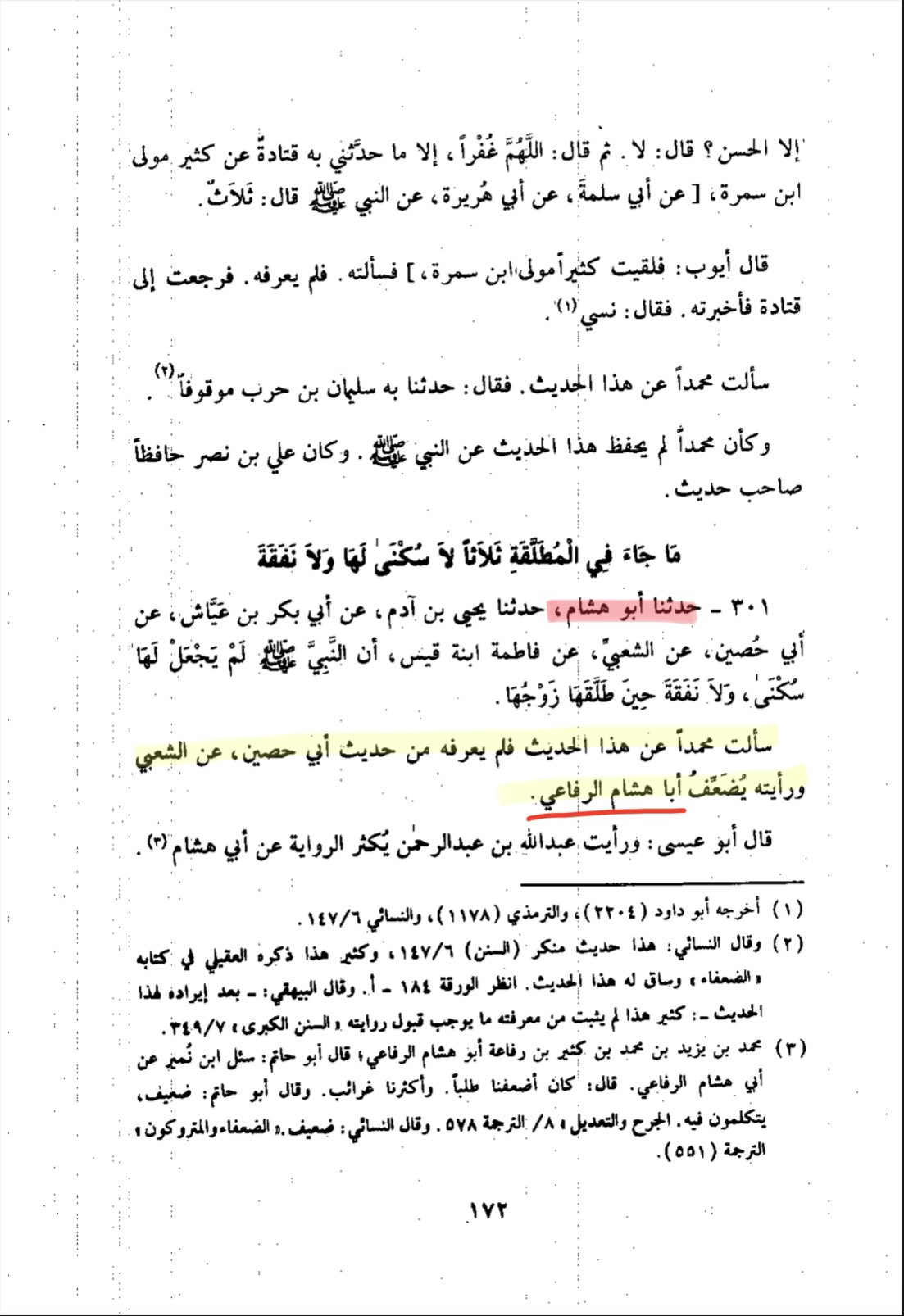
Imam a-Tirmidhi narrated a narration that contains Abu Hisham a-Rifa’i in its chain.
So Imam a-Tirmidhi asked his teacher, Imam al-Bukhari, about this narrator to which he answered by weakening Abu Hisham a-Rifa’i.
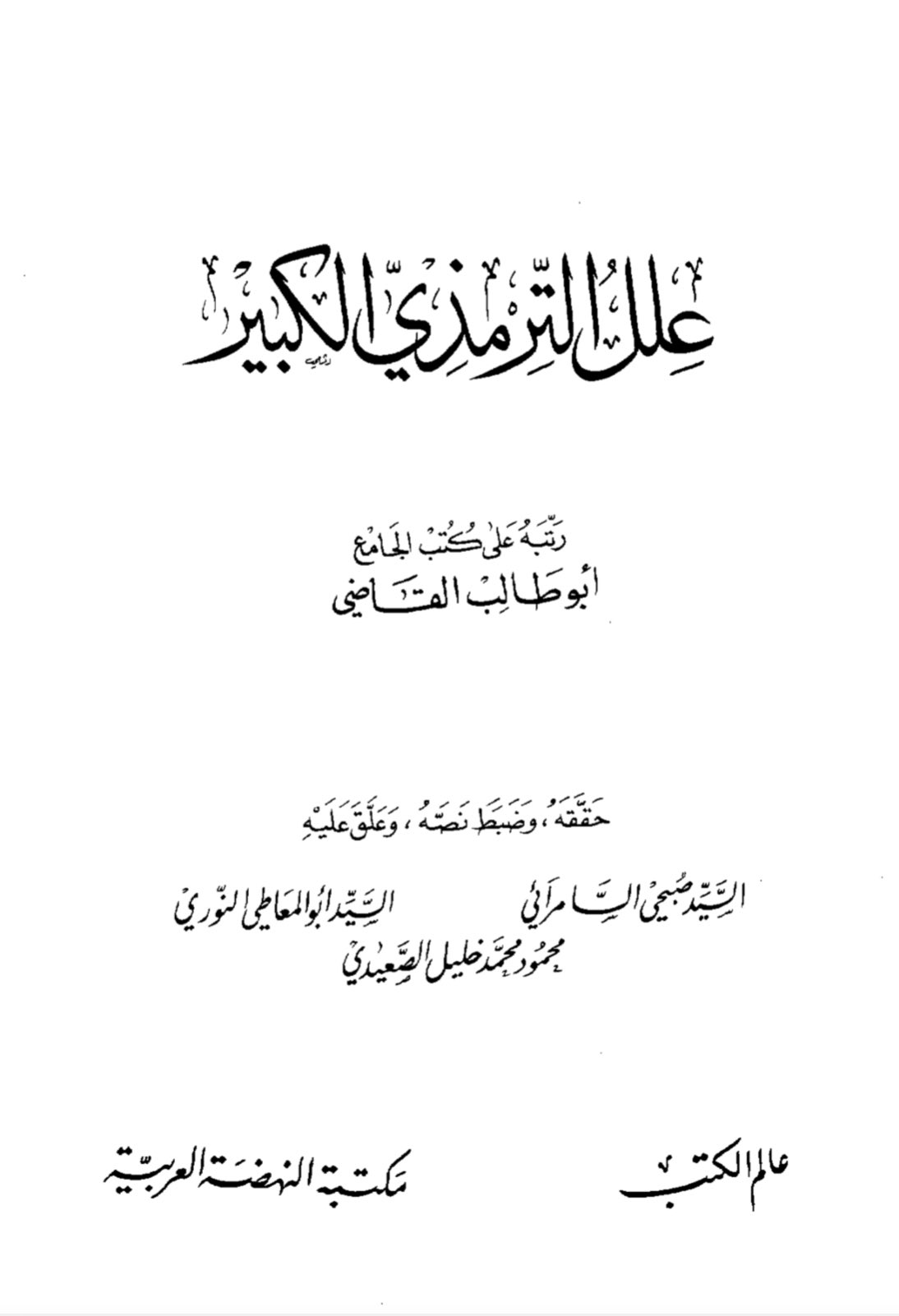
al-‘Ilal al-Kubra, p. 172
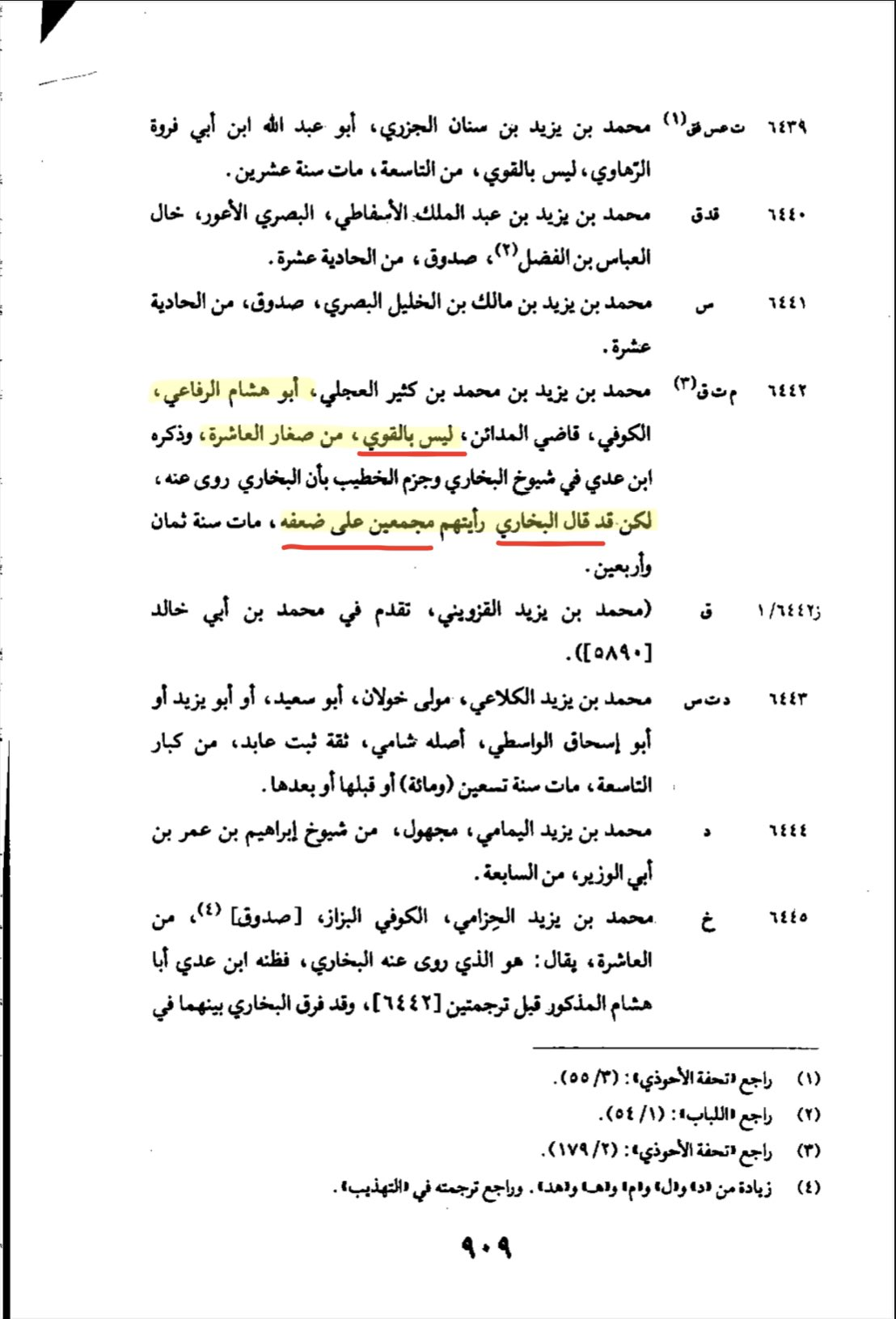
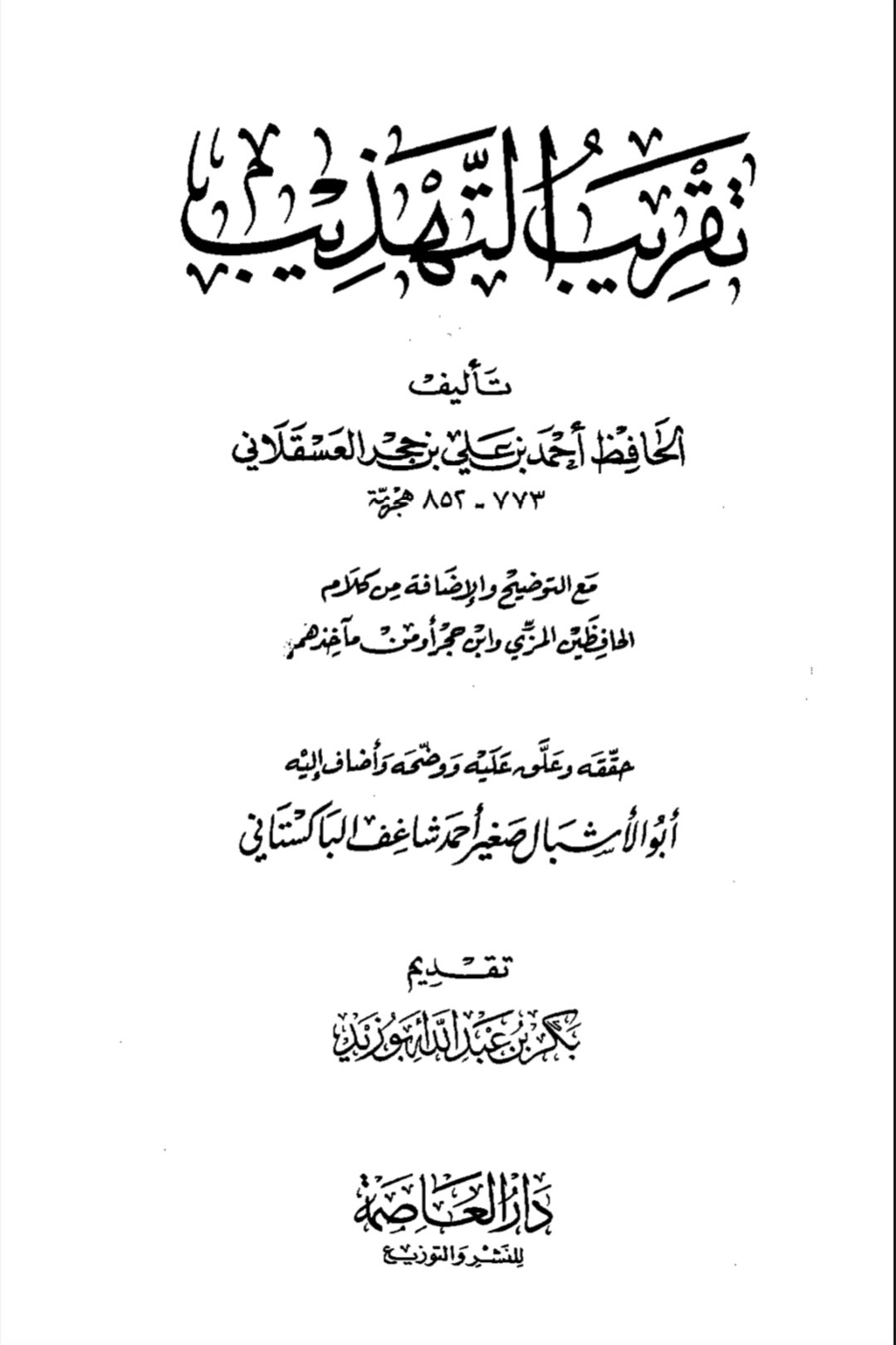
- Imam Ibn Hajar al-‘Asqalani:
“Abu Hisham a-Rifa’i is not strong (in hadith), he’s from the minor ones of the tenth tabaqah … al-Bukhari said that there is a consensus on his being weak.”
Taqrib a-Tahdhib, p. 909.
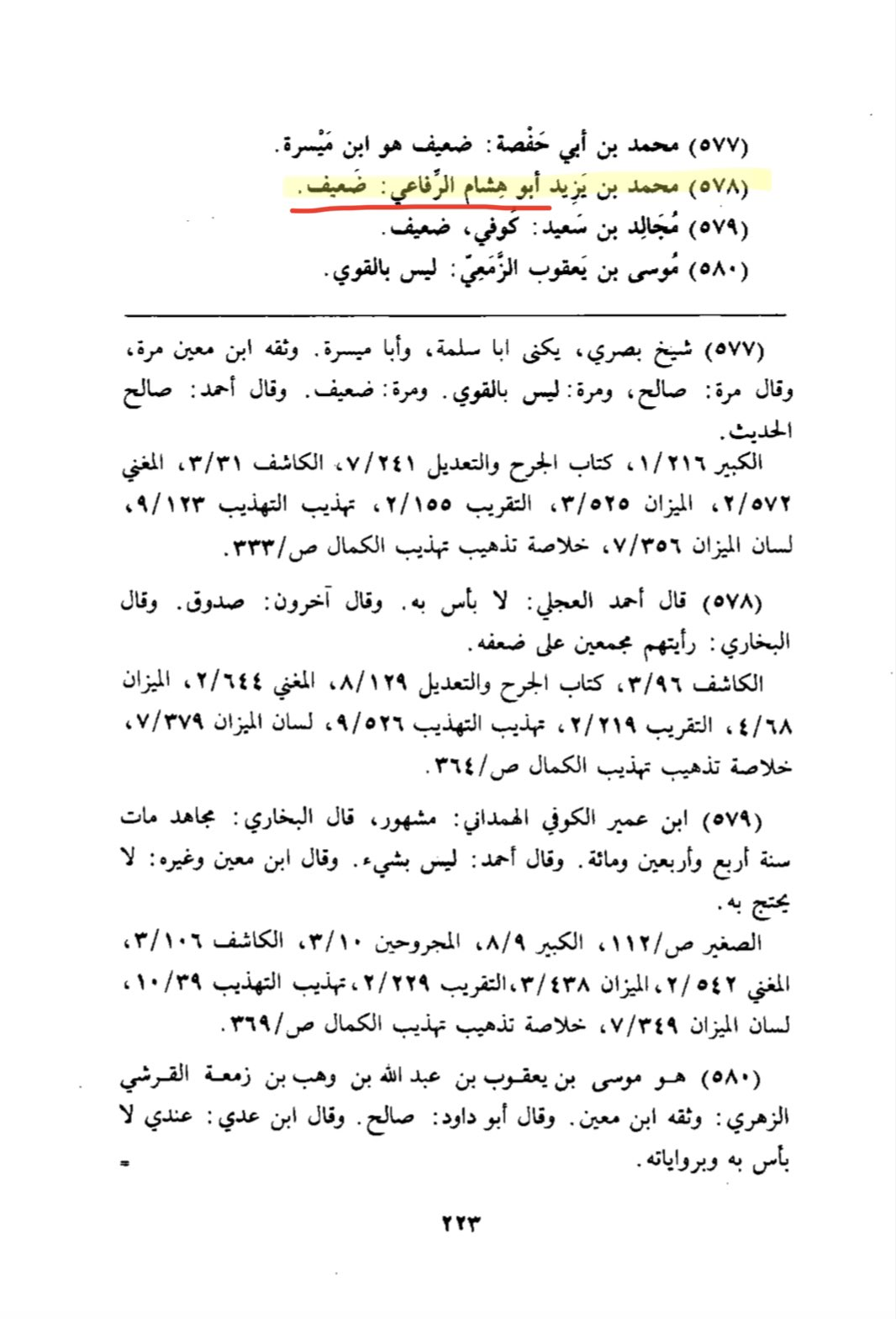
- Imam a-Nasa’i:
“Muhammad Ibn Yazid Abu Hisham a-Rifa’i.”
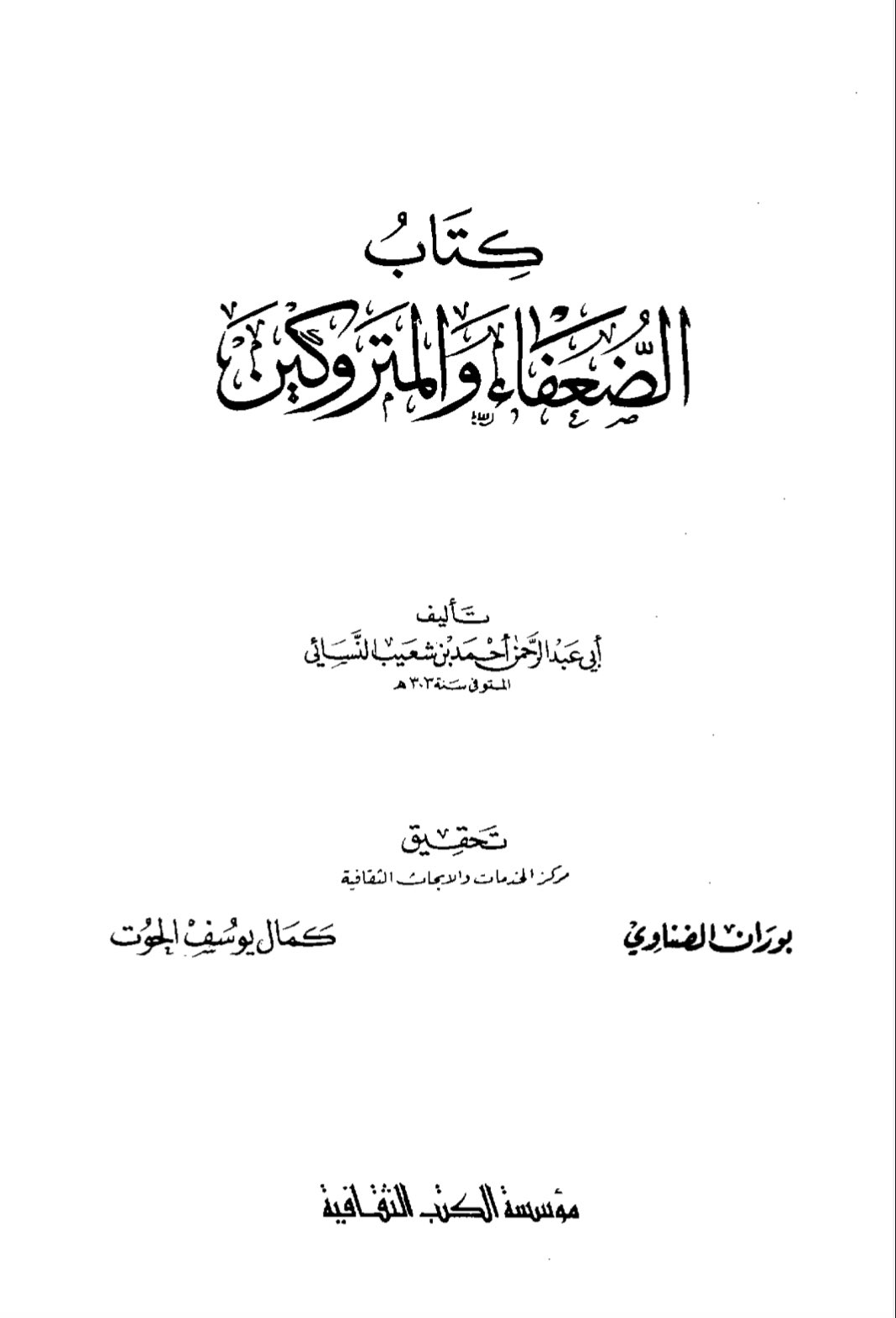
a-Du’afa Wa al-Matrukin, by a-Nasa’i, p. 223.
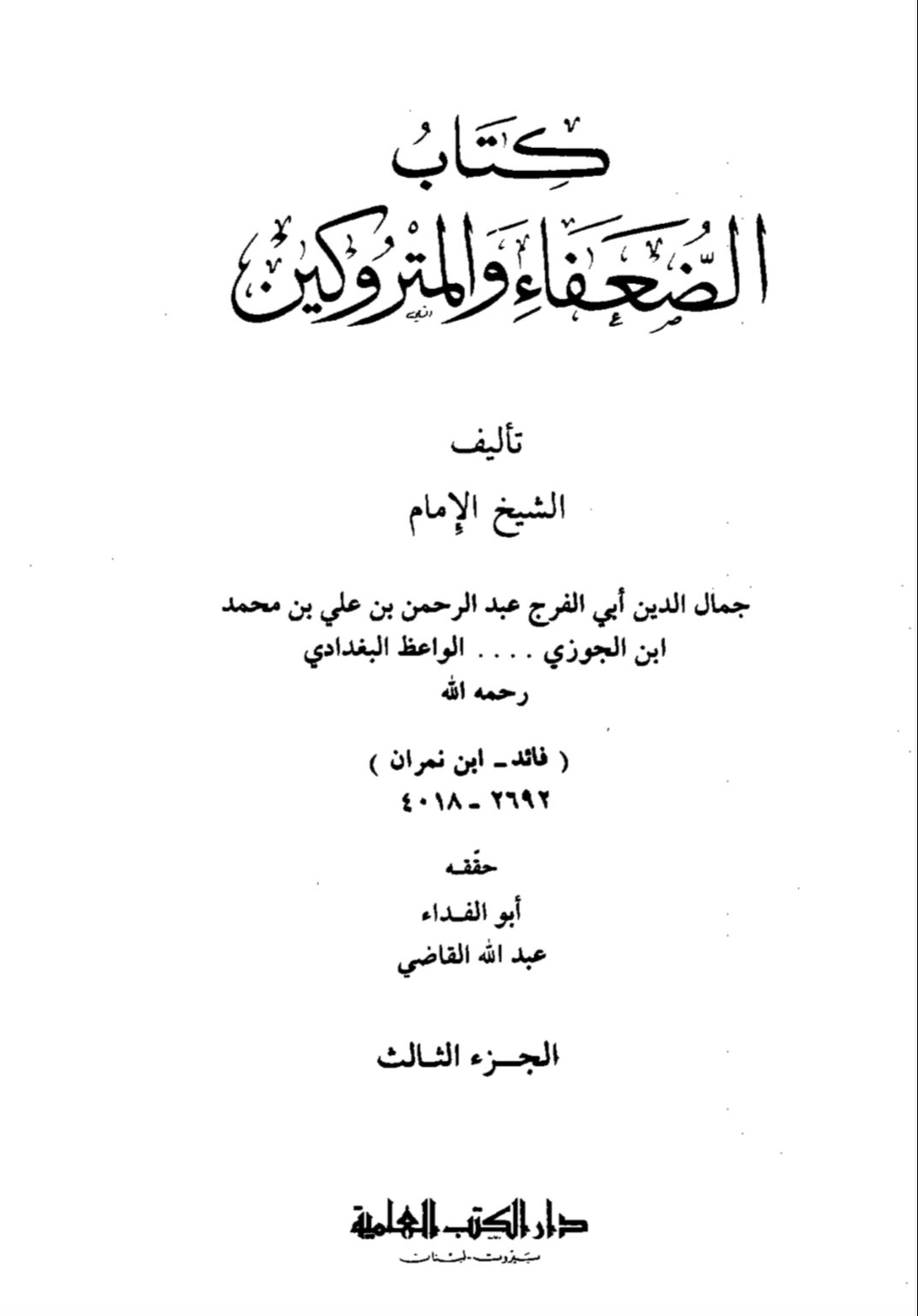
- Ibn al-Jawzi:
“Abu Hisham a-Rifa’i … al-Bukhari said that there is a consensus among scholars that he is weak. A-Nasa’i and a-Razi said that he is weak.”
a-Du’afa Wa al-Matrukin, by Ibn al-Jawzi, vol. 3, p. 107.
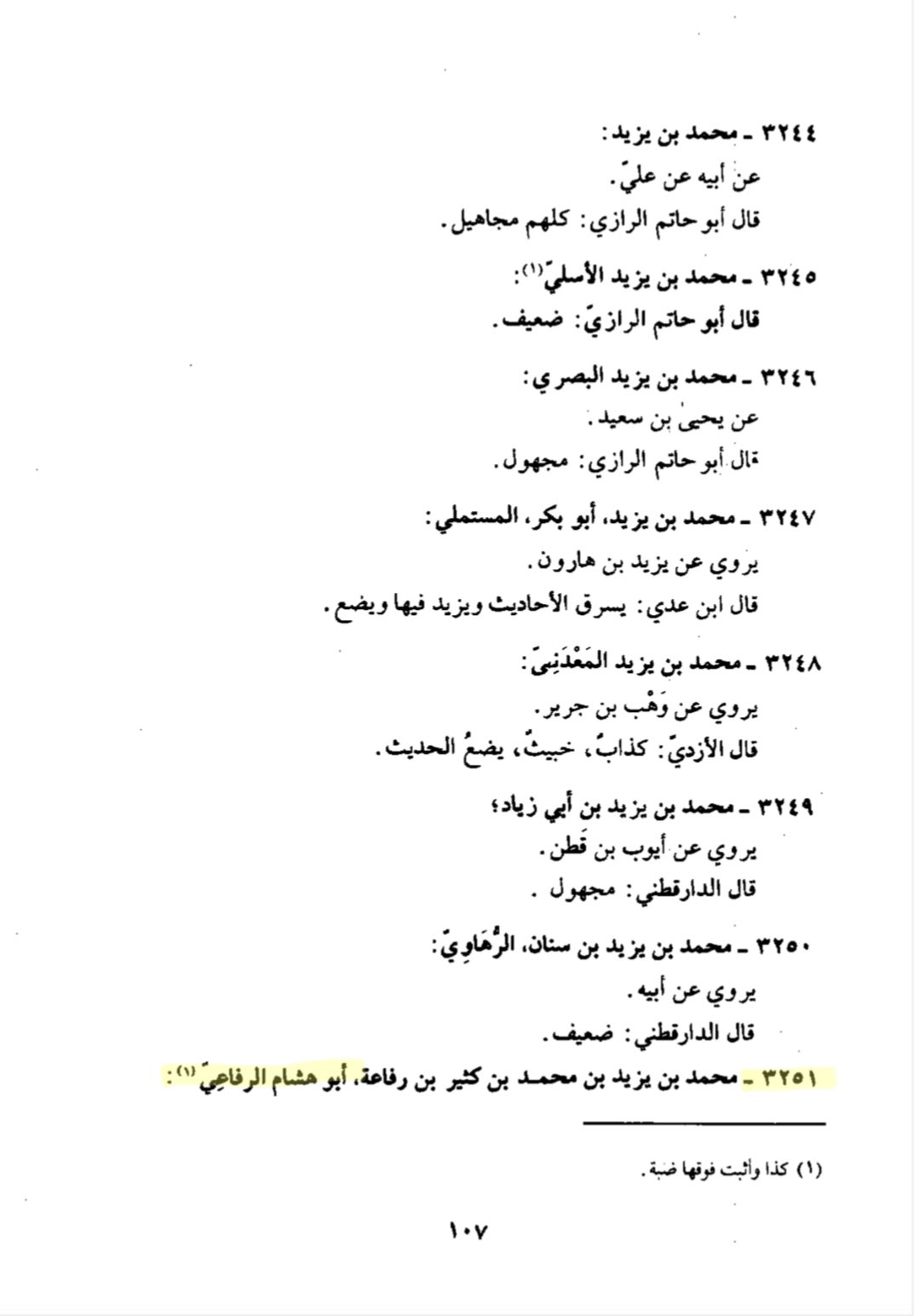
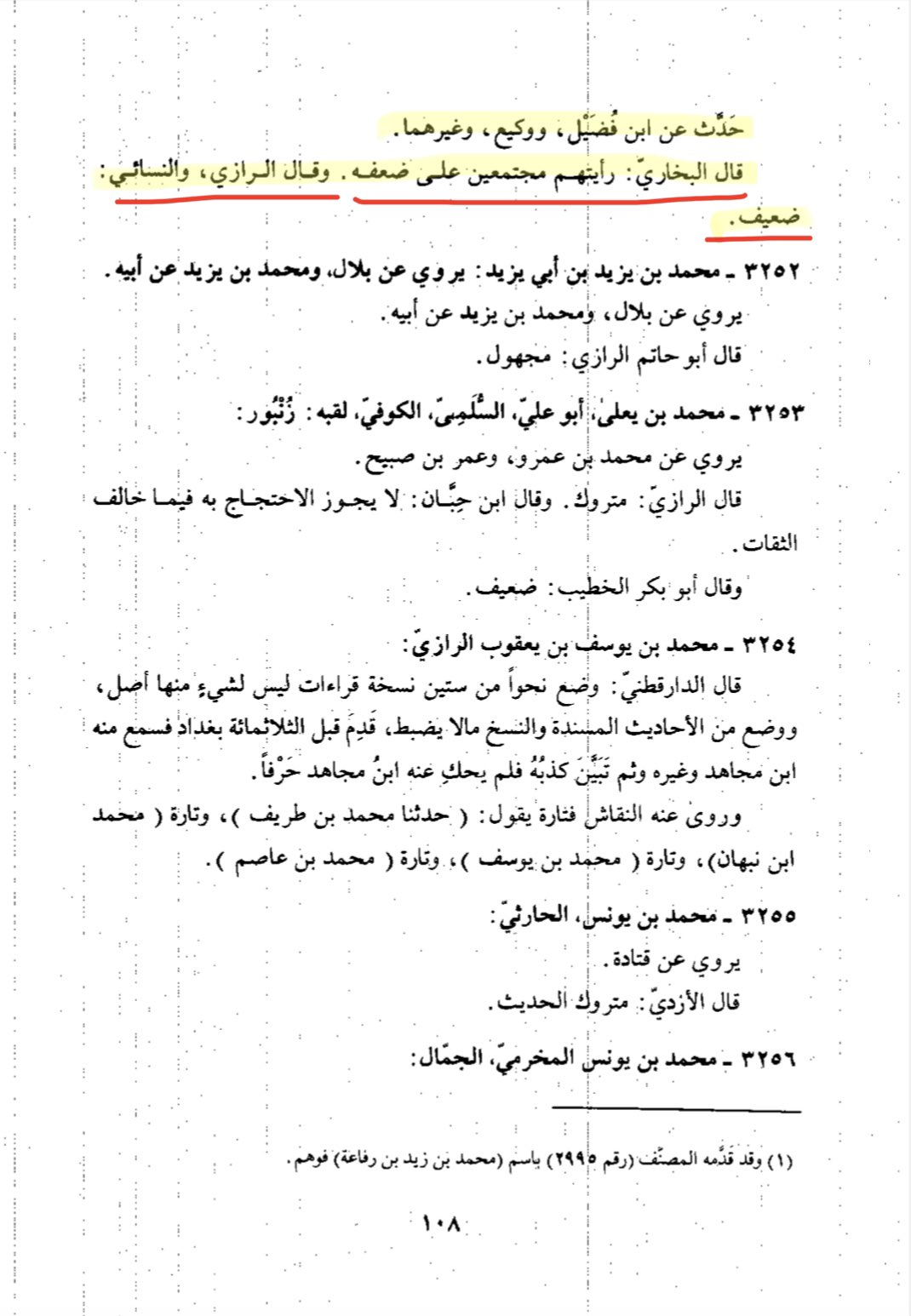
- Ibn Abu Hatim a-Razi:
“I heard my father say that Abu a-Numayr was asked about Abu Hisham a-Rifa’i and he said that he was the weakest in seeking knowledge and the weirdest of all And it was narrated to us by ‘Abd-u-Rahman who said: “I asked my father about Abu Hisham a-Rifa’i and he said he is weak”.”
al-Jarh wa-Ta’deel, by Ibn Abu Hatim a-Razi, vol. 8, p. 129.
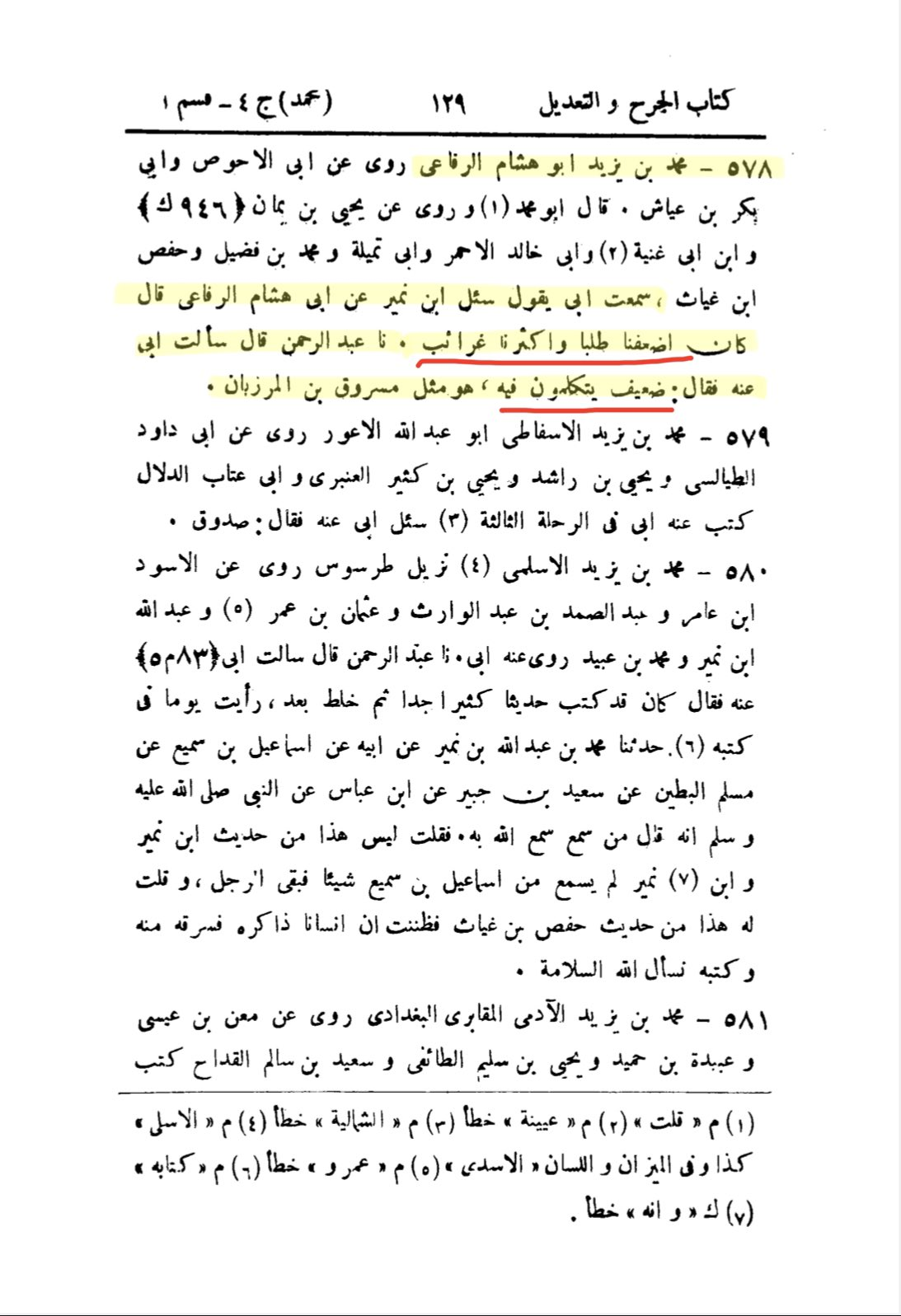
- Ibn ‘Adi:
“And some of the ahadith of Abu Hisham a-Rifa’i which he narrated from Abu Baker Ibn ‘Ayash and Ibn Idriss and other than them from the scholars of al-Kufa have been declared as munkar.”
al-Kamel fi-Du’afa, vol. 7, p. 529.
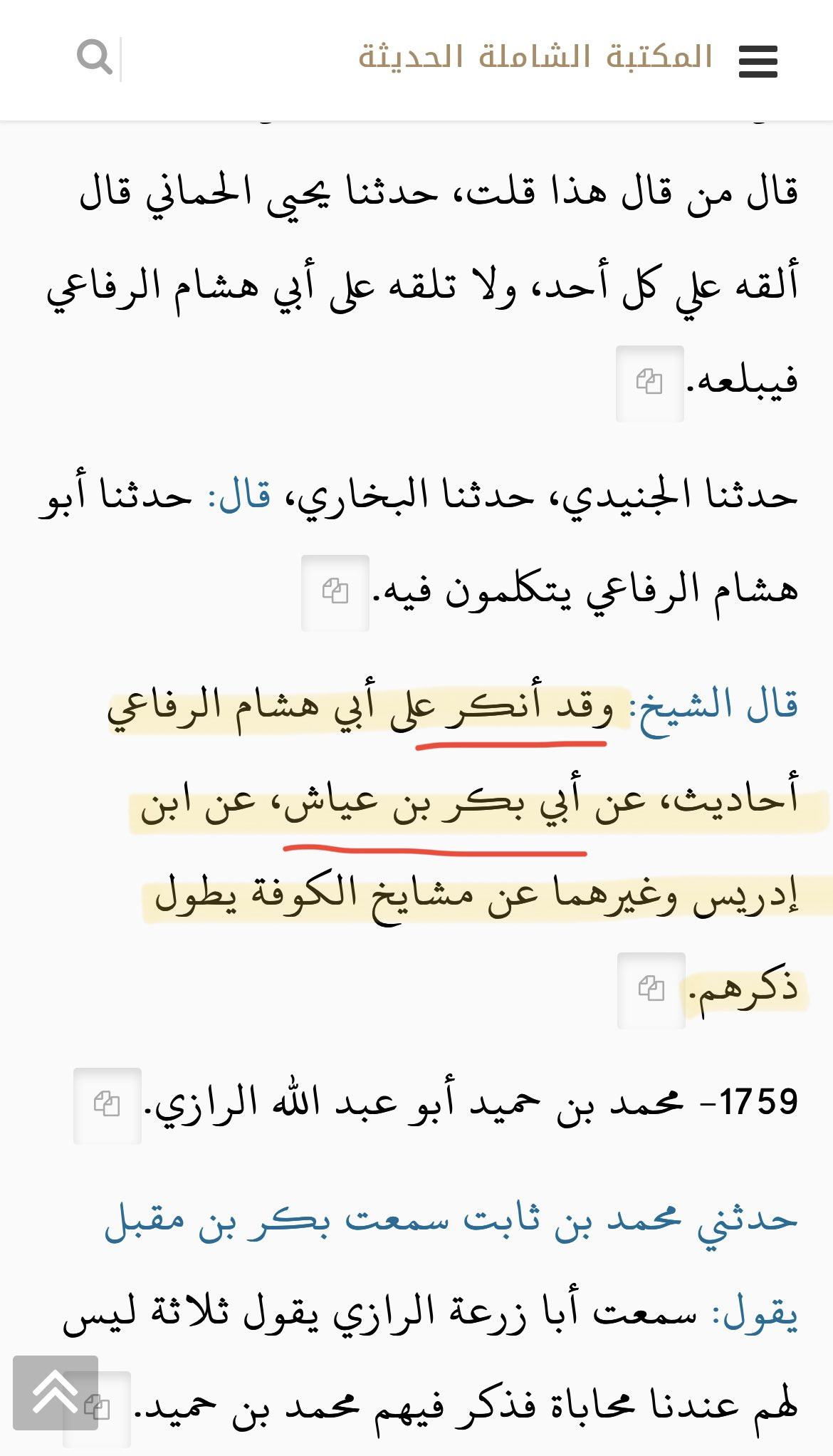
…so according to Ibn ‘Adi, the narrations of Abu Hisham a-Rifa’i from Abu Baker Ibn ‘Ayash are of the “munkar” category. Which it is weak. And when we look at the narration in Tafsir a-Tabari we see Abu Hisham narrating from Abu Baker Ibn ‘Ayash.
Nasser a-Deen al-Albani:
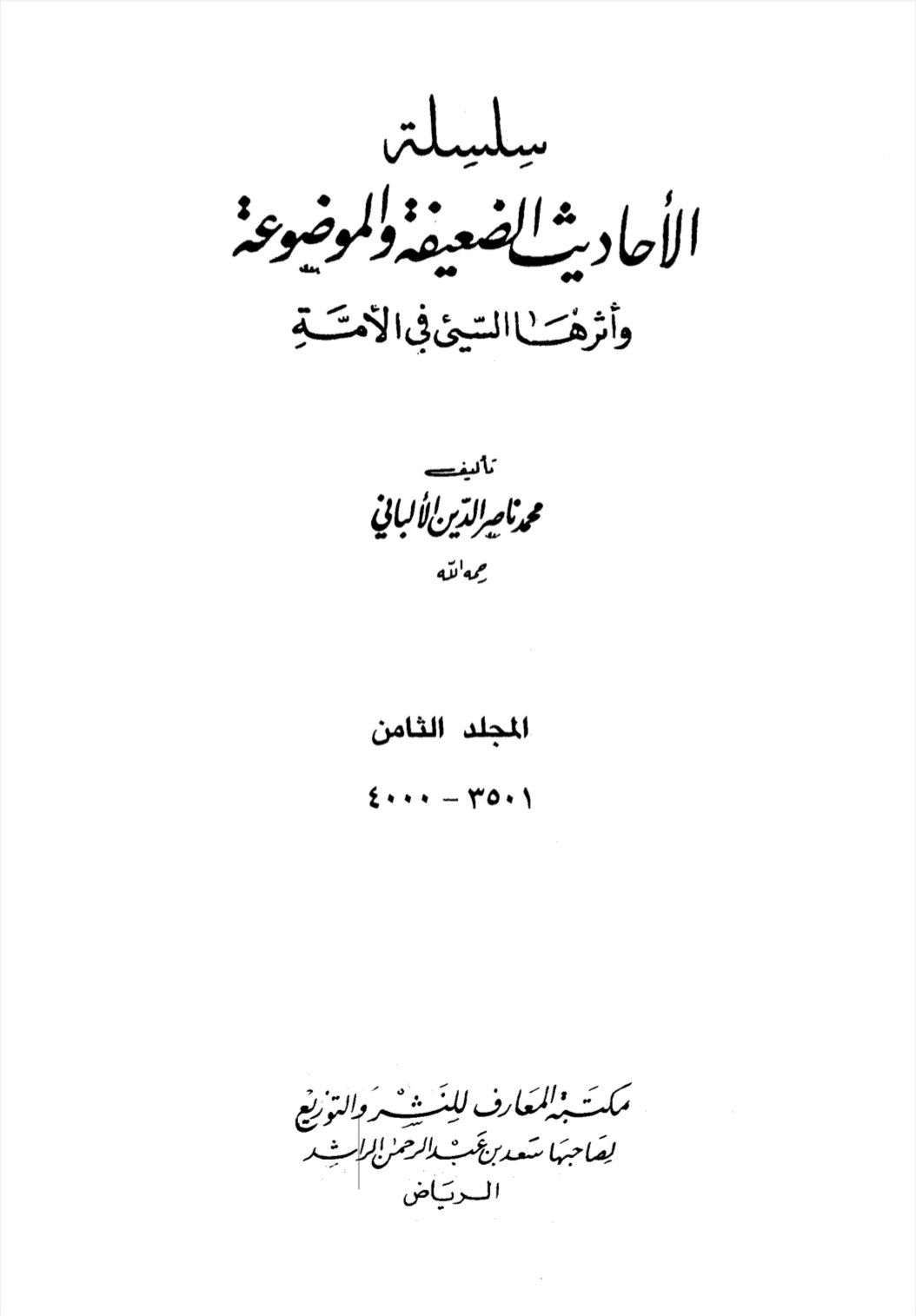
He mentioned a bunch of ahadith from Abu Hisham a-Rifa’i in his compilation of weak ahadith and weakened them all by explicitly saying that Abu Hisham a-Rifa’i is weak!
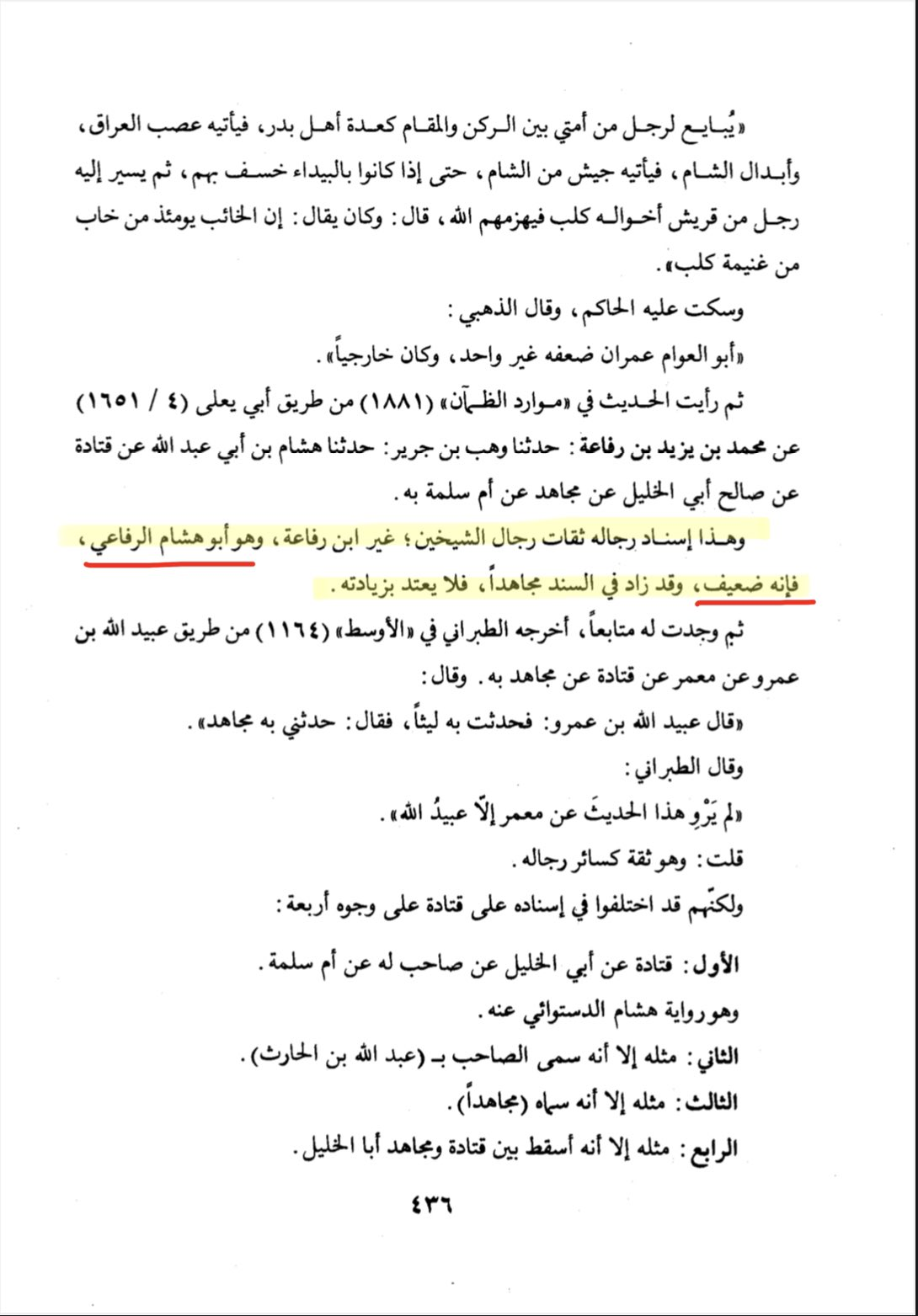
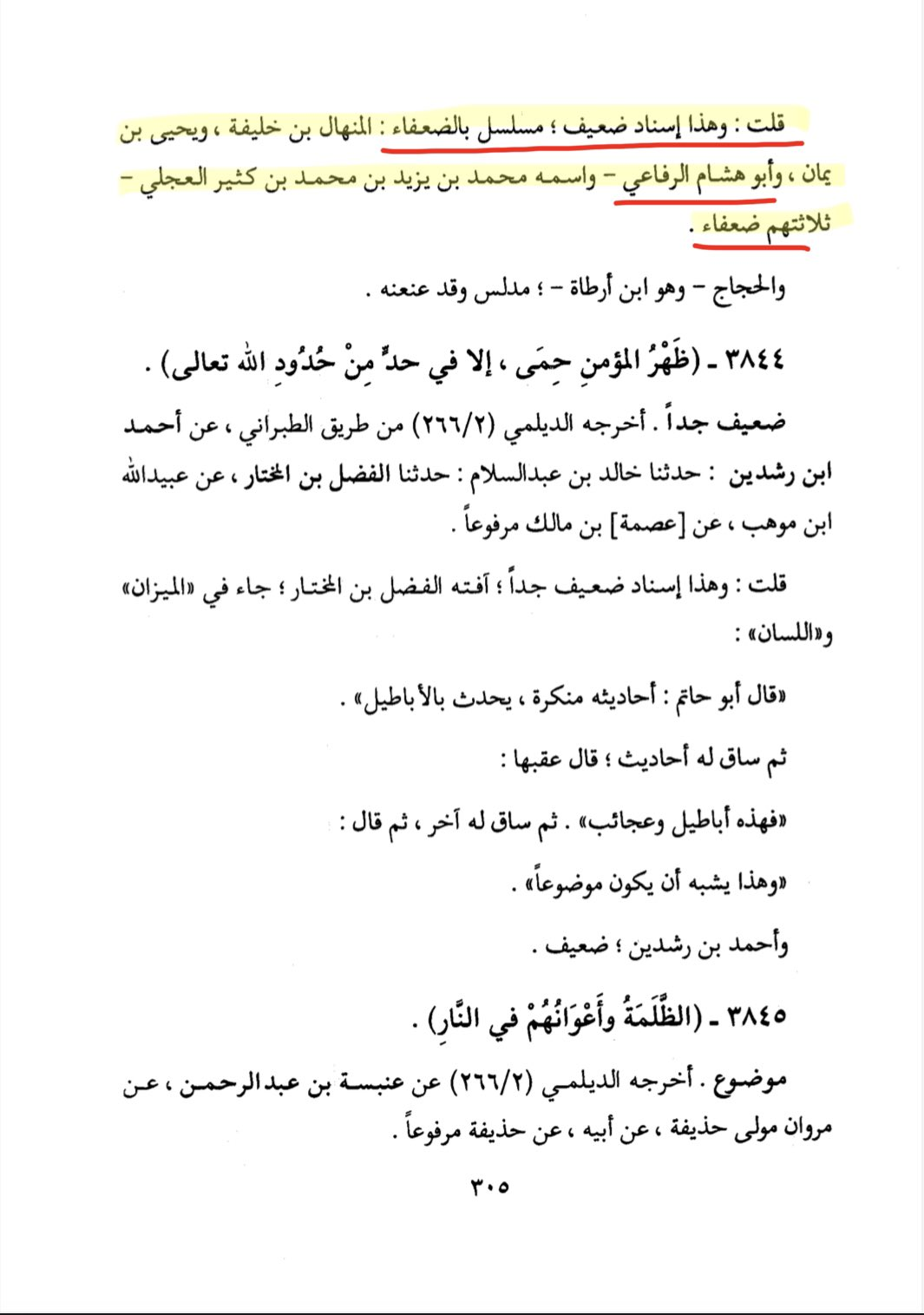
So earlier we discussed the chain of the hadith and came to the conclusion that it is weak due to the status of Abu Hisham a-Rifa’i
Now we will be debunking some of their arguments regarding this narrator and the cases they try to make for him.
Imam a-Dhahabi has a book called: “The One Who is Criticized But is Trustworthy”.
In this book he mentioned a bunch of narrators who have been weakened and criticized by major scholars but are trustworthy according to a-Dhahabi.
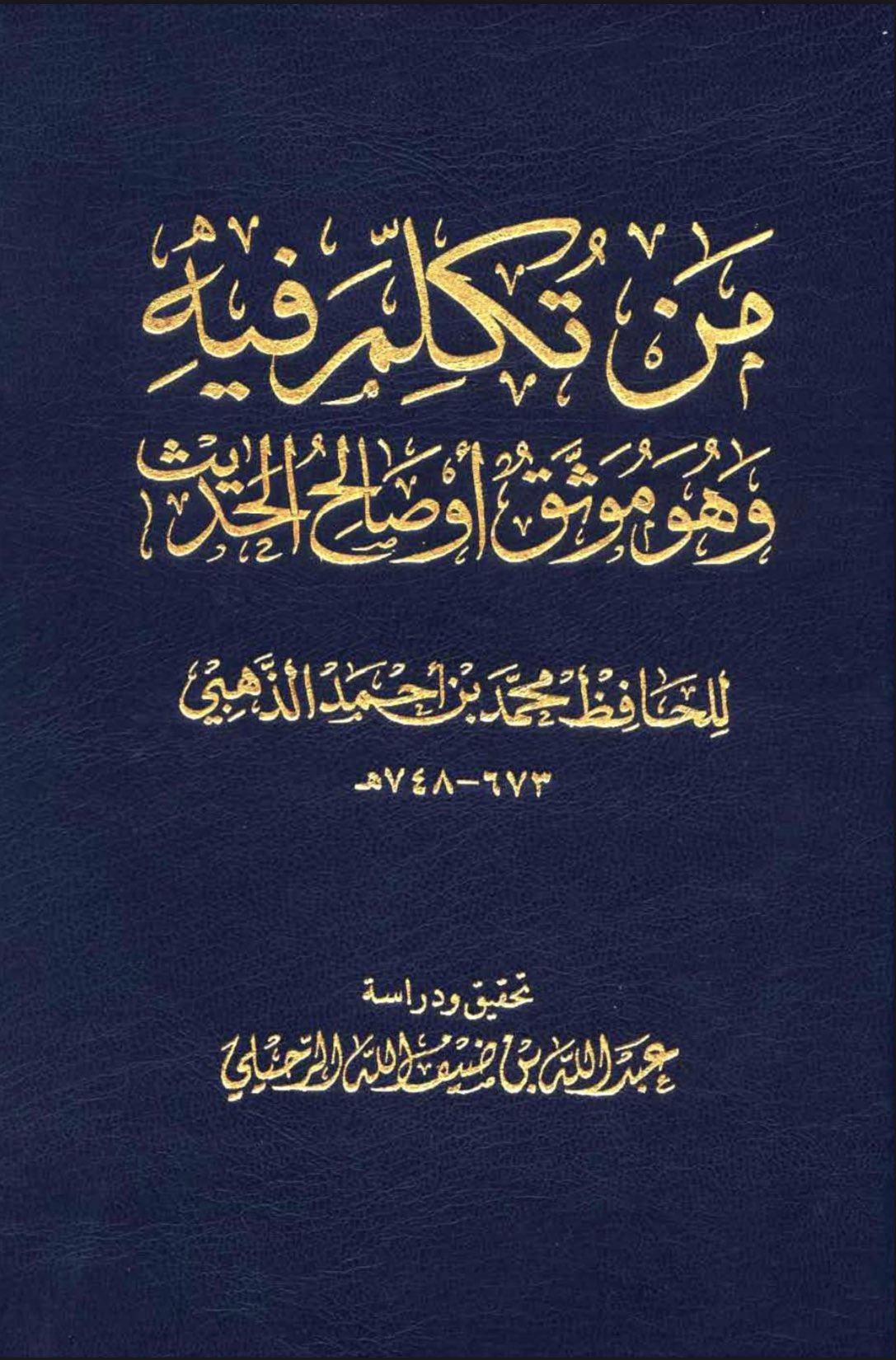
So the shia will argue that if Imam a-Dhahabi mentioned him in this book then he must be trustworthy.
However, this is due to their delusion. Because this only means Imam a-Dhahabi has an opinion that differs from the rest of the scholars regarding Abu Hisham a-Rifa’i.
Also, the researcher of the book, ‘Abdullah Ibn Dayfullah a-Ruhayli, said in his introduction that there are times in this book in which a-Dhahabi mentioned someone who is actually supposed to be weak.
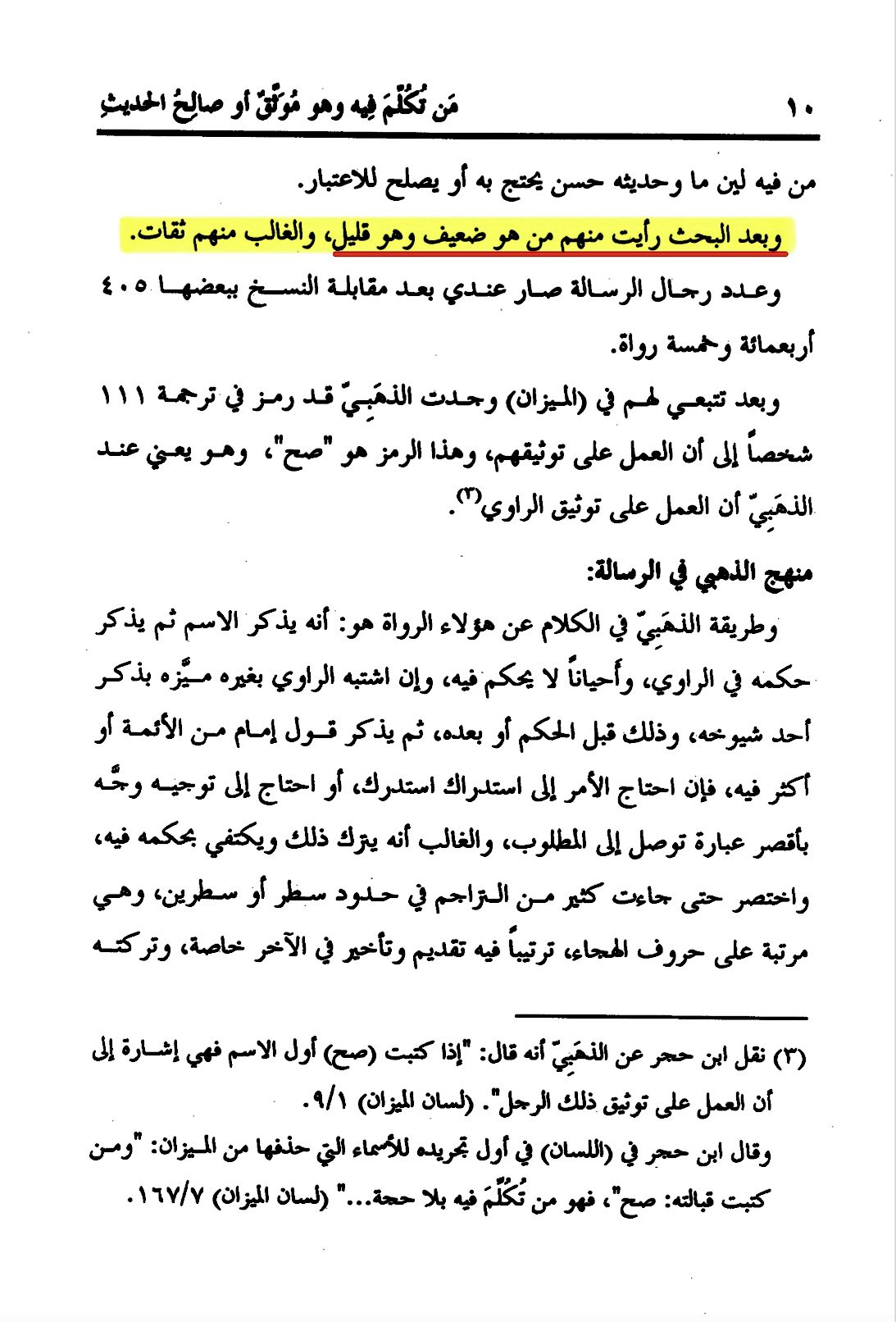
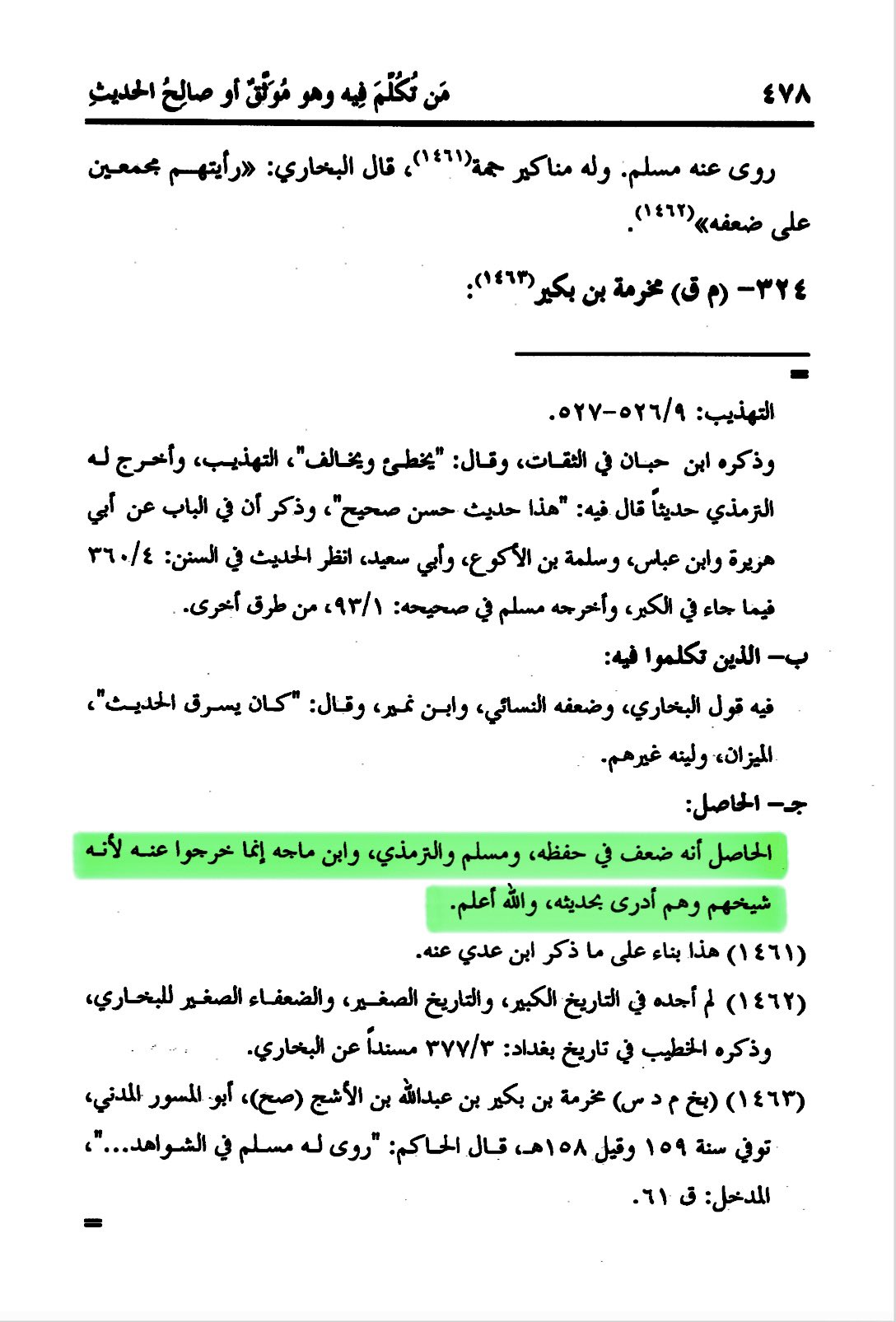
And also, the researcher of the book, ‘Abdullah Ibn Dayfullah a-Ruhayli, said in the footnotes under which Abu Hisham is mentioned:
“And in conclusion, he is weak in his memory.”
Another argument they use is that Imam Muslim mentioned him in his Sahih. Due to their ignorance, they don’t realize that Imam Muslim would sometimes mention a weak chain of which its hadith or matn is authentic due to it having another authentic chain in support of it.
There are times where Imam Muslim would mention a bunch of ahadith with the same wordings but different chains and he would also include weak chains at the end of the chapter as a form of witness for the authentic ones.
Imam Muslim said this himself in his introduction.
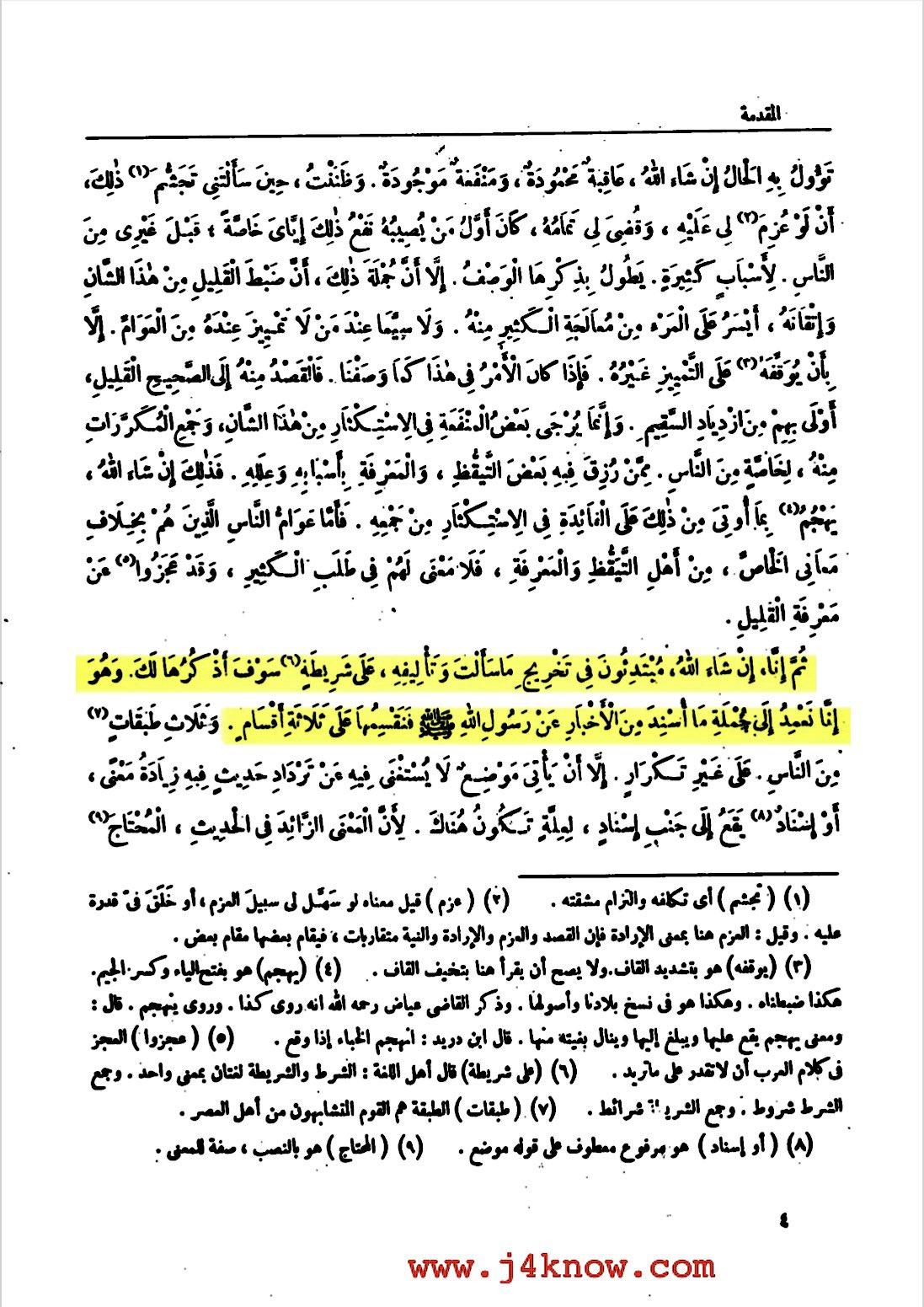
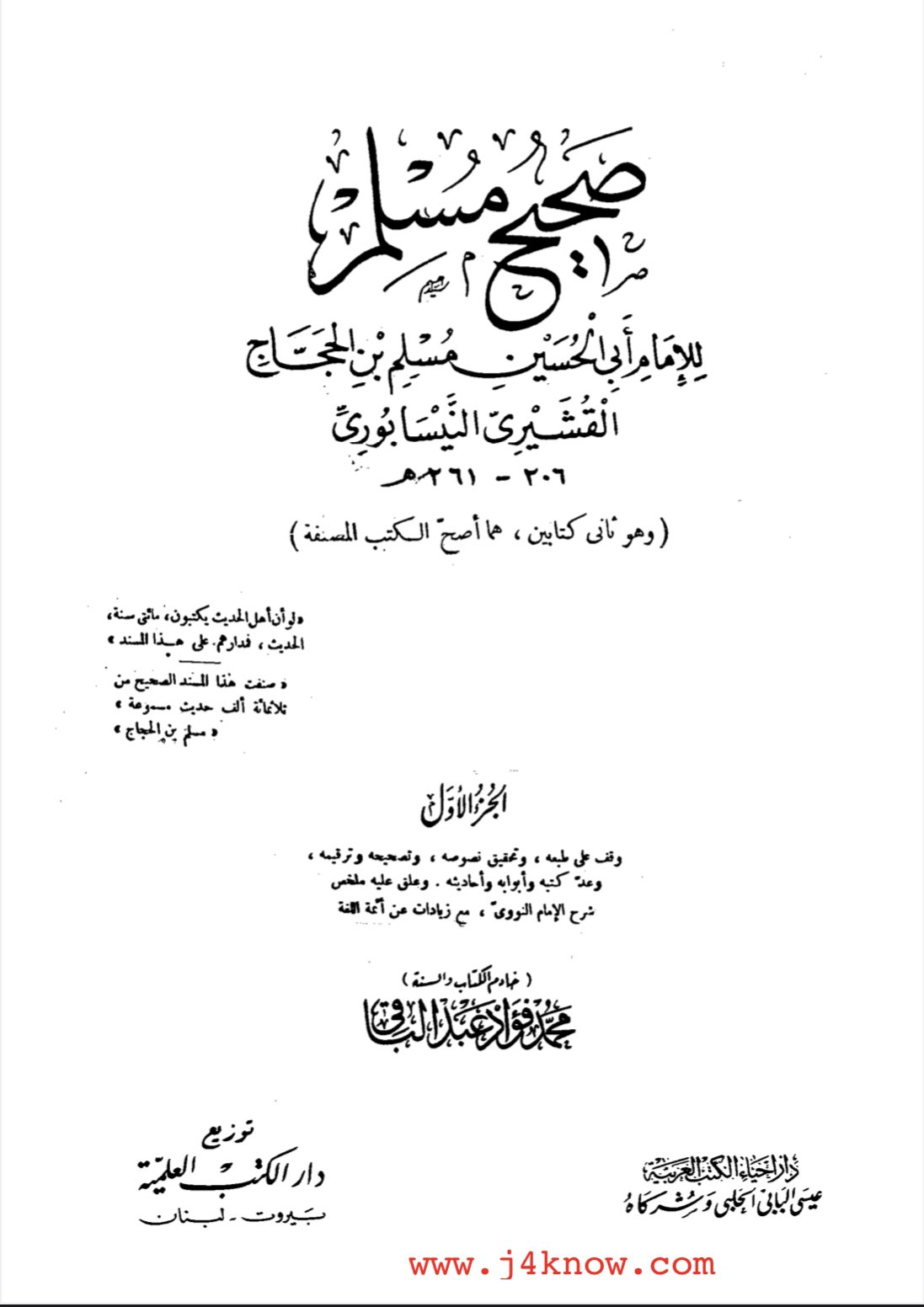
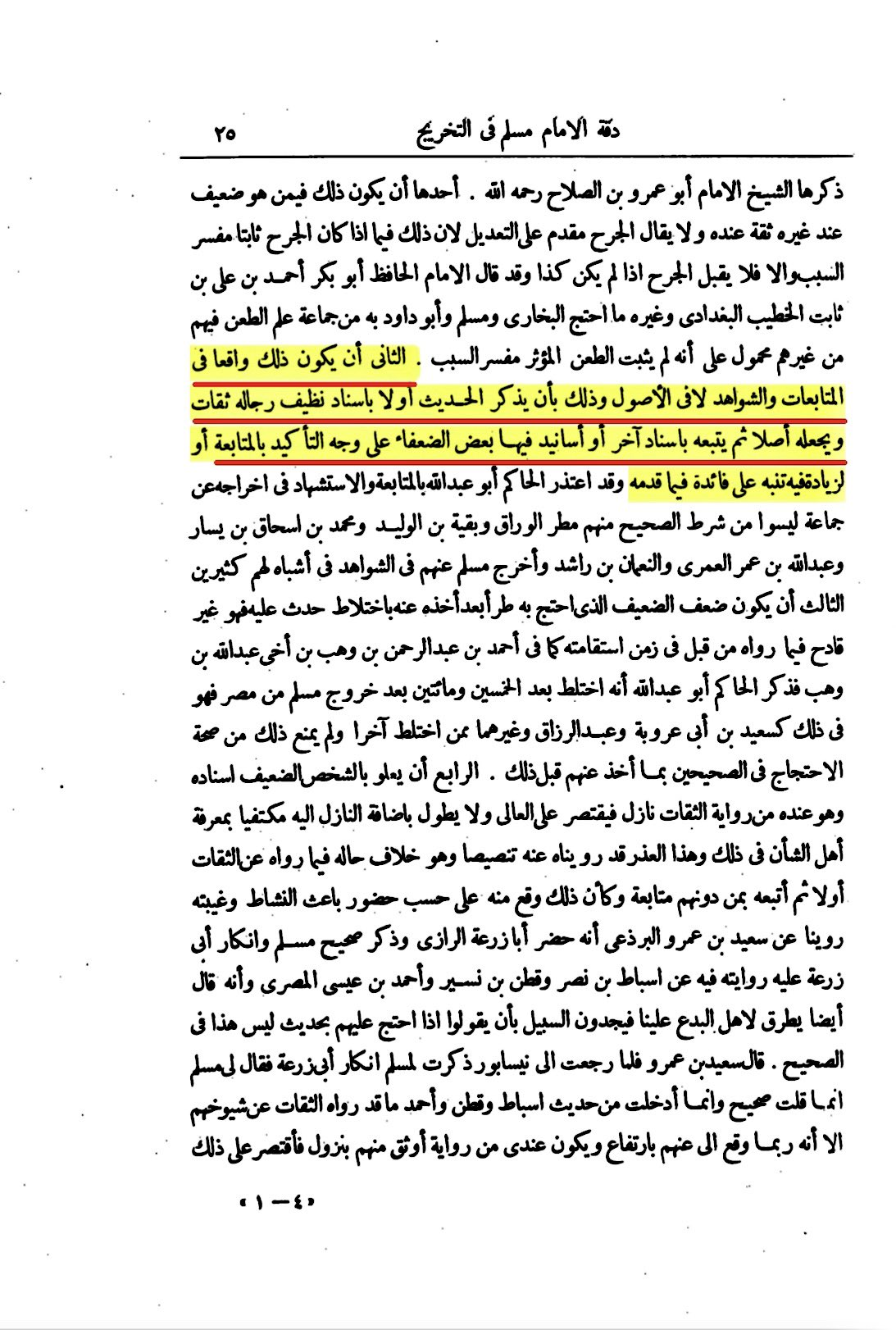
And the same thing was said by Imam a-Nawawi in his “Sharh Sahih Muslim”. He states that Imam Muslim would only mention authentic chains at the beginning of the chapter as the foundation and the mention the same hadith with weak chain as a witness for the first ahadith:
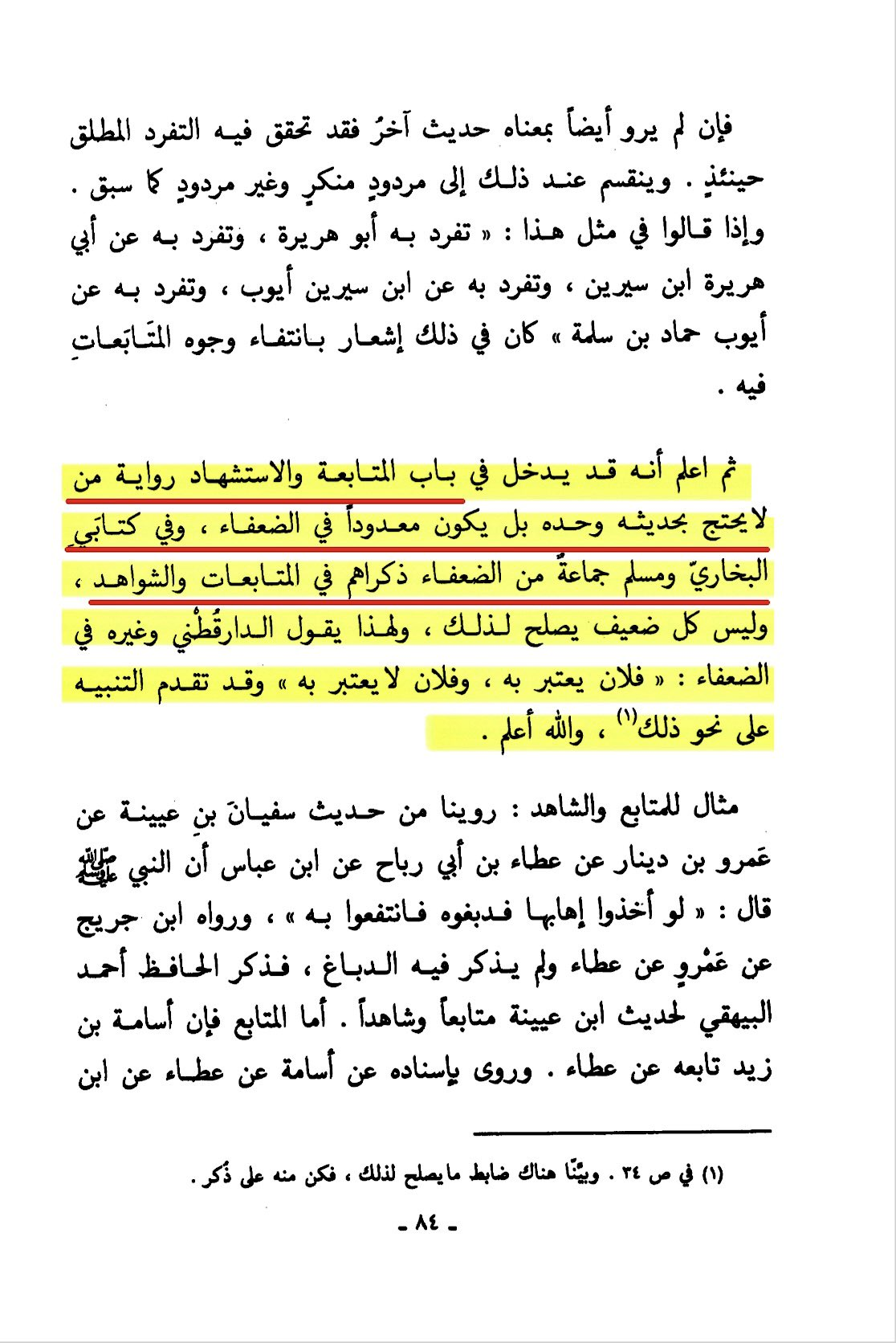
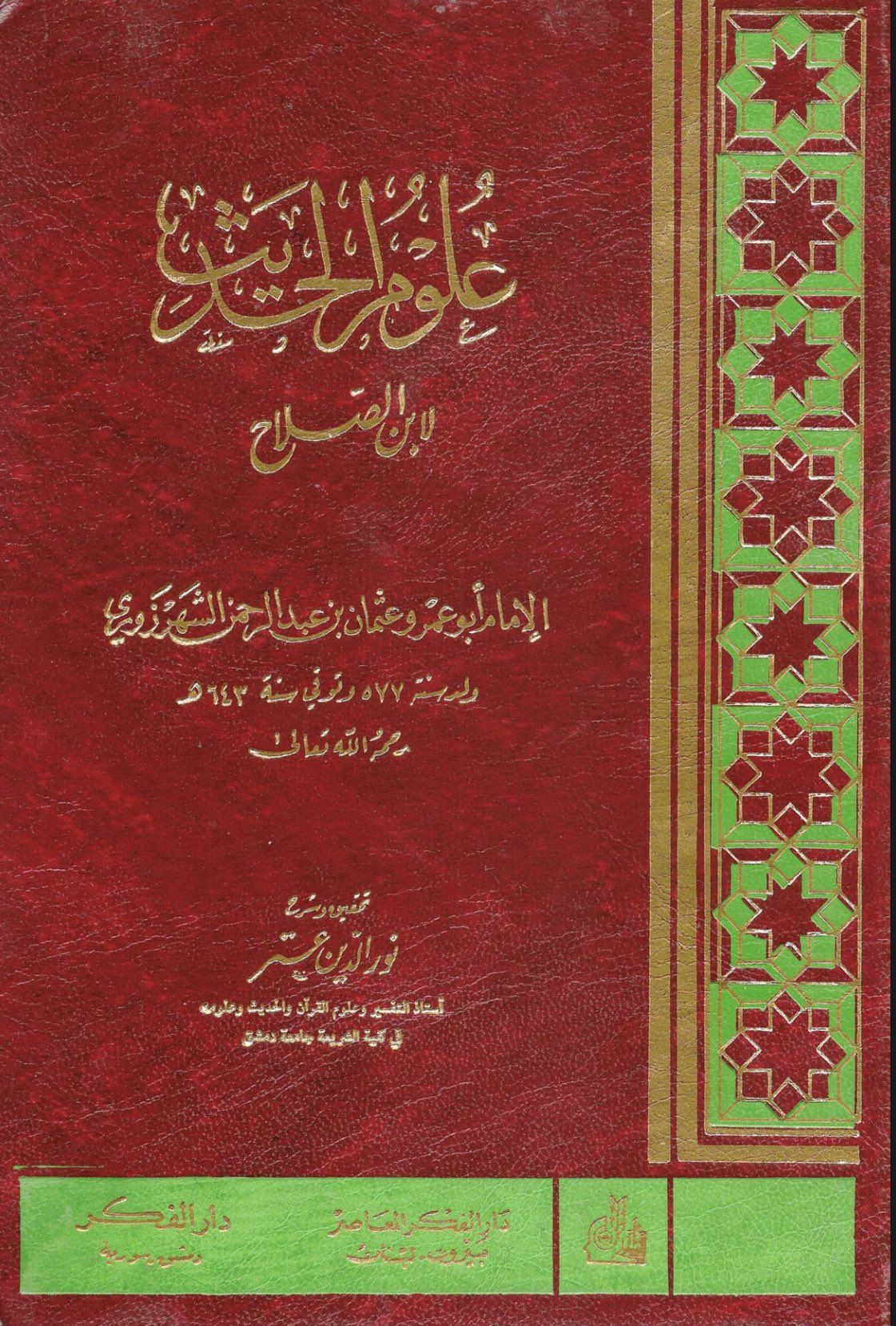
And Imam Ibn Salah said the same thing in his famous work ‘Ulum al-Hadith, p. 84 that there are times where scholars would mention a hadith with a weak chain to serve as a testimony for the same hadith with another authentic chain. And he said that this is in Bukhari & Muslim:
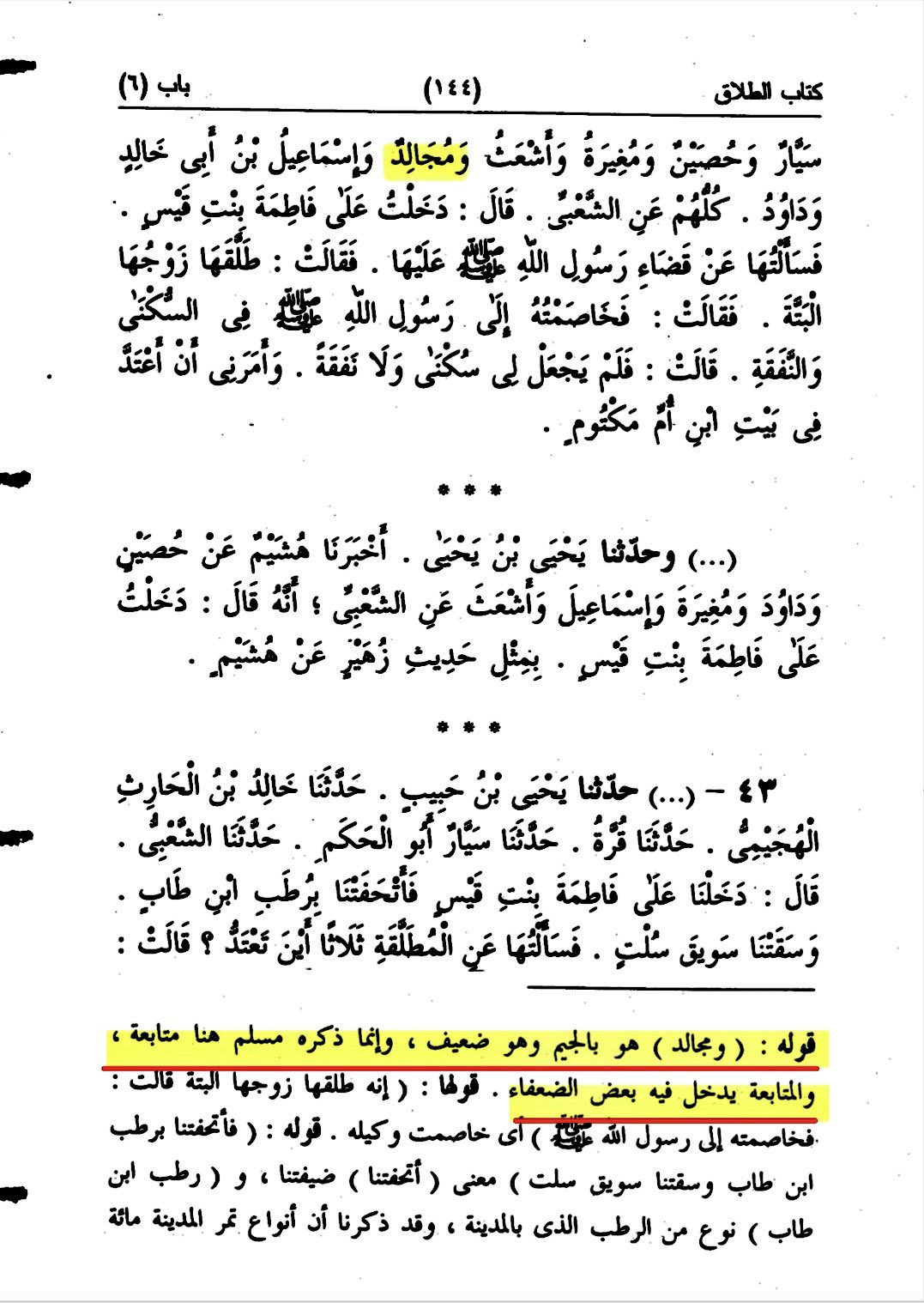
For example, Imam Muslim mentioned a hadith with a chain that contains a narrator by the name of Mujalid. He is weak. However, Imam a-Nawawi explained this and said that it is a “mutaba’ah” or a “shahid” where it can contain a weak narrator to strengthen the chains before it.
Last argument they make to authenticate this hadith is the statement of Abu Sa’id al-Qattan when he said:
“They (i.e. scholars) have takes the tafsir from those who are not trusted in hadith.”
So the shi’ah automatically think that this is a pass and that we should accept it.
What they don’t realize is that this statement, although it’s correct, it doesn’t mean we apply it all the time.
Shia scholar Muhammad ‘Ali Assadi said: “The sunnah explains the Quran so it must be reviewed. And we cannot reject all of the narrations of tafsir, 👉nor can we accept all of it.”👈
v
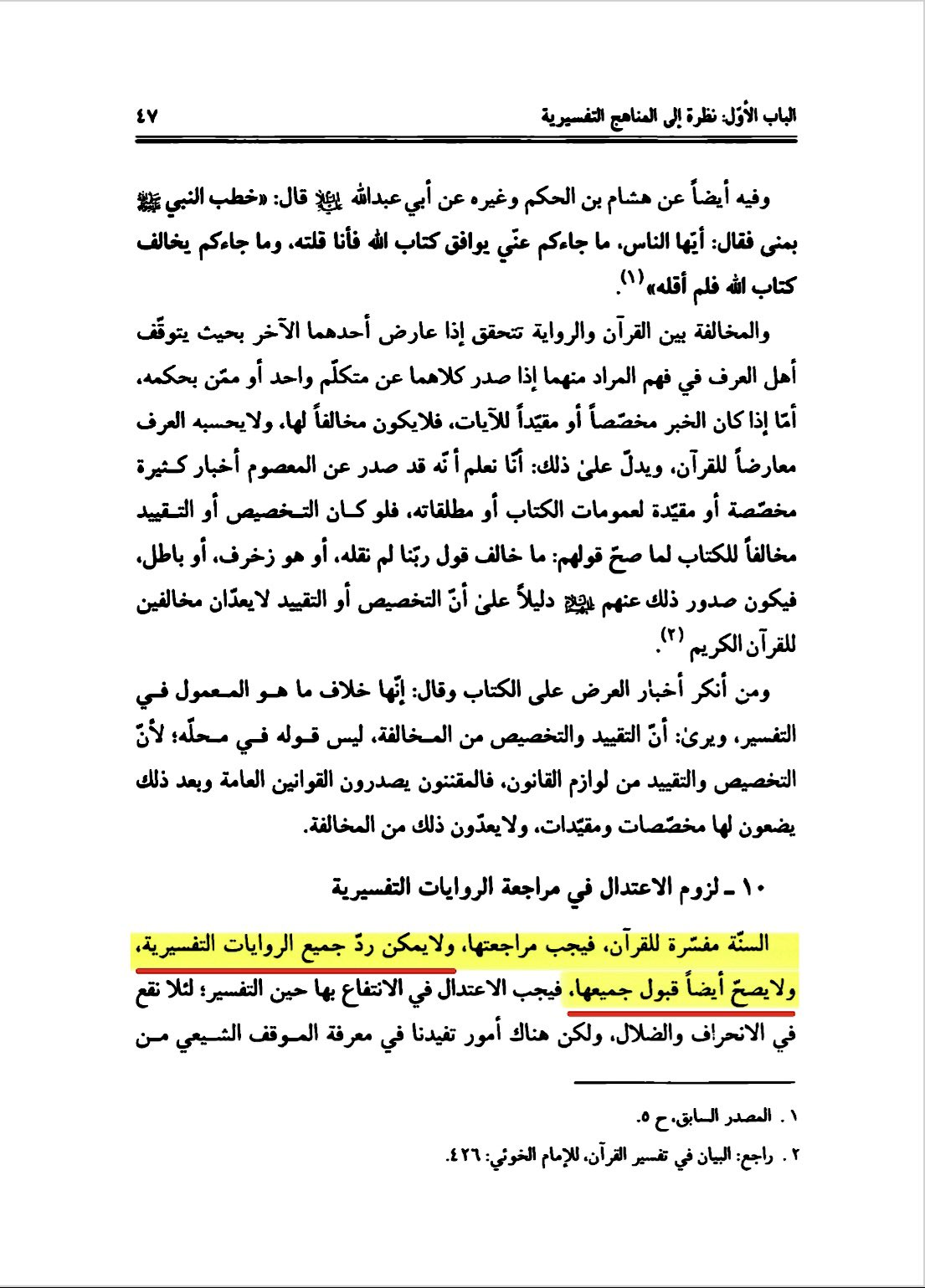
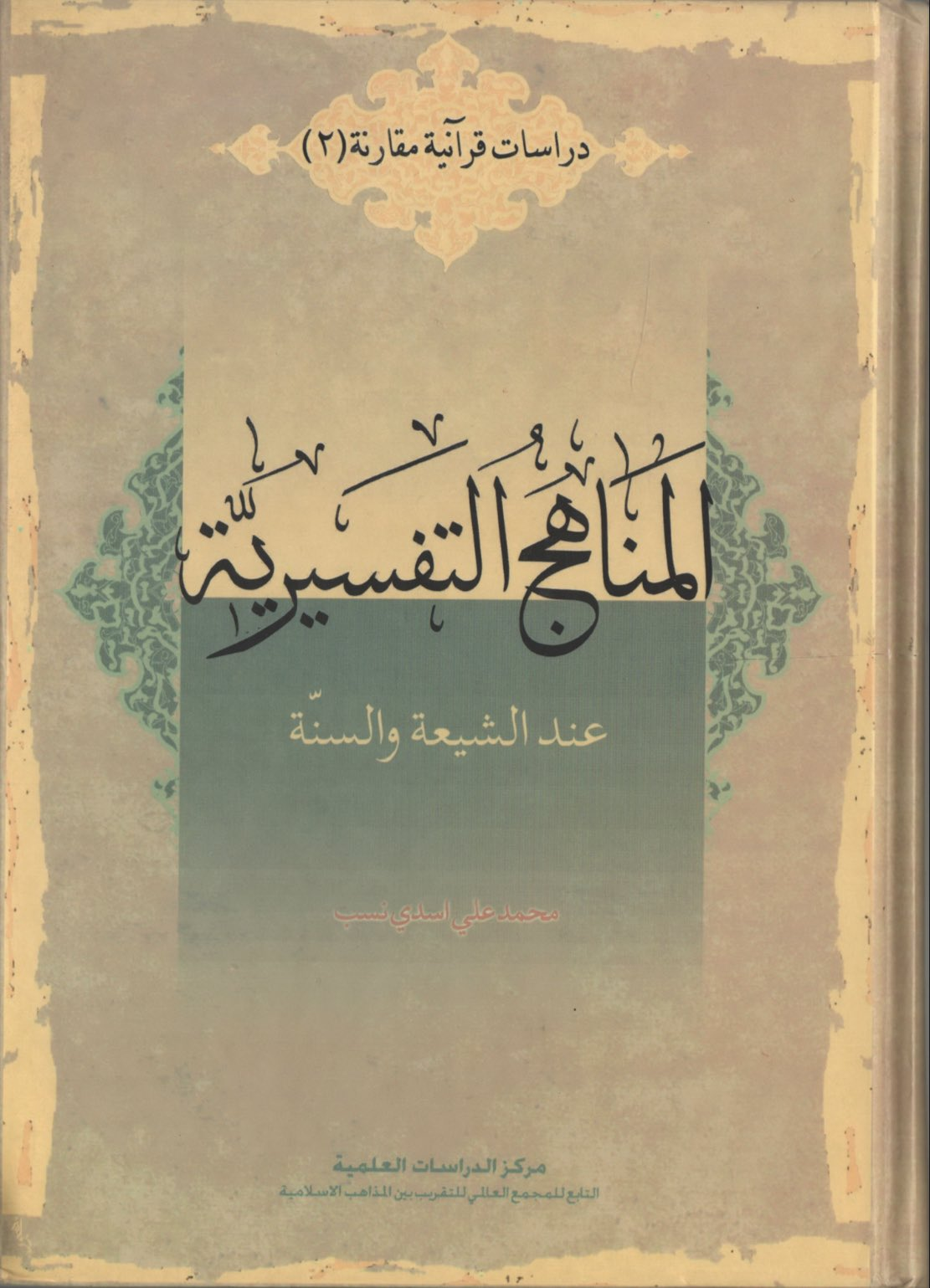
And there are plenty of instances where Sunni scholars have weakened tafsir narrations in their own tafaseer. Imam Ibn Kathir has done that plenty of times in his Tafsir. And Imam a-Suyuti likewise has also weakened a few narrations in his Durr al-Manthur. Ibn Abu Hatim as well.
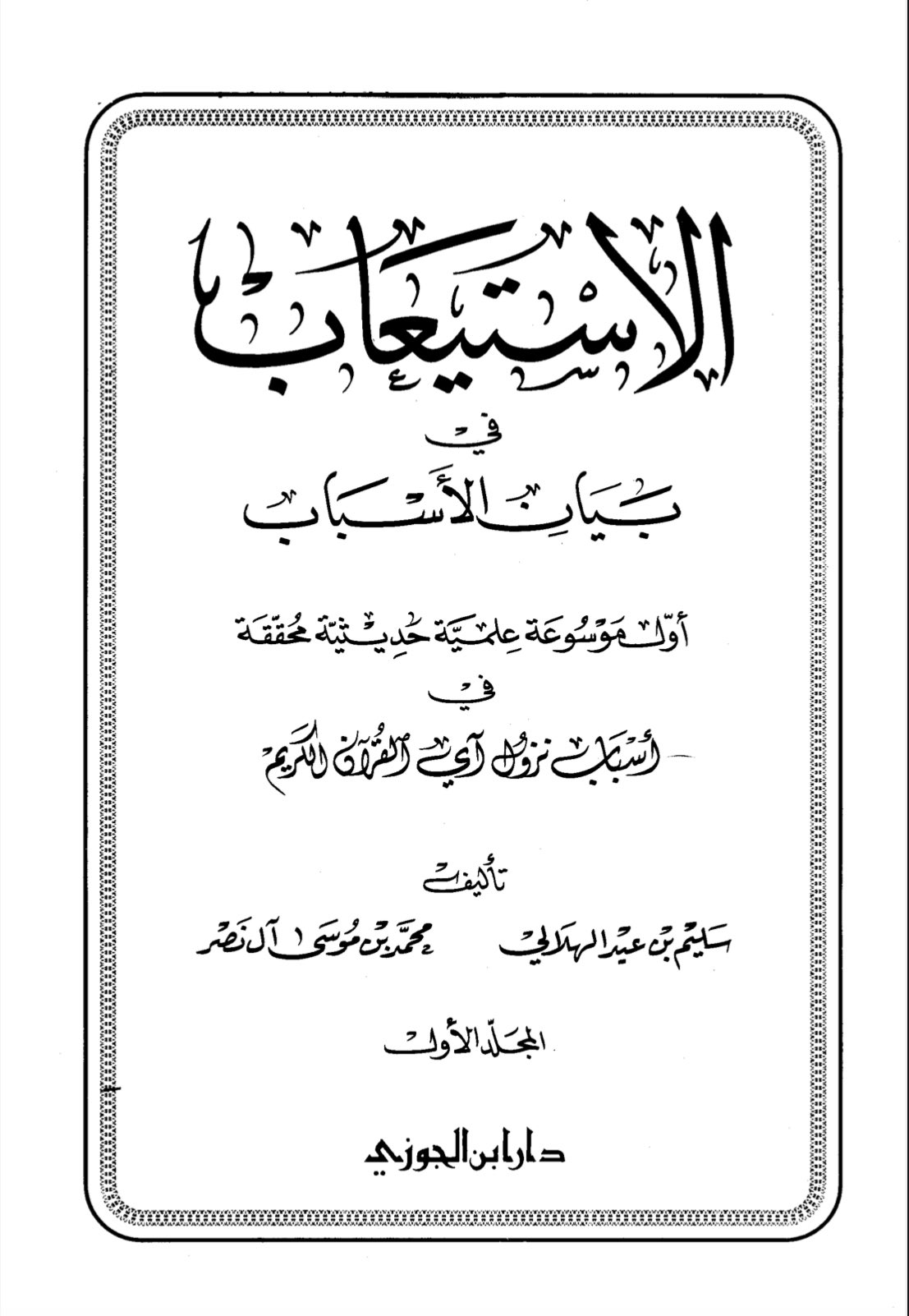
Here is a scholar by the name of Salim al-Hilali who weakened the narration of Abu Hisham a-Rifa’i about ‘Umar in his book al-Istay’ab Fi Asbab a-Nuzul, vol. 1, p. 317:
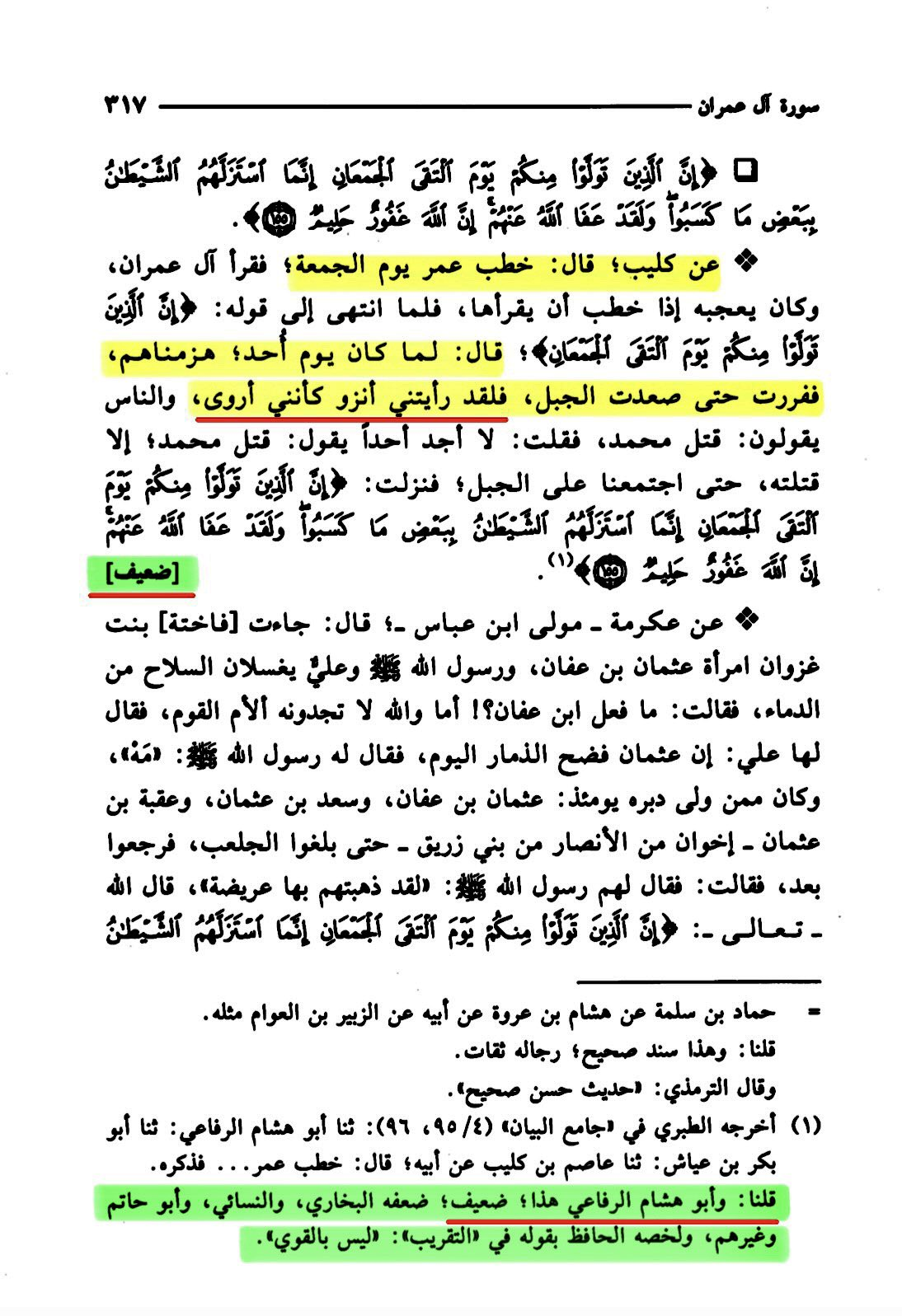
Now when the scholars say that we can be lenient with weak ahadith in tafsir. It means we accept the ones that hold a meaning which is legitimate in the use for interpretation of the Holy Qur’an
This cannot be applied to the hadith of Abu Hisham since it has no meaning. It doesn’t have a particular interpretation in terms of explaining the intent of the verse. So in this case there is no leniency.
This narration of Abu Hisham can also be considered a historical narration since it speaks about the battle of Uhud and what occurred at the time. And historical narrations must be examined strictly as stated by Sh. ‘Uthman al-Khamis in his book Huqbah Min a-Tarikh, pp. 18 24.
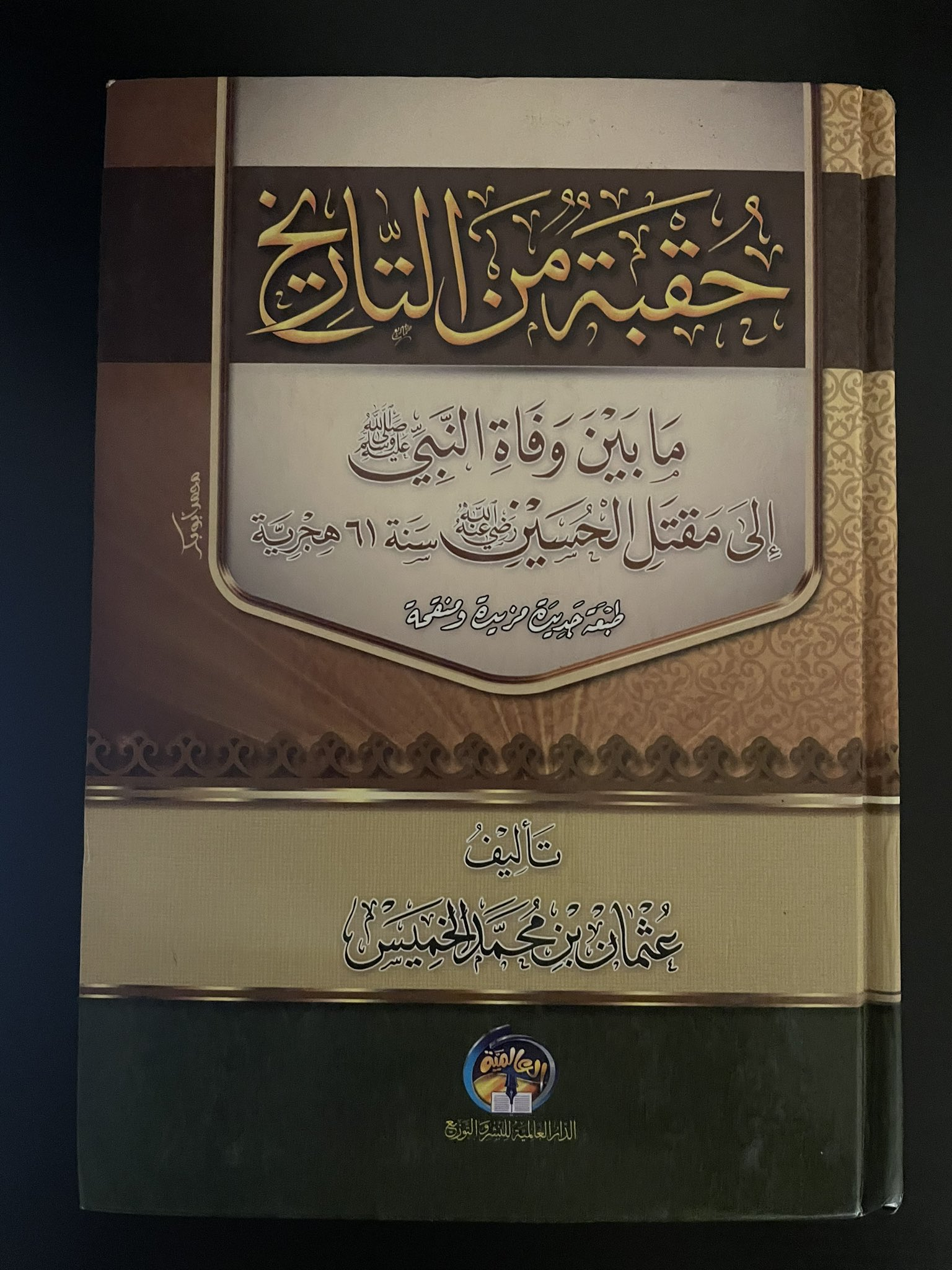
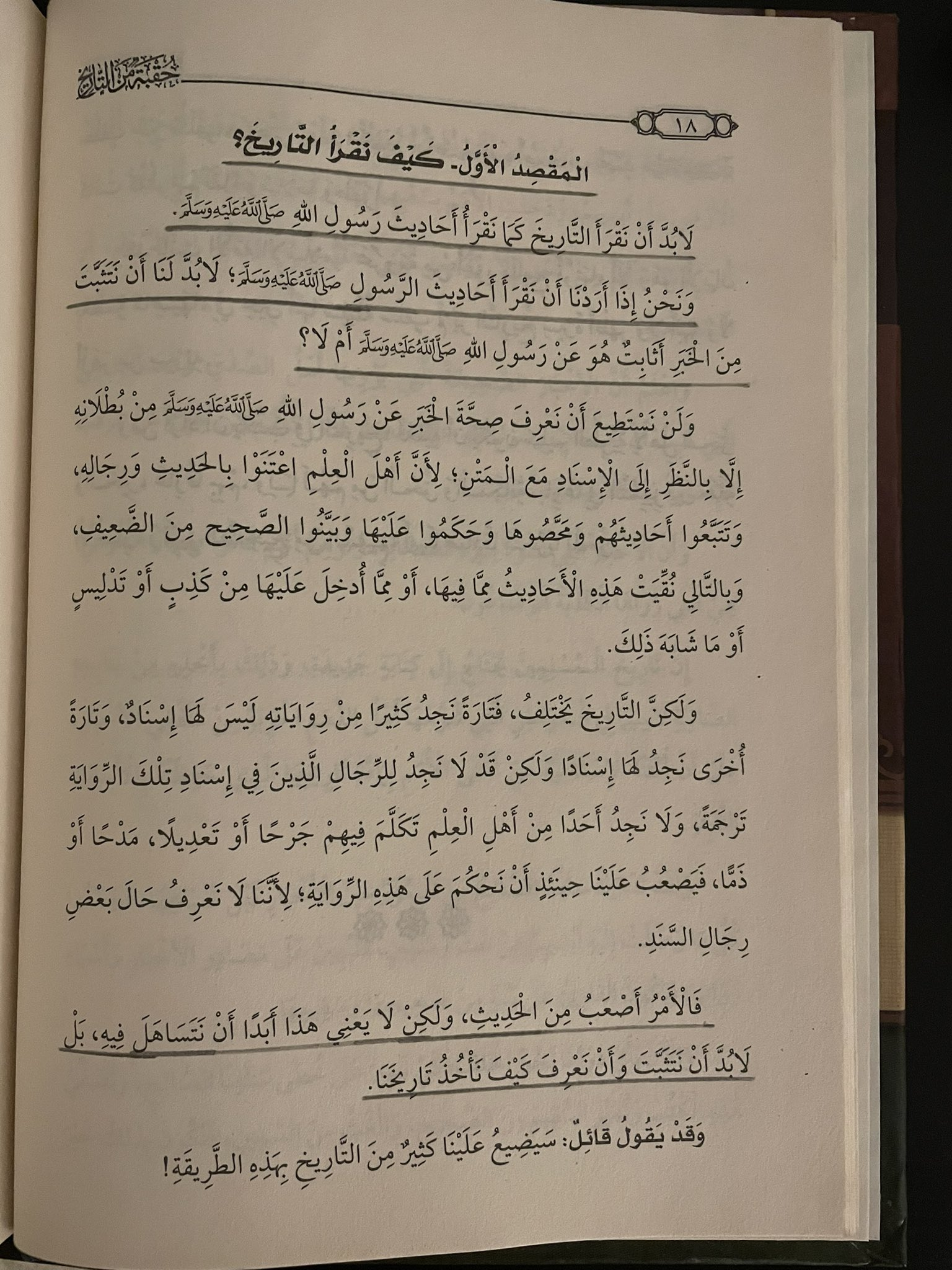
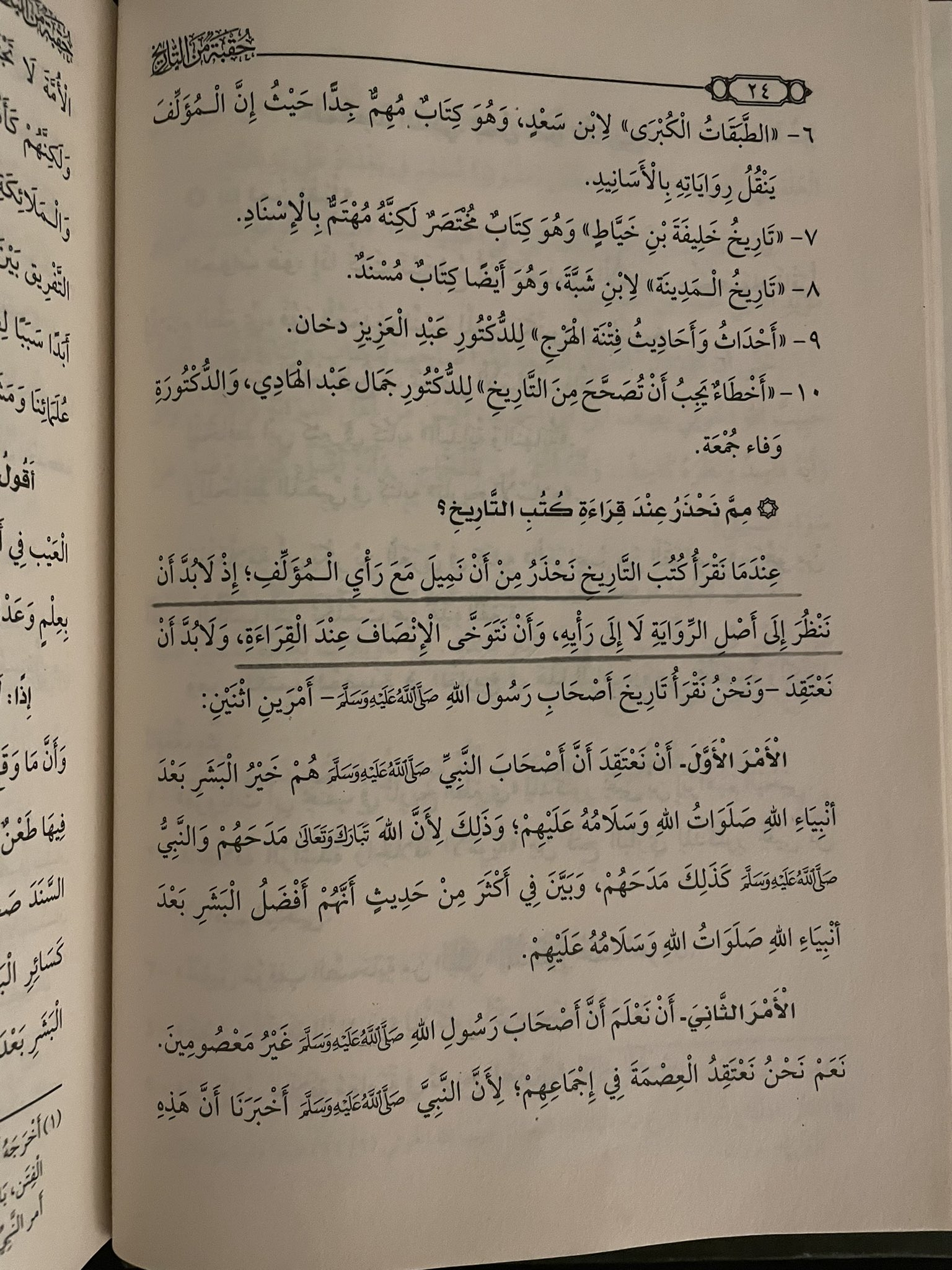
The shia also like to mock ‘Umar (r.a.) for comparing himself to a mountain goat.
But will they laugh when they find out that their version of Imam ‘Ali (r.a.) was also compared to tied camel while giving bay’ah to Abu Baker (r.a.)?
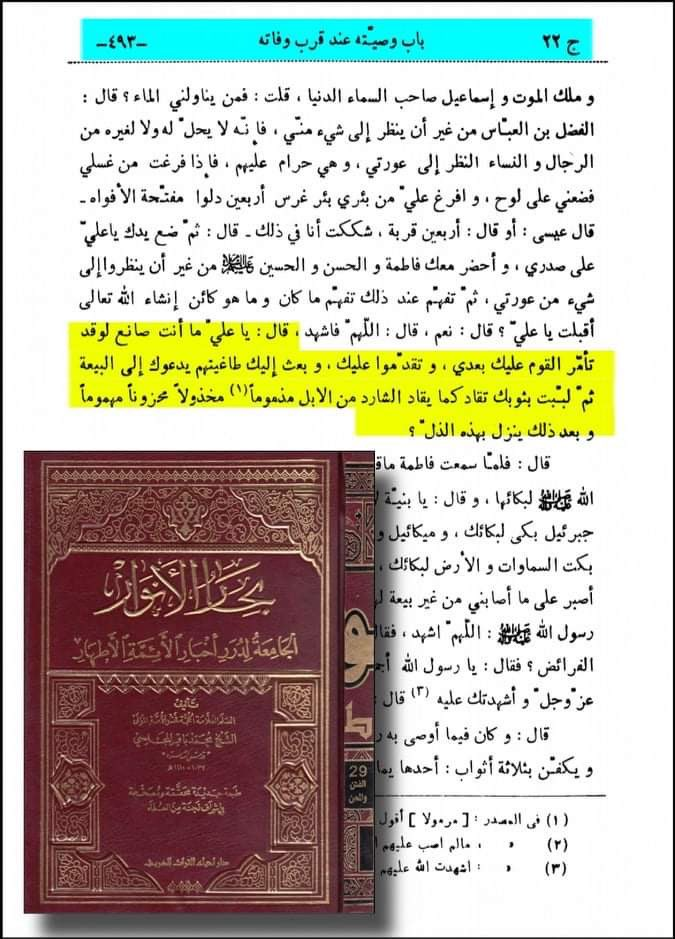
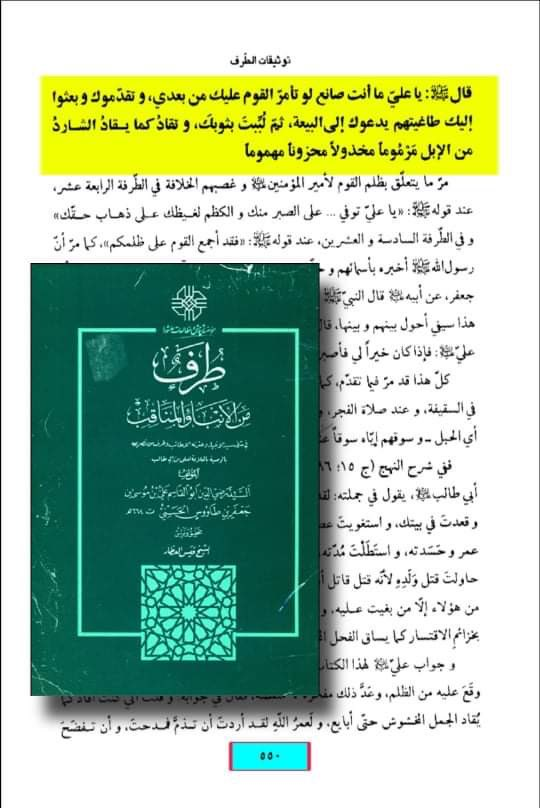
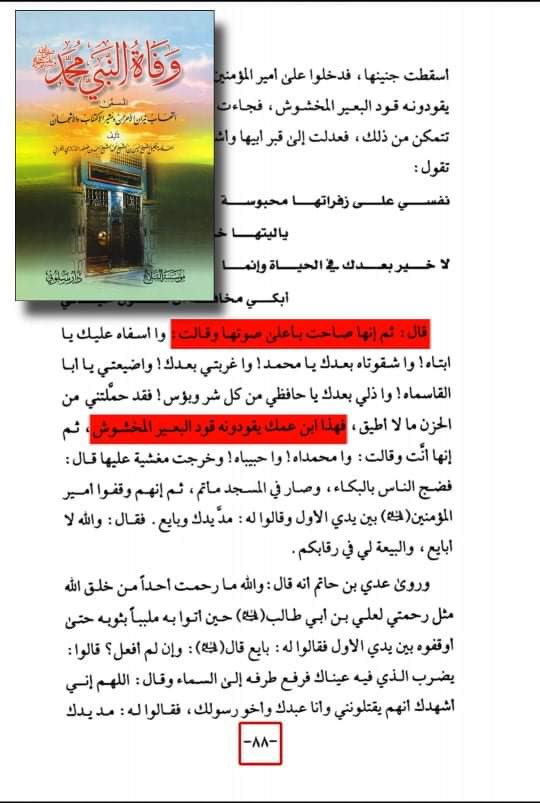
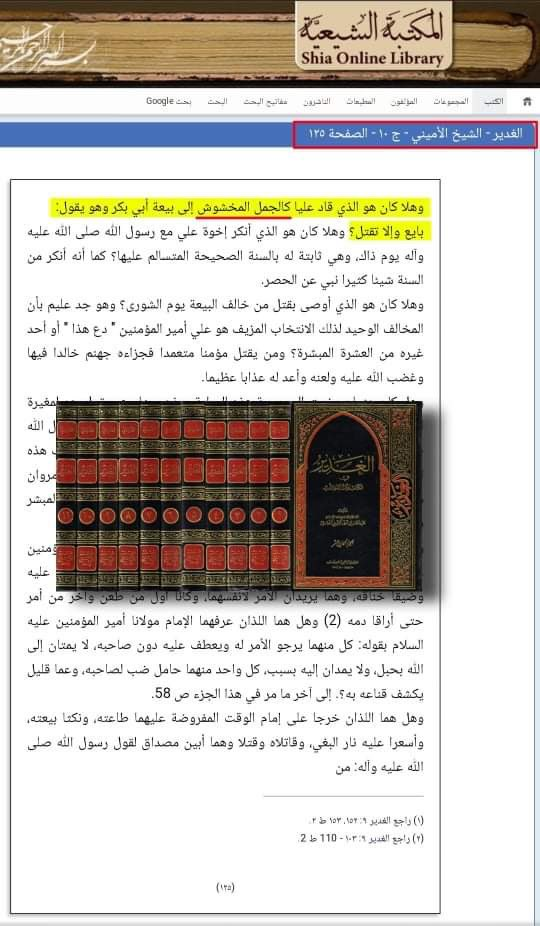
And even if we were to assume that the narration is authentic and that ‘Umar (r.a.) really ran away from battle, then we refute this by saying:
- Allah said at the end of the verse: “But God has forgiven them.” (3:155).
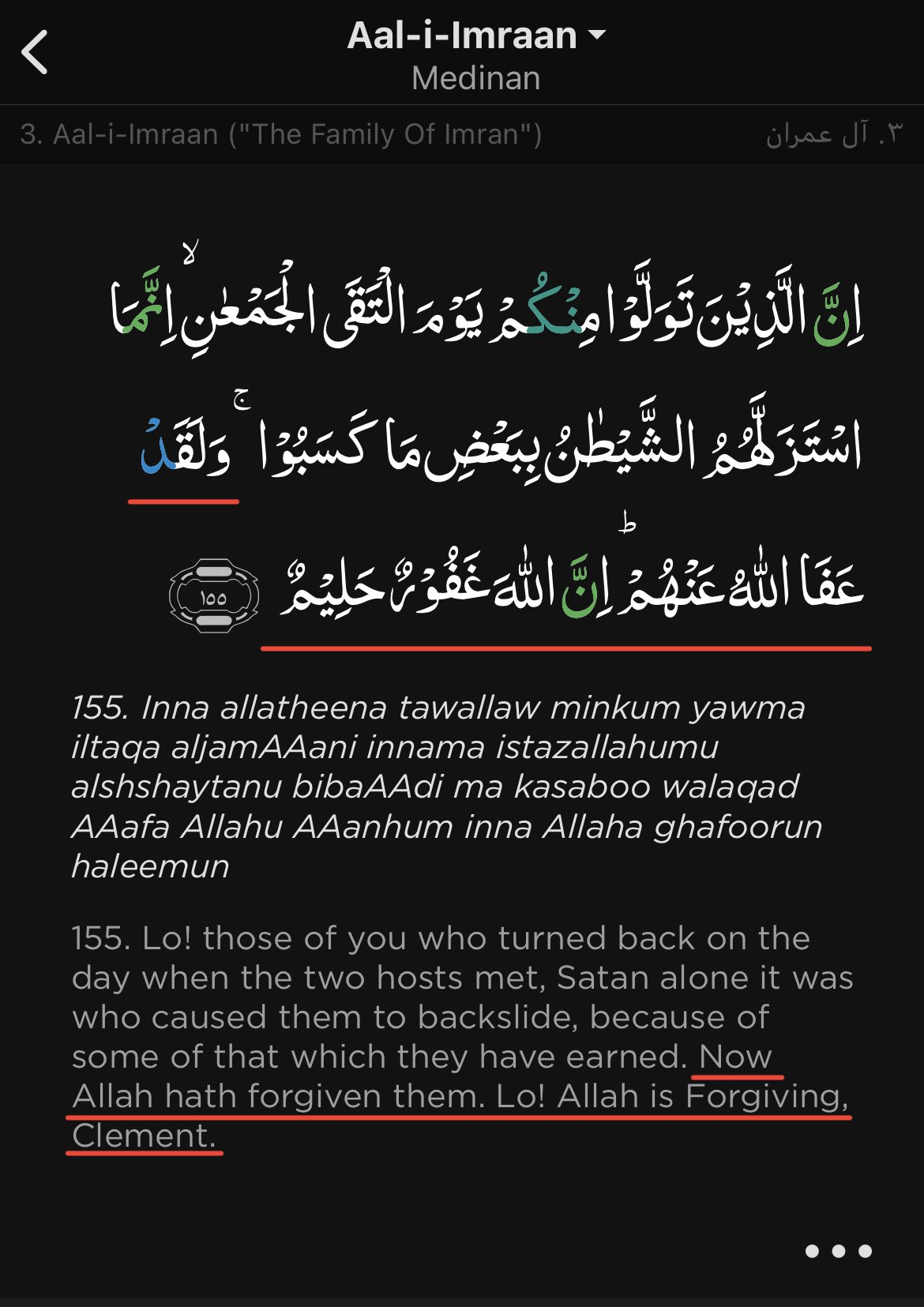
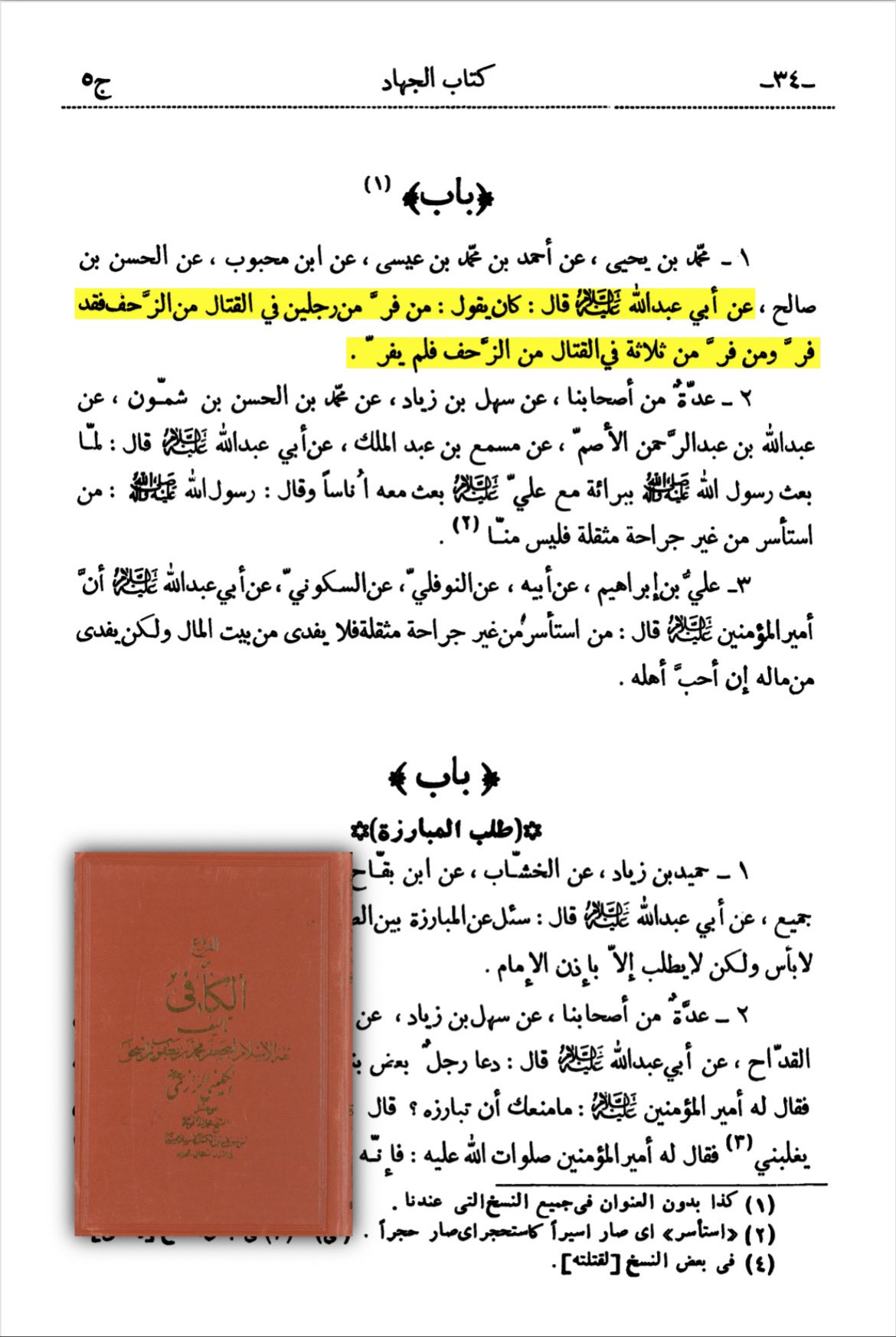
- Muhammad Ibn Ya’qub al-Kulayni with his chain from Abu ‘Abdellah (a.s.) who said:
He who runs away from two men in battle then he ran away. But he who runs away from three man did not run away.”
al-Kati, by al-Kulayni, vol. 5, p. 34, h. 1.