Distortion of the Text of Matthew 17 21

Distortion of the Text of Matthew 17-21
There are four texts that encourage fasting in the New Testament:
1The text of Mark 9:29. The word “fasting” is omitted from the best Greek and Latin witnesses.
2Matthew 17:21 The entire text is omitted from the best ancient evidence.
3The text of Luke 2:37, the word “fasting” is omitted from the best evidence.
4The text of 1 Corinthians 7:5, the word is omitted.
In this article we will discuss the distortion of the text of Matthew 17:21.
The text is deleted from the oldest manuscripts of the New Testament: -
1It was deleted from the oldest Greek manuscripts, namely the Sinaiticus and Vaticanus manuscripts from the fourth century.
2It was deleted from the oldest Latin manuscripts, which is the manuscript it e from the fourth century.
3Deleted from the oldest Syriac manuscripts, namely Sinaitic Syriac from the fourth century and Curitonian Syriac from the fifth century.
4Deleted from the oldest Coptic manuscripts, namely Sahidic and Bohairic Coptic.
All critical copies have been removed.
All critical commentaries by scholars testified to the lack of authenticity of the text.
Text in Arabic translations:-
Links to browse Arabic translations
http://www.albishara.org/page.php?view=arabiccomper
https://www.bible.com/ar/bible/195/jhn.1.sat
#Arabic translations that mention the text: -
[Vandyk][Mt. 17:21][But this kind does not go out except by prayer and fasting]
[Simplified][Mt. 17.21][But this type can only be removed by prayer and fasting.]
[Jesus][Mt. 17:21][This kind of devil can only go out by prayer and fasting.]
[Catholic] [Mt. 17:21] [This kind of devil does not go out except by prayer and fasting ]
Arabic translations that put the text in square brackets:
-[Shared][Mt. 17.21][[This kind of demons cannot be expelled except by prayer and fasting))].] Placing the text between square brackets means that it is not authentic. See the commentary of the most famous textual criticism committee, the UBSI committee:
{Embed}
https://www.bible.com/ar/bible/195/jhn.1.sat
يُوحَنَّا 1 | ترجمة ت ع م للكتاب المقد…
يَسُوعُ المَسِيحُ كَلِمَةُ الله

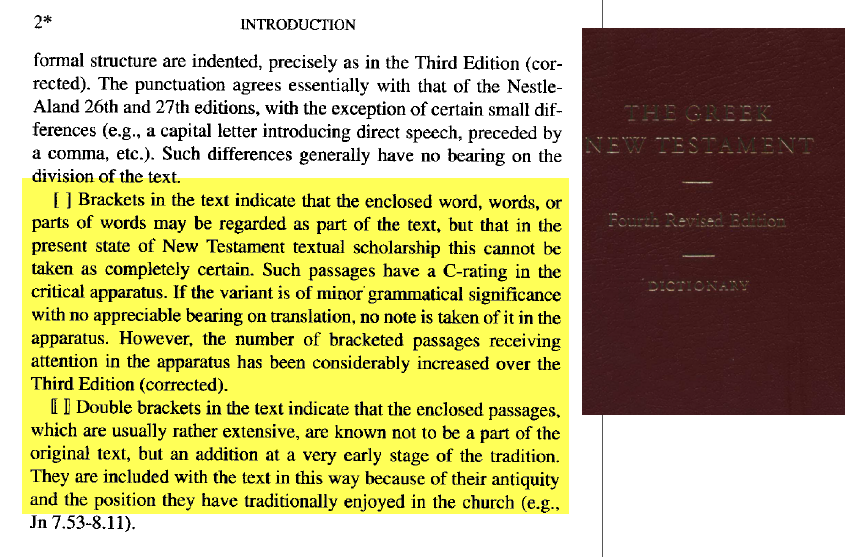
- Paul Al-Feghali’s translation from Greek to Arabic between the lines:
Text in English Translations
English translation browsing links
http://www.biblestudytools.com/wyc/
Translations that delete text 20 translations:-
BBE Matthew 17:21 CEB 17:21 CJB Matthew 17:21 * VST Matthew 17:21
ERV Matthew 17:21 LEW Matthew 17:21 NAB Matthew 17:21 NABO Matthew 17:21 NIB Matthew 17:21 NIRV Matthew 17:21 NIV Matthew 17:21 NJB Matthew 17:21
MIT Matthew 17:21
RSV Matthew 17:21
NLT Matthew 17:21
Matthew 17:21
Matthew 17:21
NET Matthew 17:21
NRS Matthew 17:21 TNIV Matthew 17:21
Translations that mention the text: 17 translations:
ASV Matthew 17:21 But this kind goeth not out saved by prayer and fasting.
DBY Matthew 17:21 But this kind does not go out but by prayer and fasting. DRA Matthew 17:20 But this kind is not cast out but by prayer and fasting. ETH Matthew 17:21 But this kind goes not forth but by fasting and by prayer. GNV Matthew 17:21 Howbeit this kind goeth not out, but by prayer and fasting. KJG Matthew 17:21 Howbeit this kind goeth not out but by prayer and fasting. KJV Matthew 17:21 Howbeit this kind goeth not out but by prayer and fasting. MGI Matthew 17:21 But this kind does not go out, except by fasting and by prayer.” MRD Matthew 17:21 But this kind goeseth not out, except by fasting and prayer. except by prayer and fasting . out, but by prayer and fasting. YLT Matthew 17:21 and this kind doth not go forth except in prayer and fasting.’
{Embed}
BibleGateway.com: A searchable online Bible in over 150 versions an…
Read, hear, and study Scripture at the world’s most-visited Christian website. Grow your faith with devotionals, Bible reading plans, and mobile apps.

{Embed}
http://www.biblestudytools.com/wyc/
Read the Wycliffe Free Online
Search and read Bible verses using the popular WYC translation. Take notes online, highlight verses and save notes!

Translations that Put Text in Brackets
CSB Matthew 17:21 [However, this kind does not come out except by prayer and fasting.]” CSBO Matthew 17:21 [However, this kind does not come out except by prayer and fasting.]”
#Greek critical copies:
Link to browse critical copies
https://www.academic-bible.com/en/home/scholarly-editions/greek-new-testament/greek-new-testament/
http://studybible.info/version/Tregelles
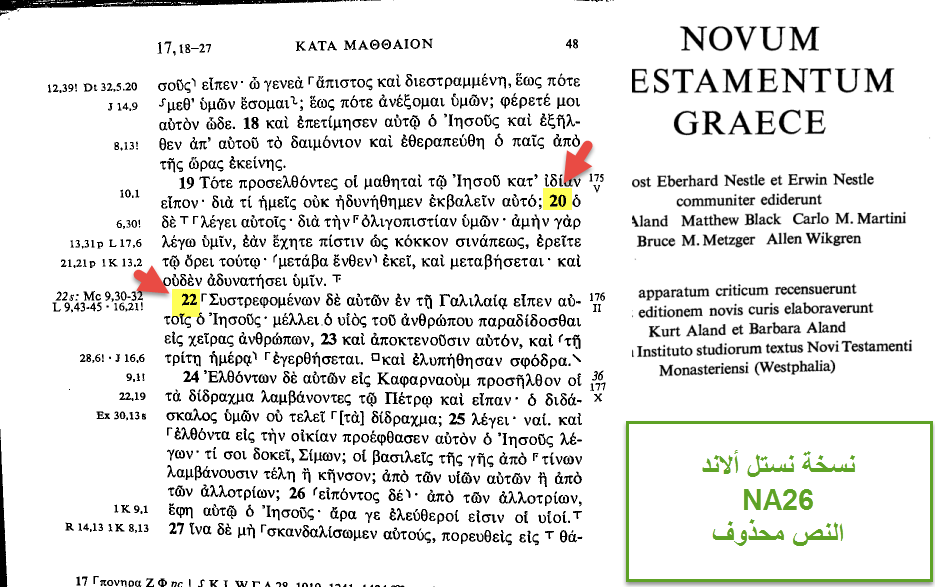
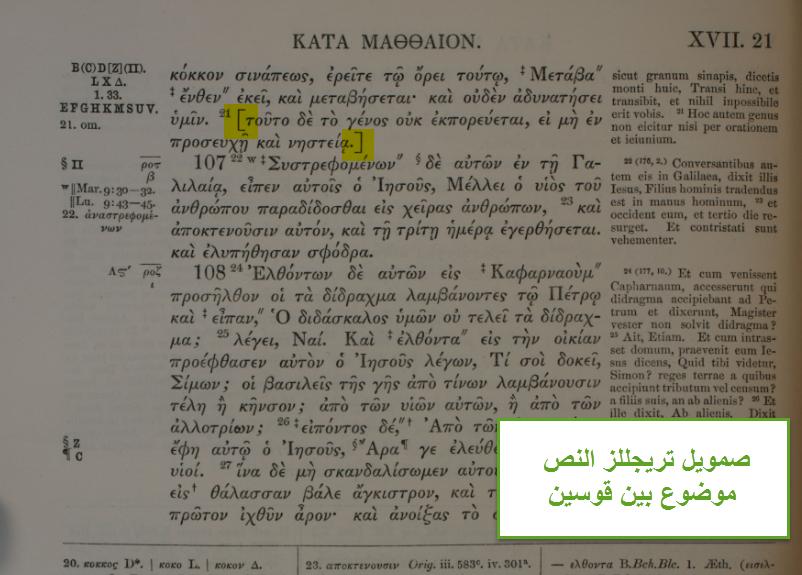
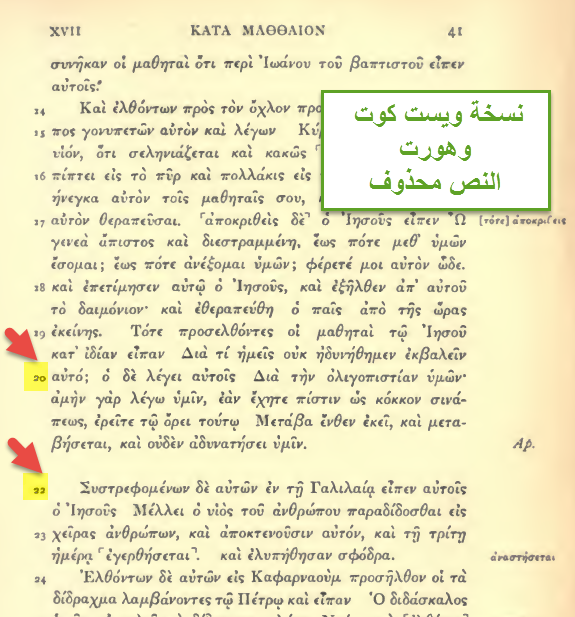
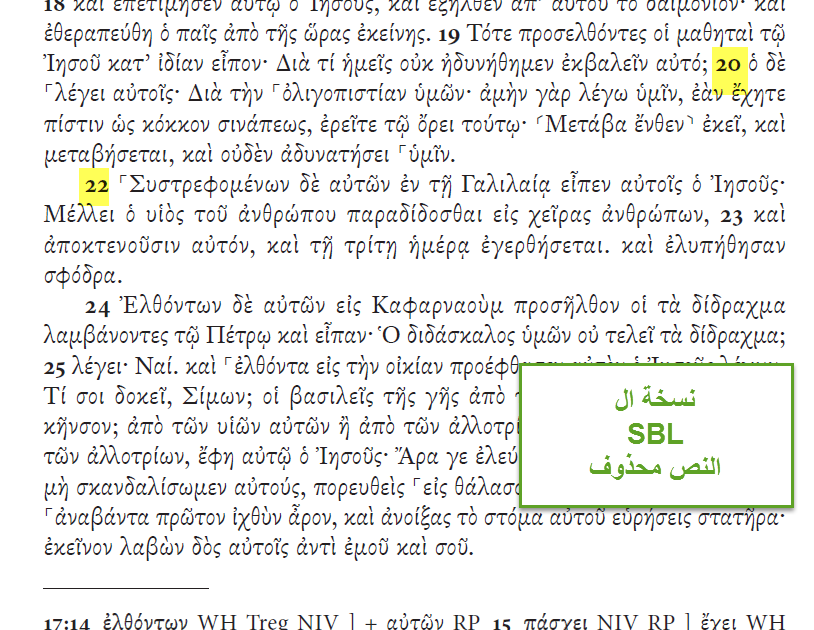
Text deleted from all critical editions
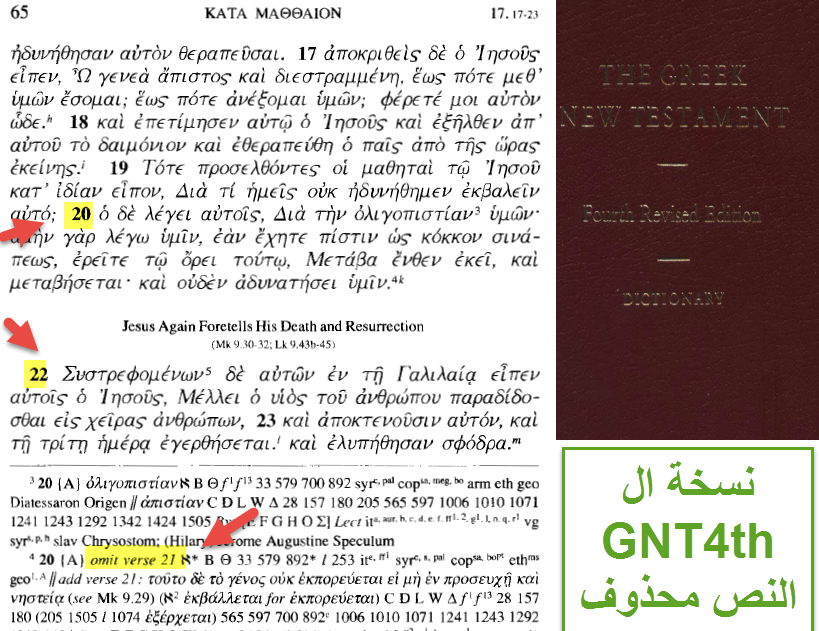
1The most famous UBS committee version called GNT 4th
2Nestle Land 28 version
3Samuel Triggles version
4Westcott and Hort version
5Chandrov version
6-Von Soden’s version
Matthew 17:21
Matthew 17:21
Matthew 17:21
Matthew 17:21
VST Matthew 17:21
Matthew 17:21
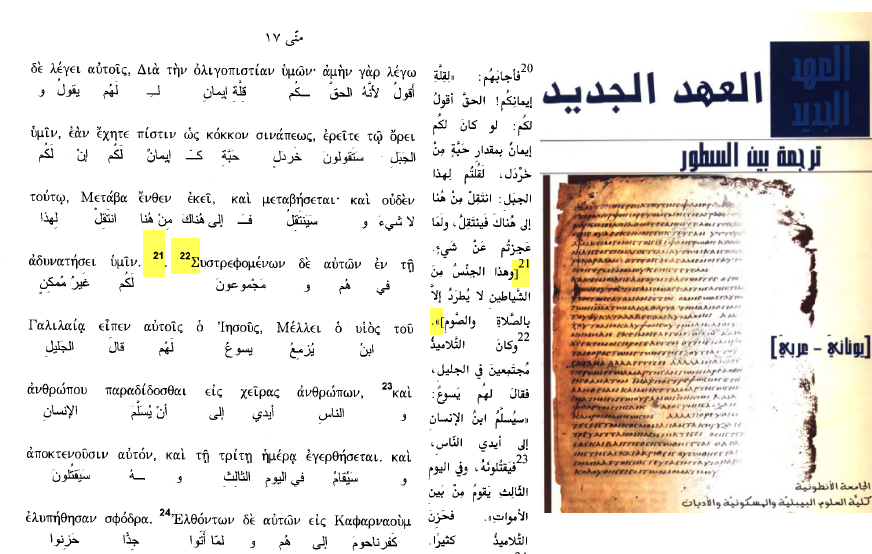
1Image of the GNT4th version
2Nestlé Aland copy image
3-Samuel Triggles copy image
4Westcott and Hort version
5SBL version
Text in Manuscripts
Link to images of New Testament manuscripts
http://www.csntm.org/Manuscripts.aspx
Link to a table of dates for New Testament manuscripts to the seventh century
http://bibletranslation.ws/manu.html
Text in Greek
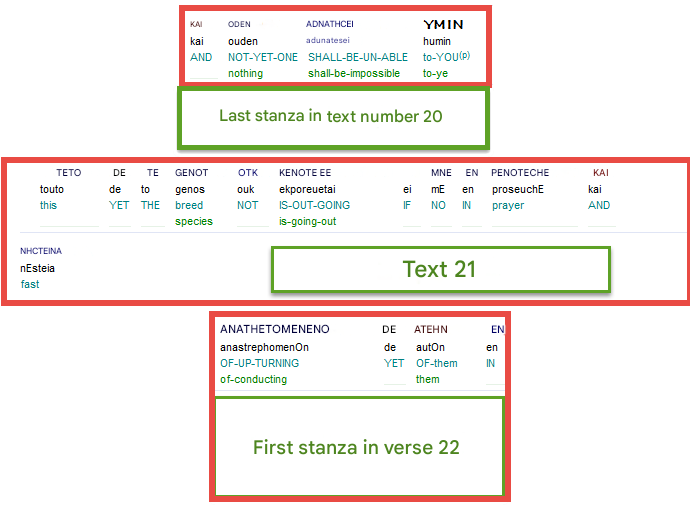
BYZ Matthew 17:21 νηστείᾳ.
Interlinear text: Text in capital letters, the same way it is written in ancient Greek manuscripts.
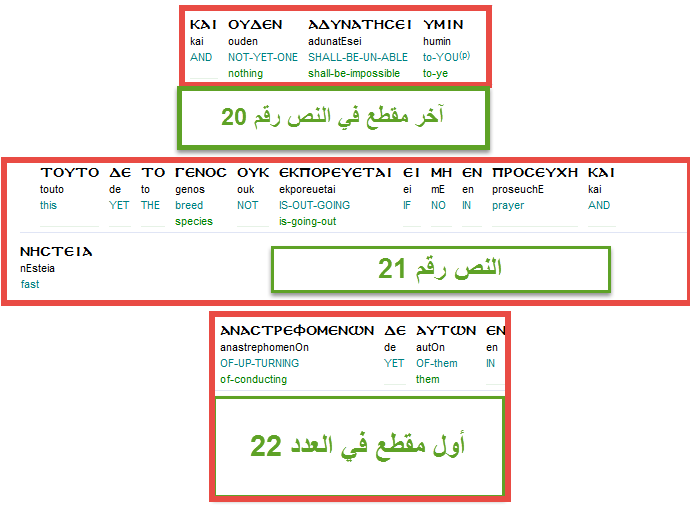
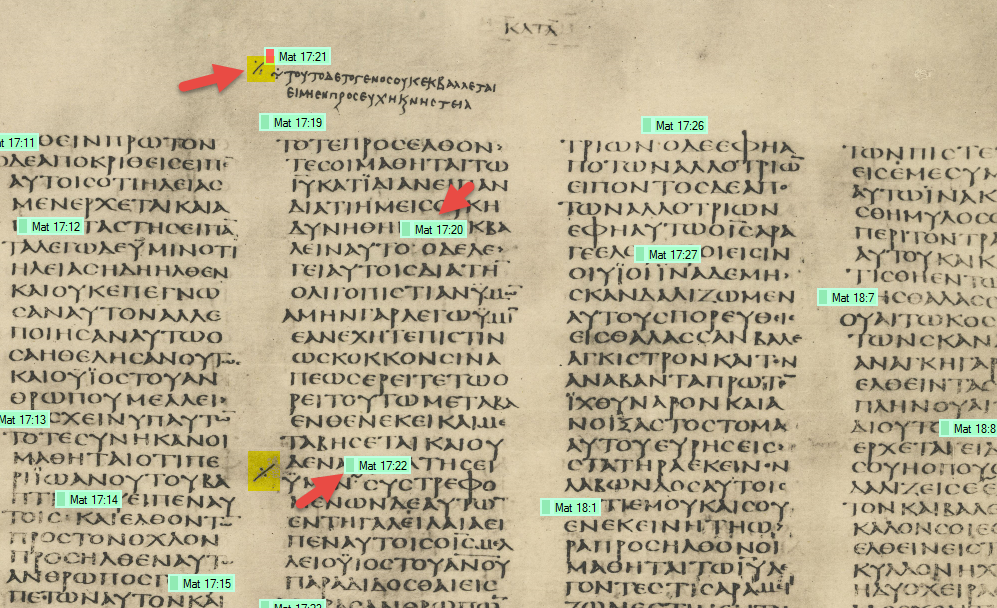
(1) Image of the Sinaiticus manuscript:
The text is deleted, and a late copyist wrote it in the margin.
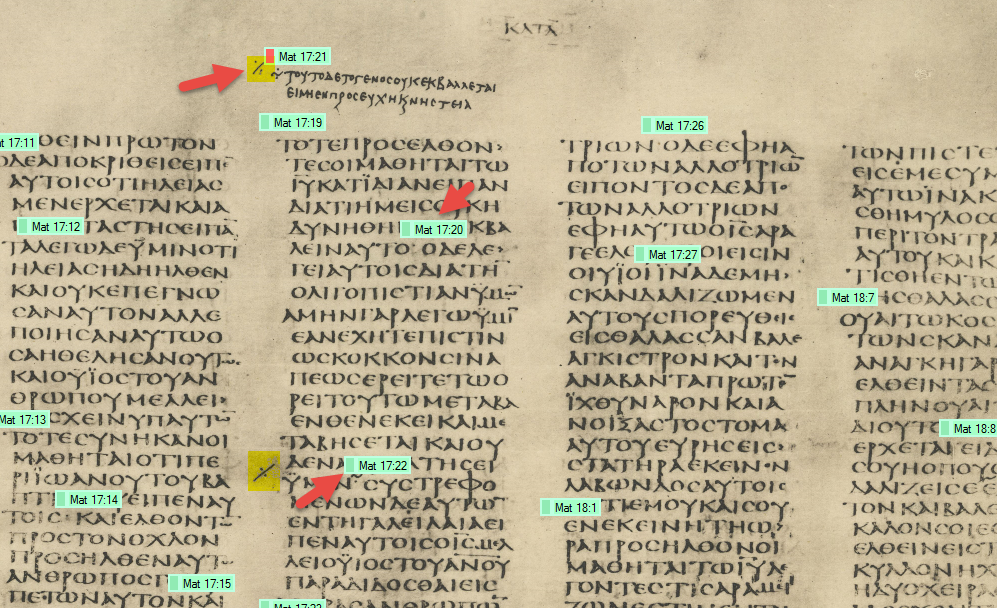
(2) Image of the Vatican Manuscript
The clip is deleted.
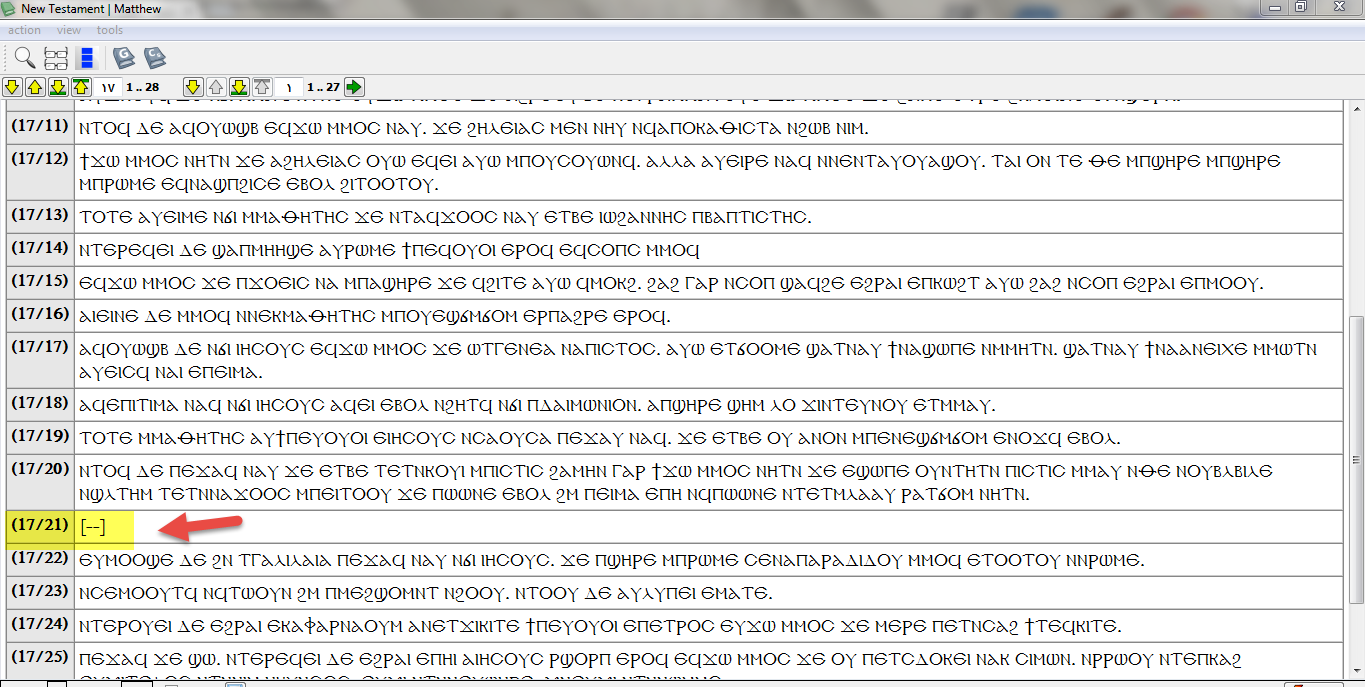
(3) The Text in the Upper Egyptian Coptic Manuscript
Deleted
Image from Marcion program
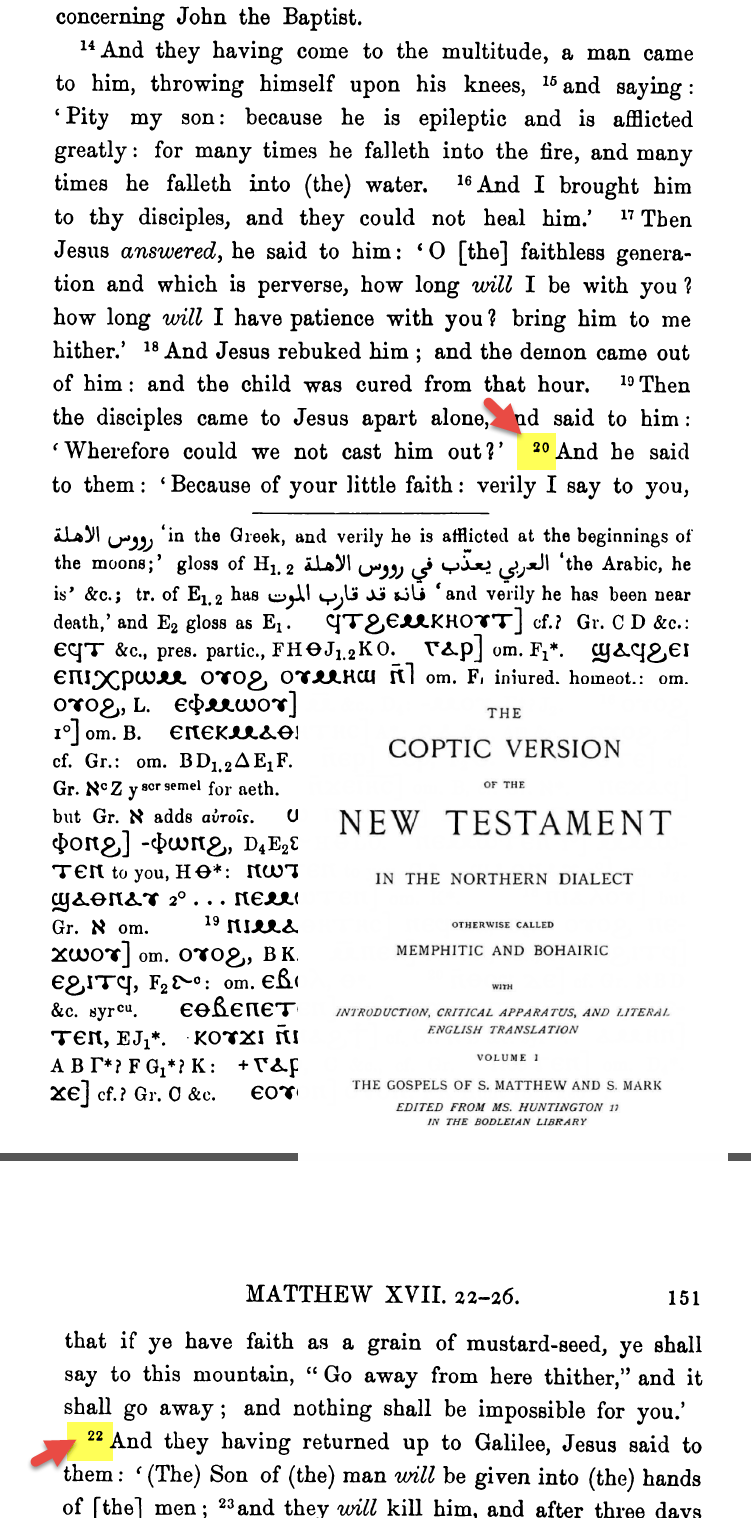
(4) The Bohairic Coptic Manuscript
Text deleted
Bohairic Coptic browsing link
http://www.calloflove.net/copticlibrary/downloadholybible.htm#Download the New Testament in Bohairic Coptic
Transcribing the manuscript into a book
The coptic version of the new testament in the northern dialect
(4) The Bohairic Coptic manuscript:
Text deleted
Bohairic Coptic browsing link
http://www.calloflove.net/copticlibrary/downloadholybible.htm#Download the New Testament in Bohairic Coptic
Transcribing the manuscript into a book
The coptic version of the new testament in the northern dialect
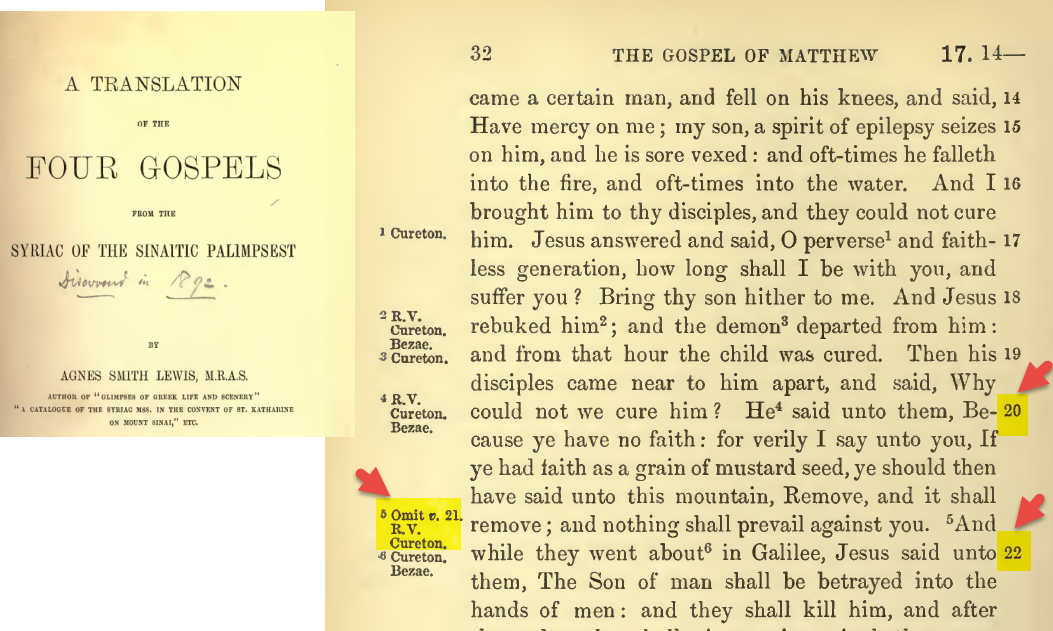
(5) The Syriac Sinaiticus Manuscript and the Syriac Curitonianus Manuscript
Text deleted from Monday
Direct browsing link to the text of the two manuscripts
http://www.dukhrana.com/peshitta/index.php
Transcription of the two manuscripts:
{Embed}
http://www.dukhrana.com/peshitta/index.php
Peshitta New Testament
Peshitta Tool, Browse the verses of the Peshitta New Testament
Critical Comments
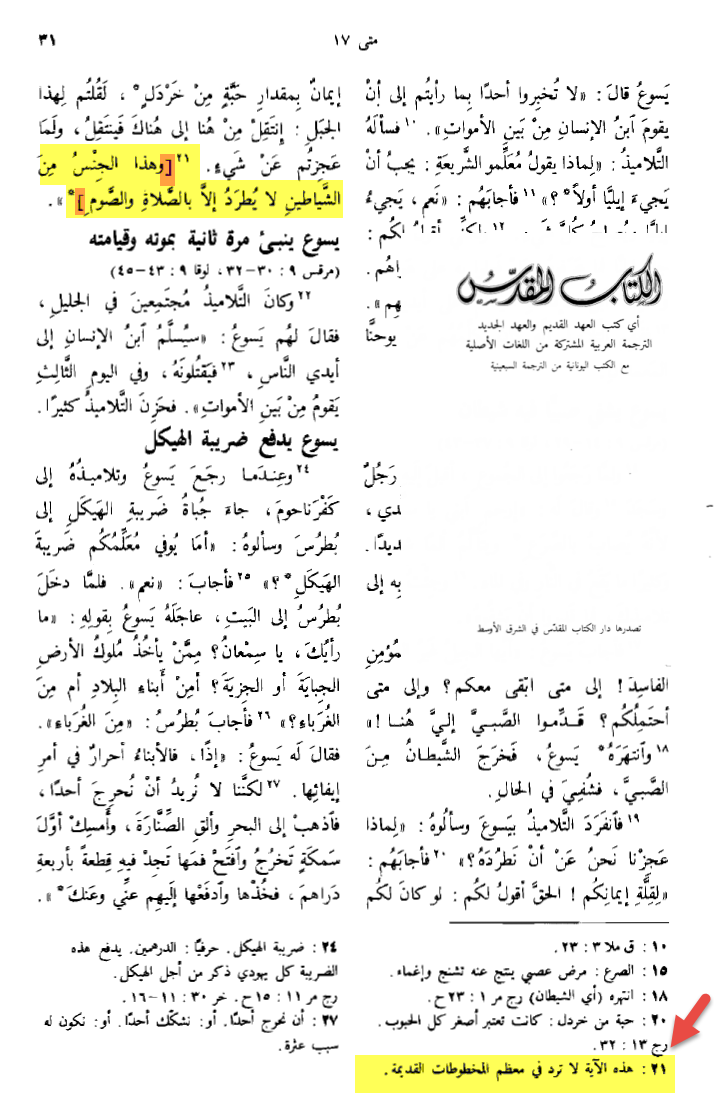
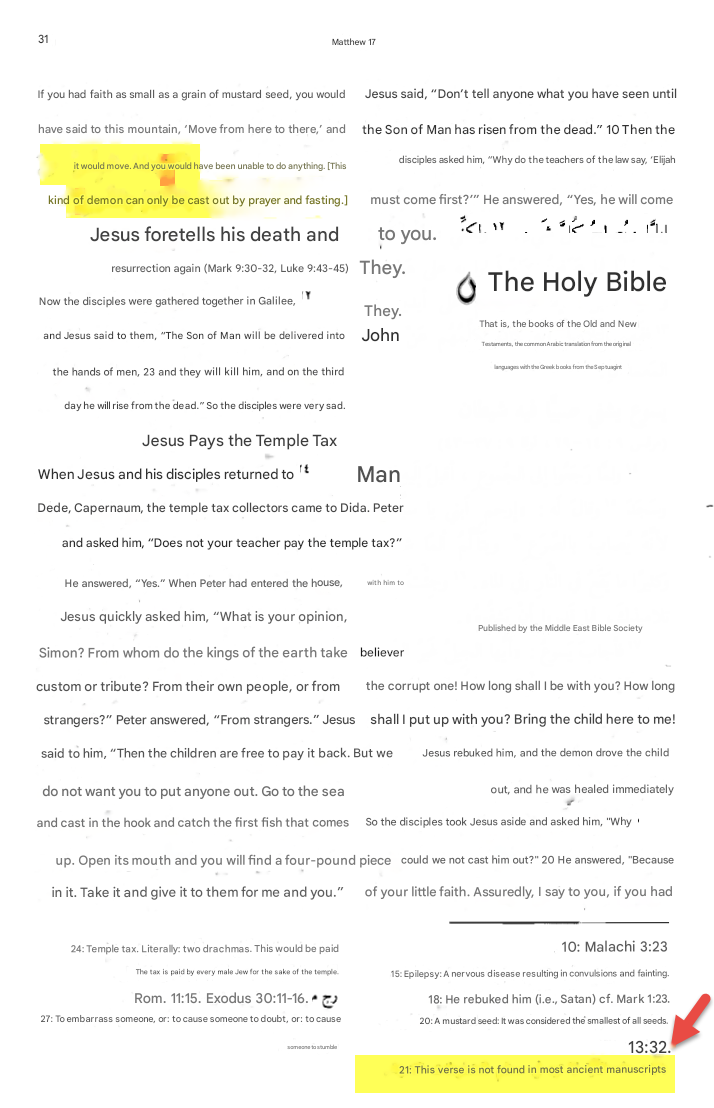
1Comment on the joint Arabic translation:-
The text is in brackets.
Then the translation said: (This verse is not found in most ancient manuscripts)
2NET Bible Version Commentary: - Direct Link to the Version
(39tc Many important mss ( א * B Θ 0281 33 579 892* pc e ff 1 sy s, c sa) do not include 17:21 “But this kind does not go out except by prayer and fasting.” The verse is included in א 2 CDLW Ë 1,13 Ï lat, but is almost certainly not original. As BM Metzger notes, “Since there is no satisfactory reason why the passage, if originally present in Matthew, should have been omitted in a wide variety of witnesses, and since copyists frequently inserted material derived from another Gospel, it appears that most manuscripts have been assimilated to the parallel in Mk 9.29” ( TCGNT 35). The present translation follows NA 27 in omitting the verse number as well, a procedure also followed by a number of other modern translations).
Translation:-
(Many important manuscripts such as “Sinai-Vaticanus-Theta0281-33-579-892-Latin ff1-Syrian Sinaitic-Syrian Curiatonianus-Coptic Sahidic” these manuscripts do not contain the number 17:21.
The text was interpolated into Sinaiticus by a later scribe, and is found in the Beza Codex, Ephraim Codex, Washington Codex, L Codex, and a Latin manuscript.
But the text is almost certainly not original.
Bruce Metzger says, “If the original reading was the addition, what justification was there for omitting the text from so many different manuscripts? In addition to the scribes’ desire to reconcile parallel readings, the text is taken from Mark 9:29.”
Text omitted from Nestle-Aland’s version and many modern translations.)
{Embed}
NET Bible : The Biblical Studies Foundation
NET Bible : new Bible translation, free Bible software, Bible studies and related Bible materials, .
3Comment Copy
(New Revised Standard Version (NRSV)
https://www.biblegateway.com/passage/?version=NRSV&search=Matthew%2017
Mathew 17: 20 other ancient authorities add verse 21
{Embed}
https://www.biblegateway.com/passage/?version=NRSV&search=Matthew%2017
Bible Gateway passage: Matthew 17 - New Revised Standard Version Up…
The Transfiguration - Six days later, Jesus took with him Peter and James and his brother John and led them up a high mountain, by themselves. And he was transfigured before them, and his face shone like the sun, and his clothes became bright as light. Suddenly there appeared to them Moses and Elijah, talking with him. Then Peter said to Jesus, …
(Some other ancient evidence adds the number 21)
4Comment copy
(New International Version (NIV))
https://www.biblegateway.com/passage/?version=NIV&search=Matthew%2017
Mathew 17:21 some manuscripts include here words similar to Mark 9:29
5Comment copy
New American Bible (Revised Edition) (NABRE)
https://www.biblegateway.com/passage/?search=Matthew+17&version=NABRE
Some manuscripts add, “But this kind does not come out except by prayer and fasting”; this is a variant of the better reading of Mk 9:29 .
6Critical commentary on the most famous critical edition ever
UBS 4th
{Embed}
https://www.biblegateway.com/passage/?version=NIV&search=Matthew%2017
Bible Gateway passage: Matthew 17 - New International Version
The Transfiguration - After six days Jesus took with him Peter, James and John the brother of James, and led them up a high mountain by themselves. There he was transfigured before them. His face shone like the sun, and his clothes became as white as the light. Just then there appeared before them Moses and Elijah, talking with Jesus. Peter said…
{Embed}
https://www.biblegateway.com/passage/?search=Matthew+17&version=NABRE
Bible Gateway passage: Matthew 17 - New American Bible (Revised Edi…
Chapter 17 - The Transfiguration of Jesus. After six days Jesus took Peter, James, and John his brother, and led them up a high mountain by themselves. And he was transfigured before them; his face shone like the sun and his clothes became white as light. And behold, Moses and Elijah appeared to them, conversing with him. Then Peter said to Jesu…
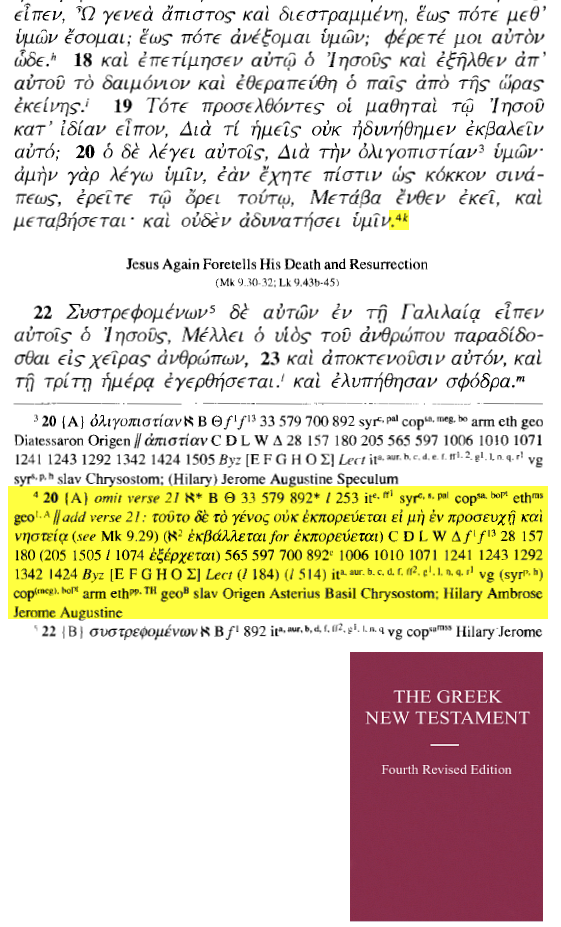
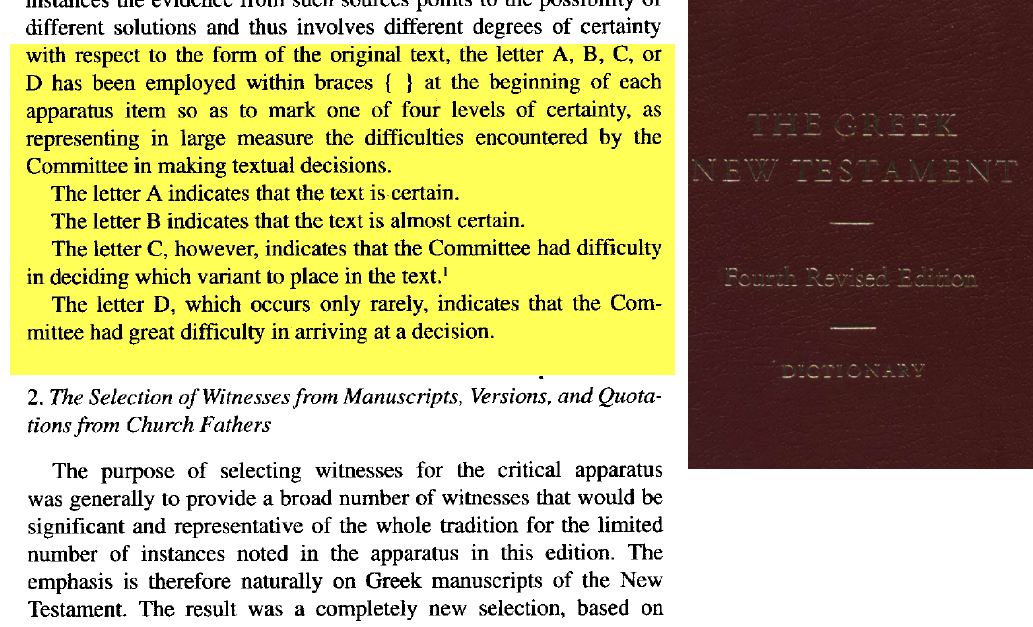
The Committee Chose to Read the Deletion with a Grade of A, Which Means that They Are Sure that Their Choice is Correct
See the following image
The Committee Mentioned the Manuscripts that Testify to the Deletion Reading
1Sinaiticus from the fourth century
2Vatican from the fourth century
3Theta manuscript from the ninth century
4Four late Greek manuscripts
5The Latin manuscript Platinus e from the late fourth century
6-Latin manuscript ff1 from the eighth to the eleventh century
7The Syriac Sinaitic manuscript from the fourth century
8The Syriac Curitonian manuscript from the fifth century.
9The Upper Egyptian Coptic manuscript.
10The Bohairic Coptic manuscript.
11-Ethiopian and Georgian manuscripts.
The manuscripts mentioned by the committee that bear witness to the reading of the addition:
1A later copyist added the text to the Sinaiticus in the margin, and thus the original text of the Sinaiticus does not contain the text.
See the following image


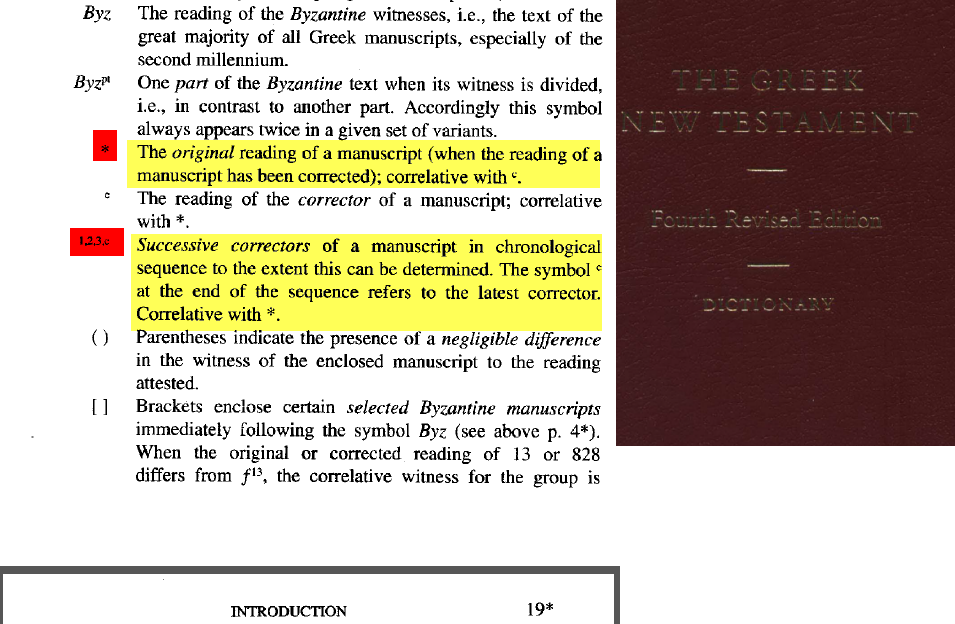
The Sinaiticus Codex has been altered by various people over time. Textual critics call these people “correctors.”
The Textual Criticism Committee stated in the introduction to its UBS edition that when the original reading of a manuscript is such and such, they place the symbol * next to the name of the manuscript.
Next to the non-original reading that was introduced by a late corrector of the manuscript text, they place the numbers 1, 2, or 3 according to the date of correction.
2The Ephraimite manuscript from the fifth century
3Washington Manuscript from the late fourth and early fifth centuries
4The Pisa Manuscript from the fifth century
5Several other late Greek manuscripts.
6Latin manuscript a from the late fourth century
7Other Latin manuscripts from after the fifth century
8A late Coptic manuscript from Middle Egypt
9It is found in the quotes of several fathers.
7Commentary By Scientist Bruce Metzger
A textual commentary
on
the Greek New Testament
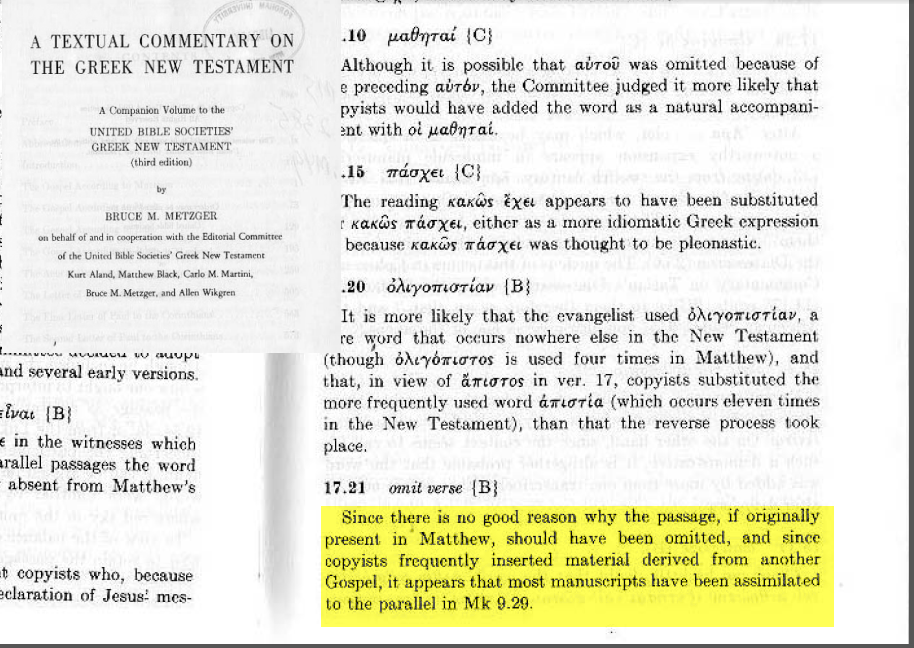
Translation: (The text is deleted, because there is no convincing reason to explain why the text was deleted if it was the original reading, and because copyists were accustomed to inserting texts for a Gospel text from another Gospel, what can be imagined is that most of the manuscripts were changed to conform to the text of Mark 9:29).
8Viland Felker’s critical comments
http://www-user.uni-bremen.de/wie/TCG/TC-Matthew.pdf
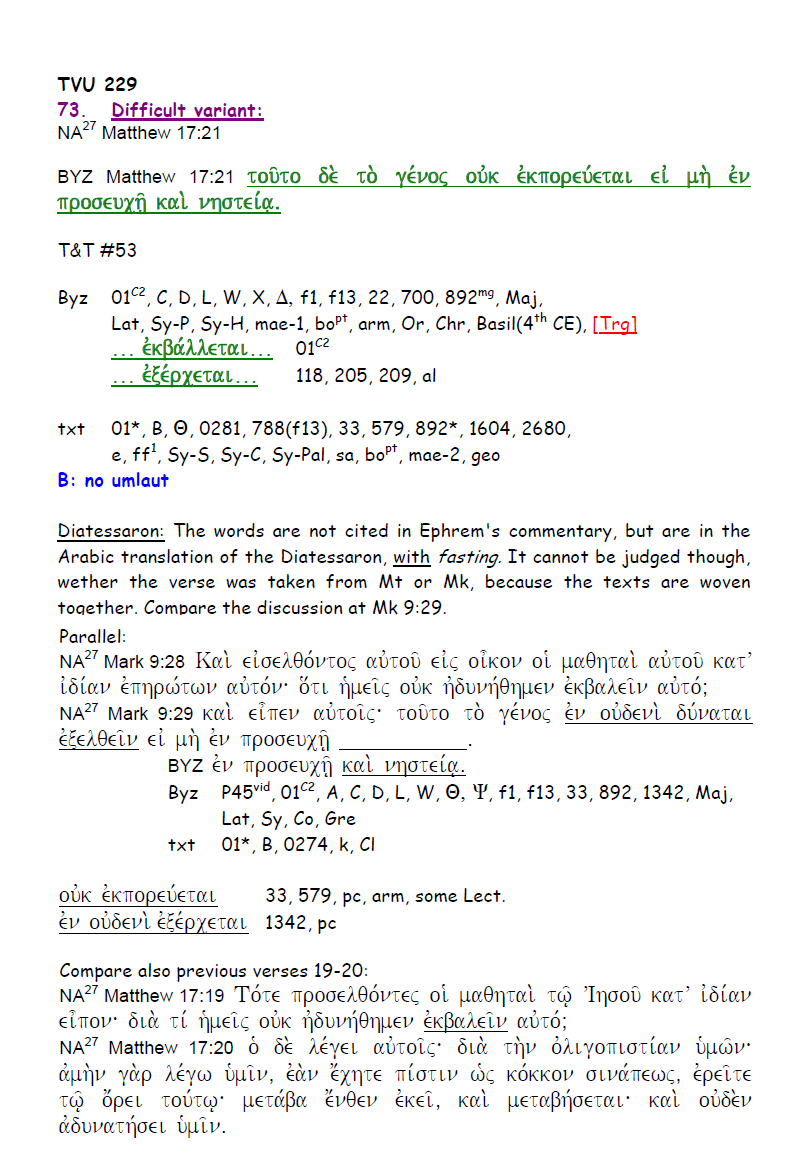
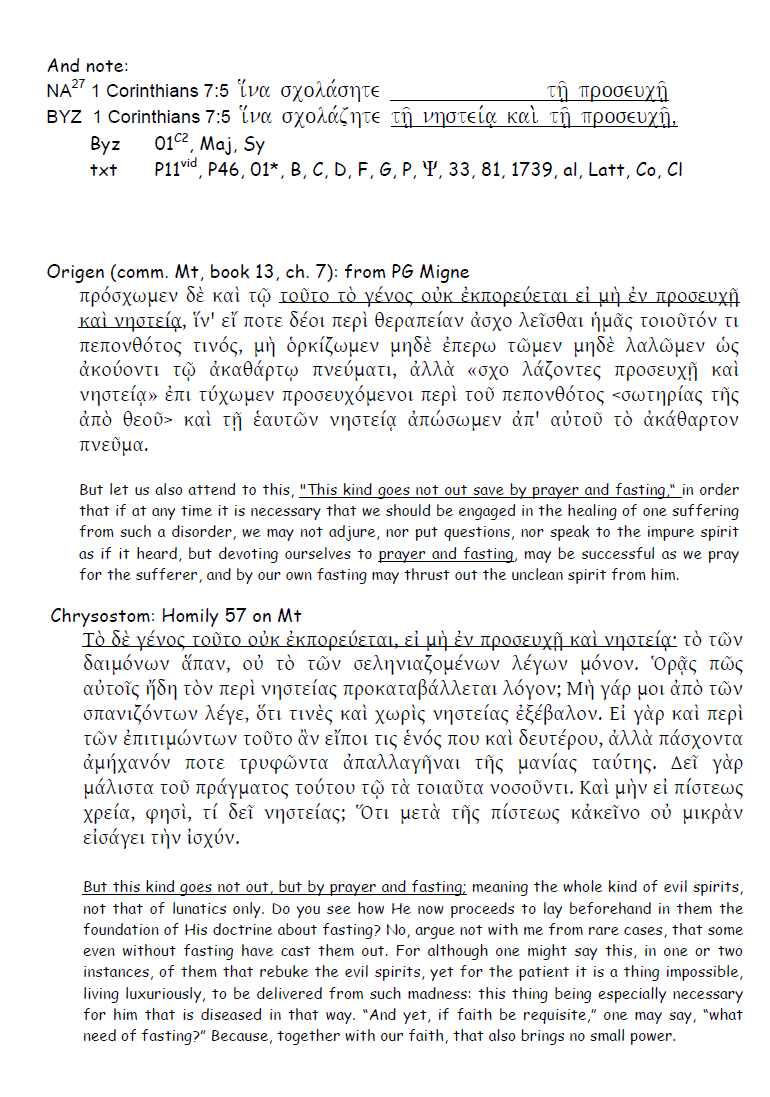
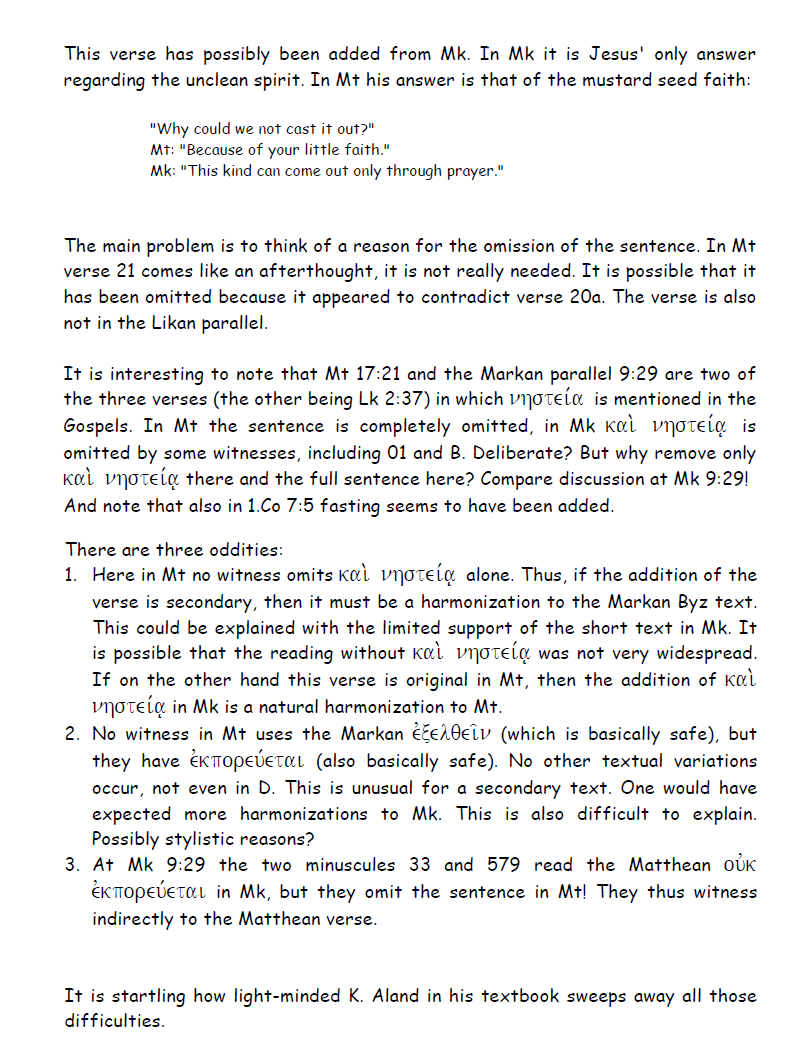
Viland Felker began his comment on the problem with the phrase “a difficult problem.”
Then he mentioned the manuscripts that testify to the Byzantine text and the critical text, where we find that the oldest evidence of the critical text is from the fourth century in all levels (Sinai Greek, Vatican, Sinaitic Syriac, and Latin e), as well as Sahidic Coptic. The oldest Byzantine evidence is Washington from the late fourth and early fifth centuries, and the Syriac evidence is later, as is the Coptic.
Then he commented on the text in the Diatessaron, saying:
- This text was not mentioned by Ephraim the Syrian in his commentary, but the Arabic translation of the Diatessaron says (with fasting). However, we cannot know whether this text or Mark 9:29 is meant.*
Then he mentioned the paragraph in which Origen used this text, where Origen says:
(Let us pay attention to this: “This kind can only go out through prayer and fasting.”… Through prayer and fasting, we can overcome the unclean spirit.)
But it is clear that he is talking about Mark 9:29, where the talk was about the “unclean spirit,” and it is not present in Matthew 17:21.
And so did John Chrysostom.
Then after that, Viland Felker commented, saying:
This text may have been added from Mark. The main problem is: What is the reason for deleting the text from Matthew?
In Matta, text 21 appears to be an unnecessary addendum. It may have been deleted on the basis that it contradicted text 20.
Then he continued saying:
“It is surprising that the word (and fasting) was repeated in the Gospels three times, once here and once in Mark 9:29, and also the text of Luke 2:37. In Matthew the entire text is deleted, in Luke the word “fasting” is omitted from some manuscripts such as the Sinaiticus and the Vatican. There is also a problem with the text of 1 Corinthians 7:5.”
Then he continues saying:
There are three strange things:
1There is no evidence for Matthew that only deletes the word “and fasting.” Therefore, if the reading of the addition is forged, the justification for adding it is to create a similarity with the text of Mark…
2The textual evidence in Matthew does not use the Greek word ( εξελθειν = goes out) that Mark’s text uses, but rather the word ( εκπορευεται = goes out). There are no other textual differences, not even in the Beza manuscript, and this is something unusual for a forged reading, as we would have expected more attempts at homogenization with Mark. It is difficult to interpret this matter.
3There are two manuscripts (33) and (579) that write the text of Mark 9:29 using the Matthewian word ( εκπορευεται = goes out), and they delete the text of Matthew 7:21. Thus, they are an indirect witness to the text.
9Flip Comfort Critical Reviews
NEWTESTATION
TEXT & TRANSLATION
COMMENTARY
PHILIP W. COMFORT
The external evidence against including this verse is substantial, including X * B (the two earliest manuscripts), 0281 (a seventh-century manuscript discovered at St. Catherine’s Monastery
in the late twentieth century), and early witnesses of Old Latin, Coptic, and Syriac. If the verse was originally part of Matthew’s gospel, there is no good reason to explain why it was dropped
From so many early and diverse witnesses. Thus, it is far more likely that this verse was added
Assimilated from Mark 9:29 in its long form, which has the additional words “and fasting.” In
In fact, the same manuscripts (X2 CDLW f1 1 3 Maj) that have the long form in Mark 9:29 have the additional verse here. Thus, a scribe took the full verse of Mark 9:29 as presented in his manuscript and inserted it here; Most other manuscripts maintained this insertion in the transmission
of the text. (The short form in Mark 9:29 appears in X * B.)The verse is included in KJV and
NKJV and excluded in all other modern versions except NASB and HCSB which include the verse in brackets.
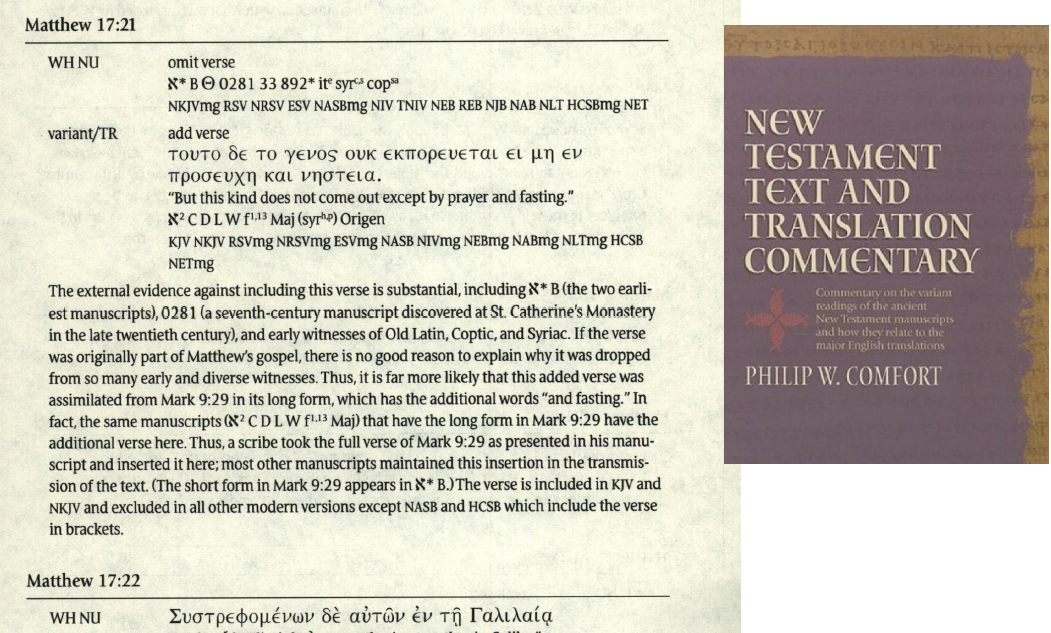
(The external evidence against the authenticity of the text is strong, including the Sinaiticus and Vaticanus, which are the earliest witnesses to this passage - fourth century - as well as MSS. 281 from the seventh century, and early Latin, Syriac, and Coptic witnesses. If the text were authentic, there is no justification for its omission from these early and diverse witnesses. Therefore, it is more correct to assume that this text was added, taken from Mark 9:29. It is worth noting that the same manuscripts (Sinai by a later copyist, Washington, Beza, and Family 13) have the text of Mark 9:29 in its long form. Therefore, the copyist took the entire text and put it here, as is the case in most manuscripts. The short form of Mark 9:29 is found in the Sinaiticus and Vaticanus, the text is found in the King James Version and the NKJV, and is omitted from all modern translations except the NASB and HCSB, which put it in brackets.)
10Comment On the Electronic Version of CNTTS
H. Milton Haggard Center for New Testament Textual Studies. (2010). The Center for New Testament Textual Studies: NT Critical Apparatus (Mt 17:20). New Orleans Baptist Theological Seminary.
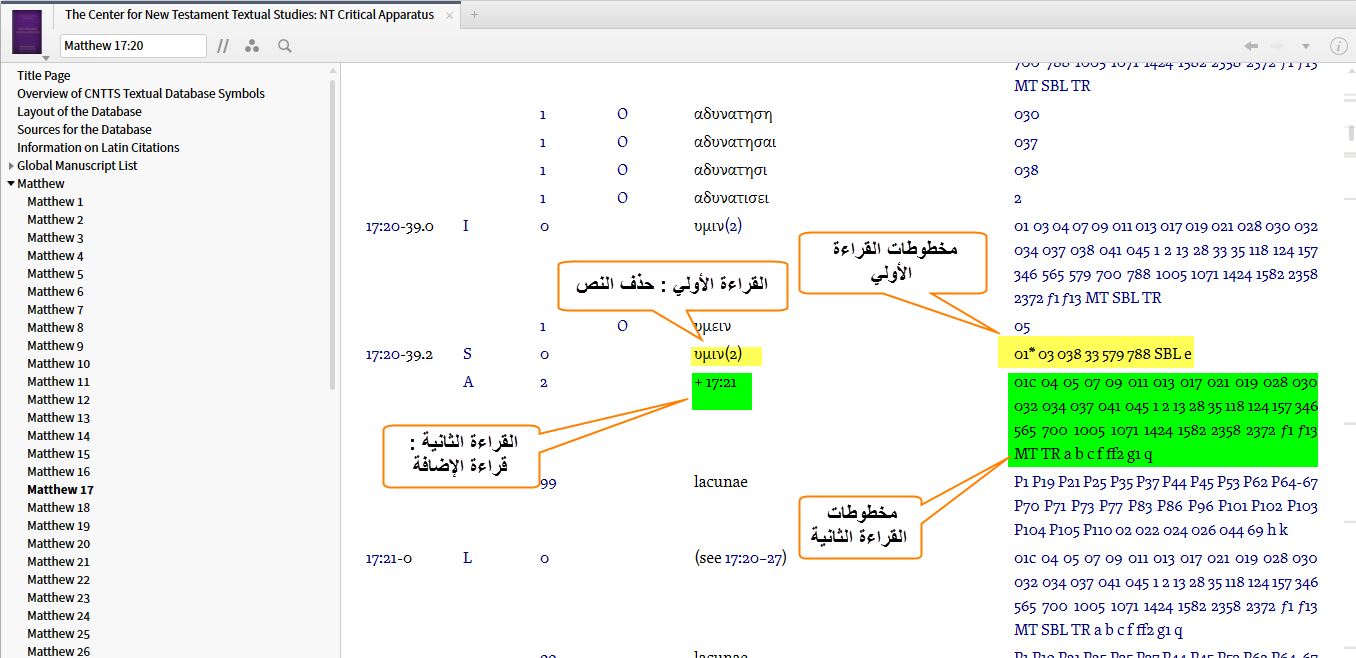
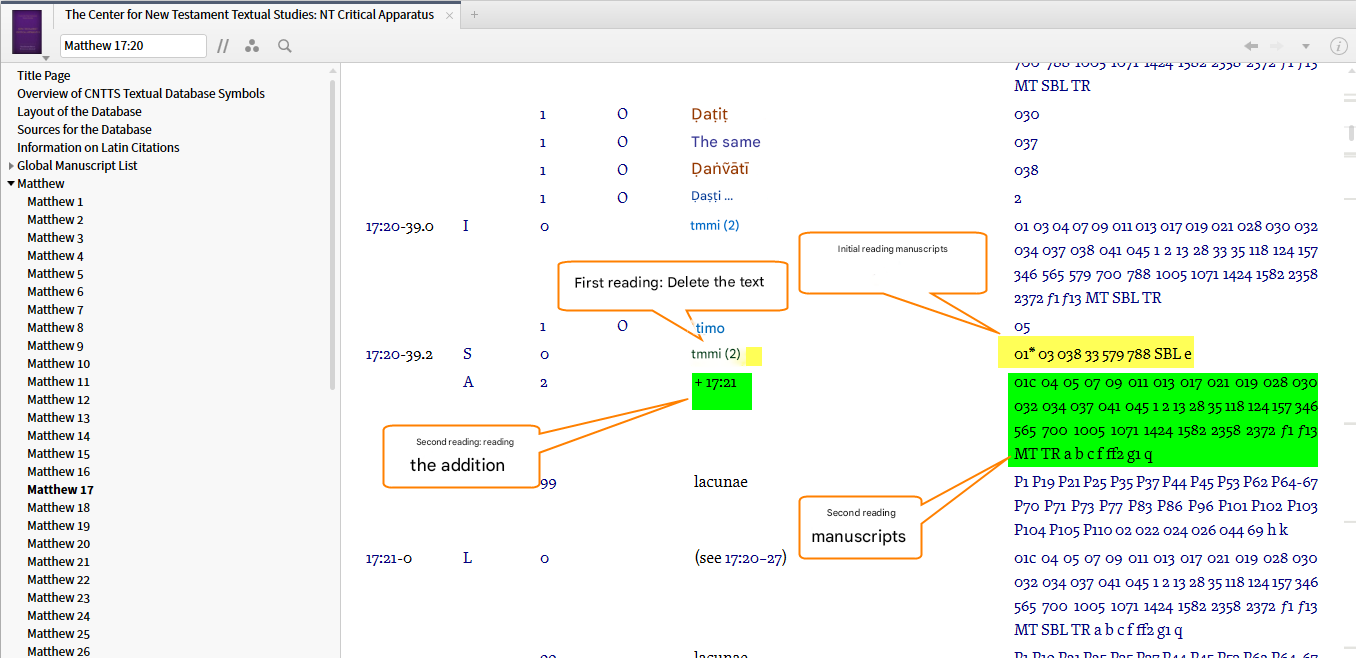
Does a Christian have a manuscript from before the fourth century that contains the text?
Does a Christian have a critical copy that attests to the authenticity of the text?
Does a Christian have a justification for deleting the text if it were original?
Isn’t the difference in manuscripts in itself evidence of distortion?
Praise be to God, Lord of the Worlds.