EXPLANATION
Response to the claim that the Prophet ﷺ had intercourse with his wives (may Allah be pleased with them) during their menstruation, citing hadiths about him engaging in intimate acts with them during this time, which supposedly contradicts the Quran in Surah Al-Baqarah (2:222):
“They ask you about menstruation. Say, ‘It is a harm, so keep away from women during menstruation and do not approach them until they are purified. And when they have purified themselves, then come to them as Allah has commanded you.’
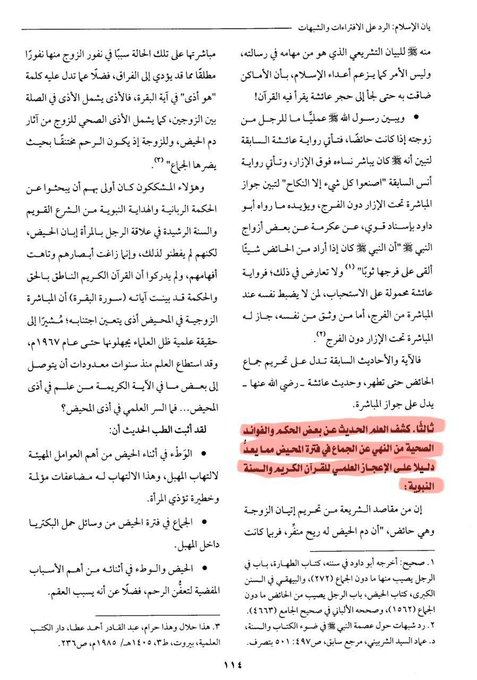
The core of this doubt revolves around the word “mubashara” (مباشرة). What those raising this claim fail to realize is that the word can have two meanings: intercourse and skin-to-skin contact between a man and a woman.
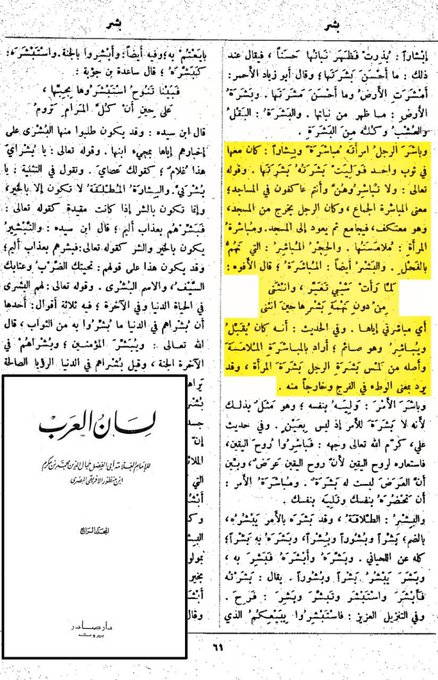
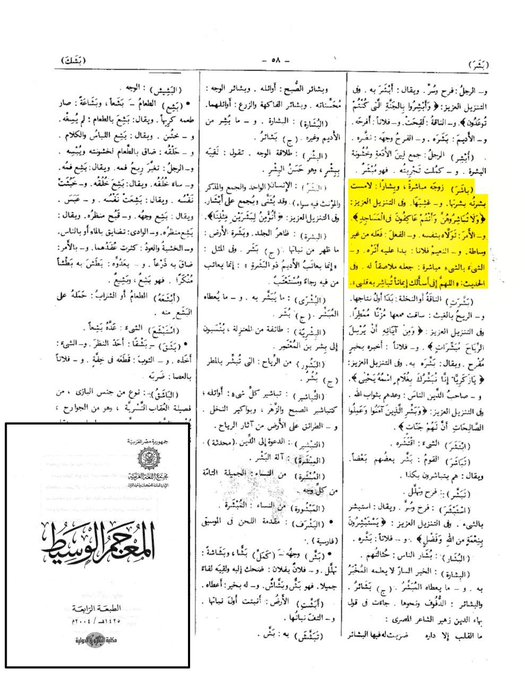
-Lisan al-Arab (Ibn Manzur):
“A man ‘yubashiru’ his wife when they are in one garment and their skins touch. The Quranic verse (2:187) ‘Do not engage in mubashara while in i’tikaf’ refers to intercourse. However, mubashara can also mean mere physical touch.”
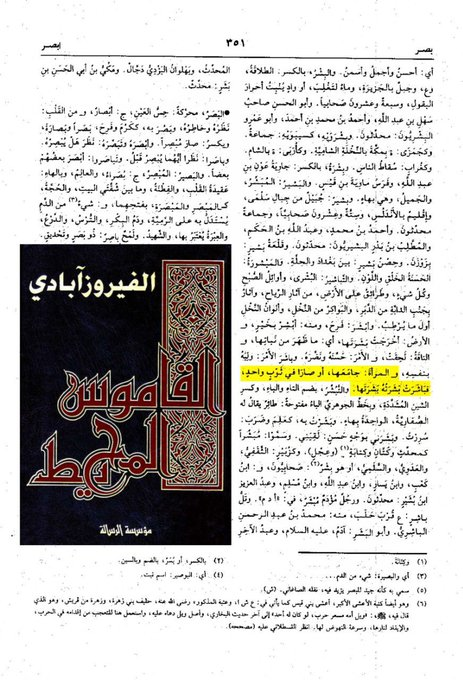
-Al-Qamus al-Muhit (Al-Fayruzabadi):
“Mubashara with a wife can mean intercourse or simply being in one garment so that their skins touch.”
-Al-Mu’jam Al-Wasit:
“Mubashara means skin contact or intercourse. The Quran uses it to prohibit sexual intercourse during i’tikaf.”
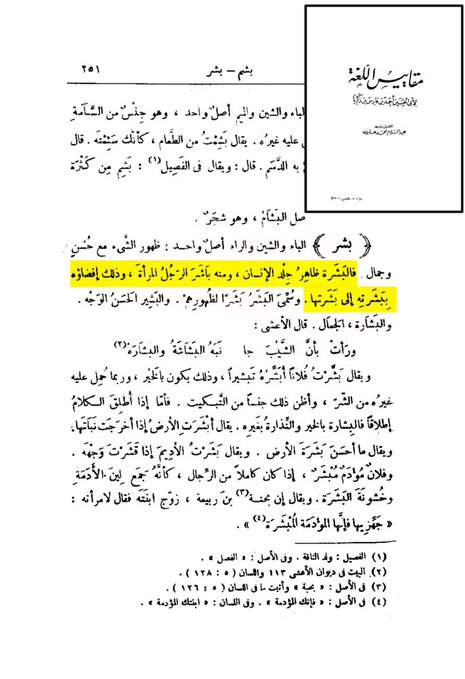
-Maqayis al-Lugha (Ibn Faris):
“The root (ب-ش-ر) refers to something appearing with beauty, such as the skin. ‘Mubashara’ means a man’s skin touching a woman’s skin.”
Thus, in the hadiths, “mubashara” refers to intimacy without intercourse, meaning there is no contradiction with Surah Al-Baqarah (2:222).
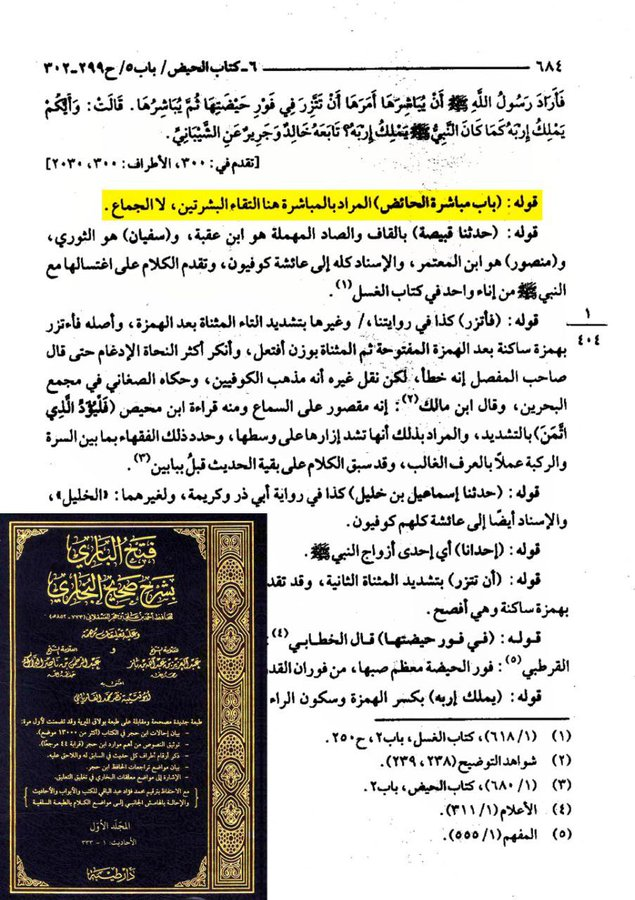
Ibn Hajar al-Asqalani:
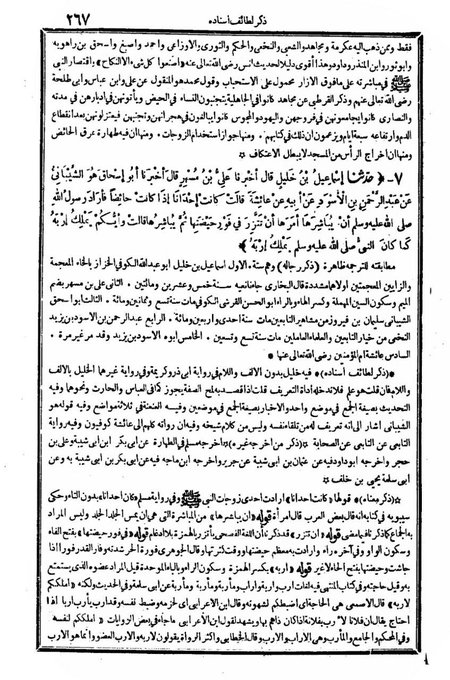
His statement: (Chapter on Physical Contact with a Menstruating Woman)—The meaning of mubashara here is the touching of skin, not intercourse.
Ibn Battal:
The hadith of Aisha and Maymuna provides a juristic explanation of the verse:
{They ask you about menstruation. Say, “It is harm, so keep away from women during menstruation.”} (Al-Baqarah 2:222).
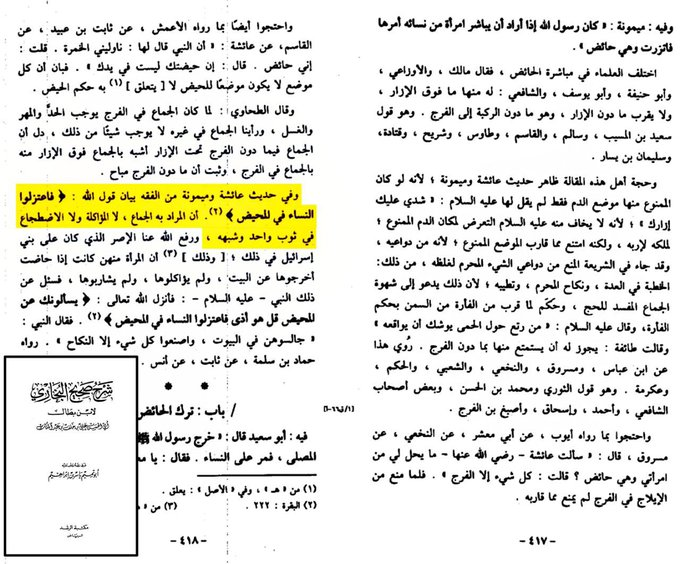
The intended meaning here is intercourse, not eating together, lying in the same garment, or similar actions.
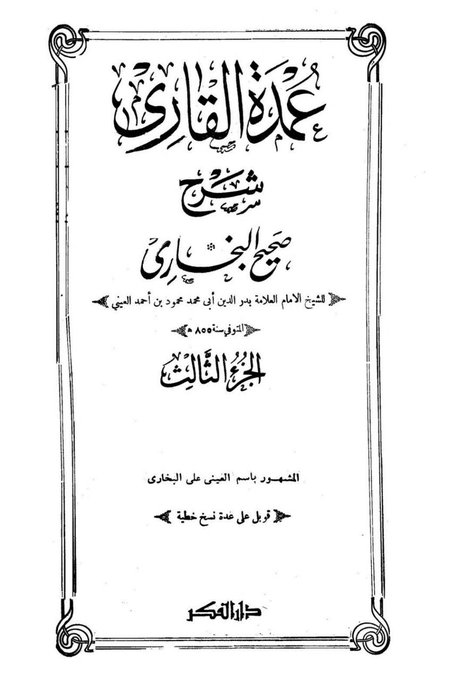
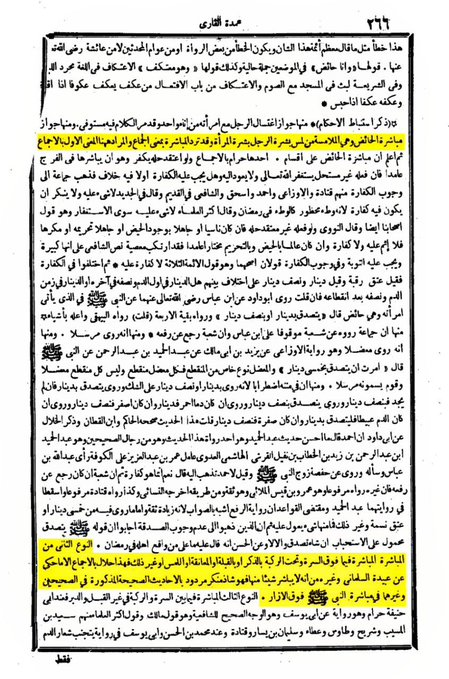
Badr al-Din Abu Muhammad Mahmoud ibn Ahmad al-Ayni:
… Among them is the issue of “direct contact” with a menstruating woman, which refers to the touch of the man’s skin to the woman’s skin. The term “direct contact” may also refer to intercourse, but here, the first meaning is
intended by consensus. The second type of “direct contact” refers to actions above the navel and below the knee, such as touching with the private part, kissing, hugging, or other similar actions. This is permissible by consensus, except for what has been reported
from A’ida al-Salamani and others, who claimed that none of these actions should be done. This is an odd and rejected view, countered by the authentic hadiths found in the Sahihs and others, which show that the Prophet ﷺ engaged in such actions above the lower garment.
Changed the channel name: EXPLANATION