

Gecko Blowing on Fire Hadith: Atheist Objection Refuted
The atheist claim that a hadith describes geckos blowing on fire to intensify Ibrahim’s flames rests on a weak, anomalous narration that contradicts stronger chains. Even if the wording were authentic, geckos are biologically capable of expelling air, and the Islamic ruling to kill them stems from their harmful nature — not from any specific act against the Prophet Ibrahim.
The Atheist Objection
It is mentioned in one of the hadiths that the gecko blows on the fire, and this is a scientific myth because the gecko does not blow, and even if it did, it would have no effect.
The “Blowing” Addition Is Weak and Anomalous
Second: Al-Shafi’i said: “A hadith that is considered anomalous is not one narrated by a trustworthy narrator that no one else has narrated. Rather, an anomalous hadith occurs when trustworthy narrators narrate a hadith, and then one of them deviates from it and contradicts them.”
One example of contradiction in the text is an addition, which Sheikh al-‘Adawi deemed weak, suggesting the possibility that it was inserted, though this is somewhat unlikely. It has appeared in other chains of narration for the hadith, but all of them are weak. See its detailed analysis here with Sheikh Khalid al-Hayek: https://share.google/5uzMIKZzAlxlaSUFQ
Can Geckos Expel Air?
Ibn Sidah said: He blew with his mouth, blowing, if he expelled air from it, and this occurs during rest, treatment and the like. [Al-Muhkam wal-Muhit al-A’zam 5/218].
The lexicographical entry defines the act of expelling air from the mouth, which is the precise action the objection denies.
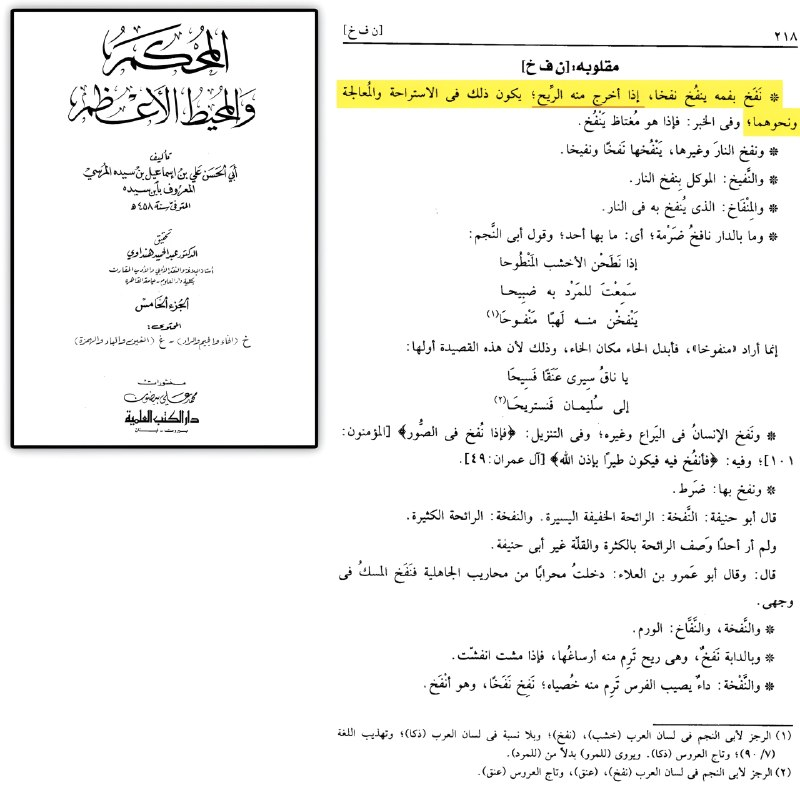
The highlighted section provides a linguistic definition for the root N-F-Kh (ن ف خ), focusing on the verb nafakha (to blow). The text defines the action of nafakha as blowing with one’s mouth to expel air. The entry notes that this action typically occurs in specific scenarios, such as during periods of rest, while undergoing medical treatment, or in similar circumstances. The text cites a report describing a person who is enraged or angry, noting that the person is “blowing” as a physical expression of that anger.
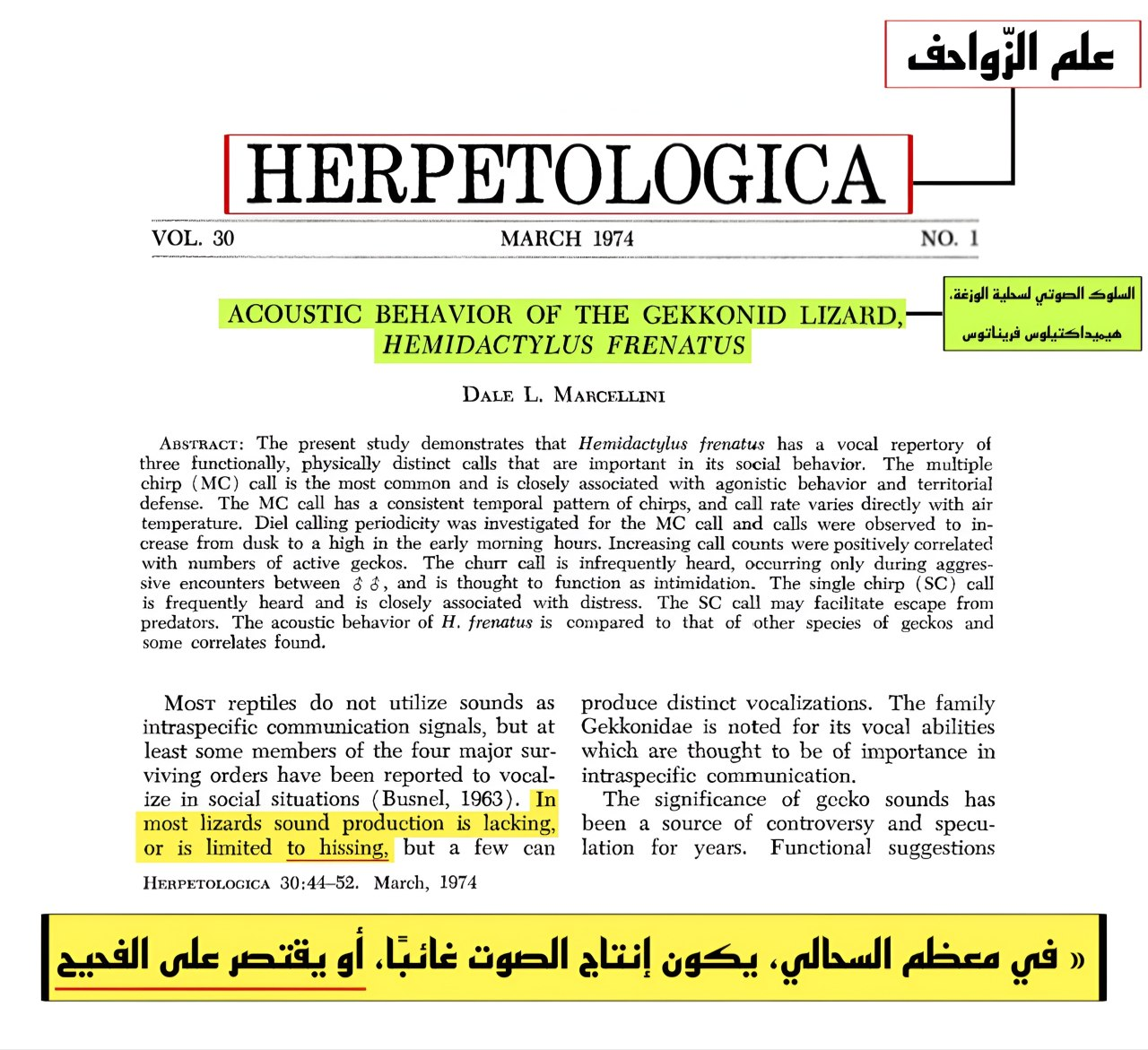
B — Can lizards blow? Answer: Yes, lizards hiss.
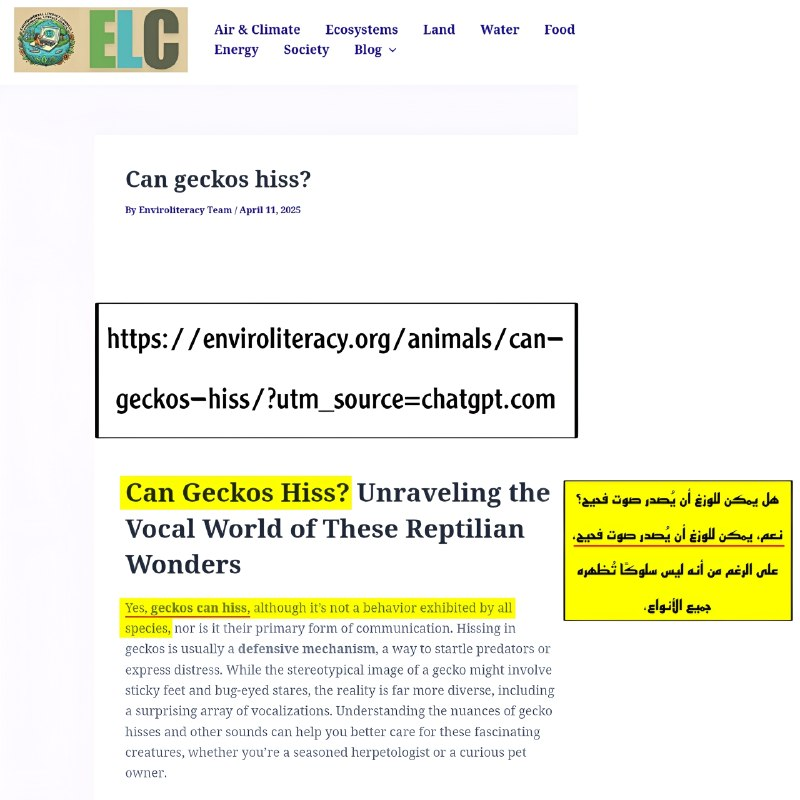
C — It is known that every gecko is a lizard, but not every lizard is a gecko; so can a gecko hiss? Answer: Yes.
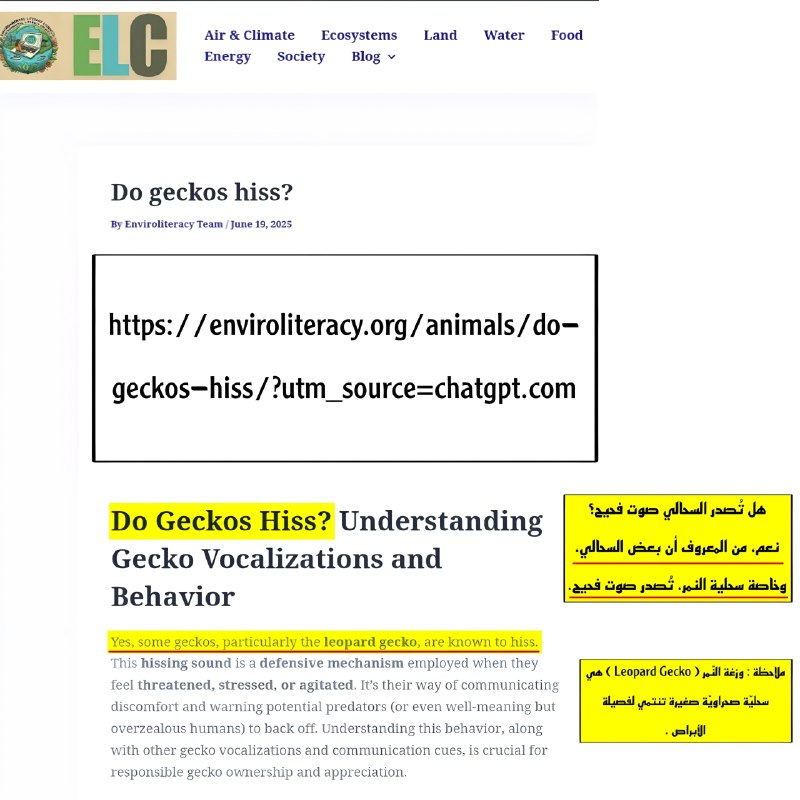
Note: There are types that can be measured, such as the tiger gecko, and types that cannot, such as the small house gecko.
This is what Dr. Haitham Talaat, may God protect him, pointed out.

Hissing and Blowing in Arabic and Biology
If we say that some types of geckos are capable of hissing, what is the definition of hissing?
Al-Layth ibn Al-Muzaffar Al-Kinani said: Hissing is one of the sounds of a snake, similar to blowing into a thorn. [Tahdhib Al-Lugha, (3/75)].
This classical definition establishes that the boundary between hissing and blowing is not as rigid as the objection assumes.
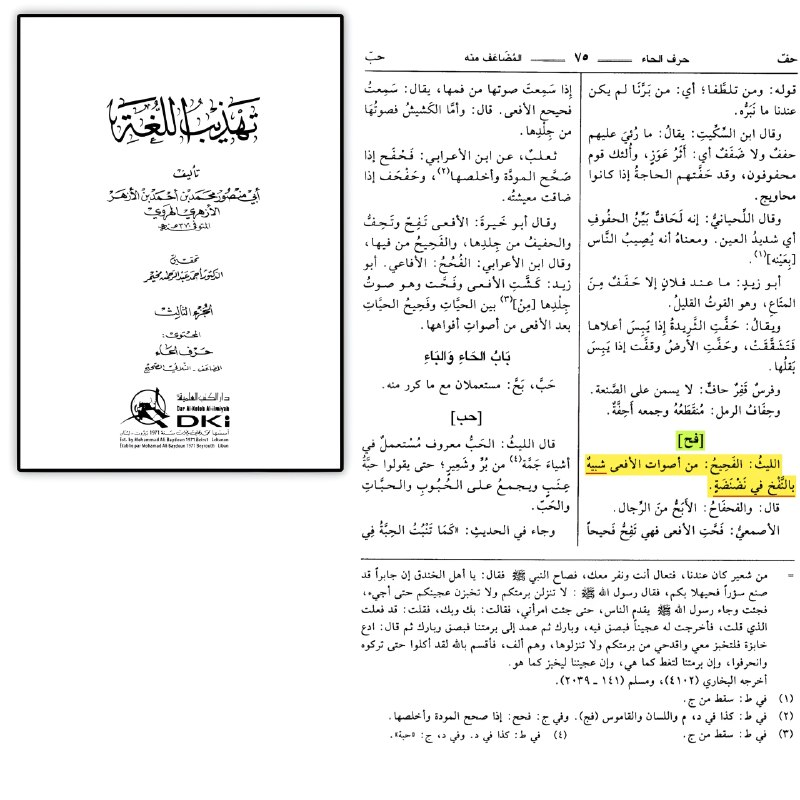
Hissing is defined in classical Arabic lexicography as similar to blowing into a thorn — a direct semantic bridge between the two actions.
Modern biology confirms that geckos possess the anatomical capacity to expel air in a manner consistent with this linguistic category.
[!science] Aaron M. Bauer — American biologist
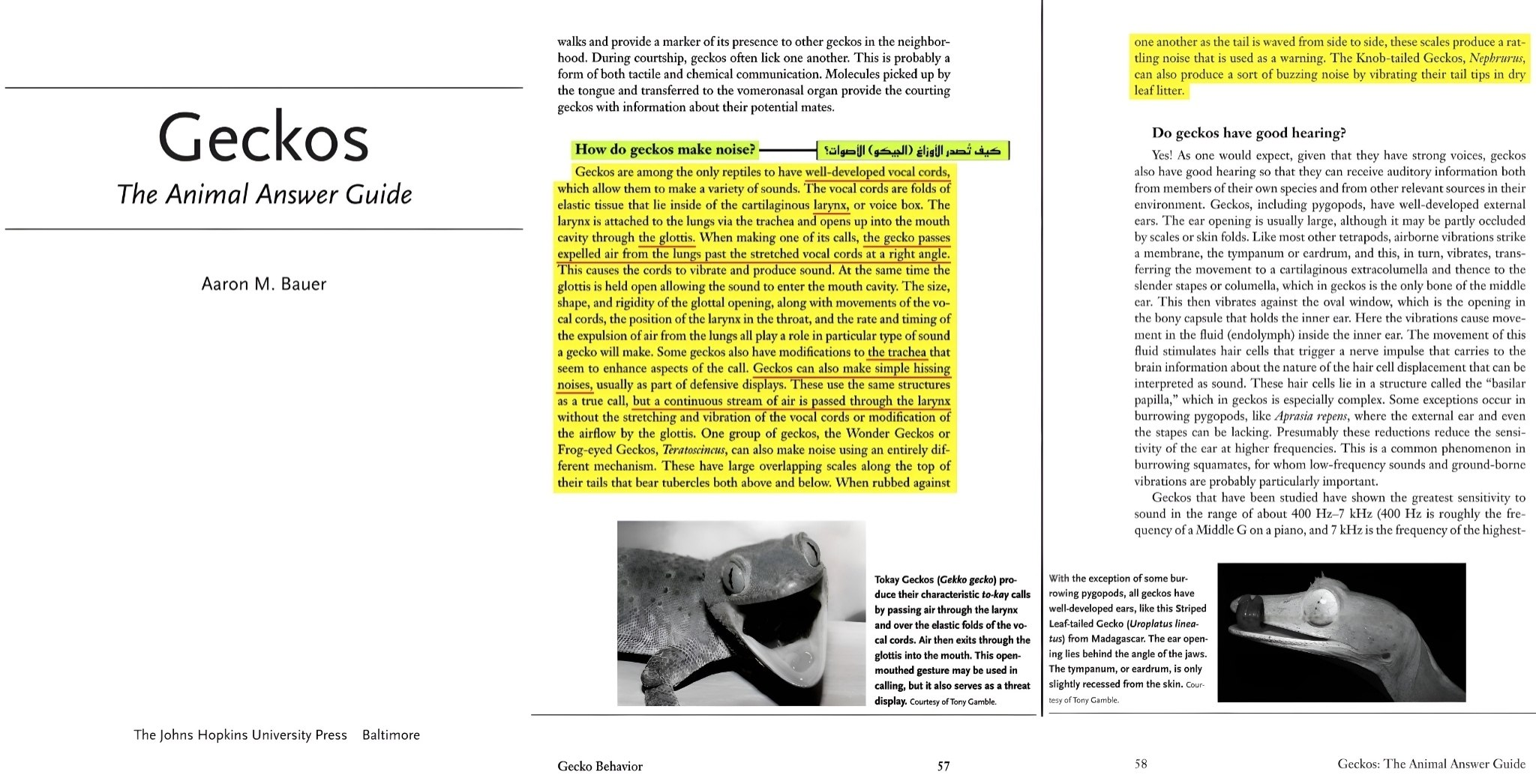
Geckos are among the few reptiles with well-developed vocal cords, enabling them to produce a variety of sounds. The vocal cords are folds of flexible tissue located within the cartilaginous larynx (voice box). The larynx connects to the lungs via the trachea and opens into the oral cavity through the glottis. When a gecko makes one of its calls, the air expelled from the lungs is forced across the vocal cords, which are stretched at a right angle, causing them to vibrate and produce sound. Simultaneously, the glottis remains open, allowing the sound to enter the oral cavity. The size, shape, and rigidity of the glottis opening, along with the movements of the vocal cords, the position of the larynx in the throat, and the speed and manner of air expulsion from the lungs, all influence the type of sound a gecko makes.
The anatomical evidence demonstrates that geckos possess the biological machinery to forcefully expel air.
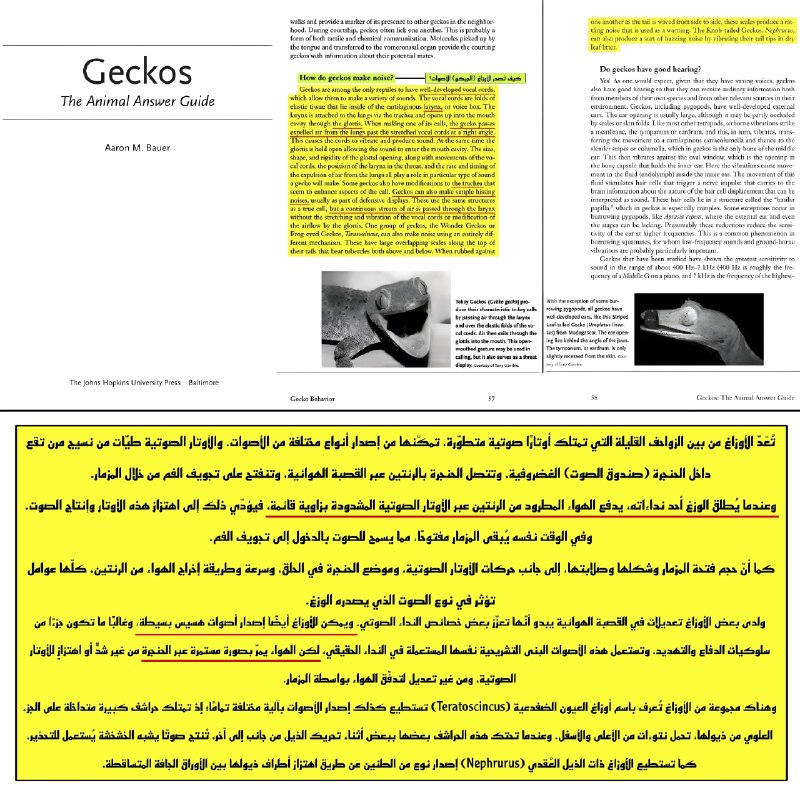
Some geckos have modifications in their trachea that appear to enhance certain aspects of their vocal calls. Geckos can also produce simple hissing sounds, often as part of defensive and threat behaviors. These sounds utilize the same anatomical structures as true calls, but the air passes continuously through the larynx without stretching or vibration of the vocal cords, and without modification of the airflow by the glottis. A group of geckos known as frog-eyed geckos Teratoscincus can also produce sounds using a completely different mechanism; they have large, overlapping scales on the upper part of their tails, bearing protrusions on both the top and bottom. When these scales rub against each other as the tail is moved from side to side, they produce a rattling sound used for warning. Geckos with knotted tails Nephrurus can also produce a type of buzzing sound by vibrating the tips of their tails among dry, fallen leaves.
The Physics of Attempted Blowing
Even its mere attempt to blow is considered blowing, even if it has no actual effect. The gecko also breathes; it inhales and exhales. In physics, for example, work done is calculated using the equation W = F × d (work = force × displacement). Since the displacement here is zero (d = 0), the work done on the wall is zero. Now, did it do any work? Yes. Did its work achieve anything? No. Now, if I saw someone trying to push a wall, wouldn’t I say they are pushing the wall but not moving it? Forget that example. I’m blowing on a wall to move it; wouldn’t I say I am blowing on the wall, just as it was said that the gecko blew on the fire? The gecko can exhale air, so its attempt to blow is blowing. Does its blowing have any effect? Whether we say yes or no, that is another point. The mere fact that he tried indicates that he is a creature harmful to humans. The hadith did not mean that when a lizard, for example, blows, the fire will ignite more as if it were a dragon. No, all of this is not mentioned in the hadith. The fact that he tried is harmful and does not necessarily mean that he will have an effect.
Why Geckos Are Killed
Should a gecko be killed for blowing on our master Abraham, peace be upon him? The answer: No.
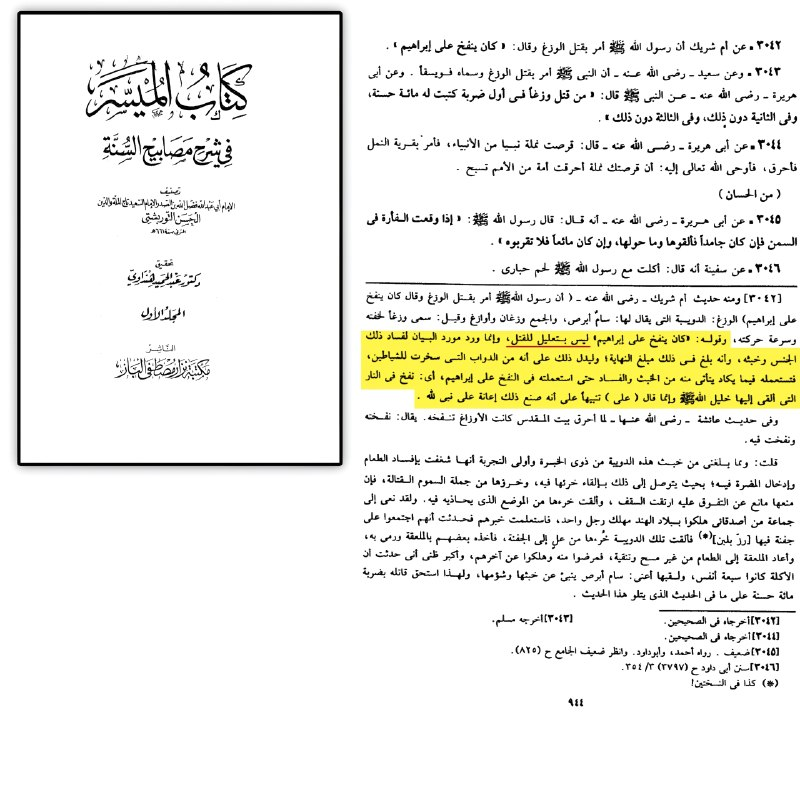
[!scholar] Al-Turbashti — Al-Muyassar fi Sharh Masabih as-Sunnah
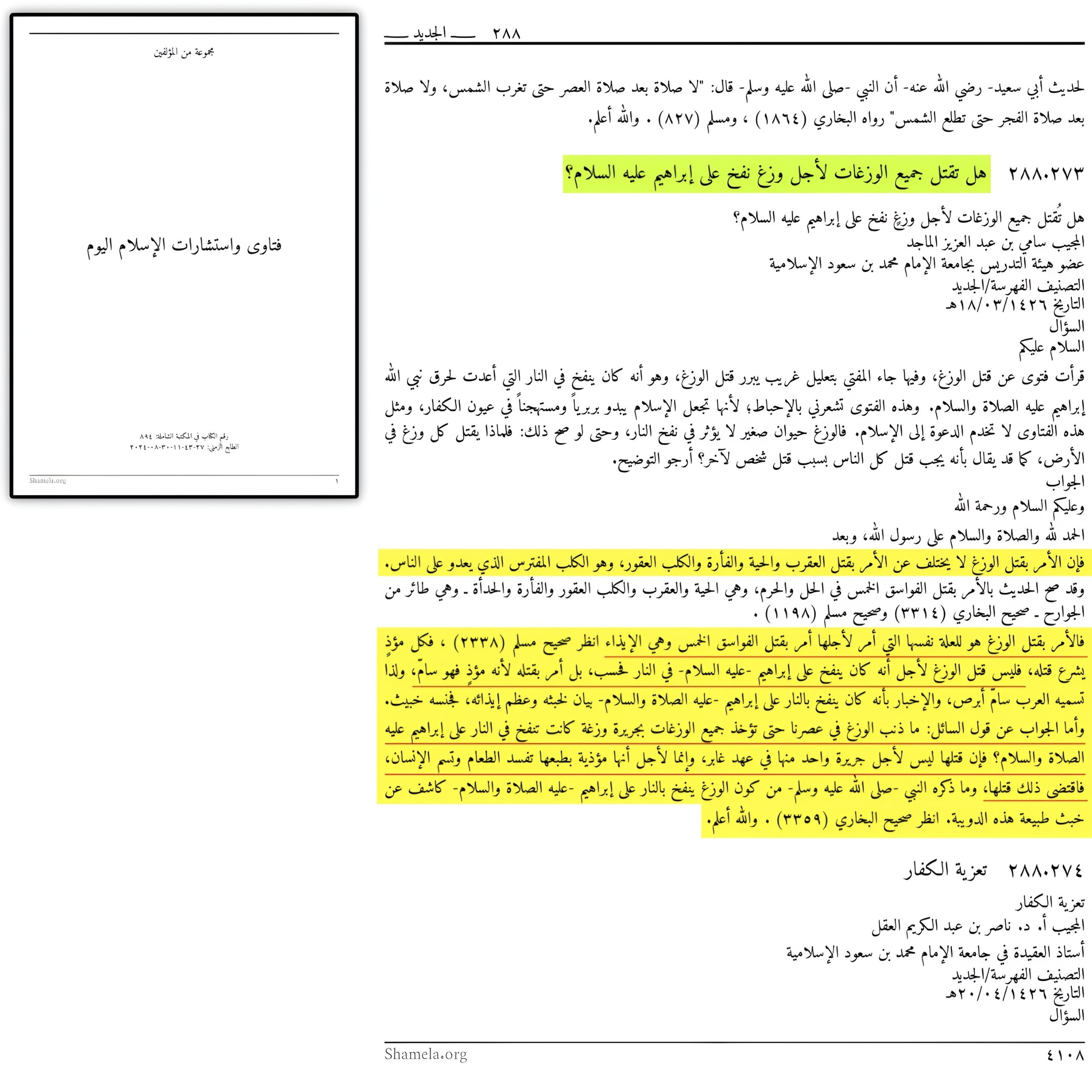
His statement, “It used to blow on Abraham,” is not a justification for killing, but rather it was mentioned to explain the corruption and wickedness of that species, and that it has reached the ultimate degree in that; and to indicate that it is one of the creatures that were made subservient to the devils, so they use it for what is almost possible from it of wickedness and corruption, until they used it to blow on Abraham, that is, it blew on the fire into which the friend of God — peace and blessings be upon him — was thrown. He only said “on” to indicate that it did that to help the Prophet of God. [Al-Muyassar fi Sharh Masabih as-Sunnah, page: 944].
This explanation removes any basis for the claim that geckos are killed specifically for blowing on Ibrahim.
Therefore, the gecko is killed for the same reason that the five vermin are killed — namely, their harmful nature.
Grade: Sahih · Narrated by: Aisha, Mother of the Believers | Source: Sahih Muslim | Page or Number: 1198 | Reference: Narrated by al-Bukhari (3314) and Muslim (1198)
This hadith is recorded by both al-Bukhari and Muslim, establishing the legal basis for killing harmful creatures regardless of location.
Conclusion
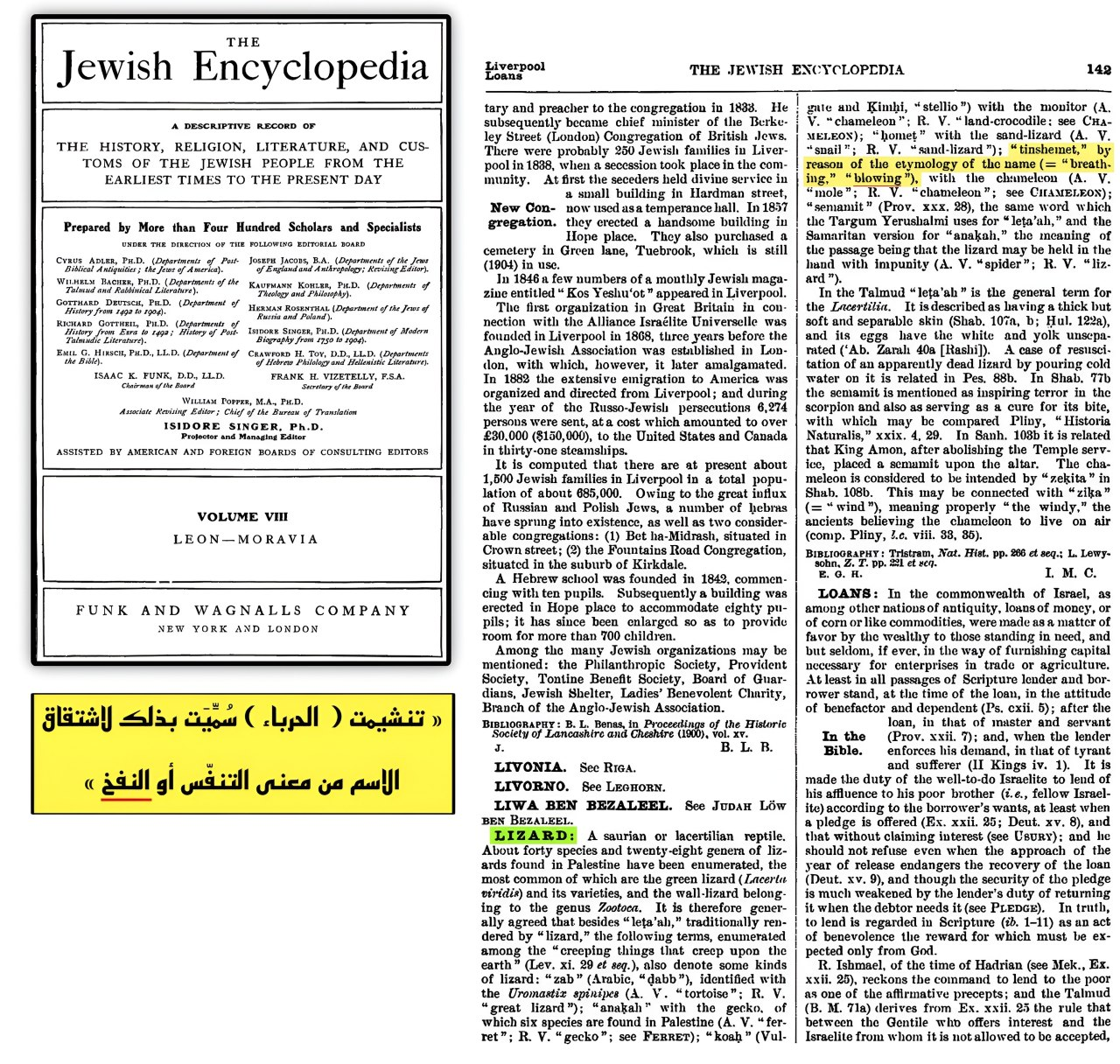
Interesting fact regarding this topic: Some reptiles (chameleons) are called “Tanshemet” (in Hebrew) because the name is derived from the meaning of breathing or blowing.
In conclusion, the term “blowing” is not proven, and if it is proven, then this is a scientific miracle in the first place.