

Hadith of Aisha’s Cloak: Refuting the False Claim Against Aisha رضي الله عنها
Some atheists and their followers try to undermine the integrity of the wife of the Prophet Muhammad ﷺ, the Mother of the Believers, Aisha رضي الله عنها, by misusing a narration about the Prophet ﷺ receiving some of his Companions while he was lying down wearing Aisha’s mirt.
They claim that because the Prophet ﷺ was wearing Aisha’s garment, and because he later said to her, “Gather your clothes around you,” this means that Aisha رضي الله عنها was uncovered. This is a filthy and desperate distortion of the hadith.
The confusion comes from two places: their misunderstanding of the word mirt, and their misunderstanding of the Prophet’s ﷺ statement, “Gather your clothes around you.”
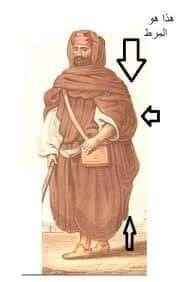
For your info: this image is attached as the visual reference for the objection concerning the hadith of Aisha’s cloak. The argument being refuted is the claim that the Prophet ﷺ was wearing Aisha’s personal “dress” and that Aisha رضي الله عنها was therefore uncovered. The refutation below explains that the Arabic word refers to a mirt, which is a garment/cloak/covering, not necessarily a modern female dress, and that the context of the hadith is about the Prophet’s ﷺ own posture and reception of Uthman رضي الله عنه, not any exposure of Aisha رضي الله عنها.
The Hadith Used in the Objection
Abu Bakr asked permission to enter upon the Messenger of Allah ﷺ while he was lying on his bed, wearing Aisha’s mirt. He gave permission to Abu Bakr while he was in that state, so Abu Bakr fulfilled his need and left.
Then Umar asked permission, and he gave him permission while he was in that state. Umar fulfilled his need and left.
Then Uthman said: I asked permission to enter, so the Prophet ﷺ sat up and said to Aisha: “Gather your clothes around you.”
Then I fulfilled my need and left.
Aisha said: O Messenger of Allah, why did I not see you become concerned for Abu Bakr and Umar as you became concerned for Uthman?
The Messenger of Allah ﷺ said: “Uthman is a shy man, and I feared that if I gave him permission in that condition, he would not tell me what he needed.”
The Atheist Misreading
“It is clear from the hadith that the Messenger was lying on his bed wearing Aisha’s garment or dress. When Uthman came, he gave the cloak back to Aisha, sat down, and said to her: ‘Gather your clothes around you.’ The details are clear from the hadith.”
From this, they insinuate that Aisha رضي الله عنها was not properly covered.
This is not “clear from the hadith.” It is a malicious reading forced onto the text.
The hadith does not say that Aisha رضي الله عنها was naked. It does not say that she was uncovered. It does not say that the Companions saw anything inappropriate. The entire claim is built on abusing the Arabic wording.
The First Error: Misunderstanding the Word “Mirt”
The Arabic word used in the hadith is مِرْط — mirt.
Amirt is a garment, cloak, covering, or wrap. It is not necessarily a sewn female dress. It can be made from wool, silk, linen, or other material, and it can be used as a covering, wrapper, or spread-out garment.
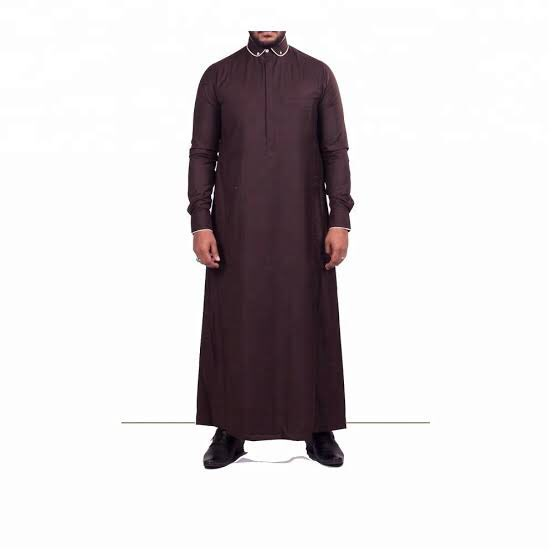
The critic wants the reader to imagine a modern woman’s dress. But the Arabic wording does not force that meaning. The word mirt refers to a garment or covering, and the word thawb itself is not gender-specific. A thawb can be worn by men or women depending on its form, context, and usage.
So even if the lexical explanation mentions a thawb, that does not mean “female dress.” Translating it that way is either ignorant or deliberately deceptive.
For your info: this scan is from Lisan al-Arab by Ibn Manzur, Dar al-Ma‘rifah print, page 4184, under the word mirt. The relevant point is that mirt is explained as a type of garment/covering, and the discussion does not support the critic’s claim that it must mean a modern female dress. The important lexical point is that Arabic clothing terms such as mirt and thawb are broader than the English word “dress.”
The following scan continues the lexical discussion from the same source.

For your info: this continuation reinforces the same lexical point: the word mirt belongs to the category of garments and coverings used in Arabic speech. It does not prove the filthy interpretation that Aisha رضي الله عنها was uncovered. The critic’s mistake is importing a modern English assumption into a classical Arabic word.
The next scan further supports the same entry and should be read together with the previous two scans.
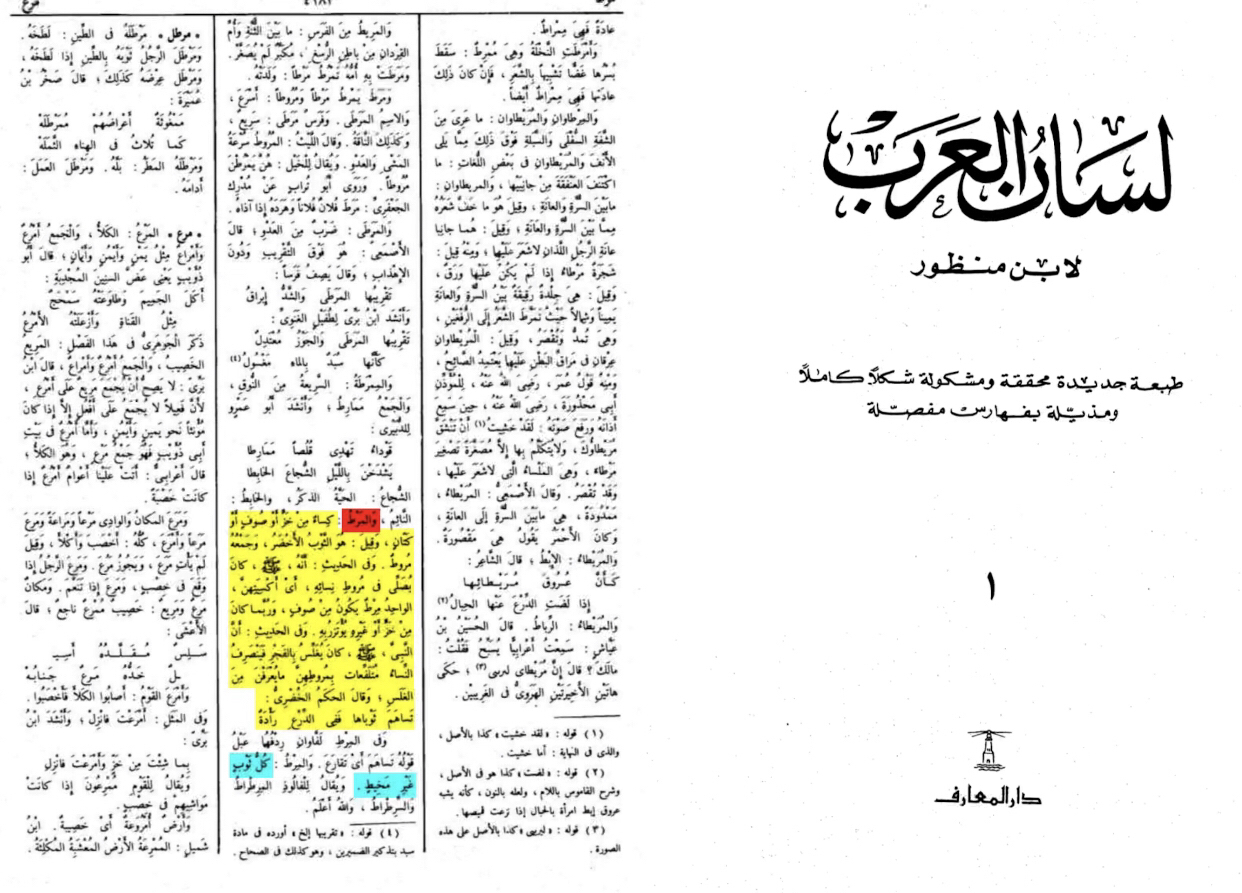
For your info: this scan completes the lexical evidence from the Lisan al-Arab entry. The useful point for the article is simple: mirt is a garment/covering, and even if described as a thawb, the word thawb is not exclusive to women. Therefore, the argument that the Prophet ﷺ was wearing a “woman’s dress” in the modern sense is a distortion.
The whole atheist argument depends on making mirt sound like a modern female dress. But in Arabic, mirt refers to a cloak, garment, or covering, and thawb is not gender-specific. So the translation “Aisha’s dress” is misleading.
Imam al-Nawawi and Ibn Manzur on Mirt
Imam al-Nawawi said in his explanation of Sahih Muslim:
Regarding the phrase“wearing Aisha’s mirt,” al-Nawawi explained that mirt is pronounced with kasrah on the meem, and that it refers to a woolen garment.
Ibn Manzur said in Lisan al-Arab:
In the hadith, the Prophet ﷺ used to pray in the murut of his women, meaning their garments. The singular is mirt. It may be made of wool, silk, or something else, and it may be used as a waist-wrapper.
In another hadith, the women would leave after Fajr wrapped in their murut, and they would not be recognized because of the darkness.
A mirt is an unstitched garment.
So the claim that the word means “Aisha’s dress” in the modern sense is wrong.
The word mirt does not create a scandal. It refers to a garment or covering. The critic is the one creating a scandal by forcing a modern, sexualized reading onto ordinary Arabic clothing language.
The Garment Was Not Specific to Women
This garment was not exclusive to women. Men could wear such garments too.
Imam Muslim and al-Tirmidhi narrated that the Prophet ﷺ went out one morning wearing a cloak made of black hair.
If the Prophet ﷺ himself wore a cloak made of black hair, then wearing such a cloak is not something defective or scandalous. The critic’s entire argument collapses because he imagines a modern female dress where the Arabic text refers to a cloak, garment, or covering.
And even if someone insists on translating the word as thawb, the answer remains the same: thawb is unisex in Arabic usage. It simply means a garment. Men wear thobes. Women wear thobes. The word itself does not prove anything scandalous.
Think About the Historical Context
The critic’s claim is not only linguistically weak; it is historically ridiculous.
The Companions were Arabs. They understood their own language. They knew exactly what a mirt was. Abu Bakr, Umar, Uthman, and Aisha رضي الله عنهم were not confused about the scene.
So the question is obvious: do these critics seriously think seventh-century Arabs would follow the Prophet ﷺ, narrate this incident, preserve it, and praise Uthman’s modesty if the incident contained the filthy meaning they are trying to force onto it?
Think a little.
If the atheist reading were correct, the earliest Arabs would have understood the alleged scandal before any modern critic did. Yet the narration was preserved as a virtue of Uthman رضي الله عنه and an example of the Prophet’s ﷺ manners, not as a scandal.
This alone shows how artificial the objection is.
The Second Error: Misunderstanding “Wearing”
The word translated as “wearing” does not always mean wearing a sewn garment in the modern sense. In Arabic usage, “wearing” may include covering oneself, spreading something out, or using something according to its nature.
In the two Sahihs, Anas ibn Malik رضي الله عنه narrated that his grandmother Mulaykah invited the Messenger of Allah ﷺ to food. After he ate, he said: “Get up so that I may lead you in prayer.” Anas said that he went to a mat of theirs that had turned black from being worn for a long time.
But a mat is not “worn” like clothing. It is spread out, sat on, and used.
“Spreading out is called wearing.”
Ibn Rajab al-Hanbali also said:
Ibn Rajab said that the phrase“it had turned black from the length of time it had been worn” shows that each thing is “worn” according to its own nature. Wearing a mat means spreading it out and using it to sit on.
Therefore, the Prophet ﷺ “wearing” Aisha’s mirt may mean that it was placed over him, used as a covering, or spread over him while he was lying down.
The word “wearing” does not force the meaning that the Prophet ﷺ was wearing a female dress. Arabic usage allows the meaning of covering, spreading, or using something according to its nature.
The Meaning of “Gather Your Clothes Around You”
The Prophet’s ﷺ statement to Aisha رضي الله عنها — “Gather your clothes around you” — means: take this cloak from me.
It does not mean that she was naked. Allah forbid.
The only garment specifically mentioned in the hadith is the mirt that the Prophet ﷺ was using. Therefore, the most natural reading is that he told Aisha رضي الله عنها to take that garment back, not that she was exposed and suddenly needed to cover herself.
If the phrase referred to some other clothing not mentioned in the hadith, then the reader would be forced to invent missing garments from outside the context. That is bad interpretation.
The hadith first mentions Aisha’s mirt being with the Prophet ﷺ. Then the Prophet ﷺ says to Aisha: “Gather your clothes around you.” The simplest reading is that “your clothes” refers to the same garment already mentioned.
If Aisha Were Uncovered, the Hadith Would Make No Sense
If Aisha رضي الله عنها had been uncovered when Abu Bakr and Umar رضي الله عنهما entered, then what benefit would there be in covering only when Uthman رضي الله عنه entered?
That interpretation is absurd.
If the atheist reading were correct, it would mean Abu Bakr and Umar allegedly saw her uncovered, but only Uthman required caution. This is nonsense and completely foreign to the meaning of the hadith.
The actual point of the hadith is not Aisha’s condition. The point is the Prophet’s ﷺ condition and his consideration for Uthman’s modesty.
The Focus of the Hadith Is the Prophet’s ﷺ Condition
The hadith is explaining the Prophet’s ﷺ state when receiving visitors. Abu Bakr and Umar رضي الله عنهما were close to him and entered frequently. The Prophet ﷺ remained relaxed when receiving them.
But Uthman رضي الله عنه was known for intense modesty. The Prophet ﷺ feared that if Uthman saw him in a relaxed private condition, Uthman’s shyness would prevent him from stating his need.
This is confirmed by another wording narrated by Abu Ya‘la with a sound chain:
“I feared that if I gave him permission while I was in that condition, he would not be able to fulfill his need.”
This proves that the concern was about the Prophet’s ﷺ own state, not about Aisha رضي الله عنها being uncovered.
The Prophet ﷺ sat up and prepared himself properly to receive Uthman رضي الله عنه because Uthman was extremely shy. The hadith is about Uthman’s modesty and the Prophet’s ﷺ consideration for him.
Aisha and Uthman Themselves Narrated the Incident
Another obvious point: this incident was narrated by Aisha and Uthman رضي الله عنهما.
Would Aisha رضي الله عنها narrate a story that disgraced herself? Would Uthman رضي الله عنه narrate a story that exposed something shameful involving the Mother of the Believers?
This is not serious reasoning. It is slander dressed up as interpretation.
If the atheist interpretation were true, Aisha and Uthman رضي الله عنهما would have had every reason to conceal the incident, not narrate and spread it. Their narration of it proves that the incident contained no scandal.
The Correct Meaning of the Hadith
The correct meaning is simple.
The Prophet ﷺ was in his house, lying down, and Aisha’s mirt was placed over him or being used by him as a covering. This was a normal private state inside the home.
When Abu Bakr and Umar رضي الله عنهما entered, the Prophet ﷺ remained as he was because of their closeness and frequent entry.
When Uthman رضي الله عنه asked permission to enter, the Prophet ﷺ sat upright and told Aisha رضي الله عنها to take her garment, because Uthman was extremely shy. The Prophet ﷺ feared that if Uthman saw him in that relaxed private condition, Uthman’s modesty would stop him from mentioning what he needed.
The narration only shows the Prophet’s ﷺ relaxed state in his home and his respect for the intense modesty of Uthman رضي الله عنه.
Conclusion
In reality, mirt means a garment, cloak, or covering. Even when connected to the word thawb, this does not help the critic, because thawb is not gender-specific in Arabic. It simply means a garment.
The Prophet ﷺ was using Aisha’s mirt while lying down. When Uthman رضي الله عنه entered, the Prophet ﷺ sat up and told Aisha رضي الله عنها to take the garment, because Uthman was a very shy man and the Prophet ﷺ did not want his shyness to prevent him from asking for what he needed.
The hadith is a virtue of Uthman رضي الله عنه and an example of the Prophet’s ﷺ refined manners. It is not evidence for any filthy accusation against Aisha رضي الله عنها.