

Is the Word Wāqi' Distorted in the Qur'an? The Truth About Alif in Ancient Manuscripts
Is the Word (Wāqi’) Distorted in the Qur’an? Why Is There No Extension of the Alif in Some Qur’anic Manuscripts?
Table of Contents
- The Doubt — The Claim
- Response — Firstly Understanding Ancient Qur’anic Orthography
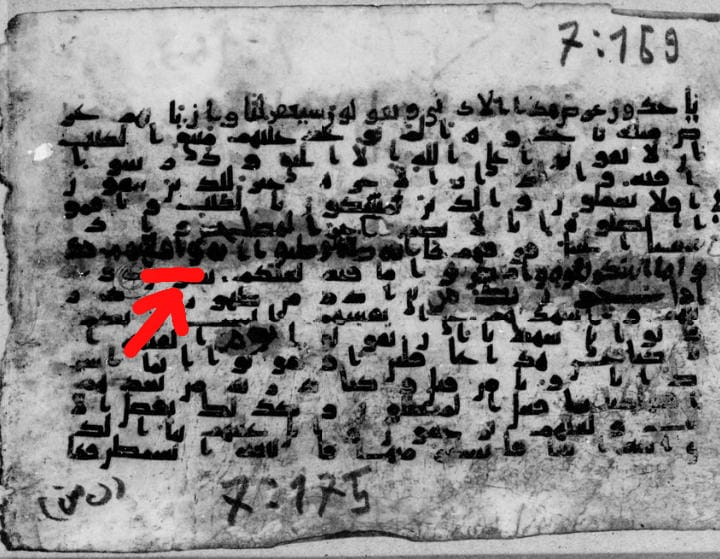
- The Word Waqi’ in the Manuscripts
- Conclusion
The Doubt — The Claim
“And when We lifted the mountain above them as if it were a canopy, and they thought that it would fall upon them.”
This person claims that the verse contains the word (wāqi’) — meaning “falling” — and not (wāqi’) as we know it!
Response — Firstly Understanding Ancient Qur’anic Orthography
The ancient Qur’anic manuscripts were written according to ancient spelling methods and ancient scripts of Arabic writing, not according to modern spelling conventions. Therefore, these ancient manuscripts should be read according to the pronunciation of their time — not according to our current pronunciation — because language evolves from era to era, and the method of spelling differs from one period to another.
This is why we go to the Qur’an memorization house to learn the pronunciation of the Holy Qur’an orally as it was revealed to the Prophet Muhammad ﷺ in the past.
Examples of Ancient Arabic Spelling Conventions
So we have to learn how to read ancient spelling before we cite ancient Qur’anic manuscripts.
Today, we also do not write the long alif in many words, such as:
- The word “this” (هذا)
- The word “but” (لكن)
- The word “these” (هؤلاء) — and others.
On the other hand, you will see that we write the long alif in other words and so on.
Orthographic Variation Does Not Equal Distortion
- The people of Egypt write the word (shu’ūn) one way
- The people of the Levant write it another way: (shu’ūn)
- And some people write it yet another way: (shu’ūn)
All of these spelling methods are correct, but they differ from place to place. We all pronounce it with the same pronunciation even if we differ in the way we write it. This is not a distortion as some ignorant people think.
This is because they learned the way to recite the Qur’an itself before the way it was spelled.
The Holy Qur’an was revealed to the Prophet Muhammad ﷺ orally — i.e., by voice. The method of dictating the Qur’an depends on each country’s system of dictation, but on the condition that the pronunciation of the Qur’anic word is not distorted.
The Word Waqi’ in the Manuscripts
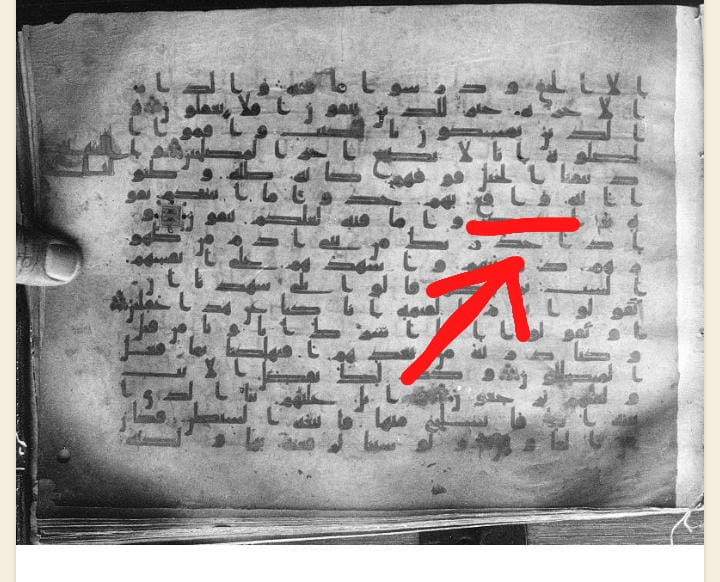
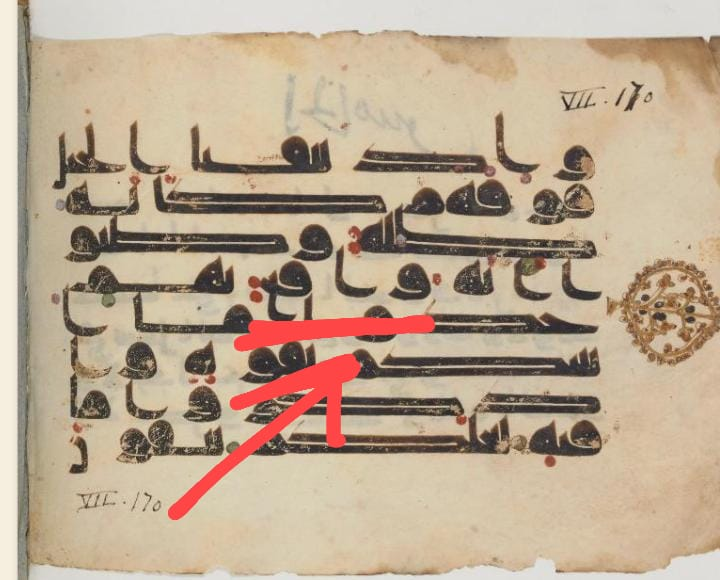
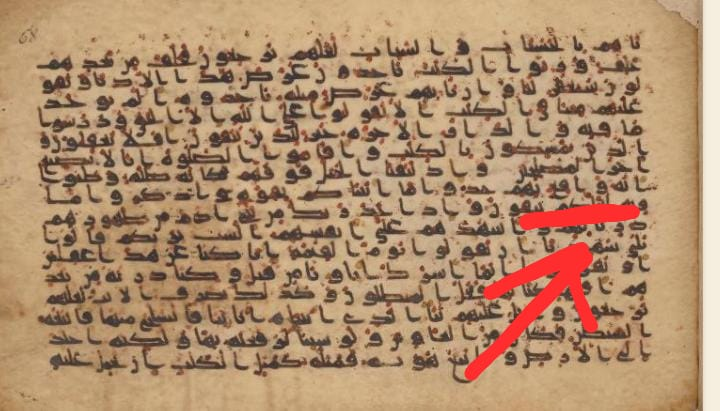
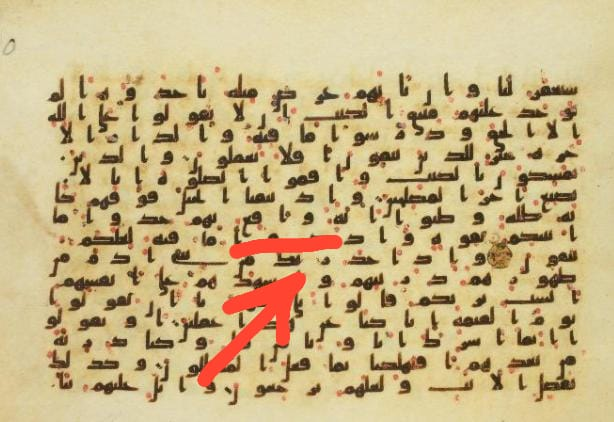
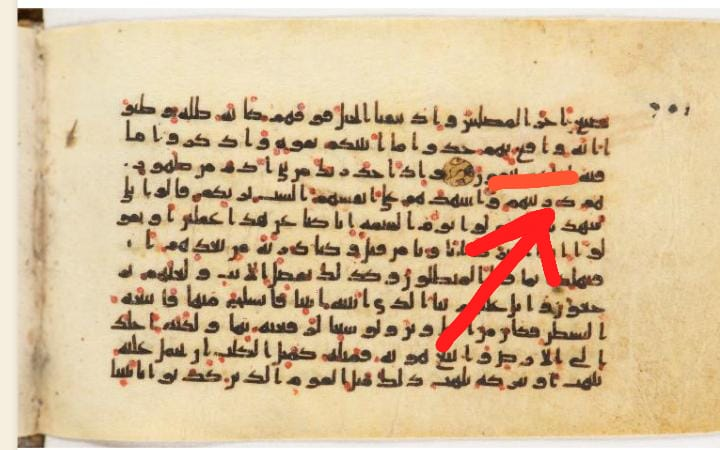
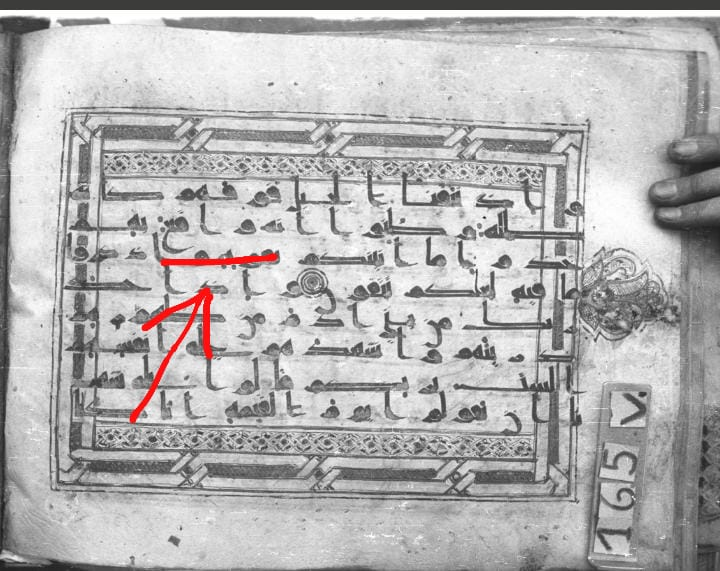
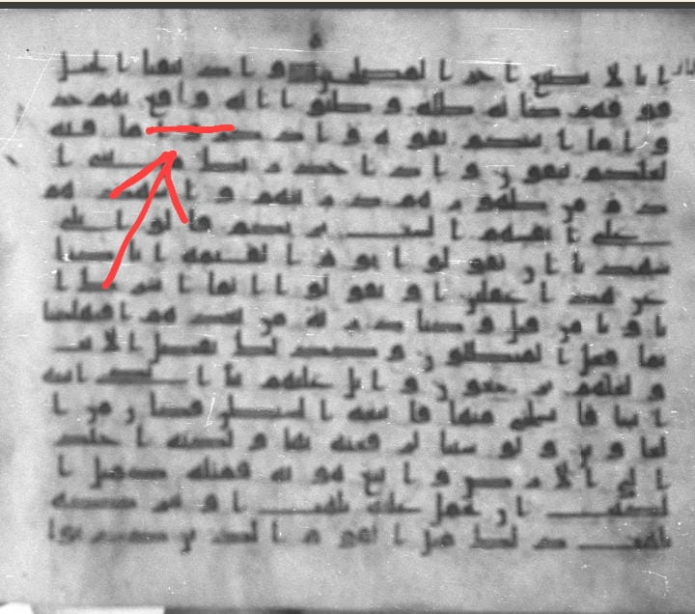
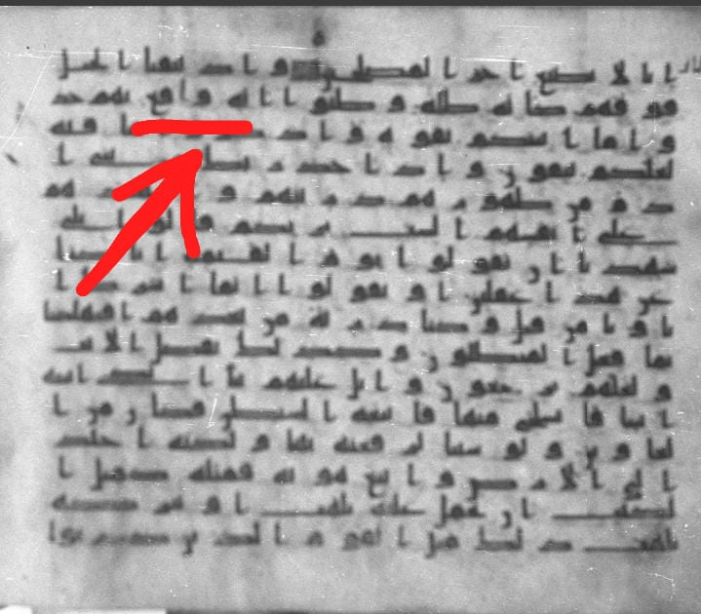
Conclusion
The Qur’an has always been preserved orally, transmitted generation to generation by voice, and spelling variation in manuscripts has never affected the pronunciation of a single word. This is the method Allah chose for its preservation — not ink alone, but the living chain of recitation.
The suspicion is completely refuted.