

Keturah Is Hagar — Jewish Tradition, Rashi, the Targums, and the Qumran Texts Confirm Abraham Had Only Two Wives
The Torah presents Keturah as Abraham’s third wife in Genesis 25:1. According to the Targum of Jonathan, the Jerusalem Targum, Rashi, Bereshit Rabbah, and the Qumran texts, she is Hagar — the mother of Ishmael — recalled by Abraham after Sarah’s death. The separate name was introduced to sever the Arabs from their full Abrahamic genealogy.
Among the strange things in the Torah is that our master Abraham, peace be upon him, married a woman named Keturah, whose lineage or origin is not specified, and from her he had six sons — even though he had spent his earlier life asking God for even one son. Who is Keturah, and why did the scribe of the Torah conceal her story, origin, and chapter?
The Problem — Who Is Keturah and Why Does the Torah Conceal Her Identity?
The Torah establishes three facts that become significant in light of what follows:
Abraham was an old man when Isaac was born. He was already elderly when Sarah laughed at the news of her pregnancy.
When Sarah died, Abraham came to her — meaning he was not present with her. He was elsewhere. He traveled to her location when he heard the news.
Abraham calls himself a stranger in the place where Sarah died — meaning Hebron was not his residence. He was a stranger there. He lived elsewhere. And Sarah lived without him in Hebron until her death.
The question these three facts generate: where was Abraham living? With whom was he spending his life, if not with Sarah? The Torah introduces Keturah in Genesis 25:1 immediately after Sarah’s death — “And Abraham took again a wife, and her name was Keturah” — without giving her lineage, origin, or background. No other wife of a patriarch is introduced in this way in the Torah.
Targum Jonathan and the Jerusalem Targum — Keturah Is Hagar
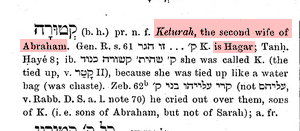
The Targum of Jonathan — the authoritative Aramaic translation of the Torah attributed to Jonathan ben Uzziel, a student of Hillel — explicitly identifies Keturah as Hagar:
The Jerusalem Targum gives the same identification. Both ancient Aramaic translations — independently of each other — record that Keturah and Hagar are the same person. The phrase “bound to him from the beginning” indicates that this was not a new relationship but a reunion with a woman who had been Abraham’s from the start.
Bereshit Rabbah — The Midrash Explicitly Identifies Keturah as Hagar
The following image is from the Bereshit Rabbah passage identifying Keturah as Hagar, drawn from a Jewish scholarly source discussing the midrash.
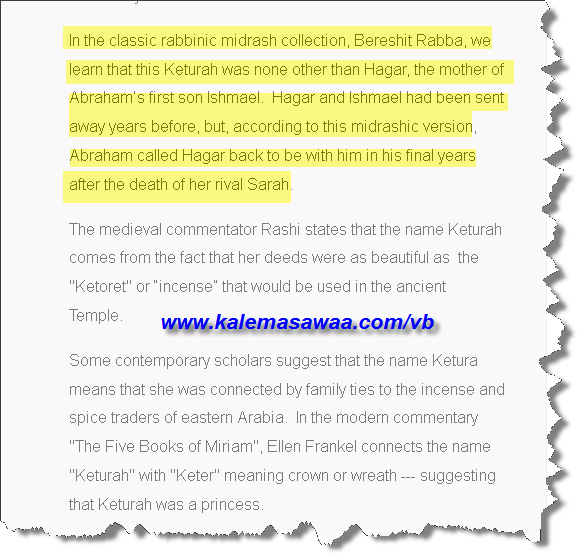
The Midrash Rabbah describes Hagar as Sarah’s “rival” — confirming the relationship between the two women and the social dynamics of Abraham’s household. After Sarah died, Abraham sought Hagar out and asked her to return to spend his final years with her.
Some contemporary researchers have noted that the name Keturah — meaning incense — suggests she had family ties to incense merchants of eastern Arabia, which is consistent with Hagar’s Egyptian and Arabian connections. This is additional supporting evidence for the identification.
Rashi — Shlomo ben Isaac’s Commentary on Genesis 25:1
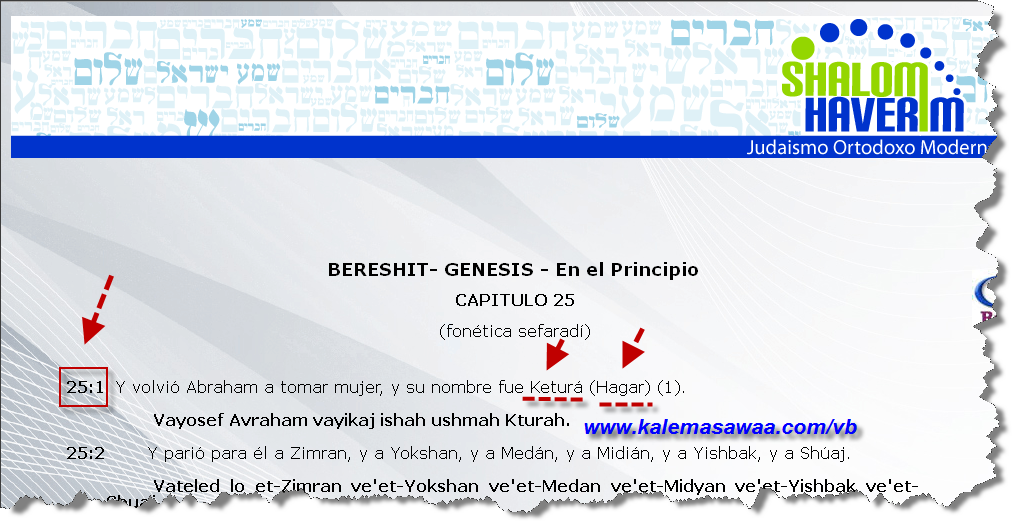
The following image is from the Spanish Orthodox Jewish presentation of Genesis 25:1 with identification of Keturah as Hagar, reflecting the rabbinic tradition accepted in the Sephardic community.
The following image is from the hebrew4christians.com website presenting the Jewish traditional position on Hagar and Keturah.
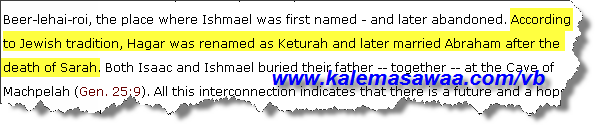
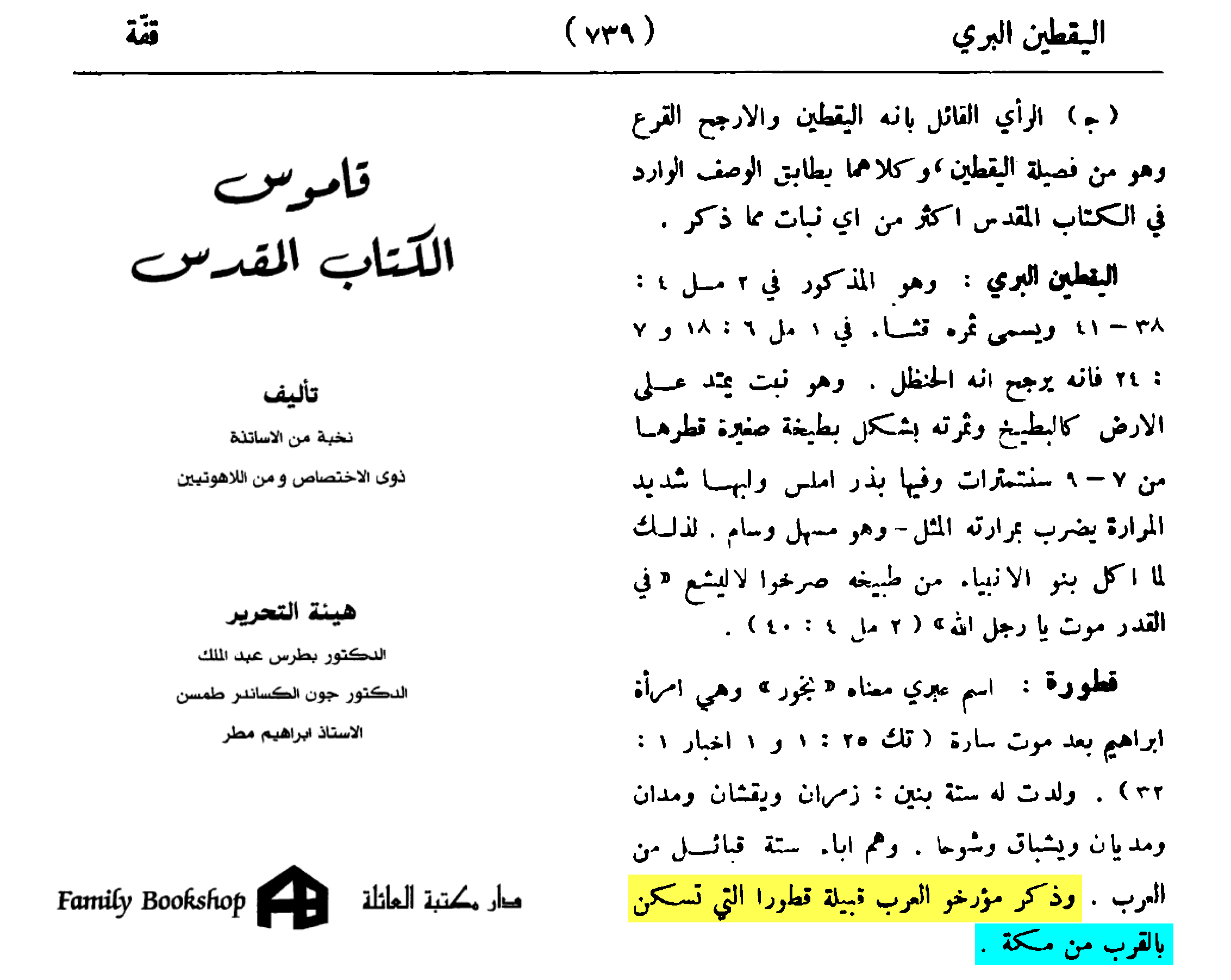
The following image is from the Christian Bible Dictionary entry on Keturah, which also acknowledges the Jewish tradition identifying her with Hagar.
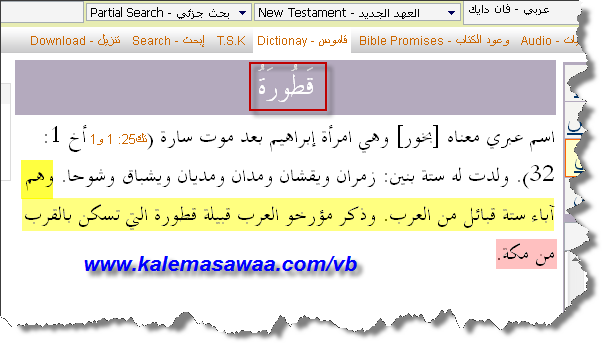
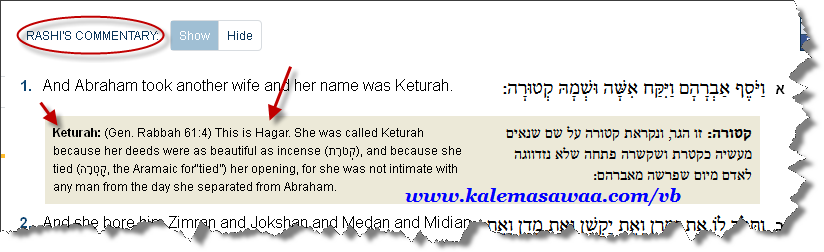
The following images present Rashi’s direct commentary on Genesis 25:1 — Shlomo ben Isaac, the most authoritative medieval Jewish commentator.
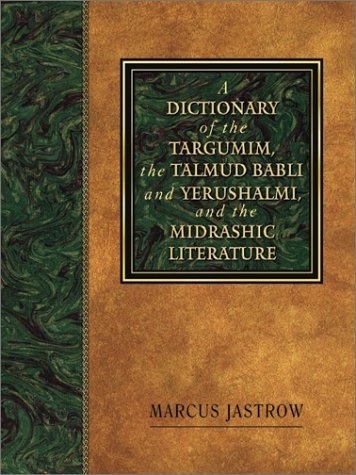
The second image presents the continuation of Rashi’s explanation for why Hagar received the name Keturah.
Rabbi Shlomo ben Isaac — Rashi — states on Genesis 25:1:
The following image is a further screenshot of Rashi’s commentary on this verse.
The Qumran Texts and Targum Jonathan on Hagar’s Royal Origin
The following image presents the Targum Jonathan and Qumran texts’ account of Hagar’s identity as the daughter of Pharaoh.
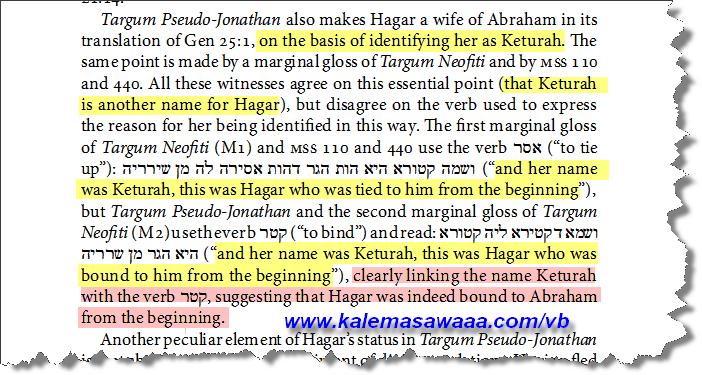
The following image provides additional evidence from Targum Jonathan on Hagar’s origins.
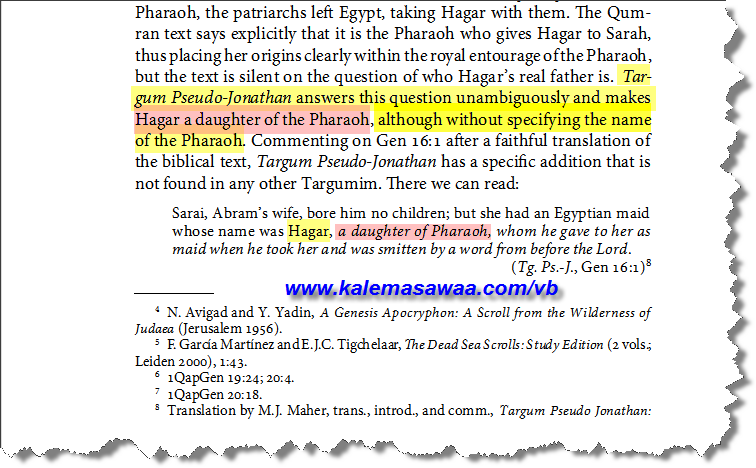
The Qumran texts — the Dead Sea Scrolls — state that Pharaoh gave Hagar to Sarah, placing her within the royal circle of Egypt. Targum Jonathan identifies Hagar more specifically as the daughter of Pharaoh — without naming which Pharaoh — which would make her of royal blood rather than a common slave.
This royal origin of Hagar is consistent with the meaning of her name in Arabic — “emigrant” or “one who migrated” — and with the Islamic tradition that identifies her as a woman of noble standing who was given as a gift to Abraham and Sarah from the Egyptian king.
The Brothers of Ishmael — Internal Evidence from Genesis 16:12 and 25:17
The Torah’s own text generates a problem that can only be resolved by accepting Keturah as Hagar. Before Ishmael was born, the angel said to Hagar:
Ishmael, according to the Torah’s surface reading, had only one half-brother: Isaac. One brother. Yet the angel speaks of “all his brothers” — plural. Who are these brothers?
The death notice of Ishmael in Genesis 25:17 uses the same language:
“In the presence of all his brothers” — plural. The Targum of Jonathan renders this phrase as yitharbeb — “he shall mix with all his brothers” — from the Aramaic root meaning to mix or intermingle, from which came the name “Yathrib,” the ancient name of Medina before Islam.
If Keturah were a separate woman from Hagar, Ishmael’s only brothers would be Isaac on his father’s side and the six sons of Keturah — but the Torah describes Isaac and Ishmael as half-brothers with different mothers, making the sons of Keturah Ishmael’s half-brothers on the paternal side only. Yet the angel’s prophecy says “all his brothers” before Ishmael was even born — before any of these half-brothers existed.
The only reading that makes the “brothers” language coherent is that the sons of Keturah were full brothers of Ishmael — children of the same mother, Hagar — which is precisely what Rashi, the Targums, and the Midrash confirm.
The Conclusion — Abraham Had Only Two Wives, and the Torah’s Renaming Was Deliberate
The following image is additional evidence from rabbinic and scholarly sources on the Keturah-Hagar identification.
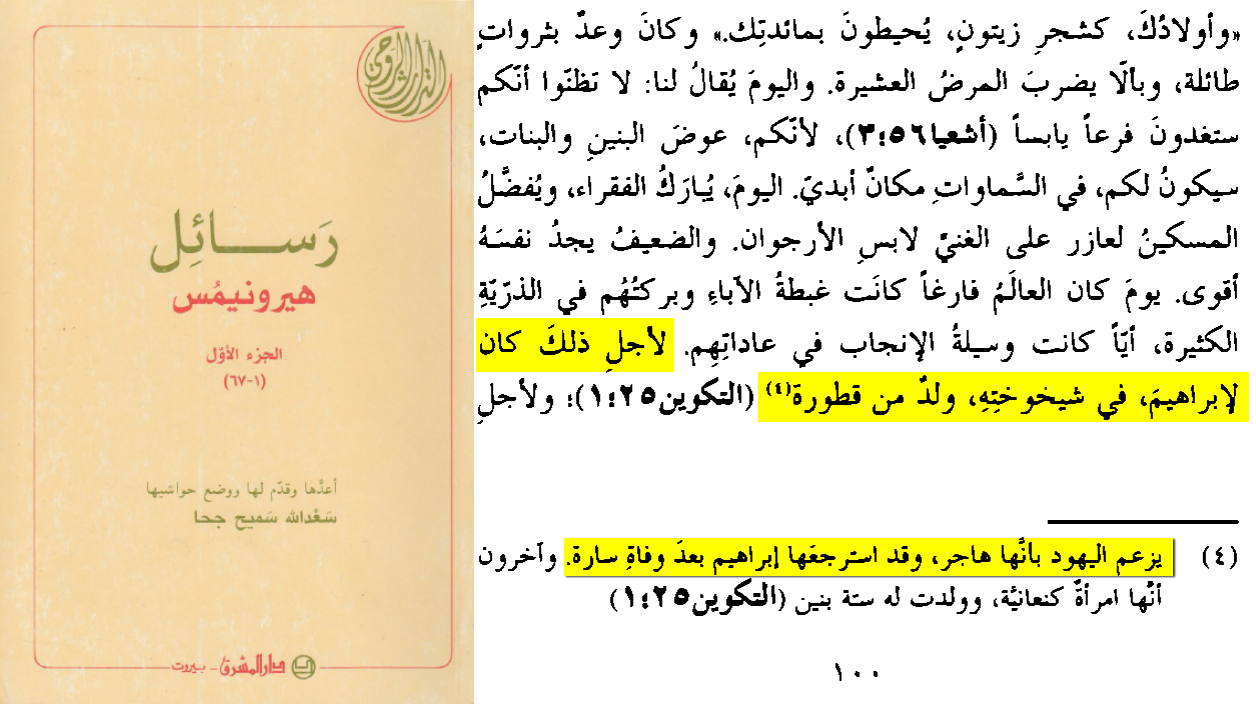
The following image presents further documentary evidence on the same identification.
The distorters of the Torah tried to separate the Arabs from each other through their manipulation of the text. If all the brothers of Ishmael were to gather — the full brothers born of Hagar — they would constitute an enormous lineage with a strong claim to the blessing promised to Abraham’s seed. Therefore the scribes renamed Hagar as “Keturah” — a separate name — to create the impression that Ishmael had no full brothers, that the six sons of this woman were of unknown stock, and that Abraham spent his life with Sarah rather than with Hagar.
The Torah itself contradicts this by recording that when Sarah died, “Abraham came to mourn for her” — he was not present. He was a stranger in the place where she lived. He was elsewhere — with Hagar, with her sons, the brothers of Ishmael, peace be upon him.
Abraham, peace be upon him, had two wives: Sarah and Hagar, who is also called Keturah. The name Keturah means incense, and was given to Hagar by the rabbinic tradition to honor her faithfulness, her good deeds, and her chastity since her separation from Abraham — until he called her back after Sarah’s death to spend his final years with her. This is what the Targum of Jonathan, the Jerusalem Targum, Rashi, Bereshit Rabbah, the Qumran texts, the Christian Bible Dictionary, and the Hebrew4Christians website all agree upon. And Allah knows best.