Myth of Crucifixion Prophecies
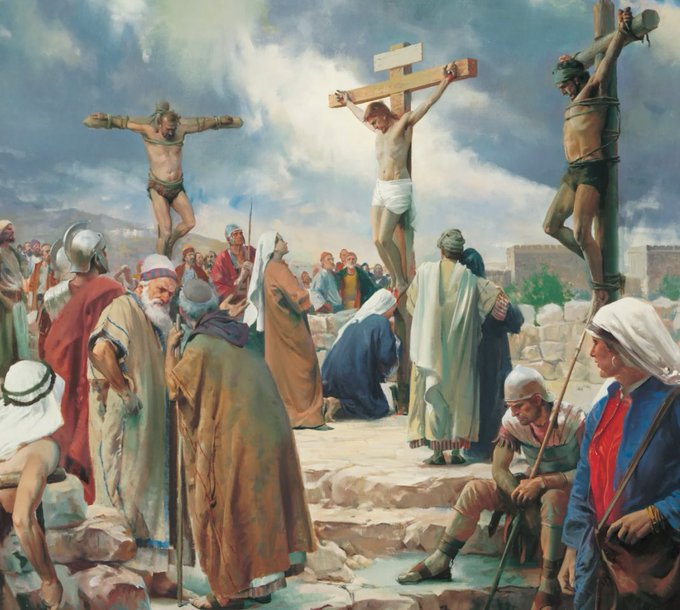
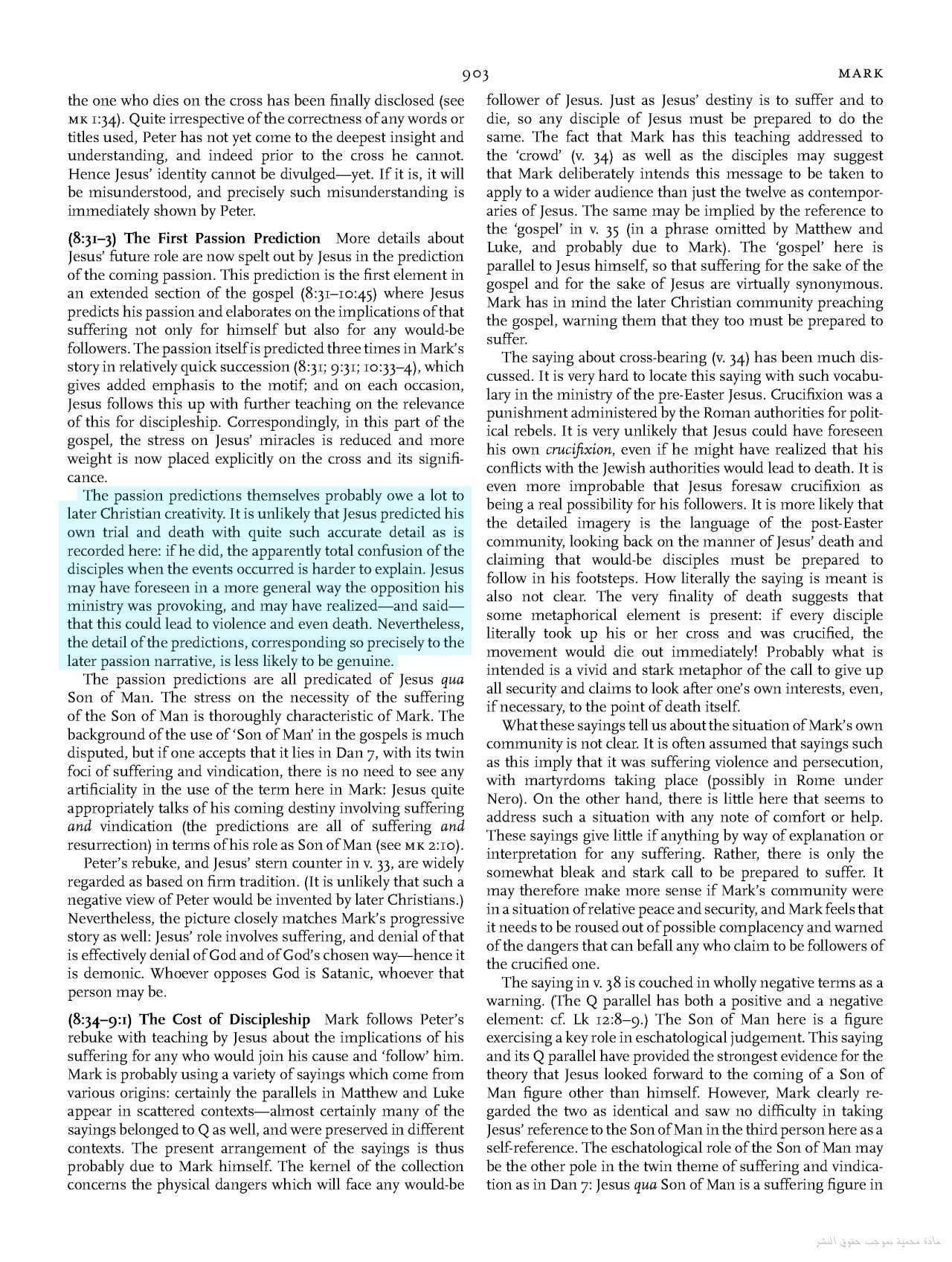
The Oxford Bible Commentary says that the detailed predictions of Jesus’ trial and death in the Gospels are likely the result of later Christian invention. While Jesus may have anticipated opposition and possible death, the precise alignment of these predictions
with the passion narrative strongly suggests they are not authentic. The disciples’ confusion during the events further undermines the claim that Jesus foretold them with such accuracy.
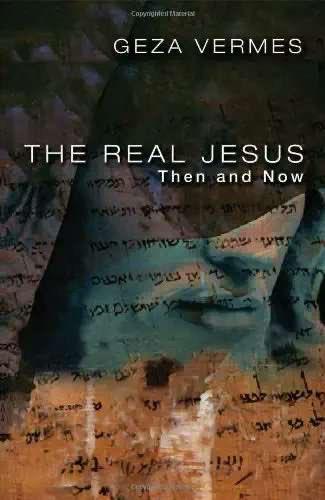
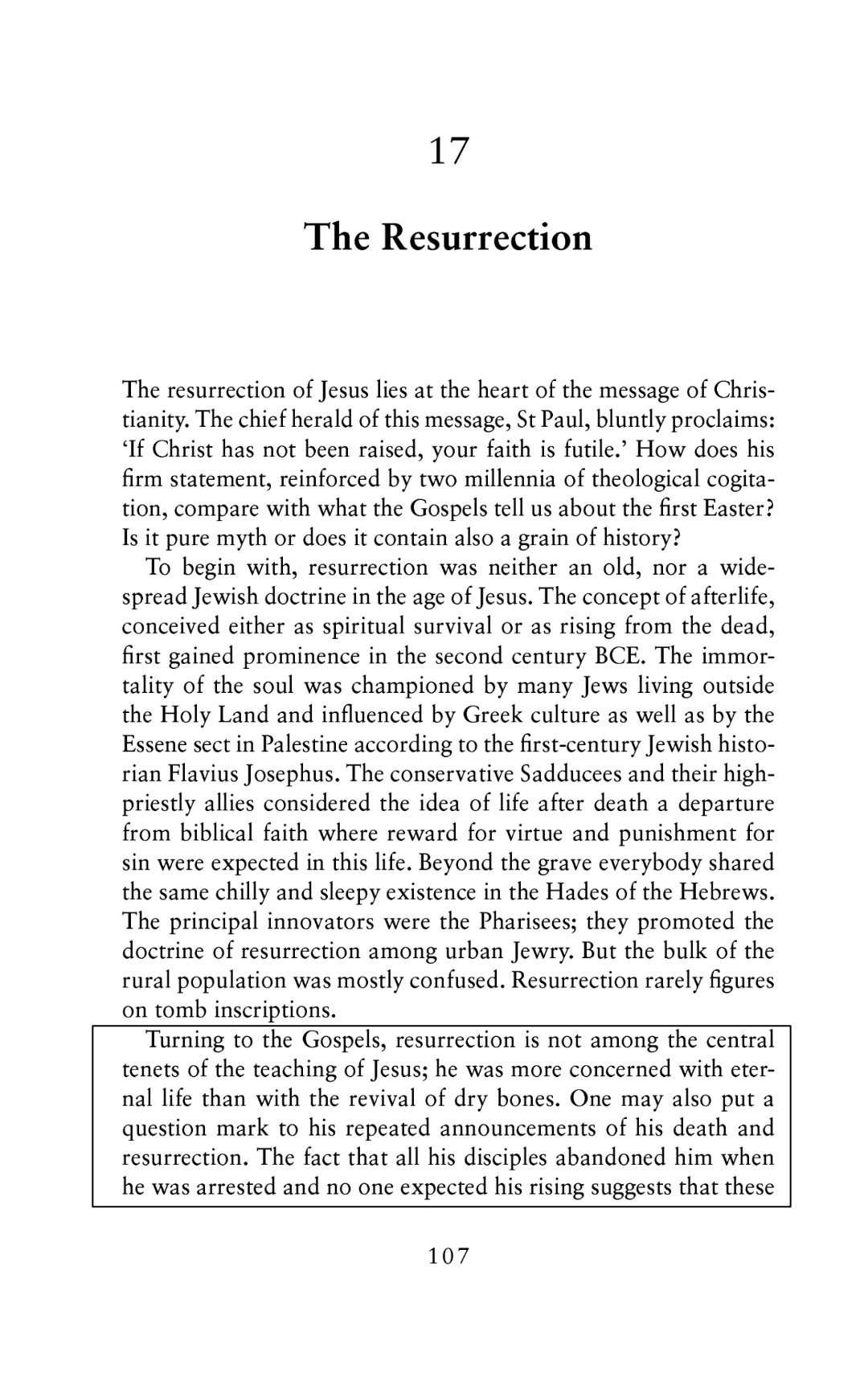
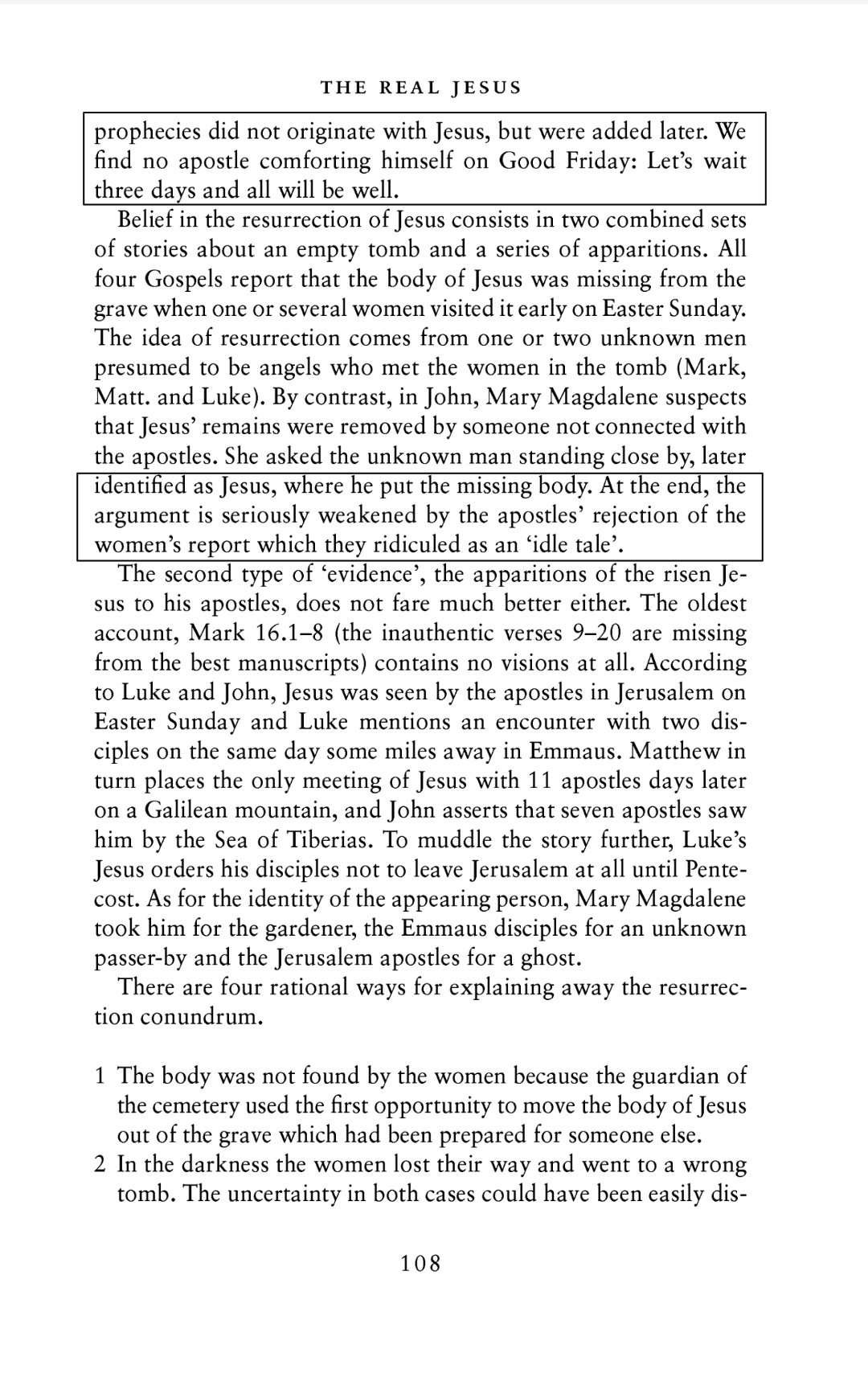
In The Real Jesus Then and Now, biblical scholar Geza Vermes firmly rejects the claim that resurrection was central to Jesus’ teachings, emphasizing that Jesus focused on eternal life, not the revival of the dead. Vermes argues that the so-called prophecies of Jesus’ death
and resurrection were later fabrications, pointing to the disciples’ total abandonment of Jesus at his arrest and their disbelief in his resurrection. He underscores the fact that no disciple expressed hope for Jesus’ return on Good Friday and that
they ridiculed the women’s report of the empty tomb as an “idle tale.”
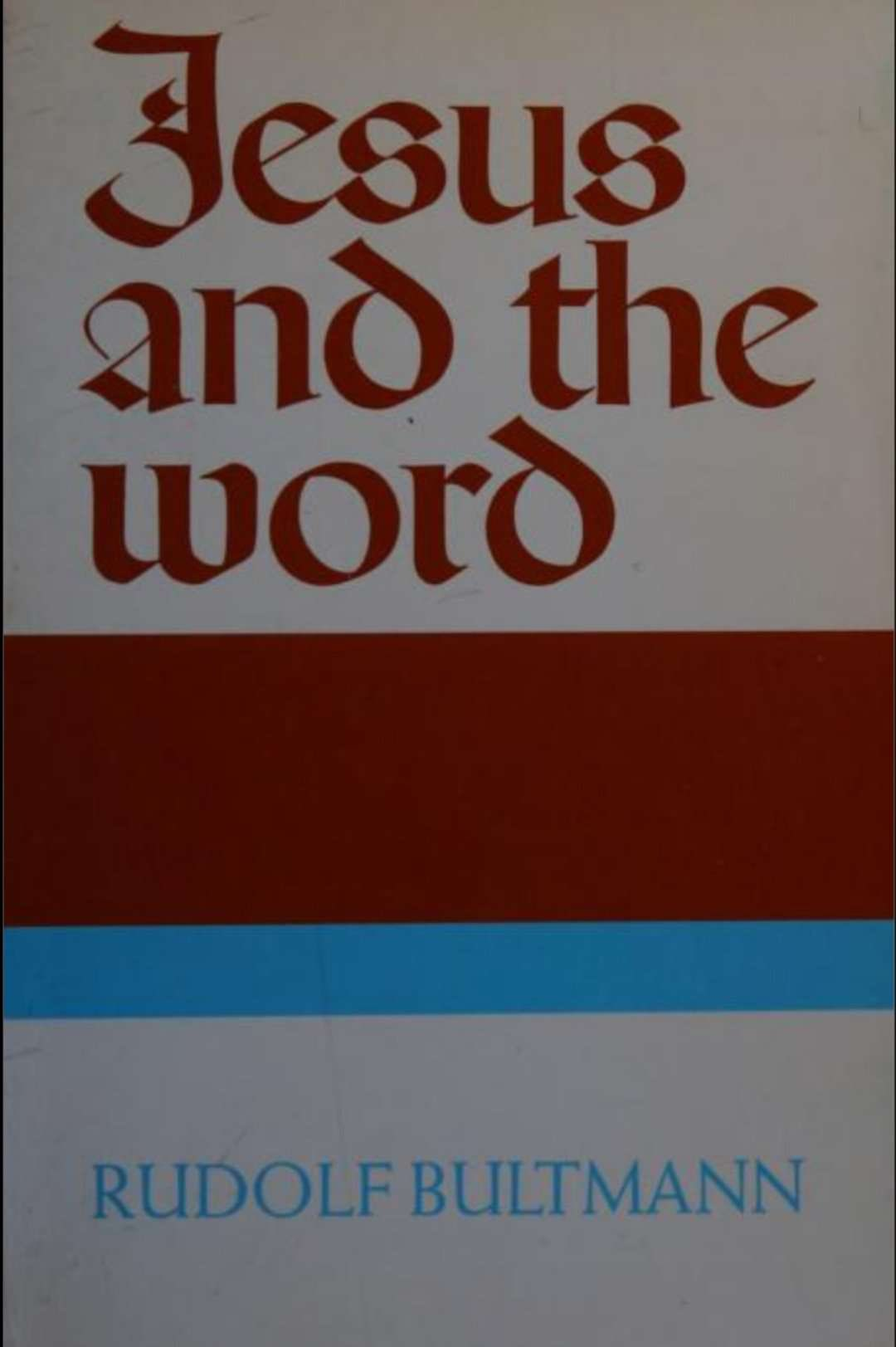
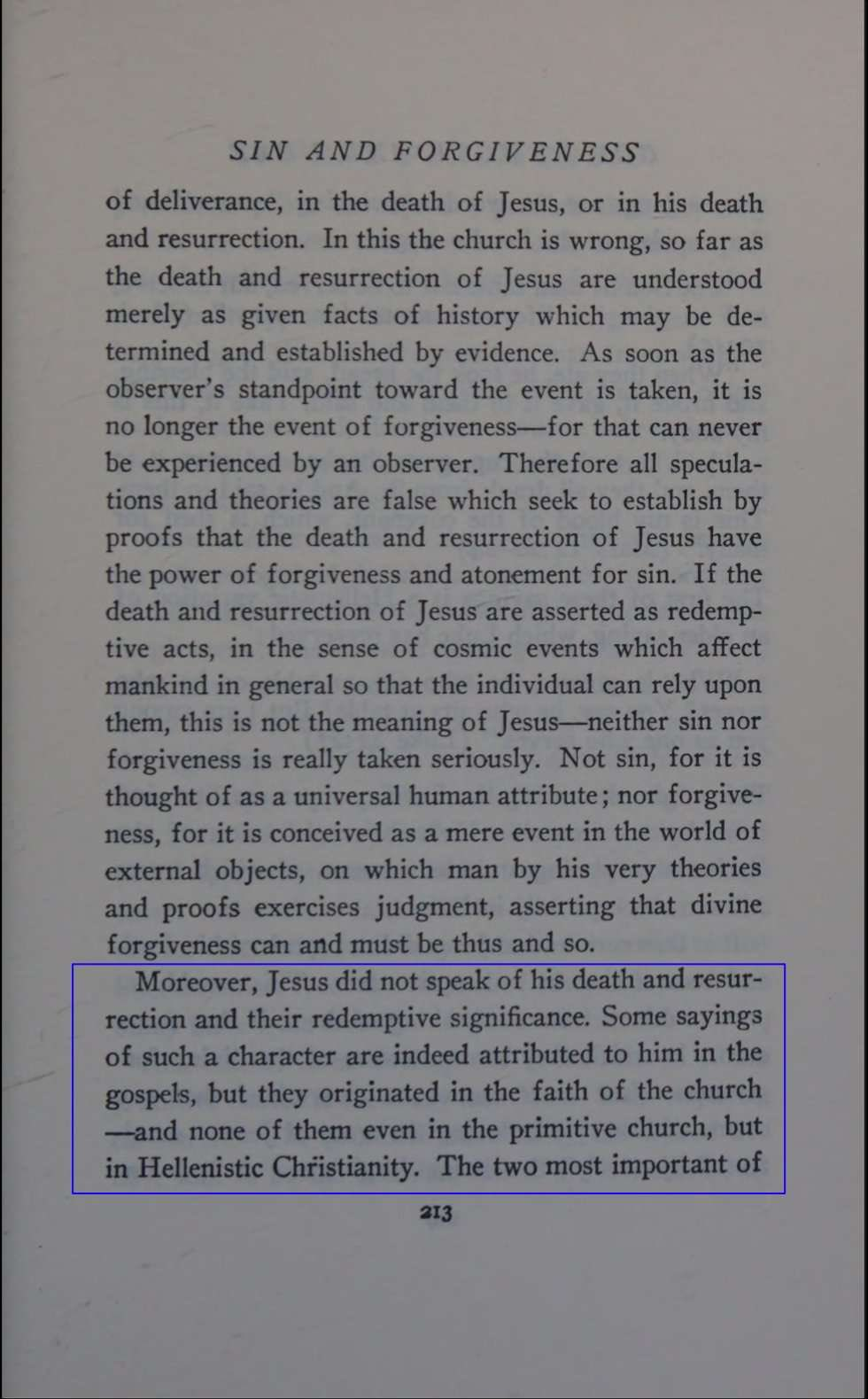
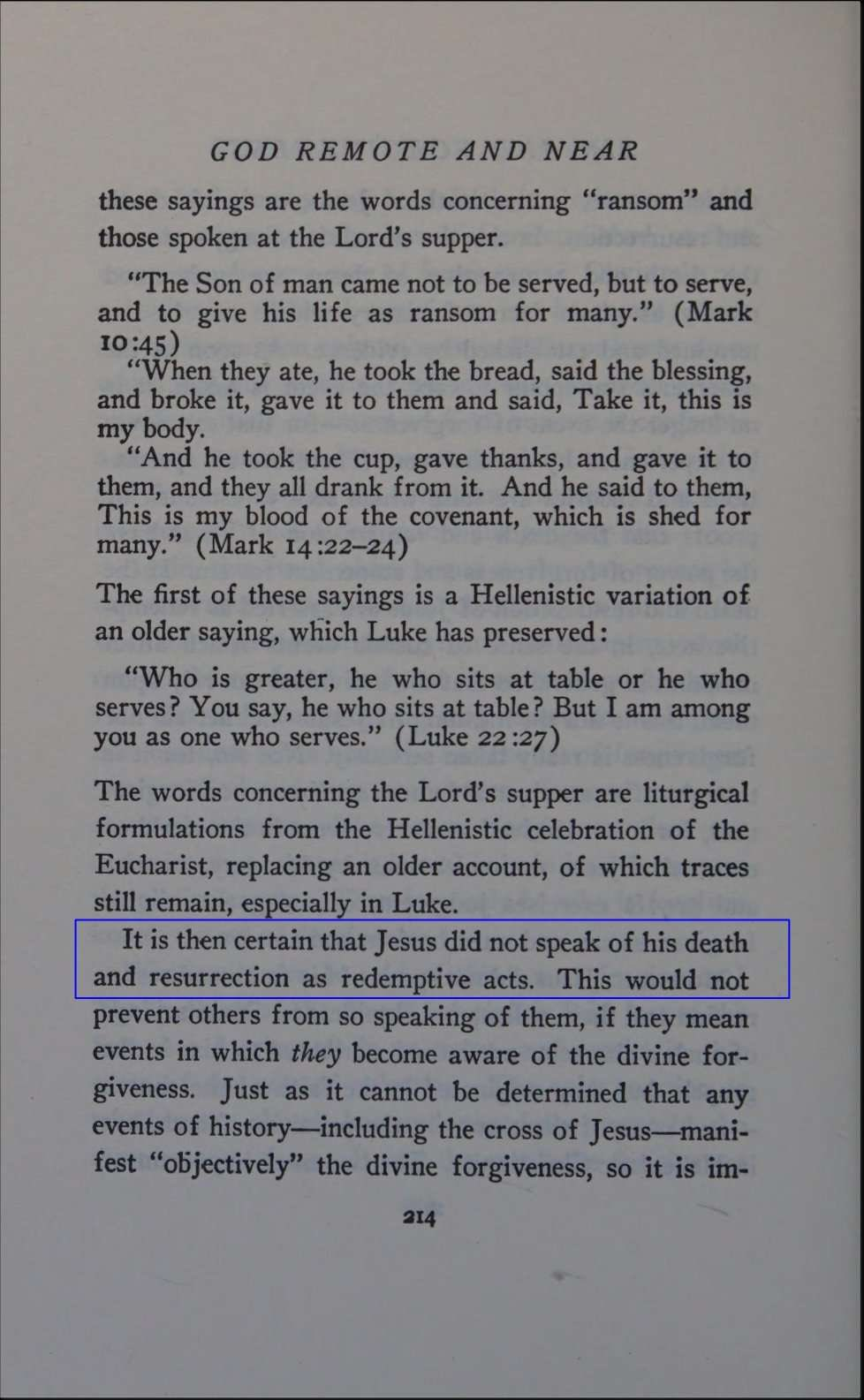
Rudolf Bultmann, a respected theologian and New Testament scholar, made it clear in Jesus and the Word that Jesus never spoke of his death and resurrection as redemptive acts. He argued that the sayings in the Gospels claiming otherwise were not from Jesus but were later creations of the church, particularly Hellenistic Christianity. Bultmann was unequivocal: “It is then certain that Jesus did not speak of his death and resurrection as redemptive acts.”
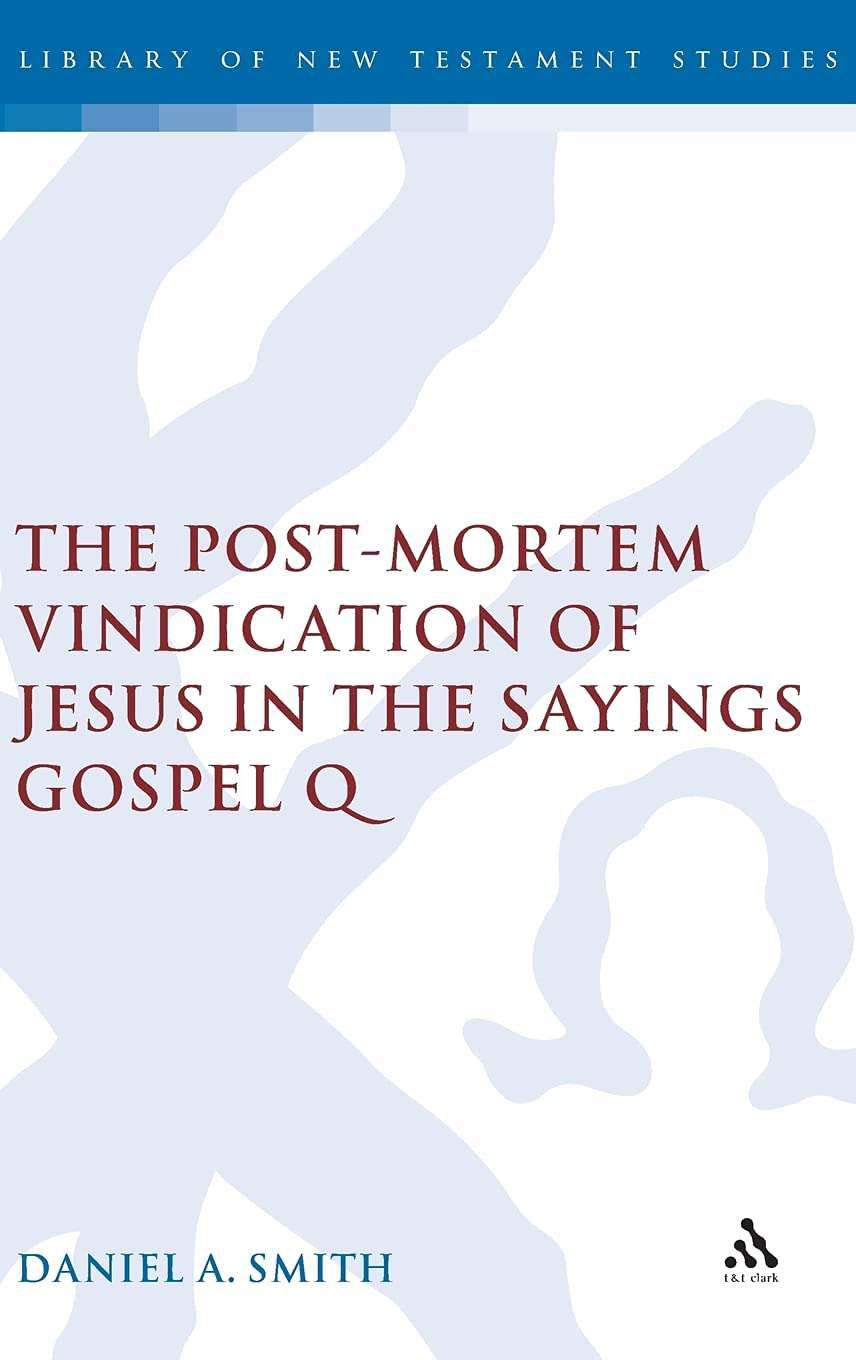
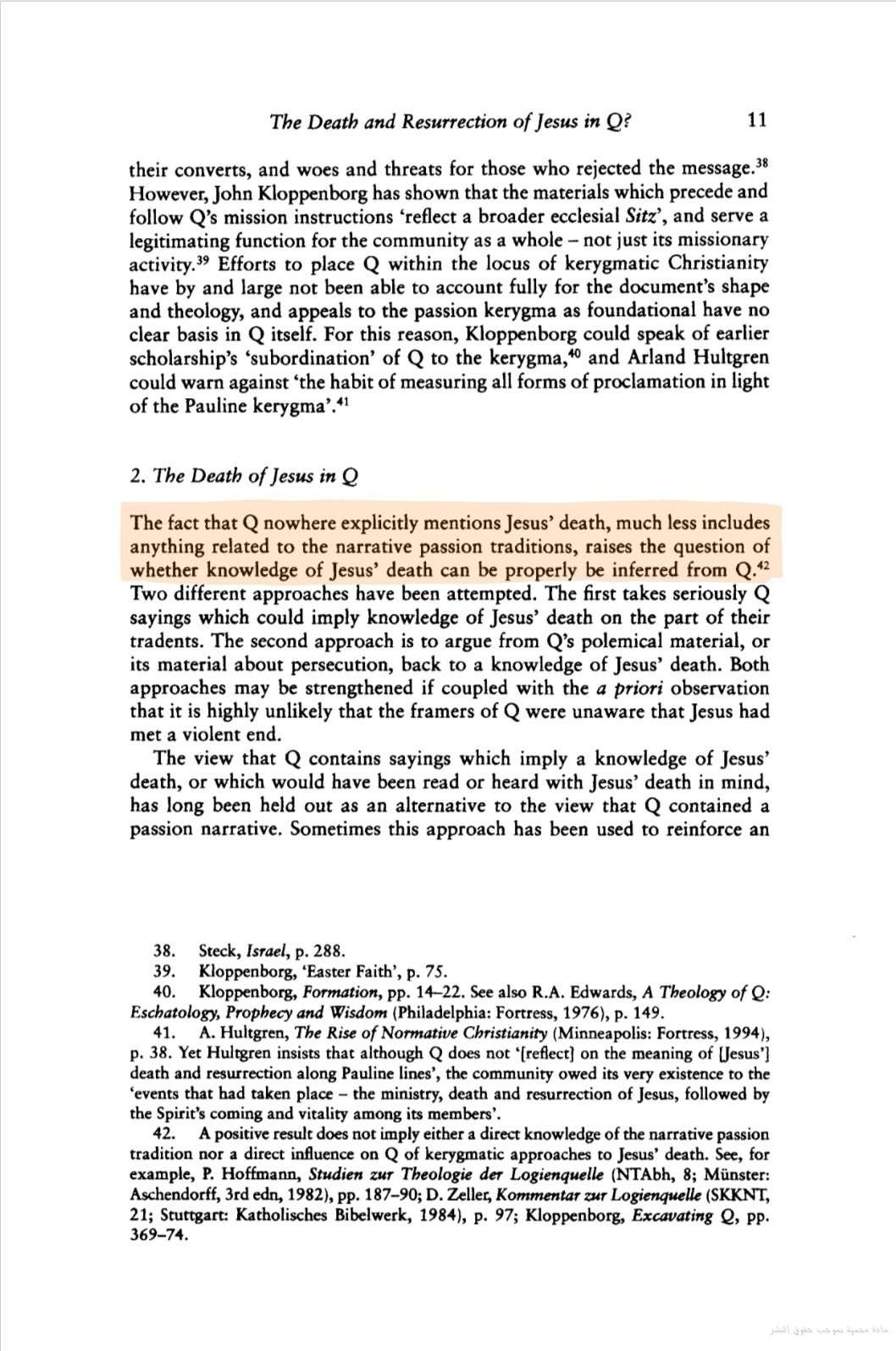
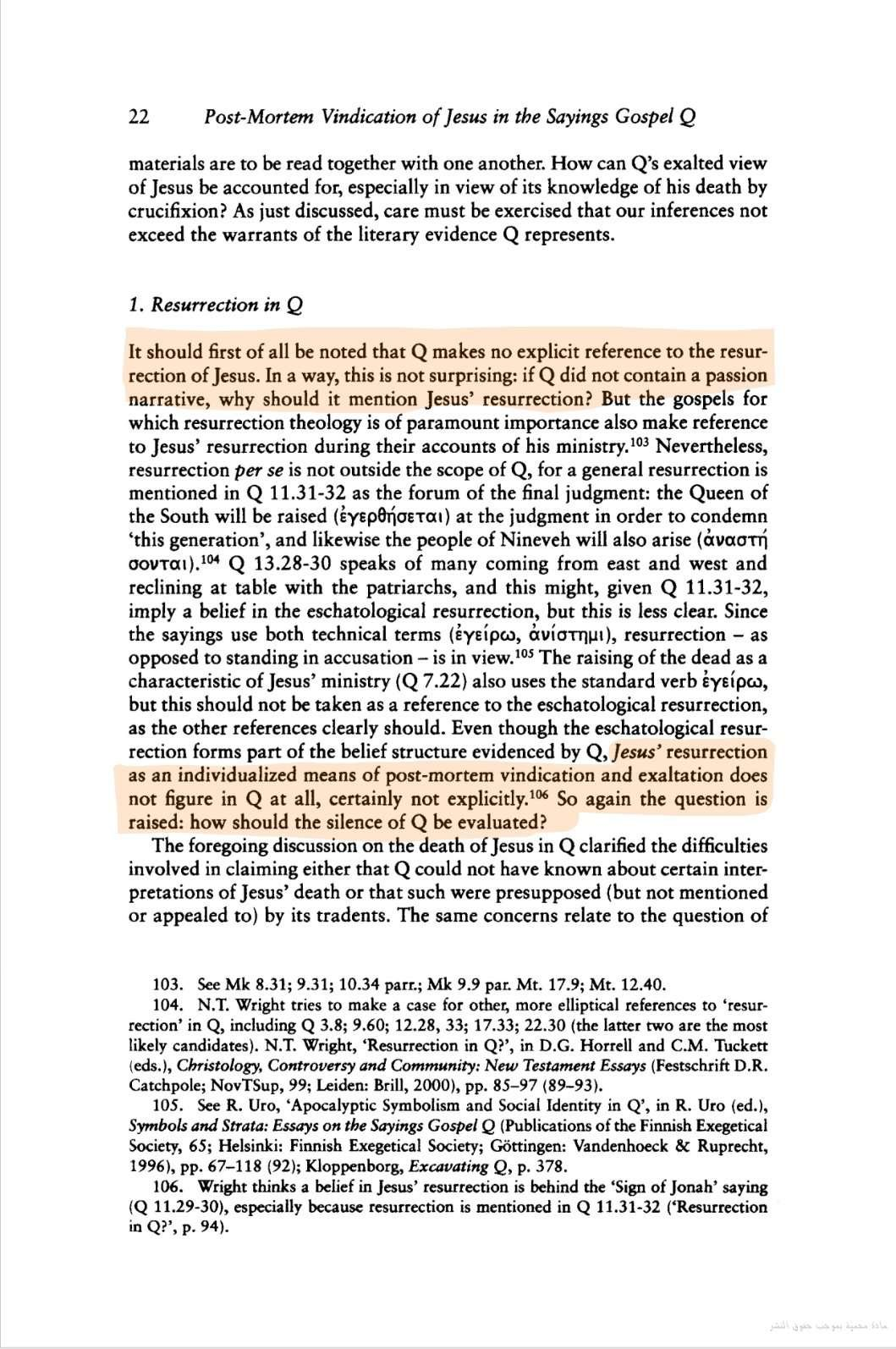
Daniel A. Smith, in his book The Post-Mortem Vindication of Jesus in the Sayings Gospel Q, demonstrates that the resurrection narrative is a later invention absent from one of the earliest sources for Jesus’ teachings. He emphasizes that Q makes no
explicit mention of Jesus’ death or resurrection, stating,
“The fact that Q nowhere explicitly mentions Jesus death, much less includes anything related to the narrative passion traditions, raises the question of whether knowledge of Jesus death can be properly inferred from Q.”
Smith further argues, “It should first of all be noted that Q makes no explicit reference to the resurrection of Jesus. In a way, this is not surprising: if Q did not contain a passion narrative, why should it mention Jesus’ resurrection?”
He concludes that the concept of Jesus’ resurrection as a post-mortem vindication is completely absent from Q, which strongly suggests that the resurrection story was a later addition to Christian theology and not rooted in the earliest traditions.
In conclusion, there are no genuine crucifixion prophecies, and Jesus did not prophesy his own death. The claims of such predictions are later inventions crafted by early Christians to align with their theological narratives.
The absence of these prophecies in the earliest sources, coupled with the historical critiques from biblical scholars, makes it clear that the idea of Jesus foretelling his death and resurrection is a fabrication rather than a historical reality.
https://discord.com/channels/1310948573768319047/1329106465662832670
The New Testament authors are obsessed with quoting the Old Testament. They even quote verses that have nothing to do with the Messiah, twisting them to make it about the Messiah.
They had a method called typology (symbolic or allegorical interpretation), which allowed
turn every single word in the Old Testament into a prophecy about Jesus.
It was a dominating method of interpretation—only they seemed to understand it.
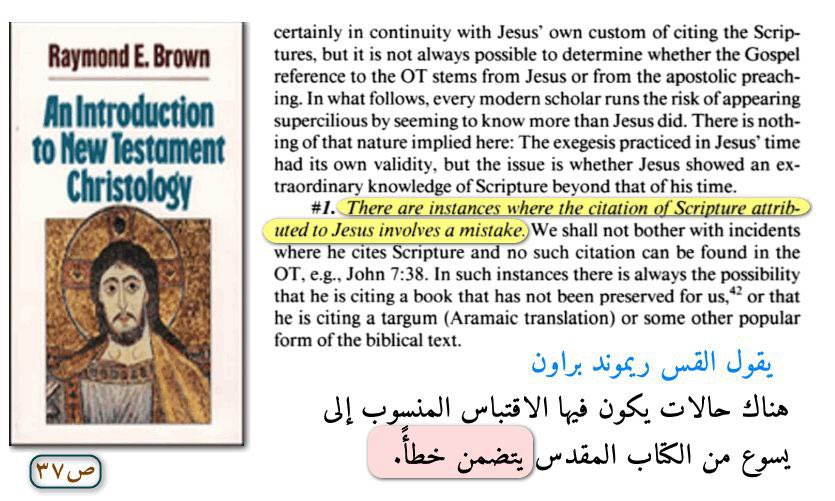
But even with all that… Catholic scholar and priest Raymond Brown tells us that there are misquotes—errors made by the Gospel
writers because they misunderstood the Hebrew language of the original texts.
One example is Matthew’s misunderstanding of a prophecy:
He makes Jesus ride on two donkeys to fulfill a prophecy—something that looks straight out of a Mexican telenovela.
But the original Hebrew text was actually talking about one donkey—the second mention was simply poetic emphasis. Because of Matthew’s weak Hebrew, he thought it meant two, so he awkwardly has Jesus ride both.
— Dr. Monqidh Assaqqar