Pen and Paper Event
The Shia said: “The Messenger of Allah ﷺ, who was on his death-bed, requested for a pen and paper and said: “I will write
something which will keep you from being misled after me”. Omar Ibn al-Khattab objected and said: “The Prophet ﷺ is delusional (عياذا بالله) and the Book of Allah is sufficient for us”.”
Here are a few points that need to be addressed:
➀ Did Omar (رضي الله عنه) actually insult the Holy Prophet ﷺ?
➁ Are Sunnies misguided since the Prophet ﷺ did not write the document that protects from misguidance?
➂ Did Omar (رضي الله عنه) reject the Sunnah?
➃ Why did the Prophet ﷺ tell the companions to get out and leave his house
❖ The claim that Omar (رضي الله عنه) insulted the Prophet ﷺ is false and has no evidence.
The only statement from Omar (رضي الله عنه) is: “The Prophet ﷺ is seriously ill.” And this obviously is not insult but he was rather stating that the Messenger is in pain
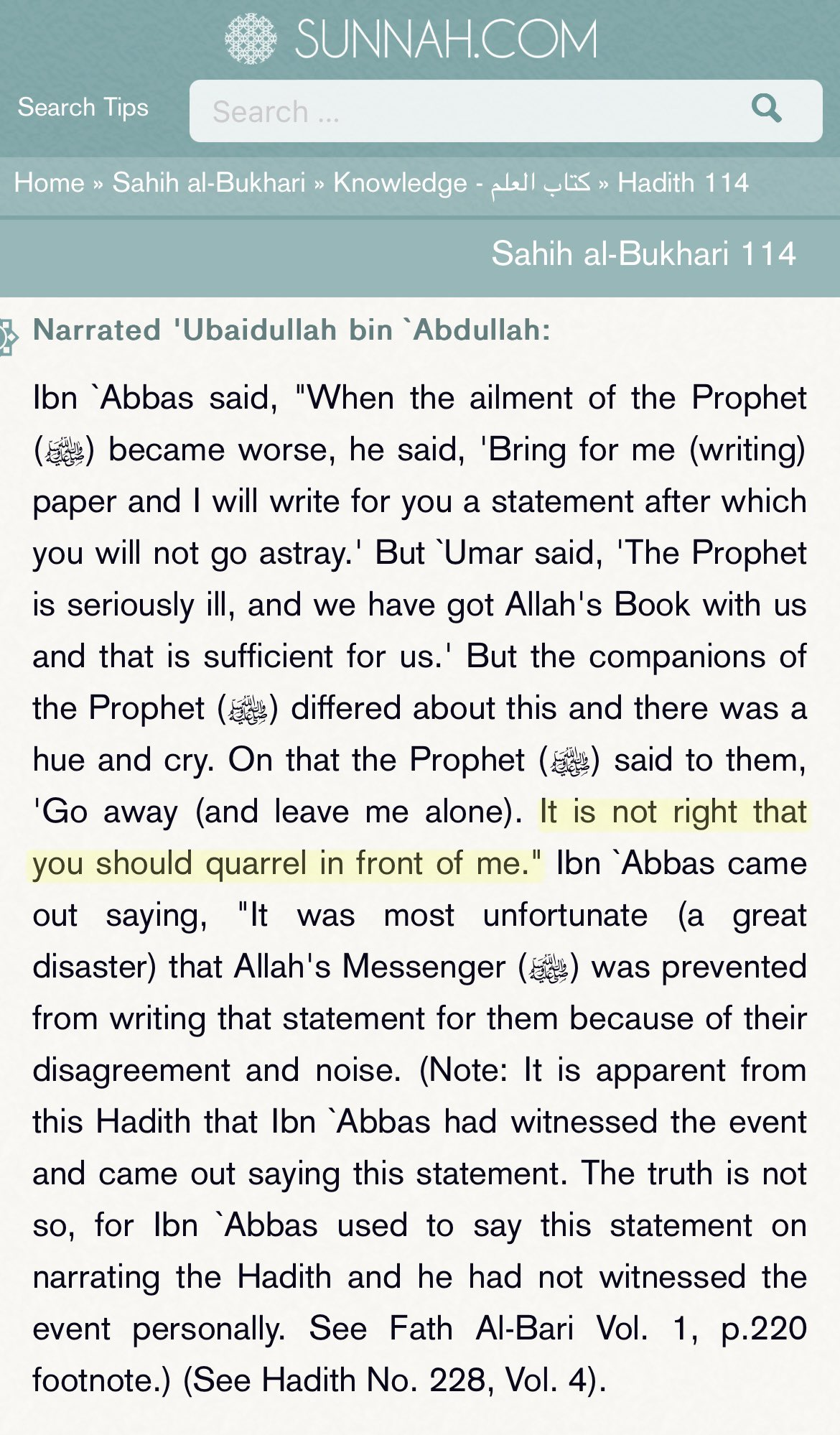
and doesn’t have the strength to write this document.
This is the same as the refusal of ‘Ali (رضي الله عنه) when the Prophet ﷺ commanded him to erase the title “Prophet” from his name during the treaty of al-Hudaybiyah.
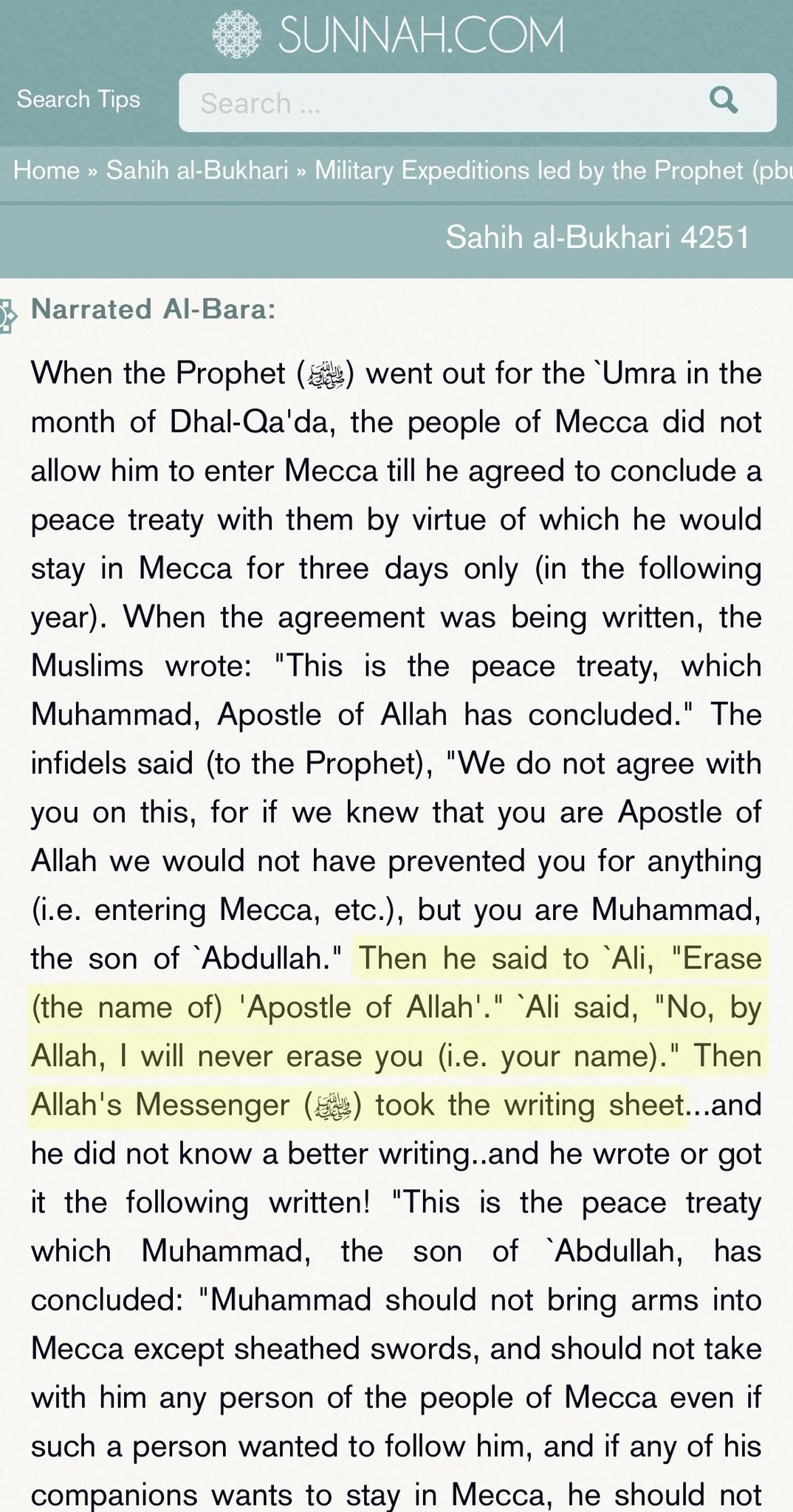
f the Shia argue that ‘Ali (رضي الله عنه) refused to erase the title: “Prophet of Allah” out of respect and reverence for the Messenger of Allah ﷺ, then we say that Omar (رضي الله عنه) also refused to give the pen and paper out of care for the Prophet ﷺ who was severely ill.
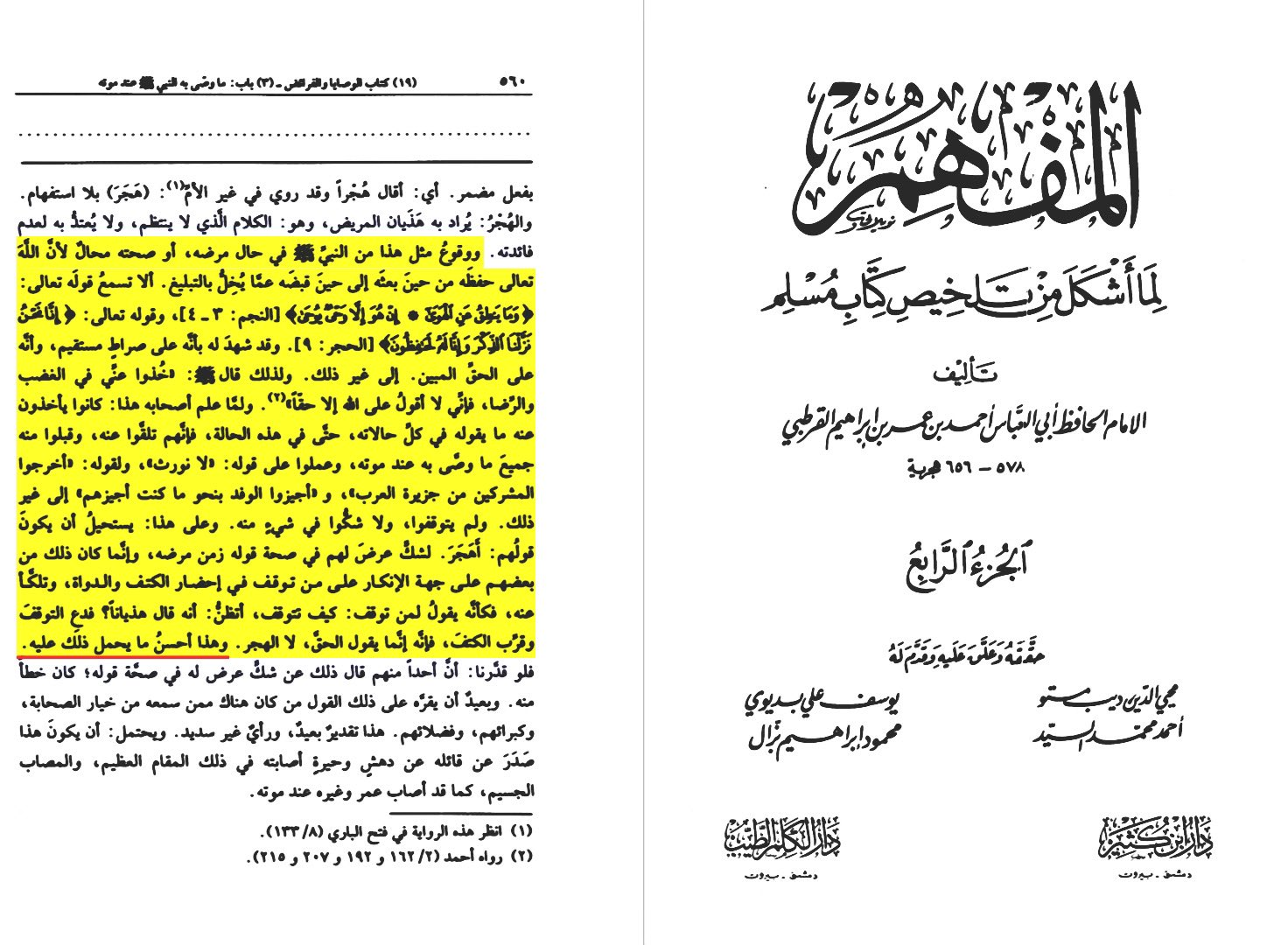
And as for the claim that Omar (رضي الله عنه) accused the Prophet ﷺ of being delusional then this is false! This was said by neither Omar nor those that agreed with him during this incident. Rather, it was said by the other group and they said it rhetorically
In other words they meant: “Why don’t you give him the pen and paper, do you think he is delusional!?”
This was the interpretation by Imam Abu al-‘Abbas al-Qurtubi in his commentary of Sahih Muslim and he said that this is the best explanation!
Ibn Hajar al-‘Asqalani preferred a different explanation and said that whoever said: “Is he being delusional!?” had recently converted to Islam and wasn’t aware that these kinds of illnesses cannot have an affect on the words of the Prophet ﷺ who is infallible.
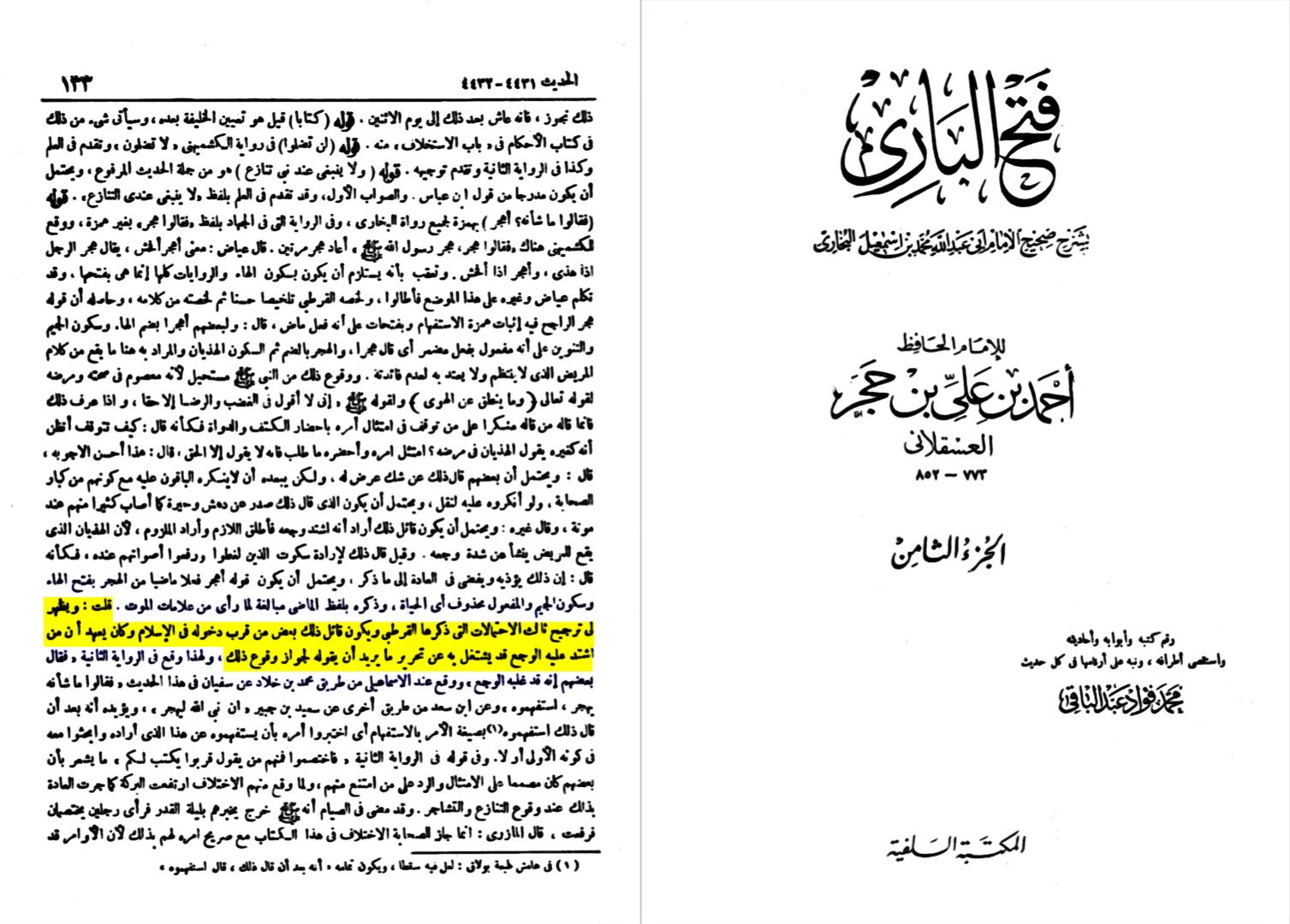
❖ If one argues: “The Sunnies are misguided because the will which the Prophet ﷺ wanted to write was not written due to Omar.”
Then we say that the paper which the Prophet ﷺ wanted to write was “mustahab” not “wajib”. The things which are مستحب in our religion are meant👇
to guide us but we are not guaranteed to be misguided if we don’t act upon it. The same goes for the paper which the Messenger of Allah ﷺ intended to write and the proof for that is the fact that he ﷺ refrained from writing it in the rest of his days before passing away.
Had writing this paper been obligatory upon the Prophet ﷺ then he would’ve written it wether Omar (رضي الله عنه) agreed or disagreed.
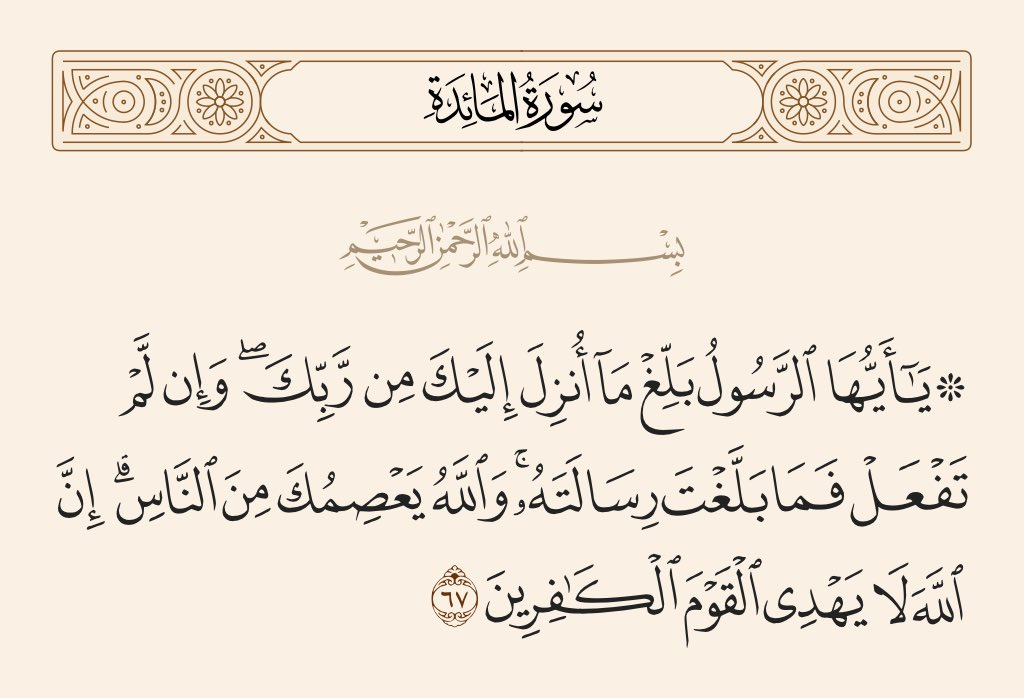
Allah تعالى said: “O Messenger, convey what has been revealed to you from your Lord and if you don’t then you haven’t conveyed His message.”
❖ Some may think that Omar (رضي الله عنه) rejected the Sunnah when he said: “The Quran is enough for us.”
This claim is false for the following reasons:
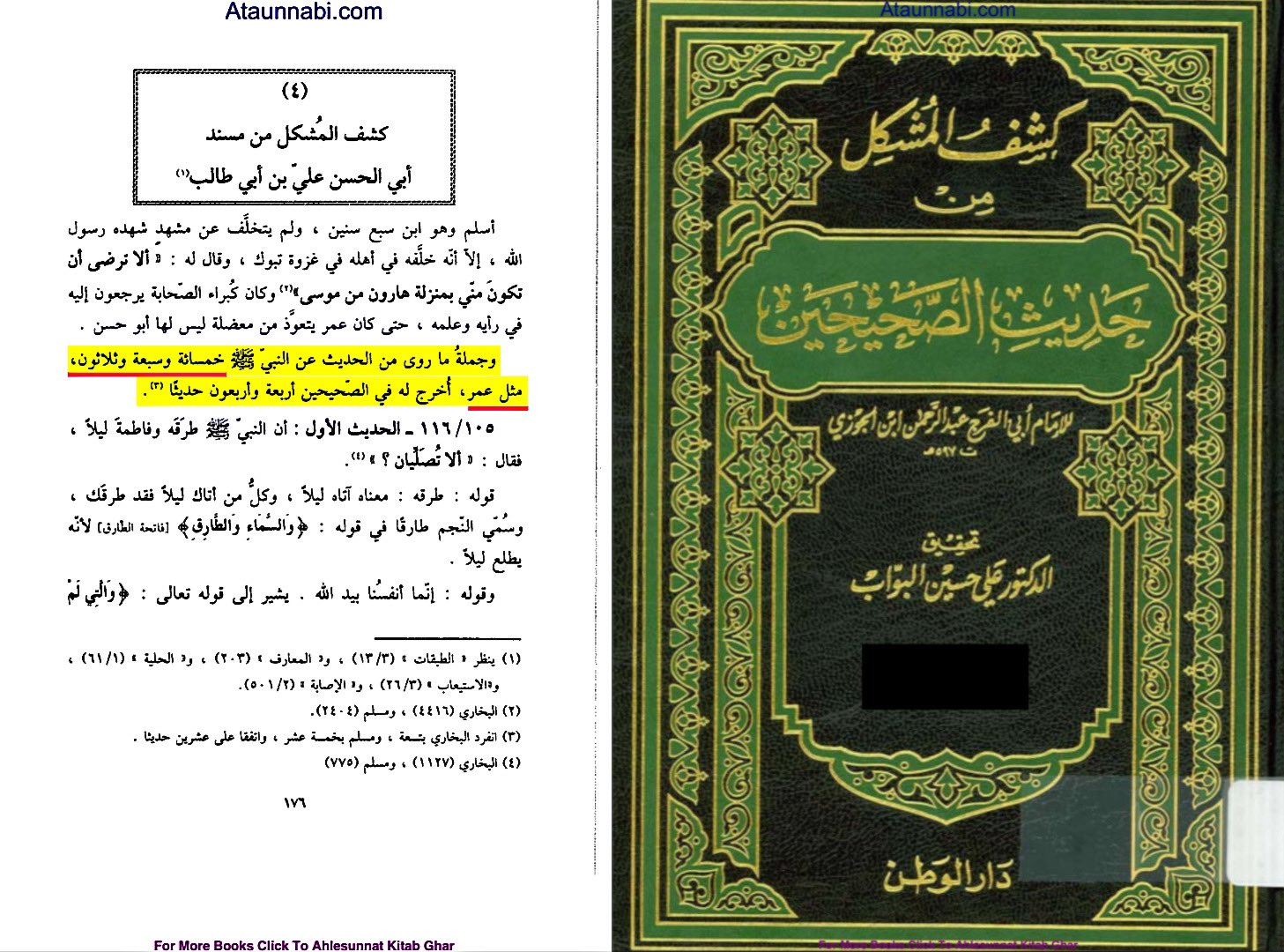
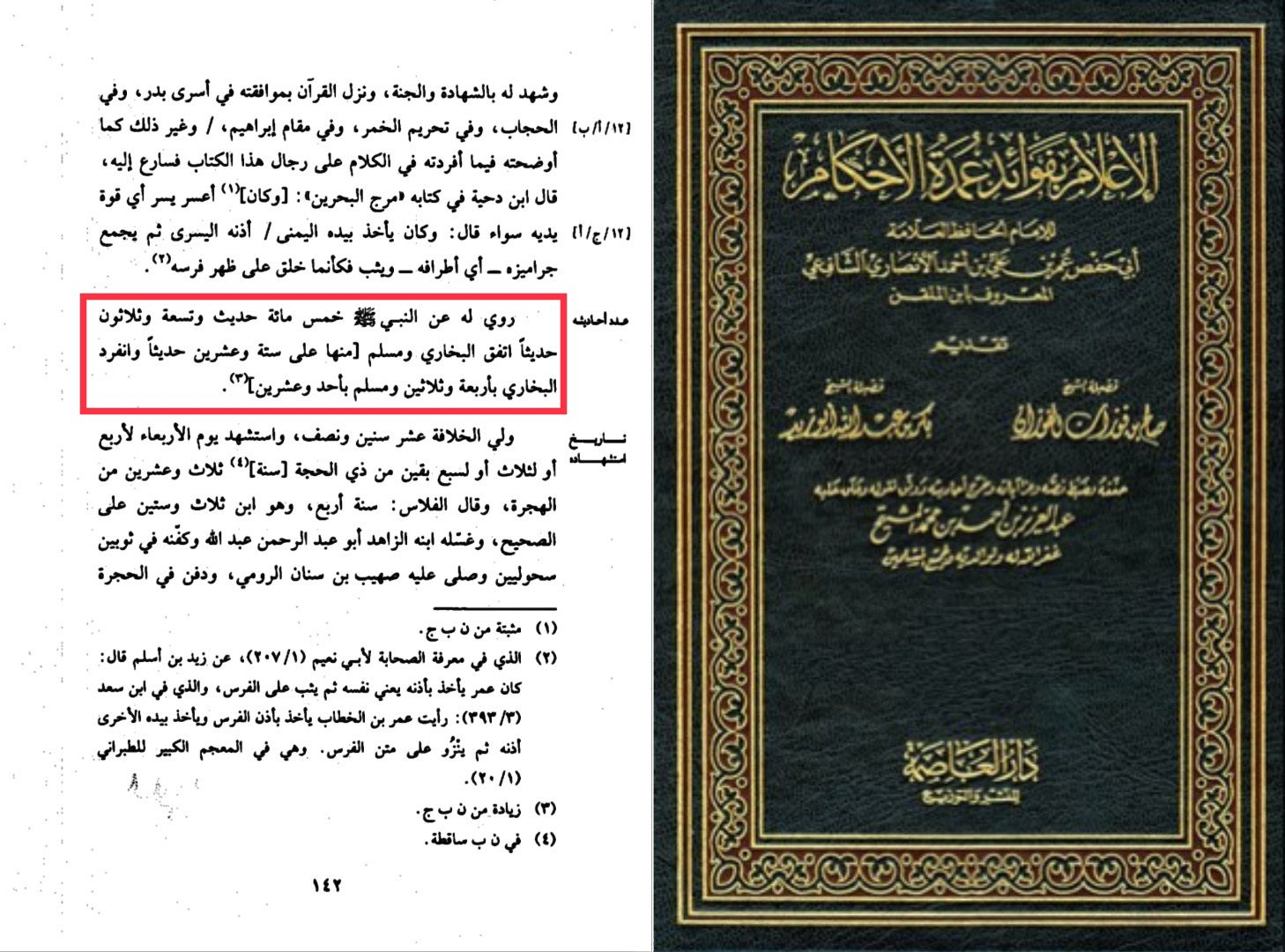
➣ Omar (رضي الله عنه) narrated 539 hadith. Would someone who rejects the Sunnah narrate all of these narrations?
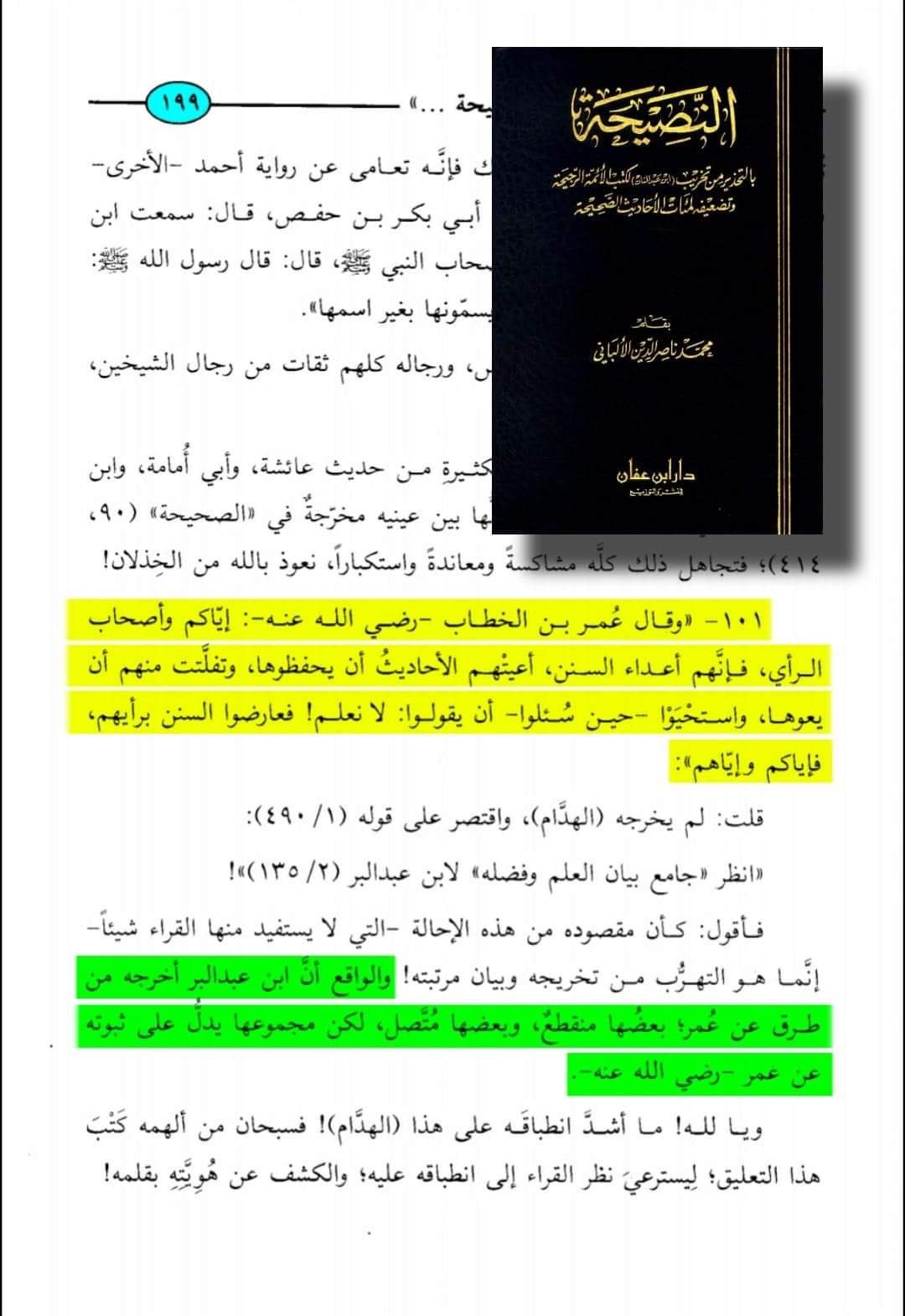
➣ Omar (رضي الله عنه) once said: “Be aware of the people of opinions! For indeed, they’re the enemies of the Sunnah!”
➣ In another statement he said: “Judge by what is in the Book of Allah (the Quran). If you do not find it (the judgement) in the book of Allah👇
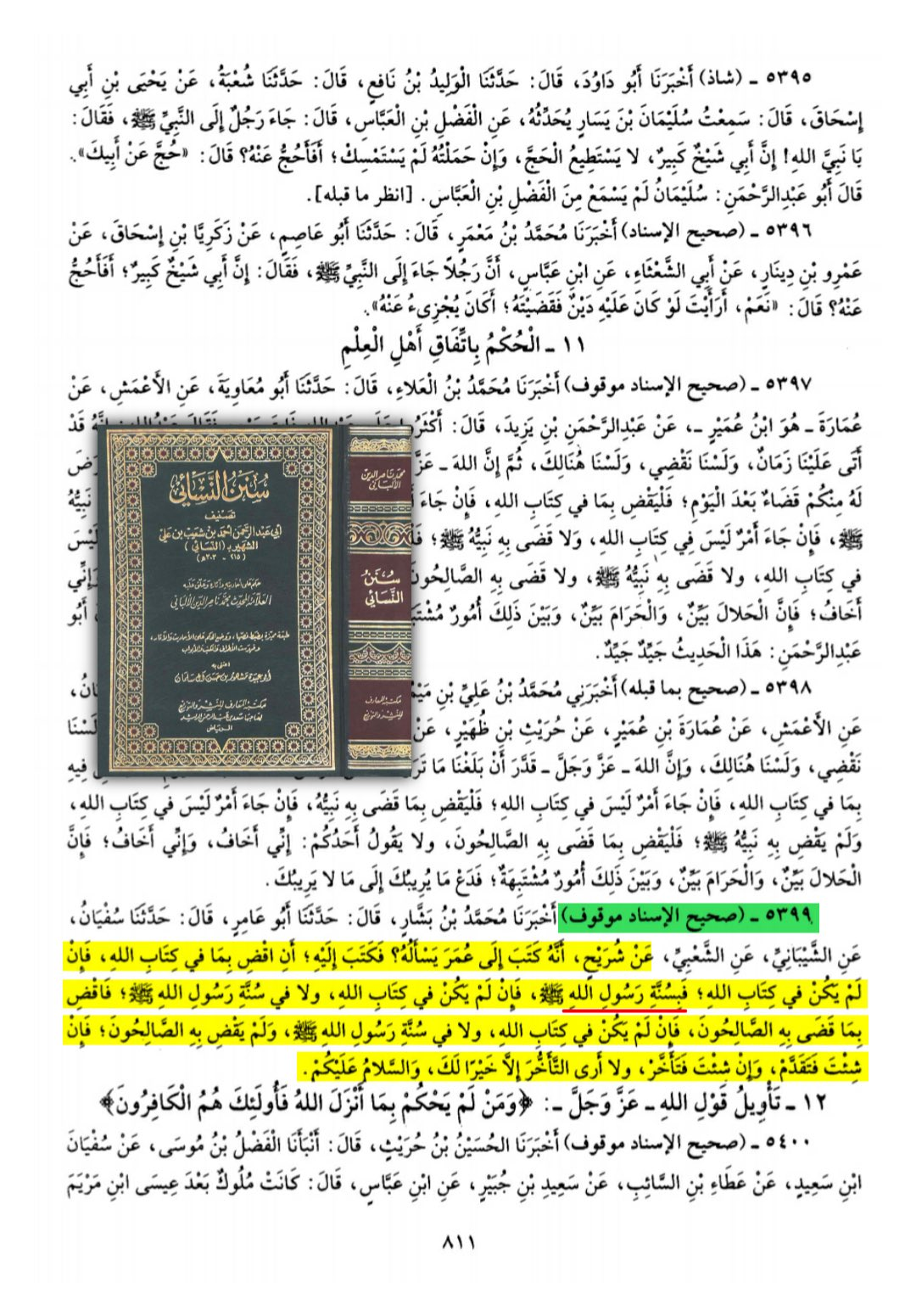
then judge by what is in the Sunnah of Messenger of Allah ﷺ.”
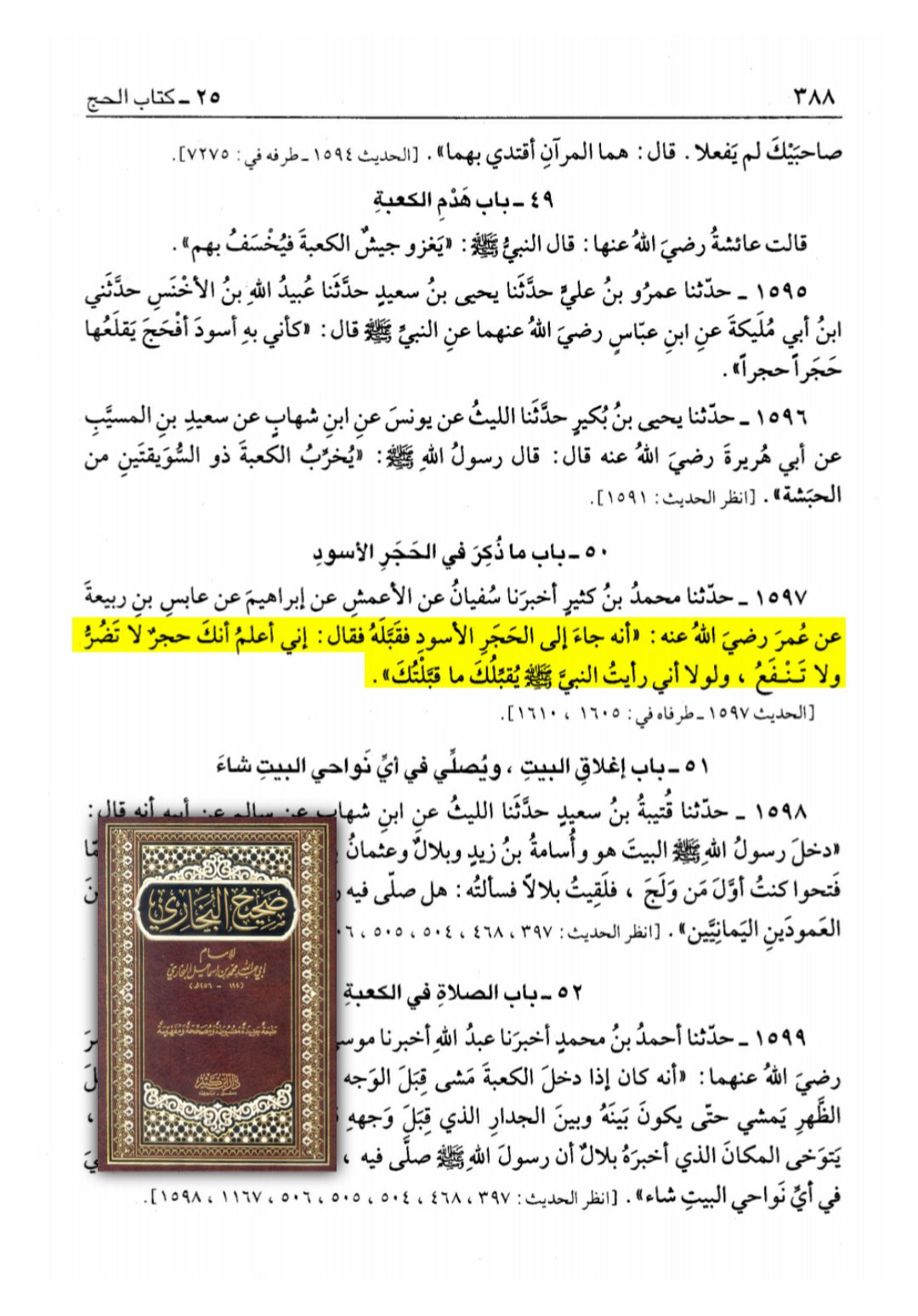
➣ We also have an authentic report in which Omar (رضي الله عنه) kisses the black stone and says that he only did it because he saw the Prophet ﷺ do it. This clearly indicates that he follows the Sunnah.
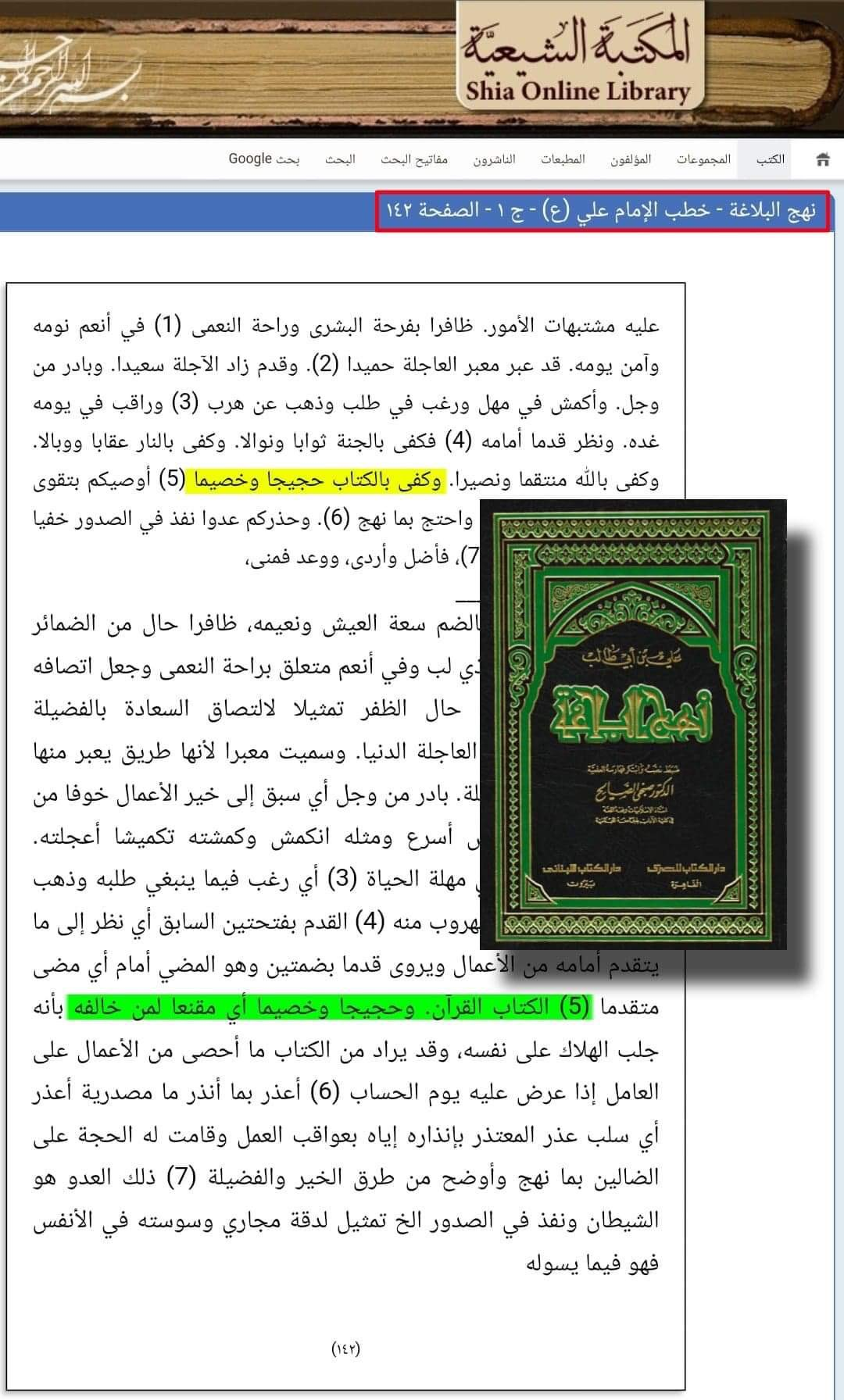
➣ Ali Ibn Abi Talib (رضي الله عنه) himself said in Nahj-ul-Balagha: “The Book (Quran) is enough of an evidence and argument.”
So did Imam Ali (رضي الله عنه) reject the Sunnah by saying that the Quran is enough as an argument and evidence?
❖ Lastly, we will address the argument that the Prophet ﷺ told the companions to leave his house. They will argue that this proves that they’re not believers because Allah عز وجل forbade the Prophets (عليهم السلام) from kicking out the believers👇
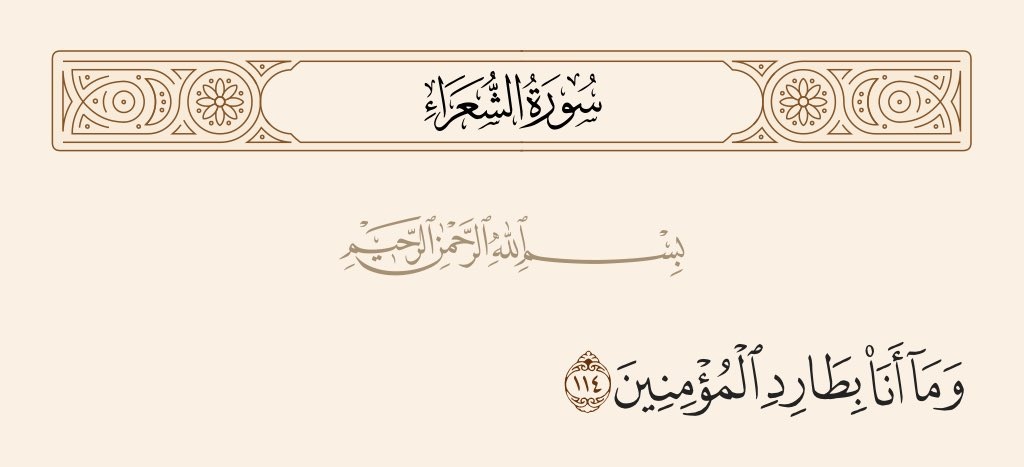
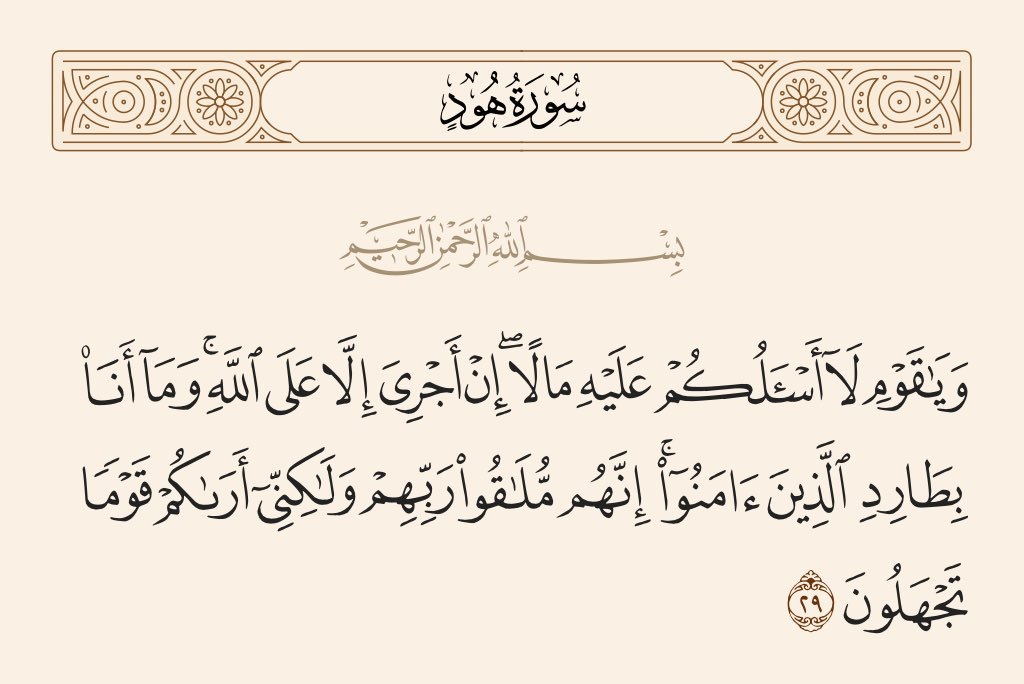
when He said in the following verse: “And I am not one to drive away those who have believed.”
However, these verses refer to Prophets when they were told by the non-Believers of their time to drive away the believers due to their low status (in worldly matters).
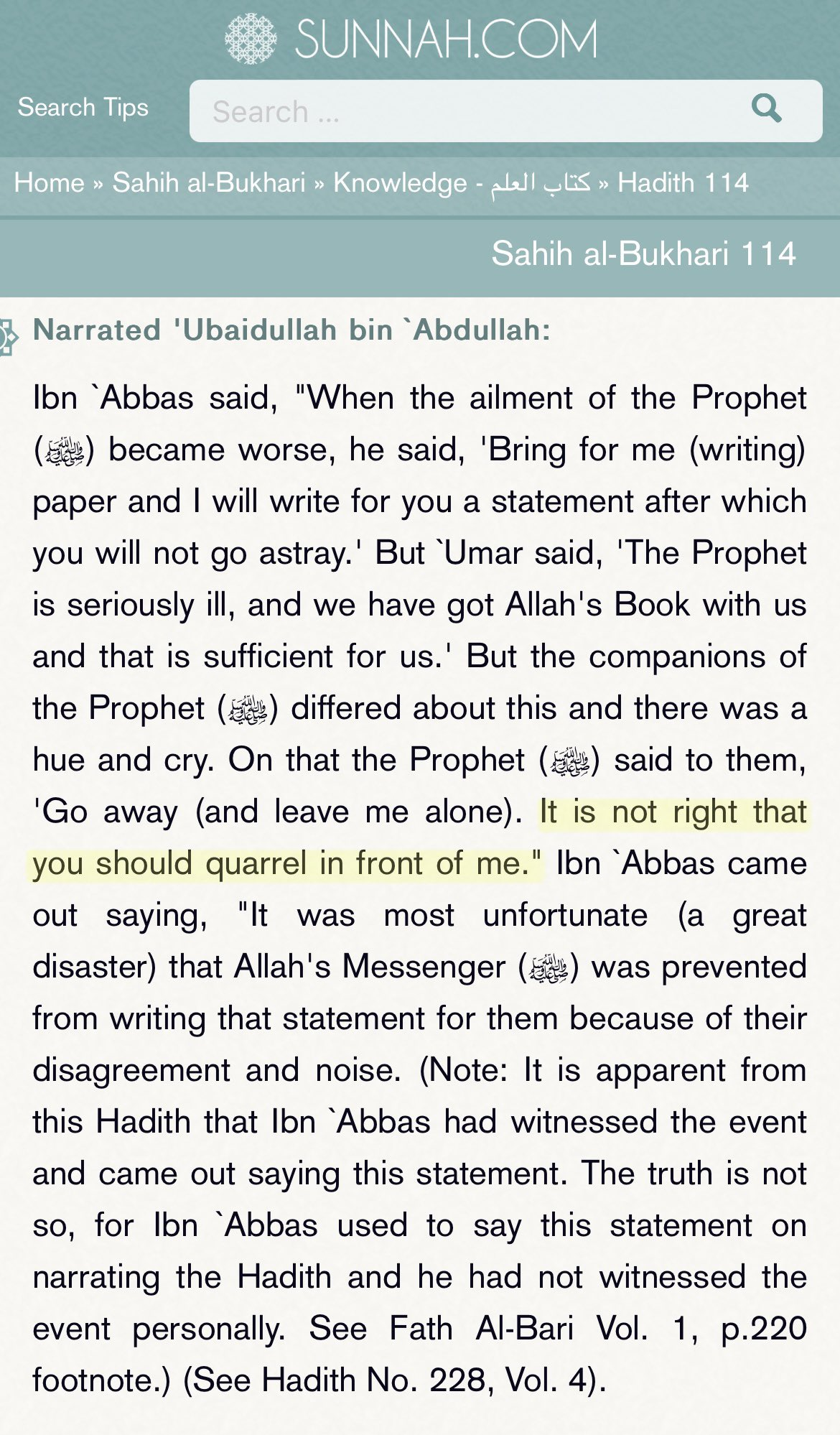
However, The Prophet ﷺ did not tell them to leave because they’re “hypocrites” as some claim. Rather, he did so as a form of discipline since they were arguing at his presence as mentioned in the hadith itself.
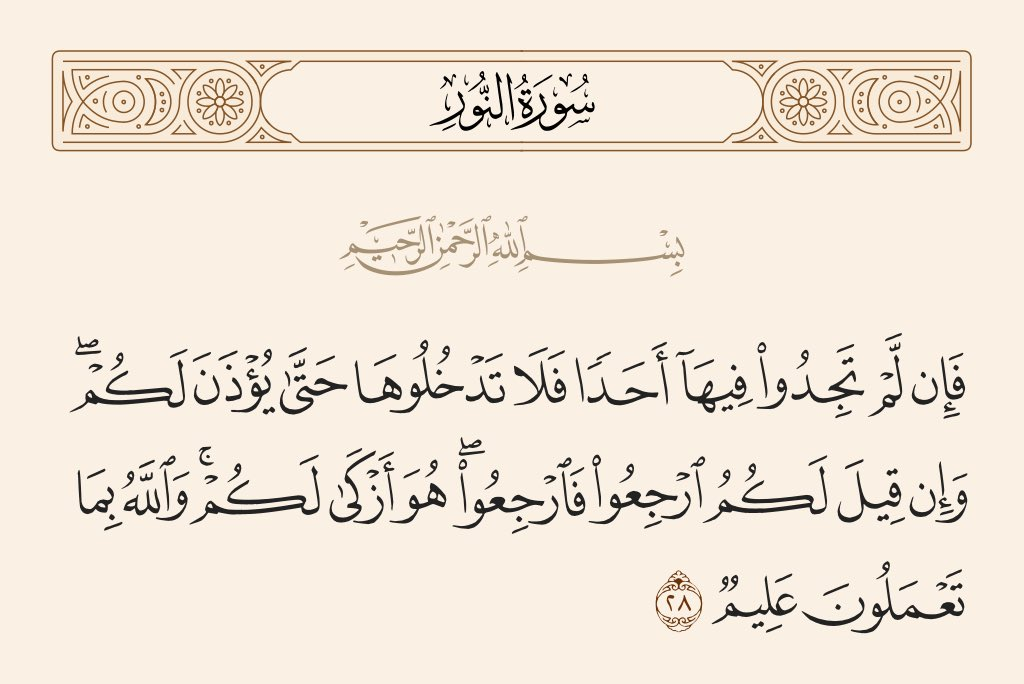
And this has been legitimized by the Quran itself when Allah عز وجل said: “And if it is said to you, “Go back,” then go back; it is purer for you.”
Also
One of the arguments they make is that ‘Umar, may Allah be pleased with him, prevented the Messenger of Allah ﷺ from writing his will in favor of ‘Ali b. Abi Talib, may Allah be pleased with him.
And the answer to this is simple. When ‘Umar b. el-Khattab said: “The Quran is sufficient for us”, this was in agreement with what the Messenger of Allah ﷺ had left in his will.
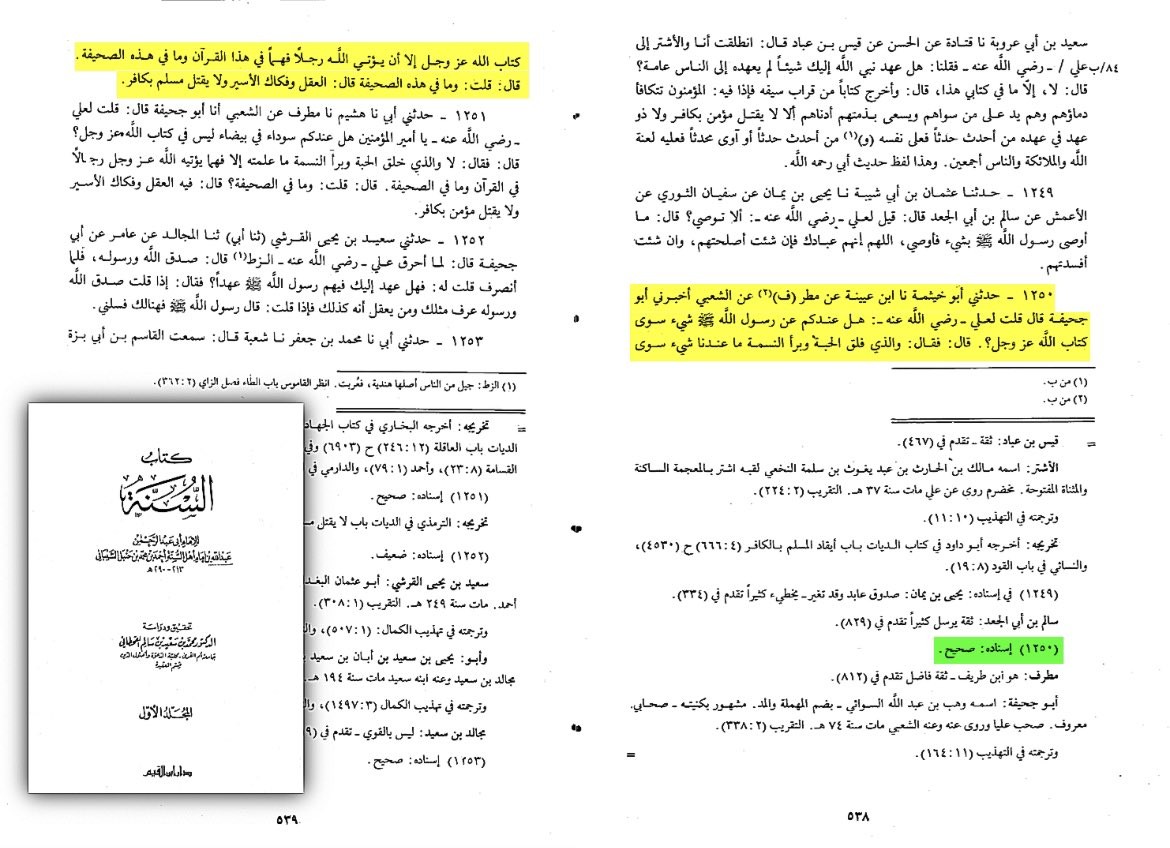
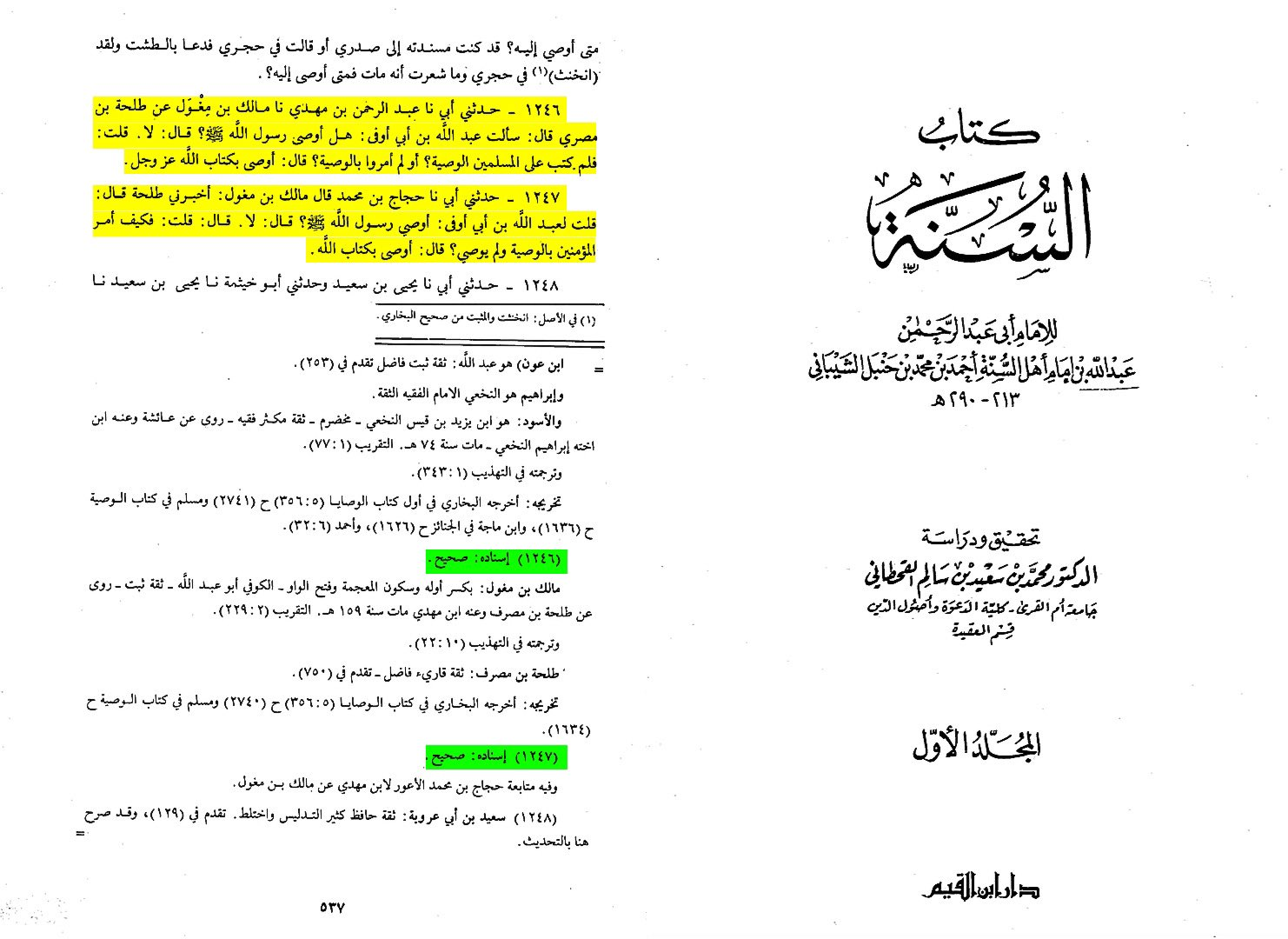
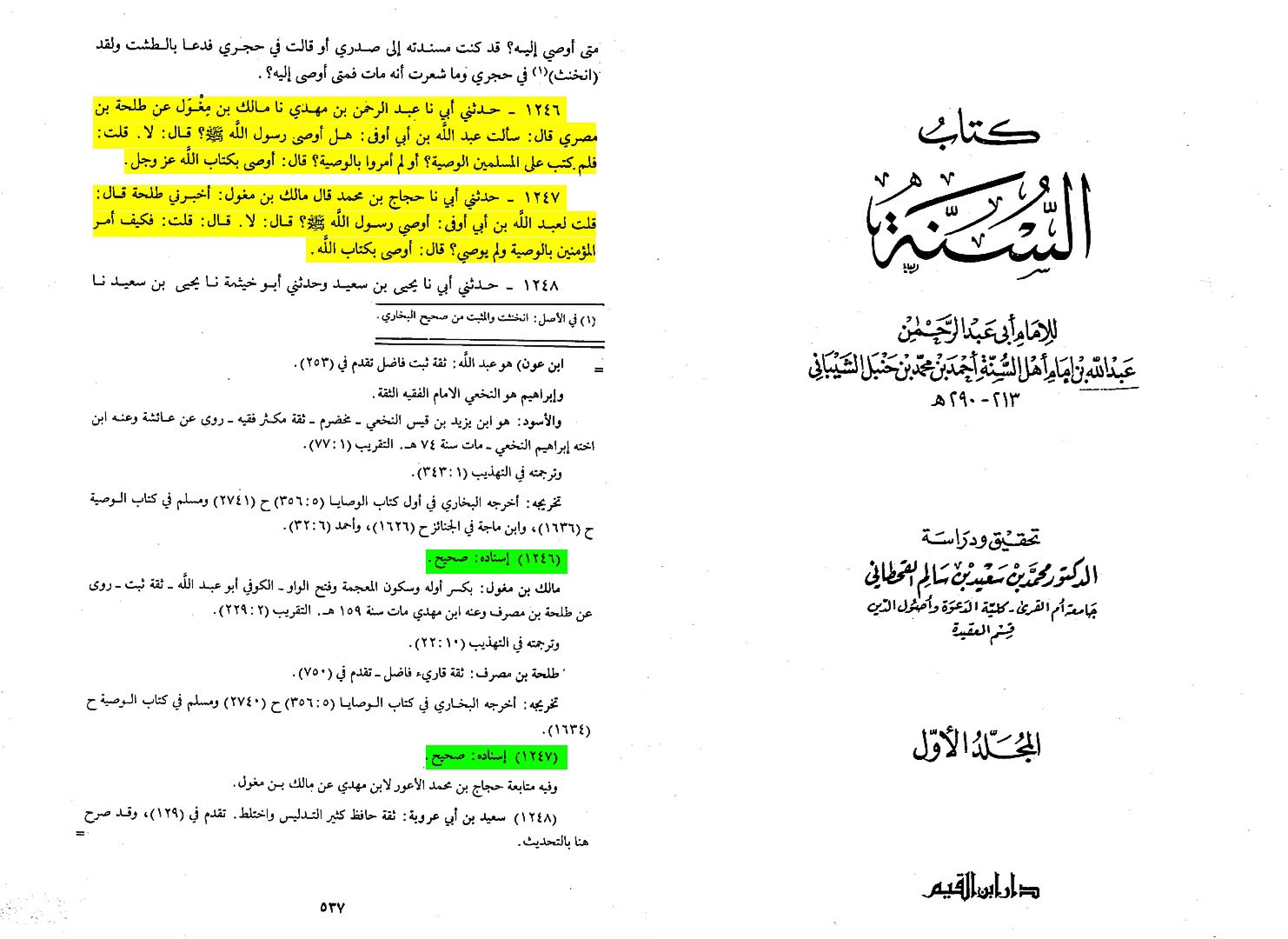
‘Abdullah b. Ahmad b. Hanbal narrated with his chain from Talha b. Musrif who asked ‘Abdullah b. Abi Awfa: “Did the Messenger of Allah ﷺ leave behind a will?”.
He (‘Abdullah) said: “No”.
So I (Talha) said: “Then why has it been prescribed upon the Muslims to leave behind a will?”.
He said: “He left the Book of Allah (the Quran) as his will”.
[Kitab a-Sunnah, by ‘Abdullah b. Ahmad, vol. 2, p. 537]
Imam ‘Abdullah b. Ahmad narrated this hadith with two different chains of transmission and they’re both authentic.
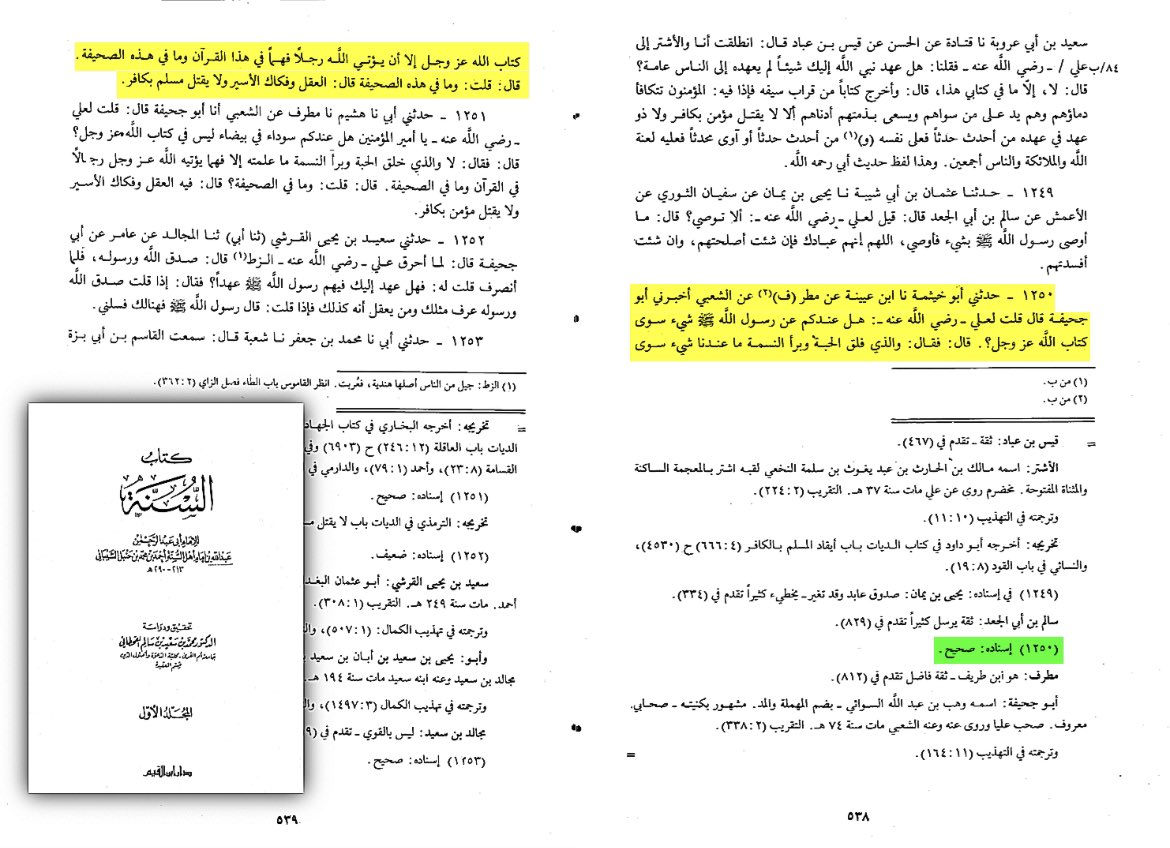
Then ‘Abdullah b. Ahmad narrated with his chain from Abu Juhayfah who said to ‘Ali, may Allah be pleased with him: “Do you have anything (as a will) from the Messenger of Allah ﷺ besides the Book of Allah?”.
He (‘Ali) said: “By Him Who split up the seed and created something living, we have nothing besides the Book of Allah, except that Allah would give a man the understanding of the Quran and of that which is in this scroll.”
Abu Juhayfah said: “And what’s in that scroll?”.
He said: “The intellect, the freeing of a prisoner, and that a Muslim shouldn’t be killed for murdering a non-believer.”
[Kitab a-Sunnah, by ‘Abdullah b. Ahmad, vol. 2, p. 538-539].
So according to these three authentic reports from ‘Ali b. Abi Talib and ‘Abdullah b. Abi Awfa, the Messenger of Allah ﷺ did not leave a will except for his will with regards to the Quran. And thus ‘Umar was not wrong when he said: “The Quran is sufficient for us”.
❖ 𝙎𝙚𝙘𝙤𝙣𝙙 𝘼𝙧𝙜𝙪𝙢𝙚𝙣𝙩:
They argue that the Prophet ﷺ kicked them out of his home and this indicates that they have disrespected him during his illness.
This was also debunked in my first thread about the Calamity of Thursday which I already tagged above.
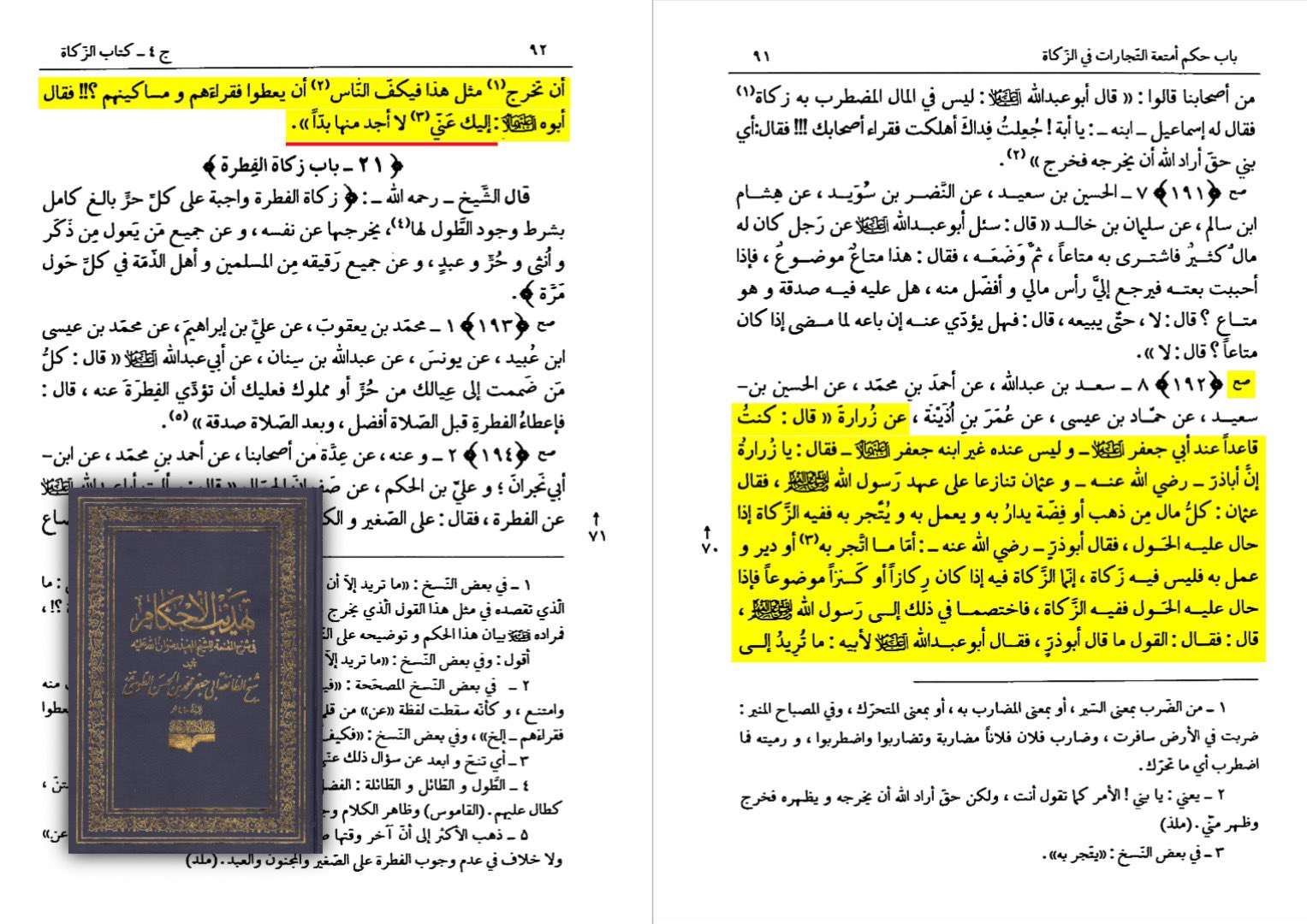
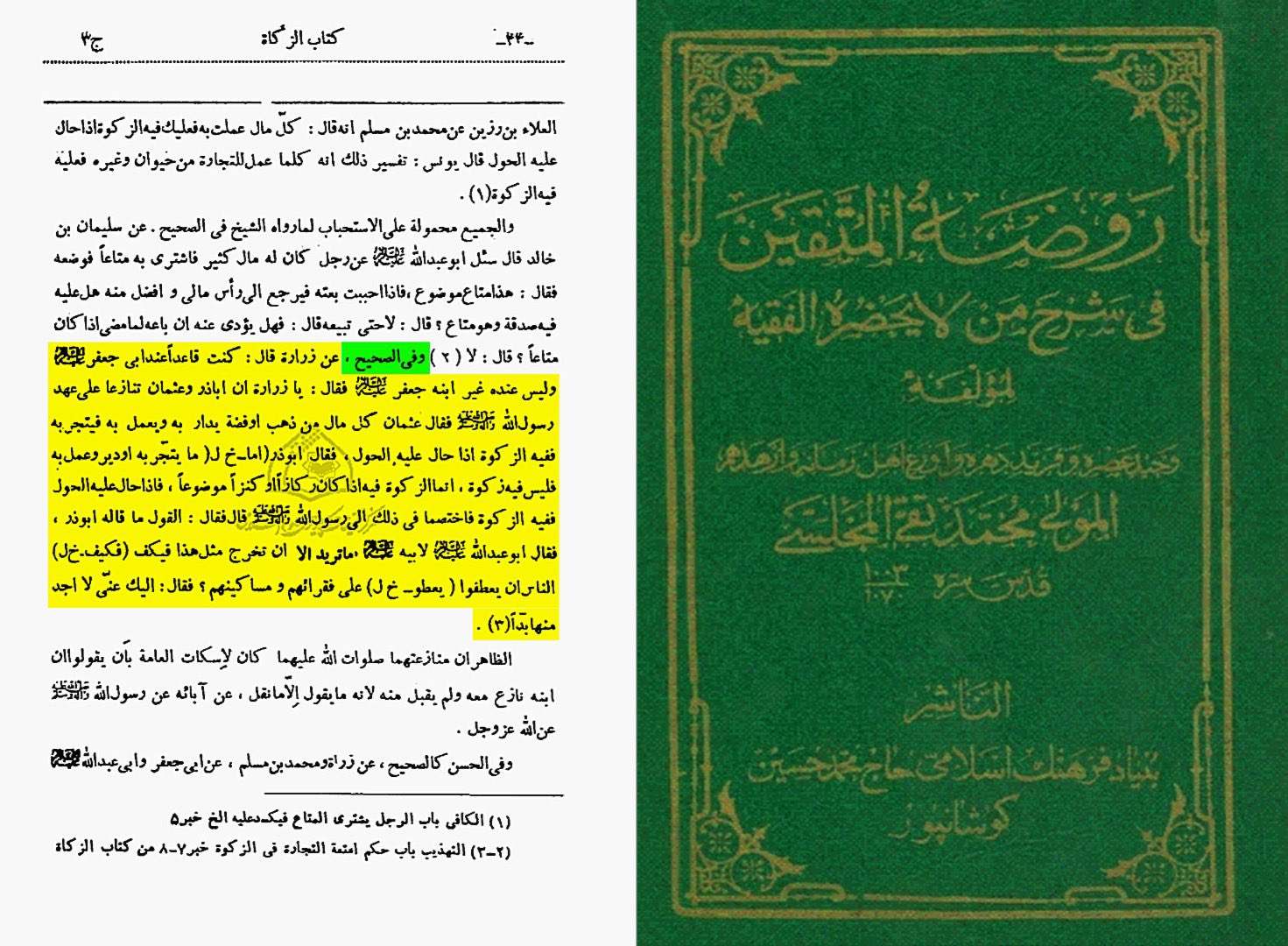
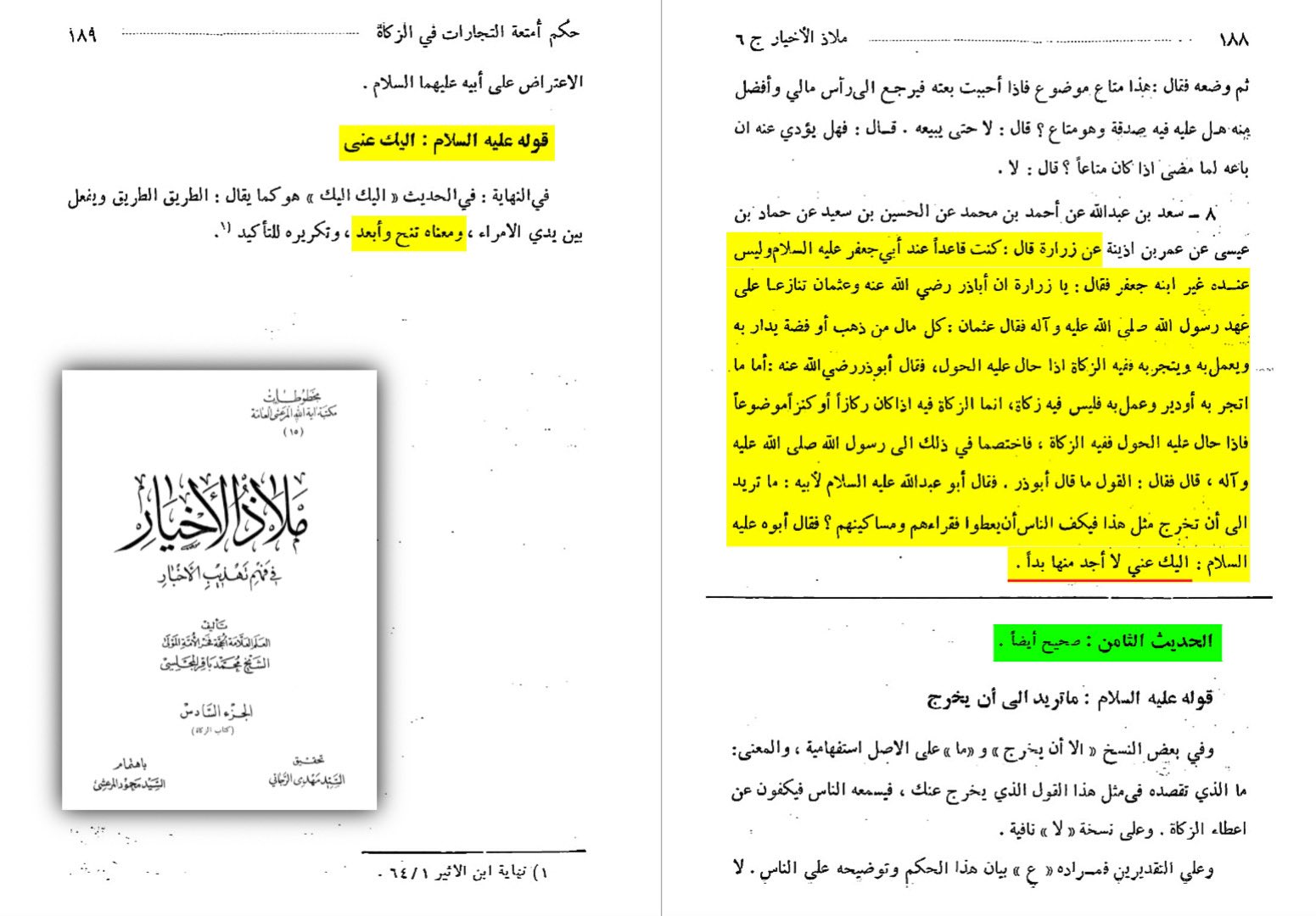
But another argument which wasn’t included was that which a-Tussi narrated with his chain from Zurara b. Ay’un who said: “I was sitting with Abu Ja’far (i.e. Muhammad b. ‘Ali) - peace be upon him - and there was nobody with him but his son Ja’far (a-Sadiq) - peace be upon him - thus he said: ‘O Zurara, verily, Abu Dhar - may Allah be in pleased with him - and ‘Uthman had an argument during the lifetime of the Messenger of Allah ﷺ. Hence, ‘Uthman said: “Every wealth, be it gold or silver, that is being passed around, being used, and being traded, in it is a zakat after a year had passed on it”. Thus, Abu Dhar - may Allah be pleased with him - said: “That which was used for trade, or passed around, or used, then there’s no zakat in it. Rather, zakat is in that which was buried or hoarded, if a year passes on it then in it is a zakat”. So they took their argument to the Messenger of Allah ﷺ and he said: “The correct speech is the speech of Abu Dhar”.’ Thus, Abu ‘Abdellah - peace be upon him - said to his father: “Since you do not want something like this to be taken out (as zakat), then how are people supposed to give to their poor and needy ones!?”. So his father - peace be upon him - said: “Get away from, I have no way around it”.”
[Tahzib al-Ahkam, by a-Tussi, vol. 4, p. 91-92].
The two Majlisies authenticated this report in Rawdat-ul-Mutaqin, vol. 3, p. 44 and in Maladh-ul-Akhyar, vol. 6, p. 188.
At the end of the hadith Muhammad b. ‘Ali said to his son Ja’far: “Get away from me!” the same way the Prophet ﷺ told the companions: “Get out, away from me!”. So whatever they say about the companions, they ought to say the same about Ja’far a-Sadiq.
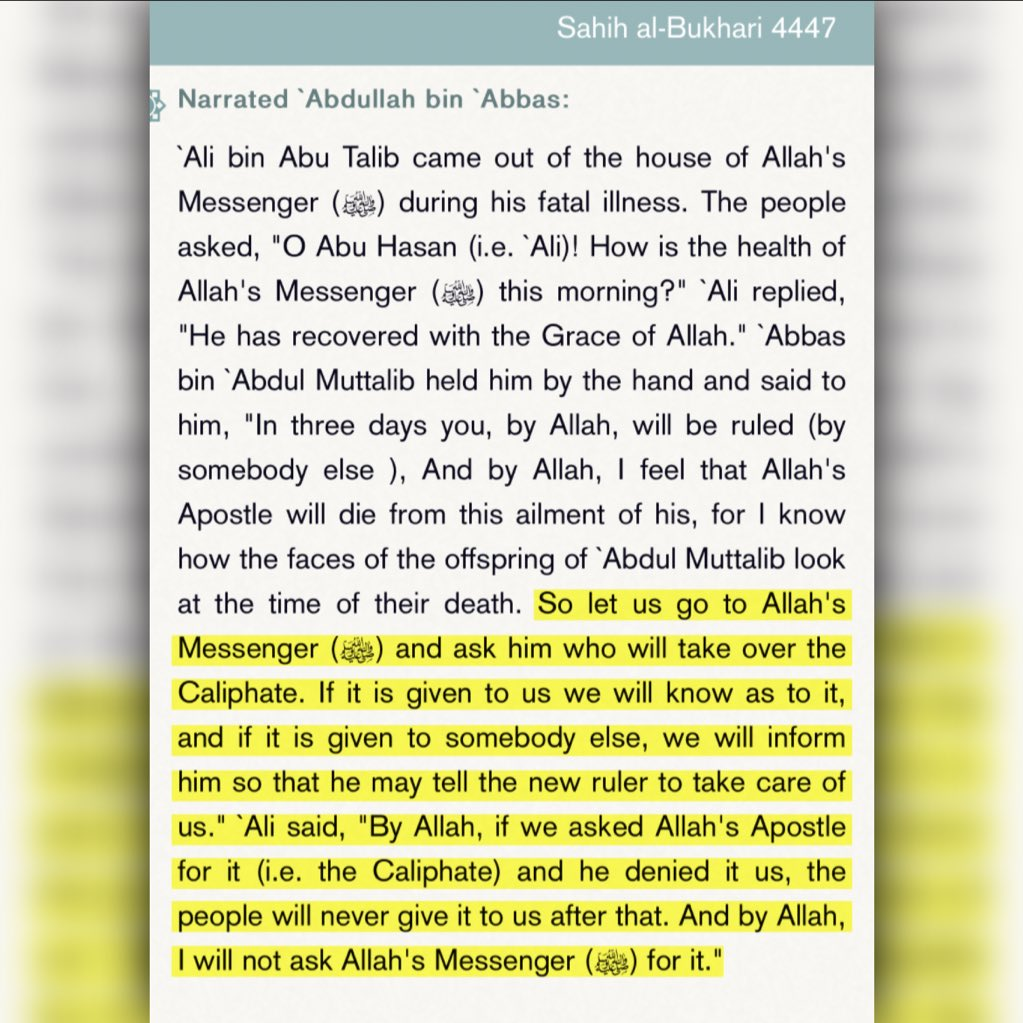
The Quran is a miracle from Allah ﷻ and it was the will of His Messenger ﷺ according to the authentic ahadith
If the Prophet ﷺ already made a will with regard to Ali in terms of becoming the successor and caliph, then would al-Abbas tell Ali to go ask the Messenger ﷺ about the matter? And why would Ali said: “By Allah, if we asked Allah’s Apostle for it (i.e. the Caliphate) and he denied it us, the people will never give it to us after that.”?