

Prophecy of Dhi al-Khalasa: Idol Worshipped Again in History
Muhammad ﷺ prophesied by name that the idol Dhi al-Khalasa would be worshipped again before the Hour — a prediction fulfilled centuries later when the Daws tribe revived its cult in the 1800s. This post presents the hadith evidence, the historical confirmation, and the scholarly documentation of this precise prophetic prediction.
The Hadith of Dhi al-Khalasa
The Prophet ﷺ identified a specific pre-Islamic idol and foretold its renewed worship as a sign of the approaching Hour.
“The Hour will not be established till the buttocks of the women of the tribe of Daus move while going round Dhi-al-Khalasa.” Dhi-al-Khalasa was the idol of the Daus tribe which they used to worship in the Pre Islamic Period of ignorance.
Grade: Sahih · Sahih al-Bukhari
Historical Fulfillment of the Prophecy
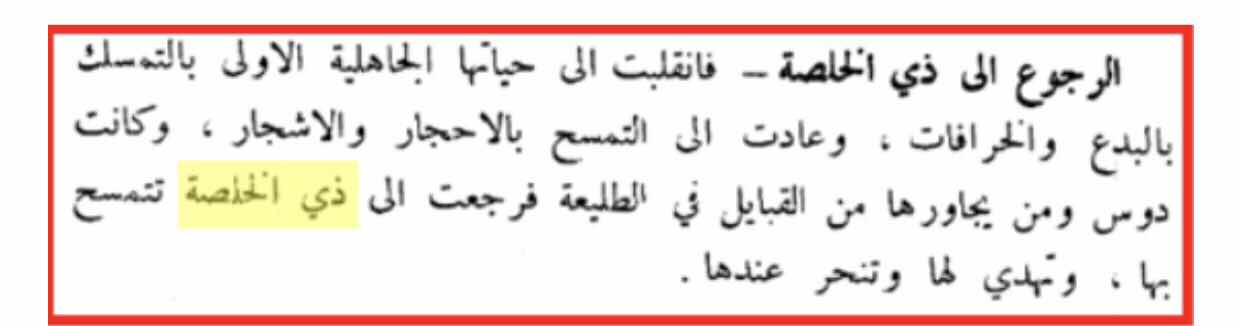
Around the 1800s, the Daws tribe and surrounding Bedouin groups revived the worship of Dhi al-Khalasa, dedicating offerings and sacrifices to it in direct fulfillment of the prophecy. During this period, many Muslims turned to Bid’aa (innovation in religion), superstitions, and the veneration of stones and trees. The Daws tribe along with the surrounding tribes began dedicating offerings to Dhi al-Khalasa and sacrificing to it.
When King Abdulaziz ibn Saud took control of the Hijaz area, he sent military campaigns to subdue tribes and bring them under his control. A campaign was sent to the mountains of Daws in 1925.
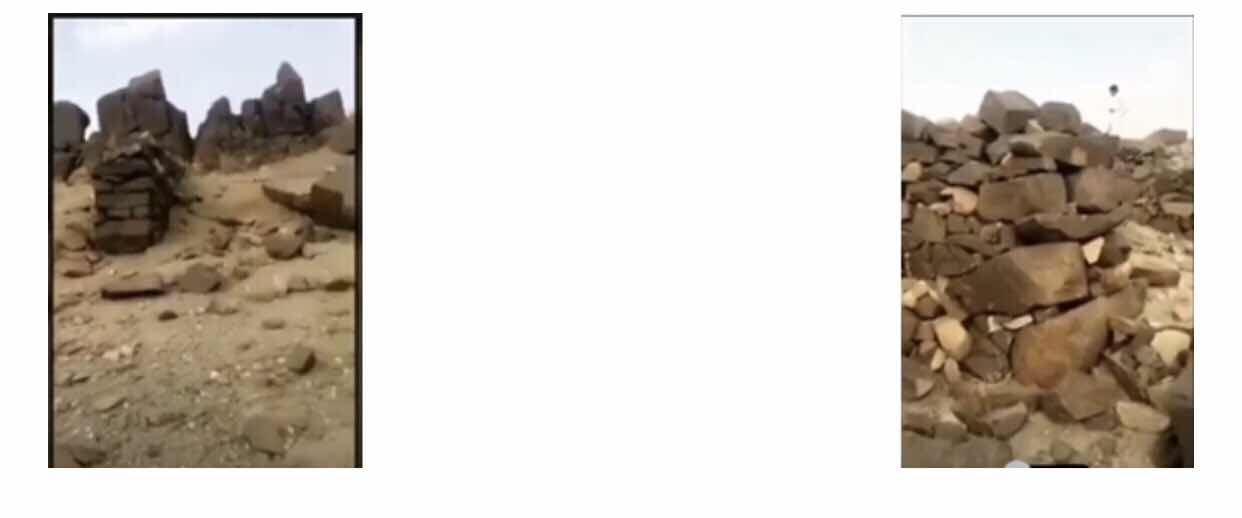
The soldiers found the pillars of Dhi al-Khalasa still standing, as well as a tree they venerated called Al-Ablaa. They burned the tree and destroyed the building of Dhi al-Khalasa and threw the remains in a valley.
The remains of the idol were photographed before its final demolition:
The Saudi military campaign of 1925 documented the site and its standing structure:
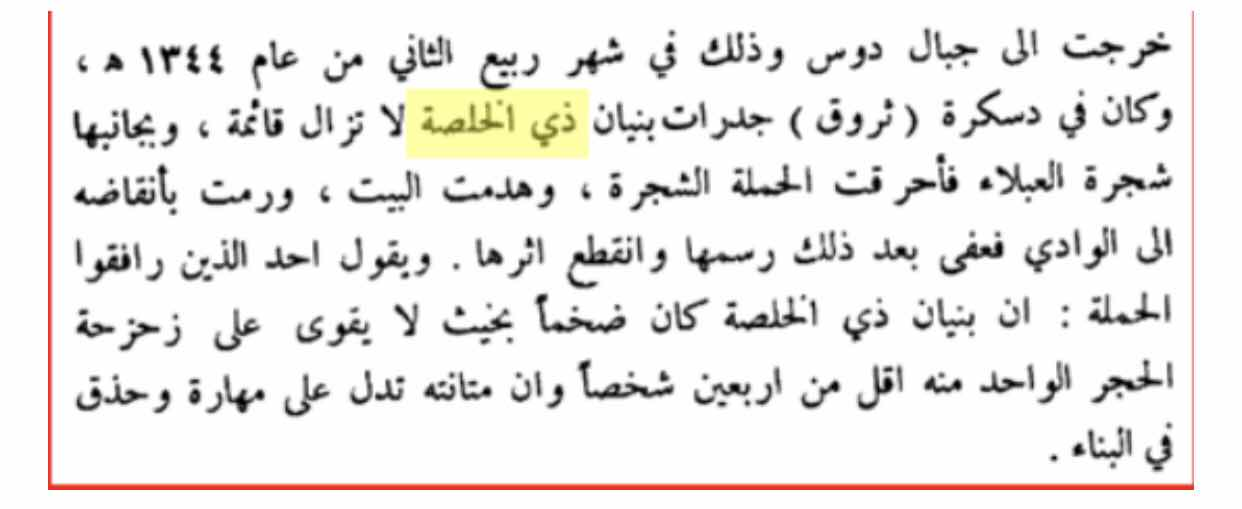
The destroyed remains of the idol’s building and the venerated tree Al-Ablaa were cast into a valley:
Why This Cannot Be Self-Fulfilling
Muhammad ﷺ named both the idol and the tribe, and what he said happened exactly as he said it would — a specificity that rules out fabrication or lucky guess. People may say that this is self-fulfilling. How?
The worshippers were an isolated Bedouin tribe unlikely to know the hadith, and even if they had known it, knowingly committing shirk contradicts basic Islamic belief.
Scholarly Confirmation
The historical revival and final destruction of Dhi al-Khalasa is documented by non-Muslim scholars as well. Professor Kamal Salibi, a historian of Arabia, records the full trajectory of the cult:
This admission from a non-Muslim historian confirms the entire arc: the idol’s pre-Islamic prominence, its initial destruction by the Prophet’s companions, its subsequent resurrection in later centuries, and its final military suppression.
Conclusion
Muhammad ﷺ mentioned an idol by name as well as a location. What he said happened exactly like he said it would. Why would he risk his prophethood and say such a statement if he was not who he says he was? The revival of Dhi al-Khalasa worship by the Daws tribe centuries after his death, exactly as he named it, stands as precise historical confirmation of his prophetic knowledge of the unseen.