Quran 16:68–69 — Honey Emerges from the Bellies of Bees: The Scientific Confirmation of the Honey Stomach
The Quran states that honey emerges from the bellies of bees. Modern science confirms that honey is formed and processed inside the bee’s body — specifically in the honey stomach — before being transferred through the mouth to the hive. The origin is the belly; the exit point is the mouth. The Quran described the origin correctly.
The Verses — Surah An-Nahl 16:66–69
﴿وَمِن ثَمَرَاتِ النَّخِيلِ وَالْأَعْنَابِ تَتَّخِذُونَ مِنْهُ سَكَرًا وَرِزْقًا حَسَنًا ۗ إِنَّ فِي ذَٰلِكَ لَآيَةً لِّقَوْمٍ يَعْقِلُونَ﴾
﴿وَأَوْحَىٰ رَبُّكَ إِلَى النَّحْلِ أَنِ اتَّخِذِي مِنَ الْجِبَالِ بُيُوتًا وَمِنَ الشَّجَرِ وَمِمَّا يَعْرِشُونَ﴾
﴿ثُمَّ كُلِي مِن كُلِّ الثَّمَرَاتِ فَاسْلُكِي سُبُلَ رَبِّكِ ذُلُلًا ۚ يَخْرُجُ مِن بُطُونِهَا شَرَابٌ مُّخْتَلِفٌ أَلْوَانُهُ فِيهِ شِفَاءٌ لِّلنَّاسِ ۗ إِنَّ فِي ذَٰلِكَ لَآيَةً لِّقَوْمٍ يَتَفَكَّرُونَ﴾
“And indeed, for you in the livestock is a lesson. We give you drink from what is in their bellies — between excrement and blood — pure milk, palatable to drinkers. And from the fruits of the palm trees and grapevines you take intoxicant and good provision. Indeed in that is a sign for a people who reason. And your Lord inspired the bee, saying: Take for yourself houses in the mountains and in the trees and in what they construct. Then eat from all the fruits and follow the ways of your Lord made easy for you. There emerges from their bellies a drink of varying colors wherein is healing for people. Indeed in that is a sign for a people who give thought.” (An-Nahl: 66–69)
The Objection — Does Honey Come from the Bee’s Mouth, Not Its Belly?
The apparent difficulty is this: honey is deposited into the hive through the bee’s mouth, not through any other opening of its body. How, then, can the Quran say “there emerges from their bellies a drink”?
The answer requires understanding the difference between where something is formed and where it exits.
Consider the first verse in the same passage: milk comes from “the bellies” of livestock — “between excrement and blood.” Does milk exit through the stomach? No — it exits through the udder or breast. But its formation occurs within the body, between the digestive system and the bloodstream. The Quran describes the origin, not the exit point.
The same principle applies to the human fetus. The Quran says:
“And Allah brought you forth from the wombs of your mothers.” (An-Nahl: 78)
The child is formed in the womb — the belly — but exits through the birth canal. The Quran describes the origin of formation, not the anatomical exit point.
For bees: honey is formed and processed in the honey stomach — located in the abdomen — then transferred through the mouth. The origin is the belly. The exit is the mouth. The Quran says “there emerges from their bellies” — describing the origin correctly.
The Honey Stomach — Scientific Evidence That Honey Originates in the Bee’s Abdomen
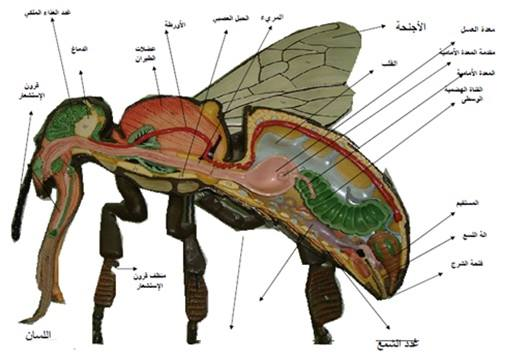
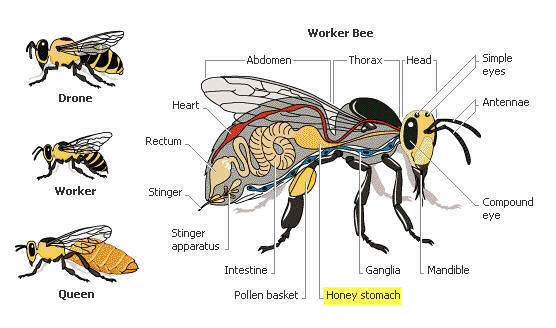
The bee’s body is divided into three parts: head, thorax, and abdomen. Within the abdomen is a specialized organ called the honey stomach (also called the honey crop or honey sac) — a separate stomach distinct from the bee’s digestive stomach, specifically designed to store and process the nectar the bee collects.
The following image is from a bee anatomy diagram showing the location of the honey stomach within the bee’s abdomen.
The cornwallhoney.co.uk Beepedia describes the process:
The nectar enters the honey stomach located in the bee’s abdomen. It mixes with enzymes there. The product is then transferred through the mouth to the hive. The honey is formed in the belly — the abdomen — before it ever reaches the mouth.
The Arabic source on bee anatomy confirms the same anatomy: “The honey sac or honey crop is an additional stomach in which the bee stores the nectar that it sucks from flowers with its tongue… and after the components were formed and completed, it comes out of the mouth.”
The Hypopharyngeal Glands — The Role of Enzymes in Honey Formation
The transformation of nectar into honey does not occur passively. It requires the action of the hypopharyngeal glands — glands located in the bee’s head — which produce the enzyme invertase that converts sucrose into monosaccharides (glucose and fructose), the sugars that constitute honey.
The hypopharyngeal glands consist of a central duct with small globules. The enzyme is secreted from each globule, moves to the central duct, and then to the mouth. The glands are highly developed in house bees, where they secrete protein-rich substances as a component of royal jelly and produce the enzyme invertase that transforms the nectar chemically.
This enzymatic transformation begins while the nectar is in the honey stomach and continues as the partially processed nectar is passed from bee to bee. The honey is therefore not merely stored in the bee’s body — it is chemically manufactured there, in a process that combines the honey stomach, the enzymes of the hypopharyngeal glands, and the repeated regurgitation and re-ingestion between bees in the hive.
LiveScience Confirmation — The Modern Scientific Account
The following image is a screenshot from the LiveScience article on how bees make honey, confirming the honey stomach and the formation process.
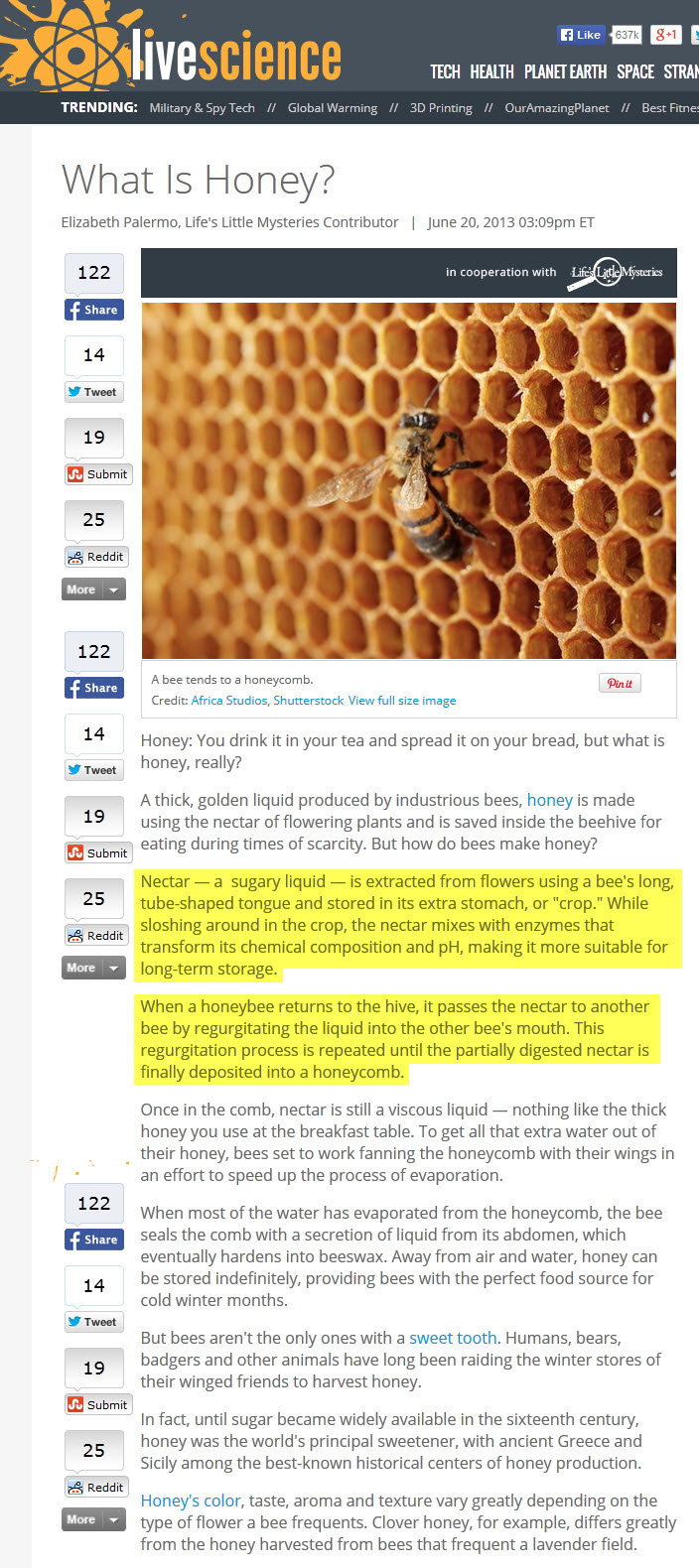
LiveScience describes the complete process:
The following two images present additional documentation of the honey production process from the bee’s internal anatomy.
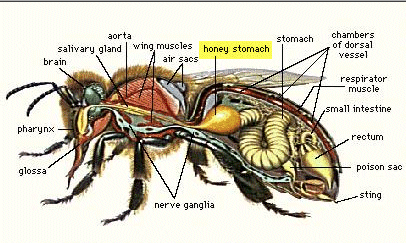
The transformation of nectar to honey is entirely internal — it occurs within the bee’s body before any product reaches the hive.
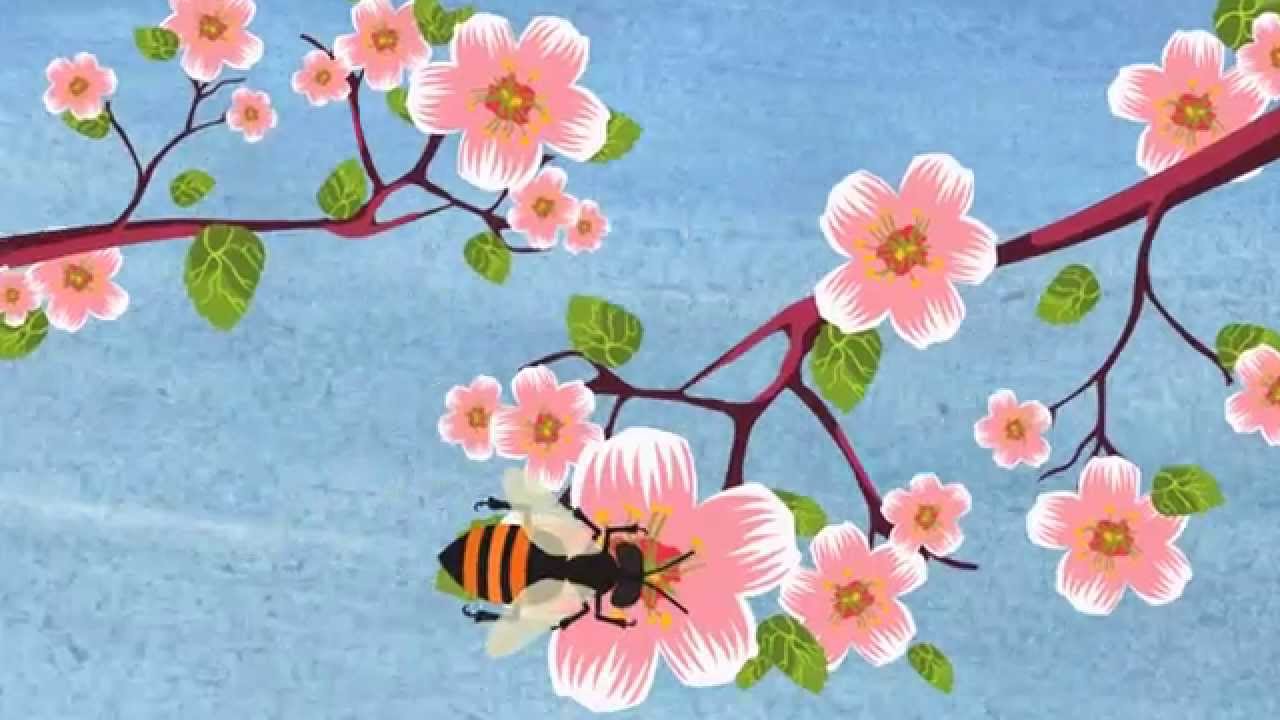
The following image is a thumbnail from a video explaining how the Quran’s statement about honey emerging from the bellies of bees is confirmed by modern bee anatomy research.