Secularism Is a Religion
🔥 (4)
Is Secularism a Religion? 🧠🪫
The argument that secularism functions as a religion — though not in the traditional theological sense — rests on definitions of religion that emphasize belief systems, values, and behavioral frameworks rather than divine accountability or metaphysical doctrines. This perspective is supported by philosophical, historical, and legal analyses.
Defining Religion: Beyond Theology 📚
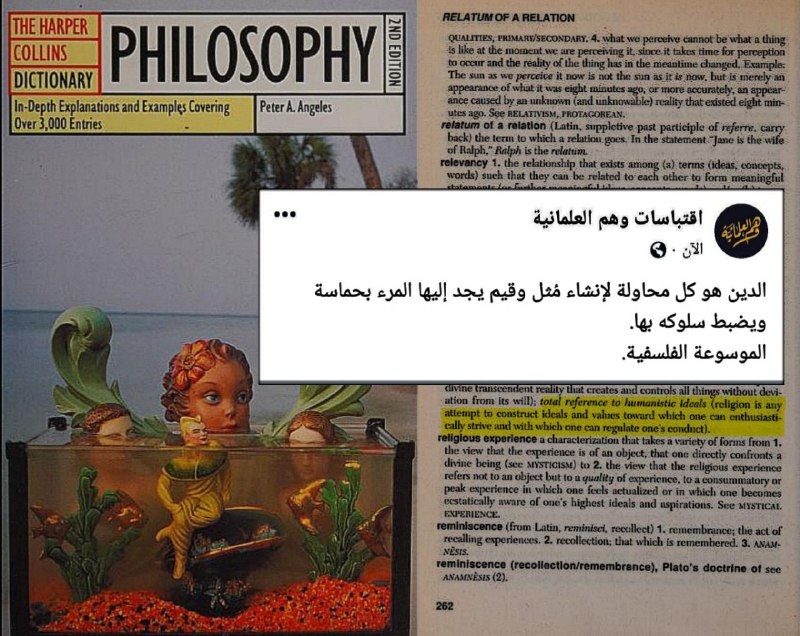
Philosophical Encyclopedia :
“Any attempt to establish ideals and values which a person finds with zeal and by which he regulates his behavior.”
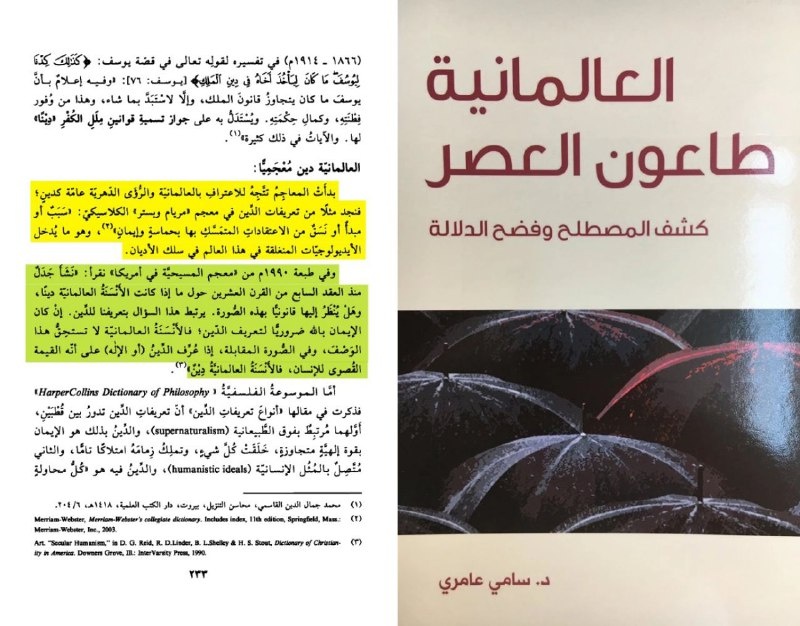
Merriam-Webster Dictionary (1990) :
“A reason, principle, or system of beliefs held with zeal and faith.”
Dictionary of Christianity in America (1990) :
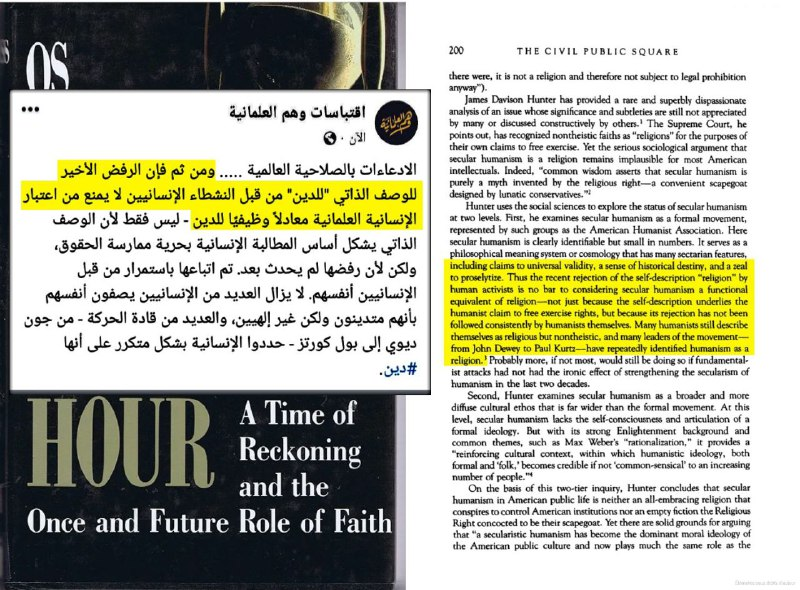
A debate on whether secular humanism qualifies as a religion legally and philosophically.
These definitions focus on ideological commitment and behavioral regulation , not theological content. By this standard, secularism qualifies as a religion if it imposes a comprehensive worldview that governs life and ethics.
Secularism as a “Religion” in Practice 🧪
- Secular Humanism as a Worldview
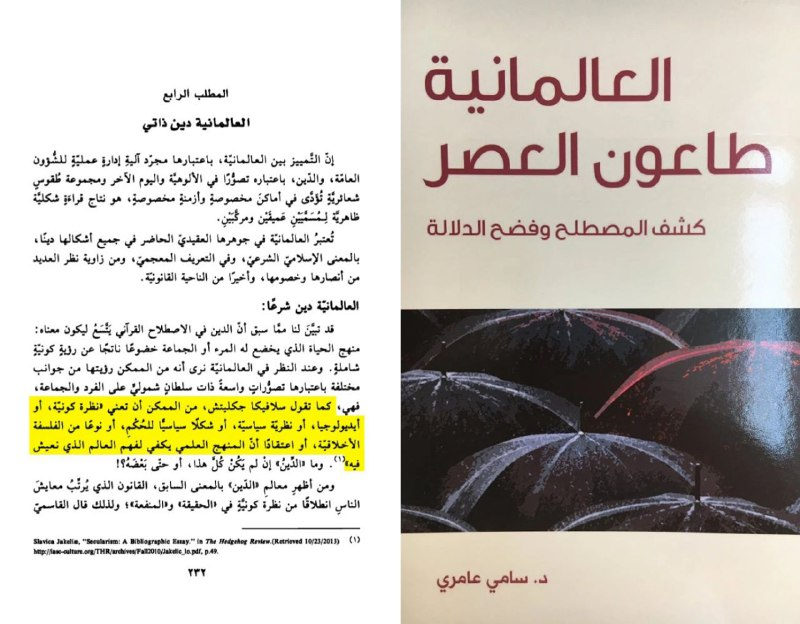
Slavica Jeklić describes secularism as:
“A worldview, an ideology, a political theory, a moral philosophy, or a belief that the scientific method is sufficient to understand the world.”
This aligns with the definition of religion as a system of beliefs regulating behavior .
- Historical Precedents
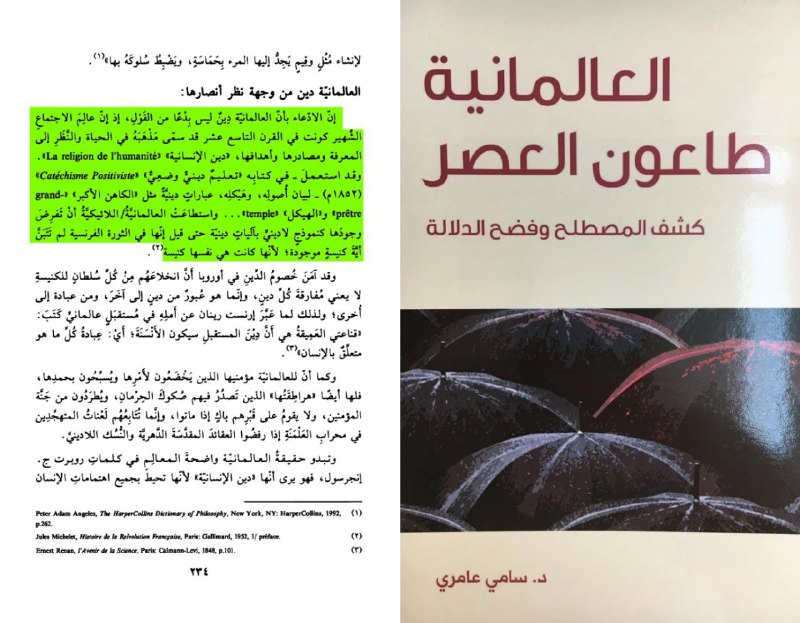
Auguste Comte’s “Religion of Humanity” :
In his Catechisme Positiviste (1852), Comte framed his positivist philosophy as a religion, complete with rituals, temples, and a “high priest.” He argued that secular systems could replicate religious structures without divine elements.
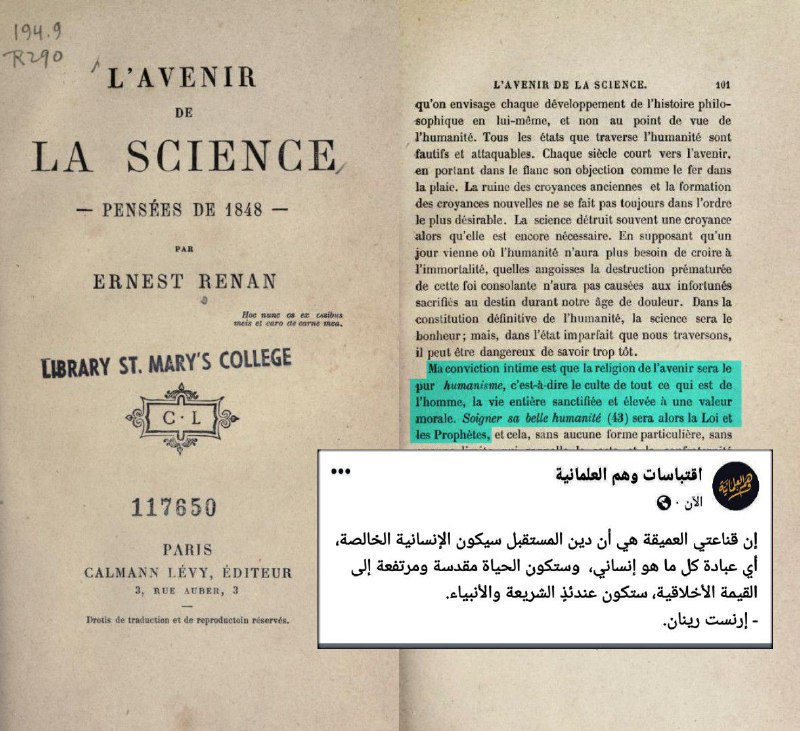
Ernest Renan :
“The religion of the future will be pure humanism… Life will be sacred and elevated to moral worth.”
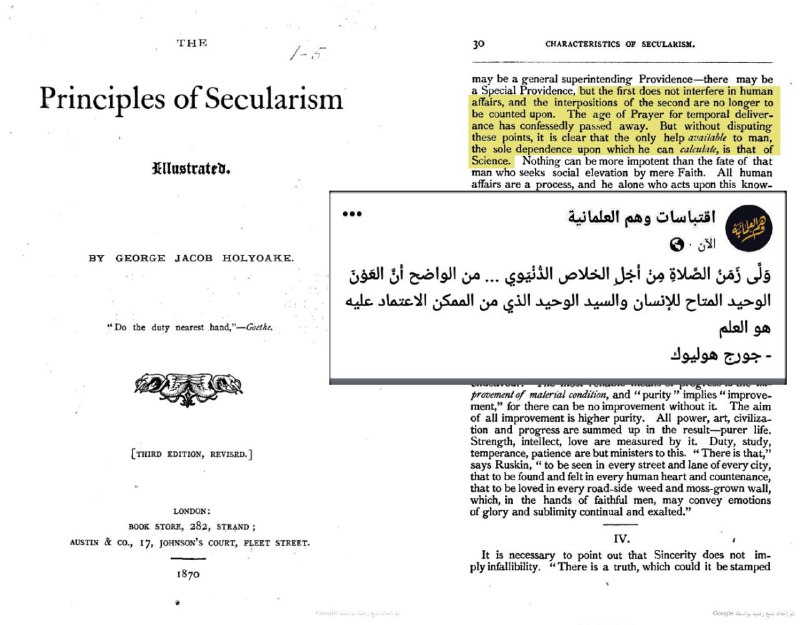
George Holyoake :
The term “secularism” was coined by Holyoake, who argued:
“The time for prayer for earthly salvation is over… The only master is science.” - Legal Recognition
In 1961 , the U.S. Supreme Court noted in a footnote that secular humanism could be classified as a non-theistic religion . This was reaffirmed in cases in 1963 and 1965 , acknowledging its functional equivalence to organized religion in shaping societal norms.
Secularism’s Religious Mechanisms 🛑
-
Dogmatism and Authority
Jean-Jacques Rousseau described civil religion as a system requiring adherence to state-determined beliefs:
“Whoever rejects [these beliefs]… must be removed from the state, not as an atheist, but as an apostate.”
This mirrors religious intolerance, enforcing conformity through social or legal punishment. -
Sacred Values Without Divine Foundations
Luc Ferry (French Minister of National Education):
“Without religious sanctification, there is no difference between us and animals… Secularism is closer to religion than to abstract atheism.”
Secularism upholds concepts like “human dignity” and “moral law” as sacred, even without theological grounding. -
Ceremonial and Institutional Parallels
Robert G. Ingersoll :
“It seeks happiness this side of the grave… a religion without priests, ceremonies, or superstitions.”
Secular institutions (e.g., education, science) often function like religious hierarchies, with scientists as “high priests” (per John Seiler Brubaker).
Contradictions and Criticisms 🤯
-
Self-Refuting Dogmatism
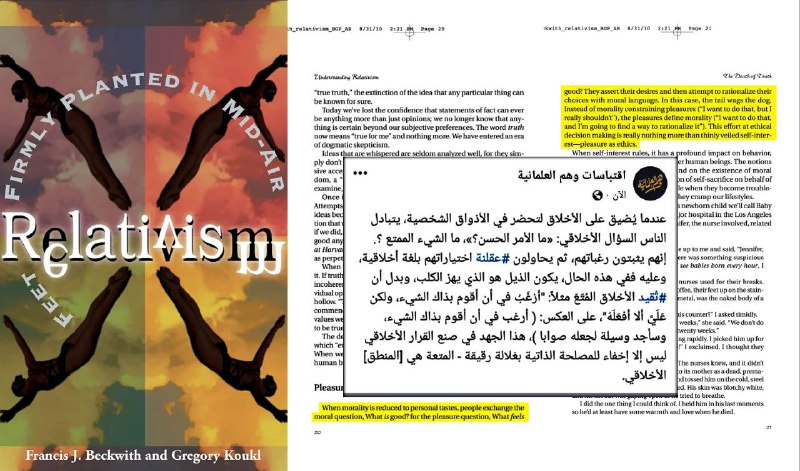
Secularism claims scientific objectivity but often exhibits dogmatic rigidity , rejecting alternative views as “backward” or “reactionary.” This mirrors the zealotry it criticizes in traditional religions. -
Moral Absolutism Without Transcendence
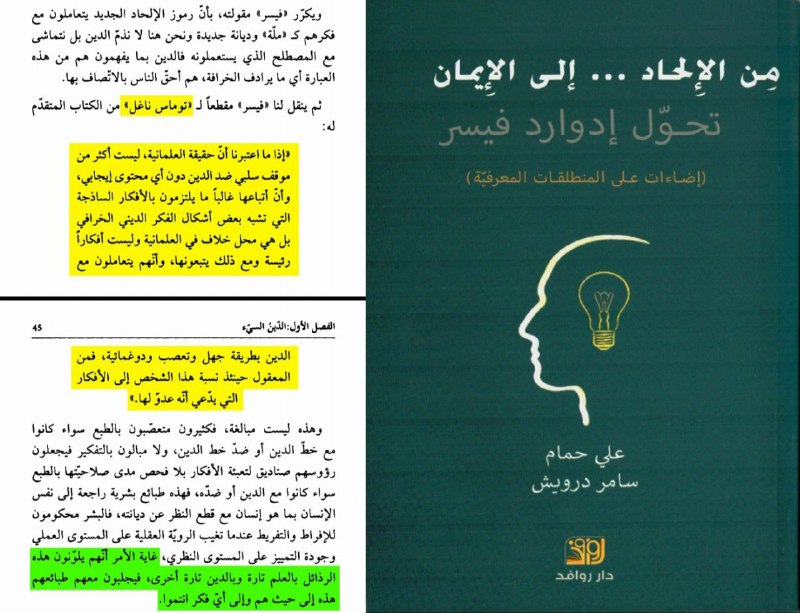
Secularists uphold moral concepts like “good” and “evil” despite rejecting their metaphysical basis. As Thomas Nagel notes:
“Secularism often resembles superstitious thought, adhering to naive ideas while claiming rationality.”
- The Worship of Humanity
Rousseau and Renan framed secularism as a quasi-religious devotion to humanity :
“O conscience! You are the divine instinct… the infallible judge of good and evil.”
This elevates human reason and morality to a quasi-divine status, echoing theological absolutism.
Conclusion: Secularism as a Functional Religion 🏛️
Secularism meets the criteria of a religion under broad definitions:
It establishes ideals and values (e.g., human dignity, scientific rationalism).
It regulates behavior through ethical codes (e.g., human rights, environmentalism).
It exhibits dogmatism, institutional authority, and moral absolutism .
However, it diverges from traditional religion by rejecting metaphysical claims (e.g., God, afterlife). Yet, its functional role in society — shaping law, education, and ethics — mirrors religious influence.
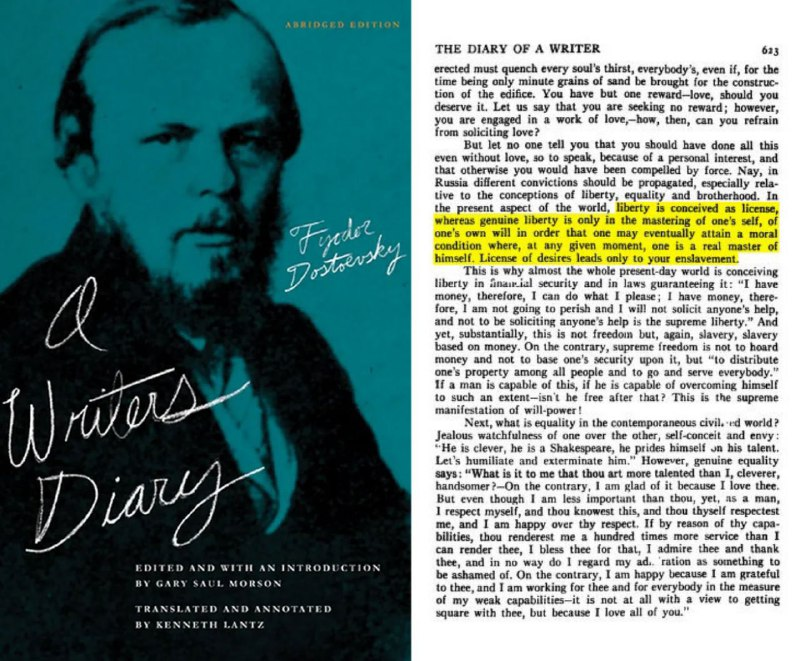
As Dostoevsky warned:
“Freedom without self-overcoming leads to slavery… True freedom lies in mastering the self, not surrendering to desire.”
Thus, secularism operates as a religion of humanity , substituting transcendence with immanence — and demanding the same zeal once reserved for the divine.
📎 References
Philosophical Encyclopedia
Merriam-Webster Dictionary (1990)
Dictionary of Christianity in America (1990)
Comte, Catechisme Positiviste (1852)
Ernest Renan
George Holyoake
Jean-Jacques Rousseau
U.S. Supreme Court rulings (1961, 1963, 1965)
Thomas Nagel
Luc Ferry
Fyodor Dostoevsky