Surah al-Rum Prophecy Refuted? Answering the Badr Hadith and “Ghalabat” Reading Doubt
Refuting the Doubt over Surah al-Rum, Badr, and the Reading “Ghalabat”
The article gathers the three provided arguments: the hadith-chain response, the Tirmidhi/Tuhfat al-Ahwazi response, and the broader argument against the claim that differing interpretations destroy the prophecy.
Table of Contents
- The Objection
- The Answer Is Twofold
- First Response — The Narration of Abu Sa’id al-Khudri Is Weak
- Second Response — The Correct Narration Is from Ibn Abbas
- Third Response — The Reading “Ghalabat” Is Not Authentic
- The Doubt of Differing Opinions
- The Sword of the Word
- Interpretation Has Two Possible Meanings
- Historical Support for the Prophecy
- Academic Historical Support
- From the Words of Al-Qurtubi
- Final Refutation
- Five Objections and Their Responses
- Is the Roman Victory Over the Persians on the Day of Badr Authentic?
- Is it True that the Romans Defeated the Persians at Hudaybiyyah?
- Summary Timeline
- Manuscript Evidence and Chronological Proof
The Objection
Another argument is that the verse has several interpretations, and these interpretations are contradictory. Therefore, it cannot be definitively considered a prophecy of the future, as Muslims claim.
The Answer Is Twofold
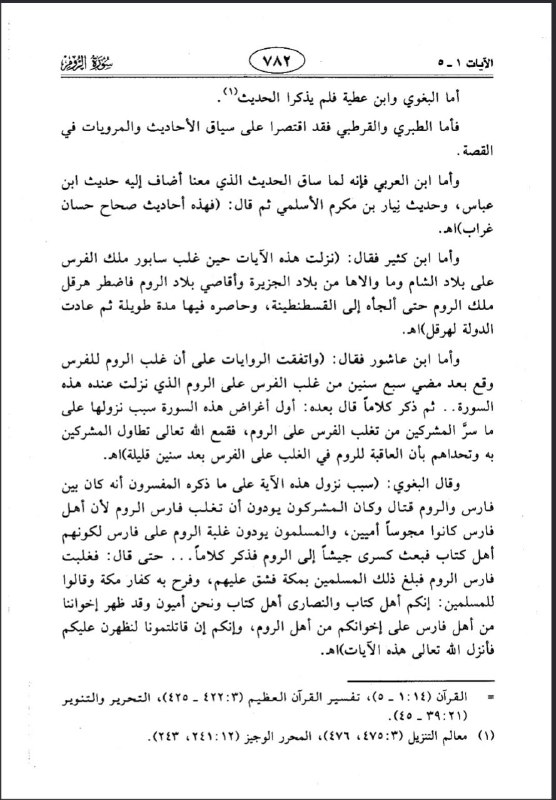
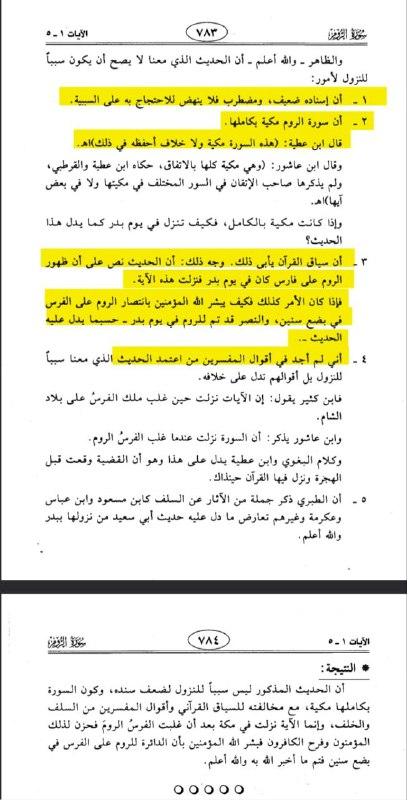
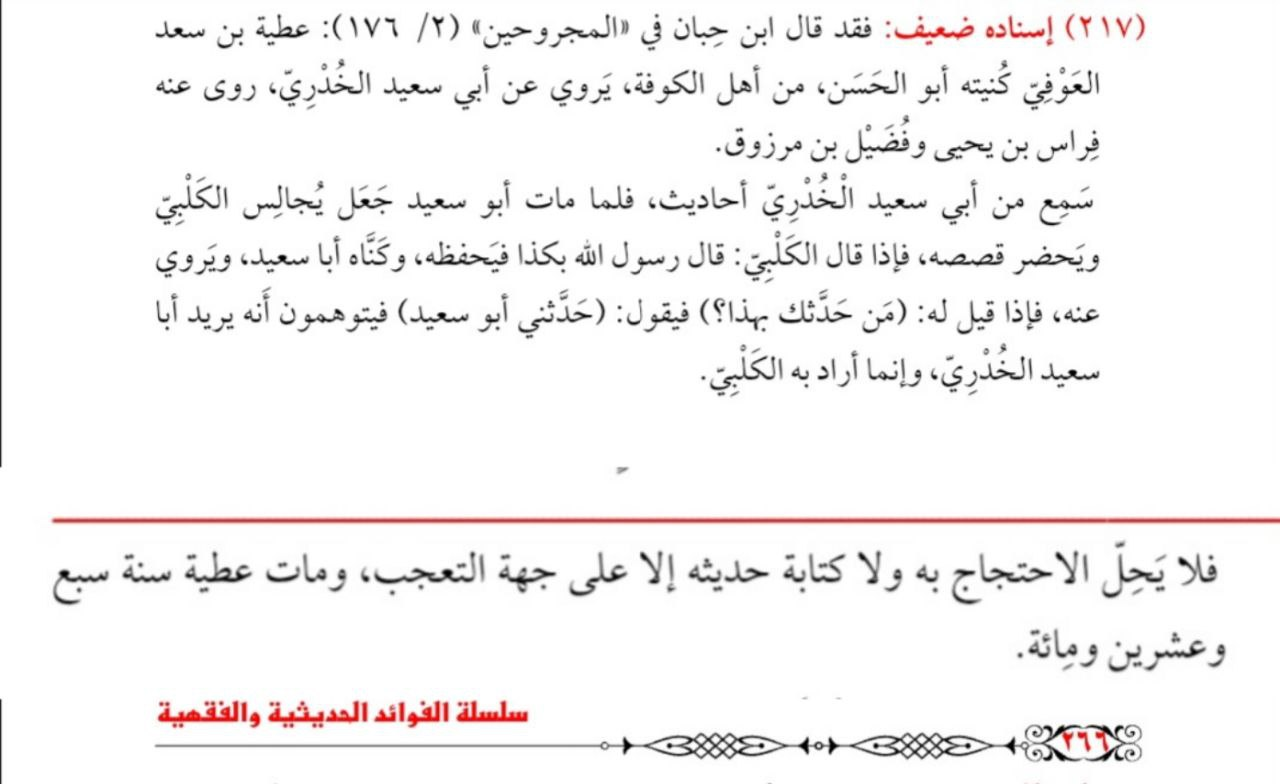
1 — The narration of Abu Sa’id al-Khudri is weak, but Sheikh al-Albani authenticated it based on what follows it. The narration has two defects: (1) Atiyyah al-Awfi is weak. (2) Atiyyah is a mudallis and did not explicitly state that he heard it directly. Besides, the entire surah is Meccan — which is the opinion of the majority of commentators — and this narration claims it was revealed at Badr.
So what is the narration that follows it? The answer: The narration of Ibn Abbas, which is the correct one — that the verse was revealed in Mecca before the victory of the Romans.
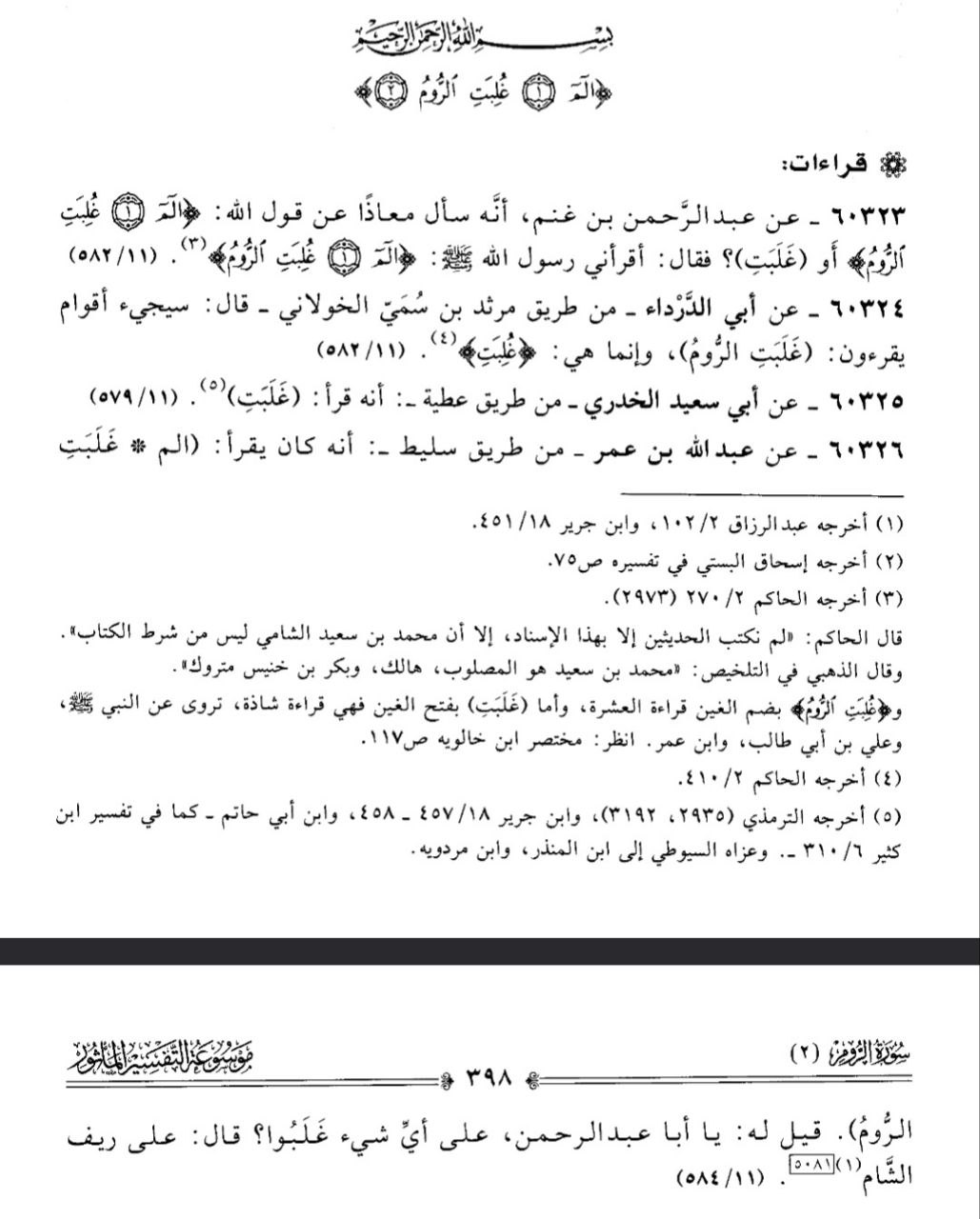
2 — The reading “ghalabat” with a fatha on the “Rum” is not authentically attributed to Ibn Umar, as explained previously. All the established readings agree on the damma, like Hafs and the others. Ibn Umar and his father read it with a damma. Al-Tabari himself, after mentioning it, denied its authenticity. The chain has a defect: al-Hasan al-Jufri. Al-Bukhari said: “His hadith is rejected” — Tahdhib al-Kamal (6/73). Nor is it authentically attributed to Abu Sa’id or any Companion in general. Al-Tabari rejected it because it contradicts the consensus of the reciters. Abu al-Darda’ (رضي الله عنه) said: “There will come a people who will recite: ‘Alif Lam Mim. The Romans have defeated.’ But it should be ‘ghulibat.’” Al-Hakim included it in his book of exegesis and said it has a sound chain, though it was not included in the two Sahihs.
First Response — The Narration of Abu Sa’id al-Khudri Is Weak
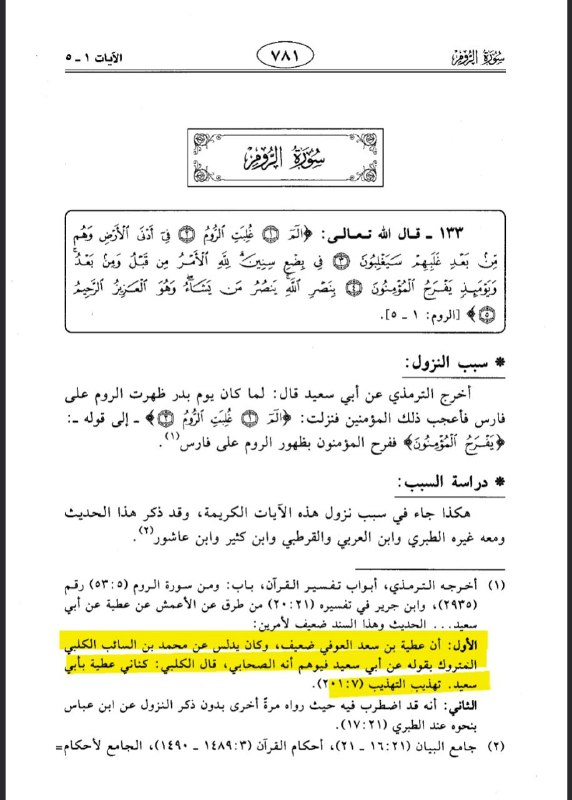
- Atiyyah al-Awfi is weak.
- Atiyyah is a mudallis — one who practices tadlis, a form of deception in hadith transmission — and he did not explicitly state that he heard it directly.
Besides, the entire surah is Meccan, which is the opinion of the majority of commentators, while this weak narration claims it was revealed at Badr.
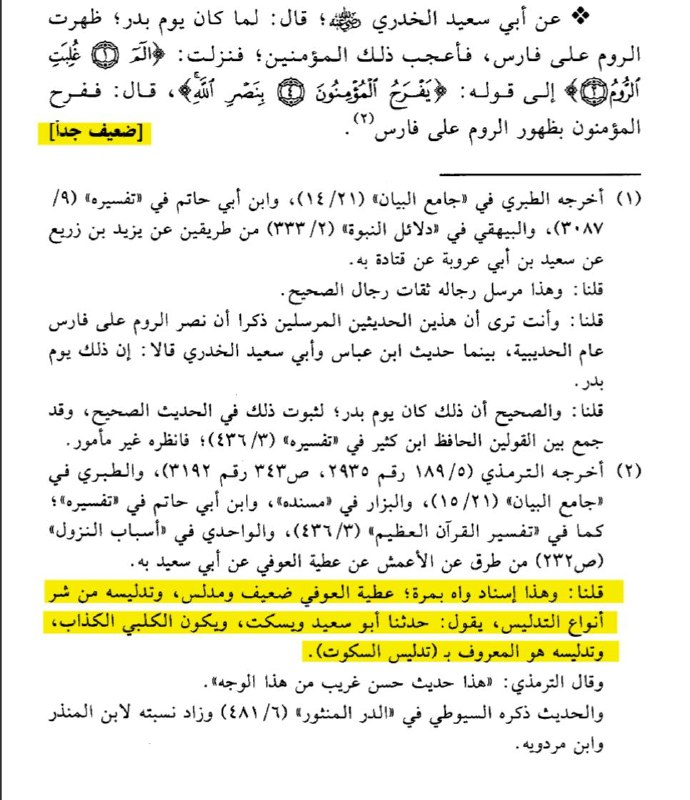
Supporting Evidence from Al-Isti’ab Fi Bayan al-Asbab
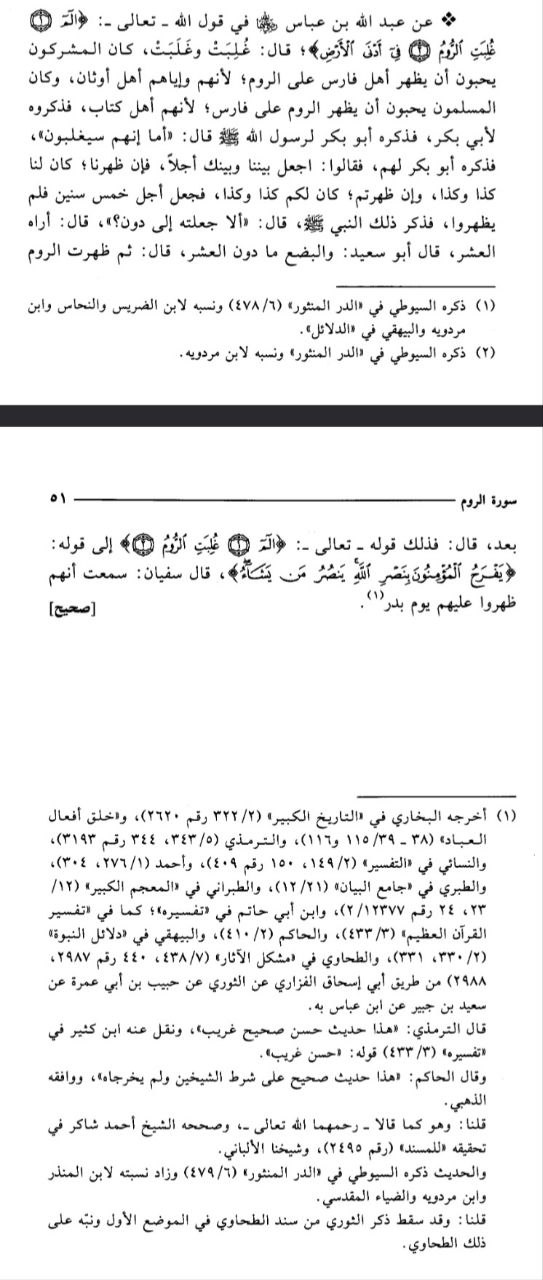
Supporting Evidence from Al-Muharrar Fi Asbab Nuzul al-Qur’an
Second Response — The Correct Narration Is from Ibn Abbas
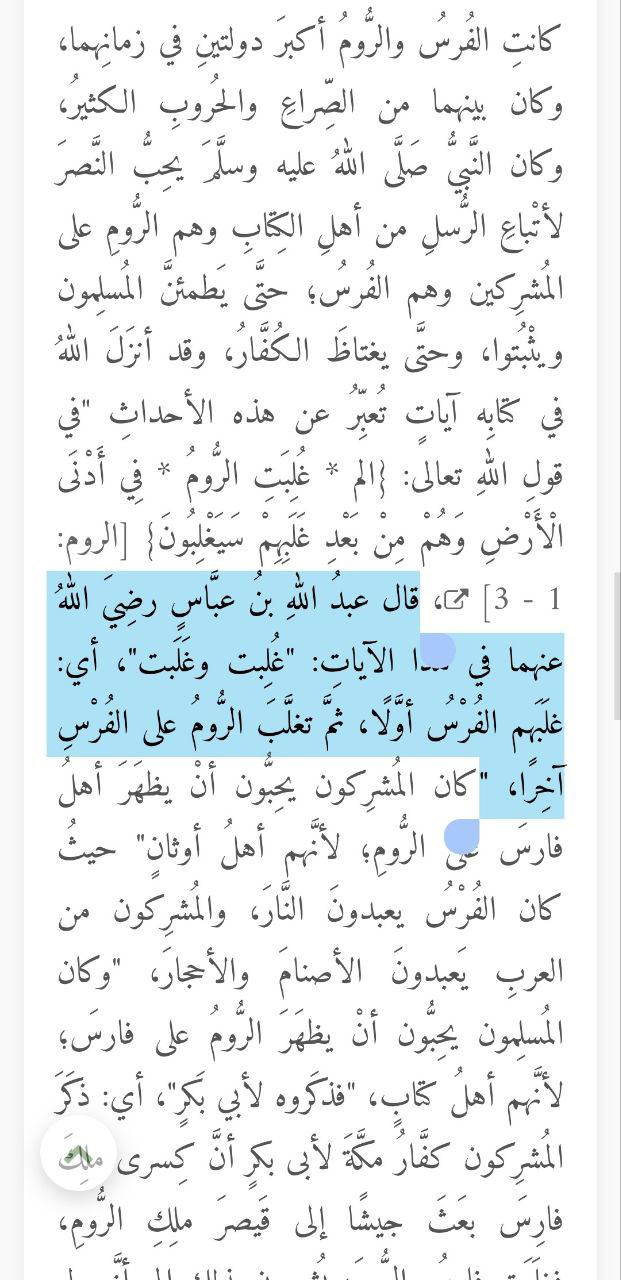
The Muslims wanted the Romans to win because the Romans were People of the Book. The polytheists wanted the Persians to win because the Persians were closer to them in disbelief and idolatry.
Tirmidhi 3192 and the Badr Report

Al-Mubarakfuri’s Explanation
Surah al-Rum prophecy — also responds to the arguments it is false:
https://dergipark.org.tr/tr/download/article-file/341691
https://sunnah.com/tirmidhi:3192
His saying (the Romans won against Persians) means they won the battle. (So the verse concerned was revealed) means it was read — because this verse was revealed in Mecca.
Agreement of the Commentators on the Meccan Revelation
This point directly undercuts the Badr objection: if the surah and these verses are Meccan according to the overwhelming body of commentators, then the wording in the Badr report cannot be used to claim a new Madinan revelation at Badr.
Weakness of Atiyyah al-Awfi
Al-Mubarakfuri highlights the weakness in the hadith — at-Tirmidhi himself weakened it because of a narrator named ‘Atiyyah in the chain of transmission who is severely criticized:
If you say why did Darussalam authenticate it? Simply because they’re lenient.
- Atiyyah al-Awfi is weak.
- He is criticized for tadlis.
- The narration is therefore not strong enough to overturn the Meccan context of the surah or the established Qur’anic recitation.
Third Response — The Reading “Ghalabat” Is Not Authentic
Ibn Umar and his father read it with a ḍammah.
Secondly, al-Tabari himself, after mentioning the alternative reading, denied its authenticity.
Thirdly, the reading with a fatḥah is not authentically attributed to Ibn Umar. Apart from the text itself, the chain has a defect: al-Hasan al-Jufri.
Nor is it authentically attributed to Abu Sa’id, as explained above, nor to any Companion in general.
Al-Tabari’s Rejection of the Irregular Reading
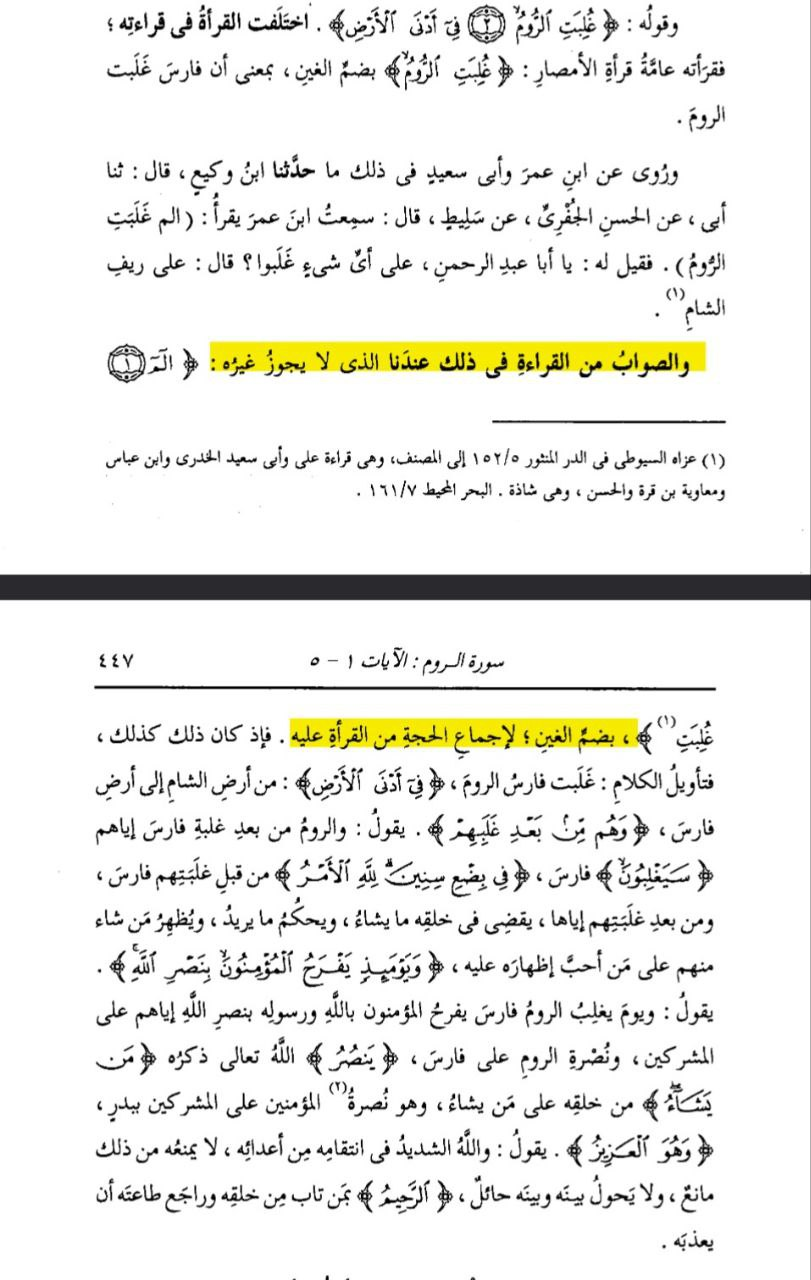
The Consensus of the Reciters
Alif Lam Mim. The Romans have defeated.
But it should be: غُلِبَتِ الرُّومُ”
Al-Hakim included it in his book of exegesis, the interpretation of Surat al-Rum, and said it has a sound chain of narration, though it was not included in the two Sahihs.
The Doubt of Differing Opinions
The Sword of the Word
The Romans — this is a Meccan surah, and the defeat of the Romans occurred before the Hijra. The falsification of history here is malicious.
The Romans defeated the Persians before the Battle of Badr, and news of the Roman victory over the Persians on the day of Badr reached us. The Persians were not defeated in a single battle, but rather the decisive battles took place in a low-lying area of the Levant in 624 AD. This explains the expression “the lowest land.”
The defeat of the Romans at the hands of the Persians and the occupation of the Levant occurred seven years before the Hijra.
The manipulation of dates for events is well-known among the Israelites and Christians to align events with prophecies in the Bible. They stated that the destruction of the Temple by Nebuchadnezzar occurred in 586, 588, and 589 BC, and they stated that the destruction of Jerusalem by the Romans occurred for the first time in 36, 37, and 38 BC. They stated that the second Roman destruction of Jerusalem occurred in 68 and 70 AD.
Many of these modifications are made not based on documented historical accounts, but rather to align their interpretations of prophecies with the history of Muslims and related events. We do not take this information from the followers of the religions of the Israelites because of their lack of impartiality and because they manipulate dates as they please.
Changing the date to deny an Islamic prophecy is possible.
The surah is Meccan and was not revealed in 624, as Muhammad had been in Medina for two years. Our trust in what is mentioned in the books of biography is greater than what comes through the Children of Israel.
Jesus was the last prophet of the Children of Israel, and the Romans were Christians and enemies of the Muslims, and they remain so to this day.
The word “ghalabat” (the Romans were defeated) has two readings, both of which are correct. The prophecy was interpreted while Muhammad was in Mecca according to the reading with a damma on the ghayn and in the passive voice. The prophecy came true, and Abu Bakr won a bet because of his trust in the prophecy coming from God.
The prophecy was later interpreted numerically during the time of Saladin with the reading “ghalabat al-Rum” (the Romans were defeated) with a fatha on the ghayn, before the Battle of Hattin and the defeat of the Romans in it, and the conquest of Jerusalem in the same year.
Ibn Kathir mentioned the news of the prophecy in Al-Bidayah wa’l-Nihayah four years before the conquest of Jerusalem, and it happened as its interpreter said numerically. Saladin ordered him to deliver the Friday sermon at the Dome of the Rock.
Al-Alusi explained how to calculate it, as was done in Ruh al-Ma’ani, Part One, in the interpretation of Surah Al-Baqarah. This news was also mentioned in other sources.
Despite the skepticism of many regarding the later numerical interpretation, the Roman victory over the Persians alone remains proof of the prophecy’s truth. We disregard the misleading claims of Western historians, who have already misled followers of their holy book by adding to and subtracting from it.
As for the third interpretation — that after the Persians’ victory, the Muslims will defeat them — this is far removed from God’s statement that it will occur within a few years, as “a few” refers to a period between three and nine, and the surah is Meccan. Furthermore, the Muslims defeated the Romans at the beginning of Umar ibn al-Khattab’s reign, which is more than nine years.
Interpretation Has Two Possible Meanings
The first meaning: The Persians triumphed over the Romans, and after a few years the Romans will triumph, and the Muslims will rejoice.
The second meaning: The Romans triumphed over the Persians, and after a few years the Muslims will triumph over them, and the Muslims will rejoice.
Now, the sequence of events:
Second Interpretation: The Romans triumphed → (a few years) → The Muslims triumphed
If both meanings are valid, then the miracle is compound — they are two prophecies, not one.
Historical Support for the Prophecy
I’ve only come up with two interpretations, and this is a website related to the topic.
On this historical site, we find evidence of the truth of the Quran’s miracle when it foretold the Romans’ victory over the Persians in a few years:
http://www.roman-emperors.org/heraclis.htm
Recognizing the difficulty of fighting on two opposing fronts simultaneously, Heraclius signed a peace treaty with the Avars in 619 and focused on the eastern half of the empire. In the spring of 622, Heraclius left Constantinople for Asia Minor and began training his troops over the summer, focusing on a more involved role for the Byzantine cavalry.
In the autumn, Heraclius’ army invaded Armenia and soon won several victories over the Persians.
In 614, the Romans were defeated and Jerusalem fell to the Persians. In 622, Heraclius’ armies began achieving victories over the Persians.
The duration: 8 years (or a few years).
And God Almighty spoke the truth when He said in His Holy Book:
Academic Historical Support
Article: The linked academic article on the prophecy of Surah al-Rum Source: Dergipark This source is used as historical support for the broader Byzantine-Persian timeline. It is not the primary hadith or tafsir proof, but it supports the historical discussion surrounding the Roman defeat and later victory.
From the Words of Al-Qurtubi
Abu Ja’far al-Nahhas said: The reading of most people is ‘ghulibat ar-Rum’ with a damma on the ‘ayn and a kasra on the lam. It was narrated from Ibn ‘Umar and Abu Sa’id al-Khudri that they recited ‘ghalabtu ar-Rum’ and they recited ‘sayughlabun.’ Abu Hatim related that ‘Ismah narrated from Harun that this is the reading of the people of Syria; and Ahmad ibn Hanbal says: ‘Ismah is weak. The hadith indicates that the reading is ‘ghulibat’ with a damma on the ghayn.
Therefore, it is not permissible for the one raising the doubt to use it as evidence at all.”
Final Refutation
The accepted reading remains:
غُلِبَتِ الرُّومُ
“The Romans were defeated.”
The claim that the verse is false, contradictory, or based on a later Badr revelation collapses because:
- The surah is Meccan according to the majority.
- The Abu Sa’id report is weak due to Atiyyah al-Awfi.
- Al-Mubarakfuri explains that “revealed” in the report means “recited,” because the verse had already been revealed in Mecca.
- The correct narration from Ibn Abbas supports the Meccan context.
- The alternative fatḥah reading is not authentically established as proof.
- Al-Tabari rejected it due to the consensus of the reciters.
- The Byzantine-Persian historical timeline supports the Qur’anic prophecy rather than refuting it.
Five Objections and Their Responses
It is extremely beneficial to present your evidence for a belief and listen to all objections. This will require considerable patience and composure, but the greatest benefit lies in responding to the criticisms raised by those who disagree.
Western and Arabic history books indicate the following:
- The Prophet’s call ﷺ began in the Arabian Peninsula in the year 610 AD.
- During this period, there were wars between the two greatest powers of that time, the Persians and the Romans.
- The Persians triumphed over the Romans in battles that took place in the years 613–614 AD.
- Muhammad ﷺ said that God Almighty revealed to him: “The Romans have been defeated in the nearest land. But they, after their defeat, will be victorious within a few years. To God belongs the command before and after. And on that day the believers will rejoice.” (Surah Ar-Rum: 2–4)
- The Muslims understood that the Romans would defeat the Persians within a few years, and the word “few” in Arabic means less than ten.
- Commentators said that the phrase “the nearest land” in the verse refers to the land of Syria closest to Persia.
- Battles took place between the Persians and the Romans, and the Romans were victorious in three campaigns, the first of which was in 622 CE. This victory led to the expulsion of the Persians from Asia Minor.
- Other battles took place, and the Romans finally defeated the Persians in 627 CE.
- Modern science has proven that the Dead Sea region is the lowest point on Earth. Some commentators suggested that “adna” might simply mean “lowest,” demonstrating the miraculous nature of the Quran’s language — the meaning was appropriate at the time of revelation, and after scientific discoveries, it became appropriate for something else discovered 1400 years later.
The First Objection — Multiple Readings
Al-Tabari’s commentary states in full:
None of the seven, ten, or fourteen readings of the Quran state “The Romans were defeated” with a fatha. Al-Tabari addressed this in his commentary, as previously mentioned.
The Second Objection — “A Few Years” and the Timeline
Victories continued until 627 CE, culminating in the Romans entering the Persian capital.
Isn’t this victory, which resulted in the liberation of all of Central Asia in 622, a truly remarkable triumph?
The Third Objection — “Adna” Meaning Lower
- Lisan al-Arab, under the root “dana”: “Adna” means to live a life of hardship after ease, and “al-adna” means “the lowest.”
- Lisan al-Arab, under “low”: “al-adna” is used in everyday Arabic to mean “below,” such as “the bottom of the page” and the common phrase in declarations: “We, the undersigned, below.”
Commentators understood “lowest” to refer to the battle occurring in the land closest to the Arab lands, specifically south of the Levant.
Modern science has confirmed that the area in Jordan where the battle took place — near the Dead Sea — is the lowest point on Earth.
Is it merely a coincidence that the battle’s location was indicated by the word “lowest,” which could mean both the interpretation given by the commentators and another meaning whose evidence would emerge 1400 years later?
Al-Zamakhshari in Al-Kashshaf mentions the well-known reading {ghulibati} with a damma and also states the land referred to is the land of the Arabs — the outskirts of the Levant. Or he meant the nearest part of their land to their enemy.
Mujahid said: It is the land of the Jazira (Upper Mesopotamia), the nearest part of the Roman lands to Persia. Ibn Abbas said: Jordan and Palestine.
They fought between Adhri’at and Busra, and Persia defeated the Romans. The news reached Mecca and distressed the Prophet ﷺ and the Muslims because Persia were Zoroastrians with no scripture, while the Romans were People of the Book. The polytheists rejoiced and gloated: “You and the Christians are People of the Book, while we and the Persians are illiterate. Our brothers have triumphed over your brothers, and we will triumph over you.” Then this verse was revealed. Abu Bakr (رضي الله عنه) said to them: By God, the Romans will surely triumph over Persia after a few years. They wagered: ten she-camels from each side, with a term of three years. Abu Bakr informed the Messenger of God ﷺ who said: “The number is between three and nine, so increase the risk.” So they made it one hundred she-camels for nine years.
The Fourth Objection — Why Didn’t the Quran Specify the Exact Time?
Second: If God had specified the period as nine or seven years, objectors would have asked why the months were not mentioned. And if God had mentioned the months, they would have asked why the day of the week and the hour were not specified.
God Almighty stated that the event would occur within a few years — between three and ten. Those with strong faith were certain that the event would come, even if delayed. The important point is that the victory promised by God Almighty occurred at the appointed time, as determined by the All-Knowing, the All-Wise.
The Fifth Objection — Who Defeated Whom?
At the time of the revelation of these verses, there were no forces clashing except the Persians and the Romans. So God Almighty’s statement “The Romans have been defeated” means by the Persians, and “they, after their defeat, will be victorious” means — to every rational person — they will be victorious over the Persians.
And praise be to God, Lord of the Worlds.
Is the Roman Victory Over the Persians on the Day of Badr Authentic?
614 5 mai — Les Perses s’emparent de la Vraie Croix. Les Perses de l’Emperor Chosroes II prennent Jérusalem, centre de pèlerinage chrétien, et s’emparent de la relique de la “Vraie Croix”. 35,000 inhabitants seront vendus comme esclaves et les églises seront détruites. En 630, l’Emperor Héraclius Ier, vainqueur des Perses à Ninive en 627, ramènera la Vraie Croix à Jérusalem. La ville tombera aux mains des musulmans en 638.
https://www.linternaute.com/histoire/motcle/1395/a/1/1/perses.shtml
The news of the defeat of the Persians by the Romans was on the day of the Battle of Badr, as confirmed by the noble hadiths:
Narrated by: Abu Sa’id al-Khudri. Authenticated by: Al-Albani. Source: Sahih Al-Tirmidhi. Grade: Sahih.
Corresponding to March 15, 624. So between May 5, 614 and March 15, 624 there are 9 years, 8 months, and 20 days — within ten years.
The skeptic says: If the victory occurred in 622, how could the Muslims rejoice on the day of Badr in 624?
The answer: We must consider the time it took for the news to reach Mecca from Syria. Also, the verse was not revealed immediately upon the arrival of the news — there was a period between the polytheists receiving the news and their reproaches against Muhammad ﷺ, and the verse was revealed immediately after they reproached him. Therefore the verse most likely was revealed in the year 615 — seven years before the Hijra — making “bid’a” (a few) correct.
Hadith Chain Analysis
Ibn Asakir in his history (1/371 AH) and al-Tabari in his Tafsir (20/68) both narrated through the chain: Muhammad ibn Sa’d ibn Muhammad ibn al-Hasan al-Awfi → his father → his uncle al-Husayn ibn al-Hasan ibn Atiyya → his father → Atiyya ibn Sa’d → Ibn Abbas, regarding the verse of Surah al-Rum.
Al-Tirmidhi (2935, 3192), al-Tabari in his Tafsir (20/73) through three routes, and Ibn Asakir in his Tarikh (1/369) all narrated from Sulayman al-A’mash → Atiyyah → Abu Sa’id, who said: On the day of Badr, the Romans were victorious over the Persians, and this pleased the believers. Then the verse was revealed.
Al-Mubarakfuri on the Chain of Atiyyah al-Awfi
- Atiyyah al-Awfi, on the authority of Ibn Abbas — the narrators from him are weak.
- On the authority of Sulayman al-A’mash, on the authority of ‘Atiyyah, on the authority of Abu Sa’id — weak due to ‘Atiyyah al-‘Awfi.
- On the authority of Sufyan al-Thawri — in a mursal (disconnected) narration, and it is possible he took it from al-A’mash (the narrator on the authority of ‘Atiyyah). Therefore it is not valid to use as evidence.
Is it True that the Romans Defeated the Persians at Hudaybiyyah?
This story was narrated in 4 different ways:
First Route — Yahya Ibn Ya’mar
The chain: Al-Qasim → Al-Husayn → Hajjaj → Abu Bakr al-Hudhali al-Basri → Ata al-Khorasani → Yahya ibn Ya’mar
In addition, Yahya ibn Ya’mar is from the middle generation of the followers, so the narration is mursal and cannot be used as evidence.
Ibn Kathir said in his commentary on it: “This is a strange context and a wondrous structure.”
Second Route — Qatadah
Narrated by al-Tabari in his Tafsir (20/71) and al-Bayhaqi in al-Dala’il (619) through two chains from Yazid ibn Zuray’ → Sa’id ibn Abi ‘Arubah → Qatadah
Third Route — Al-Zuhri on the Authority of Ubayd Allah Ibn Abdullah Ibn Utbah
Narrated through multiple chains — both mursal (disconnected) and muttasil (connected):
The mursal: Al-Bayhaqi in Al-Dala’il (618) through: Abu al-Husayn ibn al-Fadl al-Qattan → Abdullah ibn Ja’far → Ya’qub ibn Sufyan → Abu Salih and Ibn Bukayr → Al-Layth → Aqil → Ibn Shihab (al-Zuhri)
Ibn Shihab al-Zuhri said: Ubaydullah ibn Abdullah ibn Utbah ibn Mas’ud told me that when these two verses were revealed, Abu Bakr said to the polytheists that if the Persians did not prevail within seven years, they would be defeated. The Messenger of Allah ﷺ said: “Why did you do that? Everything less than ten is a small amount.” The Persians triumphed over the Romans in nine years, and then Allah granted the Romans victory over the Persians at the time of Hudaybiyyah, so the Muslims rejoiced at the victory of the People of the Book.
The connected chain (muttasil):
Ibn Shihab’s nephew is weak in hadith. Ya’qub ibn Ibrahim ibn Sa’d ibn Ibrahim is trustworthy. Ibrahim ibn Sa’d ibn Ibrahim is trustworthy and a reliable authority. Salih ibn Kaysan is trustworthy and reliable.
Also narrated on the authority of Ibn Abbas through al-Jumahi by al-Tabari in his Tafsir (20/68) and al-Tirmidhi (3191) without mentioning Hudaybiyyah.
Abu Isa said: This is a good and strange hadith from this chain.
Al-Darqutni in al-‘Ilal (1/212) states: “Abdullah ibn Abd al-Rahman al-Jumahi narrated it. Others narrate it on the authority of Al-Zuhri with a broken chain of narration, and Abdullah Al-Jumahi is not strong, and the broken chain is more likely to be correct.”
Fourth Route — Ibn al-Sa’ib al-Kalbi
Abu Nu’aym in Dala’il (1/281): Ibrahim ibn Ahmad → Ahmad ibn al-Faraj → Abu ‘Umar al-Duri → Muhammad ibn Marzuq → Muhammad ibn al-Sa’ib al-Kalbi → Abu Salih → Ibn Abbas
Conclusion on the Hudaybiyyah Report
- On the authority of Yahya ibn Ya’mar — contains a rejected narrator.
- On the authority of Qatadah — chains are sound to Qatadah, but mursal.
- On the authority of al-Zuhri → Ubayd Allah ibn Abdullah ibn Utbah — both with and without a chain, with the mursal being more likely correct.
- On the authority of Ibn al-Sa’ib al-Kalbi → Abu Salih → Ibn Abbas — contains a narrator accused of lying.
Summary Timeline
- The Prophet’s mission ﷺ began in 610 CE.
- The Romans were defeated in 613–614 CE, according to international historical sources.
- Surah Ar-Rum was revealed after this defeat, around 614–615 CE.
- The Surah states that within a few years, the Romans would defeat the Persians in the lowest part of the land.
- Historical sources indicate that the Romans defeated the Persians in a battle near the Dead Sea in 622 CE, leading to the expulsion of the Persians from Asia Minor.
- The Battle of Badr took place in 624 CE.
- Other Roman victories over the Persians culminated in their entry into the Persian capital in 628 CE.
Manuscript Evidence and Chronological Proof
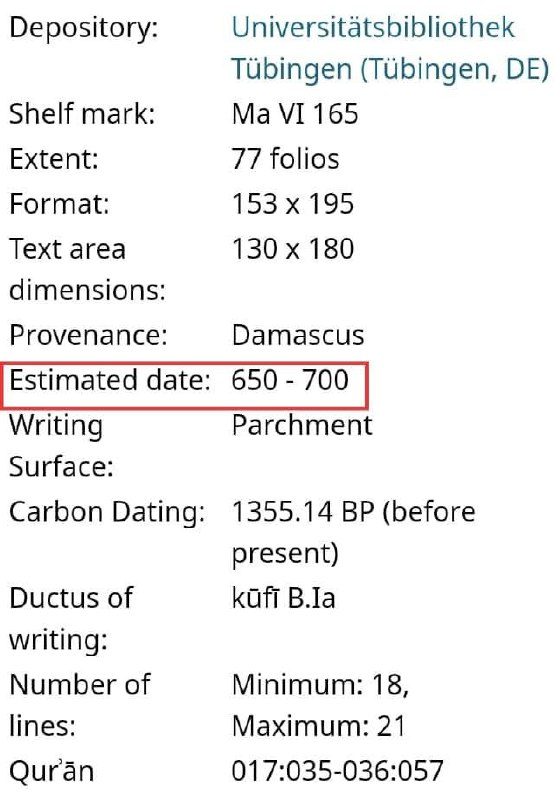
The Tübingen Manuscript
V
Chronological Anchor via Surah Al-Isra
- The Persians, allied with the Jews, defeated the Romans in 613–614 CE.
- During the Persian victory, the Al-Aqsa Mosque was restored and the defilement left by the Romans was removed.
- Following this, the Prophet ﷺ was taken on the Night Journey (Al-Isra’) to the Al-Aqsa Mosque.
- Surah Al-Isra was revealed a year and two months before the Hijra — approximately 621 CE.
- Since the Night Journey occurred after the Persian victory and the restoration of Al-Aqsa, and Surah Al-Isra followed that event, this places the revelation of Surah Ar-Rum earlier — around 615 CE, right after the Persian defeat of the Romans in 613–614 CE.
The gap between revelation (~615 CE) and the first Roman victory (622 CE) is 7 years — squarely within “a few years” (bid’a = 3–9). This is not coincidence. This is prophecy.
The combination of the Tübingen manuscript and the Surah Al-Isra chronological anchor gives us two independent lines of proof that the surah is genuinely Meccan and pre-dates its own fulfilment.