Surah Kahf 86 Muddy Spring
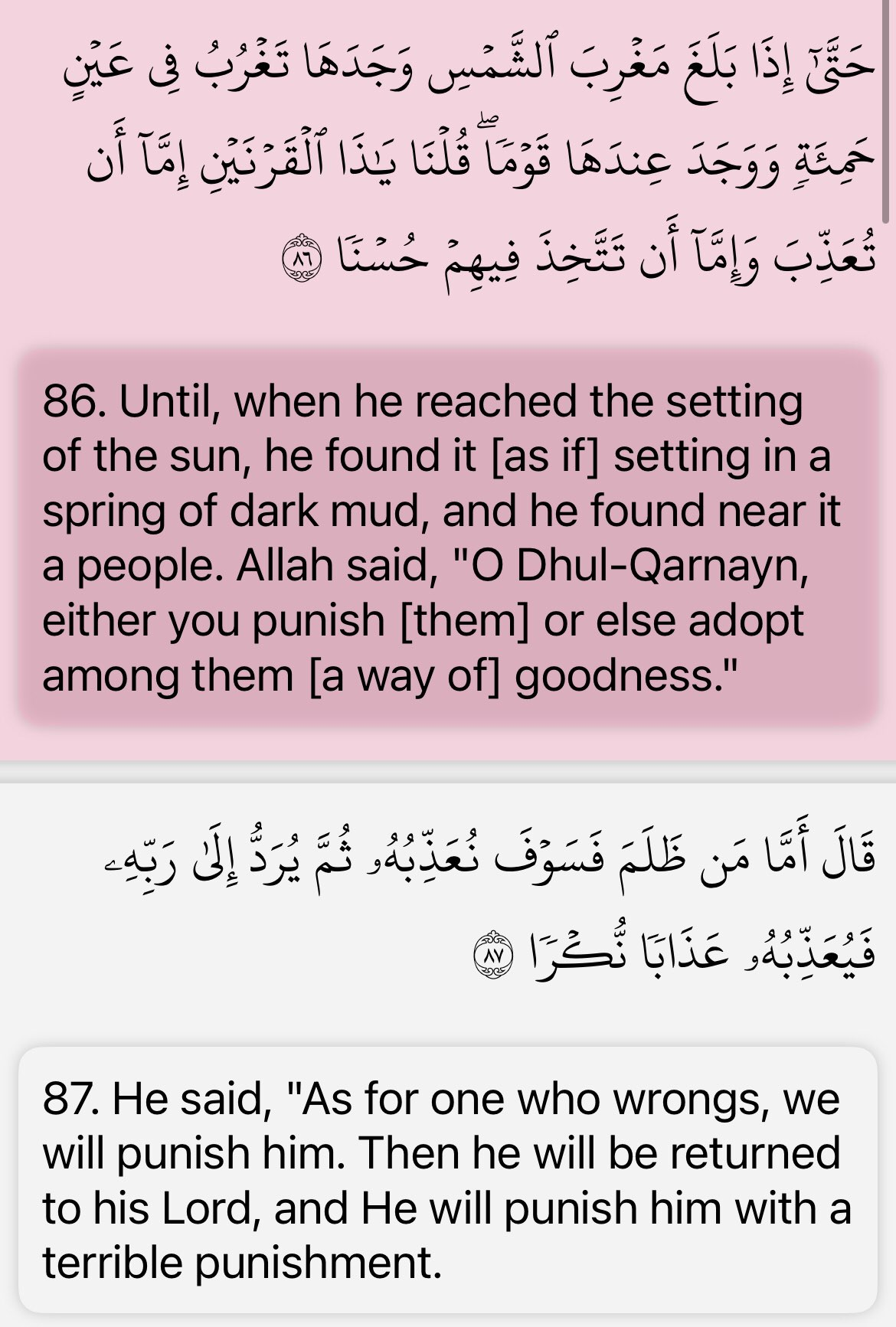
The Verse Is Clear That It Is In His Own POV & Not That It Literally Happened, Now Let’s Get The Evidence. Starting with Tafsir. (Some Tafsirs are from the 7th century)
Tafsir al-Jalalayn: “he found it setting in a muddy spring, that is, he saw it [seemingly] setting into the sea, for it is not possible for it to set into the spring”.
Tafsir al-Muyassar: “he found it setting in a spring of murky water, that is, he saw it as if it were setting in the water of the spring, but it does not set in reality”.
Tafsir al-Muyassar: “he found it setting in a spring of murky water, that is, he saw it as if it were setting in the water of the spring, but it does not set in reality”.
Tafsir al-Wahidi: “he found it setting in a spring of Hami’ah) meaning, he saw the sun as if it were setting in the ocean. This is something which everyone who goes to the coast can see: it looks as if the sun is setting into the sea but in fact it never leaves its path in which it is fixed”.
Tafsir al-Sa’di: “he found it setting in a spring of murky water, meaning, he saw it as if it were setting in the spring, but it does not set in reality, rather it sets below the horizon”.
Tafsir al-Shawkani: “he found it setting in a spring of murky water, meaning, he saw it as if it were setting in the water of the spring, but it does not set in reality, rather it sets below the horizon”.
Tafsir al-Razi: “he found it setting in a spring of murky water, meaning, he saw it as if it were setting in the water of the spring, but this is only an illusion, for the sun does not set in any place on earth”.
Tafsir al-Tustari: “he found it setting in a spring of murky water, meaning, he saw it as if it were setting in the water of the spring, but it does not set in reality, rather it sets below the horizon”.
Tafsir al-Baydawi: “he found it setting in a spring of murky water, meaning, he saw it as if it were setting in the water of the spring, but this is only an illusion, for the sun does not set in any place on earth”.
Tafsir al-Nasafi: “he found it setting in a spring of murky water, meaning, he saw it as if it were setting in the water of the spring, but this is only an appearance, for the sun does not set in any place on earth”.
Tafsir Mujahid ibn Jabr: “he found it setting in a spring of Hami’ah) meaning, he saw the sun as if it were setting in the ocean. This is something which everyone who goes to the coast can see: it looks as if the sun is setting into the sea but in fact it never leaves its path in which it is fixed. Hami’ah means black mud.”
Tafsir al-San’ani: “he found it setting in a spring of Hami’ah) meaning, he saw the sun as if it were setting in the water of the spring, but this is only an illusion, for the sun does not set in any place on earth. Hami’ah means mud and stink.”
Tafsir al-Jalalayn: “he found it setting in a spring of murky water, that is, he saw it [seemingly] setting into the sea, for it is not possible for it to set into the spring”.

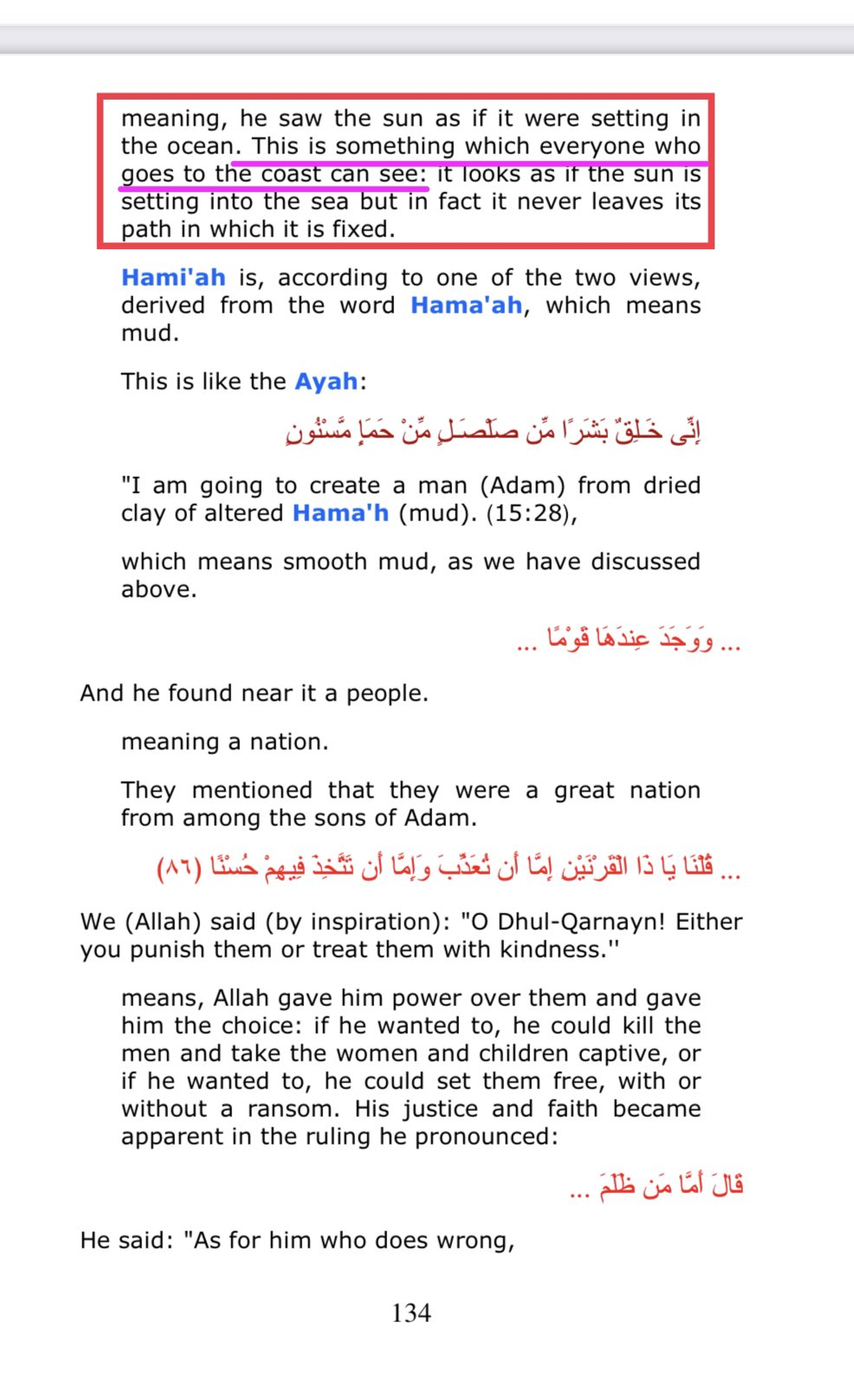
He found it setting in a spring of Hami’ah, meaning, he saw the sun as if it were setting in the ocean.
This is something which everyone who goes to the coast can see: it looks as if the sun is setting
into the sea but in fact it never leaves its path in which it is fixed.
This is just talking about his pov and this is what everyone see.
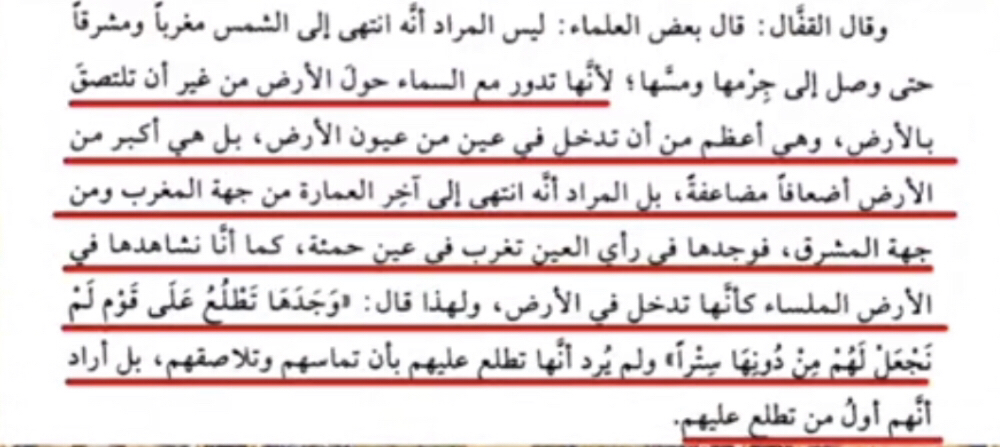
“And some scholars said : this doesn’t mean that he reached the sun itself because the sun rotates
with the sky around the earth (check 『📗』bukhari-3199-top-of-creation
☀』sun-goes-orbit-around-earth this was their knowledge back then) and it is even bigger than
the earth much times. The true meaning is from dhul qurnayn perspective it is setting in a
muddy spring just like it would appear to anyone looking at the setting from a distance that is why in
18:90 it says the sun rose above a group of people it doesn’t mean literally that the sun rose above
the earth and touched them”
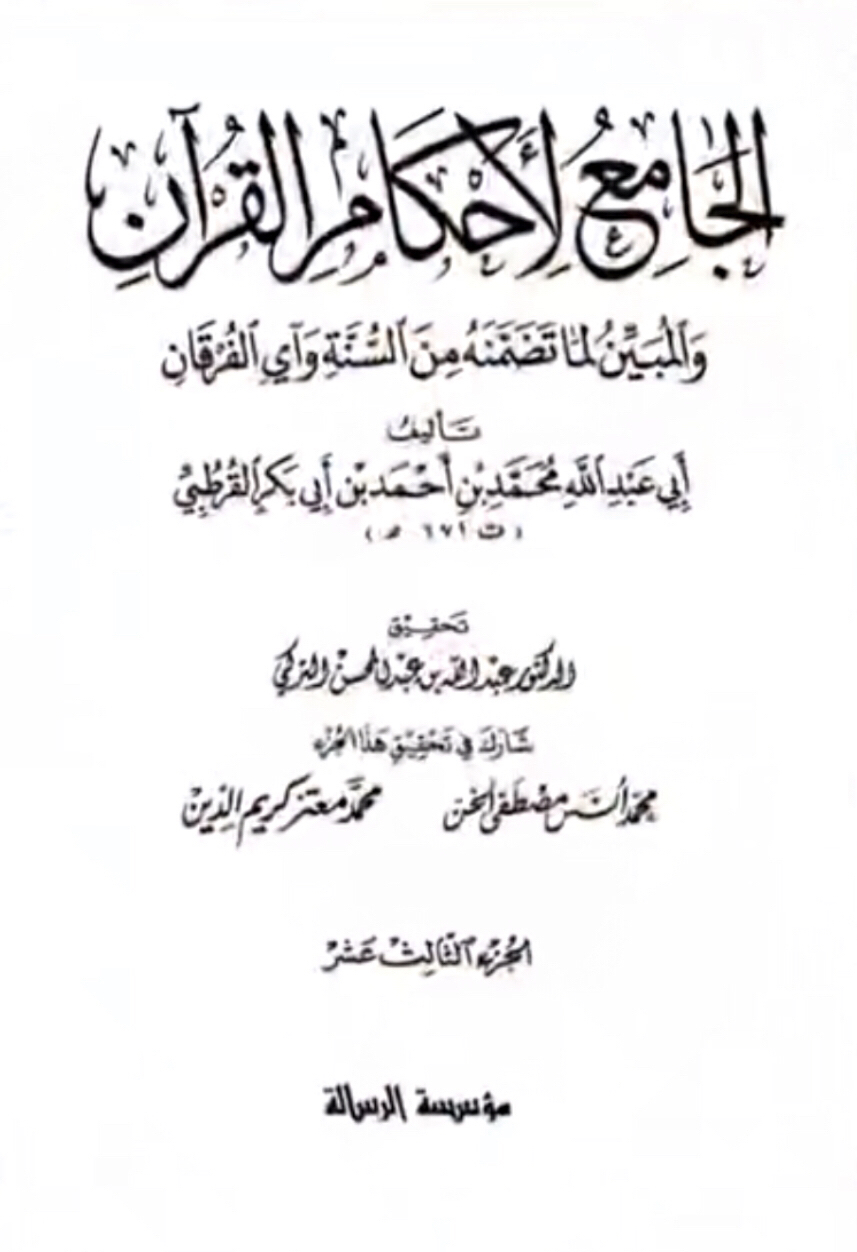
-Source: Jamī’i li ahkam al-Qūr’ān al-Qurtubi (RH) volume 13 page number 370 interpretation of “setting in a muddy spring” Qūr’ān 18:86 print of mu’asasat al-risalah
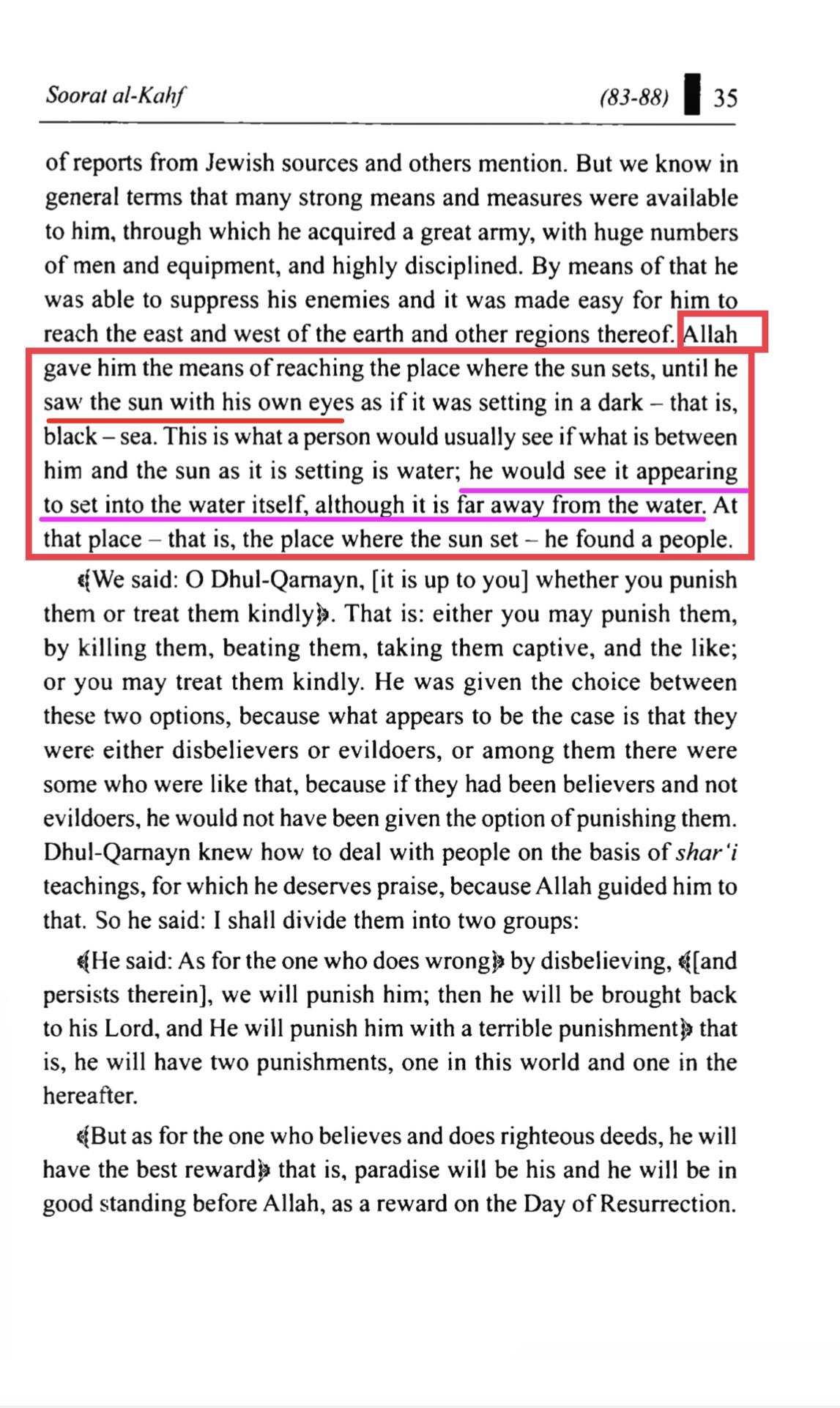
Regarding Sunan Abu Dawud, Hadith 3991, which states: Narrated Abu Dharr:
I was sitting behind the Messenger of Allah (ﷺ) who was riding a donkey while the sun was setting.
He asked: Do you know where this sets ? I replied: Allah and his Apostle know best.
He said: “It sets in a spring of warm water”.
Grade: Sahih in chain (Al-Albani
This was graded sahih in chain however the narration itself is not accepted as we have
multiple other narrations that retell the same incident however it leaves out the information
regarding the setting of the sun in the muddy spring.
Also this hadith contains 2-3 problems
*It contradicts the authentic narrations in bukahri and muslim that is agreed upon
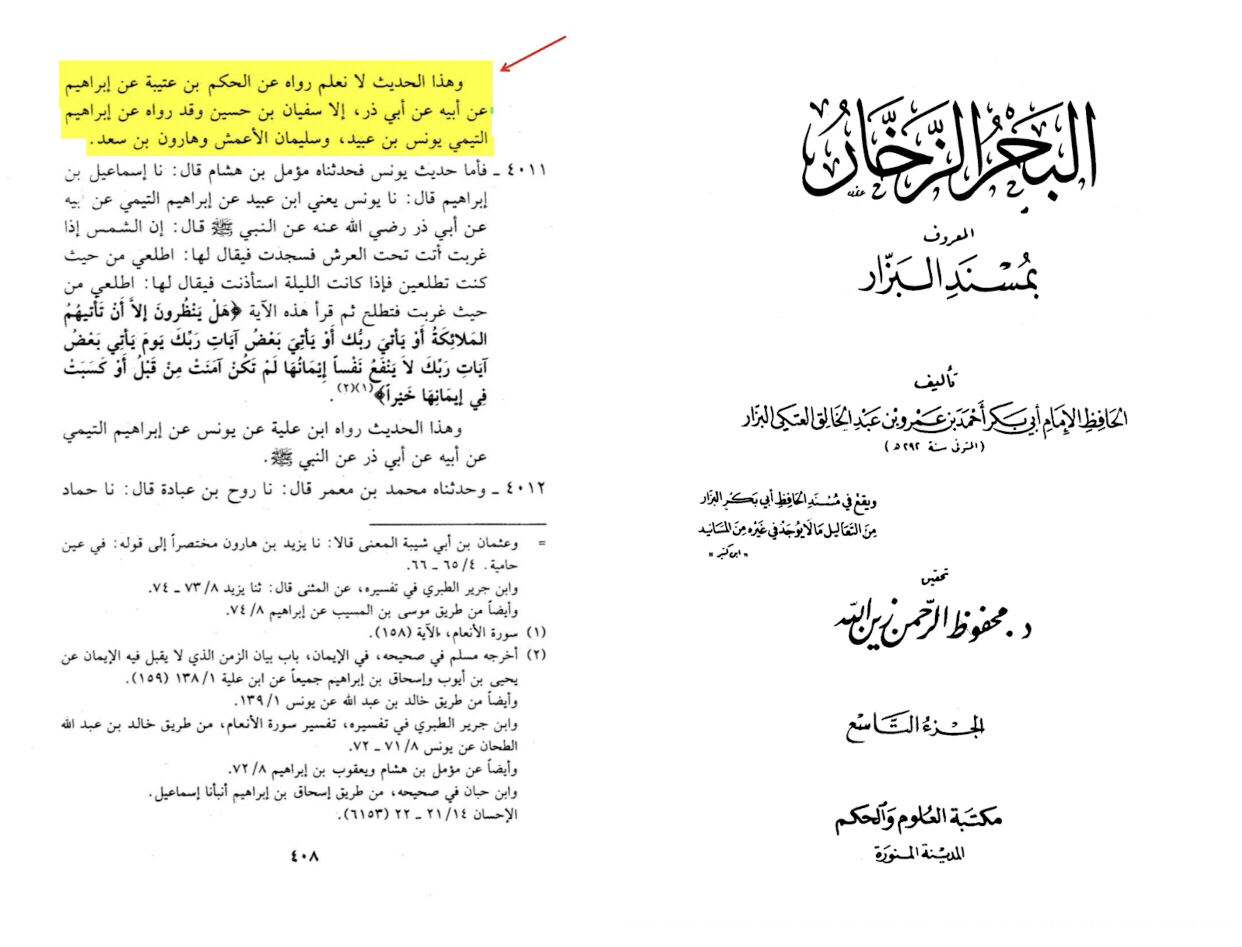
*it has sufyan bin husayn and according to syar a’alam al-nubalaa volume 7 page number 303
he has very poor memory and isn’t hujjah
it has al-Hakam bin utba who according to thiquat bin habban volume 4 page number 144 is a
mudalis and he did tadlis and an an nah in the narration
*here is a scan of a scholar saying so
Also if it was literal why don’t they take the verse in 18:90 also literal the claim no early
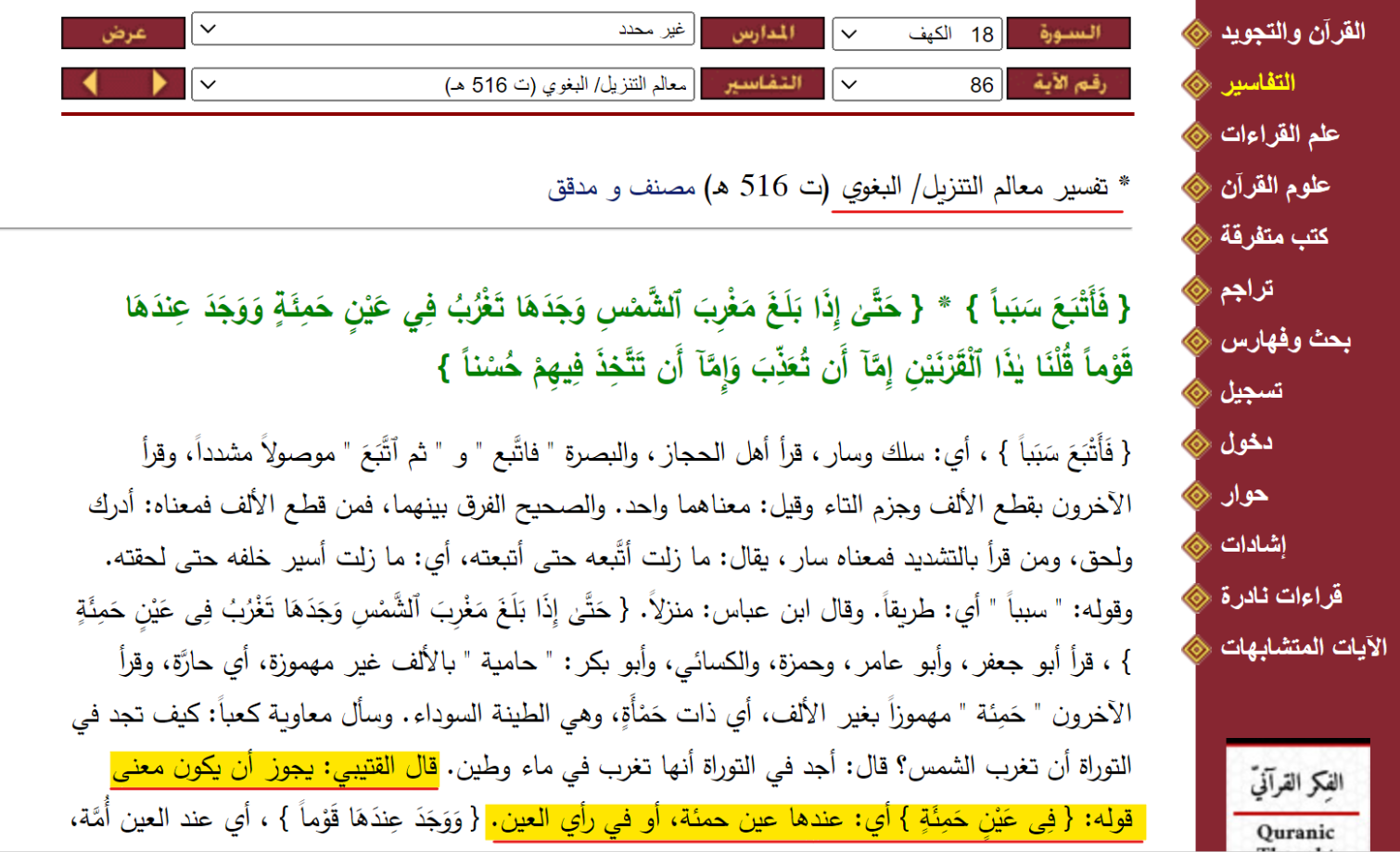
scholar said this is a lie al-baghawi in his tafsir says it is an eye seeing by dhul-qurnayn
Now we look at Tafsir Al-Baghawi and he quotes Al-Qutayba who is from the salaf who gives different
types of interpretations and one of them is that this is referring to what one can see.
Al-Qutayba (276 AH) says that it is permissible for the meaning of the ayah “fee ‘aynin ham’iah”
to have the interpretation of the eye, meaning that one can interpret this ayah to mean what one
can see. In this case, this is referring to what Dhul Qarnayn saw.
{Embed}
موقع التفير الكبير
(معالم التنزيل/ البغوي)
This Al Nukat Wal Uyuun Tafsir Al Mawardi (D.450 A.H)
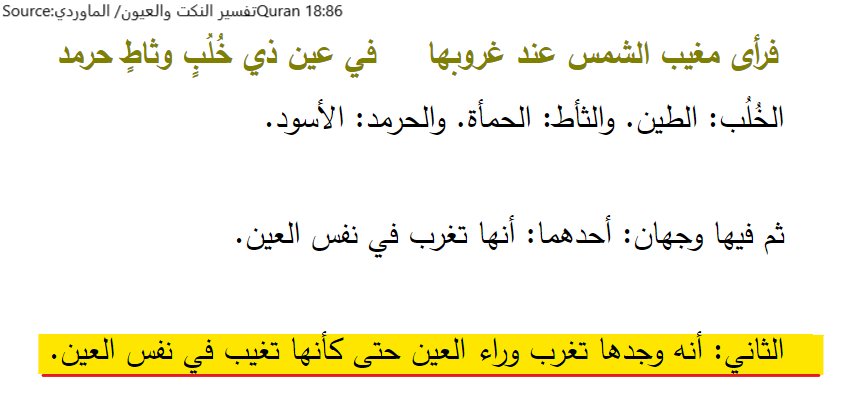
He says that this is referring to the eye, so what Dhul Qarnayn saw
{Embed}
موقع التفير الكبير
(النكت والعيون/ الماوردي)
It is important to note that if the Quran wished to give the implication that the sun entered the body of water it wouldn’t of said:
Until, when he reached the setting of the sun (maghrib), he found/perceived/saw (wajada) it set (taghrubu) in a spring of murky water…
It would of said:
Until, when he reached the setting of the sun (maghrib), it set in a spring of murky water…
The usage of wajada shows that it is from Dhul-Qarnayn’s perspective.
Maghrib
Meaning of تَغْرُبُ (Taghrubu)
The word used to describe the setting of the sun ‘in the murky spring’ is مَغْرِبَ [stemming from the
word غرب - meaning to leave, be absent, be hidden, to depart, to be distant]. مَغْرِبَ just means
setting or disappearing. Meaning Dhul-Qarnayn found/saw/perceived the sun setting/disappearing.
It is important to note that the word used doesn’t mean to enter [دخل], neither to sink in/be swallowed
up [خسف]. If the Quran wished to say the Sun entered the water it wouldn’t have used مَغْرِبَ (taghrubu)
as مَغْرِبَ (taghrubu) doesn’t mean entering. It would of used دخل meaning to enter.
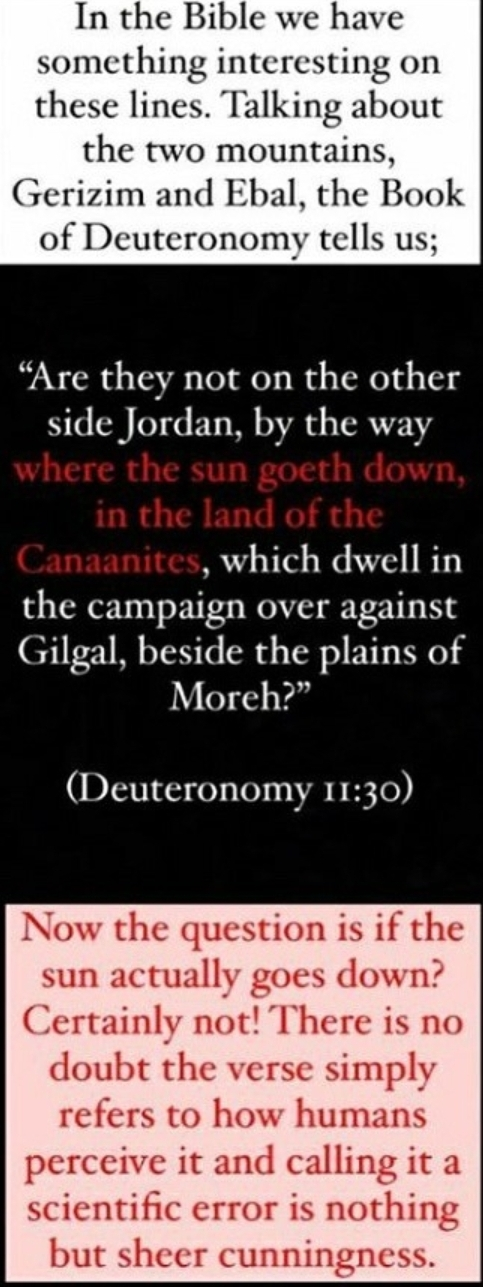
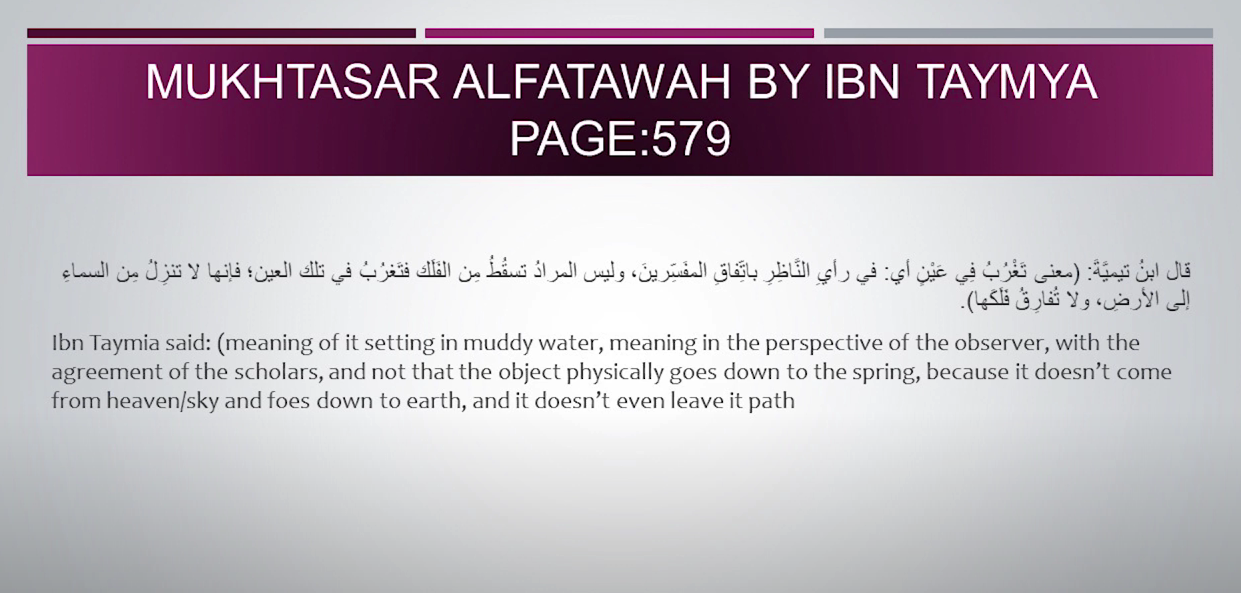
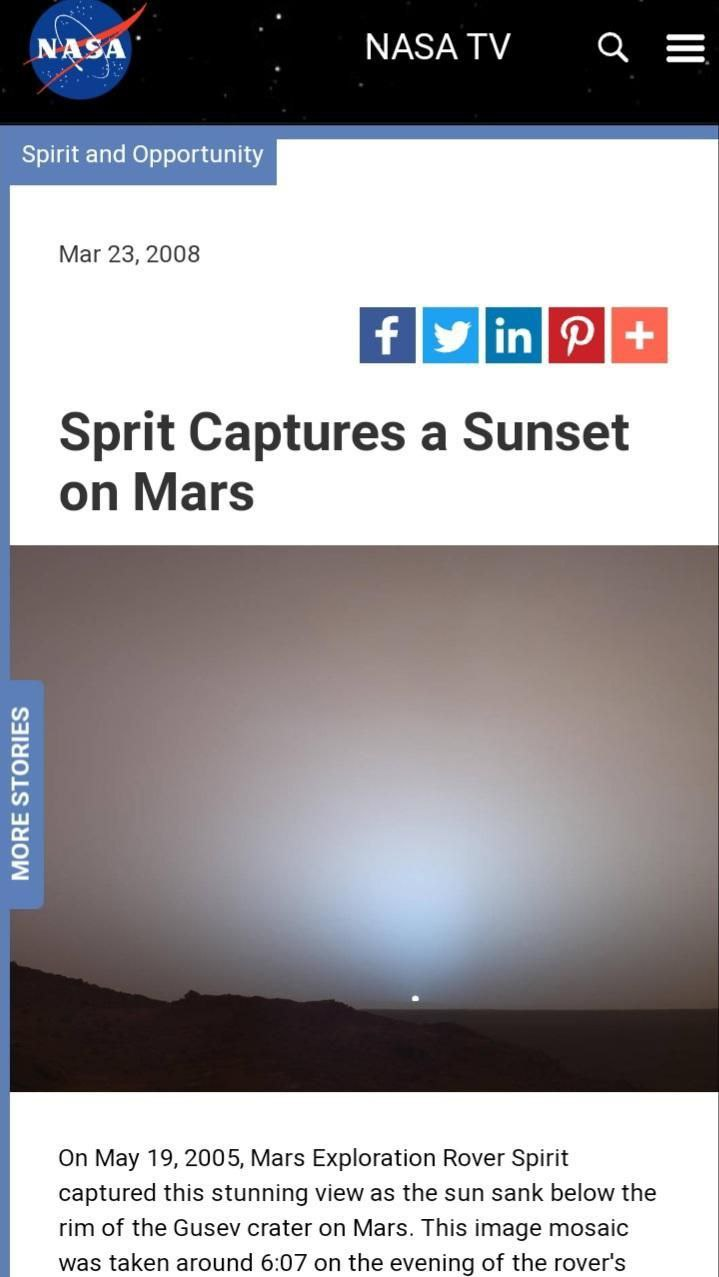
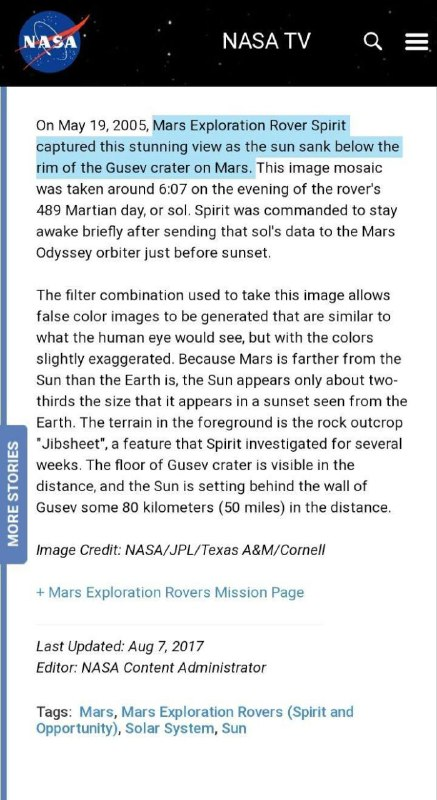
If anyone calls Quran 18:86 a scientific error, show them what NASA said regarding the sun
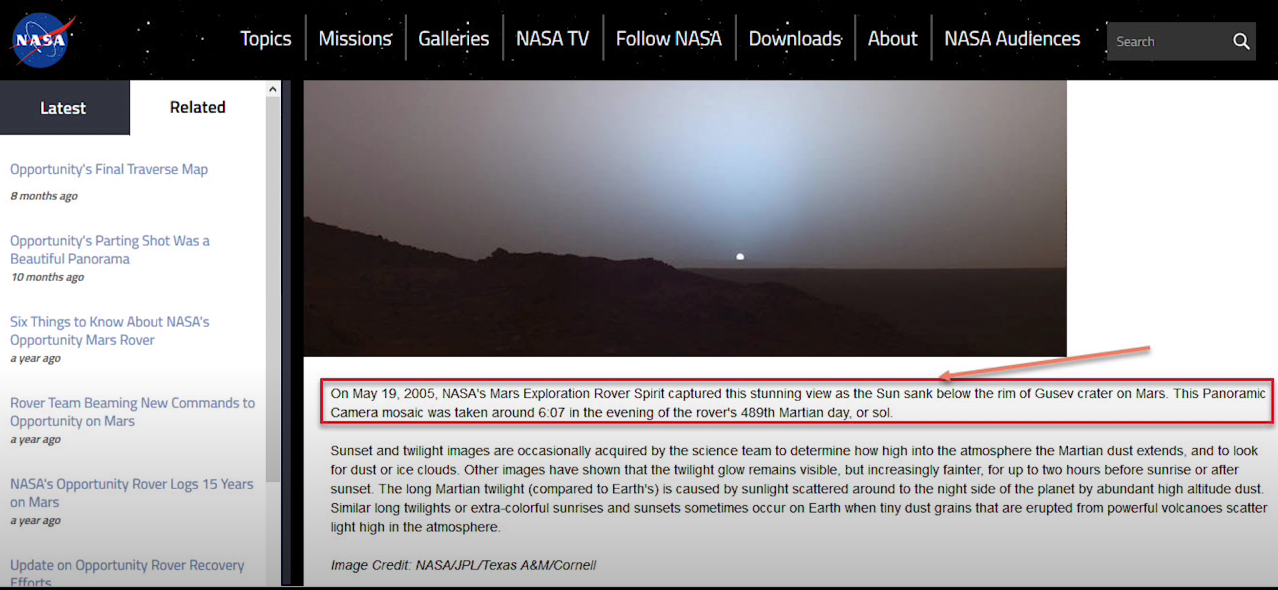
captured this stunning view as the Sun sank below the rim of Gusev crater on Mars.”
Does NASA have a geocentric view now? No, because their statement isn’t meant to be taken literally.
This is describing what is seen, not reality.
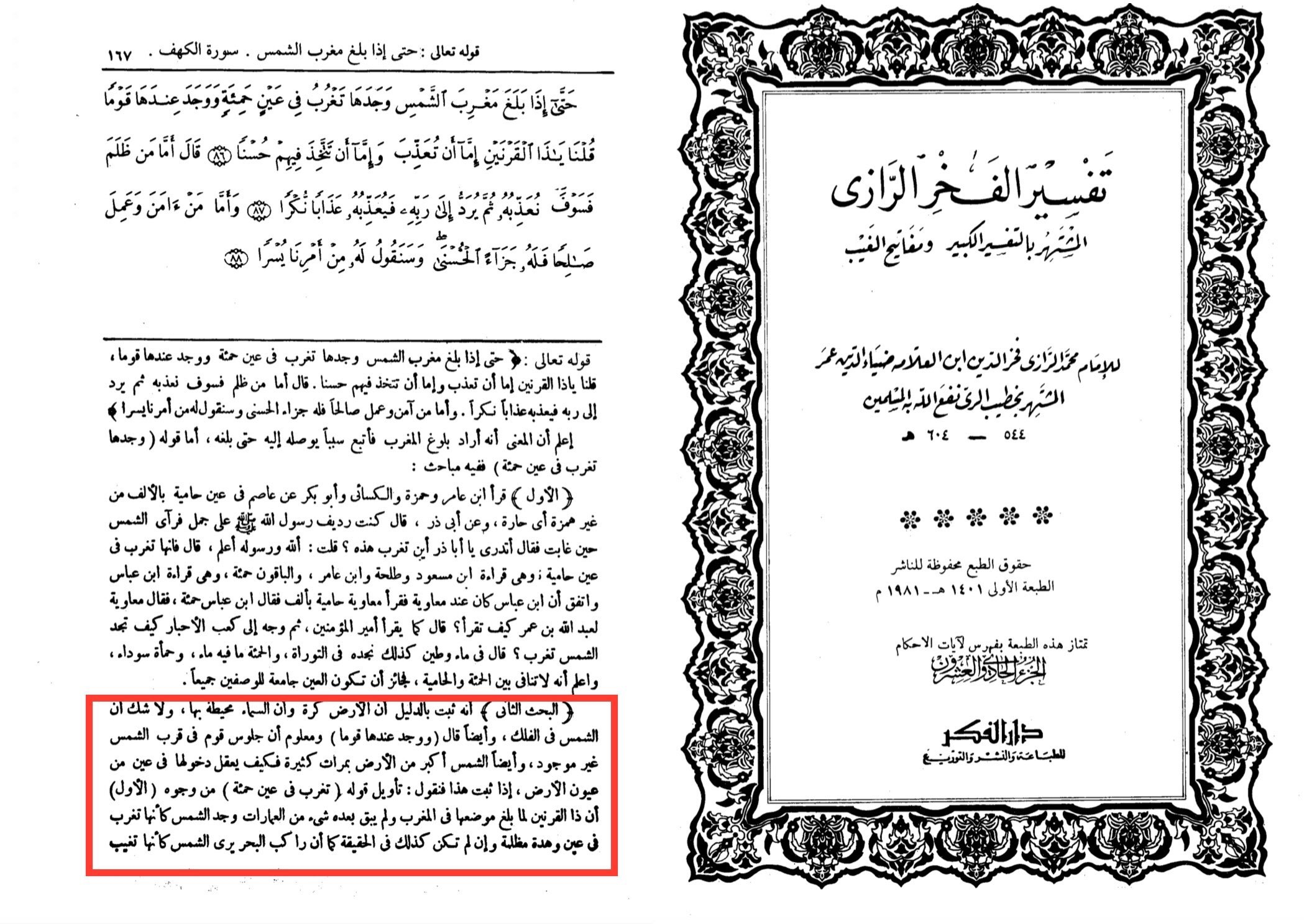
Also al-Razy (D.604 A.H) here he writes a whole refutation proving that this is just a eye vision from
dhul quranyn
Tafsir al-kabir w mafatih al-Ghayb volume 21 page number 167 interpretation 18:86
Summary of the argument: Quran 18:86 isn’t meant to be taken literally, just like
NASA’s statement about the sun sinking below the rim of Gusev crater on Mars isn’t meant to
be taken literally. If anyone calls you a liar for saying that Quran 18:86 isn’t meant to be
taken literally, ask them if NASA believes in a geocentric view, keep pressing them on this point.
Why can’t Non-Muslims be more charitable with their interpretation of Quran like how they are
charitable with how they understood NASA’s statement about the sun sinking?
Sheikh Shanqiti, may Allah have mercy upon him said:
If the scholars of Islam affirm the roundness of the Earth, what do they then say about The Most
High’s saying: “Or do they not observe the camels, how they were created?”
To his [other] saying: “And[do they not observe] at the Earth, how it was spread out?” ?
And their answers are like their answers upon The Most High’s saying: ” Until, when he reached the
setting place of the sun, he found it setting in a spring of black/hot muddy water”, in other words,
in sight of the eyes;
Because the sun sets for a people while continuing along the horizon for another people until its
rising in the East in the morning of the second day. And the spreading out of the Earth and its flatness,
is visual, in every region and part of it, due to its vastness and great magnitude.
And this does not contradict the reality of its shape; so we may see the towering mountain,
but when we climb it and reach it’s peak, we find it as a flat surface and we find a people with
all its effects. Some people in it may not be aware about the rest of the world.
Thus, is the ending of “Adwā’ul Bayān”(427/8)
Imam Al-Baidawi notes,
He probably reached shore of the ocean and saw it like that because there was but water at the furthest
of his sight that’s why He says “he found it set” and does not say “it sets”. (Al-Baidawi,
Anwar-ut-Tanzil wa Asrar-ut-Taw’il, Volume 3, page 394. Published by Dar-ul-Ashraf, Cairo, Egypt)
https://discord.com/channels/1310948573768319047/1330476434237558855/1330498174888054854
Started a thread.
Advanced refutation
@debunks