The Date Palm Pollination Hadith — Scholarly Positions
The Date Palm Pollination Hadith — Scholarly Positions
Overview
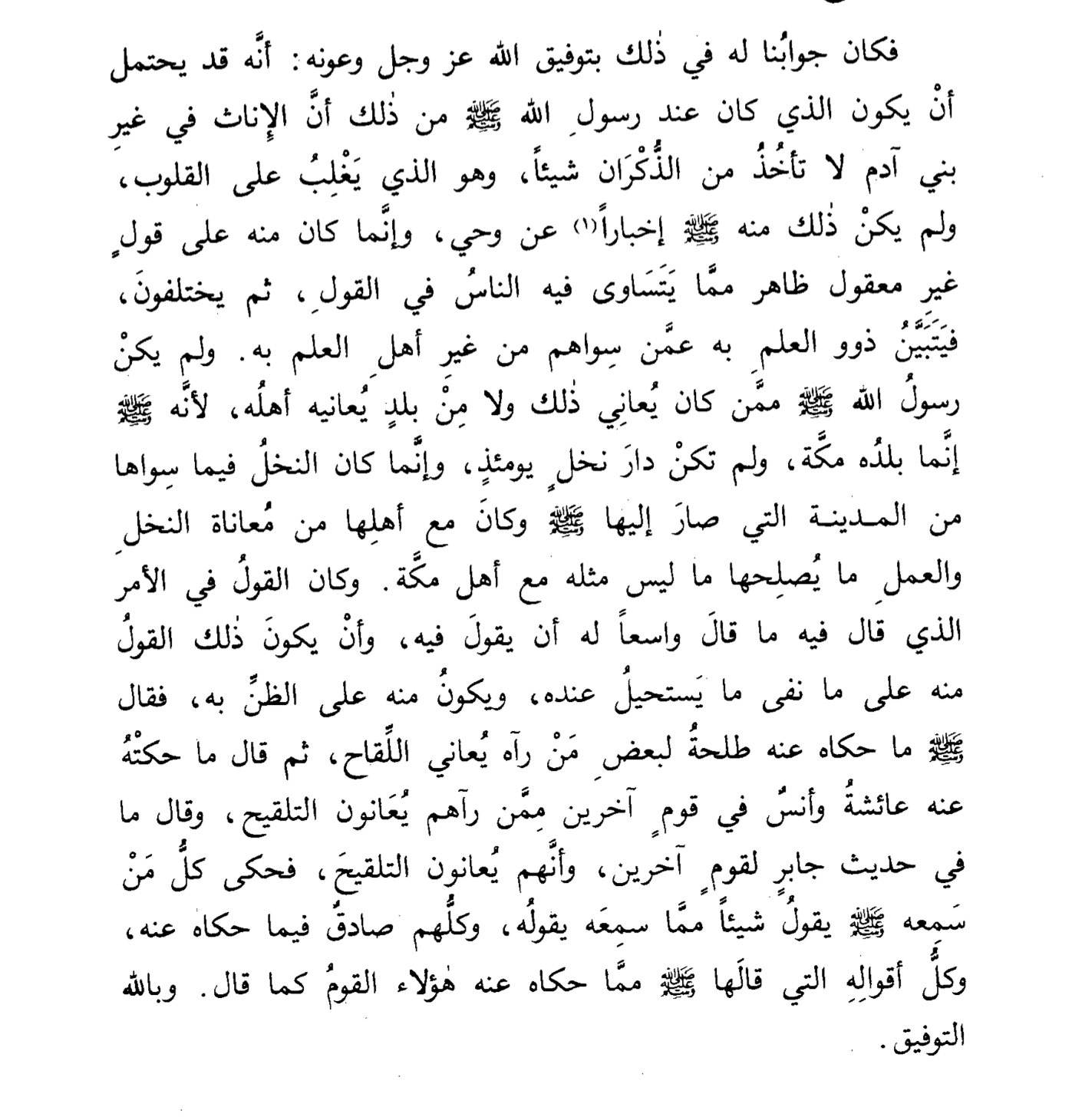
1. Imam al-Tahawi
Rather, it was his personal opinion, expressed in a manner that was not definitive or based on specialized knowledge. This is a matter where people may hold differing views, and those with expertise in the field may distinguish themselves from those without such knowledge.
Rasool Allah ﷺ was not someone who engaged in date palm cultivation, nor was he from a region where this was commonly practiced. His homeland was Mecca, which was not a land of date palms at that time.
Date palms were more common in other regions, such as Medina, where he later migrated. The people of Medina had extensive experience in cultivating and caring for date palms, unlike the people of Mecca.
Therefore, his statement on this matter was broad and based on his personal reasoning, not on divine knowledge. He spoke in a way that reflected his understanding at the time, which was subject to human error.”
2. Shah Abdul Haq Muhadith Dehlvi
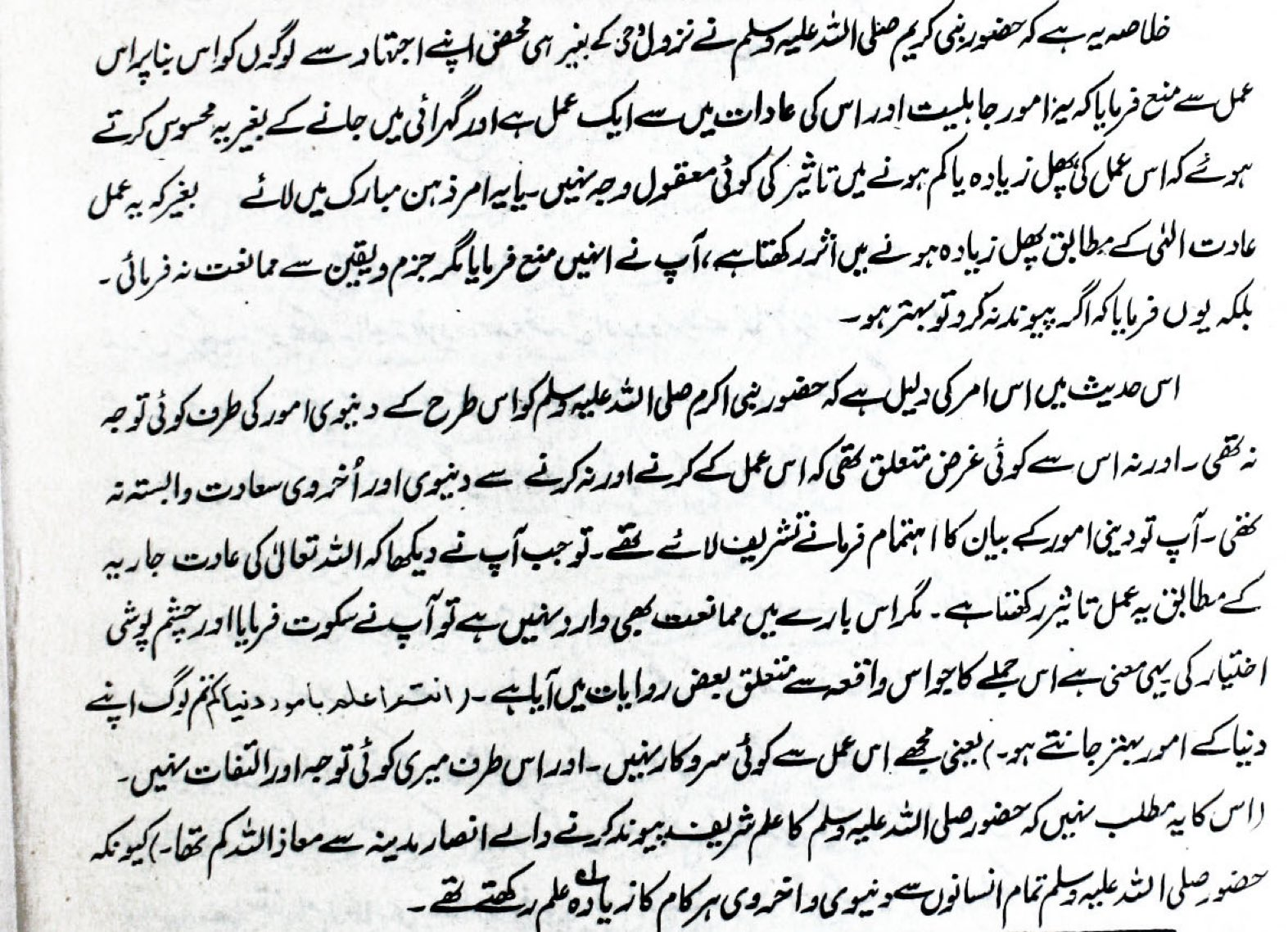
He emphasized that in matters of religion, his words were to be followed, but in worldly matters, people had more expertise.
The Ansar were experienced in date palm cultivation, unlike the people of Mecca, where Rasool ﷺ was from. His advice was based on his limited knowledge of agriculture, and he acknowledged that the Ansar knew better about their worldly affairs.
This incident highlights the distinction between matters of religion — which are infallible — and worldly matters, where human expertise and experience play a role.
Rasool ﷺ demonstrated humility by admitting that he was human and could err in matters outside divine revelation.
This serves as a lesson for Muslims to differentiate between religious obligations and worldly practices, relying on expertise in the latter.”
3. Qadi Iyyad
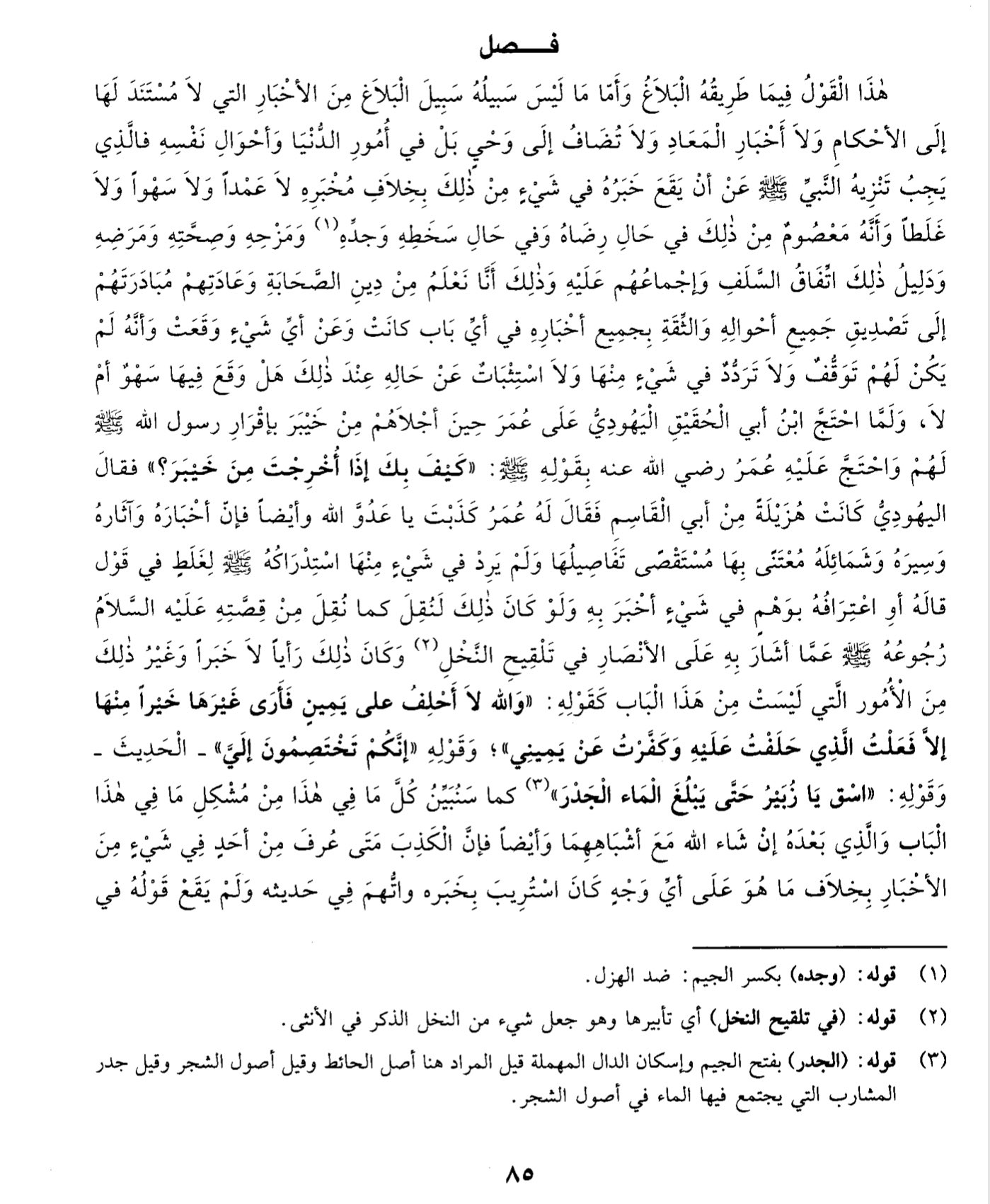
If such a thing had occurred, it would have been handed down in the same way as the story which is told about him concerning the fecundation of dates and his retraction of what he had indicated to the Ansar.
That was a matter of opinion and not a prophetic report.
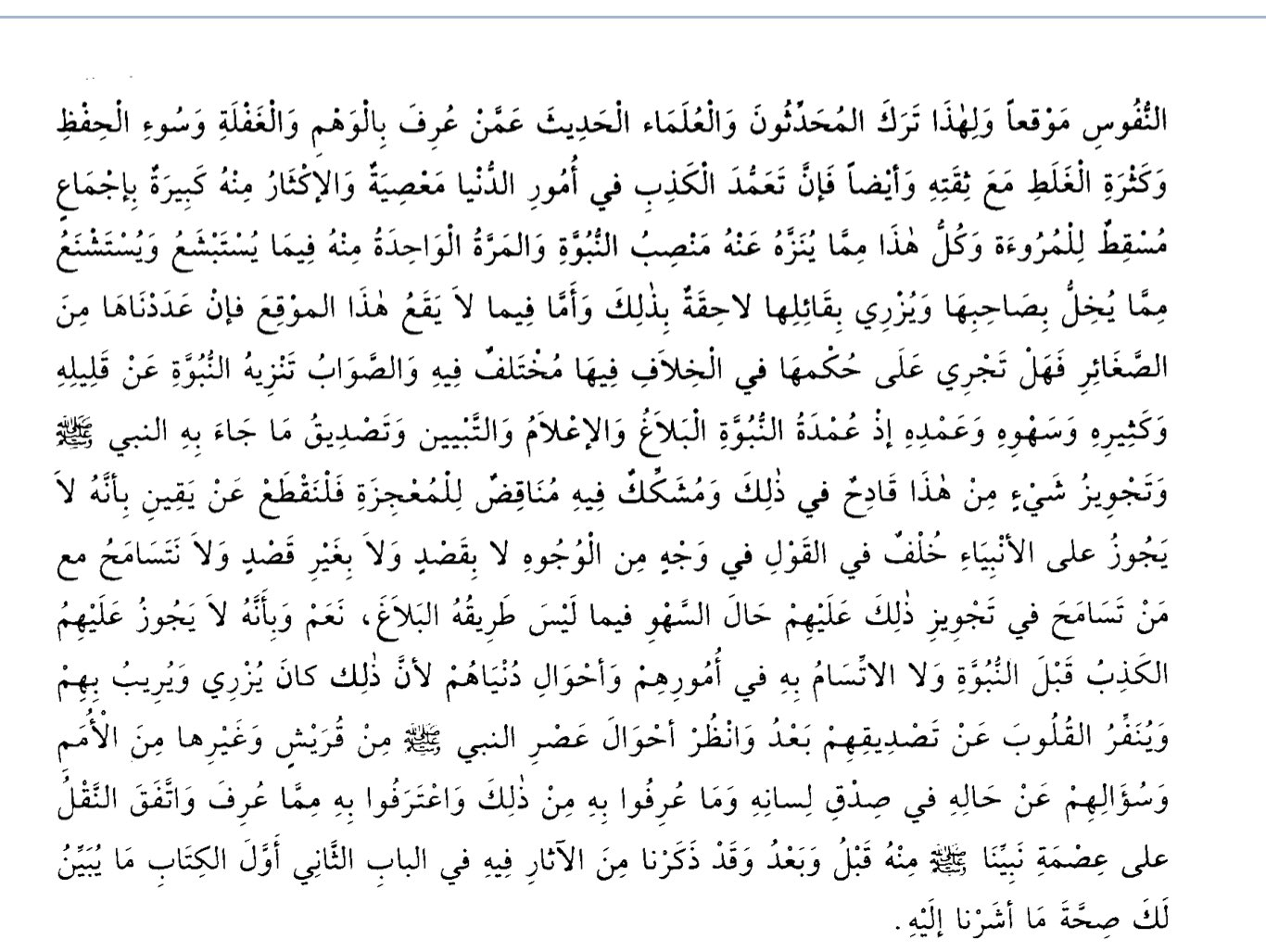
The correct position is to disconnect prophethood from all such things — great or small, whether deliberate or inadvertent — since the very foundation of prophethood involves the Prophet in question conveying, informing, clarifying, and attesting to the truth of the message he has been given. To allow anything of this kind in respect of the Prophet would detract from that.
Anything which occasions doubt would be incompatible with the miraculous nature of prophethood. We can definitely state that verbal discrepancy is not permitted for the Prophets in any case, either intentionally or unintentionally.
Nor are we indulgent with anyone who is not extremely careful about saying that it is permitted for the Prophets to be subject to a state of forgetfulness regarding even things that are not directly connected with their message.”
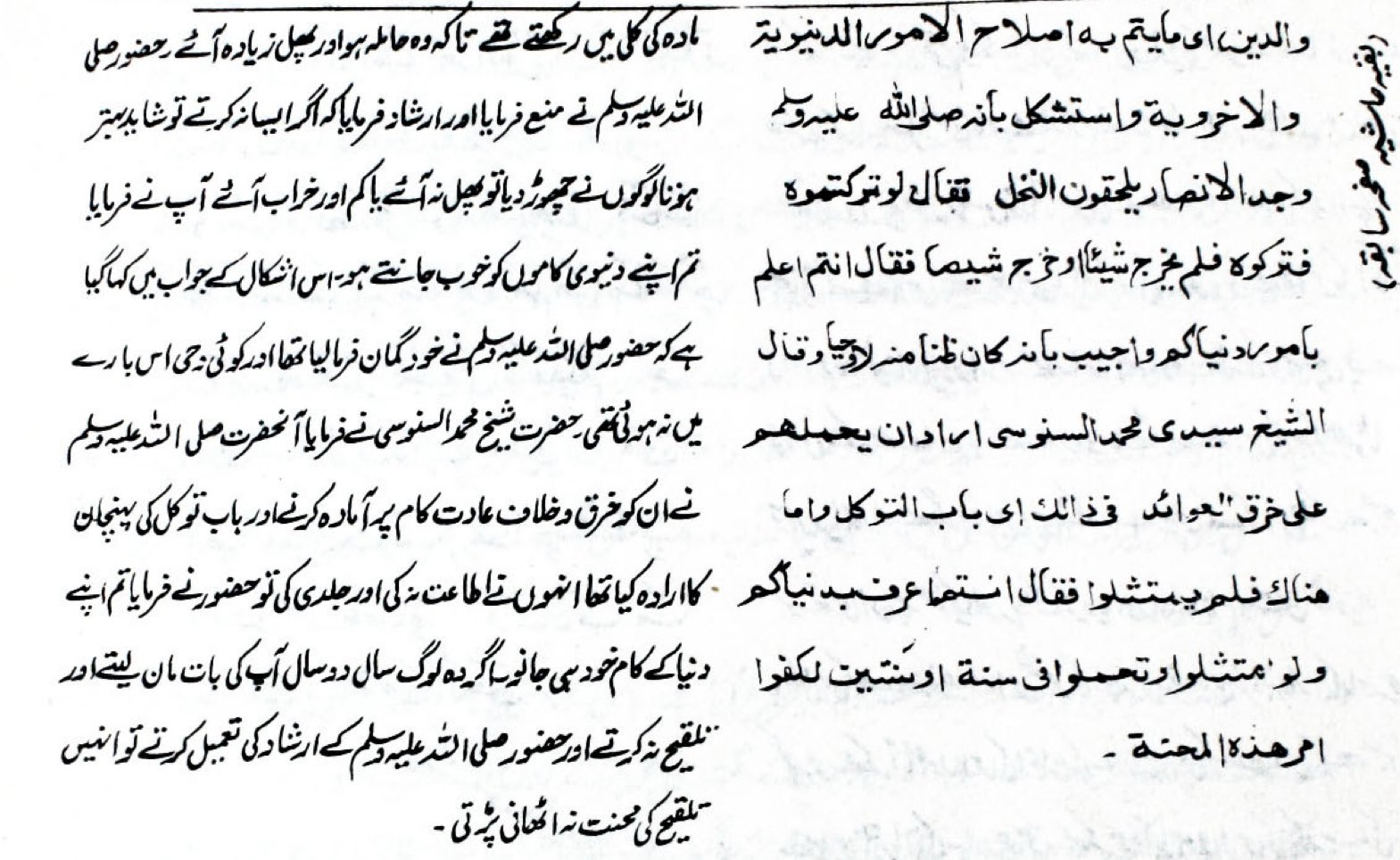
4. Imam al-Sanusi al-Maliki
Therefore he ﷺ said ‘you know better about worldly matters’ — as a rebuke.
And if they had been patient for a year or two and had obeyed him and had persisted, they would not have needed to use this pollination at all.”
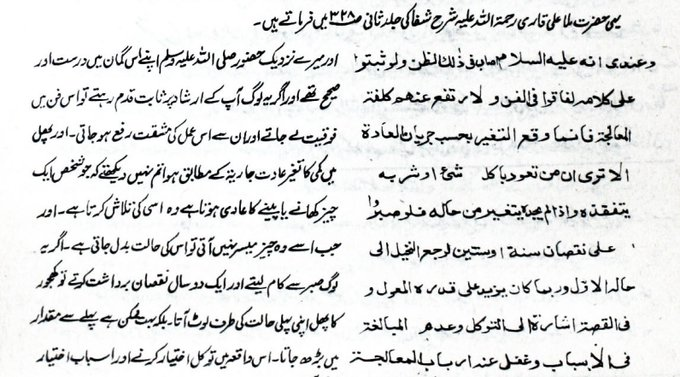
5. Mulla Ali al-Qari
Do you not observe: if a person is unable to acquire his desired food, he changes his habits accordingly. Likewise, had these people been patient upon their loss for a year or two, the dates would have returned to an even better state than before.
This incident was a lesson in tawakkul and not to be overdependent on your means.”
6. Mufti Ahmad Yaar Khan Na’imi
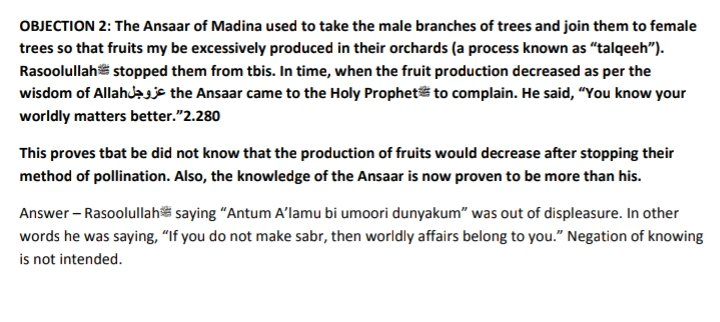
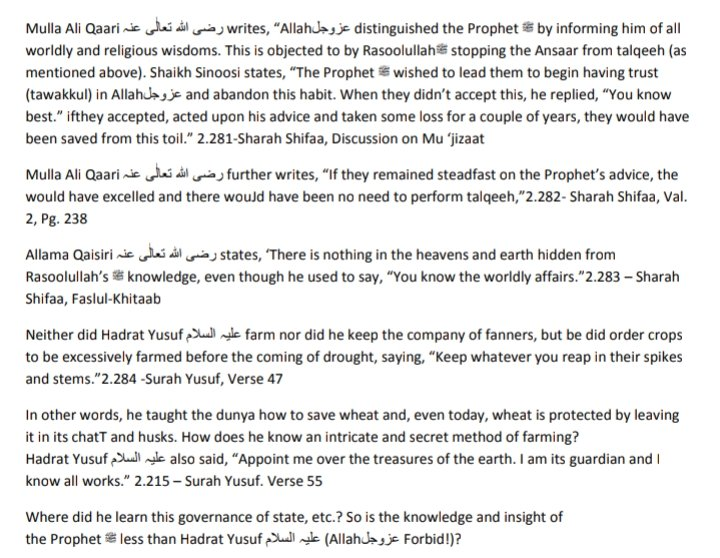
Summary of Scholarly Positions
| Scholar | Key Position |
|---|---|
| Imam al-Tahawi | The statement was personal opinion (ra’y), not revelation — the Prophet ﷺ had no background in date farming |
| Shah Abdul Haq Dehlvi | A distinction between infallible religious matters and fallible worldly matters — a lesson in humility |
| Qadi Iyyad | The incident was a matter of opinion, not a prophetic report — prophethood is protected from error in conveying the message |
| Imam al-Sanusi | The Prophet ﷺ was teaching tawakkul — “you know better” was a rebuke, not a concession and this answer is the best according to Faiz e Mustafa |
| Mulla Ali al-Qari | The Prophet ﷺ was correct — the poor yield was the consequence of disobeying him, not proof of error |