The "Father's Penis" Hadith: Why It's Weak, Misread & Mistranslated — A Complete Response
The Response to the Doubt: “Bite Him with His Father’s — and Do Not Use Euphemisms” — Did the Prophet Command Something Obscene?
Table of Contents
- Content of the Doubt
- First: The Hadith Is Weak — A Chain Transmission Analysis
- Second: The Word “Hann” Does Not Mean What Critics Claim
- Third: The Word “I’adhdh” (Bite) Does Not Mean Physical Biting
- Fourth: The Prophet Never Rebuked Anyone in This Manner
- Fifth: “Do Not Use Euphemisms” Has Nothing to Do with Genitals
- Sixth: The Phrase Was a Pre-Islamic Arab Expression
- Seventh: Analysis of the Remaining Narrations
- Conclusion
Content of the Doubt
“On the authority of Awf, on the authority of Al-Hasan, on the authority of Utayy, on the authority of Ubayy, who said: The Messenger of God said: ‘Whoever offers condolences in the manner of the Age of Ignorance, then give him his father’s penis, and do not use a kunya.’”
First: The Hadith Is Weak — A Chain Transmission Analysis
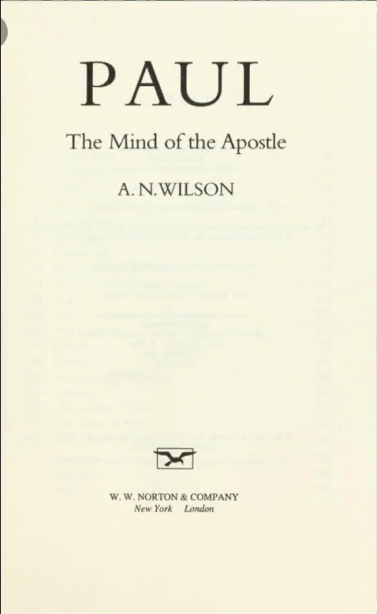
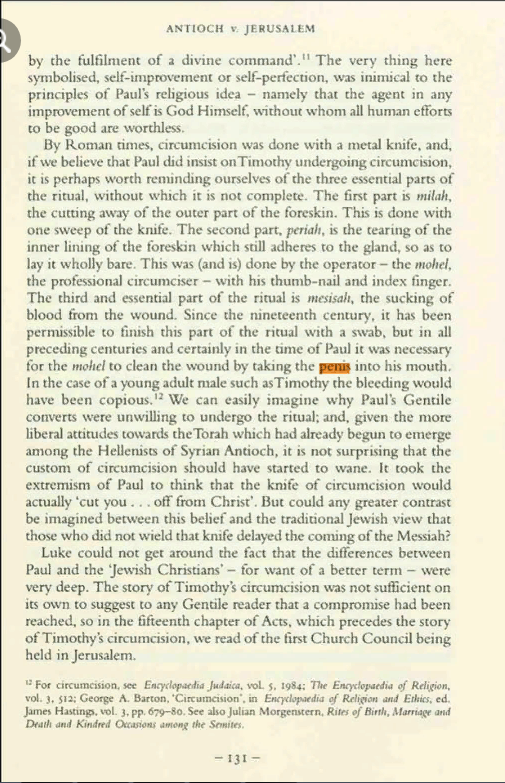
The Christian apostle Paul was himself recorded as having sucked the penis of the young man Timothy during his circumcision — a matter discussed separately with its references linked at the end of this article. The critics raise this doubt while their own texts contain what they claim to object to.
The hadith cited by critics has been weakened by scholars including Sheikh Mustafa Al-Adawi and Sheikh Othman Al-Khamis. The reason for weakness lies substantially in Al-Hasan Al-Basri’s well-documented practice of tadlis — concealing or omitting names of weak narrators from chains of transmission to give the false impression of authenticity.
“Al-Hasan was accused of forgery, and he forged narrations from the Companions and others from the Followers. Indeed, when some scholars traced the mursal reports of Al-Hasan, they found that he forged narrations from weak and trustworthy narrators at the same time.”
“Al-Hasan bin Abi Al-Hasan Al-Basri: He narrated many hadiths, and he transmitted many narrations from everyone. Al-Nasa’i and others described him as having fabricated chains of transmission.”
“Al-Hasan often included unknown people among his companions, and he sometimes concealed narrations from the likes of ‘Utayy ibn Damrah, Hanif, Daghfal ibn Hanzalah, and their likes.”
“Ibn Sa’d said: What he sent is not an argument, and he said: He is a mudallis, so his words cannot be used as evidence for someone who did not meet him, and he mudallised someone who met him.”
Al-Ala’i placed Al-Hasan Al-Basri in the third rank of those most famous for tadlis. Comparing the chain as it appears in Ibn Abi Shaybah’s Musannaf with the version in Al-Nasa’i’s Al-Sunan Al-Kubra reveals that the name of ‘Ati ibn Damrah was deleted between the two versions — confirming that Al-Hasan Al-Basri was dropping names from the chain.
The narration in Al-Tabarani’s Musnad Al-Shamiyyin and Ibn Al-Sunni’s Amal Al-Yawm Wal-Laylah names the central figure of the story asAjrad ibn Mudra’ Al-Tamimi — a person who is entirely unknown and undocumented in the books of rijal (narrator criticism). Additionally, the narrator Saeed ibn Bashir in this chain is himself weak.
Second: The Word “Hann” Does Not Mean What Critics Claim
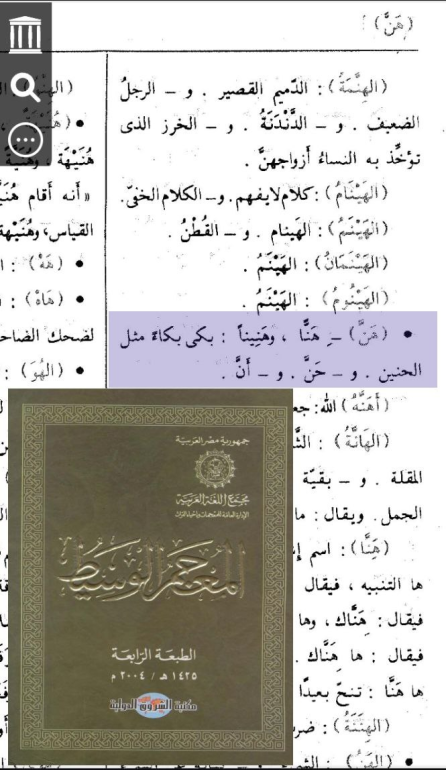
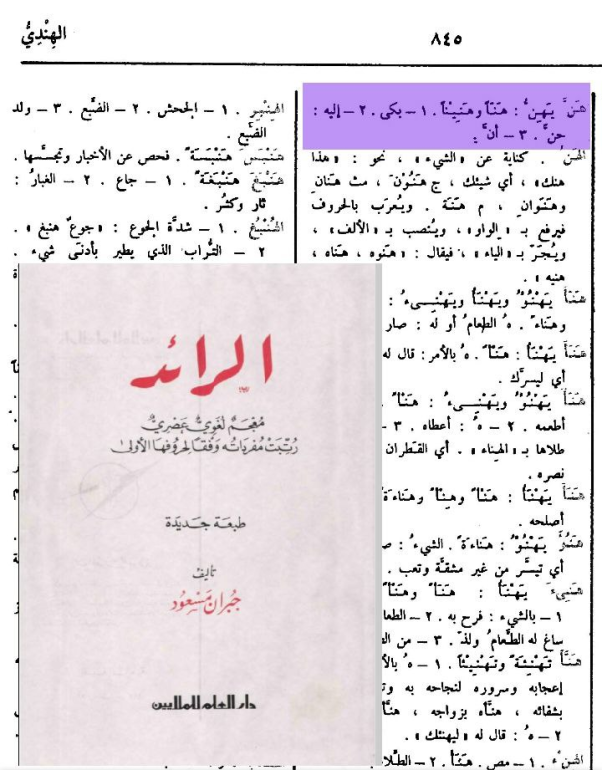
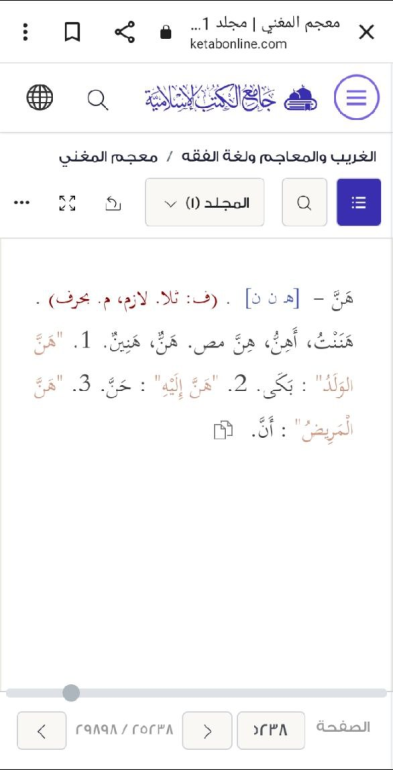
Many scholars have made an error in interpreting the word“hann” in this hadith. Some assumed it refers exclusively to male genitalia, leading to the obscene interpretation. However, the primary and well-attested meaning of “hann” in classical Arabic is the crying or moaning of a child or a sick person.
“Ibn Al-Sikkit said about the saying: ‘When he saw the house empty, he cried’ — the meaning of (he cried / hanna) is that he cried. It is said: he cried, meaning he cried.”
“‘Hanna’ here means he cried.”
“(Hanna) yahnu: he cried a cry like longing.”
“It is said: hanna a man yahnu: if he cries; meaning: he moaned.”
“Hanna hanna wa haninan: meaning he cried a cry like longing.”
“Hanna: a triliteral intransitive verb. And hunna al-walad means that he cried.”
“And do not walk upon the earth exultantly. Indeed, you will never tear the earth apart, and you will never reach the mountains in height.” — Al-Isra’ 37
Third: The Word “I’adhdh” (Bite) Does Not Mean Physical Biting
The word “a’dhdhu” (imperative: bite) in Arabic also carries the established meanings of criticising with the tongue, rebuking, and adhering firmly to something. It is not limited to physical biting.
“So-and-so bit his tongue: that is, he mentioned something bad about him. Time and time have bitten him: it has intensified and become cruel to him.”
“He bit him with his tongue — that is, he treated him in a way that was not appropriate.”
“Biting the tongue: doing something that is not appropriate. It is a metaphor.”
“A man bit his companion: he stuck to him and stuck to him.”
“It is said that there is nothing sticking to the matter, and from this is his saying, ‘Adhere to my Sunnah and the Sunnah of the Caliphs after me, and adhere to it,’ meaning adhere to it and hold fast to it.”
“Whoever bites his companion: if he sticks to him, and from it: they bite on it with the molars.”
The word “a’dhdhu” in this hadith means to criticise this arrogant person with the tongue and remind him of his fathers’ weakness — their helplessness, their groaning, their crying. It also carries the sense of “adhere” and “stick firmly to the matter.” The hadith commands verbal rebuke of arrogance, not any physical or obscene act. Furthermore, since many fathers are already deceased at the time such situations arise, the literal interpretation of physical biting is absurd on its face.
Fourth: The Prophet Never Rebuked Anyone in This Manner
The Prophet ﷺ himself encountered situations of tribal arrogance and pre-Islamic boasting on multiple occasions, and in every instance, he responded with dignified verbal correction — never with the obscene command critics attribute to him.
“Ma’mar and Ibn Uyaynah told us, on the authority of Amr ibn Dinar, who said: I heard Jabir ibn Abdullah say: We were with the Messenger of God in a raid, and a man from the Muhajireen struck a man from the Ansar on the foot. The Ansari said: ‘O Ansar!’ and the Muhajireen said: ‘O Muhajireen!’ The Messenger of God heard that and said: ‘What is this call of the Age of Ignorance?’ They told him what had happened, and the Prophet said: ‘Leave it, for it is foul.’”
The Prophet did not order either companion to do anything obscene — he politely instructed them to abandon tribal fanaticism. Similarly, in Sahih Muslim, when the companion Abu Dharr al-Ghifari insulted one of his clients on account of his race, the Prophet forbade him from doing so with dignified counsel and did not utter anything of the nature critics claim.
Fifth: “Do Not Use Euphemisms” Has Nothing to Do with Genitals
The first meaning: When rebuking an arrogant person, there is no need to mention his name and disgrace him publicly before all people. It is sufficient to advise and rebuke him without broadcasting his disgrace everywhere. This was the established custom of the Prophet ﷺ, who would ascend the pulpit and rebuke behaviour without naming individuals.
The second meaning: Avoid addressing the arrogant person by the very kunya or tribal epithet he uses to boast. If a man swaggers on account of the tribe of Tamim, calling him “O brother of Tamim” during rebuke only reignites the spirit of tribal fanaticism within him. The kunya may include forms such as “Ibn So-and-so,” “Abu So-and-so,” or the tribal name itself.
“Yahya bin Yahya told us, Yazid bin Zari’ told us, on the authority of Khalid Al-Hadha’, on the authority of Abd Al-Rahman bin Abi Bakra, on the authority of his father, who said: A man praised a man in the presence of the Prophet, so the Prophet said: ‘Woe to you, you have cut off your companion’s neck, you have cut off your companion’s neck,’ repeatedly.”
This illustrates the Prophet’s consistent approach: addressing the root behaviour without public naming or shaming.
Some argue that since those present described Ubayy ibn Ka’b’s words as “obscene,” this proves he said something sexual. This reasoning does not hold, because “obscenity” (fahsh) in Arabic refers to any excess in speech, not exclusively sexual language.
“Some Jews came to the Prophet and said: ‘Death be upon you, O Abu al-Qasim.’ He said: ‘And upon you.’ Aisha said: ‘And upon you be death and condemnation.’ So the Messenger of Allah said: ‘O Aisha, do not be obscene.’ She said: ‘O Messenger of Allah, did you not hear what they said?’ The Messenger of Allah said: ‘Did I not respond to them with what they said? I said: And upon you.’ Ibn Numayr added: ‘Allah, the Almighty, does not like indecency or vulgarity.’”
Here the Prophet called Aisha’s response “obscene” — yet her words contained nothing sexual. Obscenity refers to exceeding appropriate limits in speech, not exclusively to sexual content. The word “obscene” applied to Ubayy’s rebuke therefore proves nothing about genitalia being mentioned.
Sixth: The Phrase Was a Pre-Islamic Arab Expression
Even if the word “air” (a coarse term) genuinely appears in some narrations, it must be understood that this phrase was a common pre-Islamic Arab expression used rhetorically, not literally — employed by poets and tribal leaders of the Jahiliyyah era.
Regarding Imru’ al-Qais ibn Hajar: “The forbidder went out, and he returned. Then the forbidder went out again, he broke the arrows, and struck Dhu al-Khalasa in the face with them, saying: ‘I would have bitten your father’s penis. If your father had been the one killed, you would not have recognized me.’”
Regarding Qais ibn al-Khatim: “He said, ‘I have bitten your father’s penis if he is not Abu Sa’sa’ah.’ He said, ‘He is Abu Sa’sa’ah.’”
Both Imru’ al-Qais and Qais ibn al-Khatim are famous pre-Islamic Arab poets who used this expression as a rhetorical device — not as a literal physical command. If the phrase appeared in any narration, it is to be understood within this established idiomatic context of pre-Islamic Arabic speech.
Seventh: Analysis of the Remaining Narrations
This narration is weak. The narrator Mubarak ibn Fadala was extensively criticised by hadith scholars for poor memory and lack of precision in transmission.
Al-Bayhaqi said of him: “It is not an argument for scholars of hadith.” Abu Hatim ibn Hibban said he made mistakes. Al-Nasa’i said he is weak. Al-Ajali said he is not strong. Al-Jawzjani weakened his hadiths as he was not among the people of verification. Al-Daraqutni said he was weak and made many mistakes. Al-Saji said he was truthful but not a hafiz and was weak. Muhammad ibn Sa’d described him as weak. This narrator — due to his errors — replaced the word “hann” with an obscene term. There is no power or strength except with Allah.
This narration is weak. Imam Yahya ibn Ma’in said of the narrator Hudha ibn Khalifa: “This is a weak hadith on the authority of Awf, and it is not praiseworthy.” Hudha was not described as trustworthy by any of the classical hadith scholars — he holds only the rank of “truthful” (saduq), which is lower than the rank of “trustworthy” (thiqa), as his memory may at times be faulty. Even Ibn Hibban’s authentication of him in Al-Thiqat is unreliable, as Ibn Hibban is known for leniency in authentication.
Crucially, this narration does not attribute the phrase to the Prophet ﷺ — it attributes it to Ubayy ibn Ka’b himself. What the Prophet commanded in the narration is simply “bite him,” meaning rebuke him. The phrase “and do not use euphemisms” refers to avoiding the person’s boastful kunya.
This narration is also weak due to the tadlis of Al-Hasan Al-Basri, as established at the outset. Again, the word “penis” is attributed to Ubayy ibn Ka’b — not to the Prophet ﷺ. What the Prophet commanded in this narration is only “bite him,” meaning rebuke him with the tongue, followed by “do not use a kunya.” When this narration is compared against the totality of other narrations, the word “air” (a coarse term) appears as an odd, rejected variant (shadhdh) that contradicts the majority of transmissions, most of which contain no such word at all.
This narration does not contain the word “air” at all. The narrator is Sufyan ibn Uyaynah — trustworthy but a mudallis who conceals the name of his direct source. The deeper problem is that Sufyan practiced tadlis on the authority of Ibn Jurayj — a trustworthy narrator who was himself a mudallis concealing weak narrators. The result is a chain where weak narrators may have been dropped twice. Caution therefore requires comparing such narrations against the Qur’an, the established Sunnah, and reason before acceptance.
As for the narration in The Selected Hadiths, it is weak due to the weakness of Al-Hasan ibn Ali Al-Tamimi, and there is also Ahmad ibn Jaafar Al-Qat’i in the chain, who became senile and confused in the latter part of his life.
Conclusion
The hadith cited by critics is weak at its chain of transmission level, primarily due to the well-documented tadlis of Al-Hasan Al-Basri and the presence of weak or unknown narrators across all versions. Beyond the chain issues, the linguistic evidence is decisive: the word “hann” in classical Arabic means the crying or moaning of a child or sick person — not genitalia. The word “a’dhdhu” means to rebuke with the tongue and to adhere firmly, not to bite physically. The phrase “do not use a kunya” refers to avoiding boastful tribal nicknames during rebuke — not to naming genitalia. The Prophet ﷺ himself never rebuked anyone in the manner critics describe, as proven by multiple authenticated incidents preserved in Bukhari and Muslim. And in the rare narrations where a coarse term does appear, it is attributed to Ubayy ibn Ka’b — not the Prophet — and reflects a pre-Islamic Arab idiom used rhetorically, as documented in the poetry of Imru’ al-Qais and Qais ibn al-Khatim.