

The Hadith of the Zutt People — Weakness of All Eighteen Chains and the True Meaning of Yarkabun
Critics — particularly Christian polemicists such as David Wood — have attempted to weaponise a narration attributed to Ibn Mas’ud in Musnad Ahmad, claiming it describes jinn sexually assaulting the Prophet ﷺ during the Night of the Jinn. The narration fails on every level: isnad, matn, and linguistic meaning. Eighteen known transmission chains have been examined by classical hadith scholars; not one is free of defect. The word yarkabun (يركبون), which critics mistranslate as a sexual act, means crowding and jostling — a meaning established by multiple classical Arabic lexicons, tafsir works, and parallel narrations. This article presents the full documentation.
A narration attributed to Abdullah ibn Mas’ud in Musnad Ahmad and Jami’ al-Tirmidhi describes jinn “riding upon” the Prophet ﷺ during a night of Quran recitation. Critics claim the wordyarkabun (يركبون — “they ride”) implies sexual assault, and that the Prophet was therefore harmed by jinn in an indecent manner. Some authenticators, including Ahmad Shakir, have declared the primary chain sound, lending the claim apparent credibility.
The narration is weak by scholarly consensus across all eighteen known chains. The primary chain contains a narrator’s own doubt (shak), a documented gap between Amr al-Bakali and Ibn Mas’ud confirmed by al-Bukhari in two separate works, and a matn directly contradicted by the authentic narration in Sahih Muslim 450d — in which Ibn Mas’ud himself states he was not present that night. The secondary Tirmidhi chain contains Ja’far ibn Maymun al-Tamimi, weakened by Ahmad, Ibn Ma’in, al-Nasa’i, al-Bukhari, Yahya ibn Sa’id, and Ibn Ady. Ahmad Shakir’s authentication is overridden by a consensus of scholars identifying him as lenient. Even granting the chain hypothetically, yarkabun is established in classical Arabic usage, tafsir, and parallel narrations to mean crowding and pressing together in a dense mass. No classical Arabic source anywhere applies this word to an indecent act.
The Primary Isnad — Three Fatal Defects
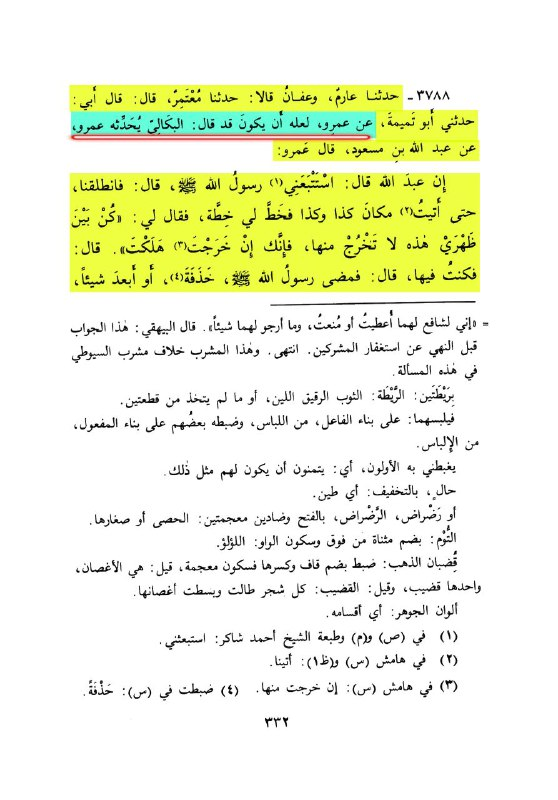
The chain in Musnad Ahmad reads:
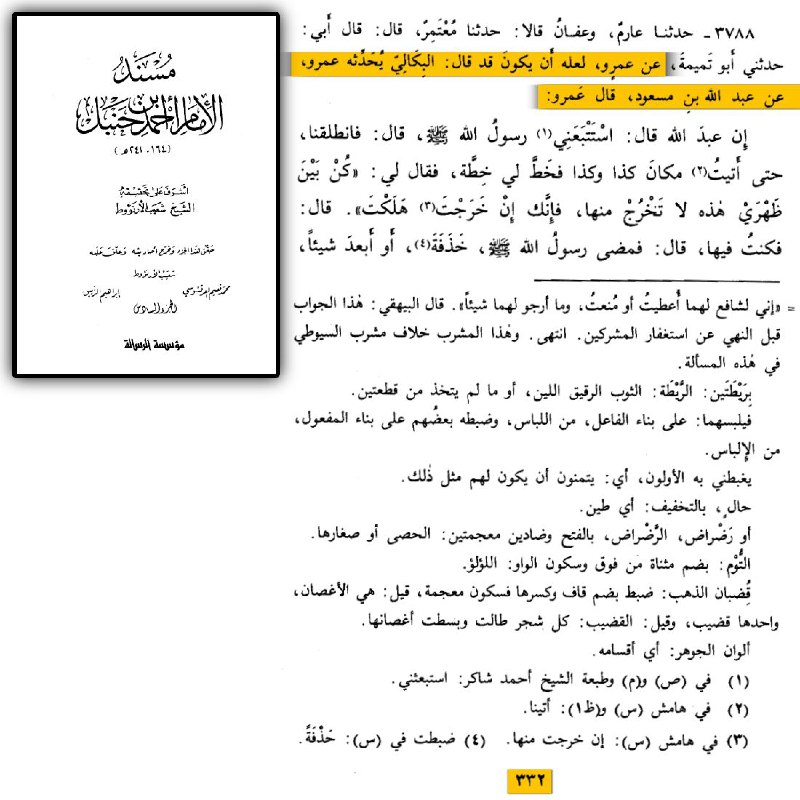
Narrated by ‘Arim and ‘Affan, from Mu’tamir, who said: My father said: Abu Tamima narrated to me, from Amr — perhaps he said: al-Bikali, with Amr narrating from him — from Abdullah ibn Mas’ud. Amr said: Indeed Abdullah…
Grade: Da’if · Shu’ayb al-Arna’ut, Ibn Kathir, al-Bukhari (implicit)
Defect 1 — The Narrator’s Own Doubt (Shak)
The bolded phrase above — la’allahu an yakūna qad qāla al-Bikāliyy (“perhaps he said: al-Bikali”) — is Mu’tamir’s father expressing uncertainty about whether Amr al-Bakali is in this chain at all. This is shak (شك): a narrator’s own doubt about his transmission. According to the rules of hadith criticism recorded in Al-Irshadat fi Taqwiyat Ulum al-Hadith, such doubt renders the narration rejected.
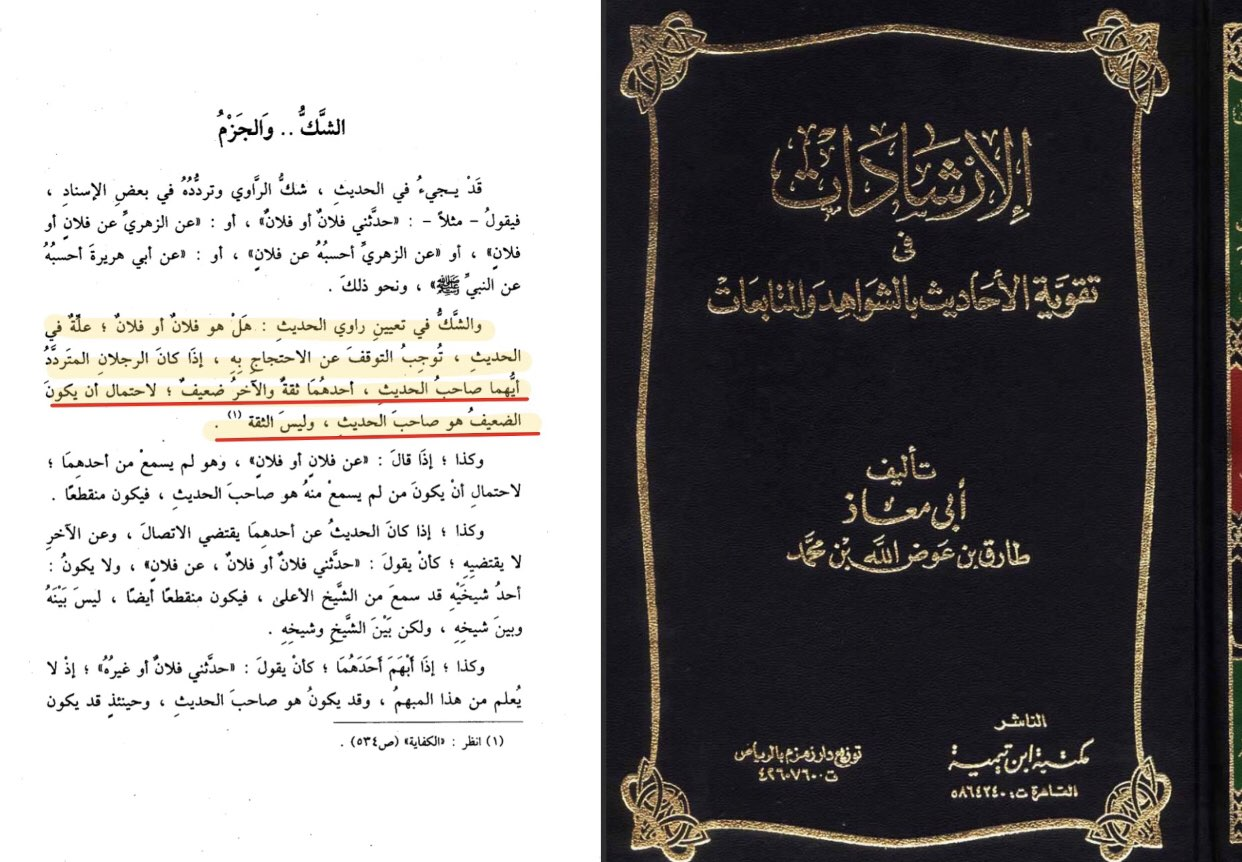
Defect 2 — The Transmission Gap Between Amr al-Bakali and Ibn Mas’ud
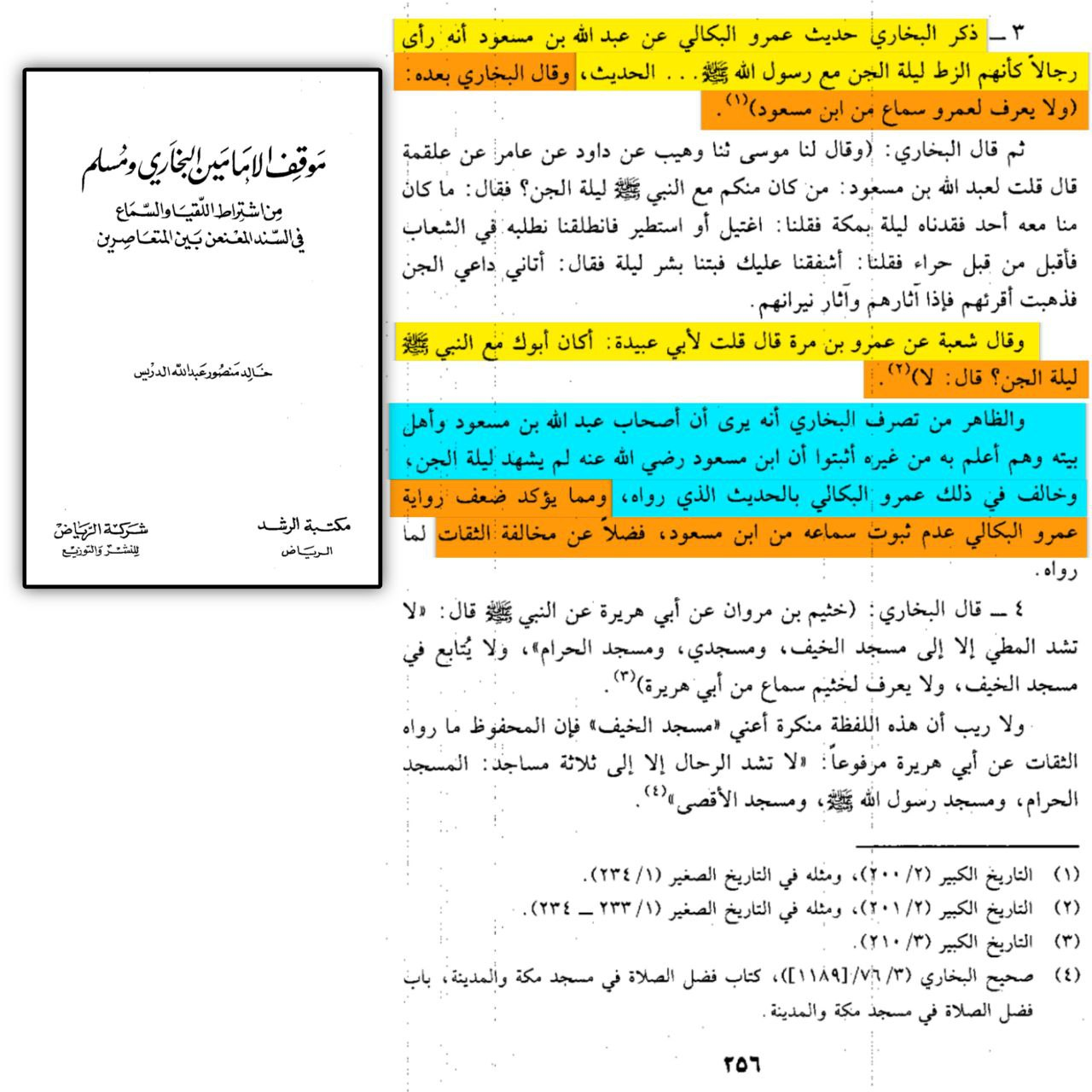
Even setting aside the shak, al-Bukhari documented in both Al-Tarikh al-Kabir and Al-Tarikh al-Saghir that it is not known for Amr to have heard from Ibn Mas’ud. Some defenders argue Amr was a companion who witnessed Yarmuk and narrated from Ibn Mas’ud — but this conflates three separate issues. First, Amr’s companionship is itself disputed. Second, rawa (روى — “narrated from”) does not imply direct hearing; it is structurally weaker than sami’a (سمع). Third, contemporaneity is a necessary but insufficient condition for confirmed transmission.
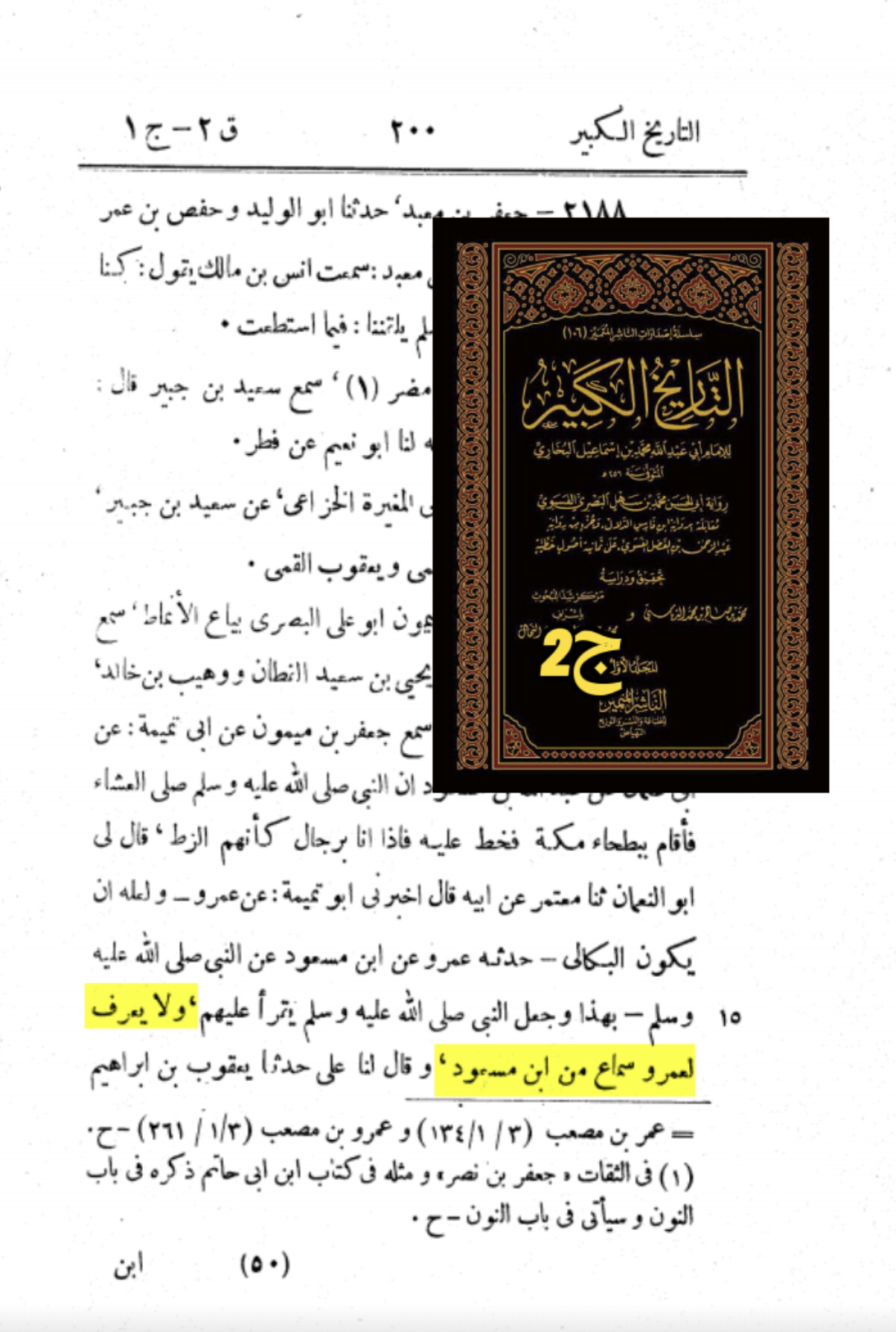
The same work continues its analysis of the chain’s conditions of transmission.
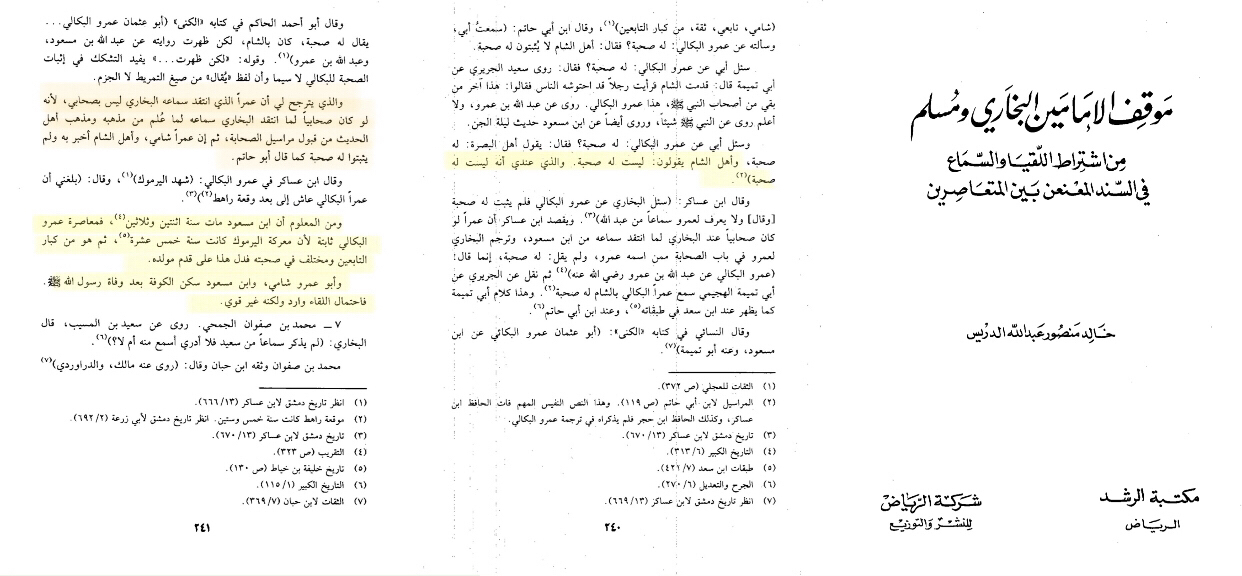
Al-Bukhari’s verdict in Al-Tarikh al-Kabir (Vol. 2, p. 200, no. 2191) is explicit: Amr al-Bakali is not known to have heard from Ibn Mas’ud.
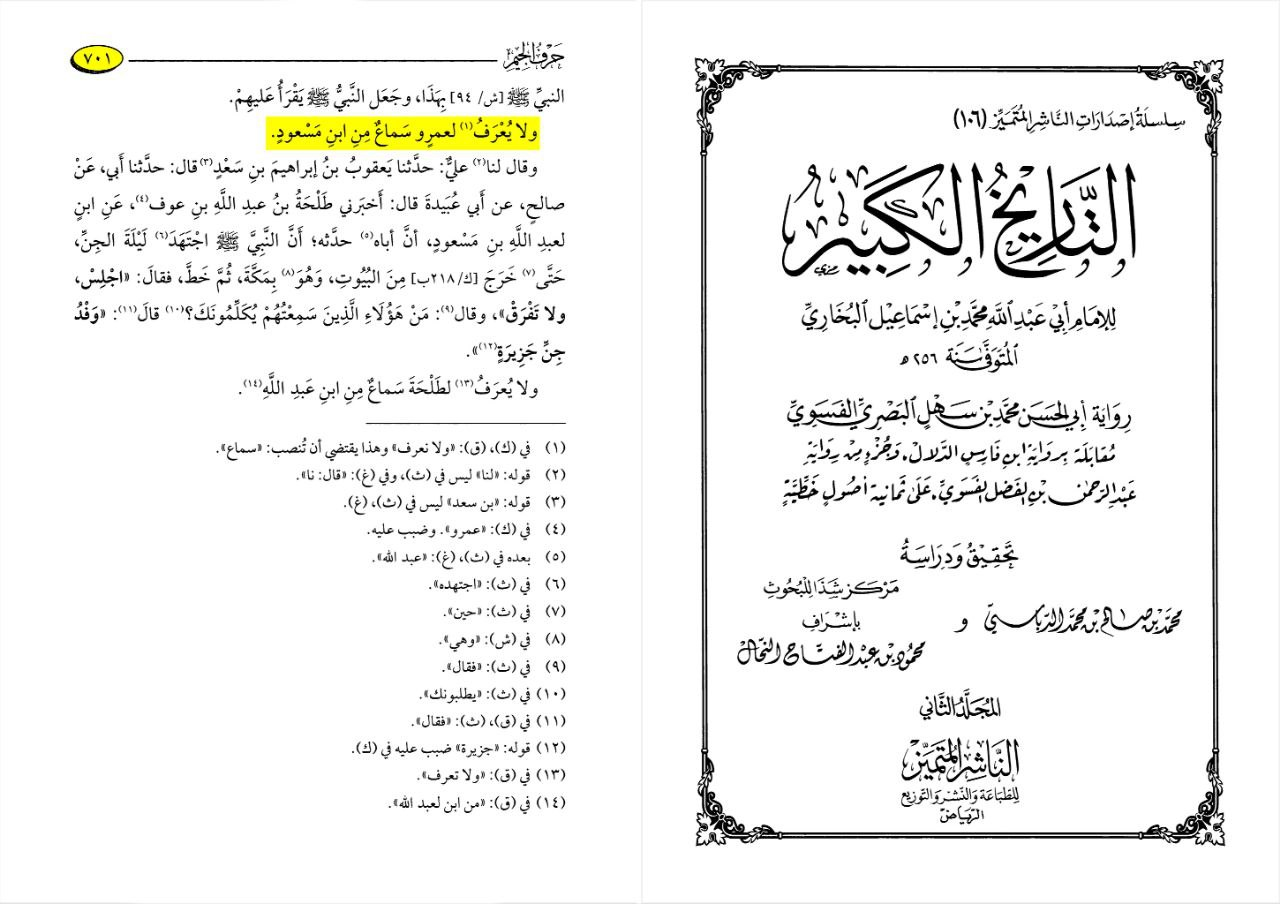
Al-Bukhari repeated the same verdict in Al-Tarikh al-Saghir.
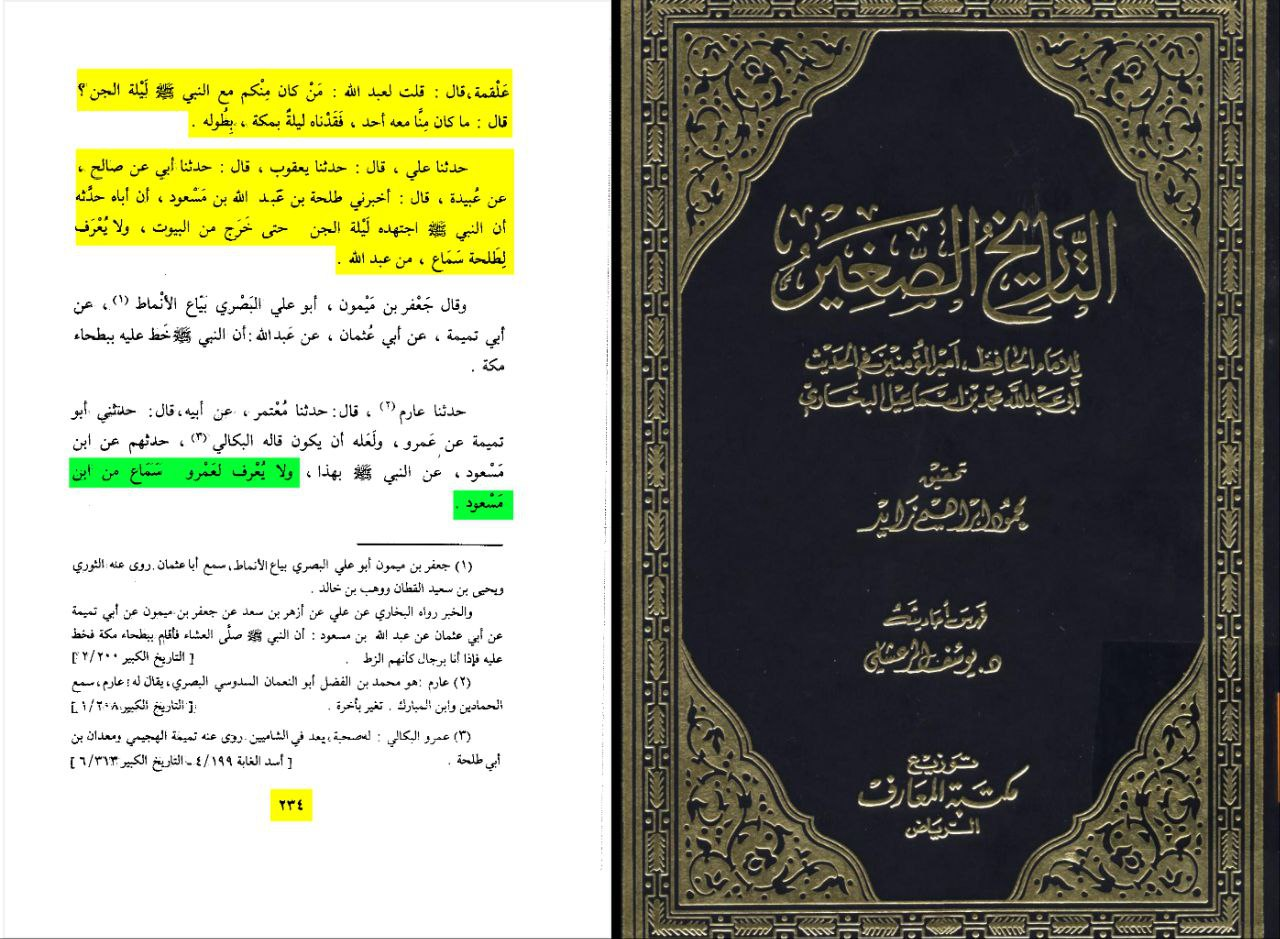
The Disputed Companionship of Amr al-Bakali
Beyond the transmission gap, the very companionship of Amr al-Bakali is disputed in the Rijal literature. A preliminary note: al-Ajli is known to document unknown individuals and narrators of uncertain standing, making his authentication of Amr insufficient to establish companionship against the opposition of stronger critics.
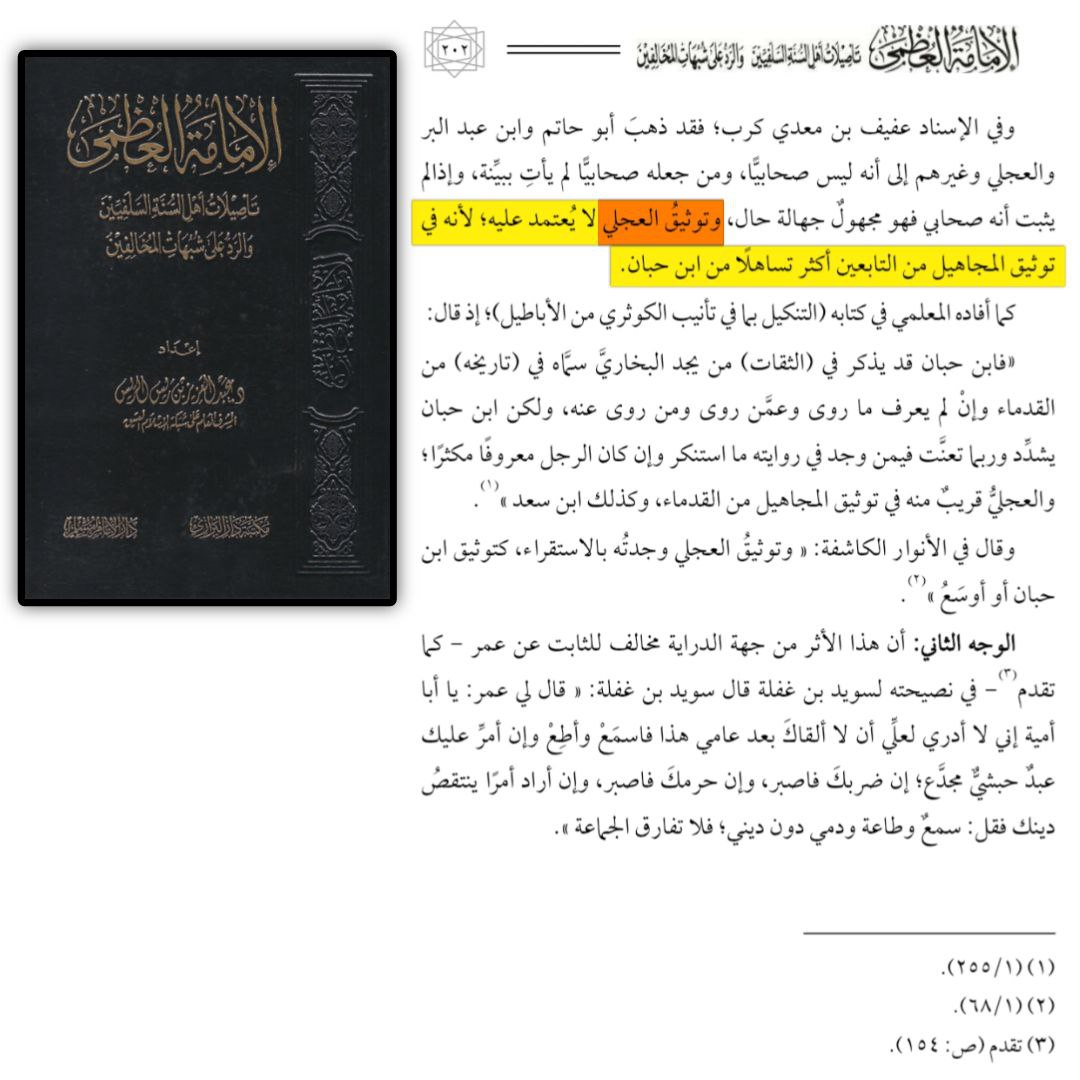
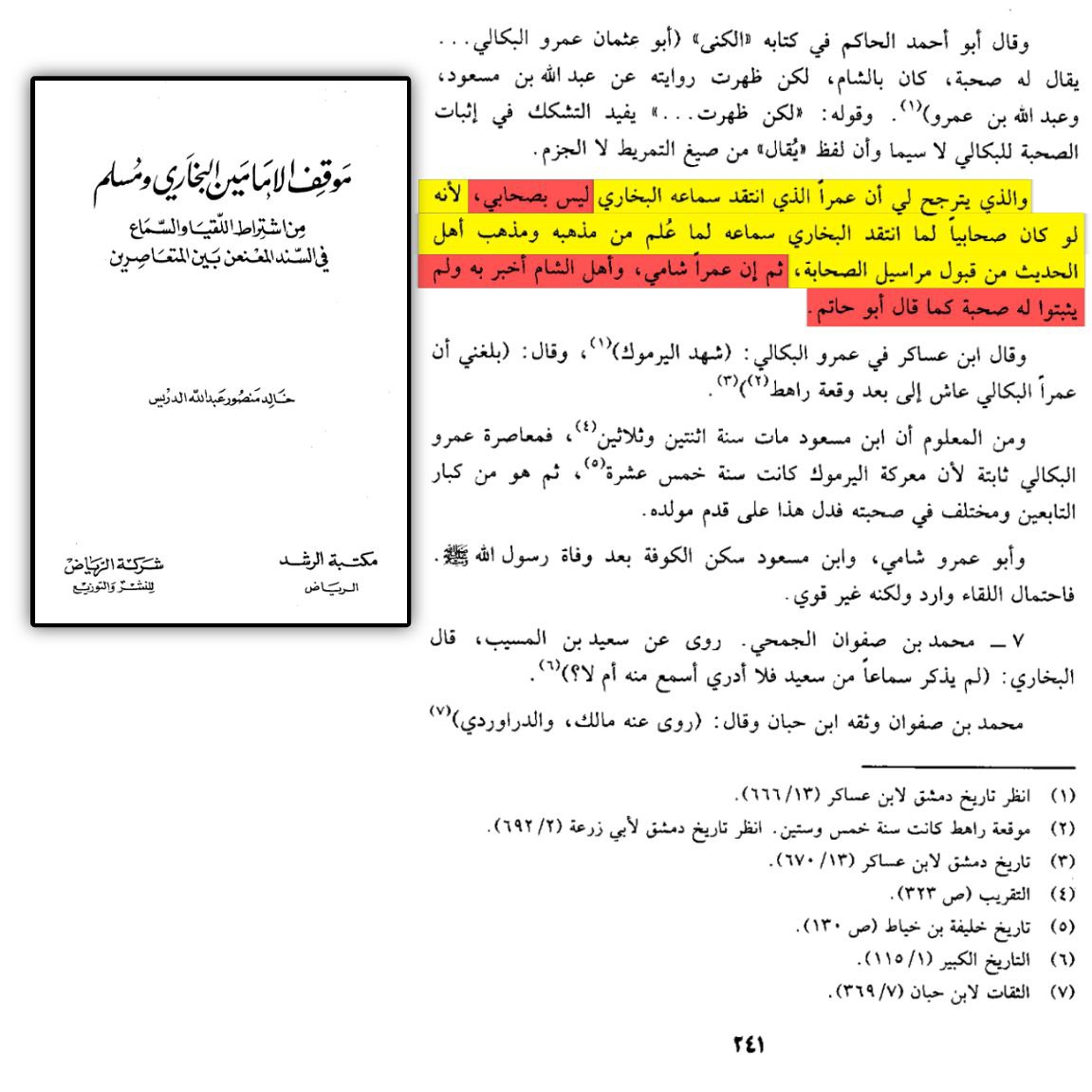
The book documenting companions whose status was disputed lists Amr al-Bakali explicitly among those whose companionship is unconfirmed. Amr was from Syria, and the scholars of Syria did not affirm his companionship.
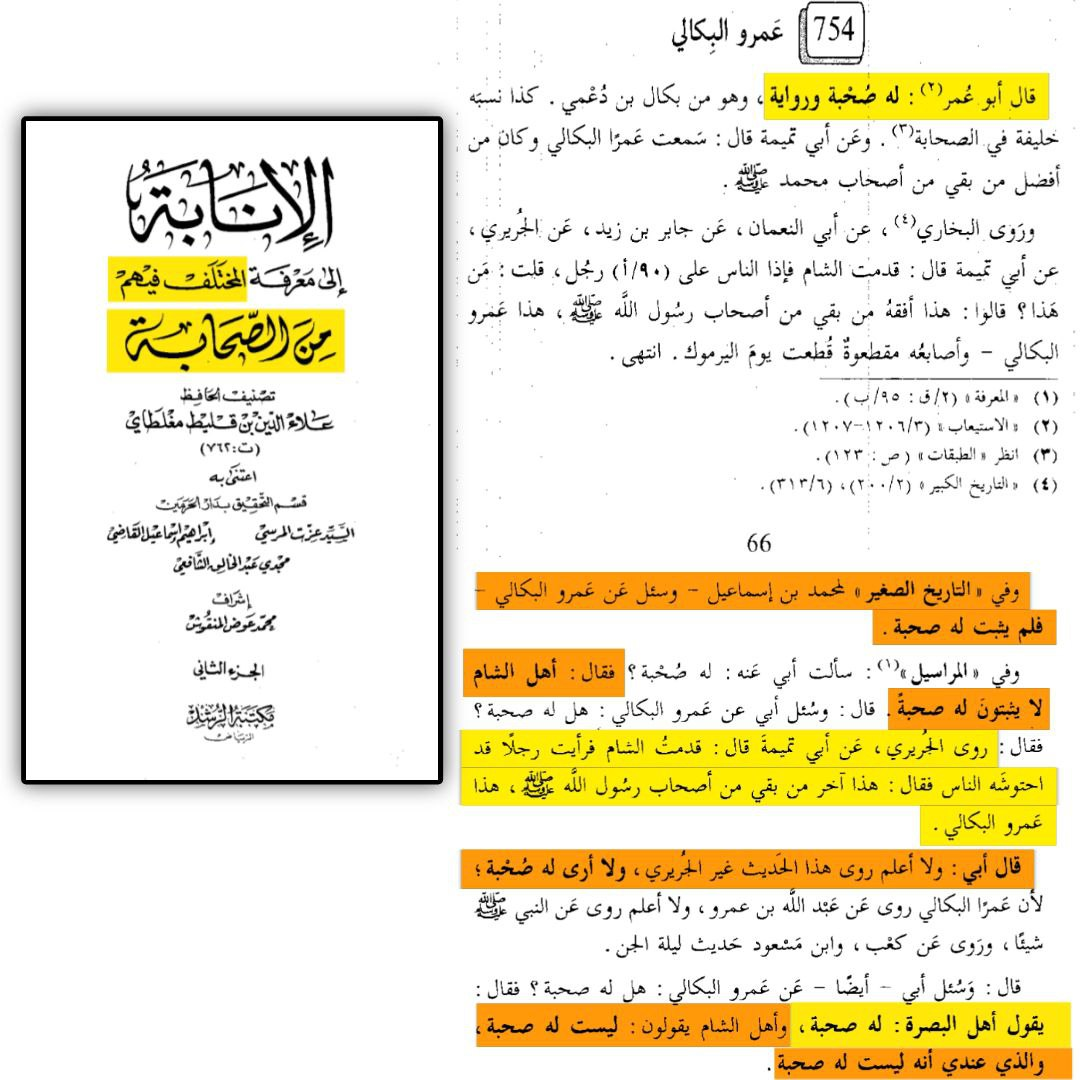
In his Al-Marasil, Abu Hatim notes that the narration via al-Jariri is unique to Amr, and that in his judgment Amr has no companionship with the Prophet ﷺ.
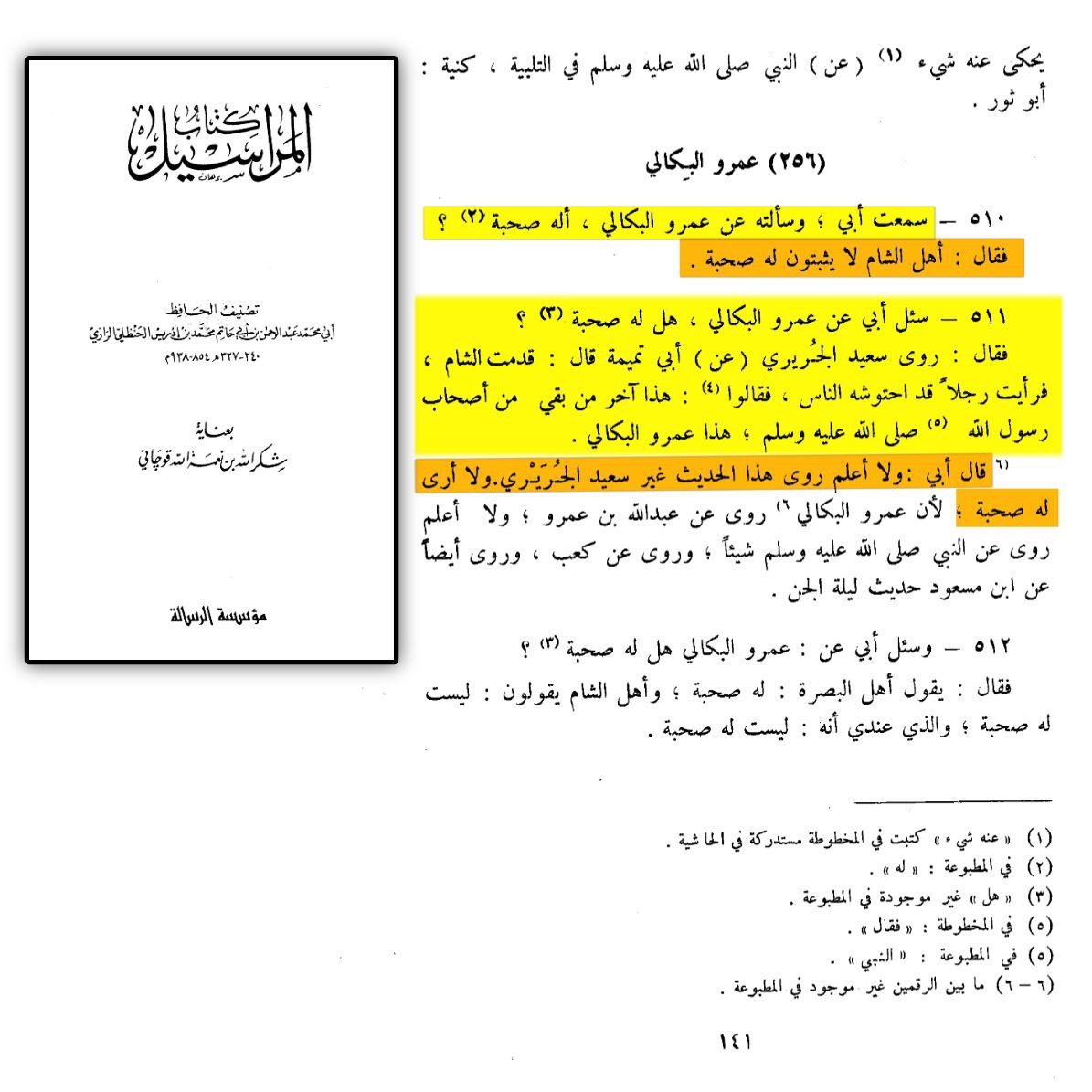
Mawkif al-Imamayn states that the correct view is that Amr was not a companion of the Prophet ﷺ; he was from Syria, and the scholars of Syria reported from him but did not confirm companionship.
A final source consolidates the verdict: the Zutt narration is weak because Amr did not hear from Ibn Mas’ud, and it contradicts the trustworthy narrators.
Defect 3 — The Matn Contradicts Sahih Muslim
Even if both isnad defects above were somehow resolved, the matn would still be rejected because it contradicts a stronger, authenticated narration on the same event by the same companion. Ibn Mas’ud himself, in Sahih Muslim 450d, states that he was not with the Prophet ﷺ that night:
Grade: Sahih · Conditions of Bukhari and Muslim
A narration attributed to the same Ibn Mas’ud claiming he was present stands directly contradicted by his own authenticated statement.
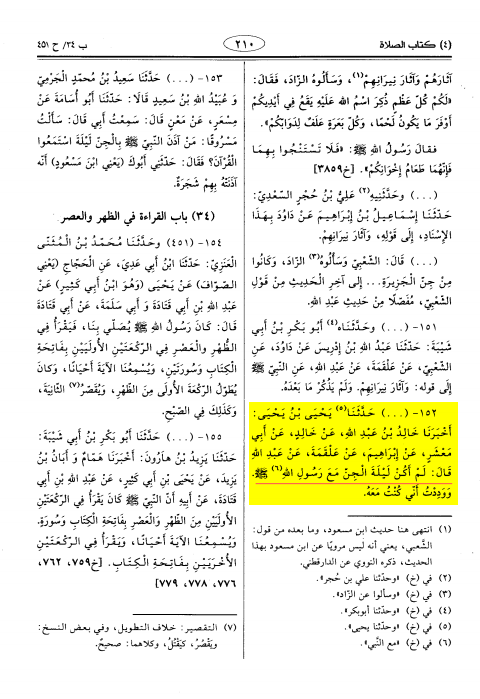
A supporting hadith source confirms this narration’s authenticity and standing.
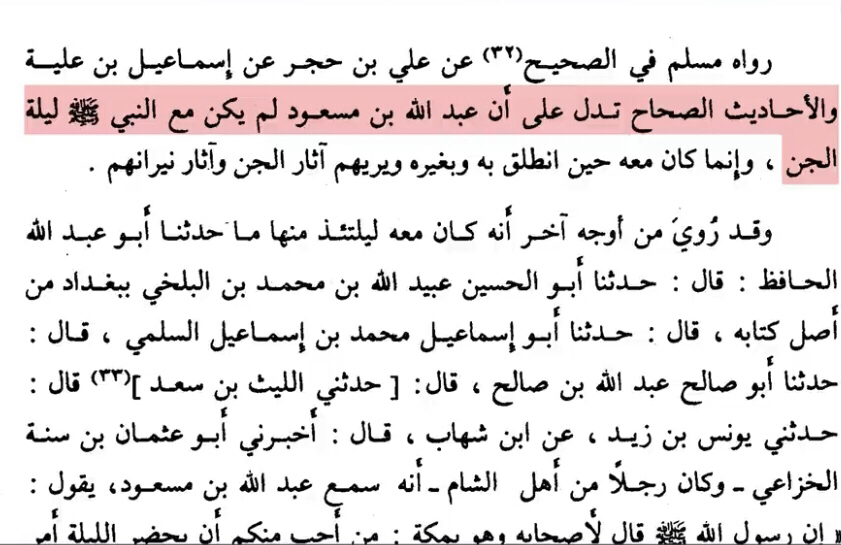
Ibn Hajar al-Asqalani addresses both the isnad weakness and Ibn Mas’ud’s confirmed absence in his commentary.
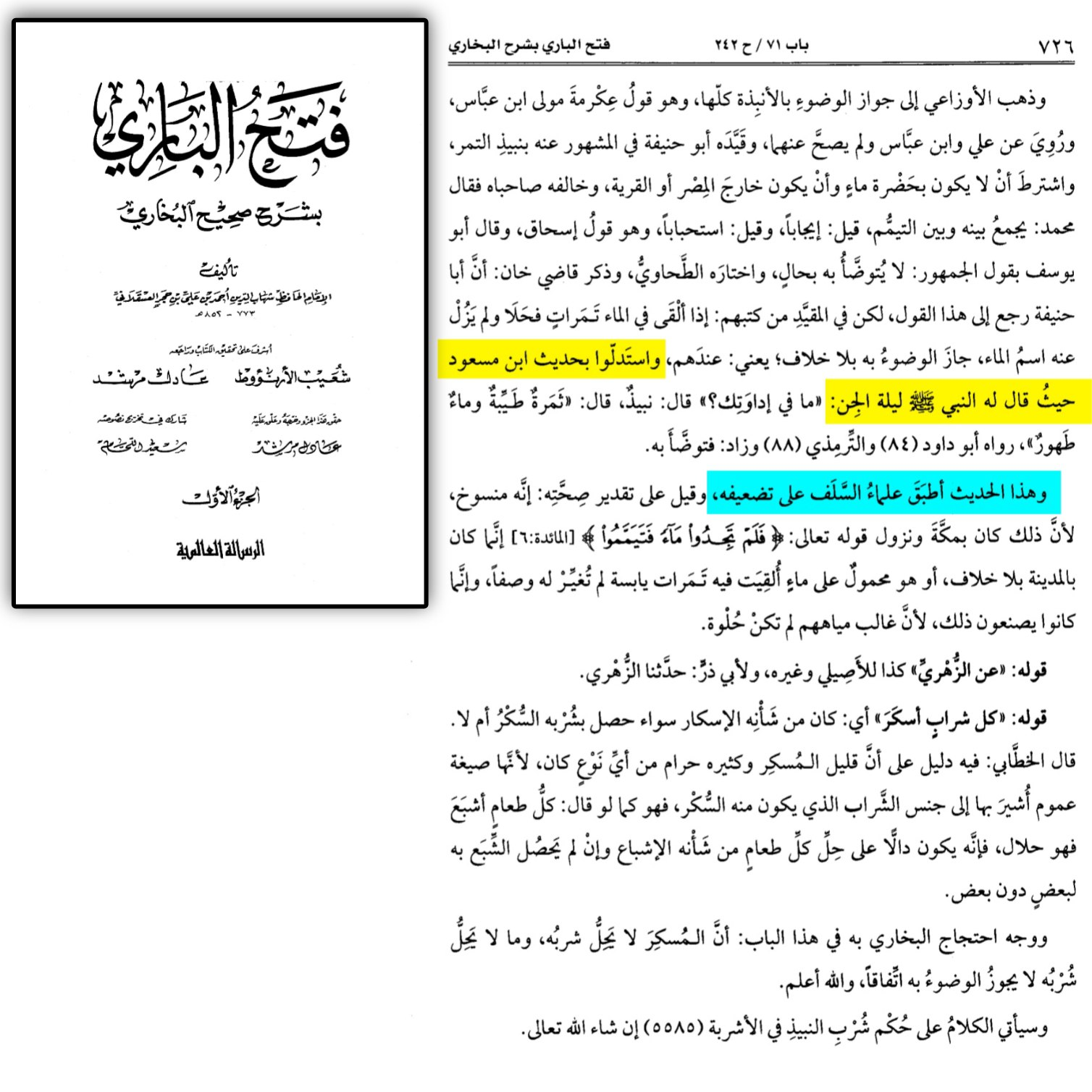
A further source confirms Ibn Mas’ud’s absence as established fact.
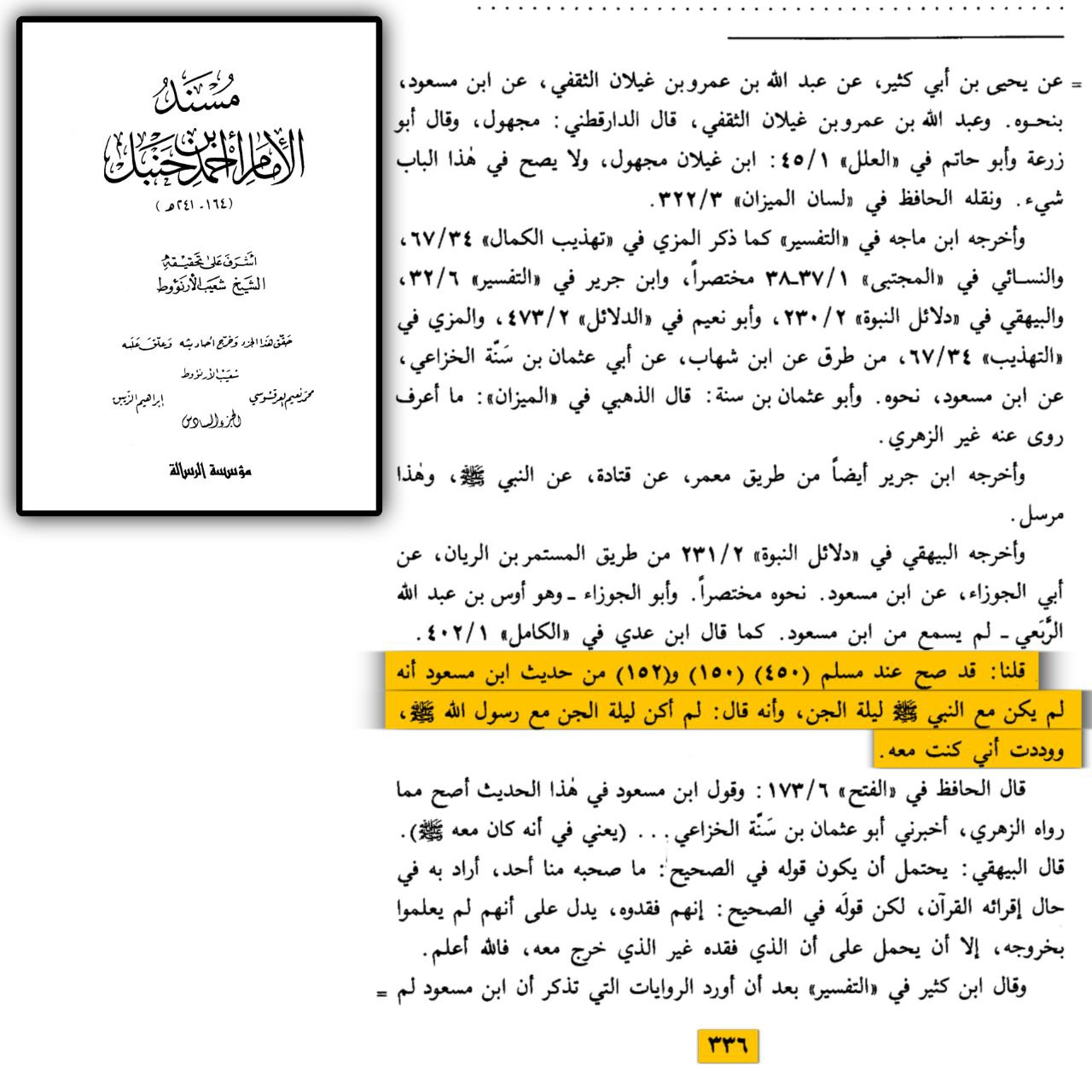
The Secondary Chain — Ja’far Ibn Maymun al-Tamimi (Tirmidhi 2861)
The narration appears with a second chain in Jami’ al-Tirmidhi 2861, but this chain contains Ja’far ibn Maymun al-Tamimi — a narrator condemned by six of the foremost critics of hadith.
- Ahmad ibn Hanbal: He is not strong in hadith
- Yahya ibn Ma’in: He is not trustworthy
- Al-Nasa’i: He is not strong
- Ibn Ady: Counted his hadiths among the weak ones
- Al-Bukhari: He is nothing
- Yahya ibn Sa’id: Weakened him
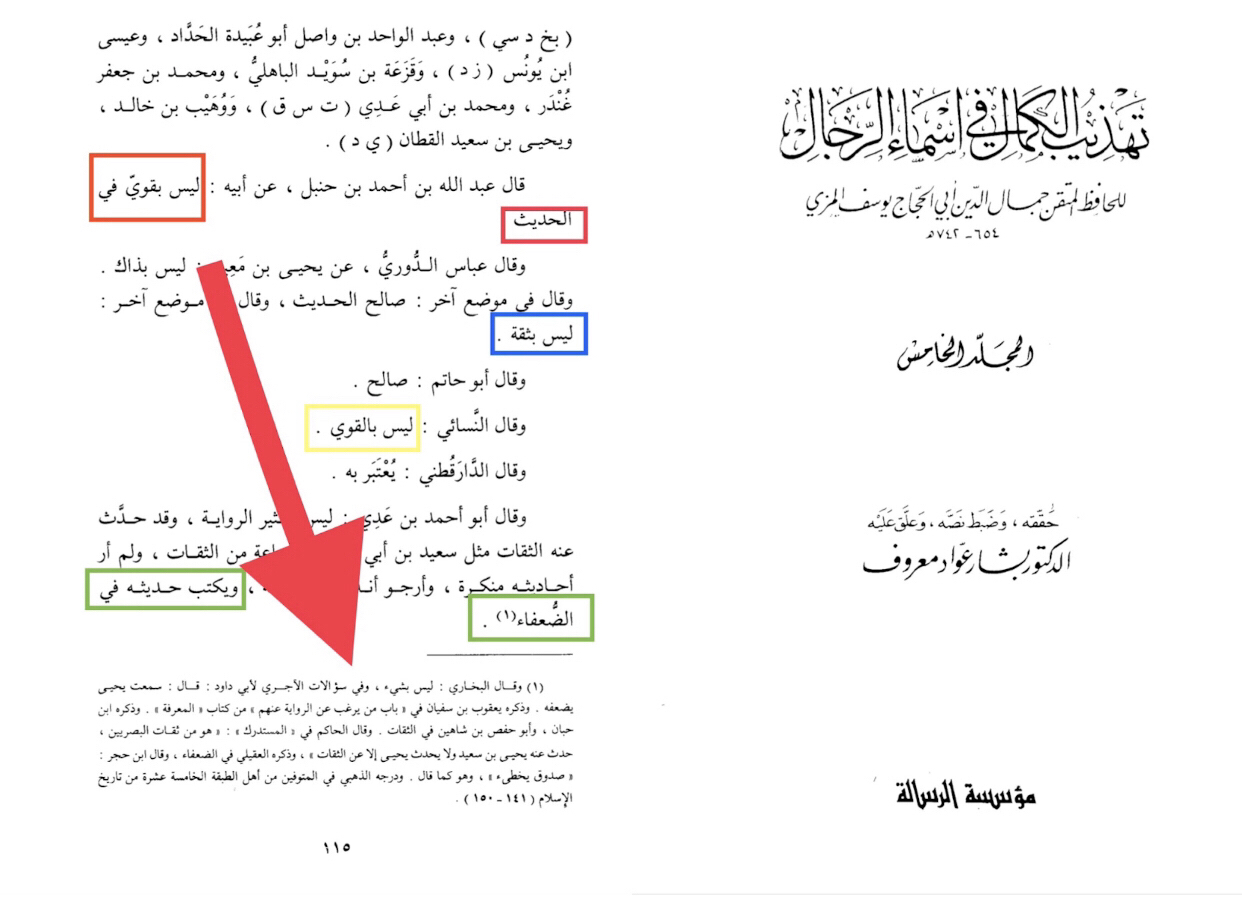
Scholarly Consensus on the Narration’s Weakness
Shu’ayb al-Arna’ut provides the following comprehensive verdict in his critical edition of Musnad Ahmad:
[!scholar] Shu’ayb al-Arna’ut — Musnad Ahmad (muhaqqaq), Vol. 6, pp. 334–336
“That is a weak report because it is not known for Amr to hear from Ibn Mas’ud. He also weakens the chain in Tirmidhi because of Ja’far, and because Amr’s companionship is in dispute.”
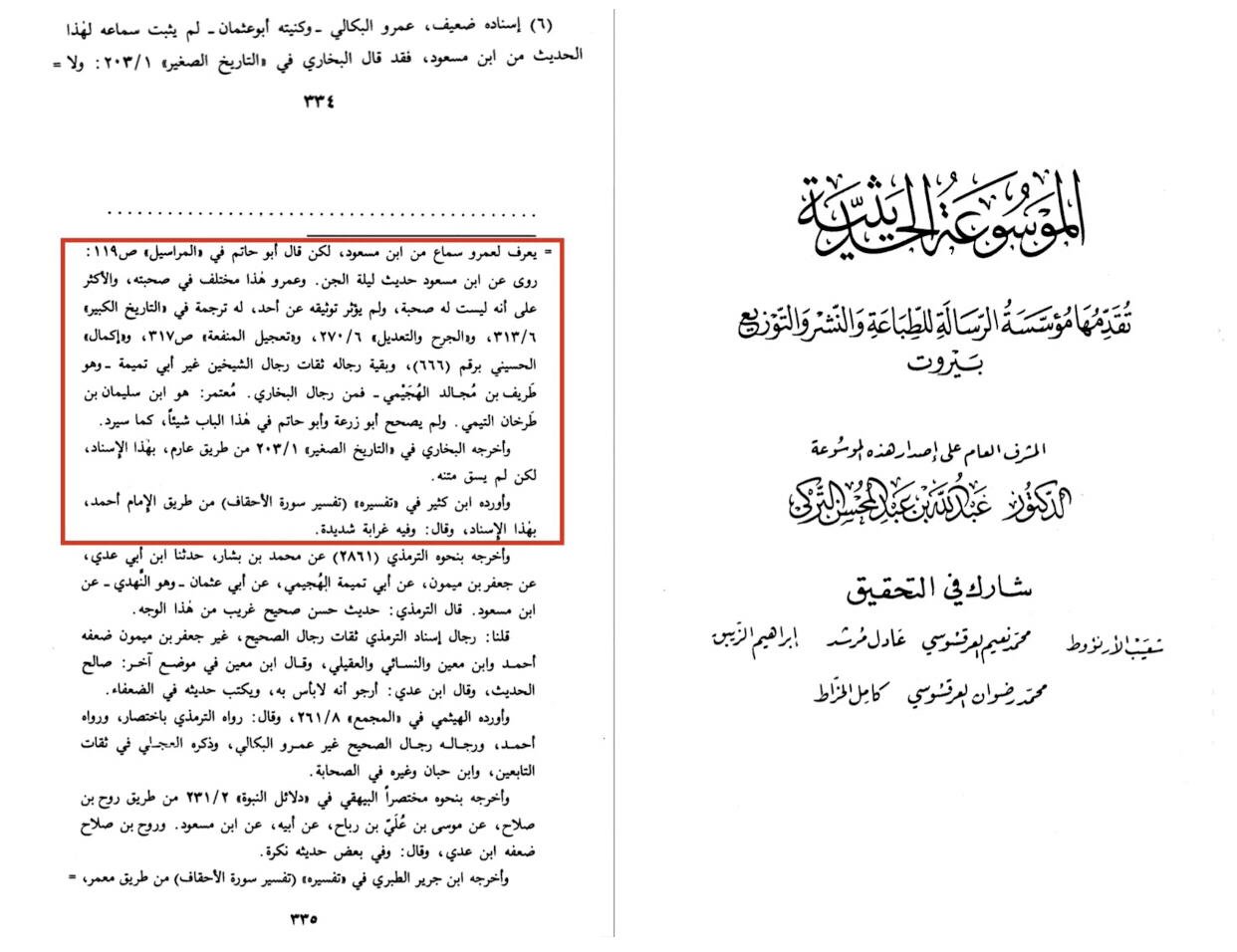
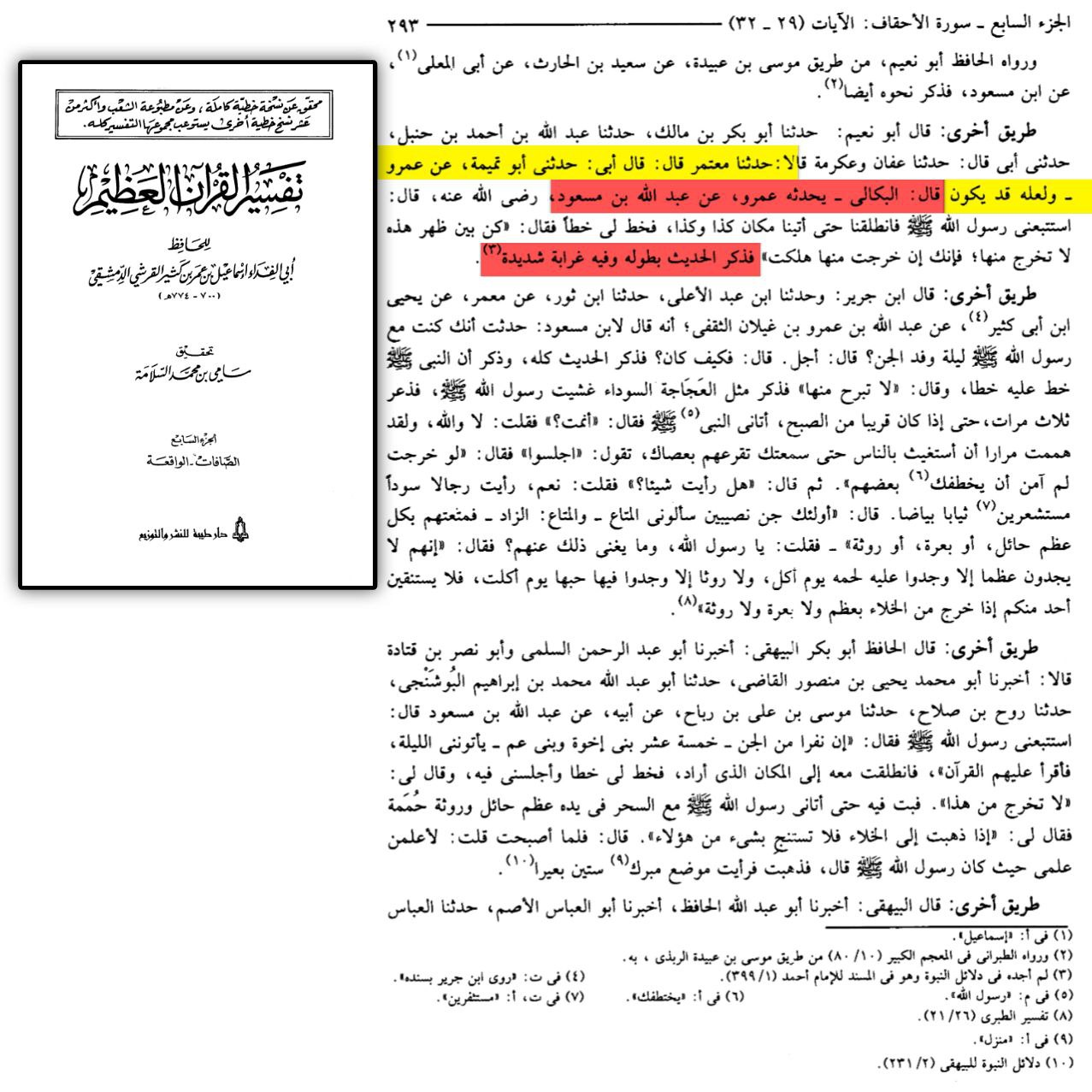
Ibn Kathir commented in his tafsir of Al-Ahqaf 46:29 that this narration is excessively strange — the technical term gharib jiddan indicating weakness in his methodology.
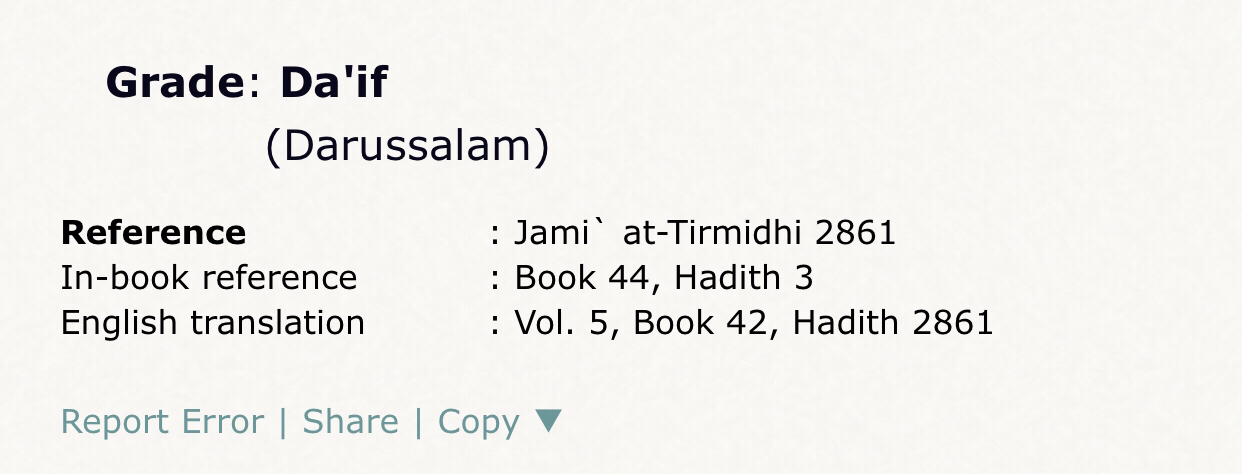
Consolidated Weakening Documentation
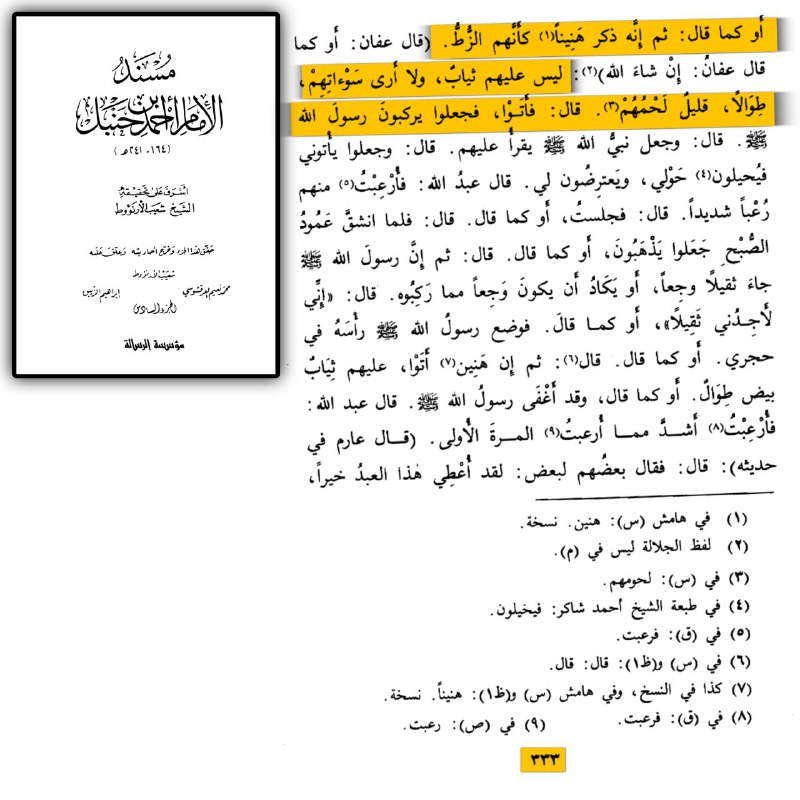
The following is the text of the contested Zutt narration from Musnad Ahmad as presented in the debate — the passage whose meaning critics have misrepresented.
Five additional sources explicitly weakening the narration follow. The first is a critical hadith reference work establishing da’if status.
A second independent source confirms the weakness ruling.
A third source documents the weakness with a different angle of analysis.
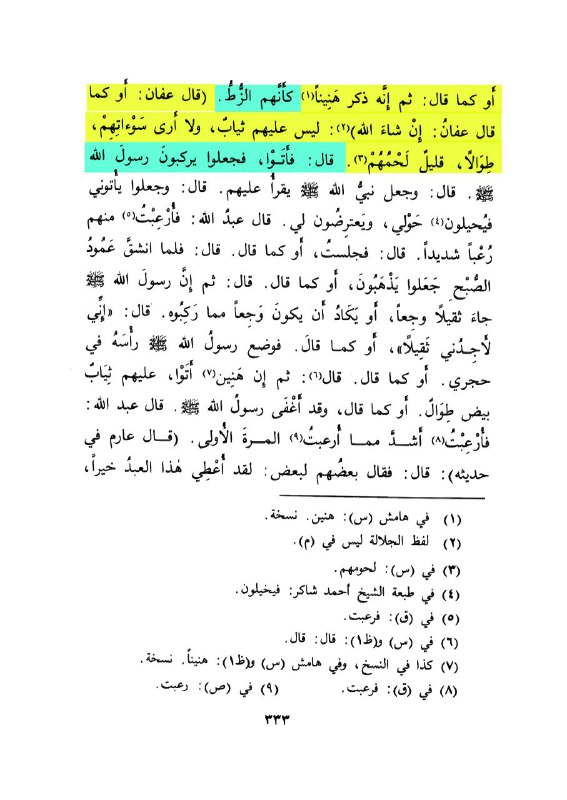
The fourth source adds further detail to the scholarly record.
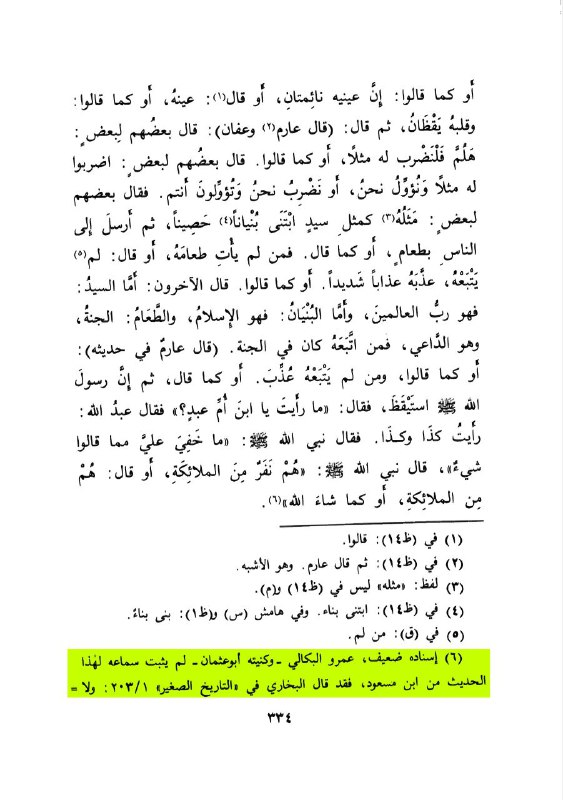
A fifth source completes this initial cluster of weakening documentation.
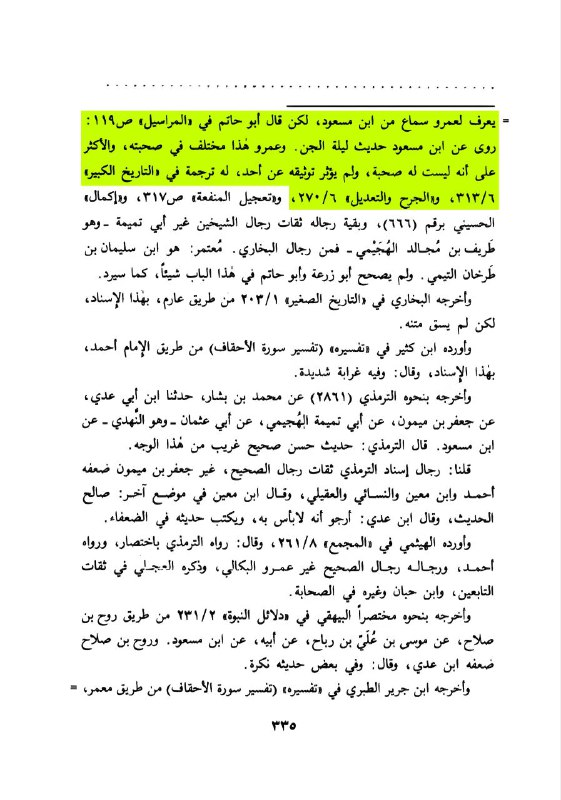
The Musnad Ahmad critical edition by Shu’ayb al-Arna’ut contains the formal weakness ruling with full annotation.
The annotation in the Arna’ut edition continues on the following page.
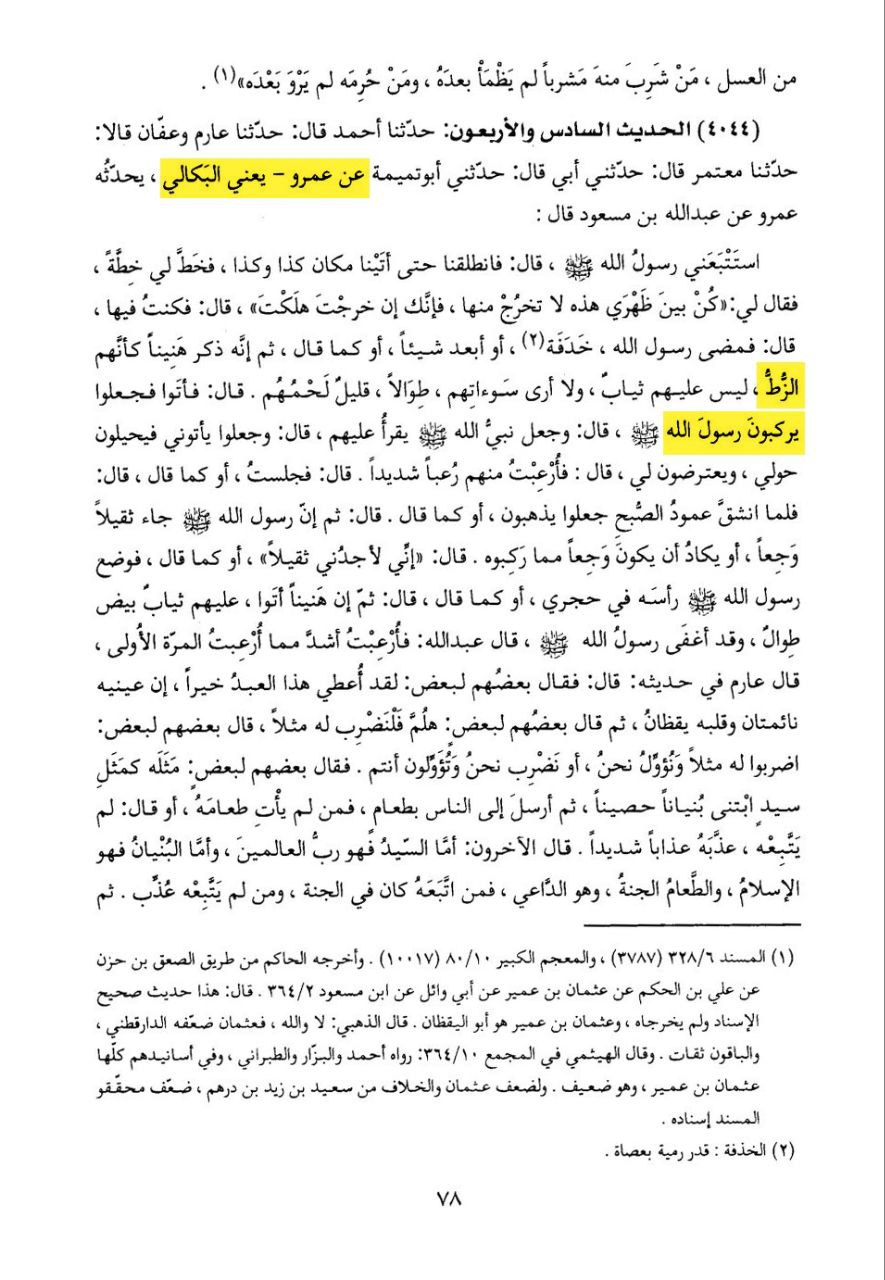
Jami’ al-Masanid, edited by Dr. Ali Hussein, also records the weakness of the Zutt narration.
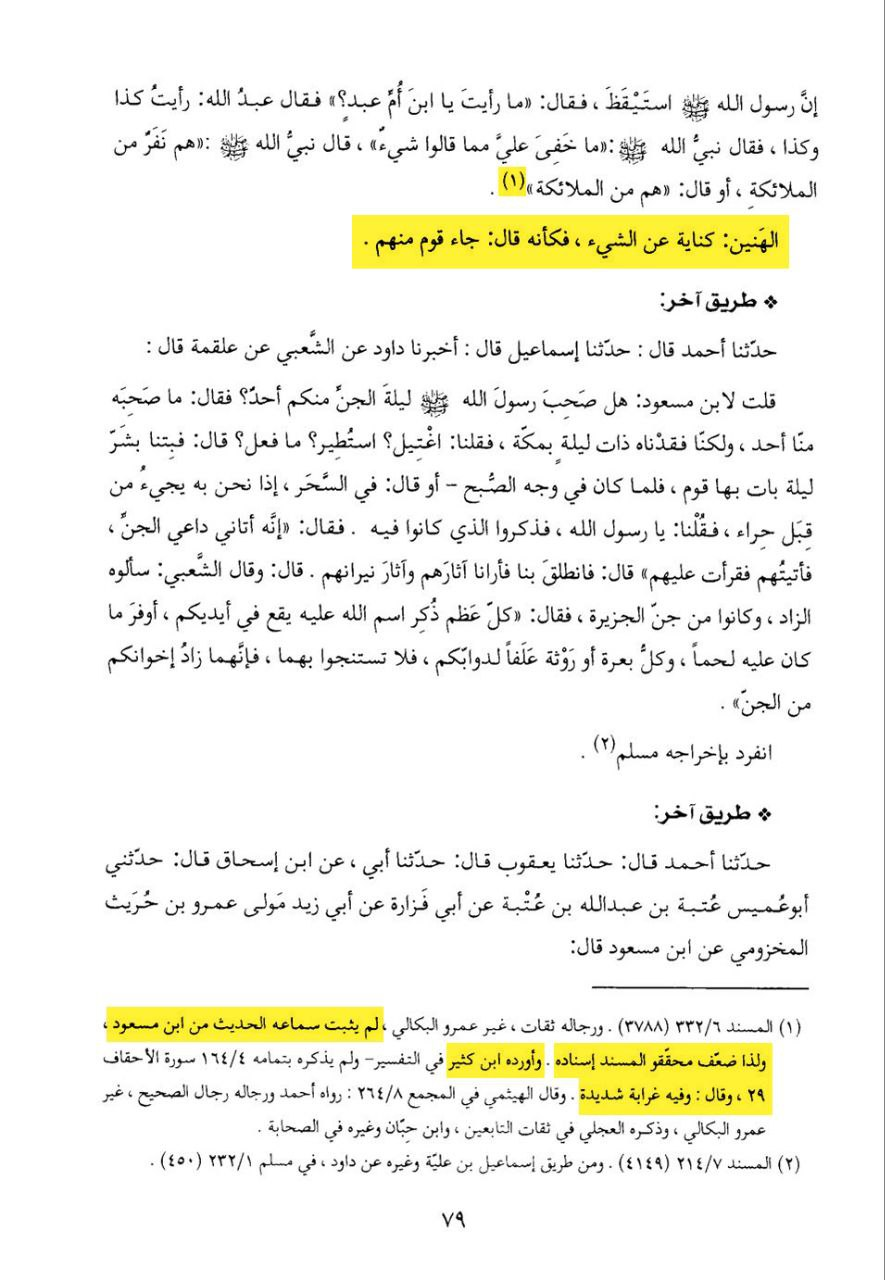
The entry in Jami’ al-Masanid continues on the following page.
A third page of the Jami’ al-Masanid entry completes this source’s treatment.
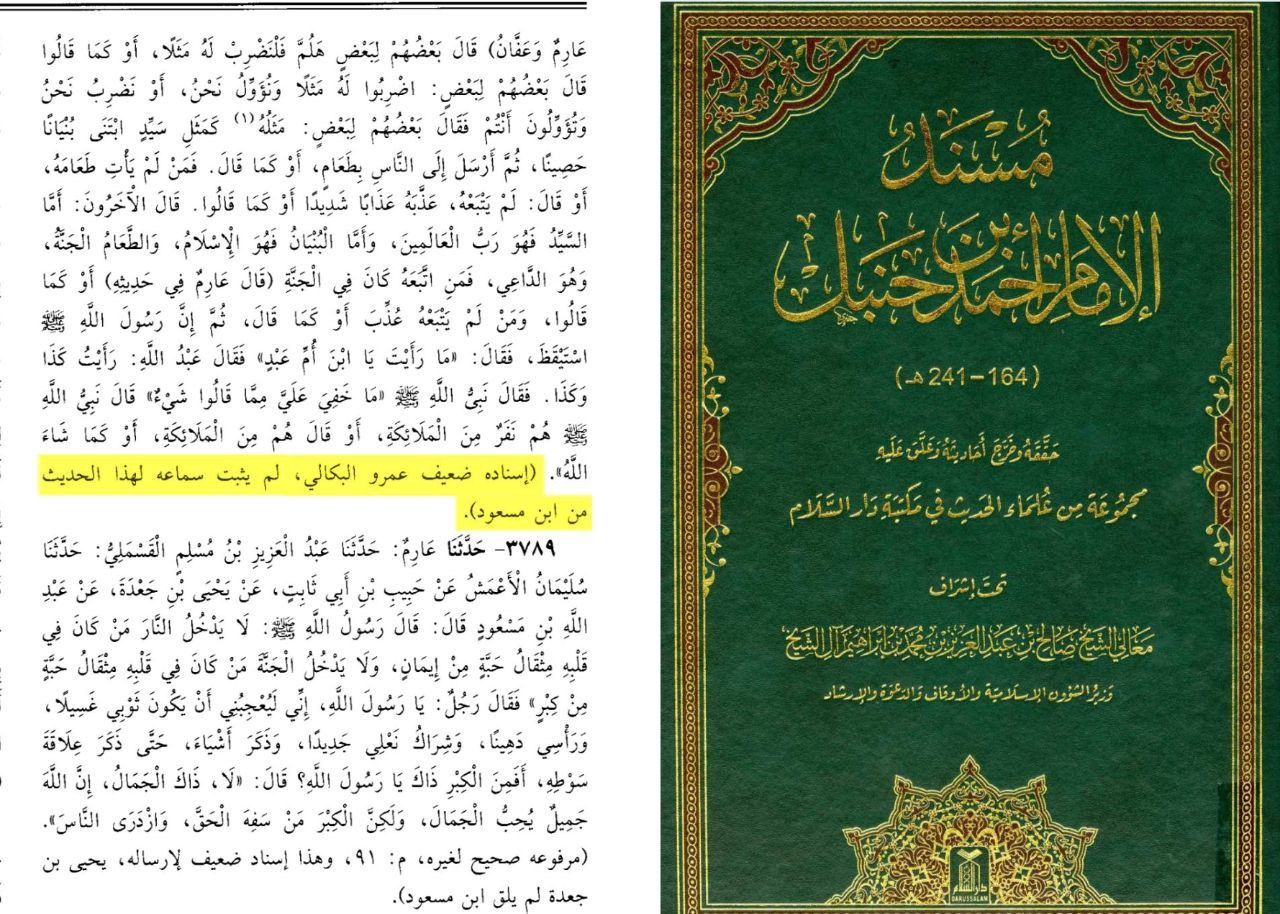
The critical edition of Musnad Ahmad supervised by Shaykh Saleh al-Sheikh and a group of hadith scholars also weakens the narration.
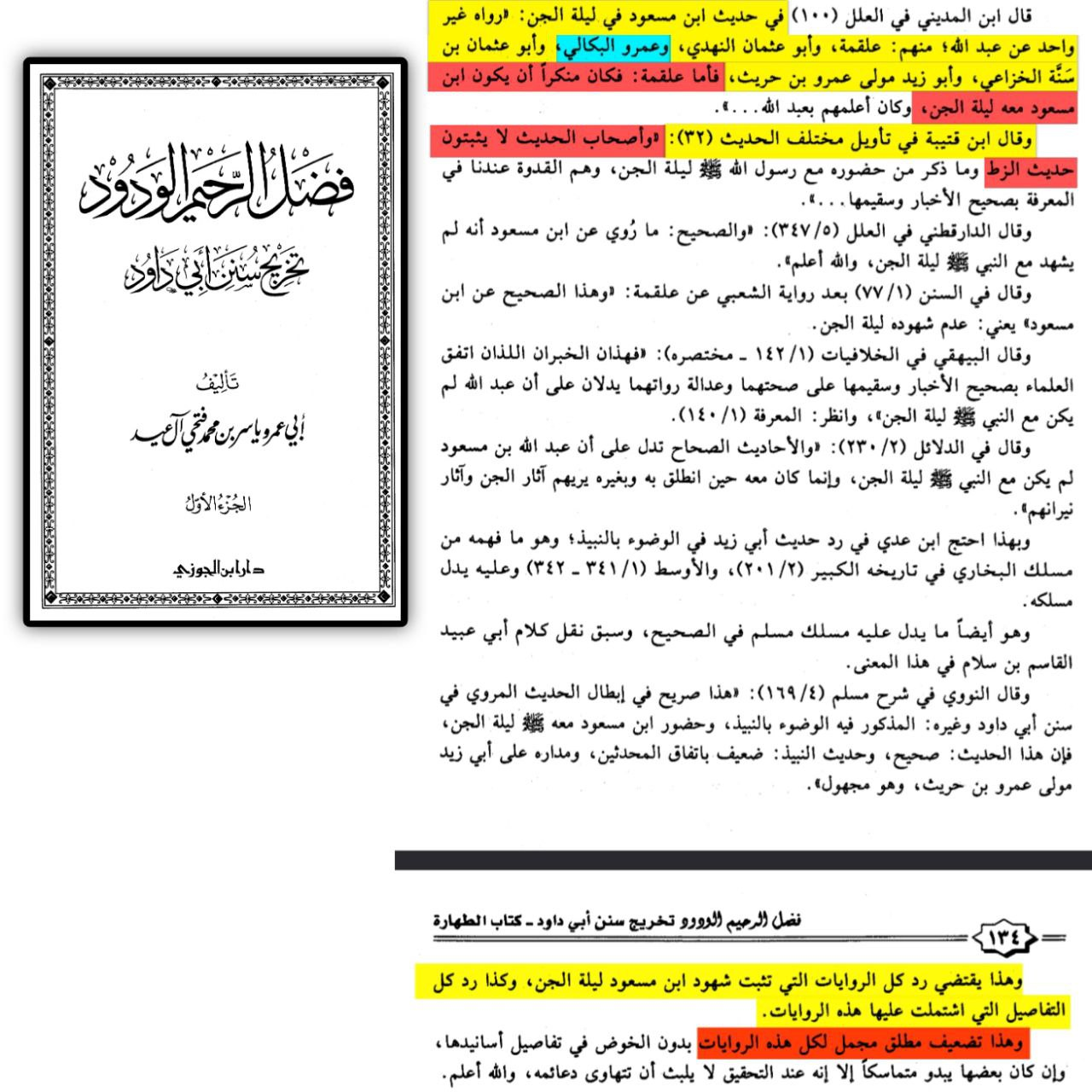
A study including extracts from Sunan Abi Dawud notes the weakness of all narrations from the Zutt people, citing Ibn Qutaybah‘s verdict that hadith scholars do not consider hadiths of the Zutt to be authentic.
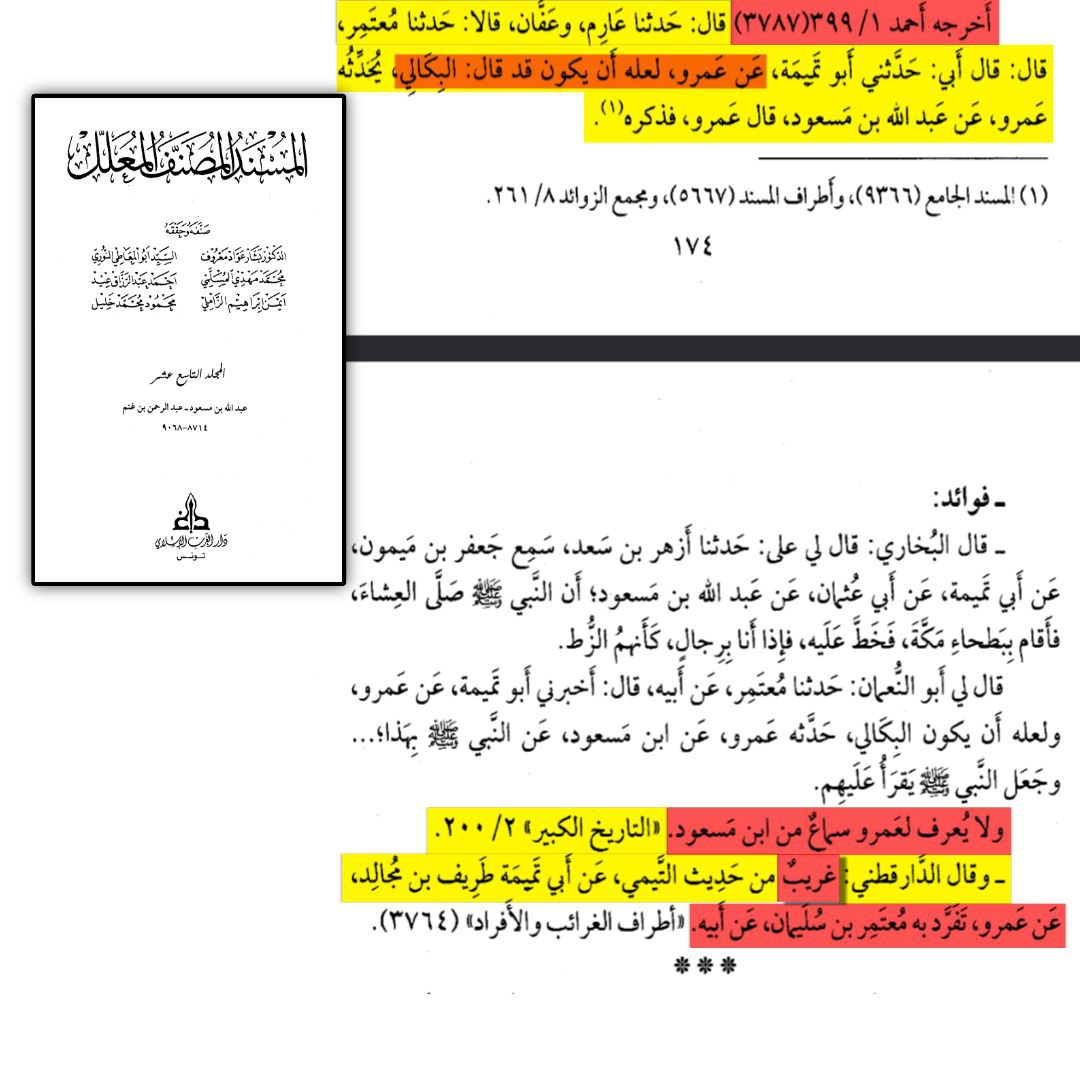
Al-Musnad al-Musannaf al-Mu’allal, a comprehensive critical work by a group of scholars, also weakens the narration.
Ibn Kathir’s tafsir records the narration as extremely strange — a second documentation of his weakness ruling from a different context in his works.
Nuzhat al-Abab records the weakness of the narration and includes analysis of the Amr al-Bakali chain among the chains reviewed.
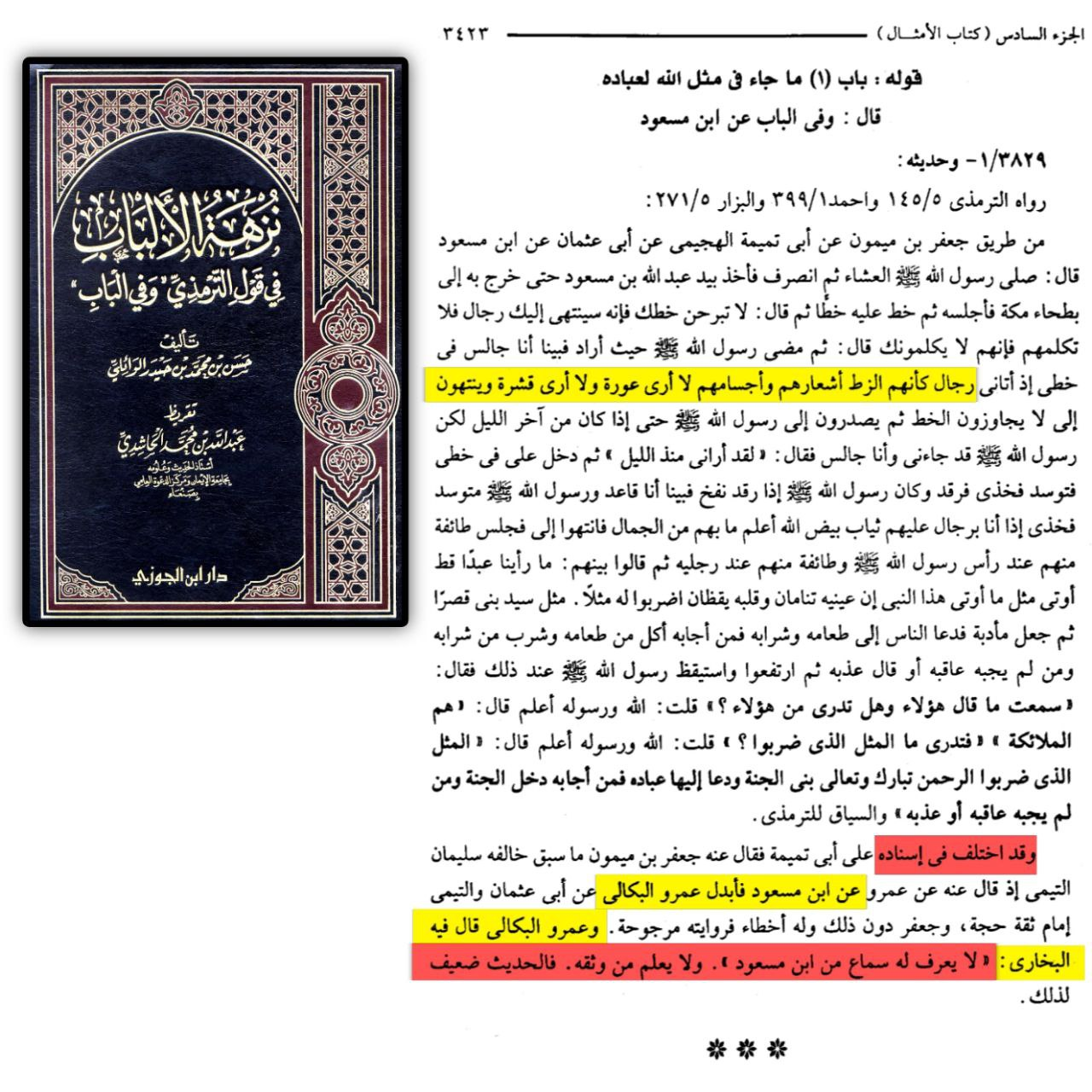
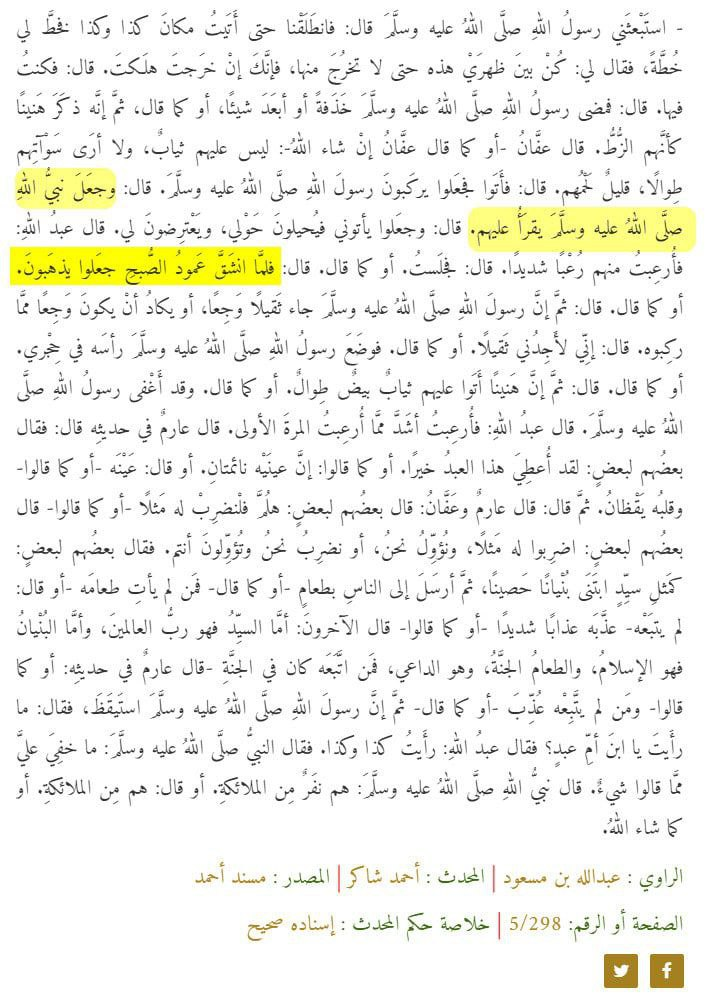
Ahmad Shakir’s Authentication — Overridden by Scholarly Consensus
The objection is raised that Ahmad Shakir, in his edition of Musnad Ahmad, authenticated this narration. The following image shows his grading as the basis of the objection.
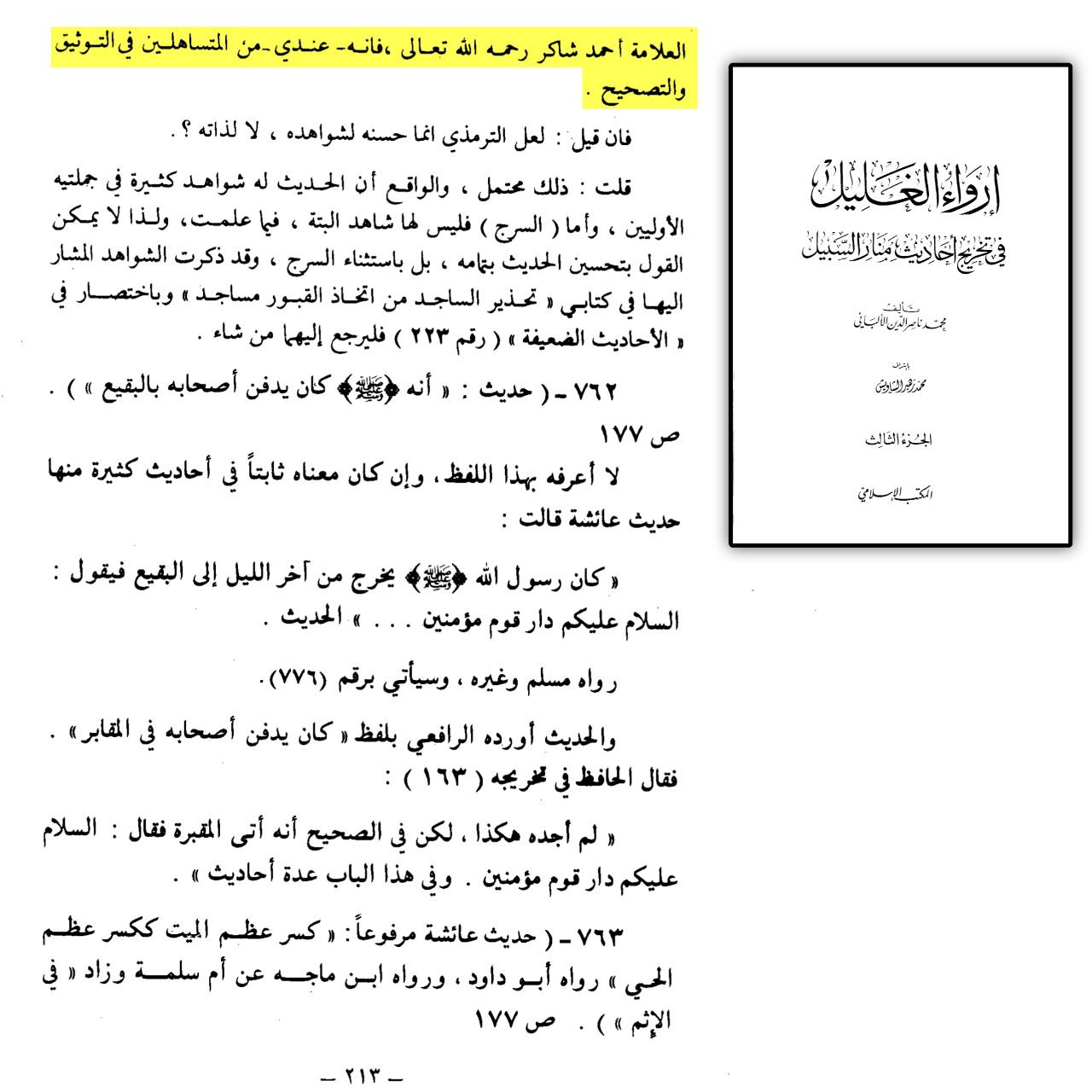
Al-Albani explicitly stated that Ahmad Shakir was lenient in authentication, making his isolated grading insufficient against a consensus of weakening.
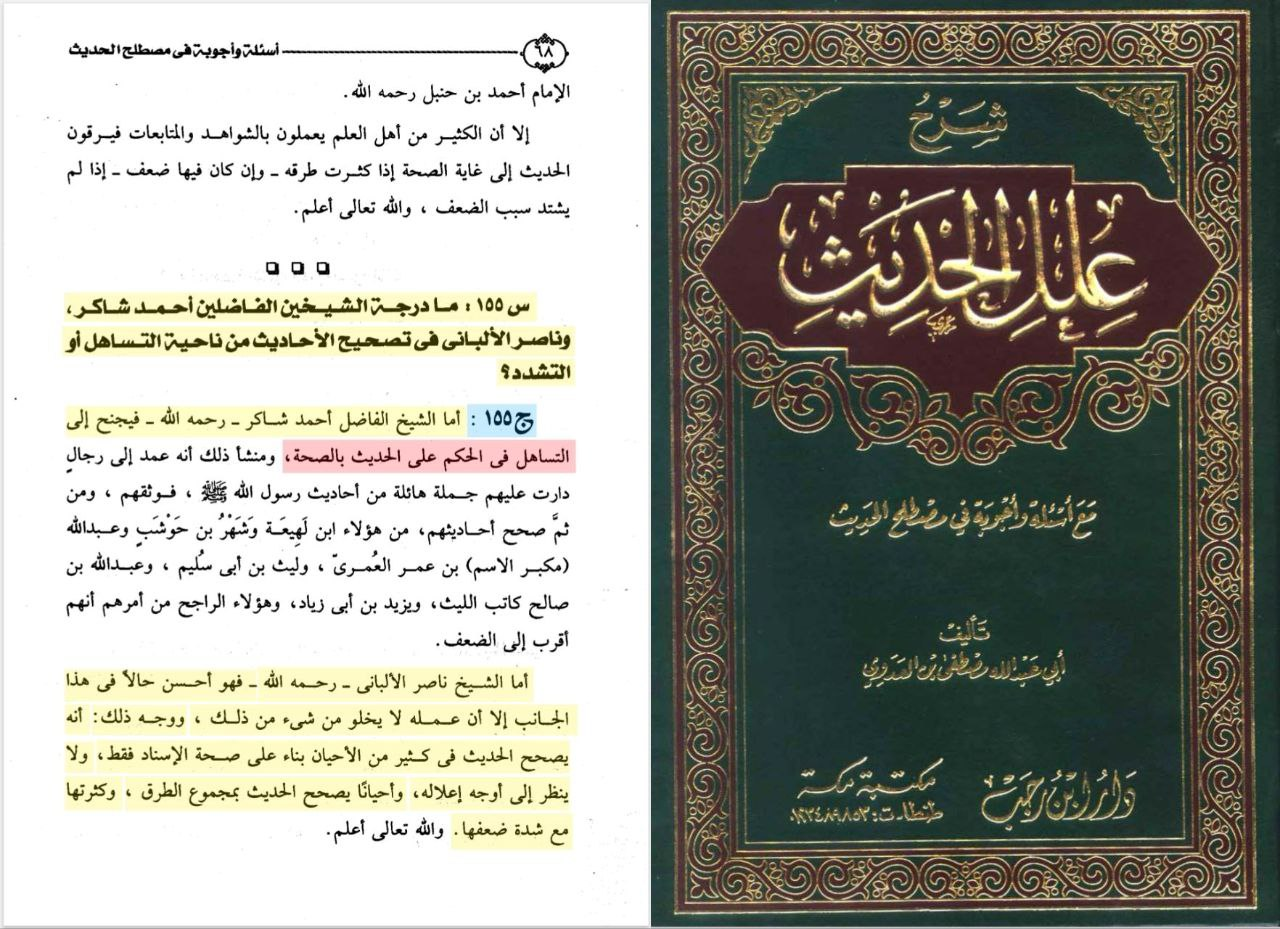
Mustafa al-Adawi reached the same assessment of Ahmad Shakir’s methodology.
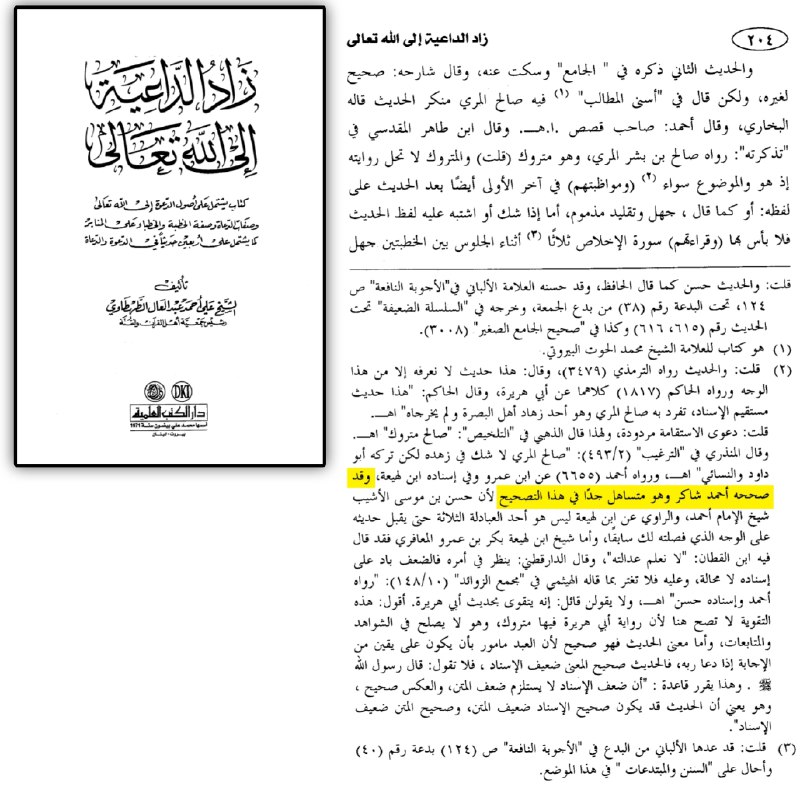
A third scholar affirms Ahmad Shakir’s known leniency.
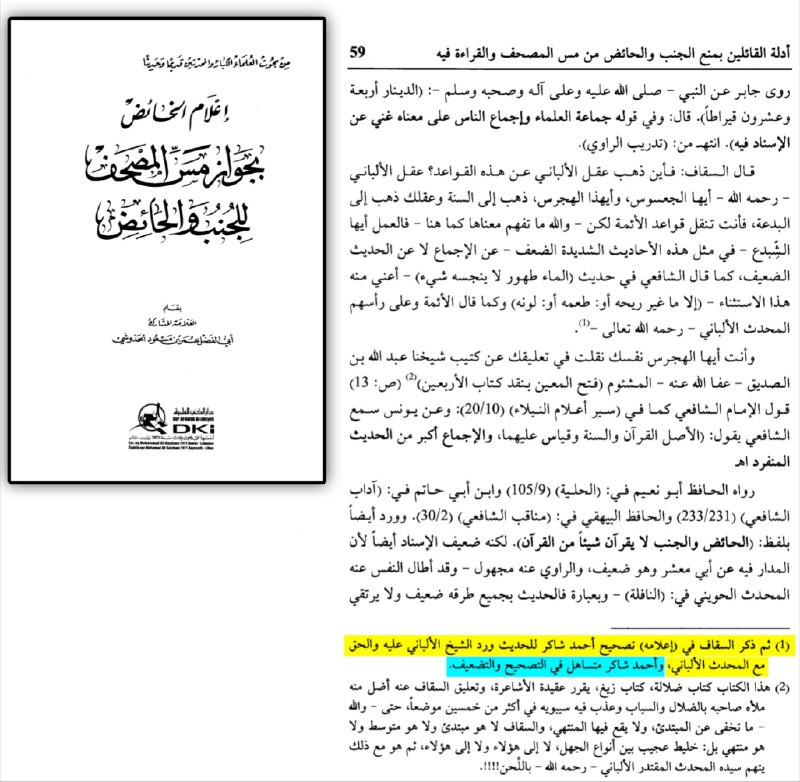
Saud ibn Eid ibn Omair al-Sa’idi in Al-Ahadith fi Fada’il al-Sahabah notes Ahmad Shakir’s leniency with an explicit caution.
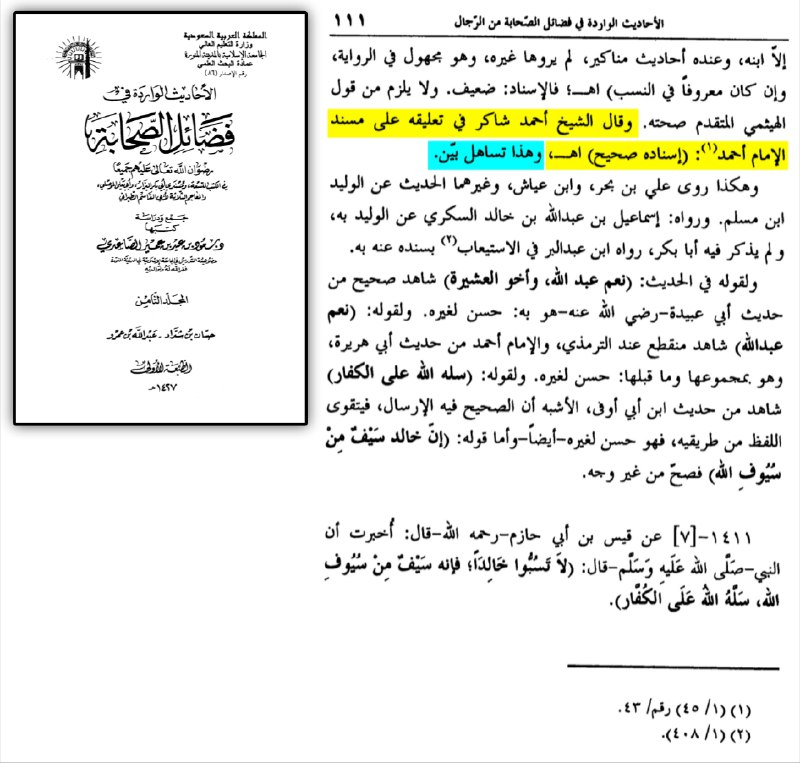
An additional source documents Ahmad Shakir’s lenient methodology.
Abu al-Ashbal Ahmad ibn Salim al-Masri in Shadharat al-Balatin fi Siyar al-Ulama al-Mu’asirin lists Ahmad Shakir among scholars known for leniency in authentication, with an explicit advisory to students of knowledge.
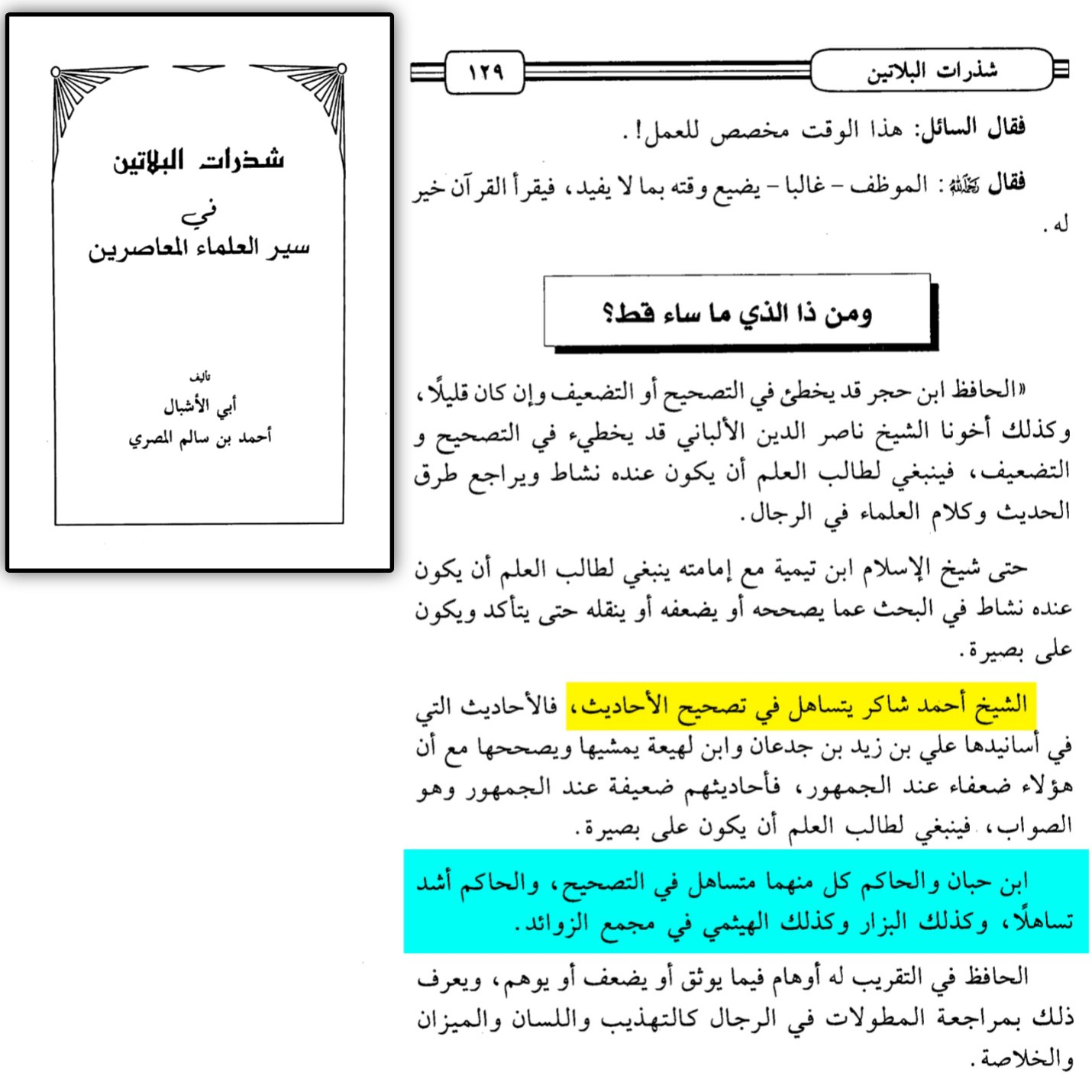
The True Meaning of Yarkabun — Crowding, Not Assault
Even if the narration were hypothetically authenticated, critics’ interpretation of its meaning would remain wrong. The word yarkabūna (يَرْكَبُونَ) carries no indecent connotation in classical Arabic. This is established on multiple independent levels.
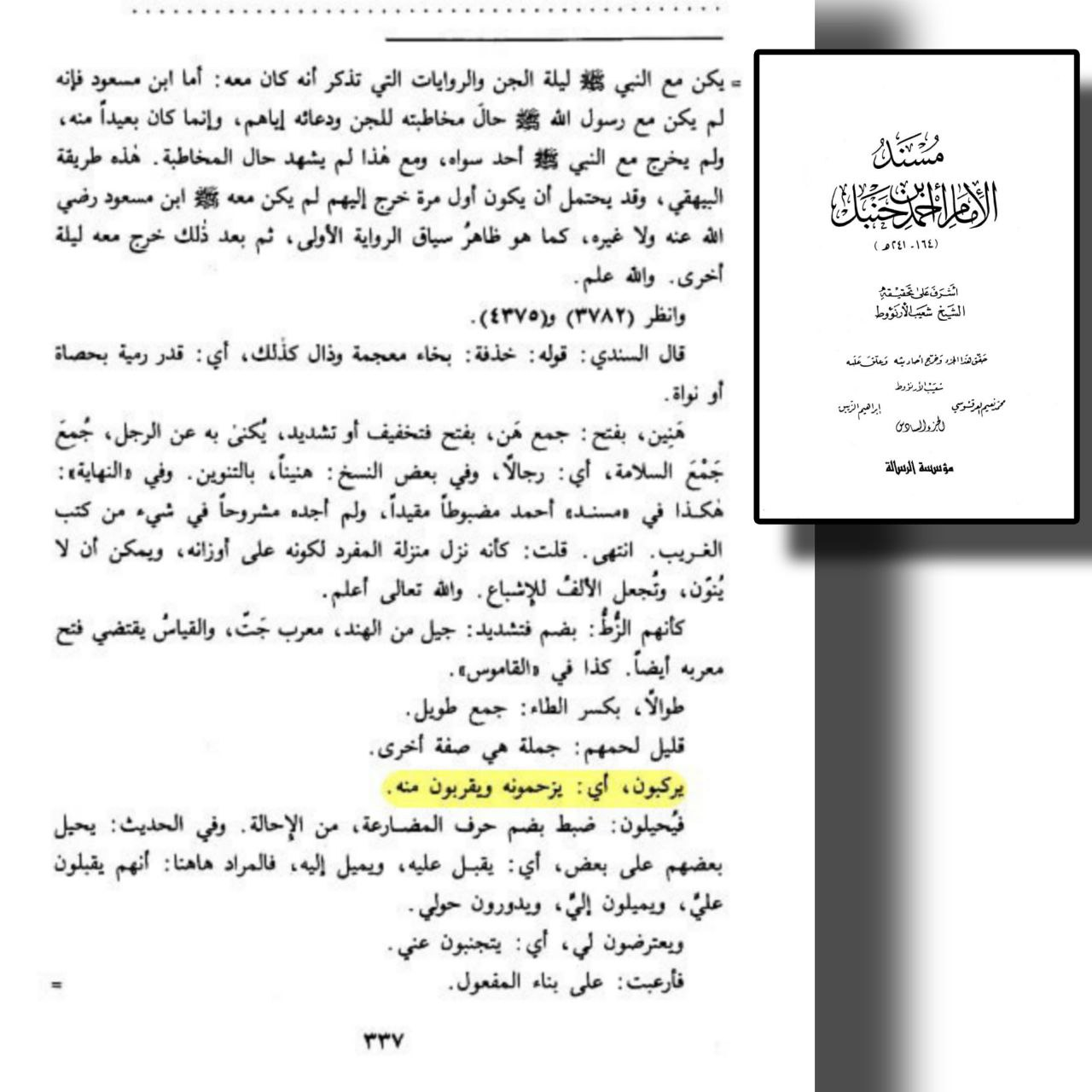
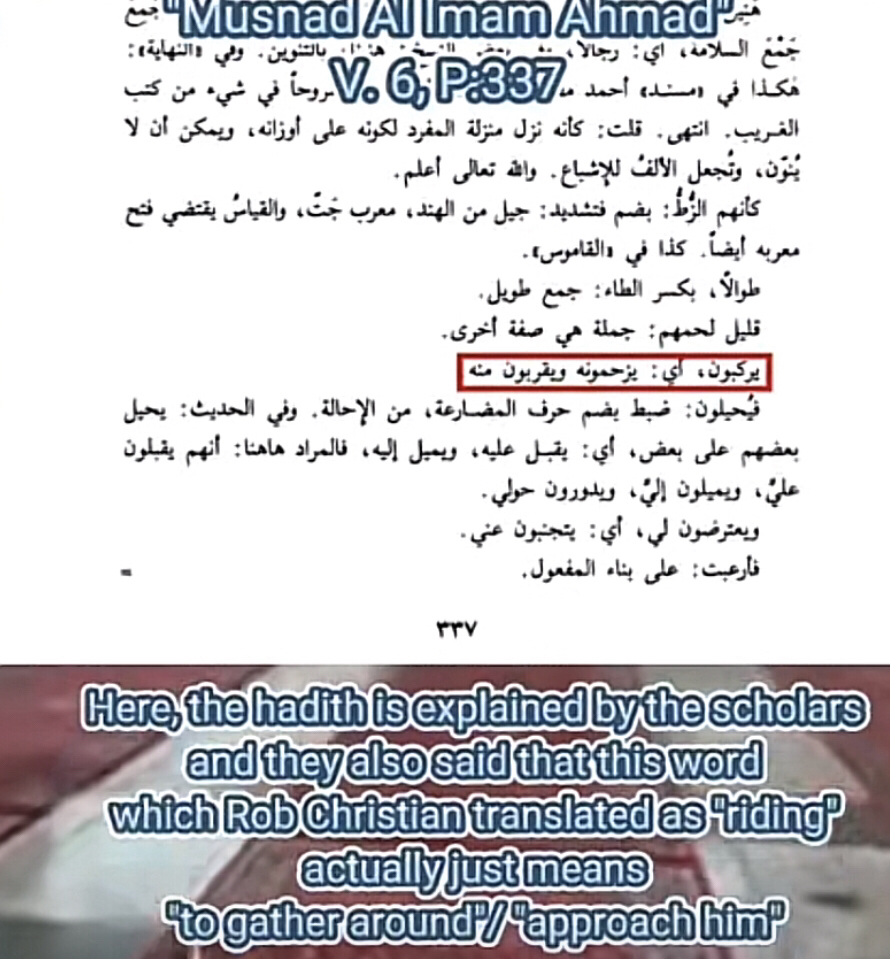
The Musnad Ahmad Footnote
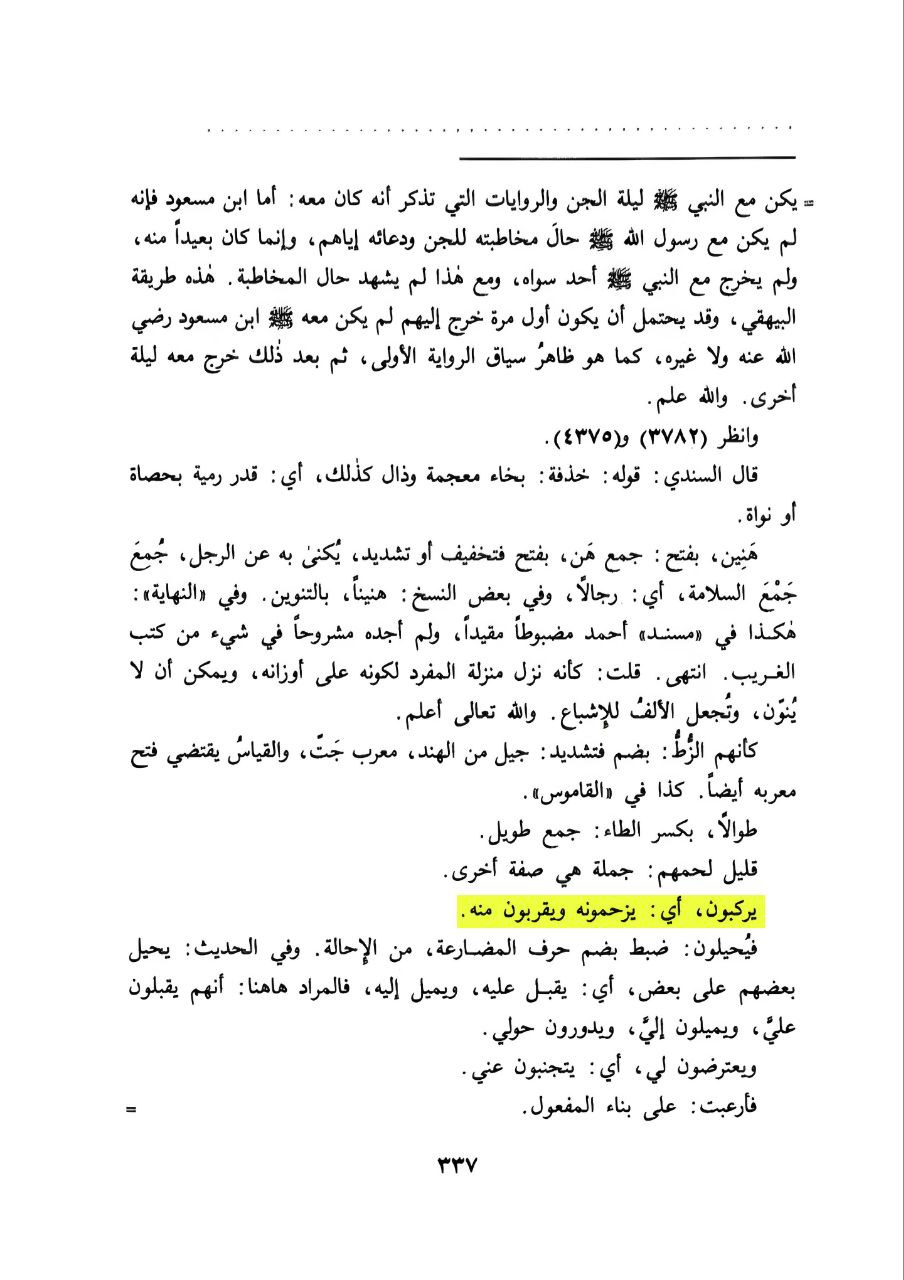
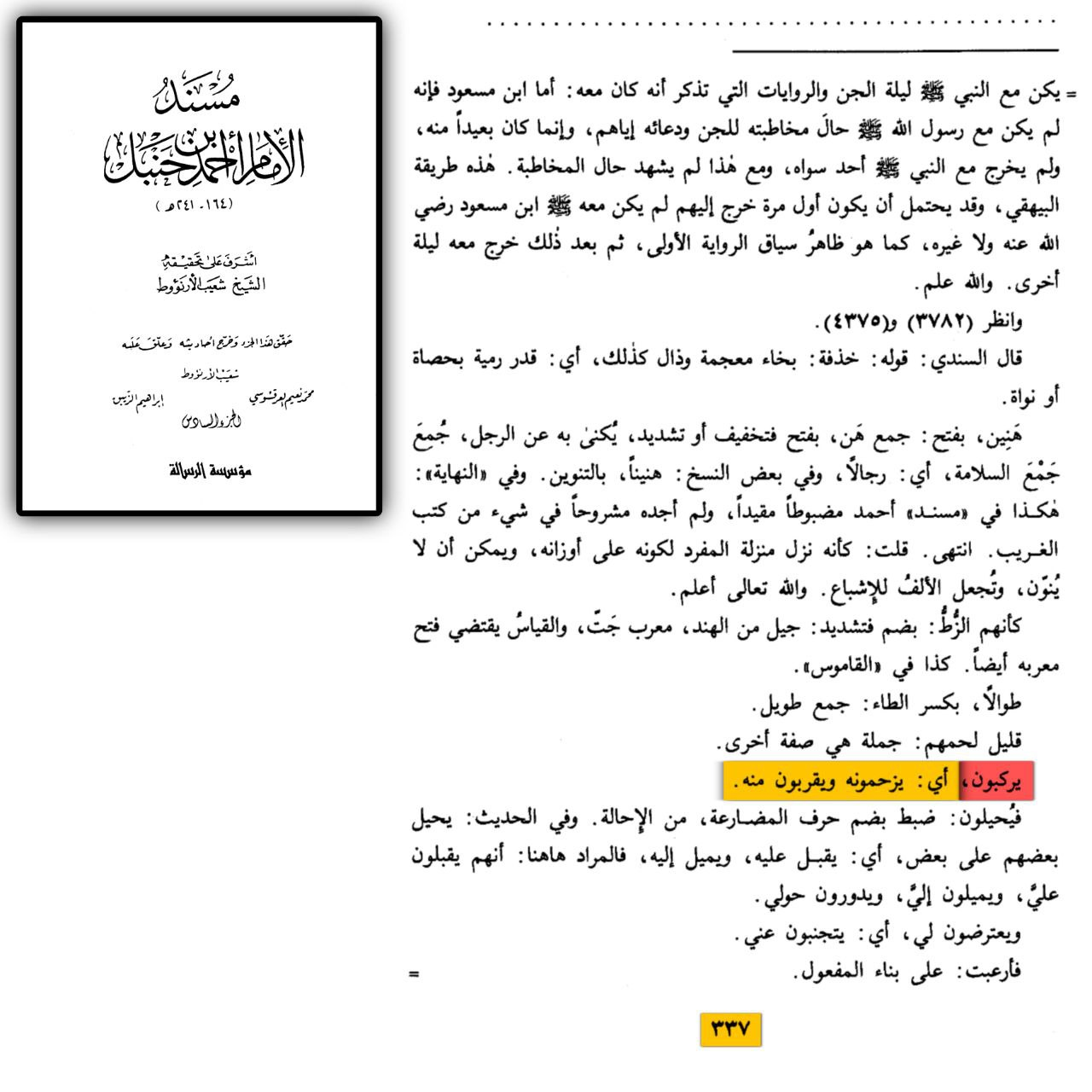
The editors of the critical Musnad Ahmad edition provide a lexical footnote clarifying the word’s meaning in this narration.
The footnote continues with further lexical detail.
The Arabic Semantic Context
A classical Arabic commentary addresses the critics’ misreading directly: the Christian or atheist fixates on the word “ride upon him” without understanding that it means “crowd him and draw near to him” — a well-attested Arabic usage with no indecent connotation.
Surah Al-Jinn 19 provides direct Quranic evidence for this meaning: the jinn are described as crowding around the Prophet ﷺ when he recited — the same action the contested narration describes.
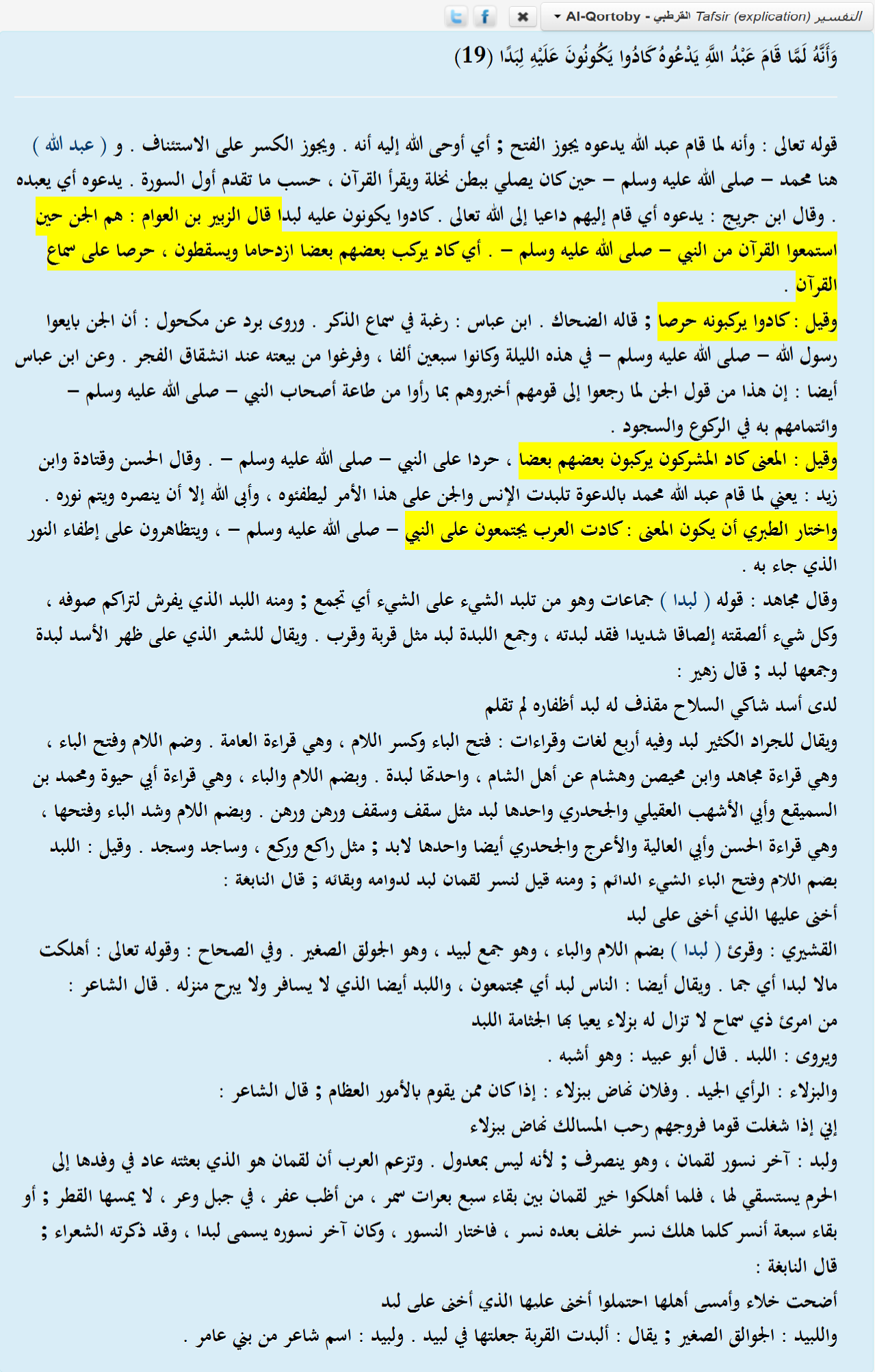
Al-Jinn 19 and the Tafsir Tradition
“And when the servant of Allah stood up to invoke Him, they almost overwhelmed him in a dense mass.”
Libadā (لِبَدًا) — “dense mass” — describes jinn crowding upon one another in their eagerness to hear the Quran. The classical commentators are unanimous on this meaning, and yarkabun in the narration describes the same phenomenon.
The meaning of “riding” as “jostling and crowding” is confirmed by a dedicated lexical source establishing the equation explicitly.
Parallel Narrations Confirm the Meaning
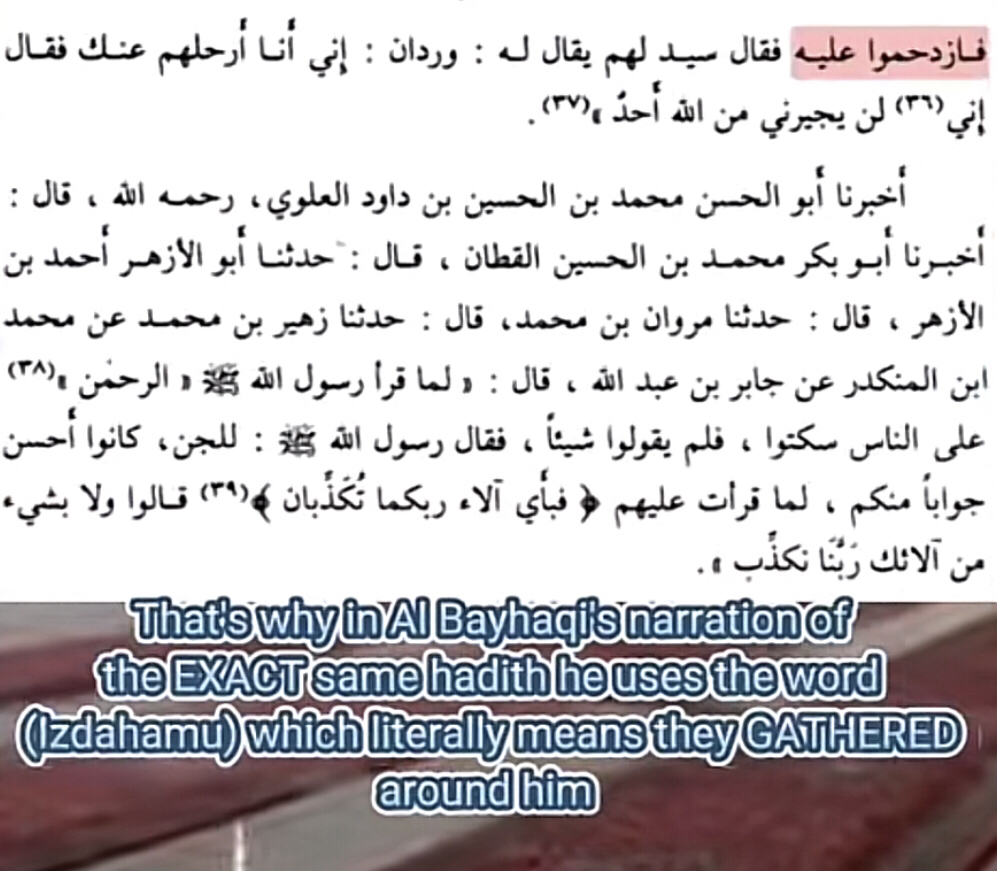
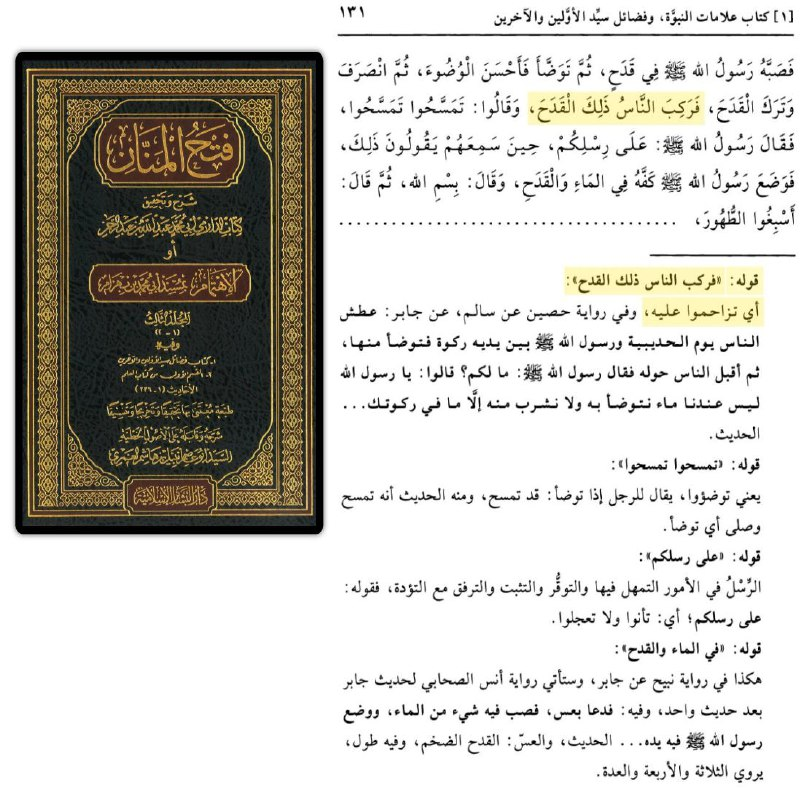
In the story of the Companions pressing around the Prophet ﷺ’s ablution vessel, the same verb is used to mean jostling and competing for position.
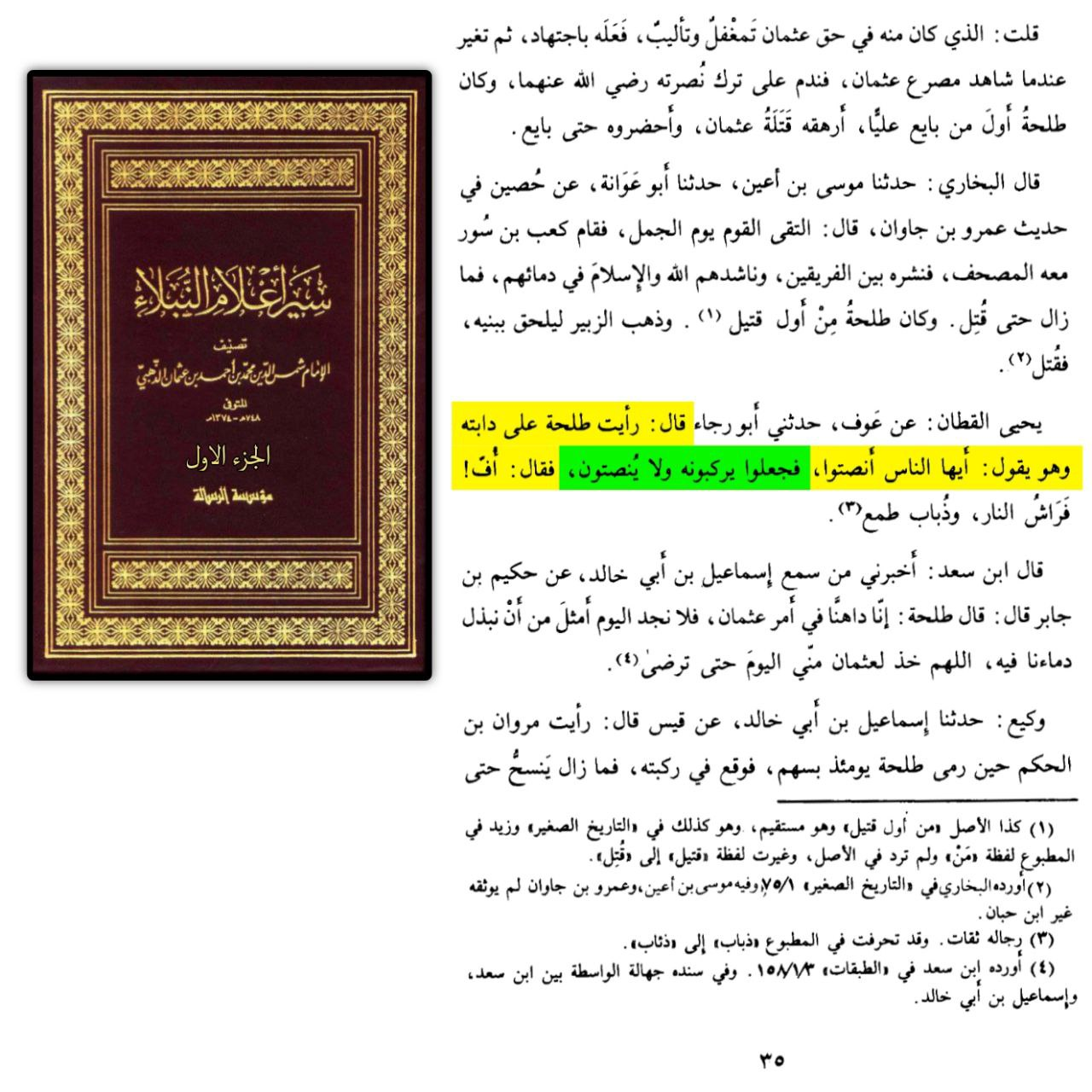
In the story of people pressing around Talha ibn Ubaydullah while he was mounted, the narration uses: “They began to ride him and did not listen” — meaning they crowded and pressed in without heeding him.
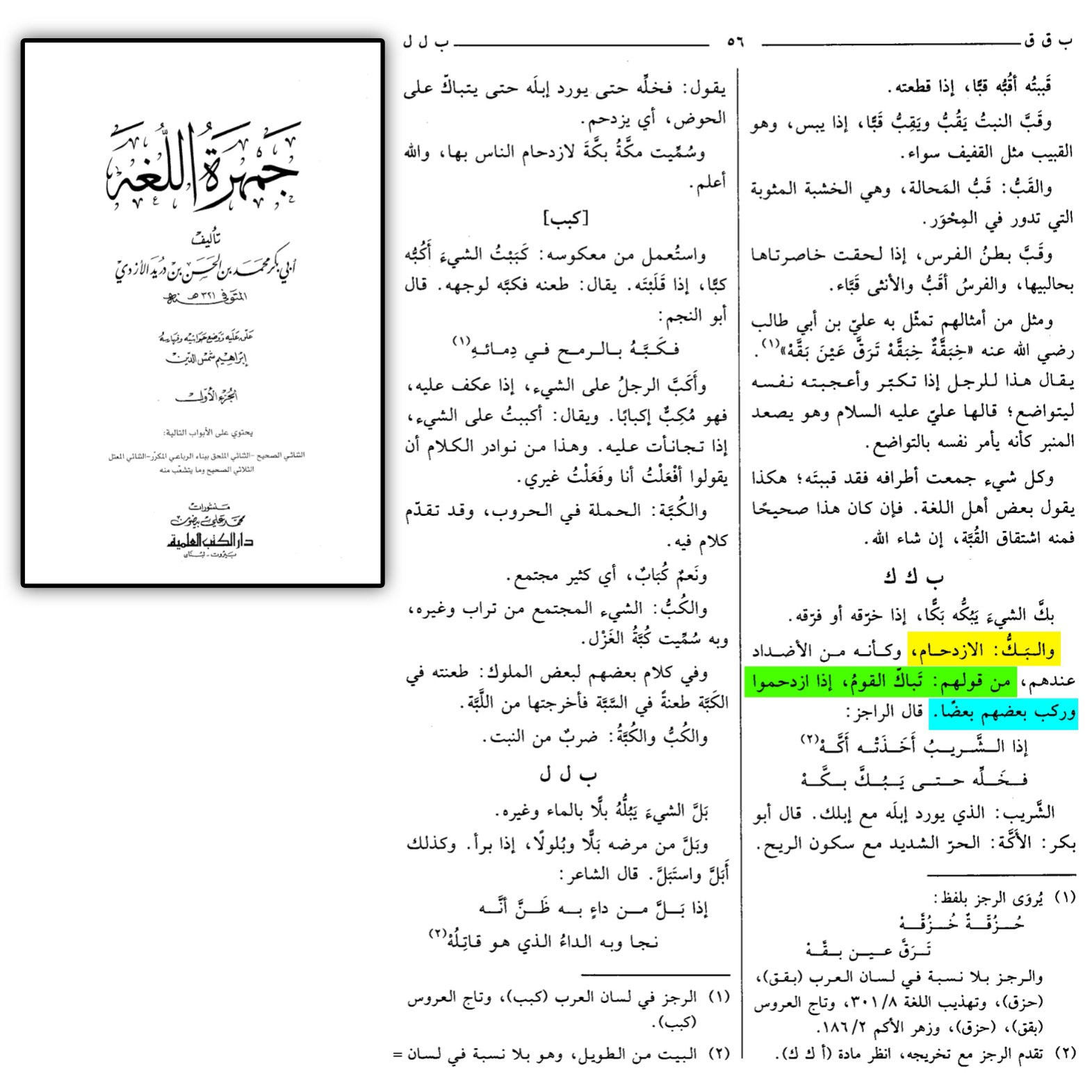
A narration describes people crying out as they crowd together and pile on top of each other — a further parallel use of this semantic field.
Multiple Tafsir Sources on Al-Jinn 19
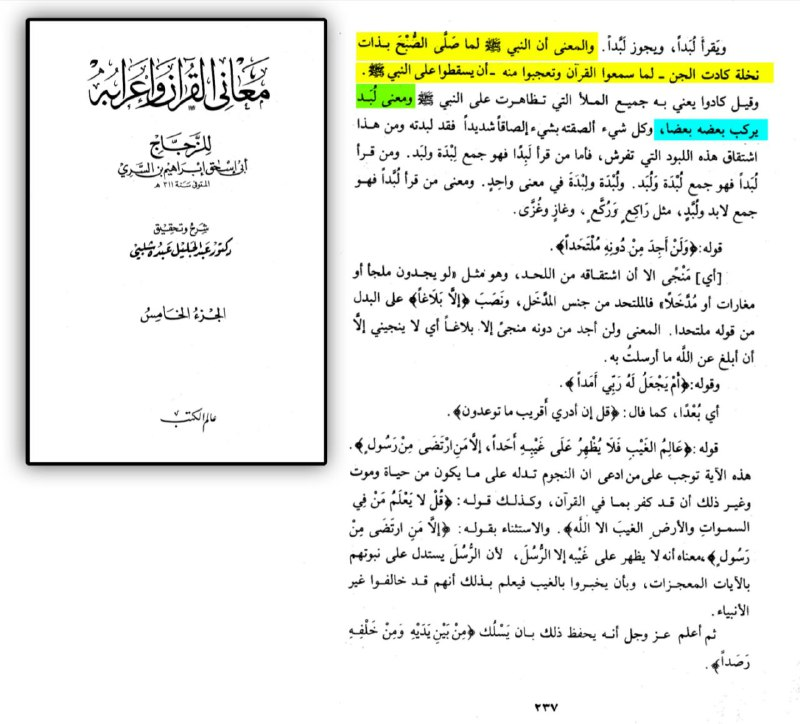
Az-Zajjaj in Ma’ani al-Quran wa I’rabuhu explains that libadā in Al-Jinn 19 means the jinn almost piled upon one another — crowding and climbing on top of each other in eagerness to hear the Quran from the Prophet ﷺ at Dhat Nakhlah.
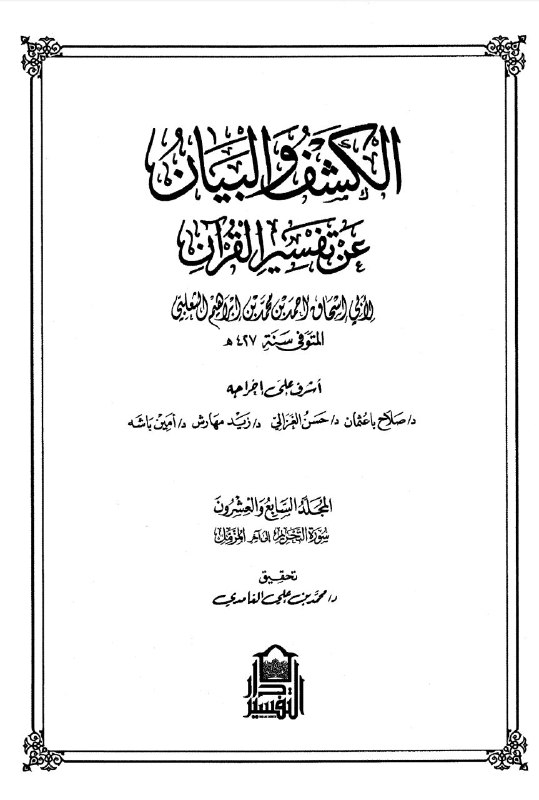
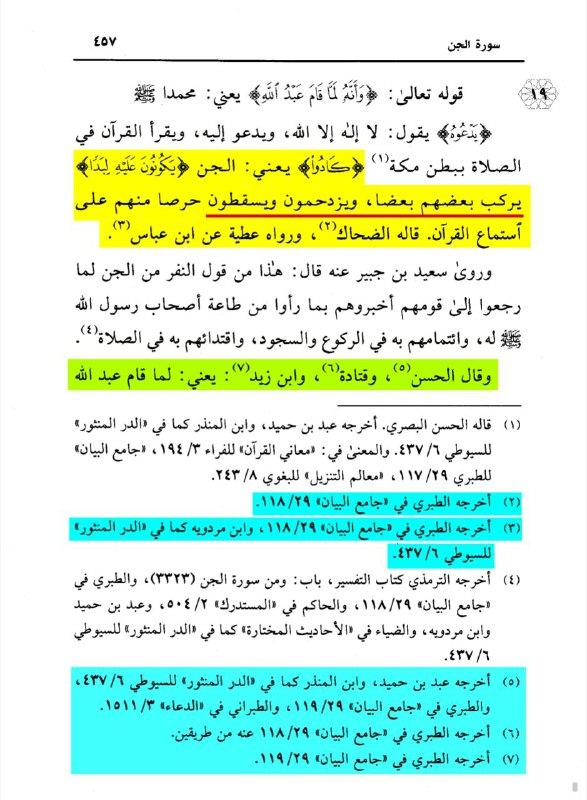
Al-Tha’labi in Al-Kashf wa al-Bayan records that al-Hasan, Qatadah, and Ibn Zayd all interpreted “they will be upon him in a dense mass” as humans and jinn gathering and pressing upon the Prophet ﷺ in dense crowds.
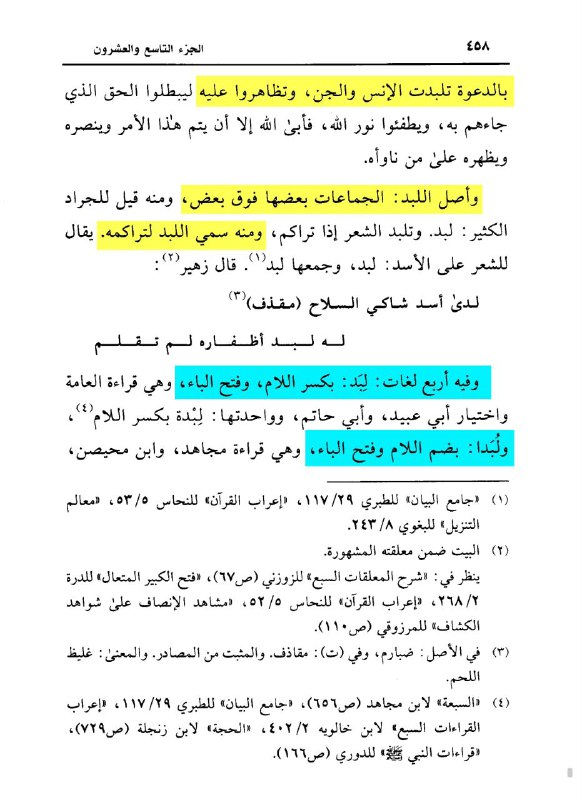
Al-Tha’labi’s commentary continues on the following page.
Al-Tha’labi provides the root etymology: libda denotes groups piled upon one another, like felt fabric spread out due to density.
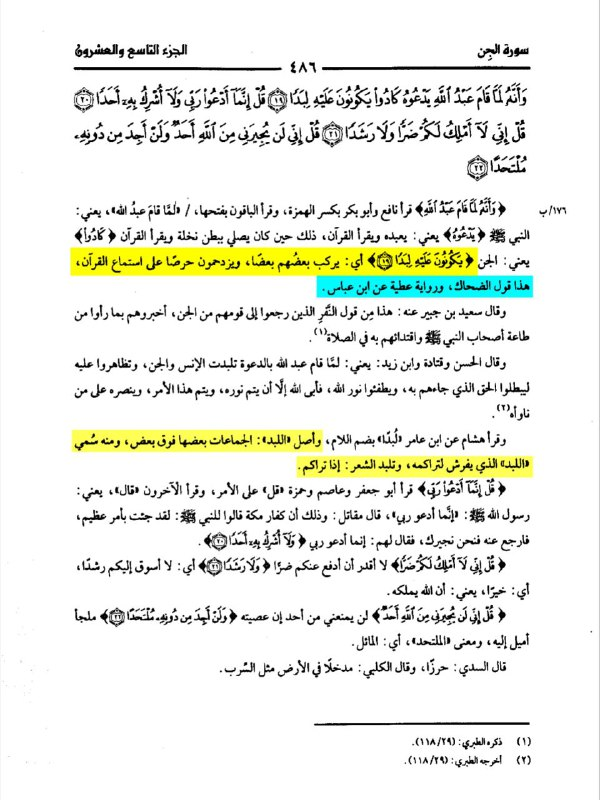
Al-Baghawi in Ma’alim al-Tanzil reaches the same conclusion: they crowded together, some on top of others, eager to listen to the Quran.
Al-Baghawi’s root analysis continues on the next page.
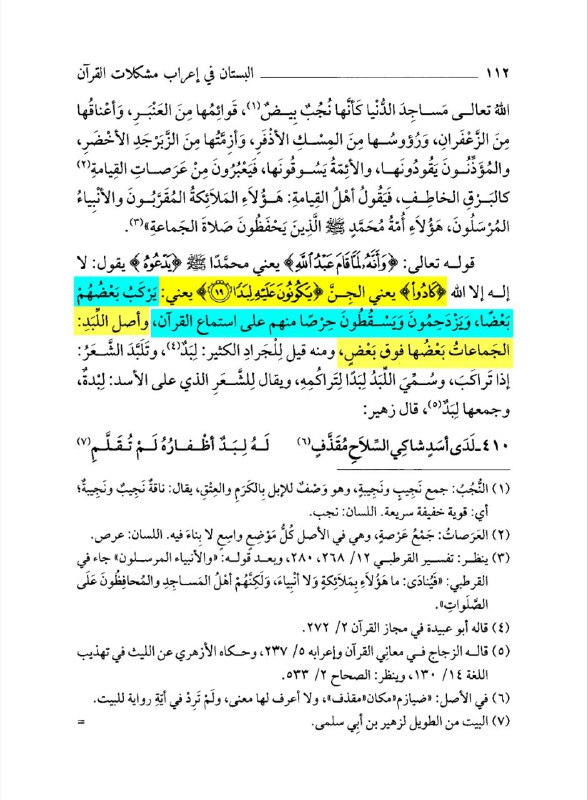
Al-Wahidi in Al-Bustan fi I’rab Mushkilat al-Quran adds: they were on top of one another, crowding together and falling over in their eagerness.
Al-Wahidi’s root analysis continues.
Al-Khazin in Lubab al-Ta’wil, printed alongside al-Baghawi, adds that libda comes from the root for felt fabric spread out because of its accumulation, and for matted hair, which is thick and abundant.
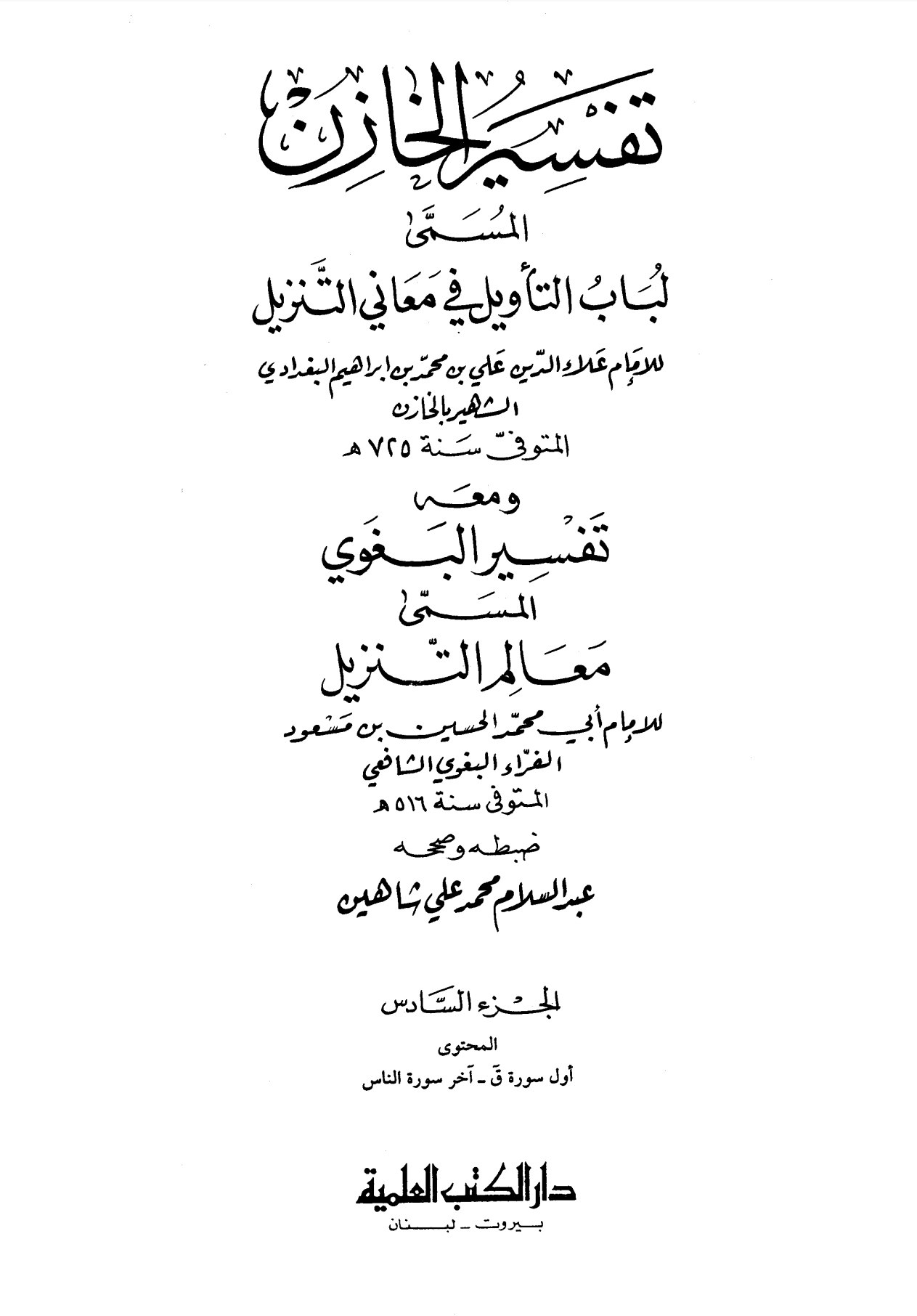
Al-Khazin’s commentary continues on the same passage.
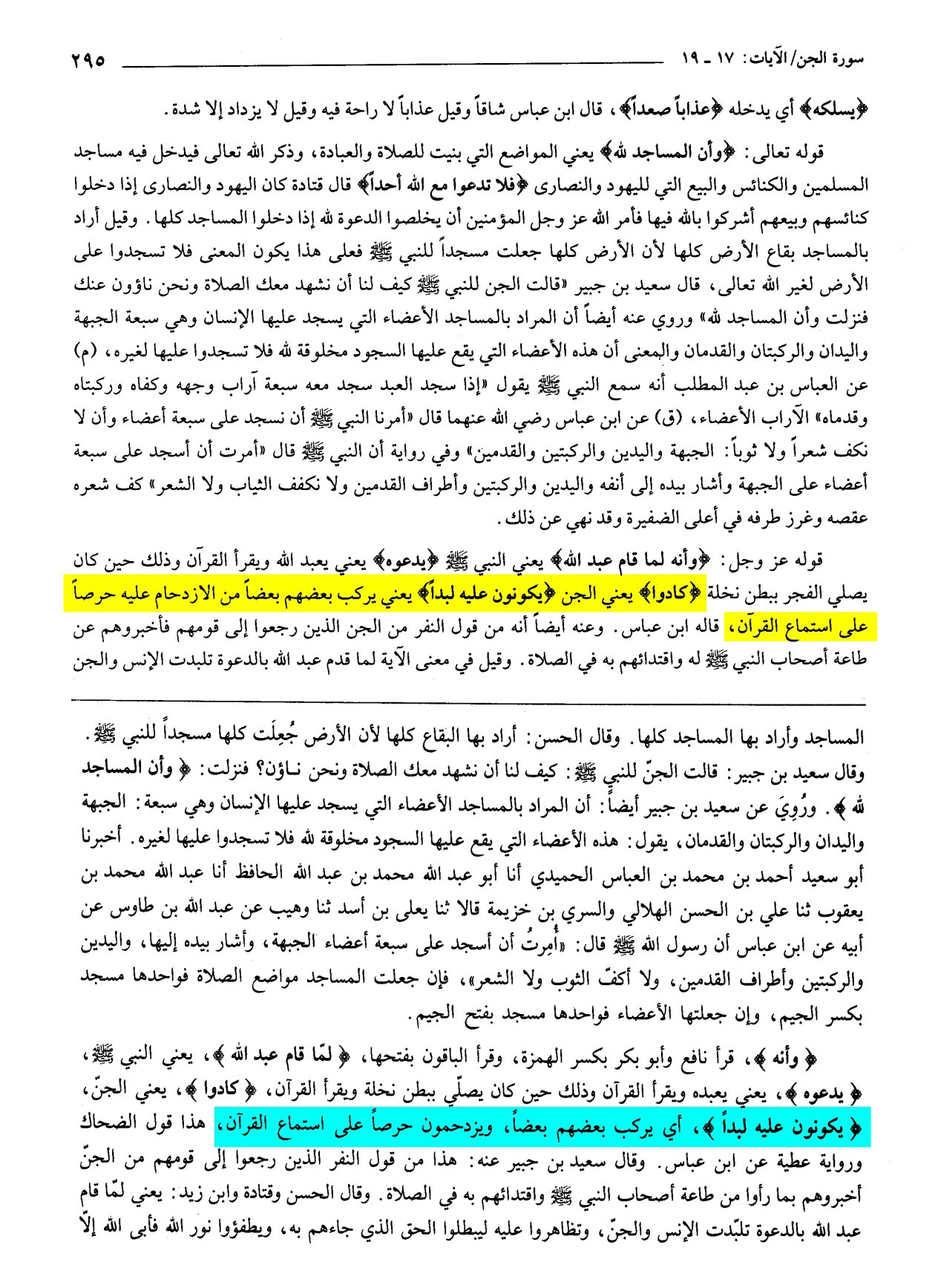
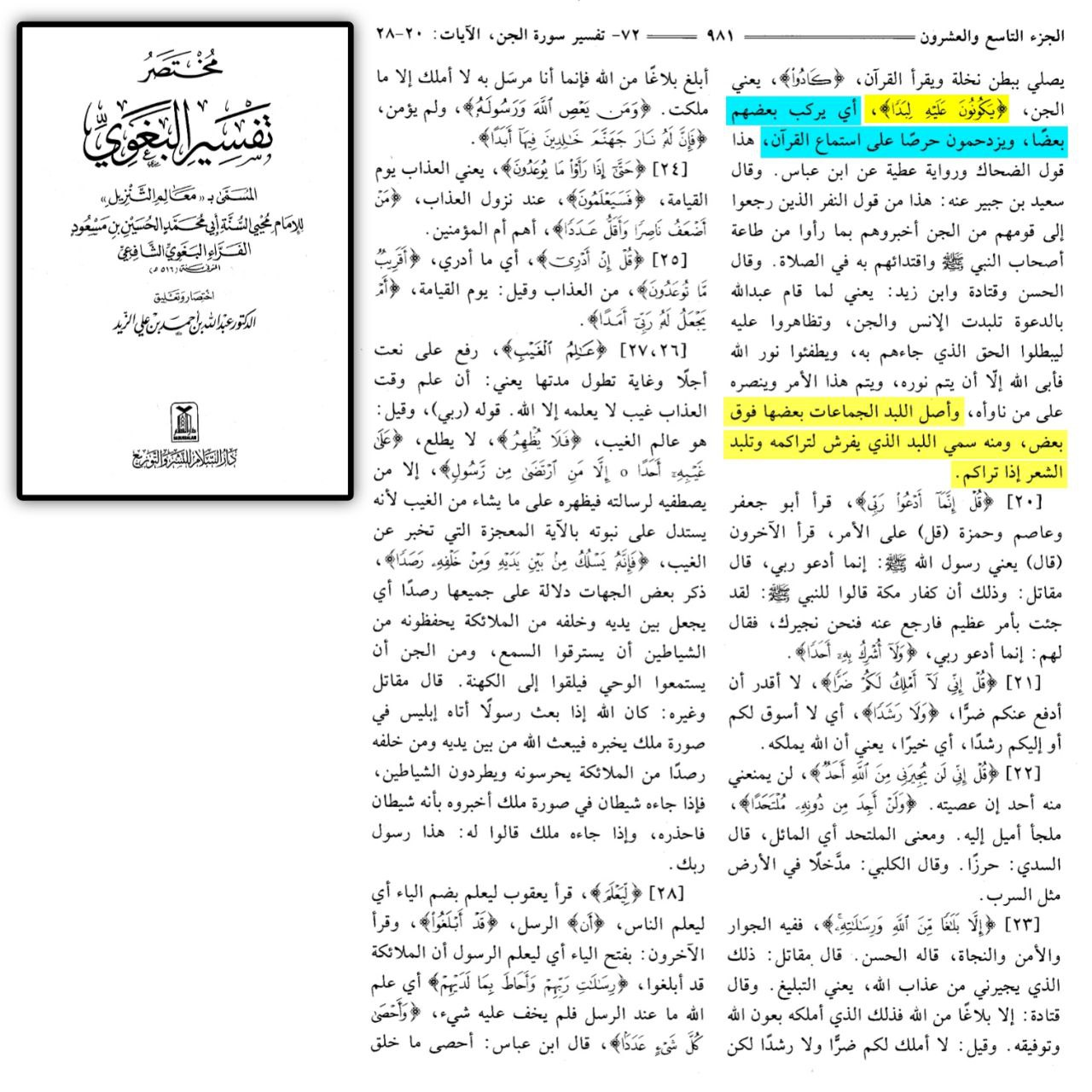
The Abridged Tafsir al-Baghawi reaches the same conclusion: libada means they crowded together, eager to listen.
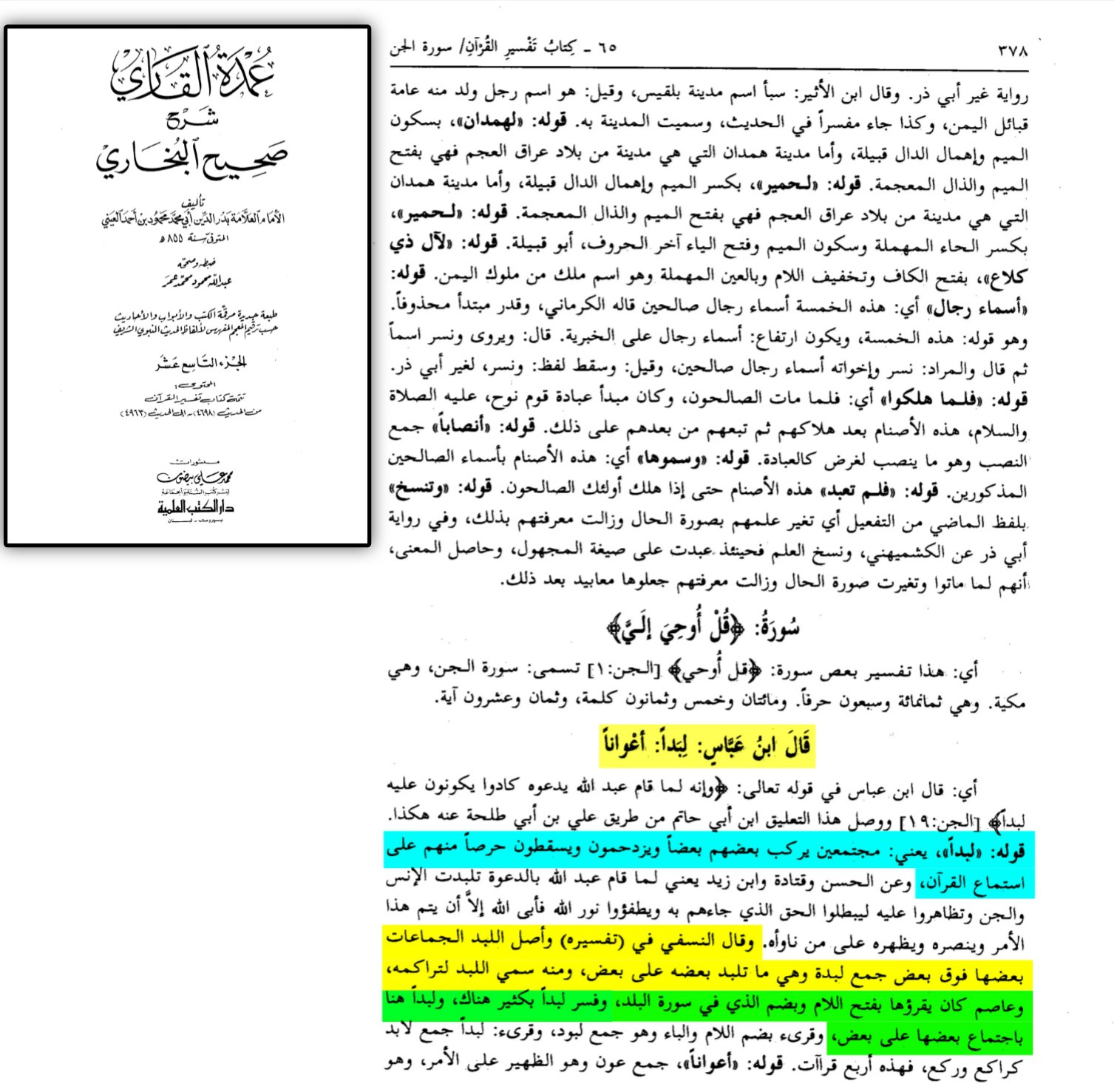
Al-‘Ayni in Umdat al-Qari — his commentary on Sahih al-Bukhari — explains the meaning as a group crowded together, some on top of others, pushing and shoving in eagerness to hear the Quran.
Al-Qurtubi in Al-Jami’ li-Ahkam al-Quran cites al-Zubayr ibn al-Awwam: “they almost crowded around him” referred to the jinn when they listened to the Quran from the Prophet ﷺ, almost climbing on top of each other in their eagerness to hear it.
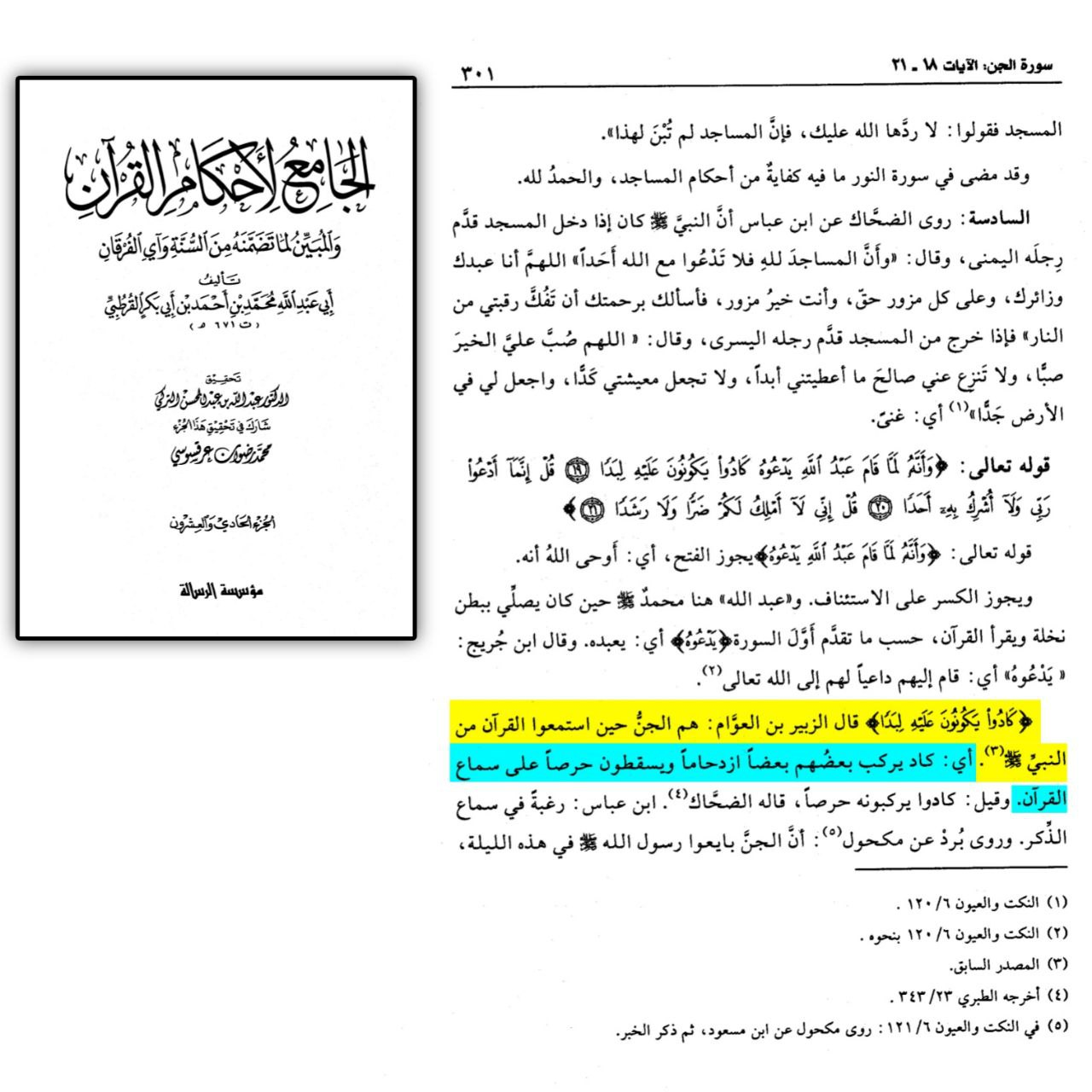
Summary — “They Ride” = “They Crowd”
Two additional sources confirm the semantic equation directly and independently.
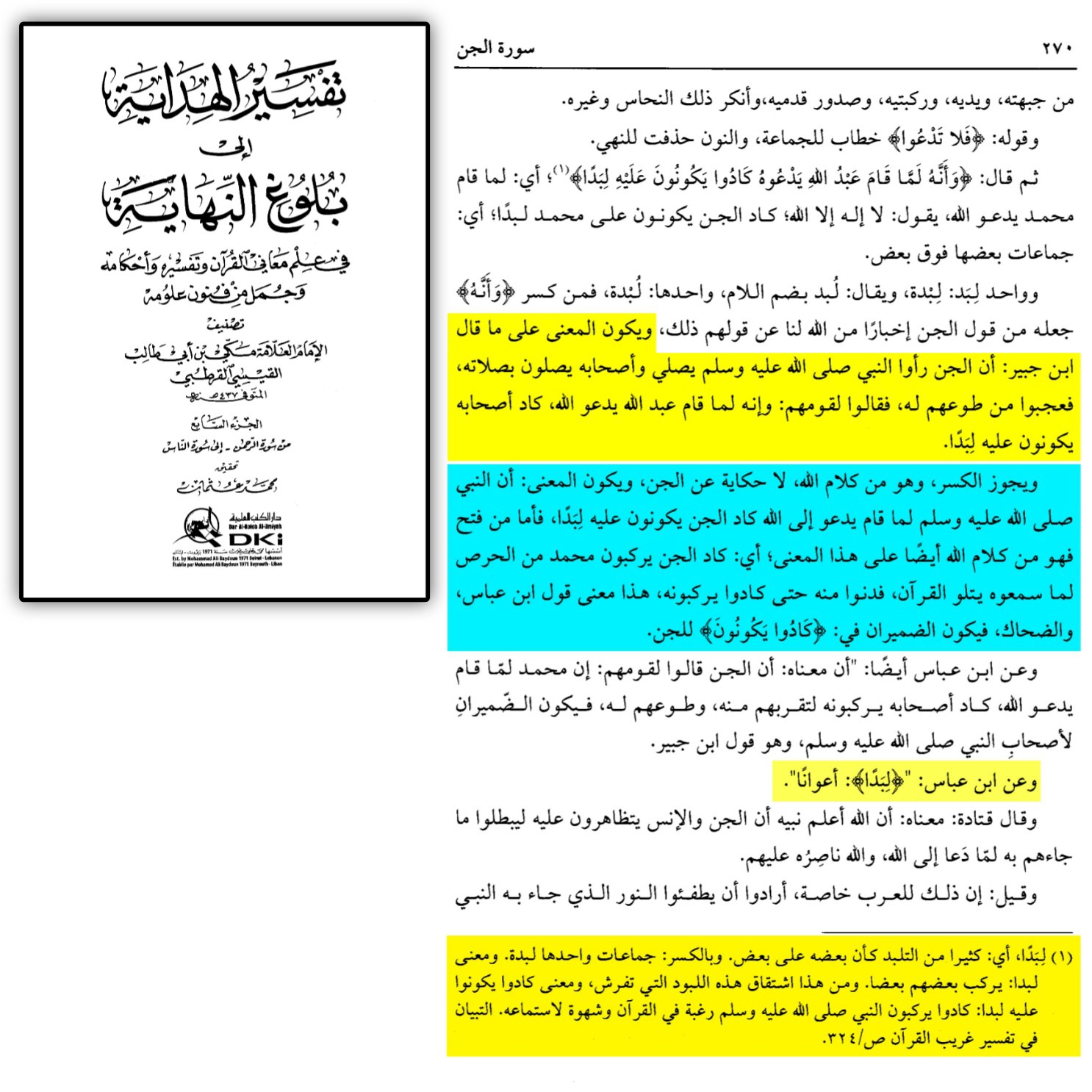
A second source reaches the same conclusion independently.
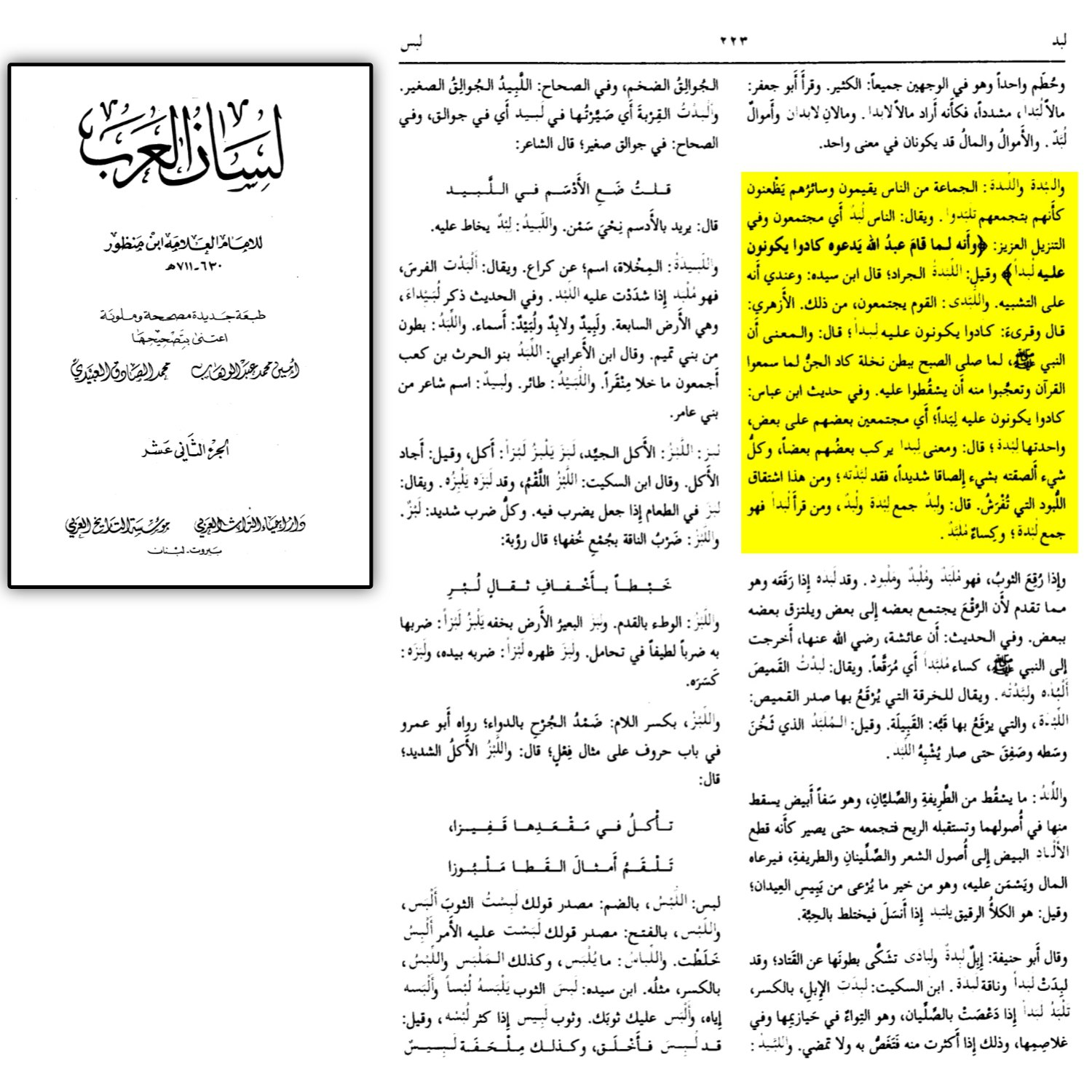
^^The challenge stands open: not one classical Arabic source applies yarkabūna to an indecent act.^^ Critics are invited to produce a single such source.
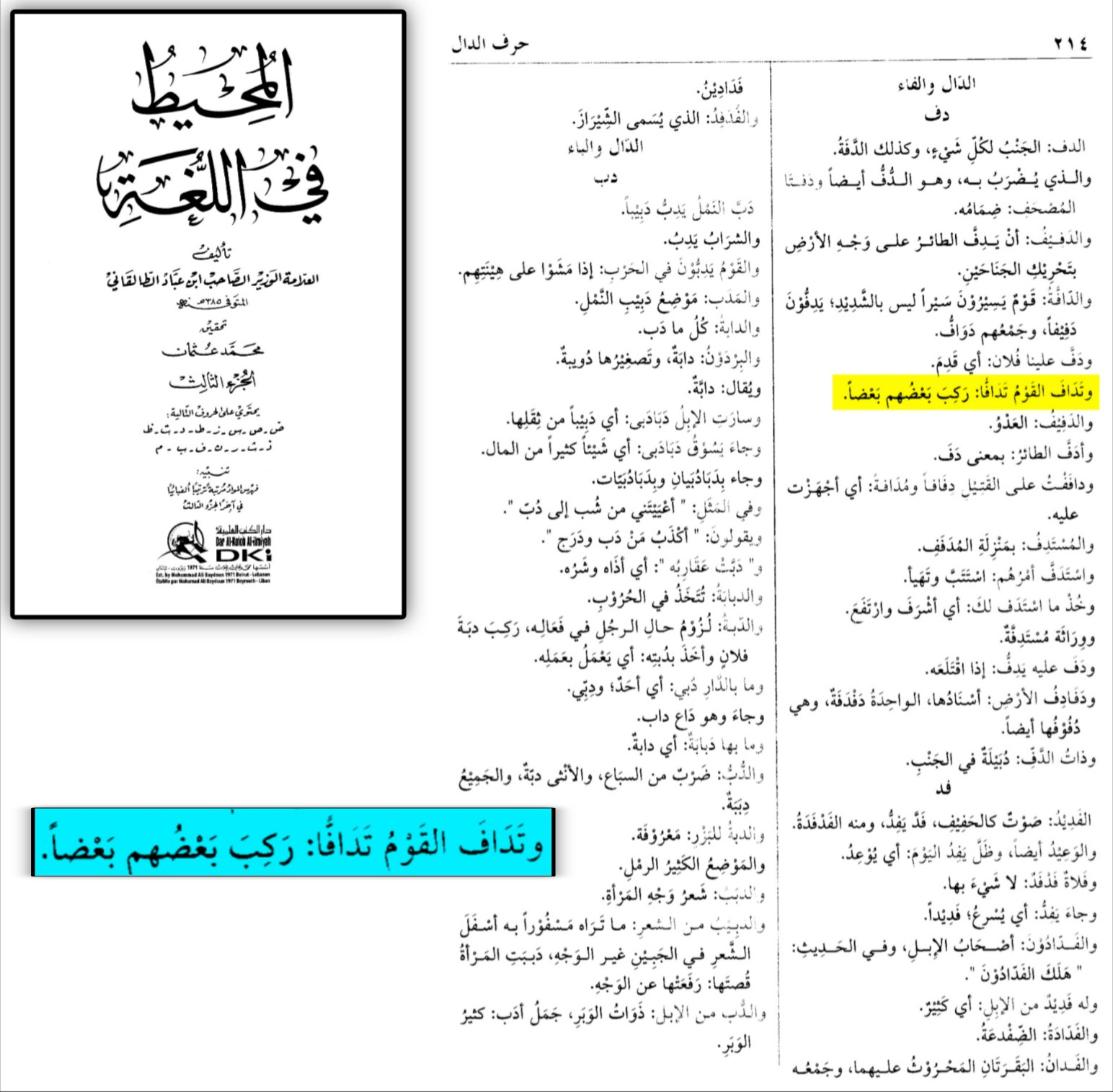
The challenge documentation continues.
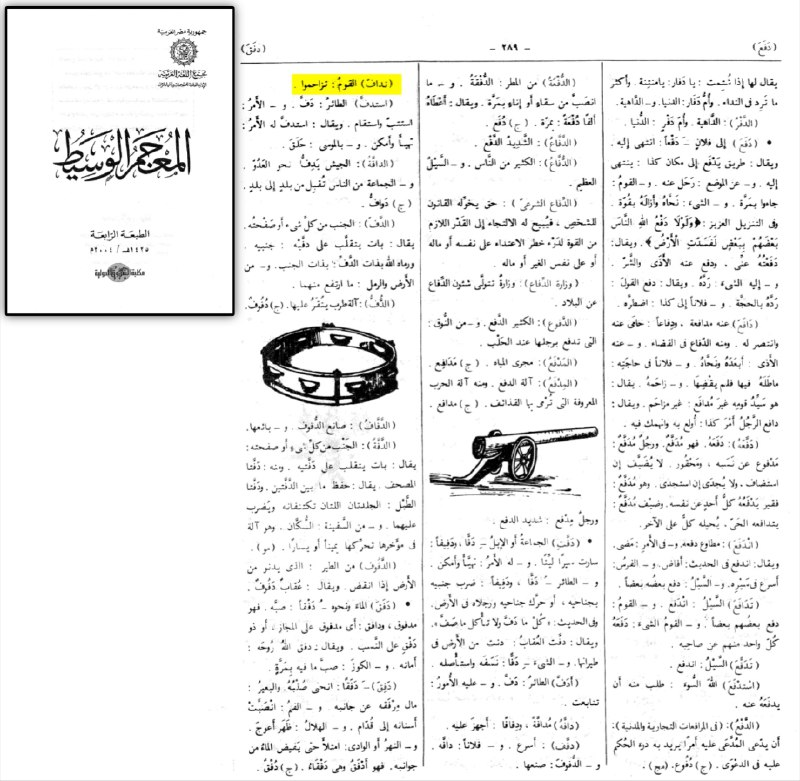
The “Al-Hein” Doubts Addressed
A secondary challenge raised by critics involves terms related to al-hinn (الهِنّ) and al-hanin (الحَنِين). The first objection in this cluster is shown in the following image.
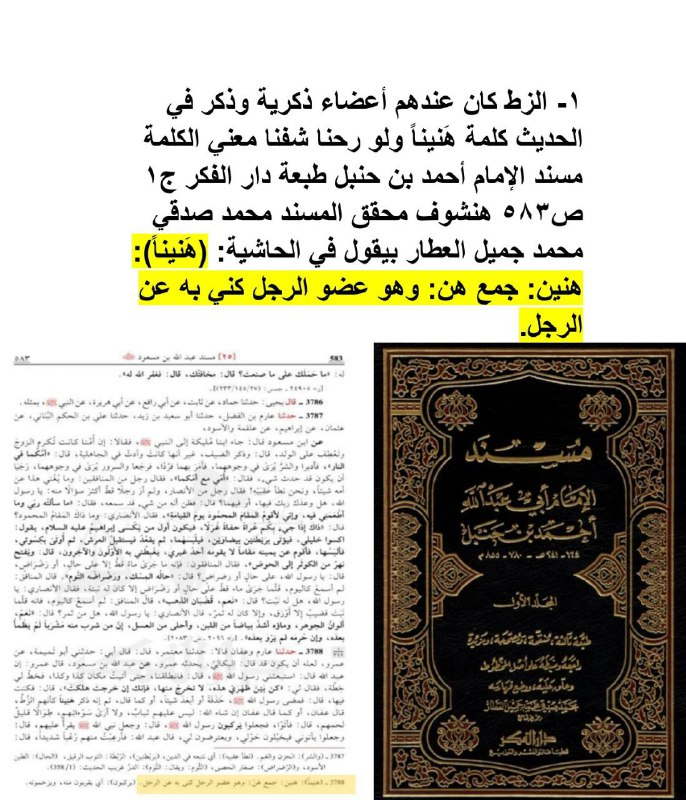
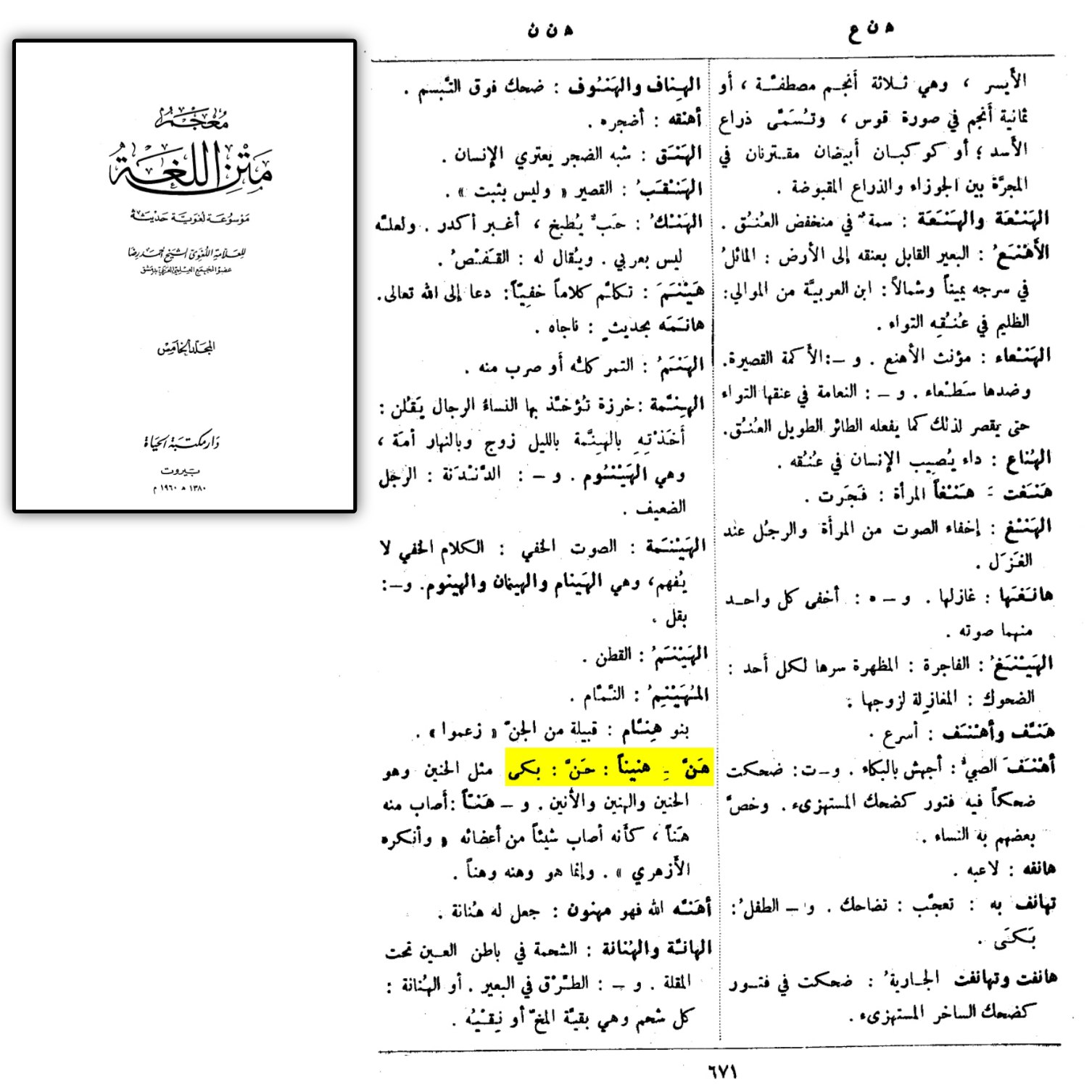
First: In Arabic, al-hinn means crying or lamentation. The classical lexicon establishes this clearly.
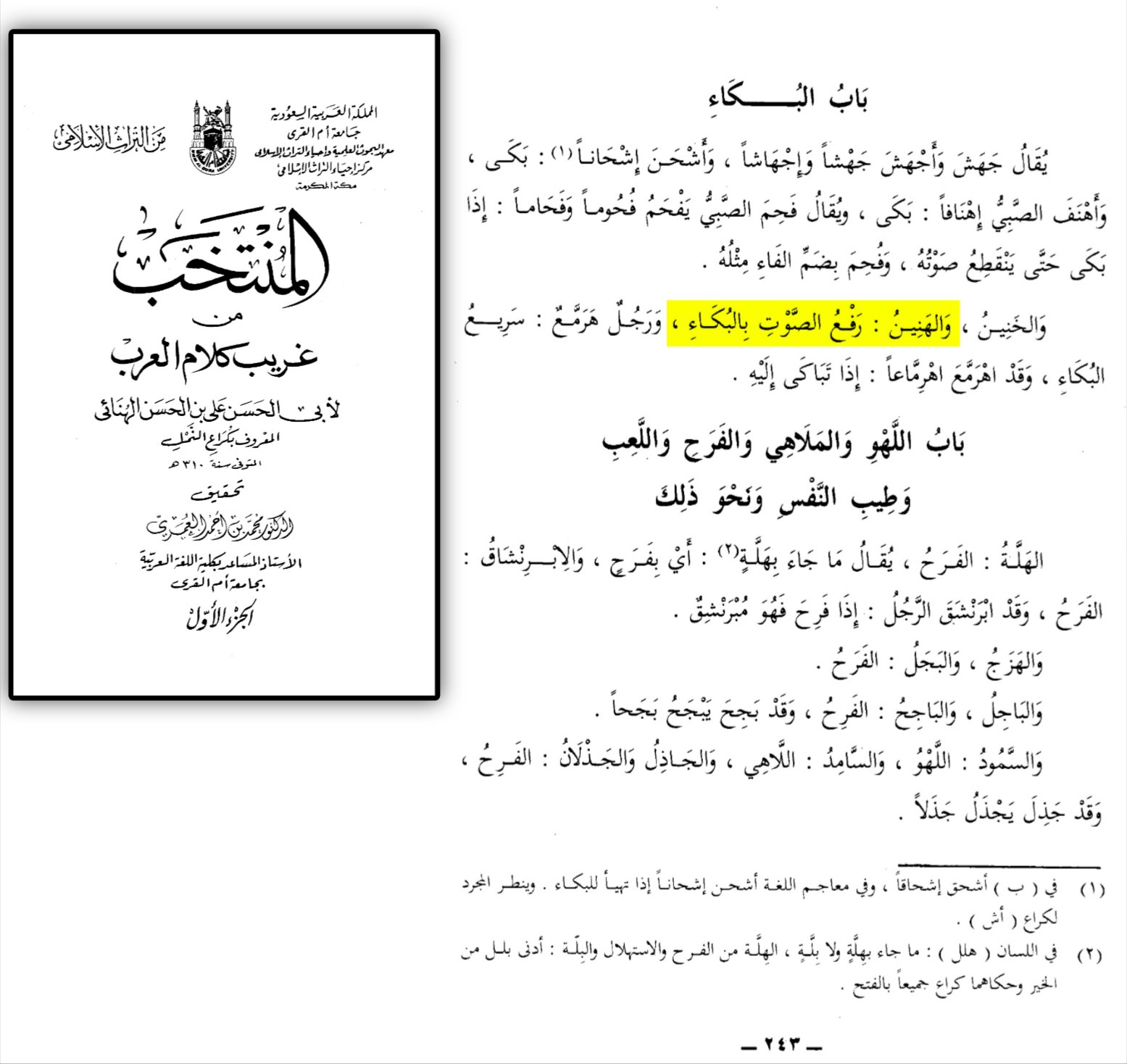
The al-hinn entry continues in the same lexicon.
Second: In the same source, al-Hanin appears as a tribal nickname (laqab) — a designation for a group of men, not a reference to jinn.
The following sources provide additional documentation on al-Hanin as a tribal designation for humans.
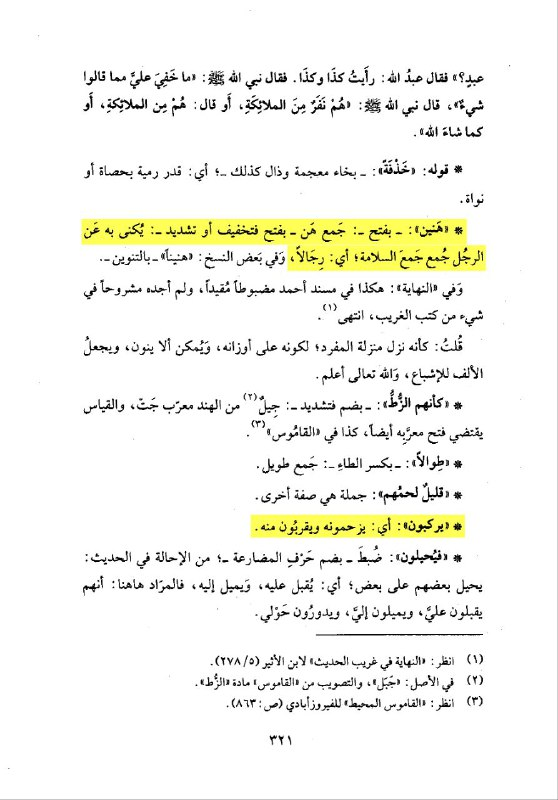
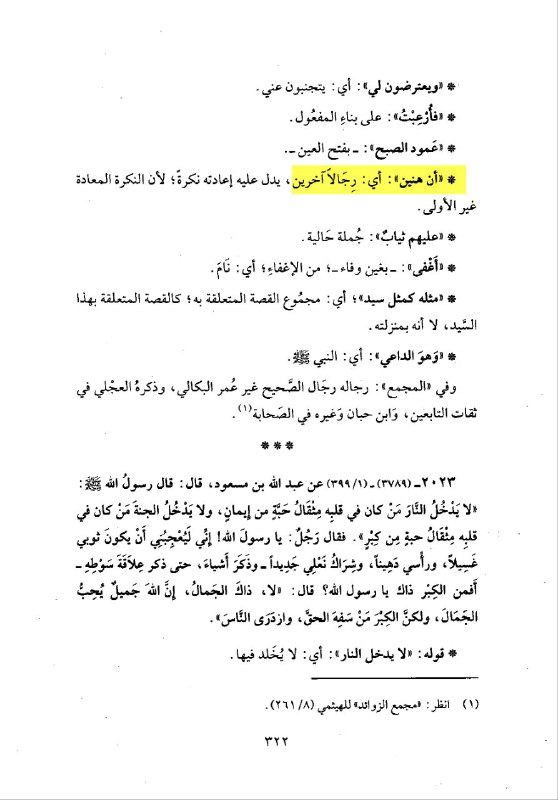
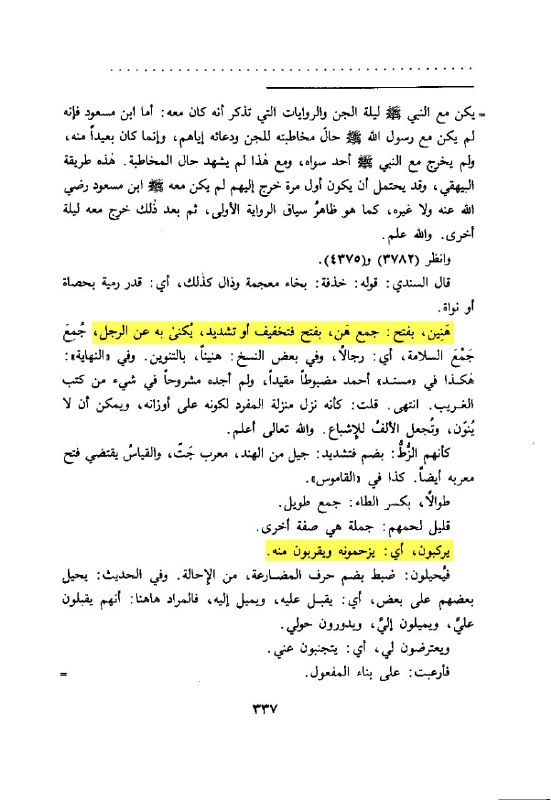
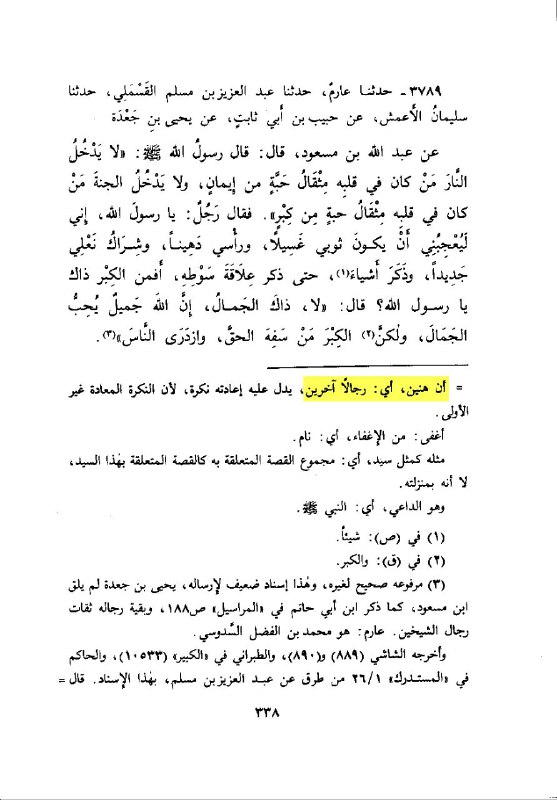
A second occurrence of the al-Hanin source provides independent confirmation of the tribal nickname interpretation.
The final source in this cluster completes the al-Hanin documentation.
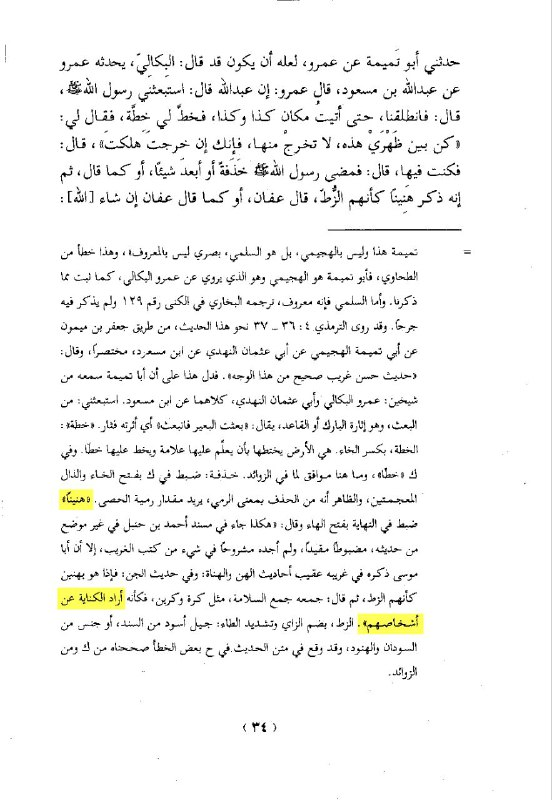
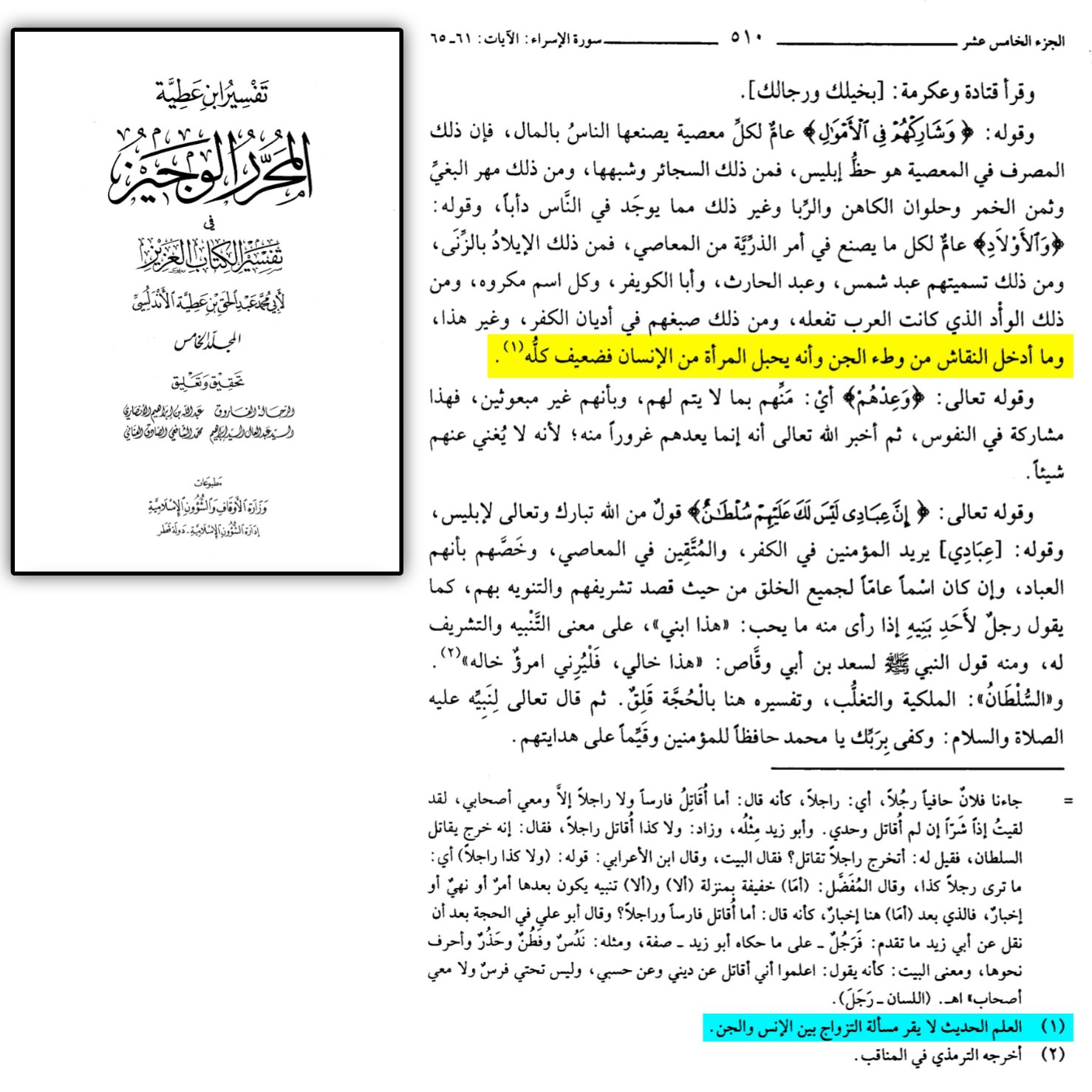
On the broader claim that jinn–human intercourse is an established concept supported by narrations, Ibn Atiyya provides the decisive scholarly response:
[!scholar] Ibn Atiyya — Al-Muharrar al-Wajiz
“Whatever discussion has been introduced about the jinn having intercourse and that it makes a woman pregnant by a human is all weak.”
All Eighteen Transmission Chains Are Defective
The following table summarises the defect in each known chain. Full documented evidence follows chain by chain.
| Chain | Source | Defective Narrator | Defect Type |
|---|---|---|---|
| 1 | Jami’ al-Tirmidhi 2861 | Ja’far ibn Maymun al-Tamimi | Weakened by six major critics |
| 2 | Ibn Kathir / al-Tabari tafsir | Unnamed narrator; Abdullah ibn Amr Ghaylan al-Thaqafi | Anonymous source + weak narrator |
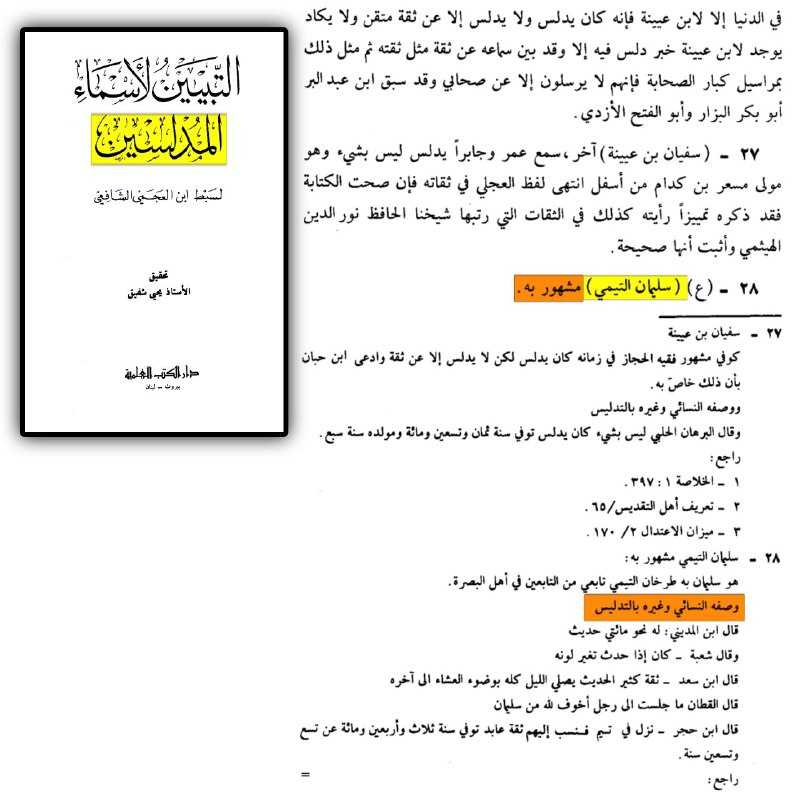
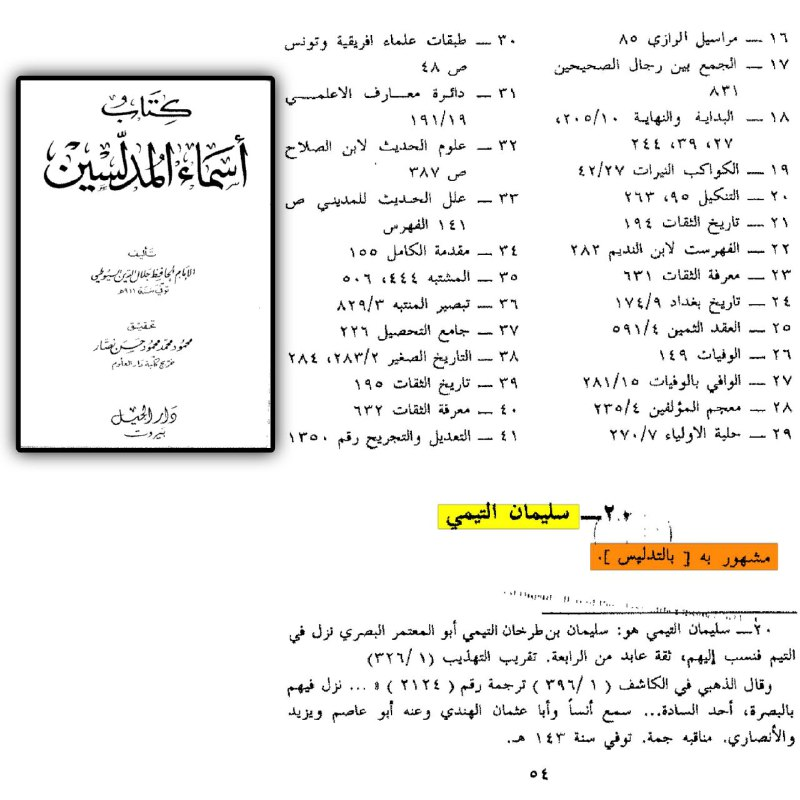
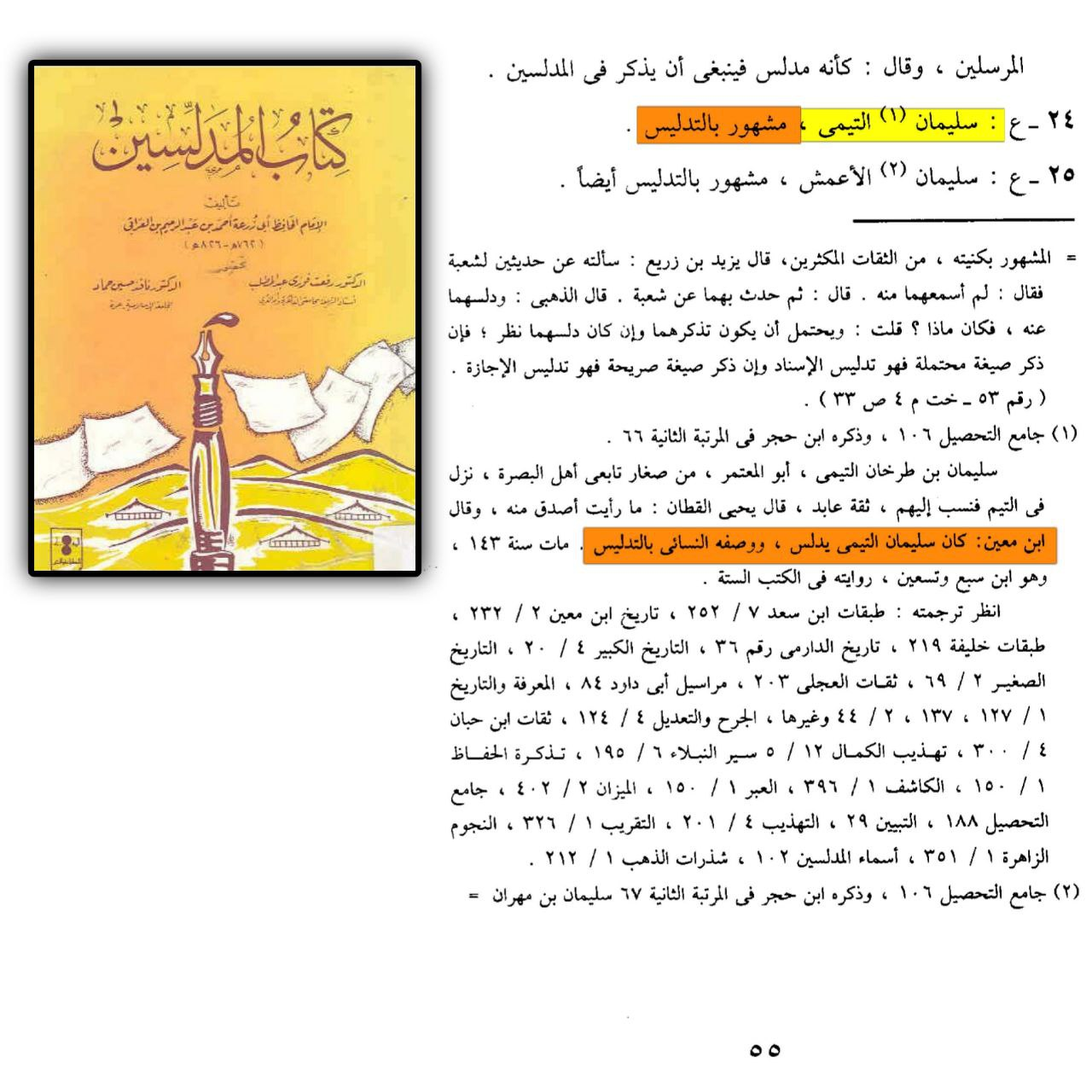
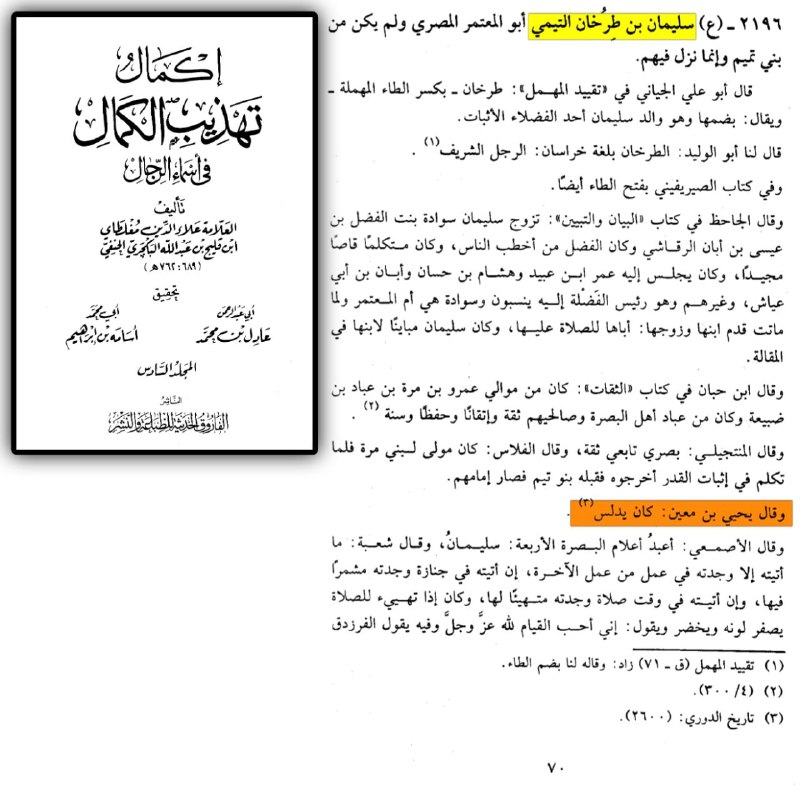
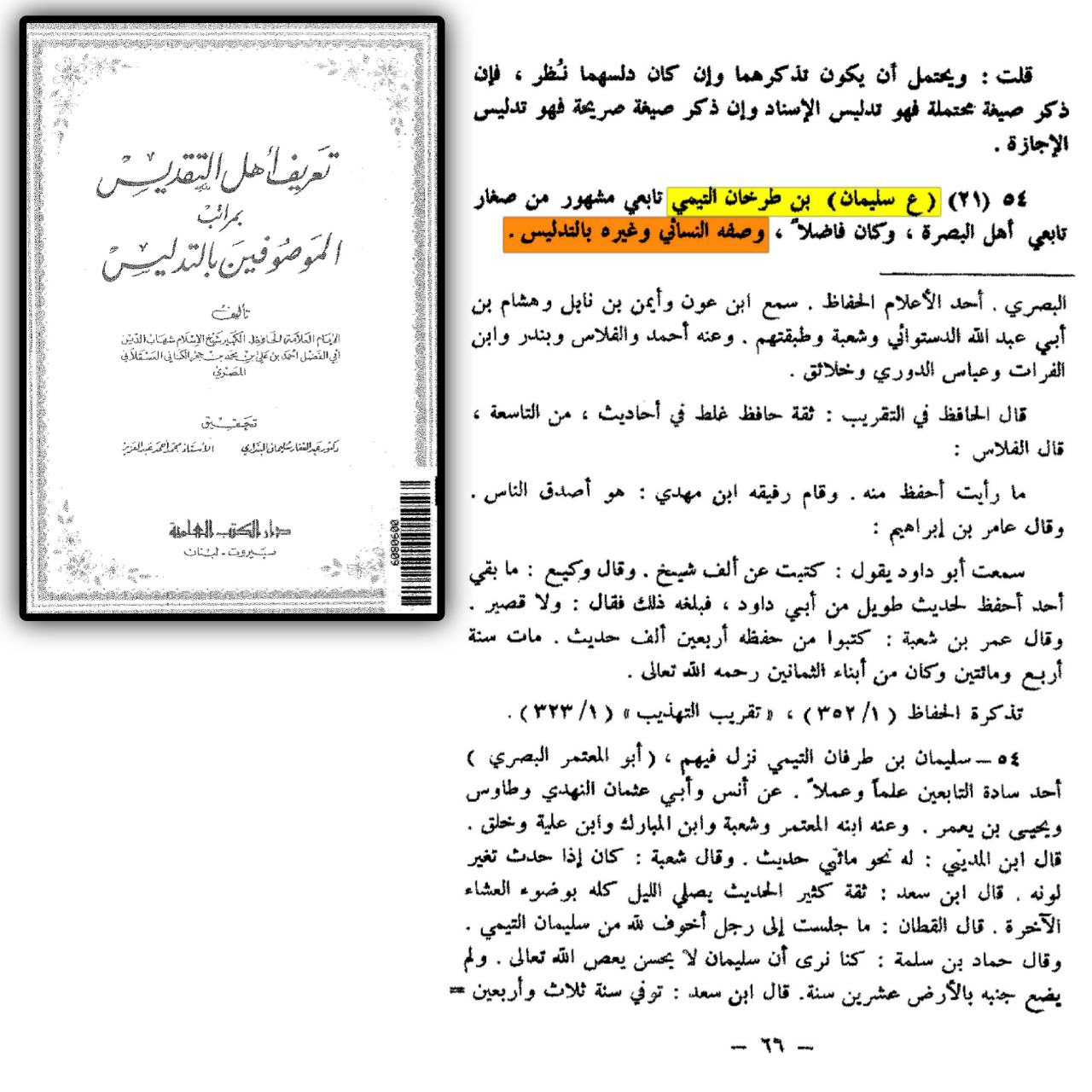
| 3 | Tarikh al-Islam (al-Dhahabi) | Sulayman al-Tamimi | Mudallis using ‘an’anah |
| 4 | Tarikh al-Islam (al-Dhahabi) | Asim ibn Abi al-Najud | Weak narrator |
| 5 | Ithaf al-Khayrah | Sulayman al-Tamimi | Mudallis using ‘an’anah |
| 6 | Majma’ al-Zawa’id | Mina | Liar / fabricator |
| 7 | Sunan Abi Dawud / Musannaf / Tirmidhi | Abu Zayd | Unknown (majhul) |
| 8 | Sunan al-Darqutni | Ibn Lahia | Weak narrator |
| 9 | Sunan al-Darqutni | Ali ibn Zayd; Abu Rafi’ | Weak narrator + hearing from Ibn Mas’ud unproven |
| 10 | Sunan al-Darqutni | al-Husayn ibn Ubayd Allah al-Ajli | Fabricator of hadiths |
| 11 | Sunan al-Darqutni | al-Hasan ibn Qutaybah; Muhammad ibn Isa | Both weak |
| 12 | Sunan al-Darqutni | Ibn Ghaylan al-Thaqafi | Unknown (majhul) |
| 13 | Dala’il al-Nubuwwah (al-Bayhaqi) | Abu al-Jawza’ | Chain problem (al-Bukhari); gap from Ibn Mas’ud |
| 14 | Al-Mustadrak (al-Hakim) | Abu Uthman ibn Sunna al-Khuza’i | Unknown (majhul) |
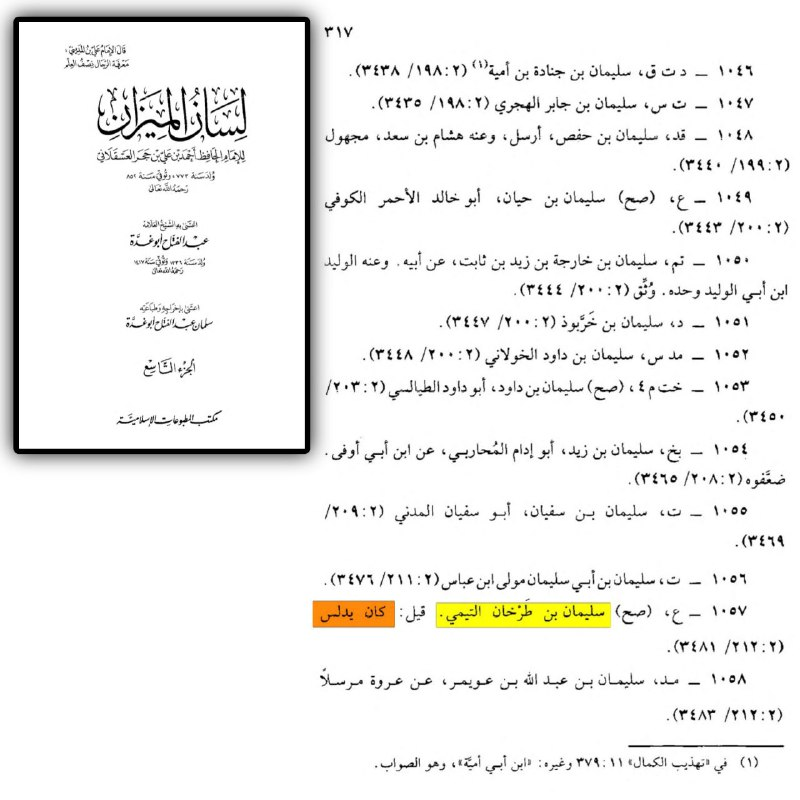
| 15 | Ithaf al-Khayrah | Qabus ibn Abi Dhibyan | Weak narrator |
| 16 | Al-Tarikh al-Kabir (al-Bukhari) | Talha ibn Abdullah | Hearing from Ibn Mas’ud unproven |
| 17 | Al-Tarikh al-Kabir (al-Bukhari) | Abdullah ibn Salama | Weak narrator |
| 18 | Multiple | Sulayman al-Tamimi; Muhammad ibn Abd al-Malik | Mudallis + narrator not of sound mind |
Chain 1 — Ja’far Ibn Maymun al-Tamimi (Jami’ al-Tirmidhi)
This chain’s defects were detailed in the scholarly consensus section above. The following three images provide the dedicated Rijal documentation.
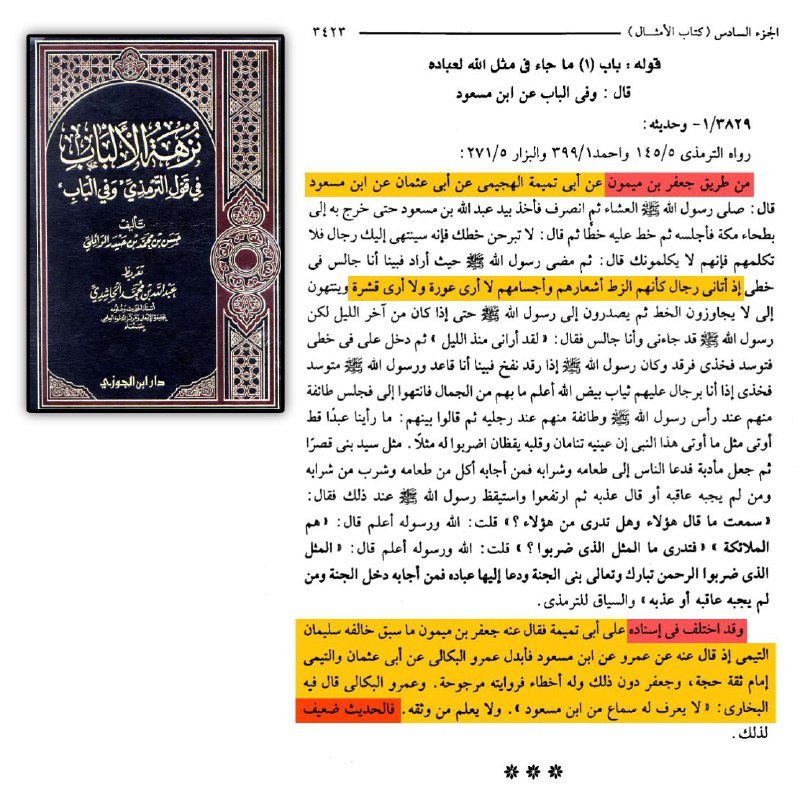
The Rijal assessment continues.
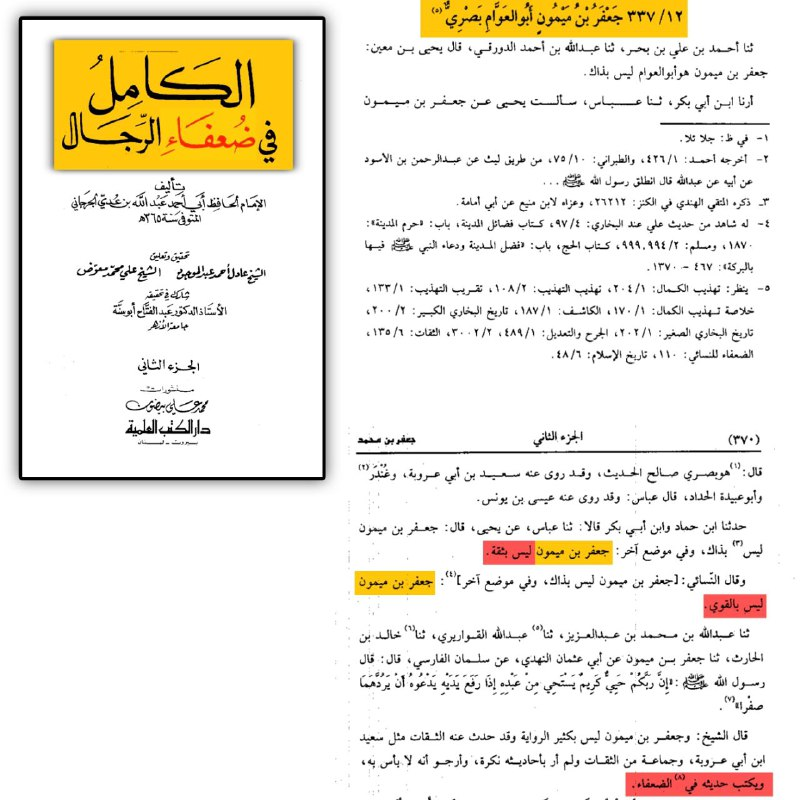
A third source completes the chain 1 documentation.
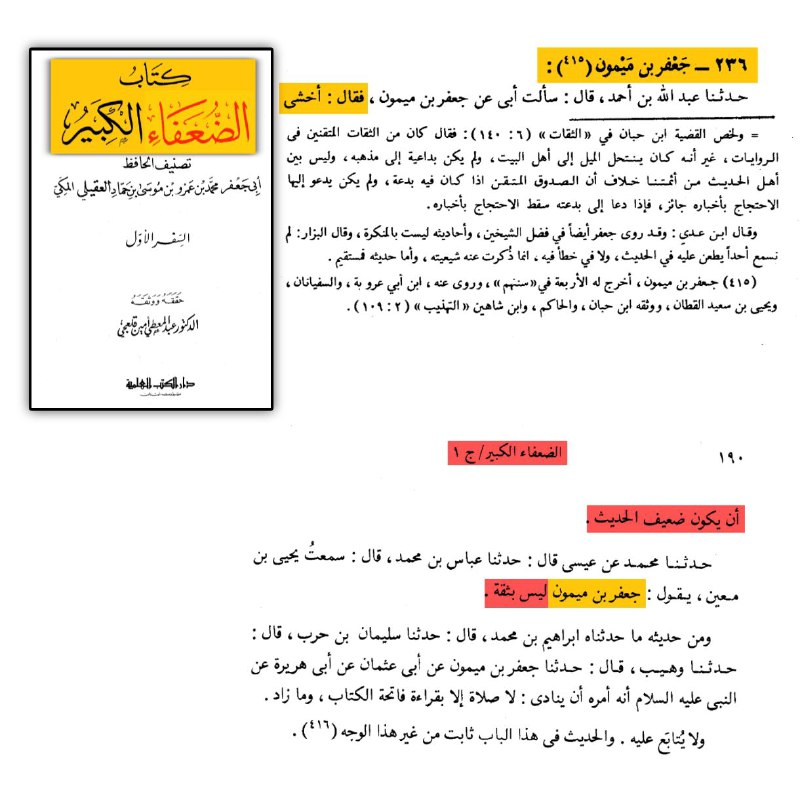
Chain 2 — Unnamed Narrator and Abdullah Ibn Amr Ghaylan al-Thaqafi (Ibn Kathir / al-Tabari)
This chain has two defects: the transmitter did not name his source, and the chain contains Abdullah ibn Amr Ghaylan al-Thaqafi who is weak.
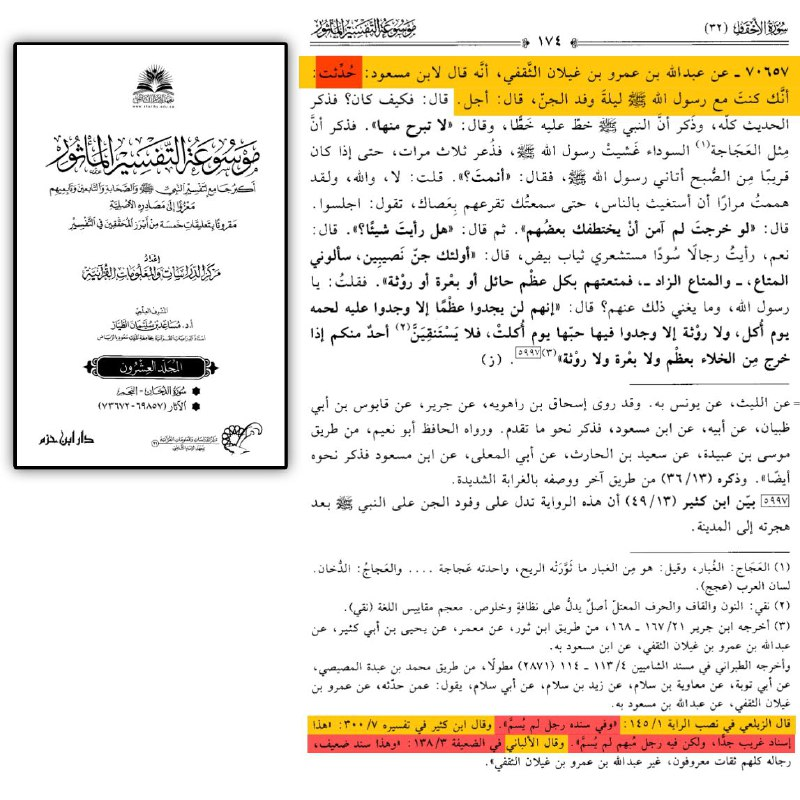
The defect documentation continues.
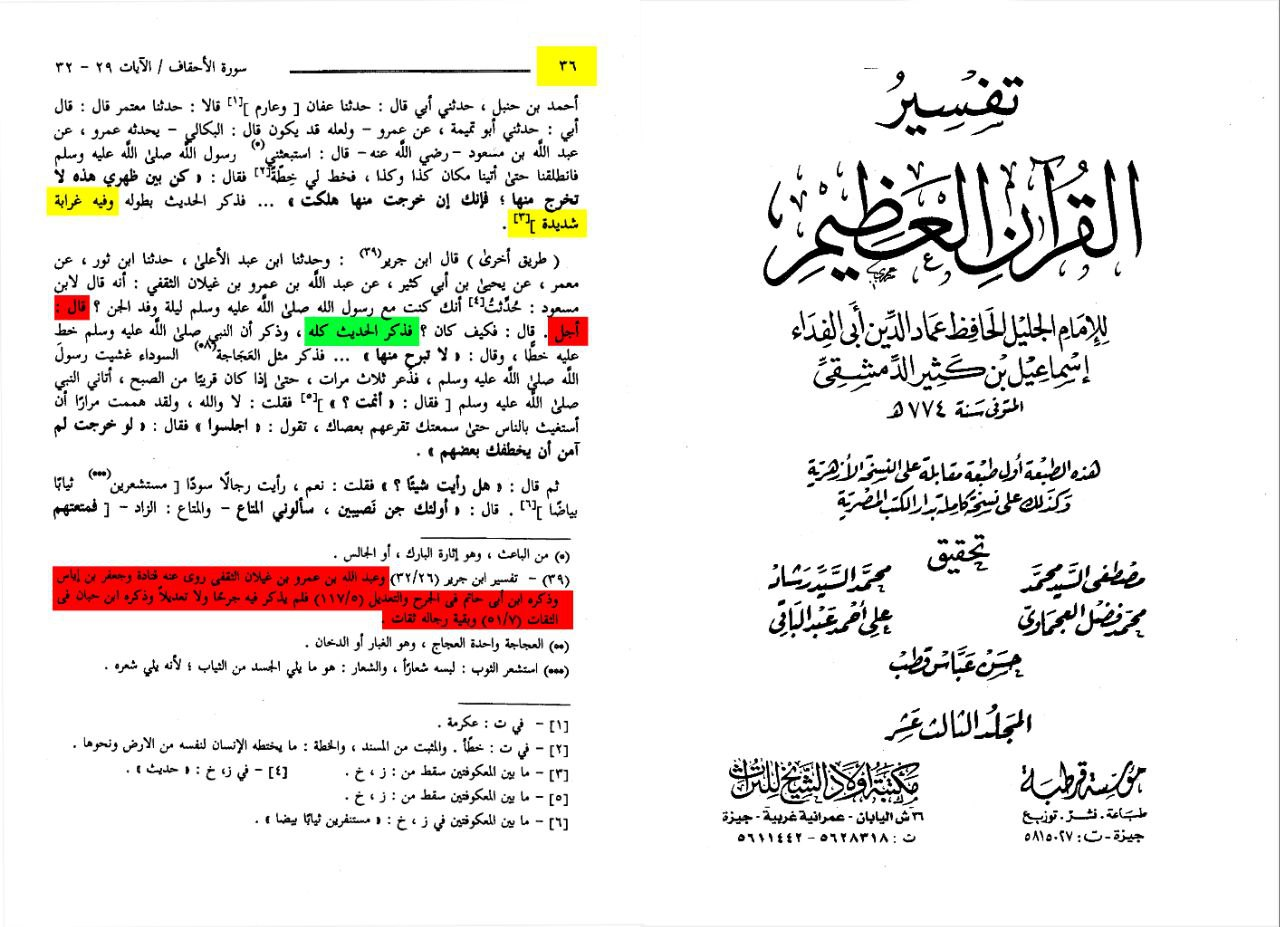
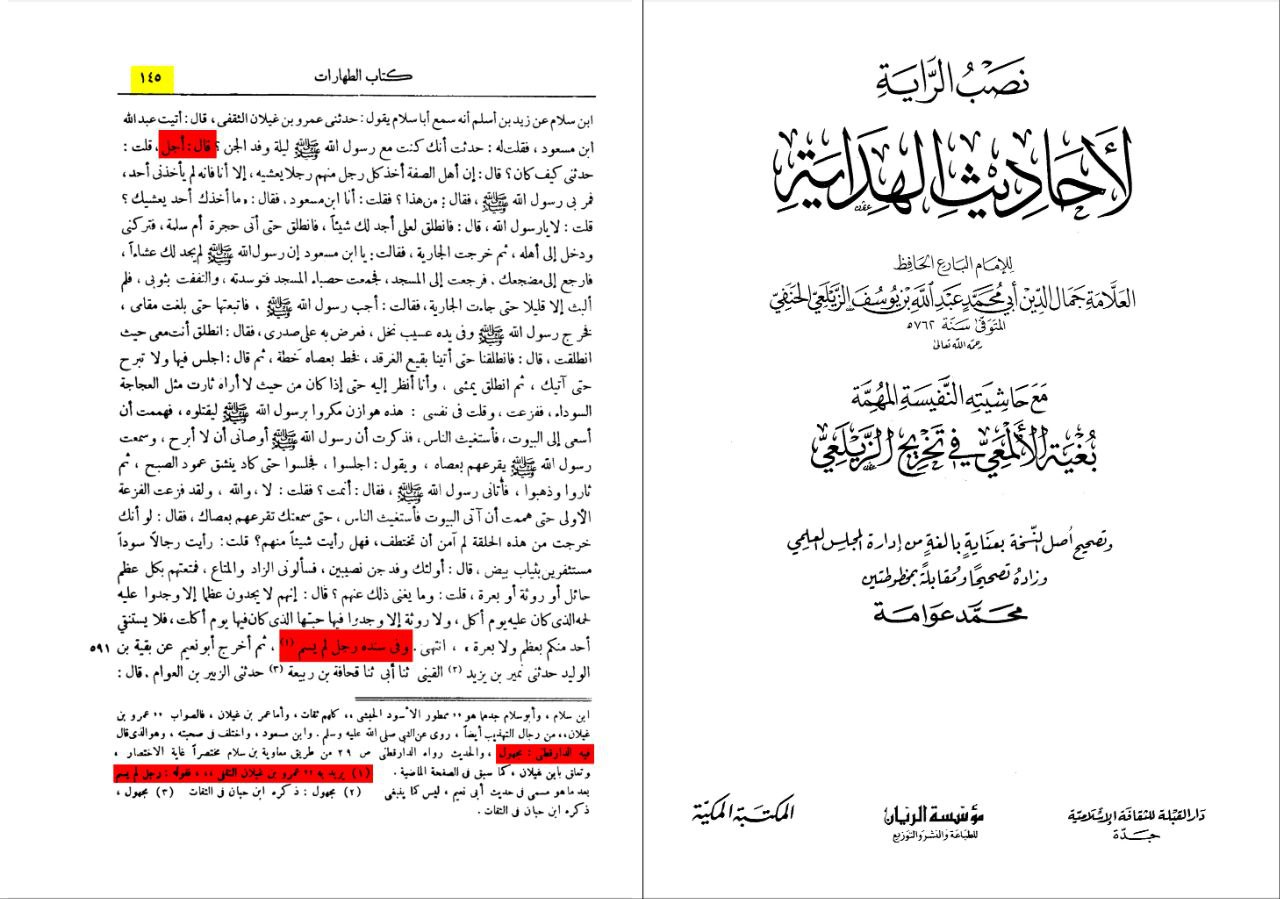
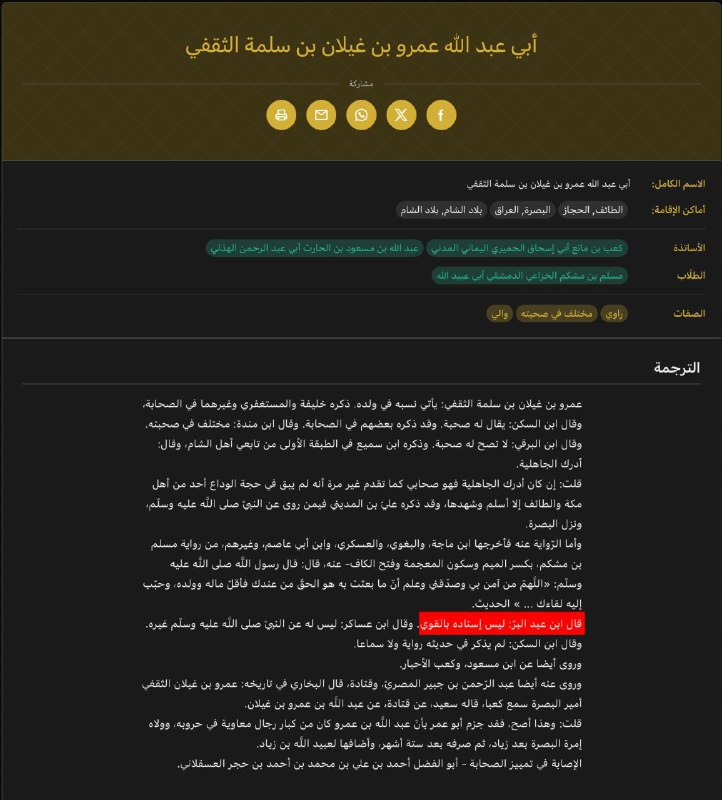
A final image completes chain 2’s documentation.
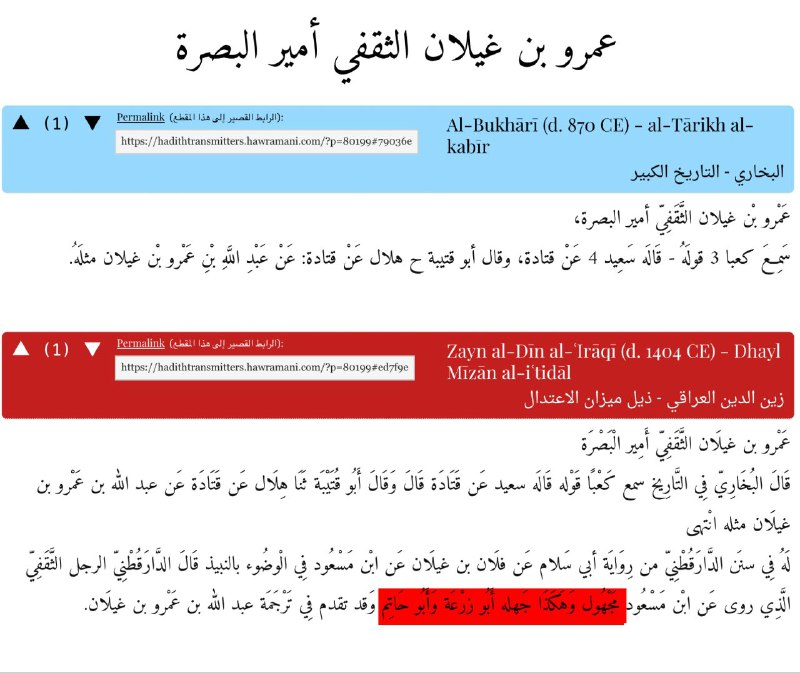
Chain 3 — Sulayman al-Tamimi the Mudallis (Tarikh al-Islam, al-Dhahabi)
Al-Dhahabi authenticated this chain but erred: it contains Sulayman al-Tamimi, a mudallis who used ‘an’anah (the formula “from so-and-so”) rather than explicit hearing. A mudallis using ‘an renders the chain rejected unless direct hearing is separately established.
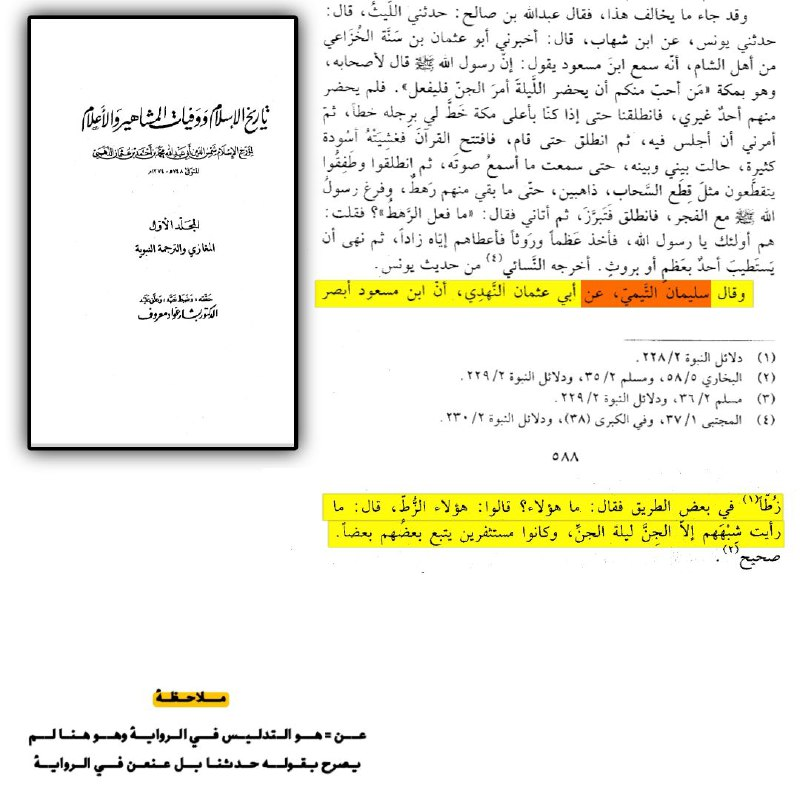
The mudallis defect documentation continues.
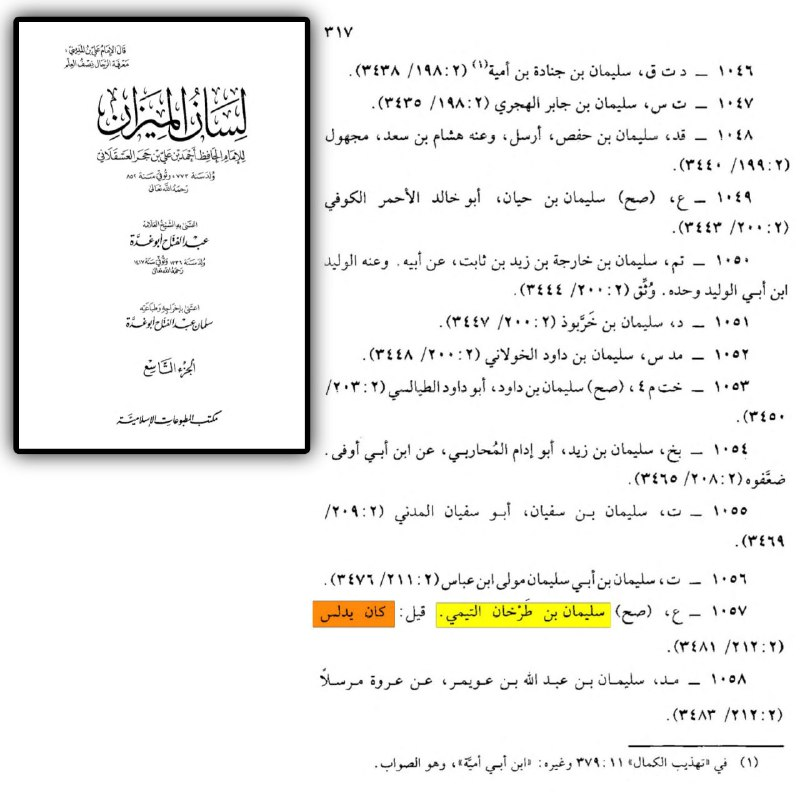
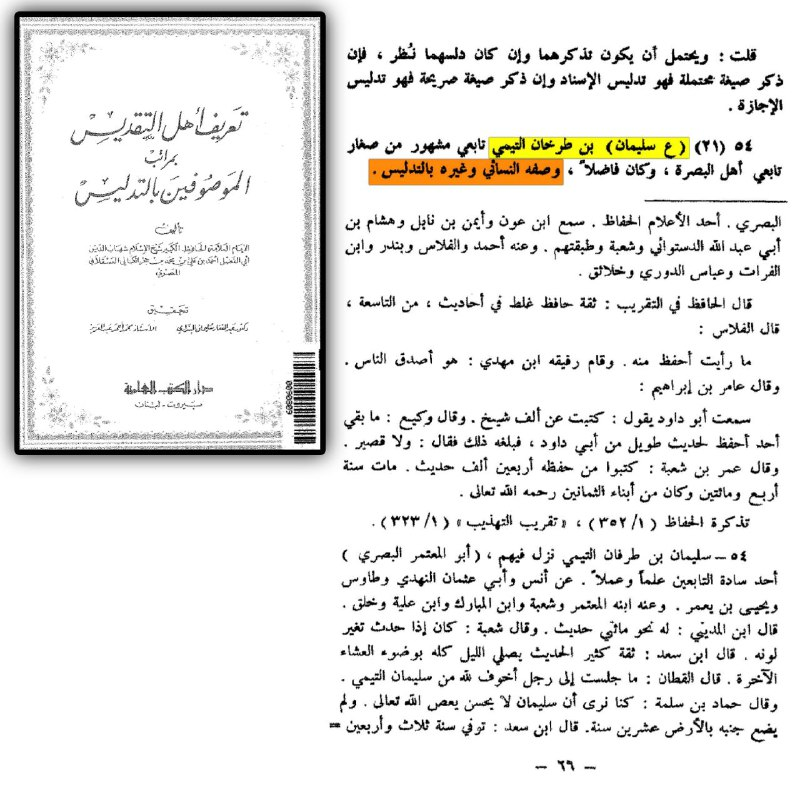
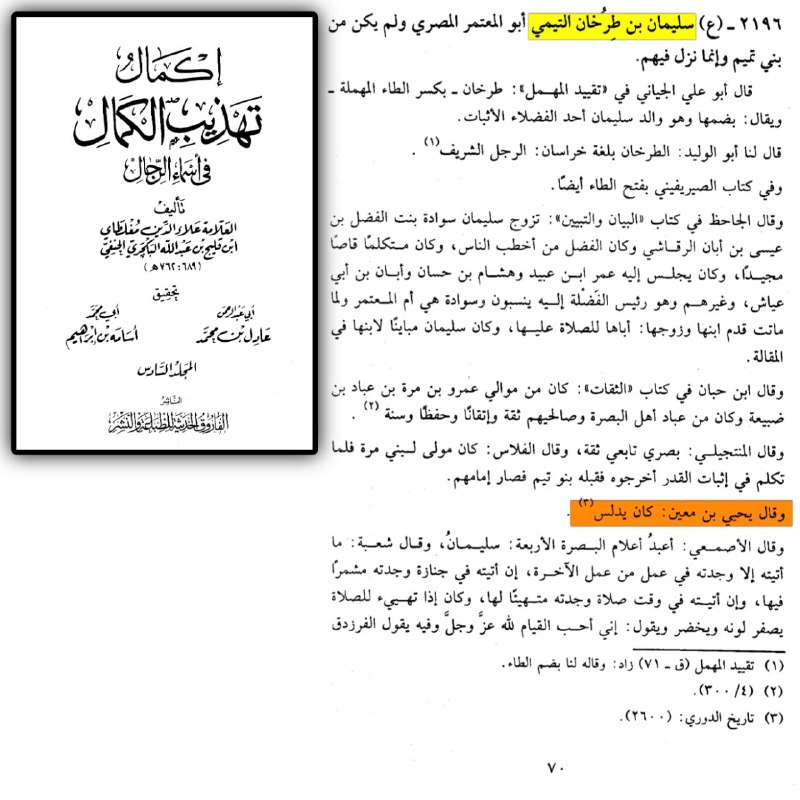
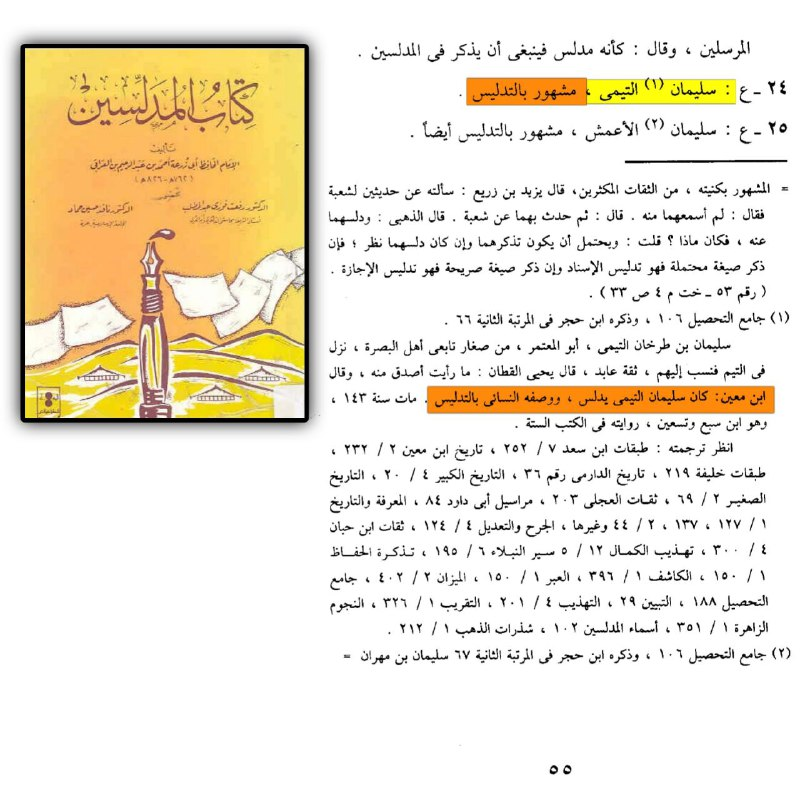
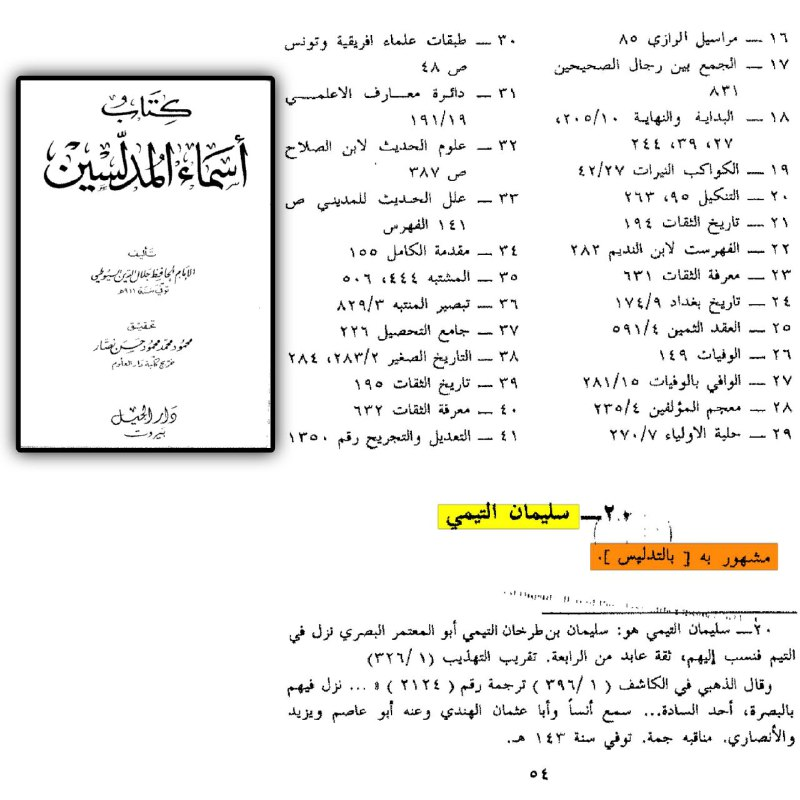
A final source completes chain 3’s documentation.
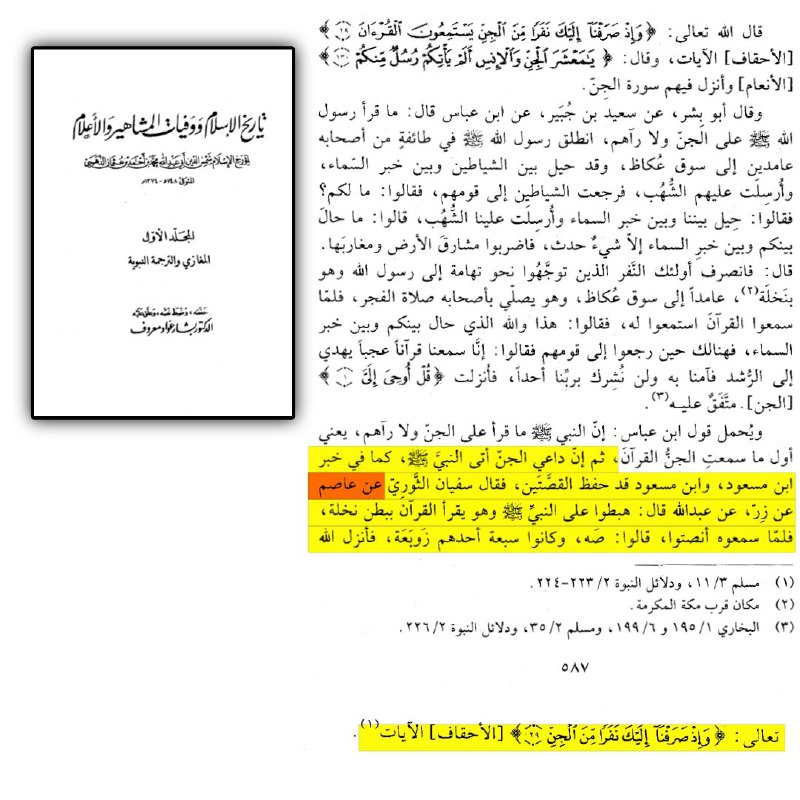
Chain 4 — Asim Ibn Abi al-Najud (Tarikh al-Islam, al-Dhahabi)
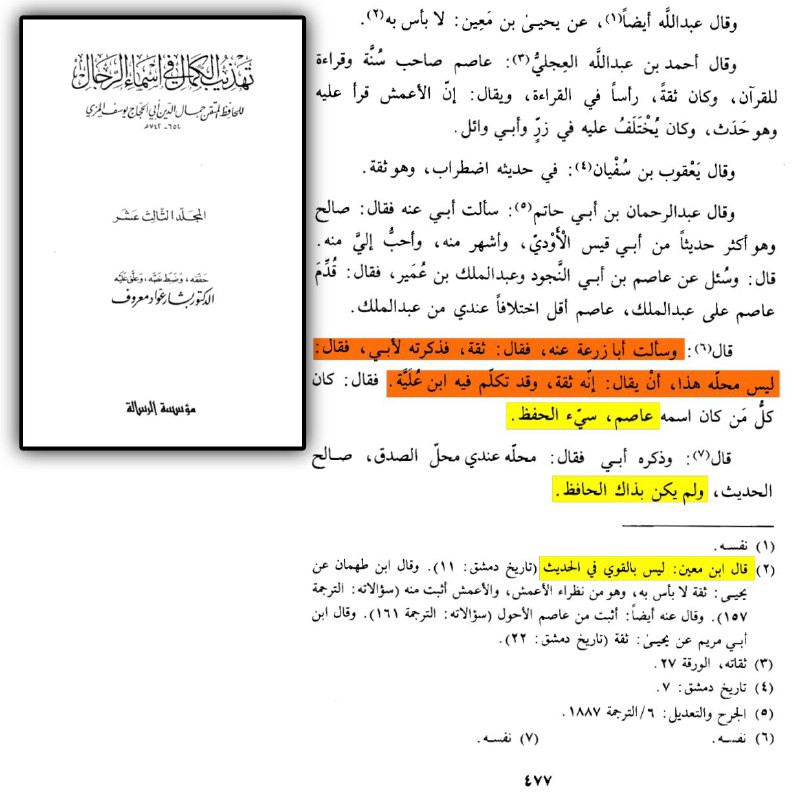
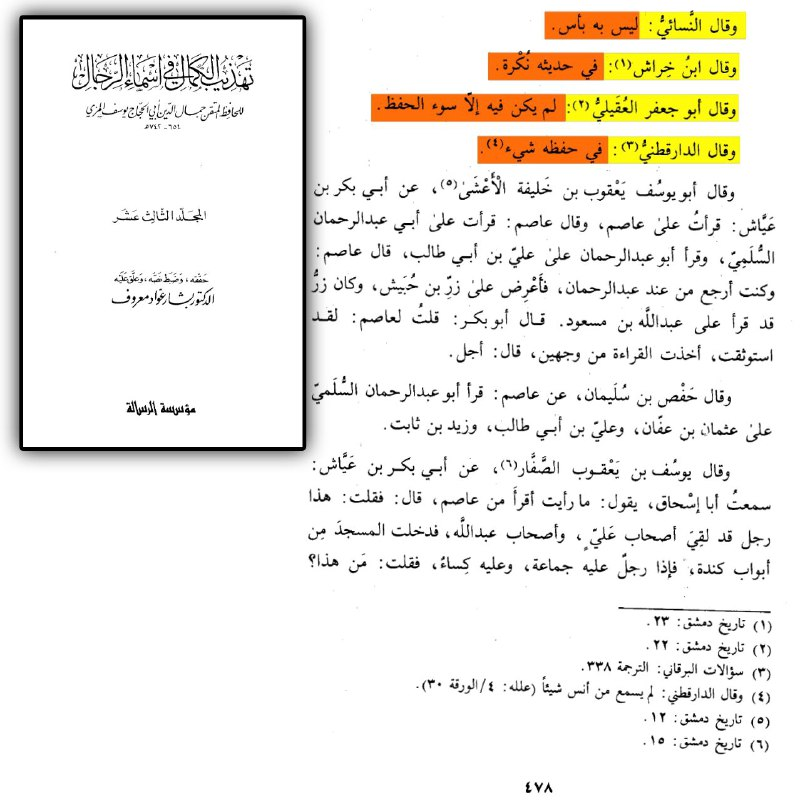
The fourth chain in al-Dhahabi’s Tarikh al-Islam contains Asim ibn Abi al-Najud, a weak narrator.
The Rijal documentation continues.
A final source completes chain 4.
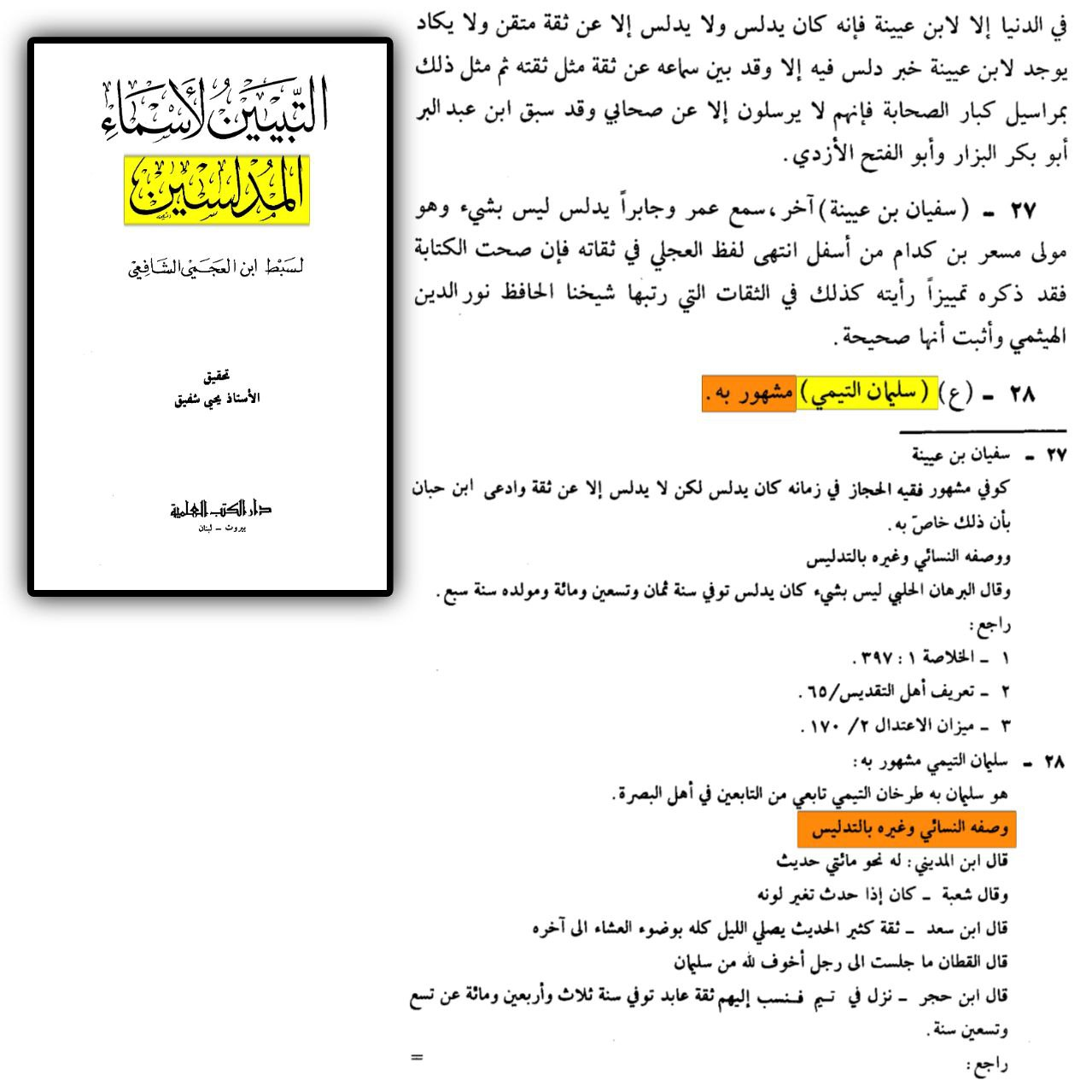
Chain 5 — Sulayman al-Tamimi Again (Ithaf al-Khayrah)
The fifth chain in Ithaf al-Khayrah contains the same defect as chain 3: Sulayman al-Tamimi using ‘an’anah.
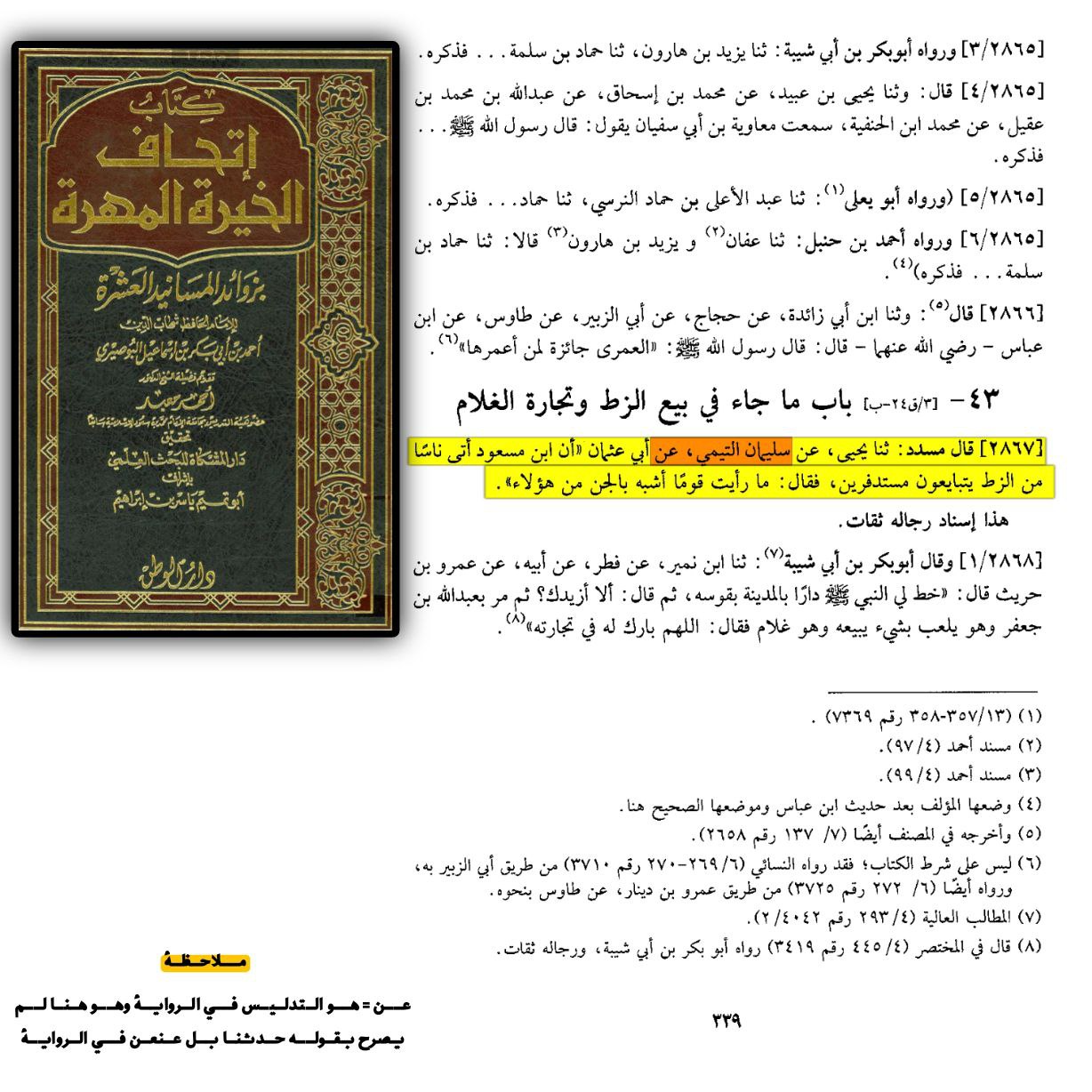
The chain 5 documentation continues.
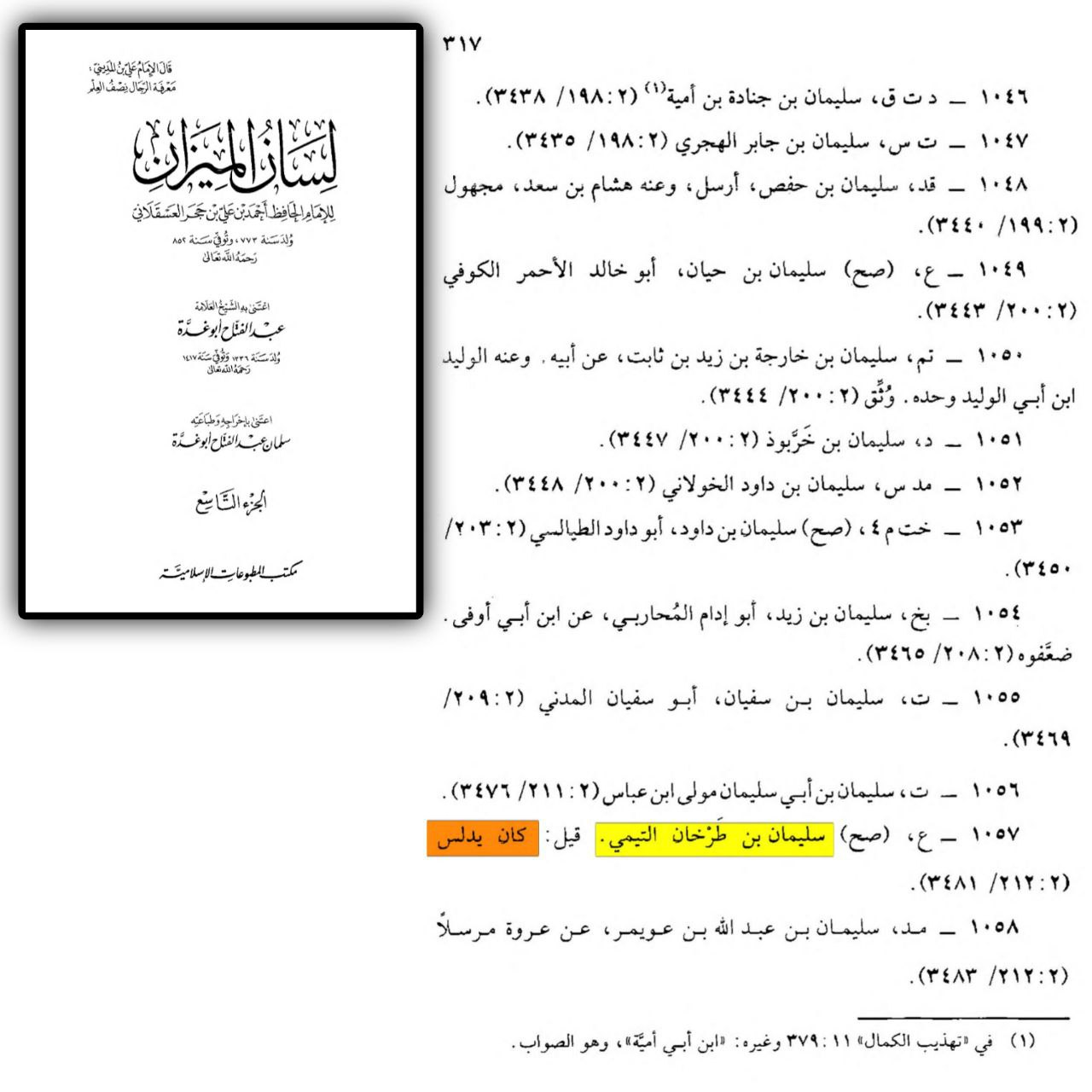
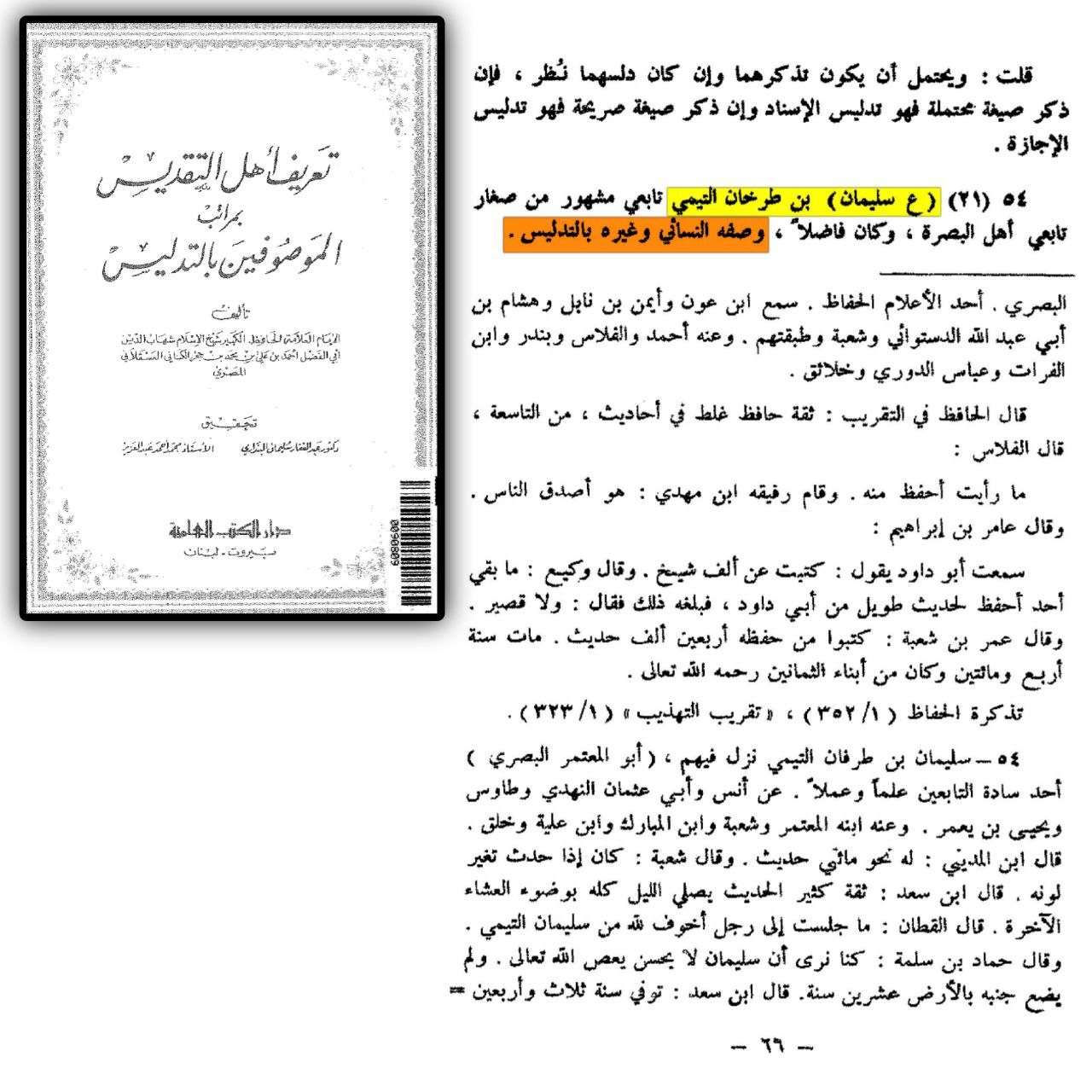
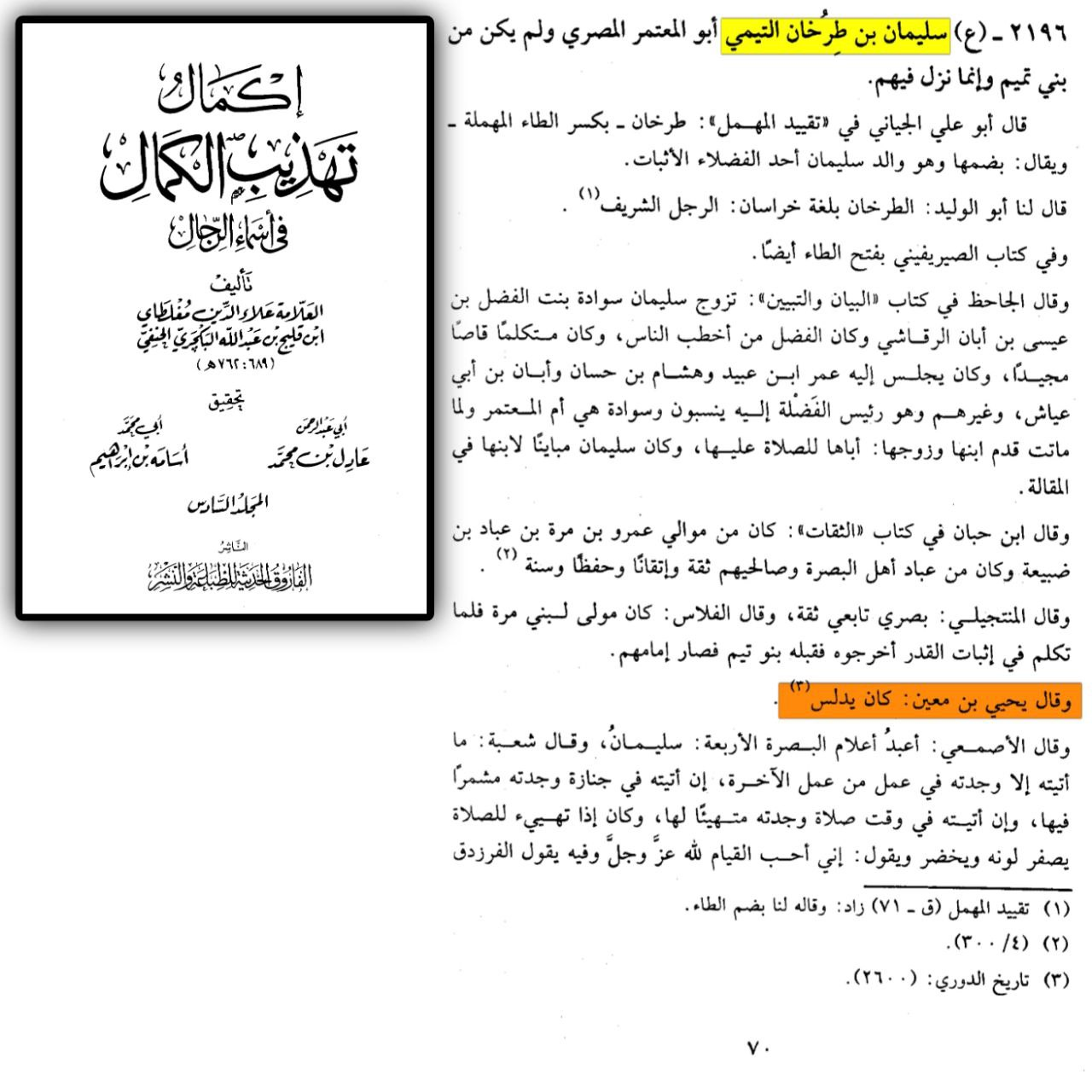
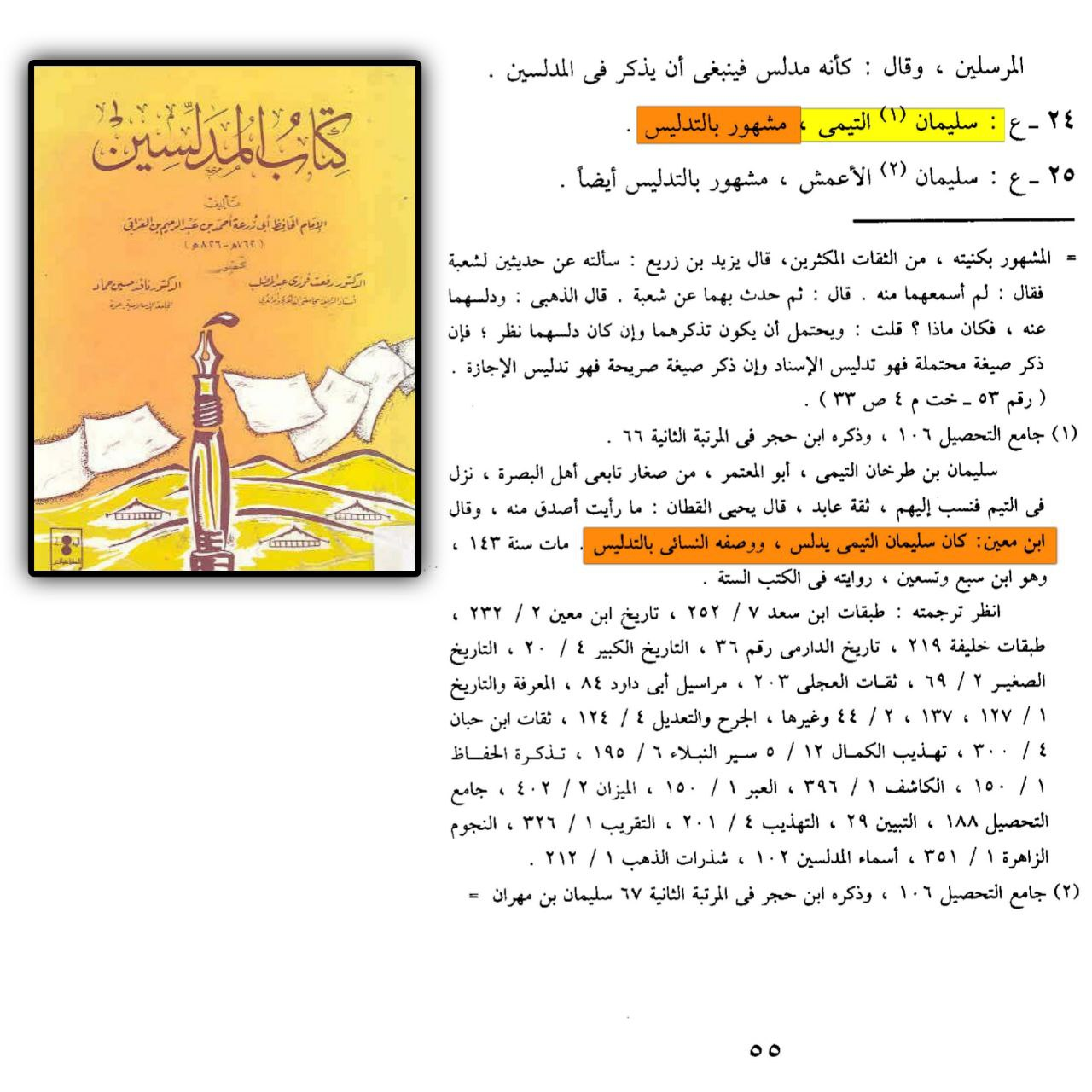
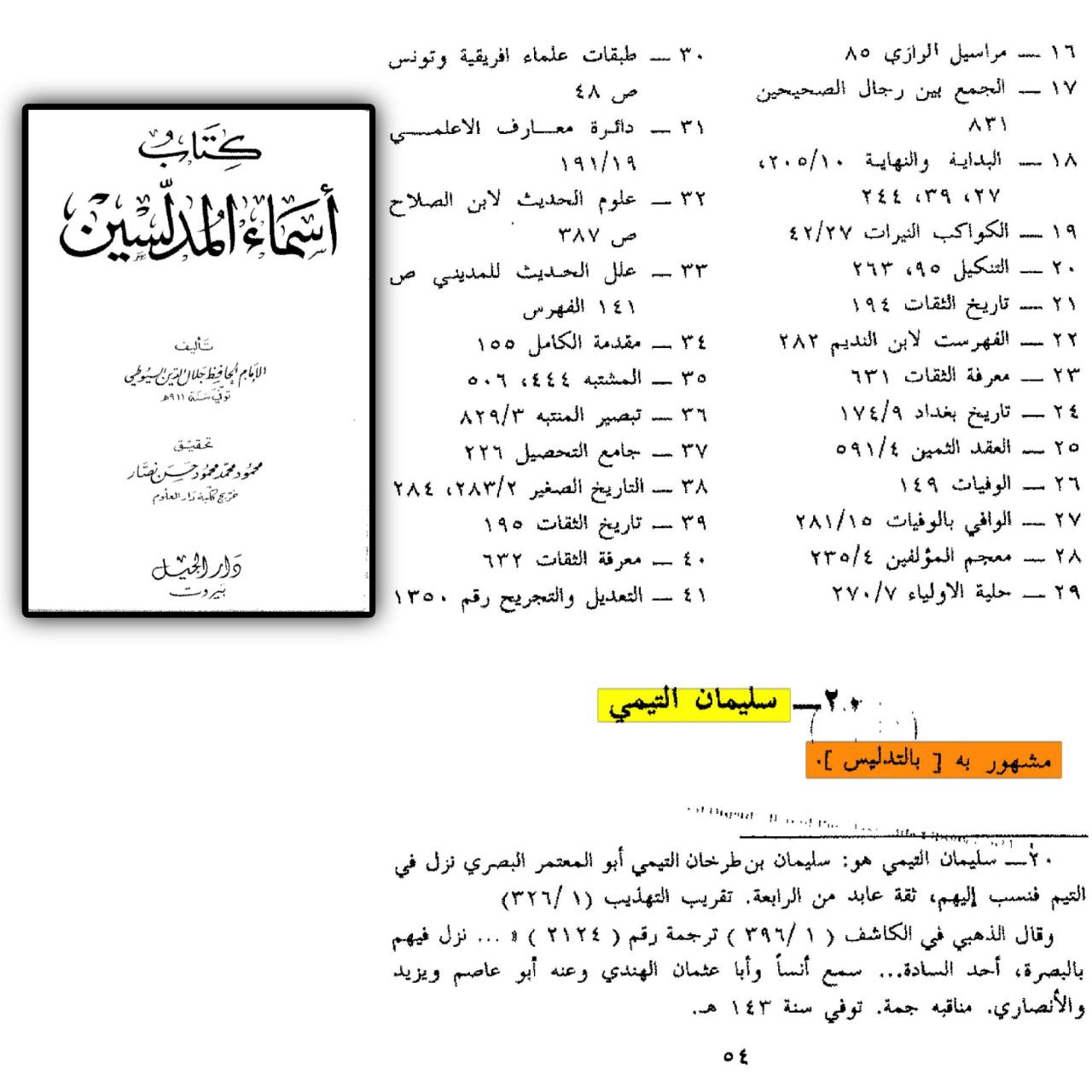
A final source completes chain 5.
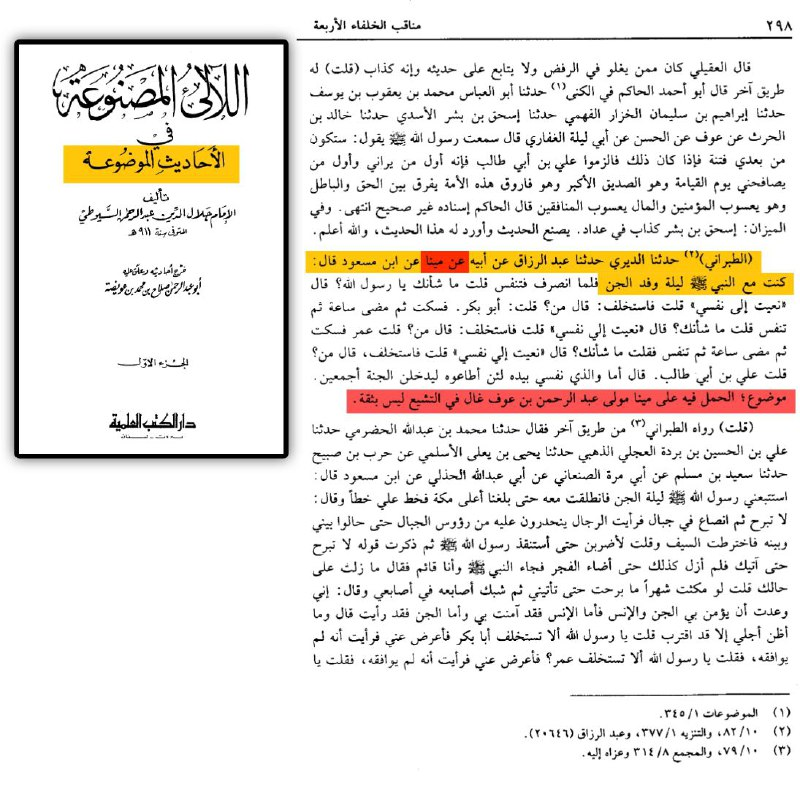
Chain 6 — Mina the Fabricator (Majma’ al-Zawa’id)
The sixth chain in Majma’ al-Zawa’id contains a narrator identified as Mina — a liar and fabricator of hadiths.
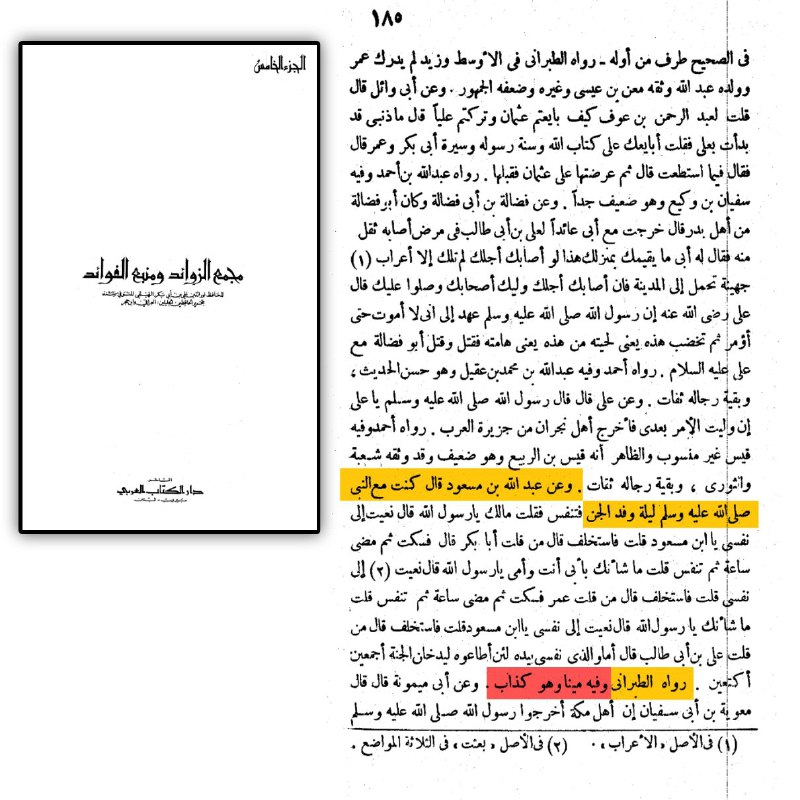
Mina’s status as a fabricator is further documented.
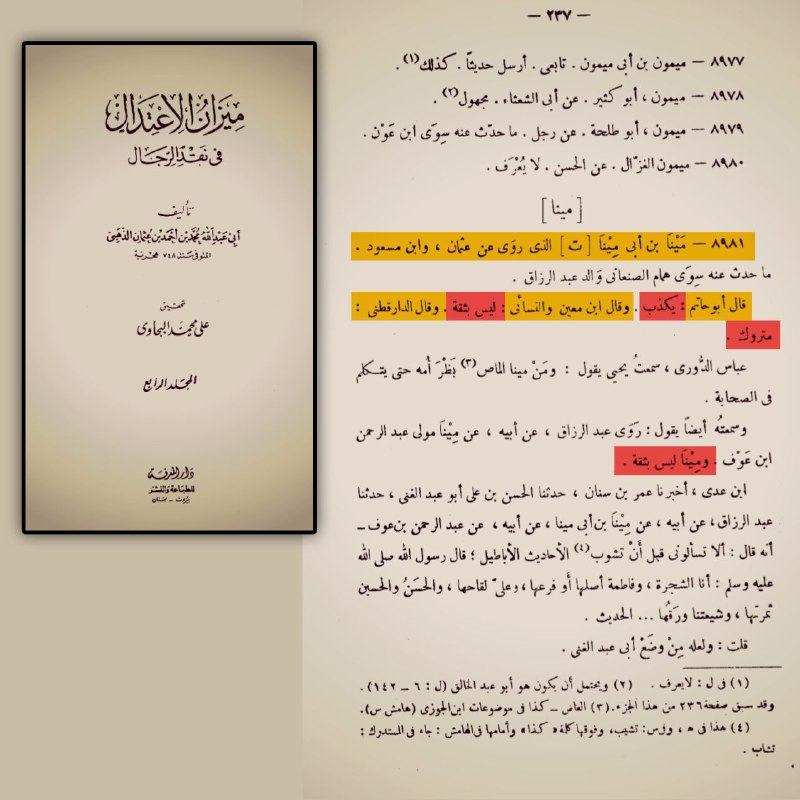
A final image completes chain 6.
Chain 7 — Abu Zayd Unknown (Sunan Abi Dawud / Musannaf / Tirmidhi)
The seventh chain contains Abu Zayd, whose identity cannot be established — an unknown (majhul) narrator.
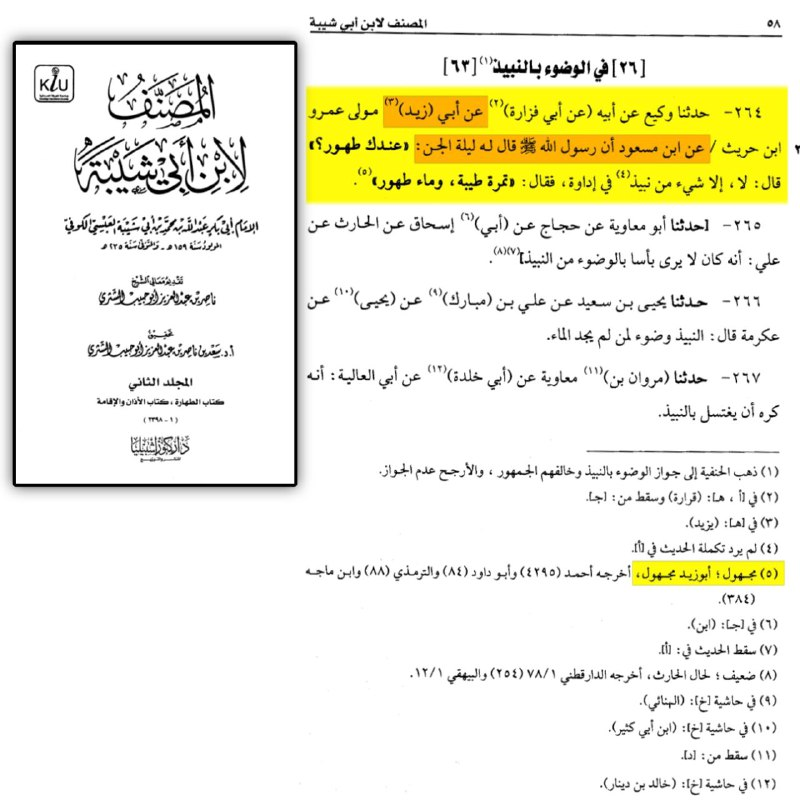
The documentation of Abu Zayd’s unknown status continues.
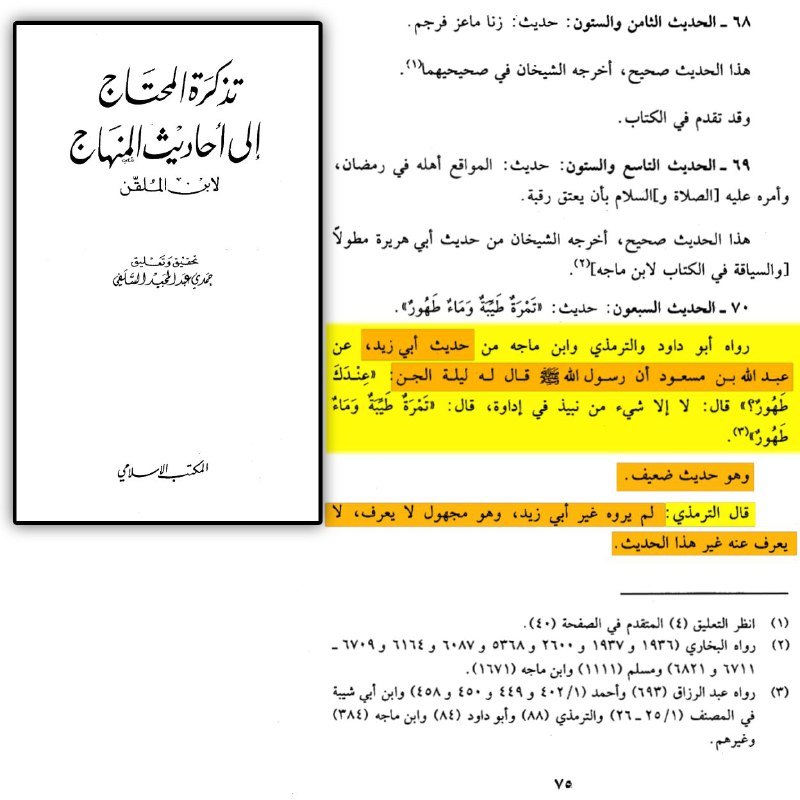
A final source completes chain 7.
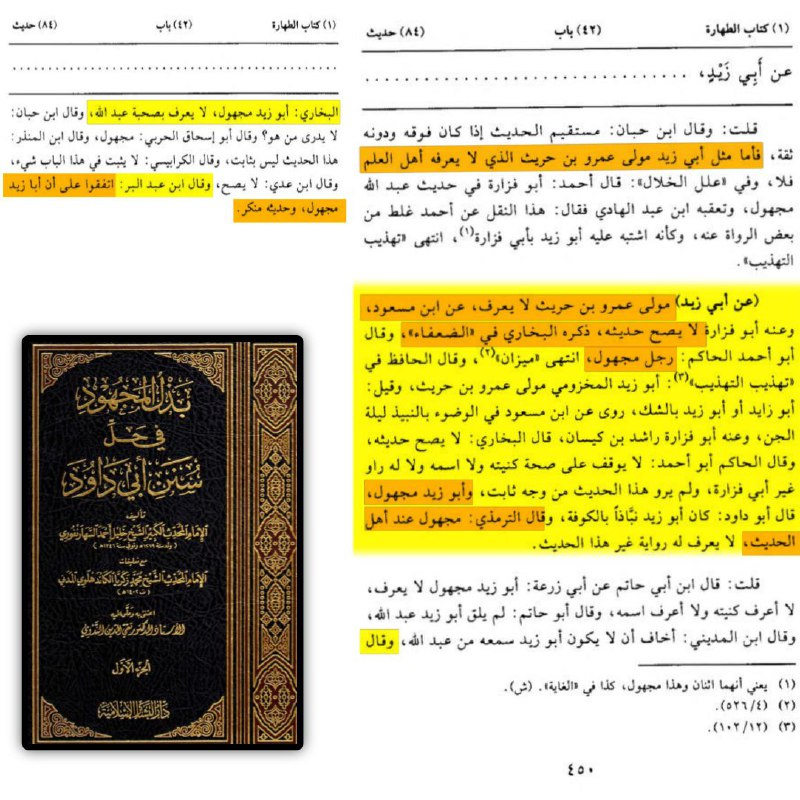
Chain 8 — Ibn Lahia the Weak (Sunan al-Darqutni)
The eighth chain in Sunan al-Darqutni contains Ibn Lahia, a known weak narrator.
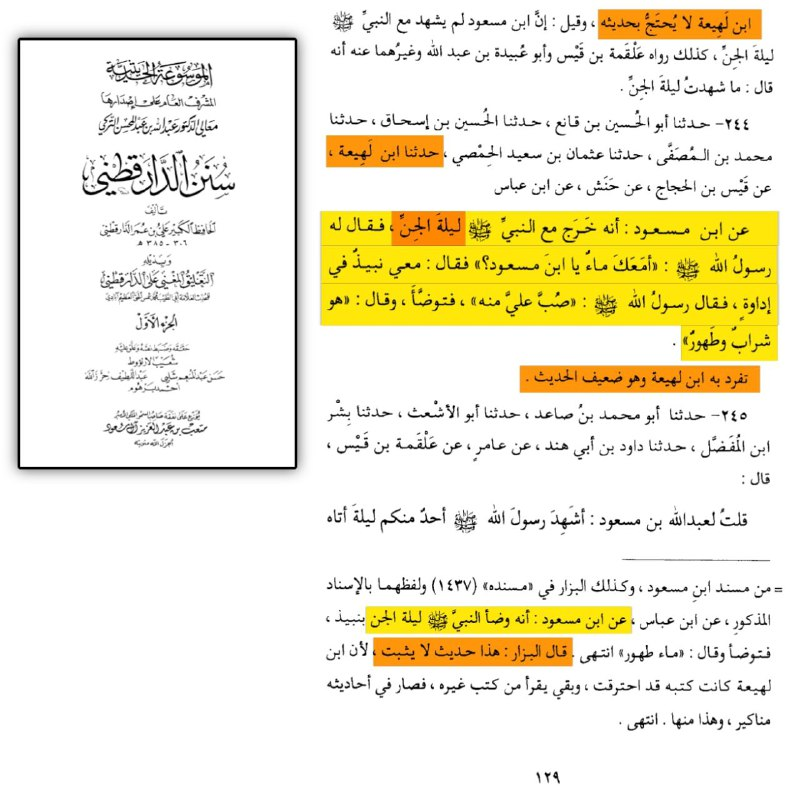
A second source confirms Ibn Lahia’s weakness.
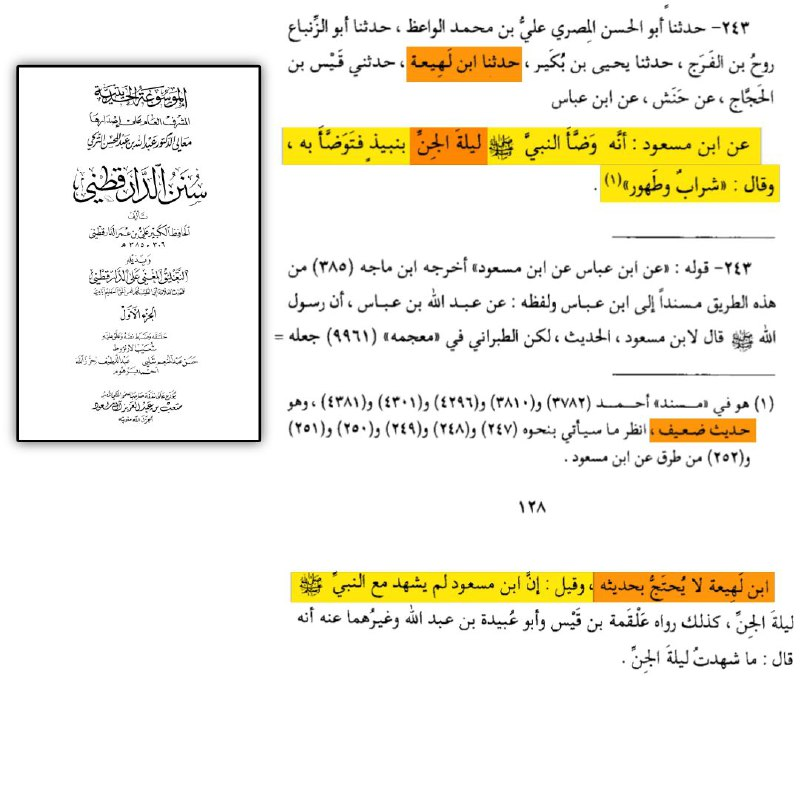
Chain 9 — Ali Ibn Zayd Weak and Abu Rafi’ Gap (Sunan al-Darqutni)
The ninth chain contains Ali ibn Zayd who is weak, and the hearing of Abu Rafi’ from Ibn Mas’ud has not been established.
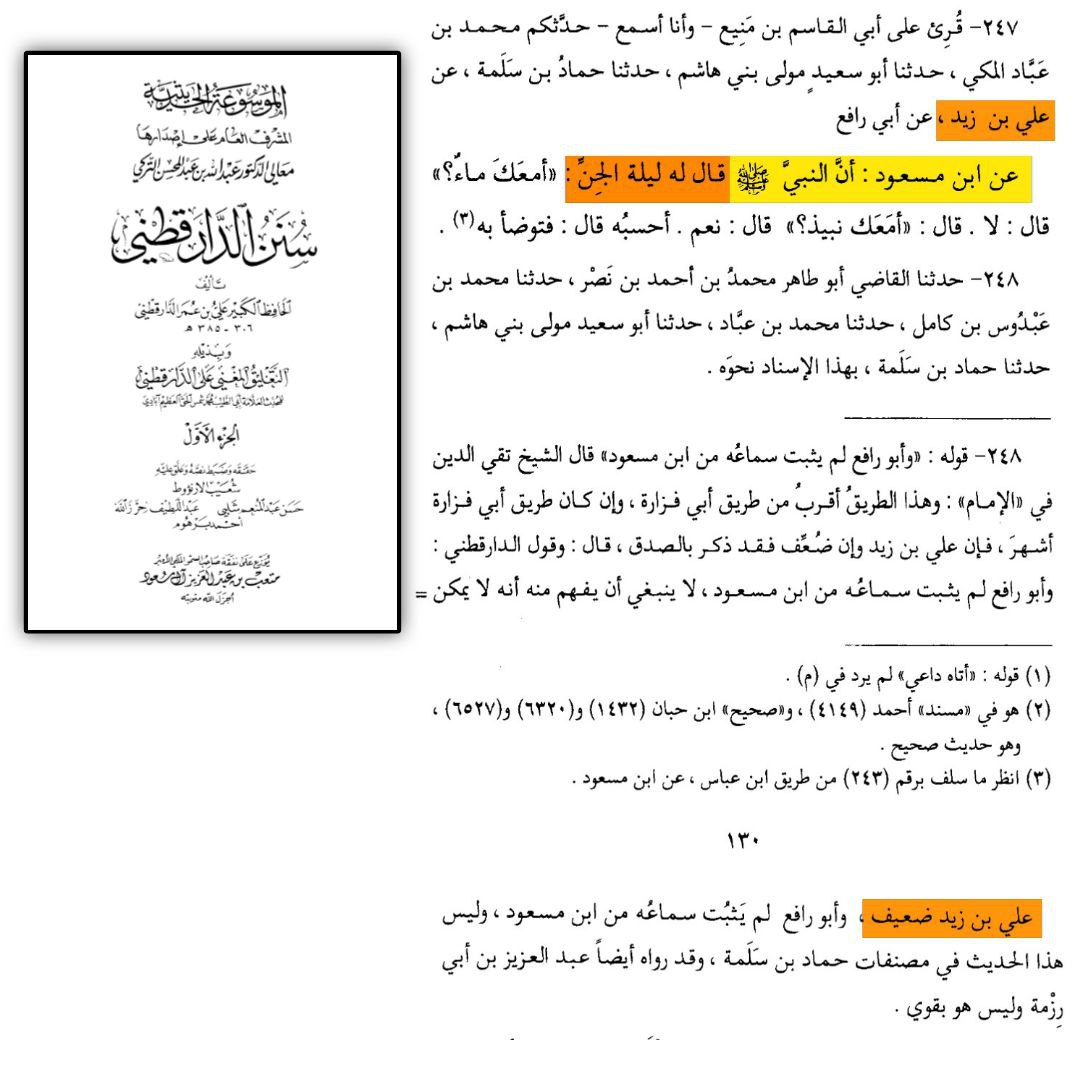
Chain 10 — Al-Husayn Ibn Ubayd Allah al-Ajli the Fabricator (Sunan al-Darqutni)
The tenth chain contains al-Husayn ibn Ubayd Allah al-Ajli — who fabricates hadiths attributed to trustworthy narrators, the most dangerous category of unreliable transmitter.
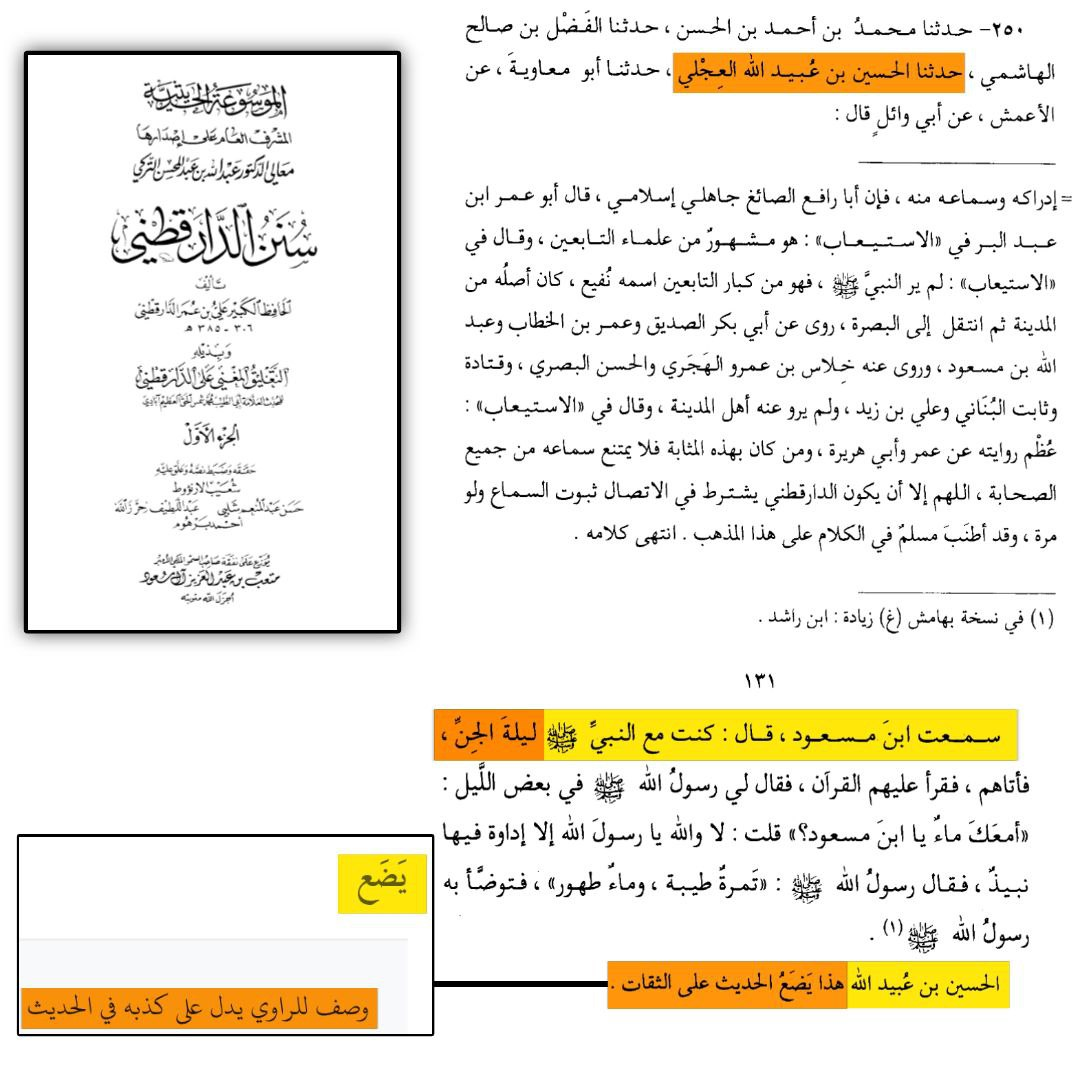
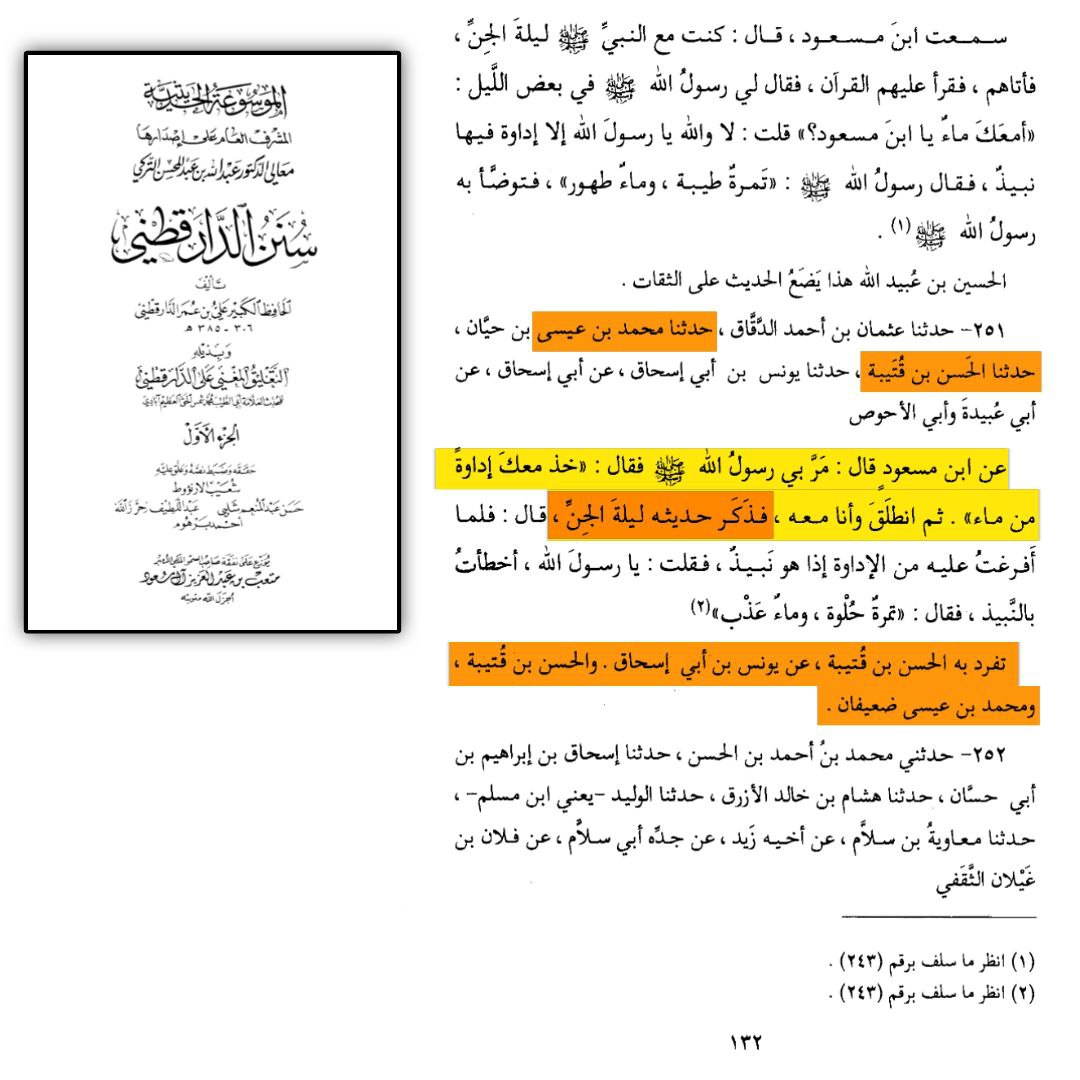
Chain 11 — Two Weak Narrators (Sunan al-Darqutni)
The eleventh chain is transmitted solely by al-Hasan ibn Qutaybah on the authority of Yunus ibn Abi Ishaq. Al-Hasan ibn Qutaybah is weak and the sole transmitter (mutafarrid); Muhammad ibn Isa in the chain is also weak.
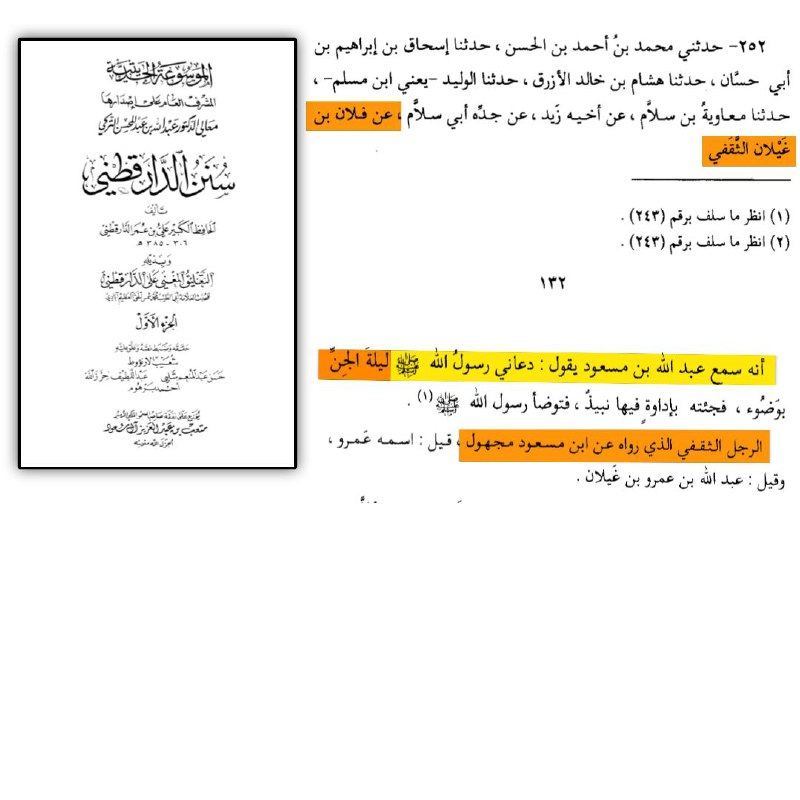
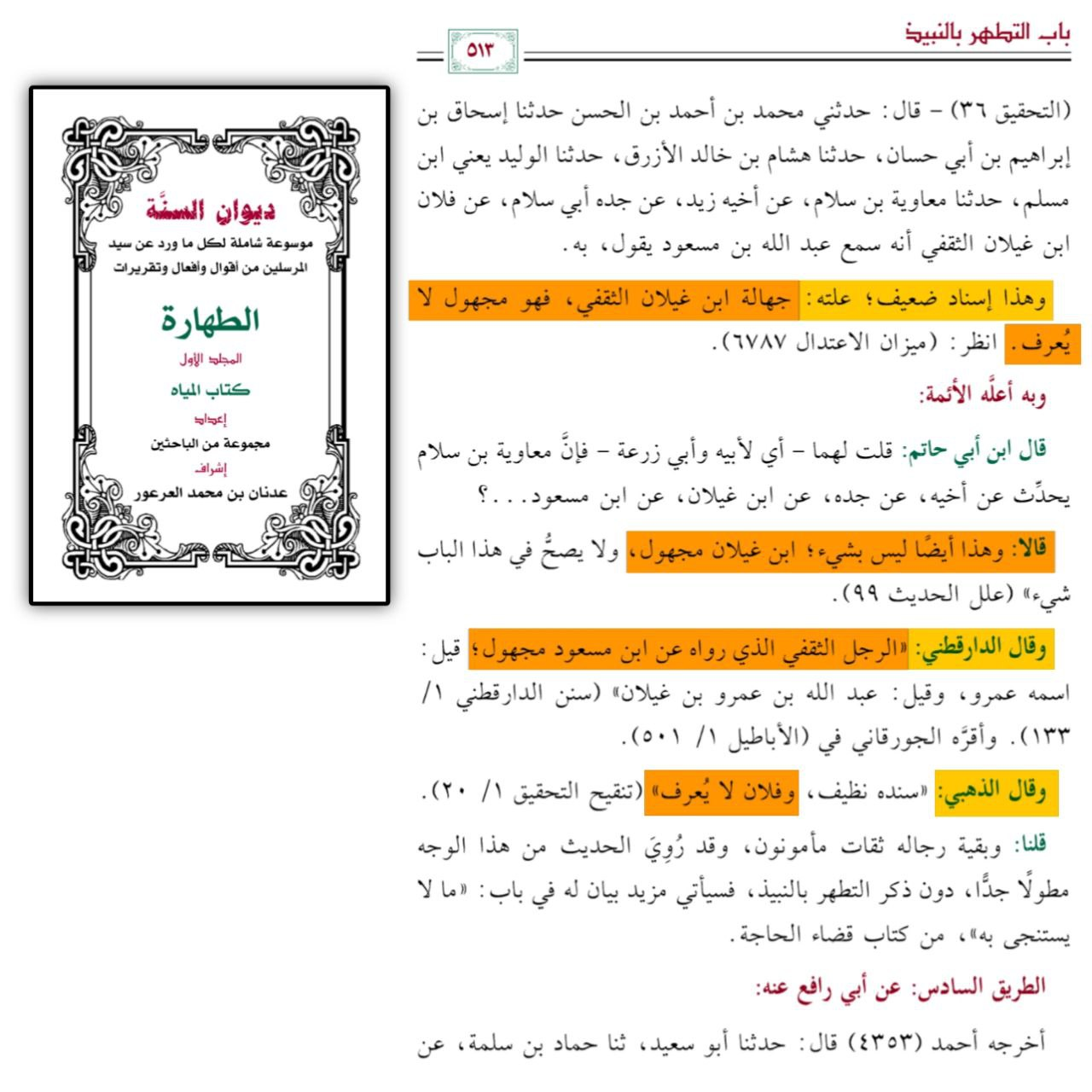
Chain 12 — Ibn Ghaylan al-Thaqafi Unknown (Sunan al-Darqutni)
The twelfth chain contains Ibn Ghaylan al-Thaqafi, who is unknown and cannot be identified.
A second source confirms chain 12’s defect.
Chain 13 — Abu al-Jawza’ Gap (Dala’il al-Nubuwwah, al-Bayhaqi)
Al-Bukhari said of the thirteenth chain: “There is a problem with its chain of transmission.” Moreover, Abu al-Jawza’ did not hear from Ibn Mas’ud.
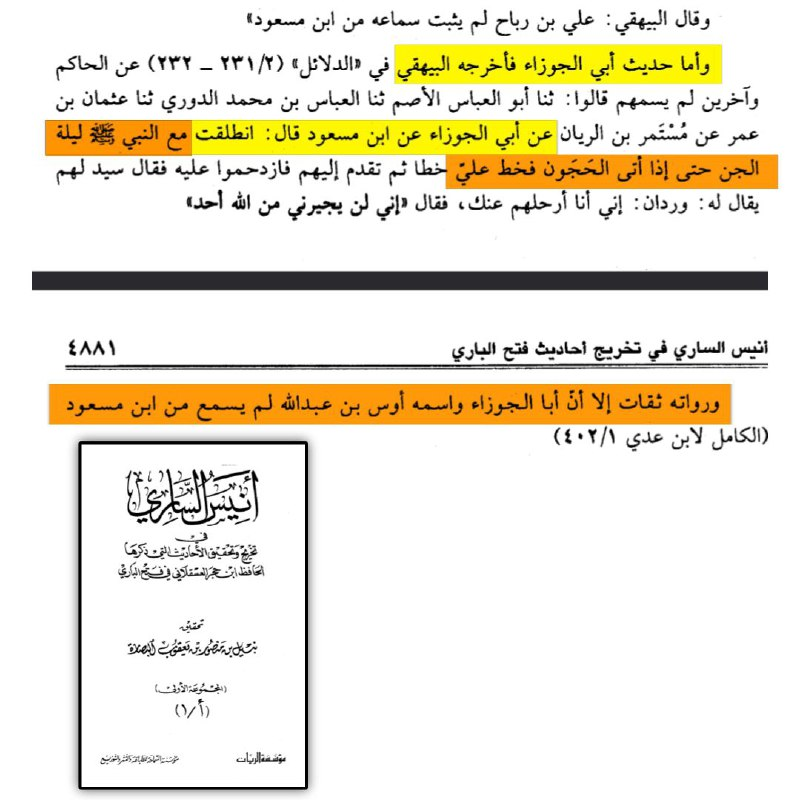
The chain 13 documentation continues.
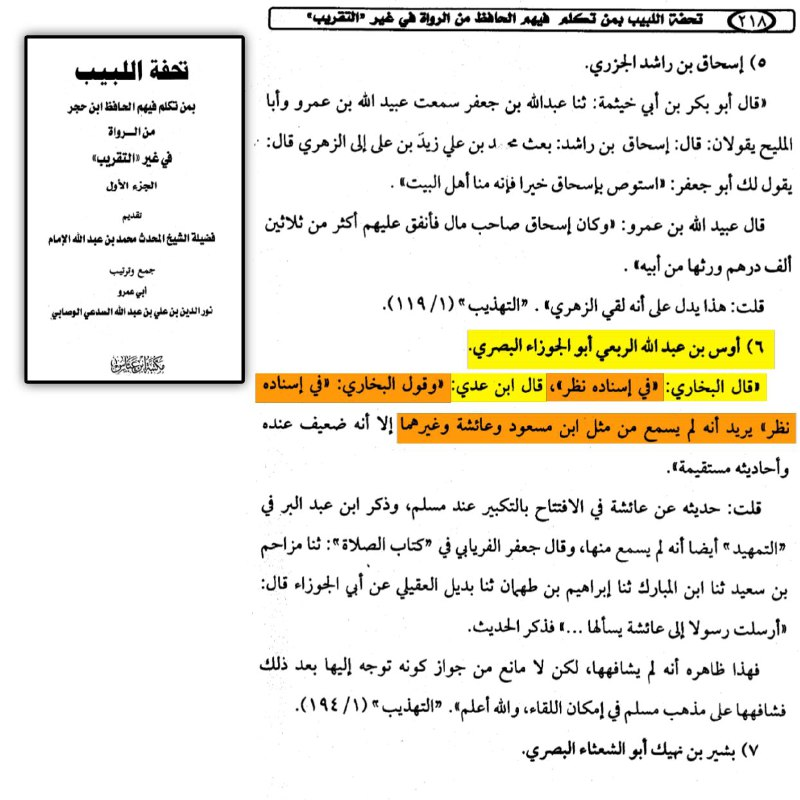
Chain 14 — Abu Uthman Ibn Sunna al-Khuza’i Unknown (Al-Mustadrak, al-Hakim)
The fourteenth chain in al-Hakim’s Al-Mustadrak ‘ala al-Sahihayn contains Abu Uthman ibn Sunna al-Khuza’i — an unknown narrator.
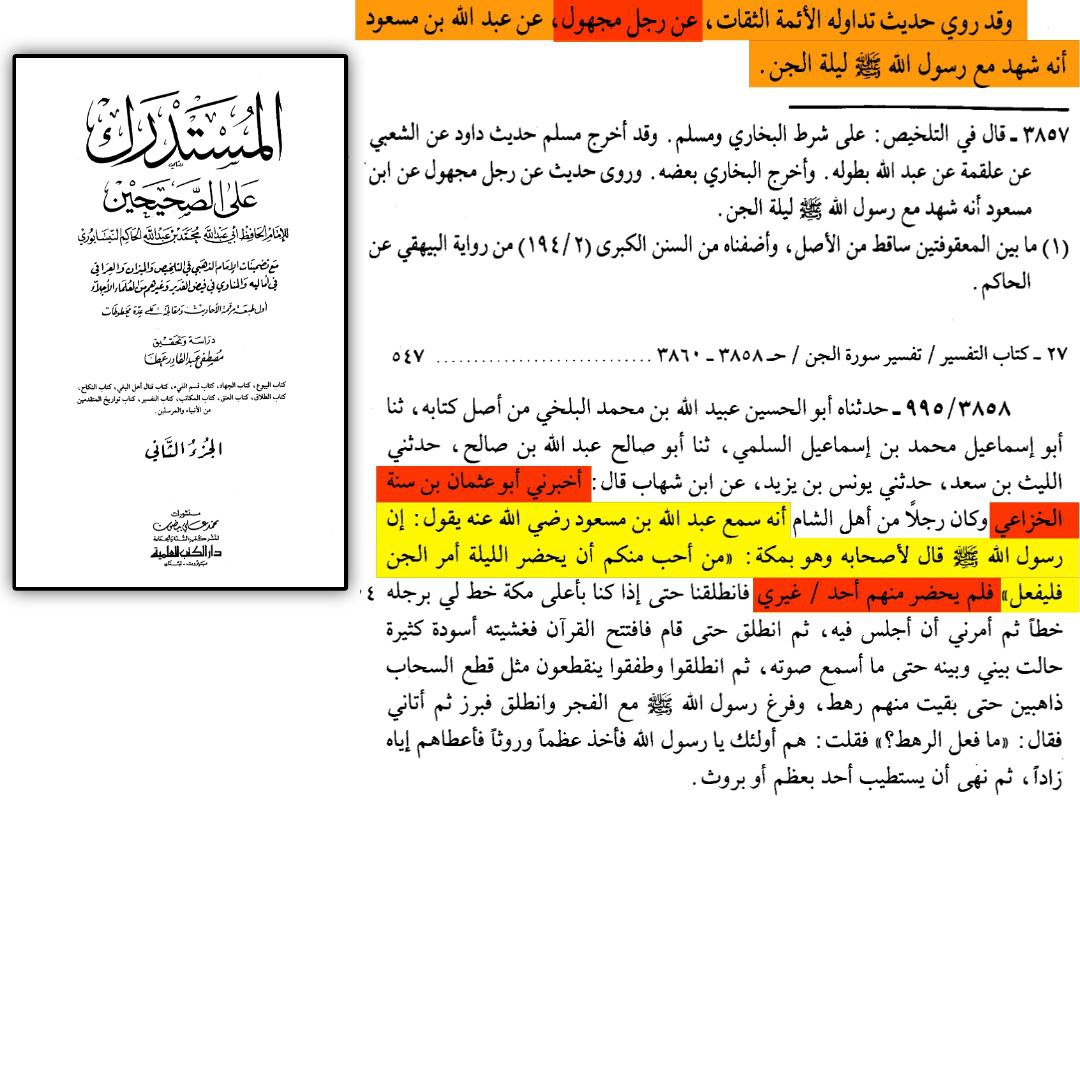
The documentation continues.
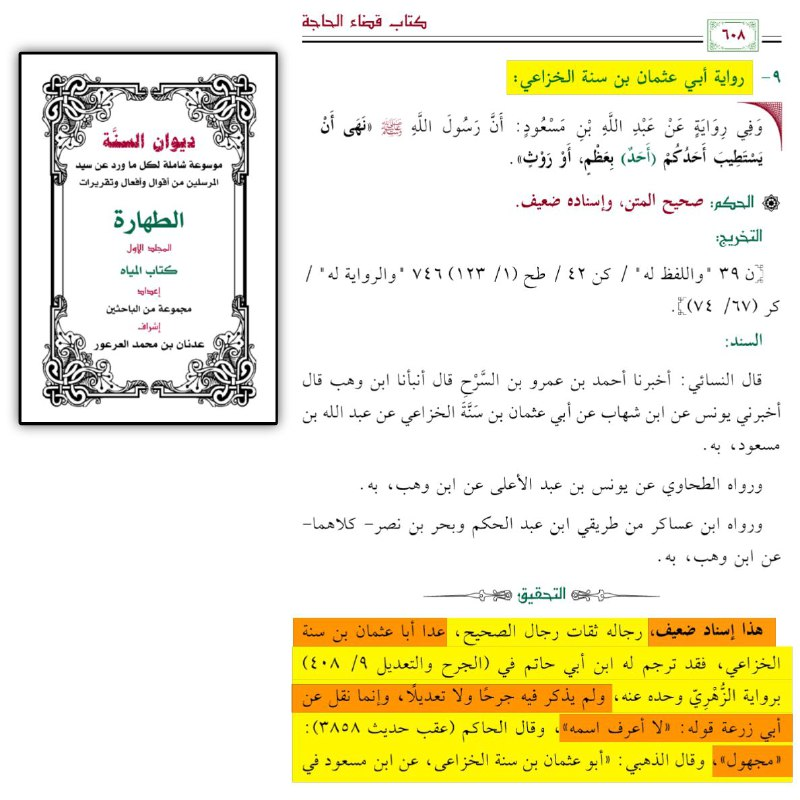
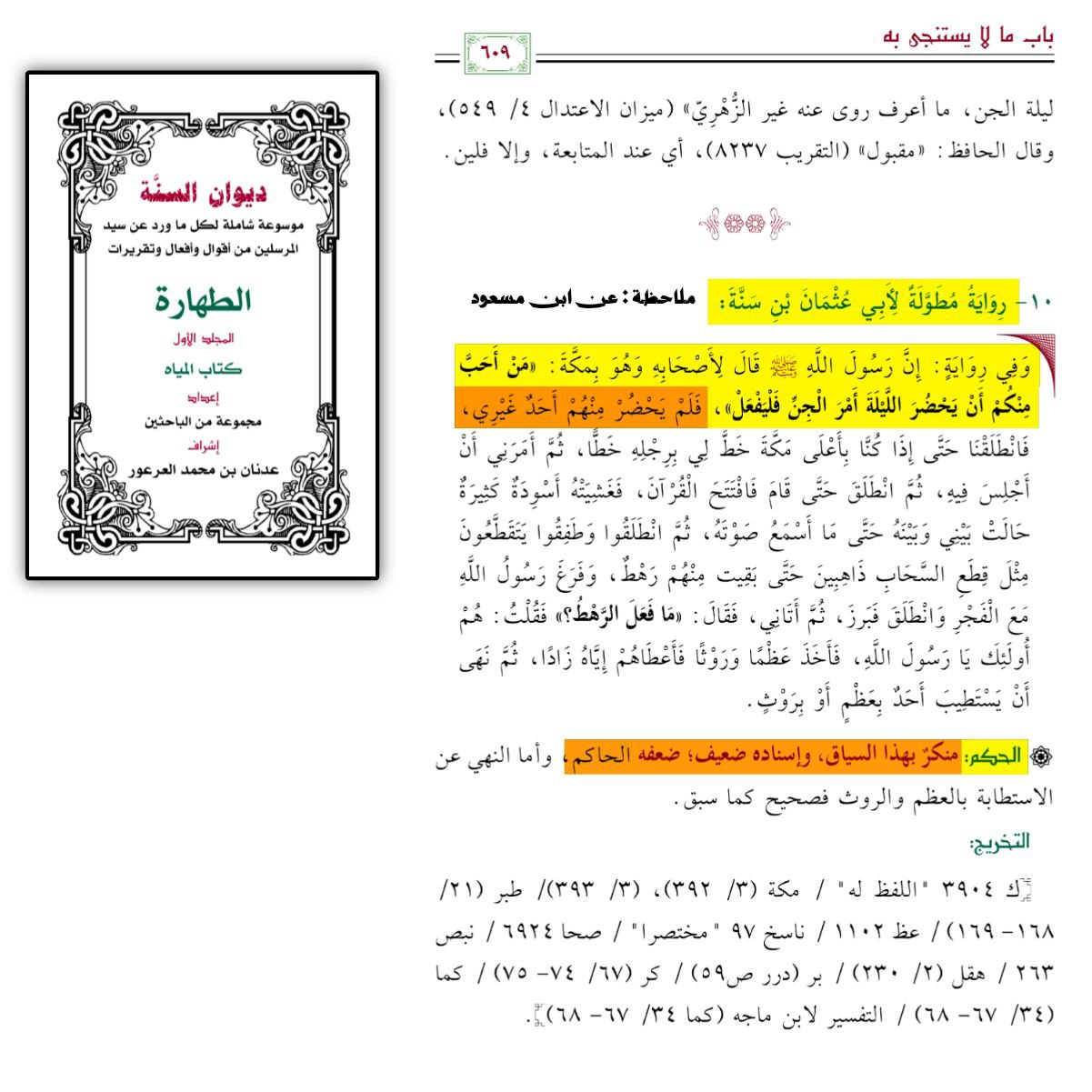
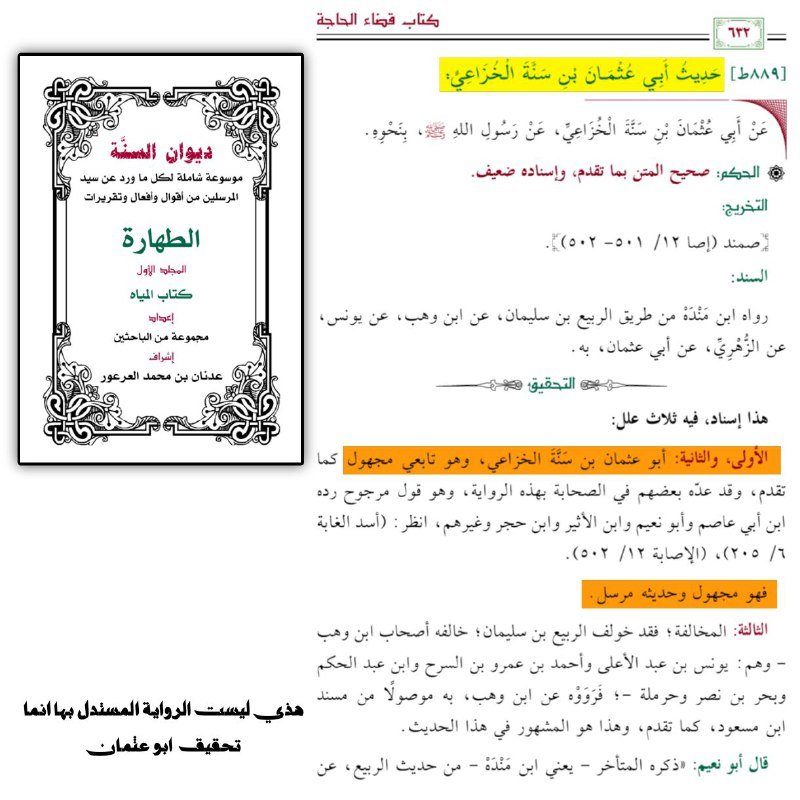
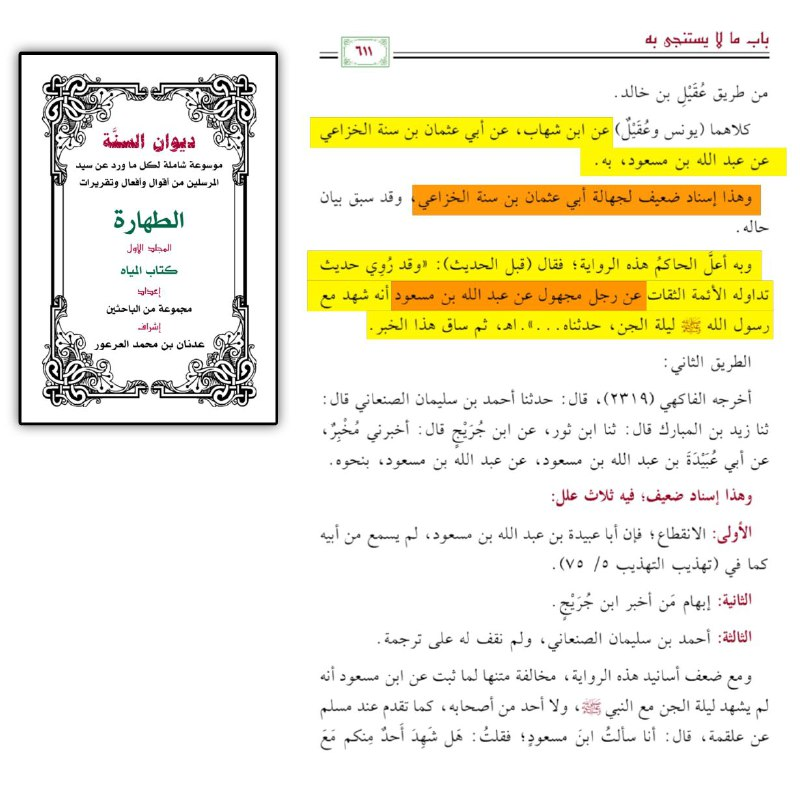
A final source completes chain 14.
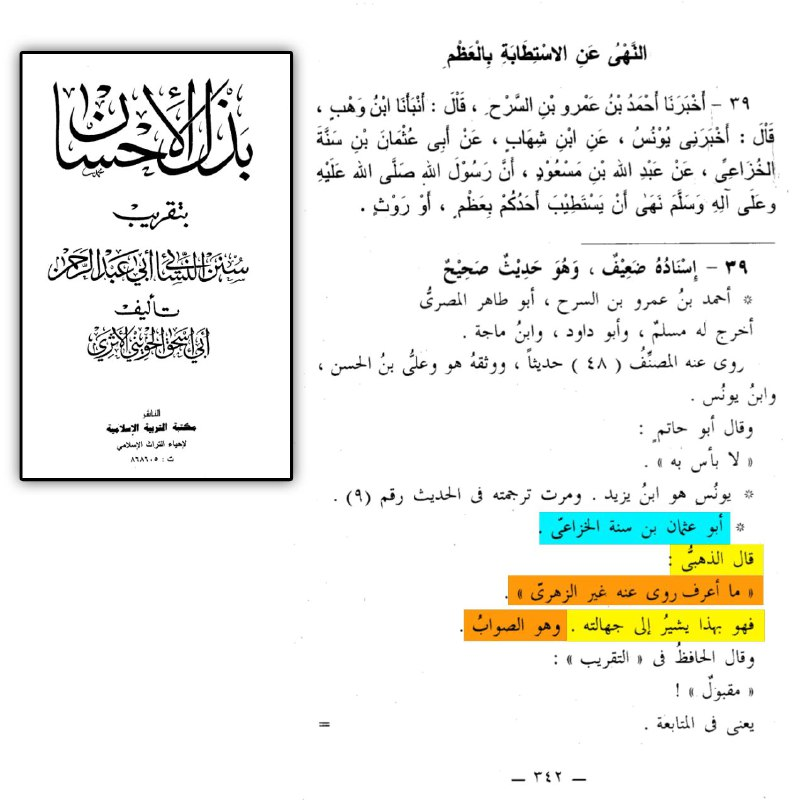
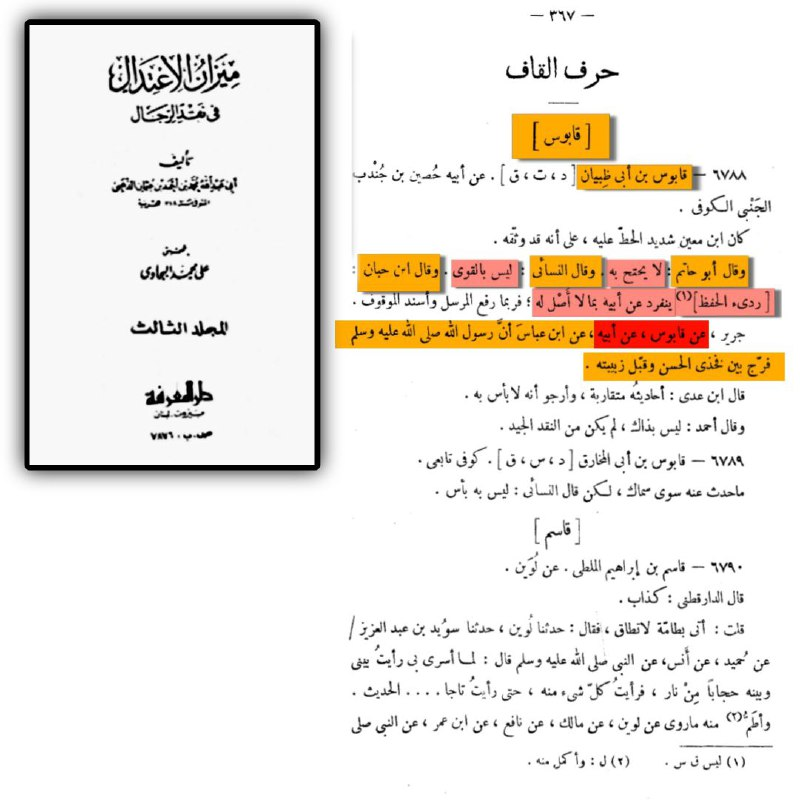
Chain 15 — Qabus Ibn Abi Dhibyan the Weak (Ithaf al-Khayrah)
The fifteenth chain contains Qabus ibn Abi Dhibyan, a weak narrator.
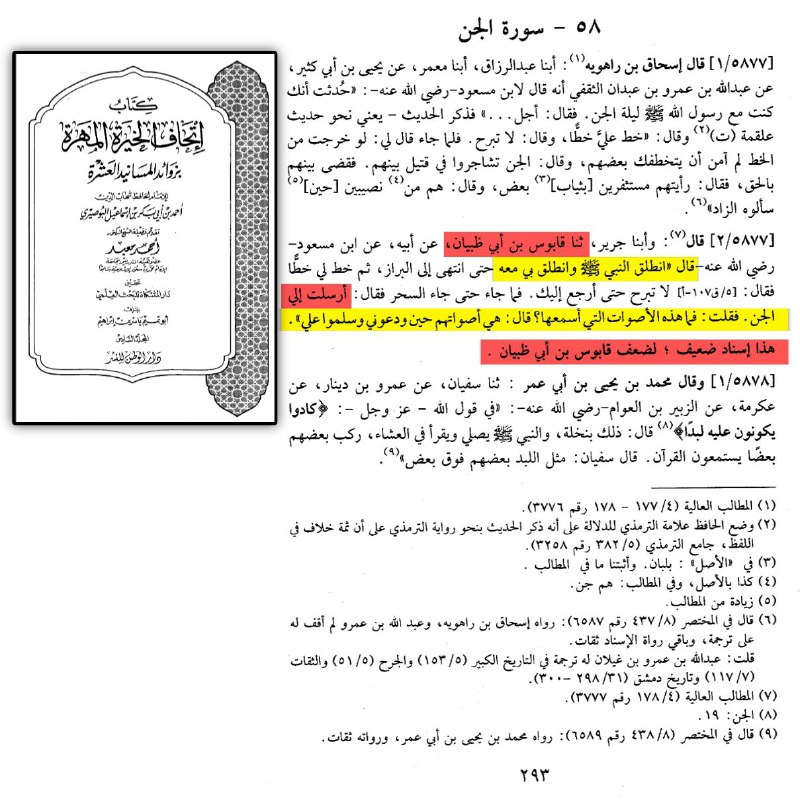
A second source confirms chain 15’s defect.
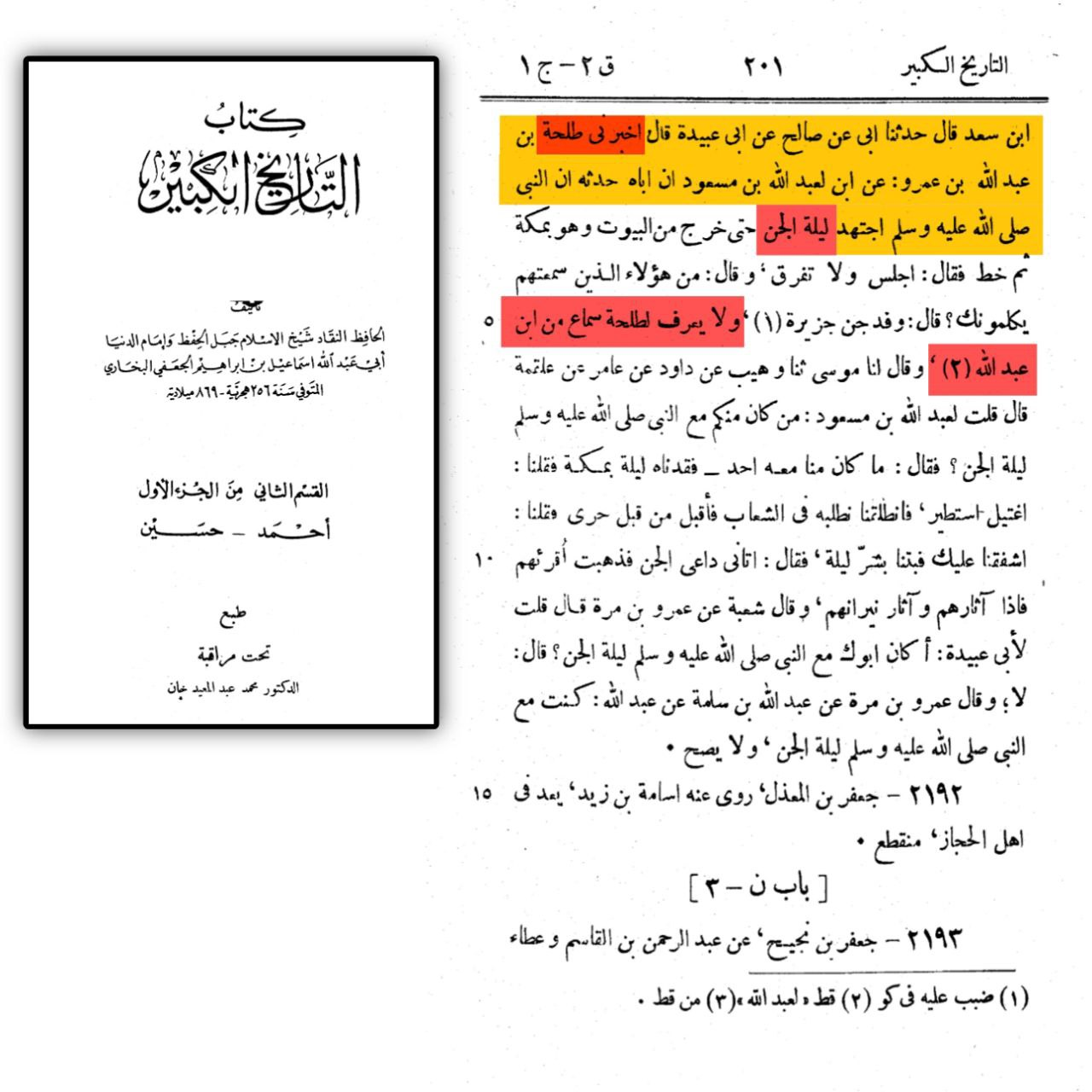
Chain 16 — Talha Ibn Abdullah Gap (Al-Tarikh al-Kabir, al-Bukhari)
The sixteenth chain in Al-Tarikh al-Kabir contains Talha ibn Abdullah — whose hearing from Ibn Mas’ud has not been proven.
Chain 17 — Abdullah Ibn Salama the Weak (Al-Tarikh al-Kabir, al-Bukhari)
The seventeenth chain in Al-Tarikh al-Kabir contains Abdullah ibn Salama, a weak narrator.
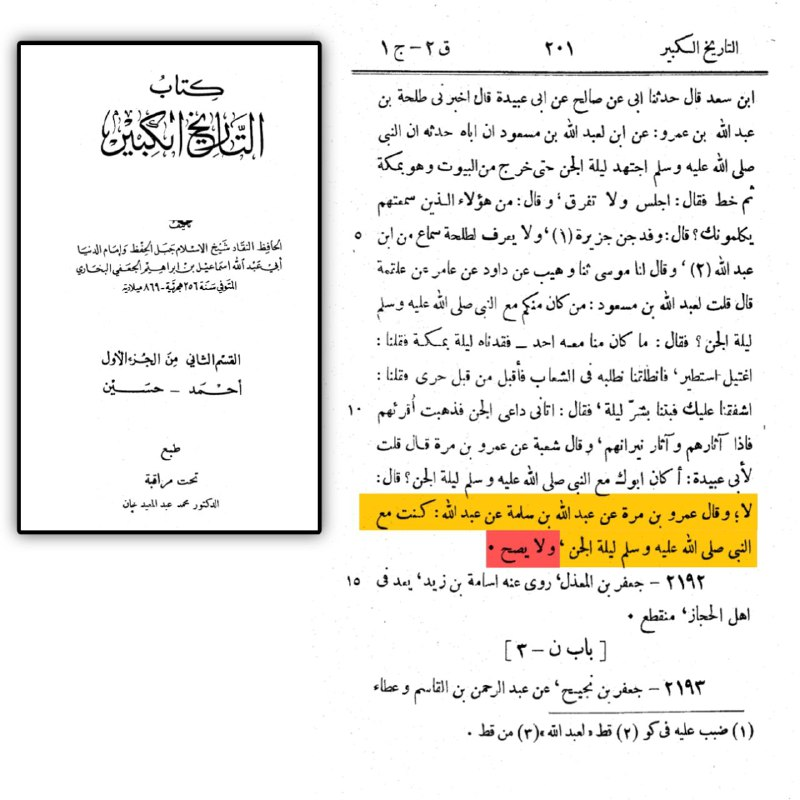
The chain 17 documentation continues.
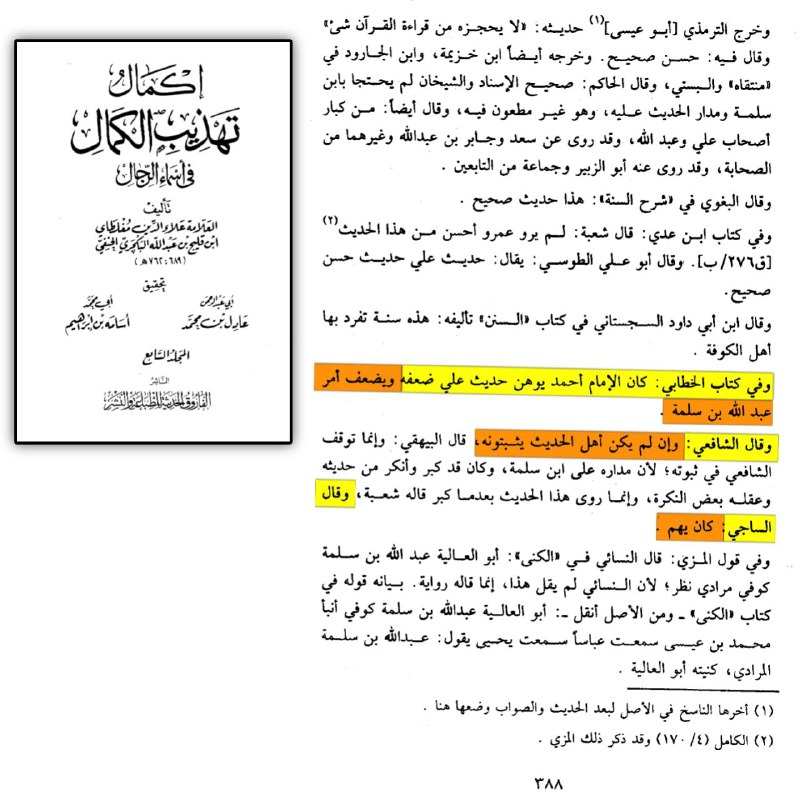
Chain 18 — Sulayman al-Tamimi (Mudallis) and Muhammad Ibn Abd al-Malik (Unsound)
The eighteenth chain contains two defects: Sulayman al-Tamimi is a mudallis using ‘an’anah, and Muhammad ibn Abd al-Malik — though described as truthful — is not of sound mind, a disqualifying condition in hadith transmission.
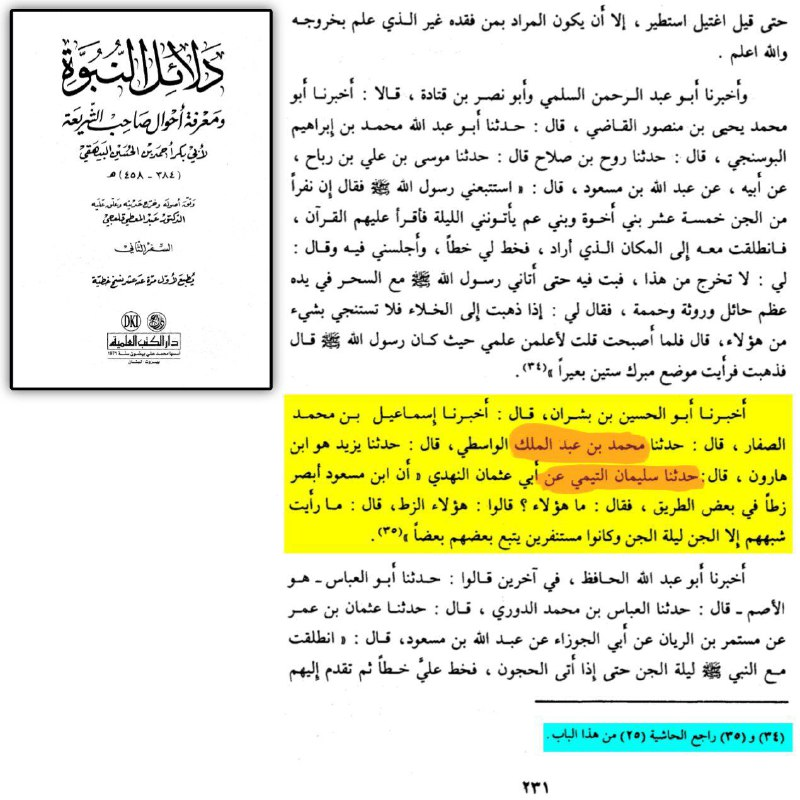
The documentation of both narrators’ defects continues.
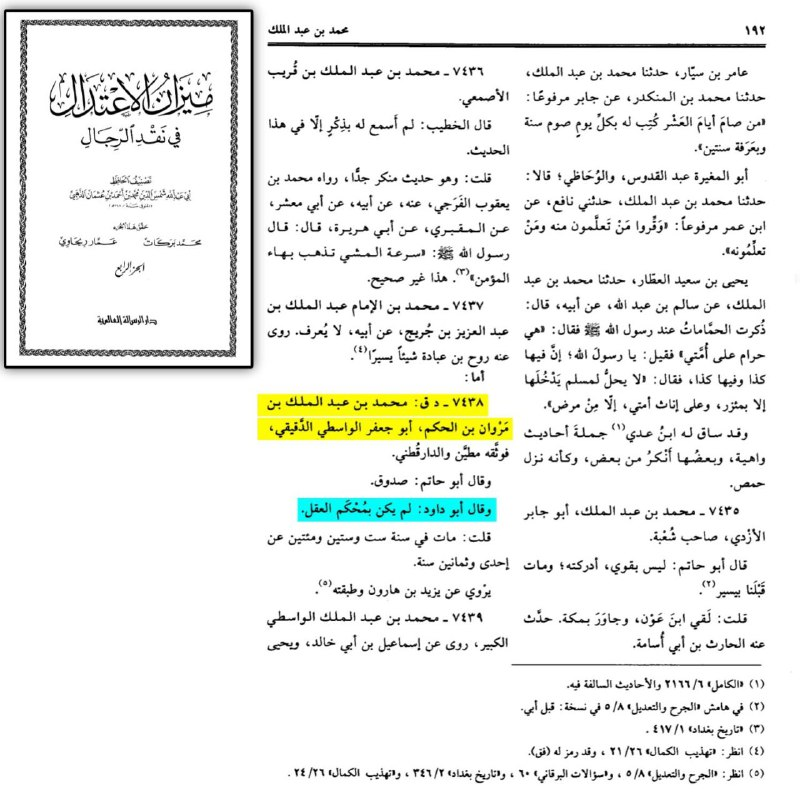
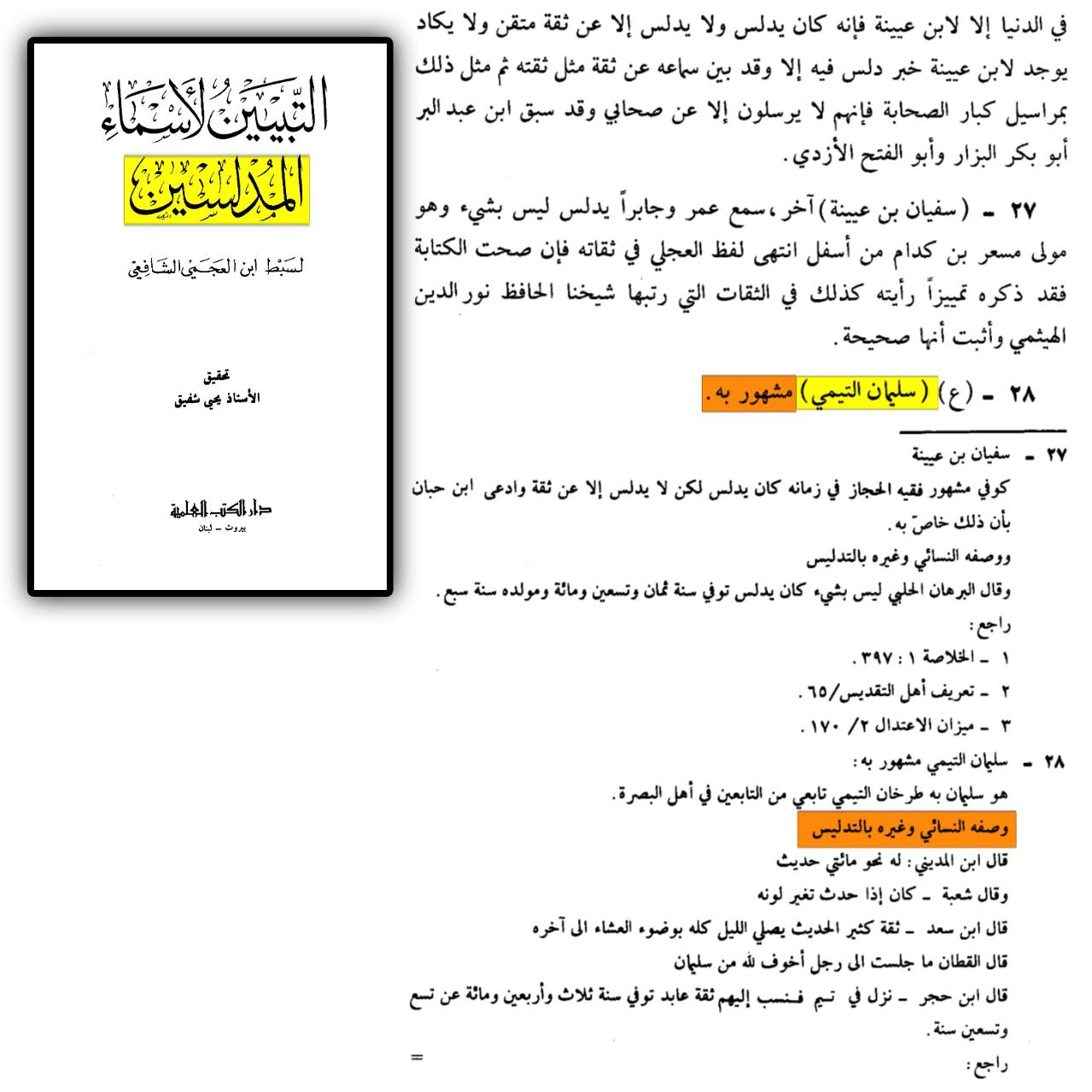
The Consistency Test — Biblical Parallels
Critics who apply this interpretive method to Islamic sources while exempting identical language in their own scriptures are not engaged in textual analysis. Applying the same logic to the Bible:
“There is none like God, O Jeshurun, who rides through the heavens to your help, through the skies in his majesty.”
By the critics’ own method, does this verse describe God committing an indecent act with the sky? The absurdity is immediate.
“Then he went up and lay on the child, putting his mouth on his mouth, his eyes on his eyes, and his hands on his hands. And as he stretched himself upon him, the flesh of the child became warm.”
The same critics, applying their own interpretive principle to this description of the Prophet Elisha, would reach conclusions they would instantly reject as ridiculous. Physical proximity language in ancient Semitic texts does not imply indecent acts — a principle critics apply selectively only when attacking Islam. The double standard is itself the argument.
Conclusion
On the isnad: The primary chain contains a narrator’s own doubt (shak), a documented gap confirmed by al-Bukhari in both his Tarikh al-Kabir and Tarikh al-Saghir, and a disputed companionship for Amr al-Bakali explicitly rejected by Abu Hatim, the scholars of Syria, and Mawkif al-Imamayn. The secondary Tirmidhi chain contains Ja’far ibn Maymun, weakened by six major critics. Not one of the eighteen known chains is free of a fatal defect.
On the matn: Ibn Mas’ud himself stated in Sahih Muslim 450d that he was not with the Prophet ﷺ on the Night of the Jinn. Ibn Hajar al-Asqalani confirmed this in his commentary. A narration attributing the opposite to the same companion stands rejected by the stronger narration.
On Ahmad Shakir’s authentication: Al-Albani, Mustafa al-Adawi, and multiple other scholars document his leniency in grading. His isolated authentication cannot override a consensus of weakening scholars.
On the meaning: Yarkabūna means crowding together in a dense mass — established by the Musnad Ahmad editorial footnote, by Surah Al-Jinn 19 and its unanimous tafsir tradition (az-Zajjaj, al-Tha’labi, al-Baghawi, al-Wahidi, al-Khazin, al-Qurtubi, al-‘Ayni), by parallel narrations, and by direct lexical sources equating “riding” with “crowding.” No classical Arabic source anywhere applies this word to an indecent act. The open challenge to produce one remains unanswered.
On consistency: Critics who apply this interpretive standard to Islamic texts while exempting Deuteronomy 33:26 and 2 Kings 4:34 are not engaged in scholarship.