

The Miracle of the Fly Hadith — Scientific Evidence
The Prophet ﷺ commanded that when a fly falls into a drink, it should be fully submerged before removing it — for one wing carries disease and the other carries the cure. This instruction, dismissed by critics for over a millennium, has now been confirmed by multiple independent peer-reviewed studies published in international microbiology journals. The following article documents four such studies, their methodologies, and their results.
Chain: Khalid ibn Makhlad → Sulayman ibn Bilal → Utbah ibn Muslim → Ubayd ibn Hunayn → Abu Hurayrah رضي الله عنه
The studies below were published in internationally peer-reviewed journals including PubMed, and can be reproduced in any microbiology laboratory in pharmacy or science faculties. They confirm that the wings of the house fly (Musca domestica) carry different species of bacteria that can kill each other — and that the act of submersion leads to purification of the liquid from bacteria at a rate exceeding 85%. The studies also identify by name the lethal enzymes secreted by these bacterial species and how submersion in liquid facilitates their transfer and antimicrobial effect.
Dr. Ahmad al-Shami — https://t.me/DrAhmadElshamyDiscussions
Waqar Akbar Cheema at ICRAA provides a comprehensive study of Muslim scholarly engagements with the hadith and its scientific assessment: https://www.icraa.org/the-hadith-of-the-fly-muslim-perspectives-on-scientific-assessment/
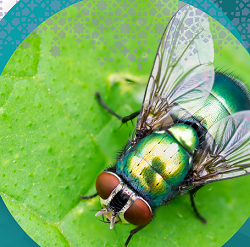
In 2002, Australian journalist Danny Kingsley published an article titled “The New Buzz on Antibiotics”1 in which she reported that a team of Australian researchers led by Joanne Clarke from the Department of Biological Sciences at Macquarie University, Sydney, presented their findings at the Australian Society for Microbiology Conference in Melbourne in October 2002. Their conclusion: the surface of fly bodies produces antibacterial compounds, which they were then working to extract through submersion in ethanol.
Danny Kingsley writes:
Working on the theory that flies must have remarkable antimicrobial defences to survive in rotting carcasses, manure and fruit, the team in the Department of Biological Sciences at Macquarie University set out to identify these antibacterial properties which appear at different stages in the growth of the fly.
Said Joanne Clarke, who presented the group’s findings at the Australian Society for Microbiology Conference in Melbourne this week: ‘Our research is a small part of a worldwide effort for new antibiotics, but we are looking where we think no one has looked before.’ This project is part of her PhD thesis.
The scientists tested four different fly species: a house fly, a sheep blowfly, a vinegar fruit fly, and a Queensland fruit fly that lays its eggs in fresh fruit. These larvae do not need many antibacterial compounds because they do not come into contact with much bacteria.
Flies go through larval and pupal stages of life before becoming adults. During the pupal stage, the fly is enclosed in a protective casing and does not feed. Said Clarke: ‘We expected they would not produce many antibiotics.’
This did not happen. Yet all larvae showed antibacterial properties (except those in Queensland fruit fly control).
As did all adult fly species, including the Queensland fruit fly (which at this stage requires antibacterial protection because it is in contact with other flies and is mobile).
Such properties were present on the fly surface in all four species, although antibacterial properties were also present in the gut. Said Clarke: ‘You find activity in both places.’
The antibacterial substance is extracted by dipping the fly in ethanol, then passing the mixture through a filter to obtain the crude extract.
When this was placed in solution with different types of bacteria including E. coli, Staphylococcus aureus, Candida (a yeast) and common hospital pathogens, an antibiotic effect was observed every time.
Said Clarke: ‘We are now trying to identify the specific antibacterial compounds.’ Eventually they will be chemically synthesised.
Since the compounds are not from bacteria, any genes granting resistance to them may not transfer easily to pathogens. It is hoped that this new form of antibiotic will have a longer therapeutic life and remain effective.”[^2]
The team published a summary paper on the concept, objectives and findings titled “Hypothesis Driven Drug Discovery”[^3] with the aim of finding antibacterial agents on fly bodies (house fly, fruit fly, sheep fly). The result was the discovery of antibiotics on the bodies of all adult fly insects, most larvae, and some pupae.
This research was supported by the pharmaceutical company GlaxoSmithKline, with collaboration from Novartis Pharmaceuticals, the Australian Centre for Biodiversity and Biological Resources, and the Elizabeth Macarthur Agricultural Institute of Australia.
Study One — National Research Centre, Egypt
Egyptian researcher Sara Muhammad Ata published a study from the National Research Centre, Microbiology and Immunology Department, titled “Microbiological Studies on Fly Wings (Musca domestica) Where Disease and Treatment.”[^4] She conducted an experiment proving that the right wing of the house fly is capable of sterilising a liquid when submerged in it — unlike the left wing.
Methodology
The right and left wings of four house flies (Musca domestica) were separated. Each wing was submerged in a sterile tube containing 5 ml of a sterile nutrient broth solution. The tubes were incubated for 48 hours at 37°C. A sample was taken from each tube to examine for microbial presence under the microscope. Samples were then placed in two petri dishes per tube, each containing nutrient agar and potato dextrose media. The dishes were incubated for 48 hours at 37°C.
Observations
In the dishes containing samples from the left wing solution, growth of bacteria and fungi was observed. In the dishes containing samples from the right wing solution, no growth occurred. Under microscopic examination, bacterial growth (cocci and bacilli) and fungal growth (hyphae) was observed in the left wing solution — while both were absent in the right wing solution.
Study Two — Faculty of Science, University of Sumatra, Indonesia
Published in 2021, this study is titled “Tracking the Source of Antimicrobial Production from House Fly (Musca domestica): Right-Wing of Fly or Gut System? — A Mini-Review.”[^5] It was conducted by a research team from the Faculty of Science, Institut Teknologi Sumatera, Lampung, Indonesia.
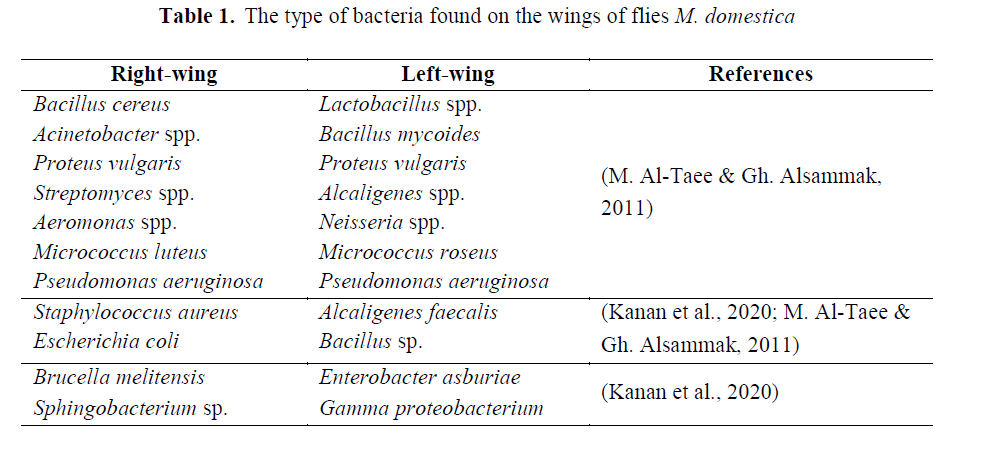
The study establishes that bactericidal bacteria are present on both wings — bacteria on the right wing are capable of killing certain bacteria found on the left wing, and vice versa.
The team states:
Types of Bacteria Found on Each Wing
The following table is taken directly from the study:
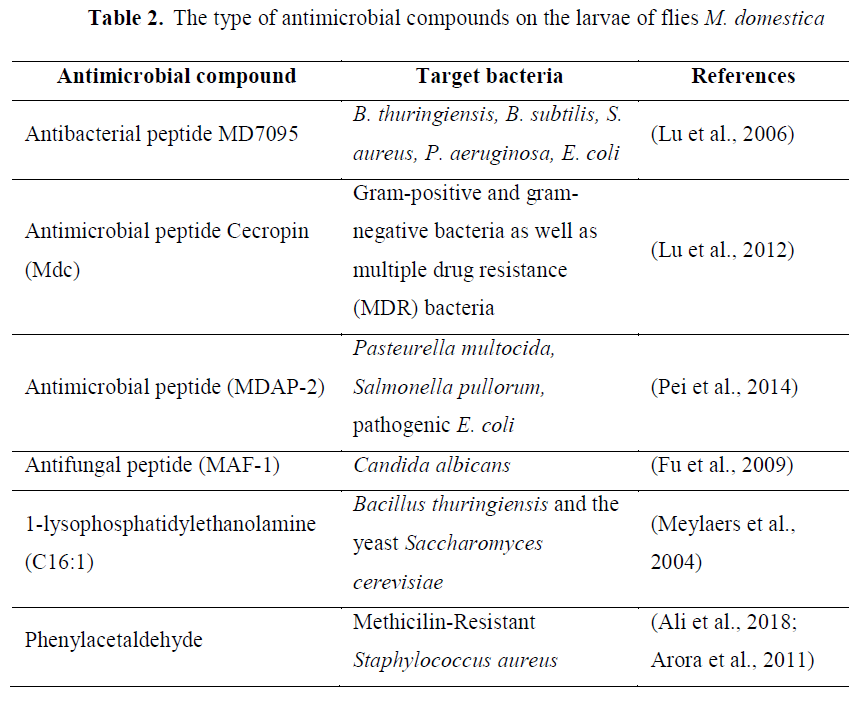
Antimicrobial Compounds Produced by Wing Bacteria and Their Target Bacteria
The following table identifies the specific chemical compounds secreted by wing bacteria and the bacteria these compounds destroy:
Study Three — University of Jeddah (Saudi Arabia) & New Valley University (Egypt)
In 2022, Saudi researchers from the Biology Department at the University of Jeddah and New Valley University in Egypt published a study titled “The Effect of Natural Falling and Dipping of House Fly (Musca domestica) on the Microbial Contamination of Water and Milk.”
Published in the Journal of Food: Microbiology, Safety & Hygiene.
Methodology
House fly specimens were collected from Mecca and Jeddah. Each fly was placed in a sterile test tube. Flies were allowed to fall naturally into other tubes containing 10 ml of sterile water. The tubes were left for 20 seconds before culturing in various microbial media. Flies were also separately submerged in water for 20 seconds in a different trial with fresh specimens. The solution was incubated for 15, 30, 45, and 60 minutes in nutrient blood agar at room temperature. Blood lysis zones were identified alongside bacterial growth. The experiment was repeated with sterile pH-neutral tap water and sterile water at pH 4. The experiment was then repeated with sterile milk, and the microbial load was determined after 3 hours of incubation at room temperature.
Results and Discussion
The results clearly showed that water contamination after natural falling alone was significantly higher (1,950 bacterial colonies) than contamination after falling followed by a single submersion (450 bacterial colonies) — which was itself higher than after three submersions. The fly was washed of most microbes through submersion, after which the antibacterial agents completed the process. At pH 4, the bacterial count was also lower than in the case of falling without submersion. In milk, falling without submersion produced far greater contamination (13,340 bacterial colonies) compared to falling followed by submersion (165 bacterial colonies). The results showed a progressive decrease in bacterial colony count over time, indicating the presence of an active antibacterial effect.
Study Four — Darussalam University, Indonesia (Published on PubMed)
In 2022, PubMed published a scientific paper by five researchers from Darussalam University, Indonesia[^6] titled “The Right-Wing of Fly (Musca domestica) as a Neutralisation of Drinks Contaminated by Microbe.”[^7]
Methodology
Bacteria were isolated from the outer surfaces of fly wings. Sterile water was used for calibration. Escherichia coli bacteria were placed in drinking water after sterile isolation. The contaminated water was diluted six times. At the sixth dilution, bacterial right wings of Musca domestica were added to the E. coli-contaminated water. The solution was poured into a petri dish containing eosin methylene blue nutrient agar and placed in an autoclave for incubation for 48 hours at 37°C. The bacterial count was recorded every 12 hours using a colony counter.
Observations
No bacterial growth appeared in the standard sterile water. No bacterial growth appeared in the contaminated water to which the three wings had been added. Bacteria appeared clearly after only 12 hours in the contaminated water without any wing addition. No bacterial growth appeared in the contaminated solution with the addition of three fly wings.
Discussion
On the right wing of the fly is the microbe Bacillus circulans, which upon submersion in water releases an enzyme at a concentration of up to 25 nanomoles called a bacteriophage, which destroys E. coli by secreting an enzyme called endolysin that causes its lysis. The microbe Actinomyces secretes an antibiotic compound lethal to bacteria called actinomycin and actinomycetes, which is also antifungal.
Study Five — Journal of Veterinary Medicine International (Hindawi, 2022)
A peer-reviewed study published in the Journal of Veterinary Medicine International (Hindawi, 2022), funded by the Ministry of Education, Culture, Research, and Technology of Indonesia, provides the most granular wing-specific analysis to date.
https://www.hindawi.com/journals/vmi/2022/9346791/
Also available on ResearchGate: https://www.researchgate.net/publication/358641649_Tracking_The_Source_of_Antimicrobial_Production_From_House_Fly_Musca_domestica_Right-Wing_of_Fly_Or_Gut_System_-_A_Mini-Review
And reviewed in the PMC paper “A Review of the Antimicrobial Potential of Musca domestica as a Natural Source of Antimicrobials”: https://www.ncbi.nlm.nih.gov/pmc/articles/PMC9822767/
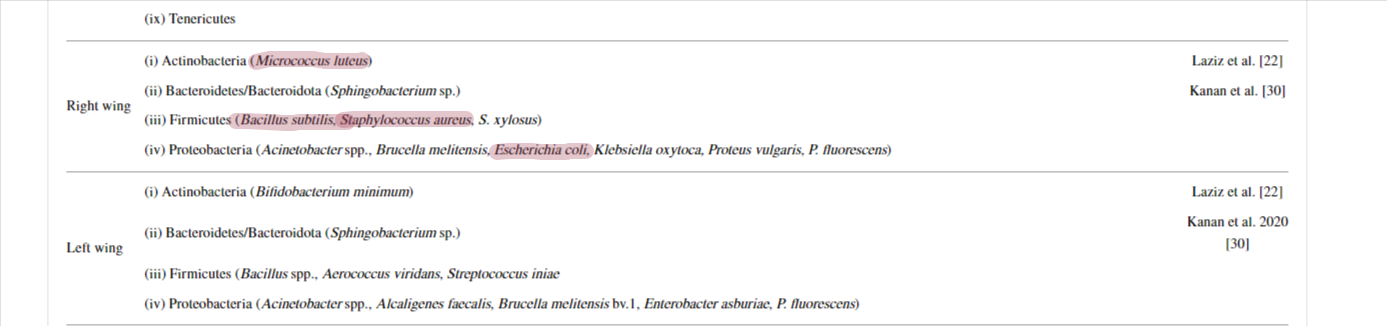
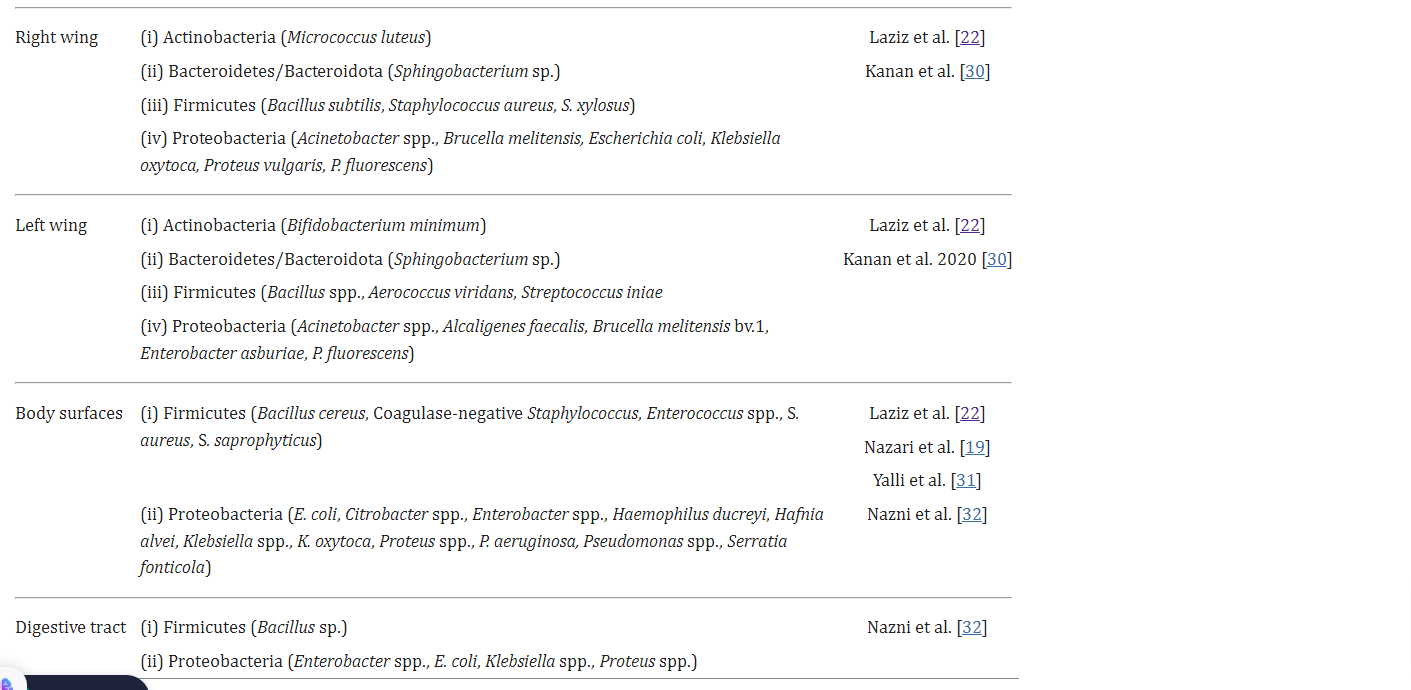
The study maps the specific bacteria found on each wing and identifies which of those bacteria have documented antimicrobial activity against known human pathogens. The key finding is that the right wing carries a significantly higher intensity and concentration of antimicrobial-inhibitor species than the left wing.
Wing Bacteria Table — Hindawi Study
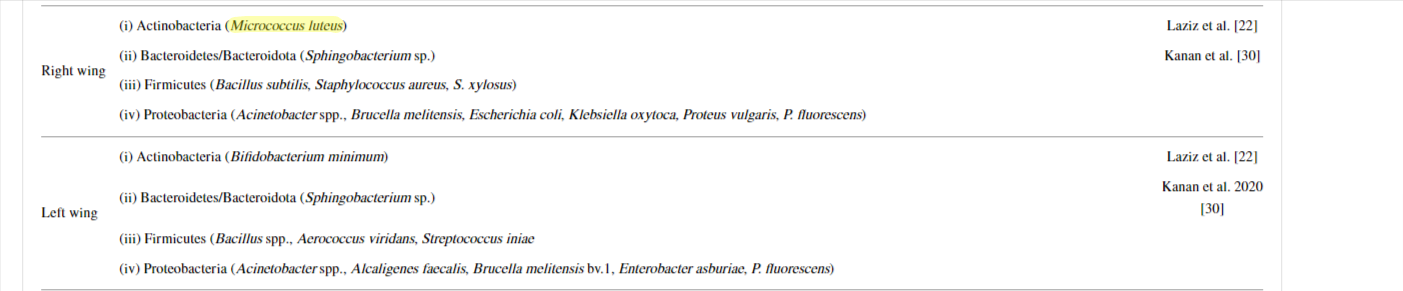
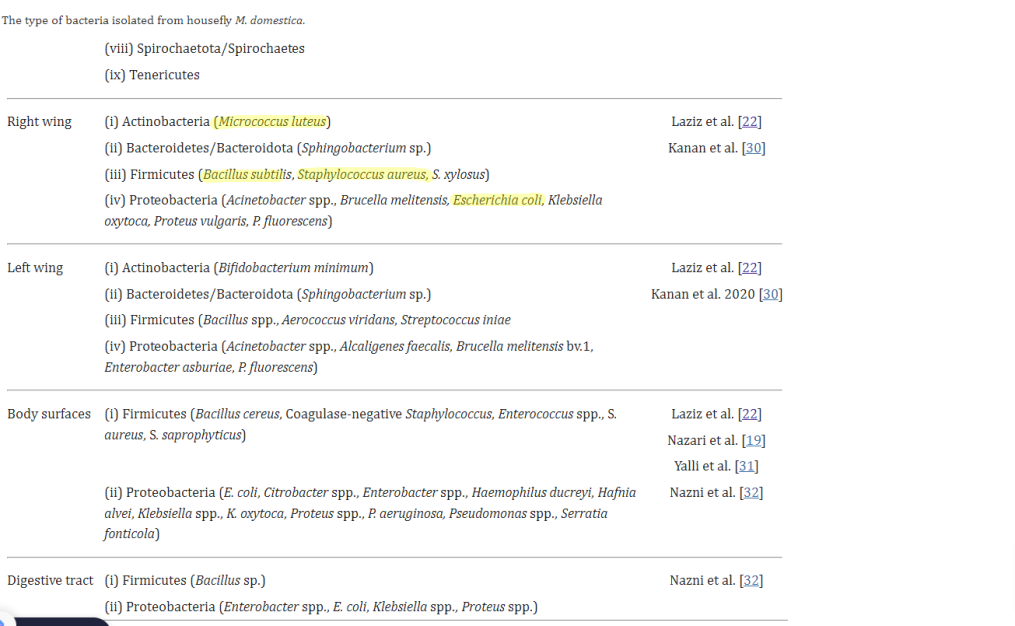
The following table shows the bacteria found on each wing of Musca domestica. Those marked as having antimicrobial activity against pathogens are predominantly on the right wing, especially Micrococcus luteus and Bacillus subtilis, which are described across sources as having the strongest effect against pathogens:
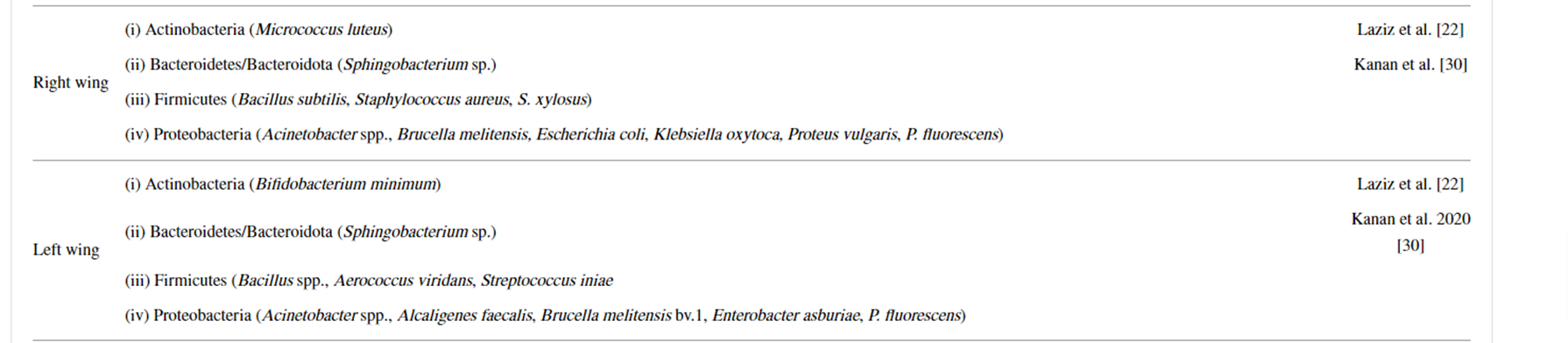
The bacteria with antimicrobial activity are highlighted in the annotated version below:
The Left Wing Pathogens
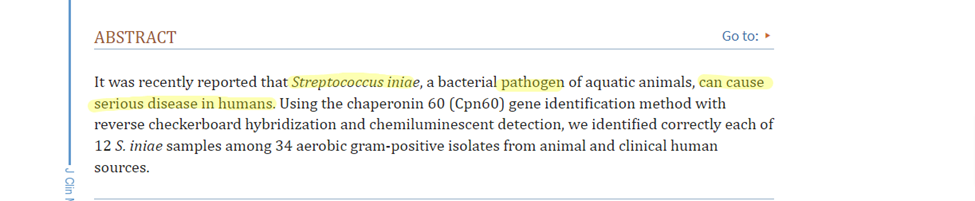
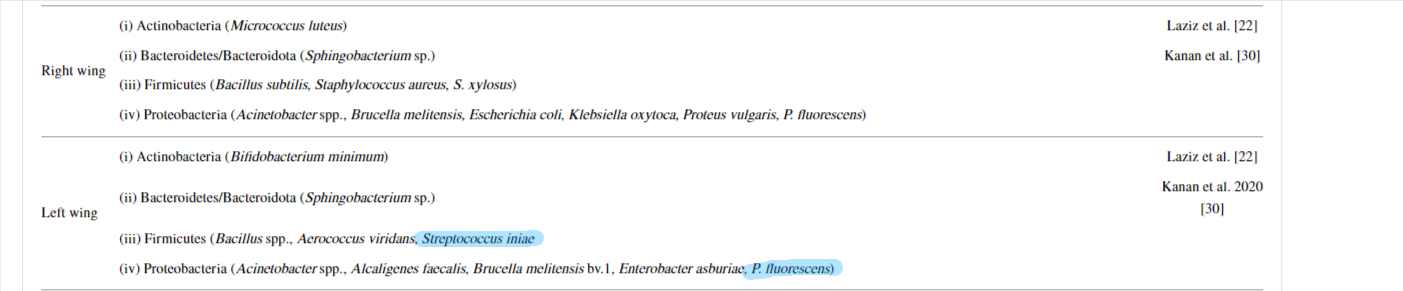
Two significant pathogens are found on the left wing: !!Streptococcus iniae and Pseudomonas fluorescens!!.
Streptococcus iniae is a fully pathogenic bacterium known to cause serious disease in humans. This is confirmed by the following PMC study:
https://www.ncbi.nlm.nih.gov/pmc/articles/PMC105023/
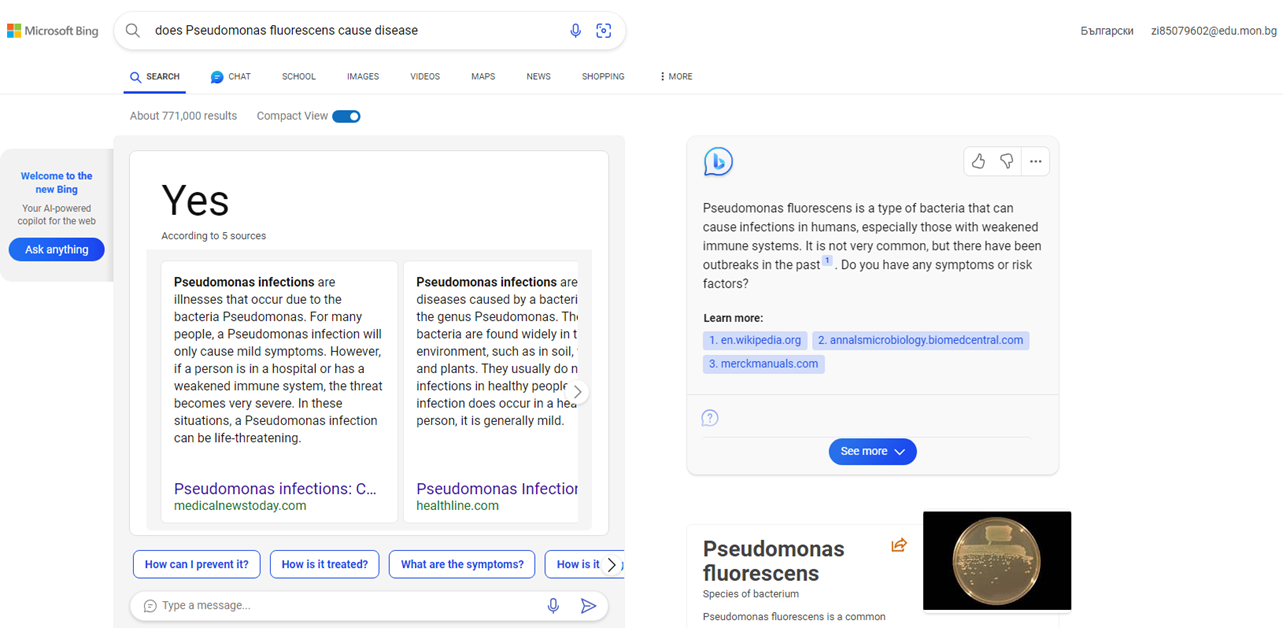
Pseudomonas fluorescens is also capable of causing illness in humans:
Both pathogens are present on the left wing of the fly, as the table confirms:
The Right Wing Cure — Micrococcus Luteus
^^Micrococcus luteus^^, found exclusively on the right wing, is described in the scientific literature as having strong antimicrobial activity against bacteria:
https://www.sciencedirect.com/topics/medicine-and-dentistry/micrococcus-luteus
A ScienceDirect study on the specific pathogens it acts against confirms the following:
https://www.sciencedirect.com/science/article/pii/S0976120913000466
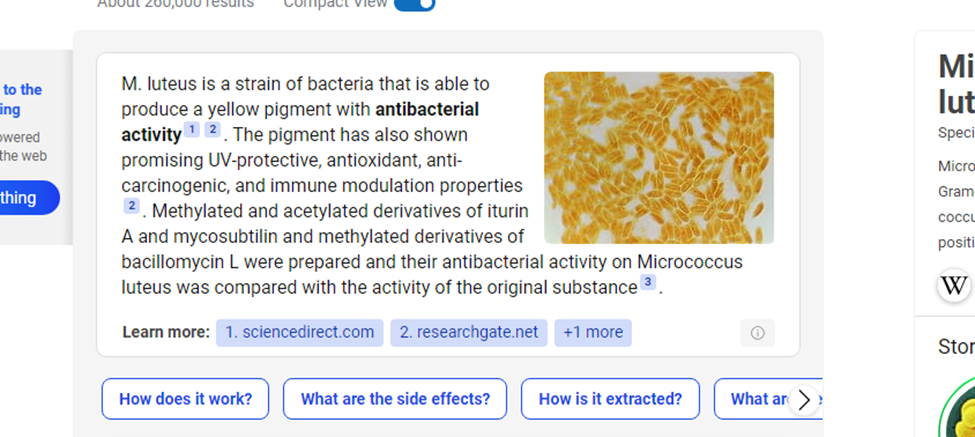
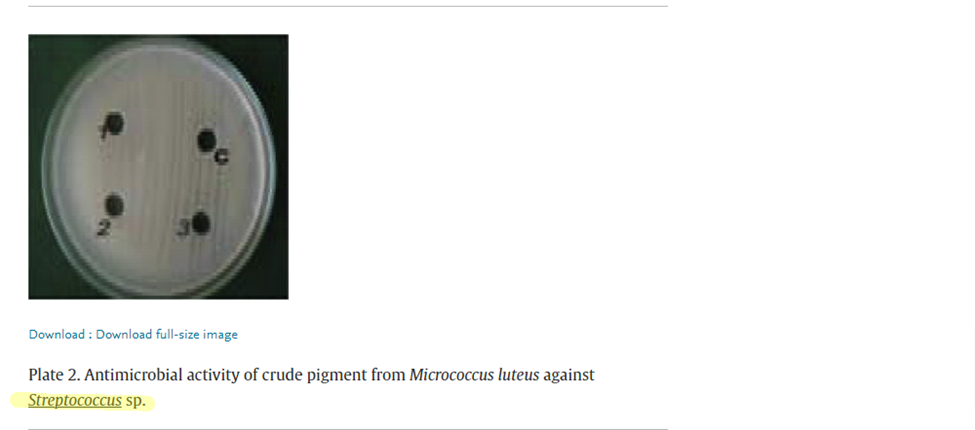
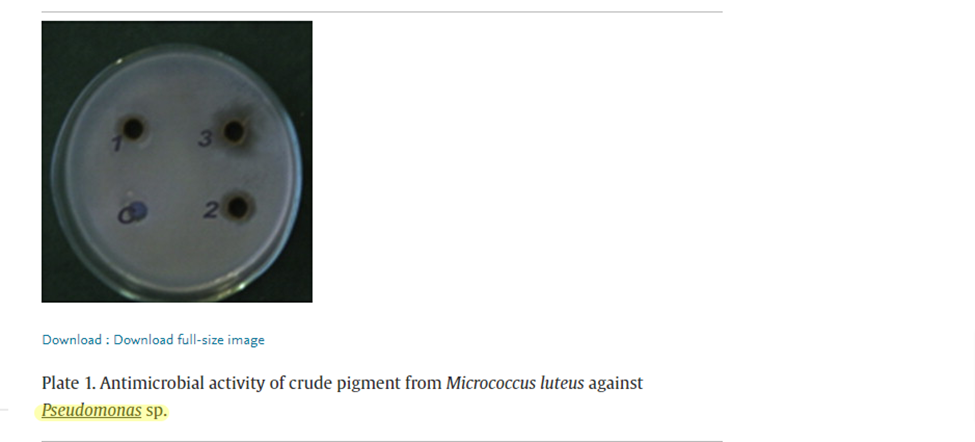
Micrococcus luteus has documented antimicrobial effect against Streptococcus species and Pseudomonas species. This means:
Streptococcus iniae — found on the left wing — is neutralised by Micrococcus luteus from the right wing. Pseudomonas fluorescens — also found on the left wing — is likewise neutralised by Micrococcus luteus from the right wing. The right wing carries the precise cure for the pathogens carried by the left wing.
The Right Wing Cure — Bacillus Subtilis
^^Bacillus subtilis^^, also found on the right wing, is capable of producing more than two dozen antibiotics with a wide structural variety:
https://onlinelibrary.wiley.com/doi/full/10.1111/j.1365-2958.2005.04587.x
https://pubmed.ncbi.nlm.nih.gov/15853875/
The produced antimicrobial compounds include predominantly peptides that are either ribosomally synthesised and post-translationally modified or non-ribosomally assembled. Bacillus subtilis produces antibiotics such as bacitracin and polymyxin, which are effective against a broad range of Gram-positive bacteria — covering half of the pathogenic bacteria found on the left wing.
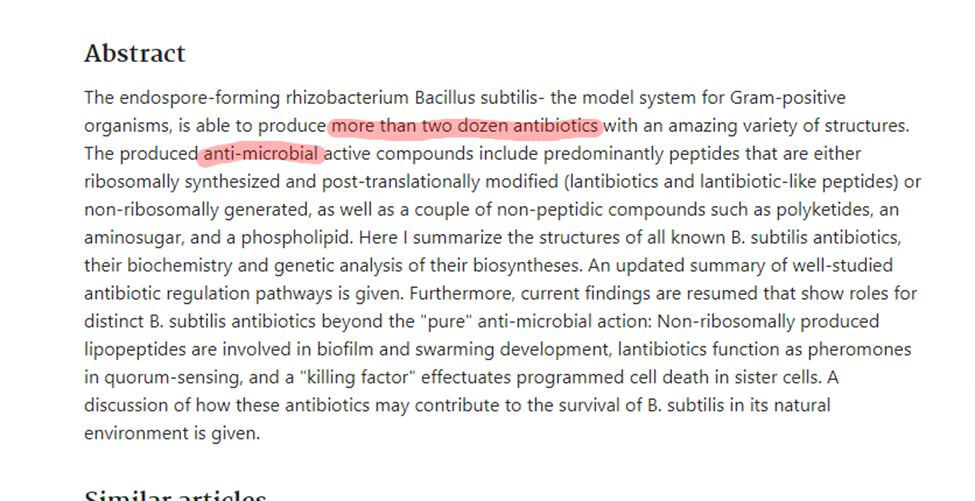
The PMC review confirms:
Right Wing Vs Left Wing — Inhibition Comparison
The following images directly compare the inhibitory capacity of the right wing versus the left wing:
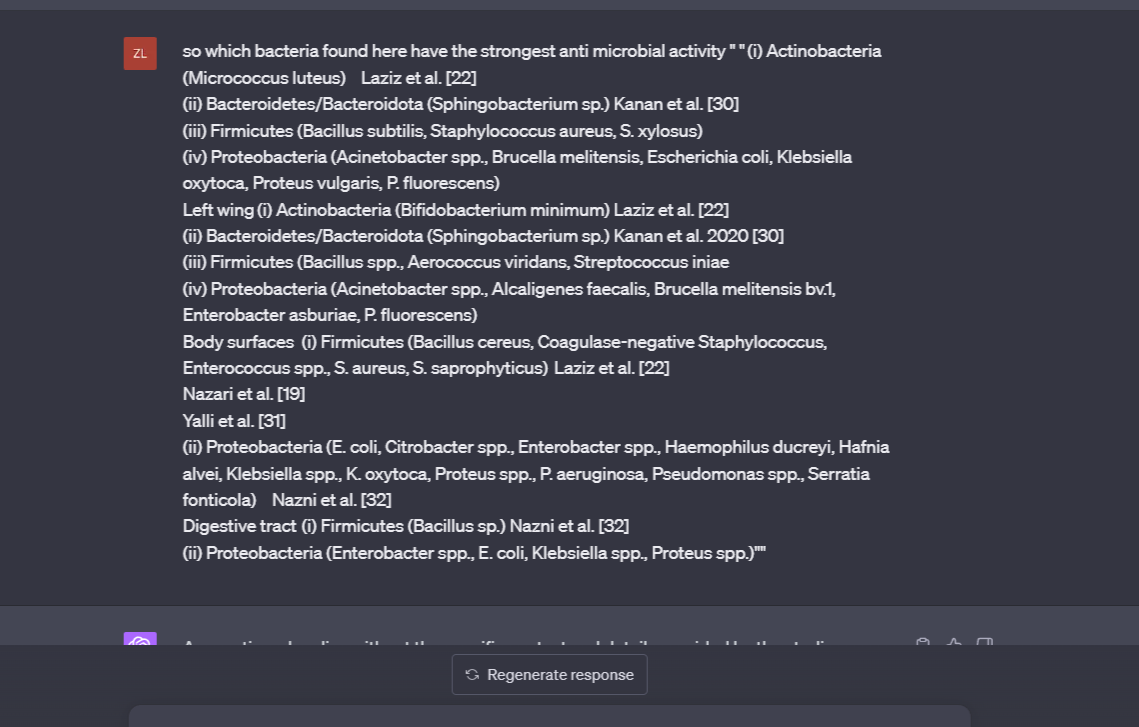
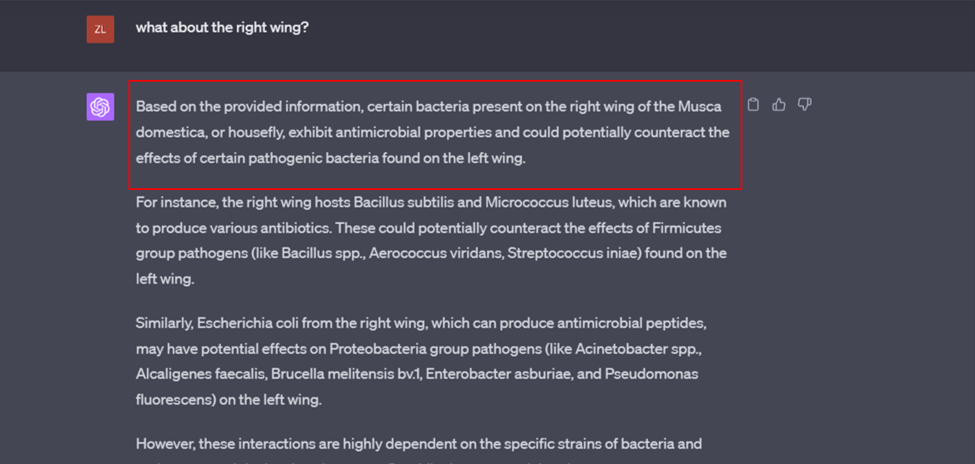
Micrococcus luteus and Bacillus subtilis — the two bacteria with the strongest documented antimicrobial effects — are found exclusively on the right wing. They are absent from all other parts of the fly body.
Can the left wing cure the right wing?
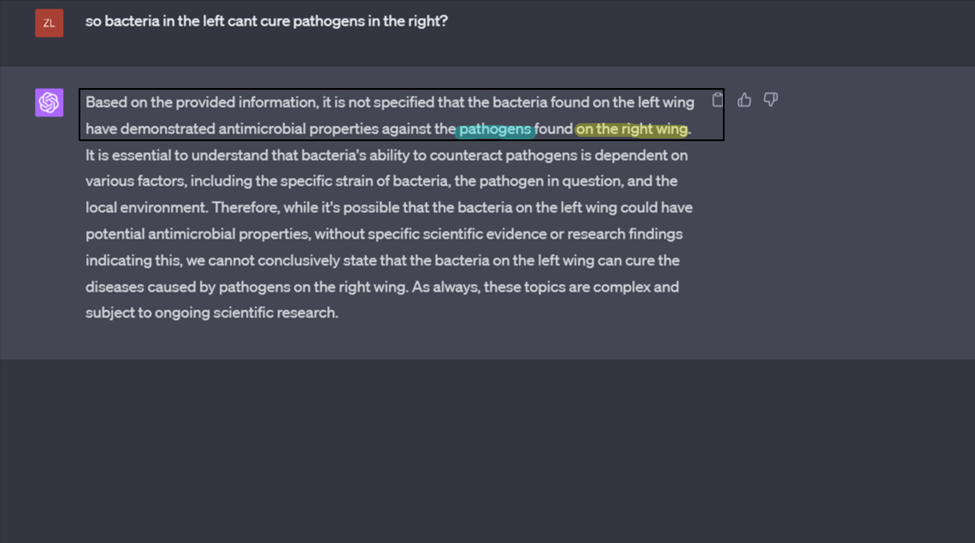
Can the right wing cure the left wing?
The Logical Structure of the Evidence
The Hindawi data allows a formal argument:
P1. Healing from a pathogen means eliminating it — this is how modern medicine functions.
P2. Micrococcus luteus (right wing) can eliminate Streptococcus species such as Streptococcus iniae and Pseudomonas species such as Pseudomonas fluorescens — both of which are found on the left wing.
C. Therefore, Micrococcus luteus on the right wing constitutes a cure for the pathogens carried on the left wing — which is precisely the claim of the hadith.
Supplementary Tables — Bacteria by Body Part
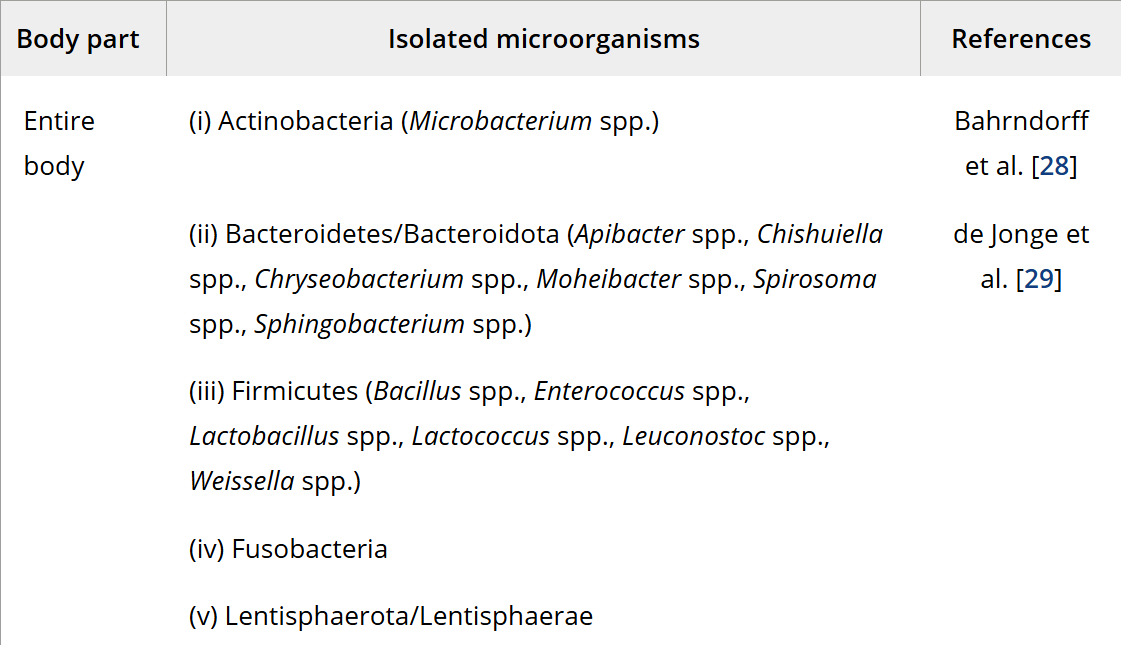
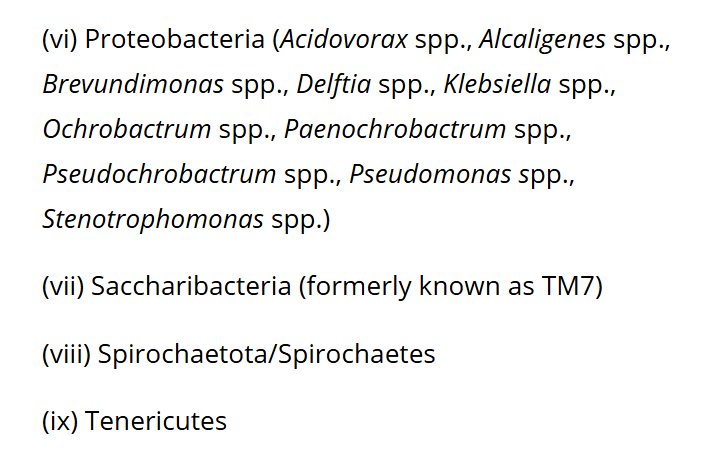
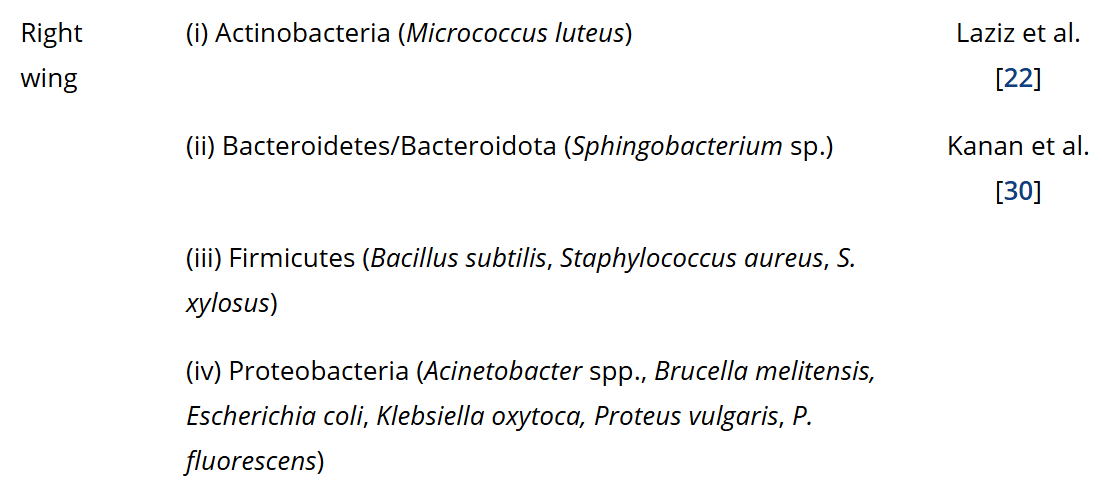
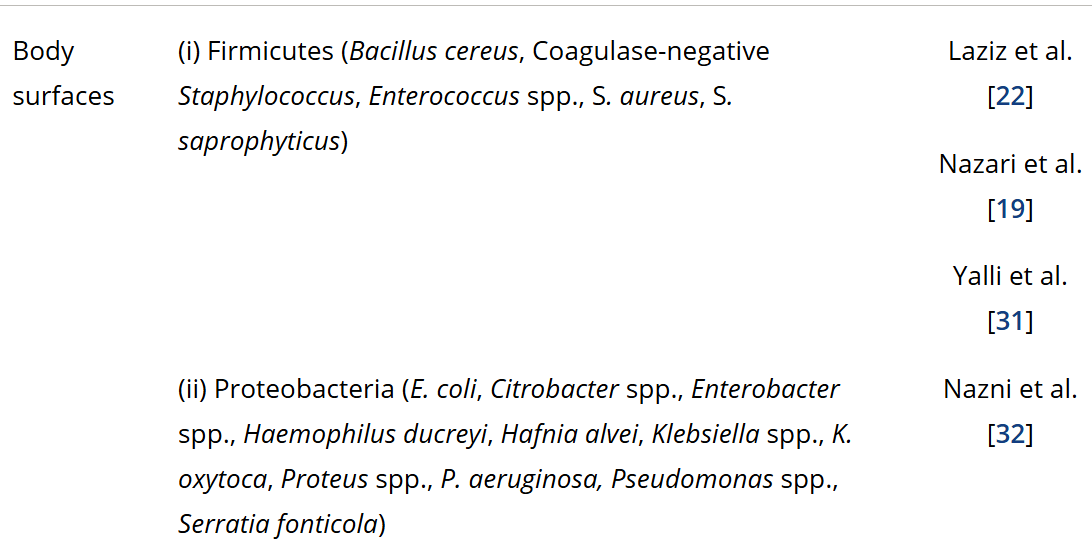
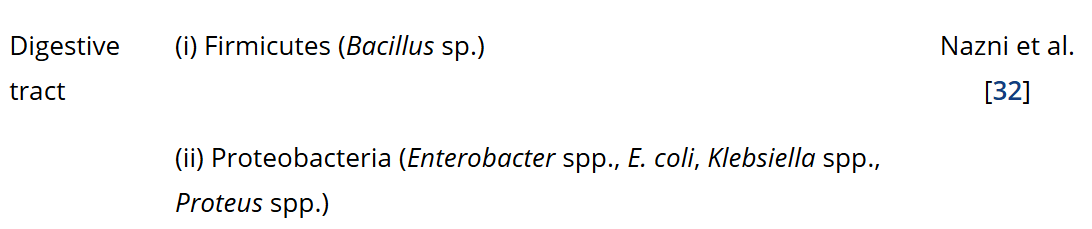
The following tables are taken from the Indonesian University of Sumatra study and document the microorganisms isolated from different parts of the fly body:
Entire Body
Right Wing
Body Surfaces
Digestive Tract
The predominant bacterial species found across fly wings — as established by a 2017 study titled “Bacterial Contamination of Adult House Flies (Musca domestica) and Sensitivity of These Bacteria to Various Antibiotics” — are Bacillus spp. (31.1%), Staphylococcus spp. (22.9%), and E. coli (11.6%) (Nazari et al., 2017).[^8][^9]

References
This article is part of the KufrCleaner Dawah Library — Defending the Sunnah series.
Related
Footnotes
-
Danny Kingsley, “The New Buzz on Antibiotics,” ABC Science, October 2002. https://www.abc.net.au/science/articles/2002/10/01/689400.htm [^2]: https://www.abc.net.au/science/articles/2002/10/01/689400.htm [^3]: Joanne Clarke, Michael Gillings & Andrew Beattie, “Hypothesis Driven Drug Discovery,” World J. Med. Sci., 11(4): 486–489, 2014. https://www.publish.csiro.au/MA/pdf/MA02508 [^4]: Sara Muhammad Ata, “Microbiological Studies on Fly Wings (Musca domestica) Where Disease and Treatment,” National Research Centre, Microbiology and Immunology Department, 2014. [^5]: Muhammad Asril, Ika Agus Rini, Indah Oktaviani, Mushaliyah, “Tracking the Source of Antimicrobial Production from House Fly (Musca domestica): Right-Wing of Fly or Gut System? — A Mini-Review,” Department of Biology, Faculty of Science, Institut Teknologi Sumatera, Lampung Selatan, Lampung (2021): Abstract, p. 226. [^6]: https://pubmed.ncbi.nlm.nih.gov/33612611/ [^7]: Ivena Claresta, Dianti Desita Sari, Susi Nurohmi, Fathimah, Amilia Yuni Damayanti, “The Right-Wing of Fly (Musca domestica) as a Neutralization of Drinks Contaminated by Microbe,” Darussalam University, Indonesia, 2022. [^8]: Bacterial Contamination of Adult House Flies (Musca domestica) and Sensitivity of These Bacteria to Various Antibiotics, Captured from Hamadan City, Iran (2017). [^9]: Muhammad Asril et al., “Tracking the Source…” (2021): Abstract, p. 227. See also: Nazni, W., Seleena, B., Lee, H., Jeffery, J., Rogayah, T., & Sofian, M. (2005). Bacteria fauna from the house fly, Musca domestica (L.). Tropical Biomedicine, 22(2), 225–231. [^10]: Hindawi, Journal of Veterinary Medicine International, 2022. https://www.hindawi.com/journals/vmi/2022/9346791/ [^11]: PMC — “A Review of the Antimicrobial Potential of Musca domestica as a Natural Source of Antimicrobials.” https://www.ncbi.nlm.nih.gov/pmc/articles/PMC9822767/ [^12]: “Streptococcus iniae, a Human and Animal Pathogen: Specific Identification…” https://www.ncbi.nlm.nih.gov/pmc/articles/PMC105023/ [^13]: ScienceDirect — Micrococcus luteus antimicrobial activity. https://www.sciencedirect.com/science/article/pii/S0976120913000466 [^14]: “Bacillus subtilis antibiotics: structures, syntheses and specific functions.” PubMed 15853875. https://pubmed.ncbi.nlm.nih.gov/15853875/ ↩