

The People of the Elephant: Non-Muslim Historical Sources Confirm Surah Al-Fil
Surah Al-Fil records one of the most dramatic divine interventions in pre-Islamic Arabian history — the destruction of Abraha’s army as he marched to demolish the Kaaba. Non-Muslim encyclopaedias, military historians, and epidemiological records independently confirm the event, its key figures, and its details.
The Surah
“Have you not considered how your Lord dealt with the possessors of the elephant?”
أَلَمْ يَجْعَلْ كَيْدَهُمْ فِي تَضْلِيلٍ
“Did He not cause their war to end in confusion?”
وَأَرْسَلَ عَلَيْهِمْ طَيْرًا أَبَابِيلَ
“And send down upon them birds in flocks?”
تَرْمِيهِمْ بِحِجَارَةٍ مِنْ سِجِّيلٍ
“Casting against them stones of baked clay?”
فَجَعَلَهُمْ كَعَصْفٍ مَأْكُولٍ
“So He rendered them like straw eaten up.”
Historical Background
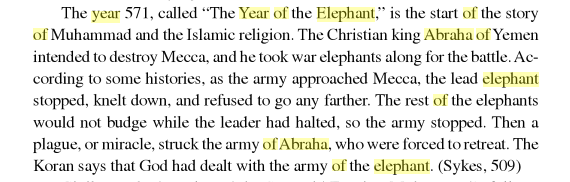
The Prophet Muhammad ﷺ came into the world in 571 AD — known as the Year of the Elephant. The incident of the People of the Elephant was in actual fact a divine declaration and a sign indicating the imminent arrival of the seal of the Prophets. The divine protection extended to the Quraysh was simply due to the fact that the final messenger, who was about to set foot on this earth, was to come from this tribe.
Abraha was the governor of Yemen. Seeing the Arabs travelling from far and wide to Makkah to perform tawaf of the Baitullah, Abraha burned with envy. He erected a magnificent church in Yemen in the name of Christianity, intending to make it the centre of pilgrimage instead of the Kaaba, and began preventing the people of Yemen from visiting Makkah.
Abraha then raised a powerful army and marched toward Makkah with the intention of demolishing the Kaaba. His troops were accompanied by a herd of elephants. As he advanced, huge flocks of small birds appeared — each carrying pebbles the size of pea seeds or lentils. These pebbles rained down upon his army like volleys of lethal bullets. The soldiers and elephants fled in panic. Many died instantly and the rest died on their way back. Abraha’s army was completely eliminated.
Non-Muslim Historical Sources
Encyclopaedia Aethiopica
The story of Abraha and his army is recorded in the Encyclopaedia Aethiopica — a major Western academic reference on the history of the Horn of Africa and the Arabian Peninsula.
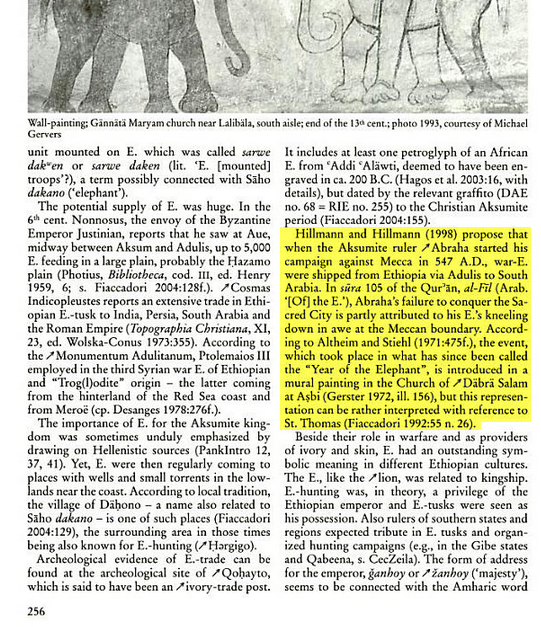
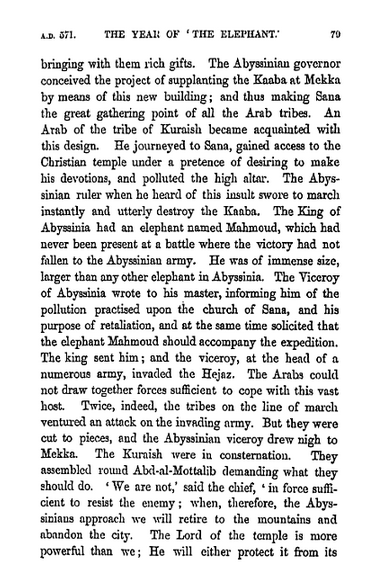
Multiple books in the historical record document Abraha’s failed campaign. The following images are from several of these independent sources.
The accounts across these sources are consistent in their core details: Abraha’s march, the presence of elephants, and the catastrophic failure of the campaign.
Each of these sources was written independently of Islamic tradition, relying on their own historical records.
The convergence of these accounts on a single event — Abraha’s march and its miraculous failure — is itself significant evidence of the event’s historicity.
Further corroborating material appears in yet additional Western historical records on the Arabian Peninsula in the sixth century.
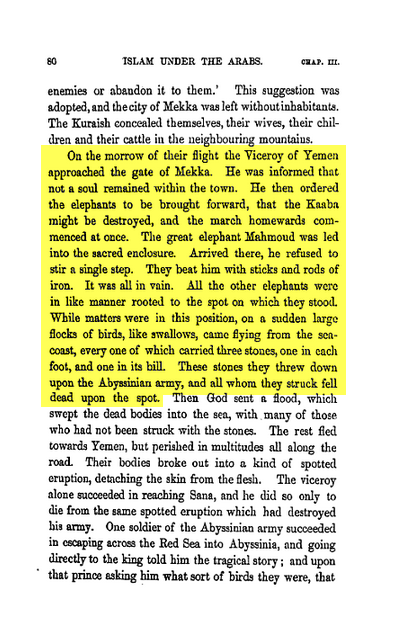
The failure of Abraha’s campaign is treated across these works not as legend but as a documented historical event.
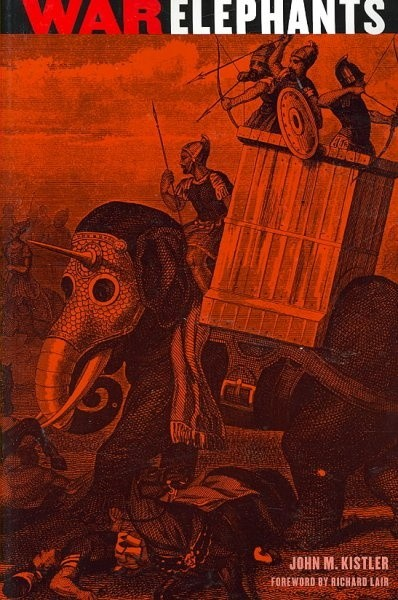
War Elephants — John M. Kistler & Richard Lair (p. 177)
The academic military history War Elephants by John M. Kistler and Richard Lair addresses Abraha’s use of elephants in his campaign against Mecca on page 177.
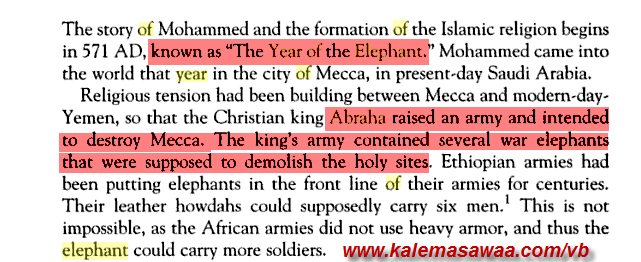
The authors document Abraha’s march and the role of the elephant contingent in his army — precisely as Surah Al-Fil describes.
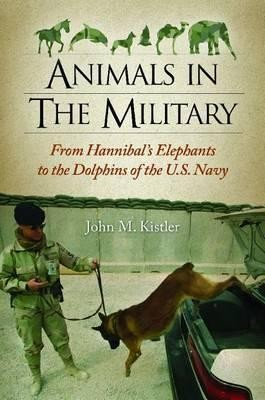
Animals in the Military — John Kistler (p. 85)
John Kistler‘s Animals in the Military: From Hannibal’s Elephants to the Dolphins of the US Navy also covers the campaign on page 85.
This military history reference treats the Elephant campaign as a documented historical event relevant to the broader study of war animals in antiquity.
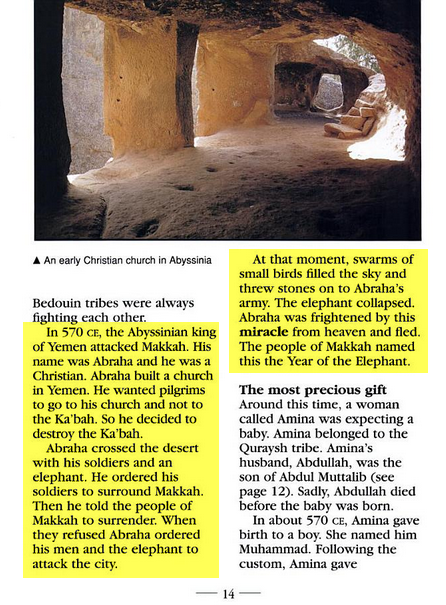
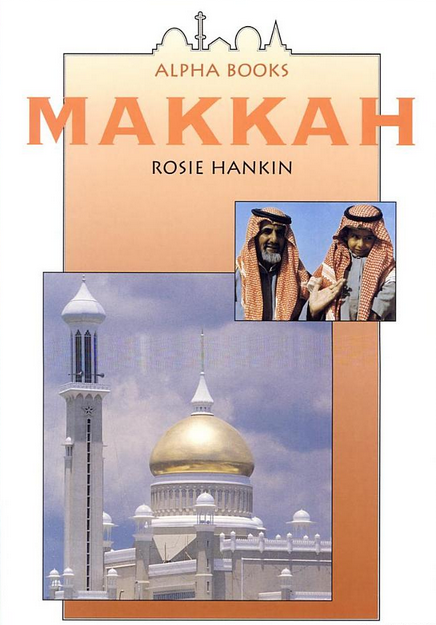
The Holy Lands Book Series
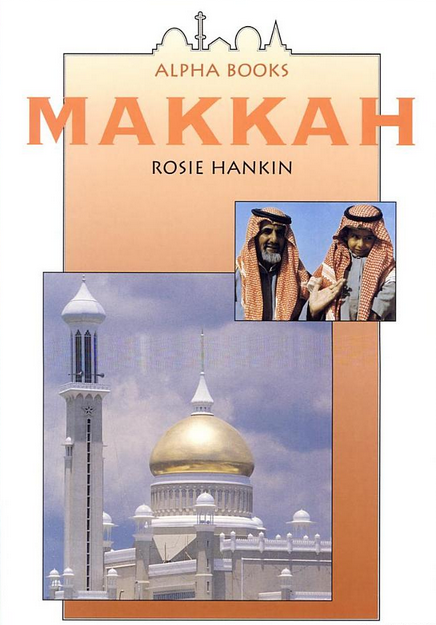
A book from a series on the Holy Lands gives the following account:
In 570 AD, the Christian King of Yemen, Abraha, attacked Mecca — after building a church in Yemen and wanting pilgrims to convert to it instead of the Kaaba. He decided to demolish the Kaaba. Abraha crossed the desert with his soldiers and an elephant and ordered his soldiers to besiege Mecca, demanding submission. When they refused, Abraha ordered his men and the elephant to attack. At this moment, flocks of small birds began to fill the sky and throw stones at Abraha’s army. The elephant collapsed and Abraha fled in fear after witnessing this miracle. This year became known as the Year of the Elephant.
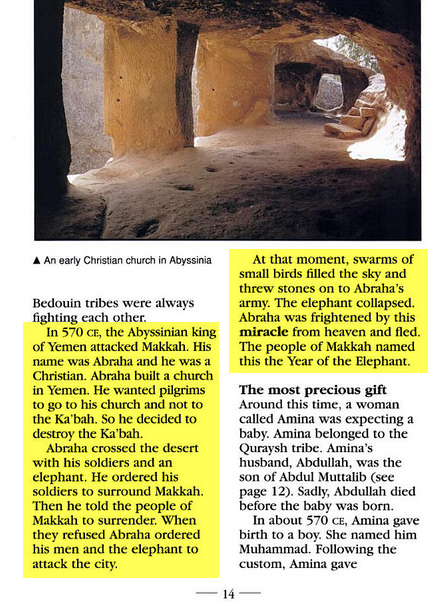
The account in this series matches the Quranic description in every major detail: the birds, the stones, the collapse of the elephant, and the flight of Abraha.
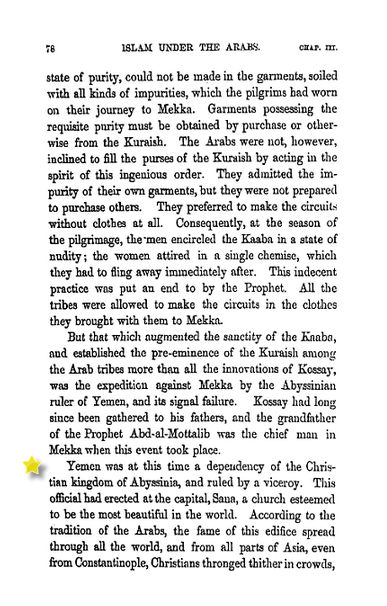
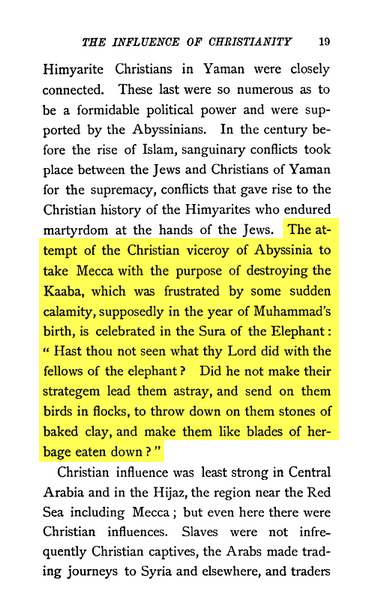
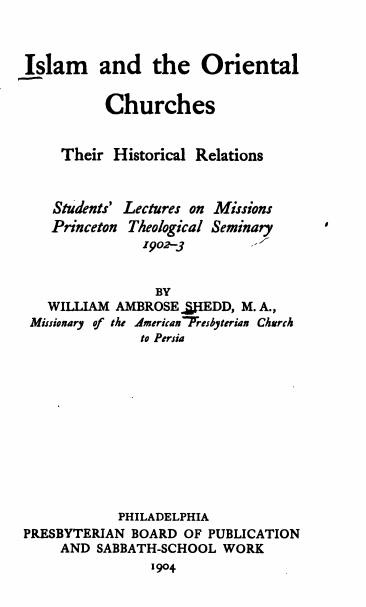
A book on Christianization and missionary activity in the Arabian Peninsula also records that the Christian viceroy decided to enter Mecca to demolish the Kaaba — and that a catastrophic event thwarted the campaign entirely.
The consistency across sources from different disciplines — military history, religious history, encyclopaedic reference — is striking.
Encyclopedia of Plague and Pestilence — George C. Kohn (p. 343)
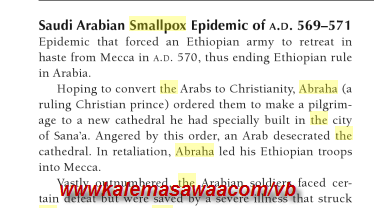
^^The most forensically significant non-Muslim source is the Encyclopedia of Plague and Pestilence: From Ancient Times to the Present by George C. Kohn, page 343.^^ It documents an epidemic that ravaged Abraha’s army during his campaign.
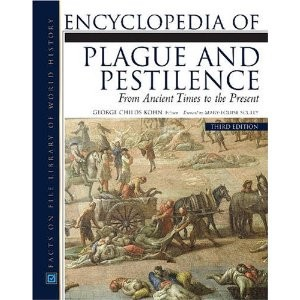
The encyclopedia records that the Arab fighters were facing certain defeat — but survived because a severe disease struck Abraha’s army and completely destroyed it.
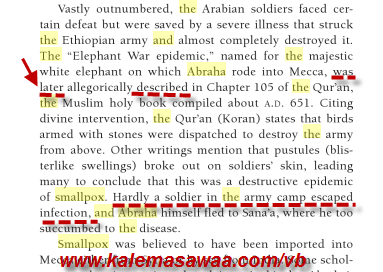
The encyclopedia refers to this event as the “Elephant War epidemic” — named after the white elephant that Abraha rode when he entered the campaign area. It then states that this war was later described in the Quran, the holy book of Muslims, in Surah 105, and that birds carried stones and threw them at Abraha’s army, causing its complete destruction. It also records that pustules (blisters) broke out suddenly on the soldiers’ skin.
The encyclopedia further notes that everyone died — except for one soldier who remained in the camp and did not participate in the battle.
The sudden appearance of pustules on the skin of soldiers is also recorded in the source below.

Three Conclusions from the Encyclopedia Source
Second: The Quran is not the only source to document the story of Abraha — as the encyclopedia’s reference to “other writings” confirms. Multiple independent historical traditions preserved this account.
Third: The pustules appeared suddenly during the battle — not before it. This is why the single non-combatant who stayed in the camp survived without infection. If smallpox or any epidemic had been spreading through the camp before the battle, there would have been no survivors at all. The sudden onset of the skin condition specifically during the battle — matching the Quranic description of the birds’ stones — is consistent with a targeted, instantaneous divine intervention rather than a naturally spreading disease.