

The "Sheep Ate the Quran" Claim Refuted — Why Sunan Ibn Majah 1944 Is Rejected in Hadith Sciences
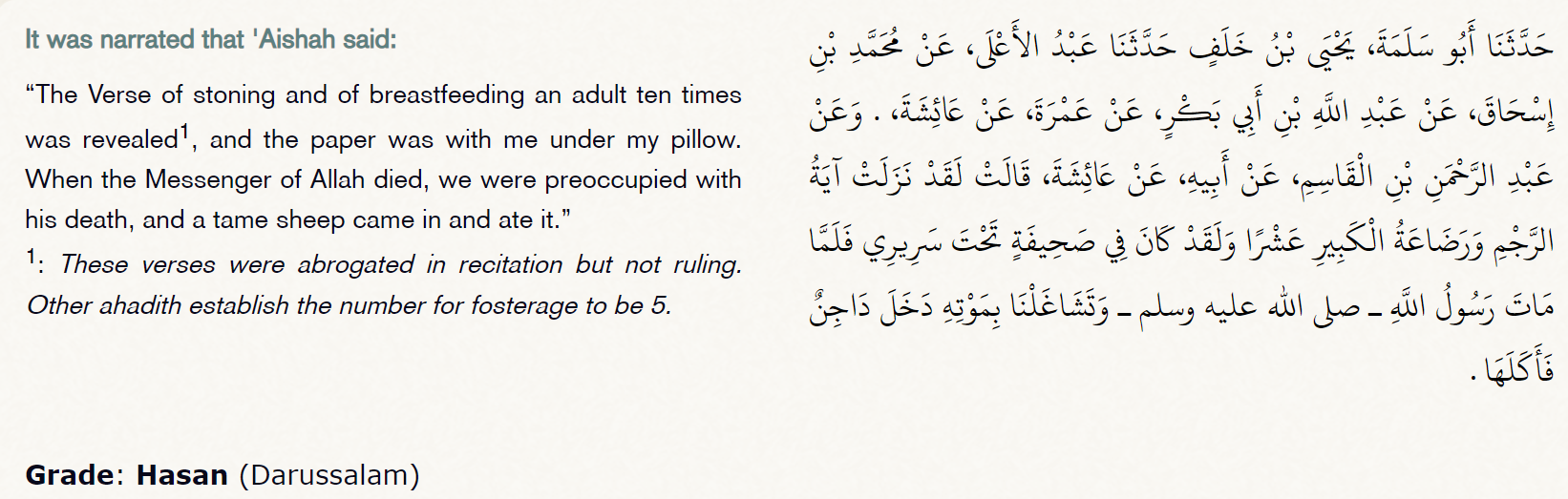
The claim that Quranic verses — specifically the stoning verse and breastfeeding verses — were lost when a tame sheep ate the pages they were written on rests primarily on Sunan Ibn Majah 1944. This narration is rejected on the basis of hadith sciences, not theological preference. The key transmitter in its chain is Muhammad ibn Ishaq, who is an established mudallas narrator and narrates this report using ‘an — a form of transmission that renders a mudallas narrator’s report inadmissible as proof.
The Narrator in Question — Muhammad ibn Ishaq
His General Grading
The scholars of hadith criticism (jarh wa ta’dil) are divided on Ibn Ishaq’s general reliability:
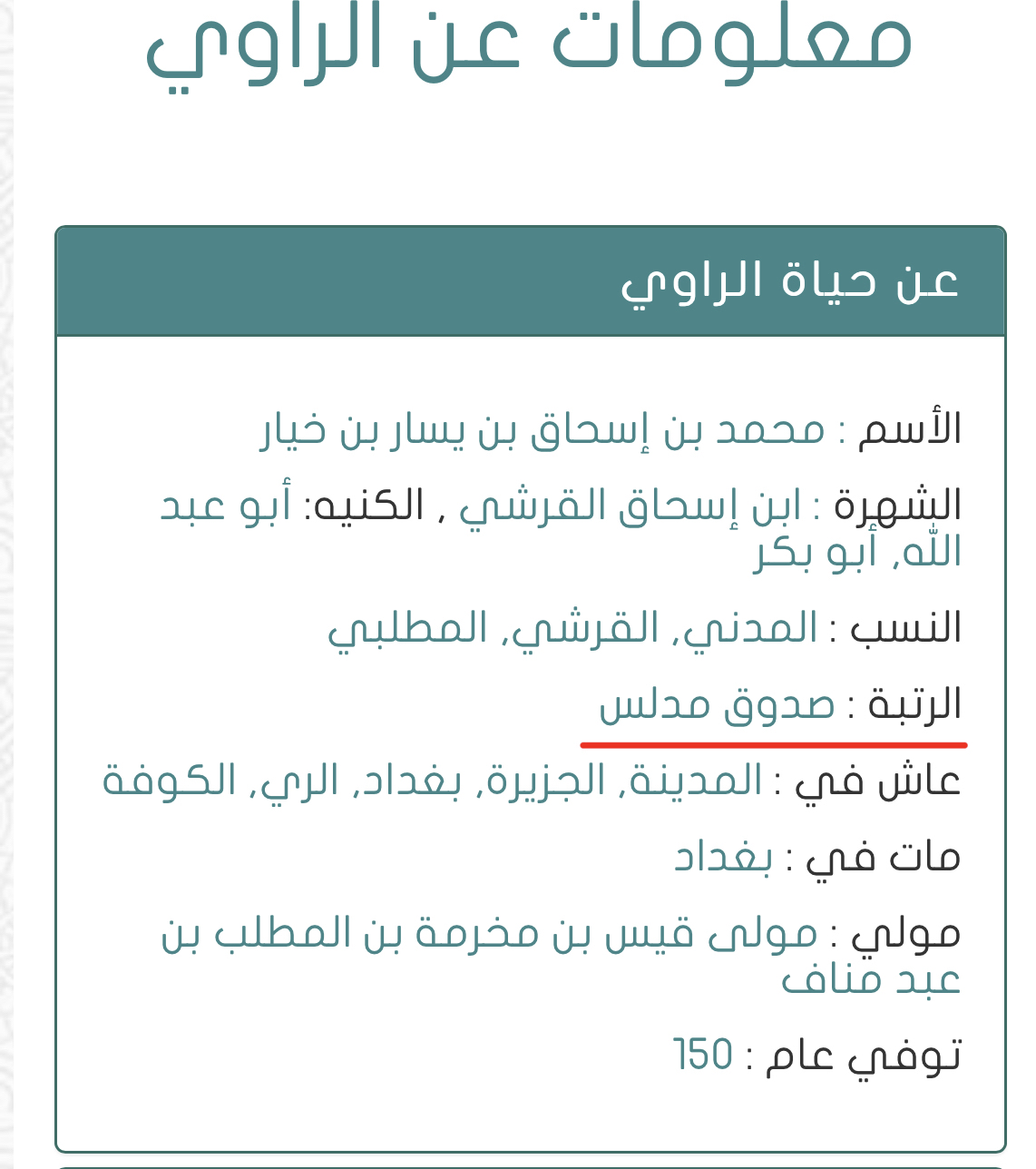
He is graded saduq mudallas — truthful but a practitioner of tadlees. For this reason, this report from him is rejected.
The following screenshots document the scholarly assessments in detail:
Imam Ahmad said he was Hasan al-Hadith. Al-Bukhari also cited Ibn Ishaq in his works.
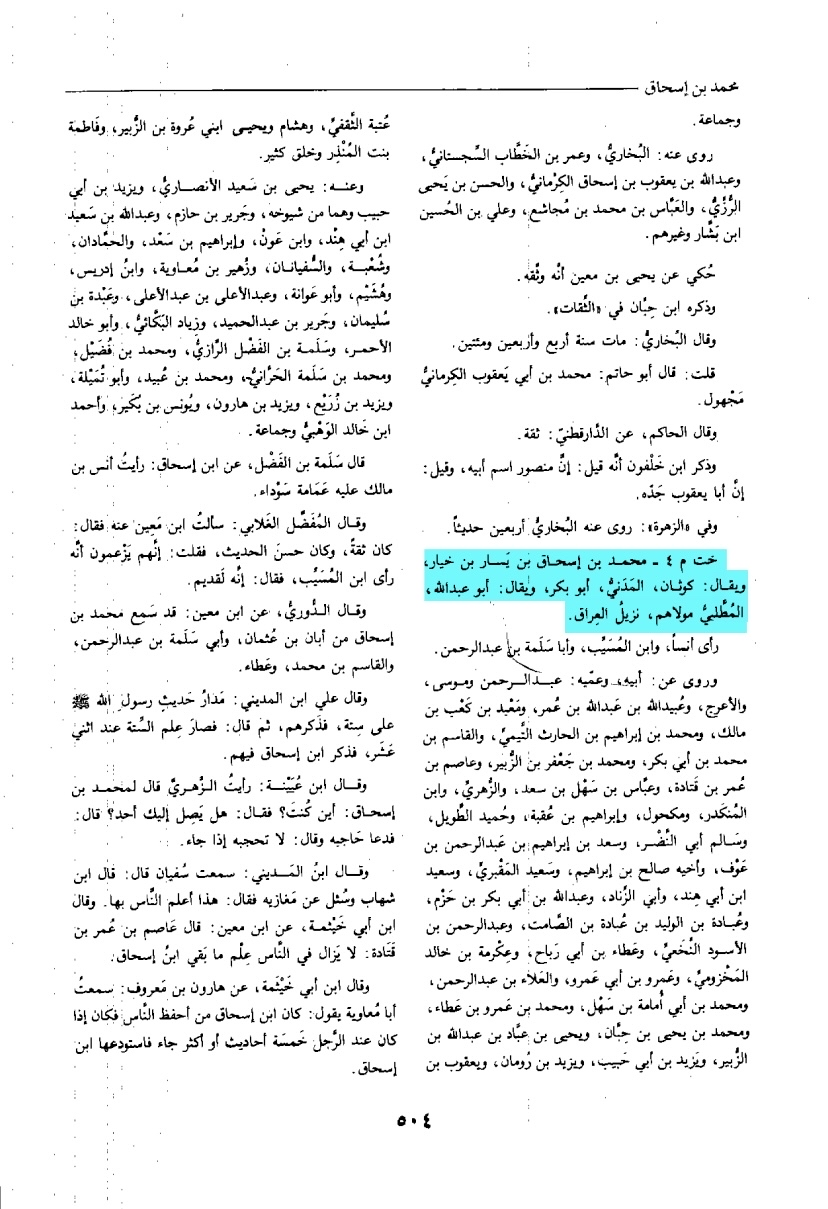
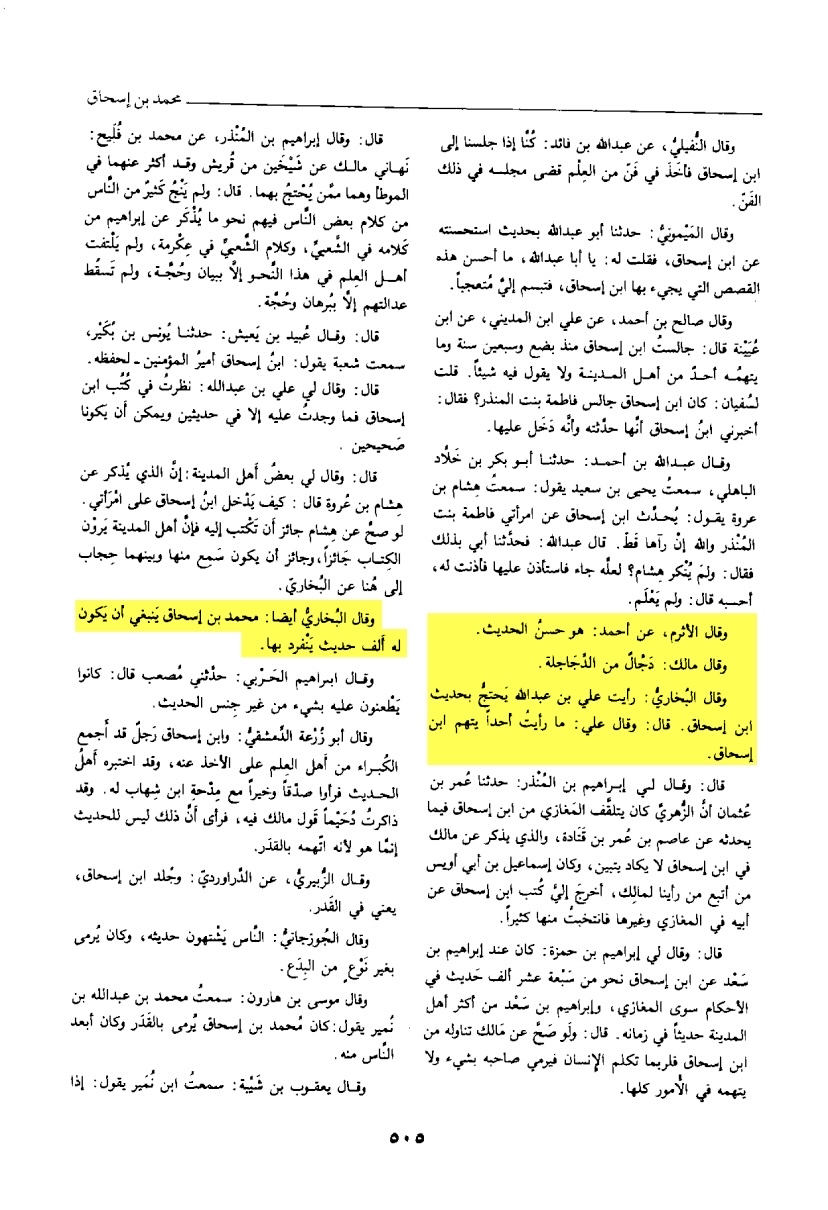
To summarise the scholarly positions on his general reliability: Ibn al-Madini said he is thiqa; Abu Zur’ah said he is saduq; Muhammad ibn Yahya said he is Hasan al-Hadith; Ibn Hibban listed him in his Thiqat — though Ibn Hibban was known for leniency in authentication. On the other side, Ibn Ma’een weakened him on at least four occasions, Abu Abdillah said he was not a hujja, and al-Nasa’i said he was not strong. There is a genuine difference of opinion on his reliability.
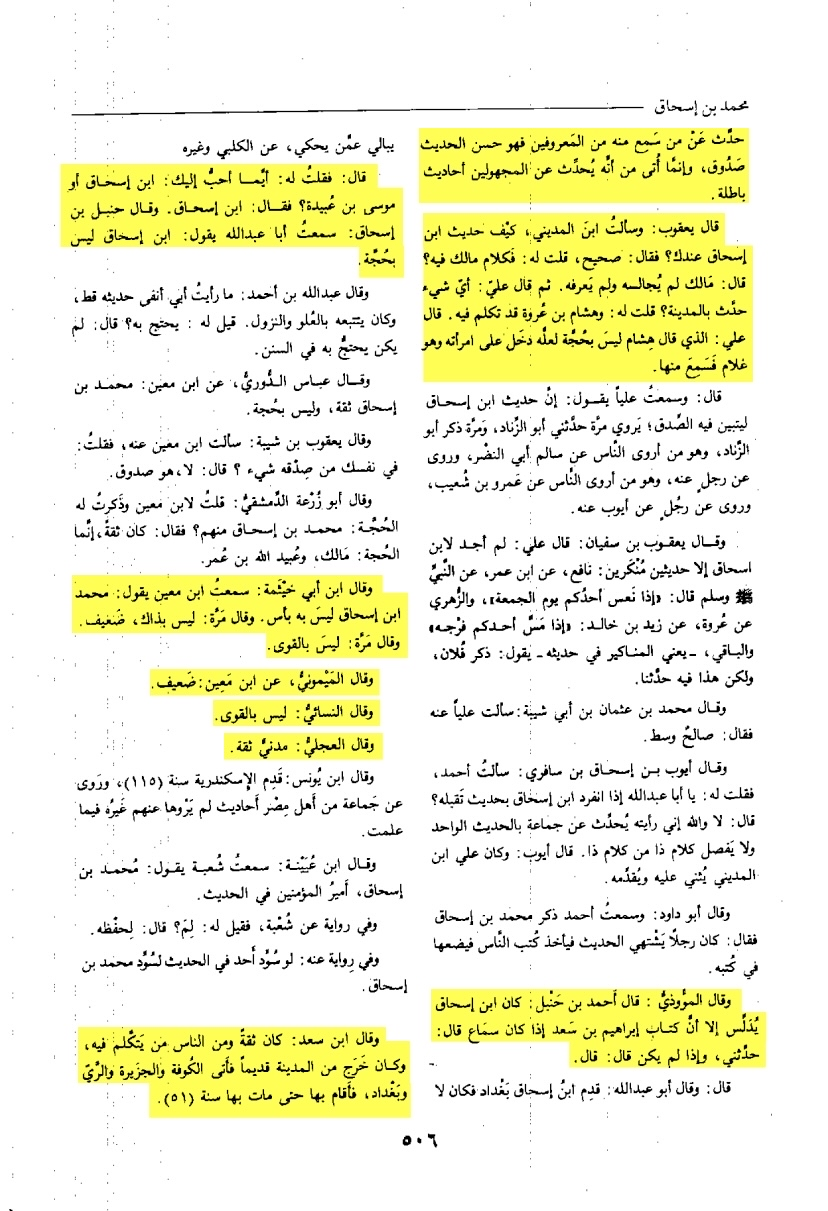
However, the dispute over his general reliability is secondary — because the muhadditheen are in agreement on the one point that decides this narration: he does tadlees.
His Tadlees — Documented Across Multiple Sources
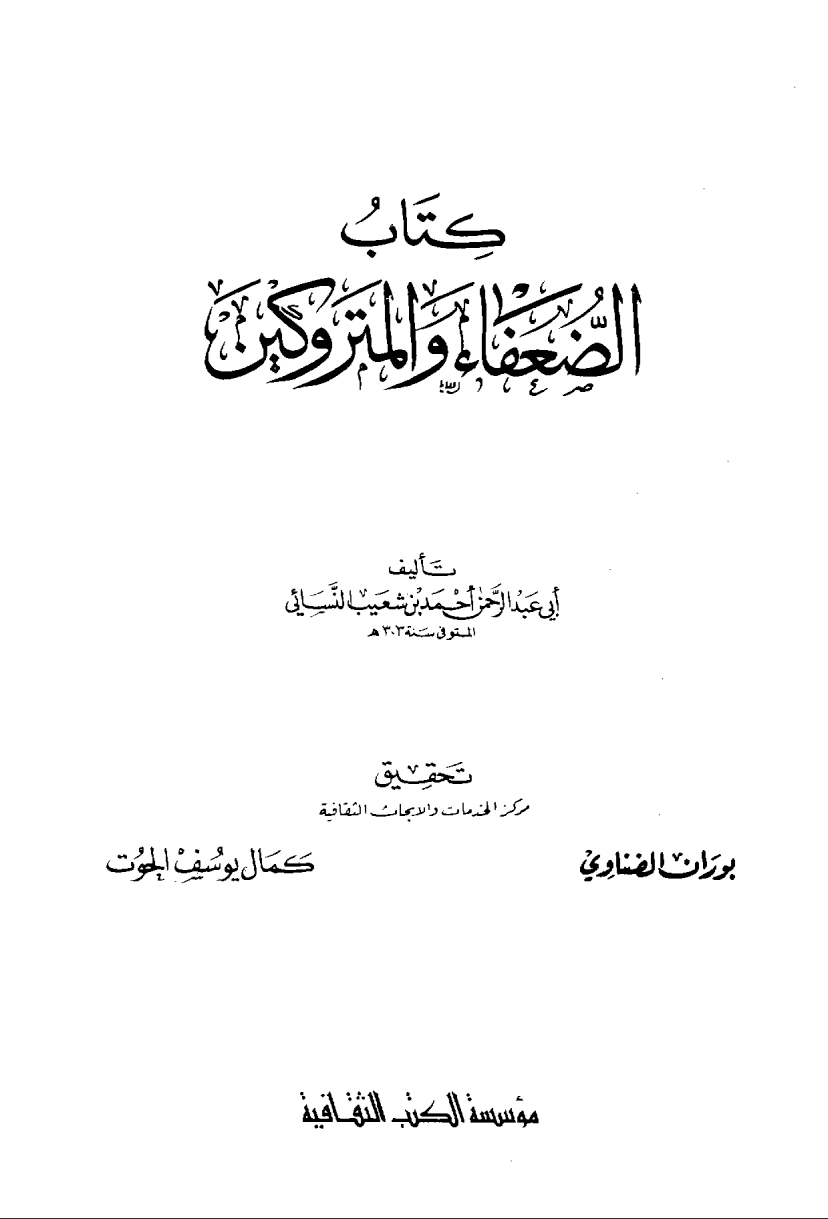
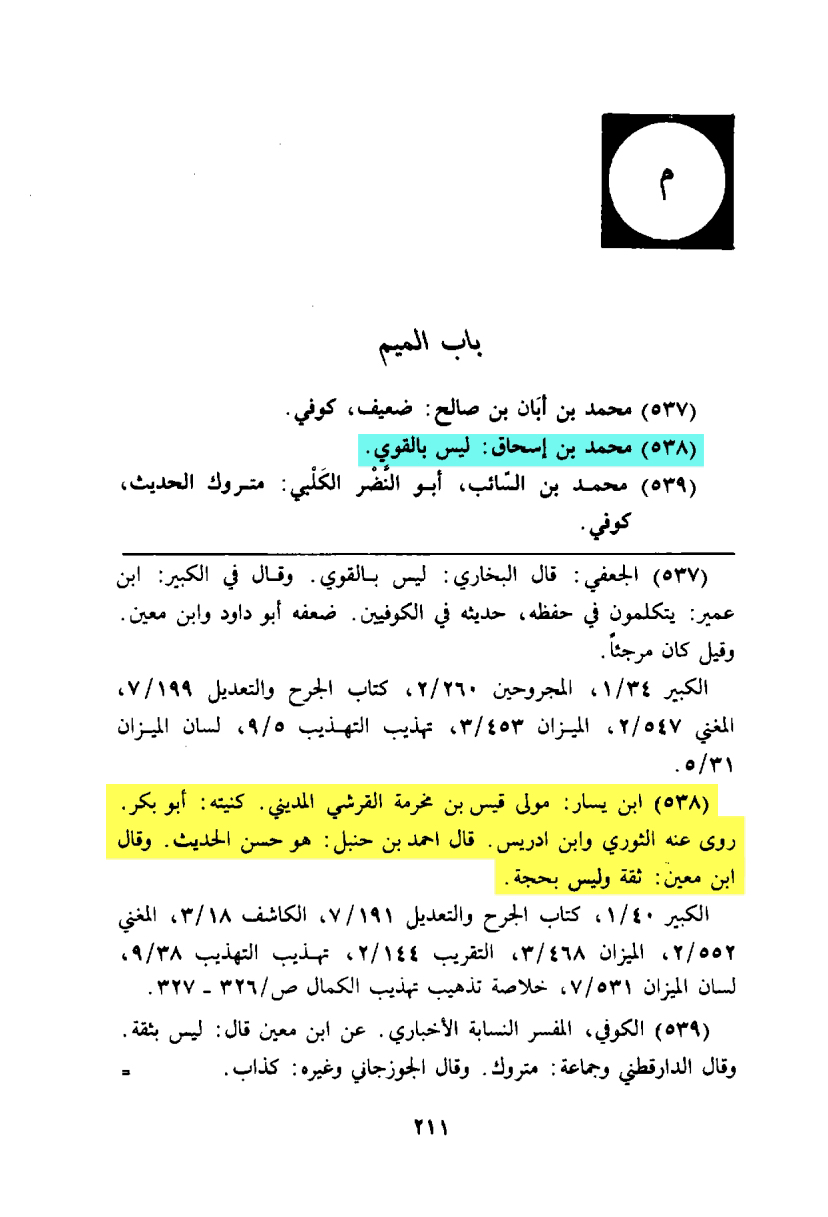
Al-Nasa’i — Al-Du’afa Wal Matrukeen, p. 211
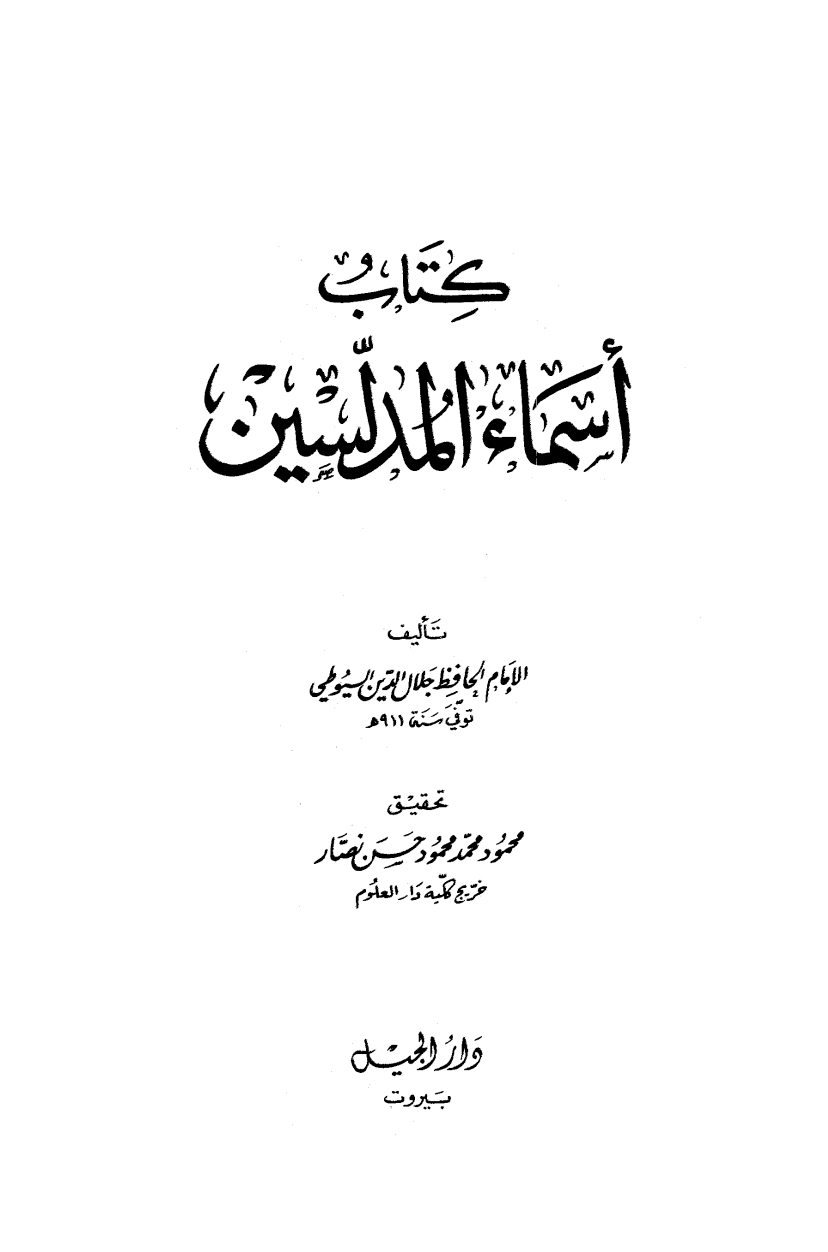
Al-Suyuti — Asma al-Mudallisin, pp. 81–82
Jalal al-Din al-Suyuti lists Ibn Ishaq in his dedicated book of tadlees practitioners — Asma al-Mudallisin — alongside the note that Ibn Ma’een also weakened him:
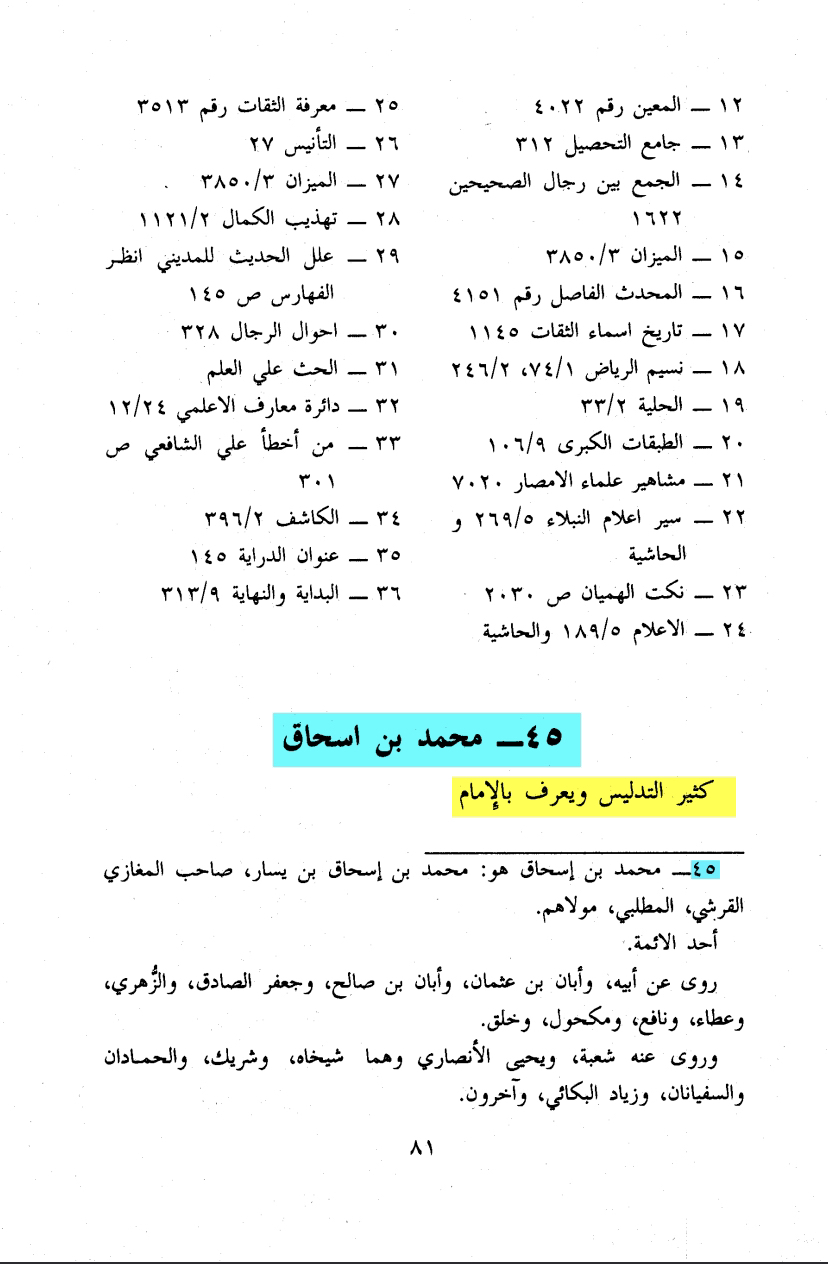
Imam al-Shafi’i also stated that Ibn Ishaq did tadlees.
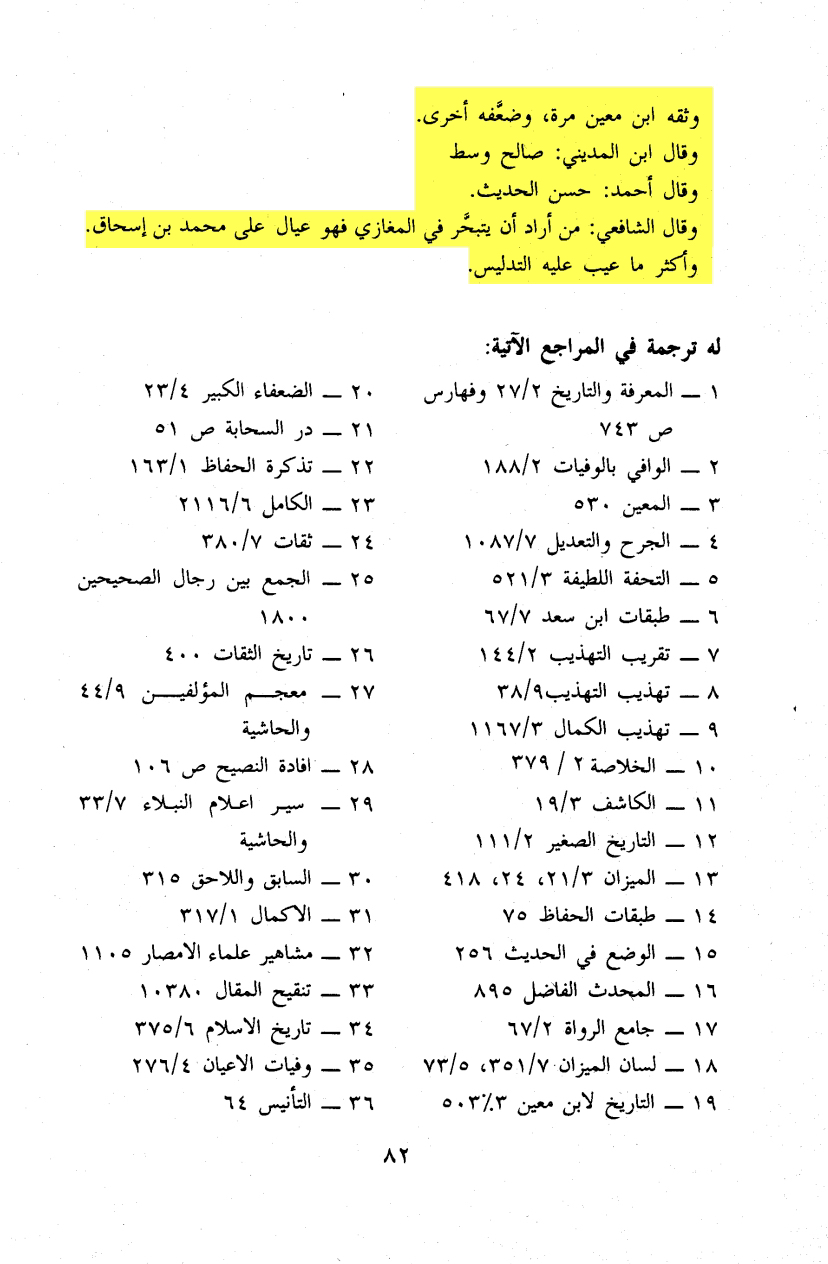
Ibn Hajar and Al-Arna’ut — Tahreer Taqreeb al-Tahdeeb, Vol. 3, pp. 211–212
Ibn Hajar al-Asqalani states that Ibn Ishaq does tadlees. Shu’ayb al-Arna’ut agrees — affirming that he is thiqa in general but nonetheless a mudallas:
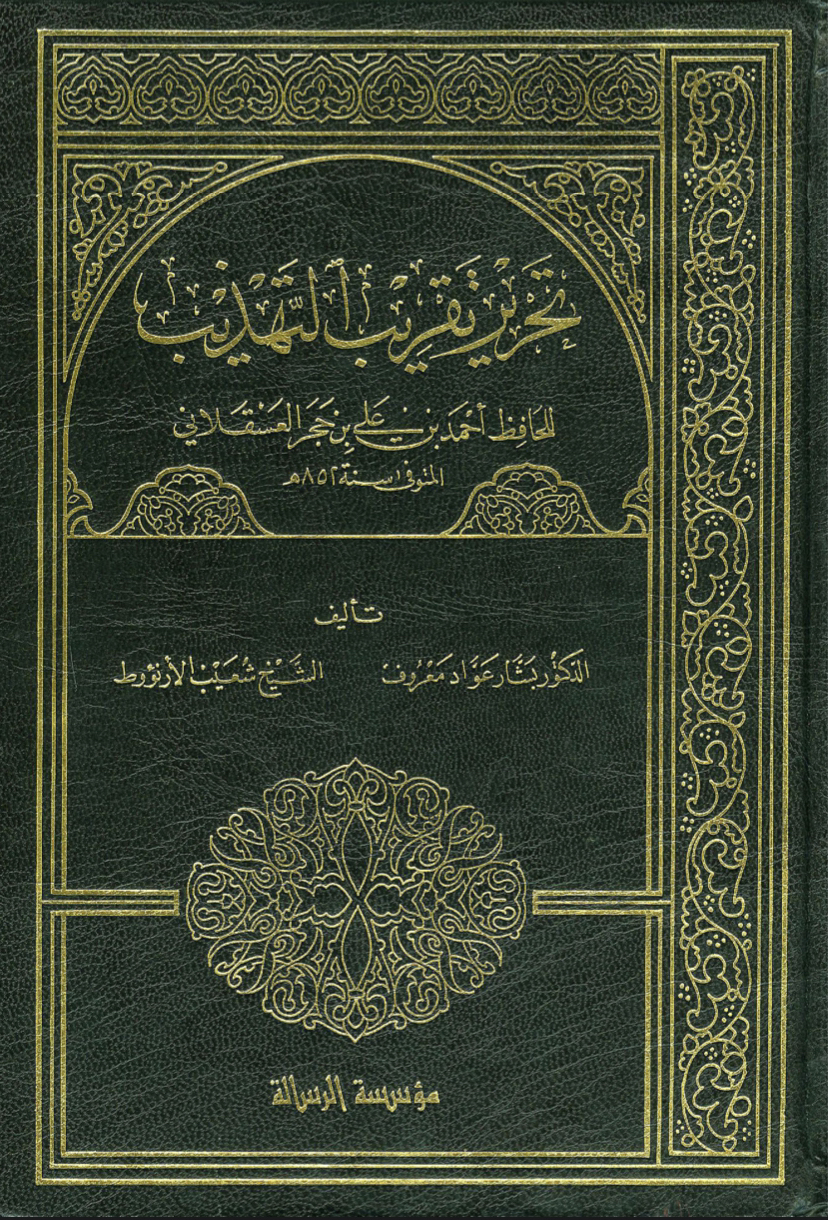
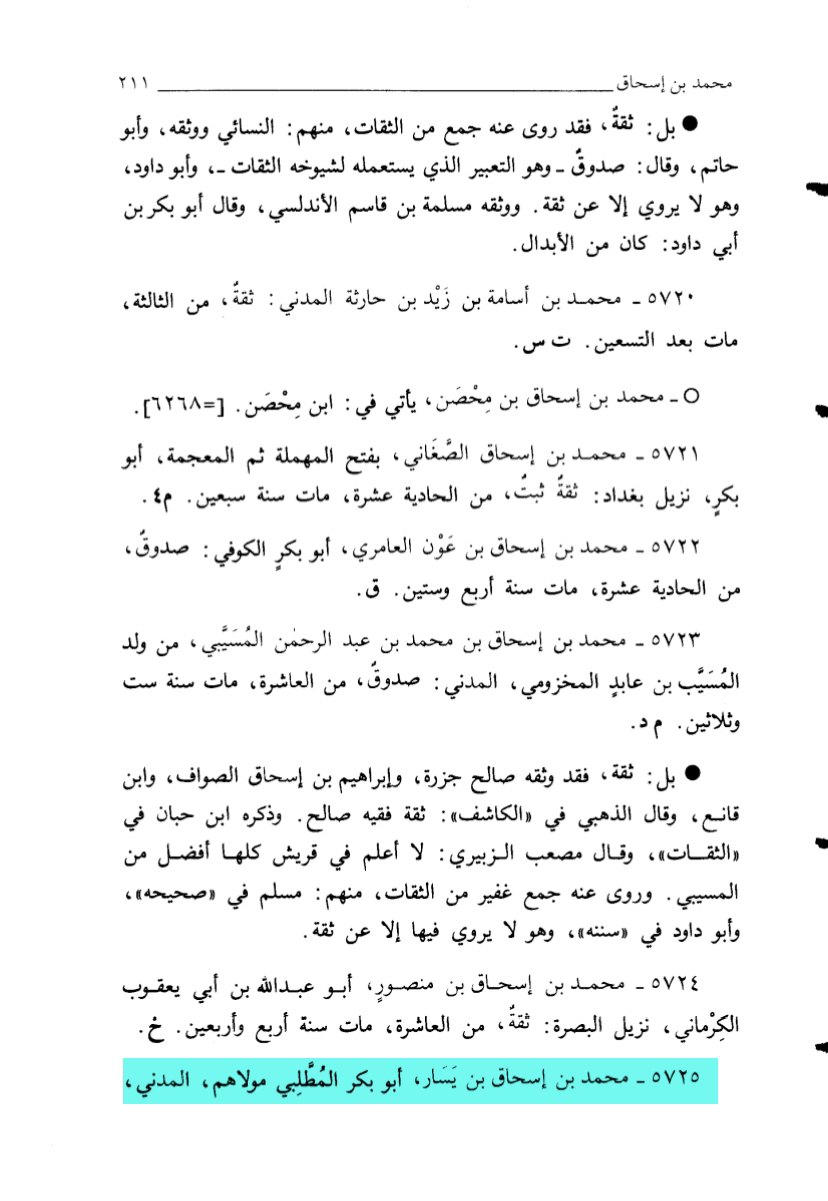
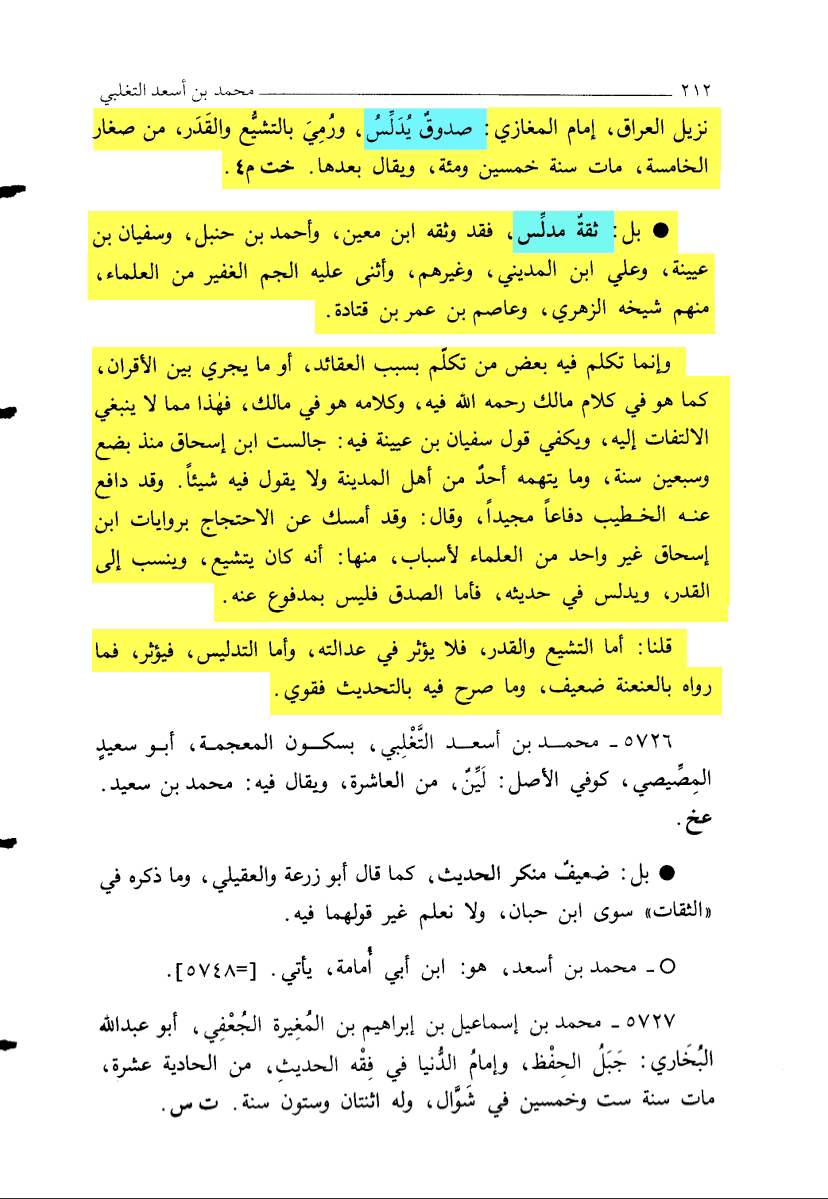
The scholars who affirmed his general tawtheeq — Ibn Ma’een, Ahmad ibn Hanbal, Sufyan ibn ‘Uyaynah, Ibn al-Madini — nonetheless confirm the tadlees. Whether he is thiqa or not is therefore irrelevant to the ruling on this specific narration.
The Rule — A Mudallas Narrating With ‘An
When we return to the original narration, Muhammad ibn Ishaq — an established mudallas — transmits it using ‘an (عن), not with an explicit statement of hearing (sami’tu or haddathani).
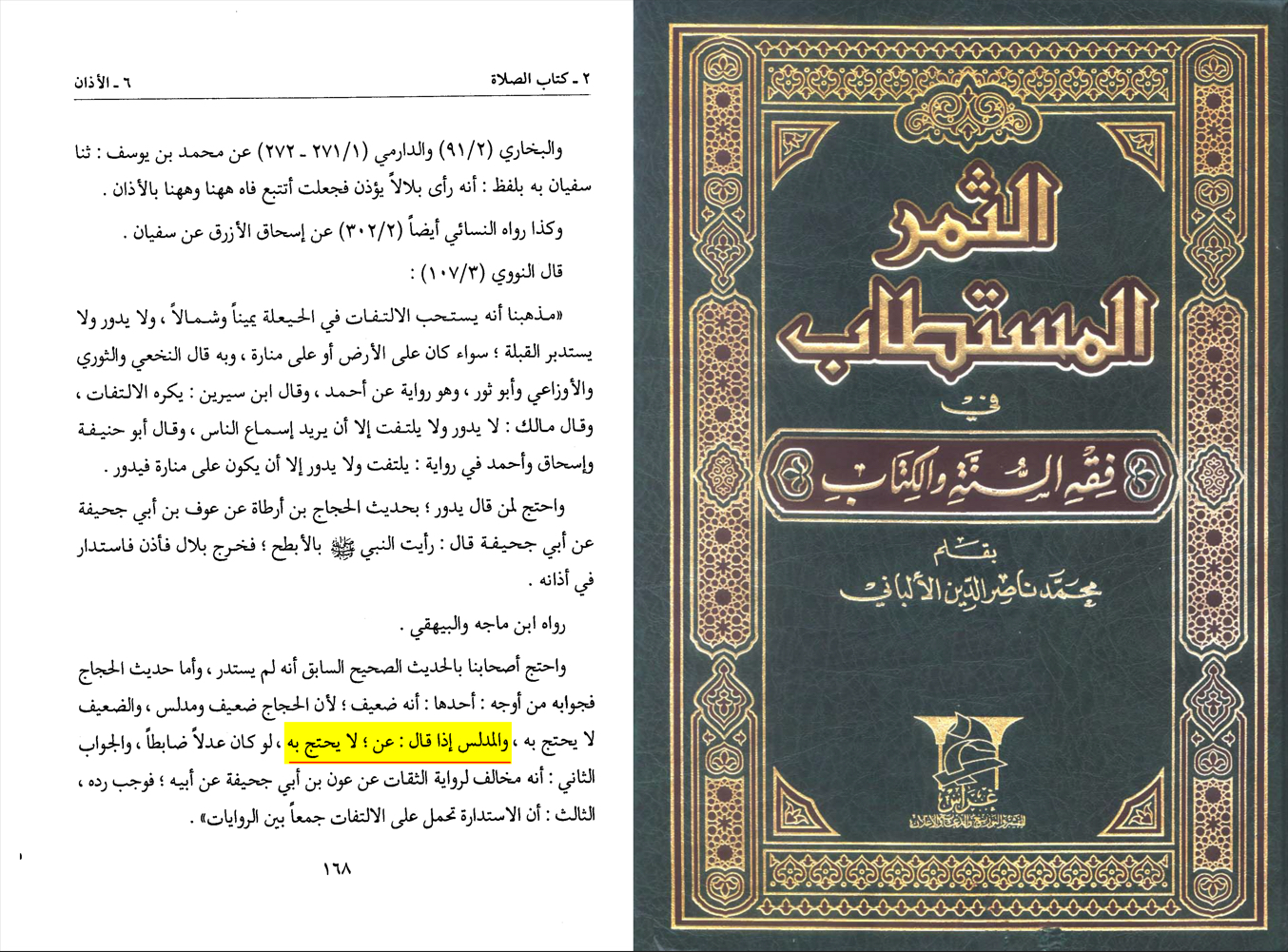
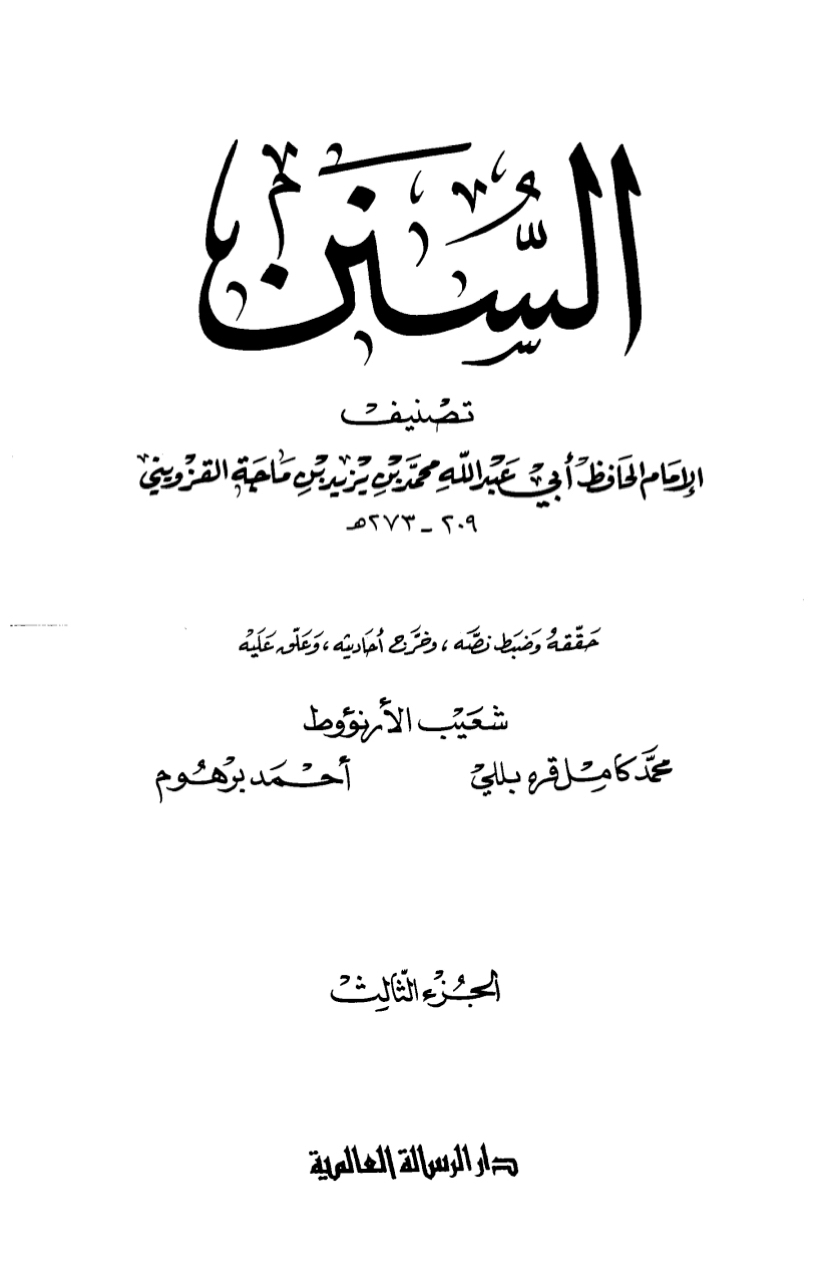
Ruling: Sunan Ibn Majah 1944 is rejected.
The Scholars on the Fabricated Nature of This Report
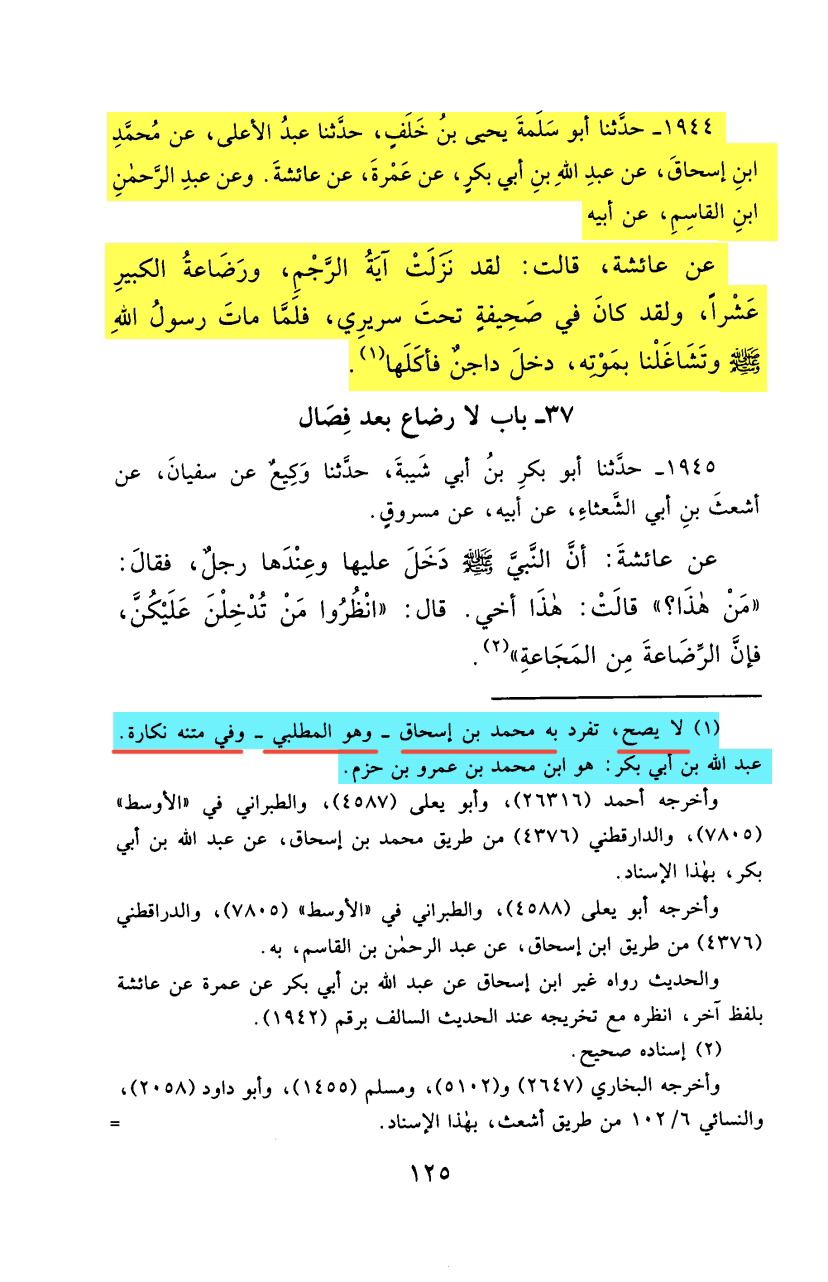
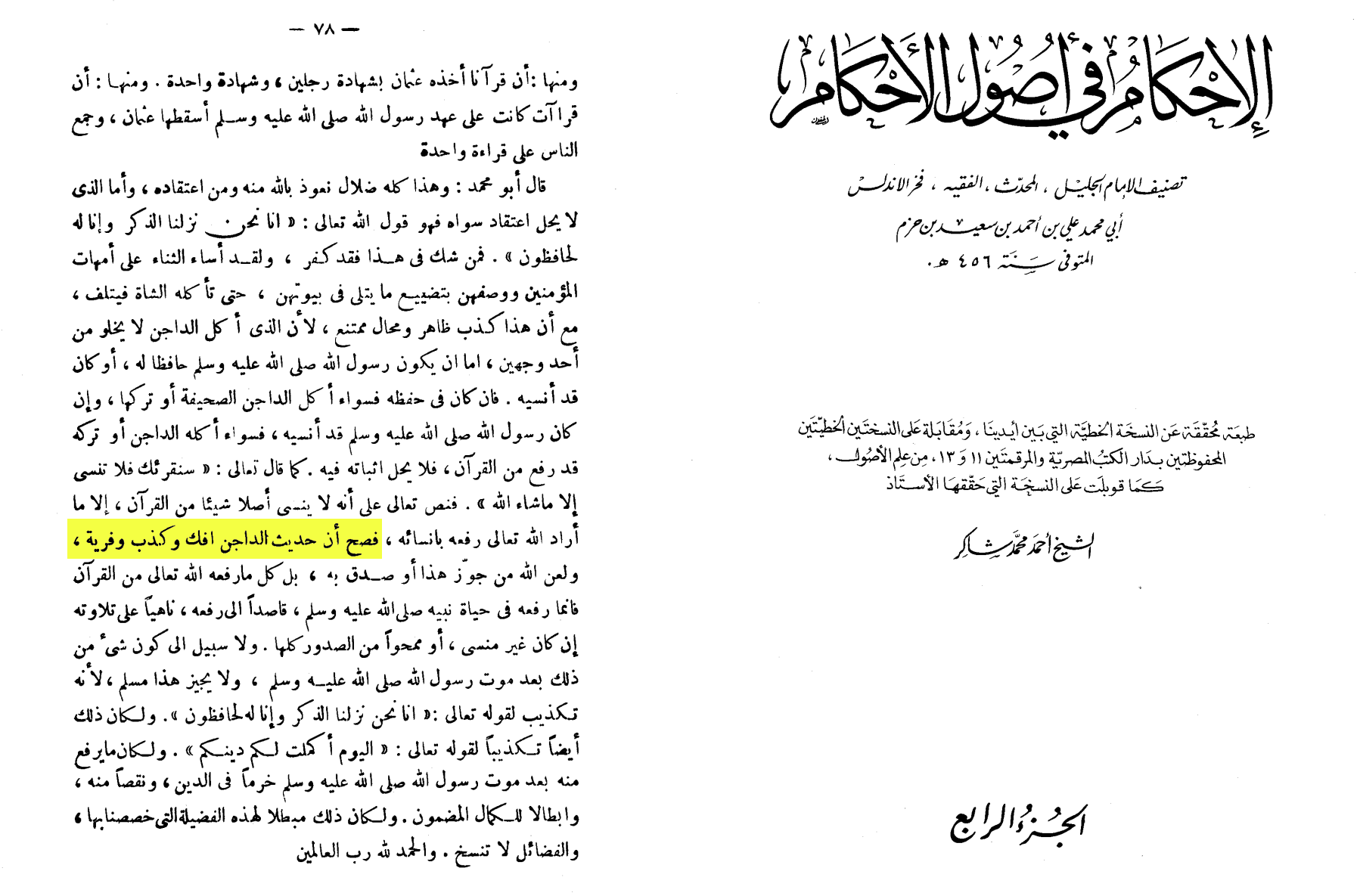
Ibn Hazm declared the narration an outright lie. Al-Hamdani and other scholars likewise weakened it.
The Musnad Ahmad Version — Also Rejected
Some cite a version in Musnad Ahmad where Ibn Ishaq does not use ‘an — apparently avoiding the tadlees problem. This version was examined and rejected by Shu’ayb al-Arna’ut on two separate grounds: first, Ibn Ishaq committed tafarrud — he narrated it alone with no corroborating chains; second, there are independent problems with the matn (text content) of the narration itself.
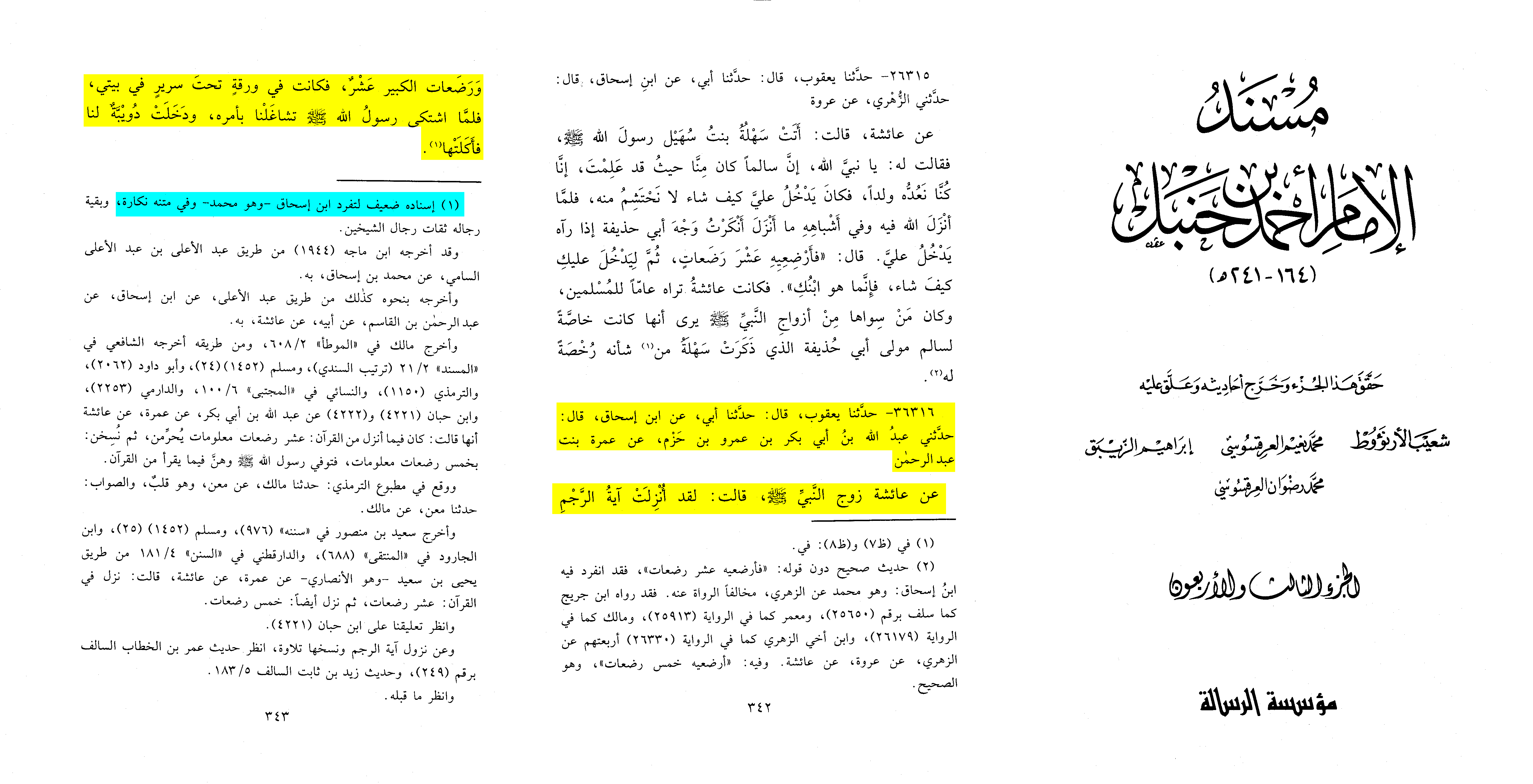
Source: Musnad Ahmad, Vol. 43, pp. 342–343.