The Slander of His Interference in the Qur’An
The Slander of Umar ibn al-Khattab’s Interference in the Qur’an — A Full Refutation
Table of Contents
- The Doubt
- Response 1 — Umar Himself Admitted He Agreed with His Lord on Some Matters — Not All
- Response 2 — The Hadith of Ibn Umar Correctly Understood
- Response 3 — Revelation Contradicted Umar’s Opinion — The Treaty of Hudaybiyyah
- Response 4 — The Companions Debated and Argued Against Him
- Conclusion
The Doubt
The implication being that Umar had some influence over or input into the Qur’an.
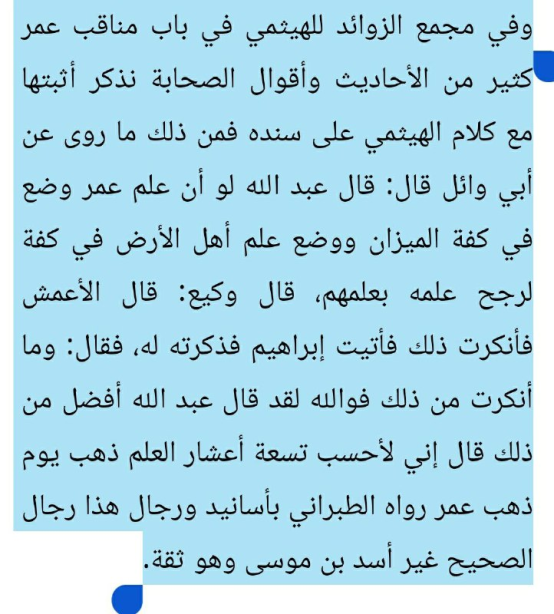
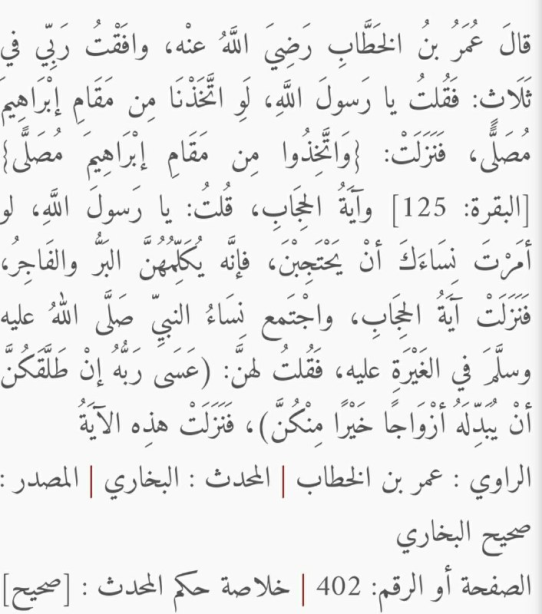
Response 1 — Umar Himself Admitted He Agreed with His Lord on Some Matters — Not All
This is the first piece of evidence that proves the invalidity of the claim. If Umar’s word always aligned with revelation, he would never have said “on some matters” — he would have said “on all matters.”
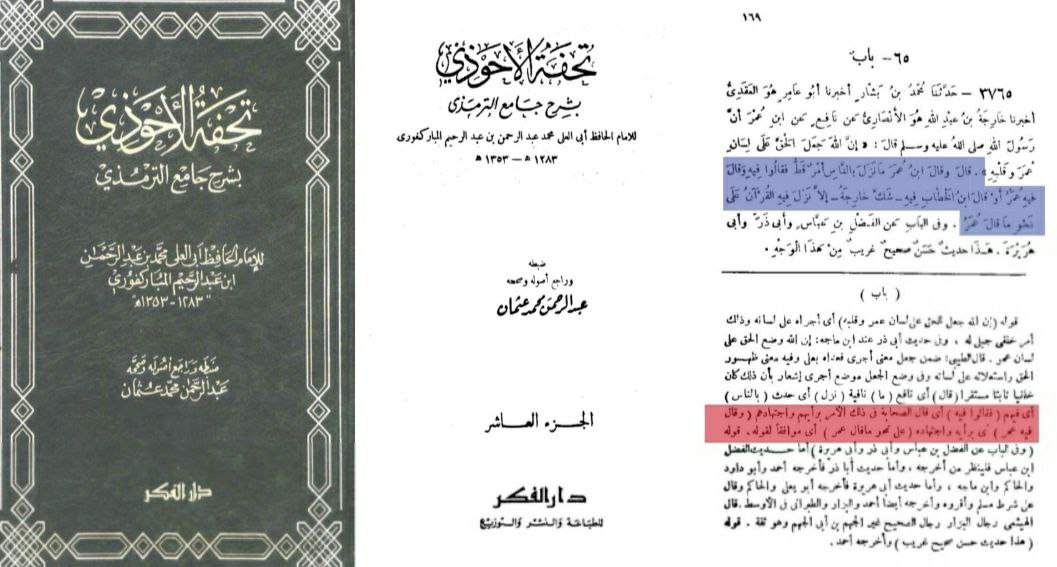
Response 2 — The Hadith of Ibn Umar Correctly Understood
“No matter has ever befallen the people and they said something about it and Umar said something about it — except that the Qur’an was revealed about it in the same manner as what Umar said.”
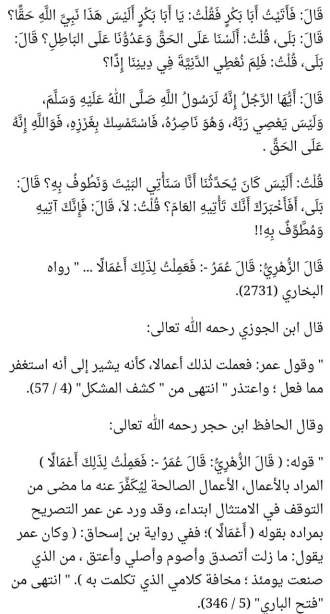
This is not evidence that Umar influenced the Qur’an. It is evidence of his extraordinary perceptiveness — that his reasoning, guided by taqwa and knowledge, often arrived at the same conclusion that divine wisdom later confirmed.
There is a fundamental difference between: “Umar’s words shaped the Qur’an” — and “Umar’s God-given insight often aligned with divine guidance.”
Response 3 — Revelation Contradicted Umar’s Opinion — The Treaty of Hudaybiyyah
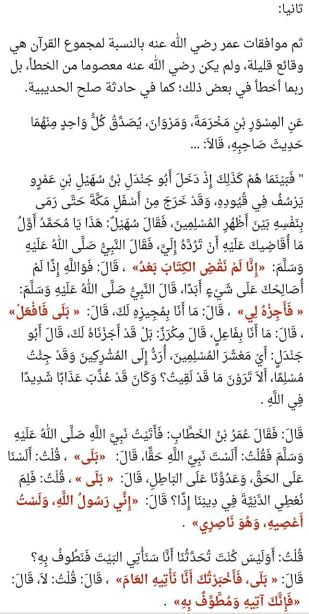
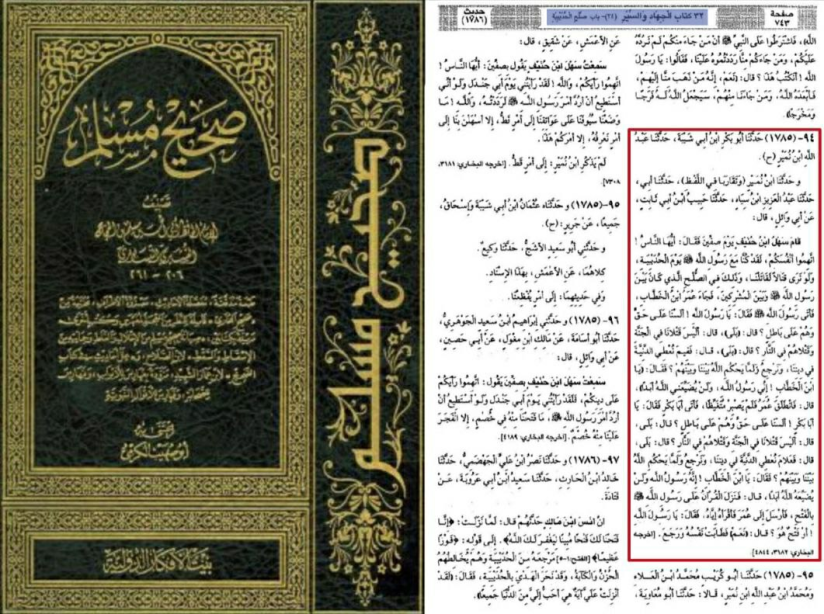
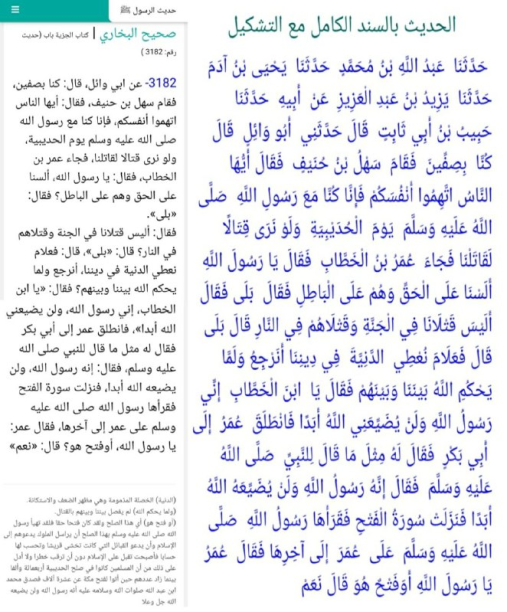
The most famous example is the Treaty of Hudaybiyyah. When the Messenger ﷺ ordered a retreat, Umar refused and said:
“O Messenger of God, are we not on the truth and they on falsehood?” He said: “Yes.” He said: “Are not our killed in Paradise and their killed in Hell?” He said: “Yes.” He said: “Then why should we give up our religion? Should we go back before God judges between us and them?”
The story is narrated in both Sahihs — and the revelation that came afterward supported the decision of the Prophet ﷺ, not the position of Umar.
Response 4 — The Companions Debated and Argued Against Him
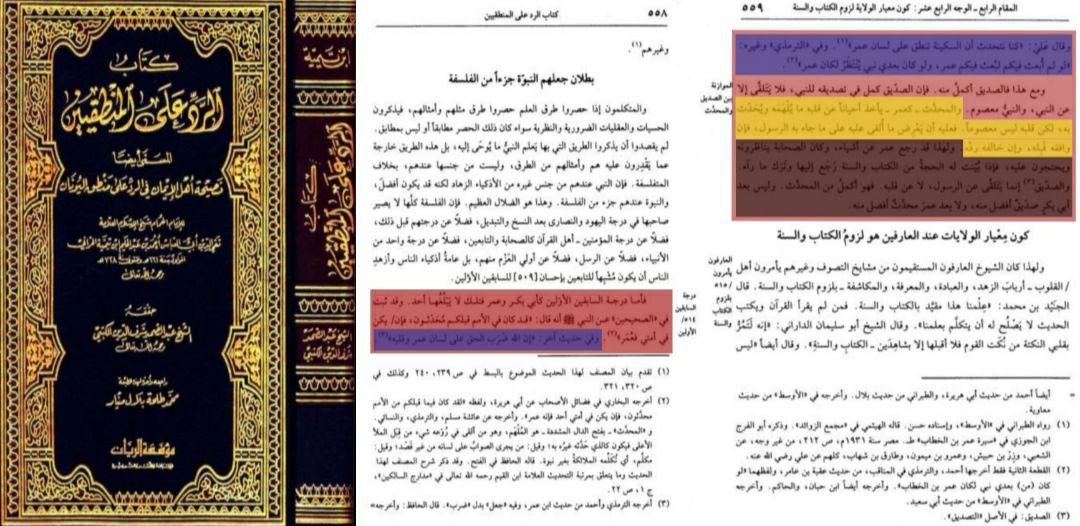
This is the opposite of someone who shapes or influences the Qur’an. It is the character of a man who subordinates his opinion to divine guidance.
Conclusion
- Umar himself said he agreed with his Lord on some matters — not all — which disproves the blanket claim
- The hadith of Ibn Umar describes Umar’s God-given perceptiveness and wisdom — not his influence over revelation
- The Treaty of Hudaybiyyah is a clear, well-documented case where revelation sided against Umar’s position
- The Companions themselves debated and argued against Umar on multiple occasions — and when the Qur’an and Sunnah clarified matters, he deferred to them
Umar ibn al-Khattab (may Allah be pleased with him) was a man of extraordinary insight — but the Qur’an was revealed by Allah alone, and Umar was among those who submitted to it most completely.