The Exclusive Characteristics of the Messenger of God
Overview The Messenger of God ﷺ was singled out with many characteristics and rulings unlike his nation (ummah), as an honour and reverence for him. Some of these were shared with the other Prophets (peace be upon them all); others belong to him alone. The following is a compiled reference of his exclusivities ﷺ.
Hadith “Do not fast continuously.” They said: “But you fast continuously.” He said: “I am not like any of you. I am fed and given drink — or I spend the night being fed and given drink.”
— Sahih al-Bukhari, Kitab al-Sawm, No. 1961 (al-Fath 4/238)
Scholarly Commentary Al-Hafiz Ibn Hajar (رحمه الله) said: “The sum of these hadiths is evidence that fasting continuously (al-wisal) is one of his special characteristics ﷺ, and that others are forbidden from it.” — Fath al-Bari (4/240)
2 — Permitted to Marry More than Four Wives
Hadith Anas bin Malik (رضي الله عنه) reported: “The Prophet ﷺ would go around to his wives at one hour during the night and day, and they were eleven.” Anas was asked: “Was he able to do that?” He replied: “We used to say that he was given the strength of thirty.”
— Sahih al-Bukhari, Kitab al-Wudu, No. 268 (al-Fath 1/449)
Scholarly Commentary Al-Shafi’i (رحمه الله): “It is not permissible for anyone other than the Messenger of God ﷺ to have more than four wives at the same time.” Ibn Kathir (رحمه الله) confirmed: “What al-Shafi’i said is agreed upon by scholars.” — Tafsir Ibn Kathir (1/460)
3 — His Eyes Sleep but His Heart Does Not
Hadith Aisha (رضي الله عنها) reported the Prophet ﷺ said: “My eyes sleep but my heart does not sleep.”
— Sahih al-Bukhari, Kitab al-Manaqib, No. 3569 (al-Fath 6/670)
Hadith Anas bin Malik (رضي الله عنه) narrated: “The eyes of the Prophet ﷺ are asleep, but his heart is not asleep. And so are the Prophets — their eyes are asleep, but their hearts are not asleep.”
— Sahih al-Bukhari, No. 3570
4 — Lying About Him is Unlike Lying About Anyone Else
Hadith “Whoever deliberately tells a lie about me, let him take his seat in Hellfire.”
— Sahih al-Bukhari, Kitab al-Ilm, No. 108 (al-Fath 1/243)
Hadith “Lying about me is not like lying about anyone else. Whoever lies about me intentionally, let him take his seat in Hell.”
— Sahih al-Bukhari, Kitab al-Jana’iz, No. 1291 (al-Fath 3/191)
5 — The Obligation to Love Him
Quran “Say: If your fathers, your sons, your brothers, your wives, your kindred, the wealth you have acquired, commerce in which you fear decline, and dwellings in which you are pleased are dearer to you than Allah and His Messenger and striving in His cause — then wait until Allah brings about His decision.”
— Surah al-Tawbah, 9:24
Scholarly Commentary Al-Qurtubi (رحمه الله): “The verse is evidence of the obligation to love God and His Messenger, and there is no disagreement about that among the nation — it takes precedence over everything beloved.” — al-Jami’ li Ahkam al-Qur’an (8/95)
Hadith “By the One in Whose Hand is my soul, none of you will have faith until I am more beloved to him than his father and his child.”
— Sahih al-Bukhari, Kitab al-Iman, No. 14 (al-Fath 1/74-75)
Hadith “None of you truly believes until I am more beloved to him than his father, his child, and all of mankind.”
— Sahih al-Bukhari, No. 15
6 — His Companion from the Jinn Accepted Islam
Hadith “There is not one of you but that a companion from the jinn is assigned to him.” They said: “And you, O Messenger of God?” He said: “And me — except that God has helped me against him and he has become Muslim, so he only commands me to do good.”
— Reported by Abdullah bin Masoud (رضي الله عنه)
7 — Satan Cannot Take His Form
Hadith “Whoever sees me in a dream has in fact seen me, for Satan cannot impersonate me. And the dream of a believer is a part of forty-six parts of prophecy.”
— Sahih al-Bukhari, Kitab al-Ta’bir, No. 6994 (al-Fath 12/399-400)
8 — He Sees Behind His Back as He Sees in Front
Hadith “Straighten your rows and stand close together, for I can see you from behind my back.”
— Sahih al-Bukhari, Kitab al-Adhan, No. 719 (al-Fath 2/243)
Hadith “By God, I see what is behind me as I see what is in front of me.”
— Sahih Muslim, Kitab al-Salah, No. 423 (1/319)
9 — He Hears What Others Do Not Hear
Hadith Abu Dharr (رضي الله عنه) narrated that the Prophet ﷺ said: “I see what you do not see, and I hear what you do not hear. The sky groans, and it is right for it to groan — there is not a space in it the size of four fingers but there is an angel prostrating his forehead to God. By God, if you knew what I know, you would laugh little and cry much.”
— Narrated by Ahmad, al-Tirmidhi, and Ibn Majah. Authenticated by al-Albani in Sahih Ibn Majah, No. 3387 (2/407-408)
10 — He Was Given the Choice Before His Death
Hadith Aisha (رضي الله عنها) said: “I heard the Messenger of God ﷺ say: ‘There is no prophet who falls ill but he is given the choice between this world and the Hereafter.’ And during the illness in which he passed away, I heard him say: ‘With those upon whom God has bestowed favour — of the prophets, the truthful, the martyrs, and the righteous.’ So I knew that he was given the choice.”
— Sahih al-Bukhari, Kitab al-Tafsir, No. 4586 (al-Fath 8/103)
11 — The Earth Does Not Consume His Noble Body
Hadith “God Almighty has forbidden the earth to consume the bodies of the Prophets, peace be upon them.”
The Prophet ﷺ also said: “So send much prayers upon me, for your prayers are presented to me.”
— Sunan al-Nasa’i, Bab: Ziyada al-Salat ‘ala al-Rasul yawm al-Jumu’ah (3/75). Authenticated by Ibn Kathir — al-Fusul fi Sirat al-Rasul (p. 315)
12 — The Fragrance of His Sweat and Softness of His Touch
Hadith Anas (رضي الله عنه) said: “The Messenger of God ﷺ came to us and took a siesta. He sweated, and my mother brought a bottle and began to collect the sweat in it. The Prophet ﷺ woke up and said: ‘O Umm Sulaym, what are you doing?!’ She said: ‘This is your sweat — we put it in our perfume, and it is the best perfume.’”
— Sahih Muslim, Kitab al-Fada’il, No. 2331 (4/1814)
Hadith “The Messenger of God ﷺ had a radiant complexion, as if his sweat were pearls… I have never touched brocade or silk softer than the hand of the Messenger of God ﷺ, nor have I smelled musk or ambergris more fragrant than his scent.”
— Sahih Muslim, Kitab al-Fada’il, No. 2330 (4/1814)
13 — He Is Buried in the Place Where He Died
Hadith Abu Bakr al-Siddiq (رضي الله عنه) said: “I heard something from the Messenger of God ﷺ that I have not forgotten. He said: ‘God does not take the soul of a prophet except in the place in which He loves to be buried.’ So they buried him in the place of his bed.”
— Sahih al-Tirmidhi (by al-Albani, 1/298). See also: Ahkam al-Jana’iz by al-Albani (pp. 137-138)
14 — God Protected Him From the People
Quran “O Messenger, announce that which has been revealed to you from your Lord. And if you do not, then you have not conveyed His message. And Allah will protect you from the people.”
— Surah al-Ma’idah, 5:67
Scholarly Commentary Al-Qurtubi (رحمه الله): “He was commanded to show the message openly in this verse, and Allah informed him that He would protect him from the people.” — al-Jami’ li Ahkam al-Qur’an (6/242)
Hadith (Incident of the Drawn Sword) Jabir ibn Abdullah (رضي الله عنه) narrated that a man seized the Prophet’s sword while he slept and said: “Who will protect you from me?” The Prophet ﷺ replied: “God.” The man’s hand trembled and he sat down. The Prophet ﷺ did not punish him.
— Sahih Muslim, Kitab al-Fada’il, No. 843 (4/1786)
Scholarly Commentary Ibn Hajar in al-Fath: “In the Prophet’s answer — ‘Allah’ — is an indication of Divine protection of His Prophet ﷺ.” — Fath al-Bari (7/492)
15 — Whoever Belittles Him is an Unbeliever
Quran “Indeed, those who abuse Allah and His Messenger — Allah has cursed them in this world and the Hereafter and has prepared for them a humiliating punishment.”
— Surah al-Ahzab, 33:57
Quran “And those who harm the Messenger of God will have a painful punishment.”
— Surah al-Tawbah, 9:61
Ruling Whoever belittles, curses, attributes deficiency to, or insults the Messenger ﷺ — whether in his person, lineage, religion, or characteristics — is to be treated as an unbeliever. The Ummah has agreed upon this ruling.
Hadith (The Blind Man’s Slave Girl) A blind man had a slave girl who would curse and slander the Prophet ﷺ. He forbade her repeatedly but she persisted. One night when she attacked the Prophet ﷺ again, he killed her. When the Messenger of God ﷺ was informed, he gathered the people and said: “I ask Allah — any man who did what he did for my right over him — to stand up.” The blind man stood. The Prophet ﷺ said: “Do you not bear witness that her blood is forfeit?”
— Sunan Abi Dawud, No. 4361; Sunan al-Nasa’i (7/107-108). Authenticated by al-Albani in Sahih Abi Dawud, No. 3666
Further Reading See: al-Sarim al-Maslul ‘ala Shatim al-Rasul by Shaykh al-Islam Ibn Taymiyyah (رحمه الله)
16 — He Is Not Inherited From
Hadith “We do not leave any inheritance. What we leave is charity.”
— Sahih al-Bukhari, Kitab al-Fara’id, No. 6730 (al-Fath 12/8)
Context The Prophets’ inheritance is not wealth but knowledge, law, and divine message — the best of all inheritances. This characteristic applies to all the Prophets (peace be upon them) and is unique to them as a class, not shared with the general nation. — Nadhrat al-Na’im (1/516)
17 — The Devil’s Share Was Removed From Him
Hadith Anas bin Malik (رضي الله عنه) narrated: “Gabriel came to the Messenger of God ﷺ while he was playing with the boys. He seized him, wrestled him to the ground, split open his chest, extracted the heart, and removed a clot from it, saying: ‘This is the devil’s share of you.’ He washed it in a golden basin with Zamzam water, then put it back in its place. Anas said: ‘I could see the mark of that stitch on his chest.’”
— Sahih Muslim, Kitab al-Iman, No. 162 (1/145)
18 — He Cannot Have Treacherous Eyes
Hadith A companion had vowed to kill a man who had harmed the Muslims in battle, but the man later came before the Prophet ﷺ declaring his repentance. The companion asked the Prophet ﷺ: “Why didn’t you nod to me?” The Prophet ﷺ replied: “It is not for a prophet to have treacherous eyes.” (i.e., to gesture or signal deceit with the eye)
— Sunan Abi Dawud, Kitab al-Jana’iz, No. 3194. Authenticated by al-Albani in al-Silsila al-Sahiha (4/301)
19 — His Curse Upon a Believer Becomes a Mercy
Hadith “O God, if I insult a believer, make that a means of drawing closer to You on the Day of Resurrection.”
— Sahih al-Bukhari, Kitab al-Da’awat, No. 6361 (al-Fath 11/175)
20 — Charity is Forbidden to Him and His Household
Hadith Al-Hasan ibn Ali (رضي الله عنهما) took a date from the charity dates and put it in his mouth. The Prophet ﷺ said: “Kikh, kikh!” urging him to spit it out. Then he said: “Didn’t you realise that we do not eat charity?”
— Sahih al-Bukhari, Kitab al-Zakat, No. 1491 (al-Fath 3/414)
21 — He Did Not Eat Foods of Unpleasant Odour
Hadith “Whoever eats garlic or onions, let him keep away from us — or let him keep away from our mosque and stay in his house.”
When a pot of vegetables with odour was brought to him, the Prophet ﷺ had it brought to his companions and said: “Eat, for I am conversing with someone with whom you do not converse.”(i.e., the Angel)
— Sahih al-Bukhari, Kitab al-Adhan, No. 855 (al-Fath 2/395)
22 — It is Impermissible to Marry His Wives After Him
Quran “And it is not for you to harm the Messenger of God or to marry his wives after him, ever. Indeed, that would be in the sight of God an enormity.”
— Surah al-Ahzab, 33:53
Quran “And his wives are their mothers.”
— Surah al-Ahzab, 33:6
Ruling Just as a man cannot marry his mother, none may marry the Mothers of the Believers. This is a protection of their honour and his ﷺ. — Kashf al-Ghummah by Abu al-Hasan al-Maribi (p. 318)
23 — Seeking Blessings From His Hair and Noble Saliva
Hadith Anas (رضي الله عنه) narrated that after the Prophet ﷺ performed the Hajj rites and shaved his head, he gave his right side to the barber. He then called Abu Talha al-Ansari and gave it to him. He then gave the left side and said: “(Shave) — then divide it among the people.”
— Sahih al-Bukhari, Kitab al-Wudu, No. 170-171; Sahih Muslim, Kitab al-Hajj, No. 1305 (2/947)
Part II — Additional Narrations & Scholarly Statements
A — His Intercession & Authority on the Day of Judgment
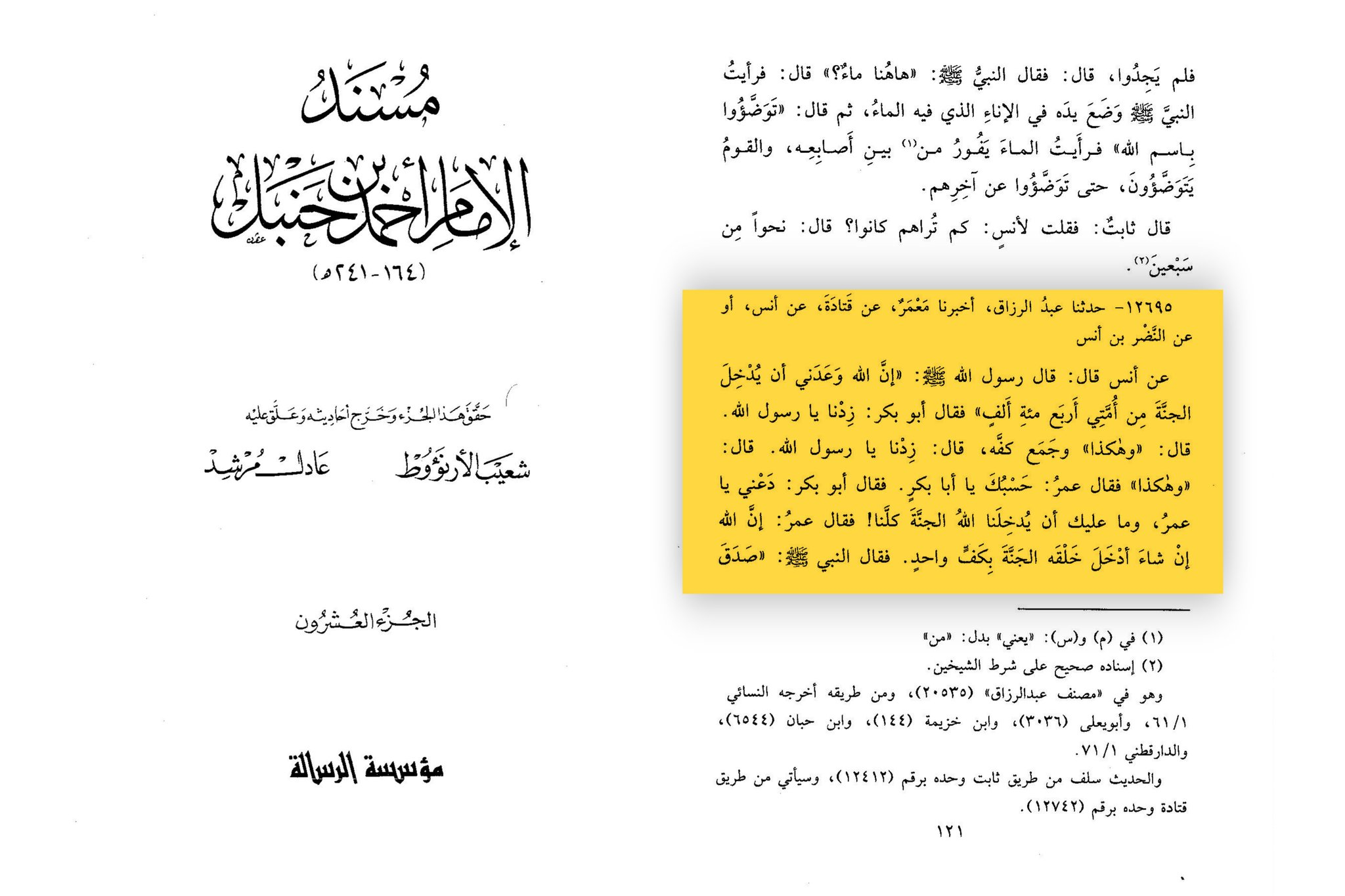
A1 — Four Hundred Thousand Admitted to Paradise
Hadith The Messenger of God ﷺ said: “Allah has promised me — He will admit into Paradise four hundred thousand from my Ummah.” Abu Bakr (رضي الله عنه) requested: “Increase for us, O Messenger of God.” He ﷺ said: “Like this” — [and he gathered his hand]. Abu Bakr requested again, and he ﷺ did the same [increasing again].
— Musnad Ahmad
the unique characteristics of the prophet muhammad khai al nab
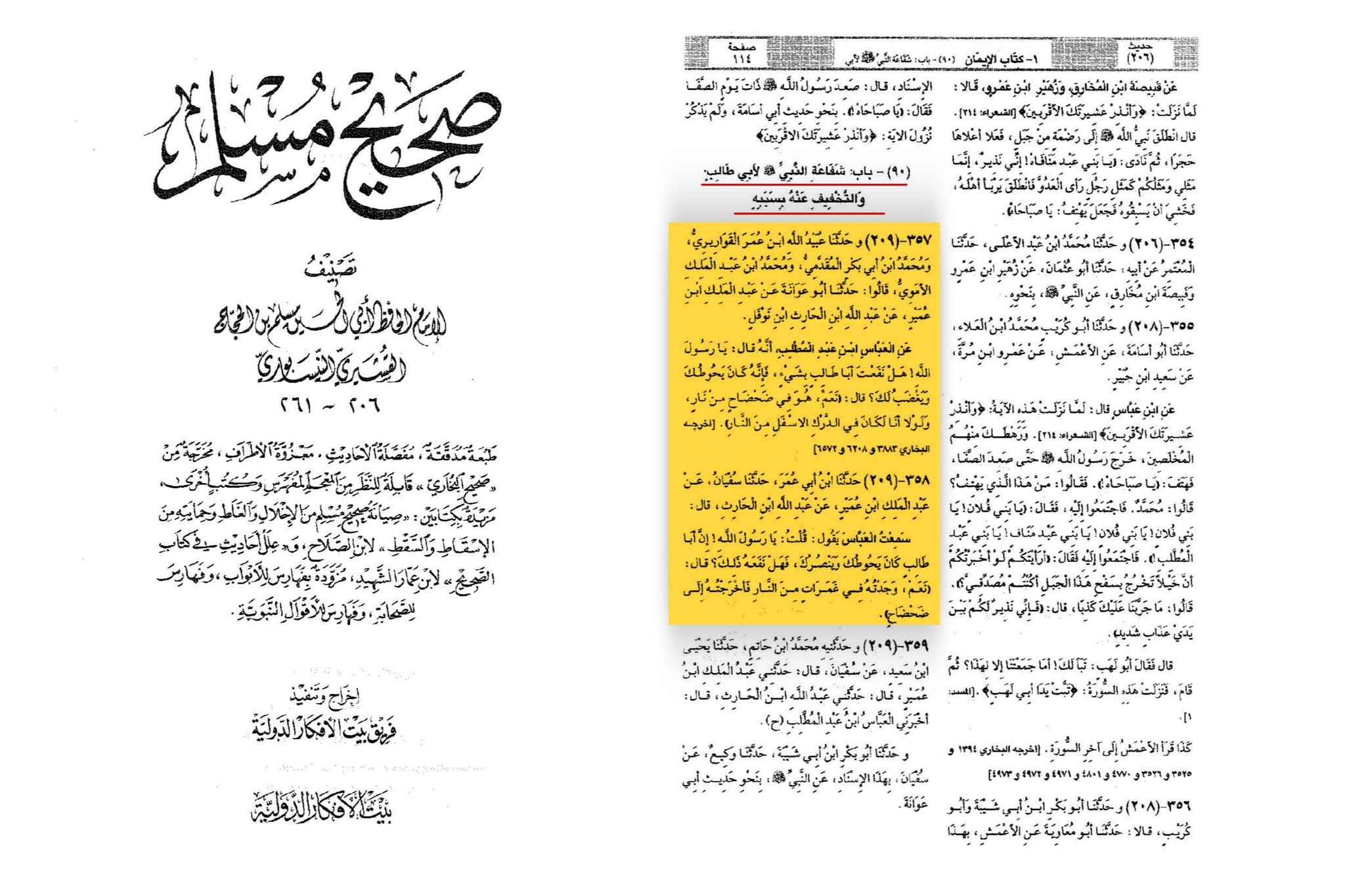
A2 — Intercession for Abu Talib
Hadith Al-Abbas ibn Abd al-Muttalib asked: “O Messenger of God, have you benefited Abu Talib in any way? For he defended you and was fervent in your defence.” The Messenger of God ﷺ replied: “I found him in the lowest part of the Fire and I brought him to the shallow part.”
— Sahih Muslim
the unique characteristics of the prophet muhammad khai al nab 1
A3 — The Great Intercession on the Day of Judgment
Hadith — Version 1 It will be said on the Day of Judgment: “Raise your head, O Muhammad. Speak, and you will be heard. Ask, and you will be given. Intercede, and your intercession will be accepted.” The Prophet ﷺ said: “Then I will intercede, and a limit will be set for me, and I will admit them [the people] into Paradise.”
Hadith — Version 2 (Musnad Ahmad 12153) “O Muhammad ﷺ — raise your head. What you say will be heard, what you ask for will be granted, and whoever you intercede for will be accepted.” The Prophet ﷺ said: “Then I will intercede, and Allah will set a limit for me, and I will admit them [the people] into Paradise.”
— Musnad Ahmad, No. 12153
Example
A4 — Holding Humanity Back from the Hellfire
Hadith The Messenger of God ﷺ said: “Indeed, I am holding you back by your waist from falling into the Hellfire like moths or flies.”
Scan
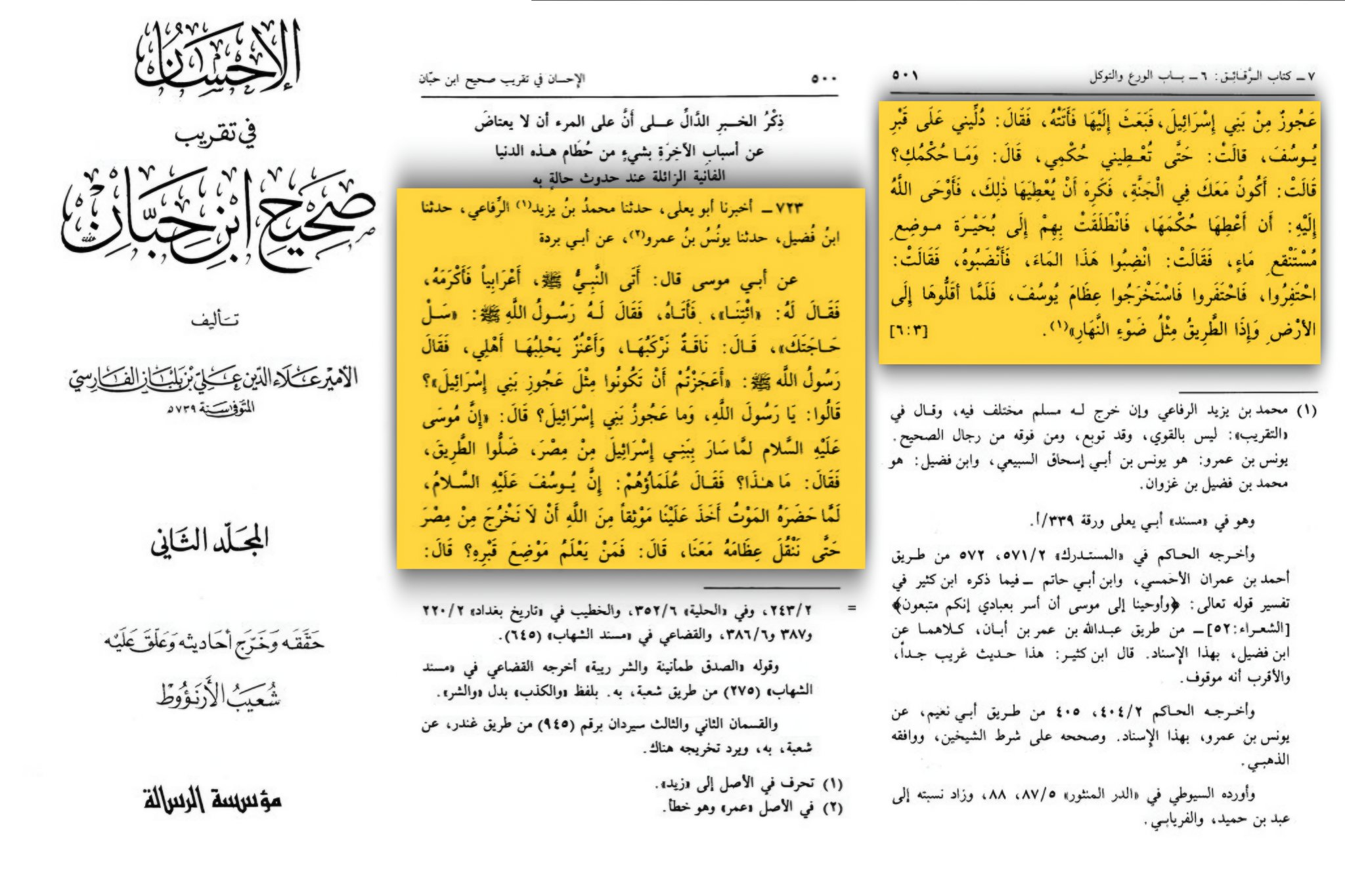
A5 — The Bedouin Who Asked for Too Little
Hadith The Messenger of God ﷺ said to a Bedouin: “Ask for what you need.” He said: “A camel to ride, and a camel for my family to milk.” The Messenger of God ﷺ replied: “Are you unable to be like the old woman of the Children of Israel?” (She asked Moses to be with him in Paradise — why did you not ask for Paradise?!)
— Sahih Ibn Hibban
the unique characteristics of the prophet muhammad khai al nab 13
B — His Rank & Status Among Creation
B1 — “I Am the Master of All of Adam’s Children”
Hadith The Messenger of God ﷺ said: “I am the master (sayyid) of the children of Adam on the Day of Resurrection, and I am not boasting.”
— Sahih Muslim; Sunan al-Tirmidhi
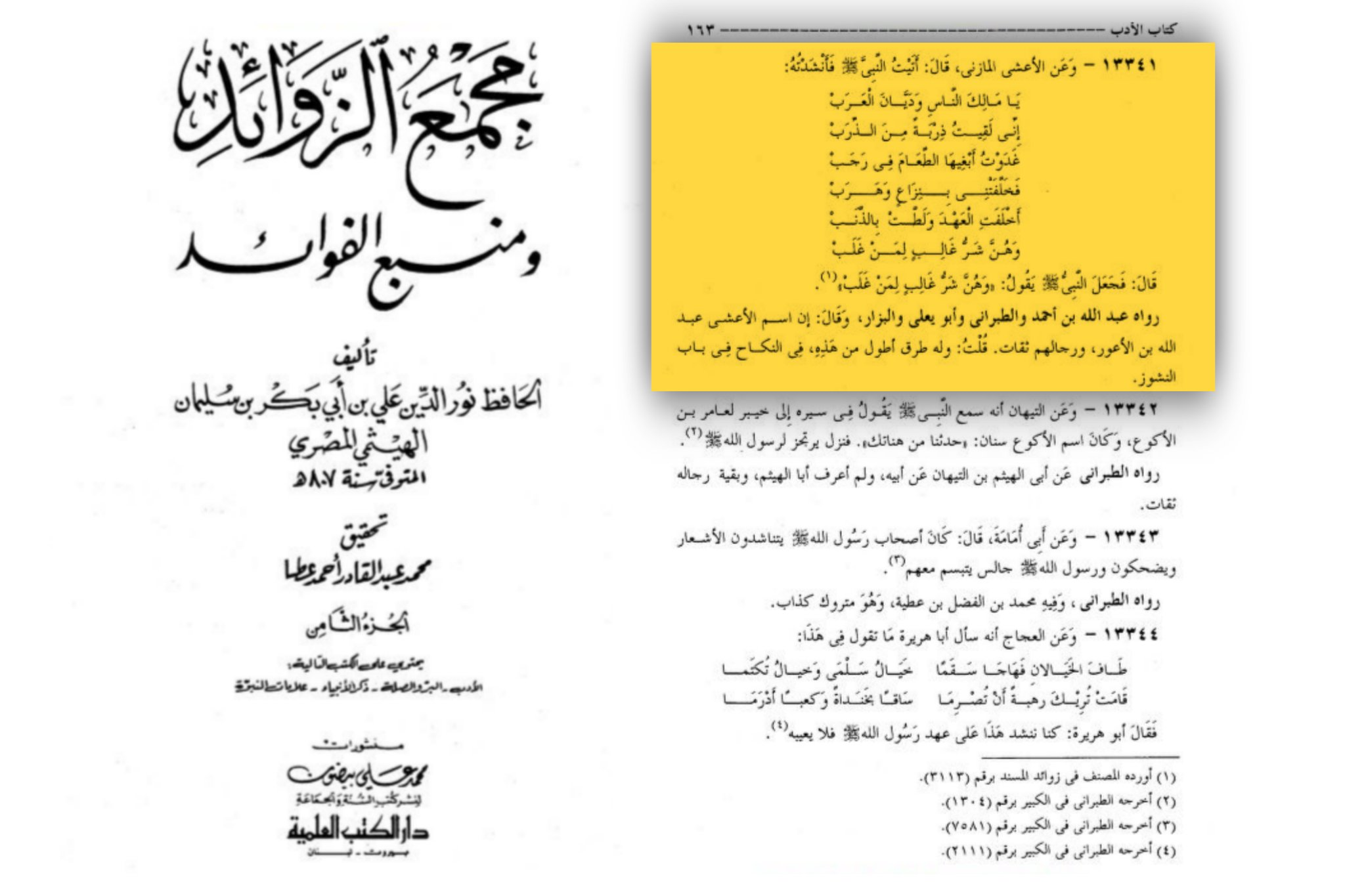
B2 — The Praise of A’sha Mazini (رضي الله عنه)
Poetry يَا مَالِكَ النَّاسِ وَدَيَّانَ الْعَرَبِ
Yā Mālik al-Nāsi wa-Dayyān al-‘Arab“O Master of all Mankind and the one who gives reward and punishment to the Arabs.”
— A’sha Mazini (رضي الله عنه), Musnad Ahmad, No. 6885
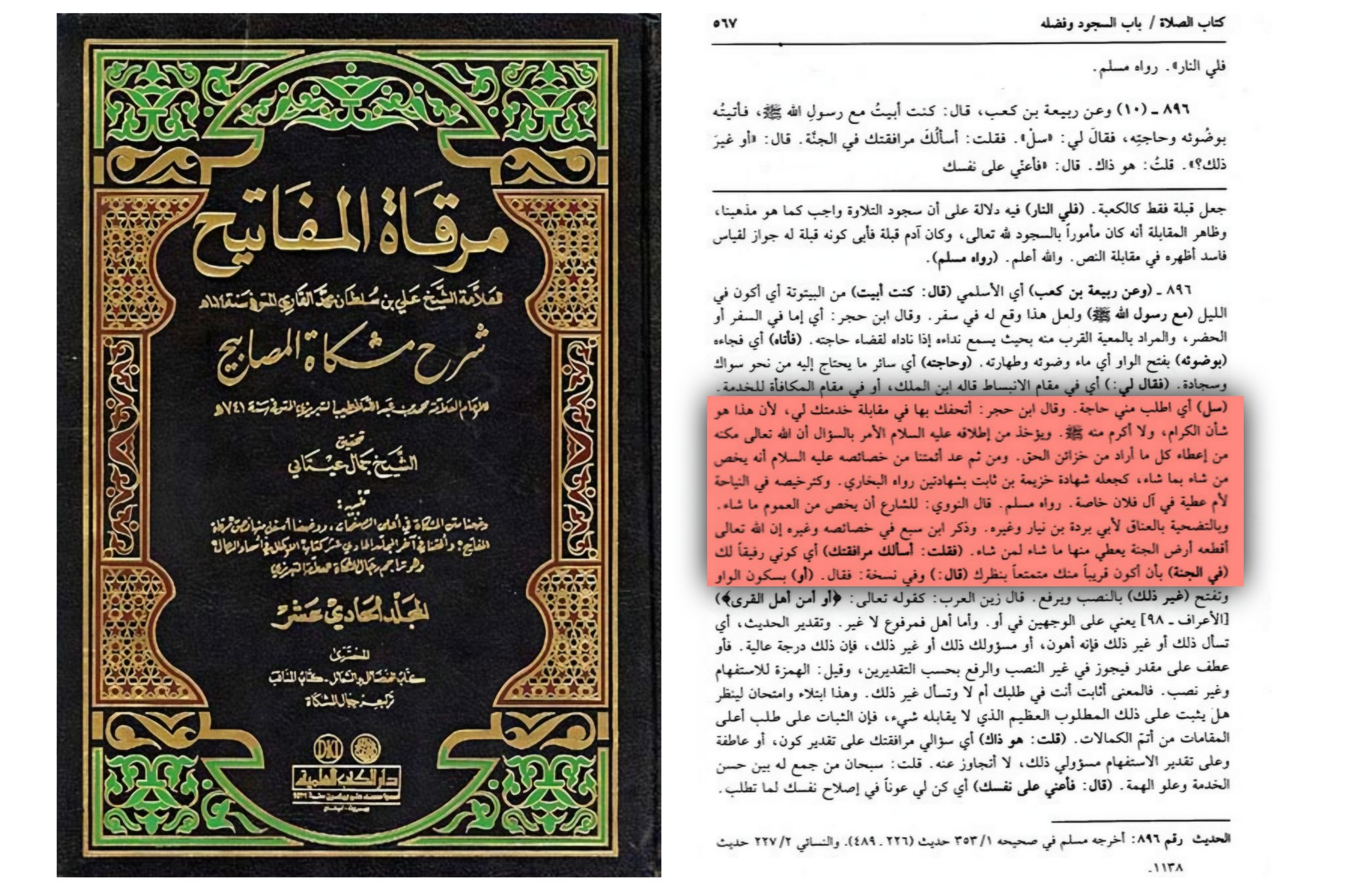
Scholarly Commentary — Mulla Ali al-Qari “The Messenger of God ﷺ saying ‘Ask’ indicates Allah granted him authority, by divine permission, to fulfil needs from the treasures of truth. Scholars counted this among his special qualities, as the Lawgiver may specify from the general whatever he wills.”
the unique characteristics of the prophet muhammad khai al nab 14
the unique characteristics of the prophet muhammad khai al nab 15
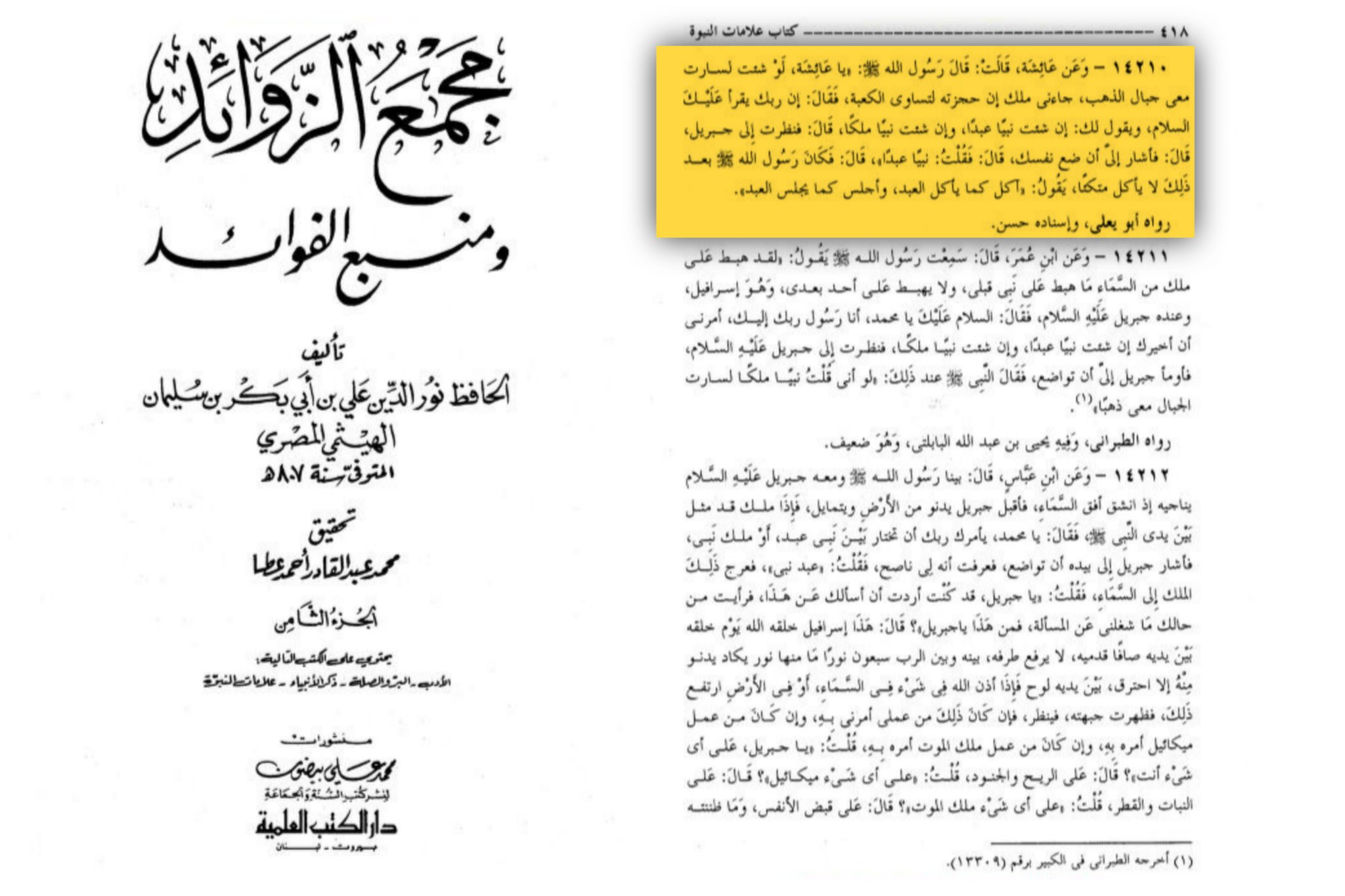
B3 — The Choice: A Prophet as Servant or as King
Hadith The Messenger of God ﷺ said: “O Aisha, if I wished, I could walk with mountains of gold. An angel came to me and said: ‘Your Lord sends you greetings and says — if you wish, be a prophet as a servant, and if you wish, be a prophet as a king.’”
the unique characteristics of the prophet muhammad khai al nab 12
B4 — Keys to the Treasures of the Earth
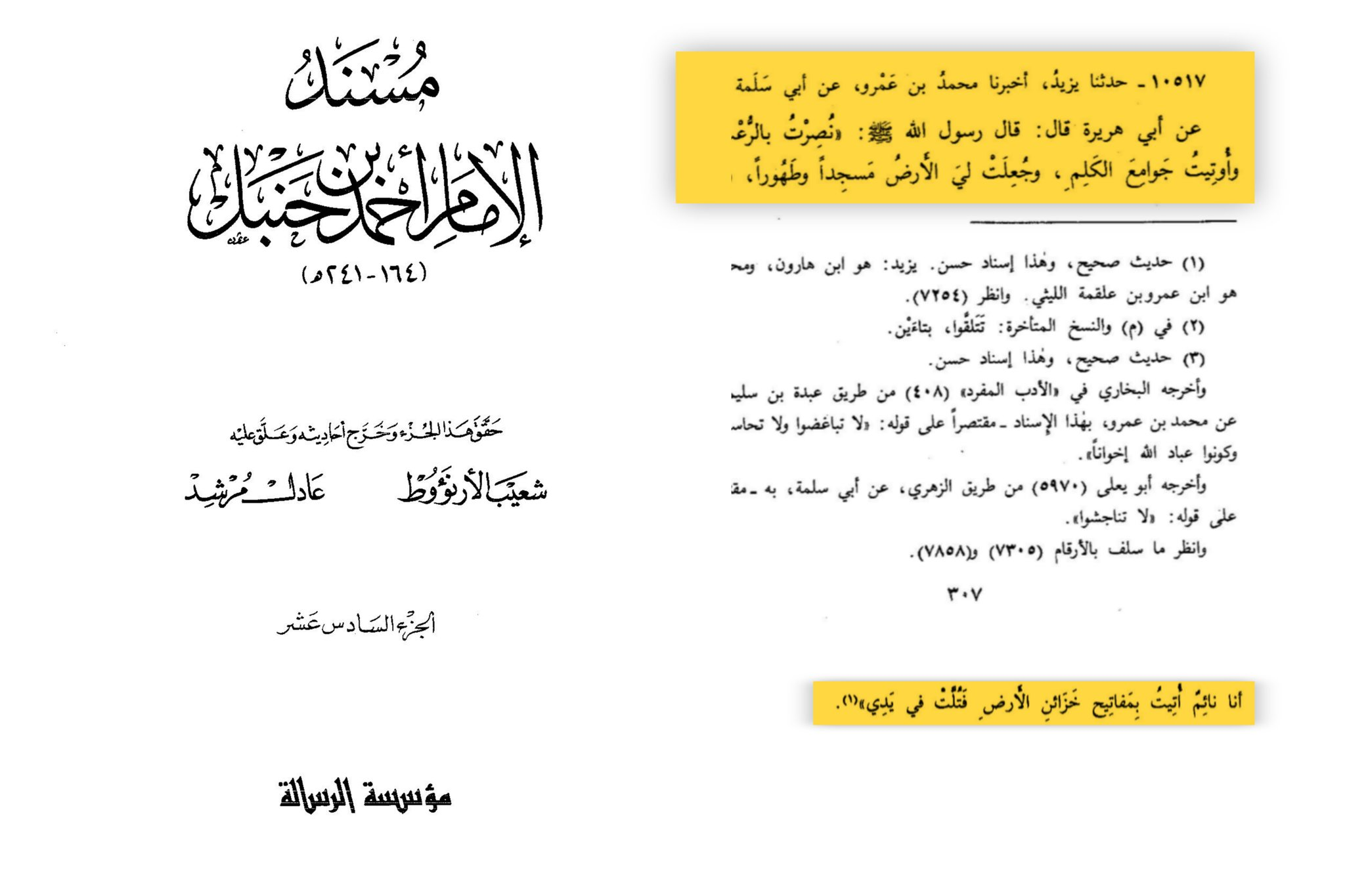
Hadith The Messenger of God ﷺ said: “I have been given victory through the Lord. I have been given concise and comprehensive speech (jawami’ al-kalim). The earth has been made a place of worship and purification for me. I was asleep when the keys to the treasures of the earth were brought to me and placed in my hand.”
— Musnad Ahmad
the unique characteristics of the prophet muhammad khai al nab 11
B5 — His Hand Softer than Silk
Hadith Anas ibn Malik (رضي الله عنه) said: “The hand of the Messenger of Allah ﷺ was softer than silk, and his scent more beautiful than musk.”
— Sahih al-Bukhari, No. 3561
📷 Scan Insert scan here
B6 — The Exaltation of His Remembrance
Quran ﷽وَرَفَعْنَا لَكَ ذِكْرَكَ
“And We raised high for you your remembrance.” — Surah al-Sharh, 94:4
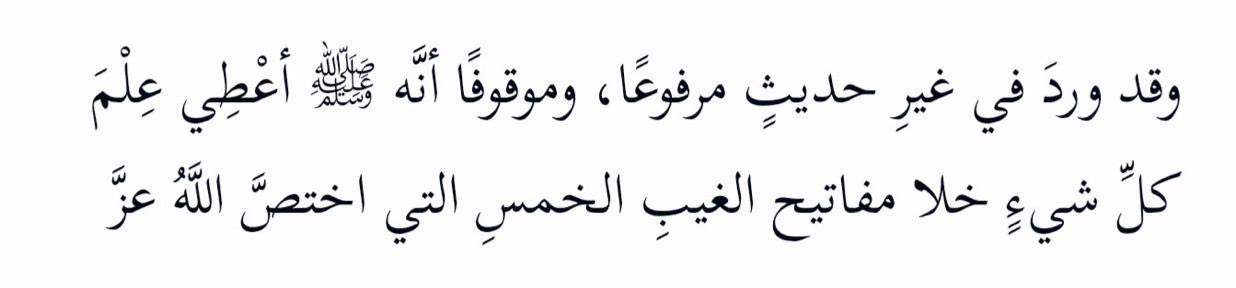
Ibn Rajab al-Hanbali — On His Knowledge “He was given knowledge of everything, except for the five keys of the unseen which Allah, Mighty and Majestic, is exclusively knowledgeable of.”
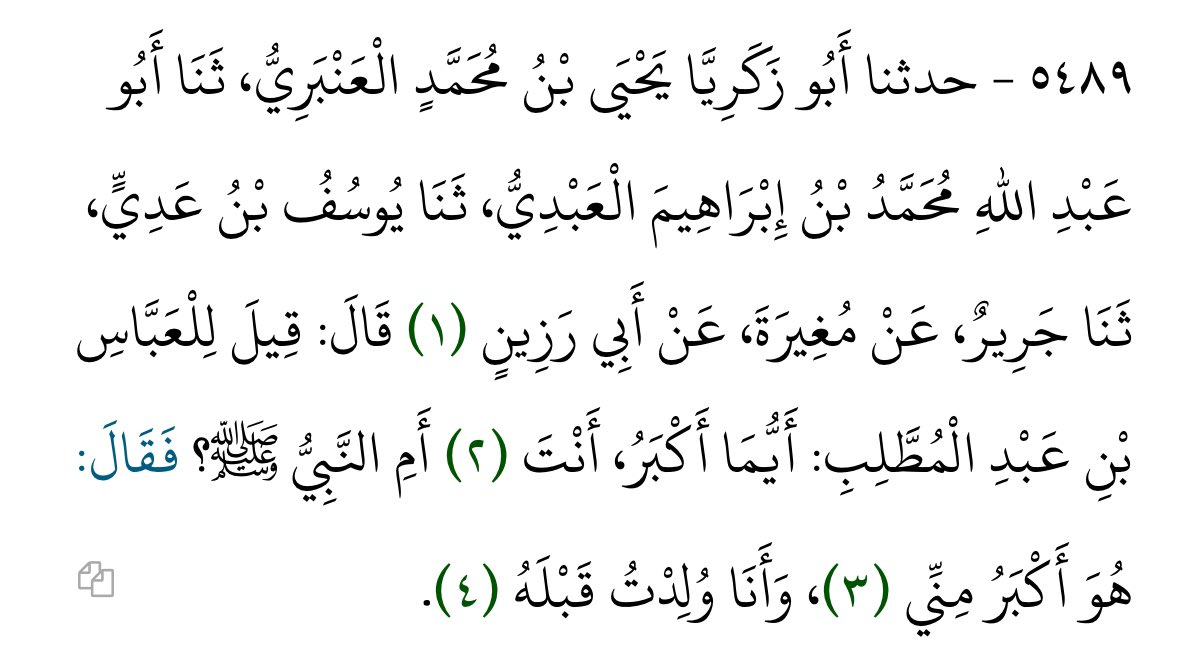
Narration Sayyiduna Abbas ibn Abd al-Muttalib (رضي الله عنه) was once asked: “Who is older — you or the Messenger of God ﷺ?” He replied: “He is greater than me, while I was born before him ﷺ.”
Linguistic Note In Arabic, to say “I am older” one would say أنا أكبر. But out of deep adab (reverence) for the Prophet ﷺ, Sayyiduna Abbas did not claim akbar over him — instead he separated greatness (kibar) from mere birth order.
the unique characteristics of the prophet muhammad khai al nab 16
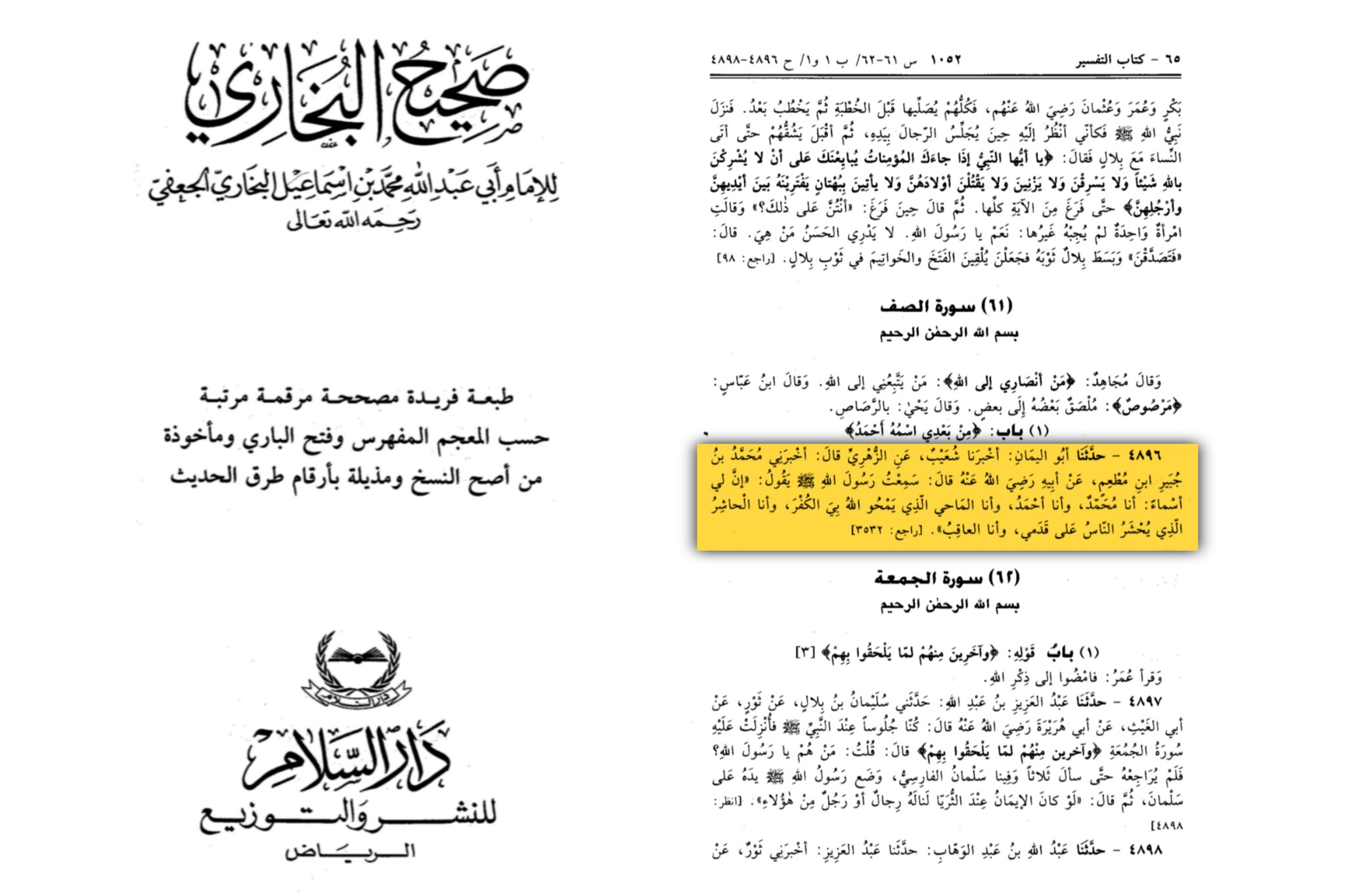
C — His Five Names
Hadith The Messenger of God ﷺ said: “I have names: I am Muḥammad. I am Aḥmad. I am al-Māḥī — the Eraser — through whom Allah erases disbelief. I am al-Ḥāshir — the Gatherer — before whom people will be gathered. And I am al-ʿĀqib — the Last [after whom there is no prophet].”
— Sahih al-Bukhari; Sahih Muslim
Name
Arabic
Meaning
Muḥammad
مُحَمَّد
The Praised One
Aḥmad
أَحْمَد
The Most Praising of God
al-Māḥī
الْمَاحِي
The Eraser (of disbelief)
al-Ḥāshir
الْحَاشِر
The Gatherer (before whom all are assembled)
al-ʿĀqib
الْعَاقِب
The Last (no prophet after him)
the unique characteristics of the prophet muhammad khai al nab 9
D — His Knowledge & the Gift of Memory
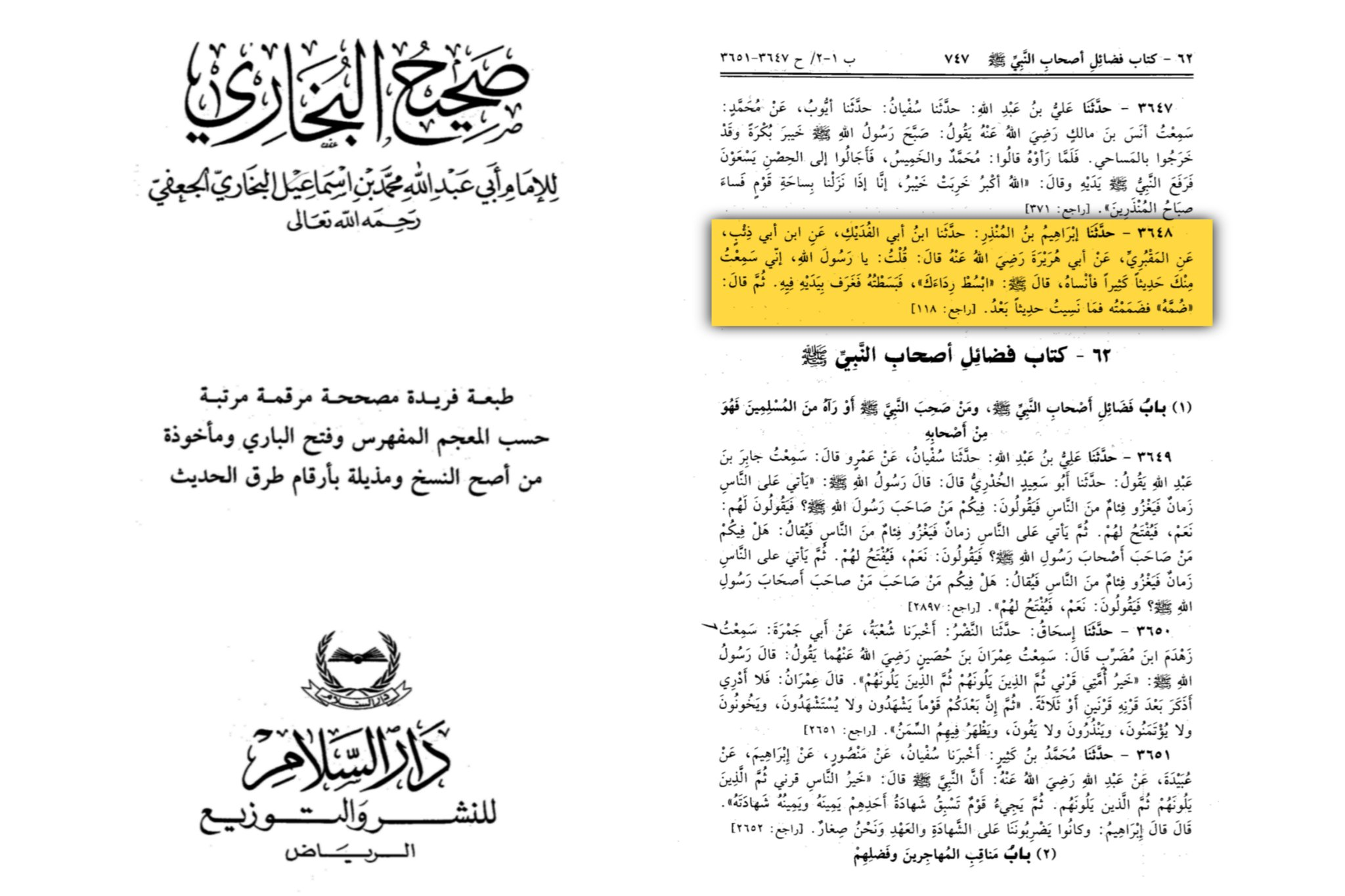
D1 — Abu Hurayrah’s Cloak
Hadith Abu Hurayrah (رضي الله عنه) said: “O Messenger of God, I have heard many hadiths from you, but I forget them.” The Prophet ﷺ said: “Spread out your cloak.” So I spread it, and he ﷺ scooped with his hands into it, then said: “Draw it together.” So I drew it — and I did not forget a single hadith after that.
— Sahih al-Bukhari
the unique characteristics of the prophet muhammad khai al nab 8
D2 — Ibn Rajab al-Hanbali on His Knowledge
Scholarly Statement Ibn Rajab al-Hanbali (رحمه الله) writes regarding the Prophet’s near-unlimited knowledge:
“He was given knowledge of everything, except for the five keys of the unseen which Allah, Mighty and Majestic, is exclusively knowledgeable of.”
the unique characteristics of the prophet muhammad khai al nab 17
E — His Eternal Prophethood
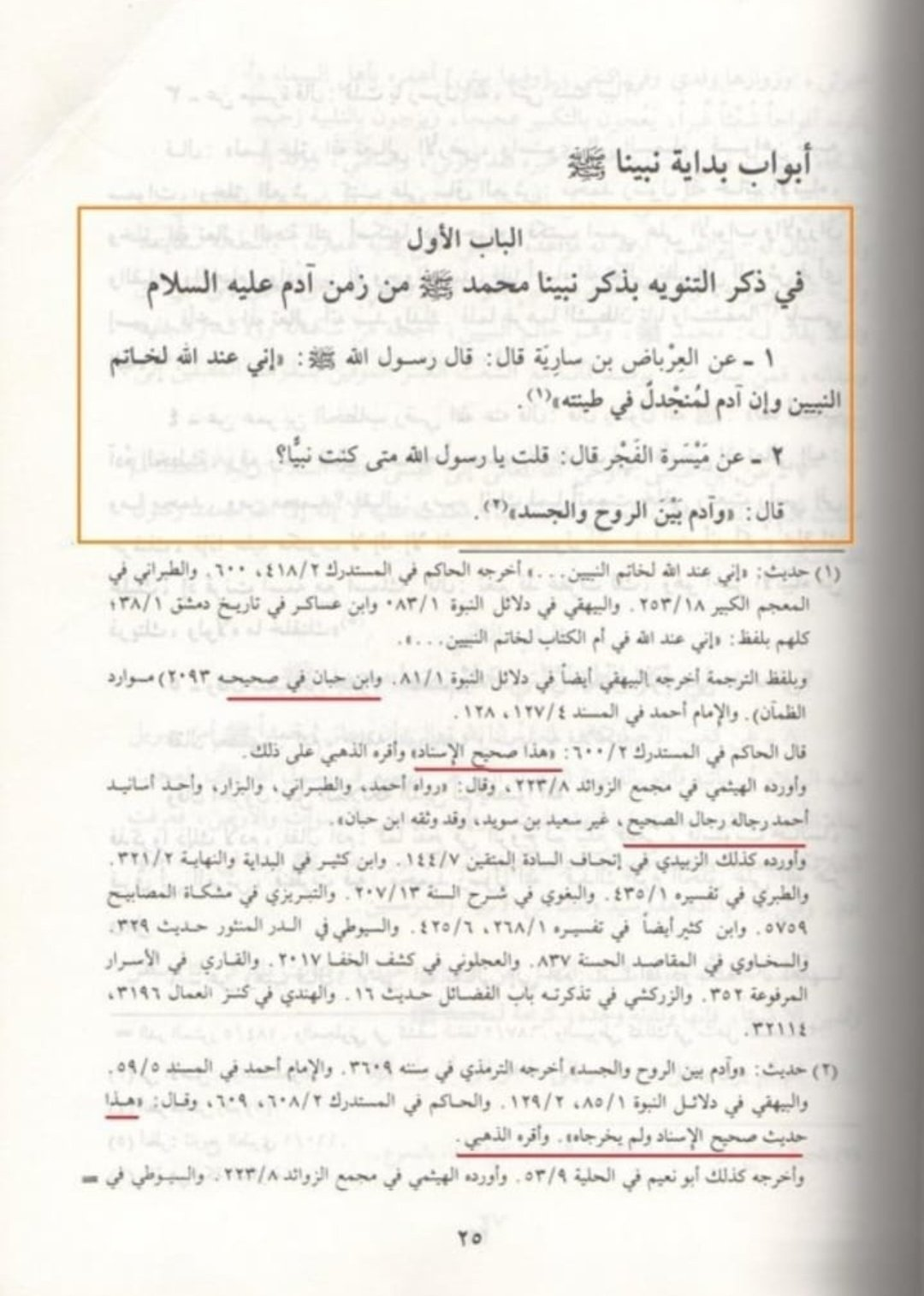
E1 — “I Was a Prophet When Adam Was Between Body and Spirit”
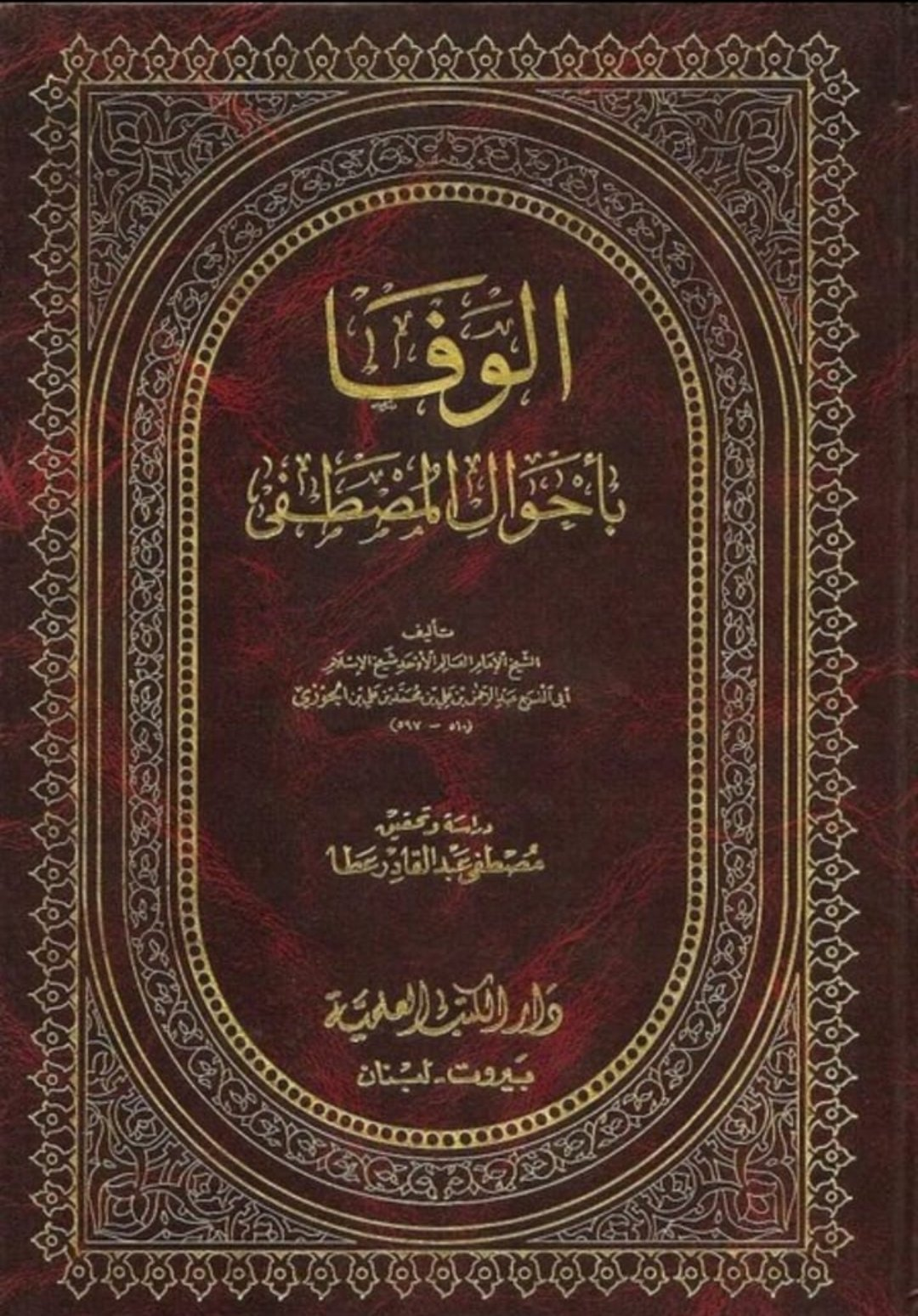
Hadith The Messenger of God ﷺ said: “I was the last Prophet in front of Allah when Adam was intermingled in mud.” (When asked: “Since when are you a Prophet?” he replied:) “When Adam was between body and spirit.”
— Imam Ibn al-Jawzi, al-Wafa bi Ahwal al-Mustafa, p. 25
the unique characteristics of the prophet muhammad khai al nab 18
the unique characteristics of the prophet muhammad khai al nab 19
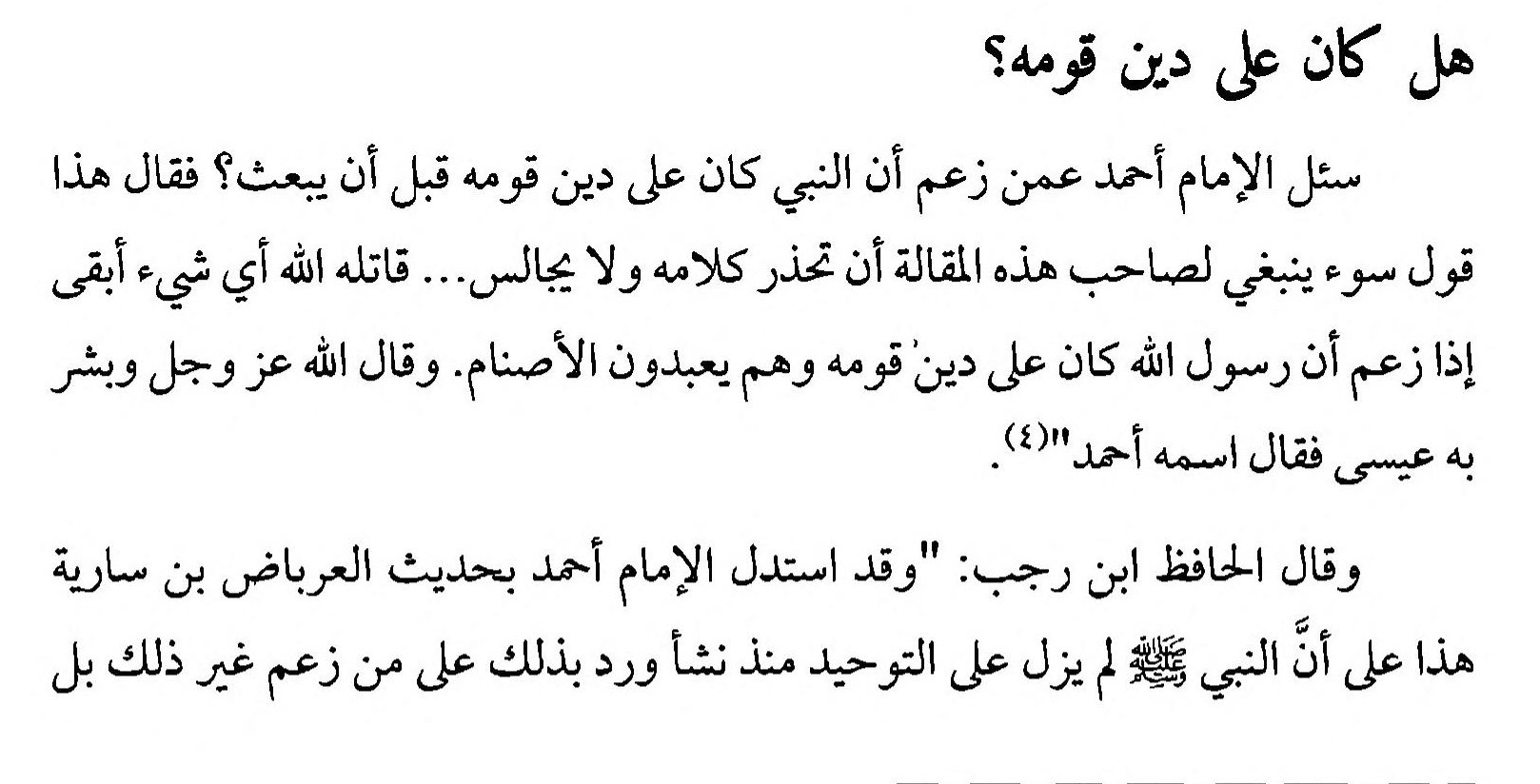
E2 — Imam Ahmad: The Prophet Was Not Upon the Religion of His People
Scholarly Statement Imam Ahmad was asked about one who claimed that the Prophet ﷺ was upon the religion of his people before he was sent as a Prophet. He said:
“This is an evil statement. The one who holds this saying, his speech should be warned against, and he should not be kept company… May Allah fight him — what has he left of faith, if he claims that the Messenger of Allah ﷺ was upon the religion of his people while they worshipped idols? And Allah said: ‘And ʿĪsā gave glad tidings of him, saying: his name is Aḥmad.’”
— al-Sunnah (1/195)
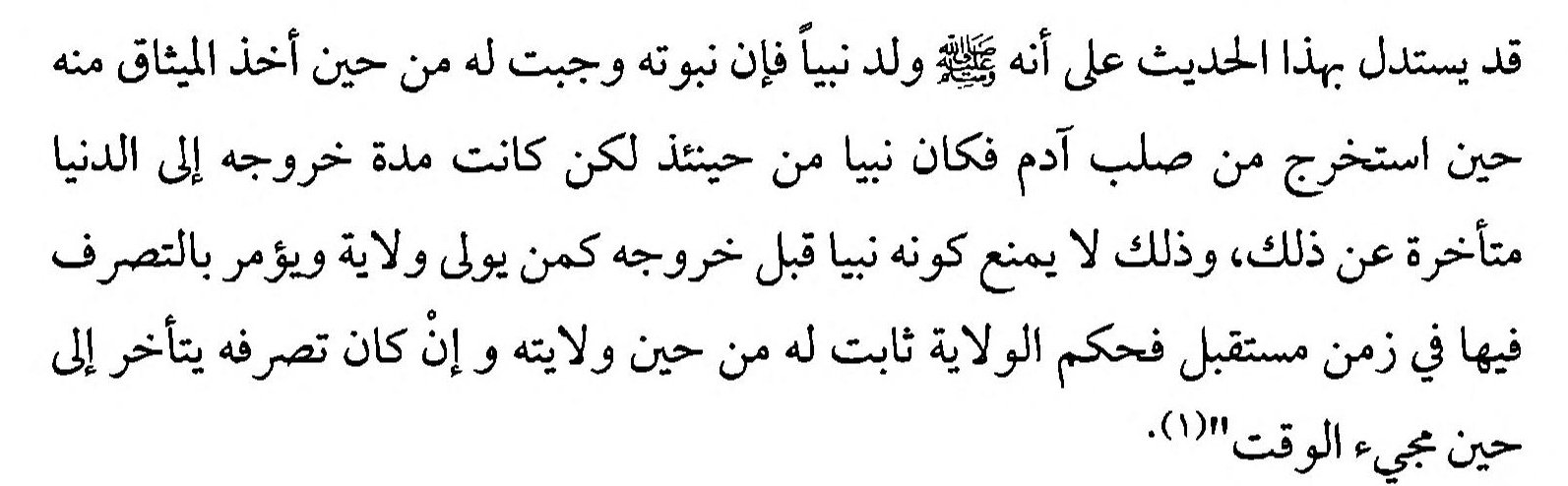
Ibn Rajab al-Hanbali adds: “Imam Ahmad used as evidence the hadith of al-ʿIrbad ibn Sariyah that the Prophet ﷺ remained upon tawḥīd from the time he was raised… Rather, one may even use this hadith as evidence that he was born a Prophet, for prophethood was established for him from the time the covenant was taken from him when he was brought forth from the loins of Adam. Therefore, he was a Prophet from that moment; however, the time of his emergence into this world came later.”
the unique characteristics of the prophet muhammad khai al nab 20
the unique characteristics of the prophet muhammad khai al nab 21
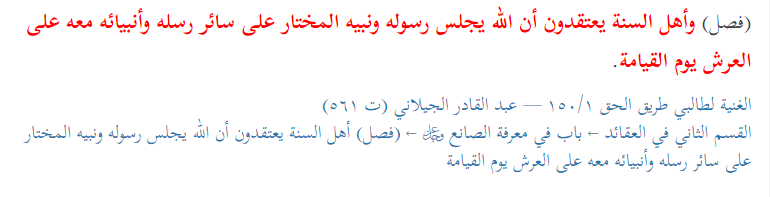
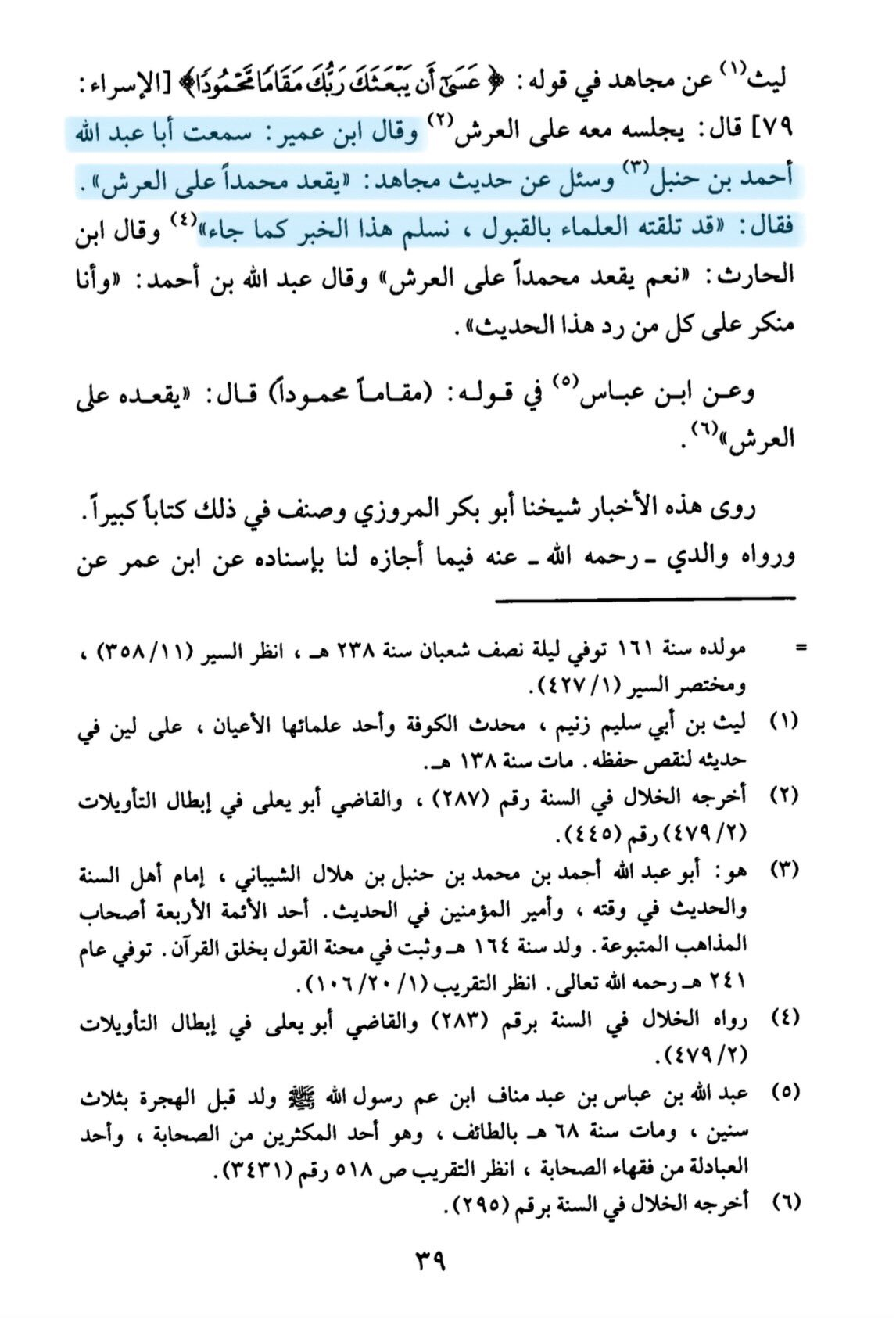
E3 — Imam Ahmad on the Prophet Sitting on the Throne (al-Maqam al-Mahmud)
Scholarly Statement Imam Ahmad was asked about the report of Mujahid: “Muhammad ﷺ will sit on the Throne.” Imam Ahmad ibn Hanbal replied: “The scholars have received it with acceptance. We affirm this report as it came.”
— al-I’tiqad of Ibn Abi Yaʿla
Other Scholarly Views
This was also affirmed by Shaykh Abd al-Qadir al-Jilani (رحمه الله) and narrated from the Salaf.
The alternative (majority) interpretation of al-Maqam al-Mahmud (the Praised Station) is that it refers to the Great Intercession (al-Shafa’a al-Uzma) on the Day of Judgment.
the unique characteristics of the prophet muhammad khai al nab 22the unique characteristics of the prophet muhammad khai al nab 23
Ibn al-Qayyim on the Prophecy of Daniel
Scholarly Statement Ibn al-Qayyim (رحمه الله) writes regarding the prophecy of Daniel (عليه السلام):
“It is well known that this applies exactly to Muhammad ﷺ, and not to the Messiah nor to any other prophet. For he was sent with a mighty law, crushed the kings of the earth and their nations, until the earth was filled with his nation.”
_
Primary Sources
Sahih al-Bukhari (al-Fath edition) — Ibn Hajar al-Asqalani
Sahih Muslim
Sunan Abi Dawud — Authenticated by al-Albani
Sunan al-Nasa’i
Sahih Ibn Hibban
Musnad Imam Ahmad (incl. No. 6885, 12153)
Musannaf Ibn Abi Shaybah, No. 35790
Fadl al-Salah ‘ala al-Nabi, No. 101
al-Jami’ li Ahkam al-Qur’an — Al-Qurtubi
Tafsir Ibn Kathir — Ibn Kathir al-Dimashqi
Fath al-Bari — Ibn Hajar al-Asqalani
al-Sarim al-Maslul — Ibn Taymiyyah
al-Wafa bi Ahwal al-Mustafa — Ibn al-Jawzi (p. 25)