The zutt and Prophet
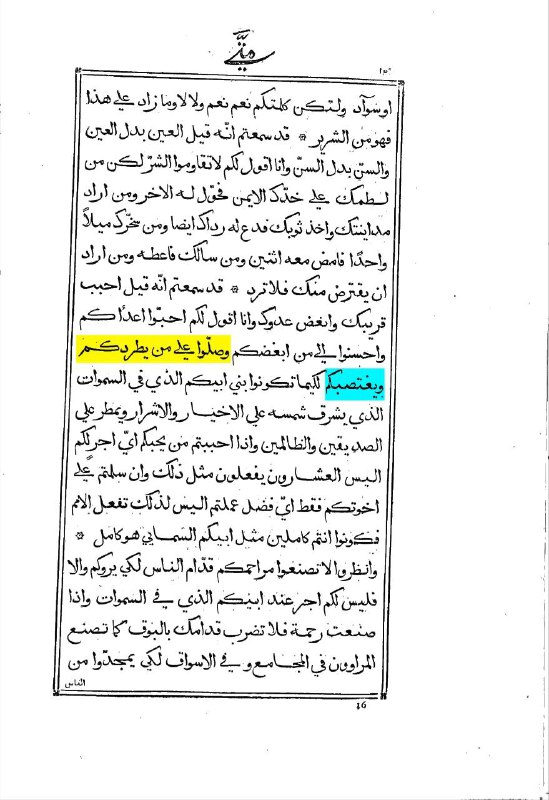
The sanad of the narration ➡️
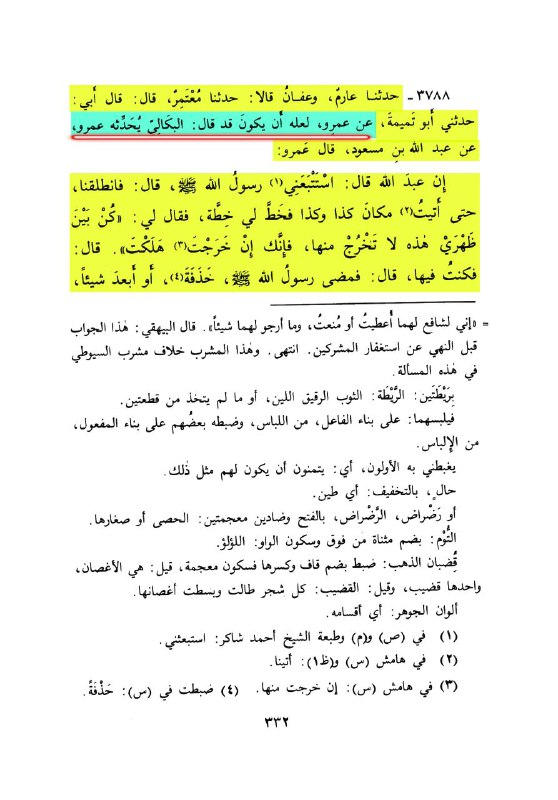
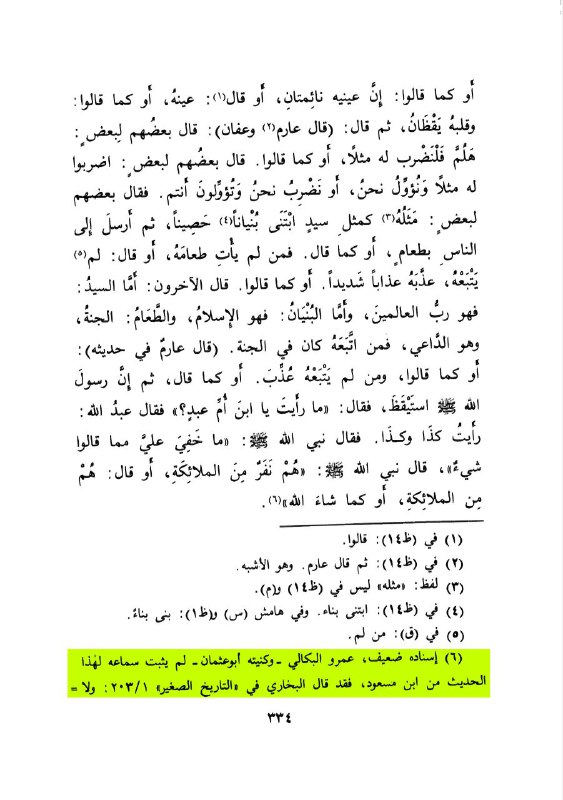
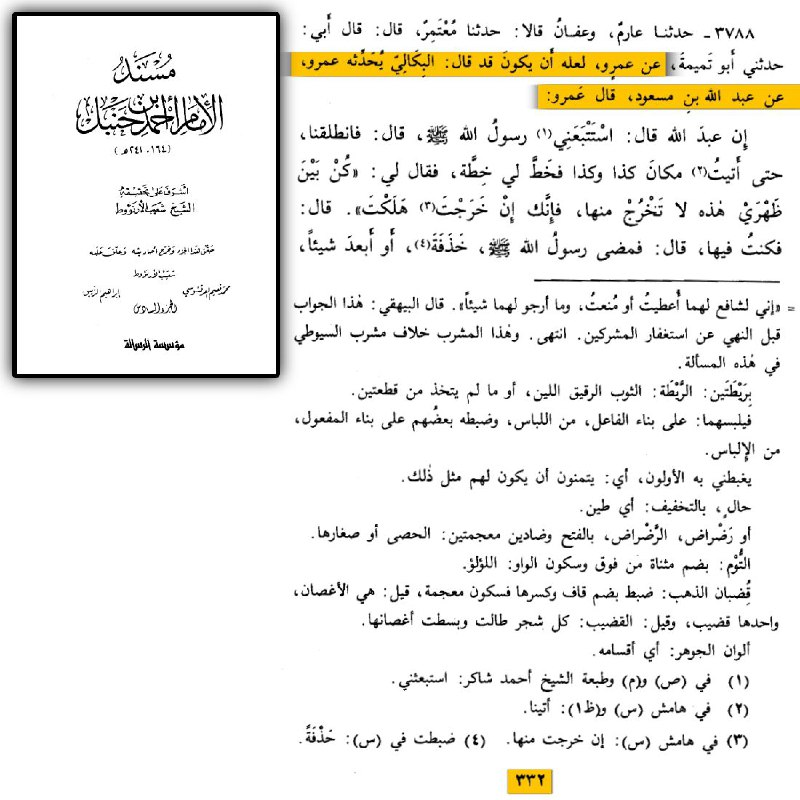
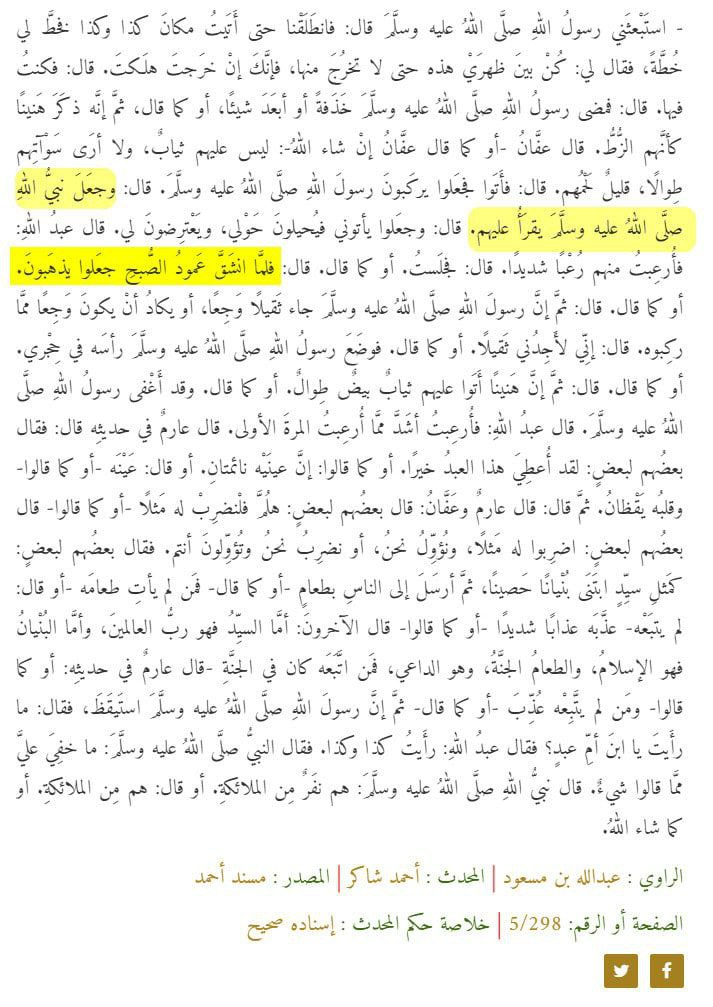
حَدَّثَنَا عَارِمٌ، وَعَفَّانُ، قَالَا: حَدَّثَنَا مُعْتَمِرٌ، قَالَ: قَالَ أَبِي: حَدَّثَنِي أَبُو تَمِيمَةَ، عَنْ عَمْرٍو – لَعَلَّهُ أَنْ يَكُونَ
قَدْ قَالَ: الْبِكَالِيَّ يُحَدِّثُهُ عَمْرٌو – عَنْ عَبْدِ اللهِ بْنِ مَسْعُودٍ – قَالَ عَمْرٌو إِنَّ عَبْدَ اللهِ -،
Some would try to argue that authenticators said the isnad is authentic even if we go by them the matn is
weak as I am going to show
#1 problem
The shaq of the rawis (narrators)
عَنْ عَمْرٍو – لَعَلَّهُ أَنْ يَكُونَ قَدْ قَالَ: الْبِكَالِيَّ يُحَدِّثُهُ عَمْرٌو – عَنْ عَبْدِ اللهِ بْنِ مَسْعُودٍ – قَالَ عَمْرٌو إِنَّ عَبْدَ اللهِ
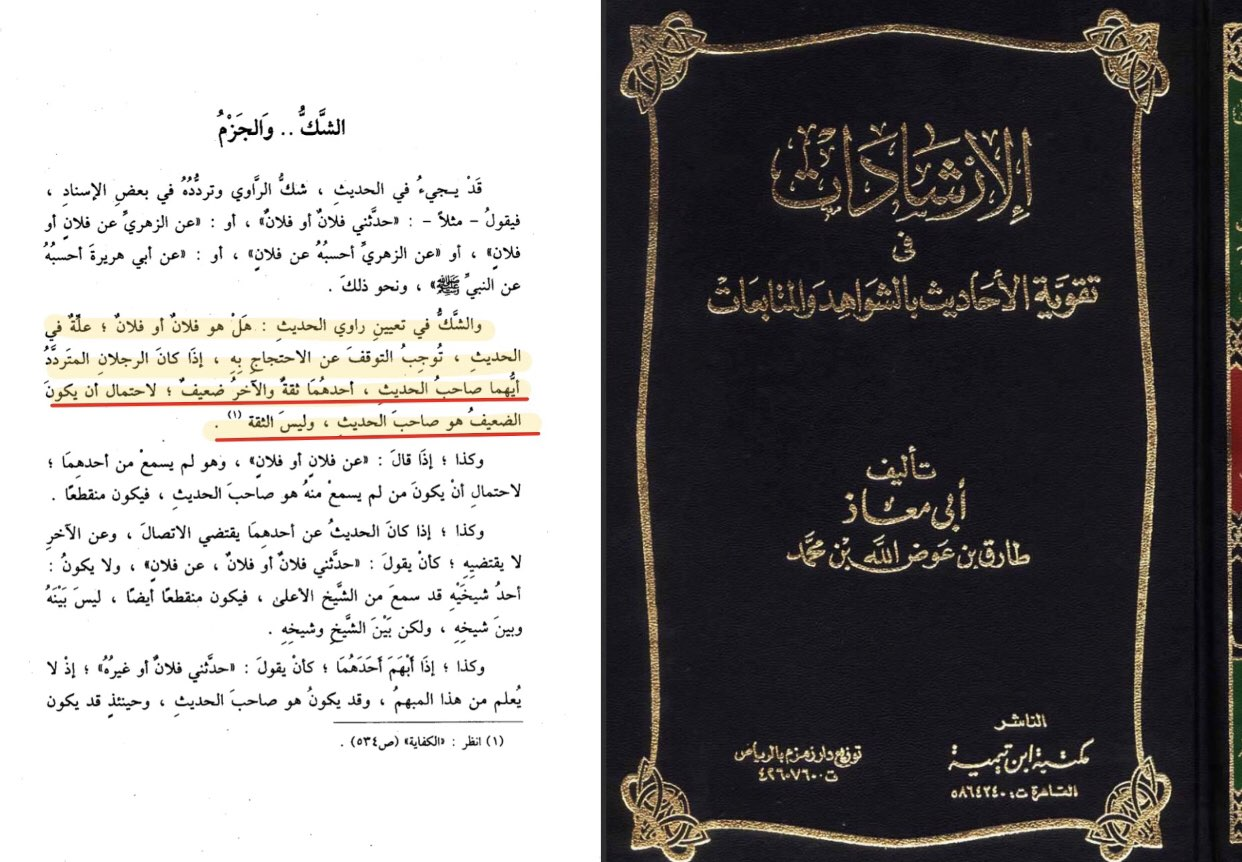
Here we see the doubt of Amr al-backaly of having heard this hadith ibn mas’ud
And as stated in al-irshasat fi taqwiyat ulum al-hadith it is rejected
#2 problem A gap between Amr al-bakali and ibn mas’ud
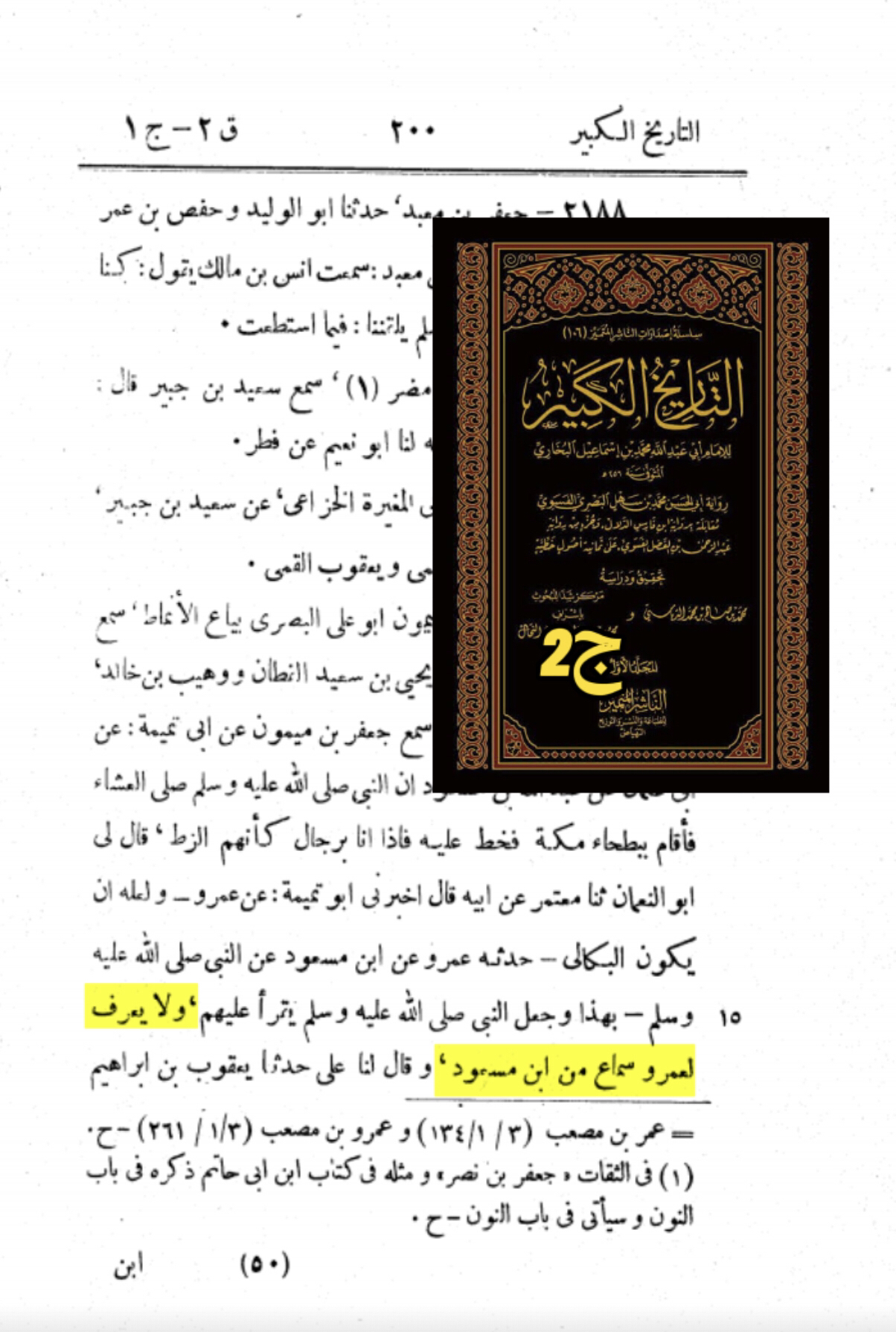
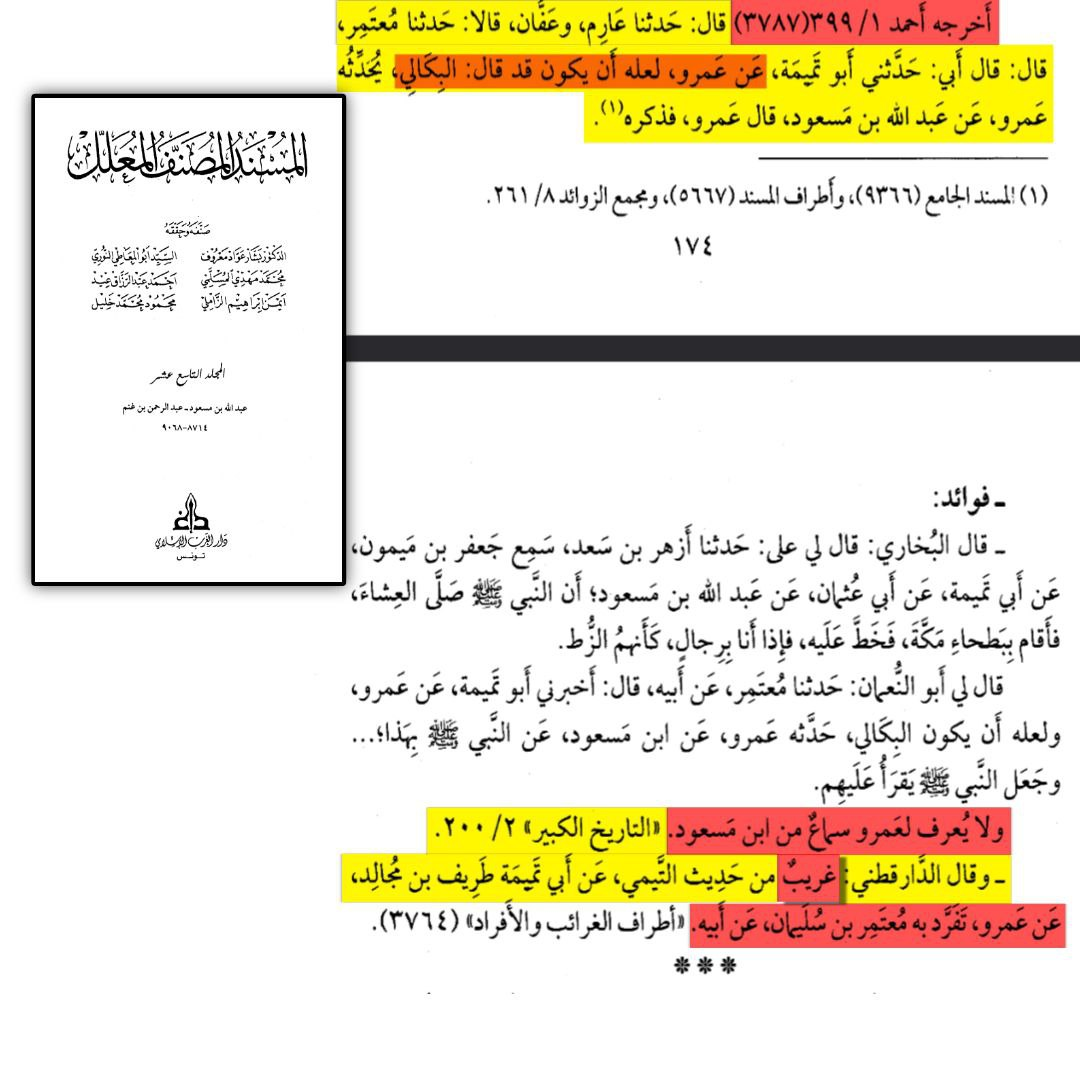
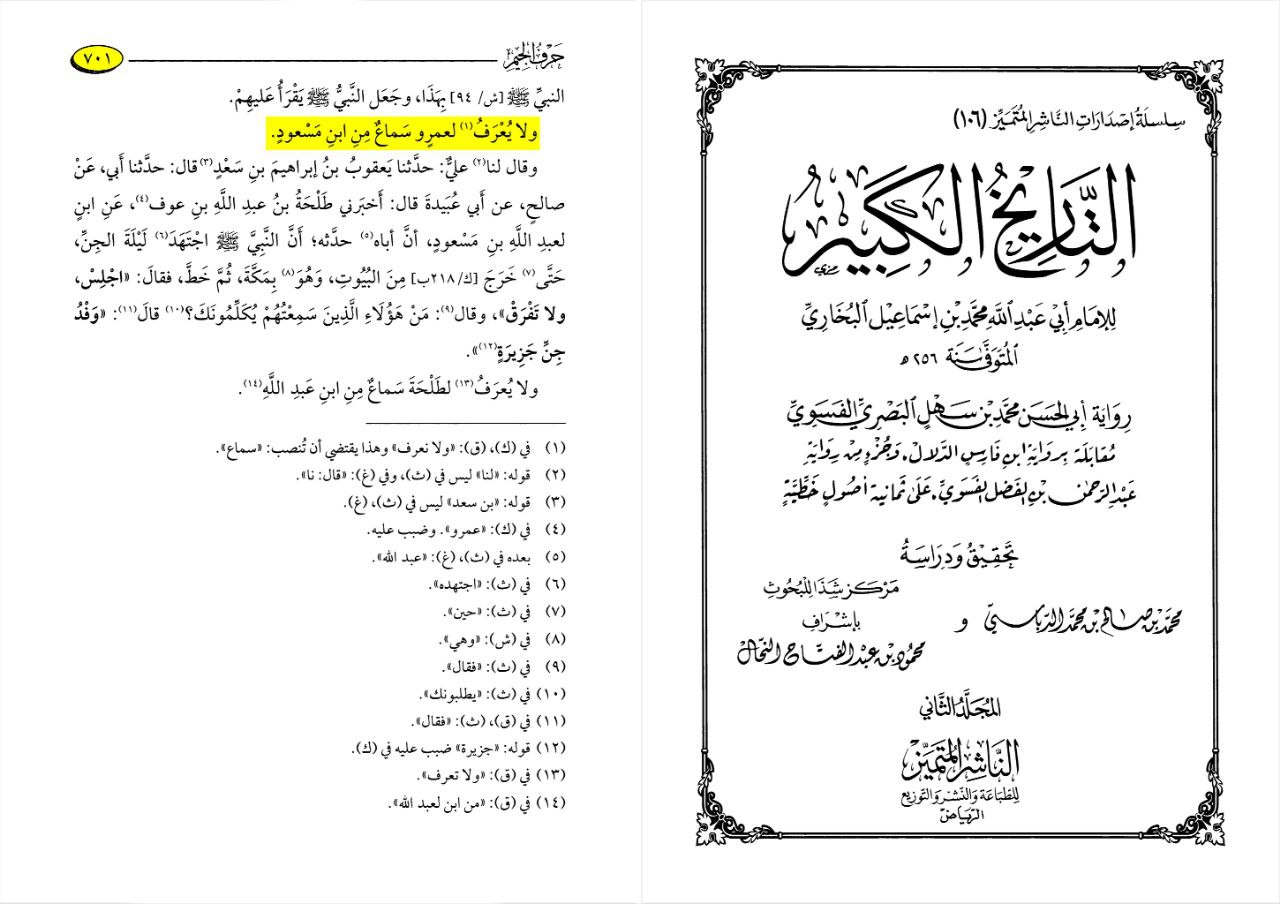
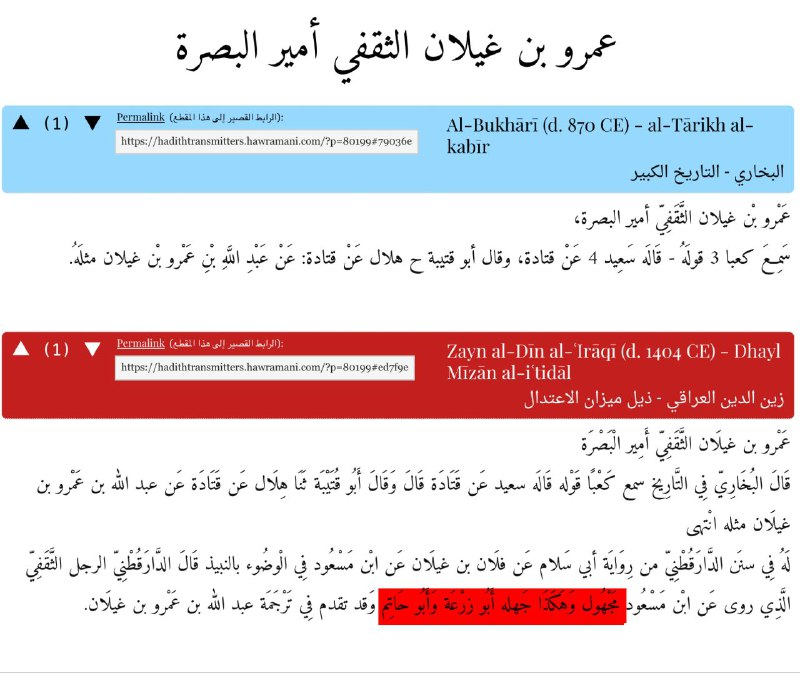
As al-Bukhari (RH) said in Al-Tarikh Al-Kabir volume 2 page number 200 narration number 2191 he states
“and it isn’t known for Amr to hear ibn mas’ud”
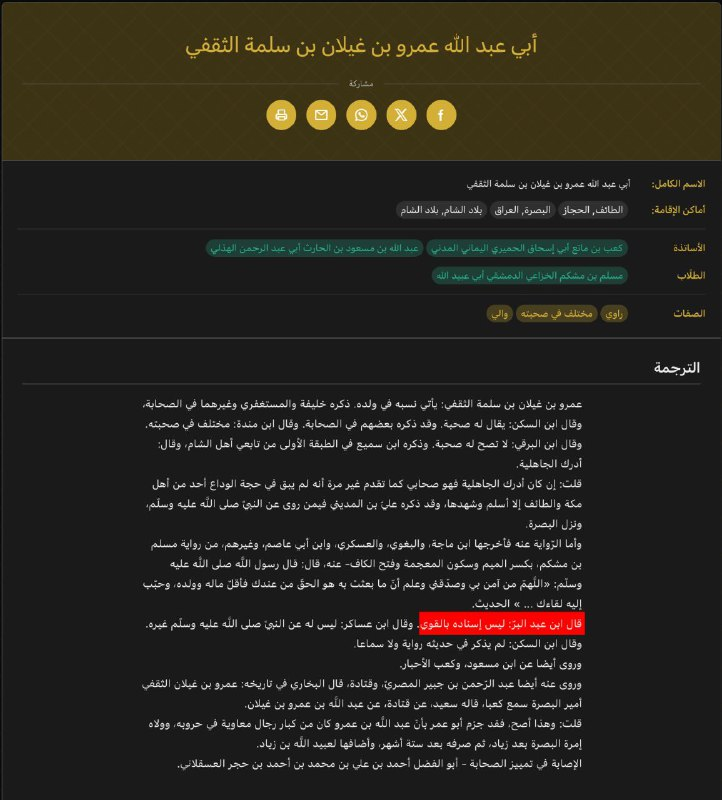
Many would try to argue that al-Bukhari is wrong because one of the translations of Amr say he is a sahabi
and saw yarmook and narrated from ibn mas’ud
In response to this we see first there ikhtilaf in the suhba (company hood) of Amr second the word rawa means
narrated from note heard third living in same era doesn’t mean hear I live in the same era as joe Biden
did hear him no. This was stated in mawkif al-imamayn al-Bukhari w muslim fi ishtirat al-liqa’ w al-sama’
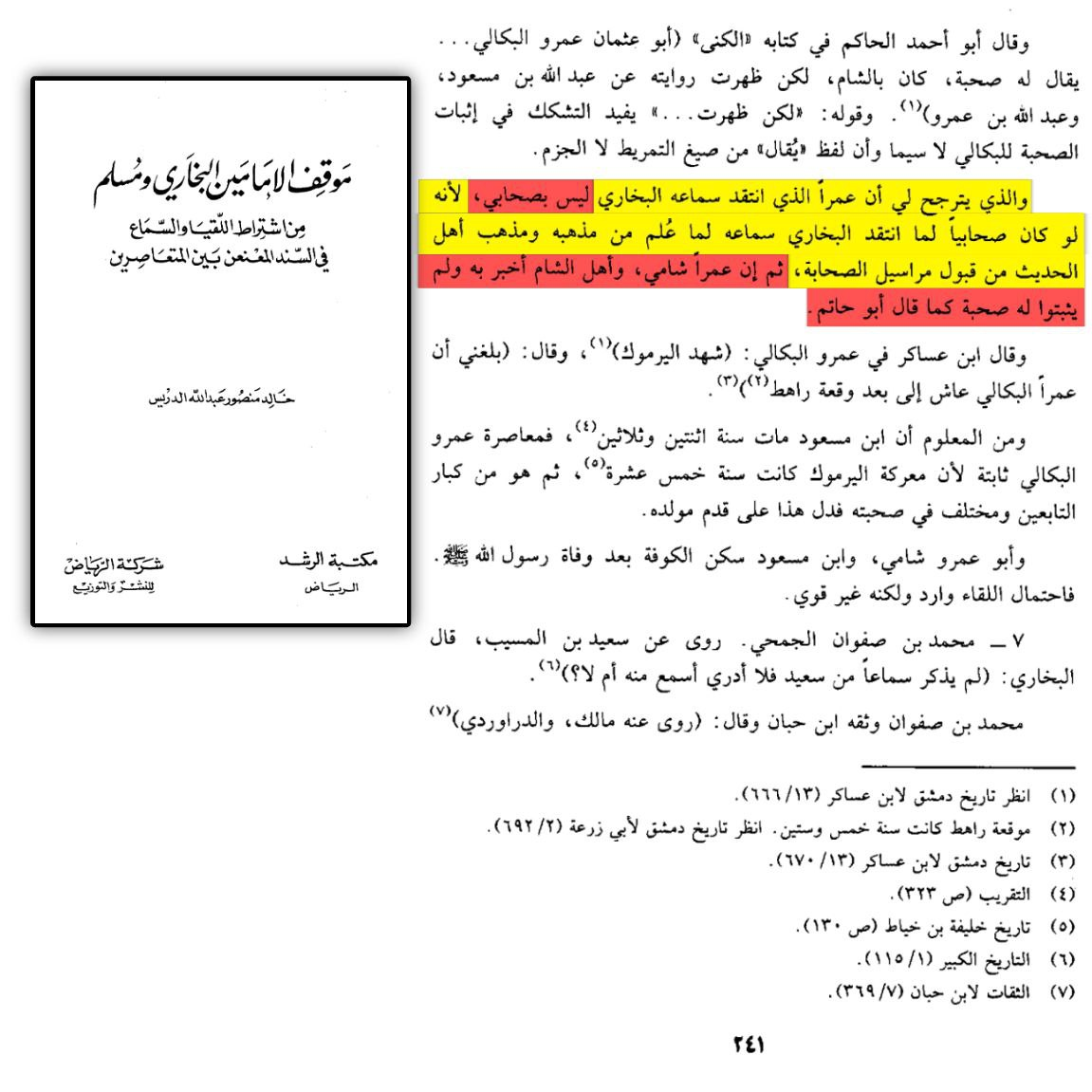
fi al-sanad al-mu’an’in bayn al-muta’asireen page number 240-241 they state that Amr al-bakaly lived in the
same time era but the possibility of both seeing each other is not strong
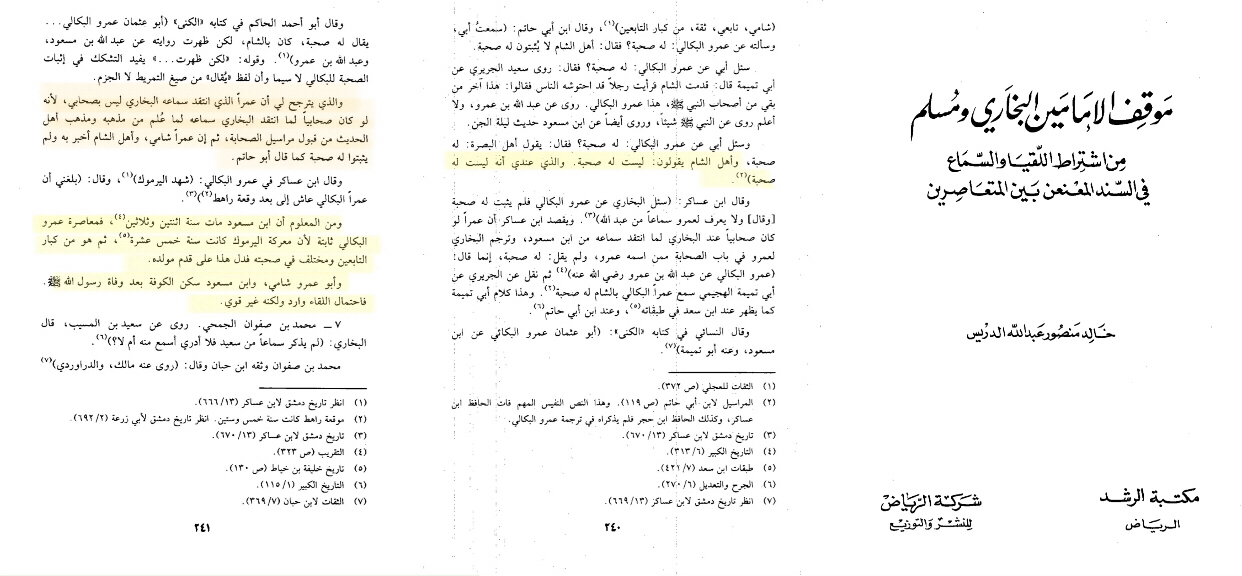
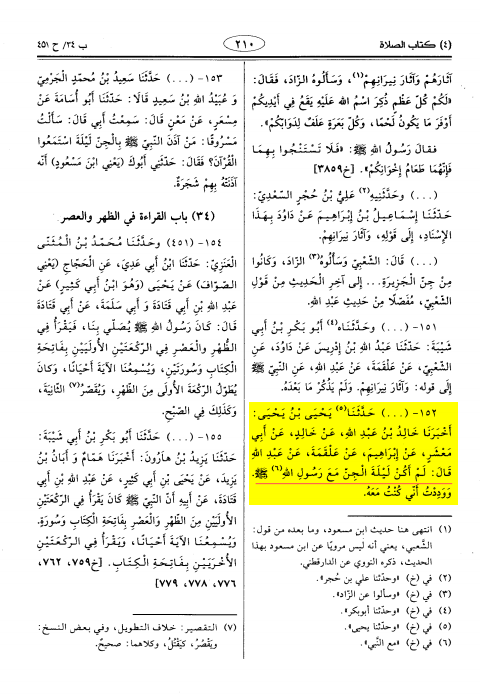
3 problem the matn is weak because ibn mas’ud himself states he wasn’t with the prophet that night of the
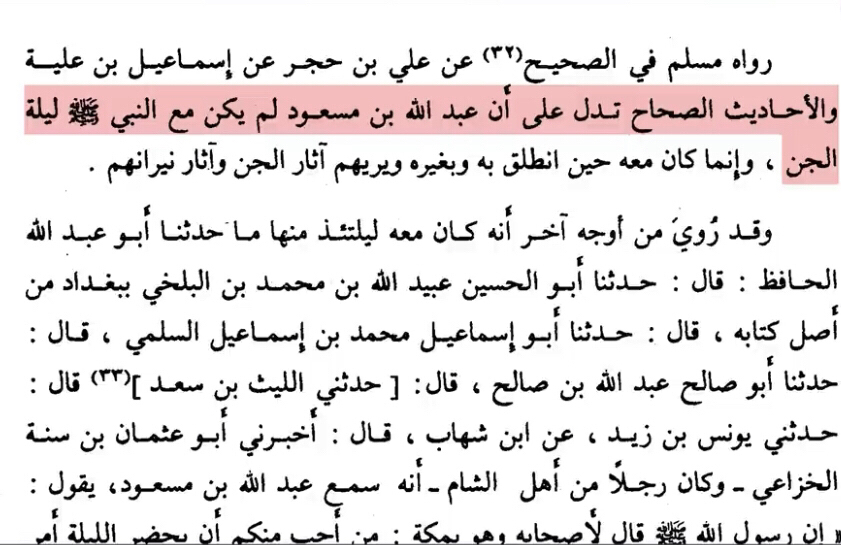
Jin as stated in sahih muslim 450d
Translation: “Abdullah (b. Mas’ud) said:
I was not with the Messenger of Allah (ﷺ)but I wish I were with him.”
-Source: Sahih Muslim 450 d
Grade: Sahih (authentic) according to the conditions of Bukhari and Muslim
Many would try to argue that he did but the most authentic hadith say he didn’t meaning the matn is weak
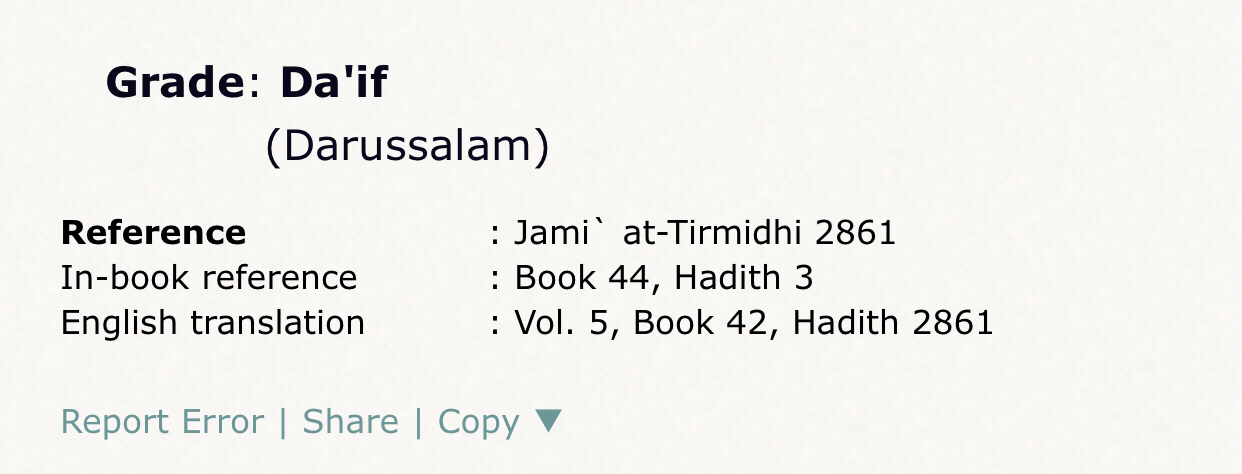
Now there is another sanad of the narration found in Jâmī’ at-tirmidhi 2861 however the sanad here
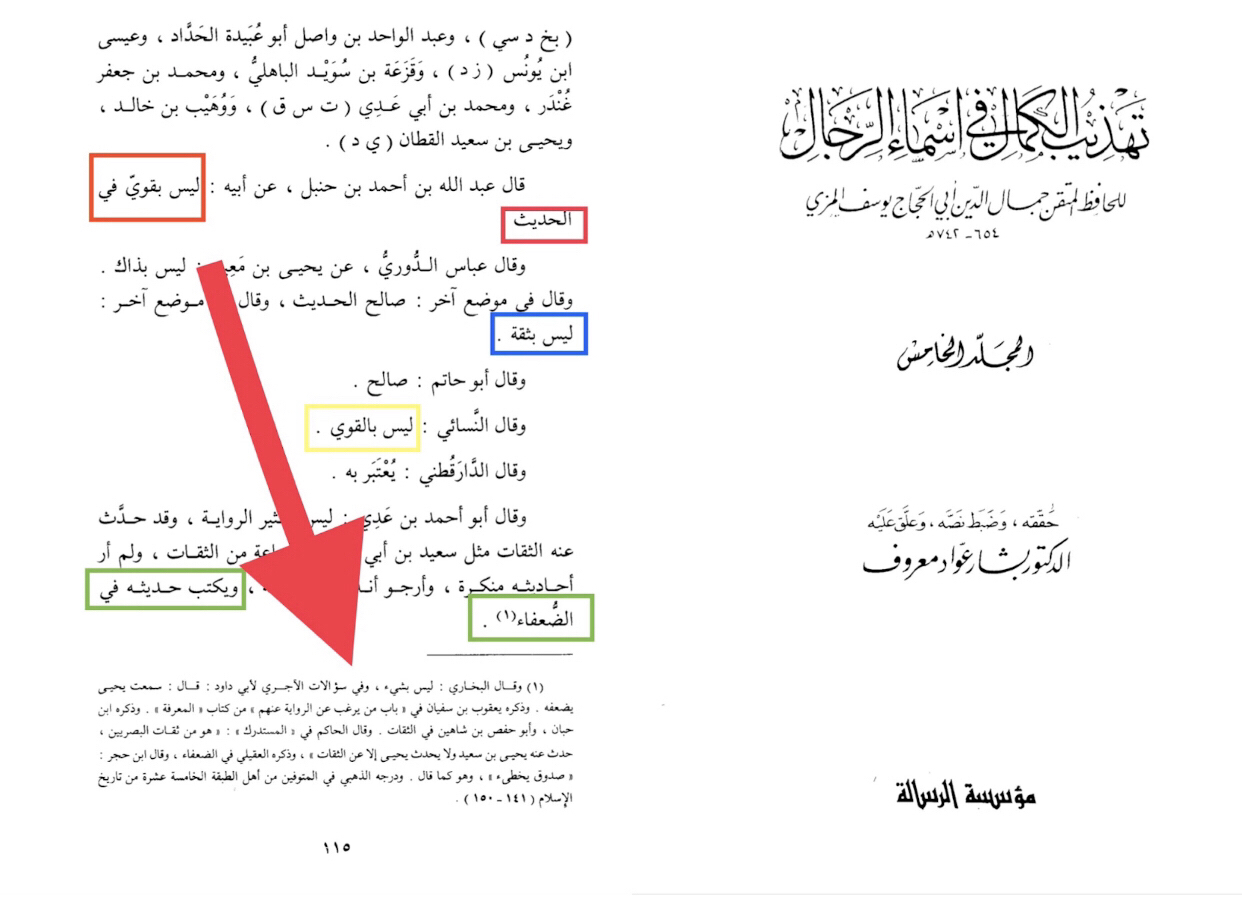
contains جعفر بن ميمون التميمي who is he lets go to tahzeeb al-kamal
Translation: “Ahmed bin hanbal said he isn’t strong In hadith
Yehia bin maa’in said: he isn’t trustworthy
Al-Nisa’i said: he isn’t strong
Ahmed bin ady wrote his hadith in the weak ones
Al-Bukhari said he is nothing
Yehia bin sa’id weakened him”
-Source: Tahzib al-Kamal fi asmaa al-Rijal Al-Mizy (RH) volume 5 page number 115 person number 959 by
name “Jaafar bin maymoon”
Some scholars did authenticate him but when he does tafarud in it so the hadith is considered weak
Now lets see the scholars who weakned the hadith
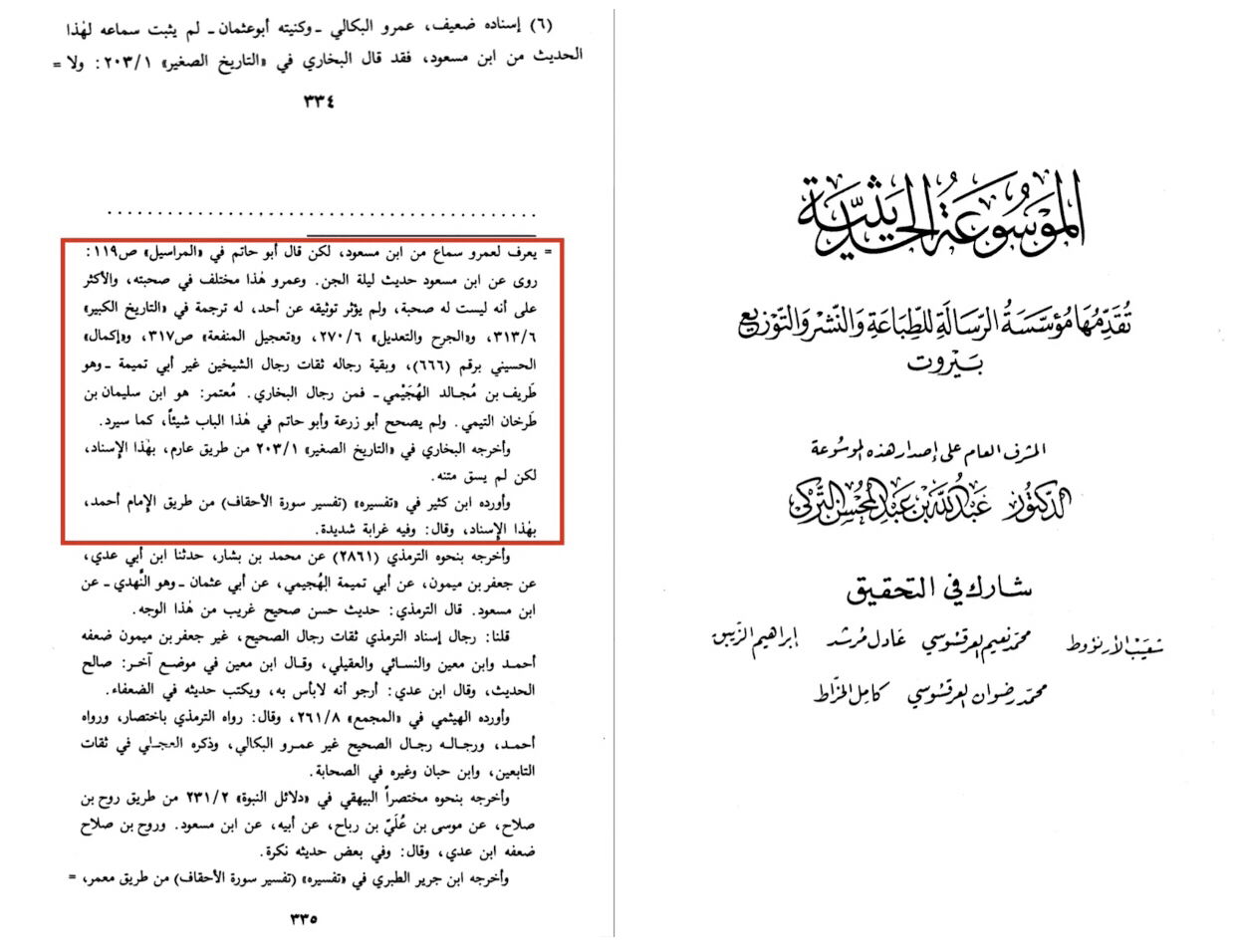
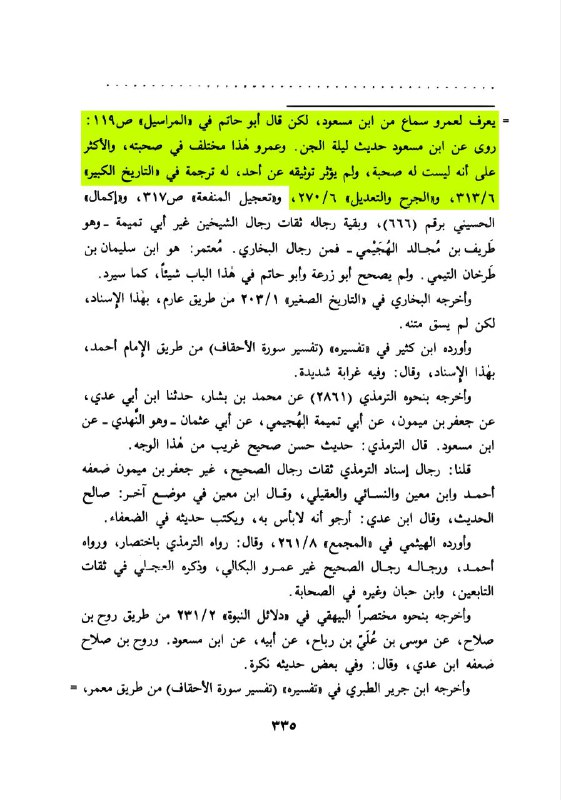
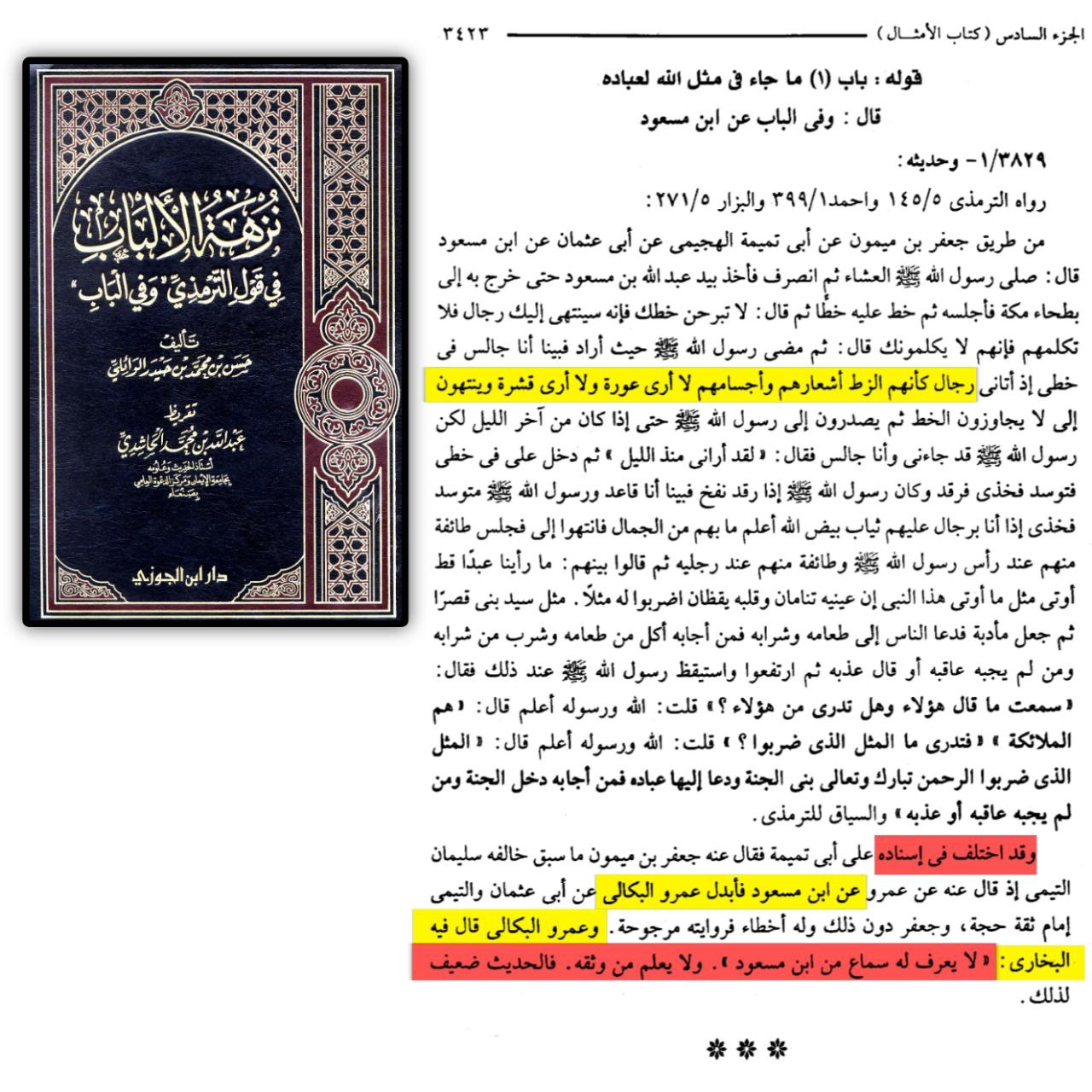
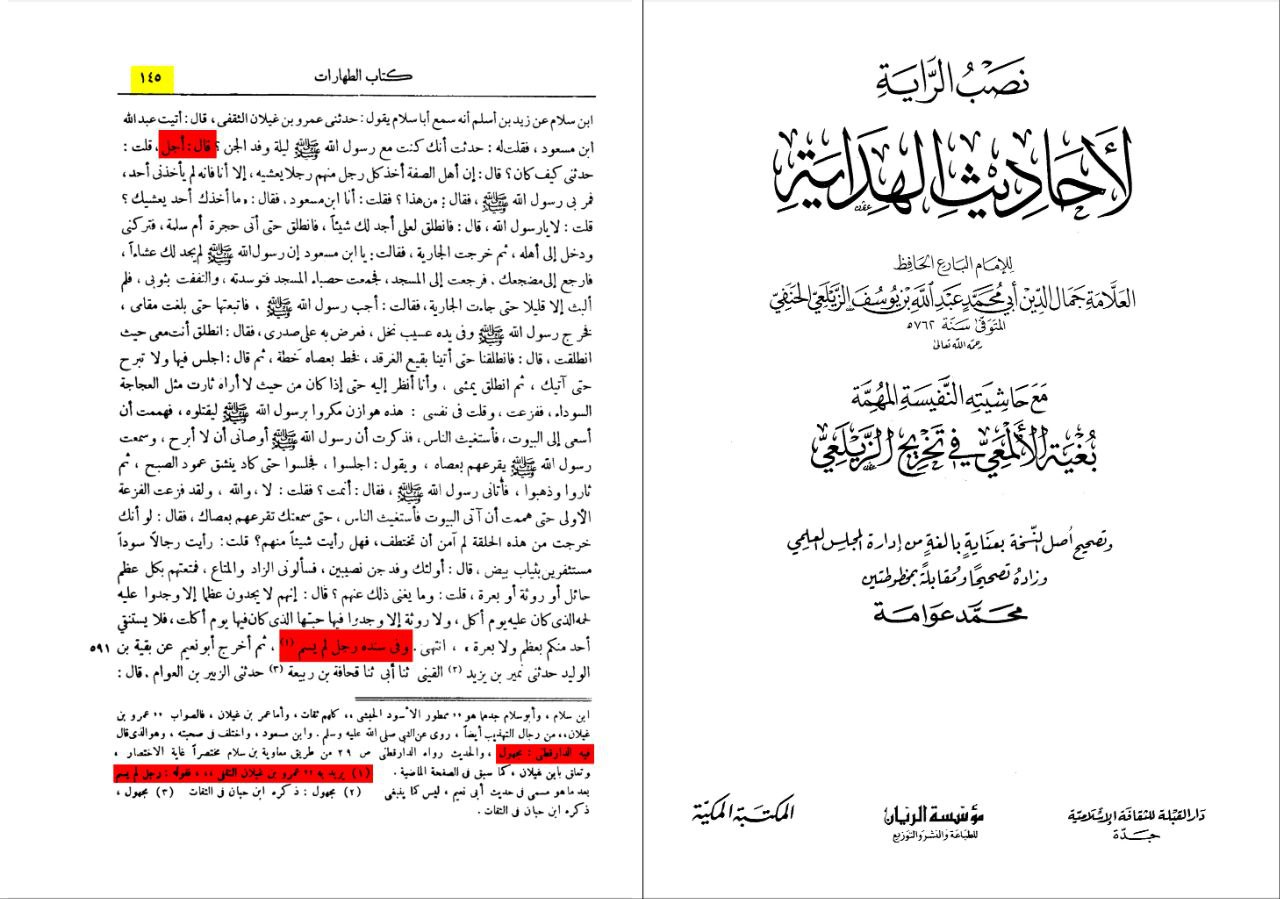
Translation: “That is a weak report because it isn’t known for Amr to hear from ibn mas’ud then he also
weakens the hadith in tirmidhi cause ja’far and this the companionship of Amr is in dispute”
-Source: Musnad Ahmed muhaqaq (Shuayb al-Arna’ut [RH]) volume 6 page number 334-336
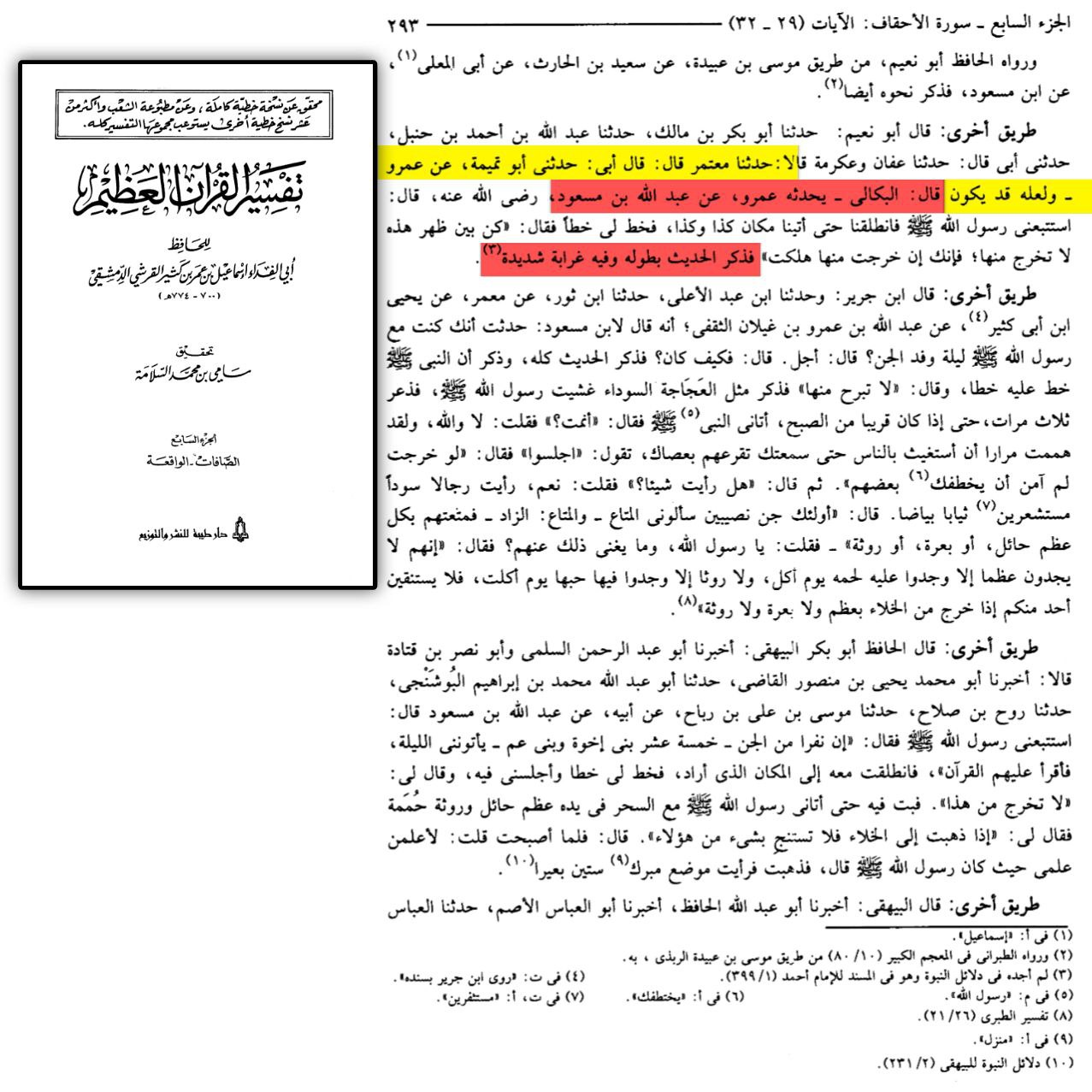
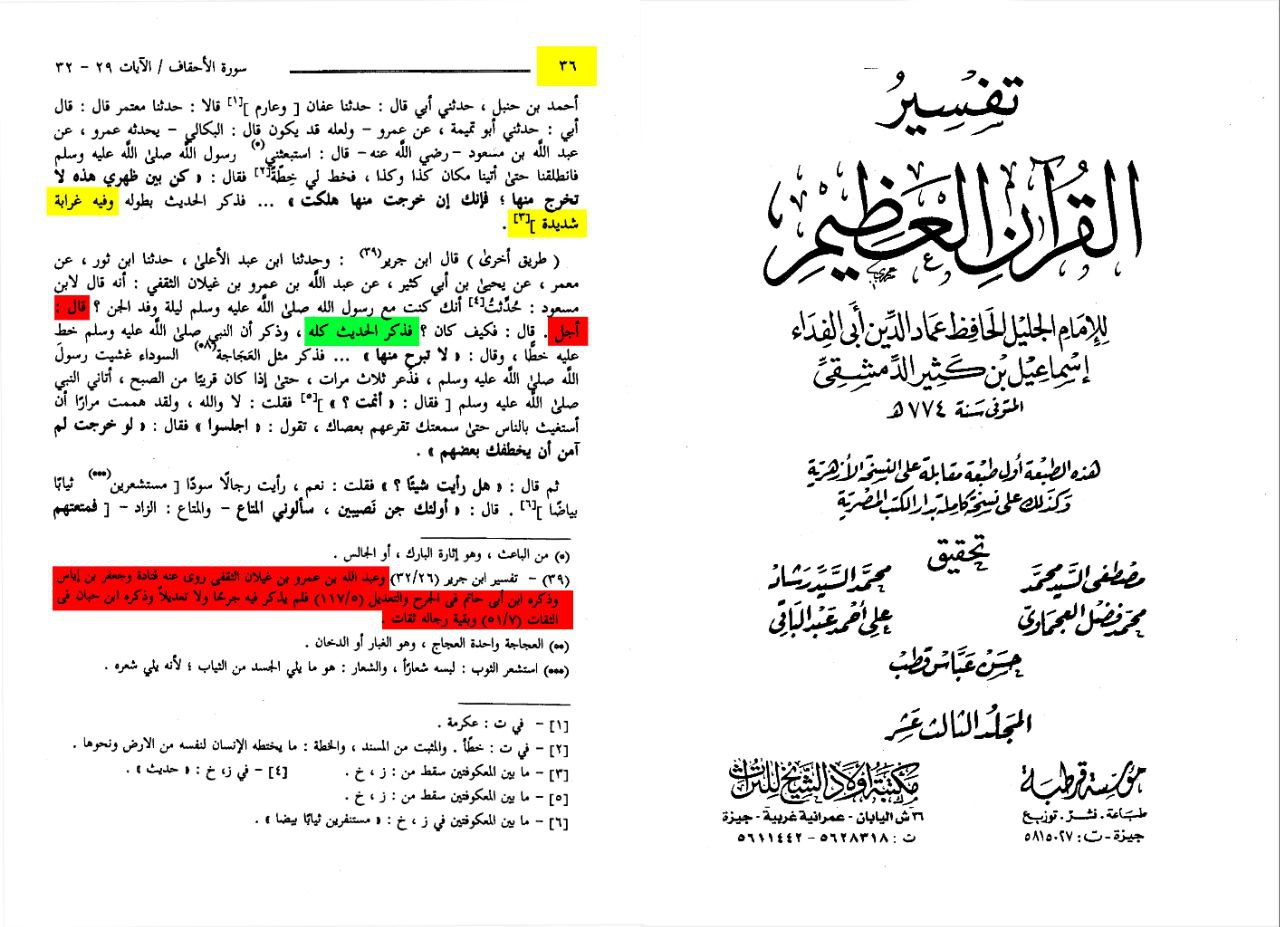
In tafsir ibn kathir of 46:29 he mentions the hadith then comments on it and says it is too strange (weak)
-Source: Tafsir al-Qūr’ān al-azim ibn kathir (RH) volume 7 page number 293 interpretation 46:29
Also al-Bukhari himself weakned it that is why he said Amr didn’t hear from ibn mas’ud And their are more people
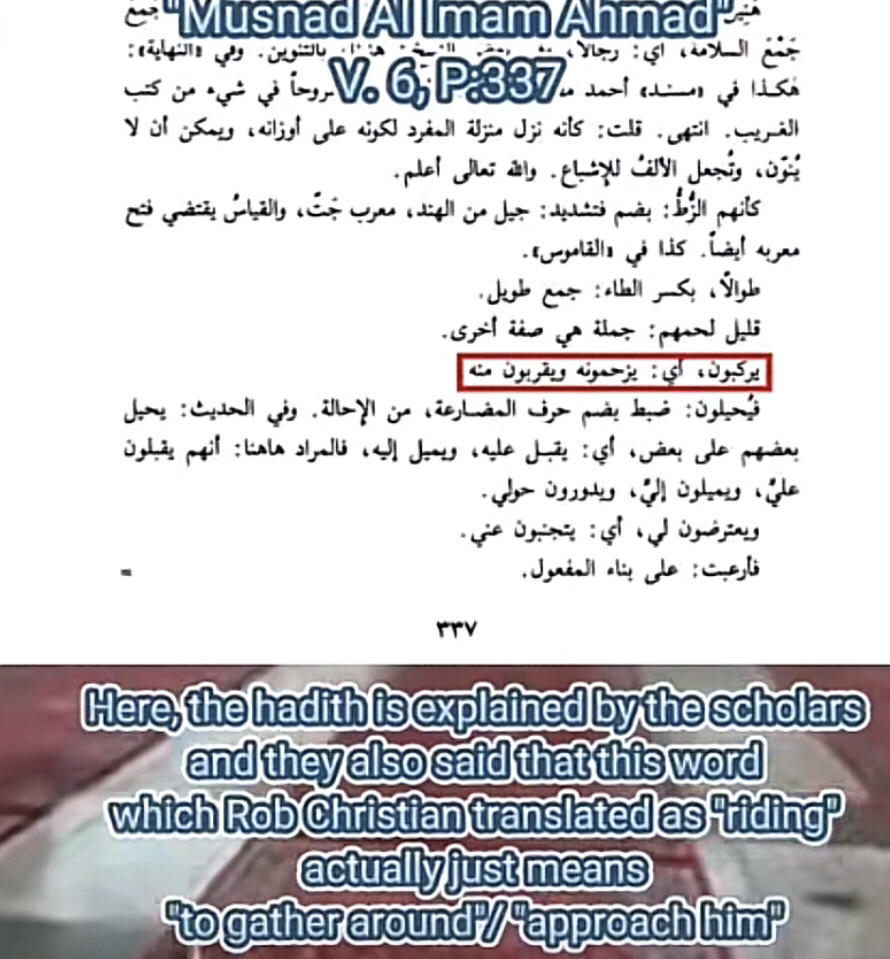
who weakned it but this is enough Now an important point to see what is the meaning of “yarkabun” that they are
trying to say it means r@ped In musnad ahmed in the footnote it reads the following
Our opponent can ask well then why did he get hurt it is because he was reading Qūr’ān for hours
and they are riding over him And this is another day of exposing the lies of the nasaras Another thing
how does this disprove Islam ? I mean they should read Isaiah 20:3 يقول كاتب سفر التثنية 33 / 26:
[ليس مثل الله يا يشورون.يركب السماء في معونتك والغمام في عظمته
يقول كاتب سفر الملوك الثاني 4 / 34 عن النبي إليشع:
[ثم صعد واضطجع فوق الصبي ووضع فمه على فمه وعينيه على عينيه ويديه على يديه وتمدّد عليه فسخن جسد الولد.!]
Does this mean with the same logic their God is f*** the sky or the donkey ?
These are doubts of the jahils
https://drive.google.com/file/d/1hpV1JuXeQEj081vl7w74ijlZwMAo-02D/view?usp=drive_link
Refuting David Wood Recent Video
The Meaning of the Hadith about Them Riding in the Hadith of the Zutt People
Weakening the hadith of the Zutt people
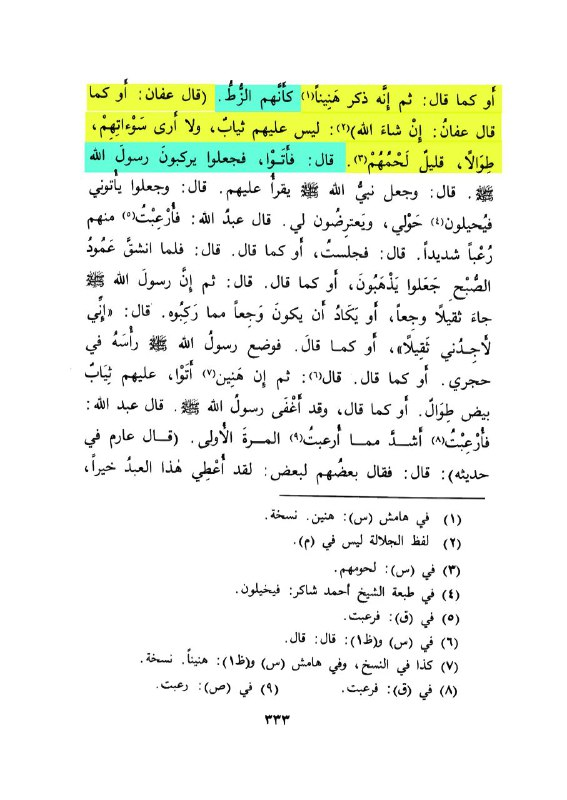
بعدين النصراني أو الملحد واقف على كلمة يركبون عليه ولا يعلم ان معناه أي يزحمونه ويقربون منه لكن عقله مثل سفر نشيد الأنشاد
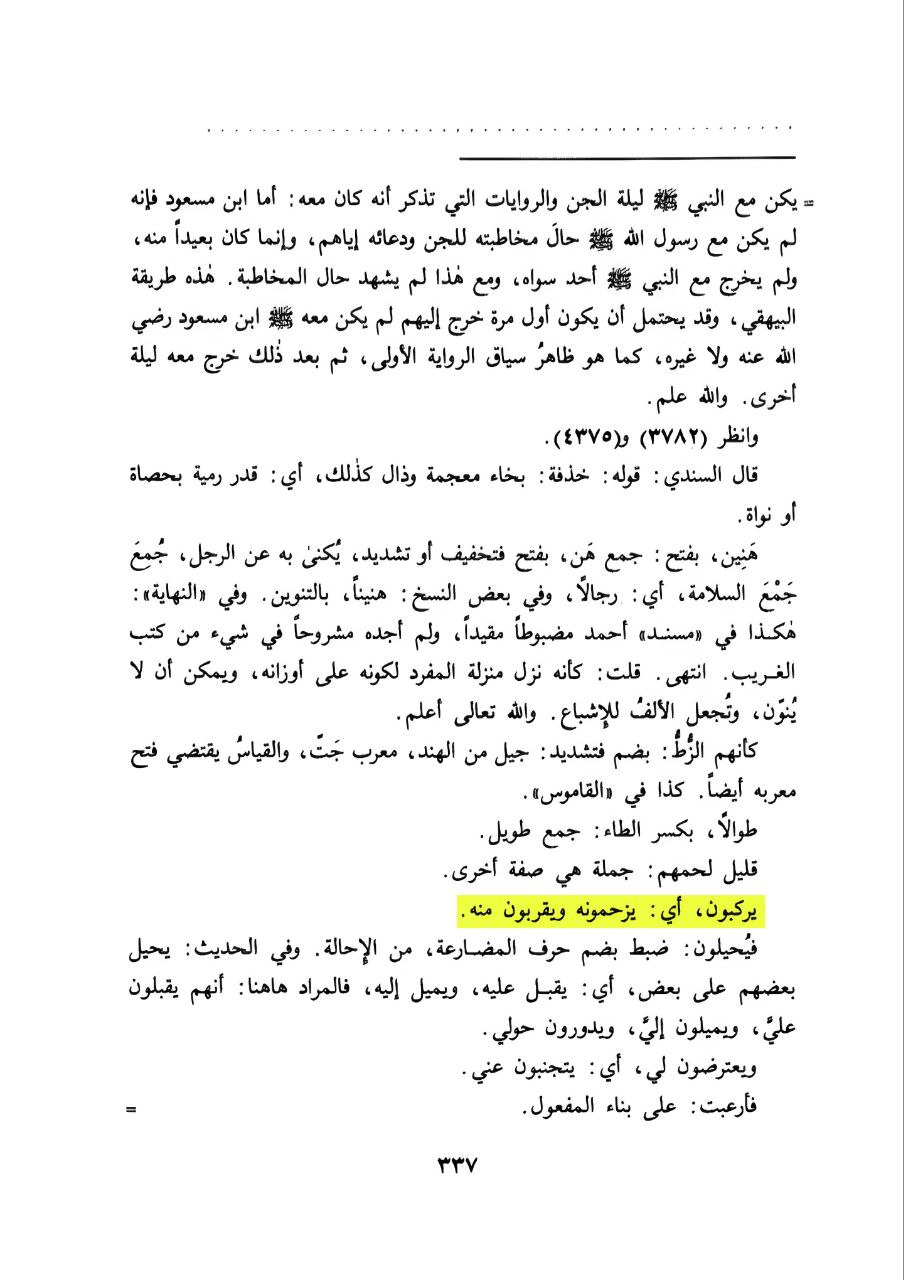
Then the Christian or the atheist fixates on the word “ride upon him” and doesn’t realize that it means “crowd him and get close to him,” but his mind is like the Song of Songs.
The writer of the Epistle to the Hebrews says that Jesus 🛑suffered 🛑temptation. 😋😉
Oh my God! Who tempted Jesus and made him suffer ? Who could it be? We read in Luke 4:13 that Satan finished his business with Jesus and left him We also read in Matthew 4:1 that Satan took Jesus into the wilderness to be alone with him and tempt him at his leisure . We also read in Mark 1:13 that Satan spent forty days in the wilderness with Jesus. Imagine 😂that! Jesus, you endured all this because of sin Forty days in that state, Satan treated Jesus like a rag
And also in Surah Al-Jinn, verse 19, there are two pieces of evidence: usually, the jinn crowd together when they hear the Quran, and the meaning of riding.
Having established that riding implies overcrowding, it is time to address the objections. The first objection is:
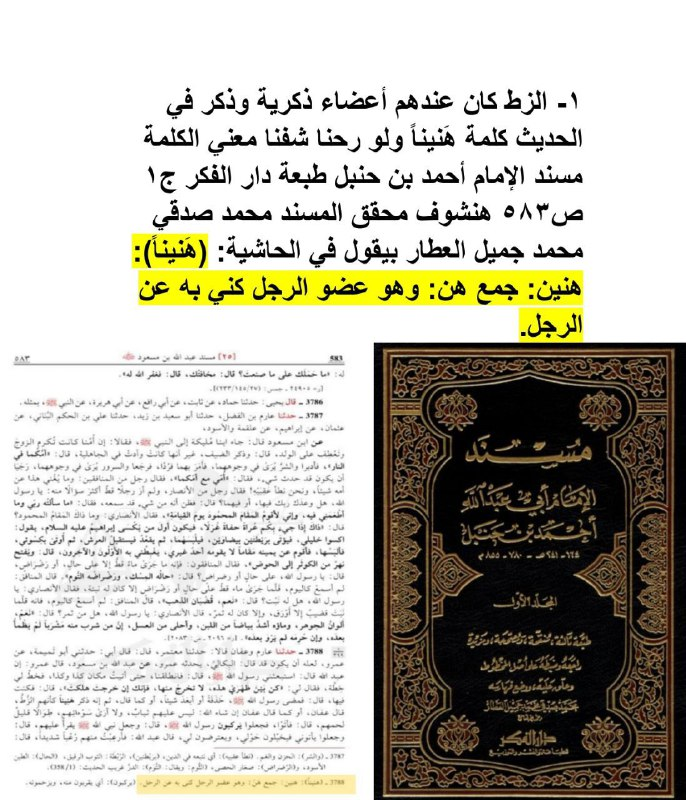
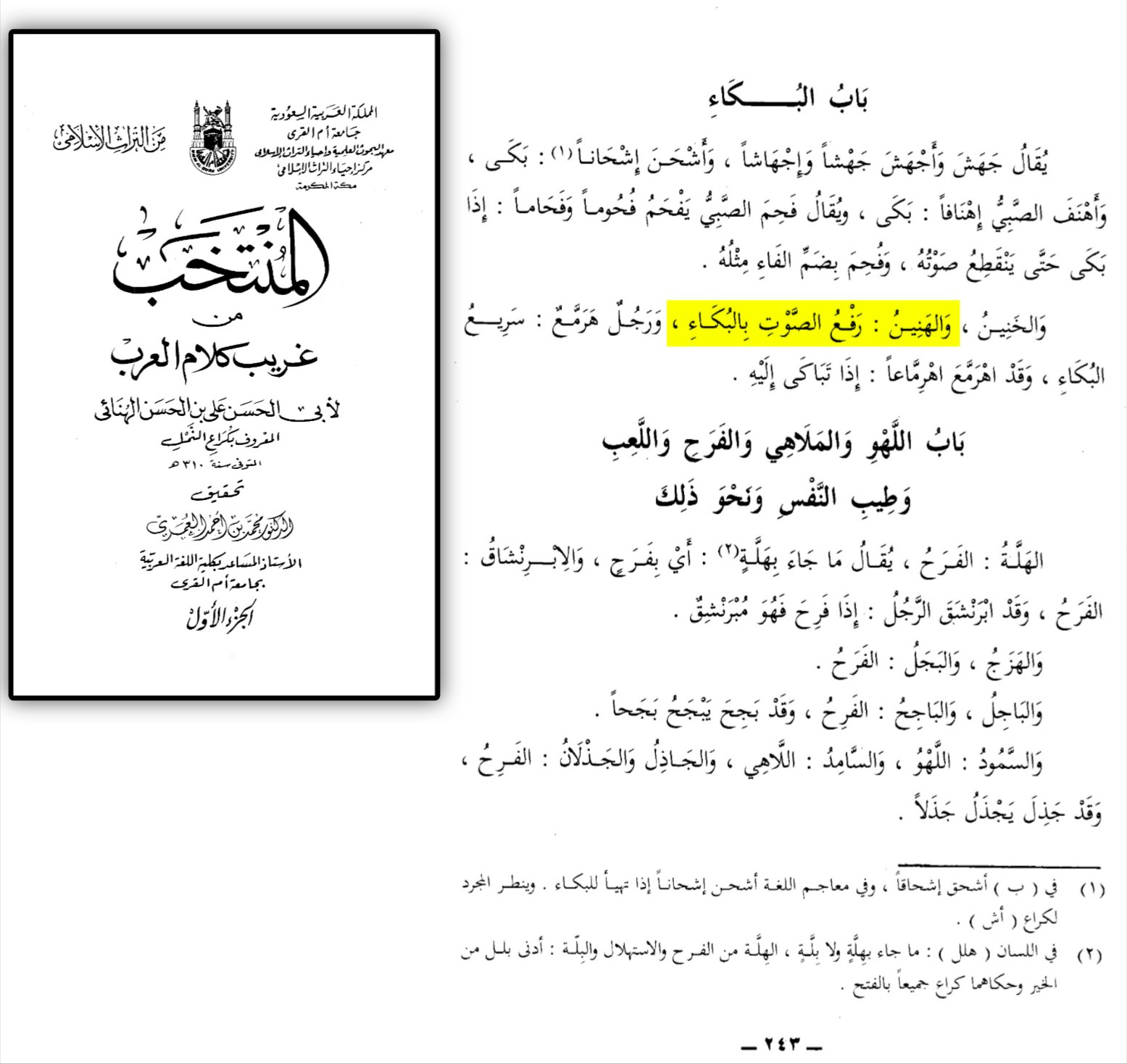
Firstly, we say that in Arabic, “al-hinn” means crying.
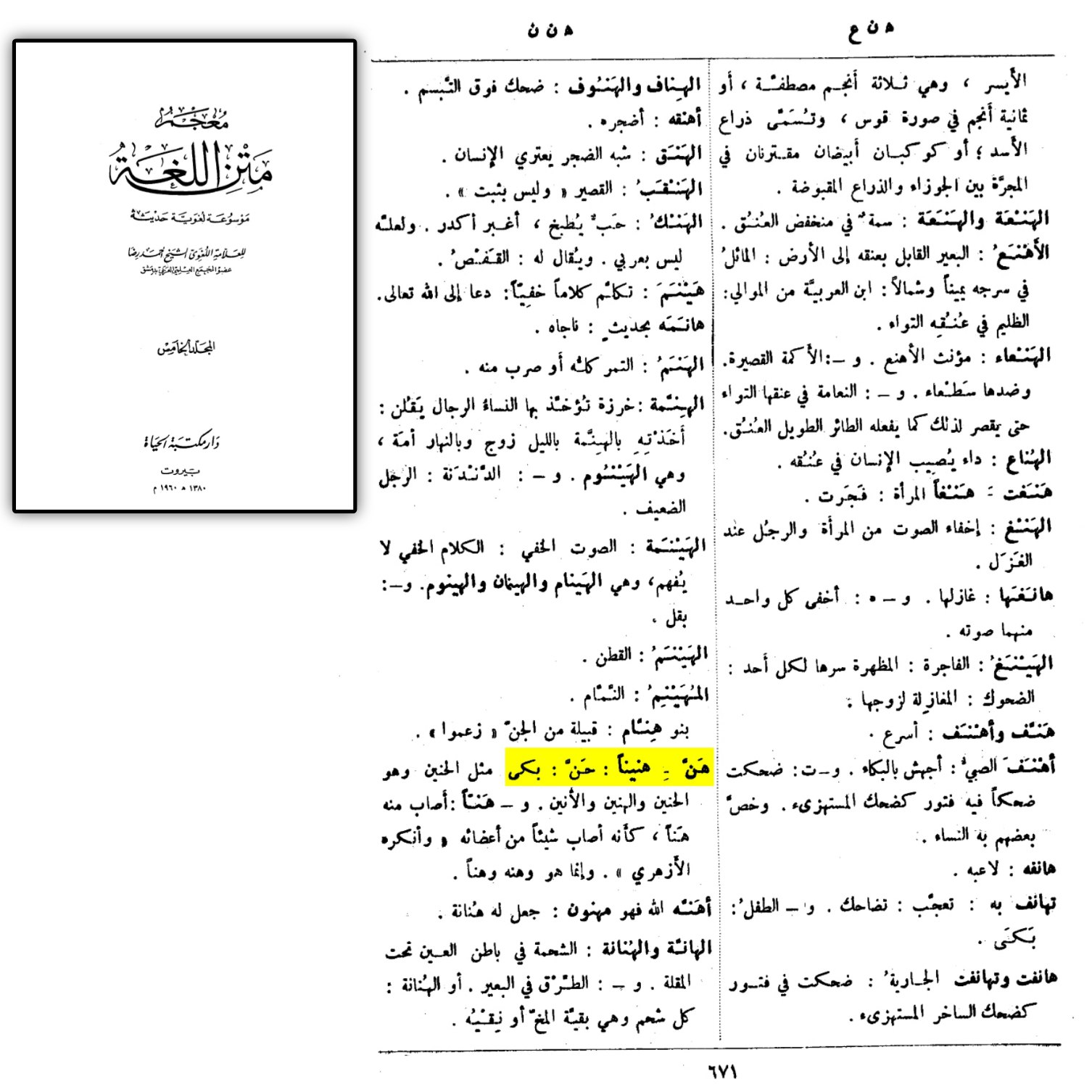
Secondly, in the same source we find written that it is the male organ, a euphemism for man, meaning that what is meant here are men, not jinn.
The term “al-Hanin” is a nickname for their people.
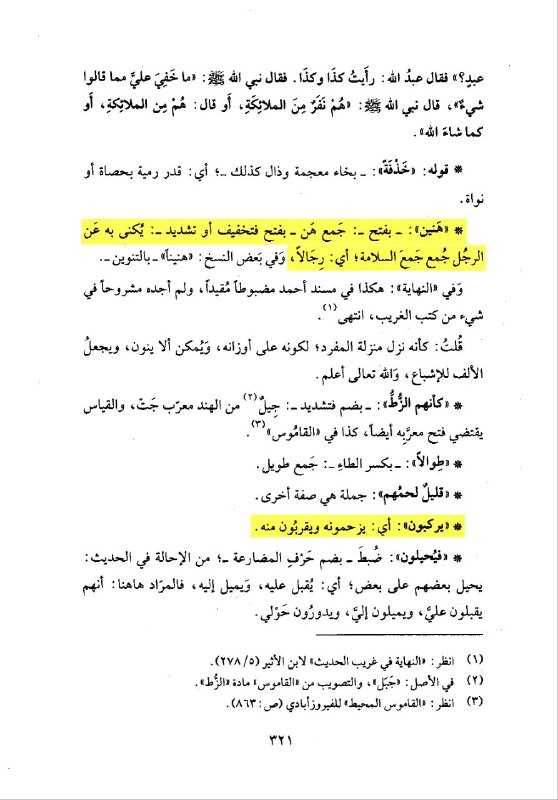
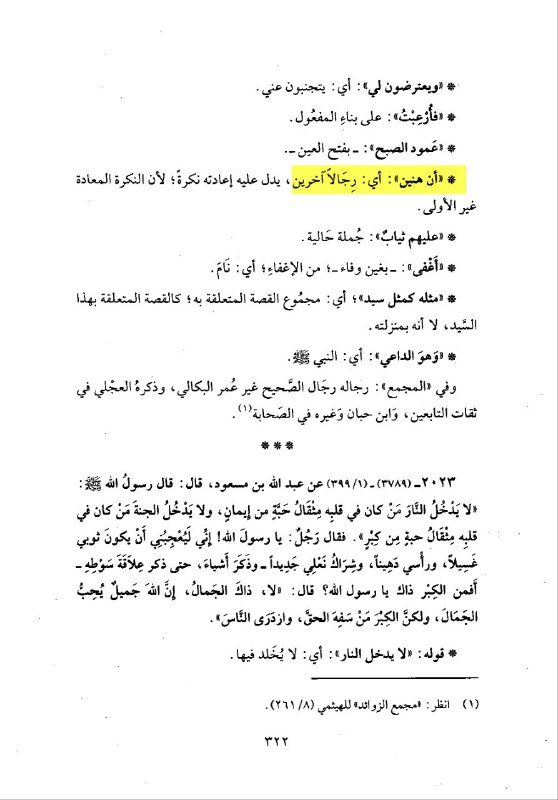
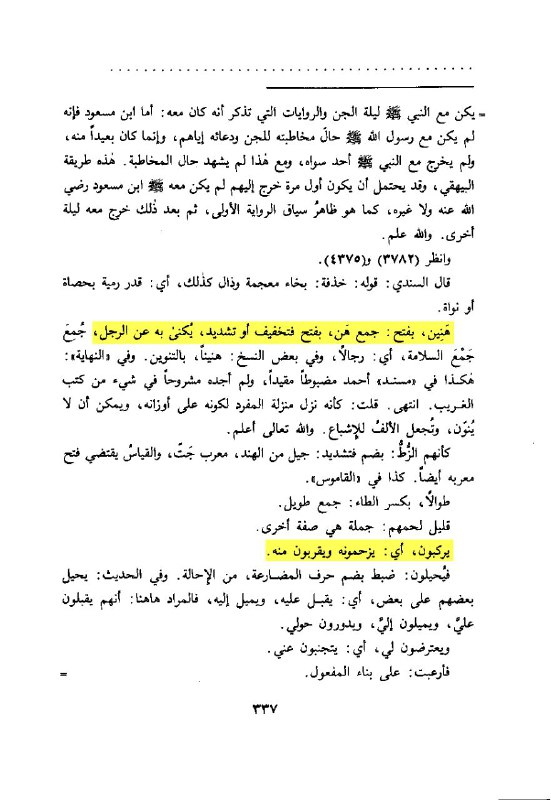
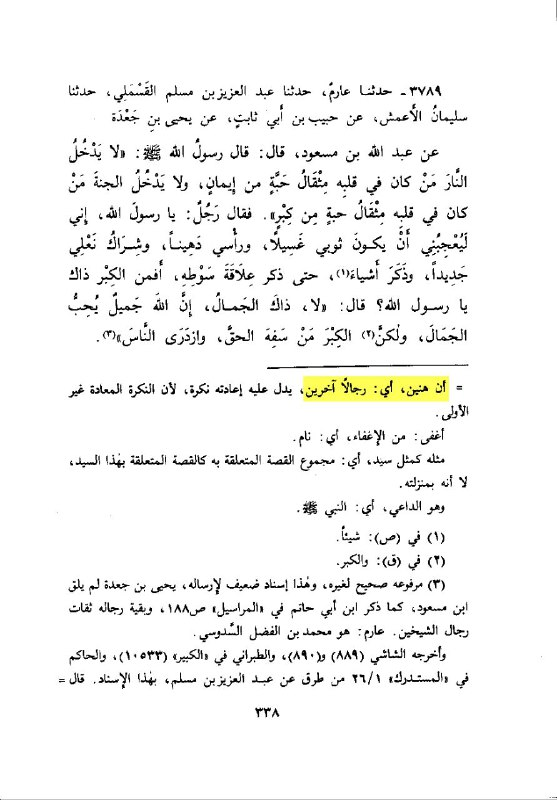
The term “al-Hanin” is a nickname for their people.
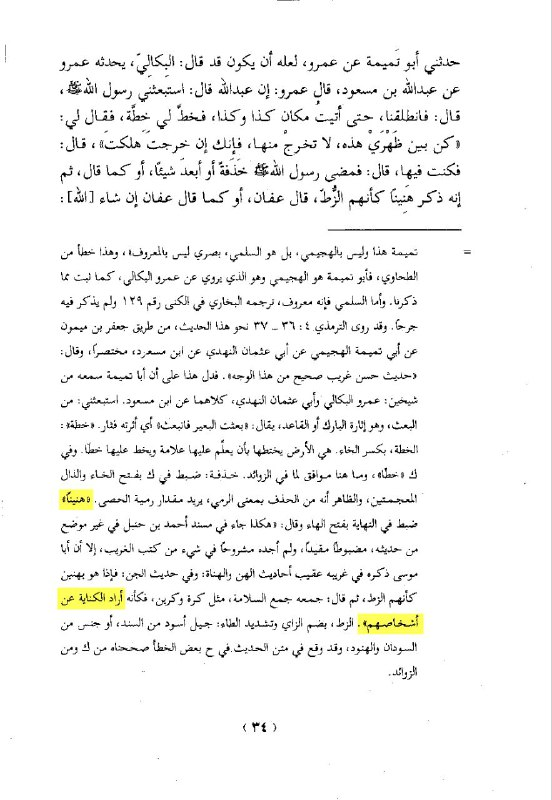
The meaning of “they ride” is “they jostle”
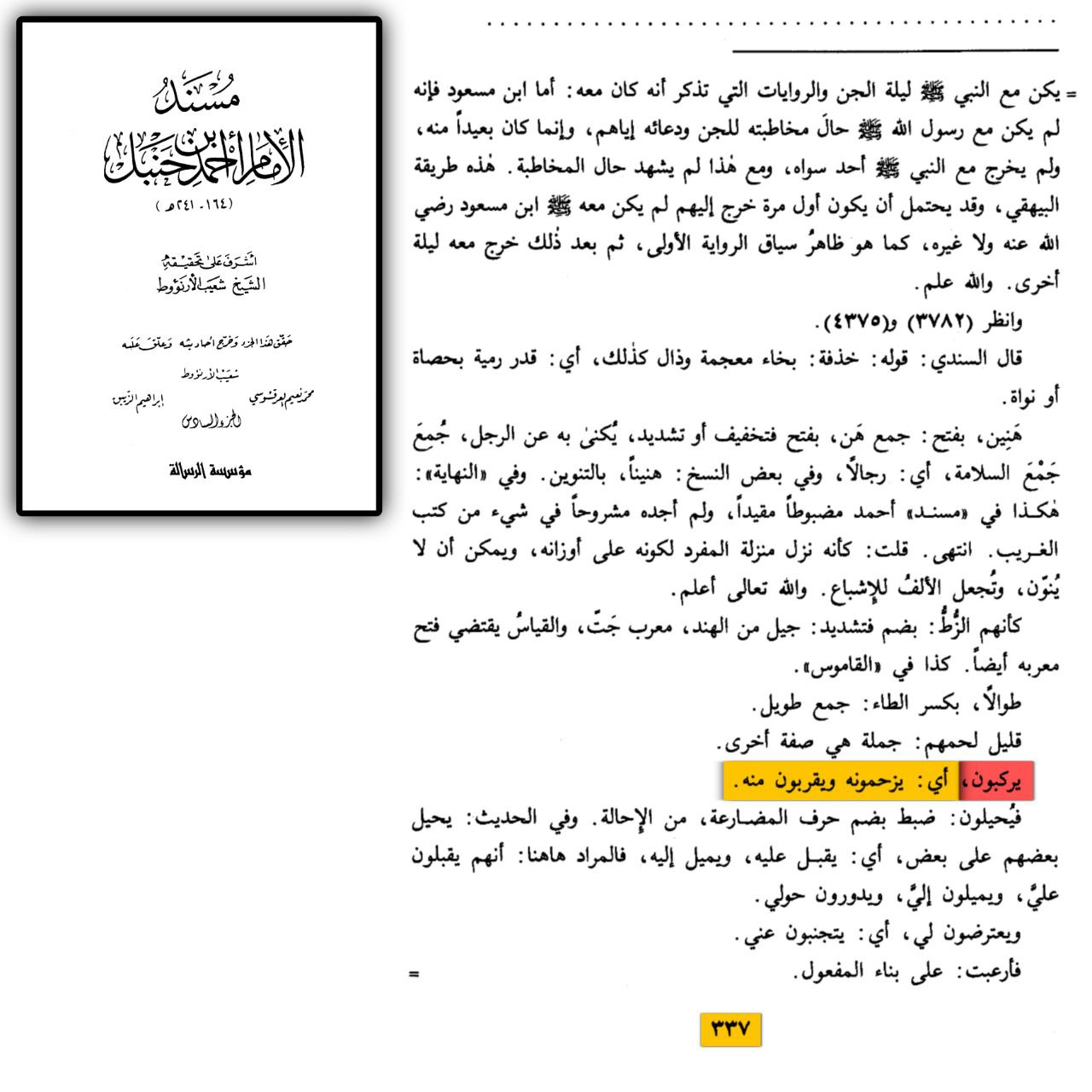
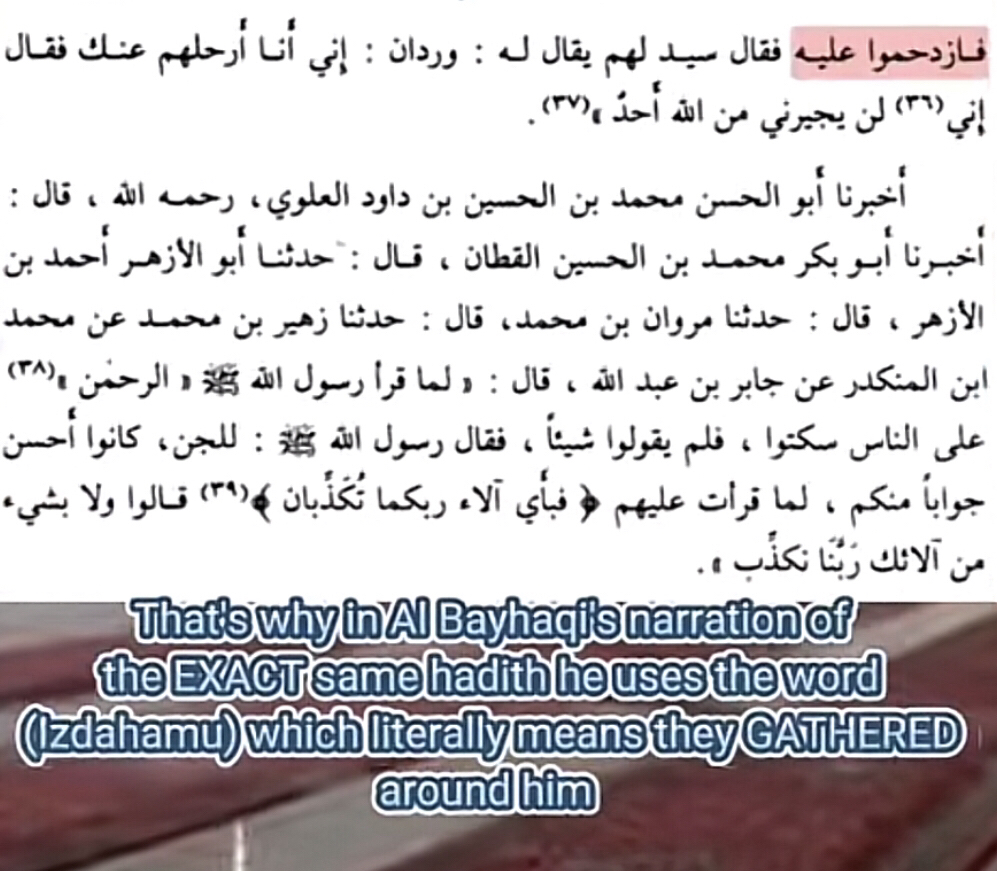
Similarly, the same narration, from another source, used the word “they crowd,” which implies that the word “they ride” is a synonym for “they crowd.”
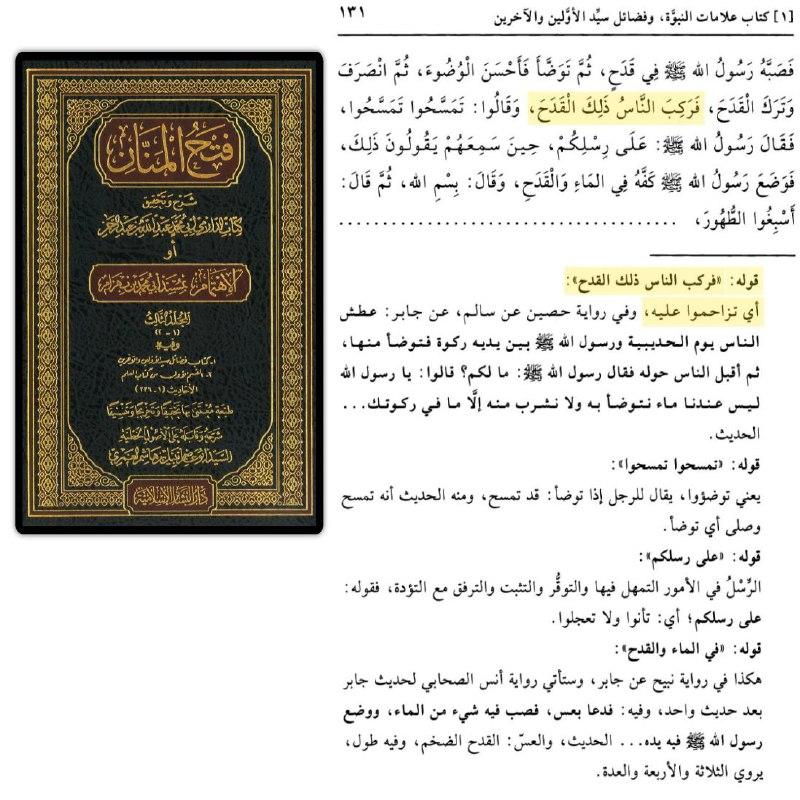
In the story of the Companions crowding around the ablution vessel, the narration states that the Companions crowded around the ablution vessel, meaning they jostled for it.
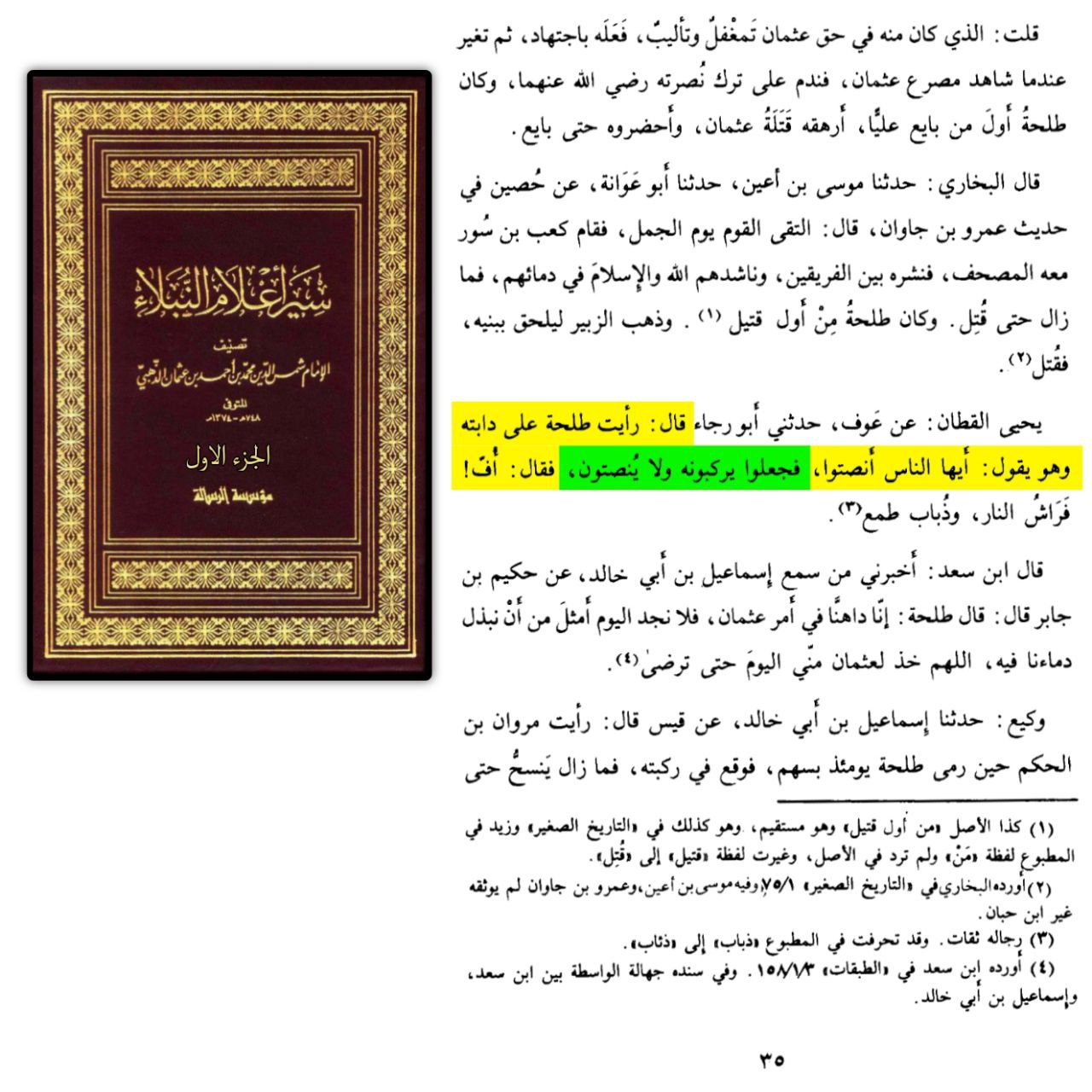
In the story of the people crowding around Talha while he was on his mount, the wording is: “They began to ride him and did not listen.”
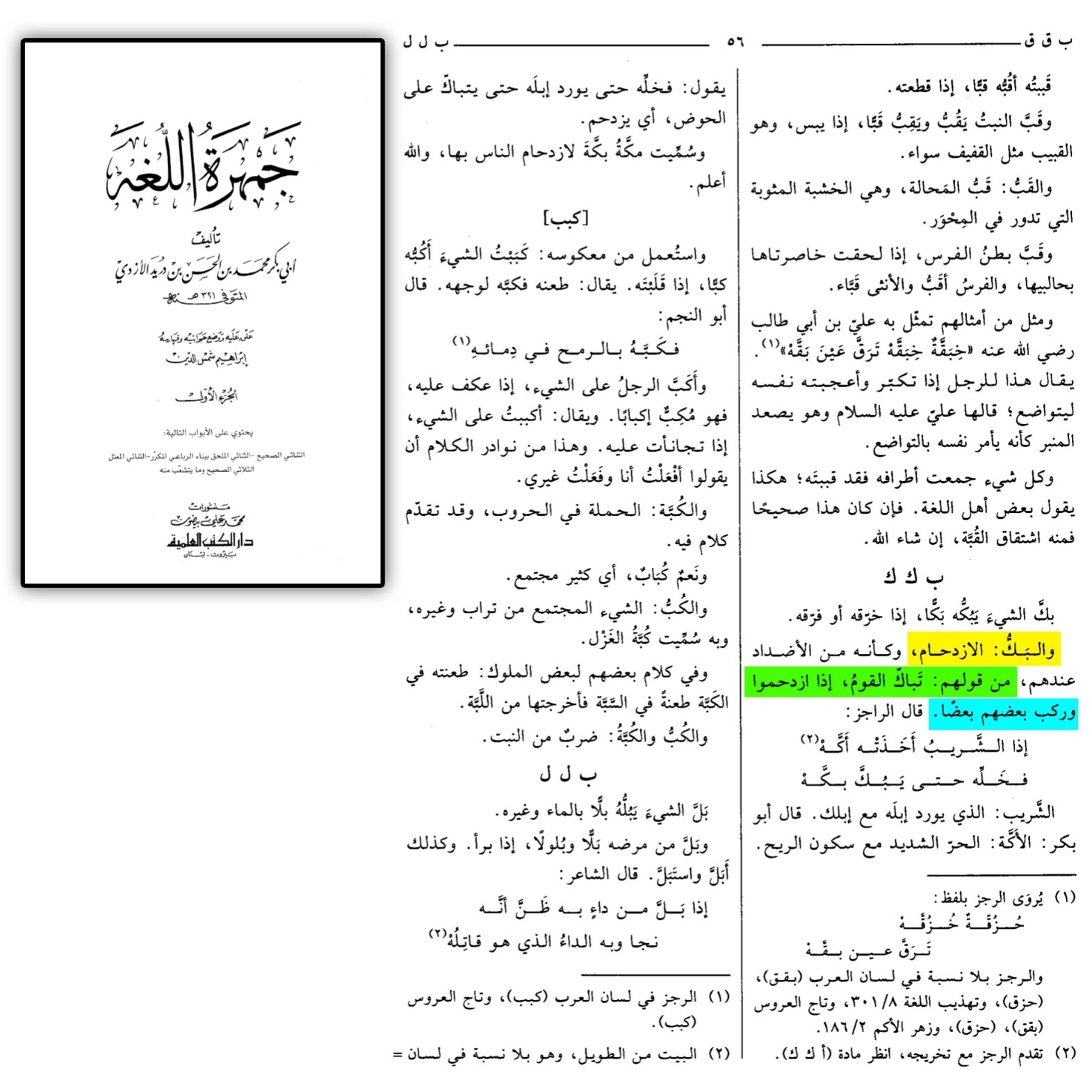
The people will cry out when they crowd together and climb on top of each other.
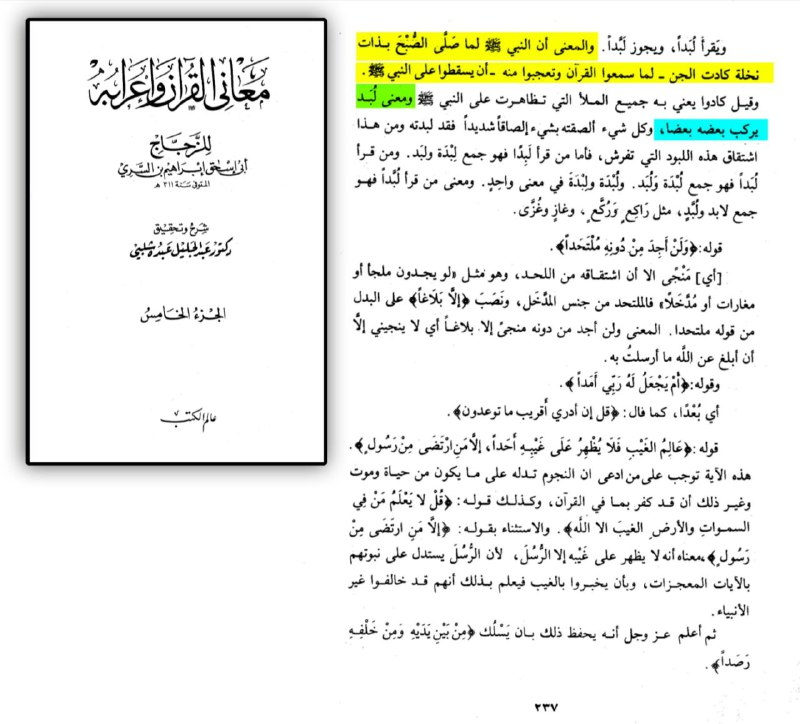
The meaning of the Almighty’s words, “And when the servant of Allah stood up to invoke Him, they almost overwhelmed him with a dense mass” [Al-Jinn 19], is that when the Prophet (peace and blessings be upon him) prayed the morning prayer at Dhat Nakhlah, the jinn, upon hearing the Quran and being amazed by it, almost descended upon the Prophet
and recited it in a dense mass. The meaning of “dense mass” is that they almost piled upon one another
[Meanings of the Quran and its Grammatical Analysis by Az-Zajjah]. This confirms that “pile upon” means crowded together.
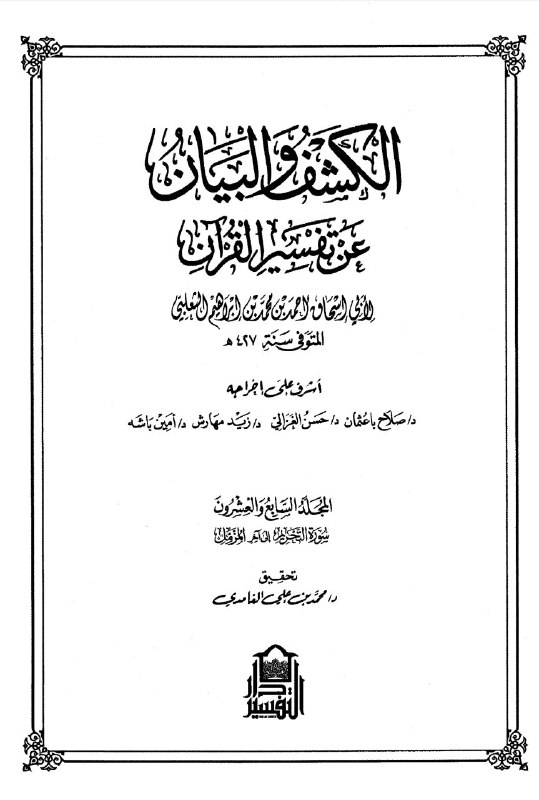
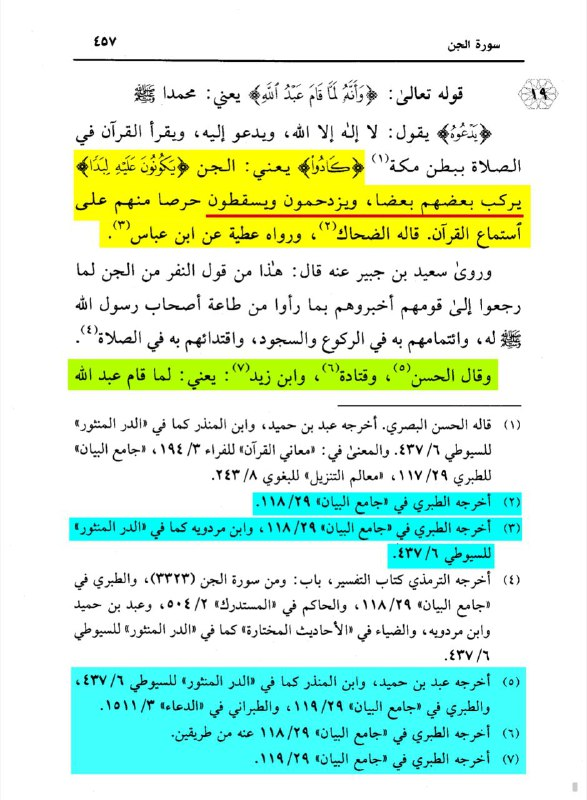
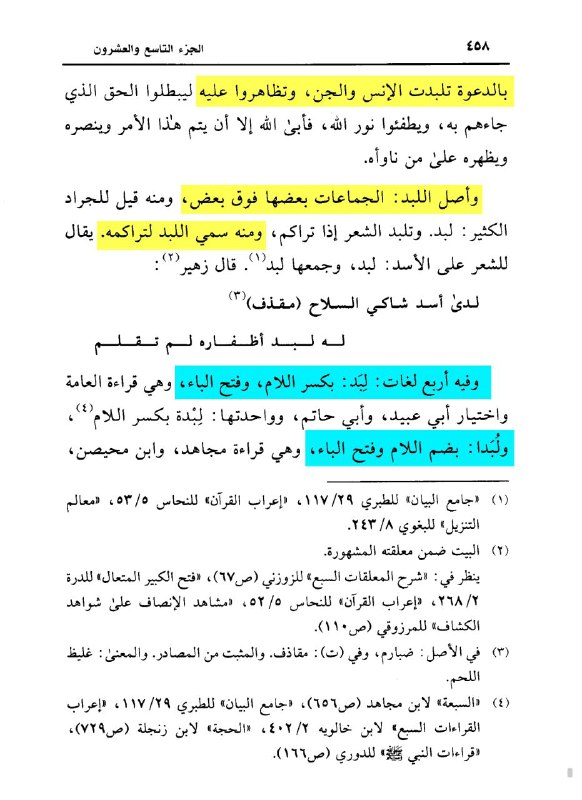
“They will be upon him in a dense mass” (Quran 15:10) . They will be crowded together, some climbing on top of others, and some will fall over, eager to hear the Quran (due to their large numbers). Al-Hasan, Qatadah, and Ibn Zayd said that this means when Abdullah began his call to Islam, humans and jinn gathered and conspired against him . The root of the word ” libad” (plural of “libad”) refers to groups piled one upon another (due to their large numbers). The word “libad” is derived from this root because of its accumulation (i.e., its abundance). There are four variations of the word: labid … and lubad . [Al-Kashf wa al-Bayan ‘an Tafsir al-Quran]. ”
They will be upon him” = they will crowd around him .
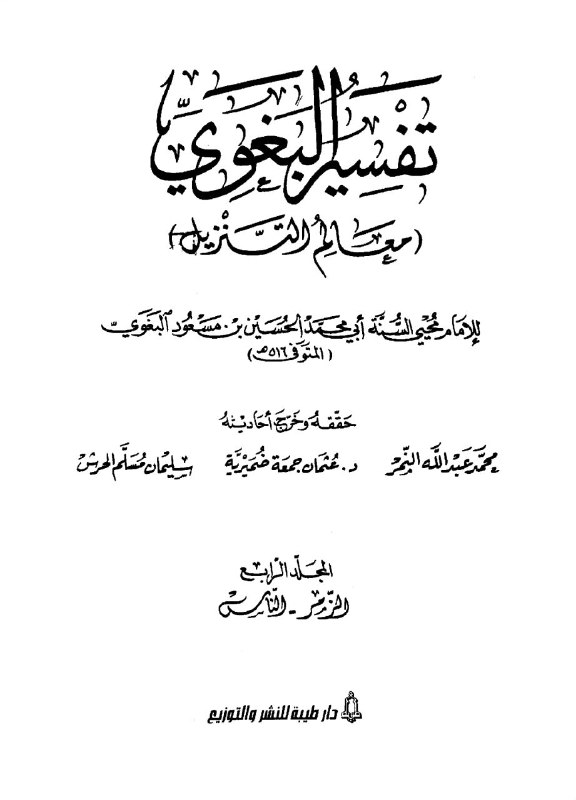
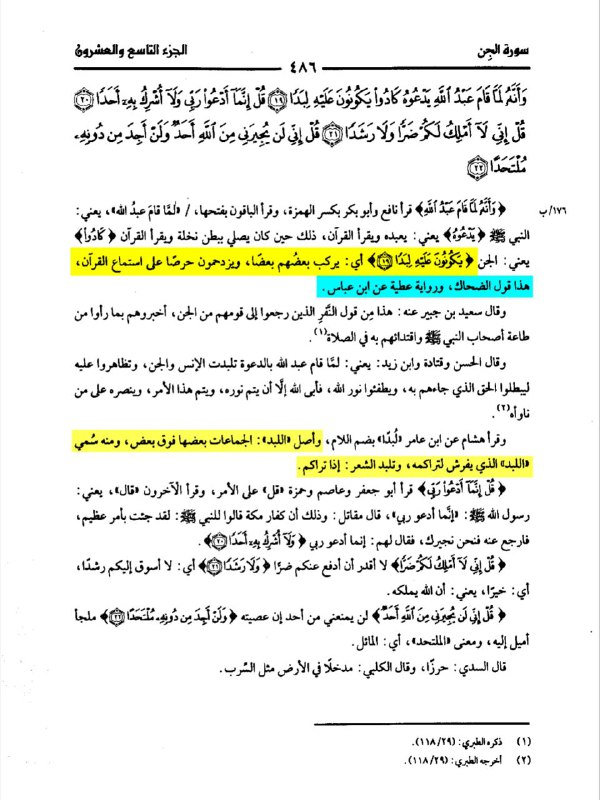
They will be upon it in a dense mass, meaning they will be crowded together, eager to listen to the Quran. [Tafsir al-Baghawi]
They will be upon it = they will crowd around it
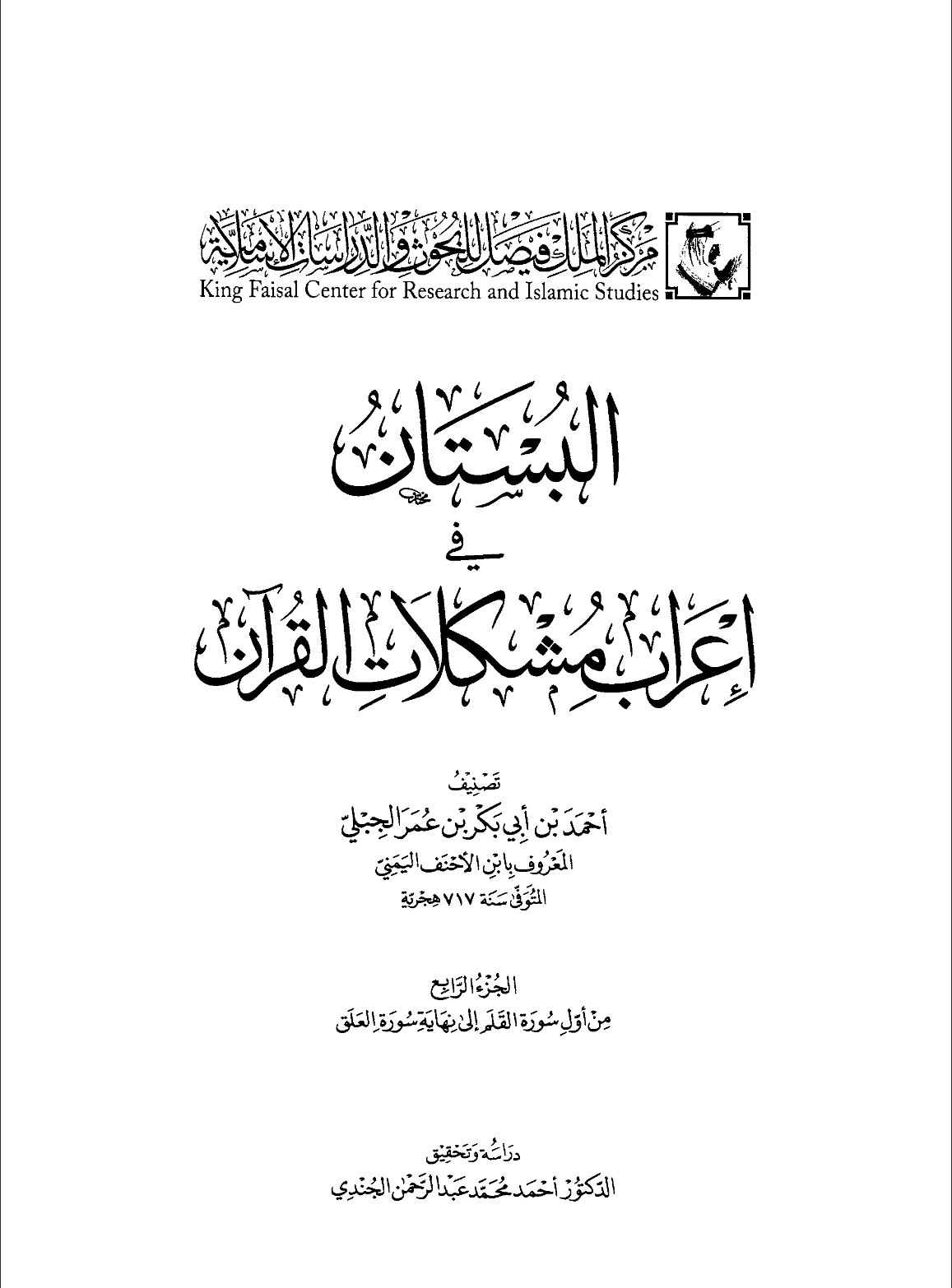
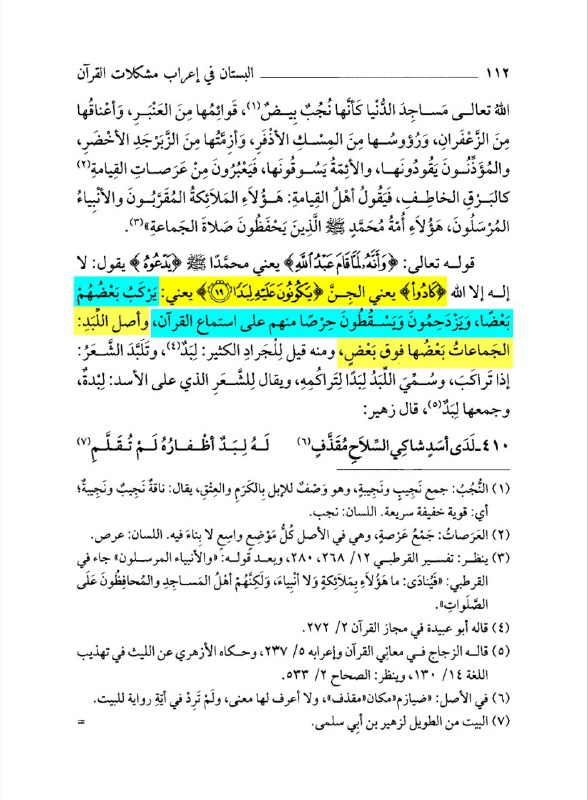
﴿They will be upon it in a dense mass﴾ meaning: they will be on top of one another, crowding together and falling over in their eagerness to listen to the Quran. The root of the word “libad” (plural of “libad”) refers to groups piled one upon another . [Al-Bustan fi I’rab Mushkilat al-Quran]
“They will be upon it” = they will crowd around it
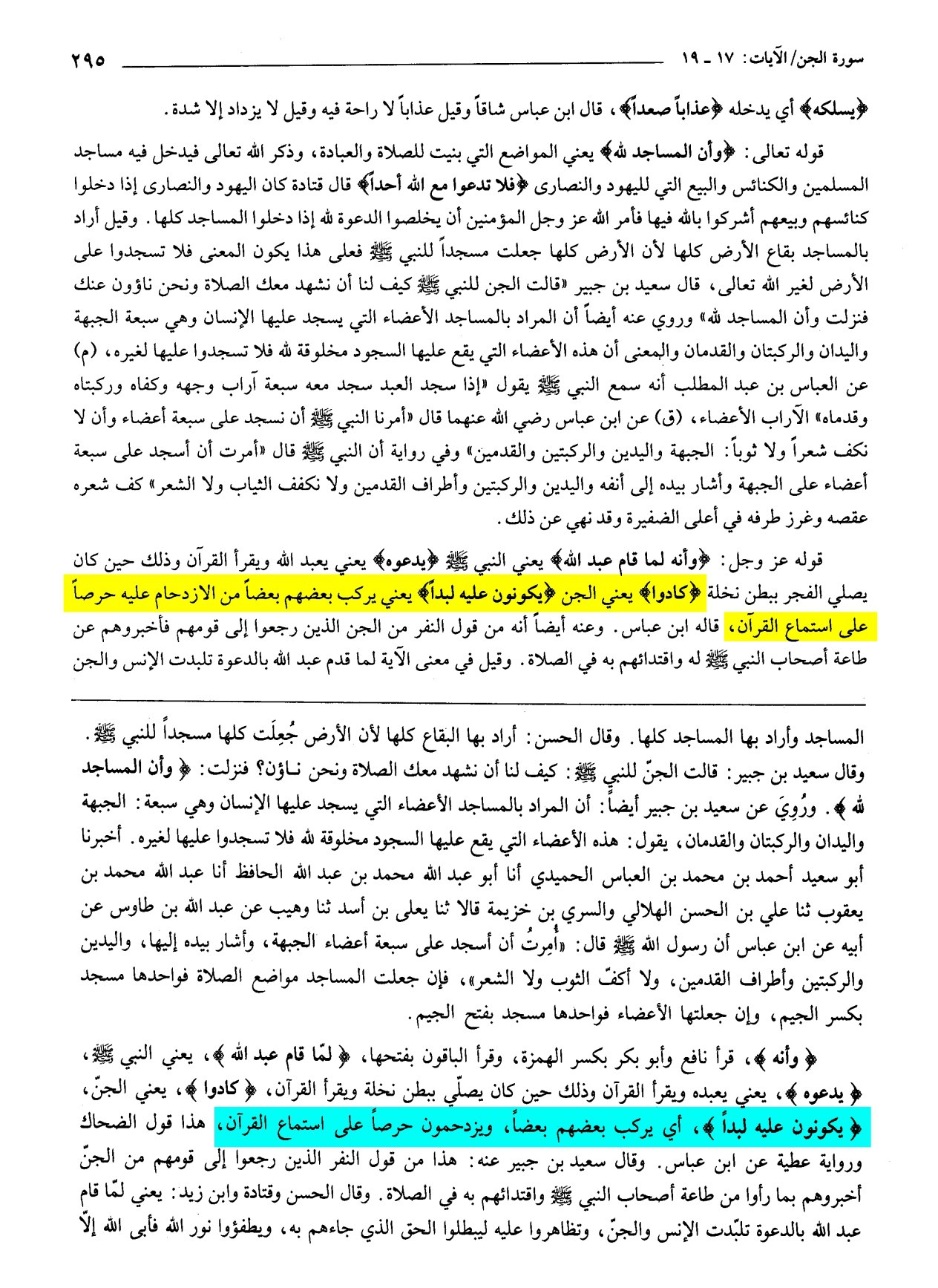
“They will be upon it in a dense mass” (meaning they will be crowded together, eager to listen to the Quran) . The root of the word “libad” refers to groups piled one upon another. From this comes the word for felt, which is spread out because of its density (plenty) , and the word for matted hair, which is said to be thick and abundant. [Al-Khazin’s Tafsir, entitled Lubab al-Ta’wil fi Ma’ani al-Tanzil, with Al-Baghawi’s Tafsir, entitled Ma’alim al-Tanzil]
“They will be upon it” = They will crowd around it
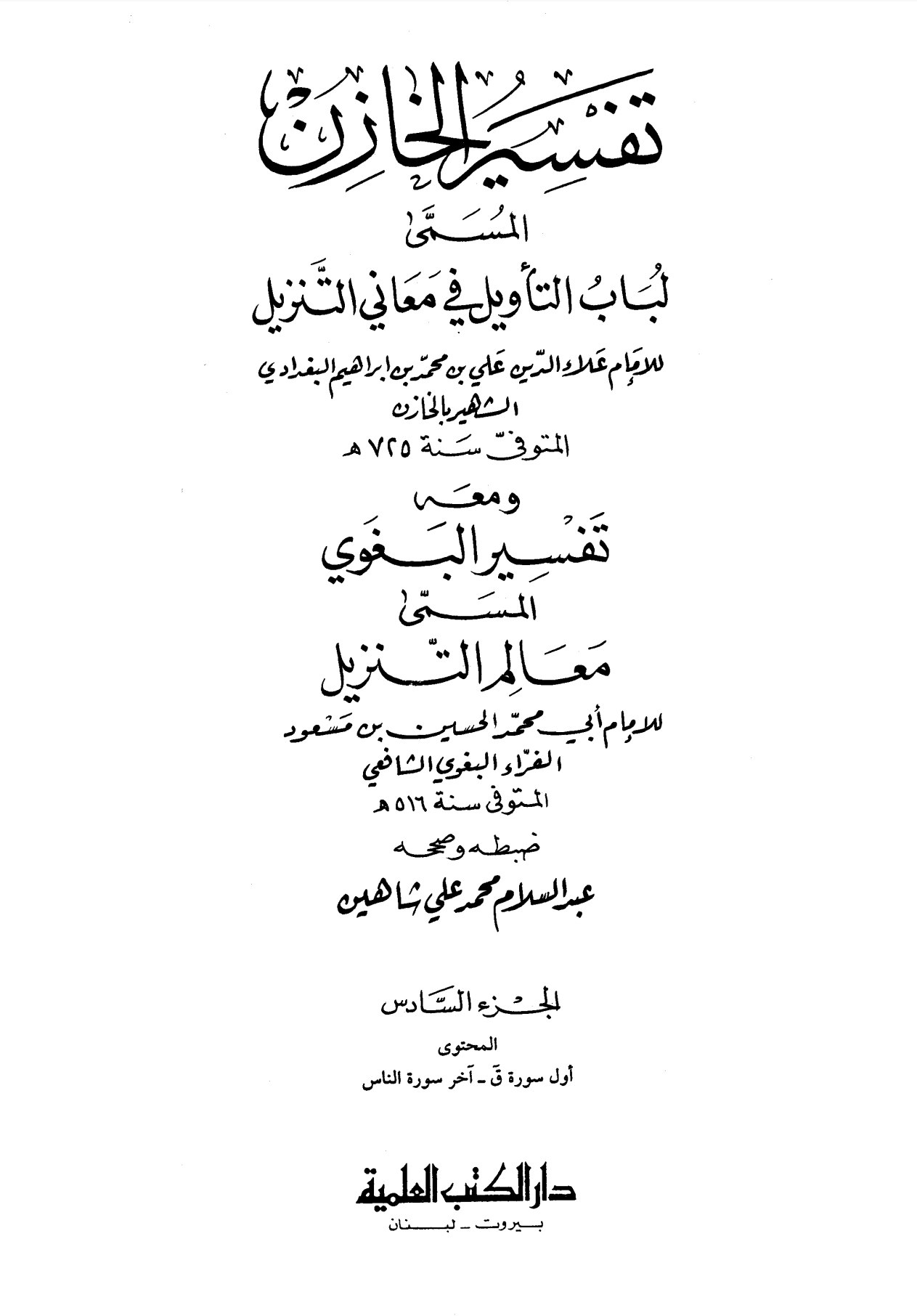
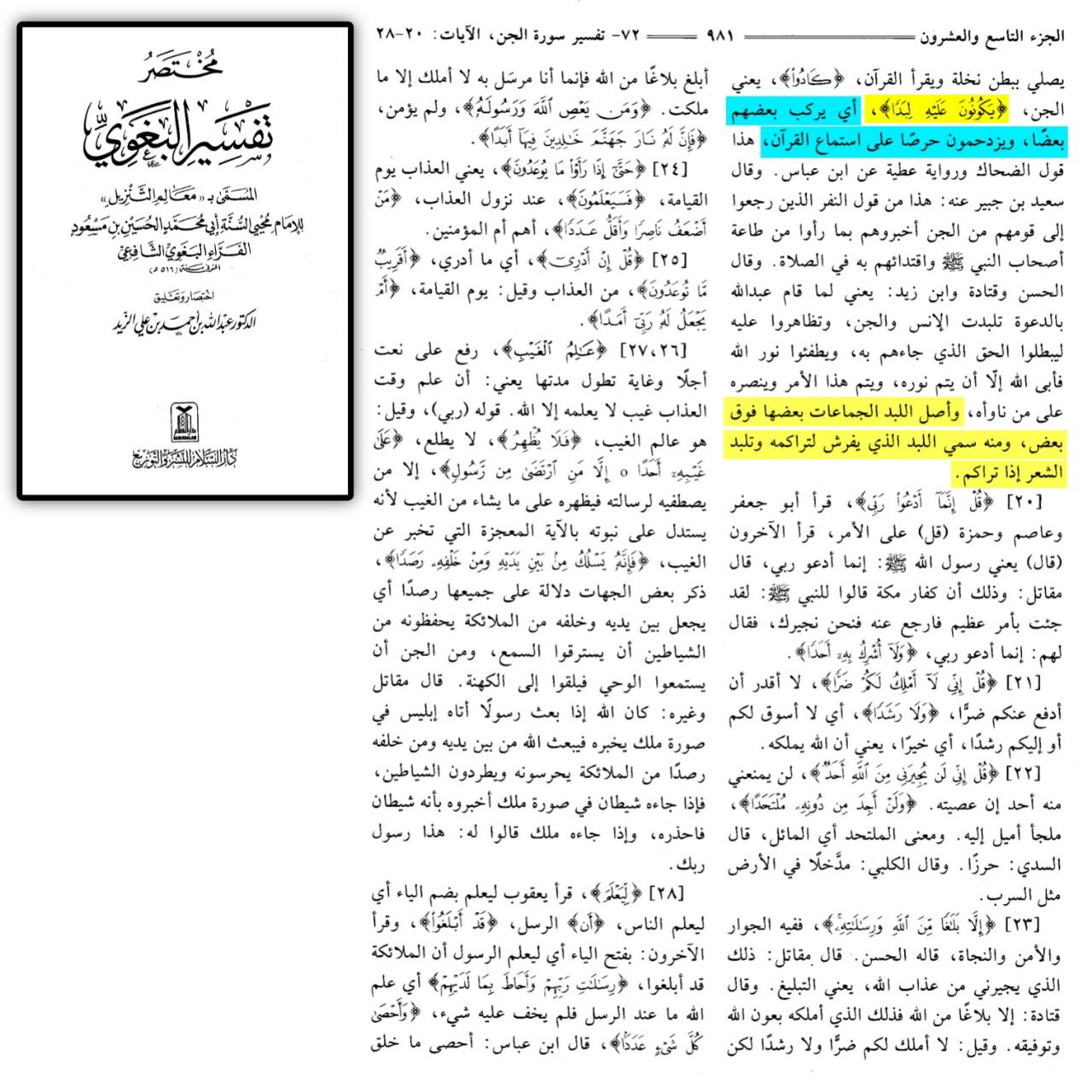
“They will be upon it in a dense mass,” meaning they will be crowded together, eager to listen to the Quran .
The root of the word “libd” refers to groups piled one upon another, and from this comes the word for felt, which is spread out because of its accumulation, and the matted hair when it is piled up . [Abridged Tafsir al-Baghawi] ”
They will be upon it in a dense mass” = they will crowd around it .
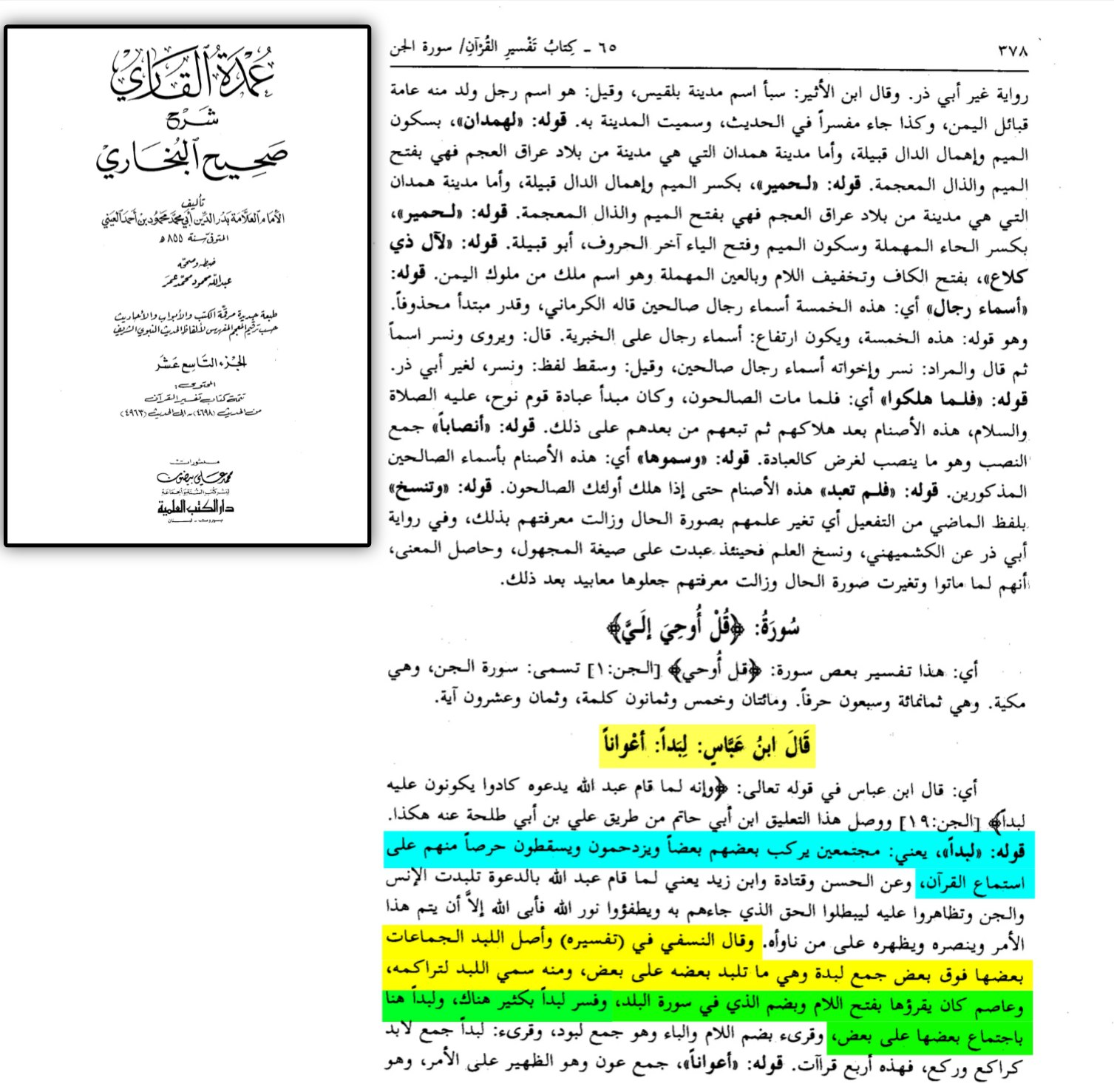
His statement, “in a dense mass ,” means a group of people crowded together, some on top of others, pushing and shoving, eager to listen to the Quran. An-Nasafi said in his commentary: ” The root of ‘libd’ is groups piled one on top of the other, the plural of ‘libdah , ’ which is something that is piled up and stacked . Asim used to recite it with a fatha on the lam and with a damma on the letter in Surah Al-Balad. He interpreted ‘libd’ there as ‘much ,’ and here as ‘a group of people gathered together .’” [Umdat al-Qari, Commentary on Sahih al-Bukhari] ”
They crowd together” = they push and shove
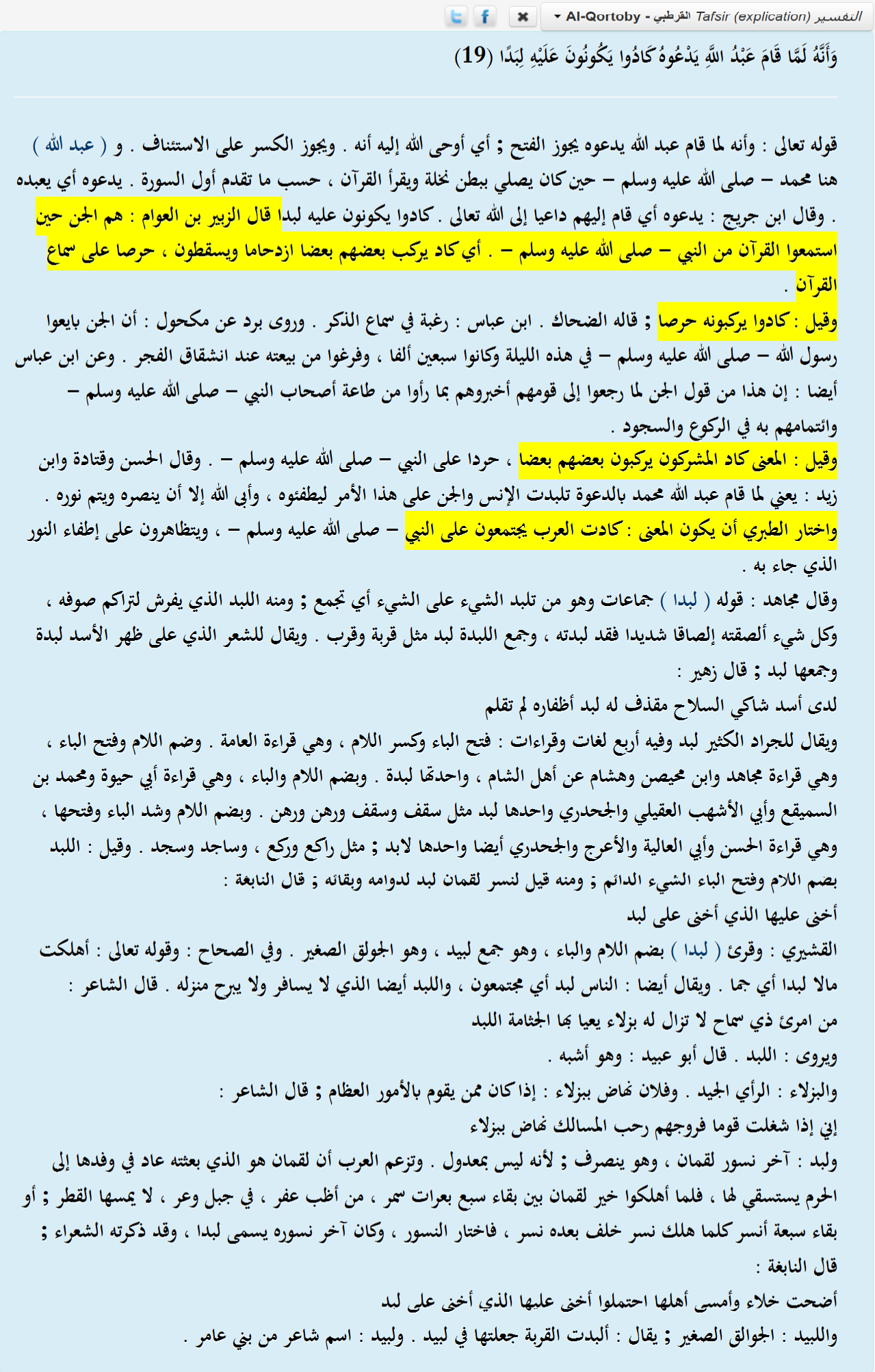
***“They almost crowded around him.” Az-Zubayr ibn al-Awwam said: They were the jinn when they listened to the Quran from the Prophet (peace and blessings be upon him). That is, they almost climbed on top of each other in their eagerness to hear the Quran. [Al-Jami’ li-Ahkam al-Quran].
“Crowded around him” = “Crowded around him .”
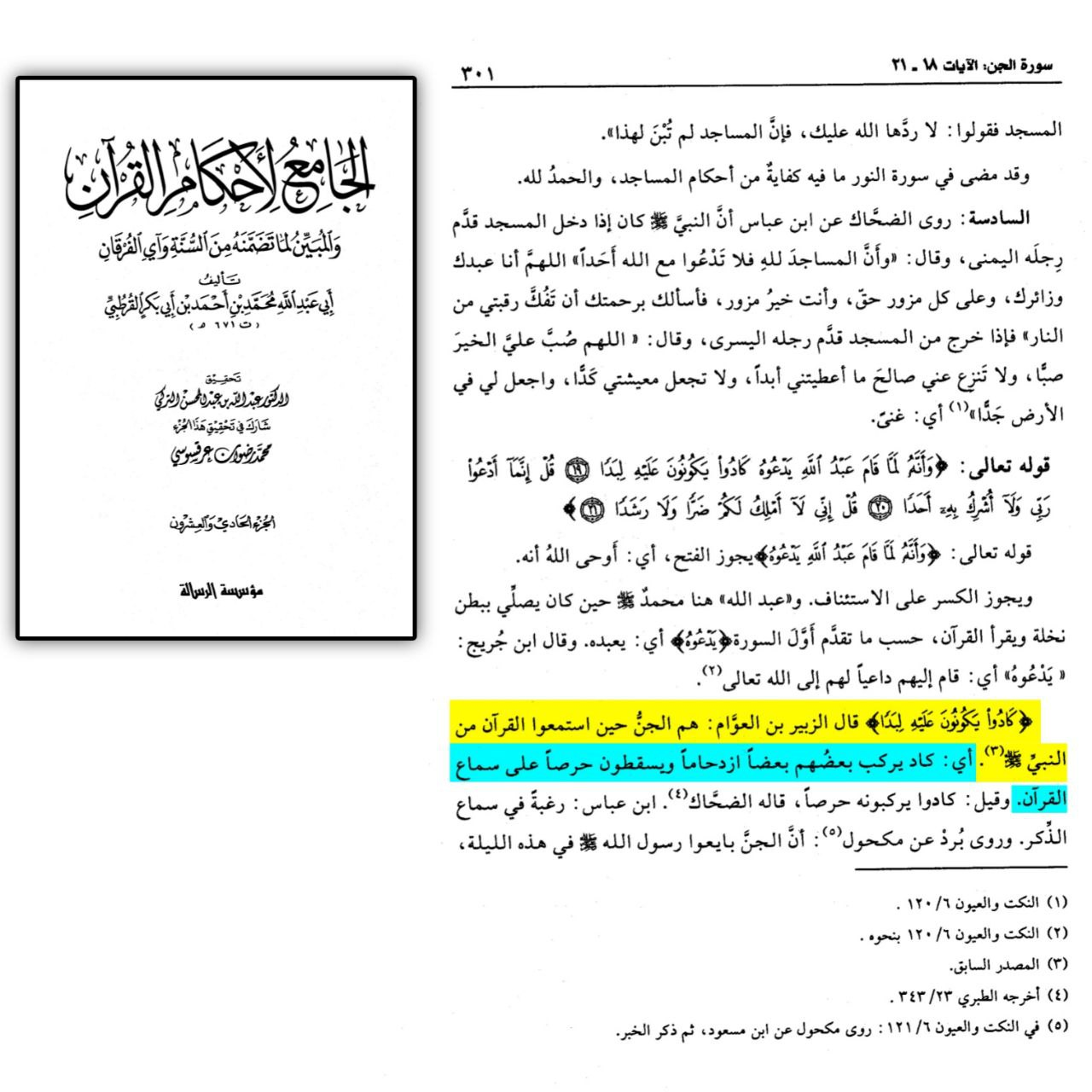
“They almost crowded around him.” Az-Zubayr ibn al-Awwam said: They were the jinn when they listened to the Quran from the Prophet (peace and blessings be upon him). That is, they almost climbed on top of each other in their eagerness to hear the Quran. [Al-Jami’ li-Ahkam al-Quran].
“Crowded around him” = “Crowded around him .”
They ride it = they crowd it
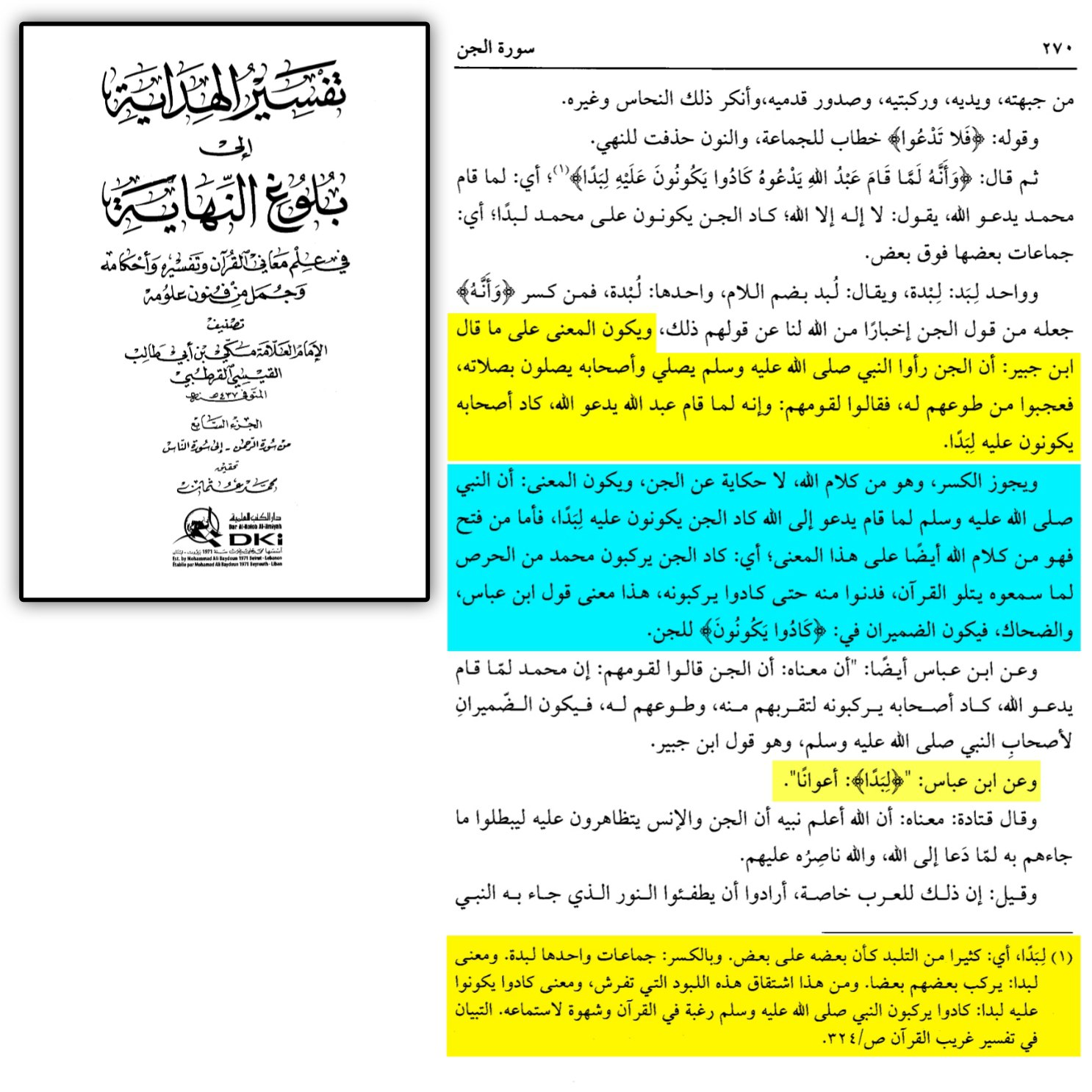
They ride it = they crowd it
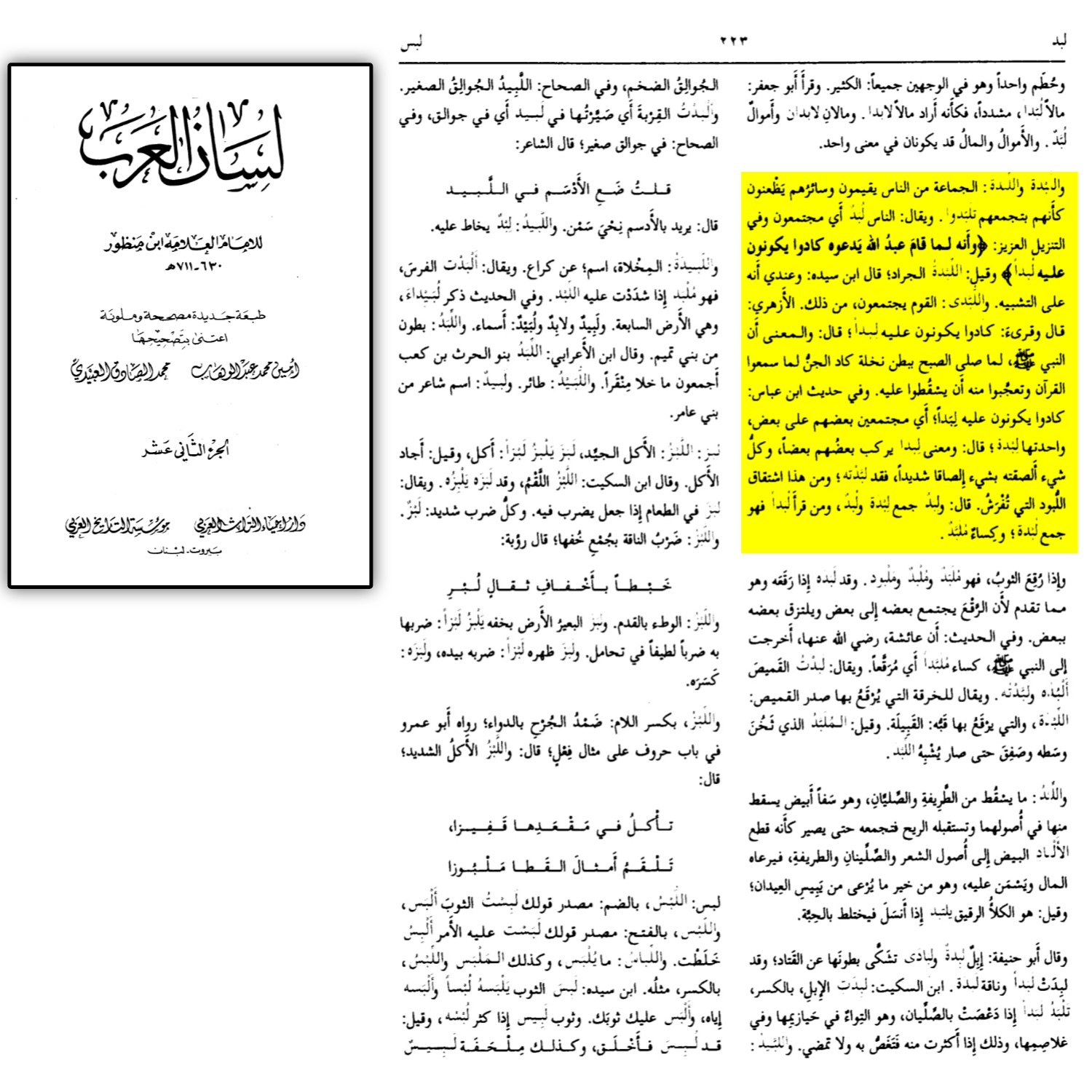
We have already explained that “riding” means crowding, i.e., they ride it = they crowd it. There are more sources for confirmation, and we challenge you to provide even a single source that says “riding” means committing an indecent act.
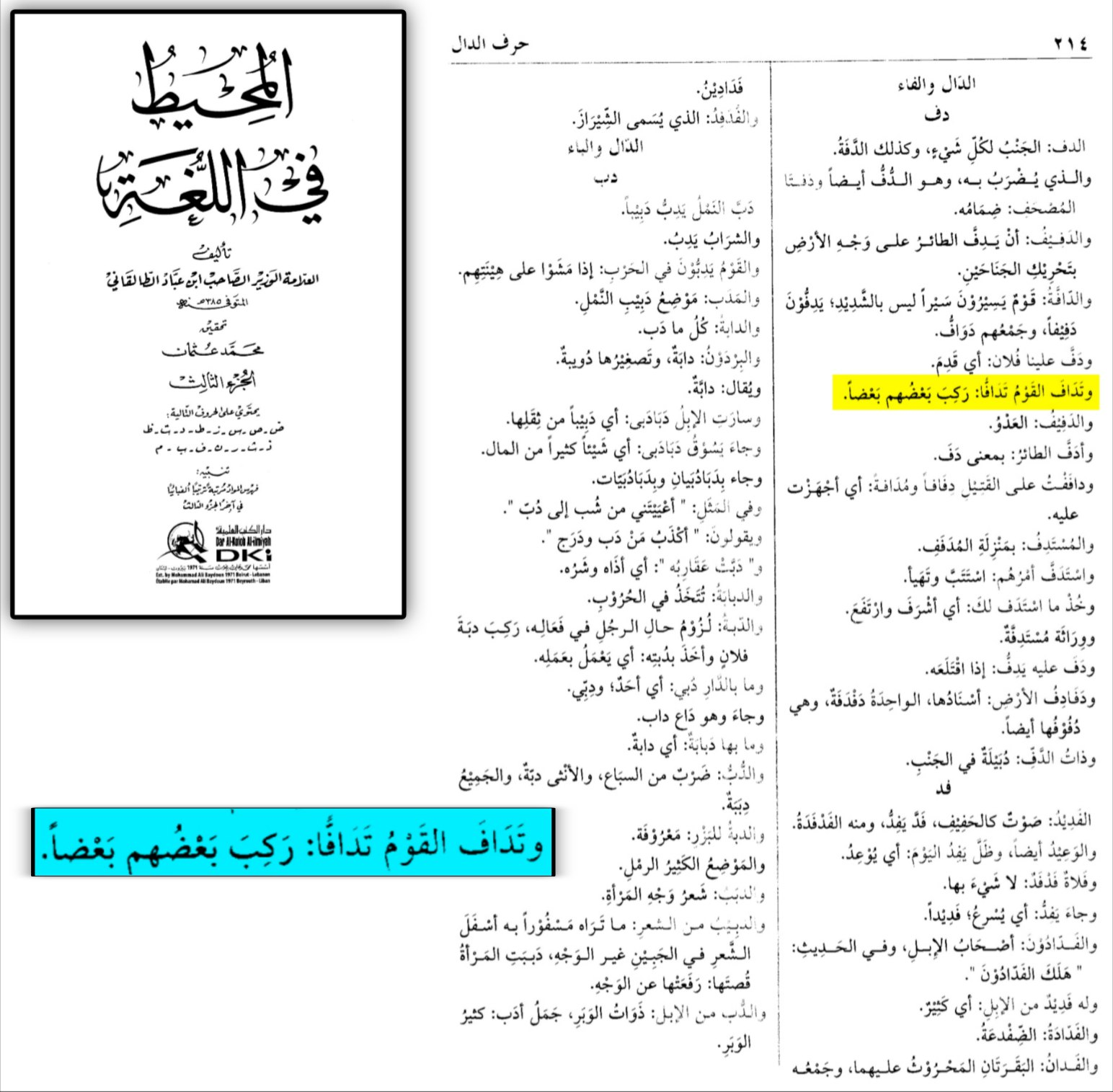
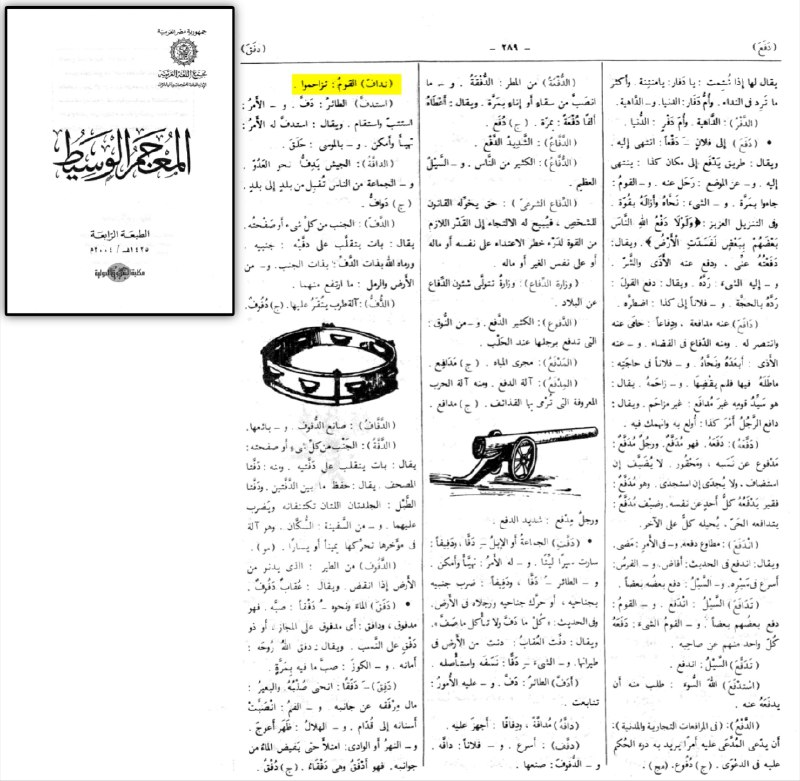
The response regarding the meaning of “riding” in the HADITH has concluded.
DOUBT REGARDING AL HEIN
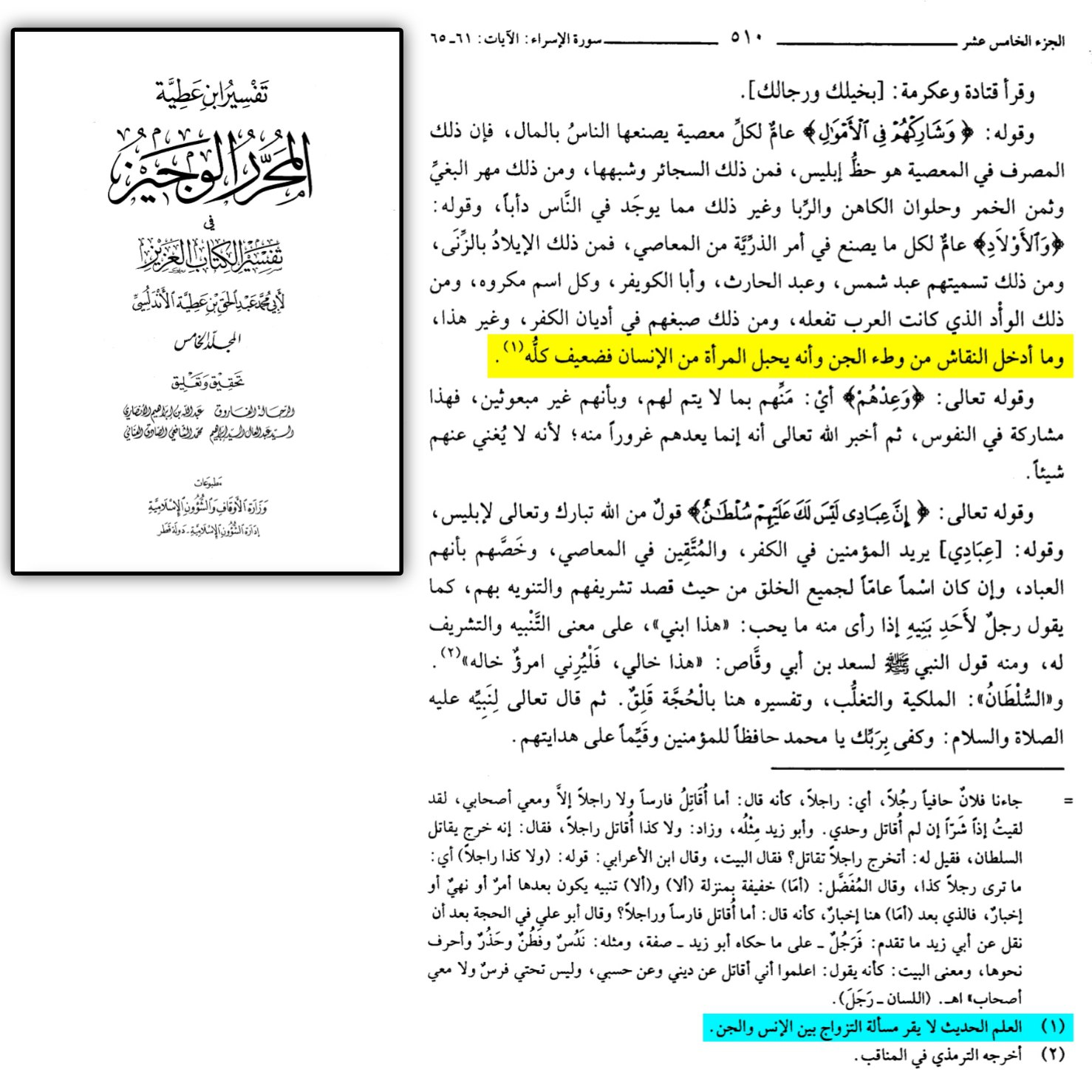
And the bullet of mercy from Ibn Atiyya, may God have mercy on him, where he said:
“Whatever discussion has been introduced about the jinn having intercourse and that it makes a woman pregnant by a human is all weak.
[ المحرّر الوجيز ] ”
The weak narration of the Zutt people in Musnad Imam Ahmad, edited by Shu’ayb al-Arna’ut
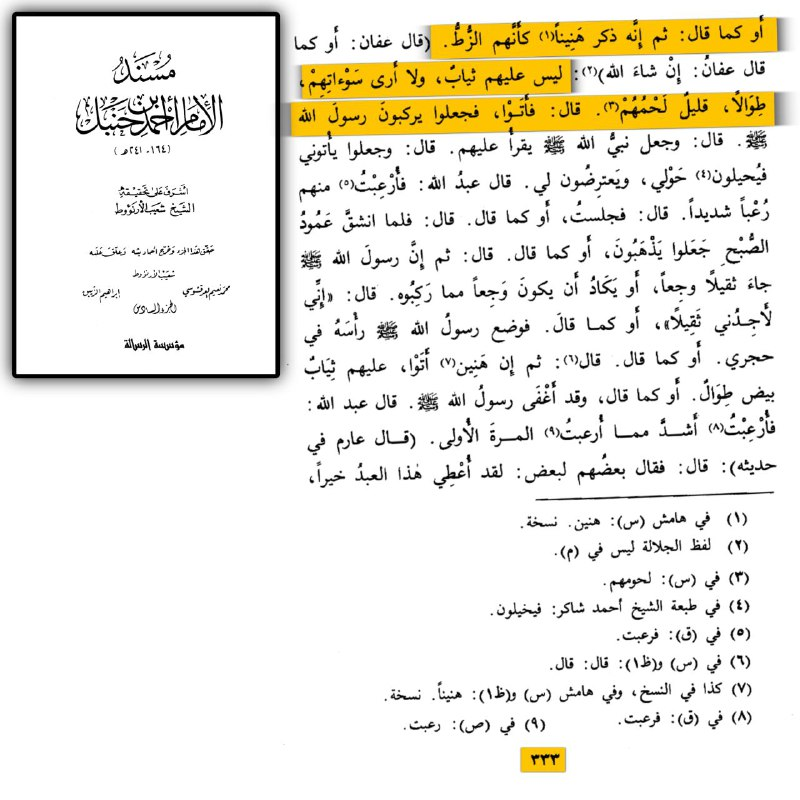
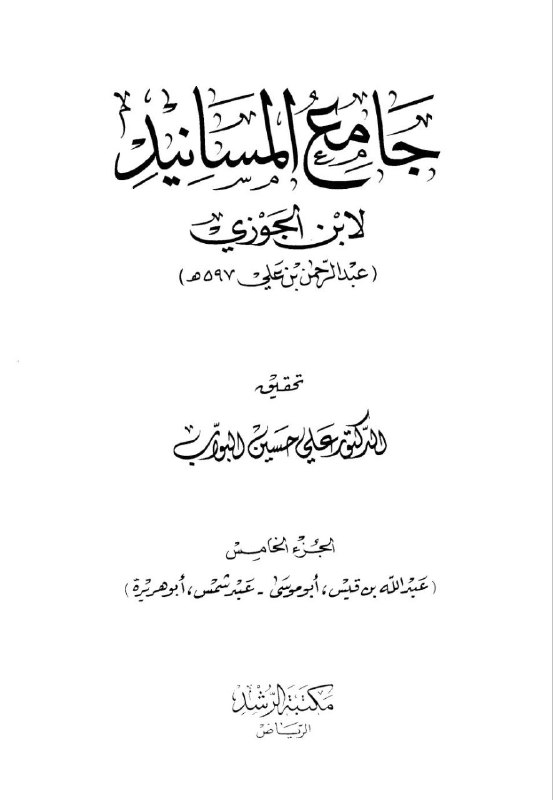
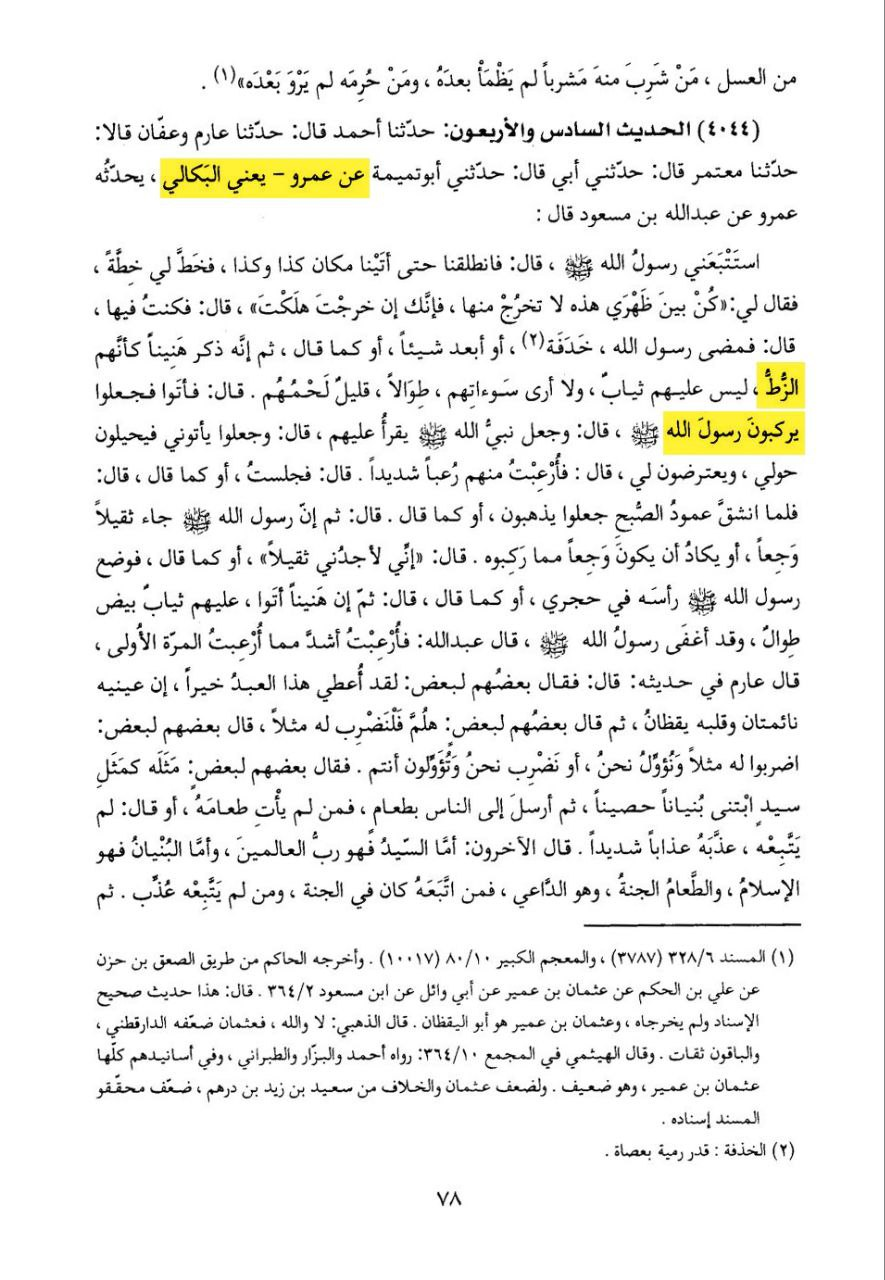
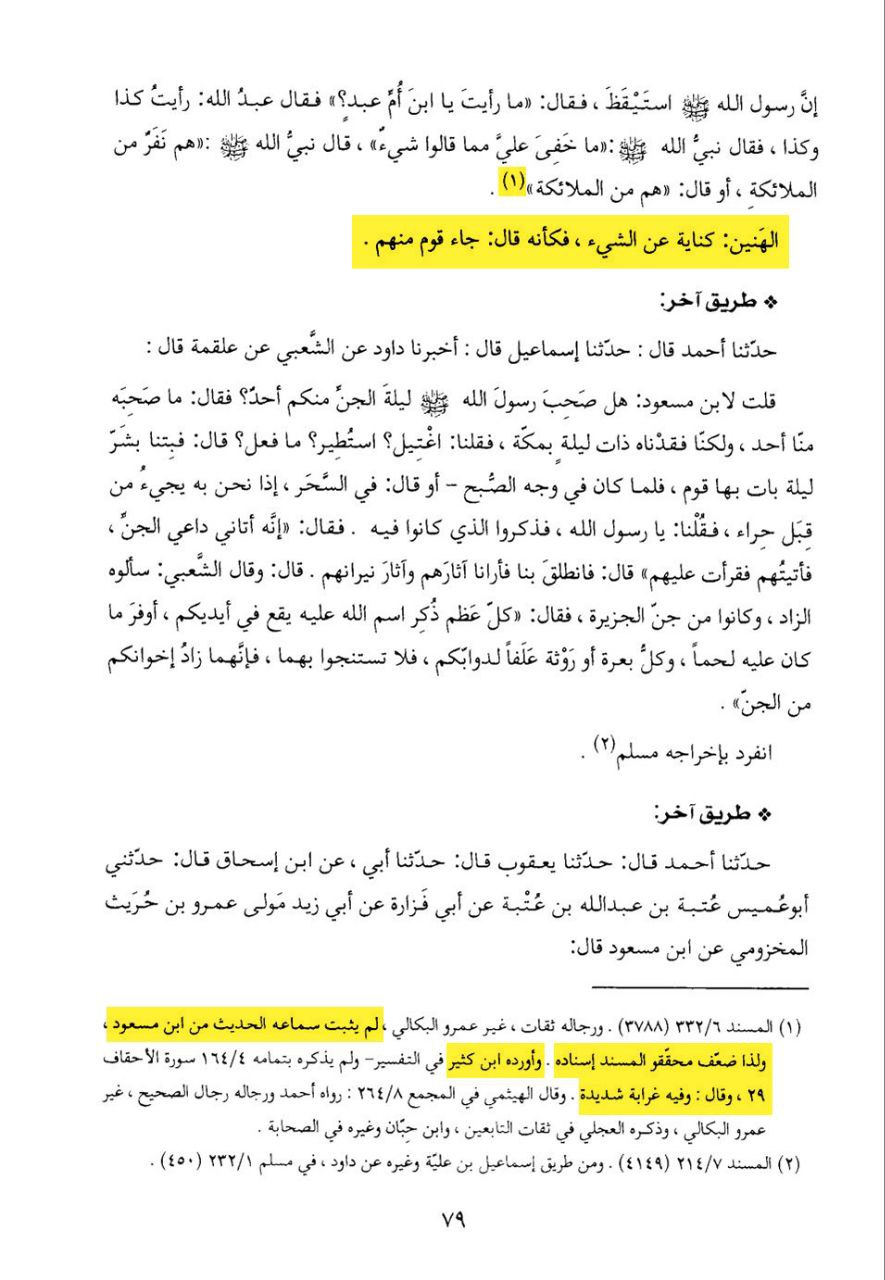
The weakness of the Zutt narrative in the book Jami’ al-Masanid, edited by Dr. Ali Hussein
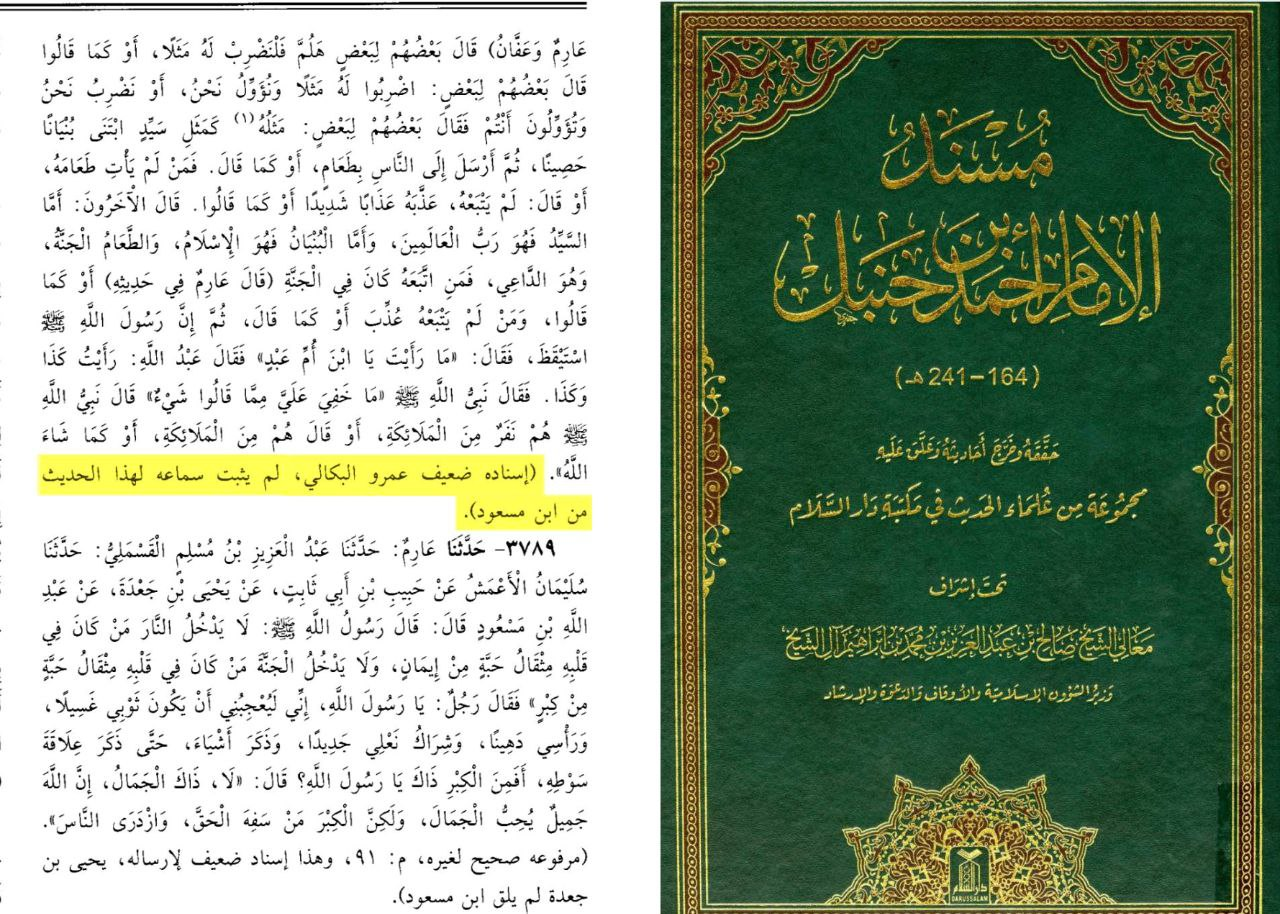
Weakening the narration of the Zutt people in Musnad Imam Ahmad, an investigation by a group of Hadith scholars under the supervision of the scholar Saleh Al-Sheikh
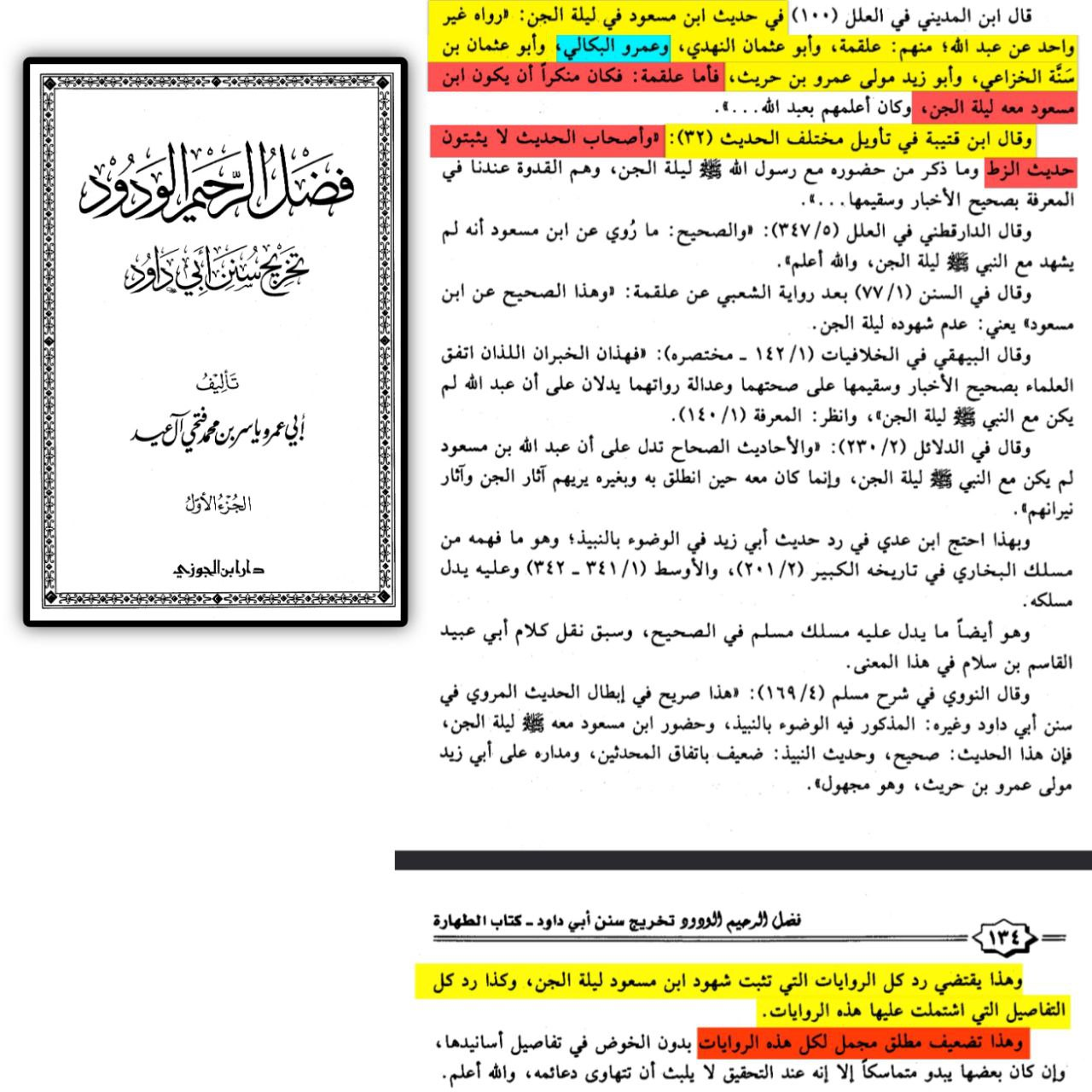
The book “The Virtue of the Merciful and Loving,” which includes an extract from the Sunan of Abu Dawud, reports the weakening of all narrations from the Zutt people and the statement of Imam Ibn Qutaybah that the scholars of Hadith do not consider the hadiths of the Zutt to be authentic.
Weakening the narration of the Zutt people in the Musnad al-Musannaf al-Mu’allal by a group of scholars
The weakening of the narration of the Zutt people in the interpretation of the Great Qur’an by Imam Ibn Kathir, who said: This hadith contains a great deal of strangeness.
The weakness of the narration of the Zutt people in the book Nuzhat al-Abab, according to al-Tirmidhi, and in the chapter he mentioned the chains of transmission for the hadith, including the chain of transmission of Amr al-Bakali, and he weakened it.
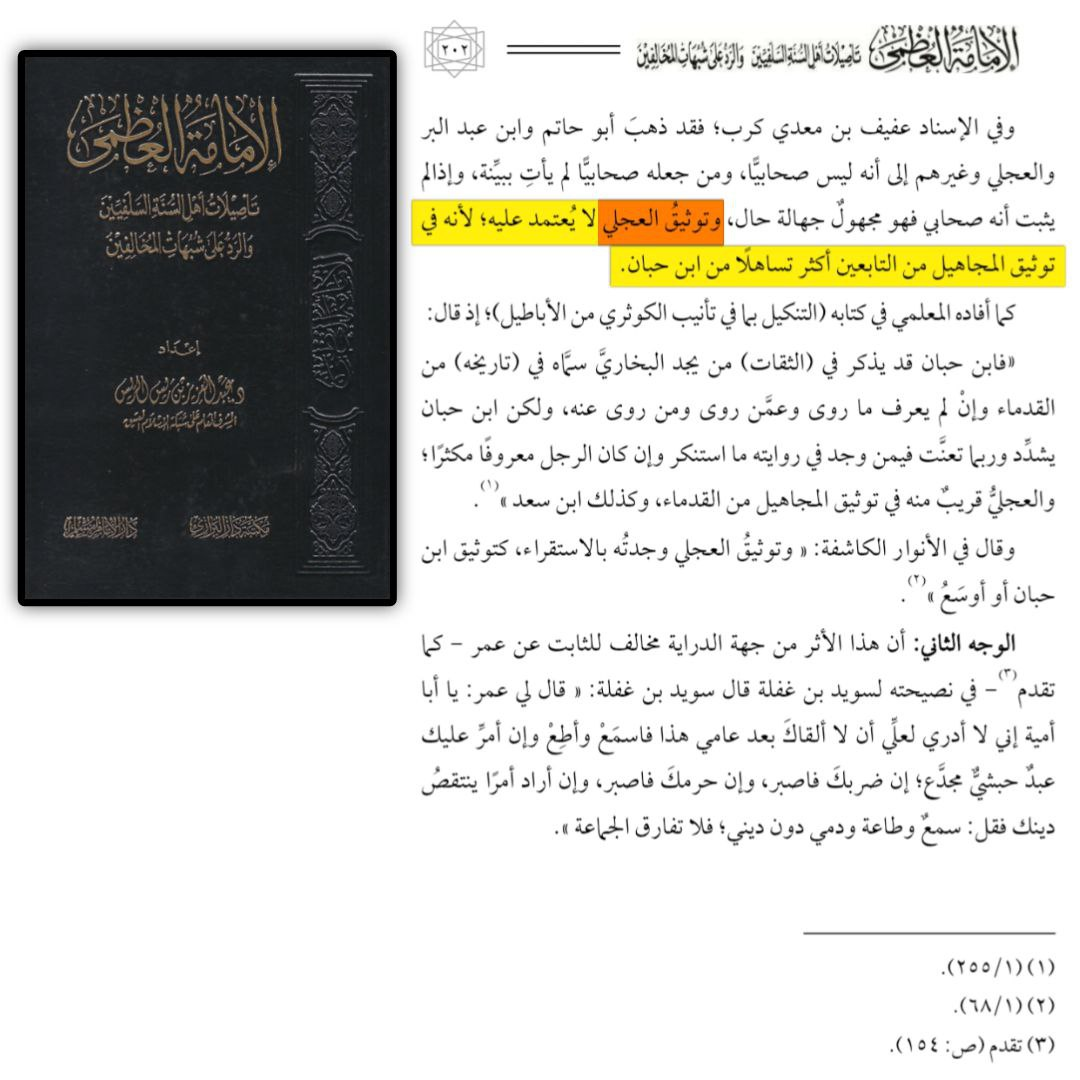
Al-Ajli’s documentation is not authoritative, as he documents unknown individuals.
Al-Bukhari said that Amr is not known to have heard from Ibn Masoud
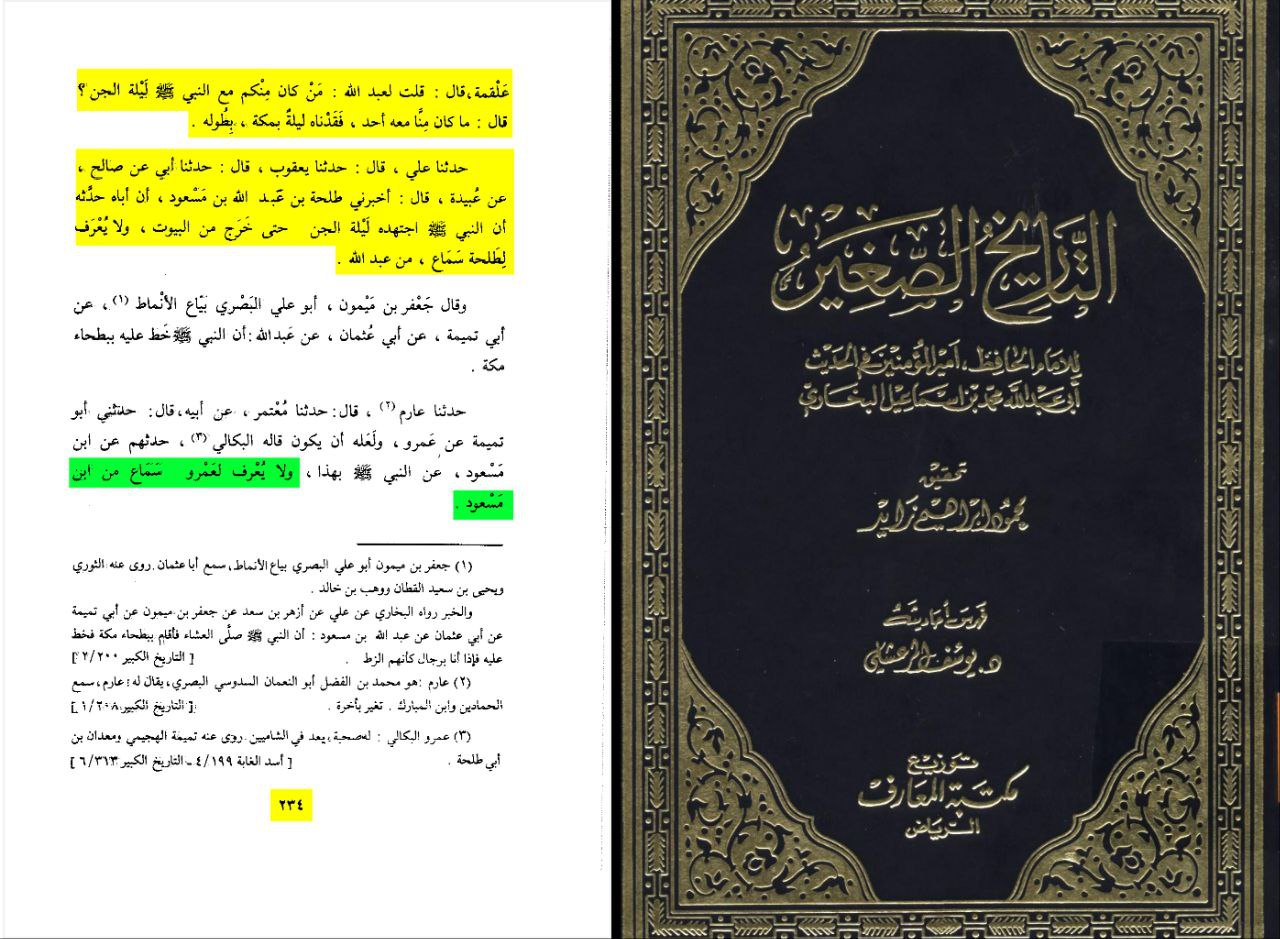
He said the same thing in the shorter history book.
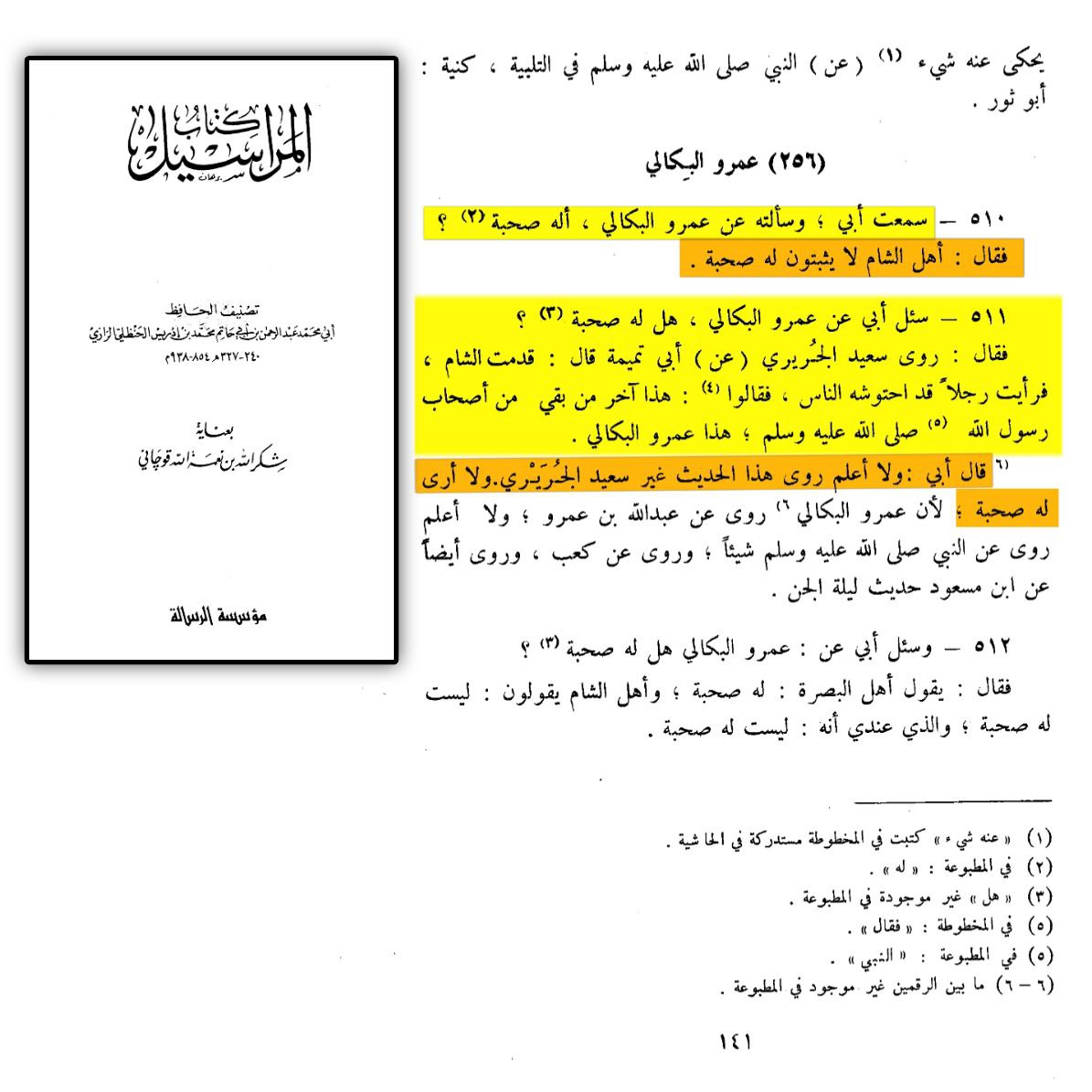
Amr al-Bakali is mentioned in the book “Those Whose Companions Were Disputed,” and Amr is from the people of Syria, and the people of Syria do not affirm his companionship. Abu Hatim said in the narration transmitted by al-Jariri that he was the sole narrator of it, and according to the scholar Abu Hatim, he was not a companion.
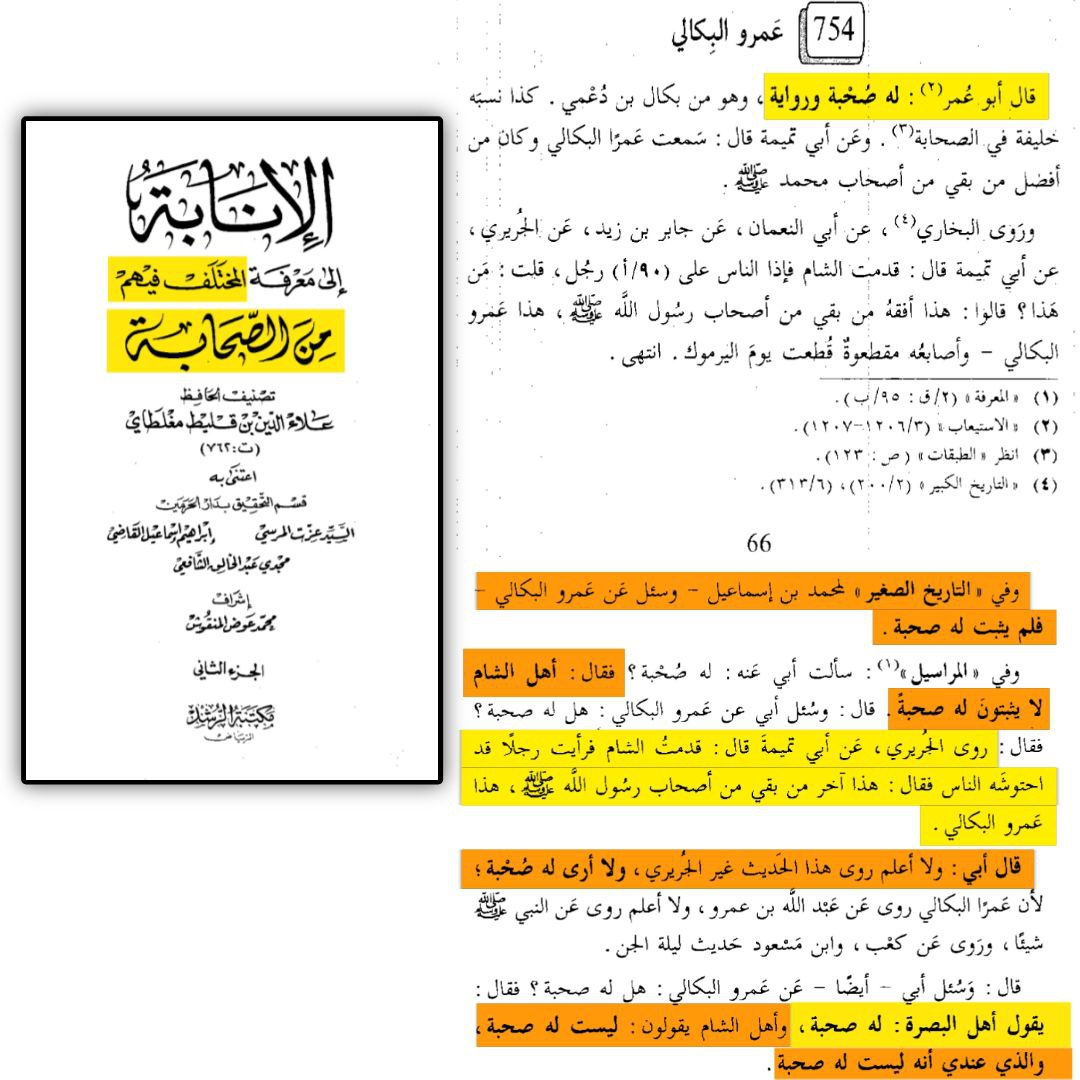
In his book “Al-Marasil,” Abu Hatim quotes Amr al-Bakali as saying that the people of Syria do not consider him a companion of the Prophet, and that the narration transmitted by al-Jariri is unique to him, and that Abu Hatim says he has no companionship with the Prophet.
In his book, “The Position of the Two Imams, Bukhari and Muslim,” he states that the correct view is that Amr was not a companion of the Prophet. He says that Amr was from Syria, and the people of Syria reported on him but did not confirm his companionship.
The weakness of the Zutt narration, which states that Amr did not hear from Ibn Masoud, is a weak narration, and yet it contradicts the trustworthy narrators.
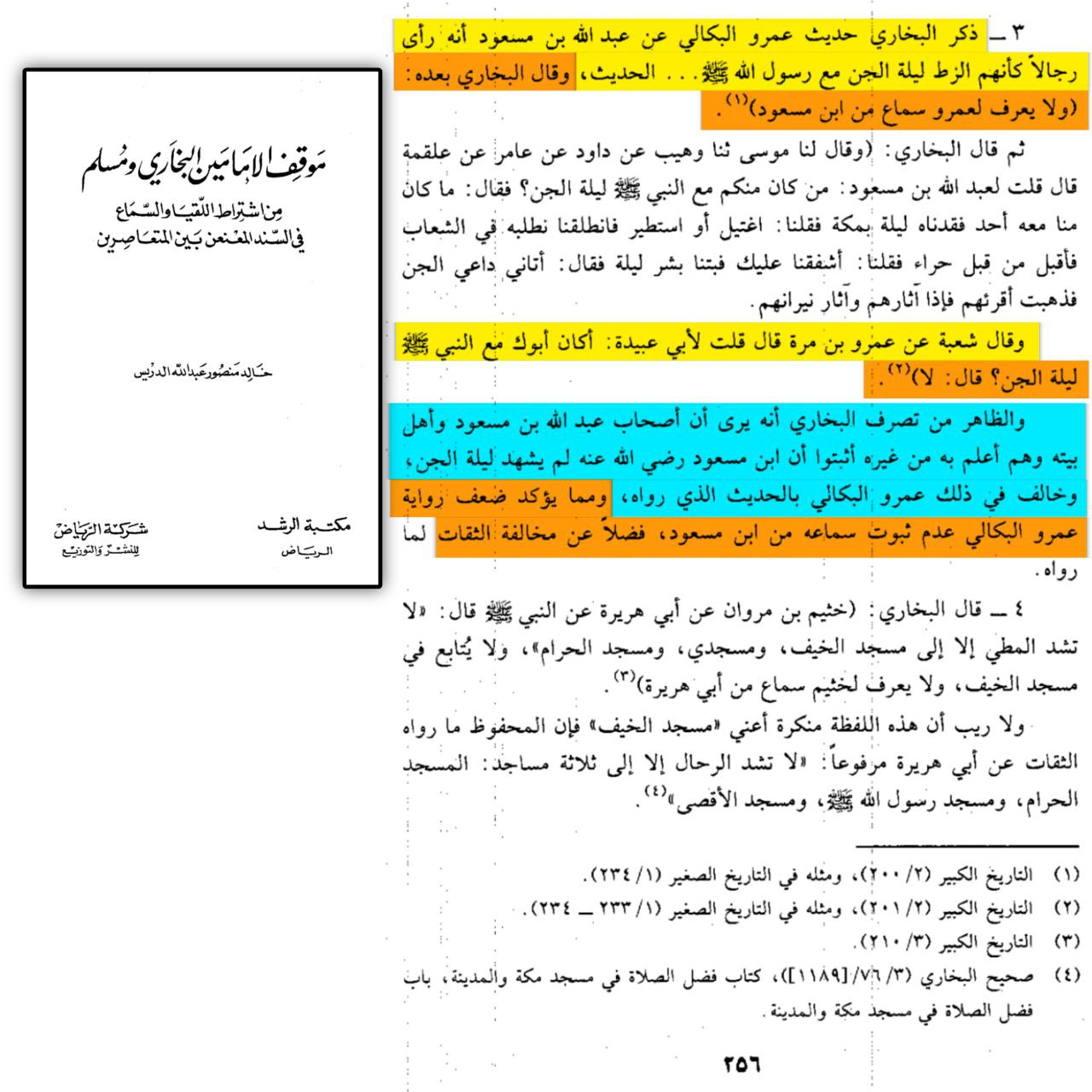
Ibn Masoud Was Not with the Prophet on the Night of the Jinn, and the Hadith of the Zutt People is Weak
** (a mercy bullet from Ibn Hajar al-Asqalani).
**
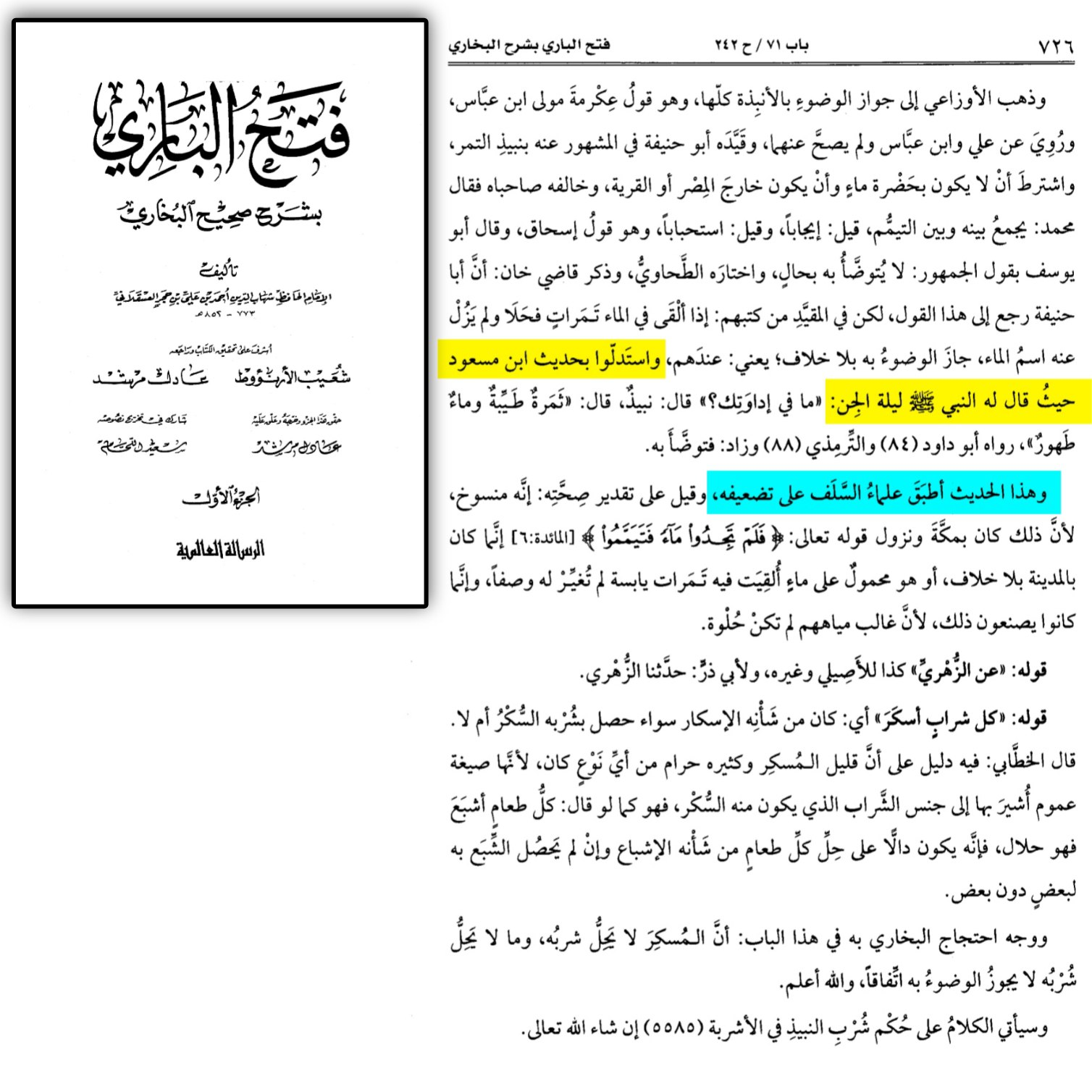
Ibn Mas’ud was not with the Prophet on the night of the jinn.
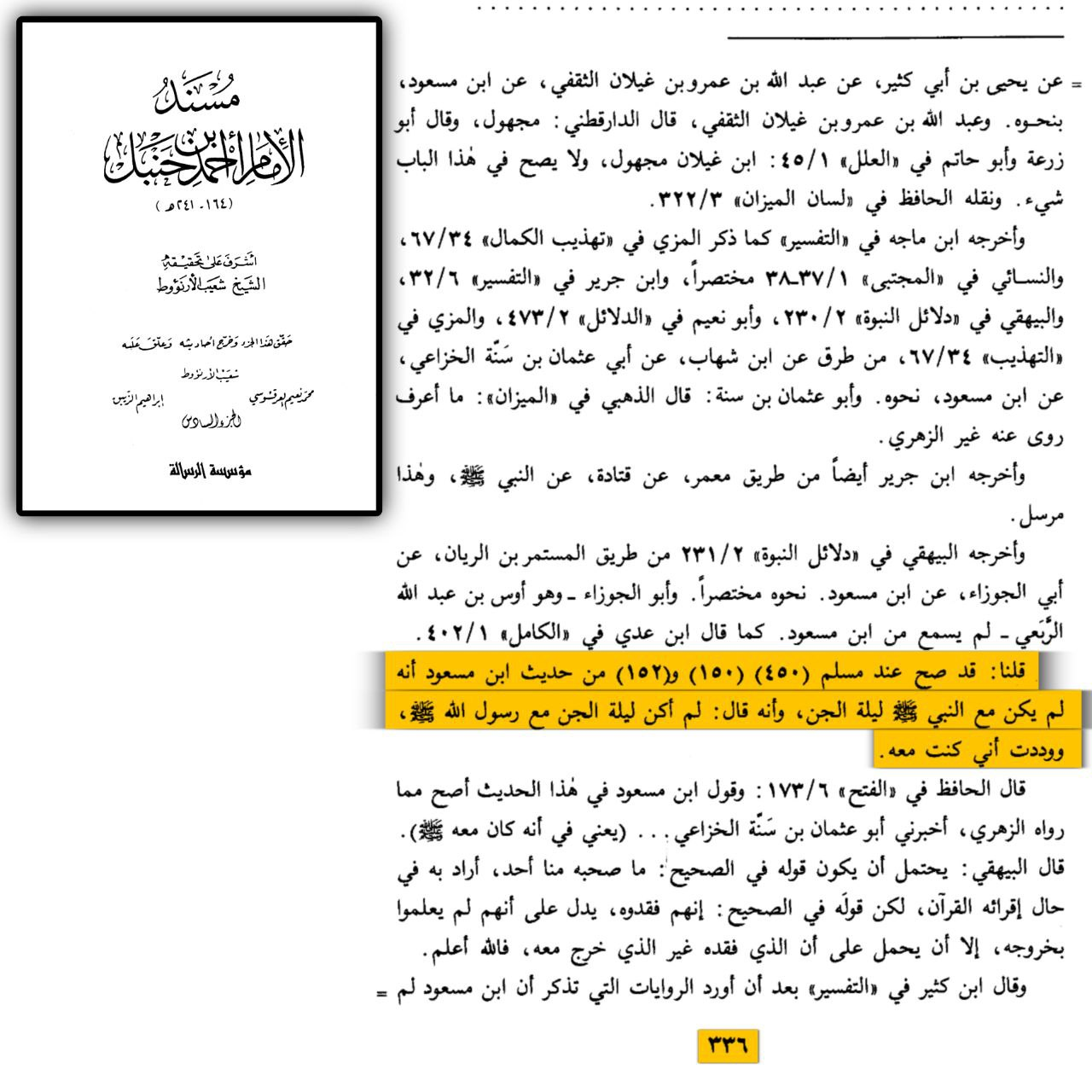
The basic narrative regarding the alleged Zott people has been weakened.
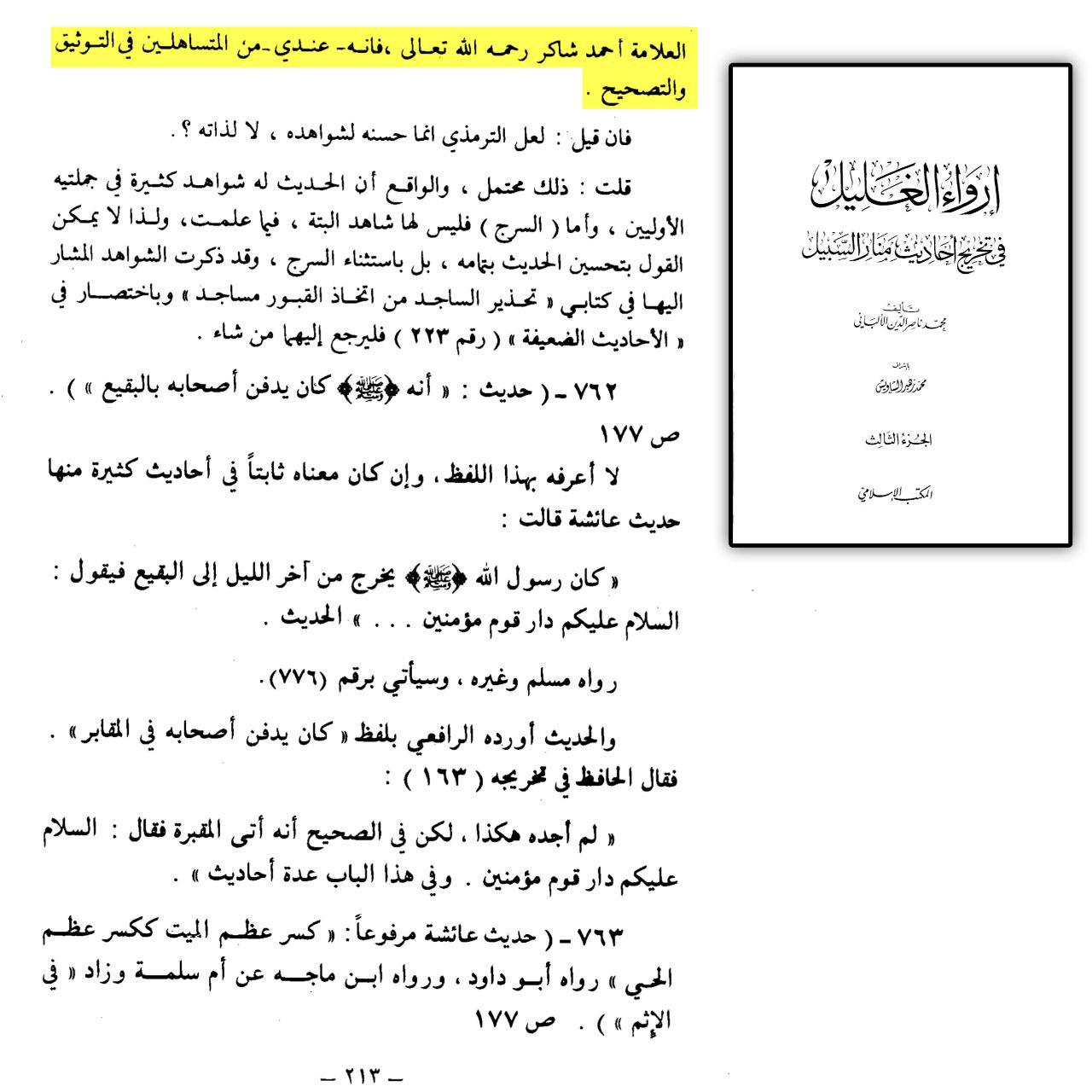
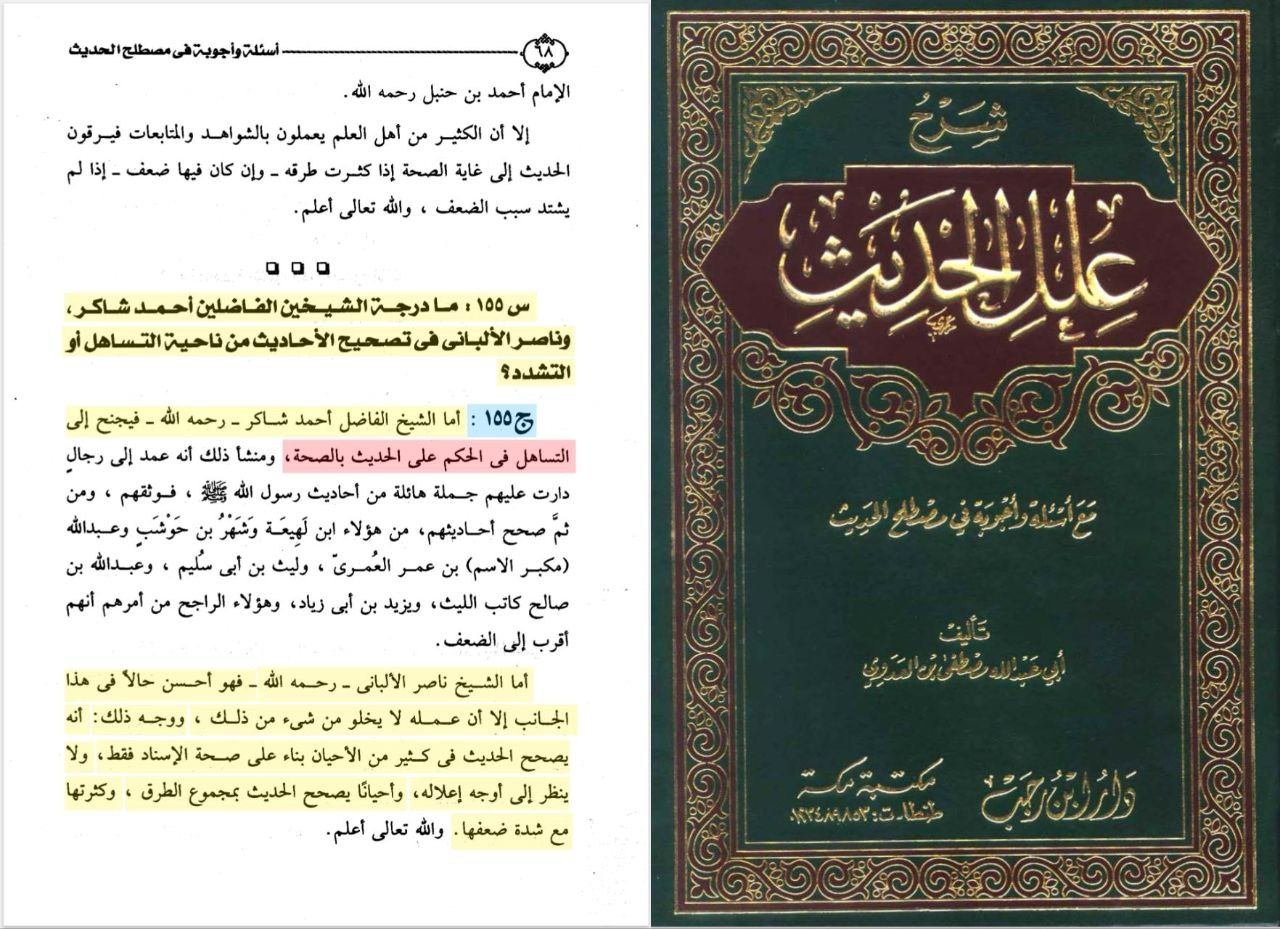
**The objection, after we have proven the weakness of the narration, is that the investigator Ahmed Shaker corrected the narration.
**
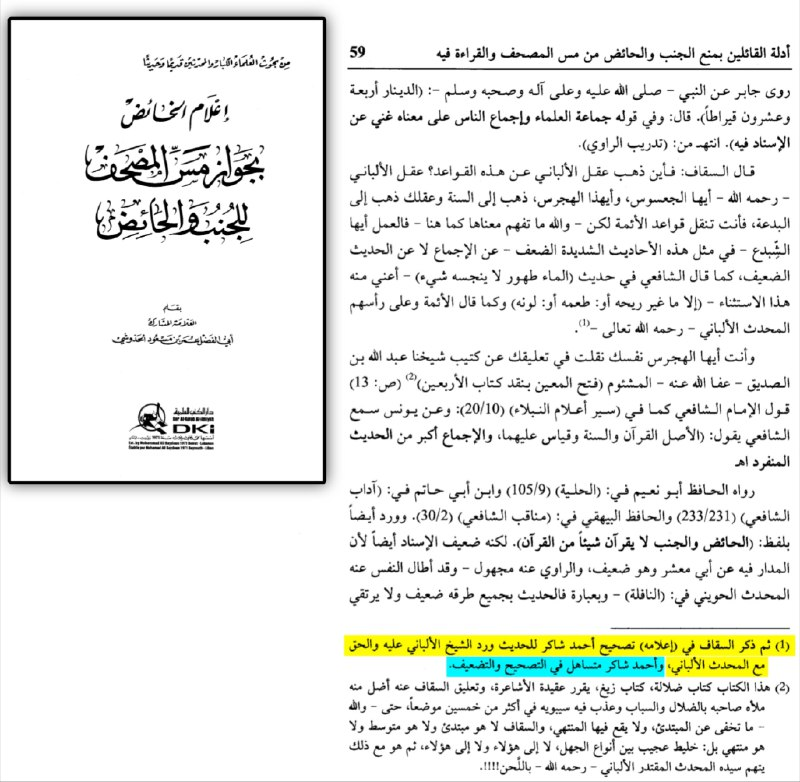
Al-Albani said that Ahmad Shakir was lenient in documentation and authentication.
Mustafa al-Adawi said that Ahmad Shakir was lenient in judging the authenticity of hadiths.
Ahmad Shakir was lenient.
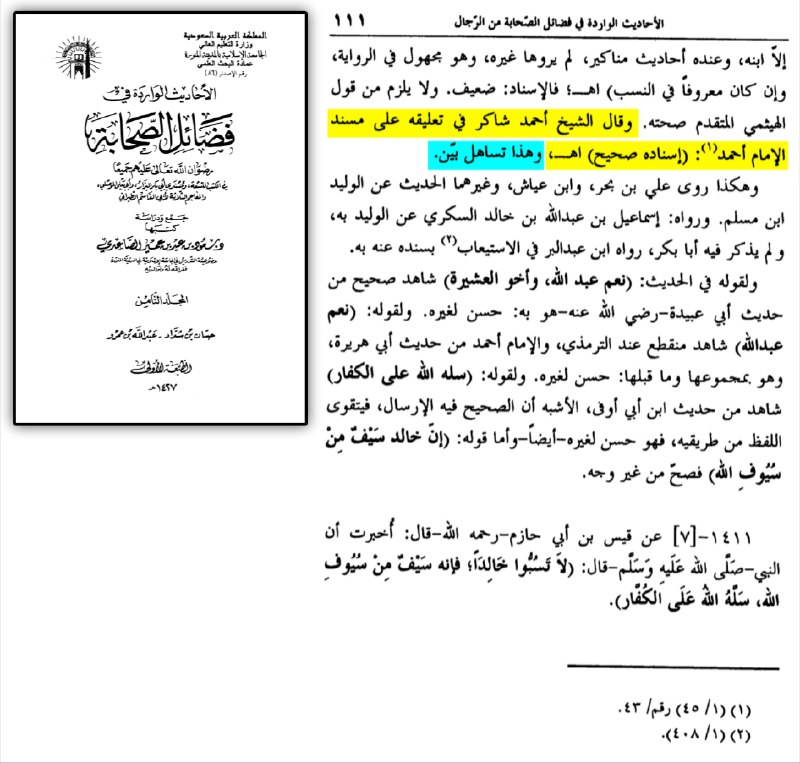
Saud bin Eid bin Omair Al-Sa’idi said in his book “The Hadiths Concerning the Virtues of the Companions” that Ahmad Shakir is lenient.
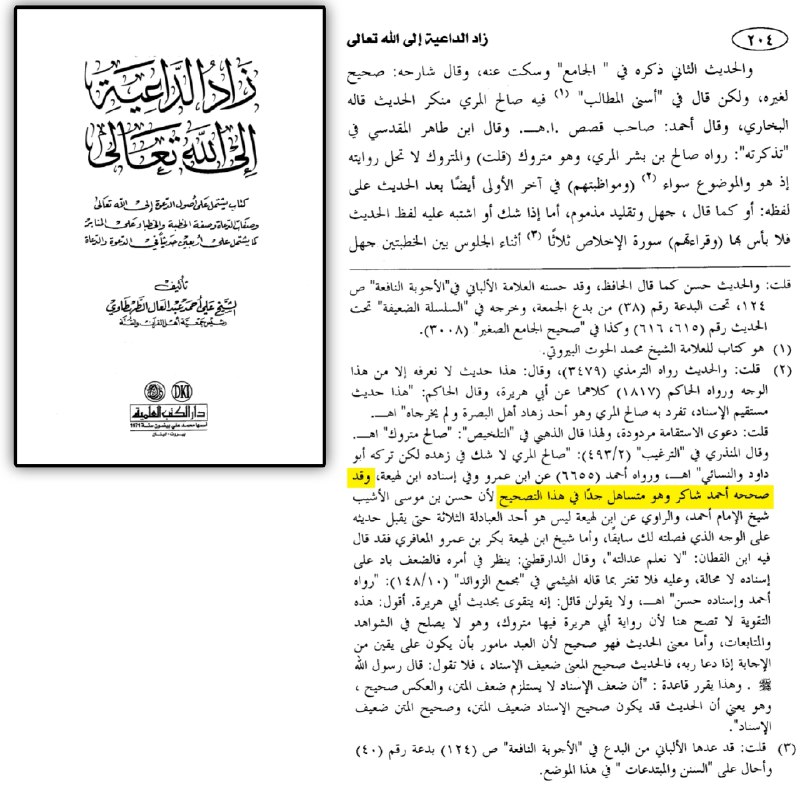
Ahmed Shaker’s leniency
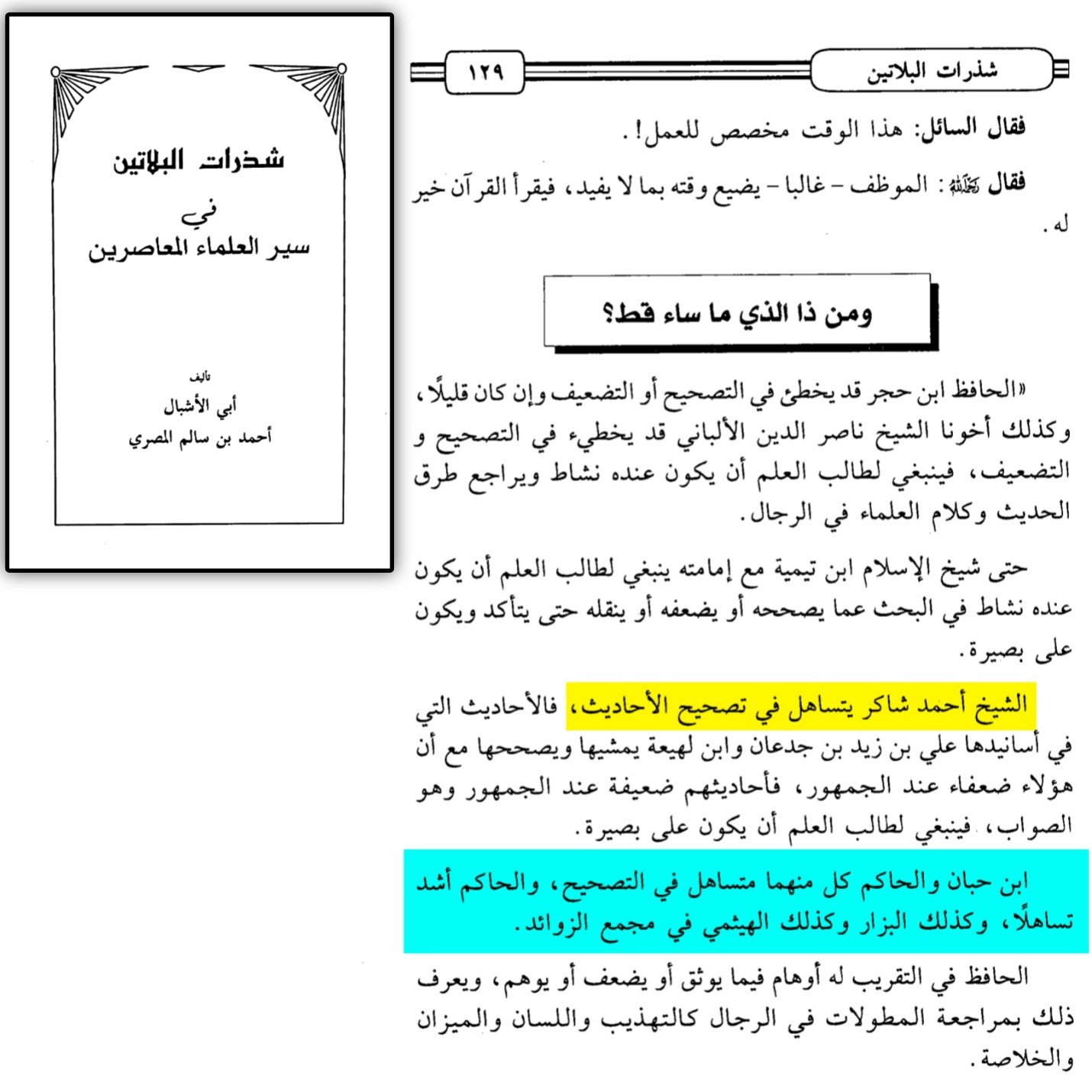
. Abu al-Ashbal Ahmad ibn Salim al-Masri said in his book “Shadharat al-Balatin fi Siyar al-Ulama al-Mu’asirin” that Ahmad Shakir is lenient in authenticating hadiths, so the student of knowledge should be aware. [He also mentioned a group of scholars who were known for their leniency in authenticating hadiths].
More Narrations?
The first method is the narration of Ja`far ibn Maymun, and it is weak.
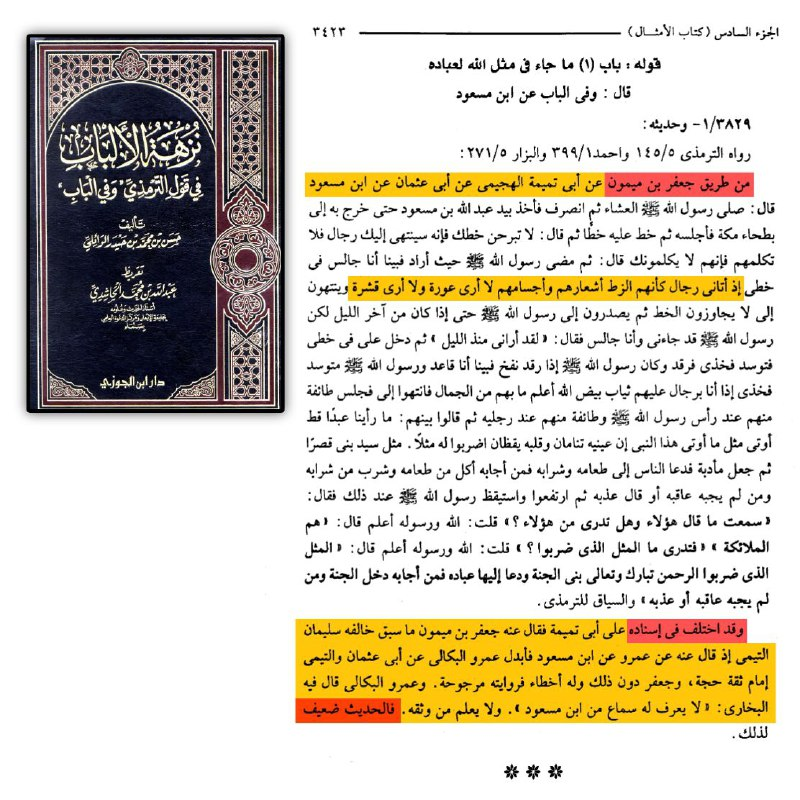
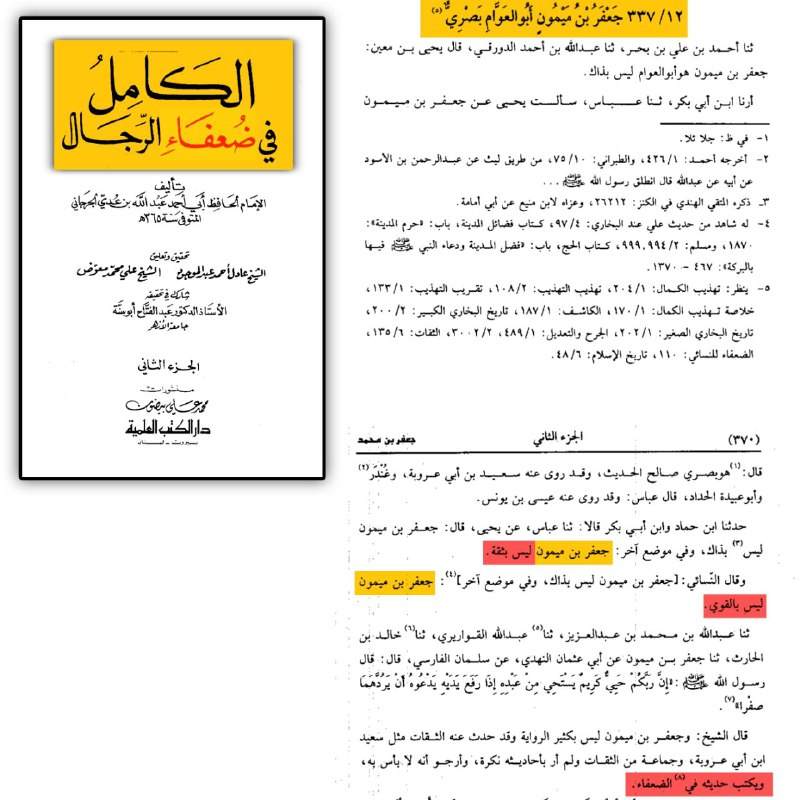
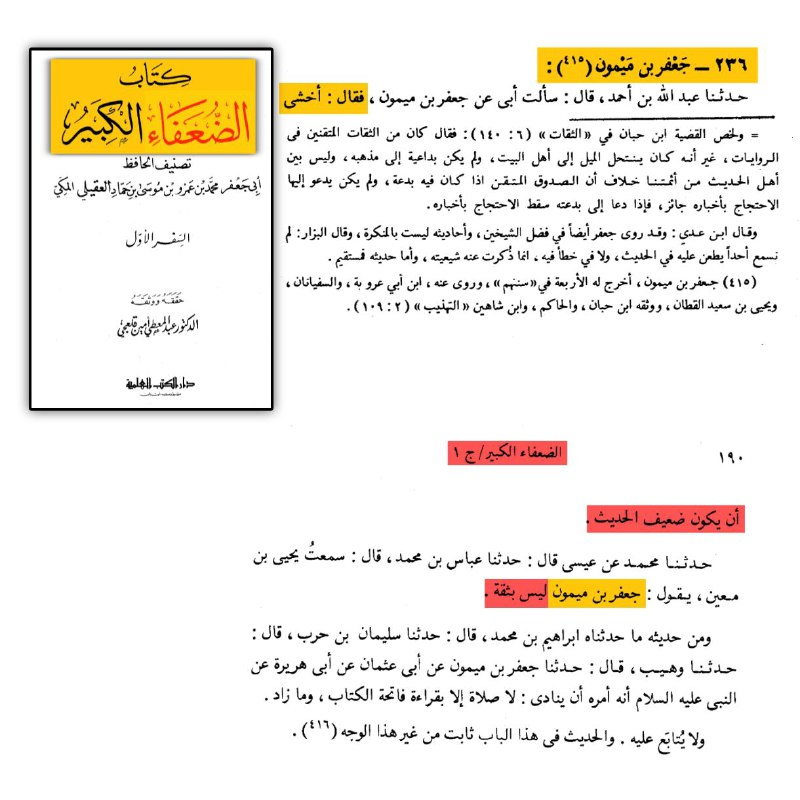
The second method in the book of interpretation of Ibn Kathir and Al-Tabari, the defect of the narration is that he said it happened and he did not name the one who told him, and it also contains Abdullah bin Amr Ghaylan Al-Thaqafi, who is weak.
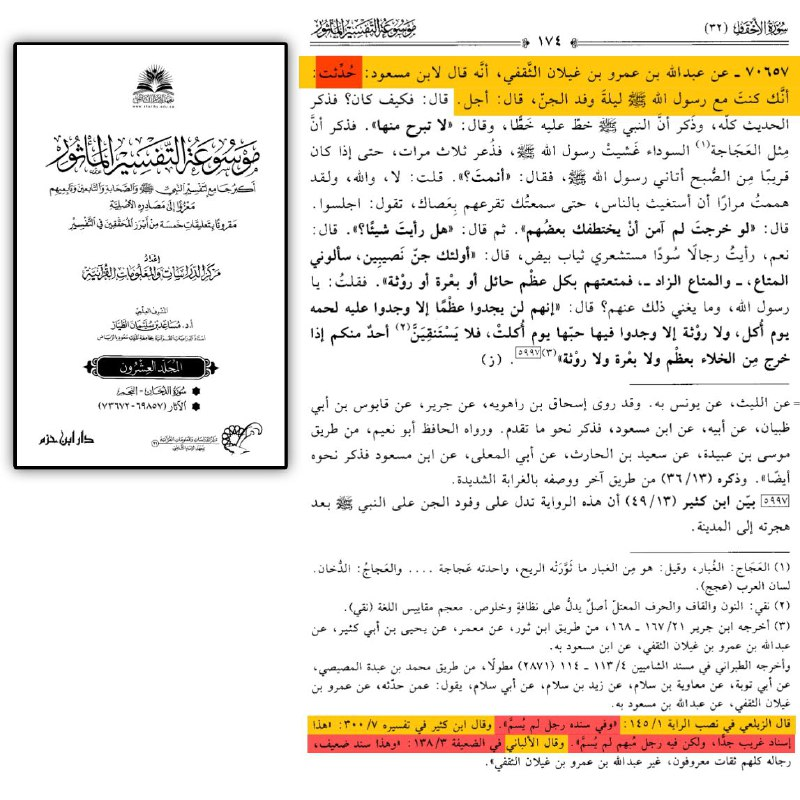
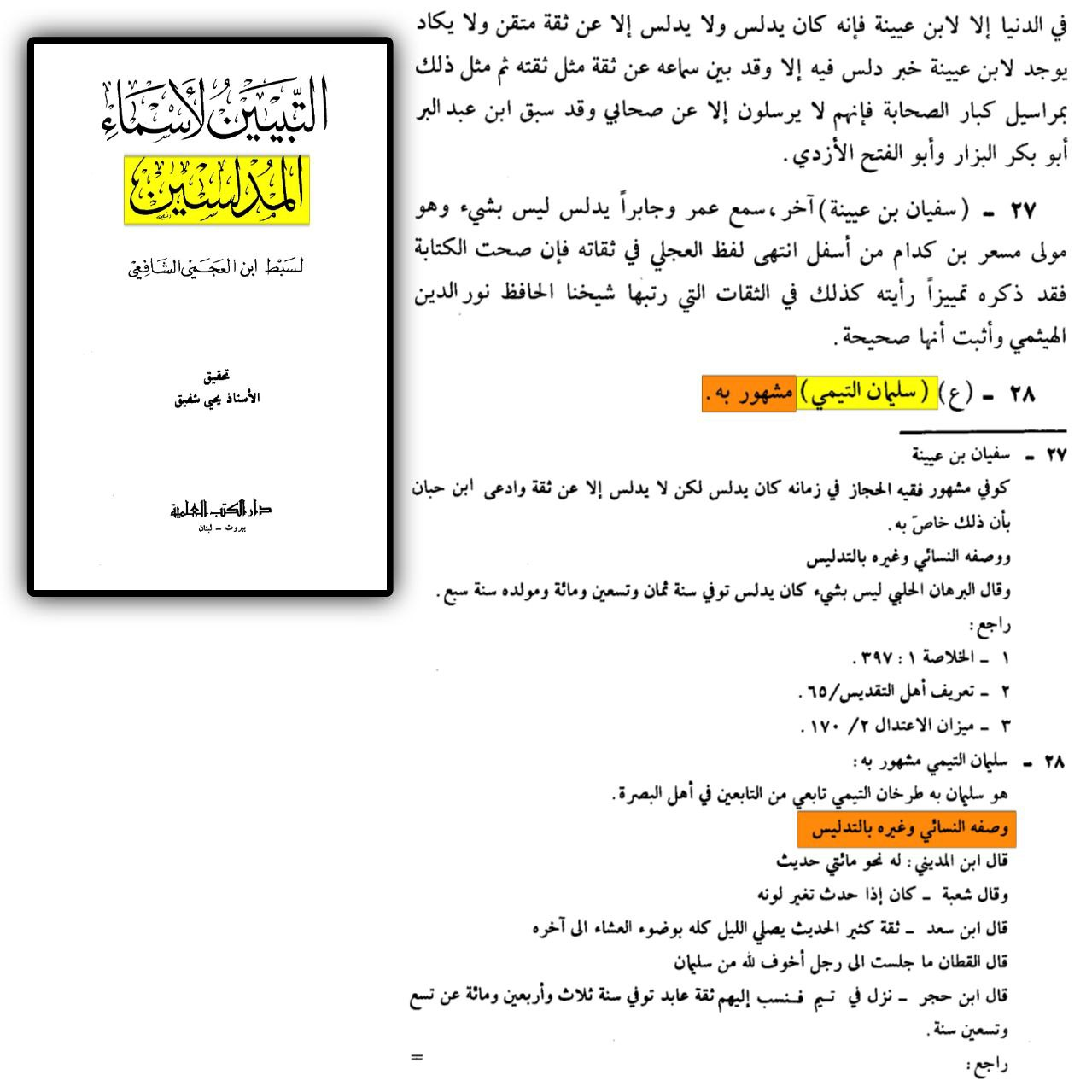
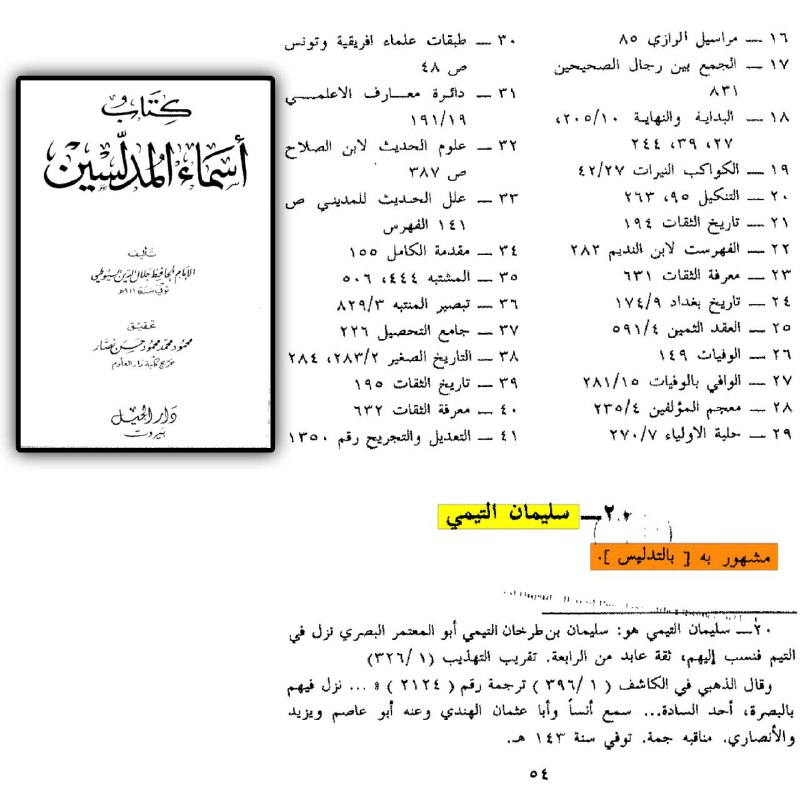
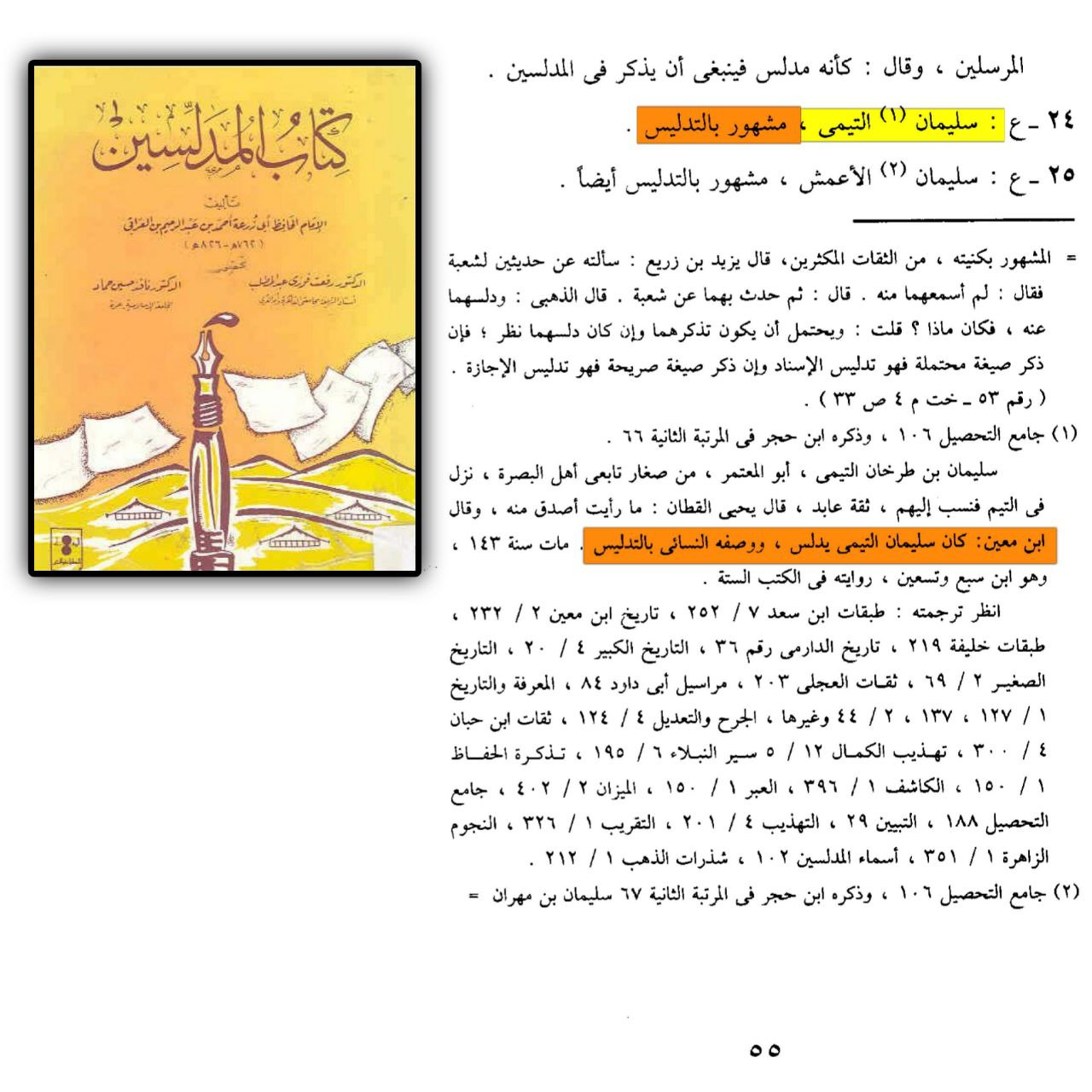
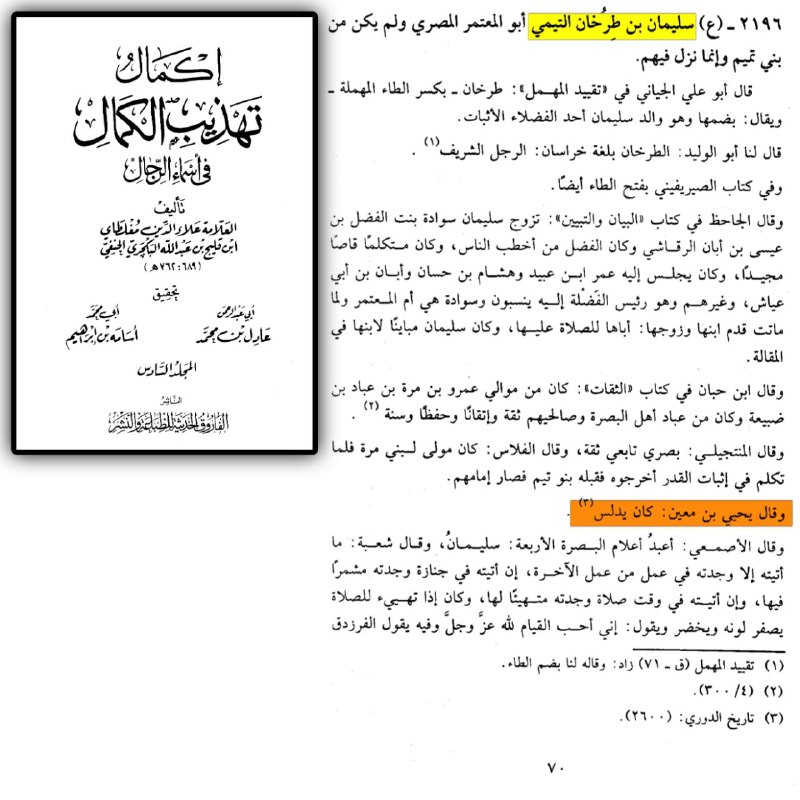
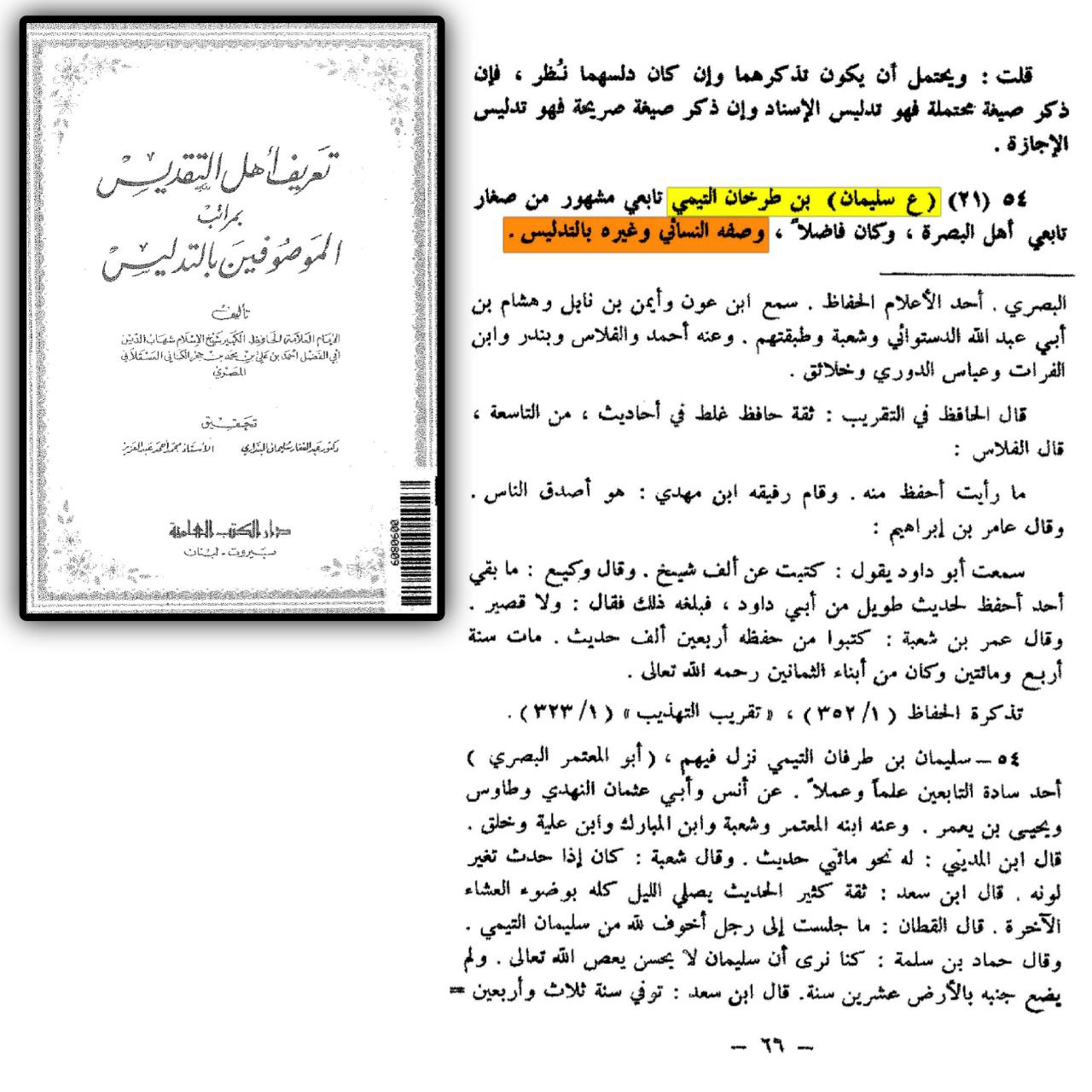
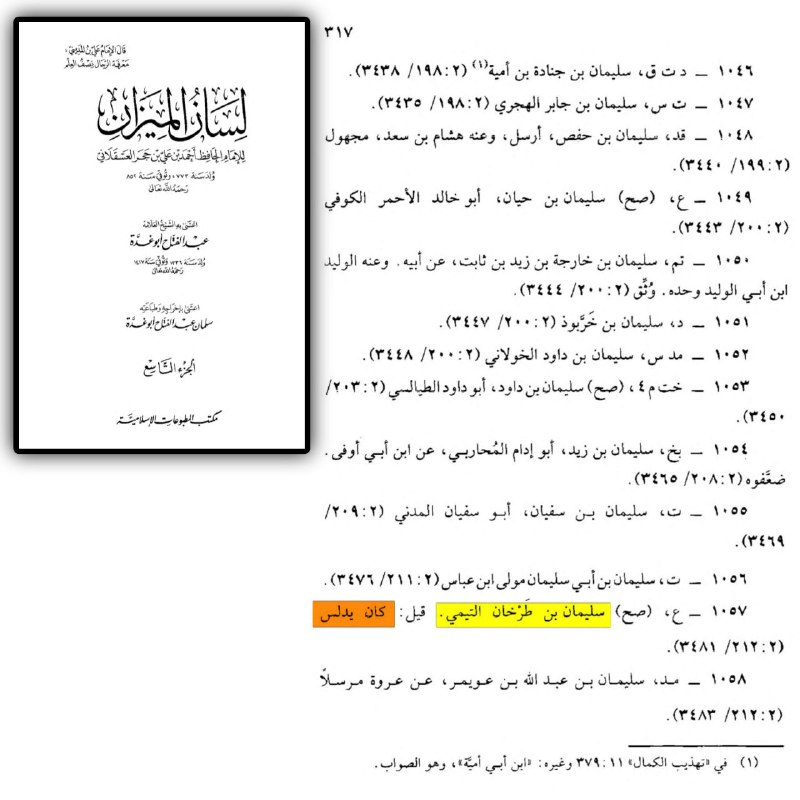
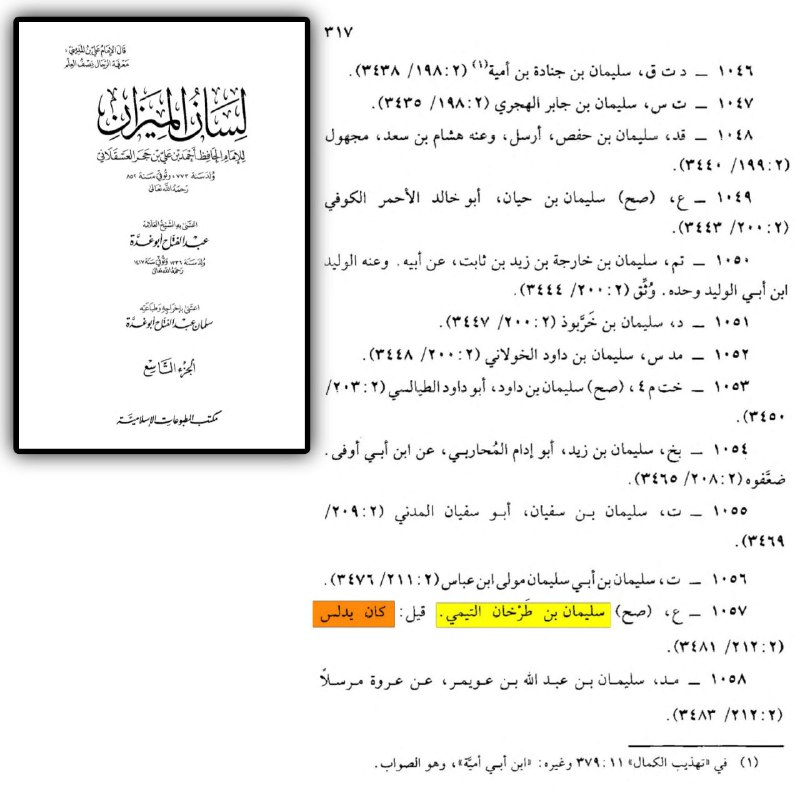
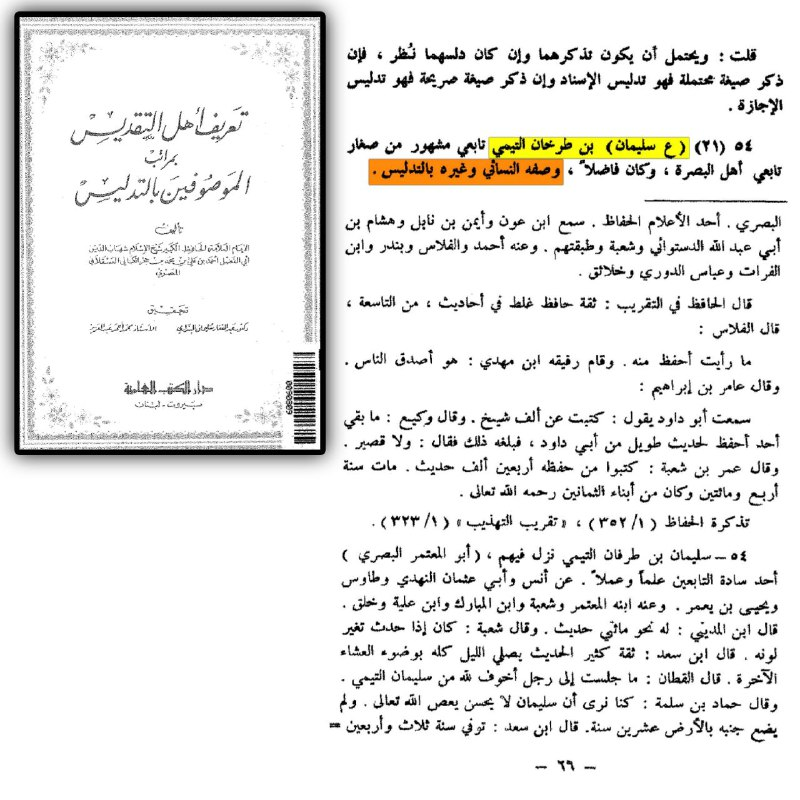
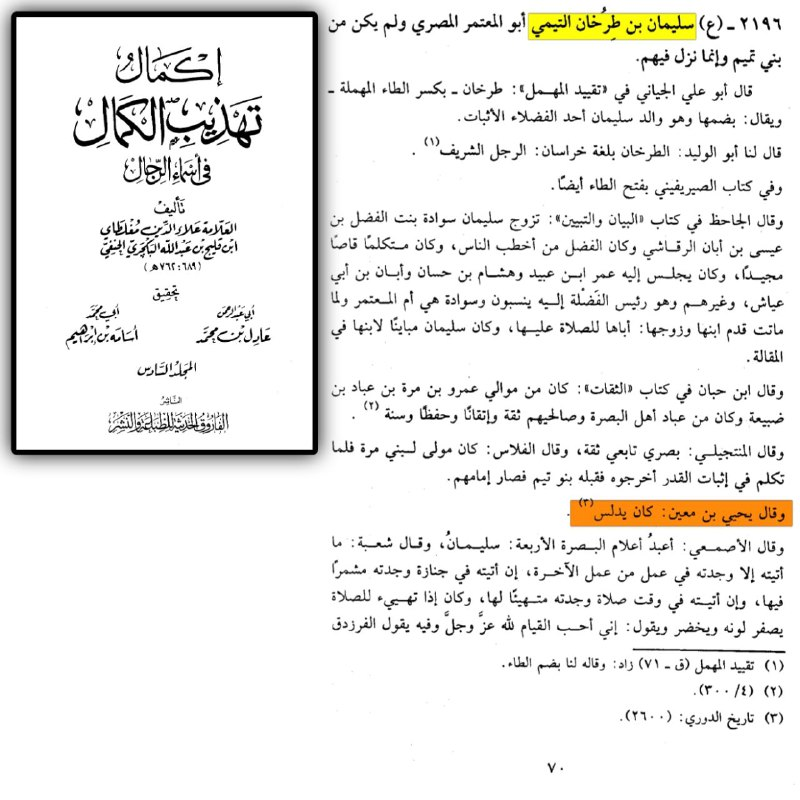
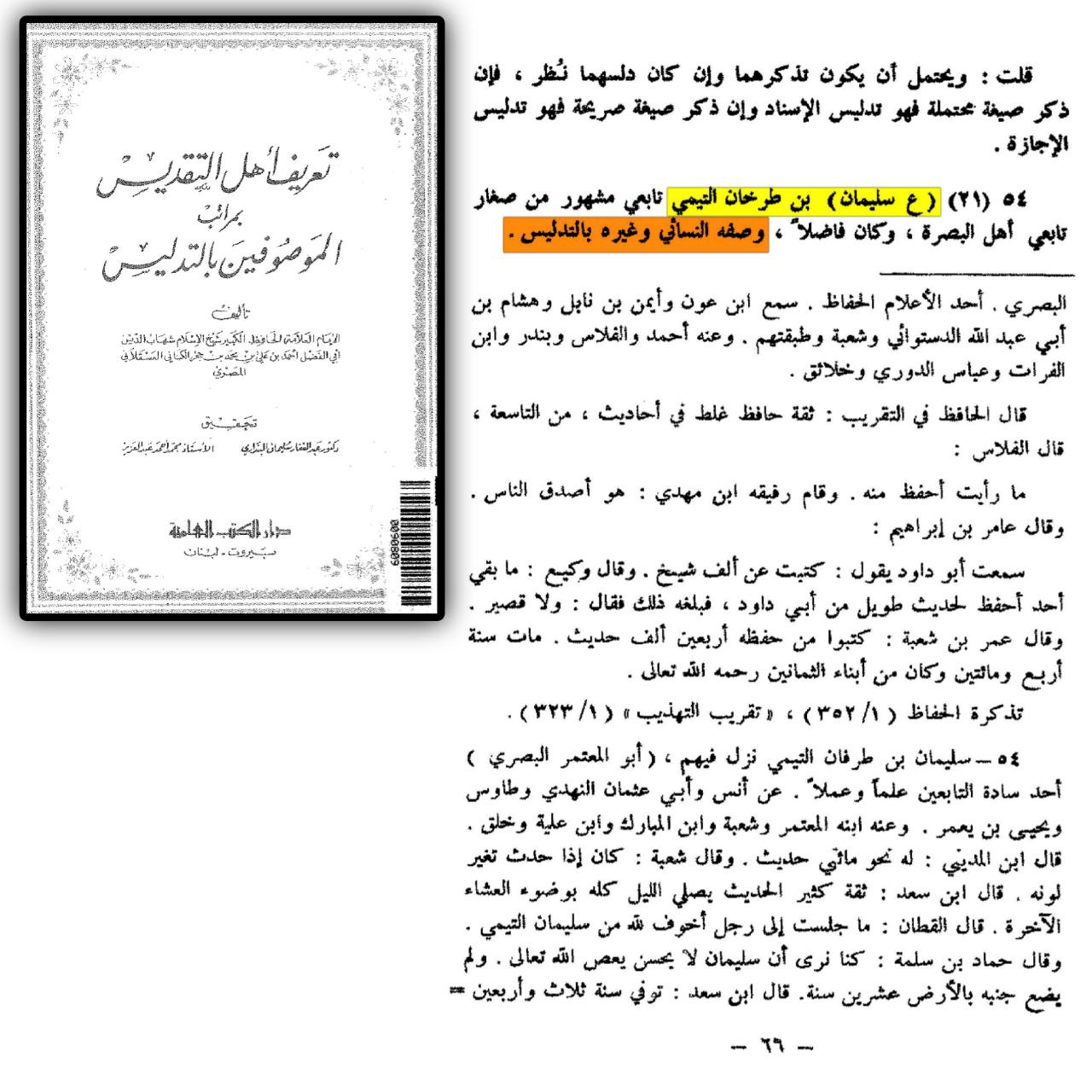
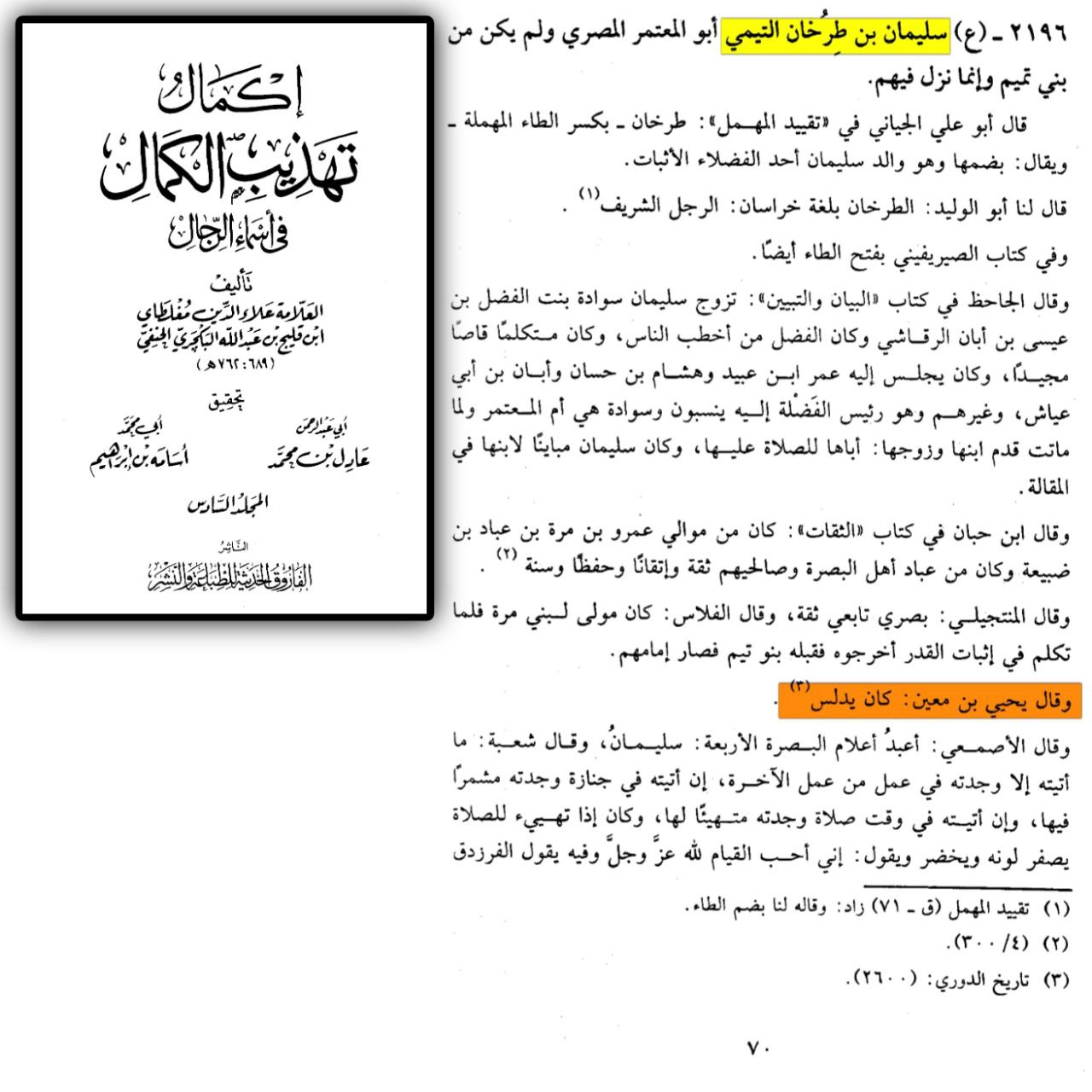
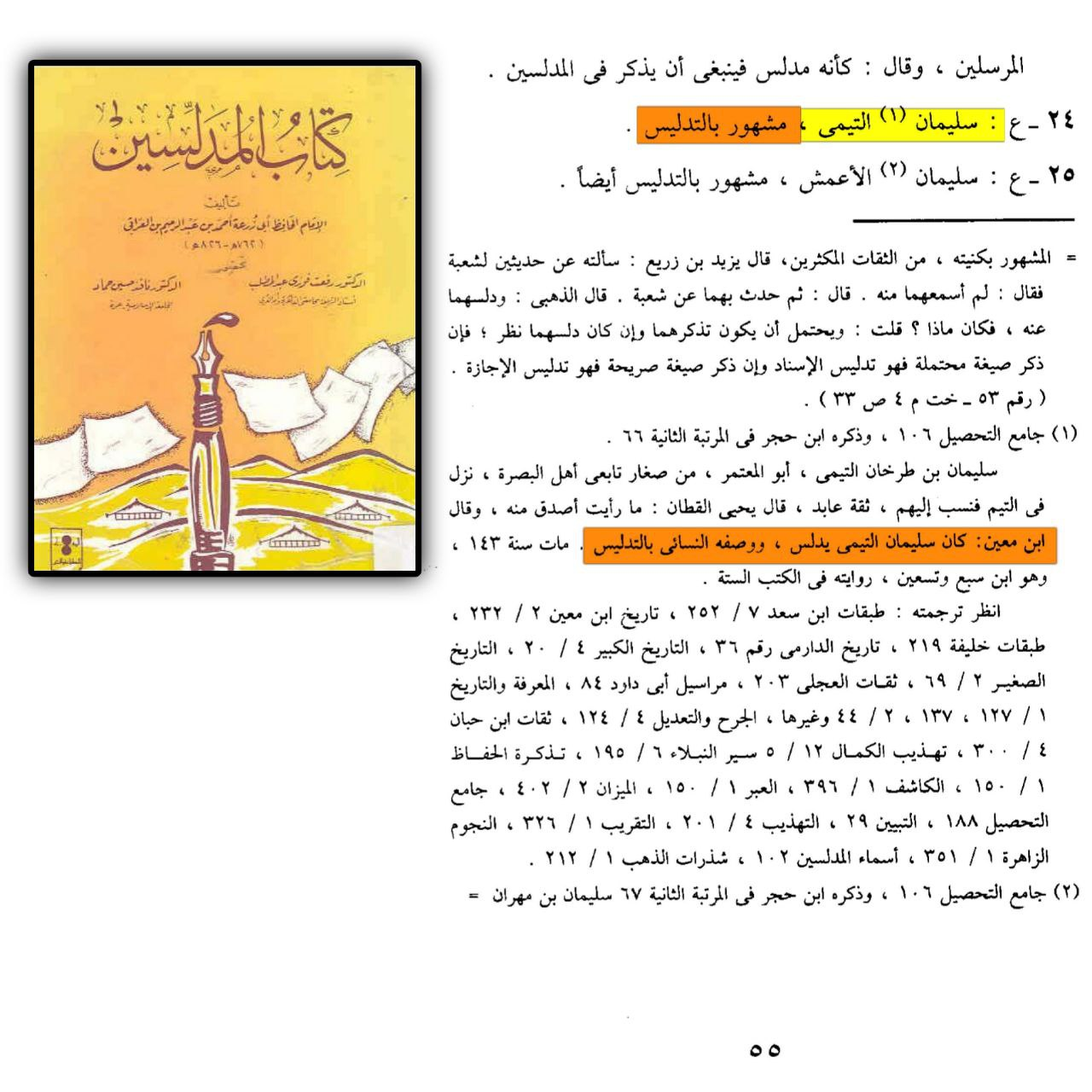
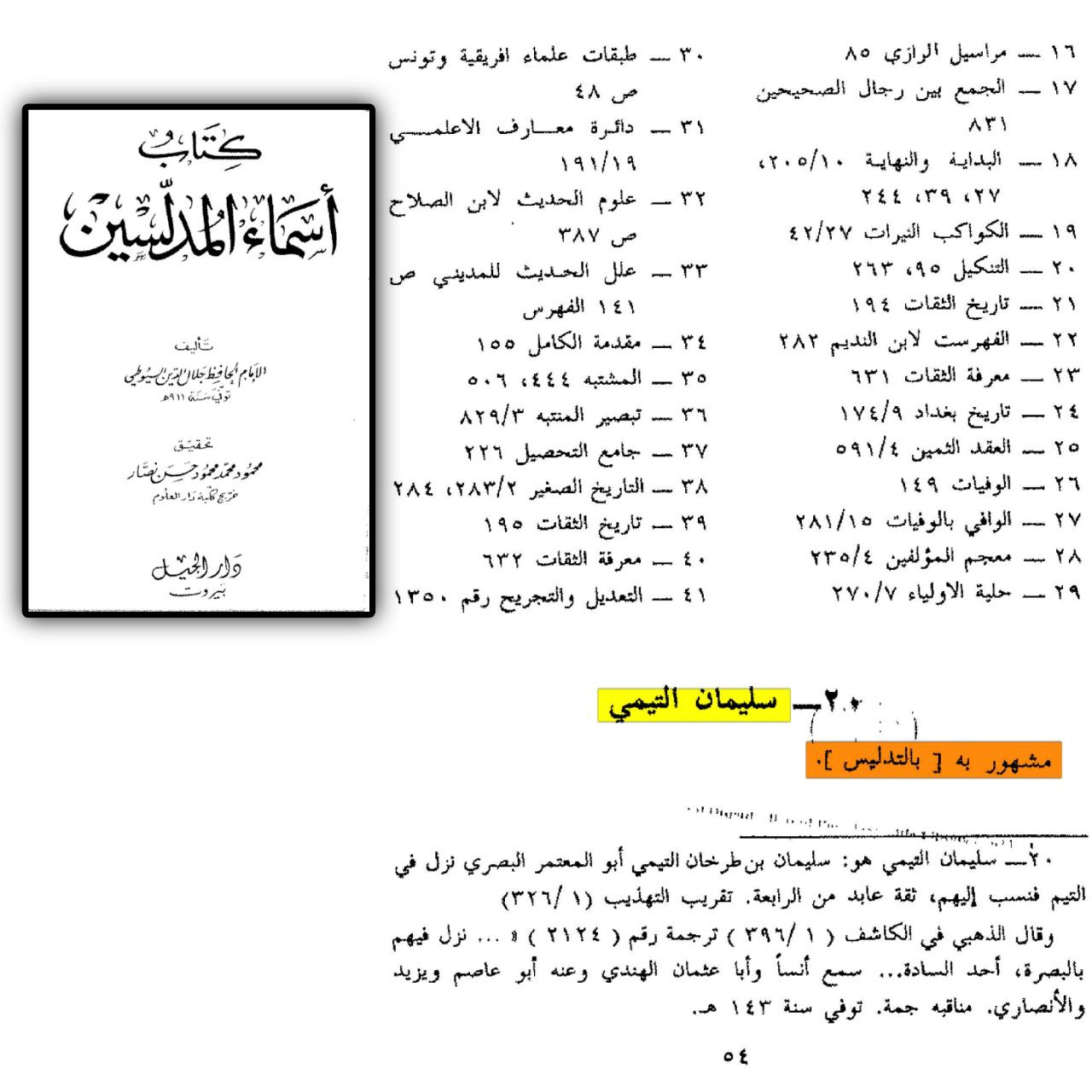
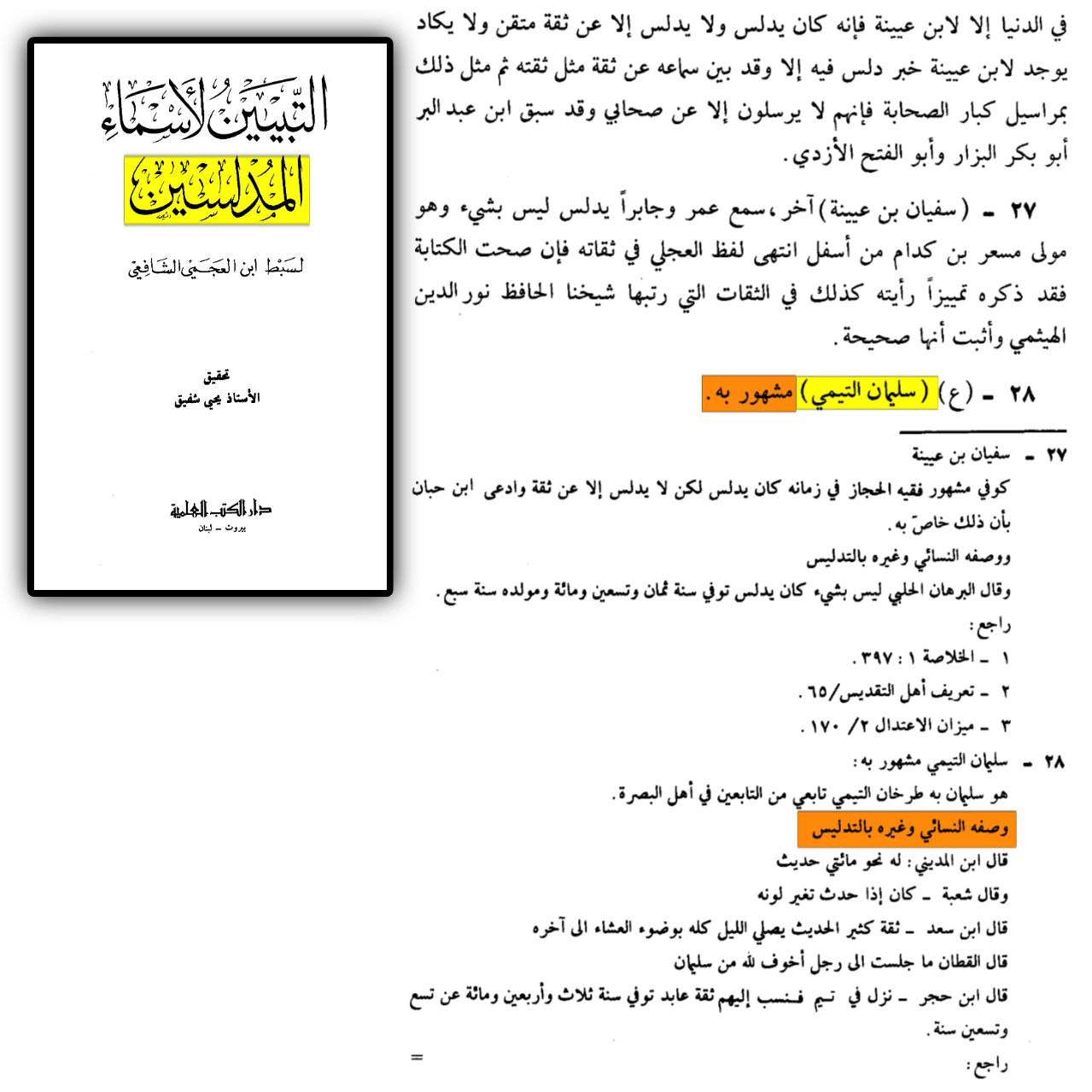
The third path is in the book History of Islam by Al-Dhahabi, and Al-Dhahabi made a mistake in correcting the narration. The defect in the narration is Sulayman Al-Tamimi, who is a mudallis (one who practices tadlis, a form of deception in hadith transmission), and he narrated the narration to me using the word ‘an’ (meaning ‘from’).
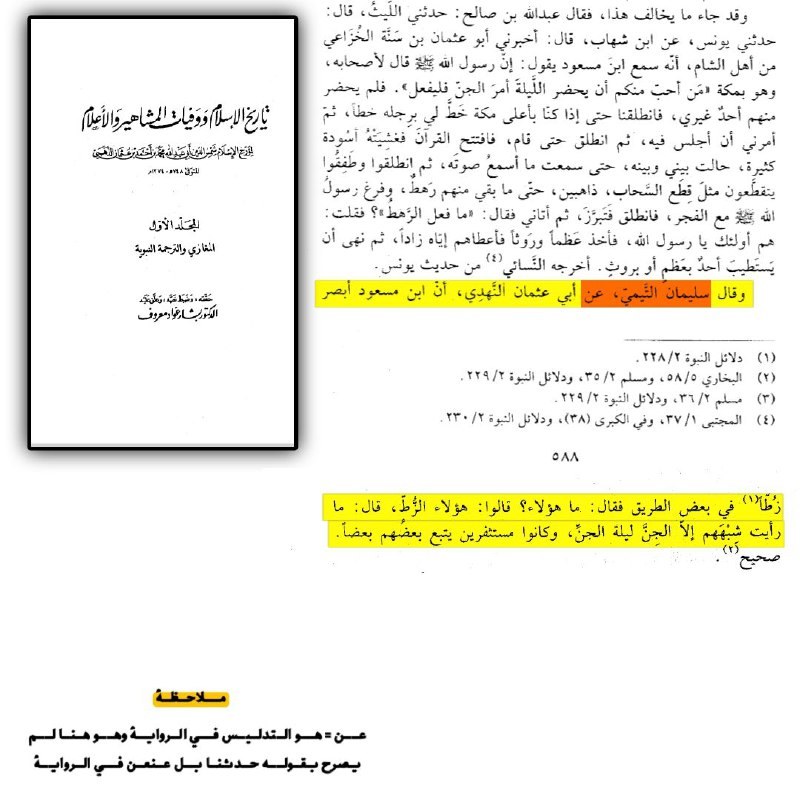
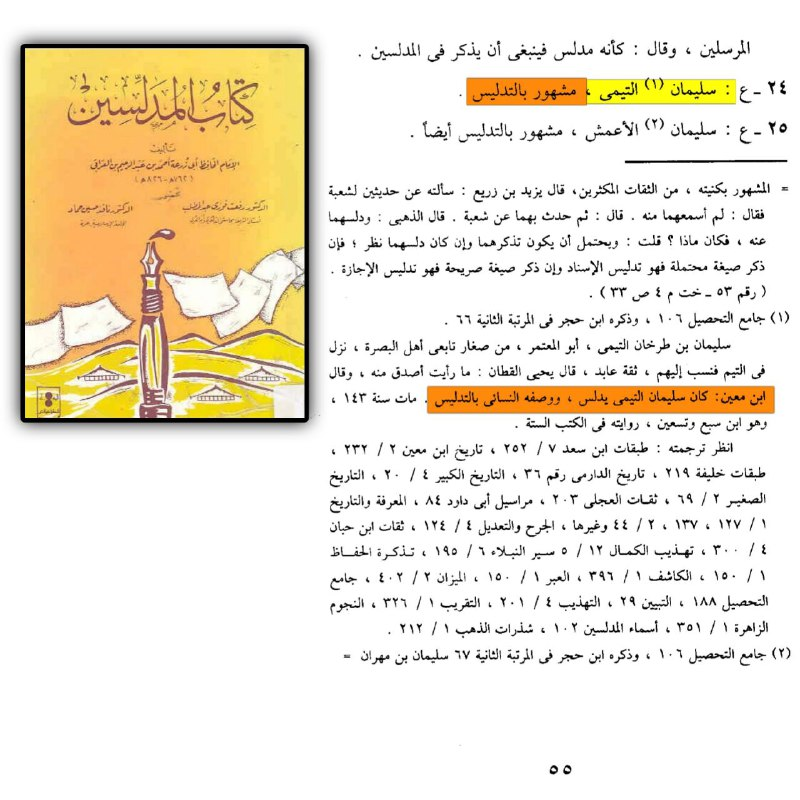
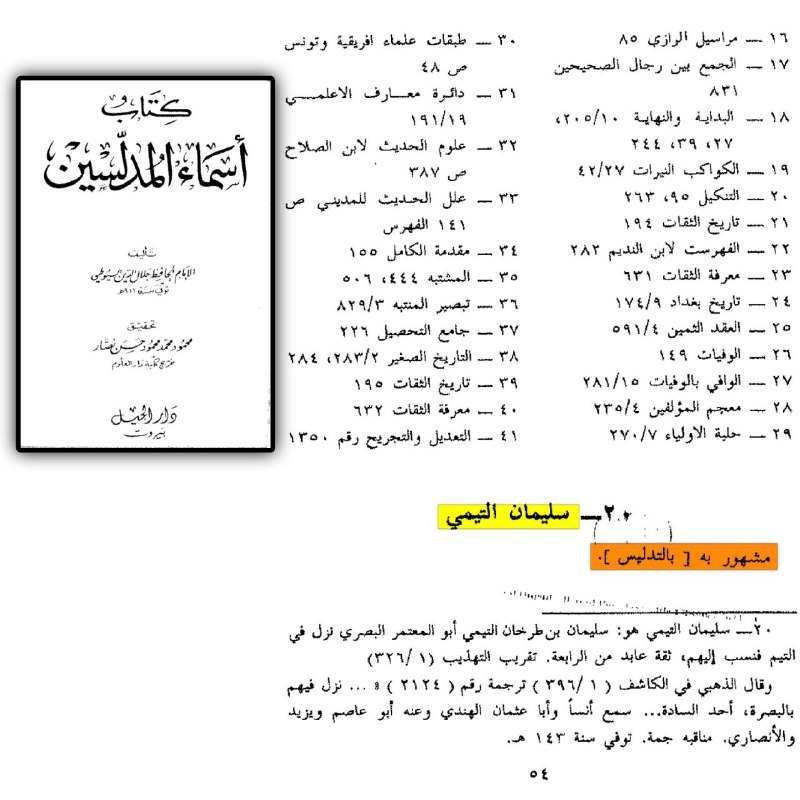
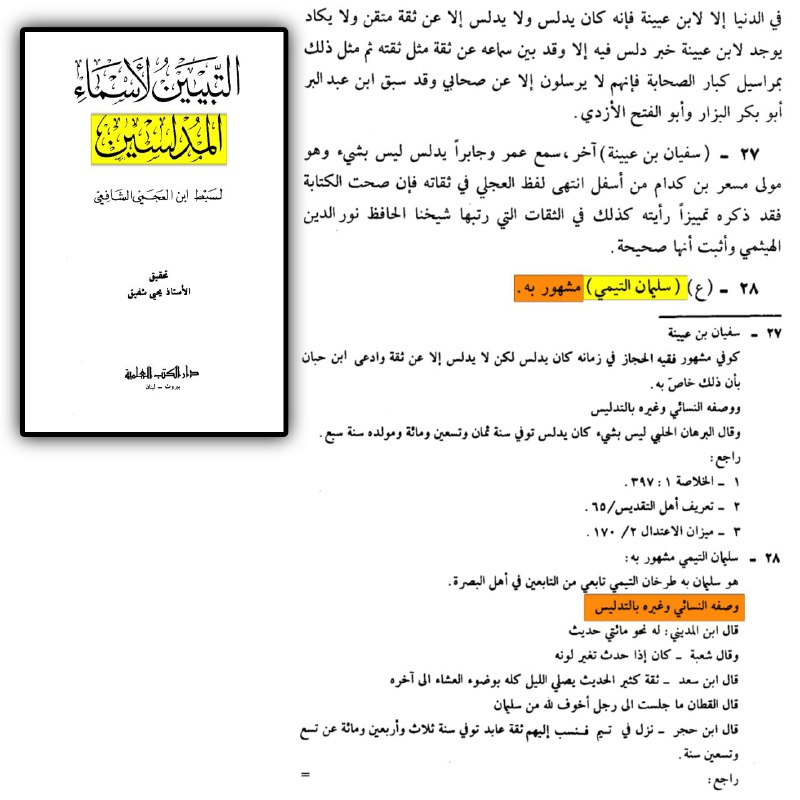
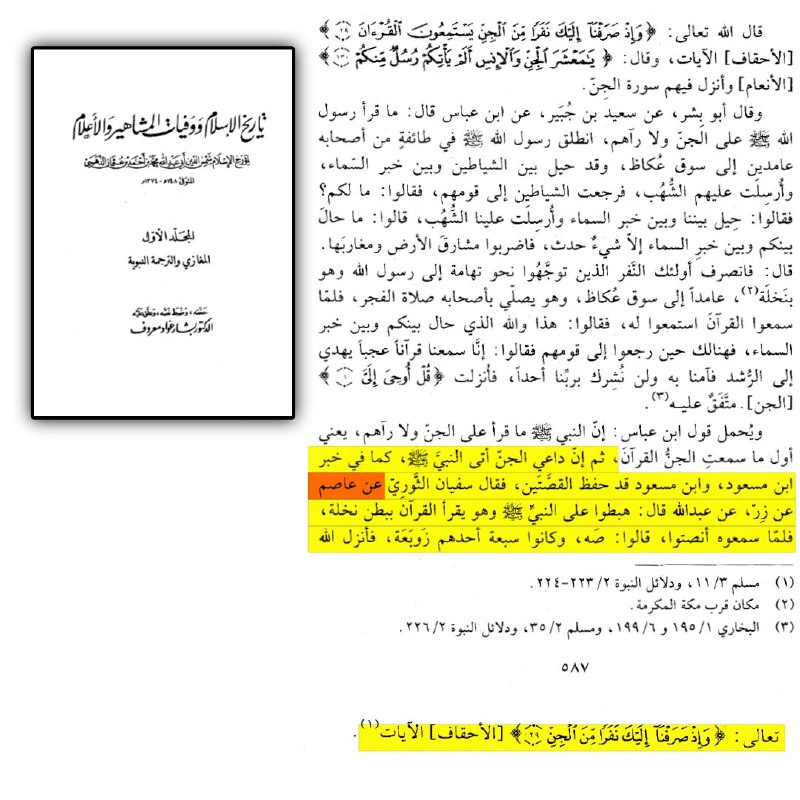
The fourth chain of transmission in Al-Dhahabi’s book, “History of Islam,” and the defect in the narration is Asim ibn Abi al-Najud, who is a weak narrator of hadith.
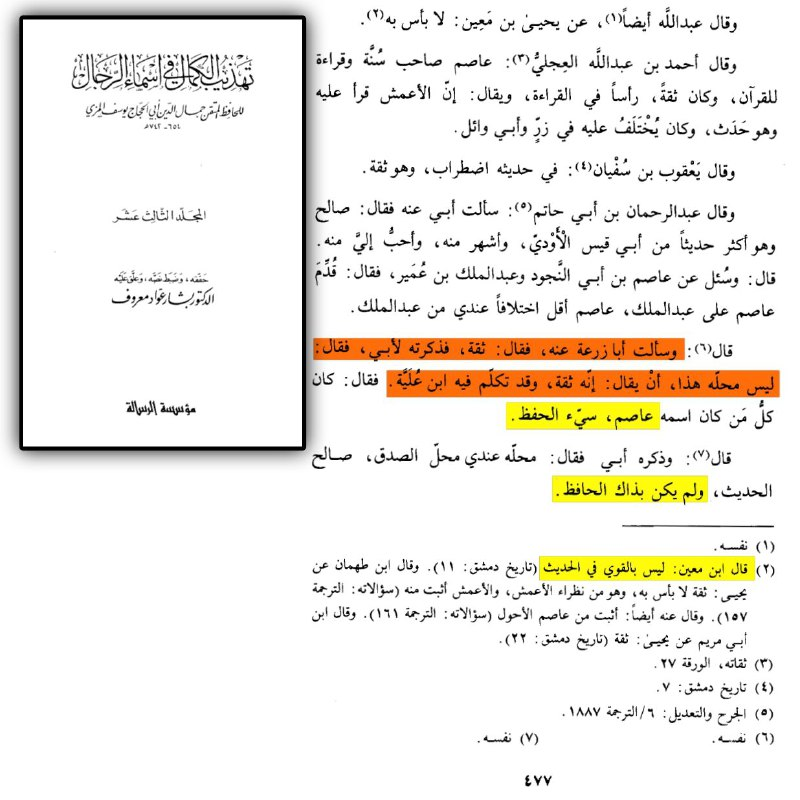
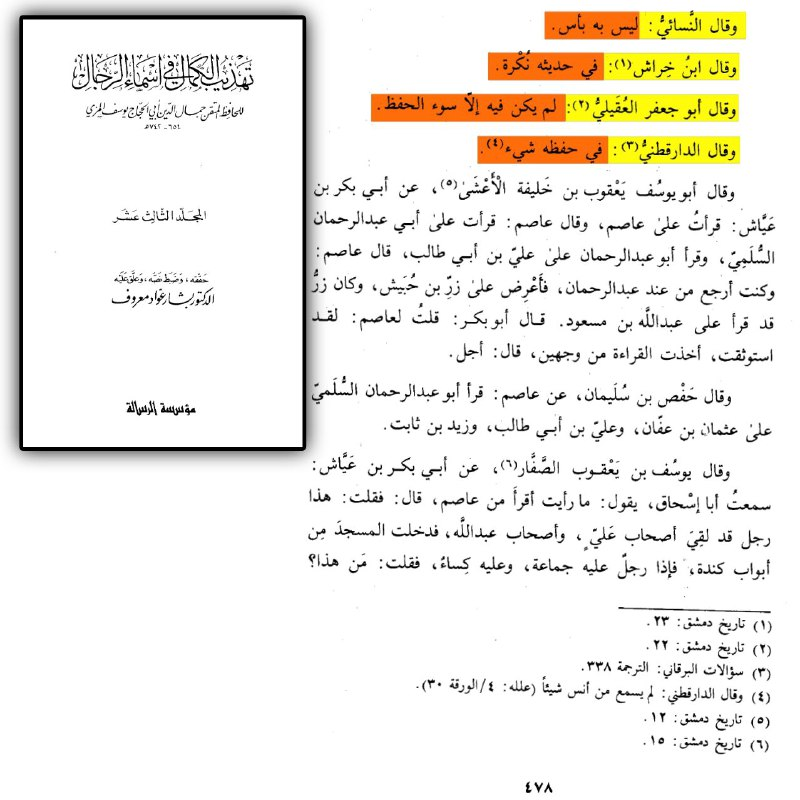
The fifth chain of transmission in the book Ithaf al-Khayrah and the reason for the narration is Sulayman al-Tamimi, who is a mudallis (one who practices tadlis, a form of deception in hadith transmission) and he used ‘an’anah (a form of narration that omits the name of the narrator) in the narration.
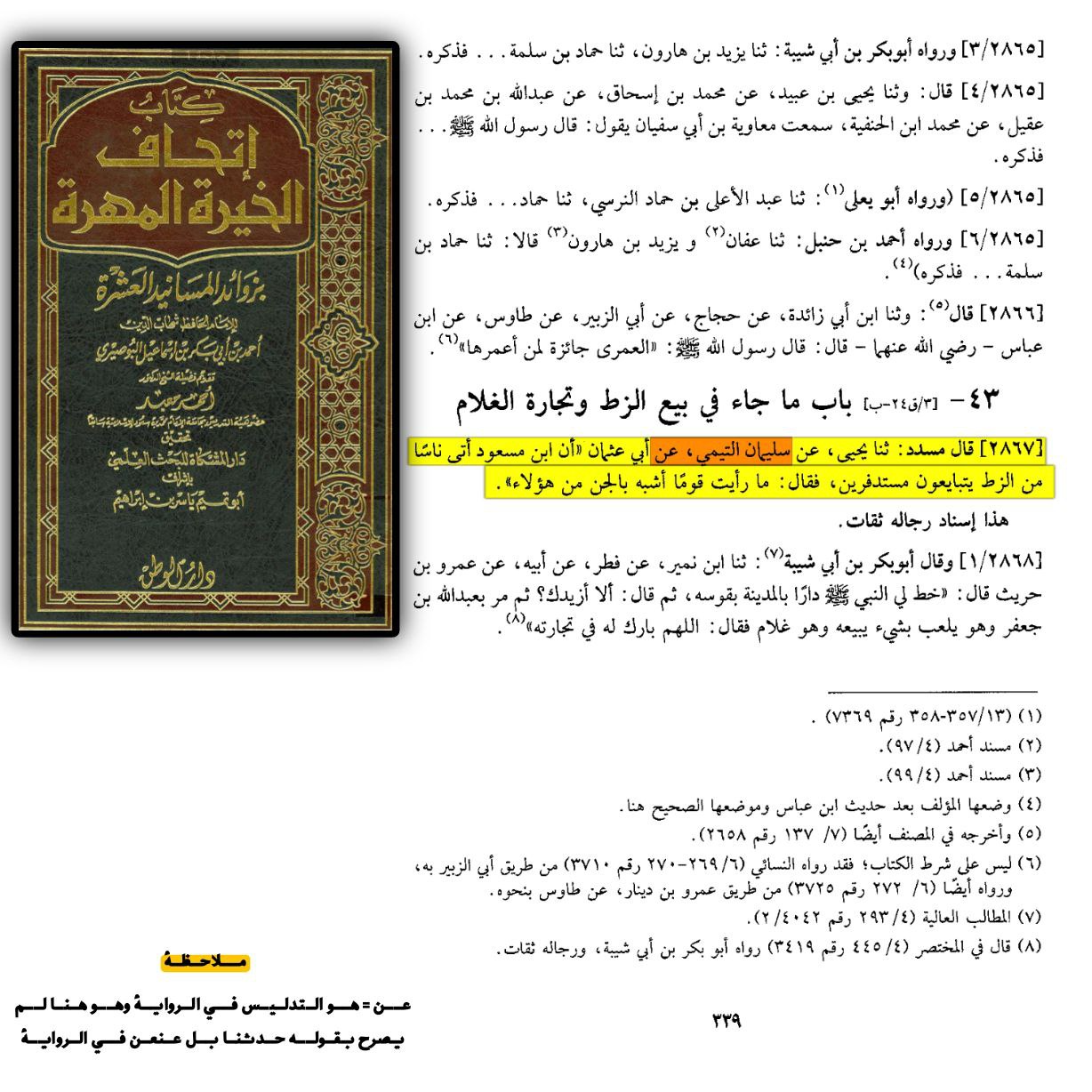
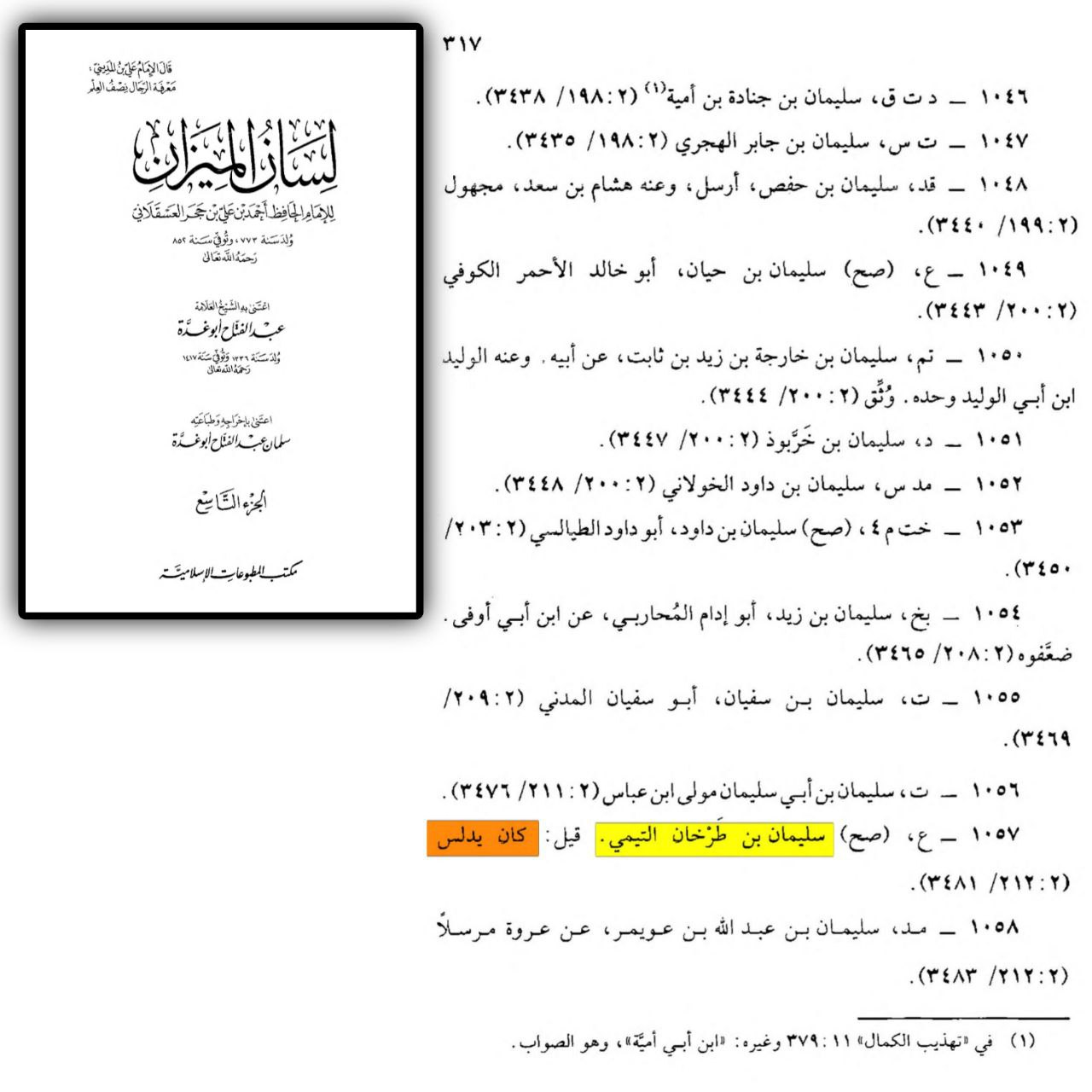
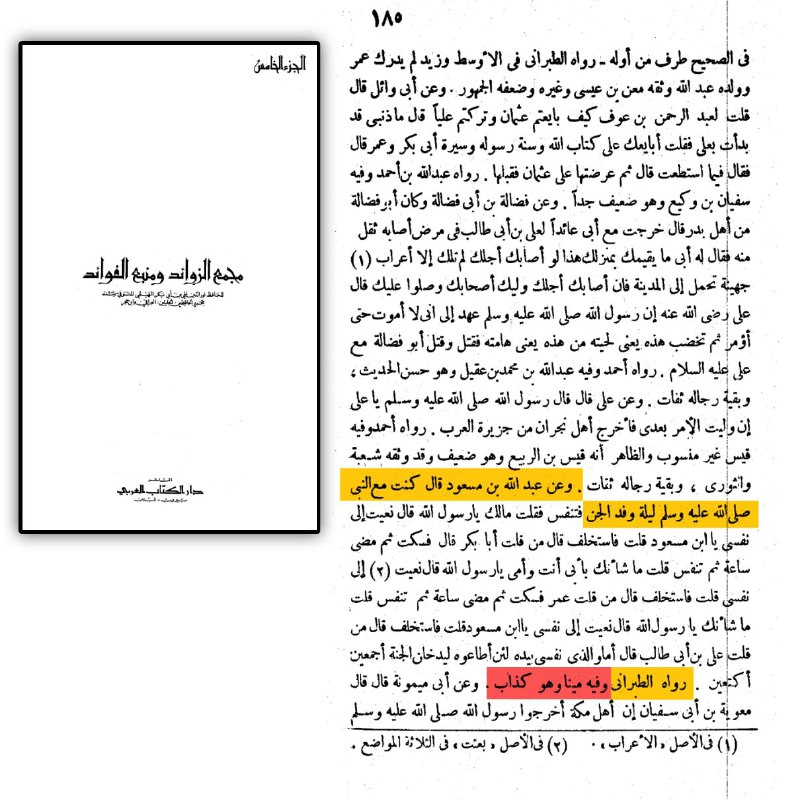
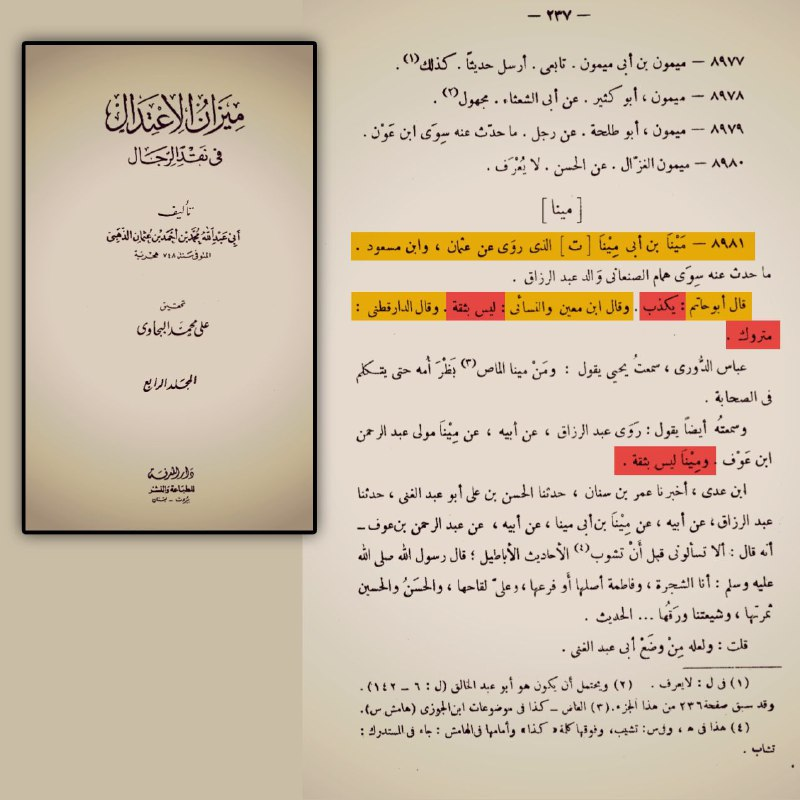
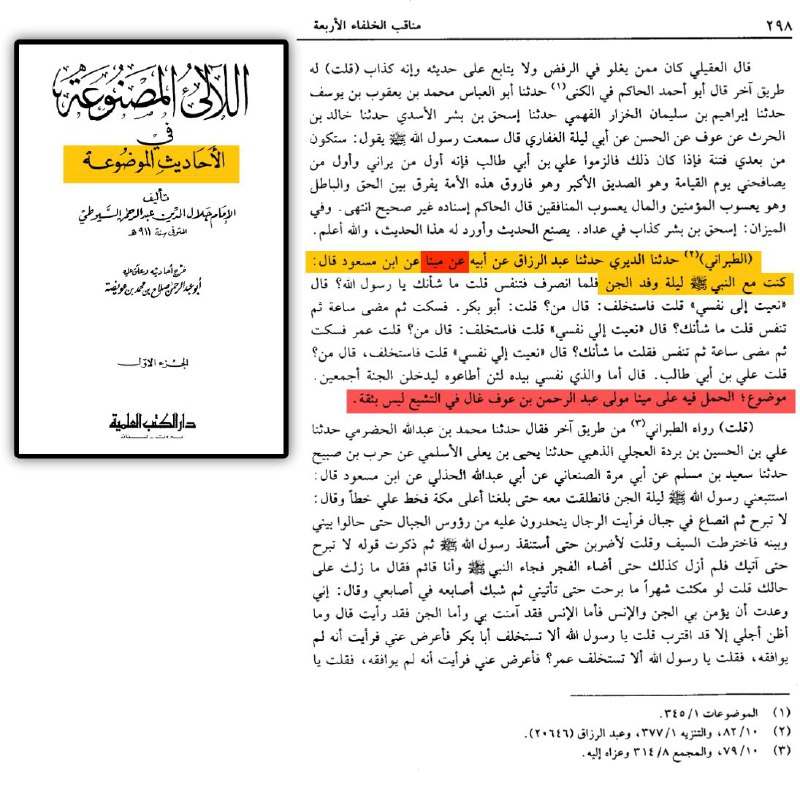
…The sixth chain of transmission in the book Majma’ al-Zawa’id and the reason for the narration is Mina, and he is a liar.
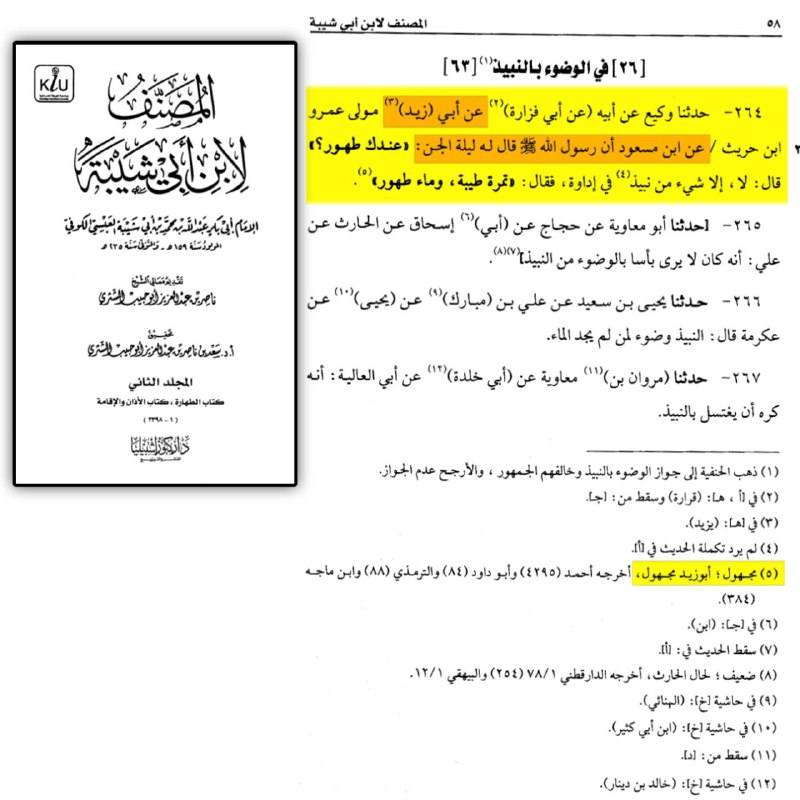
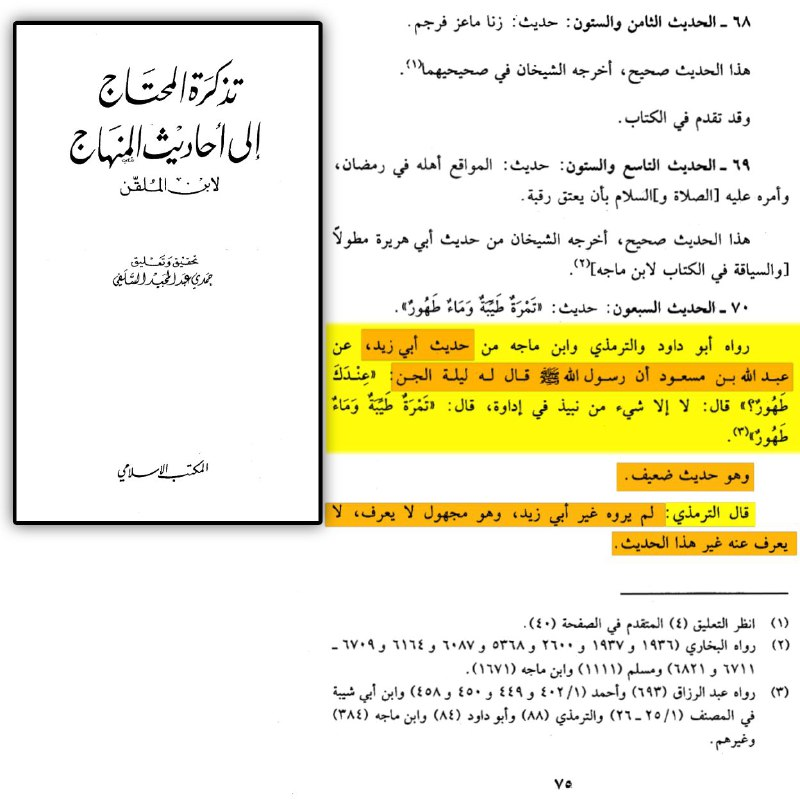
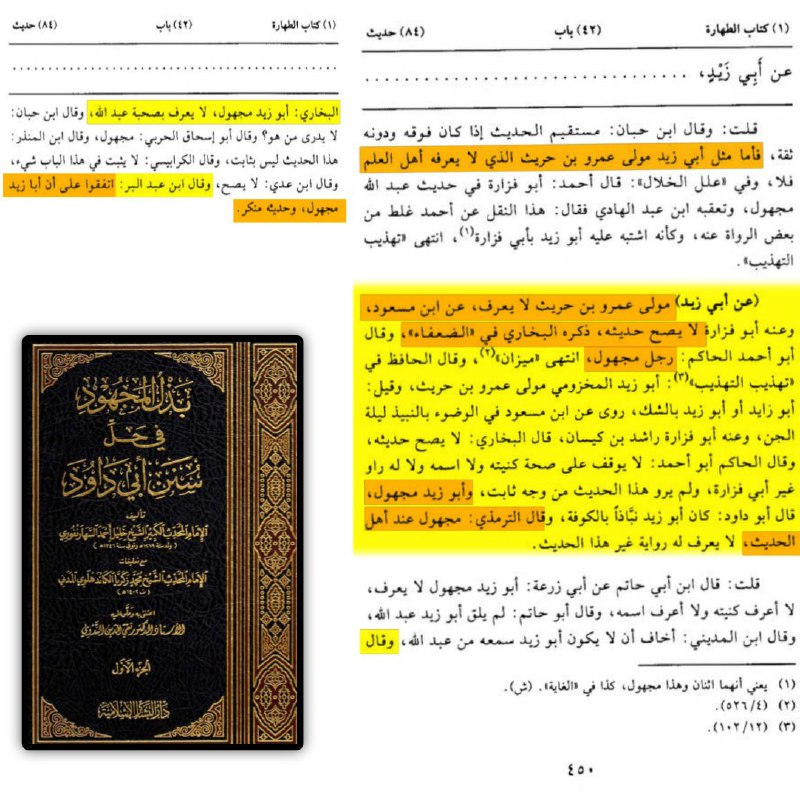
The seventh route in the book Sunan Abi Dawud, Al-Musannaf, and Sunan Al-Tirmidhi, and the reason for the narration is that Abi Zaid is unknown.
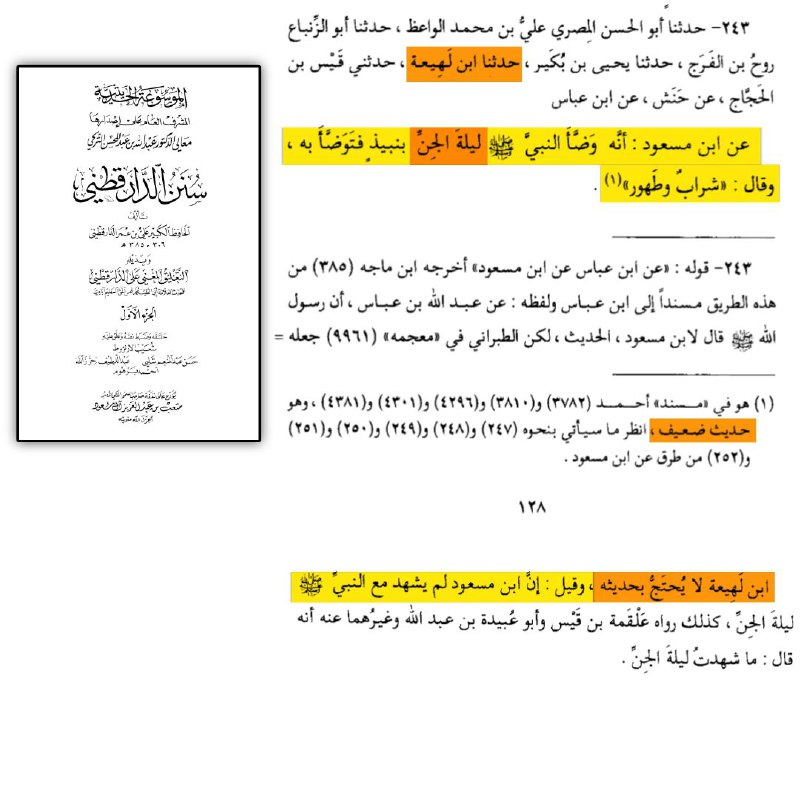
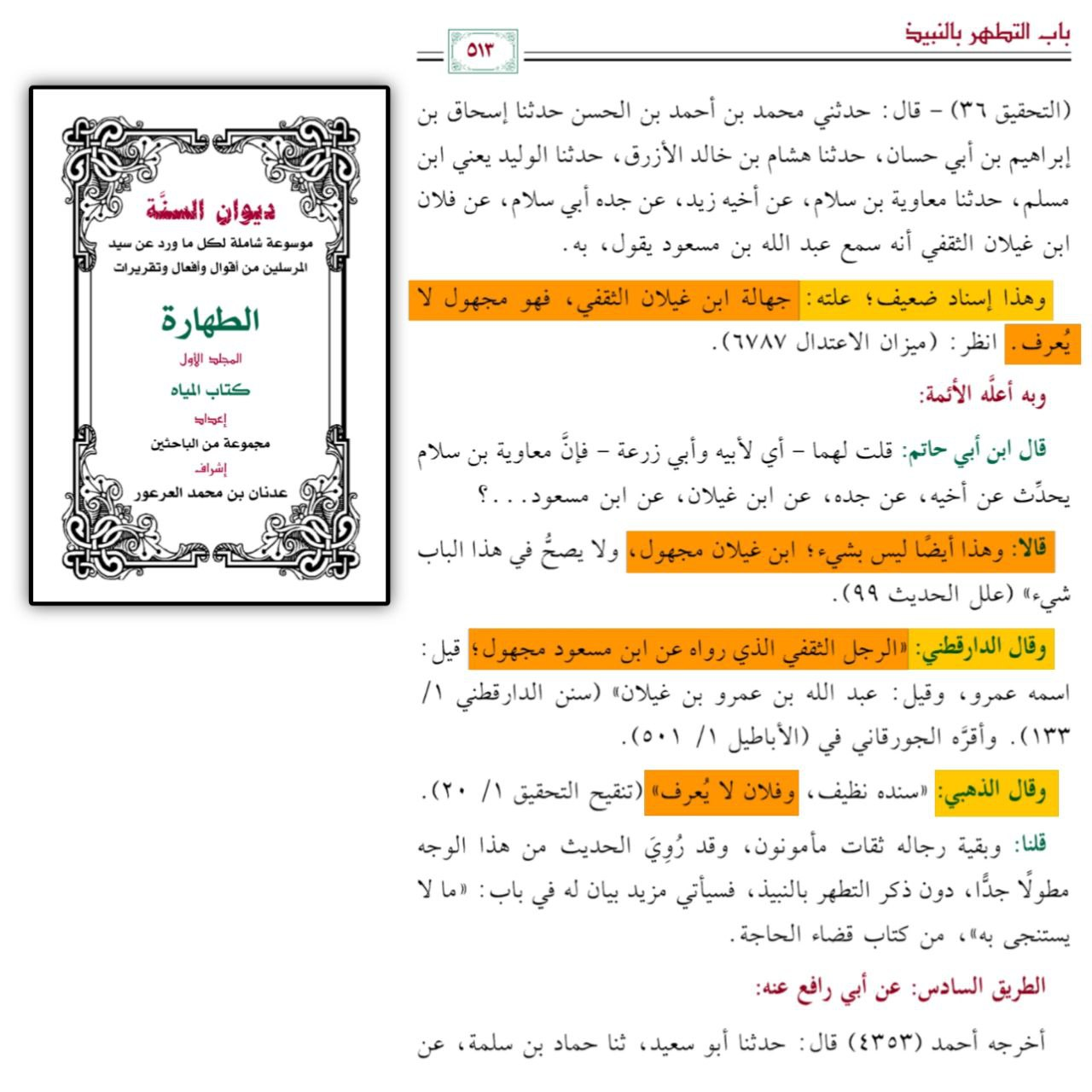
The eighth chain of transmission in the book Sunan al-Darqutni and the defect in the narration is Ibn Lahia, who is weak.
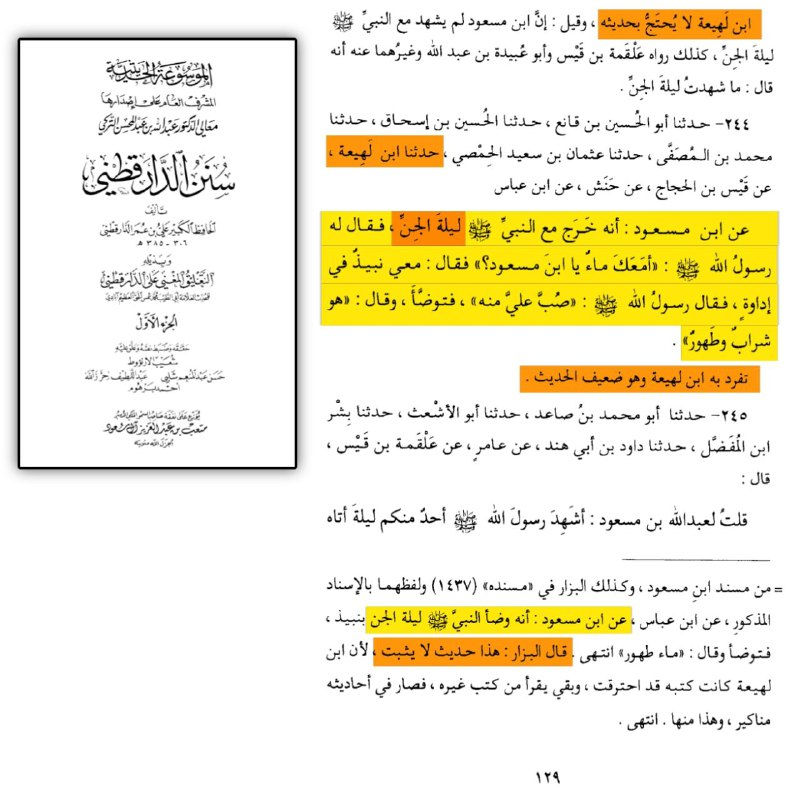
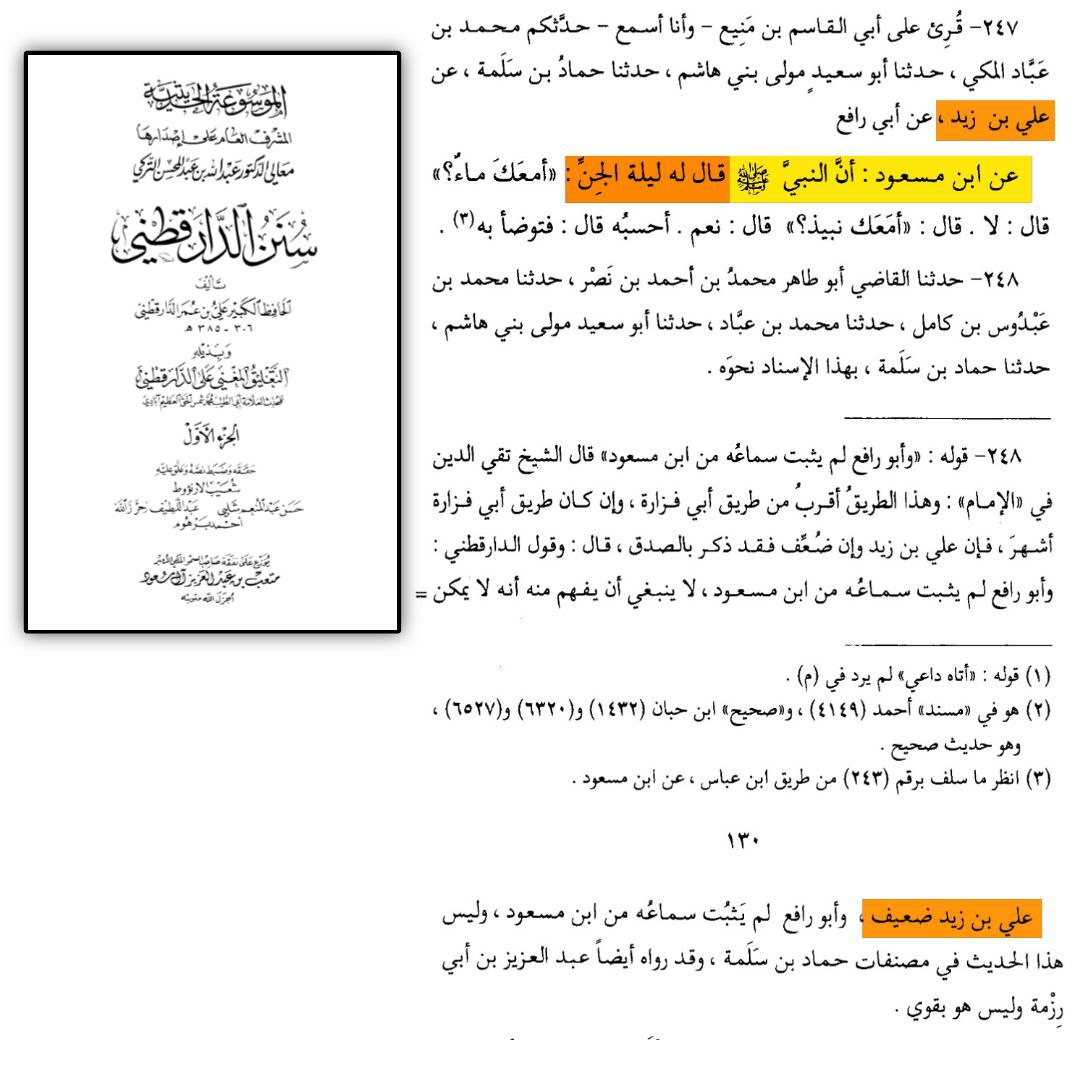
The ninth route in the book Sunan al-Darqutni and the defect of the narration is Ali bin Zaid, who is weak, and Abu Rafi’s hearing from Ibn Masoud has not been proven.
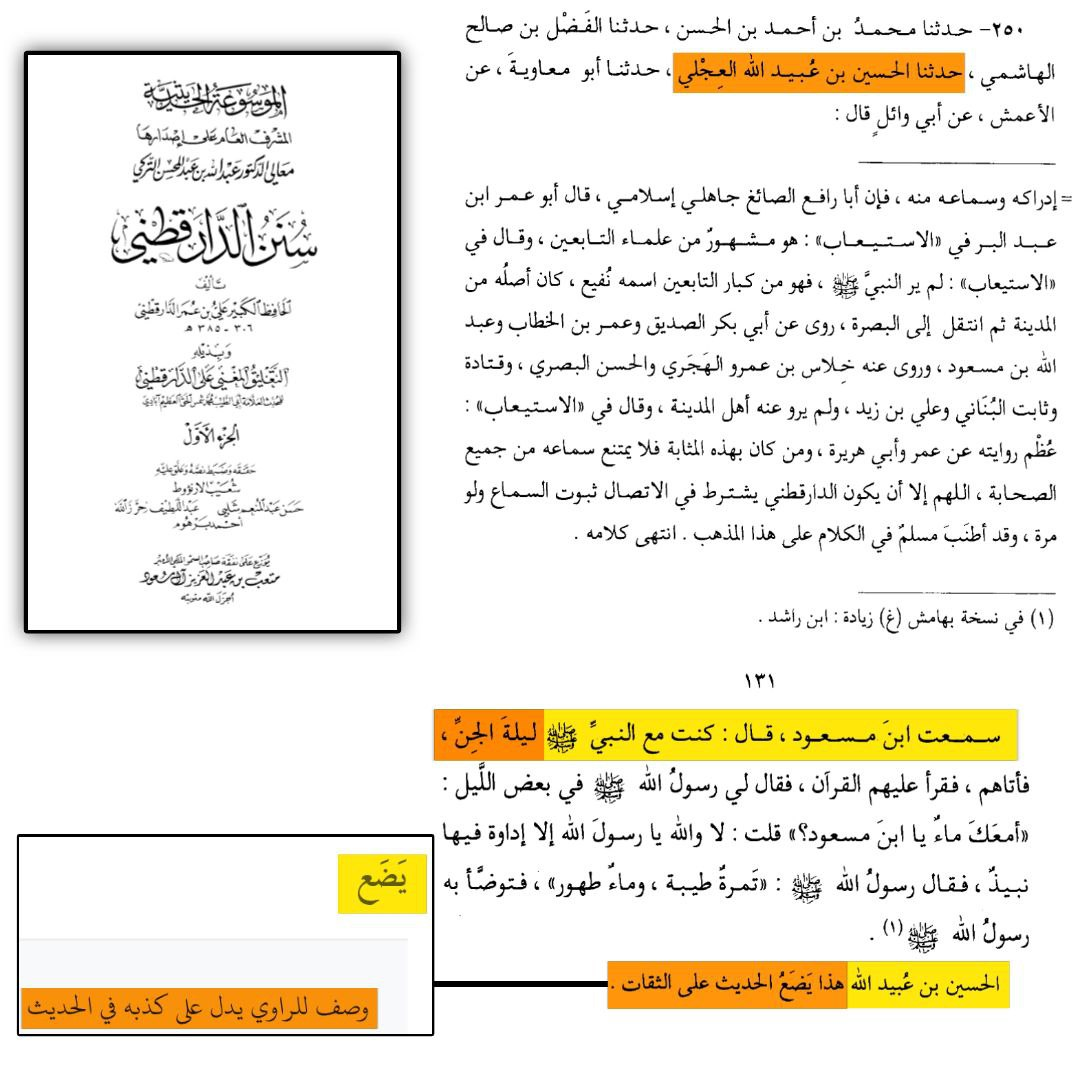
The tenth route in the book Sunan al-Darqutni and the defect of the narration is al-Husayn ibn Ubayd Allah al-Ajli, and he fabricates hadiths on the authority of trustworthy people, meaning he is a liar.
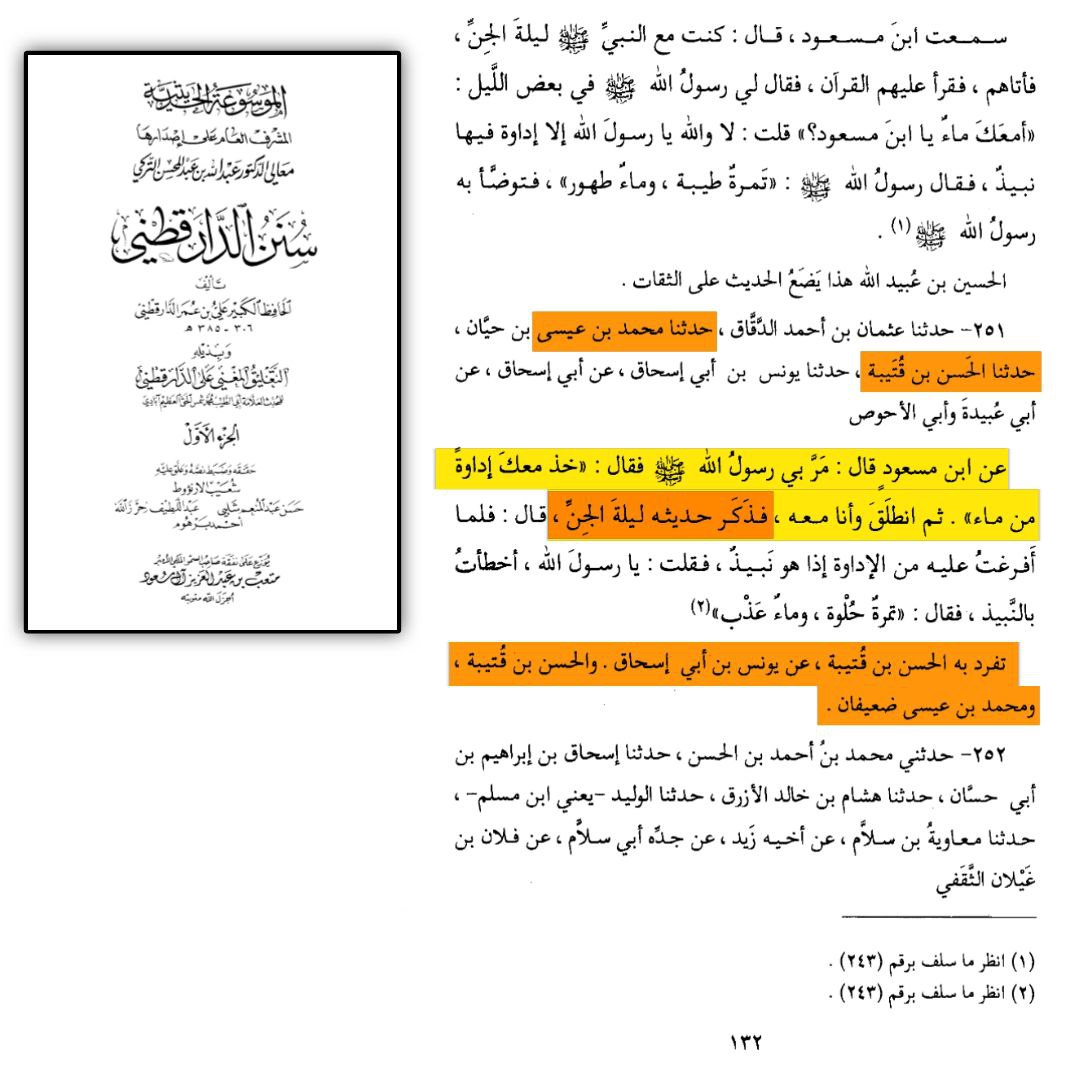
The eleventh narration in the book Sunan al-Darqutni and the defect of the narration is that it was narrated solely by al-Hasan ibn Qutaybah on the authority of Yunus ibn Abi Ishaq, and al-Hasan ibn Qutaybah is weak and Muhammad ibn Isa is weak.
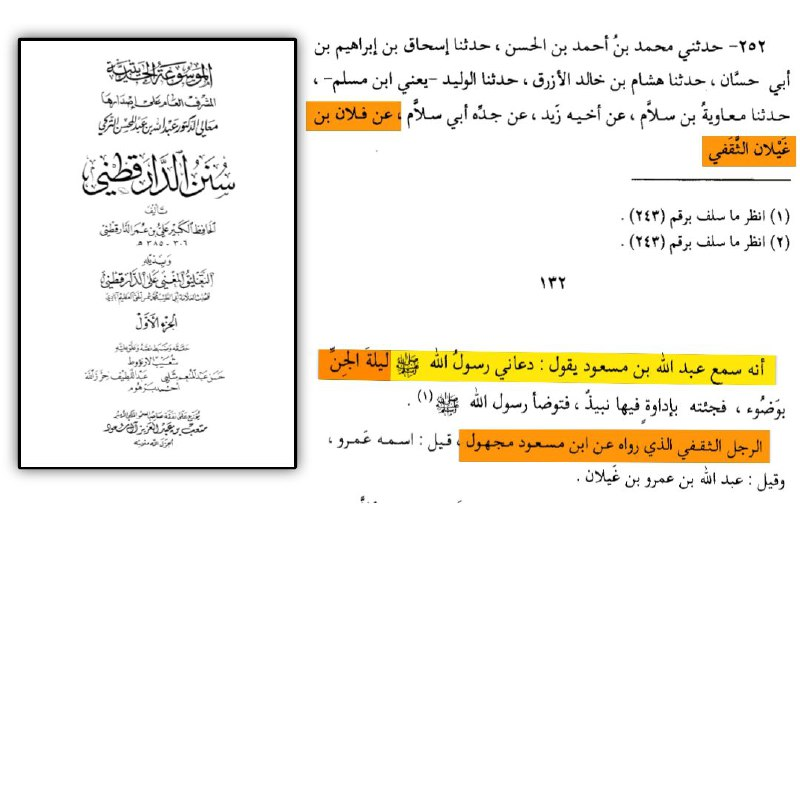
The twelfth route in the book Sunan al-Darqutni and the defect of the narration is so-and-so bin Ghaylan al-Thaqafi, and he is unknown and not known.
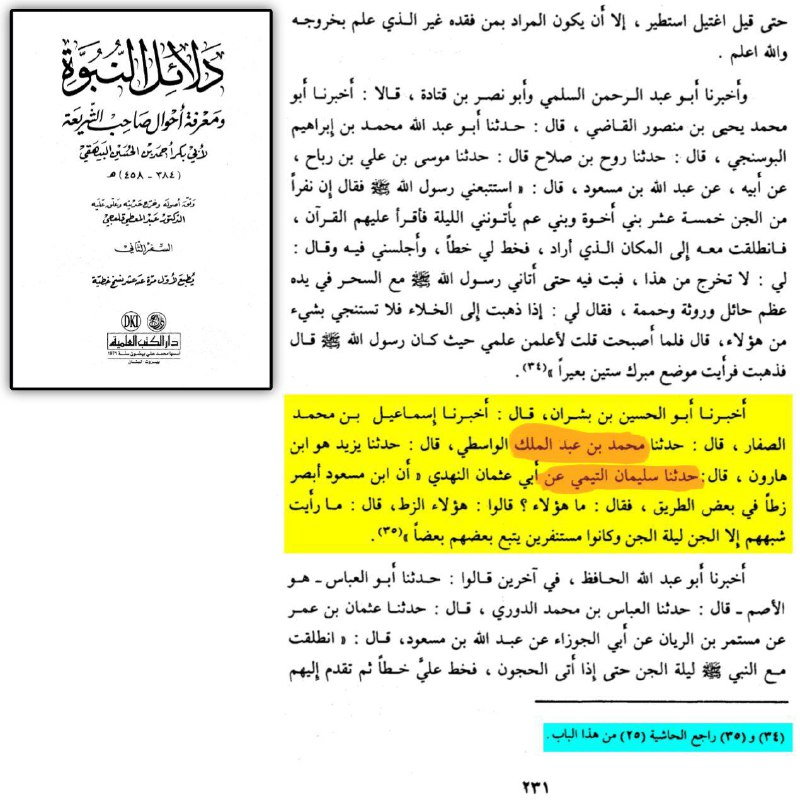
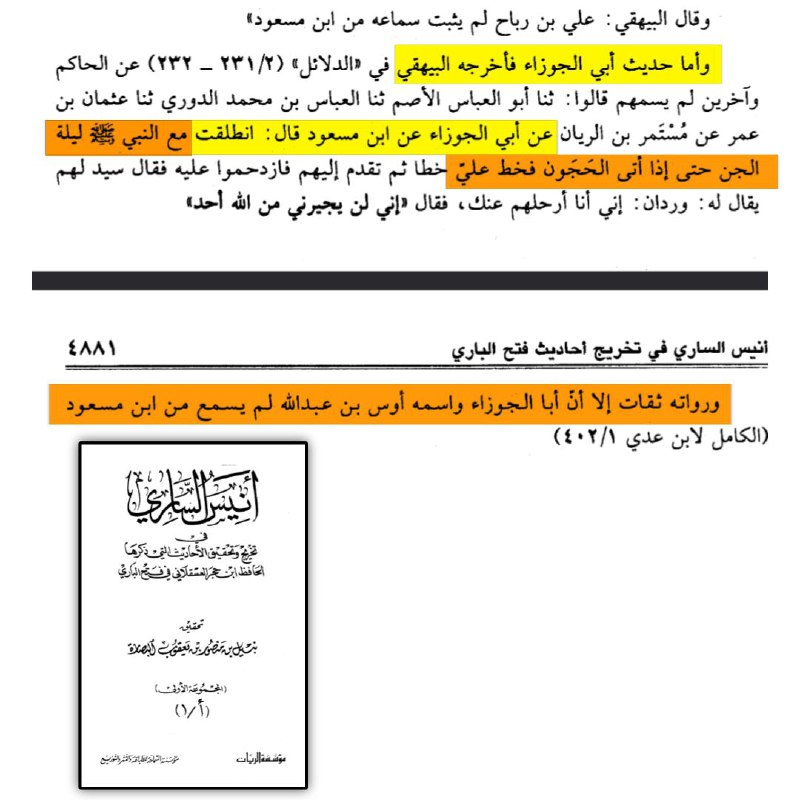
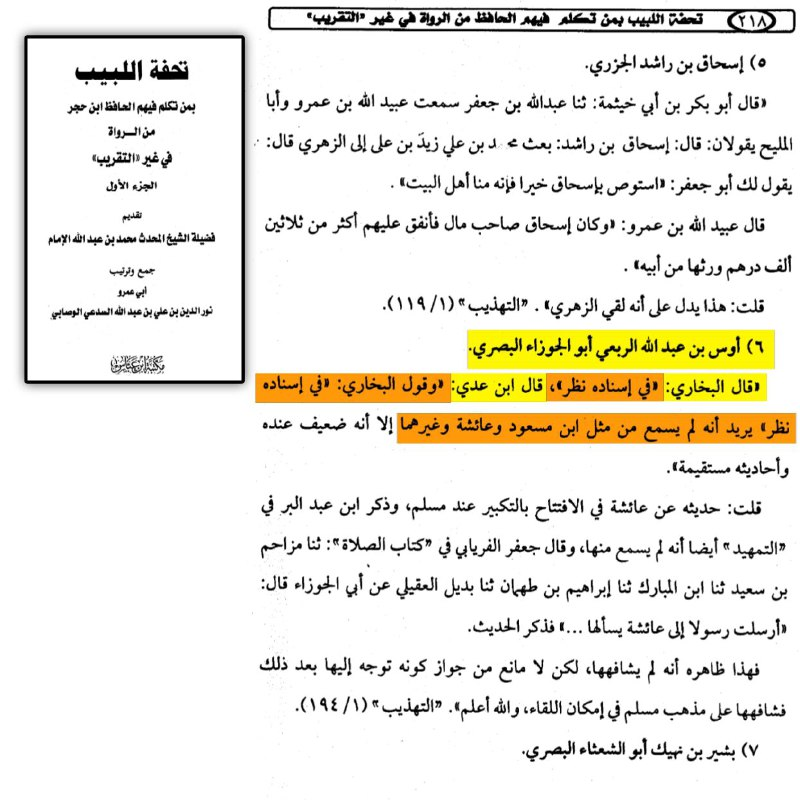
The thirteenth route in the book “Proofs of Prophethood” by Al-Bayhaqi, and the defect of the narration is Abu Al-Jawza. Al-Bukhari said: “There is a problem with its chain of transmission,” meaning it is weak, and Abu Al-Jawza did not hear from Ibn Masoud.
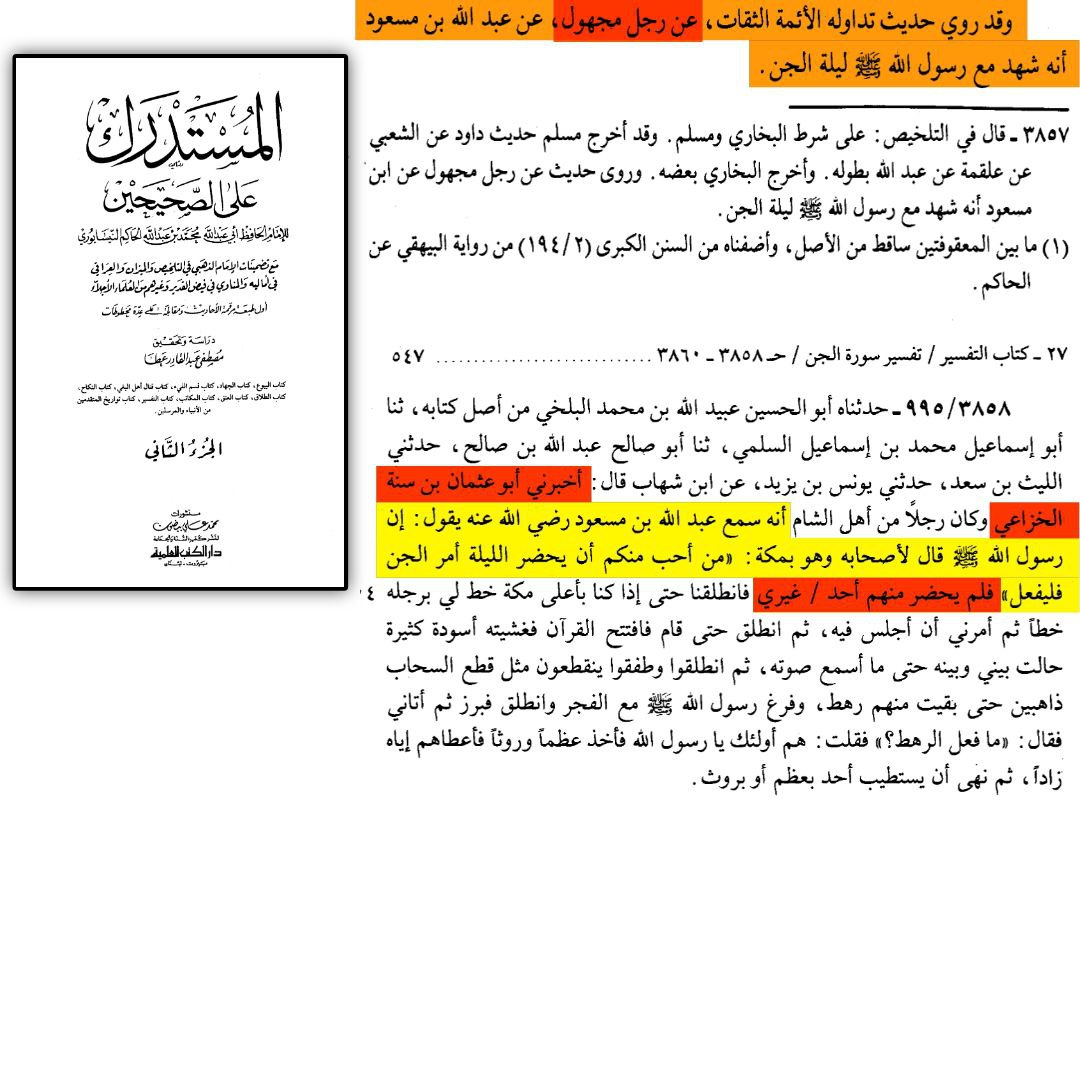
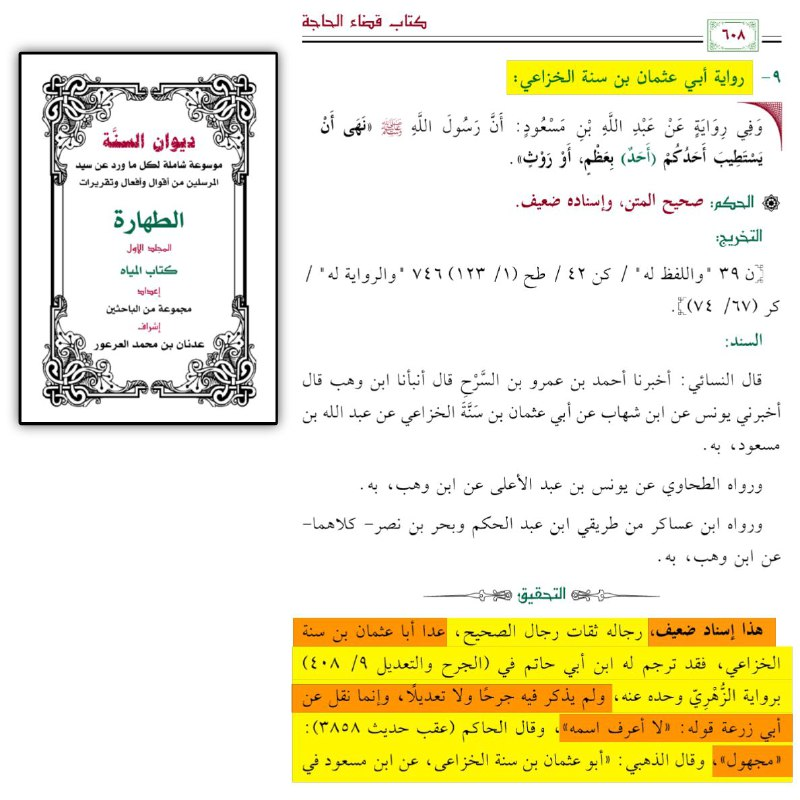
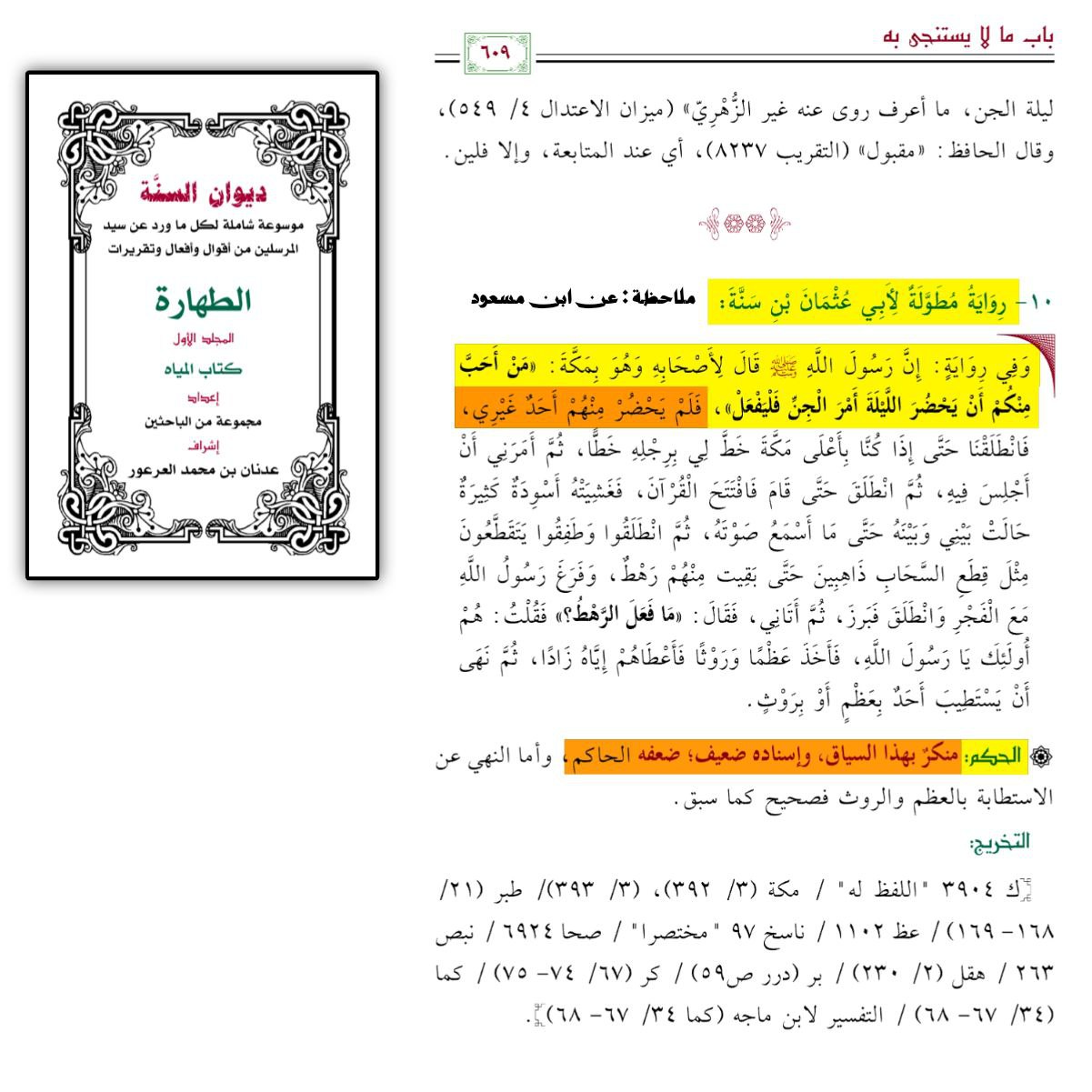
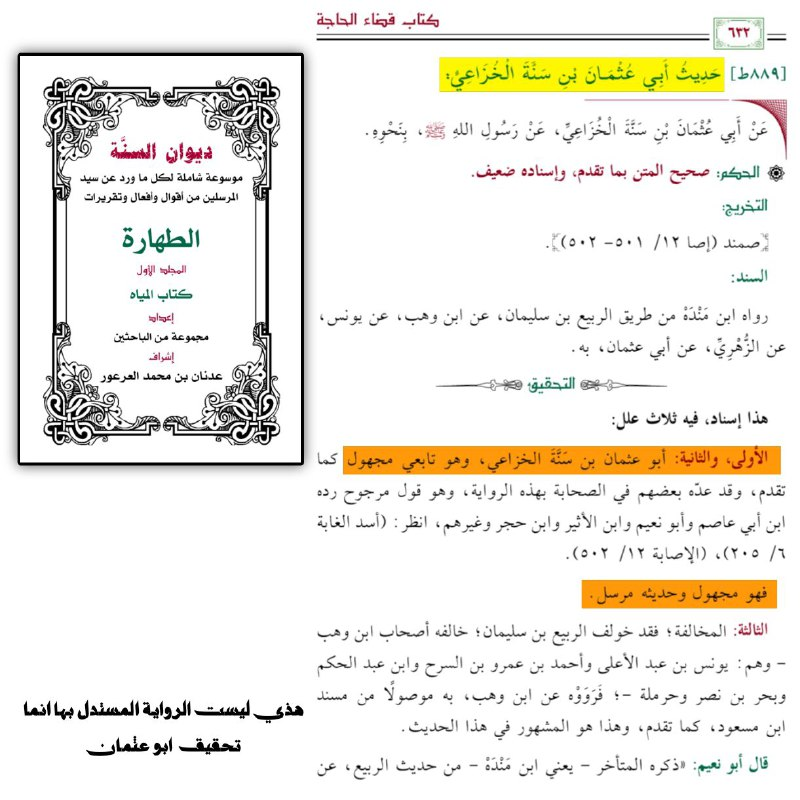
The fourteenth route in Al-Mustadrak ‘ala Al-Sahihayn by Al-Hakim, and the defect in the narration is Abu Uthman bin Sunna Al-Khuza’i, who is unknown.
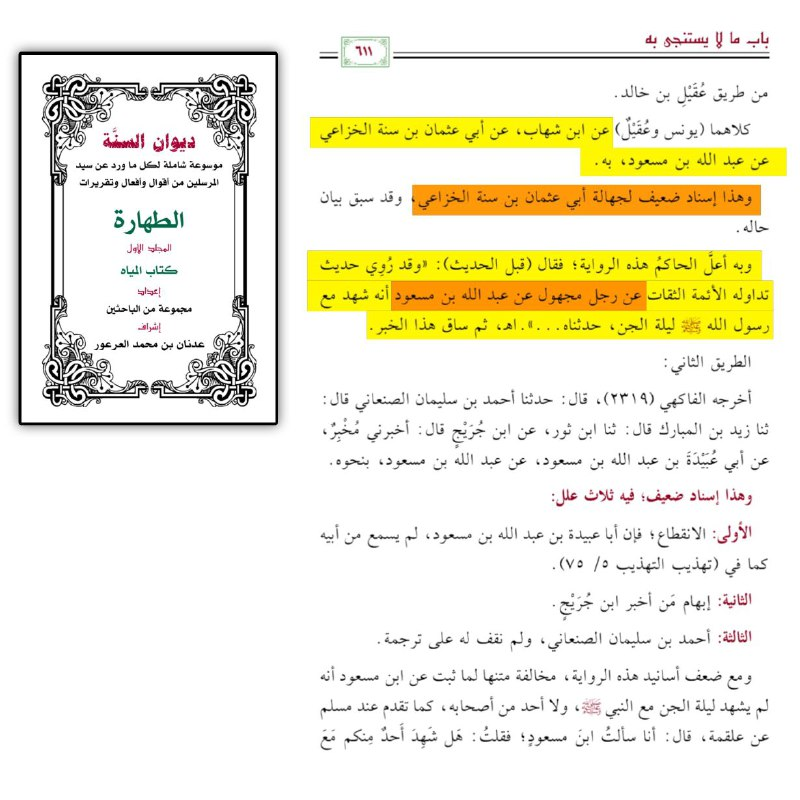
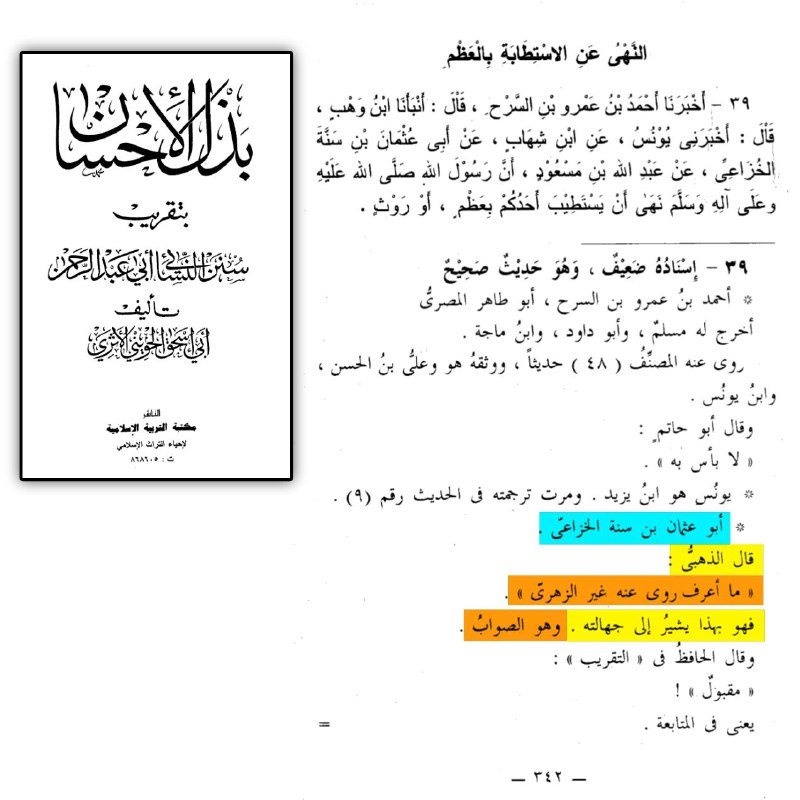
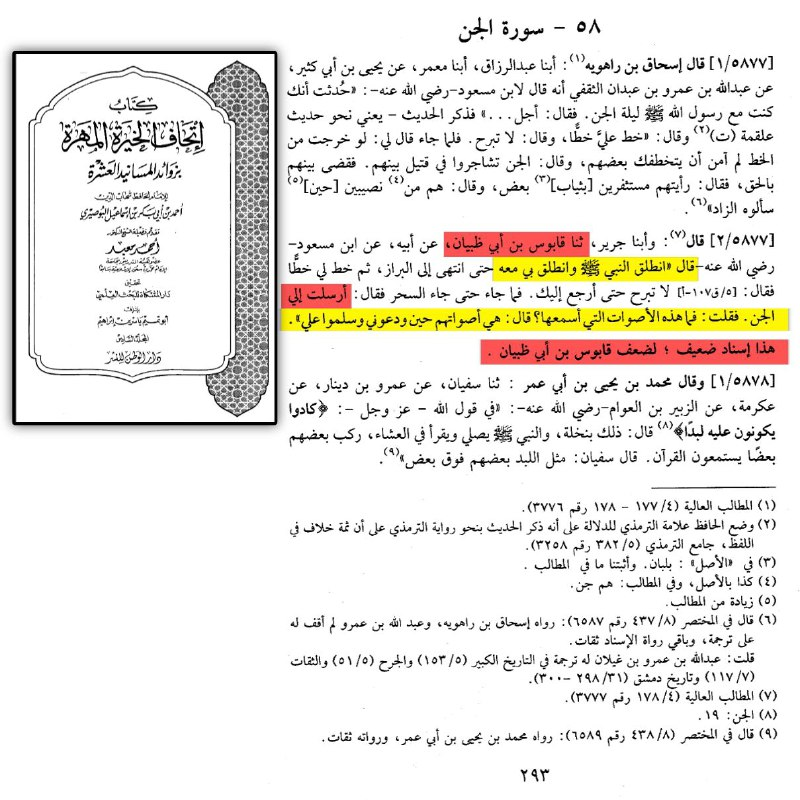
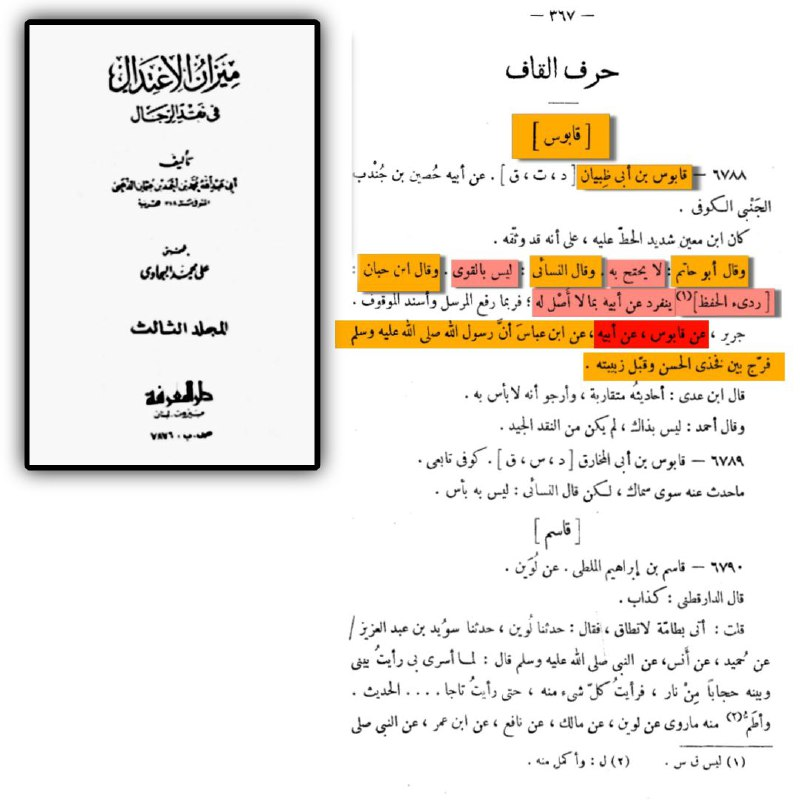
The fifteenth chain of transmission in the book Ithaf al-Khayrah and the reason for the narration is Qabus ibn Abi Dhibyan, and he is weak.
The sixteenth route in the book of the Great History of Imam Al-Bukhari and the defect of the narration is Talha bin Abdullah, it is not proven that he heard from Ibn Masoud.
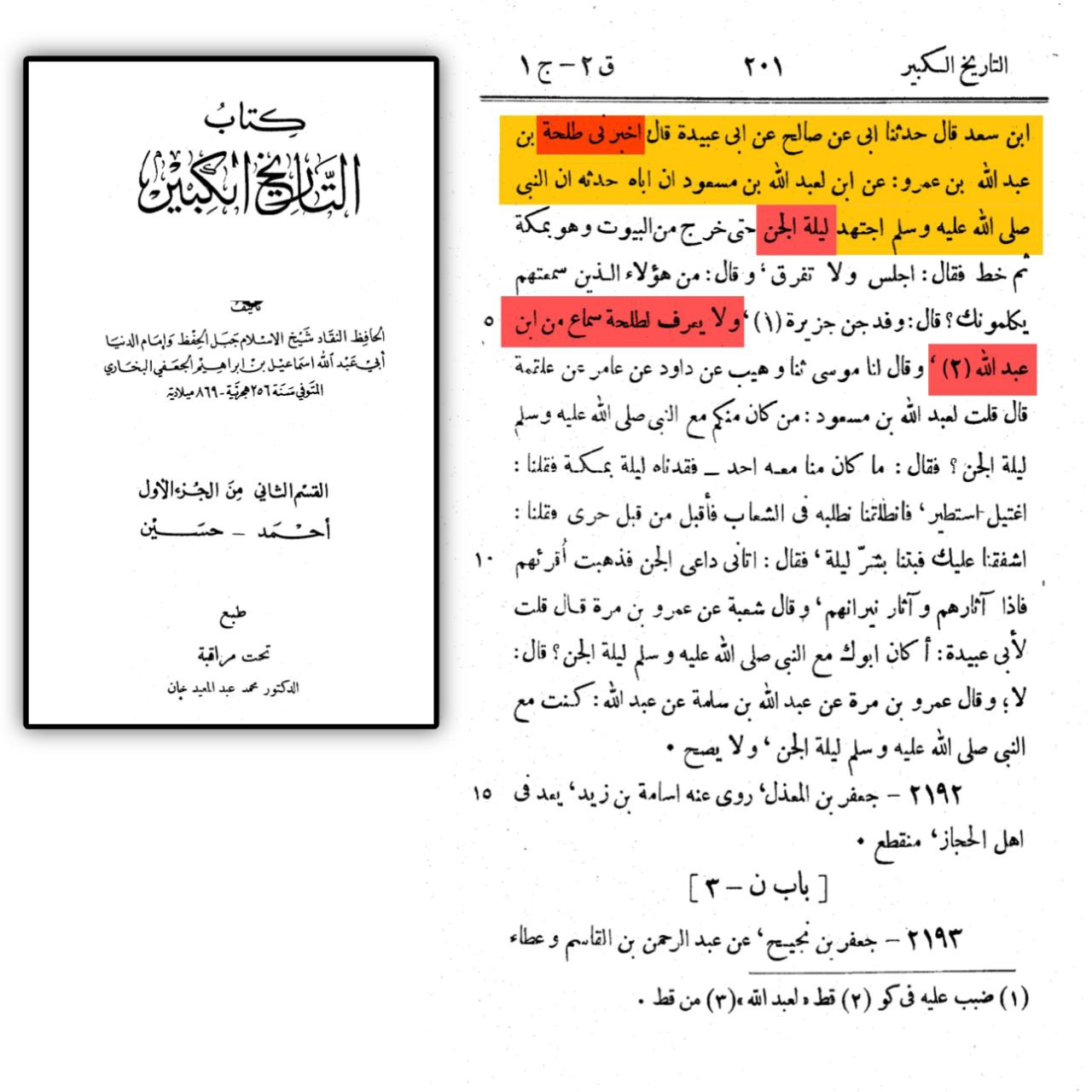
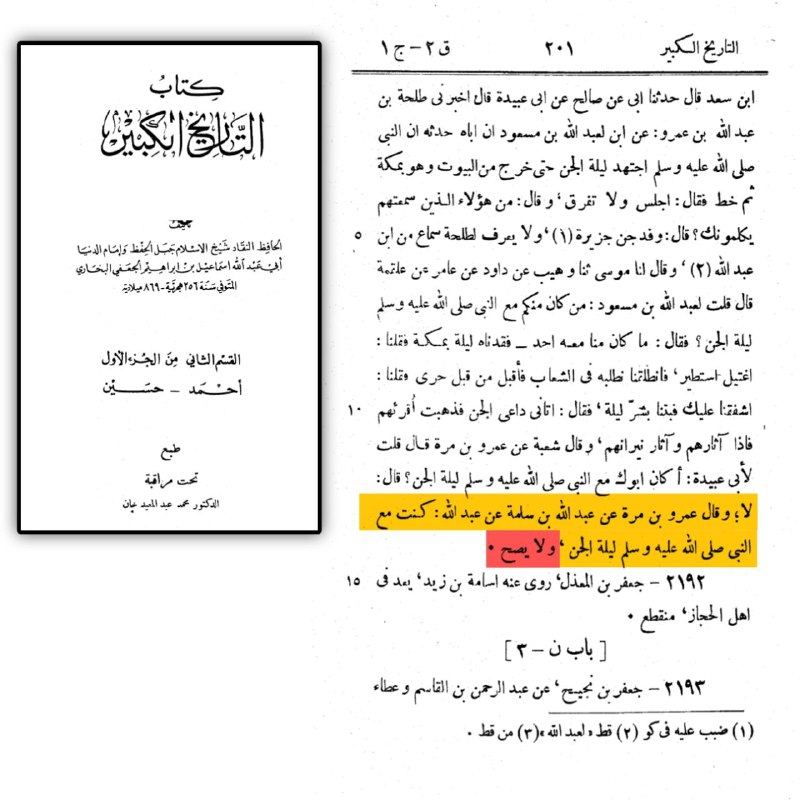
The seventeenth chain of transmission in the book of the Great History of Imam Al-Bukhari, and the defect in the narration is Abdullah bin Salama, who is weak.
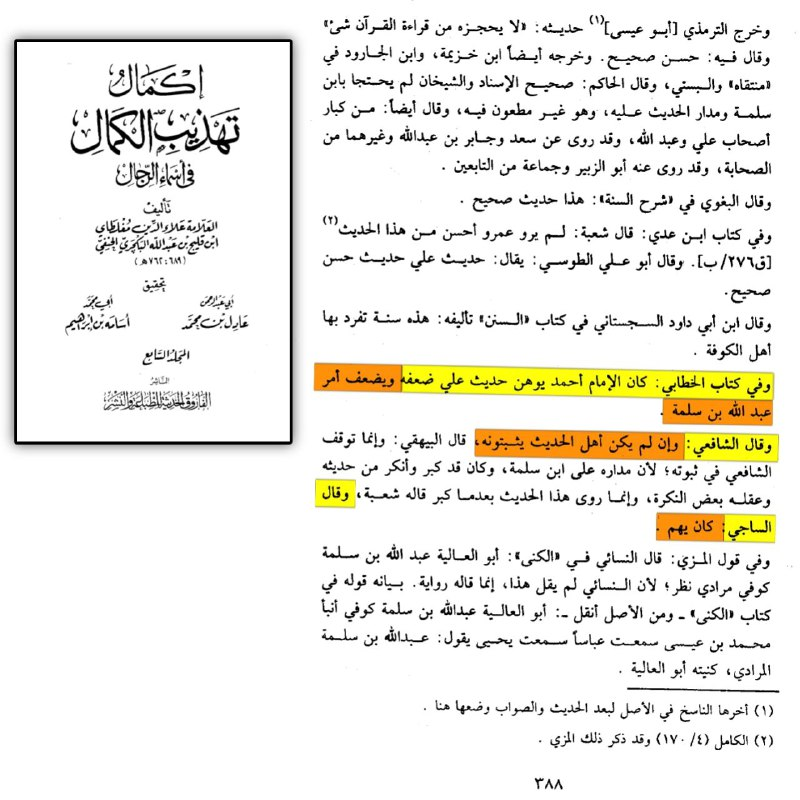
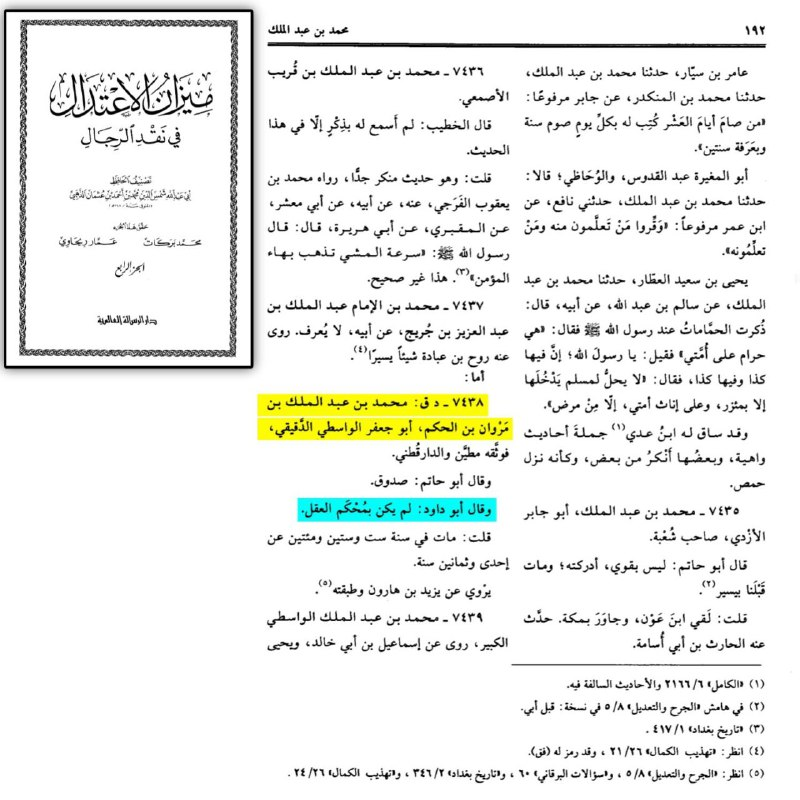
The eighteenth route and the defect of the narration is Sulayman al-Tamimi, who is trustworthy but a mudallis (one who practices tadlis, a form of deception in hadith transmission). He used the word ‘an’ in the narration, meaning he practiced tadlis. Tadlis means to say the narration is on the authority of so-and-so and not to say ‘he told us’ or ‘I heard’. Also, it includes Muhammad ibn Abd al-Malik, who is truthful but not of sound mind.