

Why Did Prophet Muhammad ﷺ Say “أنكتها/Anektha” in Sahih Bukhari? A Linguistic and Legal Refutation
Why Did the Prophet ﷺ Use the Word “أنكتها” in the Hadith of Ma’iz?
The answer is that the word is linguistically valid, contextually necessary, and legally precise. The Prophet ﷺ was not speaking in a casual or vulgar setting. He was acting as a judge in a case involving the hadd punishment for zina, where ambiguity could lead to the wrongful killing of a person.
Table of Contents
- TheObjectionAgainstTheHadith
- TheWordIsLinguisticallyCorrect
- WhyDidNoOneObjectAtTheTime
- Did Anyone Object to This Term during the Time of the Prophet ﷺ, Whether from the Jews, the Christians, or the Disbelievers of Quraysh Who Were Lying in Wait for Him over Every Little Thing?
- WordsChangeMeaningOverTime
- NecessityAndLegalPrecision
- WhyThisSpecificWordWasUsed
- TheDoubleStandardWithBiblicalTexts
- Conclusion
TheObjectionAgainstTheHadith
This objection is weak because it ignores the legal setting, the linguistic usage of Arabic at the time, and the necessity of removing ambiguity in a case where the consequence was death.
“And indeed, you are of a great moral character.”
Qur’an 68:4
TheWordIsLinguisticallyCorrect
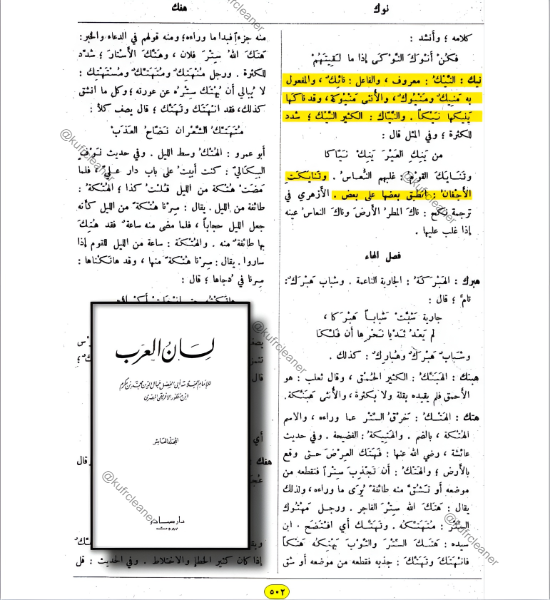
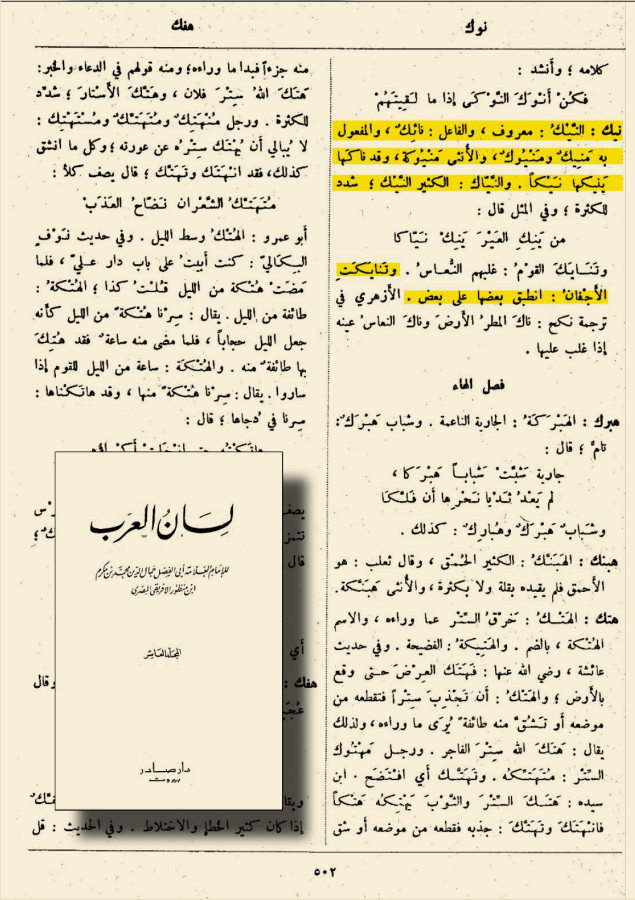
The first point is simple: the word is linguistically correct. It is found in the Arabic language and recorded in major Arabic lexicons such as Lisan al-Arab by Ibn Manzur.
مَنِيكٌ ومَنْيُوكٌ، والأَنثى مَنْيُوكة، وقد ناكَها يَنيكها نَيْكاً.
والنَّيّاك الكثير النَّيْك؛ شدد للكثرة؛ وفي المثل قال: من يَنِكِ العَيْرَ يَنِكْ نَيّاكا وتَنَايَكَ القوْمُ: غلبهم النُّعاسُ.
وتَنايَكَتِ الأَجْفانُ: انطبق بعضها على بعض. الأَزهري في ترجمة نكح: ناكَ المطرُ الأَرضَ وناكَ النعاسُ عينه إِذا غلب عليها
Therefore, the basic linguistic claim against the hadith collapses. The word existed in Arabic and was understood by Arabs.
For your info: this scan is being used to support the linguistic point from Lisan al-Arab. The relevant section shows that the word and its related forms are recorded in the Arabic lexicon. The point is not that the word sounds polite to modern ears, but that it was an actual Arabic term with known usage. This matters because the critic’s argument depends on treating the term as if it were merely a vulgar modern insult rather than a recognized Arabic expression used for precision.
WhyDidNoOneObjectAtTheTime
The answer is that the Arabs of that time understood the word. It was not a shocking foreign expression to them. If it had been a genuine moral flaw or a linguistic scandal, the enemies of Islam would have exploited it immediately.
Did Anyone Object to This Term during the Time of the Prophet ﷺ, Whether from the Jews, the Christians, or the Disbelievers of Quraysh Who Were Lying in Wait for Him over Every Little Thing?
The people in the time of the Prophet ﷺ used and understood the expression. It was a natural expression in that linguistic context. Therefore, when the Prophet ﷺ said it in a judicial setting, no Companion, Jew, Christian, or Qurayshi opponent is reported to have objected to it.
So why do modern critics object to the Prophet ﷺ using a linguistically correct Arabic word, while ignoring that the Arabs themselves used and understood it?
For your info: this scan is being placed here to support the argument that the term was known within Arabic usage. The surrounding point is that if the expression had been regarded as a scandalous linguistic mistake or a moral defect, the Prophet’s ﷺ enemies would have weaponized it. The absence of such an objection is significant because Quraysh, the Jews, and other opponents were actively looking for ways to attack him. The scan therefore supports the broader claim that the term belonged to the Arabic linguistic environment and was not treated as a disqualifying vulgarity in that setting.
WordsChangeMeaningOverTime
Many words that were once normal among the people of a language later became ugly, insulting, or vulgar because meanings shift over time.
العَرْصُ: خشبةٌ توضع على البيت عَرْضاً إِذا أَرادُوا تَسْقِيفَه وتُلْقى عليه أَطرافُ الخشب الصغار، وقيل: هو الحائطُ يُجْعَل بين حائطي البيت لا يُبْلَغ به أَقصاه، ثم يُوضع الجائزُ من طرف الحائط الداخل إِلى أَقصى البيت ويسقّفُ البيتُ كله.
This proves the obvious point: modern offensiveness does not automatically define historical usage.
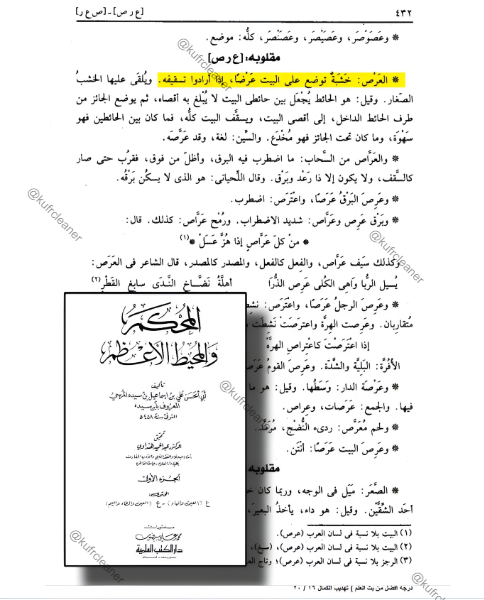
For your info: this scan supports the example of semantic change through the word “عَرْص”. The highlighted point is that the term had an older lexical meaning connected to construction, roofing, and parts of a house. The argument is that a word becoming ugly in later popular usage does not prove it was used with that ugly meaning in earlier Arabic. This directly supports the response to the hadith objection: judging prophetic Arabic by later slang meanings is bad linguistic reasoning.
This is another clear example of how language changes. A later vulgar meaning cannot be forced backward onto an earlier usage.
NecessityAndLegalPrecision
In such a setting, vague language is dangerous. The Prophet ﷺ had to remove every possible ambiguity.
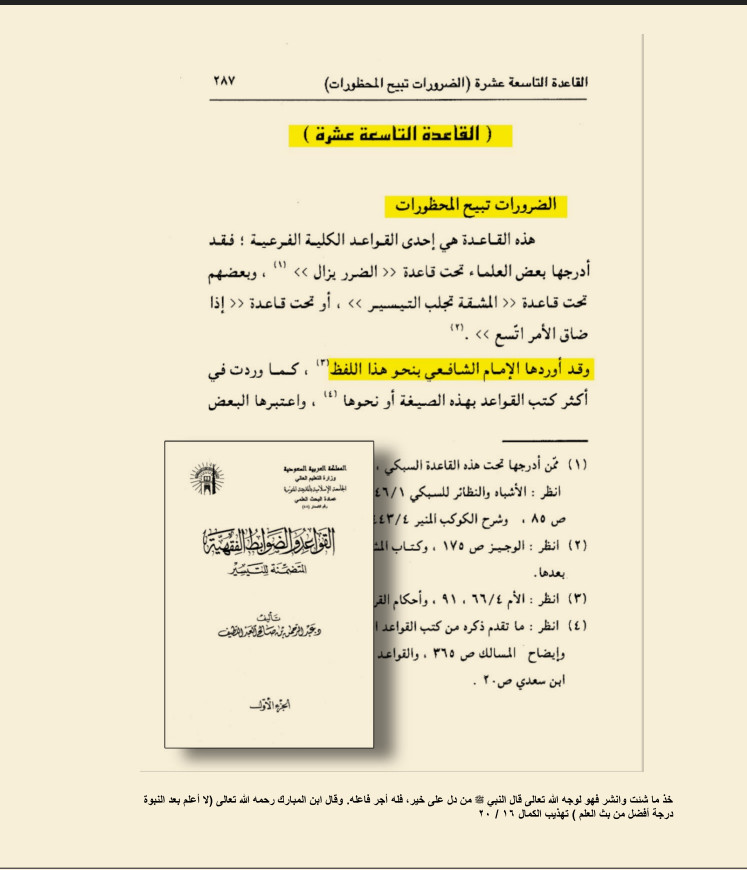
“Necessity permits what is forbidden.”
Here, the Prophet ﷺ was not speaking casually. He was verifying whether Ma’iz actually committed the specific act that triggers the hadd punishment. This required an explicit question because a person might misunderstand zina to mean kissing, touching, sleeping beside someone, or another lesser act.
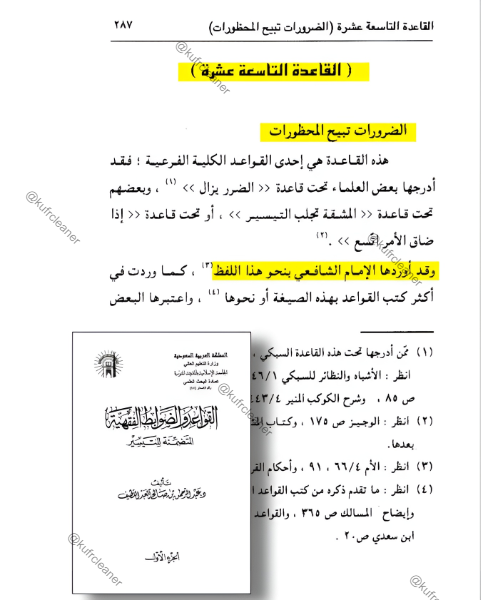
For your info: this scan is being used to support the legal principle that necessity can permit what would otherwise be avoided. In this context, the Prophet ﷺ was dealing with a capital legal matter, not ordinary speech. The point is that when a judge must determine whether the hadd for zina applies, indirect wording is not enough. Legal certainty requires direct clarification, especially when a human life is involved.
WhyThisSpecificWordWasUsed
The problem with that objection is that softer expressions can be legally ambiguous.
The hadith about Ma’iz is connected to the broader prophetic clarification that forms of “zina” can be used metaphorically or broadly. The eye commits zina by looking, the hand commits zina by touching, and so on. Therefore, the Prophet ﷺ needed to clarify whether Ma’iz meant actual penetrative intercourse or merely another sinful act.
Ma’iz said: Rather, I committed adultery, O Messenger of Allah.
So the Prophet ﷺ said: “Perhaps you touched,” meaning perhaps your skin touched her skin.
Because the Prophet ﷺ feared that Ma’iz may have misunderstood the meaning of zina, he used an explicit word to remove confusion.
Or is it easier and more just for the Prophet ﷺ to use a direct word that removes all confusion before applying a punishment that results in death?
Any fair-minded person knows the answer.
“I lay with her” does not necessarily mean intercourse. It can mean sleeping beside someone.
“I committed adultery with her” may still be misunderstood broadly, because looking, touching, kissing, and fondling can be described as forms of zina in a general sense, though they do not carry the hadd of stoning.
“I had intercourse with her” or “I had sexual relations with her” may still be interpreted broadly in ordinary speech and may not necessarily prove penetration.
Therefore, the Prophet ﷺ used a word that directly removed the ambiguity.
In a case involving death, precision is mercy.
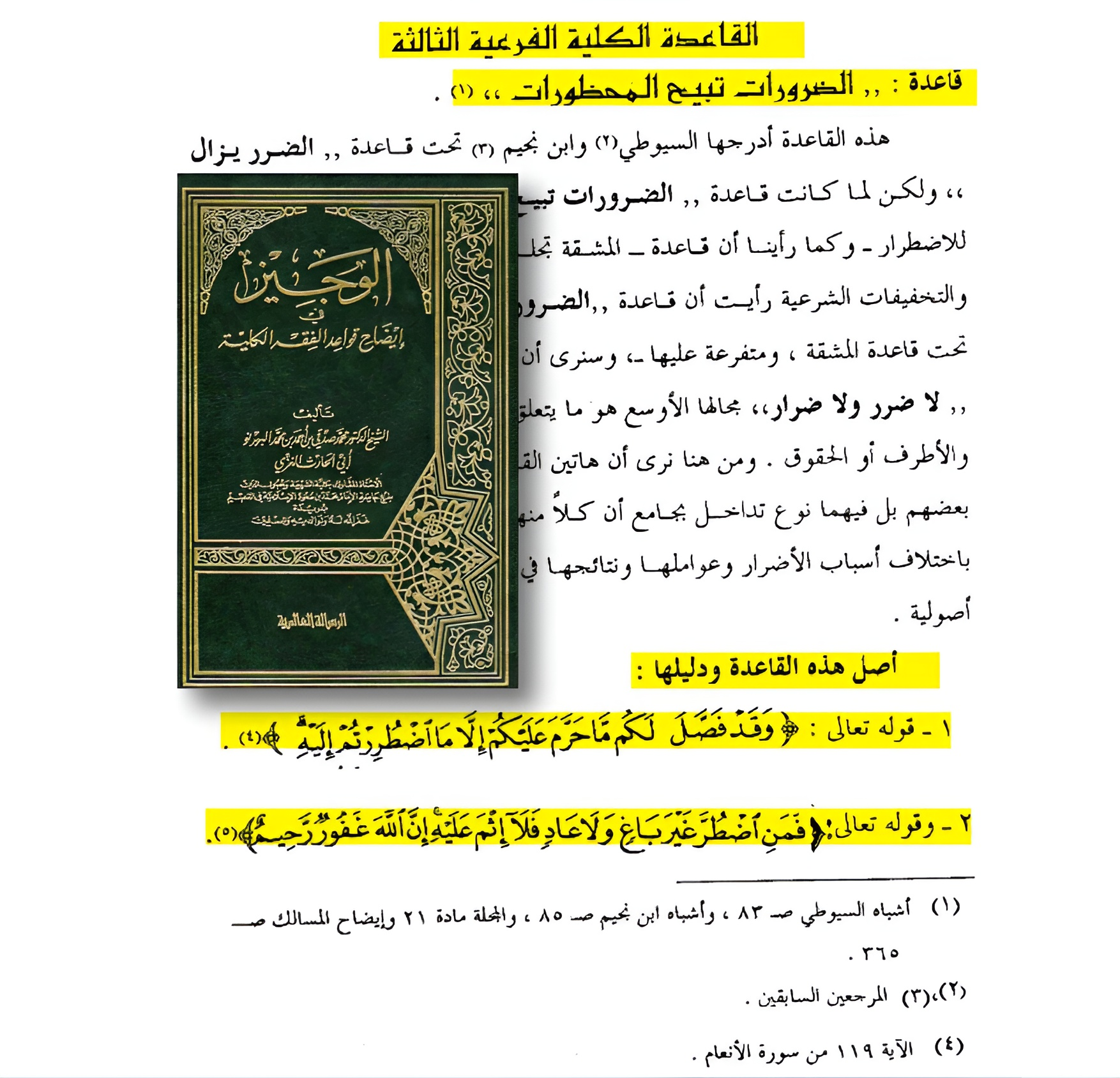
For your info: this scan is placed with the discussion of the Ma’iz report and the Prophet’s ﷺ questioning. The relevant point is that the Prophet ﷺ did not rush to apply the hadd punishment. Rather, he clarified the confession and removed possible misunderstandings. This supports the argument that the explicit wording served a judicial purpose: to distinguish between actual zina requiring hadd and lesser acts that do not carry the same punishment.
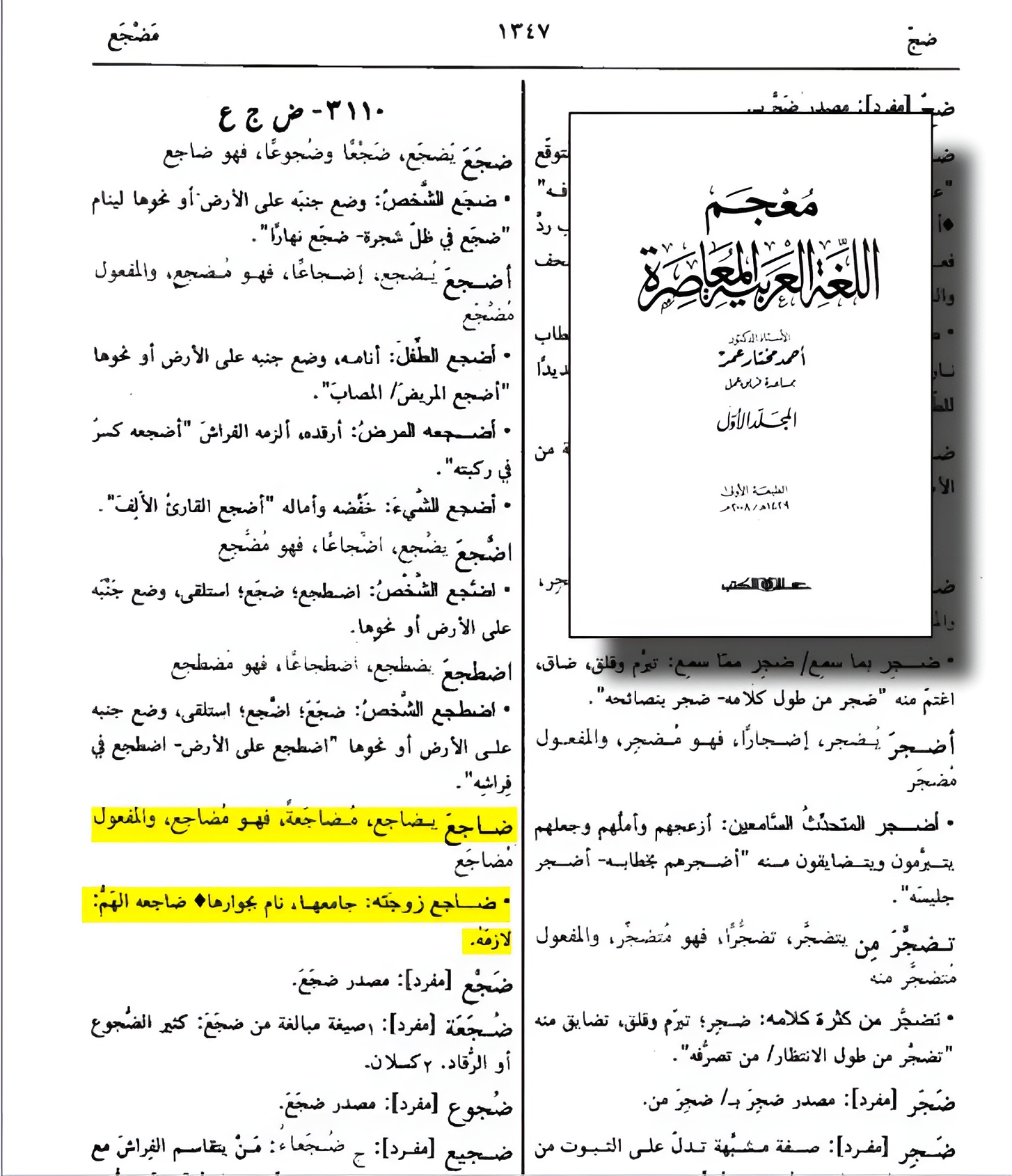
For your info: this scan continues the evidence connected to the hadith context. Its purpose here is to show that the Prophet ﷺ investigated the confession with care and did not treat a vague statement as automatically sufficient for the hadd. The scan supports the article’s main legal argument: in Islamic law, especially in hudud cases, ambiguity must be removed before judgment.
For your info: this scan is included as part of the supporting hadith evidence. The article uses it to demonstrate that the Prophet’s ﷺ questioning was not obscene speech, but legal verification. The key idea is that zina had to be established with exactness, because lesser acts such as kissing, touching, or lying near someone do not carry the same legal ruling as penetrative zina. The scan therefore reinforces the argument that explicit wording was necessary in this judicial context.
TheDoubleStandardWithBiblicalTexts
The double standard is obvious: they attack one legally necessary Arabic word in a hadith, while ignoring far more explicit passages in the Bible.
1 Samuel 20:30
Accuracy note: if arguing from the Hebrew Bible/Masoretic Text, refer to the underlying language as Hebrew. If arguing from the Septuagint, then Greek may be relevant. Do not loosely say “original Greek” for 1 Samuel unless you specifically mean the Septuagint tradition.
Proverbs 30:15
Song of Solomon 7:1–3
Before looking at the speck in someone else’s eye, look at the pus and discharge in your own eyes. He whose house is made of paper should not talk about concrete houses.
For your info: this scan is used to support the comparison with biblical passages containing harsh or explicit language. The purpose is not merely to quote shock material, but to expose inconsistency. If critics claim that the presence of explicit wording automatically disproves prophetic morality, then they must apply the same standard to their own scriptures. The scan therefore functions as a double-standard argument.
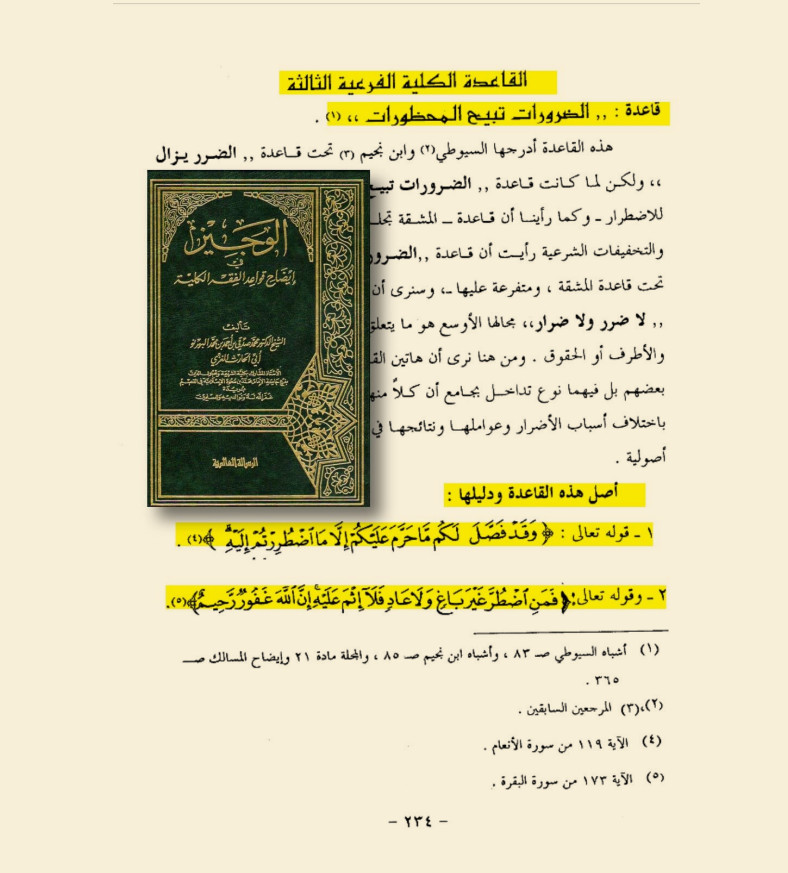
For your info: this scan continues the biblical comparison. It supports the point that critics cannot object to explicit wording in a legally necessary hadith while accepting or ignoring explicit descriptions within biblical literature. The article’s argument is that their objection is selective, not principled.
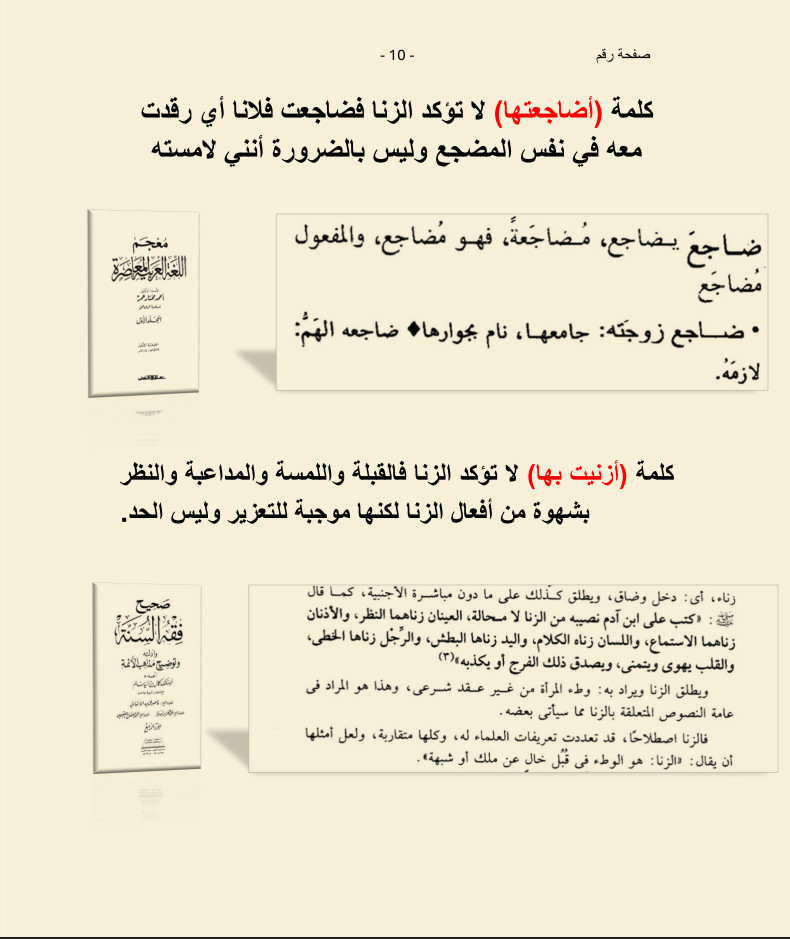
For your info: this scan is part of the same evidence set concerning biblical explicitness. It is placed here to reinforce the rhetorical challenge: if explicit wording itself is the problem, then the critic has created a much larger problem for his own scripture. The scan therefore supports the charge of inconsistency and exposes the weakness of attacking the Prophet ﷺ over a legally precise Arabic term.
Conclusion
First, the word is linguistically valid and recorded in Arabic lexicons.
Second, the Arabs of the Prophet’s ﷺ time understood the word, and there is no evidence that his enemies treated it as a moral scandal.
Third, meanings change over time, so modern vulgarity cannot automatically be projected backward onto classical Arabic.
Fourth, the Prophet ﷺ was acting in a judicial setting involving a capital punishment, so he had to remove ambiguity with exact wording.
Fifth, critics who attack this hadith while ignoring explicit biblical passages are applying a double standard.
The Prophet ﷺ did not use the word out of vulgarity. He used it because justice required precision. In a case involving life and death, unclear speech would have been the real injustice.