A Documented Response to the Myth That _Most Scholars of Islamic Civilization Were Non Arabs
A Documented Response to the Myth That Most Scholars of Islamic Civilization Were Non-Arabs
Table of Contents
- Overview
- Understanding the Demographics Before Anything Else
- Muslim Percentage in Conquered Lands
- The Statistical Absurdity of the Claim
- The Role of the Shu’ubiyya and Orientalist Bias
- When Did Non-Arabs Become a Majority?
- Academic Studies Expose the Myth
- 90% Of Early Muslim Scientists Were Arab
- Arabs Remained the Majority for 400 Years
- A Second Confirming Study
- The Hadith Narrators Claim
- Per-Book Breakdown of Hadith Narrators
- The Scholars Project — Dutch-Funded University Research
- Geographical Distribution of Arab Vs Non-Arab Scholars
- Were the Conquered Peoples More Educated?
- Literacy in the Roman Empire
- Literacy Under Persian Rule
- Islam’s Cultural Revolution
- The Non-Arabs Learned From the Arabs — Not the Other Way Around
- Arab Society Was Already Literate
- The Arabian Peninsula’s Astonishing Literacy Rate
- Arabs as a Cultural Island
- Conclusion
Overview
🚨 A detailed and documented response to the myth that “most scholars of Islamic civilization were non-Arabs” and similar myths of ethnocentric propaganda.
Understanding the Demographics Before Anything Else
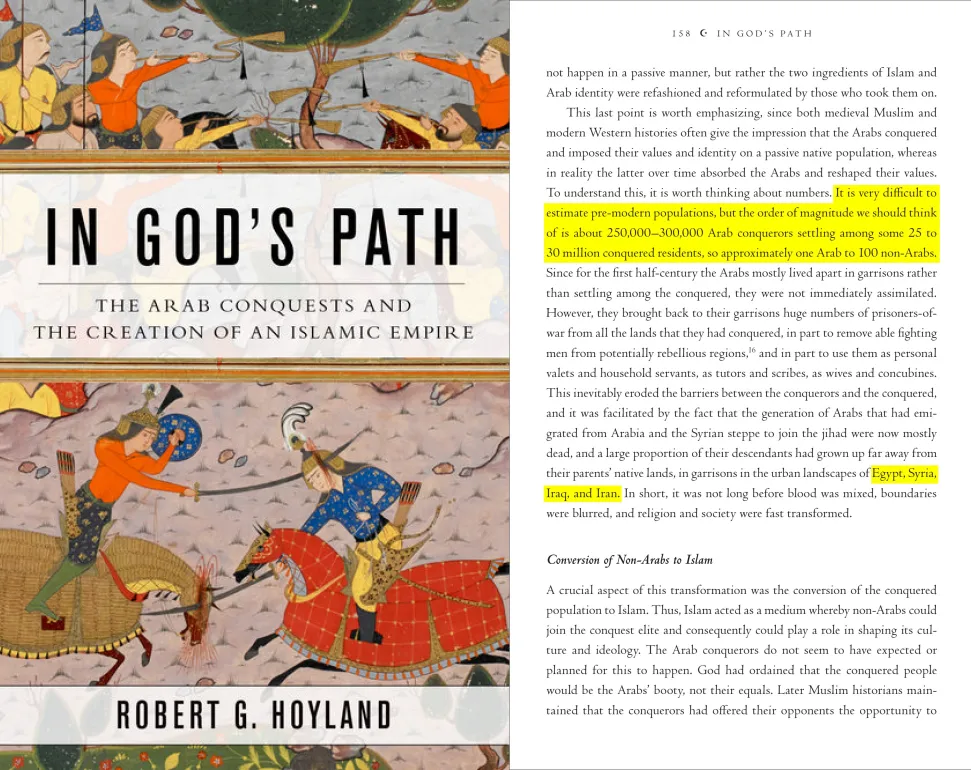
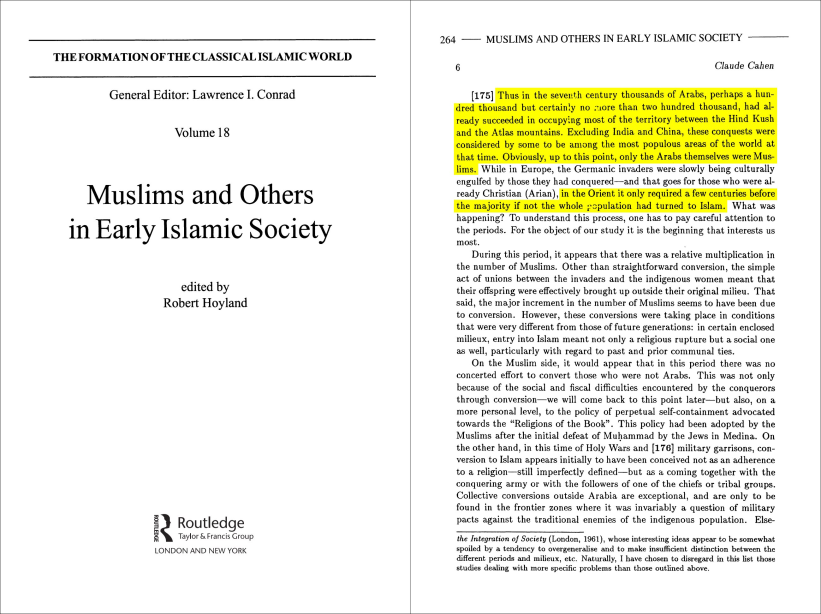
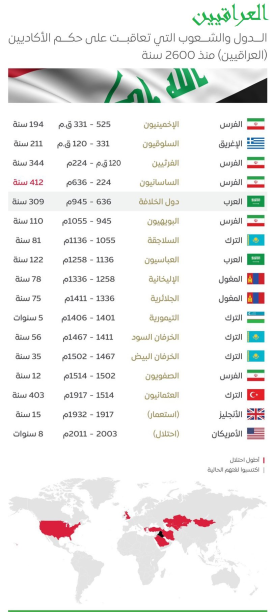
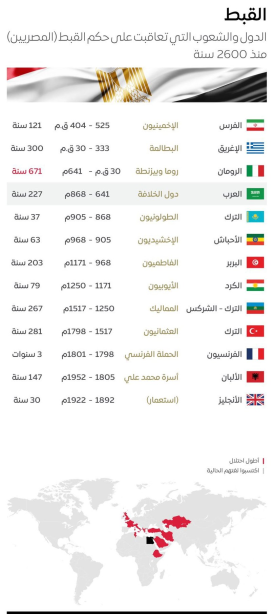
The number of Arabs participating in the conquests was around 250,000 and did not exceed 300,000 at most.
Meanwhile, the population of Egypt, the Levant, Iraq, and Persia combined was around 30 million people, meaning a ratio of 1:100 — one Arab for every 100 non-Arabs or foreigners.
Muslim Percentage in Conquered Lands
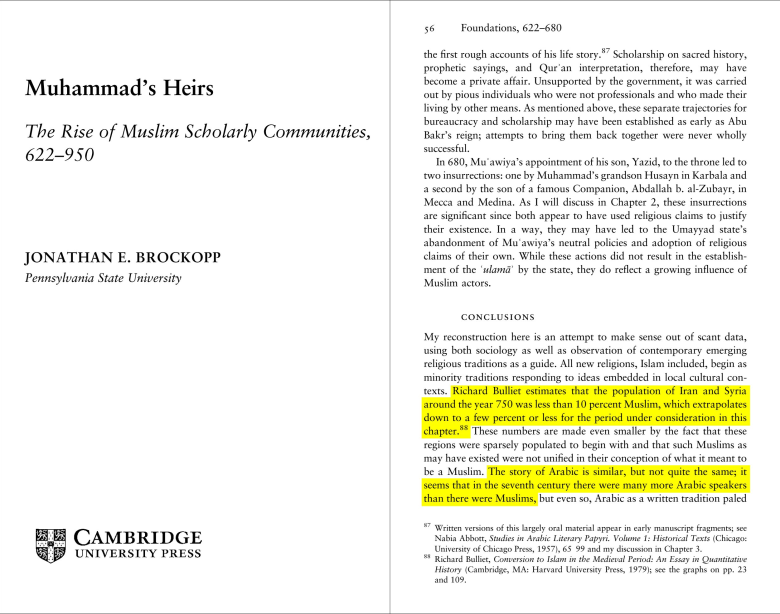
The percentage of Muslims in the conquered countries did not exceed 10% by the end of the Umayyad era and the beginning of the Abbasid era.
The number of Arab Christians and Arabic speakers in general was greater than the number of Arab Muslims, and the vast majority of Muslims were Arabs.
The Statistical Absurdity of the Claim
So, if you understand this, the absurdity of claiming that most scholars are non-Arabs becomes clear to you.
Even if all the Arabs in the cities, every single one of them — men, women, and children — were scholars at a rate of 100%, and only 1% of non-Arabs were scholars while 99% of them were illiterate, the number of non-Arab scholars would still exceed the number of Arab scholars because their population is estimated to be in the tens of millions.

The Role of the Shu’ubiyya and Orientalist Bias
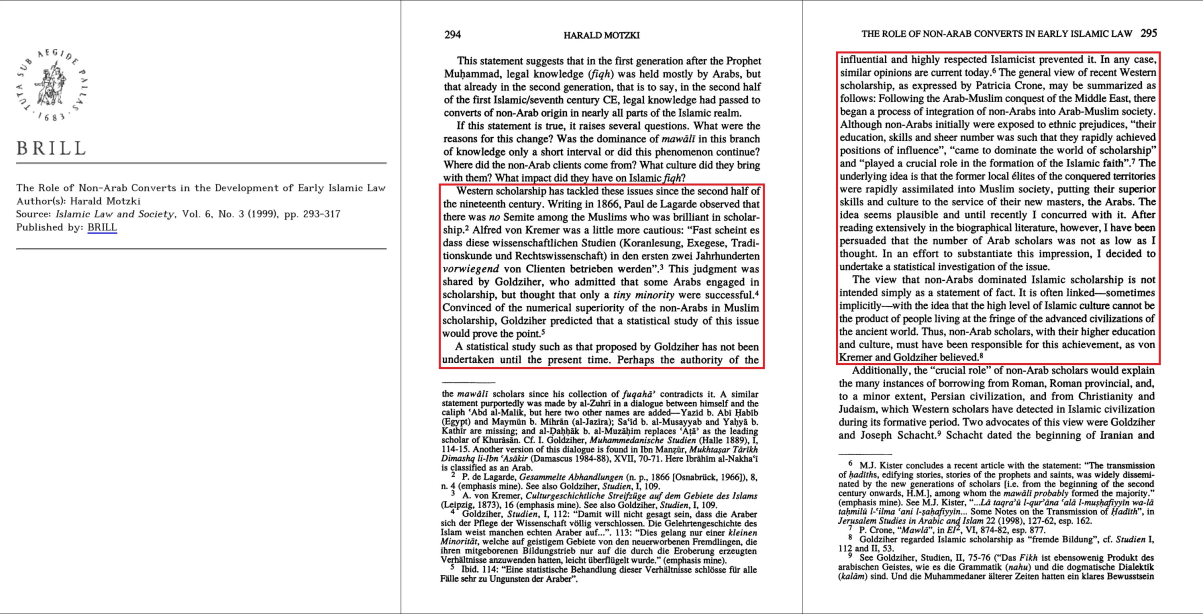
And yet, this belief remained widespread among Muslims thanks to the writings of the Shu’ubiyya authors, and it was passed from them to European orientalists who eagerly embraced it due to its disparagement of Arabs, and consequently, its indirect disparagement of Islam itself.
The reasons for the orientalists’ stance were purely racist and rooted in contempt for Arabs.
When Did Non-Arabs Become a Majority?
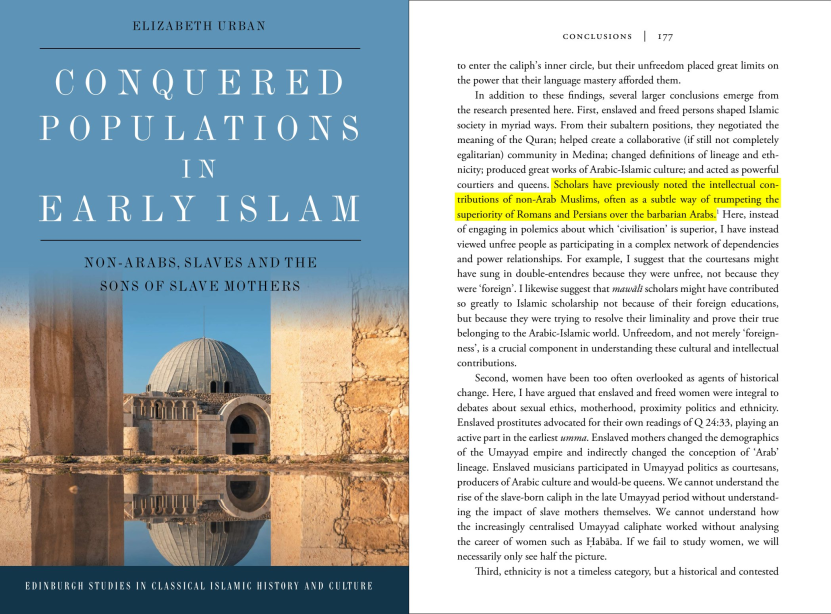
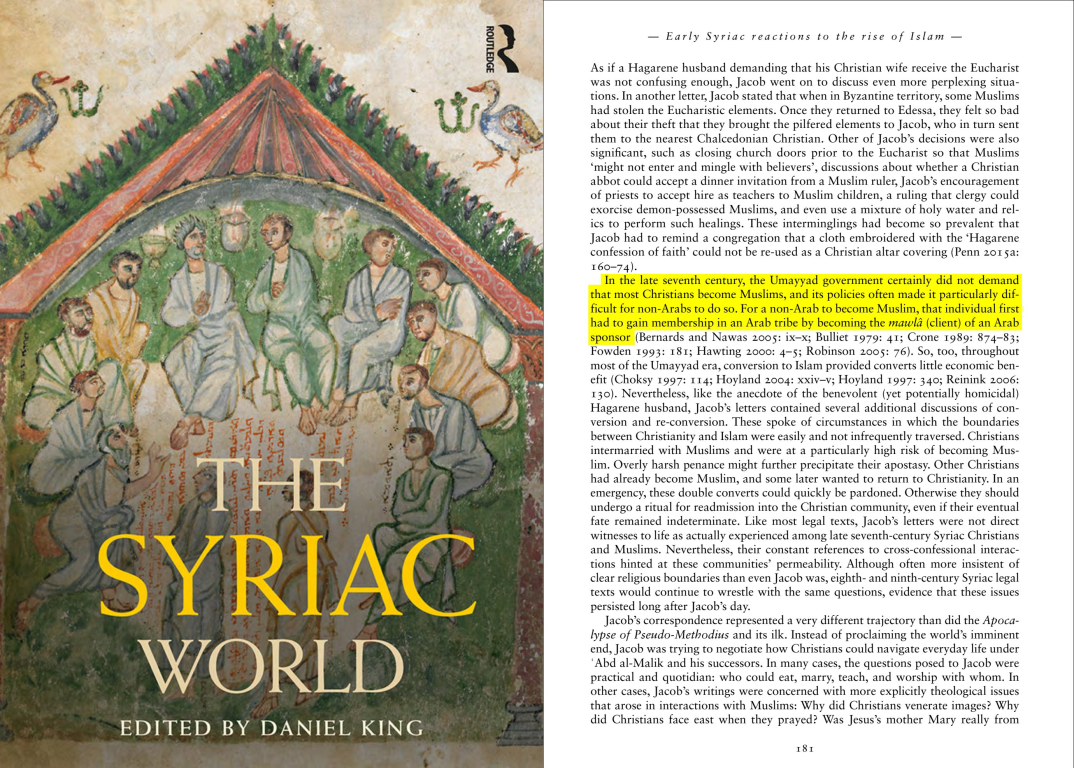
And yet, it was never correct that most Muslim scholars were non-Arabs except after several subsequent centuries when their entry into Islam increased in droves, and they became a numerical majority overall.
And even then, the non-Arab Muslims — the clients — would attach themselves to an Arab tribe, living under its protection after embracing Islam, and thus they would only be their students.
Academic Studies Expose the Myth
But, unfortunately for them and the populists, the frequent repetition of these claims provoked the minds of some scholars and sparked their curiosity, prompting them to investigate their origin and validity.
Thus, it was the populists who brought harm upon themselves by incessantly repeating this claim.
So, when academic studies were published regarding it, the surprise they did not expect came:
90% Of Early Muslim Scientists Were Arab
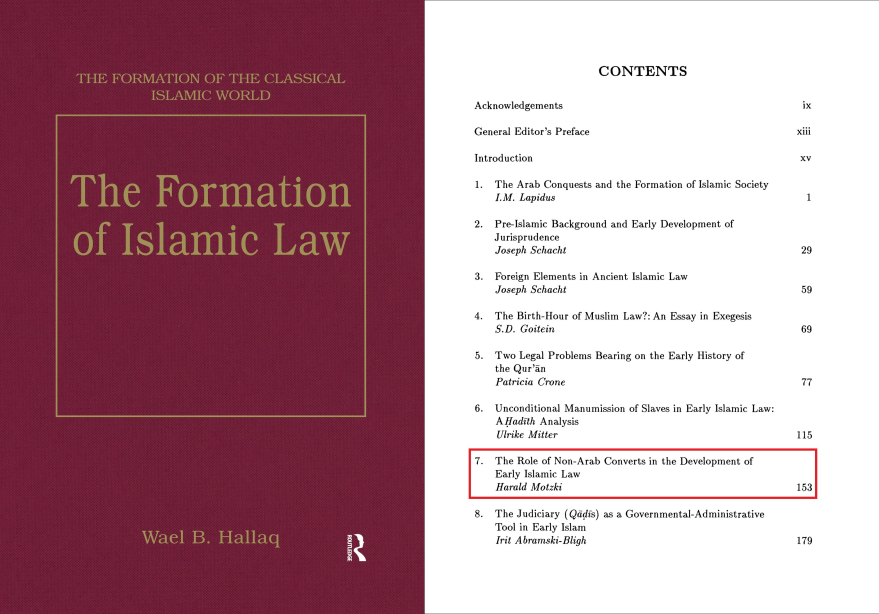
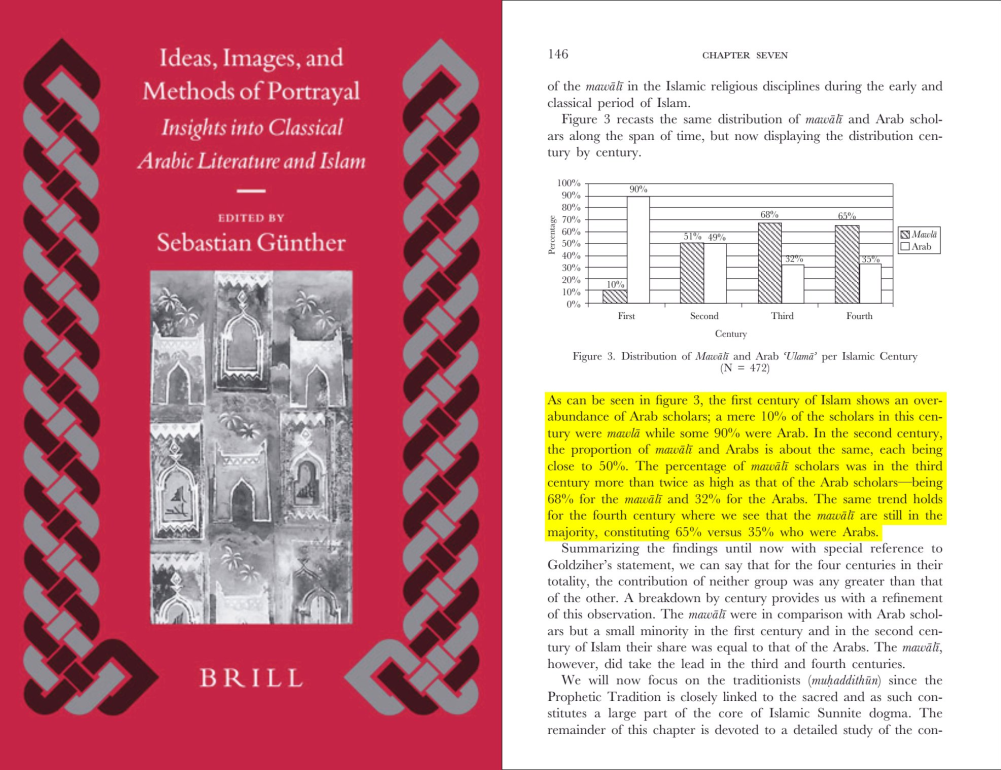
One study found, after compiling the names of scientists whose origins were explicitly mentioned in historical sources, that 90% of Muslim scientists in the first 100 years after Islam were pure Arabs.
This did not change significantly until the end of the second century during the Abbasid era, and after more than 60 years since the fall of the Umayyads.
Arabs Remained the Majority for 400 Years
And despite this, the Arabs remained at the forefront of scholars in the lands of Islam in general until the end of the fourth Hijri century.
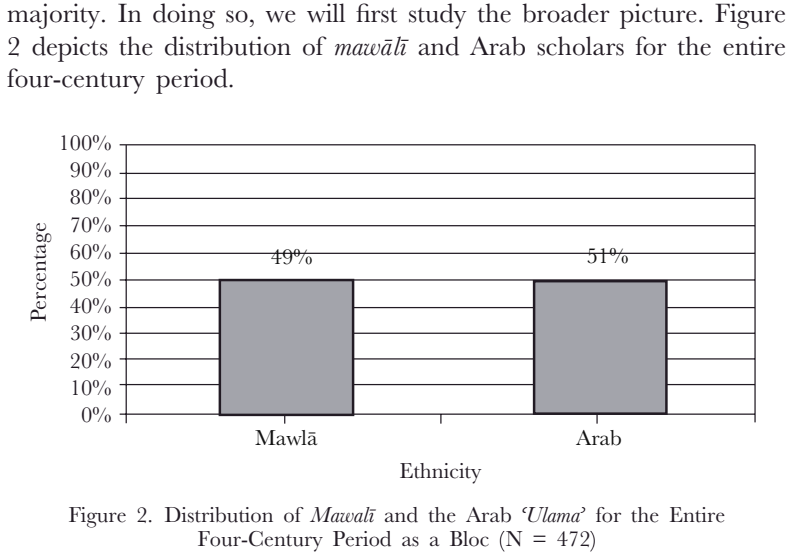
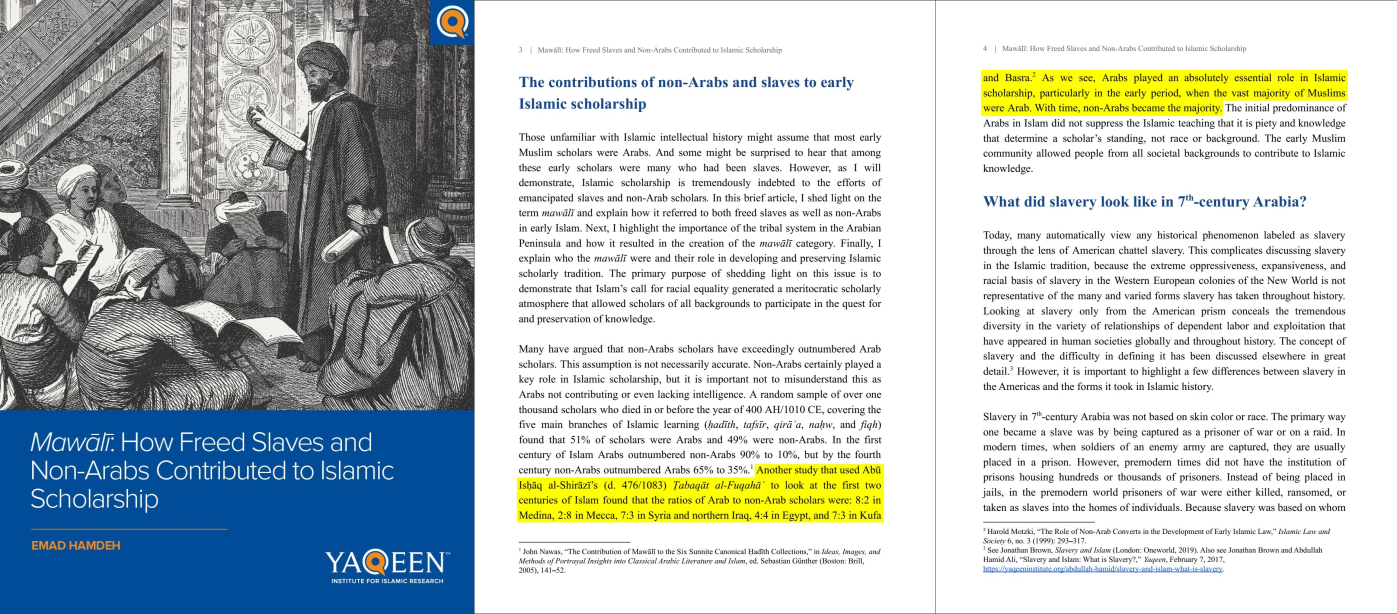
The proportion of Arab scholars over 400 years after Islam reached 51% of the total scholars, compared to 49% from all other peoples combined — including Persians, Romans, Copts, Turks, and others from the non-Arabs and the sons of the barbarians.
A Second Confirming Study
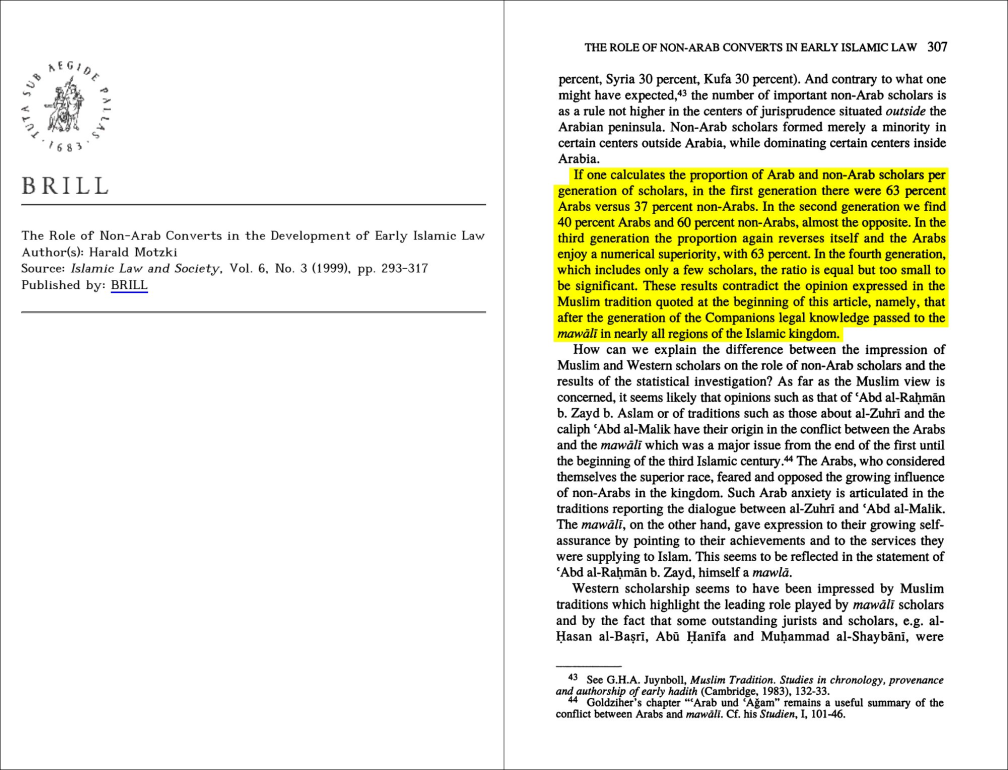
And to ward off accusations that this study might be biased: here is another study based on a random sample of scientists whose origins are explicitly mentioned in the sources.
The result was stronger, showing that Arab scientists still constituted the majority (63%) until the end of the third century, with the proportion approaching equality by the end of the fourth century.
The Hadith Narrators Claim
And among what the chauvinists always love to prattle about is the claim that most scholars of hadith and narrators were non-Arabs, particularly Persians.
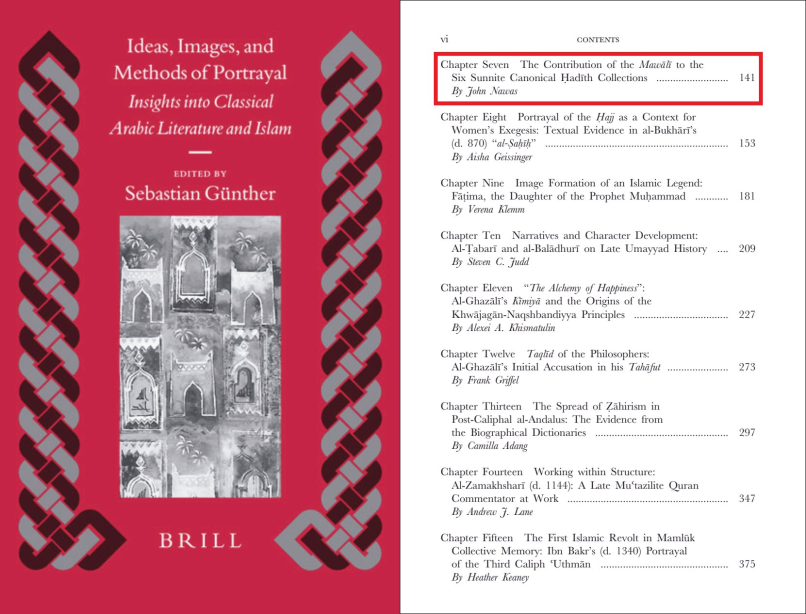
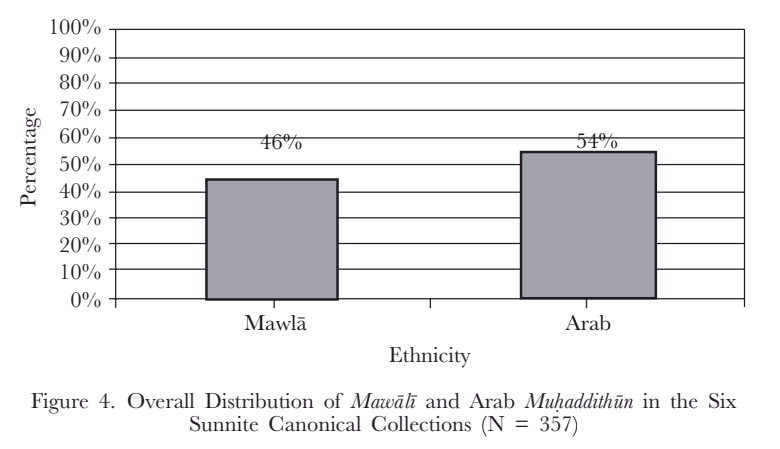
If we look at the six books of hadith (Bukhari — Muslim — Tirmidhi — Nasa’i — Abu Dawud — Ibn Majah), we find that the majority of narrators and transmitters of hadith (54%) were Arabs.
Per-Book Breakdown of Hadith Narrators
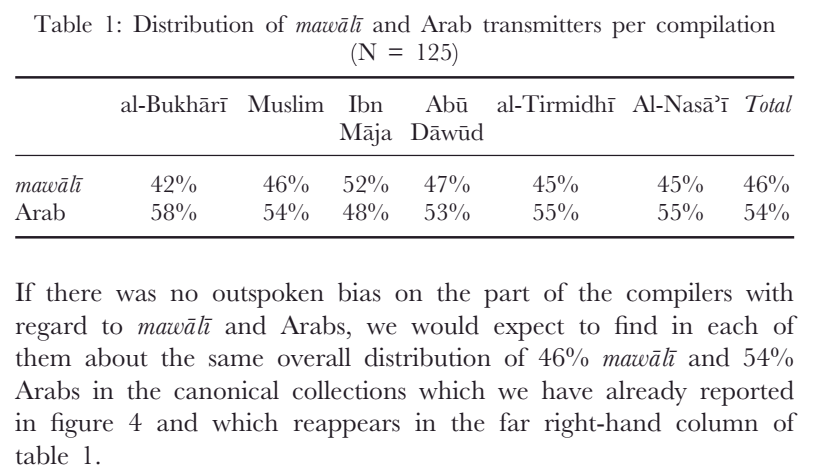
The researchers aimed to classify each of the six hadith books individually and determine the extent of their reliance on hadith narrators from both Arabs and non-Arab clients (mawali).
The results showed that Arabs constituted the majority of narrators and men of the chains of transmission in all hadith books, except for Sunan Ibn Majah, with a small difference (4%).
The Scholars Project — Dutch-Funded University Research
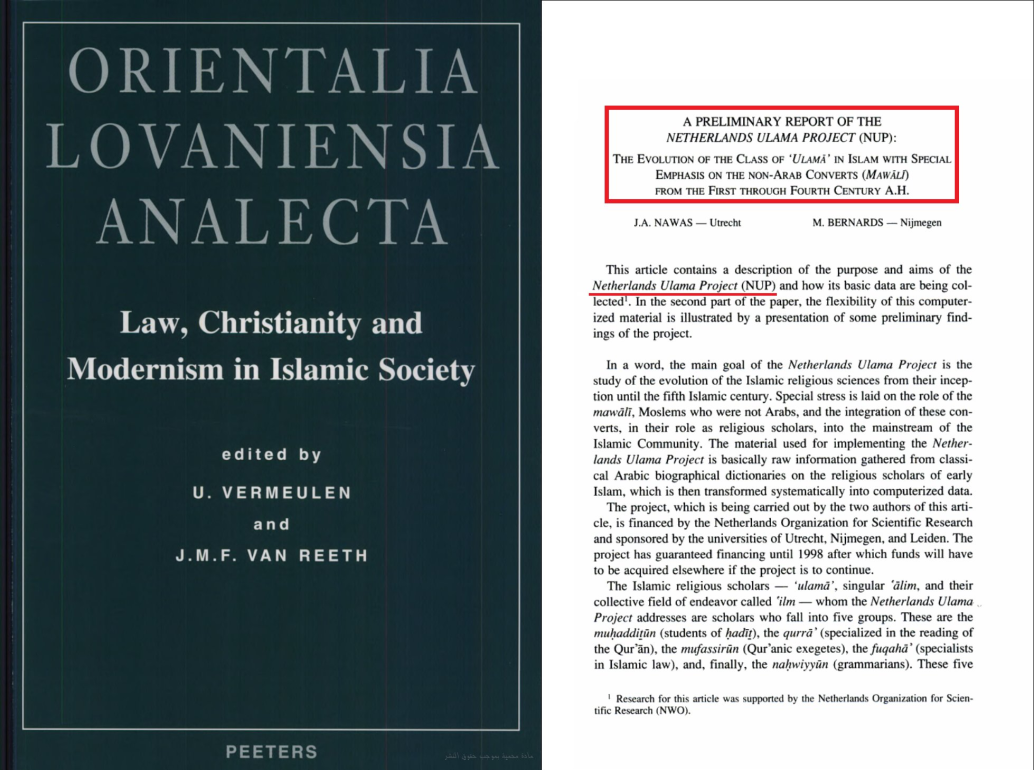
The results of the above studies are supported by what we find in the database of the “Scholars Project,” which was conducted by several universities with funding from the Dutch Research Organization under the supervision of the Ministry of Education in the Netherlands.
In this project, the origins of the jurists of the four Islamic schools of thought and their geographical distribution in the lands of Islam were investigated.
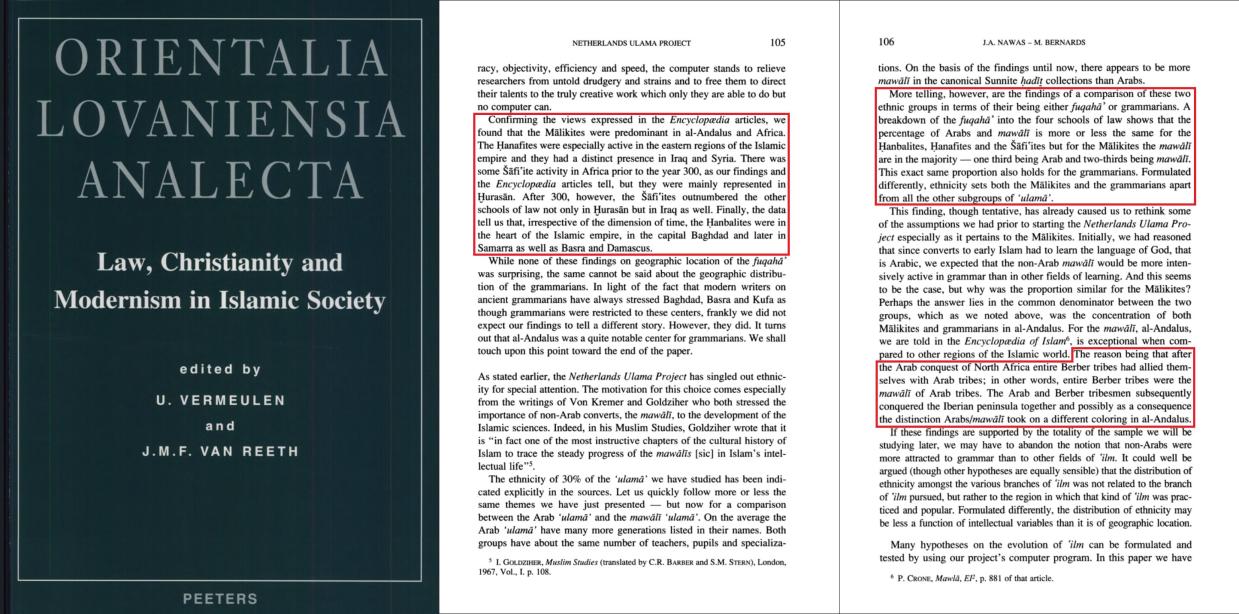
The researchers of the project concluded that the Mawali did not numerically surpass the Arabs during the 400 years following Islam in any of the Islamic lands, except in North Africa within the Maliki school of thought.
The reason for this, as they explain, was that entire Amazigh tribes joined the ranks of the Mawali, and their sons were educated by the Maliki Arabs.
Geographical Distribution of Arab Vs Non-Arab Scholars
And based on other sources, the geographical distribution rate of Arab scholars compared to non-Arab scholars was as follows:
| Region | Arabs : Non-Arabs |
|---|---|
| Medina | 2 : 8 |
| Mecca | 8 : 2 |
| Syria and Northern Iraq | 3 : 7 |
| Kufa and Basra | 3 : 7 |
| Egypt | 4 : 4 |
Were the Conquered Peoples More Educated?
Someone might say: The conquered peoples were educated, and their lands were centers of great civilizations, while the Arabs were illiterate nomads, and their lands were deserts.
The response would be to clarify two fundamental points:
- These civilizations had become extinct and vanished more than 1000 years before the conquests.
- The conquered peoples were illiterate, not even knowing how to read or write.
Literacy in the Roman Empire
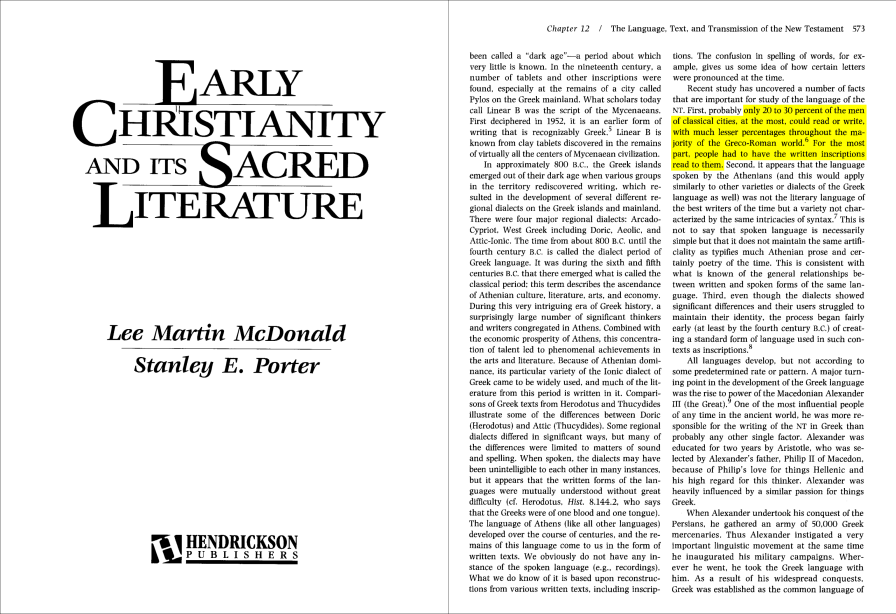
The literacy rate in the Roman Empire, across its length and breadth (including North Africa, Egypt, and the Levant), ranged between 20-30% at most, and was limited to males from the upper class and in major cities only.
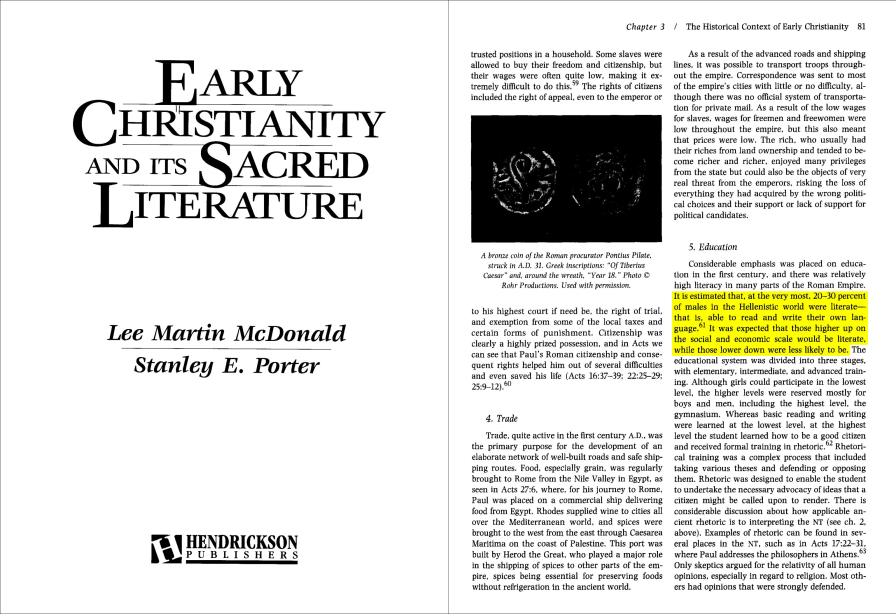
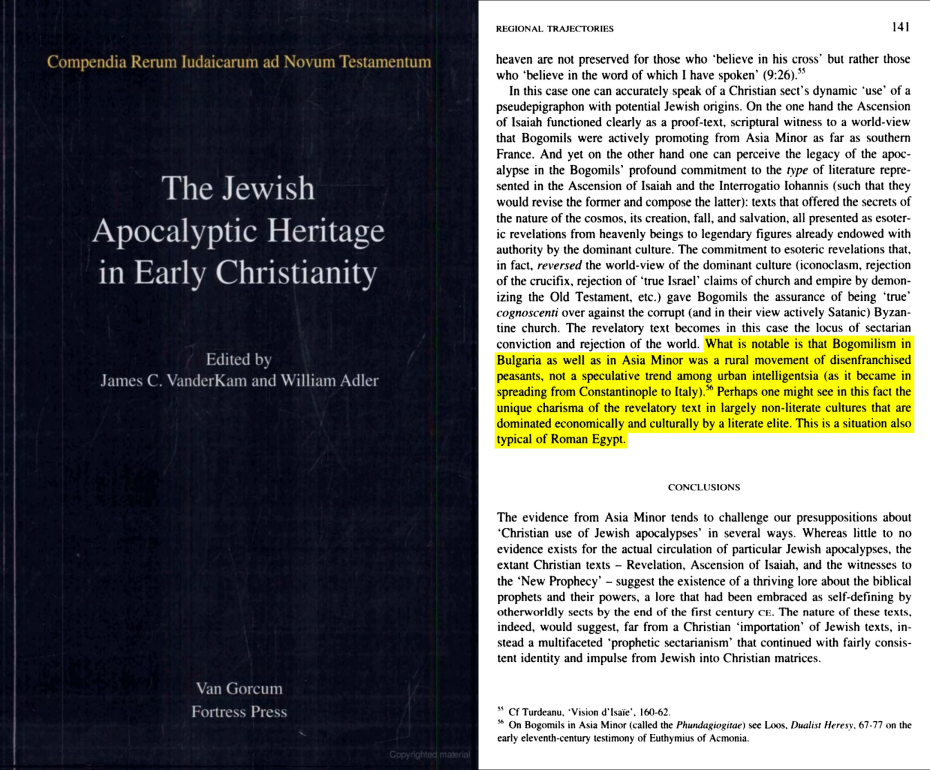
And the situation remained as it was in the Eastern Roman (Byzantine) Empire, where the general populace of Anatolia, Egypt, and the Levant were mostly groups of illiterate peasants who worked under forced labor for the Romans.
Literacy Under Persian Rule
And the condition of their neighbors among the peoples under Persian rule was no better than theirs.
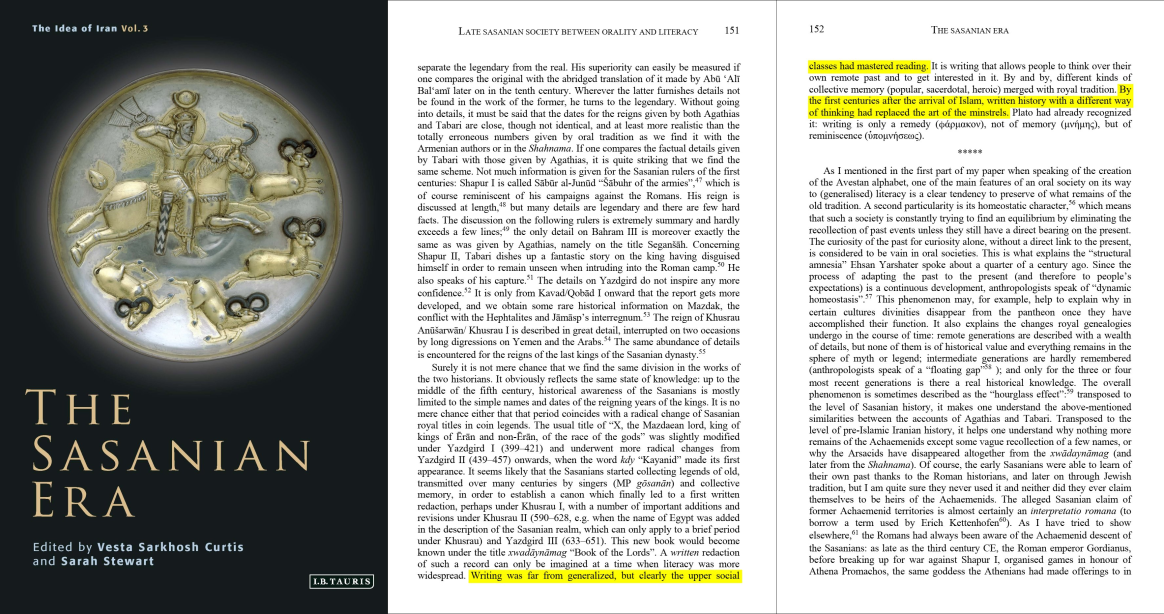
For reading and writing were confined to the ruling class, while the majority of the governed peoples (Persians and non-Persians in Iran, Iraq, and elsewhere) were a large group of peasants who knew nothing but toiling day and night to stave off their hunger.
And this situation did not change until after the conquests that transformed the cultural system in those lands.
For after reading and writing were restricted to the elite class only, they became an open activity for everyone, and knowledge of writing, learning it, and practicing it spread, replacing the oral culture that had dominated the Persians before Islam.
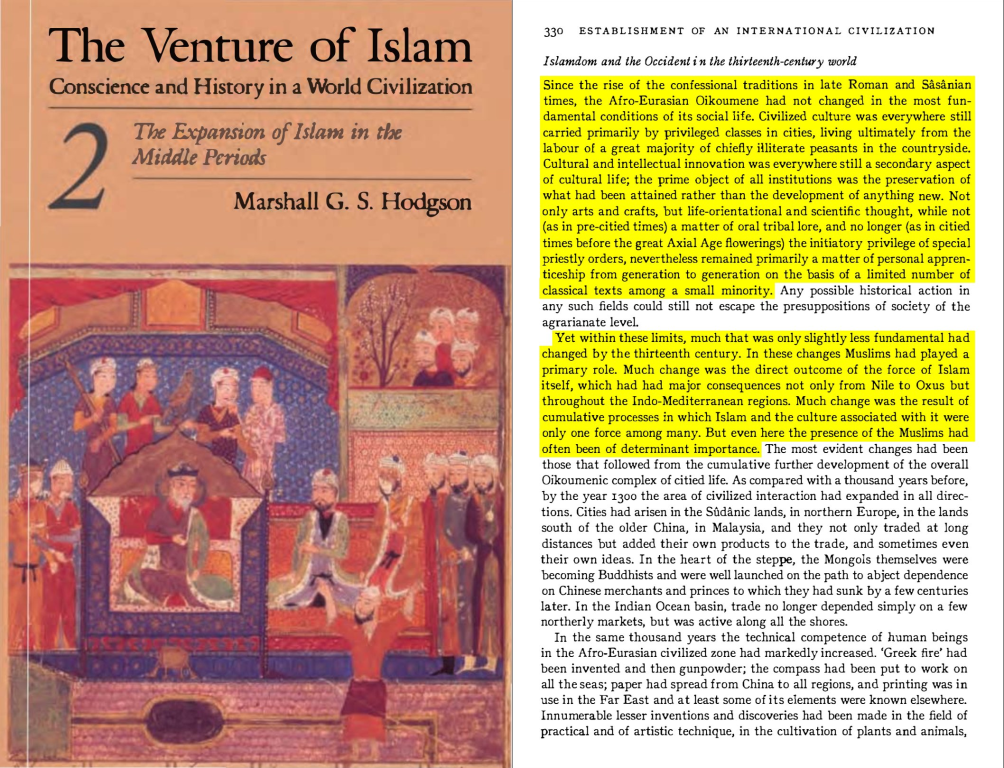
And in general, it is commonly accepted among historians that the peoples under the dominion of Persia and Rome were, before Islam, merely gatherings of peasants who worked under forced labor on the lands of the ruling class.
And illiteracy still had a firm grip on them until the arrival of the conquests, which sparked a cultural revolution whose effects lasted for centuries to come.
Islam’s Cultural Revolution
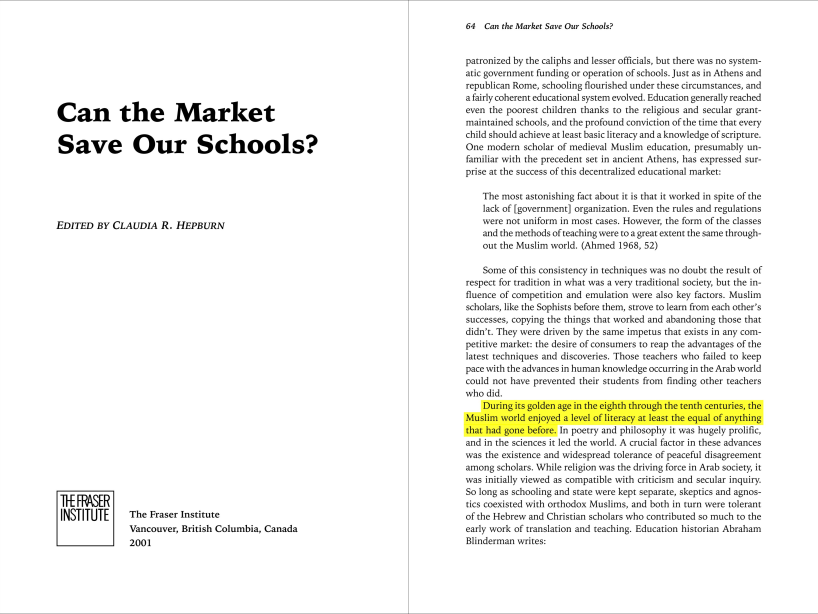
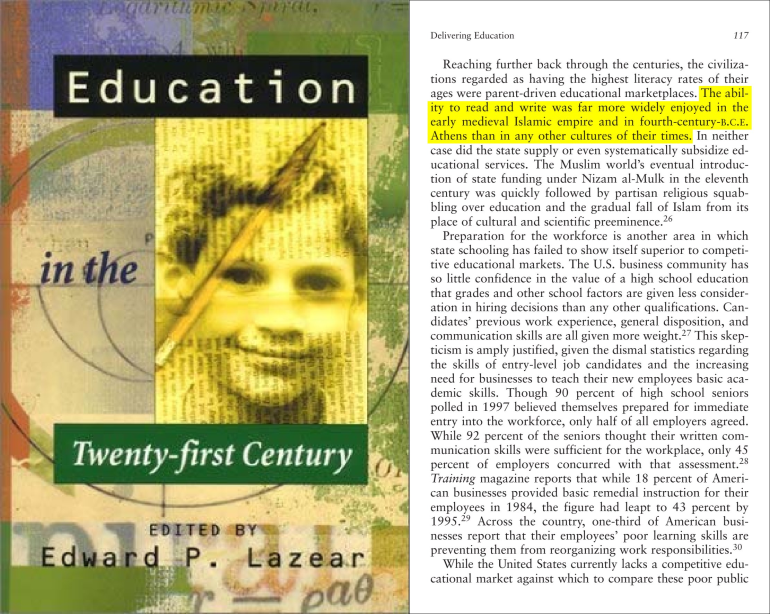
So, it was only a few decades after the conquest that the Middle East transformed from a swamp of ignorance and illiteracy into the most educated and cultured region on Earth.
The Islamic Caliphate, during the Umayyad and Abbasid eras, recorded the highest rate of literacy eradication in human history before the modern era.
The Non-Arabs Learned From the Arabs — Not the Other Way Around
And the non-Arabs (the illiterate) had no merit in this.
Rather, the opposite was true.
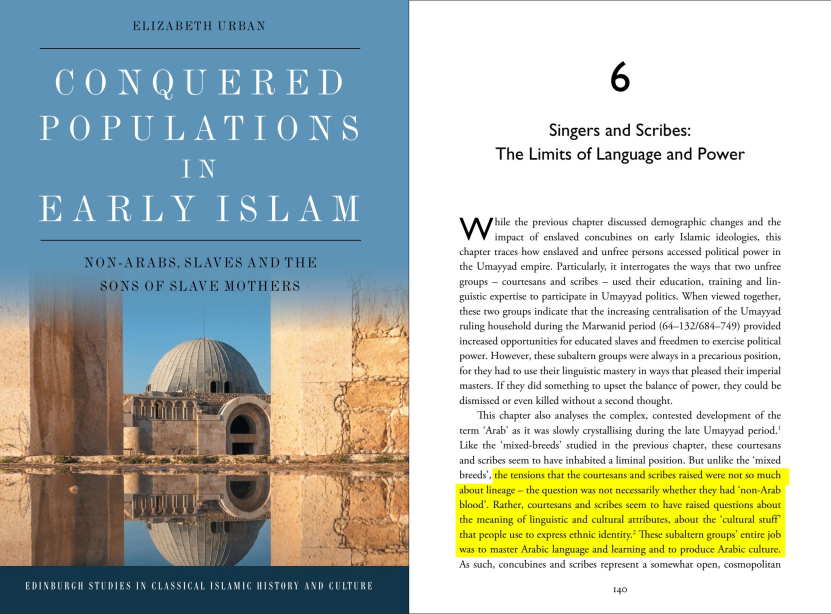
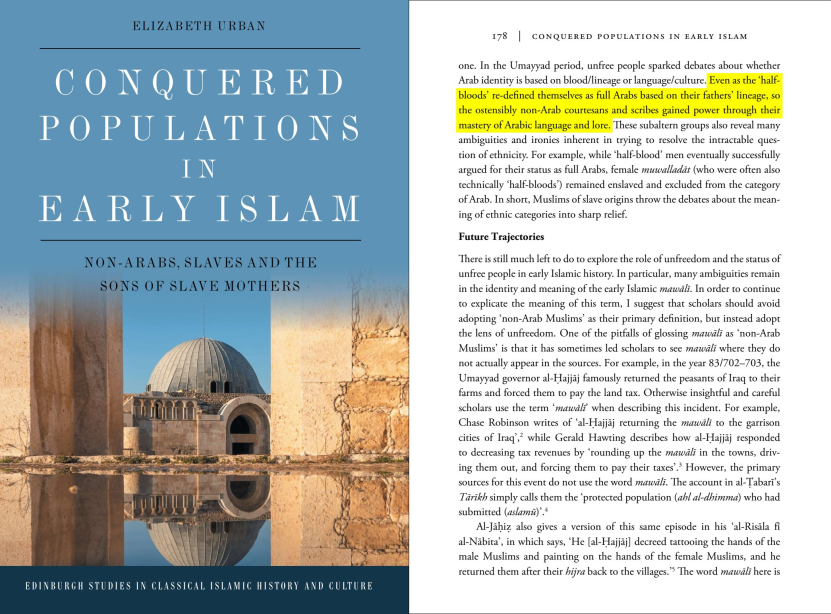
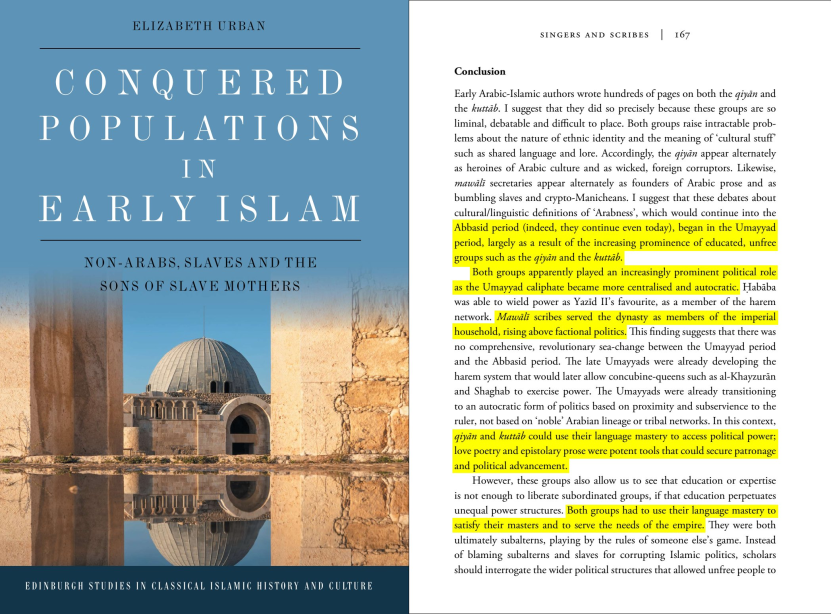
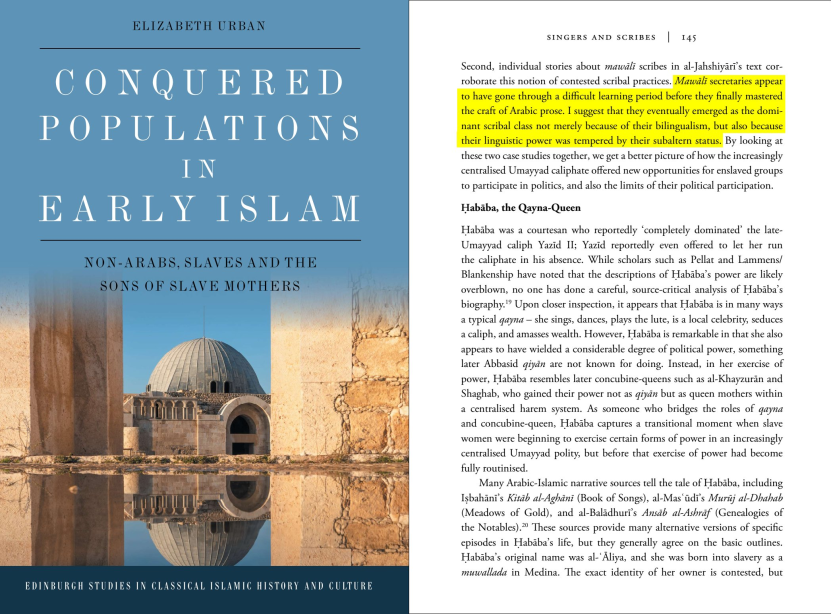
For the non-Arab could not learn and rise in the social ladder after embracing Islam except by attaching himself to the Arabs.
Thus, he becomes their client, treated like their sons, and learns from them, only for his descendants to produce Shu’ubiyya who say to the Arabs, “We taught you.”
Arab Society Was Already Literate
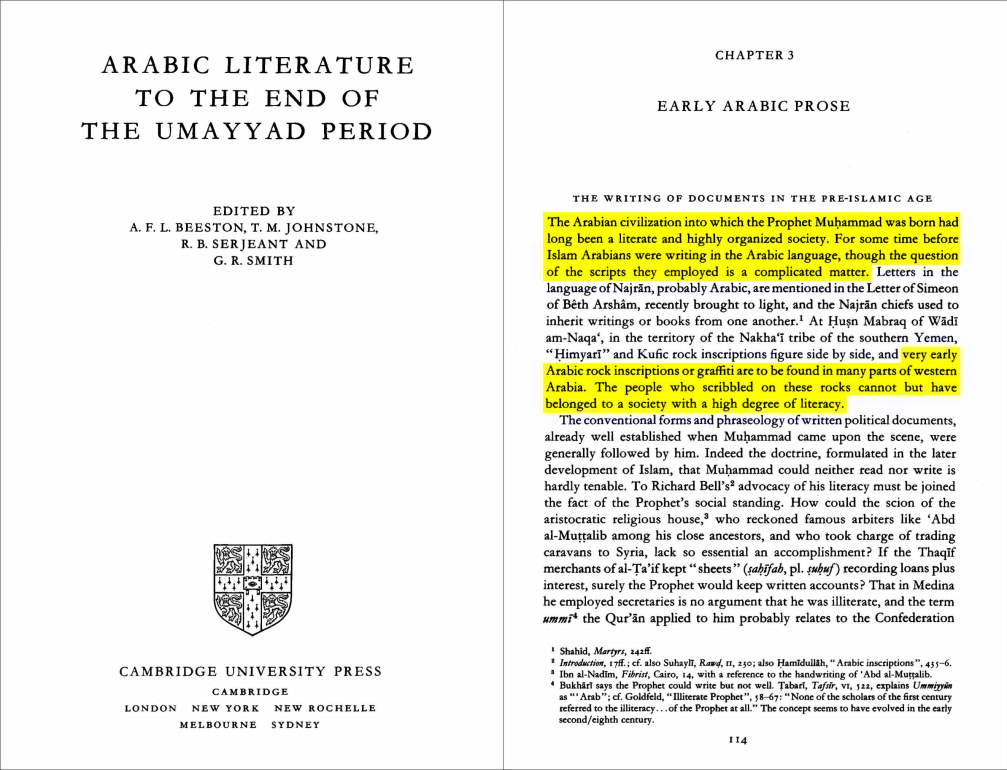
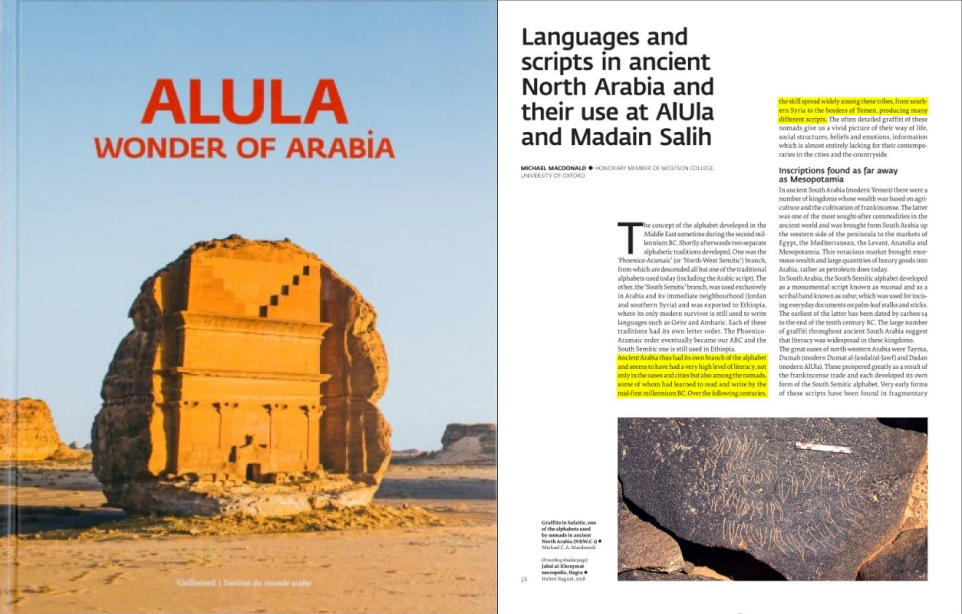
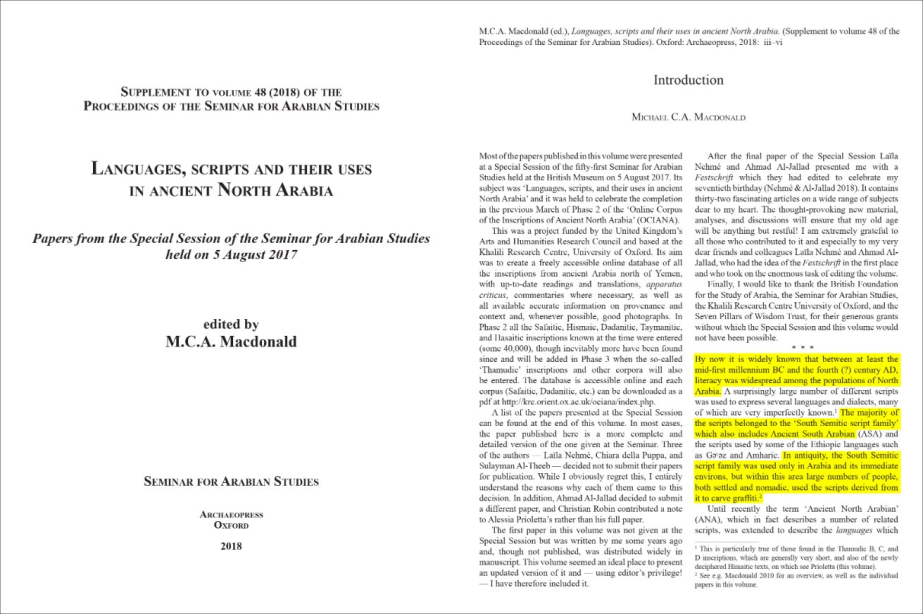
And there is no surprise in this, for the Arab society in the seventh century CE (contrary to what the Shu’ubiyya claim) was a learned society with a long history of deciphering script and drawing letters.
Historical evidence and archaeological discoveries have shown that it is impossible for those who left behind this vast written heritage to be the sons of an illiterate, ignorant society.
The Arabian Peninsula’s Astonishing Literacy Rate
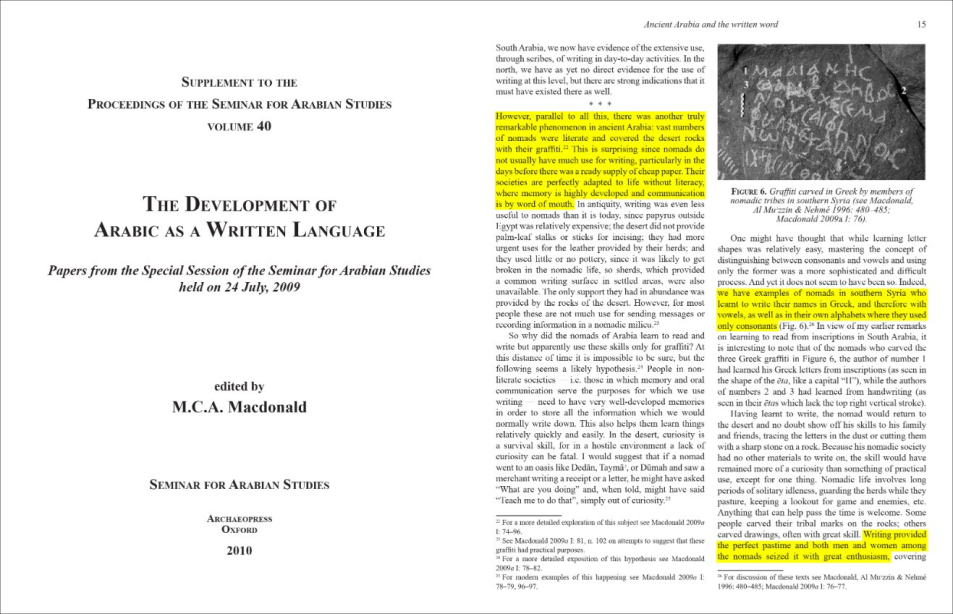
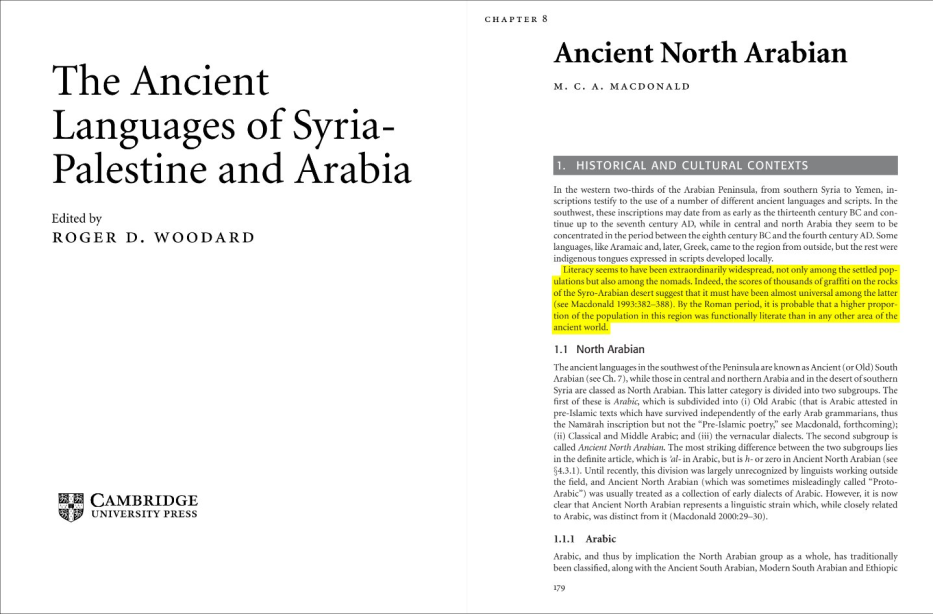
And that was not a late or sudden phenomenon, but rather reading and writing were widespread among the ancient Arabs across the length and breadth of the peninsula, among both nomads and city dwellers alike.
For the Arabian Peninsula had the highest literacy rate in ancient human history, which some scholars described as “an astonishing historical phenomenon.”
Arabs as a Cultural Island
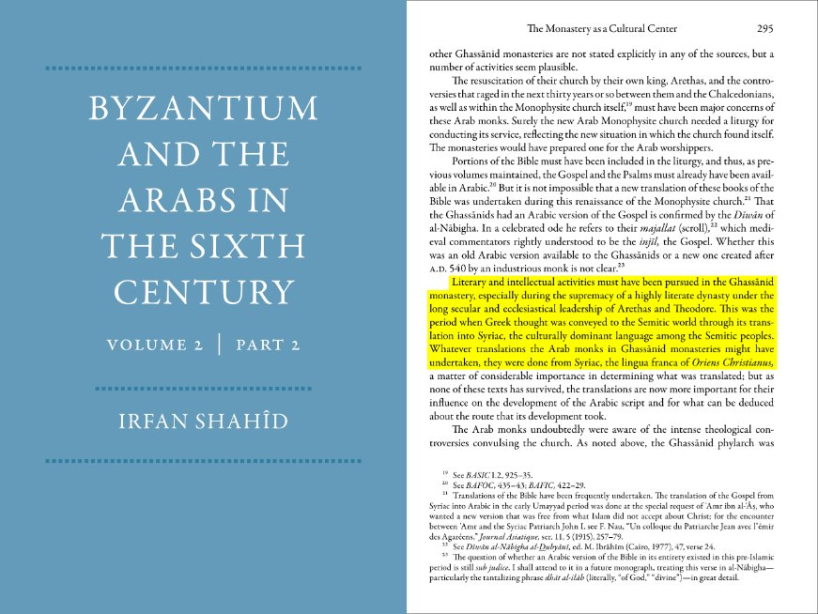
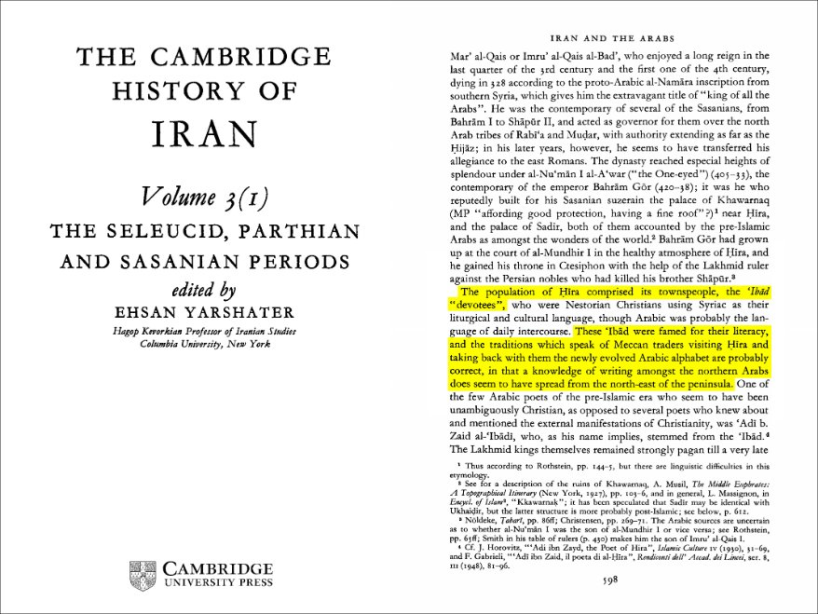
And even in the Roman and Persian empires, where the vast majority of subjects were illiterate, the Arab Ghassanids (allies of the Romans) and the Lakhmids (allies of the Persians) were renowned for their knowledge of reading and writing and for their high cultural level compared to others.
Thus, the Arabs were like a cultural island surrounded by a sea of ignorant peoples.
Conclusion
And thus, Islamic civilization was built on the shoulders of the Arabs, then those who learned from them and wrote in Arabic, even after their fathers were illiterate in their native tongue.
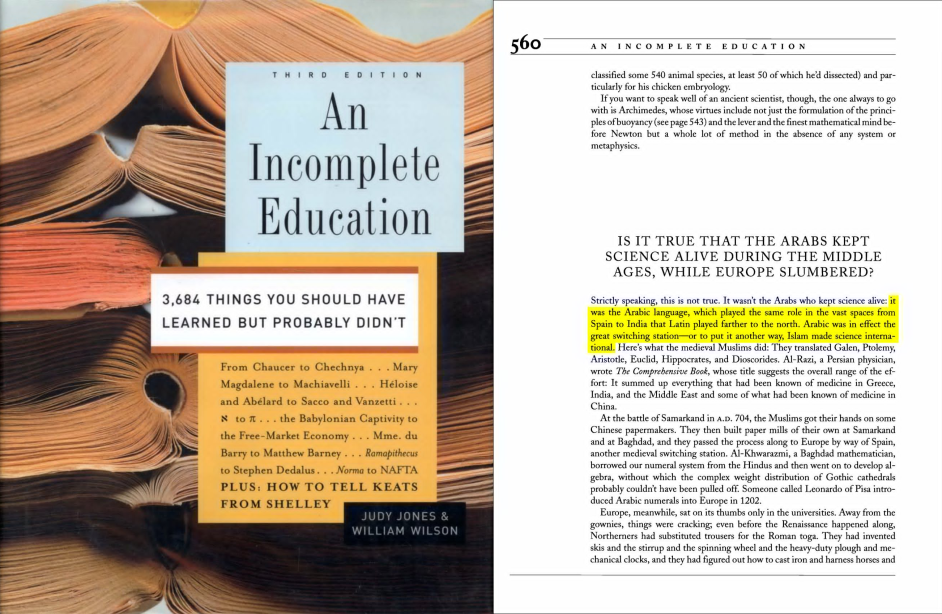
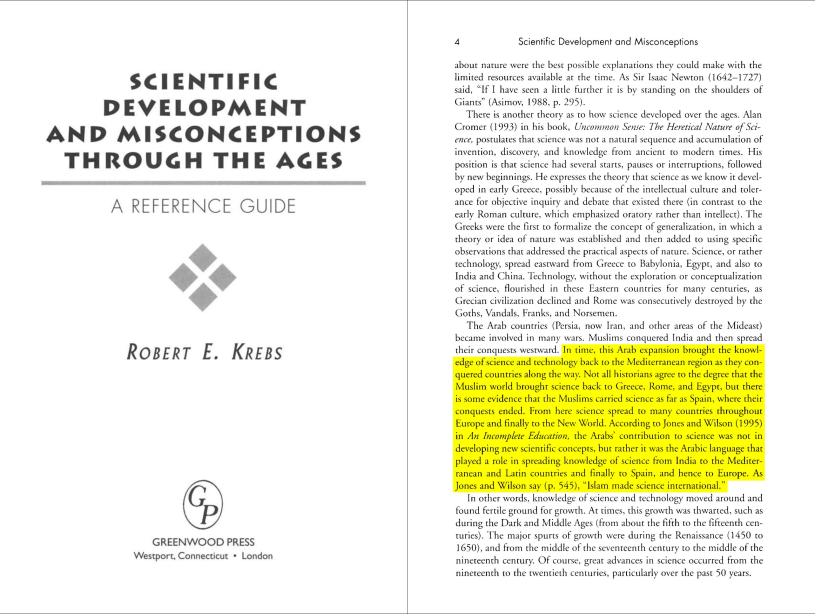
Thus, Arabic became “a major turning point in the history of sciences” and the language of culture from Spain to China.
In the words of one historian: “Islam made science a global phenomenon.”
what has