Asiya bint Muzahim Is Isis-Nefert — 6 Historical Proofs That Match
Who Is Asiya Bint Muzahim? — The Wife of Pharaoh in History and Hadith
Table of Contents
- The Hadith — The Best Women of Paradise
- The Qur’anic Verse — Surah At-Tahrim 11
- What Ibn Kathir Says About Asiya
- Three Key Facts About Asiya Bint Muzahim
- Who Is Isis-Nefert?
- Was It a Coincidence or Identity?
- The Linguistic Proof — From Aset to Asiya
- Responding to a Possible Doubt
- Ibn Kathir’s Interpretation — The Story of Her Faith
- Tafsir al-Tabari
The Hadith — The Best Women of Paradise
Narrator: Abdullah bin Abbas Graded by: Al-Albani Source: Sahih Al-Jami — No. 1135 Ruling: ✅ Authentic
The Qur’anic Verse — Surah At-Tahrim 11
What Ibn Kathir Says About Asiya
- Asiya bint Muzahim is the wife of Pharaoh of Moses.
- Asiya bint Muzahim is not of Pharaonic origin — as evidenced by her name.
- Asiya bint Muzahim was subjected to physical liquidation: murder in the most horrific manner.
Three Key Facts About Asiya Bint Muzahim
After investigation, it was proven that three testimonies are identical to one of the wives of Ramses II — namely:
Who Is Isis-Nefert?
“Isis-Néféret is one of the queens of Pharaonic Egypt — she is the wife of Ramses II.”
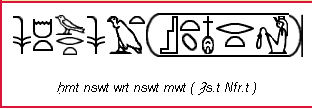
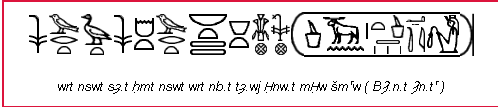
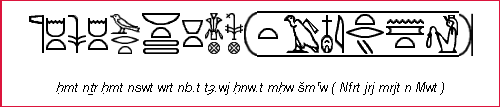
Her Excluded Status — A Question That Puzzles Egyptologists
| Wife | Title |
|---|---|
| Nefertari | Wife of the god, great royal wife, queen of the two lands, Upper and Lower Egypt |
| Bent-Anat | Great daughter of the Pharaoh, great royal wife, queen of the two lands, Upper and Lower Egypt |
| Isis-Nefert | Great royal wife, mother of the king (— and nothing more) |
Why was she not called Queen of the Two Lands? Perhaps as a punishment for something that did not please Pharaoh Ramses II?
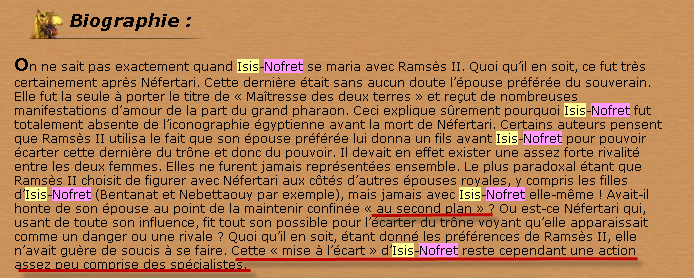
Her Origins — Not Pharaonic
And Isis-Nefert is also not of Pharaonic origin.
Isis-Nefert belongs to the region of Syria-Palestine.
The Name Connection — Bint
It is a striking coincidence that we find the word “bint” in both names:
- Asiya bint Muzahim
- bint Anat
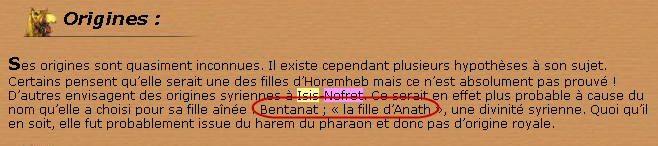

Bent Anat means daughter of the goddess “Anat” — the pagan Canaanite goddess. This is entirely foreign to the Pharaonic naming tradition. Why would Ramses permit this?
Her Death — Killed and Physically Eliminated
And Isis-Nefert was also killed.

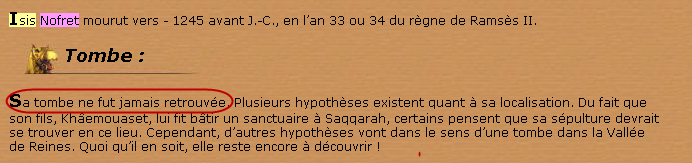
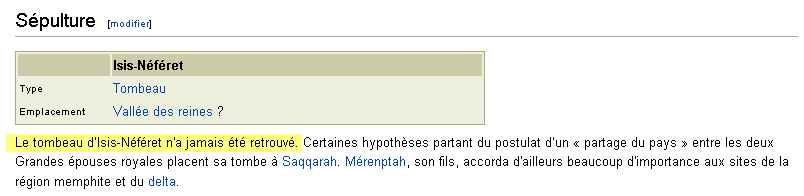
Her Grave — Unknown to This Day

Was It a Coincidence or Identity?
| Point of Comparison | Asiya bint Muzahim | Isis-Nefert |
|---|---|---|
| Wife of Pharaoh of her era | ✅ | ✅ |
| Not of Pharaonic origin | ✅ | ✅ (Syria-Palestine) |
| Excluded / reduced status | ✅ | ✅ |
| Killed / physically eliminated | ✅ | ✅ |
| Grave unknown | ✅ | ✅ |
| Daughter named “Bint ___” | ✅ (bint Muzahim) | ✅ (Bint Anat) |
Was all of the above a strange coincidence between the two characters — or is it a similarity that reaches the point of identity?
The Linguistic Proof — From Aset to Asiya
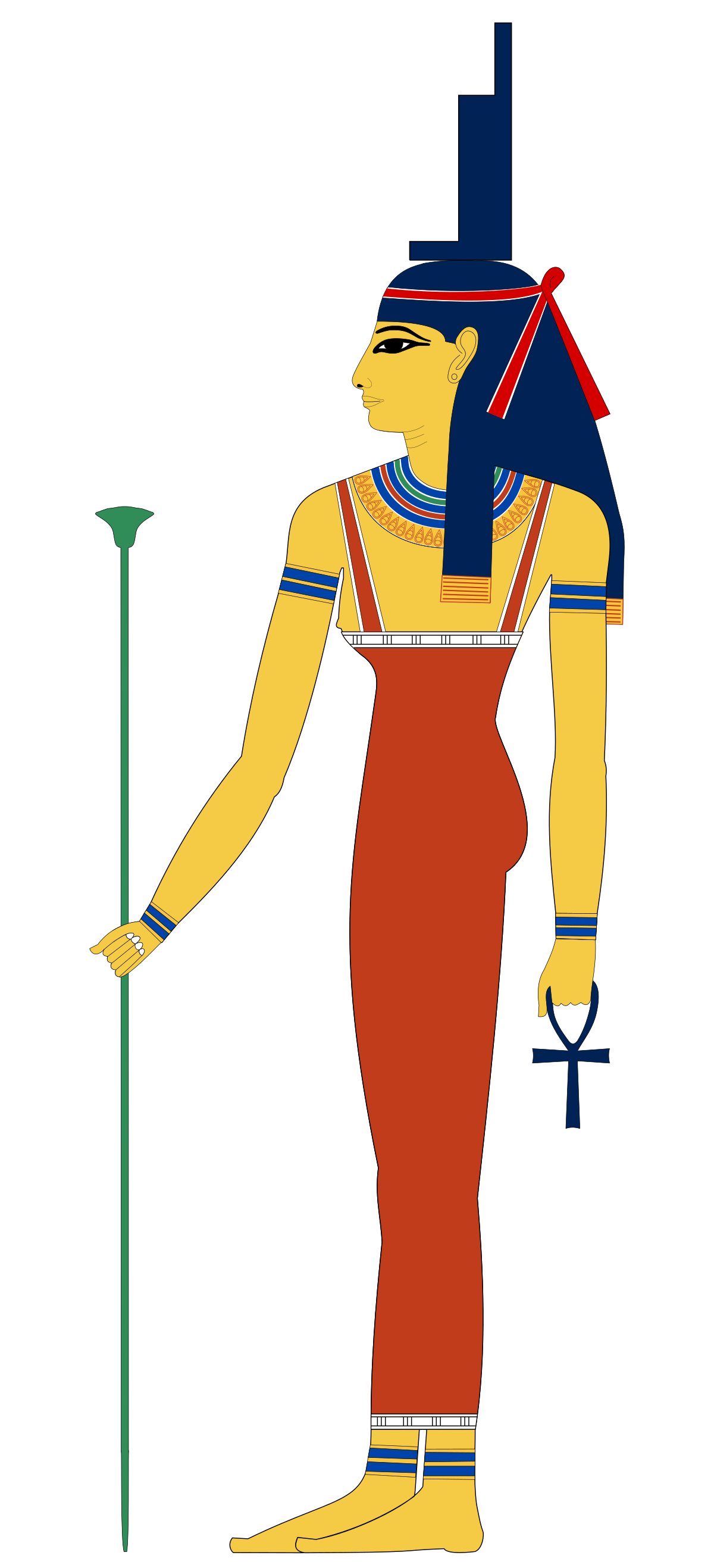
ASET-NEFERET
- ASET = the goddess name
- NEFERET = beautiful
Now, setting the Greek name aside, we search for the correct pronunciation from hieroglyphic writing and its living granddaughter — the Coptic language — with complete neutrality and from foreign sources. Source: https://www.hermeticfellowship.org/Iseum/Articles/IsetAsetName.html
The linguistic steps:
-
The extended alif — In Coptic, Isis is (Ese) or (Esi) — pronounced Aa y-seh or Aa y-see. The light yaa is necessary due to the poverty of the Latin language to express the eastern pronunciation of the extension.
-
The letter Seen — The seen is the second letter after the extended alif.
-
The letter Ya — Written in one of the two Coptic forms after the seen: (Esi) — specifically pronounced Aa y-see.
-
The feminine Ta — The source notes the feminine ta may be pronounced or not and is replaced by ha — or dropped, with the ya taking its place. This gives: Aay-seh. And examples from global languages show the Middle Eastern culture is the closest reference point.
-
The Arabic language — The Arabic language is the closest to cite: the feminine ta appears in the construct form and is pronounced — as in the case of the bare noun:
[Aasiya bint Muzahim] pronounced [Aseetu bint Muzahim]
The proof that the ي (ya) does not exist in the original hieroglyphic writing of the name Aset — and now listen for yourself to Sheikh Muhammad Hassan as he explains how our beloved Prophet Muhammad ﷺ pronounced it 1400 years ago. It is a name that does not exist in the books of the Jews or Christians. (From minute 4:15)
Responding to a Possible Doubt
The Inscription Showing Isis-Nefert Worshipping
Two Explanations — And God Knows Best
In other words: the inscription that documents her presence before one of the gods of the Pharaohs was before her belief in the One and Only God.
{And God presents an example for those who believe: the wife of Pharaoh, when she said, “My Lord, build for me near You a house in Paradise and save me from Pharaoh and his deeds and save me from the wrongdoing people.”} — At-Tahrim: 11
In other words, the same thing that applied to our master Ammar bin Yasir (رضي الله عنه) applies to her:
“Except for one who is forced [to renounce faith] while his heart is at rest in faith.”
Ibn Kathir’s Interpretation — The Story of Her Faith
This woman is Asiyah bint Muzahim, may God be pleased with her.
Abu Jafar al-Razi said, on the authority of al-Rabi ibn Anas, on the authority of Abu al-`Aliyah, who said: ‘The faith of Pharaoh’s wife was before the faith of Pharaoh’s treasurer’s wife. That was because she was sitting combing Pharaoh’s daughter’s hair, and the comb fell from her hand, so she said, Woe to he who disbelieves in God.
Then Pharaoh’s daughter said to her: Do you have a lord other than my father? She said: My Lord and the Lord of your father and the Lord of all things is Allah. So Pharaoh’s daughter slapped her and beat her and told her father.
So Pharaoh sent to her and said: Do you worship a lord other than me? She said: Yes, my Lord and your Lord and the Lord of all things, and Him do I worship.
So Pharaoh punished her and fixed for her stakes and bound her hands and feet and sent serpents against her — and she was like that, and she was destroyed.
One day, he said to her: What are you going to do? She said to him: My Lord and your Lord and the Lord of all things is Allah. He said: I will slaughter your son in your mouth if you do not renounce. She said: Do what you are going to do. So he slaughtered her son in her mouth, and the spirit of her son gave her good news and said to her: Be of good cheer, O mother, for you will have such and such a reward with Allah. So she was patient.
Then Pharaoh came upon her another day. So he said to her the same thing, and she said the same thing to him. So he slaughtered her other son in her mouth. Then his spirit also gave her good news and said to her: Be patient, O mother, for you will have such and such a reward from Allah.
And Pharaoh’s wife heard the words of the spirit of her eldest son, then the younger — and Pharaoh’s wife believed.”
Tafsir al-Tabari
Compiled as a dawah reference — KufrCleaner Library