A Pharaonic Manuscript Proves That the Quran Is a Divine Revelation
A Pharaonic Manuscript Proves That the Quran Is a Divine Revelation
Table of Contents
- The Quranic Verse
- The Manuscript Discovery
- Who Is Haman?
- Dr. Maurice Bucaille on Haman
- The Name in the Dictionary of Personal Names
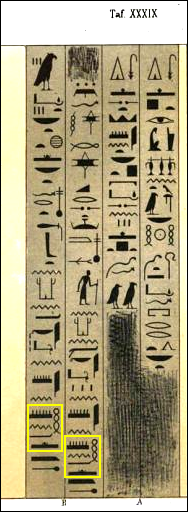
- The Vienna Museum Column
- The Ranke Book — Page 240
- Writing No. 91 — TLA Archive
- Now Let’s See What the Objector Says
- The Response to the Objector
- Where Does the Difference Lie?
- The Hieroglyphic Pronunciation Debate
- The Surprise From a British Egyptology Forum
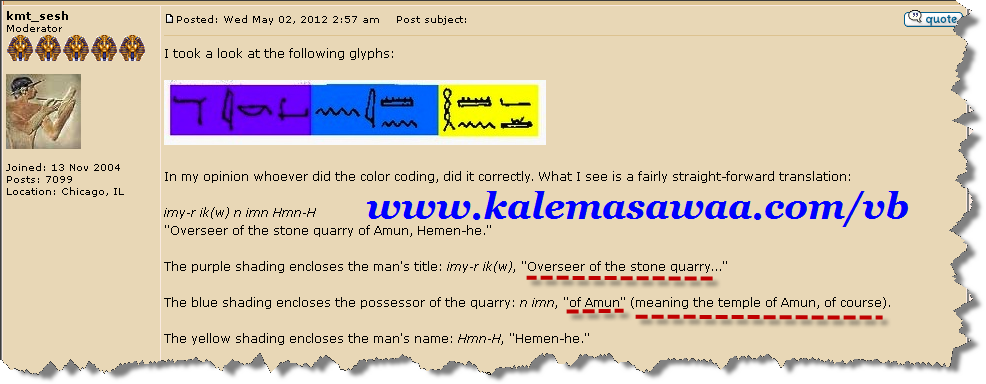
- Two Independent Translations of the Same Inscription
- Collecting All the Evidence
- Vienna Museum Documentation
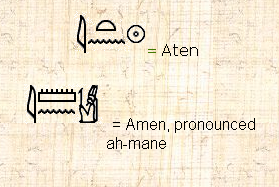
- Haman Is Connected to the Temple of Amun
- Refuting the “God Name” Objection
- Refuting the Himnu Objection
- Closing Arguments
The Quranic Verse
The Manuscript Discovery
For every doubter in our great Quran — an ancient Pharaonic manuscript proves that the Quran is a divine revelation.
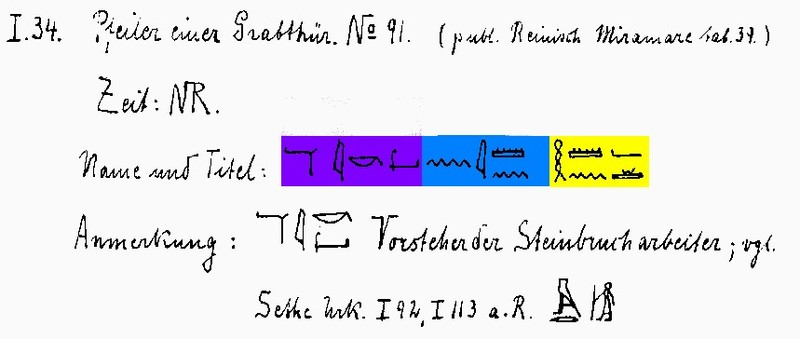
You can also use the Steinmetz arbeiter
This indicates that Haman’s field of work was clay or stone. Glory be to God.
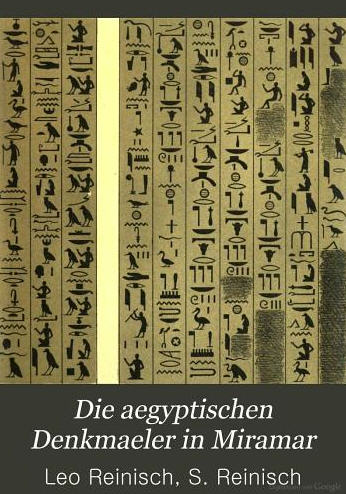
For those who would like to see the original manuscript, the link is as follows. Please put page number 399: https://books.google.com.pk/books?id=zRIGAAAAQAAJ&printsec=frontcover&hl=de&redir_esc=y#v=onepage&q&f=false
Who Is Haman?
“Haman” is a character mentioned in our Holy Quran and he is one of Pharaoh’s assistants. Allah the Almighty said:
Dr. Maurice Bucaille on Haman
However, he advised me to review the Dictionary of Personal Names of the New Kingdom and search in it if this name that represents the hieroglyph to me is really present in it. It was assumed that it was, and when I searched, I found it written in this dictionary exactly as I expected, and what a surprise!! Here I am, in addition to that, I find that his profession as expressed in German (foreman of the quarry) but without reference to the date of writing, except that it dates back to the empire in which the time of Moses was located, and the profession mentioned in the writing indicates that the aforementioned was interested in construction, which calls for thinking about the comparison that can be made between the order issued by ‘Pharaoh’ in the Qur’an and this specification in the writing.”
Source: https://ar.wikipedia.org/wiki/هامان
The Name in the Dictionary of Personal Names
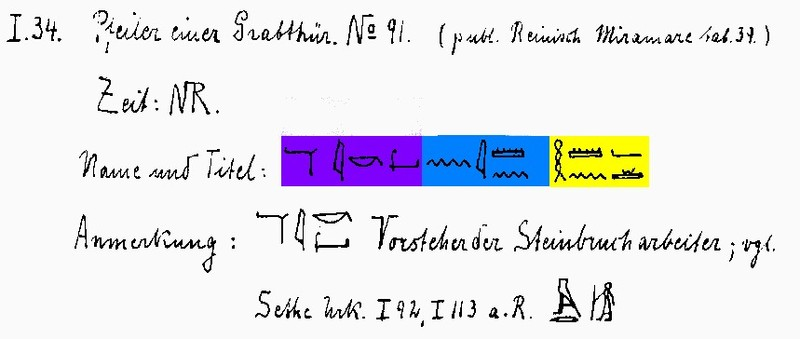
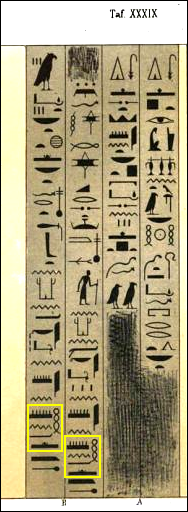
The name “Haman” is the part marked in yellow here.
The Vienna Museum Column
The Ranke Book — Page 240
Another evidence that indicates that the name “Haman” was actually common among the Pharaohs. It is the Ranke Book. This is a picture of page number 240. The name’s rank is number 25. (BD 1 .RS)
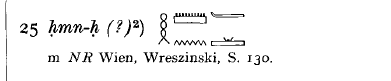
For those who want to download the book, the link is: http://www.egyptology.ru/scarcebooks.htm#Ranke
Writing No. 91 — TLA Archive
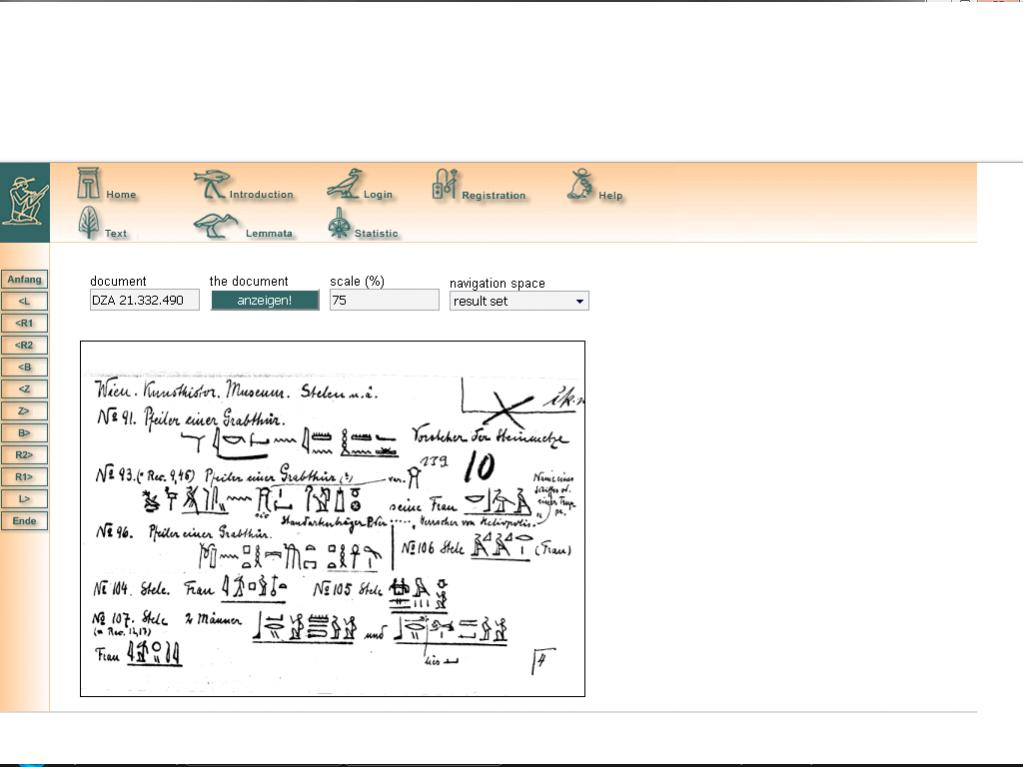
Another document that refers to Haman’s name and profession. (Writing No. 91)
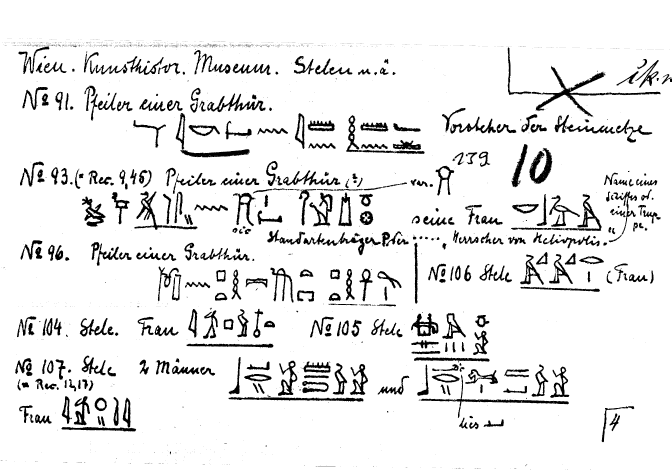
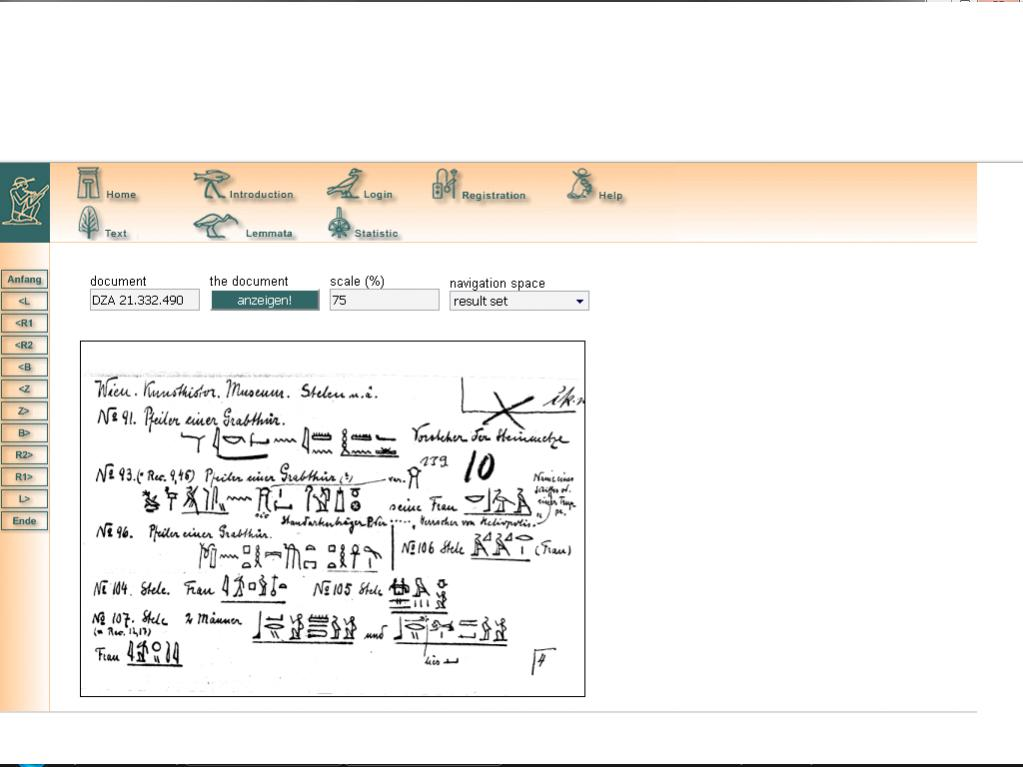
The previous document as it appears on the TLA website: http://aaew.bbaw.de/tla/index.html
It bears the serial number DZA 21.332.490
Now Let’s See What the Objector Says
The Response to the Objector
Note, my dear brother, that the writer of RANKE is a German national, and the letter “H” in German is pronounced “H.” Example: HERR (Mr.), meaning hmn is pronounced with a ha and not a ha.
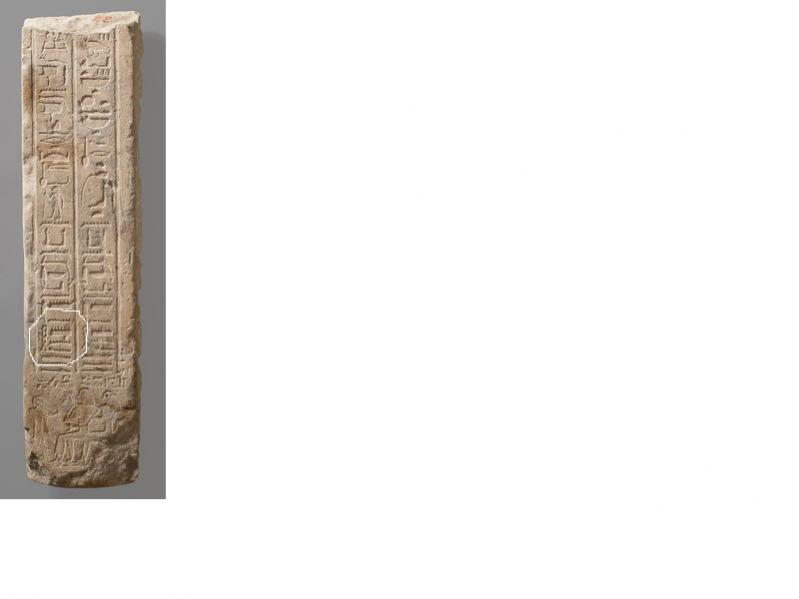
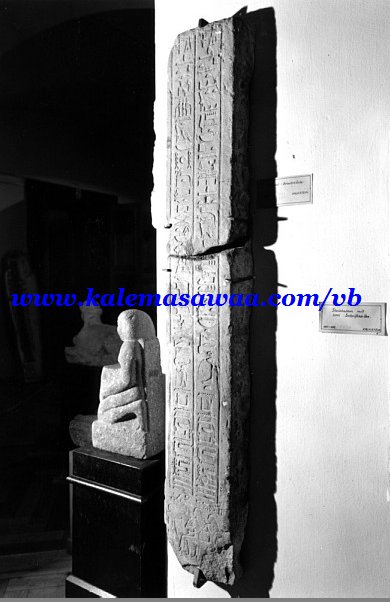
Please note that you have overlooked the reference to the translation of the manuscript for the phrase: Vorsteher der Steinmetze arbeiter, which means chief of the quarry workers, and you have also overlooked the phrase: pfeiler einer Grabtür, in reference to the fact that the same writing bearing the name of Haman and his profession as chief of the quarry workers was found engraved on a column of one of the tombs, which is now in the Vienna Museum (the name Haman in yellow).
The two previous phrases — Vorsteher der Steinmetze (chief of the quarry workers) and pfeiler einer Grabtür (cemetery door column) — are also present in this document. You can register on the site and find it there with the same serial number: DZA 21.332.490 — http://aaew.bbaw.de/tla/index.html


Where Does the Difference Lie?
The difference lies in the pharaonic name of Haman, and in the way of spelling the letter h that has a dot written under it — meaning: is this letter (which is symbolized by a coiled rope) “ح” or “ه”? And is the word hmn read ha-man or ha-man????
To make sure of the way to pronounce the letter (h) below it (.), I refer you to the website Egyptos.net, the hieroglyphics phonetics section, where you will make sure that the letters “ح” and “ه” and to indicate the spoken word are similar in the way of writing, meaning they can both also be written as: the letter (h) below it (.)
- The letter (h) below it (.) can be pronounced “ح” like the letter ح in the name of our master Muhammad.
- The letter (h) below it (.) can be pronounced as “h-” like the letter “h” in “hebrew”, “hot”.
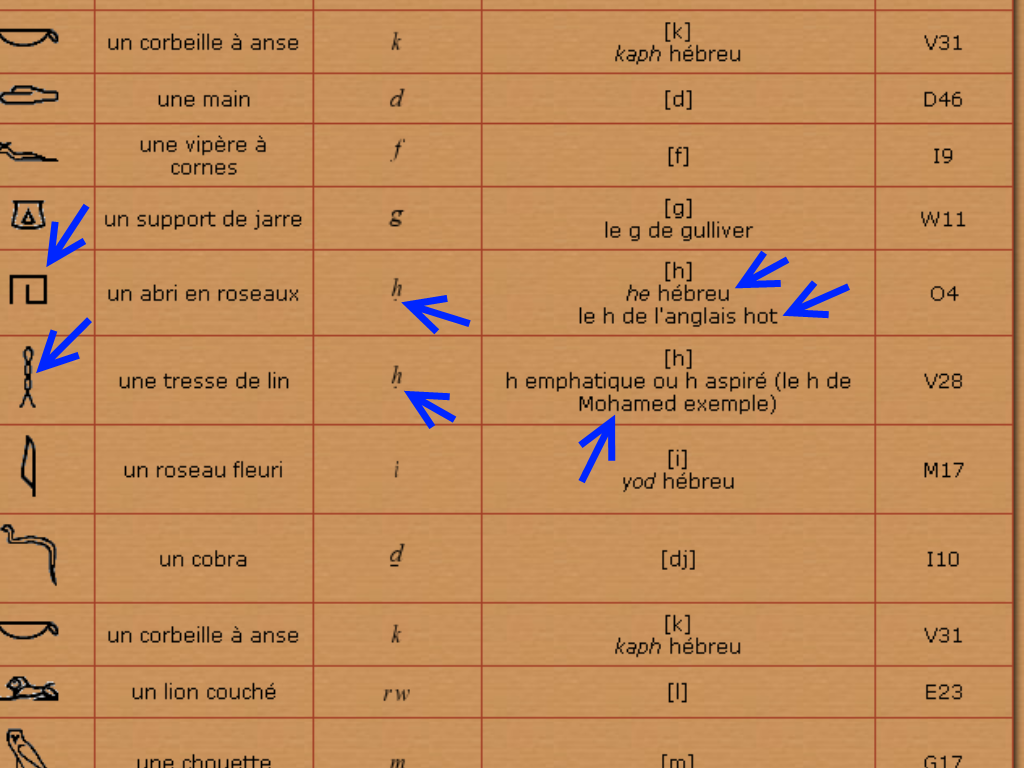
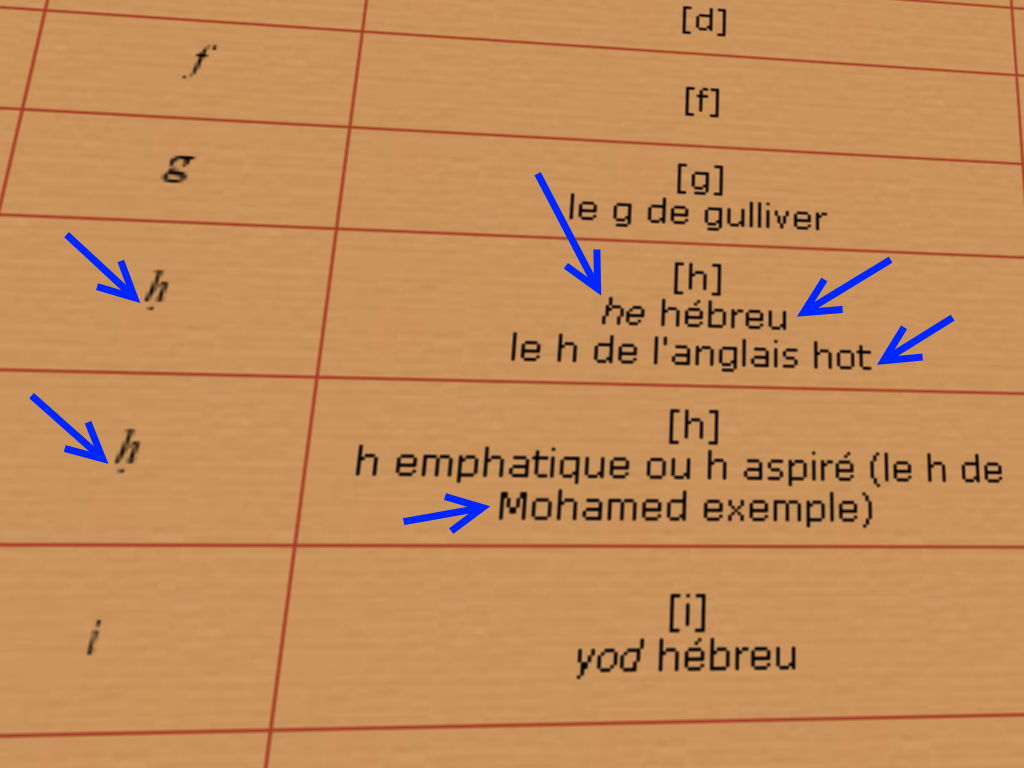
https://www.egyptos.net/egyptos/hieroglyphes/alphabet-phonetique-hieroglyphes.php
The Hieroglyphic Pronunciation Debate
Now, my dear brother, confirm that the two letters “ح” and “ه” can have the same spelling: the letter (h) below it (.)
The letter H in hieroglyphics can be written in two different ways. Also, these two letters can be pronounced together as “هــ”, like the letter “هـ” in the words: HOUSE, HOME.
Another proof that the pronunciation of the symbol for the coiled rope is “h---” (the letter “ha” in English):
h e - w h o
https://www.artyfactory.com/egyptian_art/egyptian_hieroglyphs/egyptian_hieroglyphs_G-H-I.htm
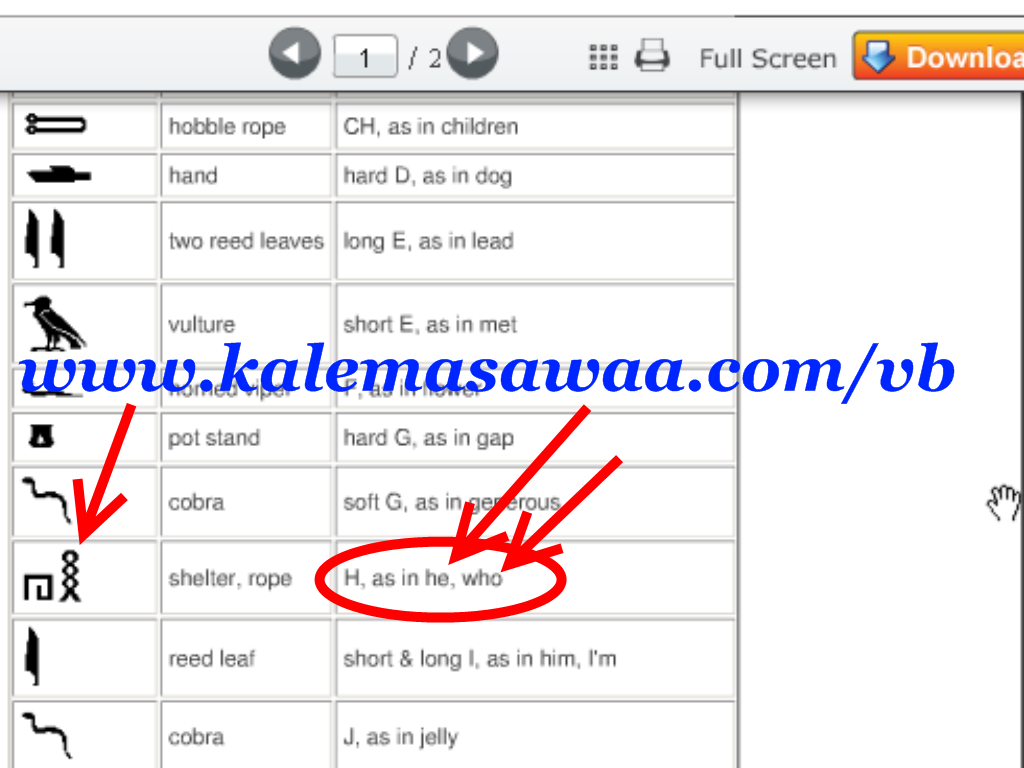
- If we pronounce the name in the rank as Haman, is there another source other than the TLA website that indicates that he worked in the construction field???? To the best of my humble knowledge, there is none.
- If we pronounce the name in the rank as Haman or Haman, is there another source other than the TLA website that indicates that he worked in the construction field???? Yes, there is — the Holy Quran — and here lies the miracle itself.
As for the testimony of the French doctor Maurice Bucaille, he is a man of science, and he is among the few people who had direct contact with the body of Pharaoh Ramses II. I really do not know what his interest is in confirming in multiple situations that Haman was part of the Pharaoh’s entourage. Perhaps it seems a very strange coincidence that his words match 100/100 (his talk about the presence of Haman’s name and profession in the dictionary of people’s names in the New Empire) with what was stated on the TLA website, which is a global German website that includes the largest archive of Pharaonic antiquities and manuscripts.
The Surprise From a British Egyptology Forum
I found a brother asking the forum specialists about the writing that contains the name Haman and his profession — with a link to our beloved forum, A Common Word. I did not interfere in the conversation and just sat and watched…

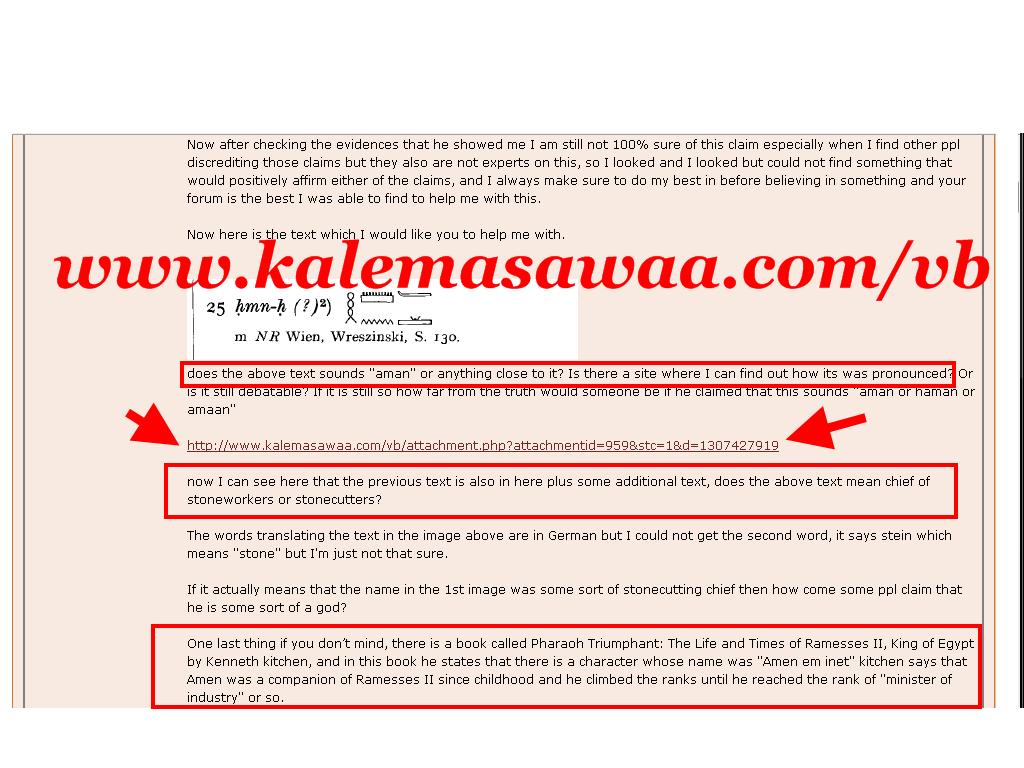
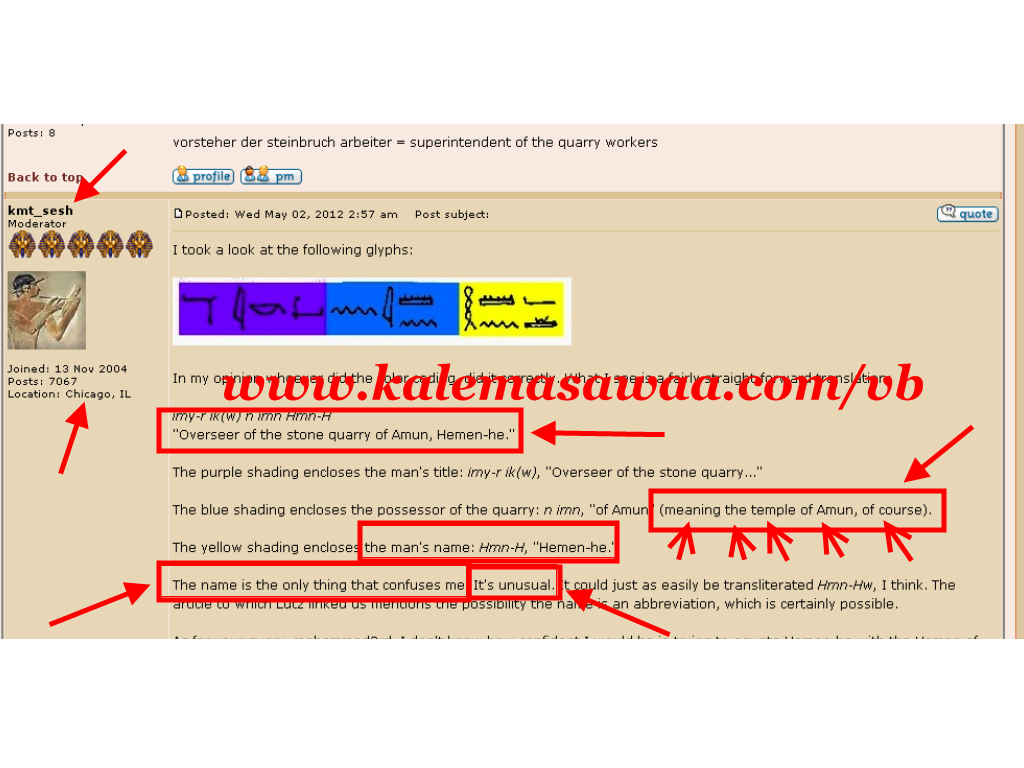
Two Independent Translations of the Same Inscription
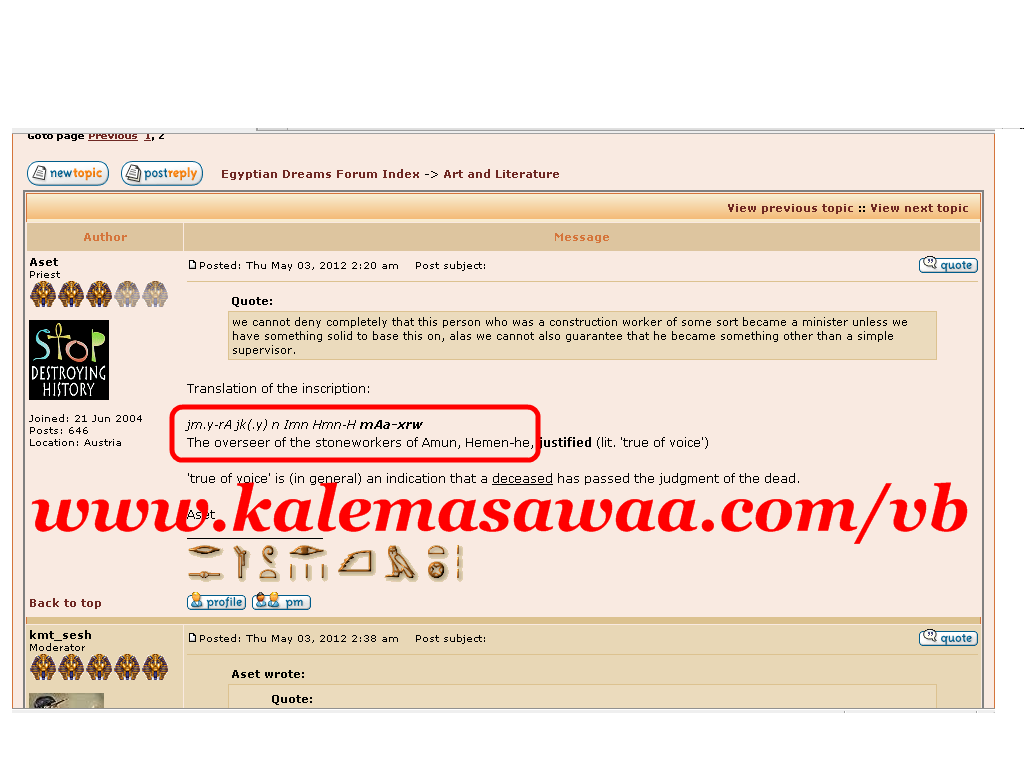
We notice that the member kmt-sesh emphasizes the phrase “the Temple of Amun, of course.”
The following documentary film not only proves that the Pharaoh of the Exodus was Ramses II, but also explains how the kingdom of this Pharaoh was exposed to years of drought and famine that forced him to migrate from the city of Pi-Ramesses in the Nile Delta to another city called Tanis.
One of the temples of Amun is located in Ramses:
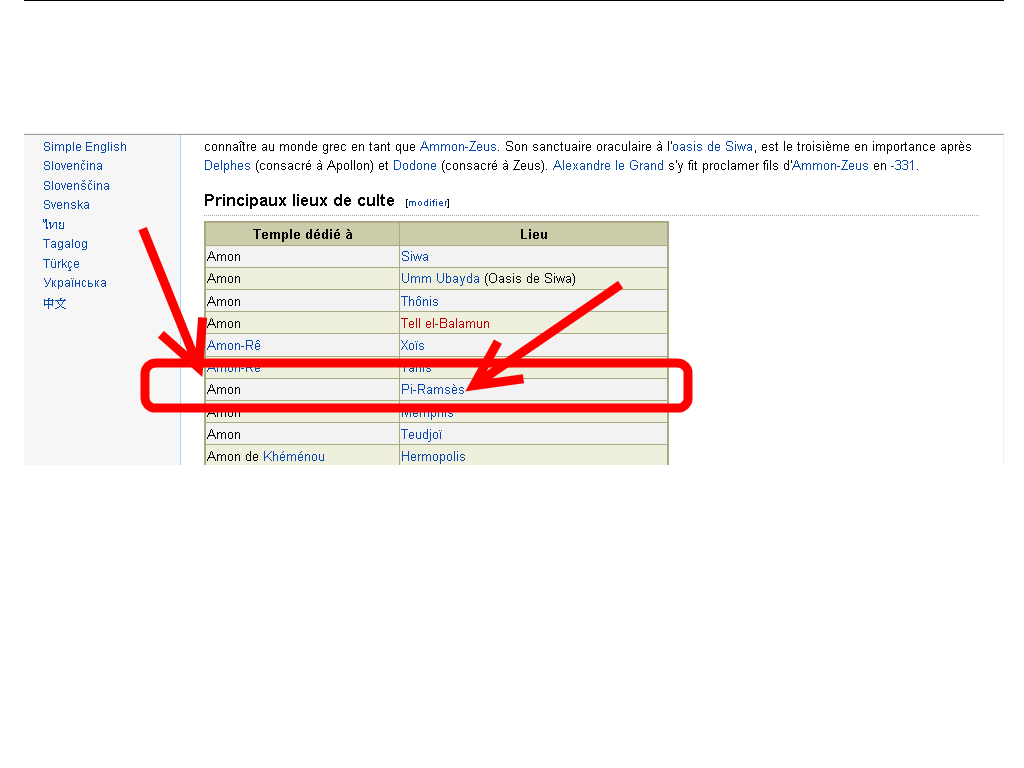
http://fr.wikipedia.org/wiki/Amon
Pi-Ramsès (meaning House of Ramses) was the seat of government for the 19th and 20th Pharaonic Dynasties.
http://fr.wikipedia.org/wiki/Pi-Rams%C3%A8s
Ramses II belongs to the 19th Pharaonic Dynasty.
https://www.egyptos.net/egyptos/pharaon/19-dynastie-liste-pharaons.php
Collecting All the Evidence
- We have previously proven, praise be to God, 100/100 that the Pharaoh of the Exodus is Ramses II.
- Haman (from different sources) was the foreman of the stone quarries.
- Haman’s workplace is the Temple of Amun.
- The Temple of Amun is located in Pi-Ramesses.
And God is Great…
Vienna Museum Documentation
Documenting what was mentioned above, from the Kunsthistorisches Museum Vienna itself:
- Neues Reich = New Kingdom
- 19.-20. Dynastie = Ruling Family 19/20
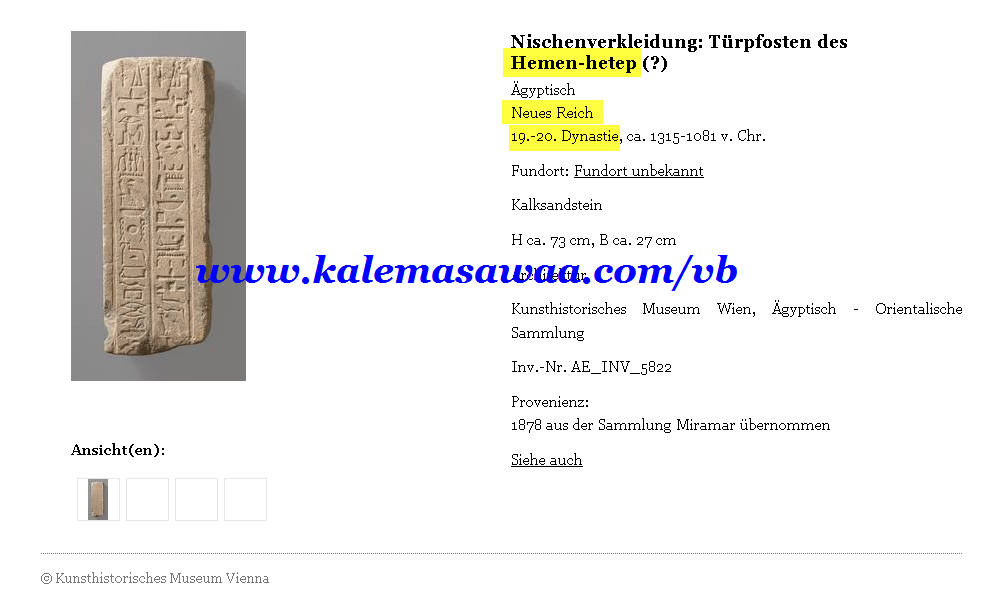
http://bilddatenbank.khm.at/viewArtefact?id=321329
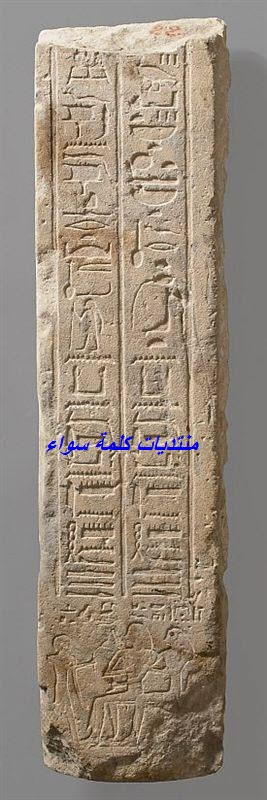
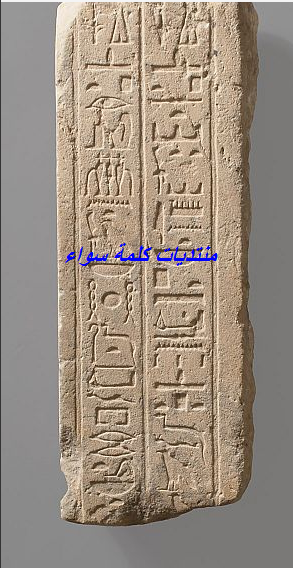
Haman Is Connected to the Temple of Amun
During the reign of Ramses II there were two temples bearing this name, one in Karnak and the other in the city of Pi-Ramesses.

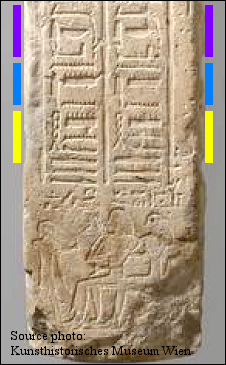
Let us assume, for the sake of argument, that our master Muhammad heard the name even though he never visited Egypt even once. The column of the tomb door on which the name of the pharaoh Haman and his profession were engraved remained buried for many centuries…!
Even if it was visible, who — at the time of the Messenger — had the ability to decipher the hieroglyphic writing???
Refuting the “God Name” Objection
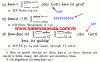
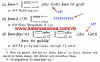
- Name number 24 has an explanation with the word god (der Gott) between brackets: der Gott ”hmn” ist groß — “The god Haman is great.”
- Name number 26 has an explanation with the word god (der Gott) between brackets: der Gott ”hmn” ist gnädig — “The god Haman is generous.”
- Name number 25 — has no indication of the name of the god in front of it.
This means that what is meant is the name of a person, because it is impossible for a god to be the head of the stone quarry workers…!
Refuting the Himnu Objection
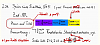
- Haman lived during the New Kingdom
- Himnu lived during the Old Kingdom
- The spelling of Himnu’s name is different
Himnu is the son and minister of King Kheops (Khufu) of the 4th Dynasty (Old Kingdom), tasked with building the Giza Pyramid. He was buried in the tomb numbered G4000. The same tomb contained the statue of Himnu, which is on display in the museum.

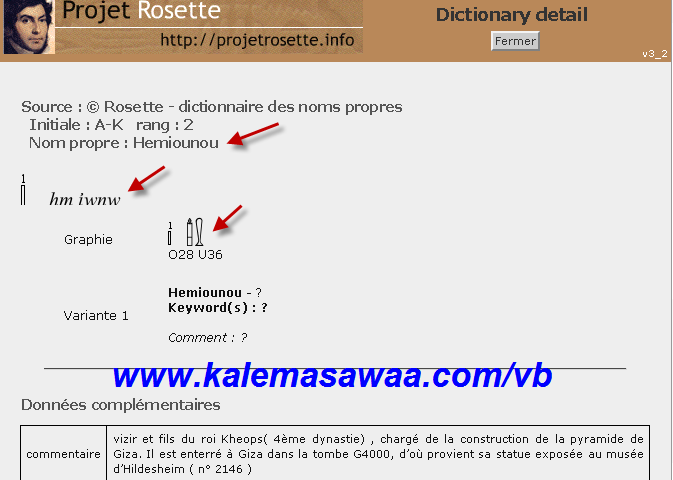
Roemer and Pelizaeus Museum in Hildesheim, Germany.
- Is the pronunciation of the drawn rope here a ha or a ha???
- If we pronounce the name in the rank as Ha’min, is there another source other than the TLA website that indicates that he worked in the construction field????
- A. Yes, there is, and this source is …
- B. There is none ------
Ramadan Kareem. May you remain in the glory of Islam.
Closing Arguments
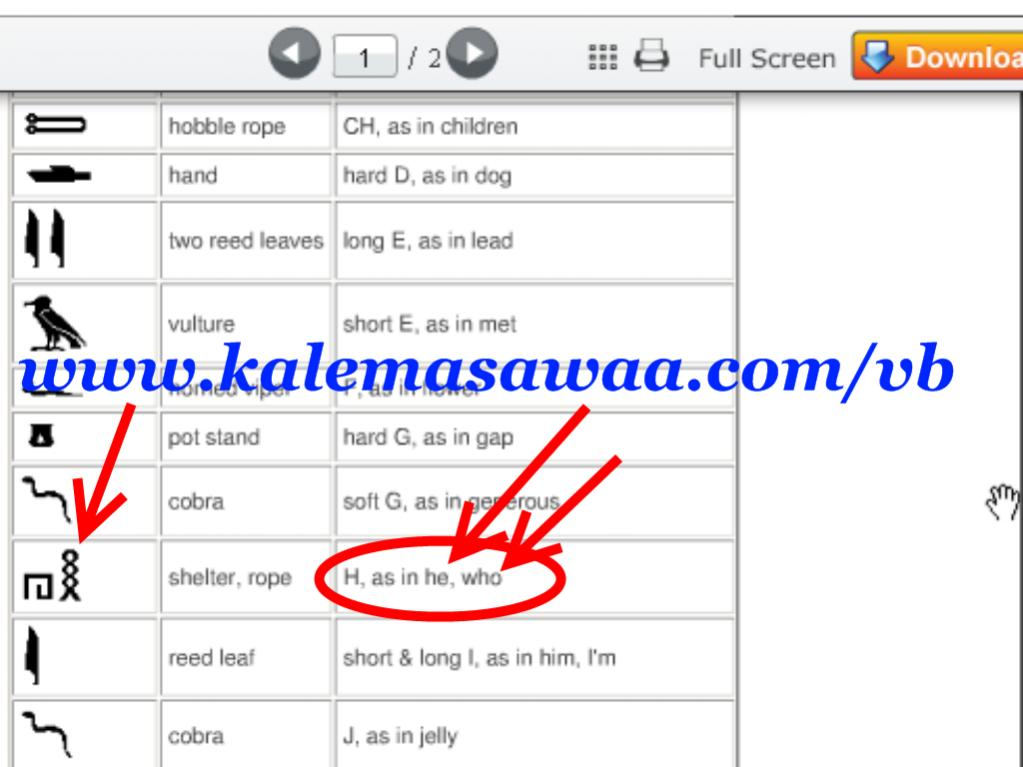
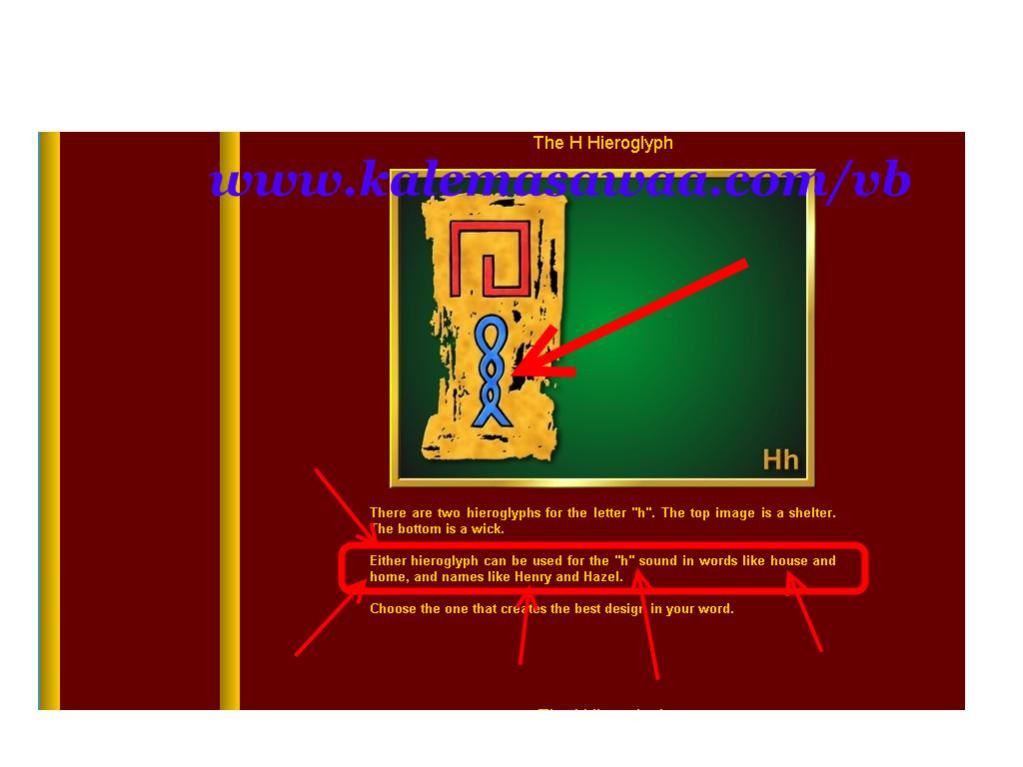
http://www.mummies2pyramids.info/hieroglyphics/hieroglyph-letter-h.htm
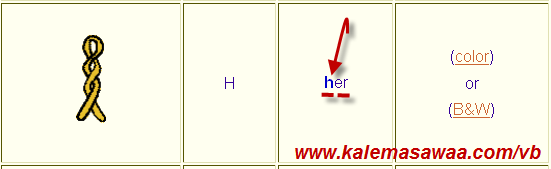
https://www.kidzone.ws/cultures/egypt/hieroglyph.htm

http://www.uponreflection.co.uk/hieroglyphics/hieroglyphic-alphabet/hieroglyphic-h/
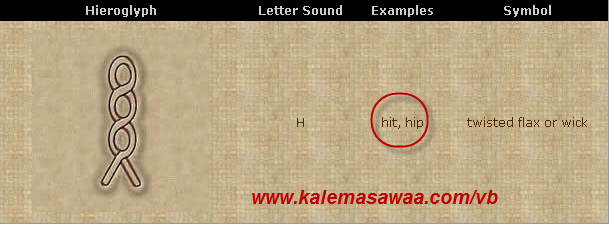
The letter ha is a letter in the Hebrew language, and they use it as a counterpart to the word “coiled rope.”
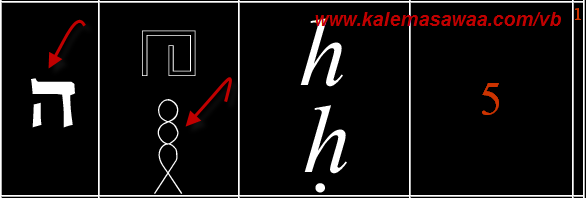
https://www.horusset.com/egyptian/egyptian.htm
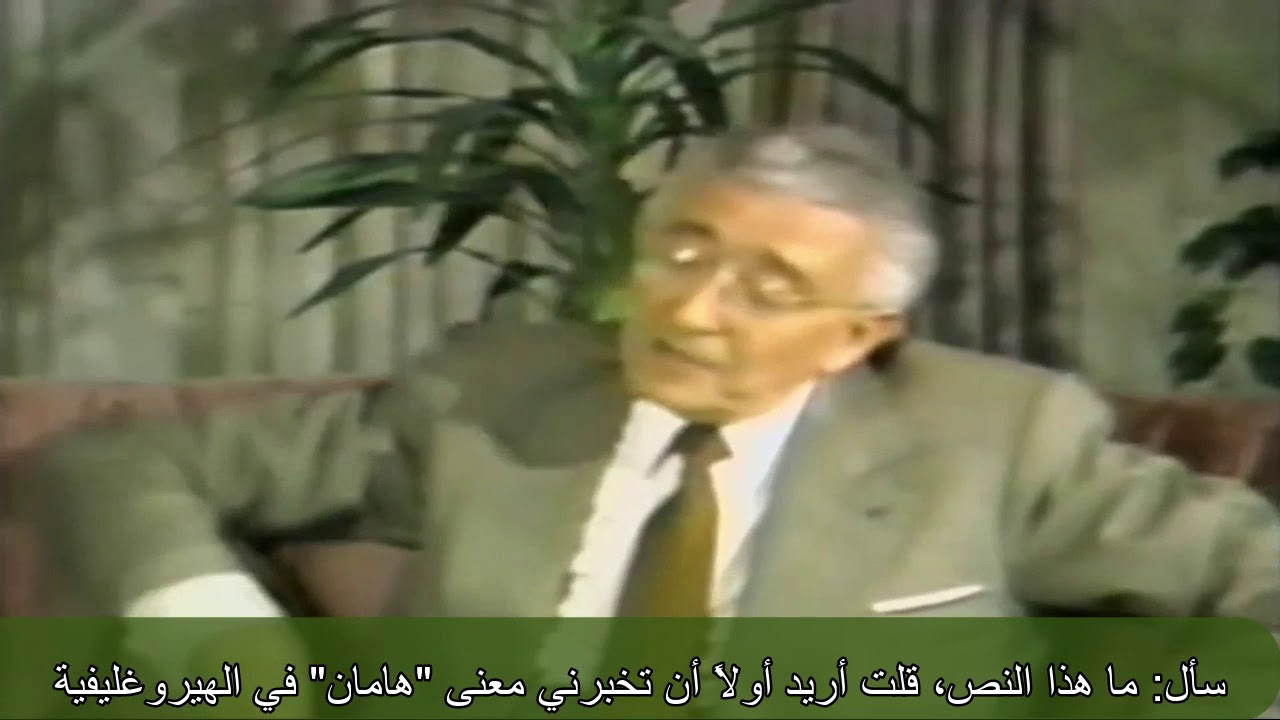
Regarding the mention of Haman’s name in the Holy Quran, Dr. Maurice Bucaille responded — with sound and image — slapping the backs of the slanderers:
https://heudis.blogspot.com/2025/06/haman-part-2.html
https://www.islamic-awareness.org/quran/contrad/external/haman.html
...er/ - http://www.linternaute.com/dictionnaire/definition/orner/ Related Articles: -...