Refutations

Did Abu Bakr Burn Al-Fuja'a Peacefully? The Narrations Are Weak and the Context Is Misrepresented

4 min read 762 words

Responding to the Suspicion: Did Abu Bakr (May Allah Be Pleased with Him) Burn Al-Fuja’a al-Salami Peacefully?


Table of Contents

The Suspicion

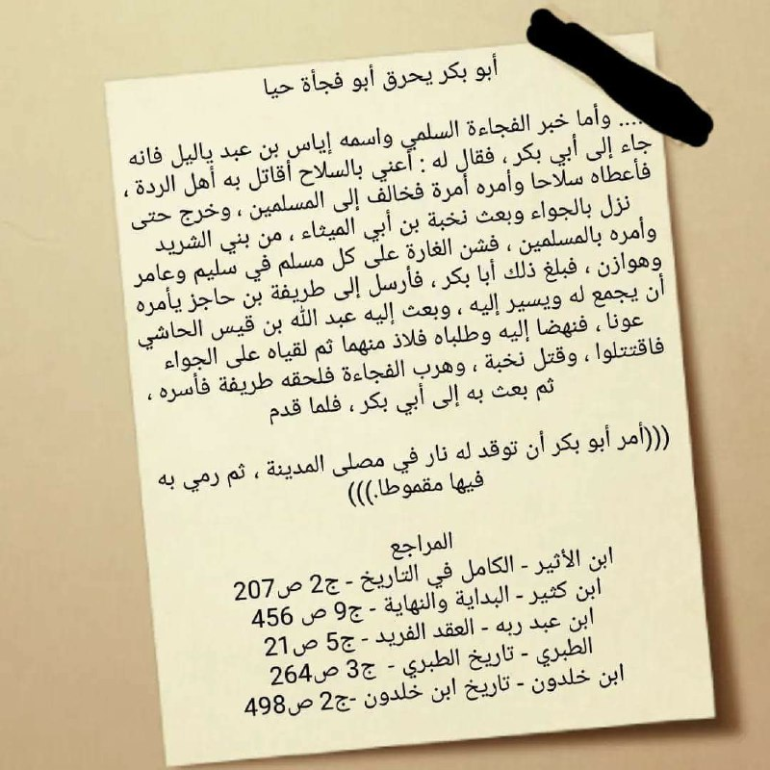
The Claim One of the irreligious pages reported that Abu Bakr (may Allah be pleased with him) burned Al-Fuja’a peacefully — implying an act of wanton cruelty against an innocent person.

his burning of al fujaah al salami


First — Examining the Narrations and Their Weakness

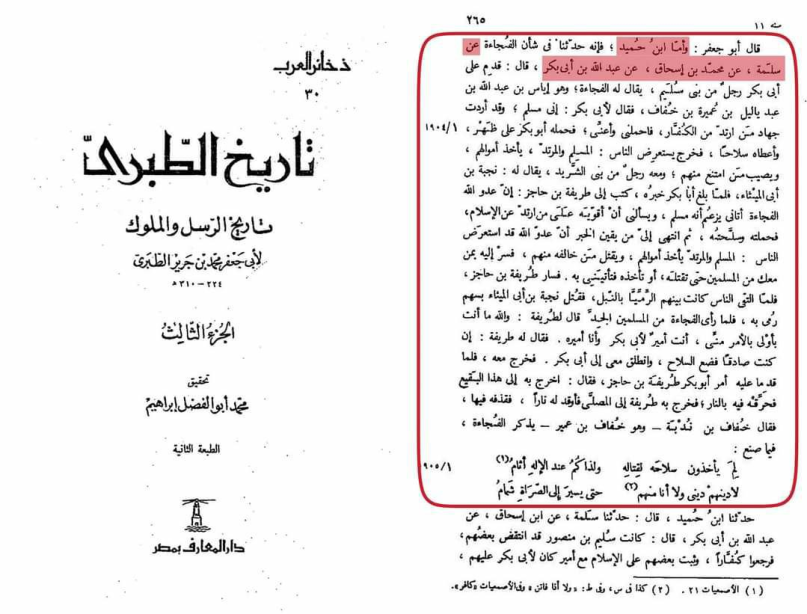
Al-Tabari’s History — Both Narrations Are Weak
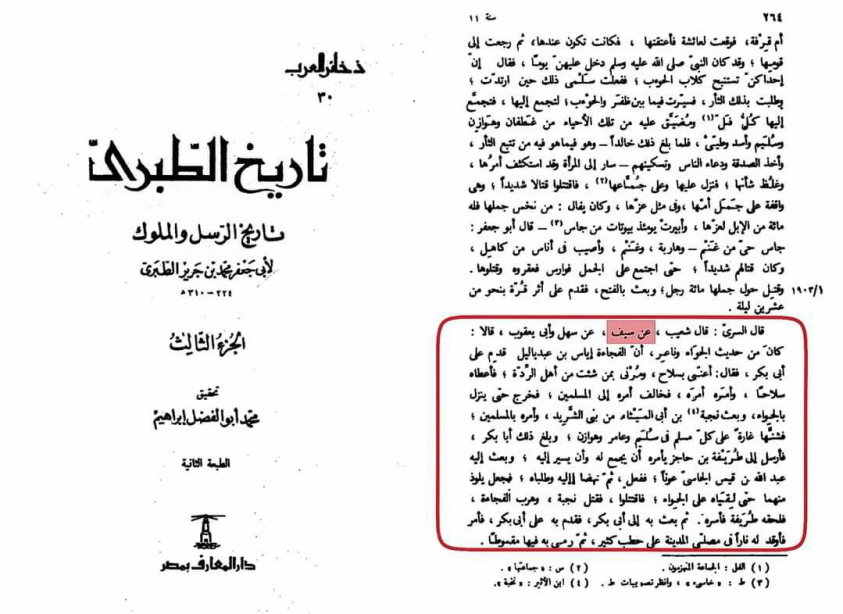
Both Narrations Are Weak Let us review the books the claimant quoted — which he clearly did not research at all.

his burning of al fujaah al salami 1

his burning of al fujaah al salami 2

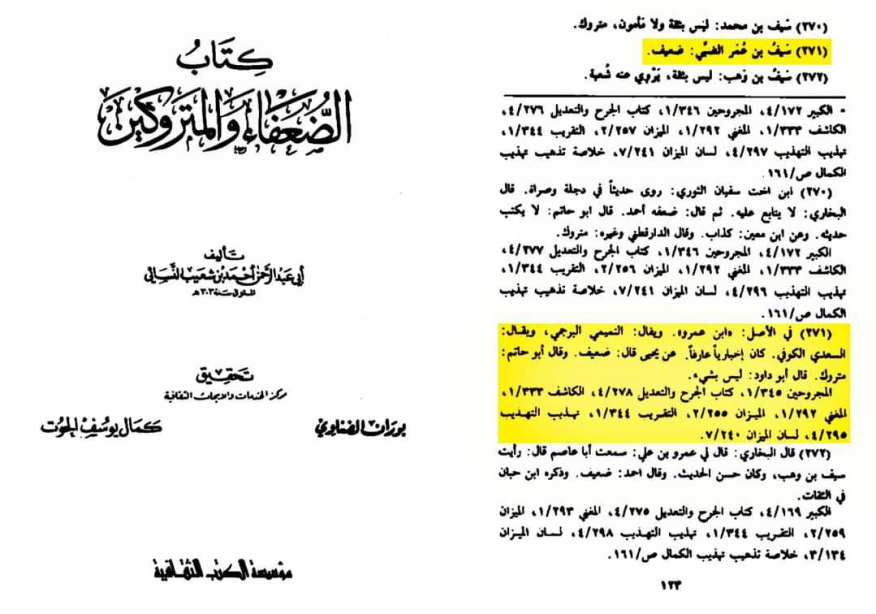
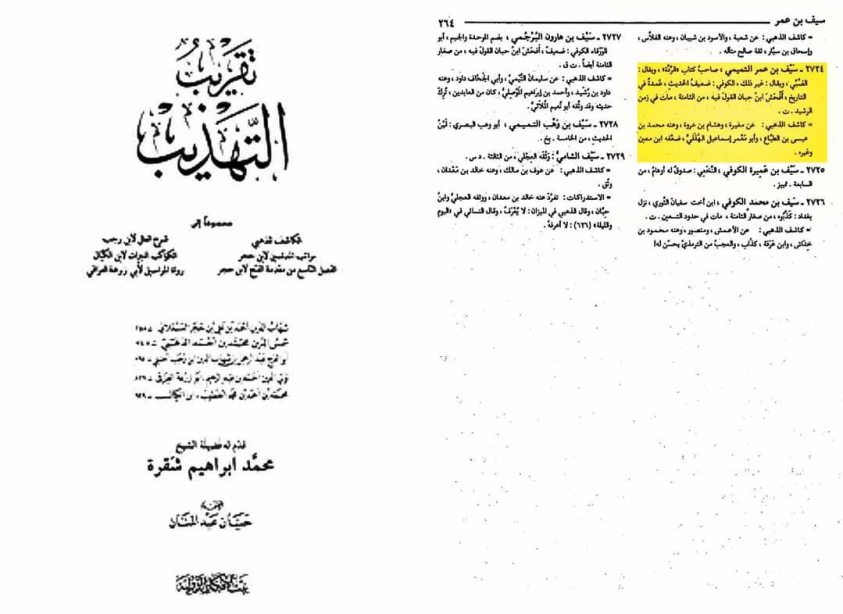
First Narration — Defective The first narration has a defect in its chain: Saif bin Umar Al-Dhabi (Al-Tamimi) — a narrator known to be unreliable.

his burning of al fujaah al salami 3

his burning of al fujaah al salami 4

Second Narration — Four Defects The second narration has four reasons for weakness in its chain:
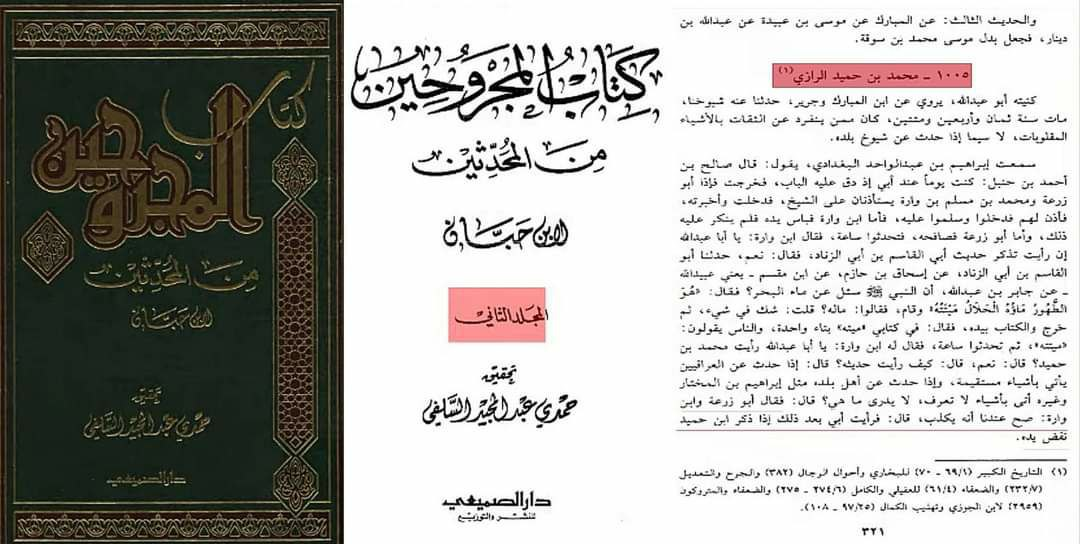
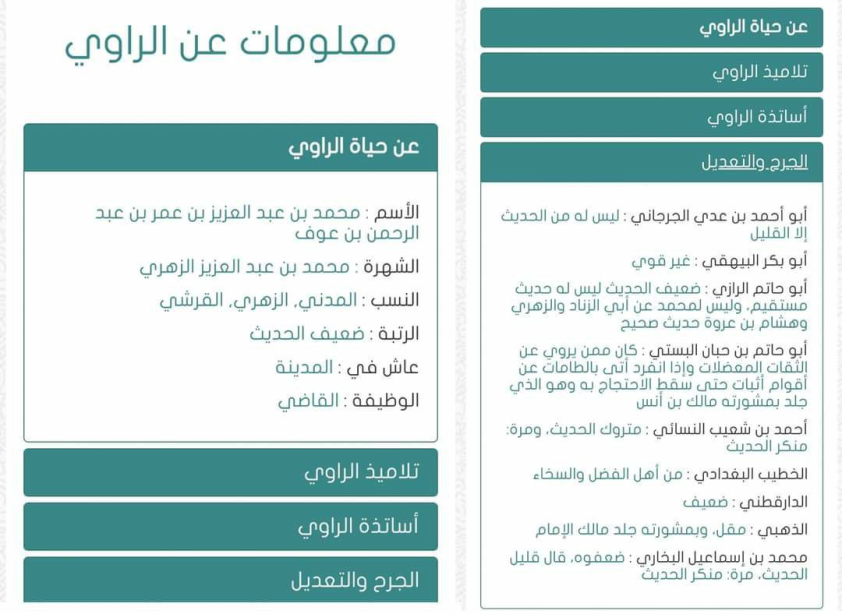
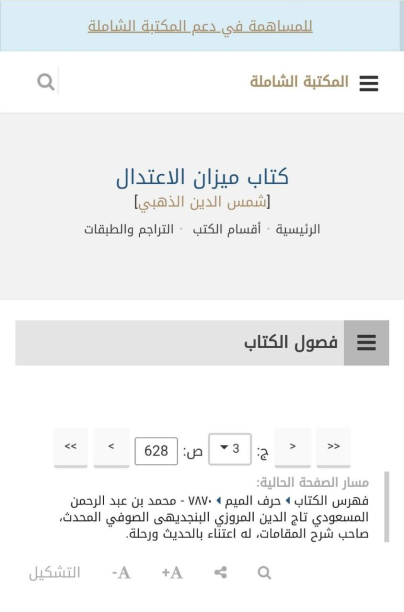
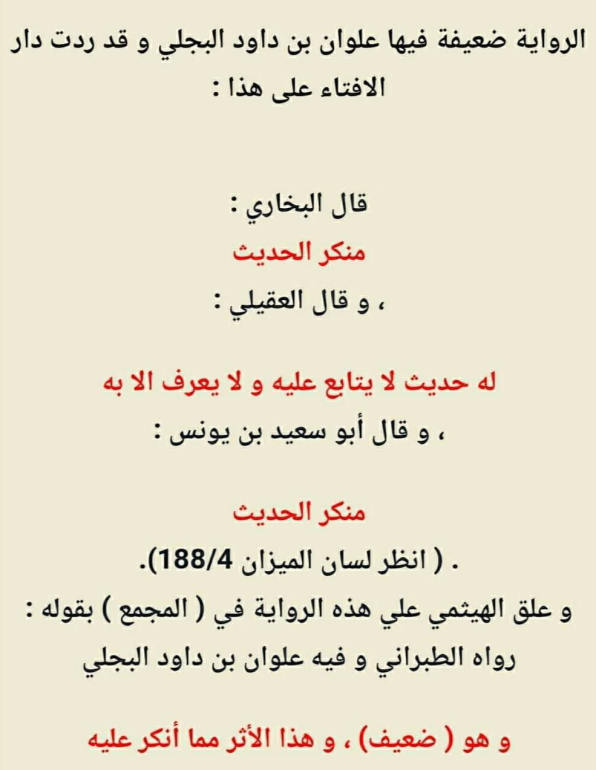
  1. Ibn Hamid
  2. Salamah
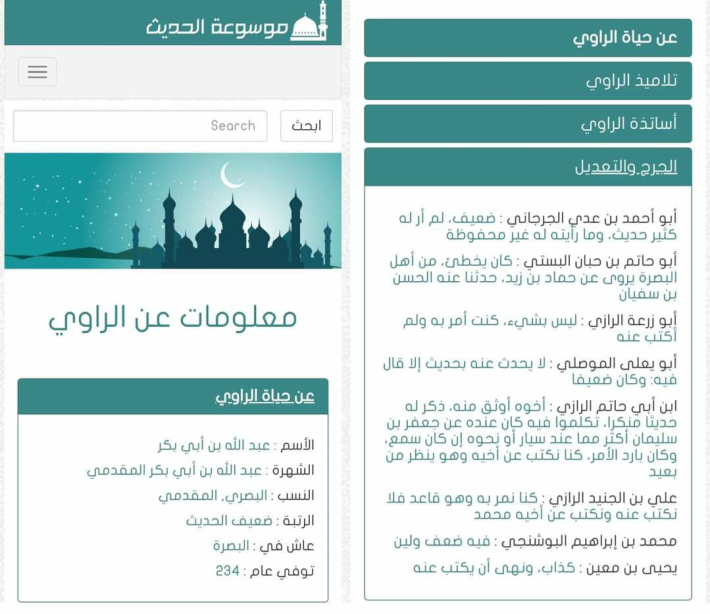
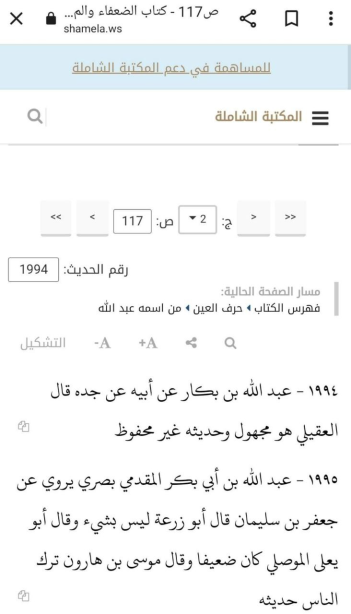
  3. Abdullah bin Abi Bakr
  4. Ibn Ishaq’s chain of transmission

his burning of al fujaah al salami 5

his burning of al fujaah al salami 6

his burning of al fujaah al salami 7

his burning of al fujaah al salami 8

Source This is from the authenticated and investigated edition of Al-Tabari’s History — meaning its narrations have been evaluated and their chains examined.

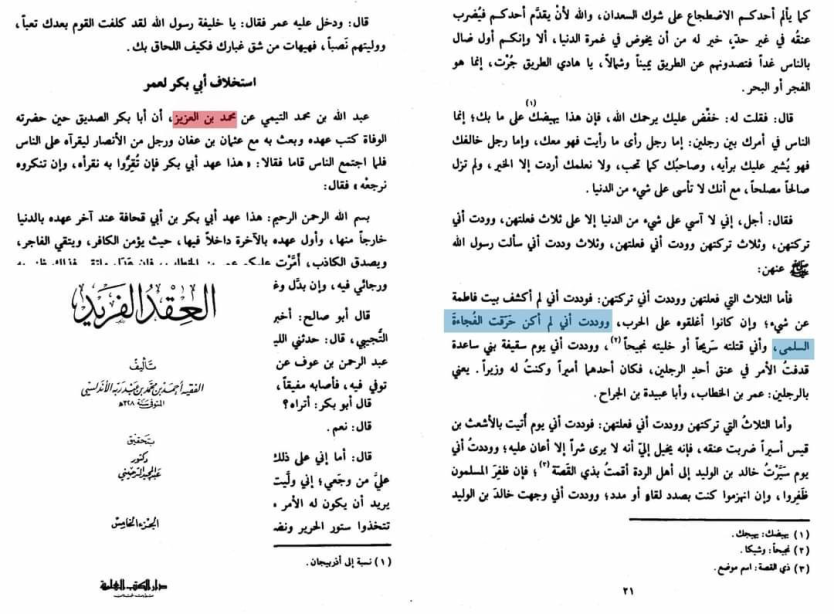
Al-Kamil fi Al-Tarikh — Misquoted and Also Weak

The Claimant Quoted the Wrong Source Ibn al-Athir in Al-Kamil fi Al-Tarikh mostly transmitted his narrations from Al-Tabari and mentioned them without chains of transmission.

When the source and page were checked, this story was not found there. What was found instead was a different narration entirely — in which Abu Bakr (may Allah be pleased with him), while on his deathbed, expressed regret wishing he had not burned Al-Fuja’a.

This is a case of blind copy-paste — the claimant did not even verify the source he cited.

And even that different narration is also weak.
his burning of al fujaah al salami 9

his burning of al fujaah al salami 10

his burning of al fujaah al salami 11

https://shamela.ws/book/1692/1979#p1


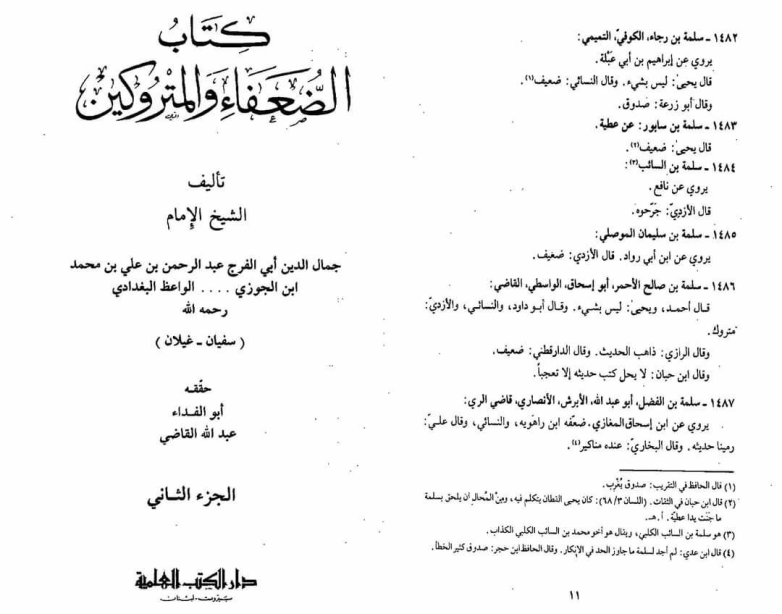
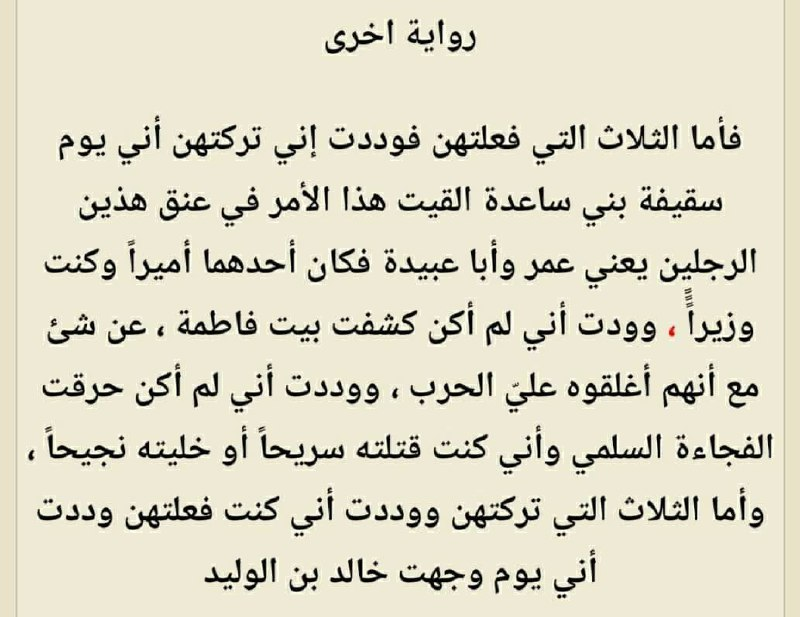
Summary of All Narrations and Their Weakness
his burning of al fujaah al salami 12

his burning of al fujaah al salami 13

Conclusion on the Narrations All the narrations that contain this story — along with a statement of their weakness — have been compiled and examined. None of them are authentic. The matter cannot be attributed to Abu Bakr (may Allah be pleased with him) on the basis of these weak chains.

Second — The Context of the Act According to These Accounts

Even According to These Weak Narrations — the Context Matters Even if we were to accept these narrations for the sake of argument, the person in question committed a serious act of treachery — he falsely claimed to be a Muslim and then turned to fight the Muslims.

Lying about one’s faith and then waging war against the Muslim community is an act of armed treason — and it requires the most severe punishment applicable under Islamic military law during a state of active warfare.

This is not the burning of a peaceful person — it is the punishment of a combatant traitor who deceived the Muslims.


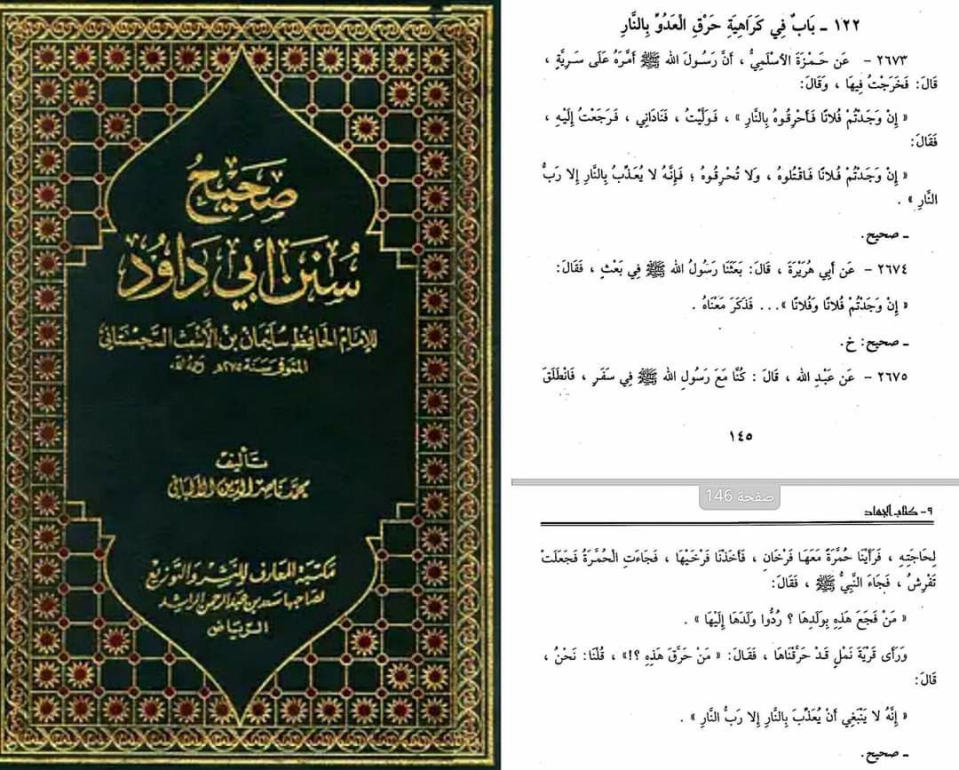
Third — Abu Bakr’s Adherence to the Prophet’s Prohibition on Burning

The Prophet ﷺ Forbade Burning the Enemy The Messenger of Allah ﷺ explicitly forbade burning the enemy with fire. Abu Bakr (may Allah be pleased with him) was — as is well known — among those who most closely followed and adhered to the commands and prohibitions of the Prophet ﷺ.

It is therefore contradictory to claim that Abu Bakr would order an action that the Prophet ﷺ had clearly prohibited — especially given that Abu Bakr’s entire caliphate was characterized by scrupulous adherence to prophetic precedent.
his burning of al fujaah al salami 14

Final Conclusion The suspicion fails on three independent grounds:
  1. The narrations are all weak — none of them are authentic enough to establish this claim
  2. Even according to the weak narrations, the person was not peaceful — he was a traitor who falsely claimed Islam and fought the Muslims
  3. Abu Bakr (may Allah be pleased with him) was the most committed of the Companions to following the Prophet’s ﷺ prohibitions — including the explicit prohibition on burning the enemy

This article is part of the OpenIslam Wiki — Responses to Doubts About the Companions series.