

Did Christianity Spread by the Sword? A Historical Indictment
The irony of the “spread by the sword” accusation leveled at Islam is that it perfectly describes the documented history of Christianity’s own expansion. From the forced baptisms of the Saxons under Charlemagne, to the Holy Inquisition’s death sentences on millions, to the Crusader cannibalism at Ma’arra documented by Christian writers themselves — the historical record of Christianity’s spread is one of coercion, massacre, and theological terror. This article compiles that record entirely from Christian historians, Christian clergy, and Western academic sources.
Table of Contents
- The Biblical Foundation — Violence in the Name of God
- Christianity Enforced by the Sword — The Historical Pattern
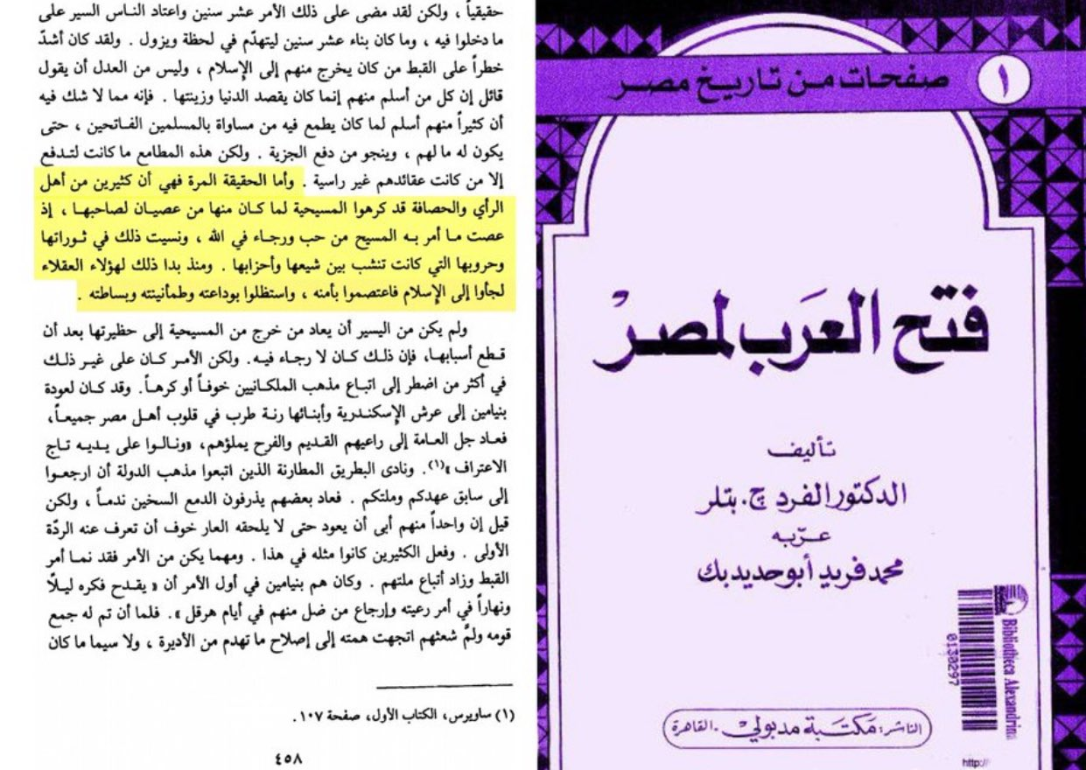
- How Christianity Came to Egypt — By Force, Not Conviction
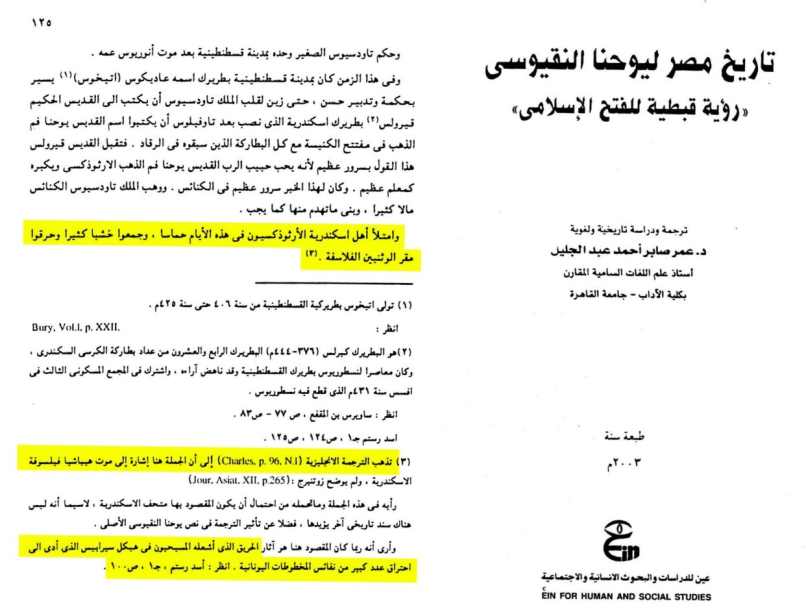
- The Library of Alexandria — Burned by Christians, Not Muslims
- The Inquisition — Death Sentences on Millions
- The Albigensian Crusade — Absolute Extermination of a Christian Sect
- Protestants Were No Different — Ireland and the Huguenots
- Martin Luther and John Calvin — Reformers Who Commanded Killing
- The Crusades — A Record of Atrocity from Christian Sources
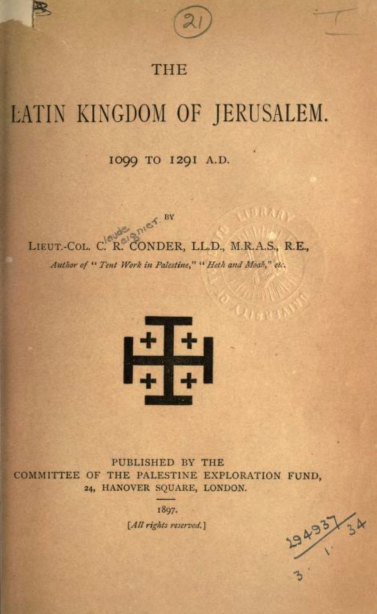
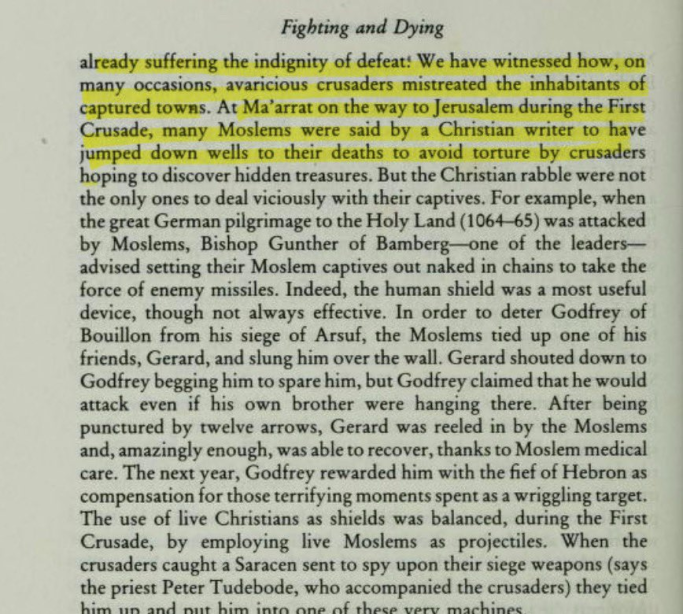
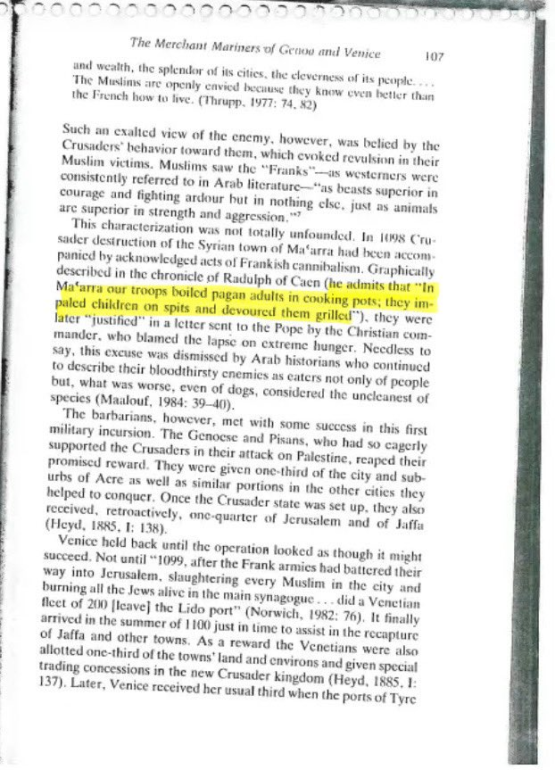
- Cannibalism at Ma’arra — Documented by Crusaders Themselves
- The Massacre of Jews Throughout Christian History
- Christianity in Spain — Expulsion of Millions
- Christianity Imposed on Northern Europe by Force
- Sweden, Denmark, the Saxons — Baptism or Death
- The Church and Native American Genocide
- What Christian Historians Say About How Christianity Spread
- The Roman Decree — Cut Off the Nose and Ear of Dissenters
- The Dhimmi Concept Exists in the Torah — Not Only in Islam
- Conclusion — The Contrast with Islamic Governance
- See Also
The Biblical Foundation — Violence in the Name of God
The charge of violence cannot be separated from the texts that inspired it. The Bible — both Old and New Testaments — contains passages that Christian rulers and clergy cited explicitly to justify their campaigns of forced conversion and massacre.
These are not obscure passages. They were cited by name by John Calvin, Martin Luther, Pope Innocent III, and the authors of the Inquisition as theological justification for killing heretics, pagans, and dissenters.
The Killing of 42 Children — 2 Kings 2:23
The Church holds that Jesus is the Lord of both the Old and New Testaments simultaneously — meaning all ages and their events are equally attributable to Him. A Christian apologist might argue that these events occurred “before the age of grace.” But this is a weak position: if Jesus is the Lord of the Old Testament, then the age of grace is irrelevant. He was present and consenting.
Note also that the text says the bears devoured forty-two boys “among them” — meaning the total number of children present was greater than forty-two. Only some died. This indicates that the killing was not proportionate punishment for mockery; it was arbitrary violence against children. The word “bald,” notably, was itself applied to the impure by the same Torah: the priest was commanded to declare a bald person unclean (Numbers 13:36). The very word that triggered the massacre was defined by that same scripture as a mark of uncleanness — yet forty-two children were killed for using it.
Christianity Enforced by the Sword — The Historical Pattern
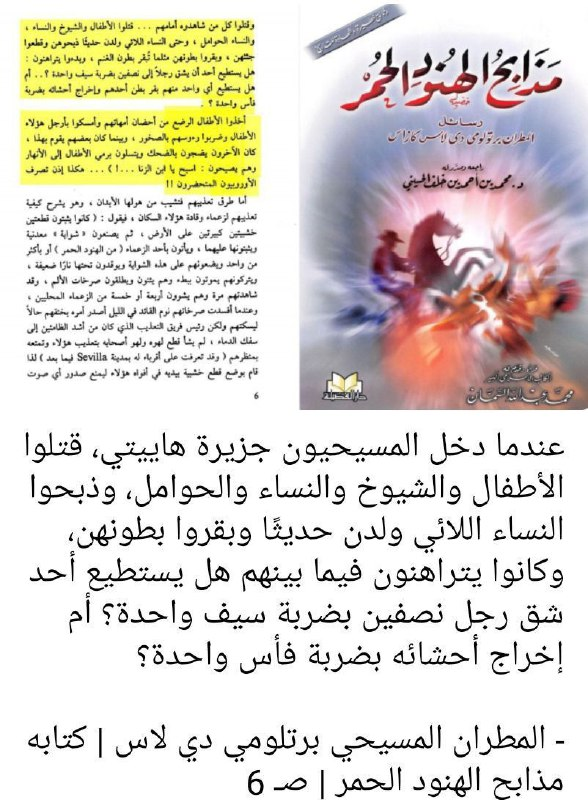
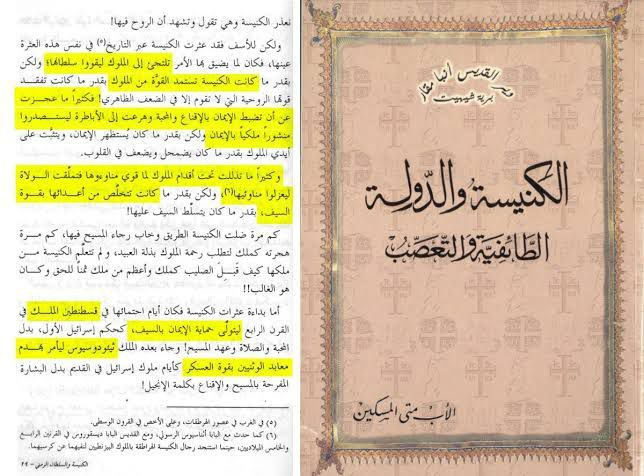
Christianity enforced its faith through force, the sword, and excommunication. This is not an Islamic polemical claim — it is the conclusion of Christian historians writing from within the tradition.
How Christianity Came to Egypt — By Force, Not Conviction
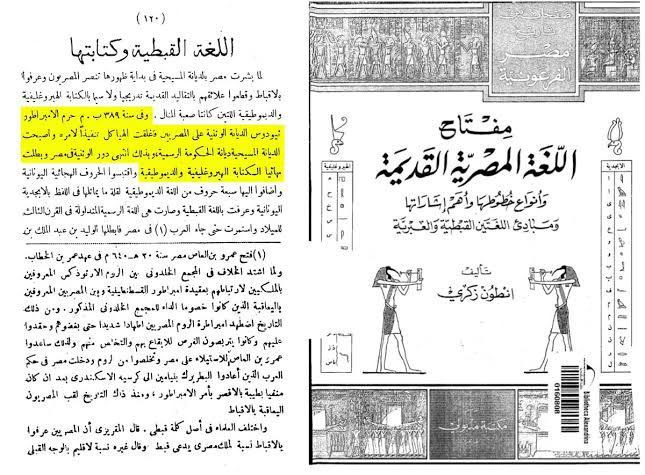
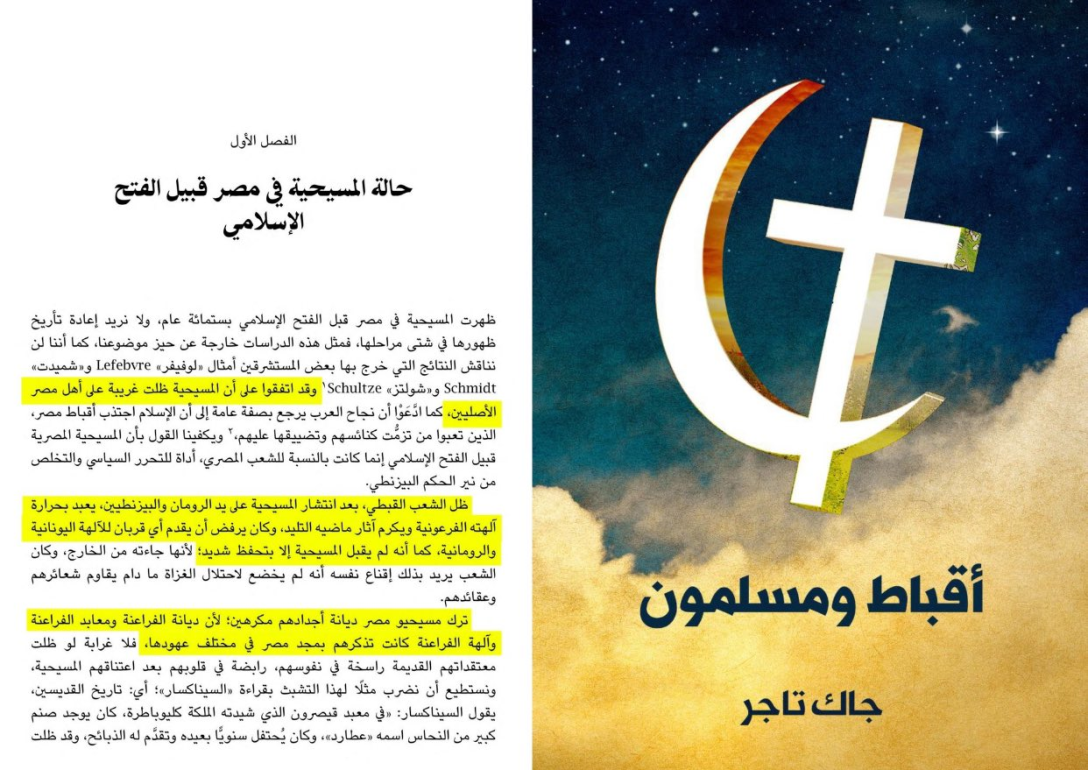
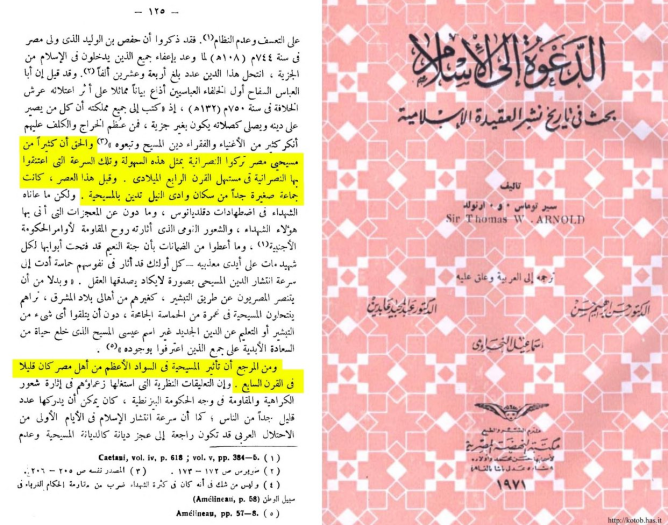
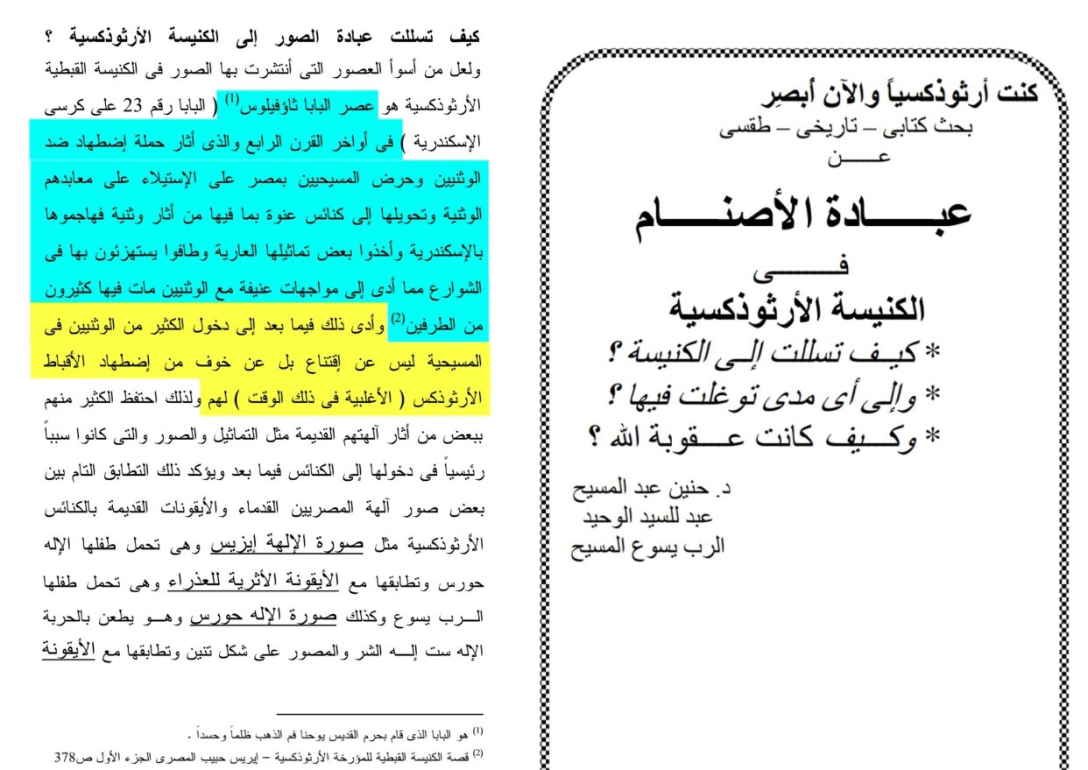
Egypt’s adoption of Christianity is one of the clearest cases of forced religious conversion in ancient history. The evidence comes from Coptic, French, and Christian ecclesiastical sources — not from Muslim polemicists.
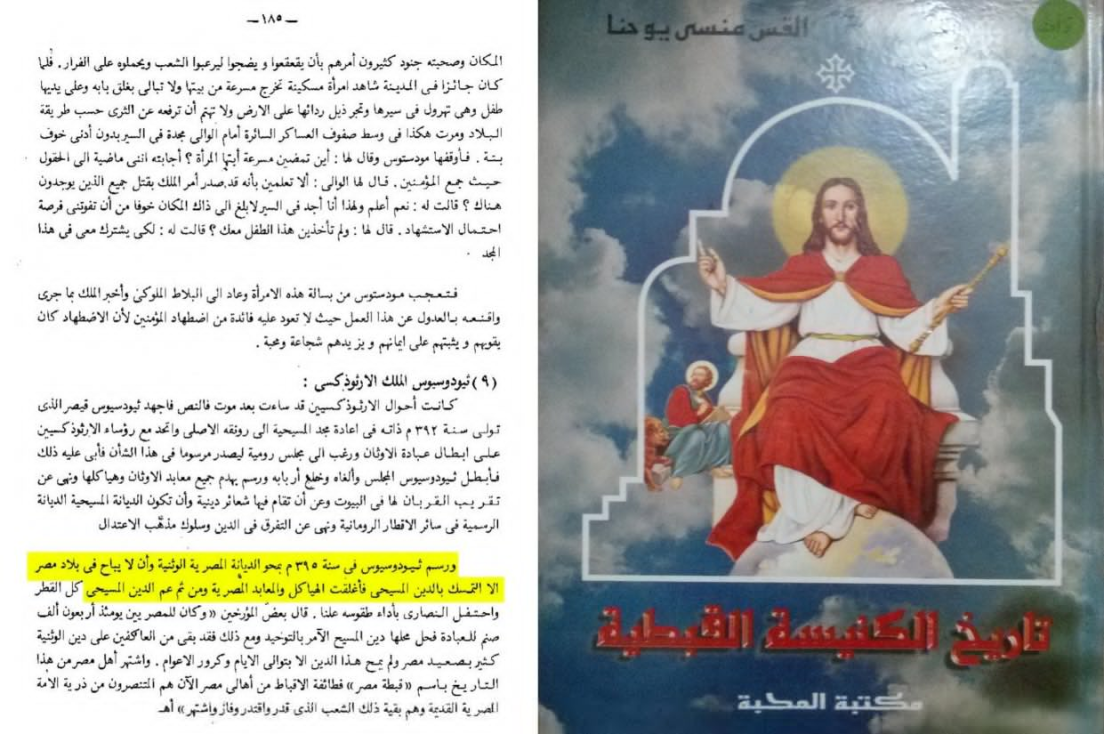
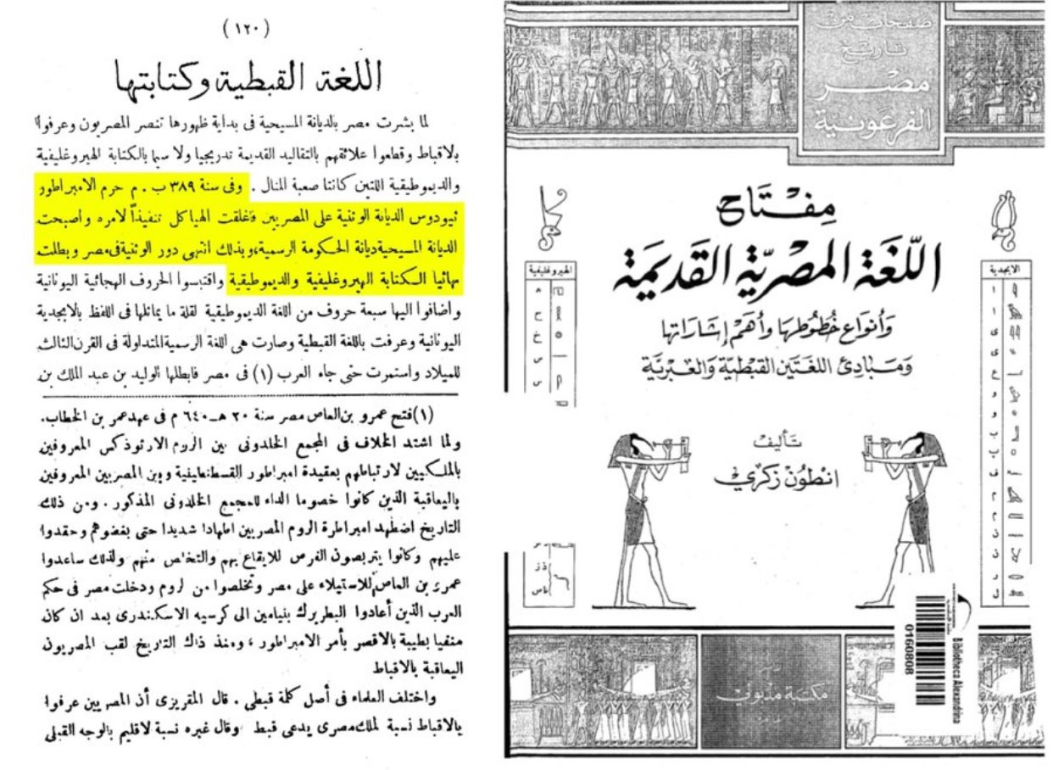
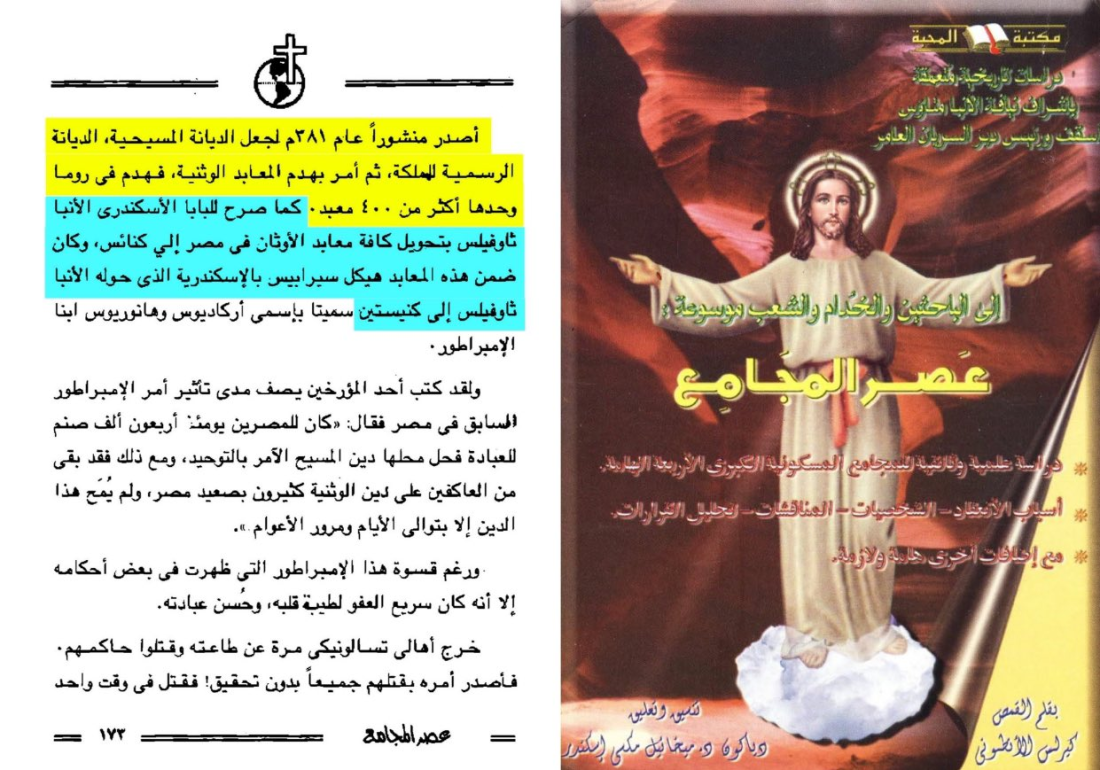
Father Mansa Yohanna explains in his History of the Coptic Church that Emperor Theodosius decreed the eradication of Egyptian religion, closing temples and shrines and making Christianity the only permitted faith in Egypt. Coptic writer Anton Zaki confirms that Theodosius banned the pagan religion in Egypt entirely — closing temples, making Christianity the official religion, and thus bringing about the end of the Egyptian religious tradition and the abolition of hieroglyphic and demotic writing.
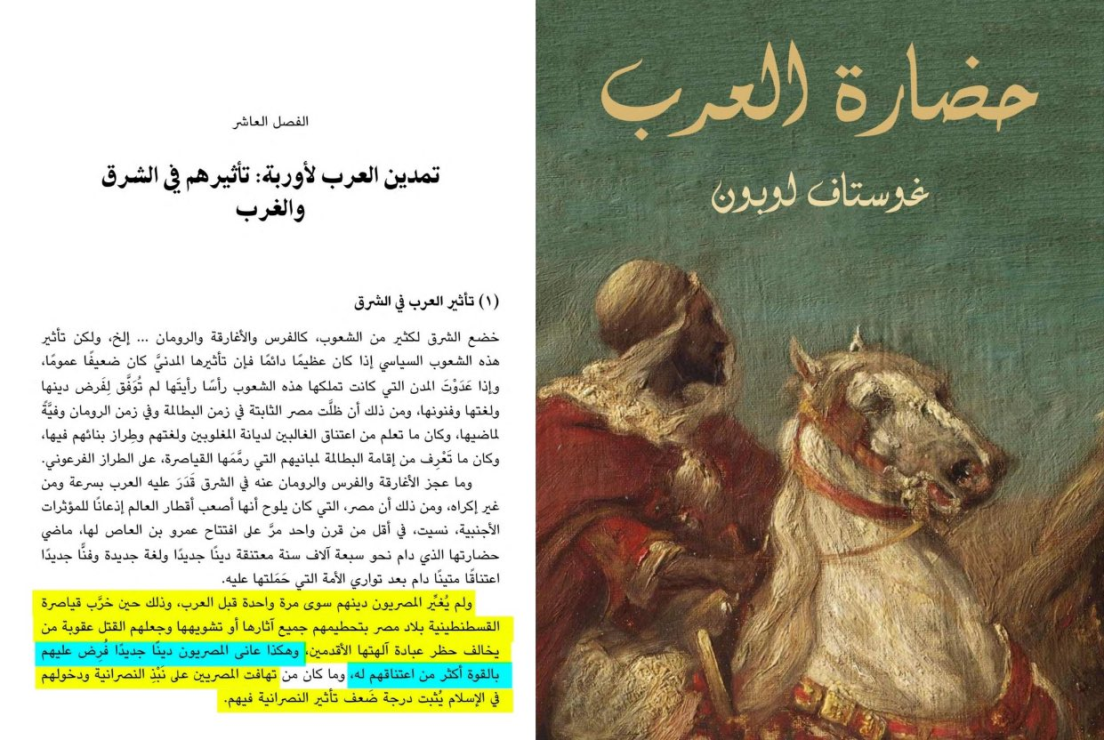
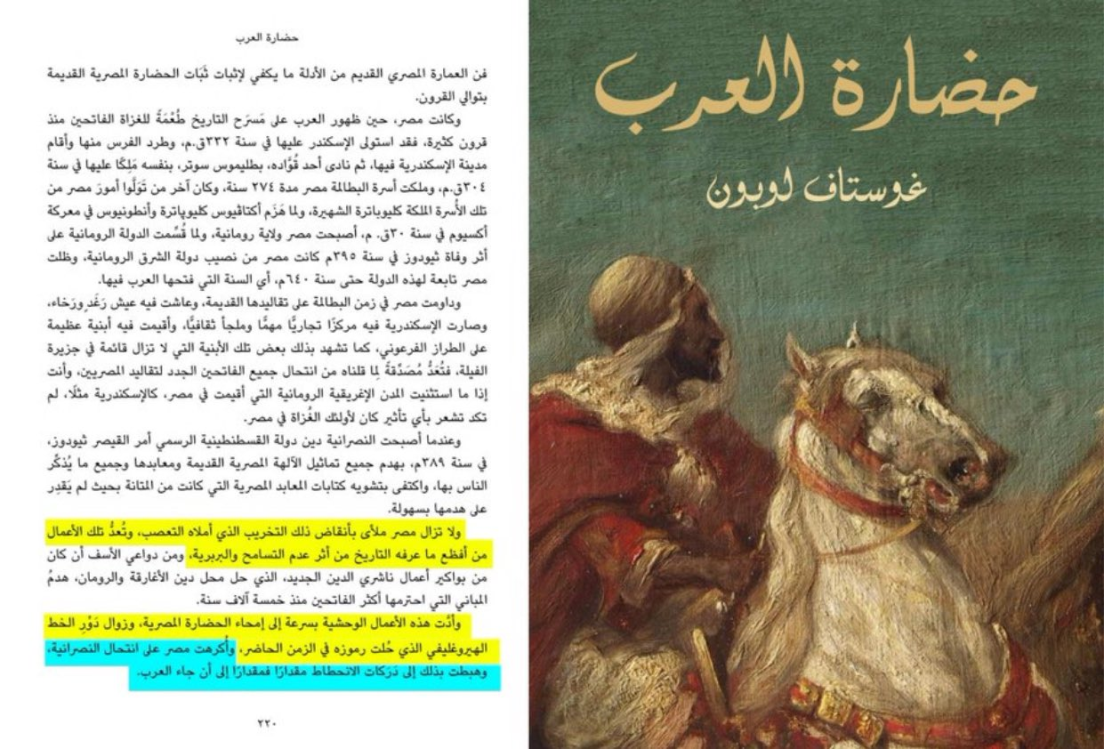
Egypt still bears the ruins of this destruction — some of the most horrific in history. This erasure of Egyptian civilization wiped out hieroglyphics, destroyed an ancient religious tradition, and forced Egypt into Christianity — leading to misery that continued until the Arabs arrived.
Egypt’s Christianity was not a conversion — it was an occupation of the soul at swordpoint.
See also: Did Islam Spread by the Sword? What Historians Actually Say
The Library of Alexandria — Burned by Christians, Not Muslims
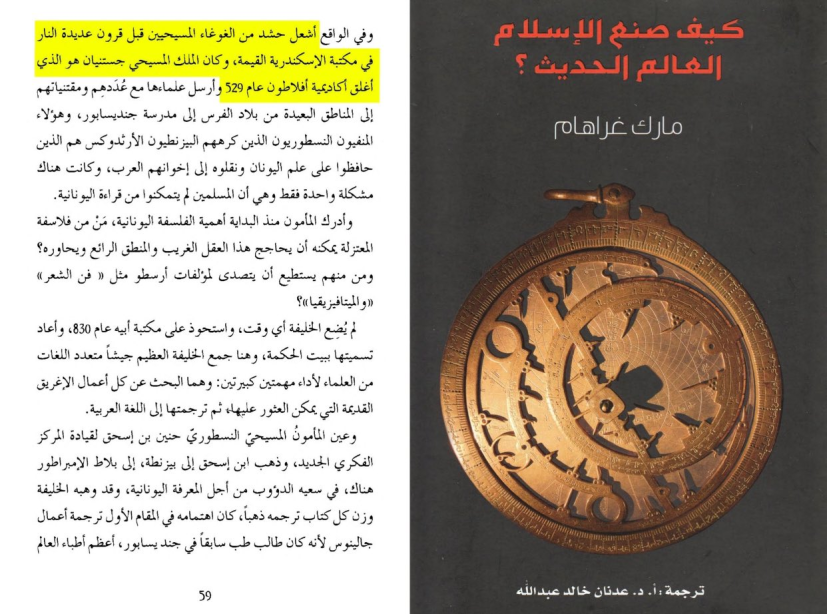
One of the greatest crimes committed by Christians after their conquest of Egypt was the burning of the Library of Alexandria. This act is routinely blamed on Muslims in popular discourse — a lie demolished by Christian sources themselves.
Cyril I (376–444 AD), the 24th Pope of Alexandria, venerated by the Church as “the Pillar of Faith and the Lamp of the Orthodox Church,” was responsible. His documented achievements — the ones for which the Church honors him — included expelling the Jews from Alexandria and seizing their synagogues, seizing pagan temples and destroying their idols, inciting physical attacks against pagans and Jews, and having his followers murder the renowned scholar Hypatia. He then closed the University of Alexandria — built by the Ptolemies — and burned the Library of Alexandria, believing that knowledge was the root of all evil.
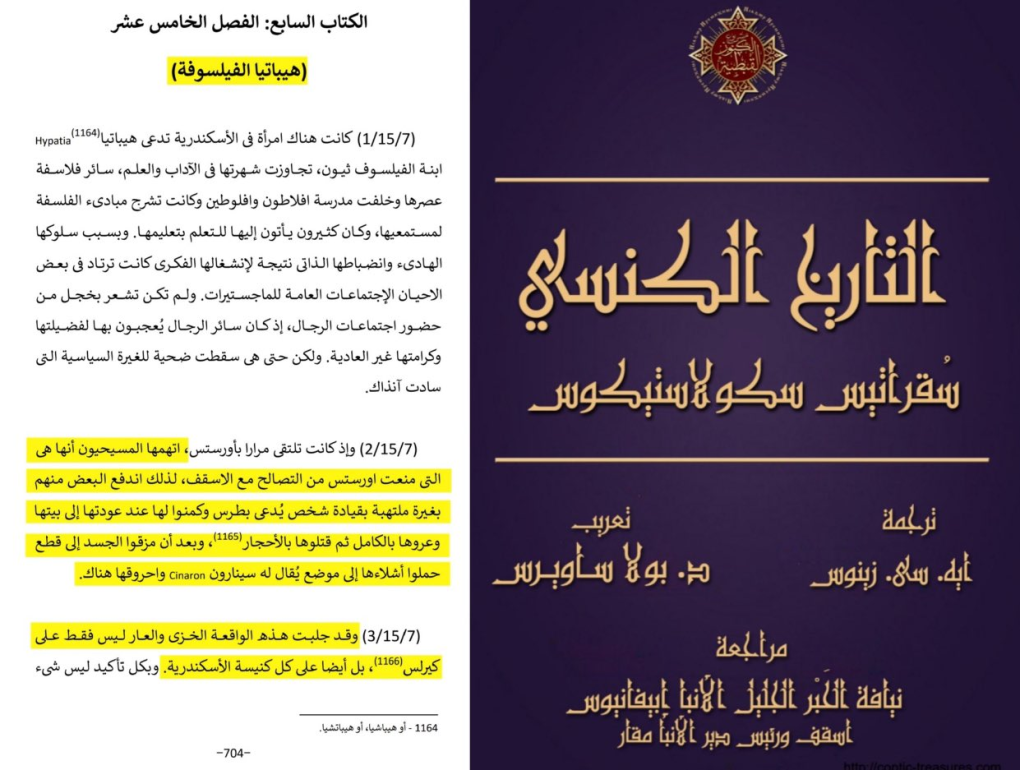
The Bishop John of Nikiu’s History of Egypt explicitly states that Christians burned the Library of Alexandria and Greek manuscripts. Saint Cyril — “Pillar of Faith” — killed Hypatia.
Christians were angered by philosopher Hypatia of Alexandria for attending men’s meetings and accused her of preventing Orestes from reconciling with the bishop. Incited by Cyril, they attacked her, stripped her, stoned her, tore her body into pieces, and burned her.
After Christians became dominant in Alexandria, one of the tragedies they caused was the burning of the great Library, said to contain seven hundred thousand manuscripts. See also: Who Really Destroyed the Library of Alexandria? The Myth Against Muslims Exposed
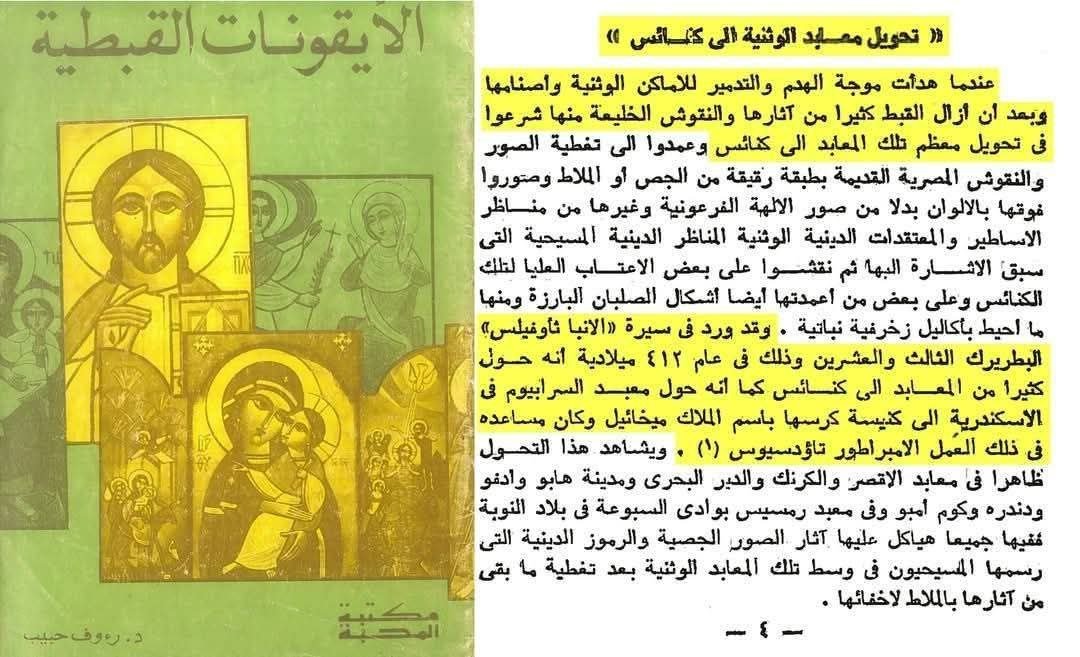
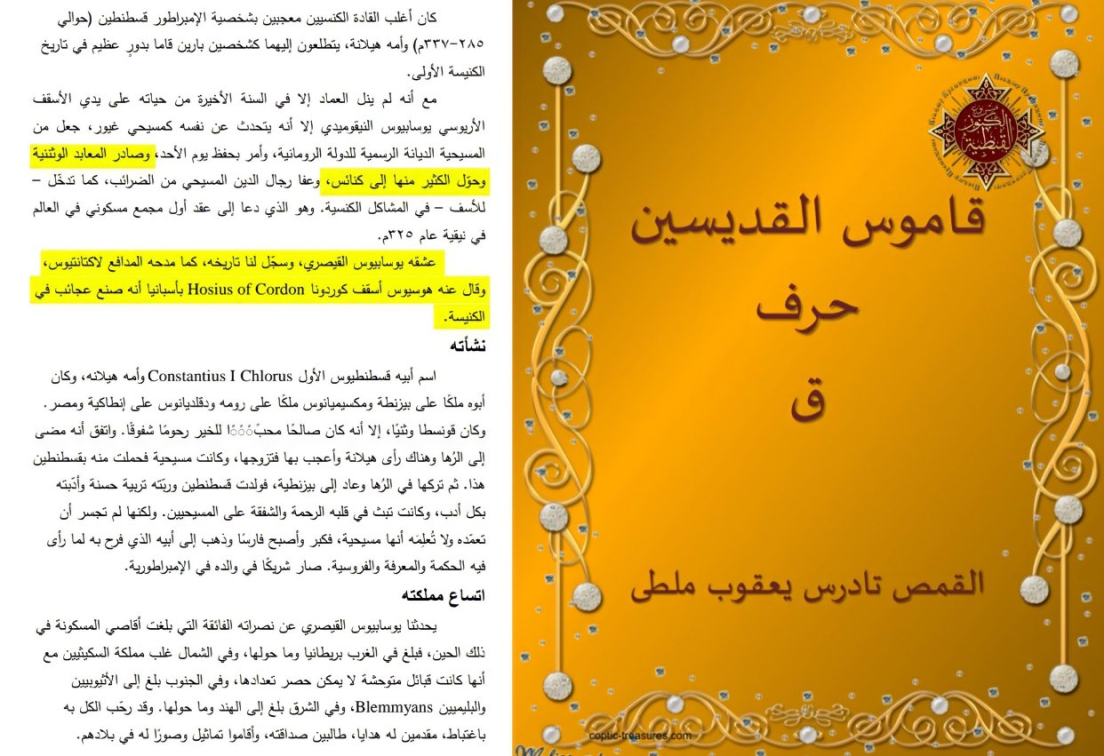
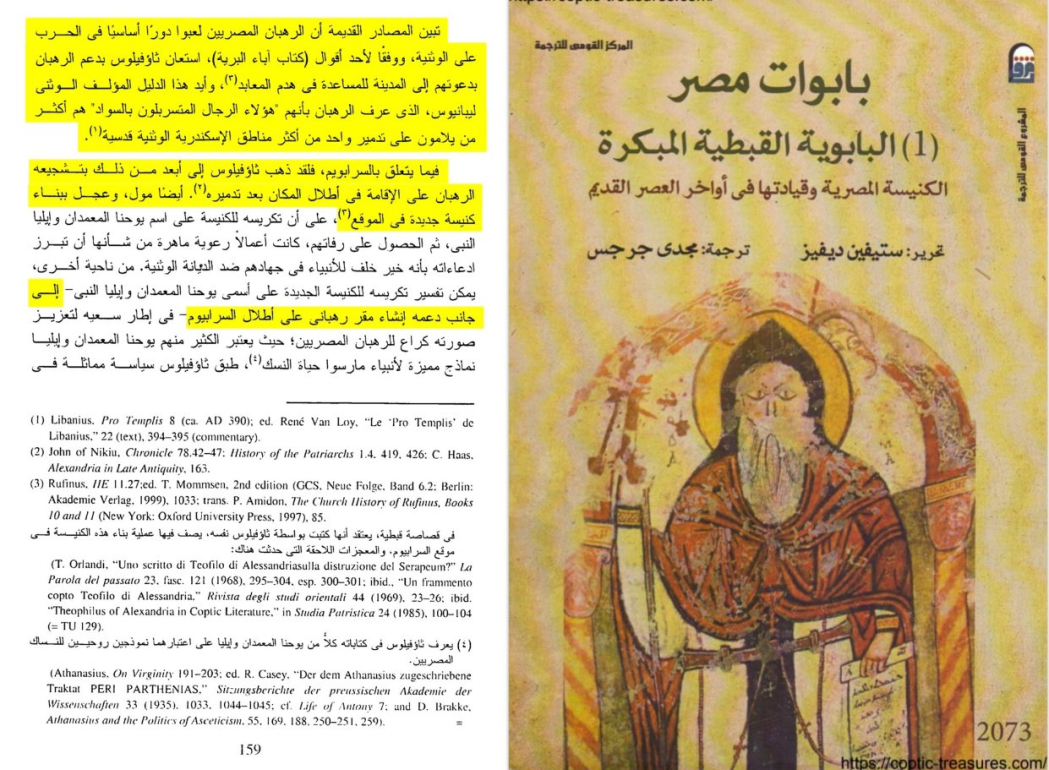
Christians were also stealing pagan temples and converting them into churches. Father Tadros Yacoub Malti writes in his Dictionary of Saints: “King Constantine confiscated many pagan temples and turned them into churches — Patriarch Eusebius of Caesarea praised him for this.” The Serapeum Temple in Alexandria, sacred to pagans, was likewise seized by Christians and forcibly converted into a church by order of Pope Theophilus, with Egyptian monks playing a key role in the war against paganism.
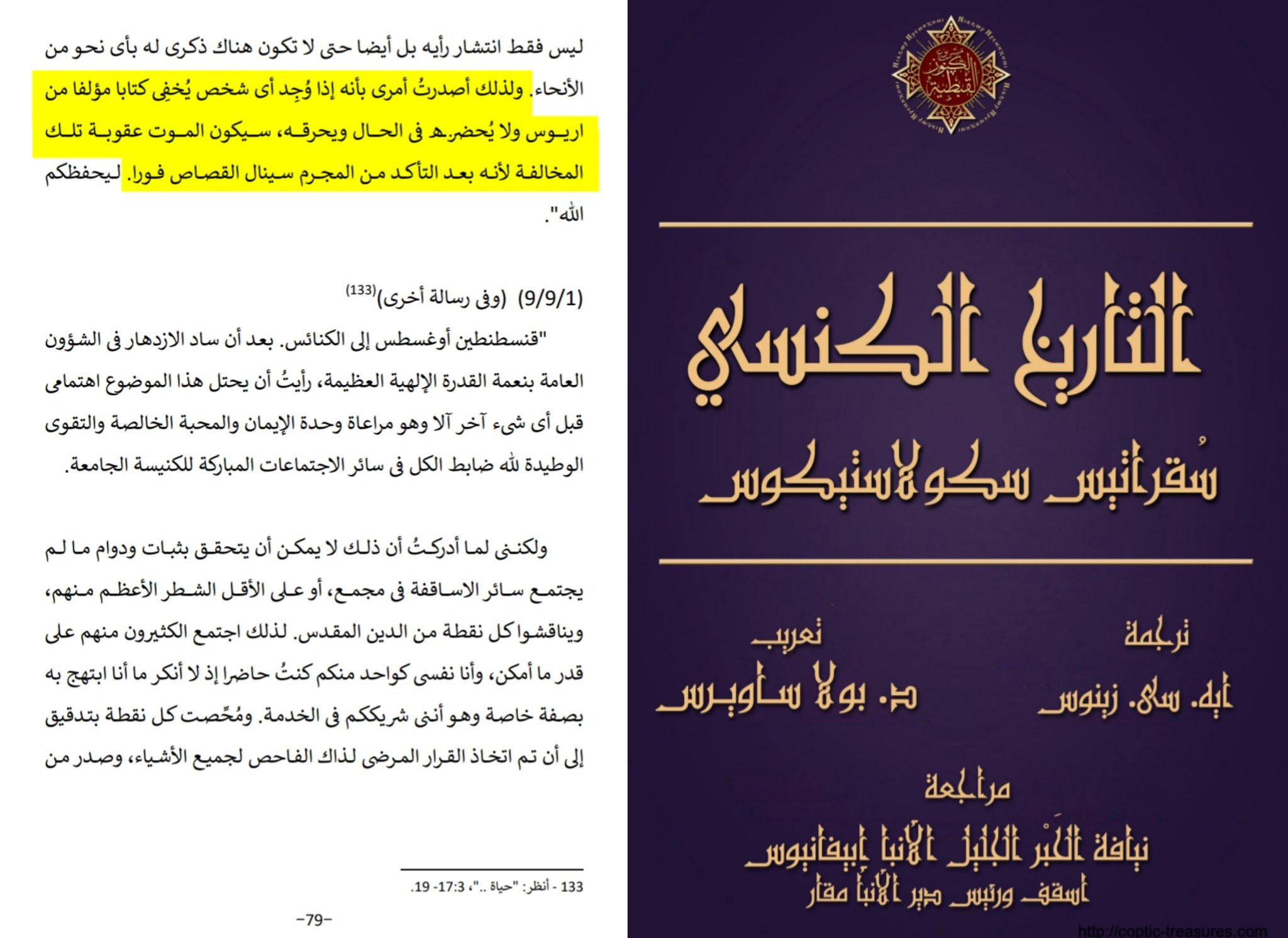
Constantine Augustus, with the consensus of the bishops, also issued a decree mandating the burning of all the books of Arius and the killing of anyone who concealed any of his books in their possession.
The Inquisition — Death Sentences on Millions
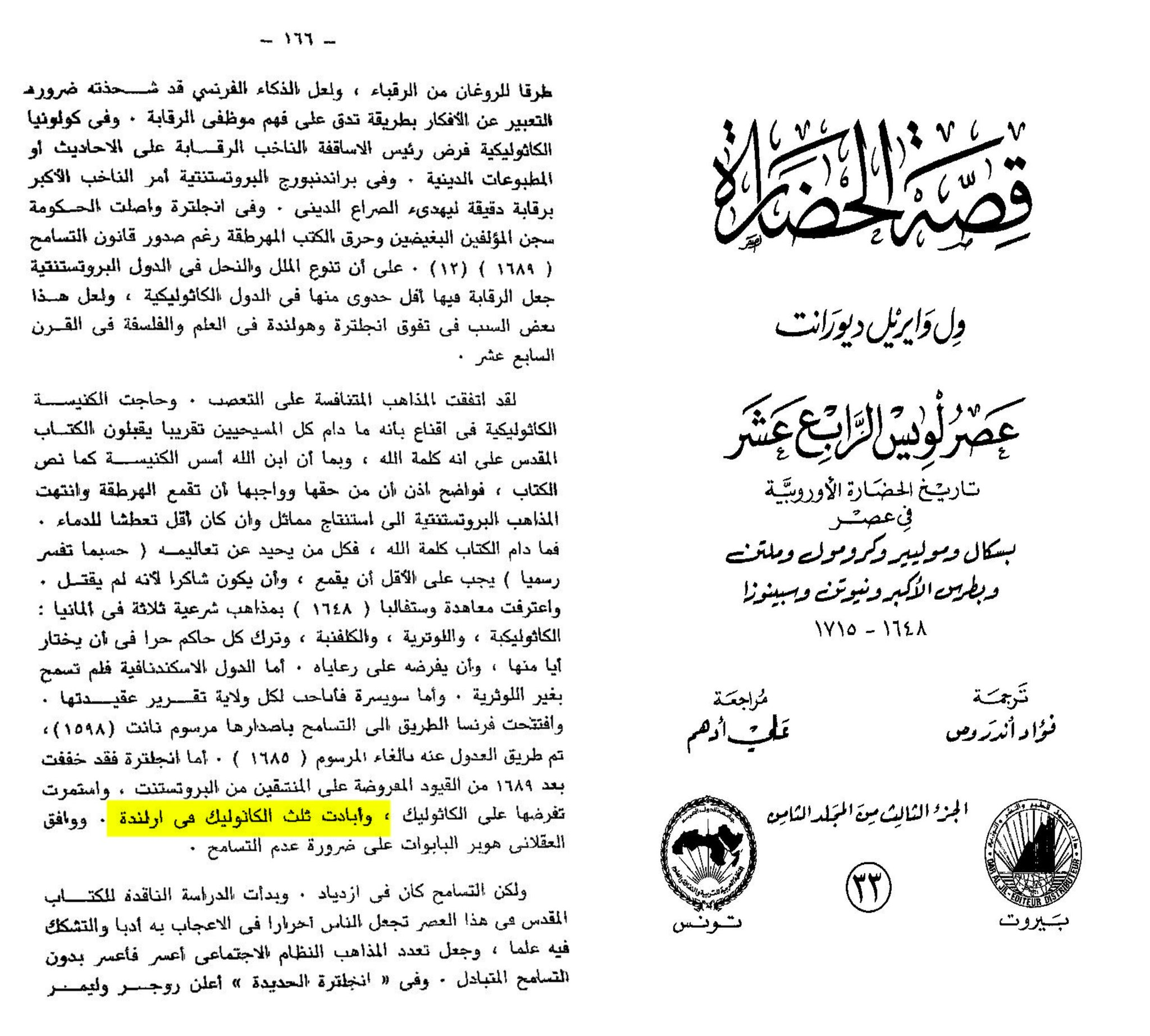
Three million people. Sentenced to death. Not for violence, not for rebellion — for theological nonconformity. Then they talk about terrorism.
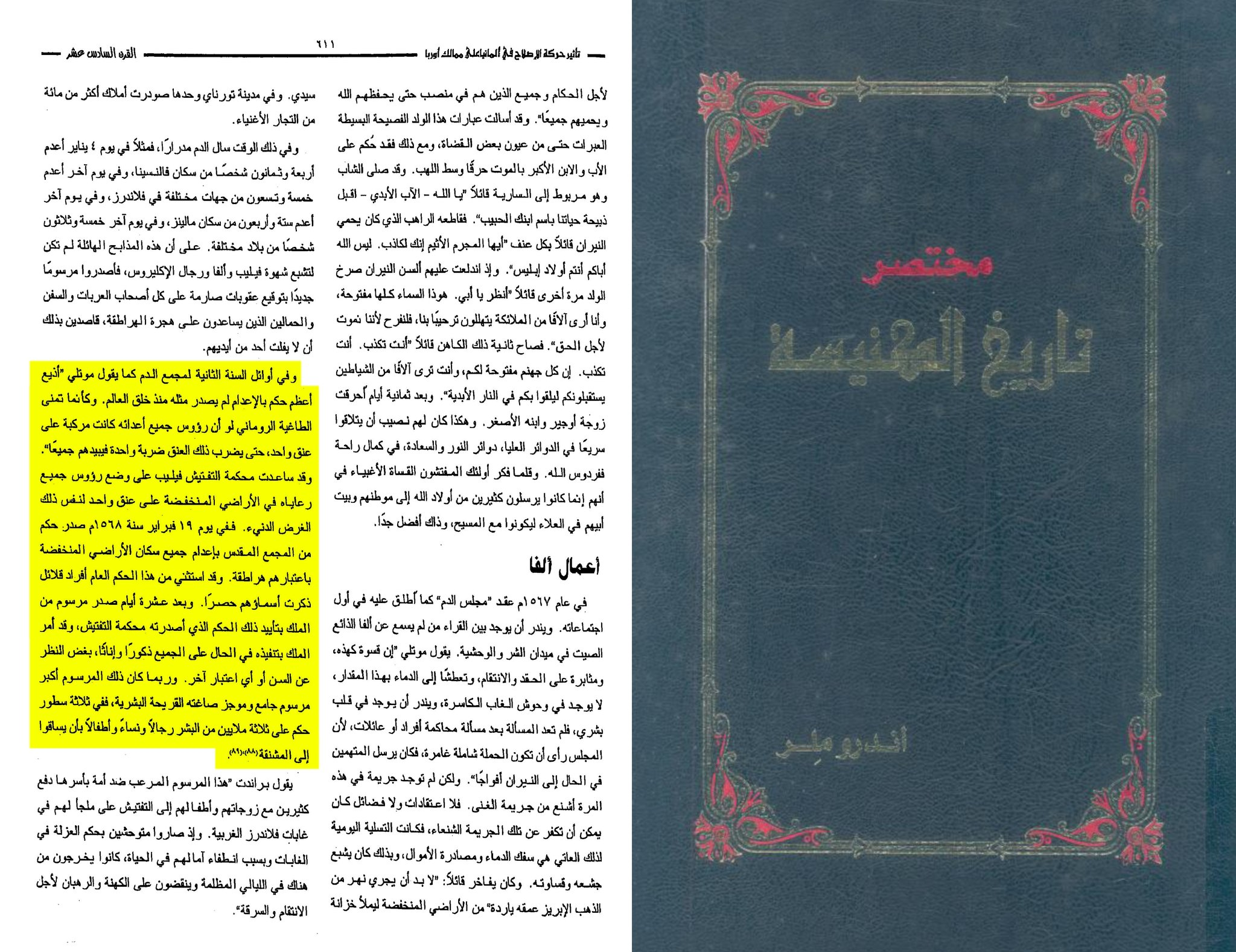
The Catholic historian Alfred Butler makes an admission that cuts to the heart of the matter:
The Albigensian Crusade — Absolute Extermination of a Christian Sect
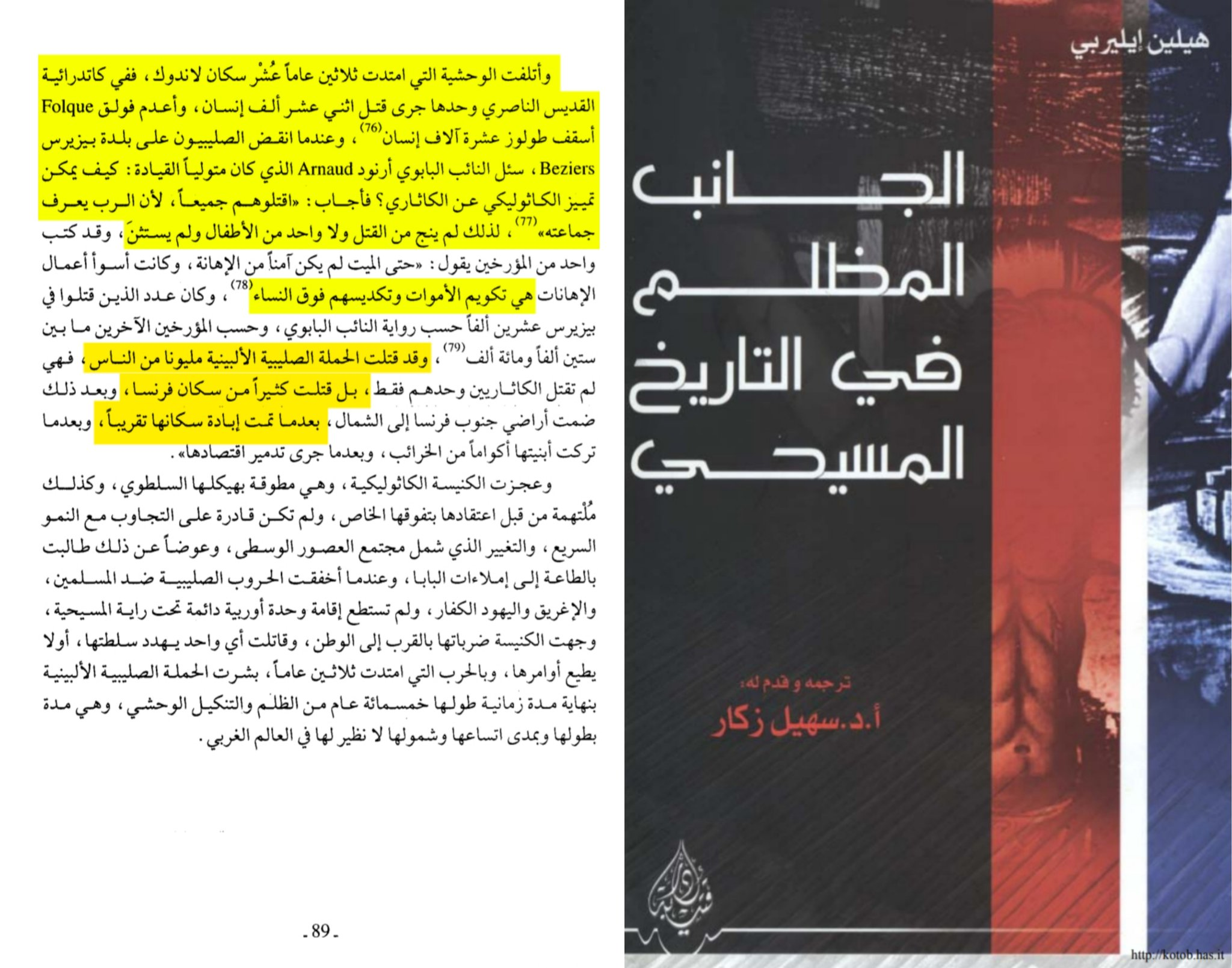
The Albigensians — also known as the Cathars — were a Christian sect who rejected the authority of the Pope and insisted that Christ alone ruled over them. For this act of Christian piety, the Church launched a formal crusade against them.
The men, women, and children of the Albigensians were torn limb from limb. The rest were burned alive — while the pious men of the Church enjoyed the sight, chanting their hymns. The Church then issued a ruling for the absolute extermination of everyone belonging to this sect. “Execution of the population in hundreds of villages.” Hundreds did not survive.
Pope Innocent III launched this crusade in 1208, resulting in the devastation of southern France and the destruction of the most splendid cities, including Béziers and Carcassonne. Thousands of women were killed to demonstrate — theologically — that the source of the Holy Spirit is the Father and the Son together.
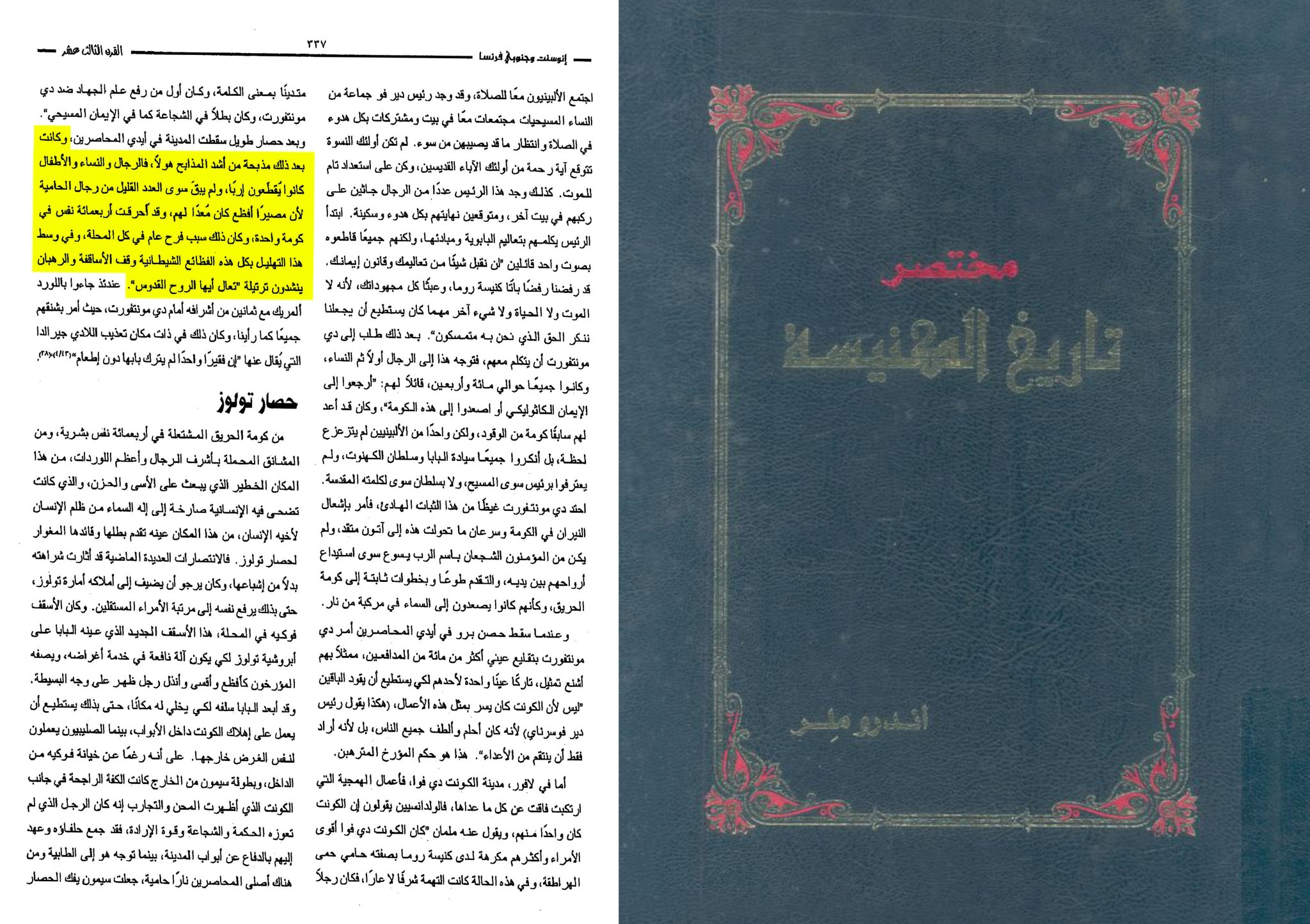
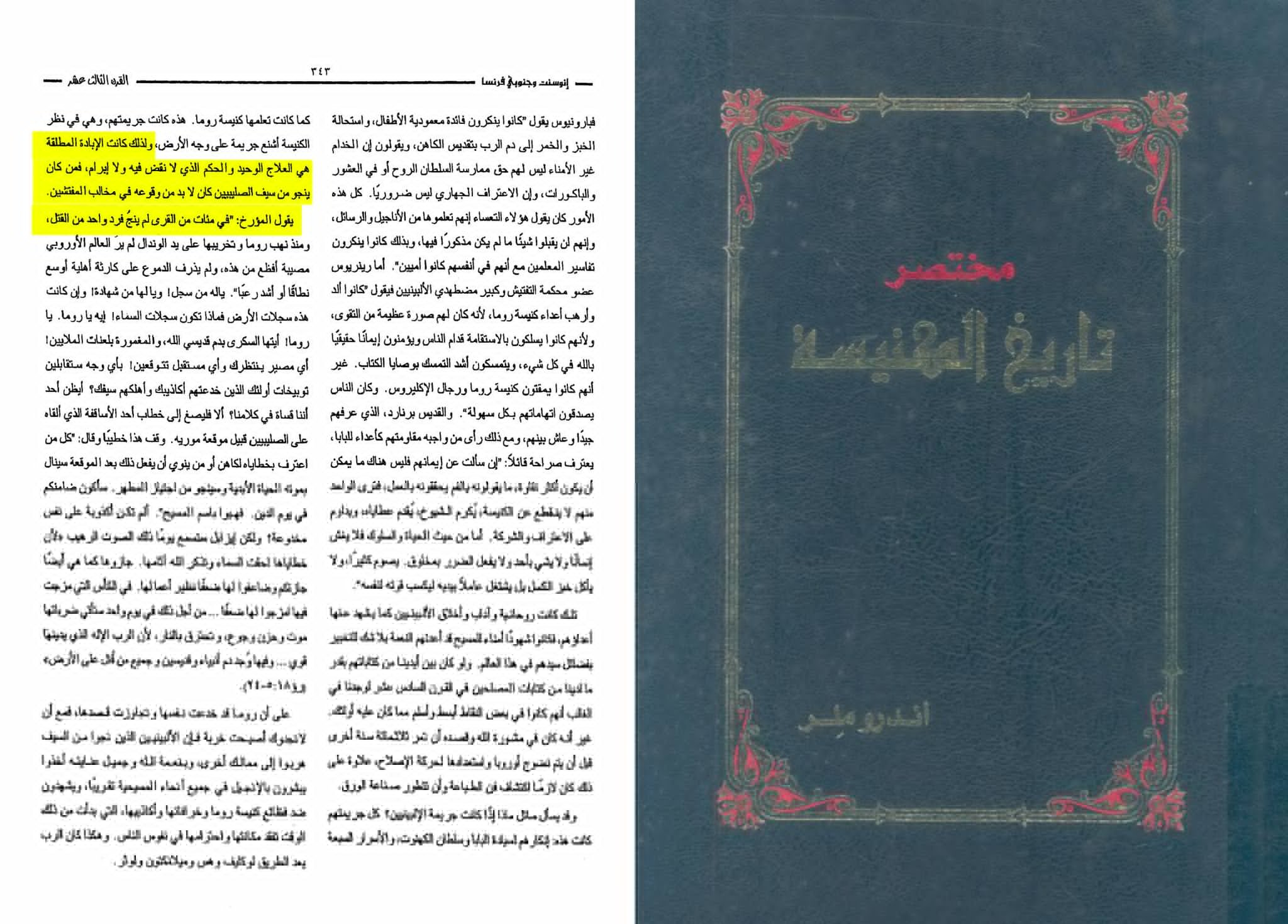
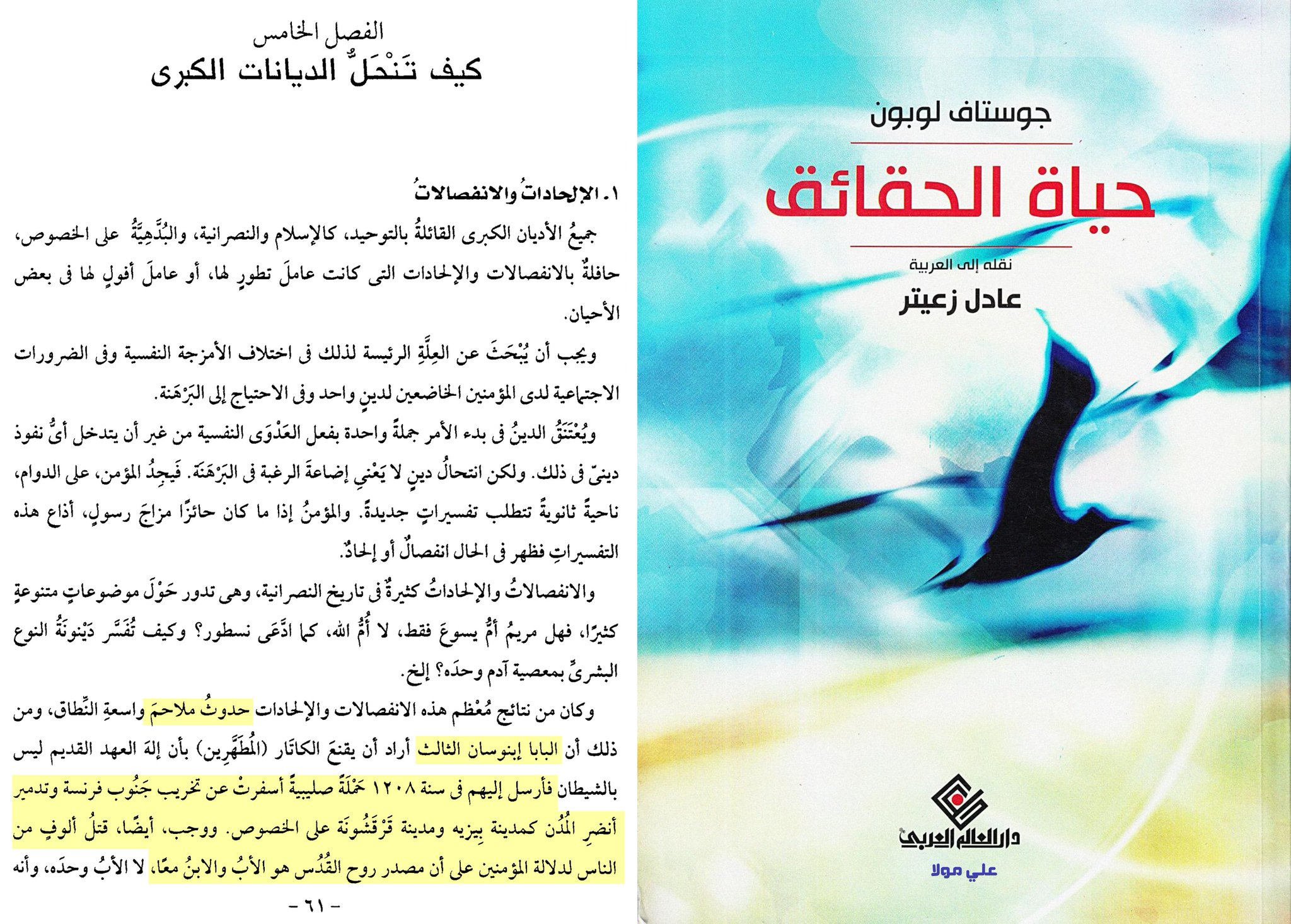
The violence was not limited to the Albigensians. Terrifying scenes of Christian extermination fill the historical record — not merely killing millions of men under the label of heresy, but not sparing women, children, or even the dead in their graves.
Protestants Were No Different — Ireland and the Huguenots
The Reformation did not reform Christian violence. Protestants carried out horrific massacres just as the Catholic Church had done before them — and in Ireland alone, they exterminated a third of the Catholic population.
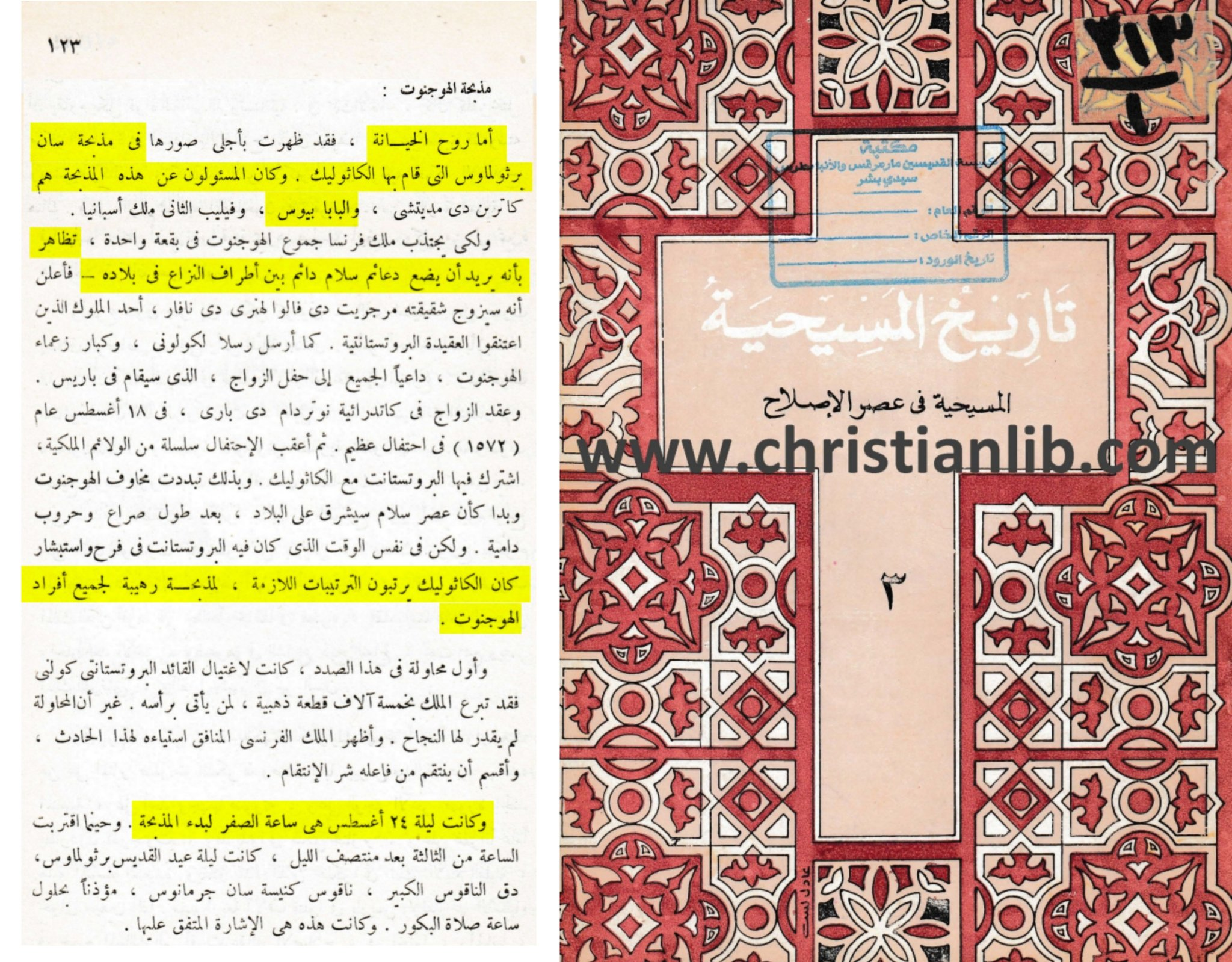
Pope Pius wanted to slaughter the Protestant Huguenots, so he resorted to deception — gathering them in one place under the pretext of ending a dispute. In the middle of the night, the massacre began. The precise number killed that night is unknown, but some estimates place it at a hundred thousand Protestants slaughtered by their Catholic brothers.
Martin Luther and John Calvin — Reformers Who Commanded Killing
The architects of the Protestant Reformation were no more tolerant than the popes they condemned. Their theological framework explicitly commanded the killing of those who denied Christian doctrine.
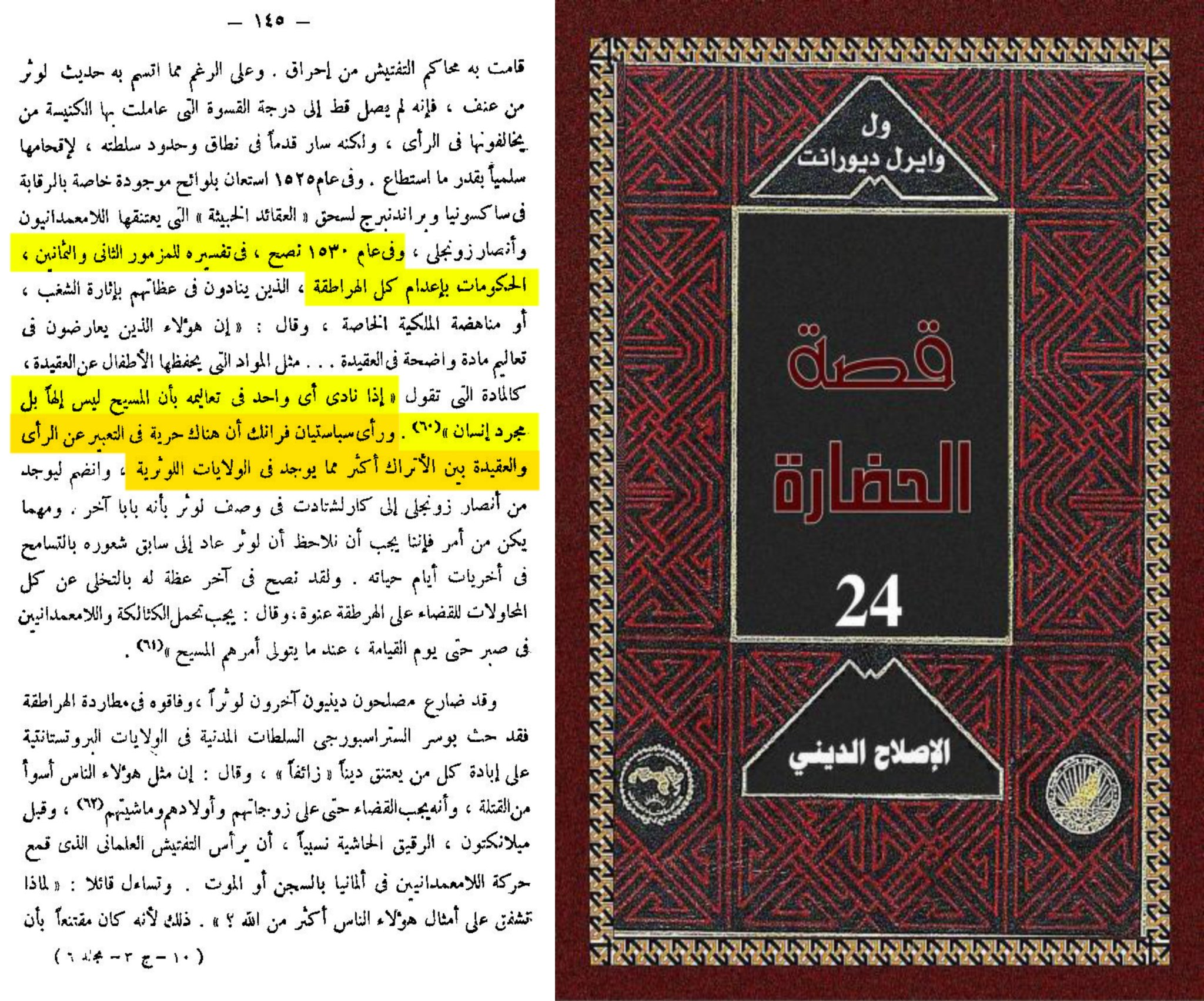
Martin Luther, in his interpretation of Psalm 82, advised governments of the necessity of executing all heretics and everyone who proclaimed that Christ is not God but merely a human.
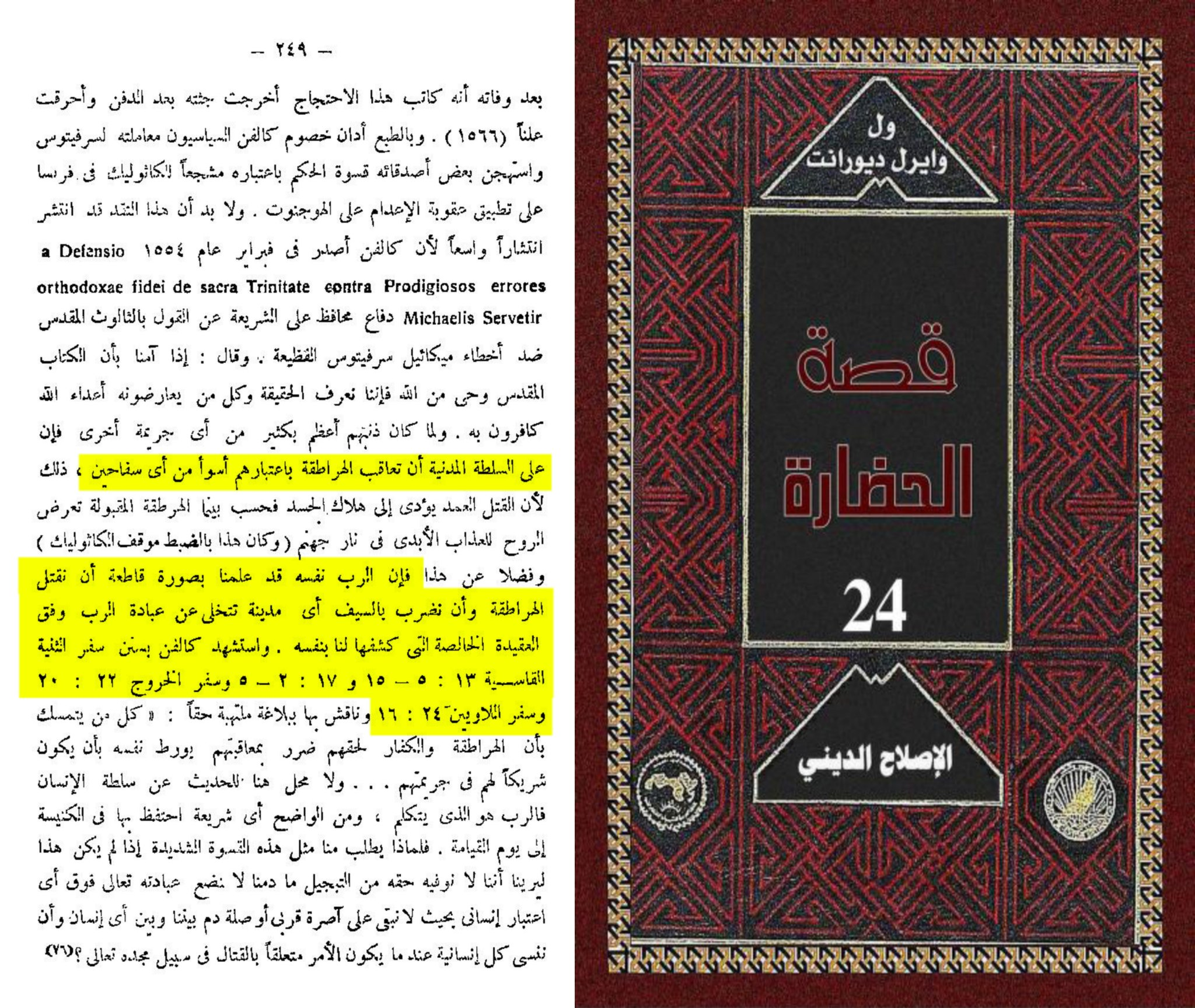
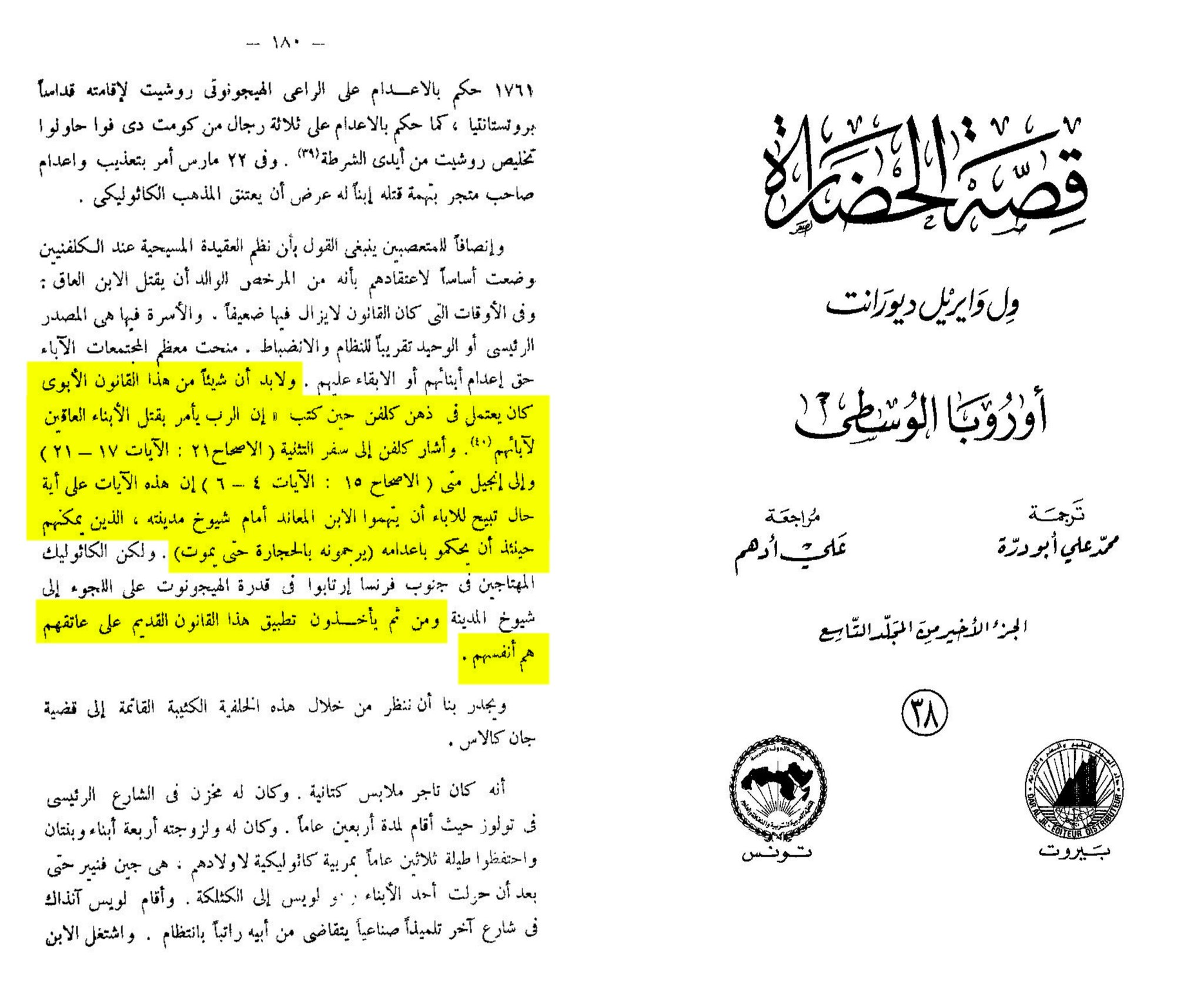
John Calvin saw the necessity of killing heretics because the Lord commanded so in Exodus 22:20, Deuteronomy 5:15–17, and Leviticus 24:16. His reasoning was as follows: if the Torah commands killing one who curses his father and mother (Exodus 21:17), then all the more so must one who curses the Lord — by belittling Him, blaspheming His Torah, denying His divinity, or denying the Trinity — be killed. According to this reasoning, thousands of people were killed.
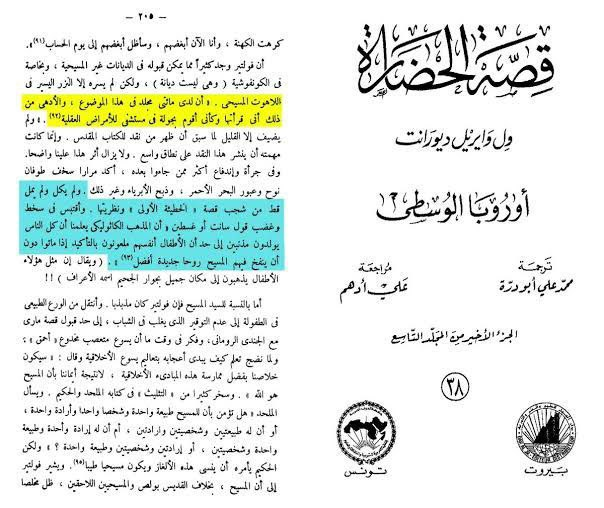
Voltaire — himself a French philosopher, not a Muslim apologist — said plainly that Christians are the most intolerant of humans, and told the world about the extermination by Christians of entire sects whose followers numbered in the millions.
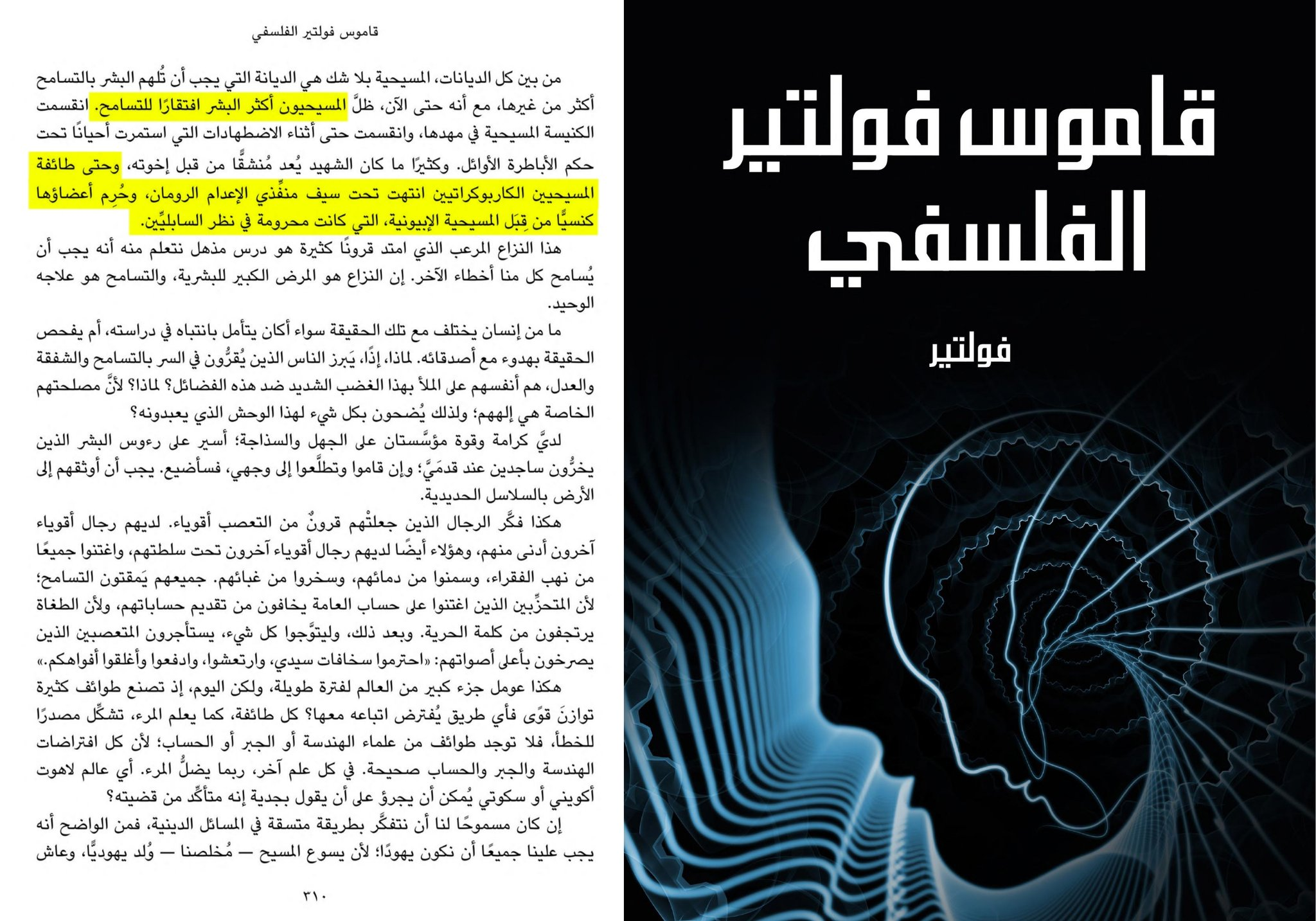
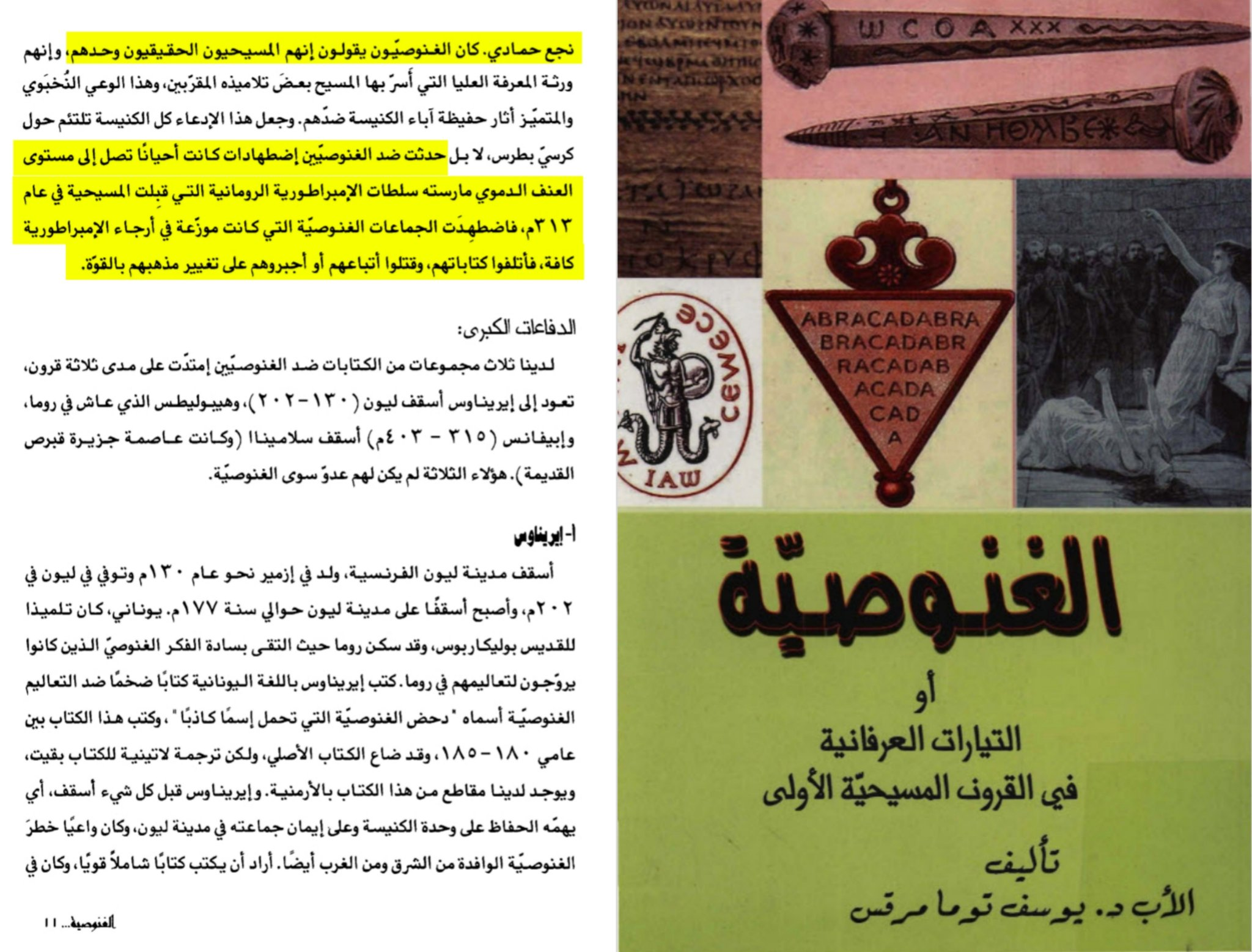
In the early second century AD, there were multiple models of Christianity — Jewish Christianity, Gnostic Christianity, and what became current Christianity. Current Christianity exterminated those rival sects root and branch by means of bloody violence, destroying their books, killing their followers, and forcing them to change their beliefs.
The Crusades — A Record of Atrocity from Christian Sources
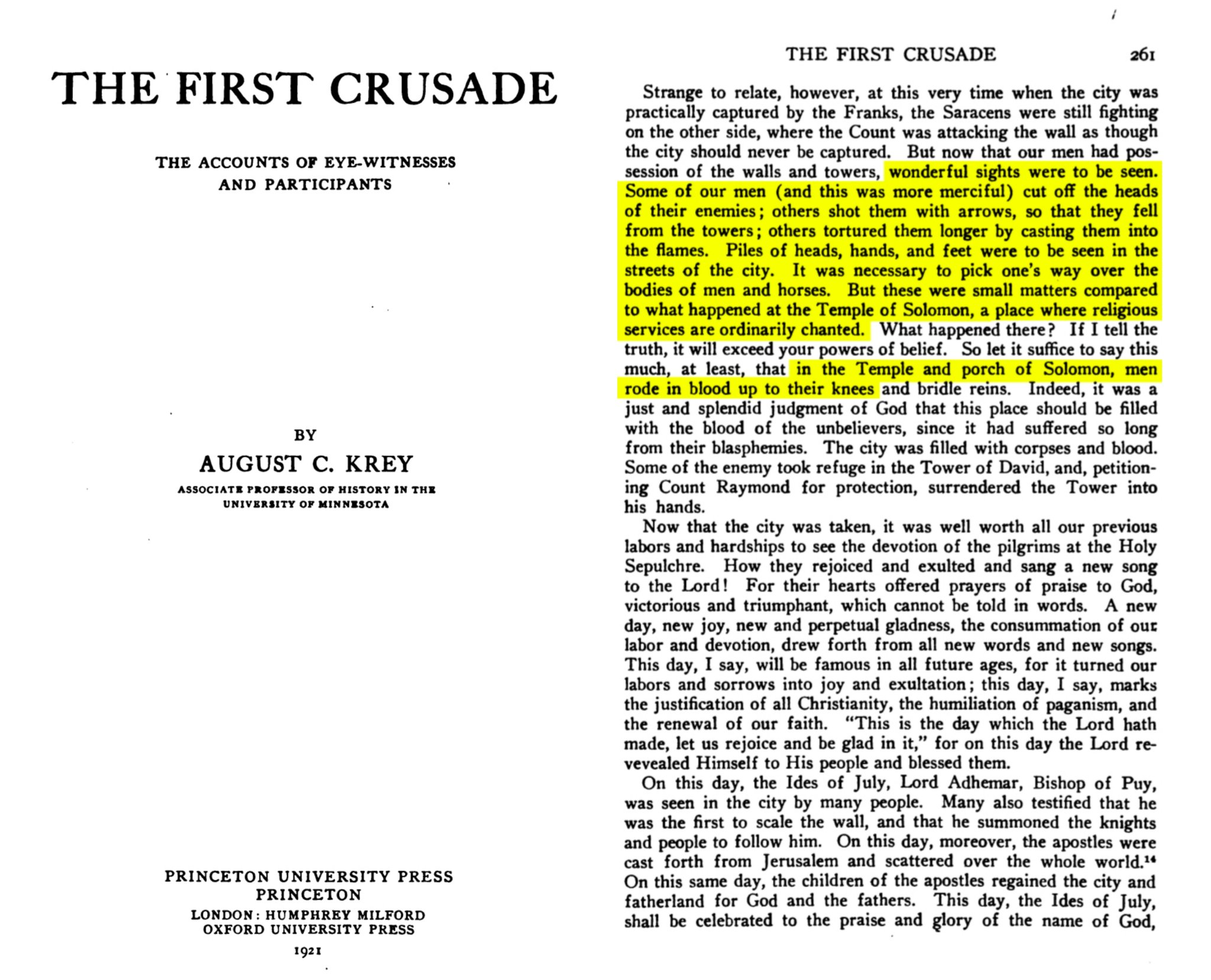
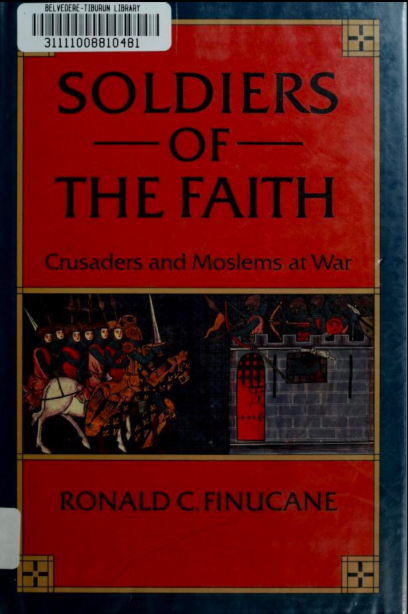
The Crusades are the defining example of Christianity spread by organized military violence. What makes the record irrefutable is that it comes from Crusaders themselves — their own chronicles, their own letters, their own pride in what they did.
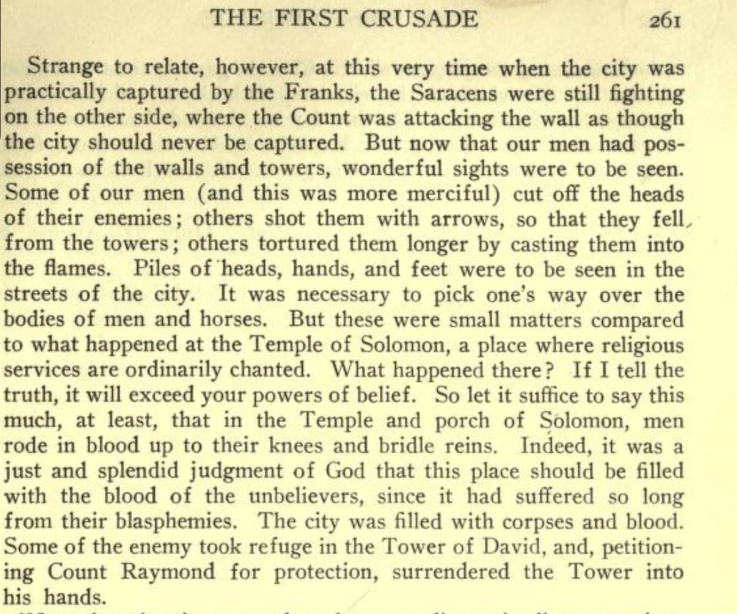
The Crusader Raymond de Gilles, a leader of the First Crusade, described the massacre in Jerusalem:
He called these “wonderful scenes.” This is not a Muslim account. This is a Crusader boasting.
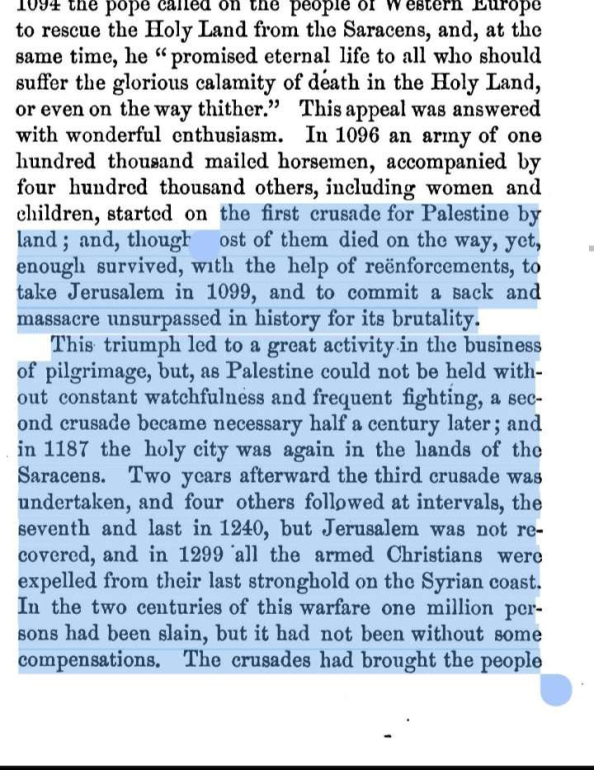
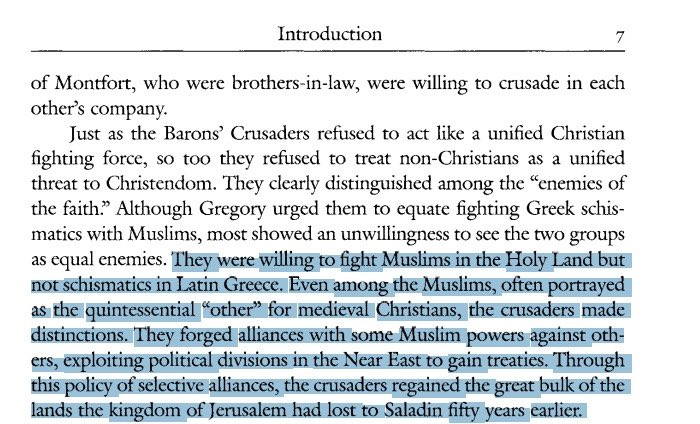
John Shertzer Hittell in A Brief History of Culture recounts the First Crusade (1099): Crusaders brutally massacred innocent Muslims in Jerusalem. Over a million people were killed across the duration of the Crusades. Despite multiple attempts, Jerusalem remained under Muslim control by 1187.
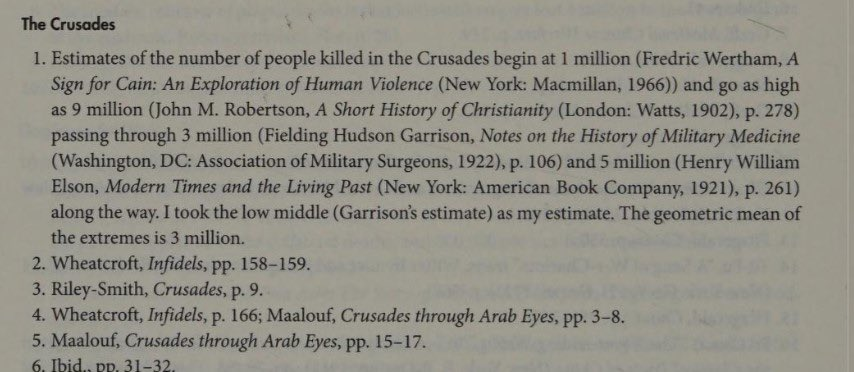
A Sign for Cain (p. 140) notes the Crusades killed a million, with countless innocent Muslims massacred. Other Christian-led atrocities include the Inquisition (250,000 victims) and the burning of 20,000 accused witches.
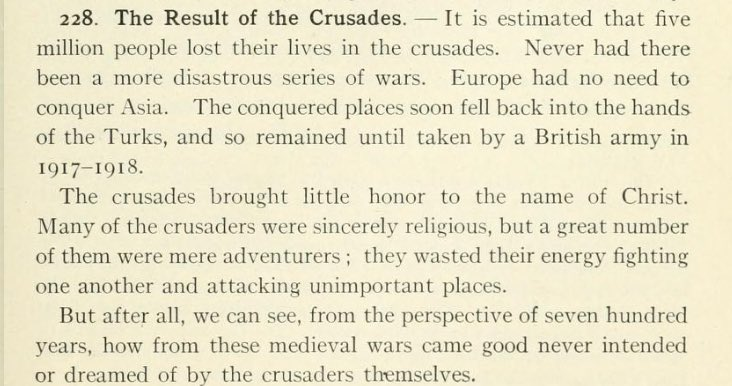
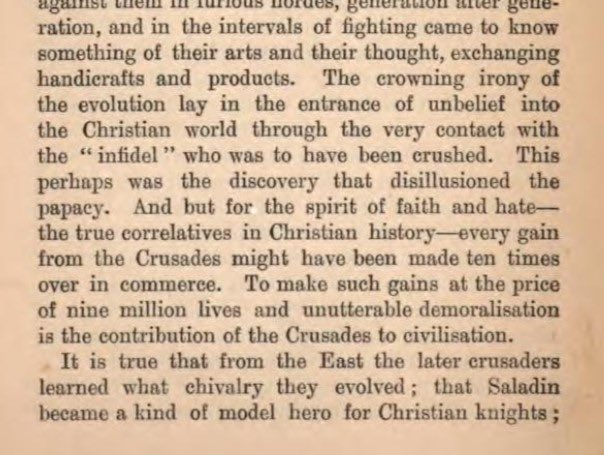
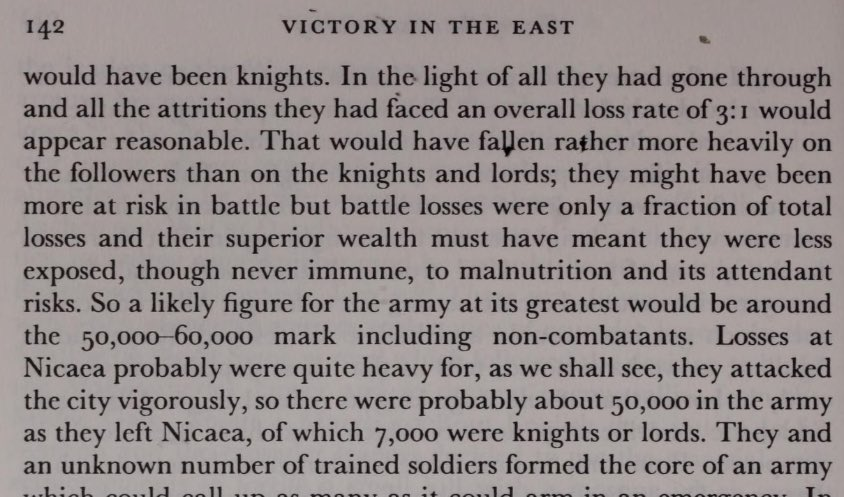
According to The Great Big Book of Horrible Things (p. 576), estimates of Muslims killed during the Crusades range from 1 million to 9 million, with 3 million being a common estimate. Notes on the History of Military Medicine (p. 106) records the destruction of 3 million people. Modern Times and the Living Past (p. 260–261) estimates five million dead. A Short History of Christianity (p. 278) gives nine million.


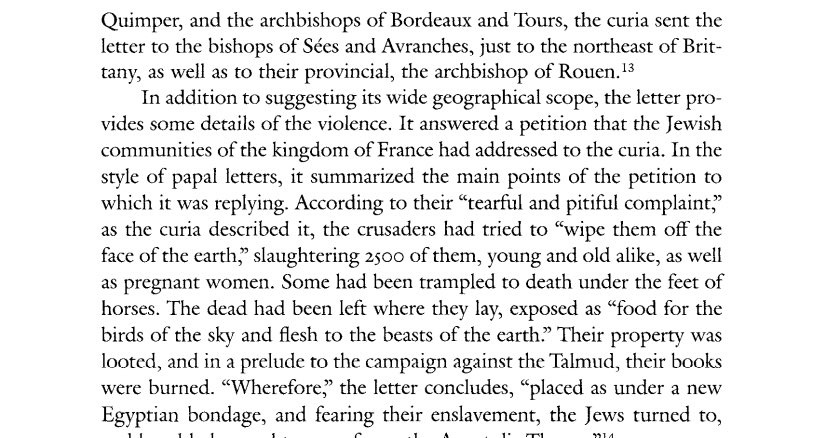
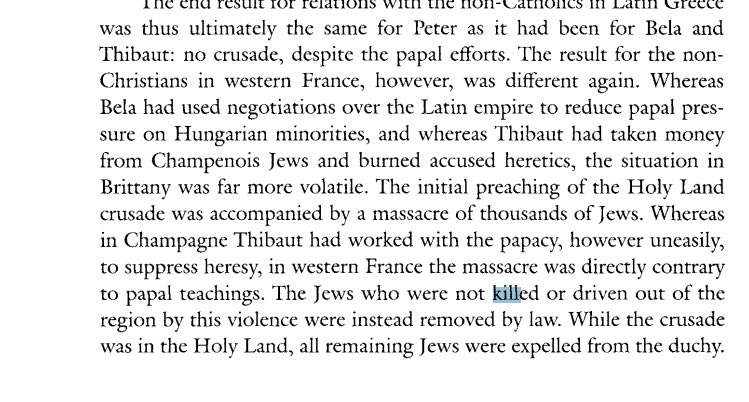
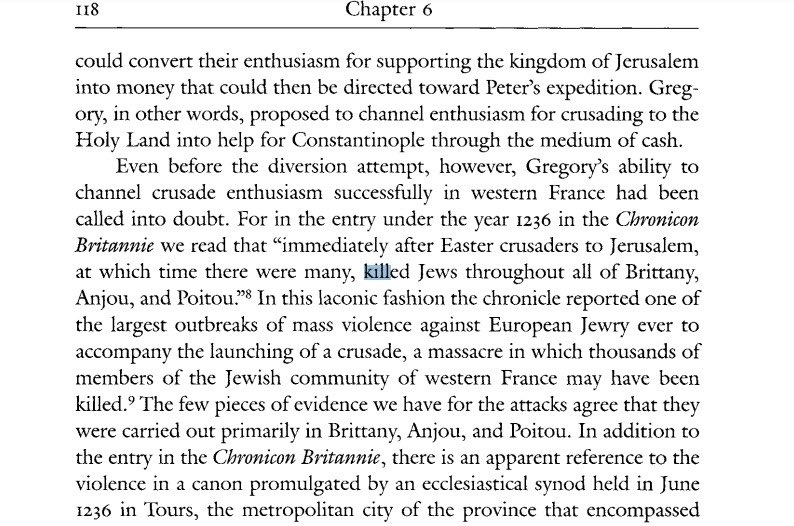
Historian Michael Lower notes that a crusade appeal led to looting, theft, and the massacre of up to 2,500 Jews in western France.
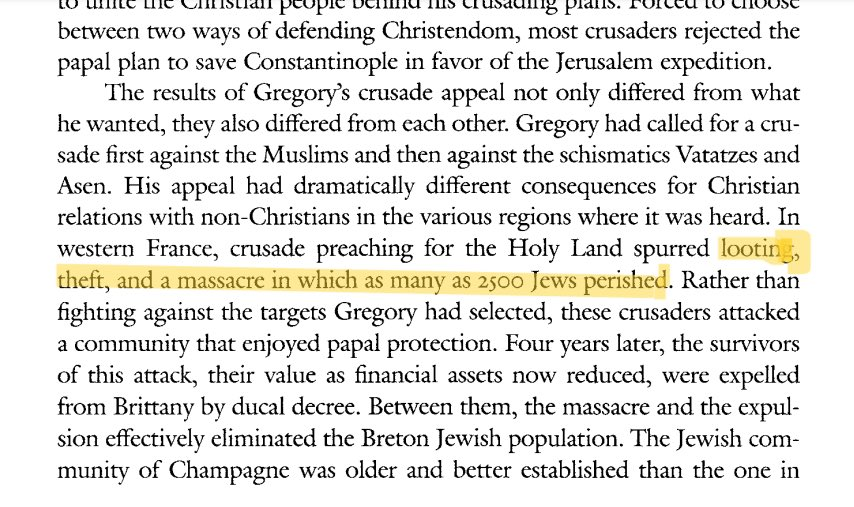
The massacre of 2,500 Jews in France — men, women, and children killed, their bodies exposed, their property looted, their books burned. This launched the campaign against the Talmud.
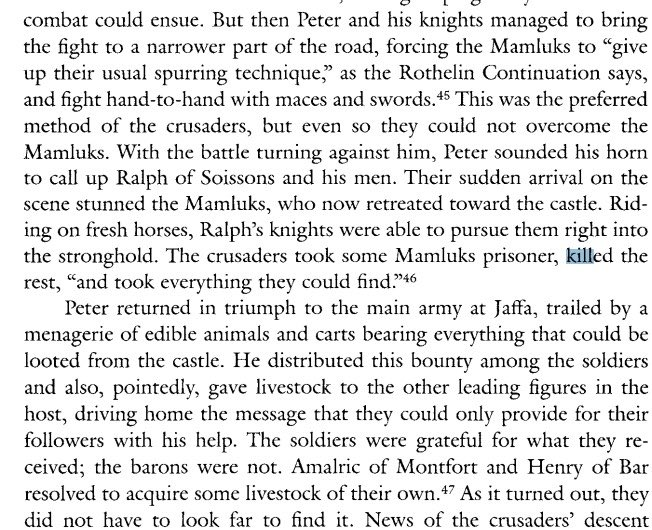
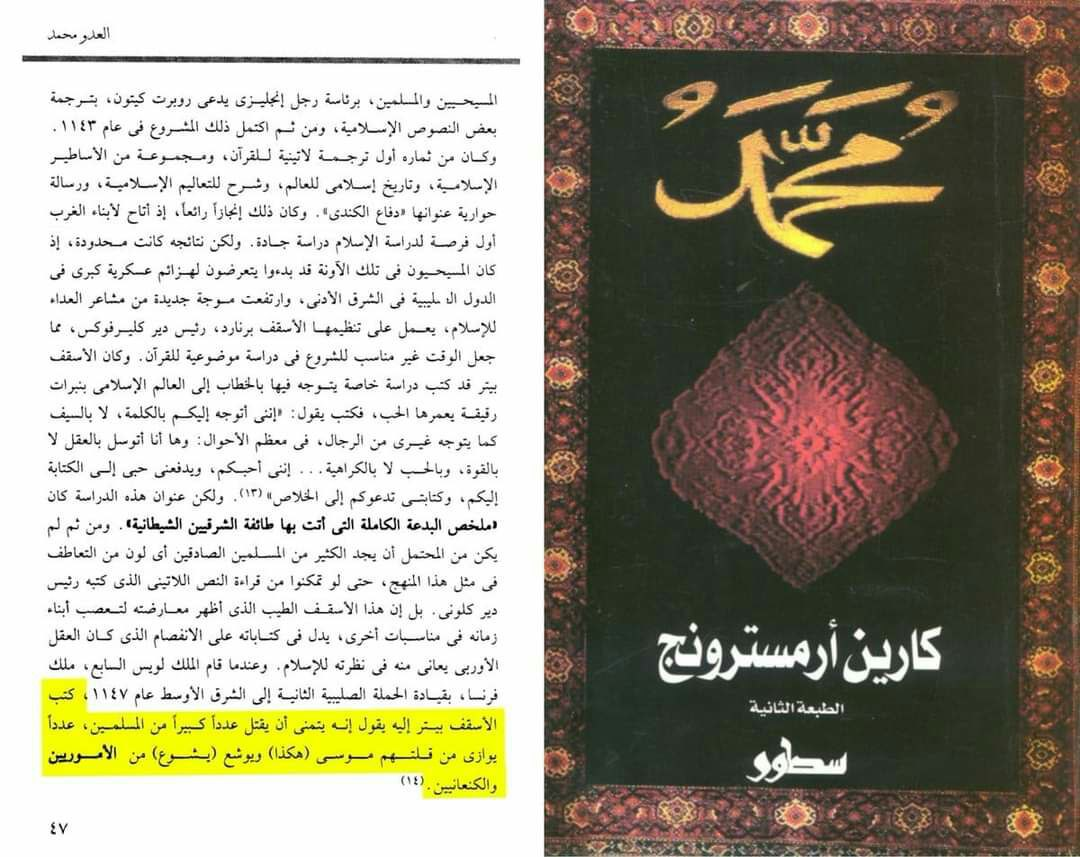
Bishop Peter the Hermit wrote to King Louis VII, who led the Second Crusade, that he wished to kill as many Muslims as Moses and Joshua killed of the Amorites and Canaanites — explicitly invoking the Old Testament massacres as his model.
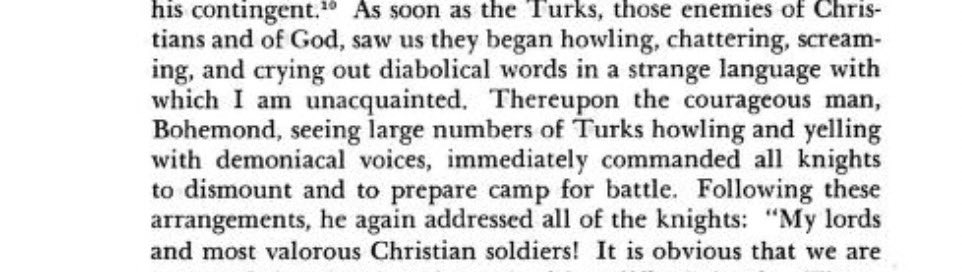
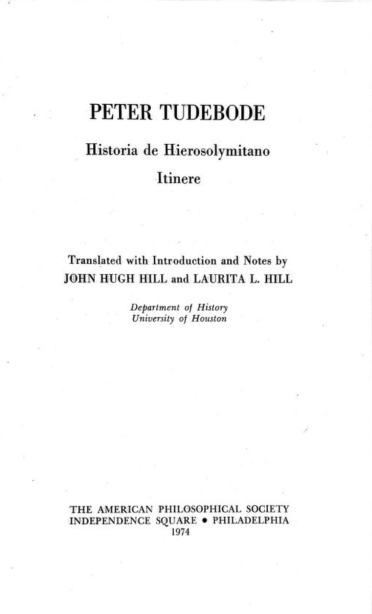
Priest Petrus Tudebodus, an eyewitness of the First Crusade, described Muslims as “enemies of Christians and God,” portraying them with dehumanizing language and claiming they “screamed diabolical words in a strange language.” This dehumanization preceded and enabled the massacres.
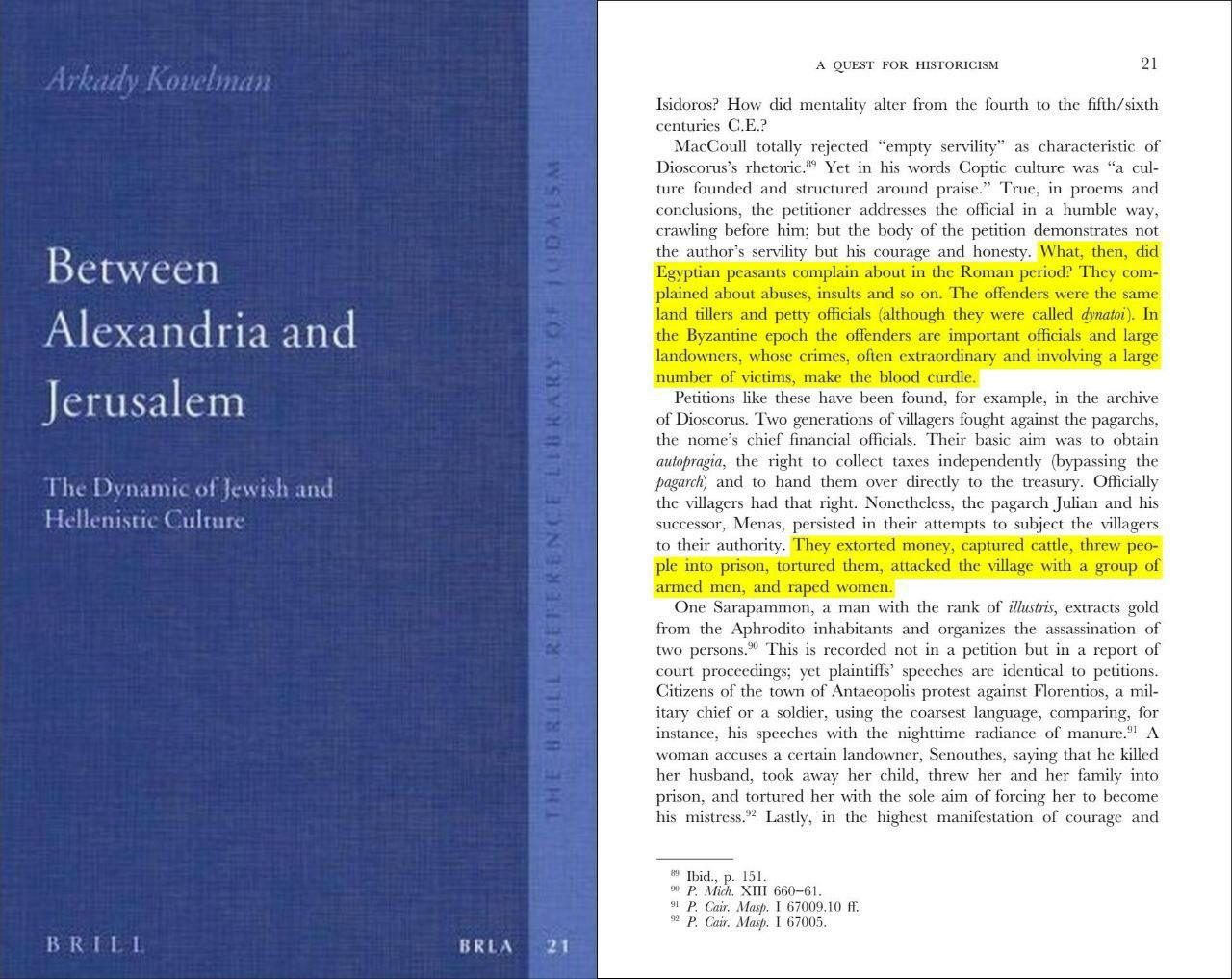
Michael the Elder records brutal Byzantine atrocities under Christian rule — soldiers looted villages, tortured men, and raped women in front of their husbands. This was the state of Christian rule before Islamic governance.
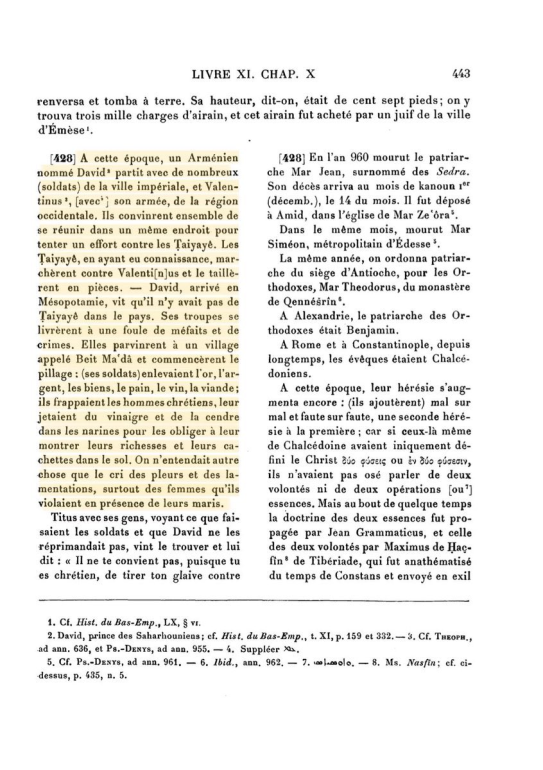
What happened in Byzantine Egypt under Christian officials is described in detail by a primary source:
Cannibalism at Ma’arra — Documented by Crusaders Themselves
The single most disturbing episode in the documented history of the Crusades is the cannibalism at Ma’arra an-Nu’man — and it is documented not by Muslim historians, but by Crusaders themselves.
At Ma’arra, many Muslims reportedly jumped down wells to their deaths to avoid being tortured by Christians. This is documented by Christian writers themselves.
These are not Muslim allegations. These are Crusaders writing about themselves with pride.
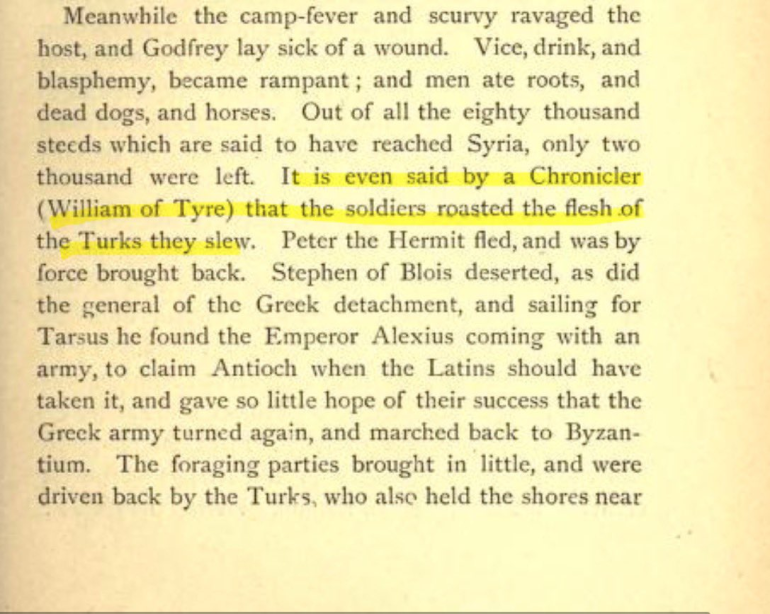
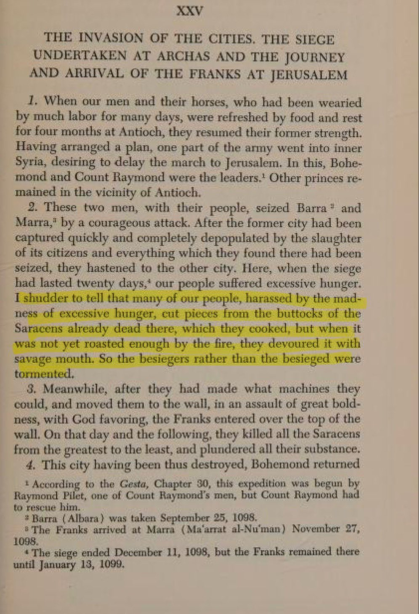
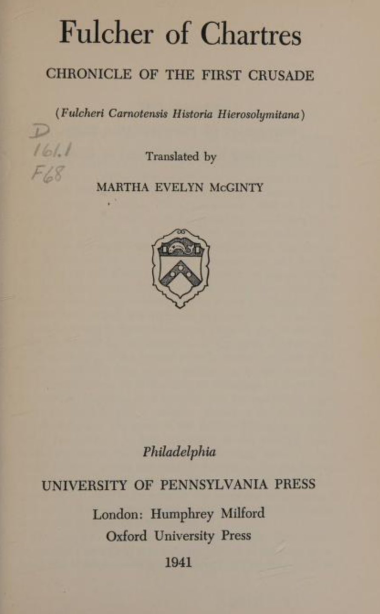
A Crusader himself wrote this extraordinary admission:
The Muslims, even after what was done to them, showed mercy to the very people who had committed these atrocities. The Crusaders acknowledged it in writing.
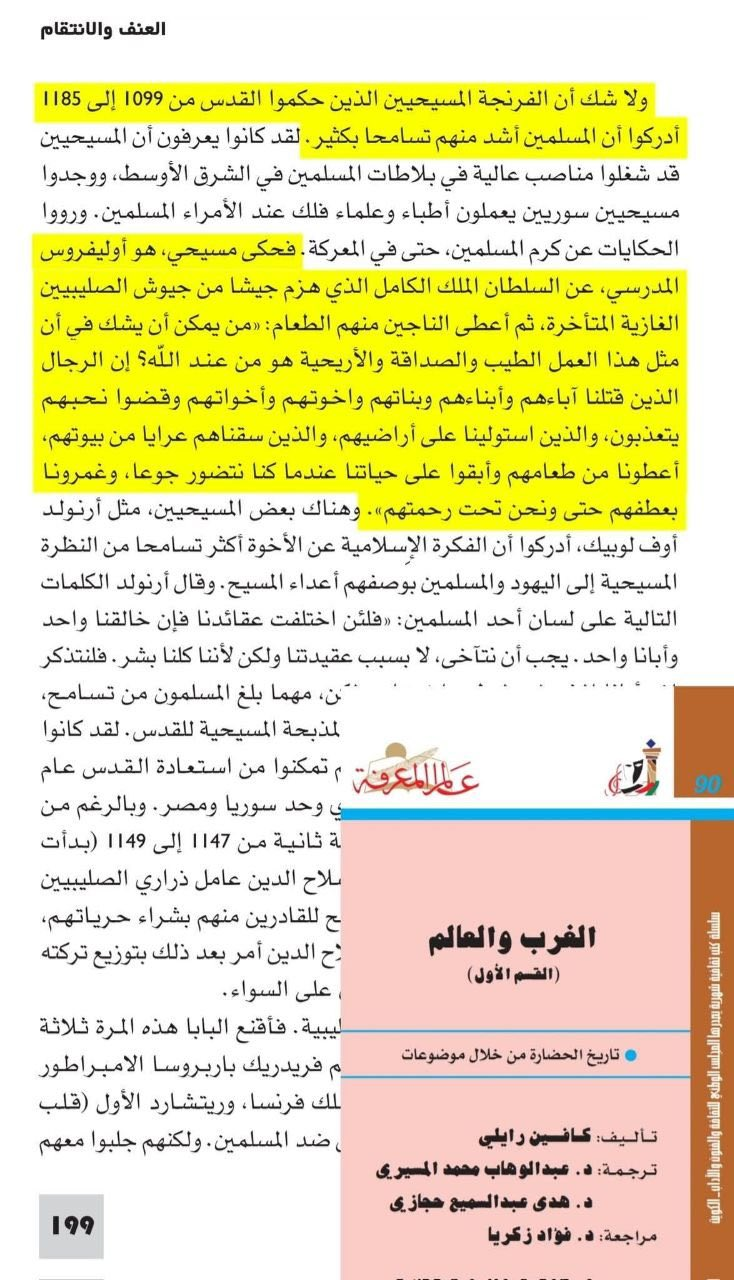
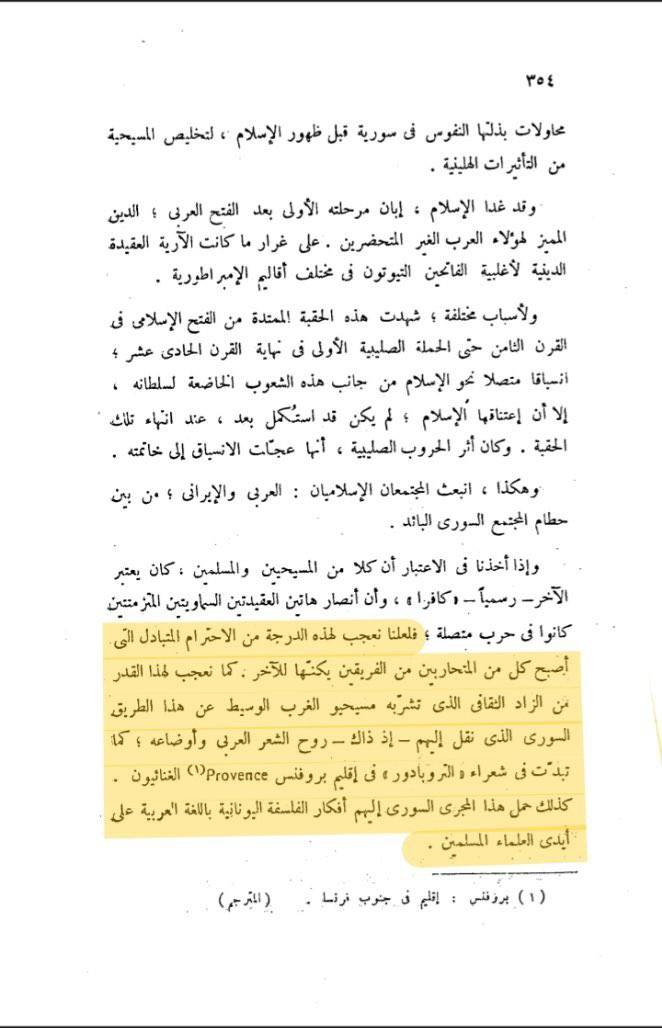
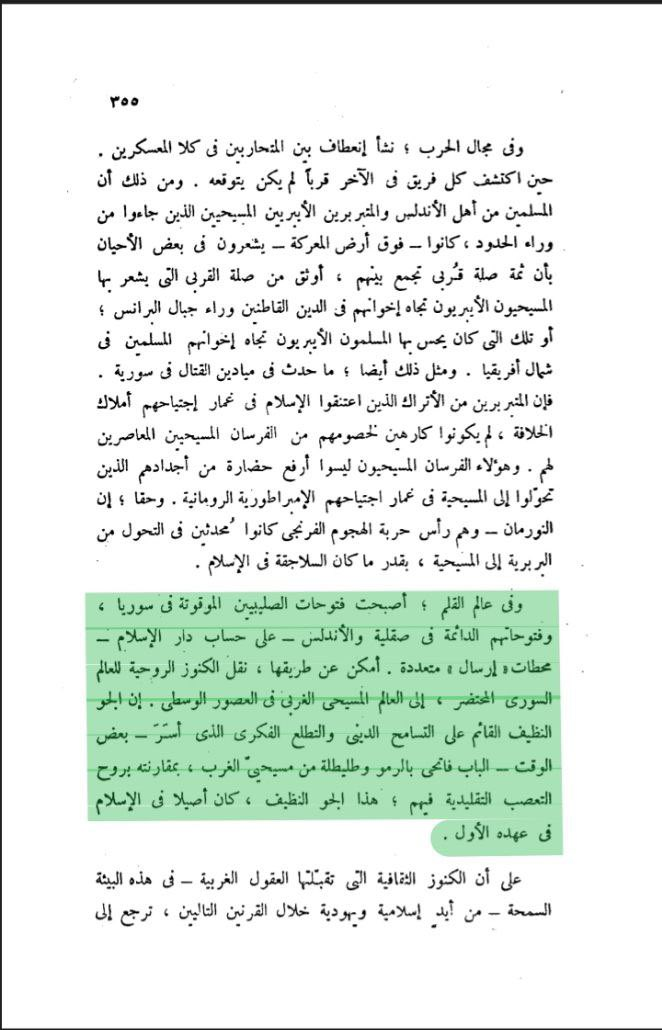
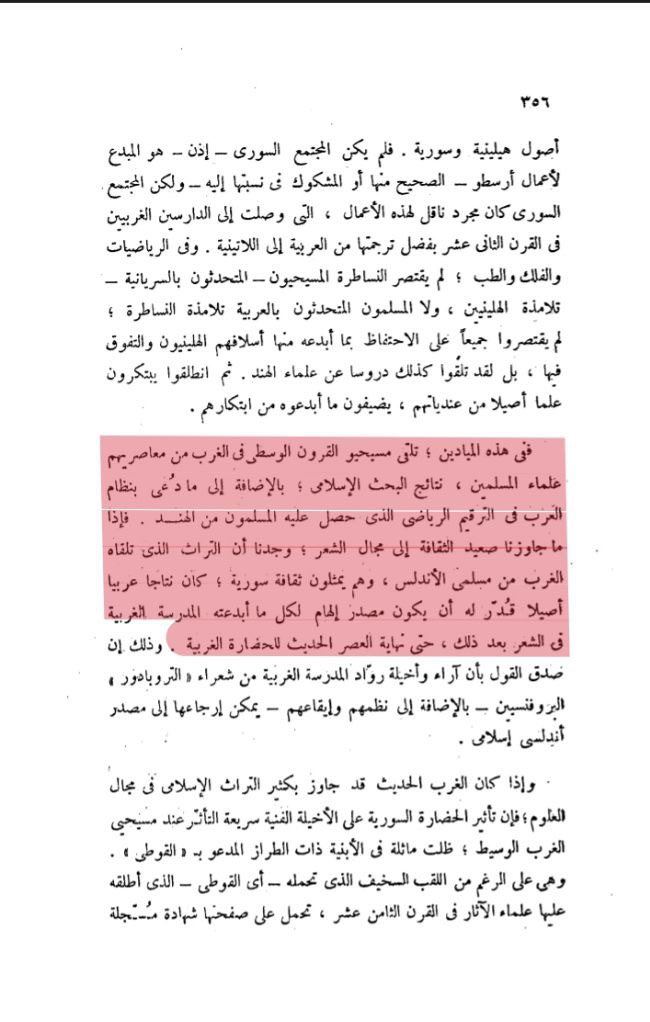
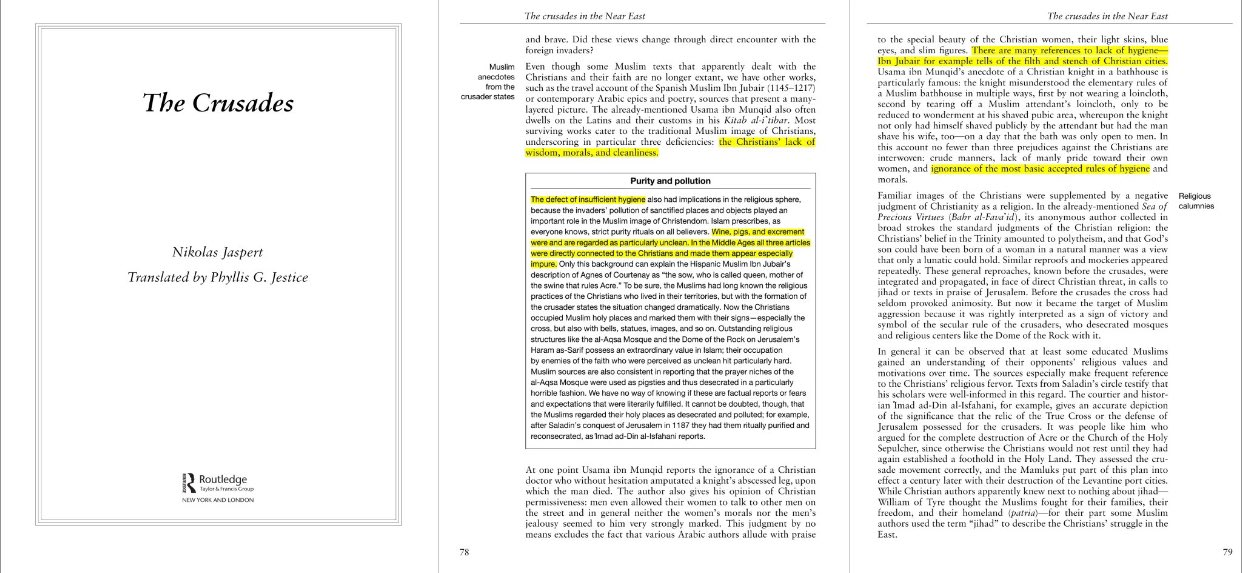
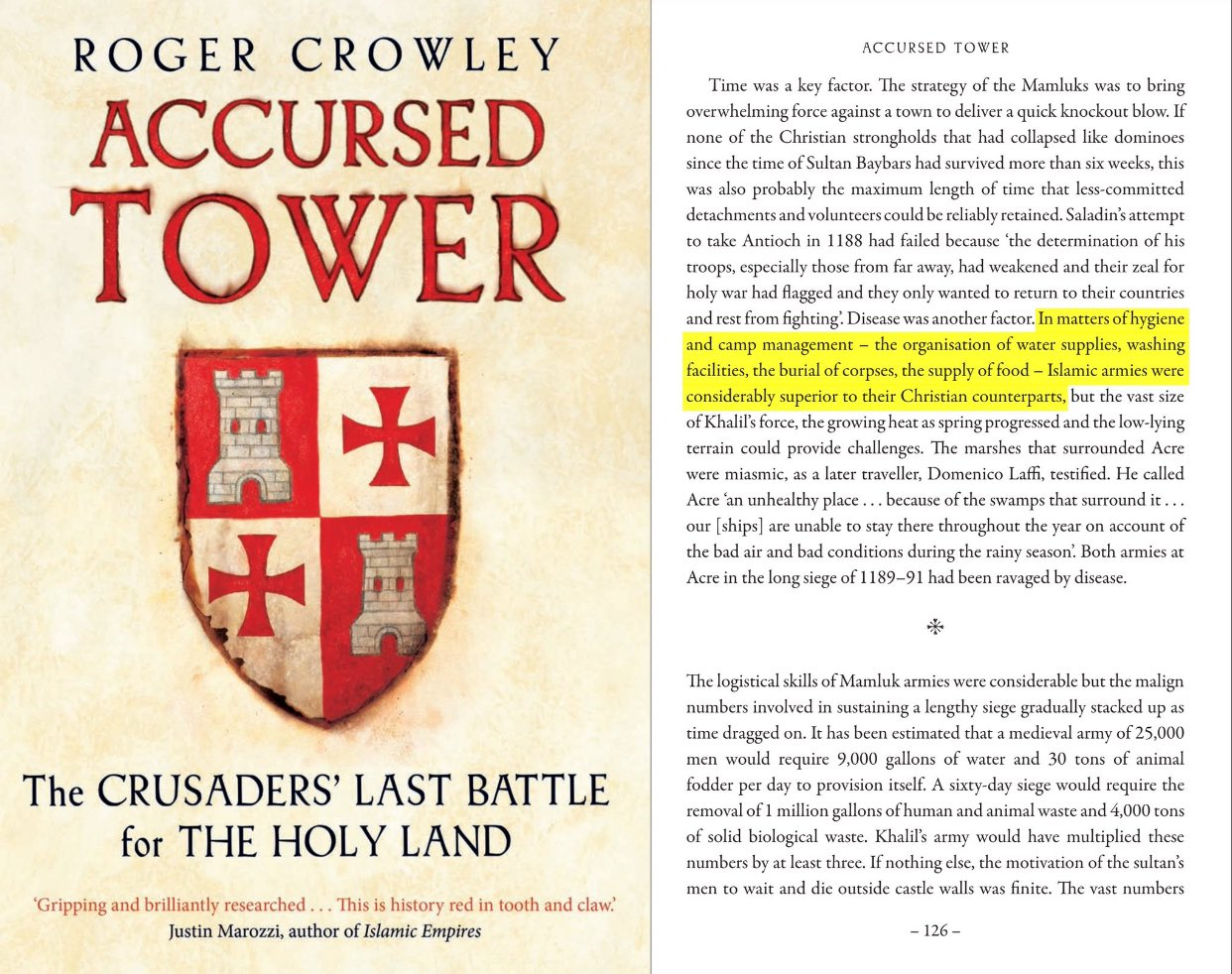
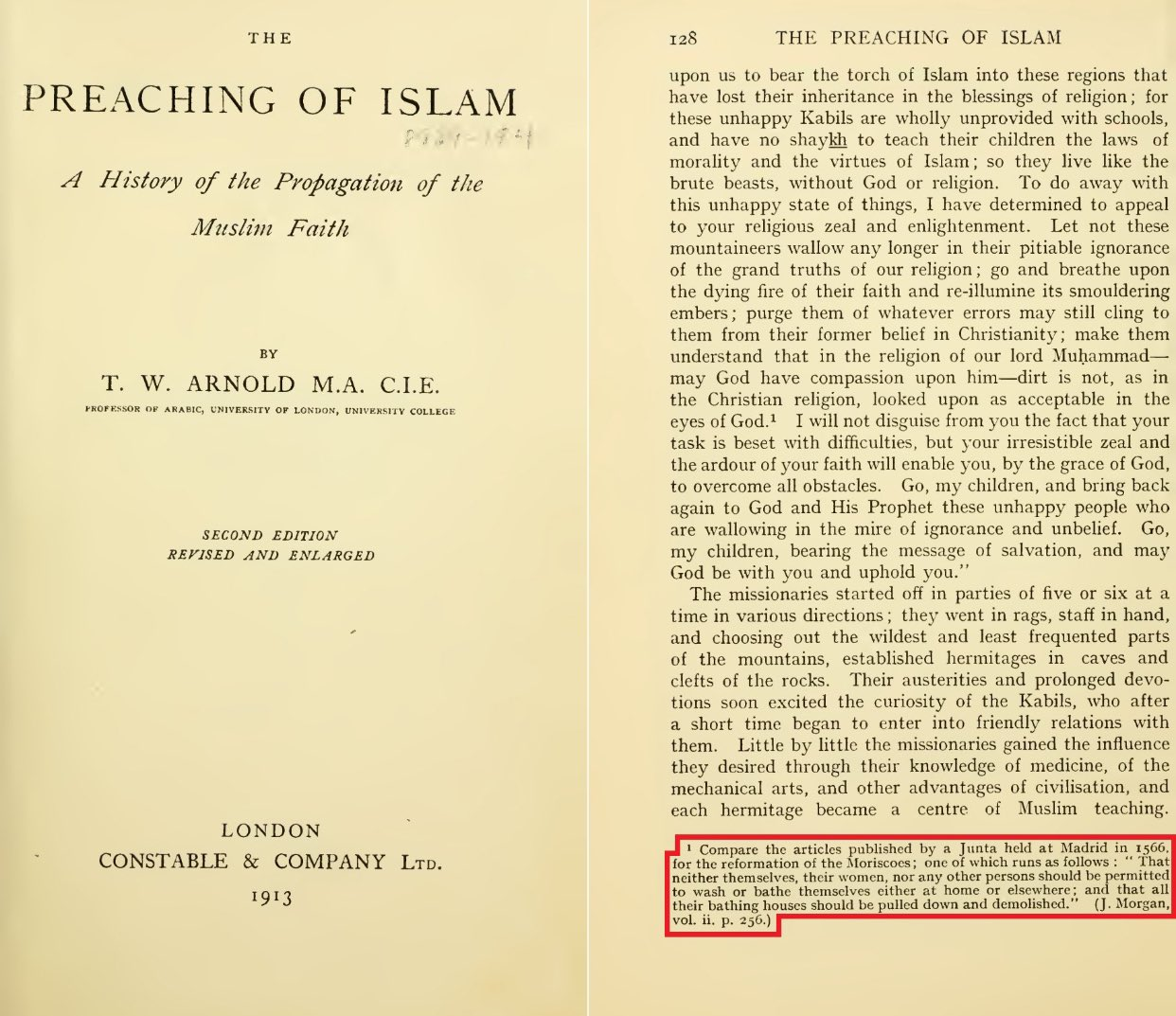
Historians widely acknowledge that Crusader Christians were notoriously unhygienic, lacking wisdom, morals, and cleanliness. The defects of poor hygiene were deeply ingrained — wine, pigs, and excrement were closely associated with them, making them appear particularly impure to the peoples they encountered. See also: Filth as Holiness — The Christian Tradition of Rejecting Cleanliness and Its Contrast with Islamic Purity
The Massacre of Jews Throughout Christian History
The persecution of Jews by Christians is one of the most extensively documented cases of religiously motivated violence in history — carried out by the very religion that claims a covenant with Abraham.
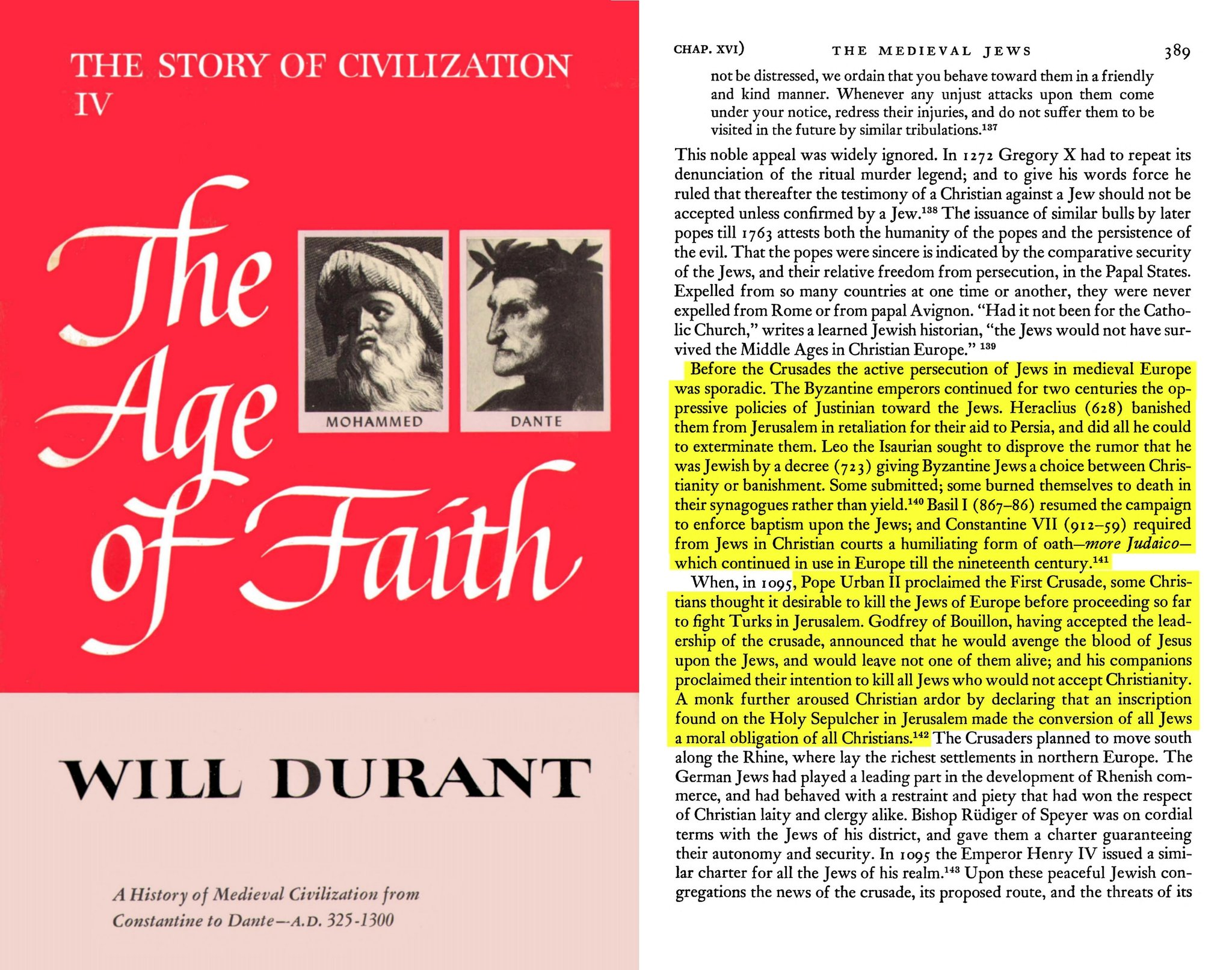
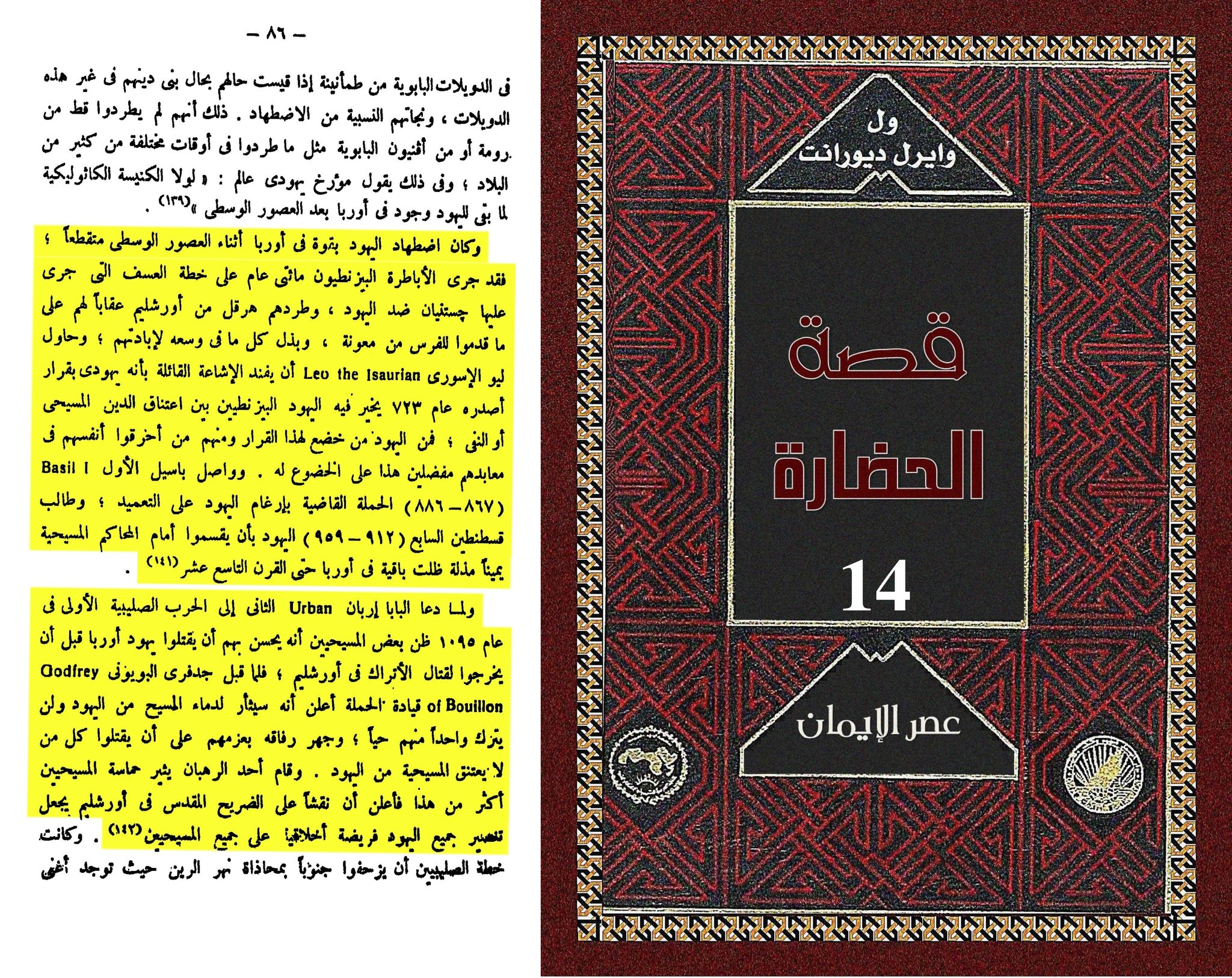
Throughout the history of Christianity, Jews were subjected to persecution and forced baptism since the time of Constantine, Heraclius, and the Byzantine emperors. When Pope Urban II declared the First Crusade, the Crusaders first turned to the Jews before even reaching the Holy Land — those who did not accept conversion to Christianity were killed and burned at the stake.
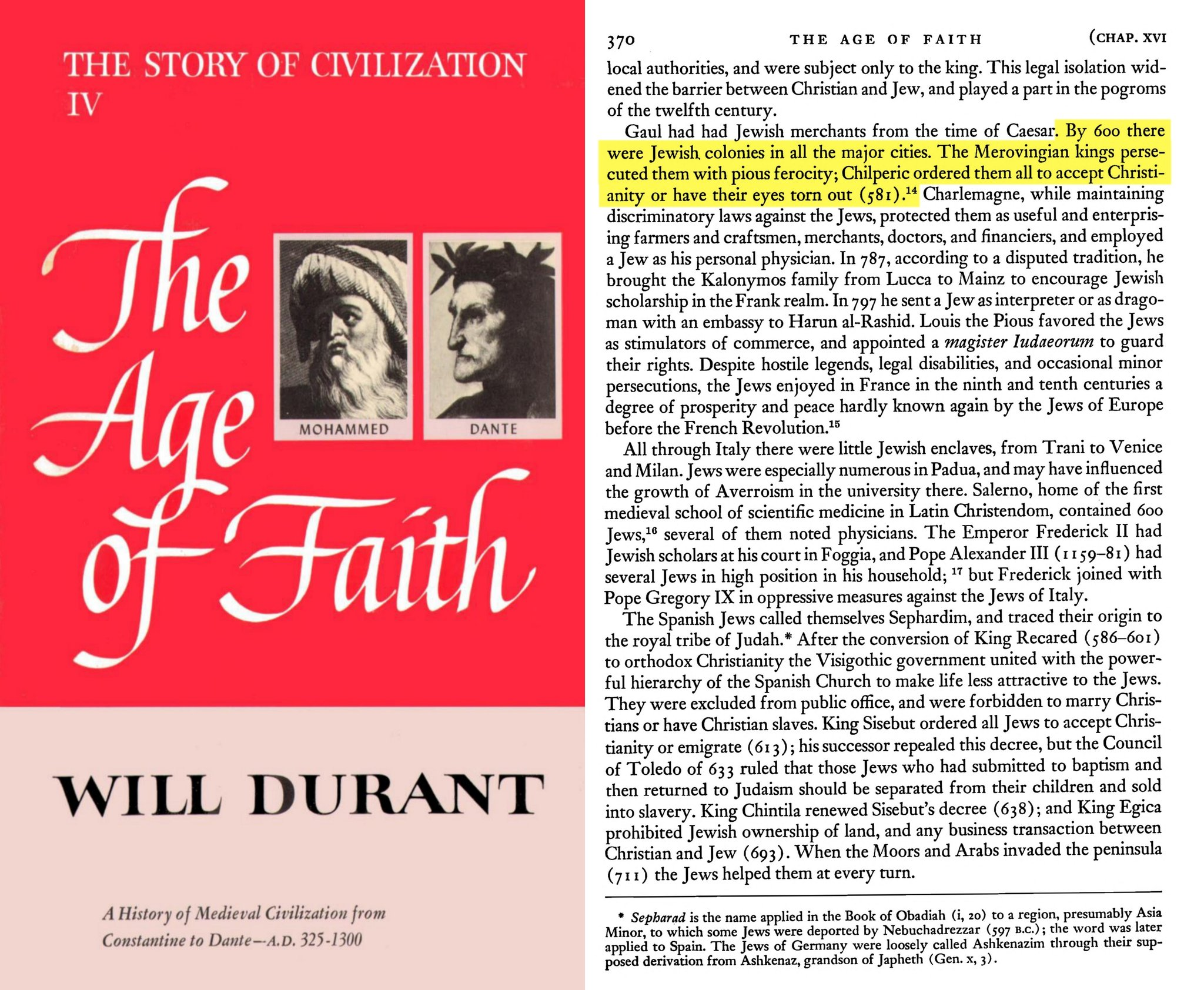
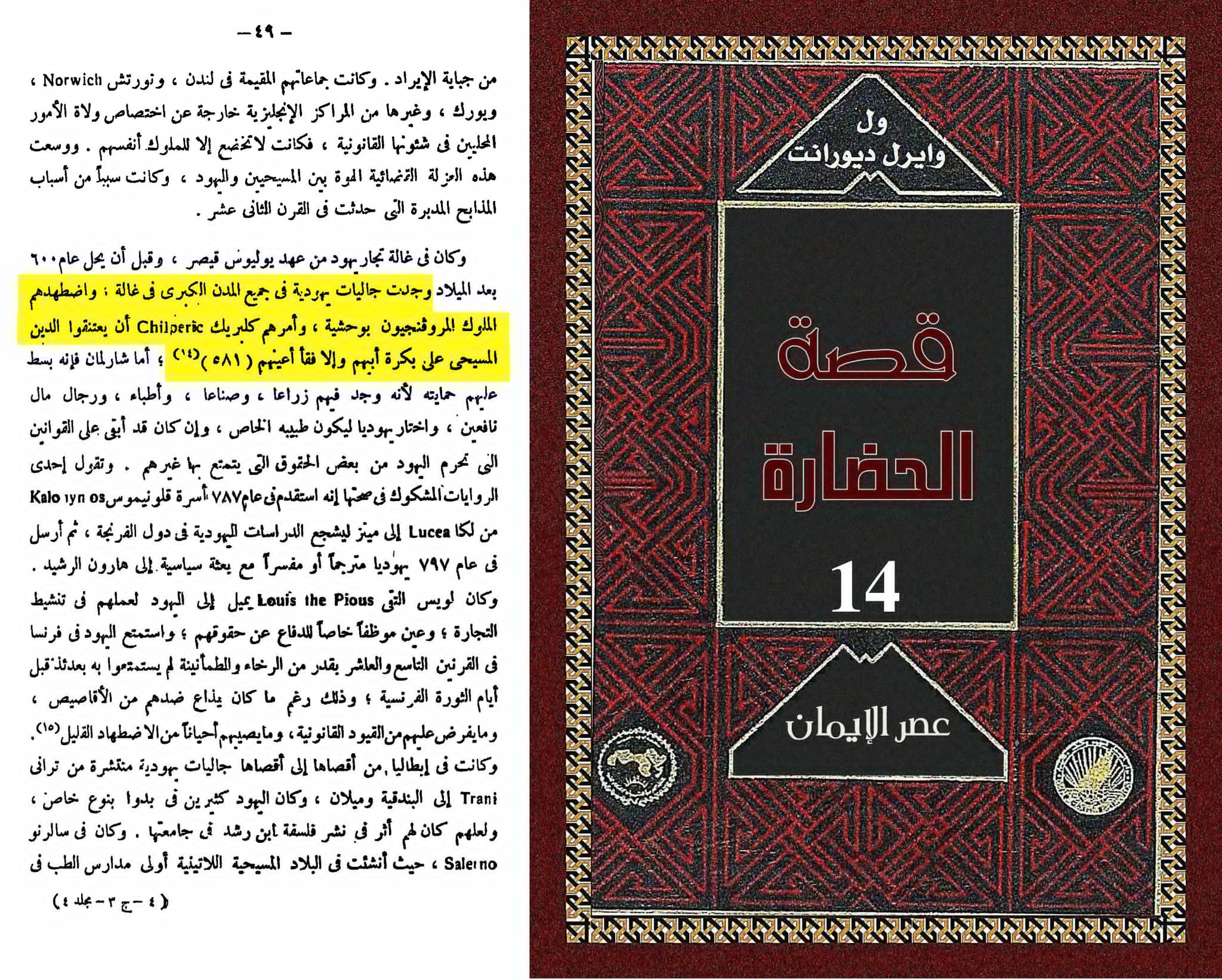
The French King Chilperic, son of Clotaire (a Merovingian king), ordered Jews to embrace the Christian faith from the earliest age of their children — or else he would gouge out their eyes.
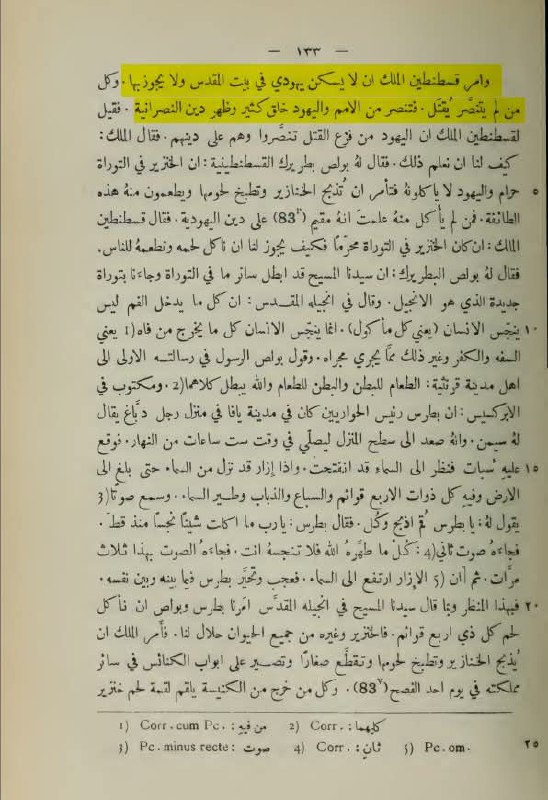
The Christian decree from Jerusalem was explicit: “No Jew shall remain in Jerusalem… and anyone who does not convert shall be killed… so the Jews converted and Christianity emerged.” (The Collected History Based on Verification and Confirmation, p. 133)
Christianity in Spain — Expulsion of Millions
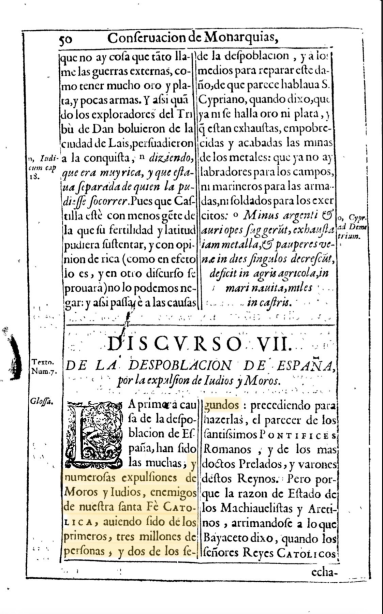
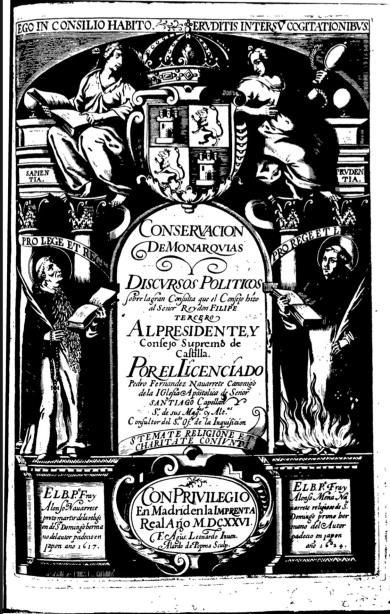
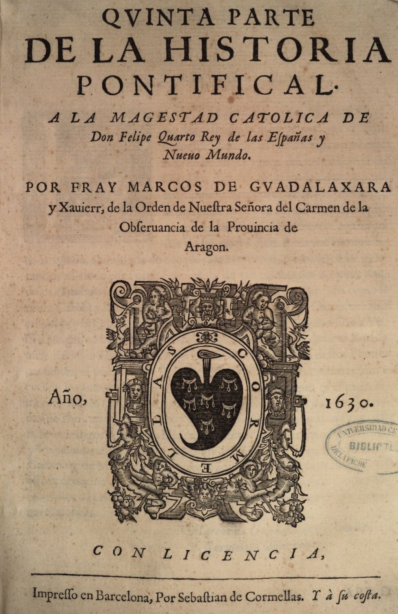
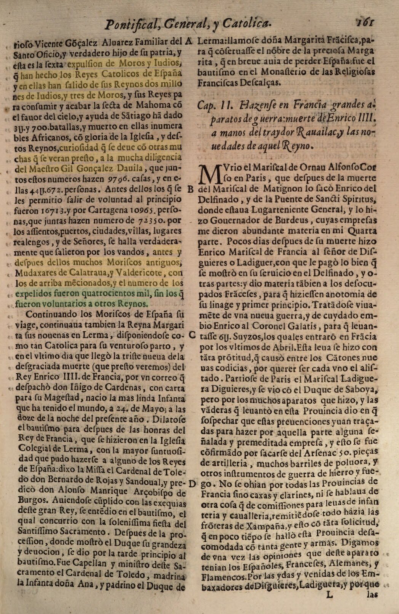
After “reclaiming” Spain, the Catholic Monarchs expelled and annihilated on a scale that staggers the imagination. Contemporary writers Pedro F. Navarrete (1626) and Guadalajara (1630) document that a total of 100,000–2,000,000 Jews and 500,000–3,000,000 Muslims were expelled. The Catholic Monarchs themselves framed this as a mission to end “Muhammad’s sect.”
The expulsion of 400,000 was documented not counting those who fled. Three million Moors and 200,000 Jews — driven from a land where, under Islamic rule, they had lived for centuries in relative peace.
Christianity Imposed on Northern Europe by Force
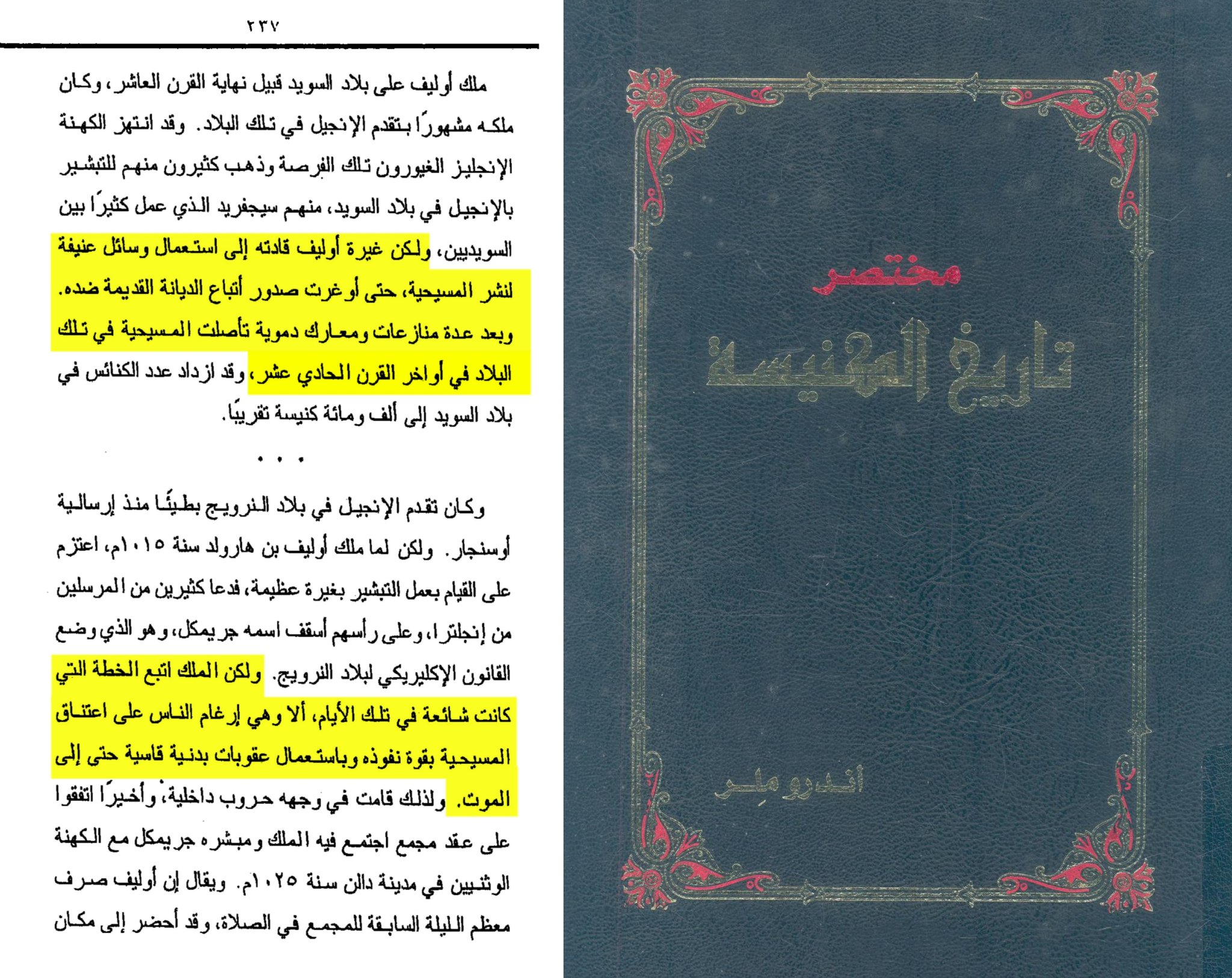
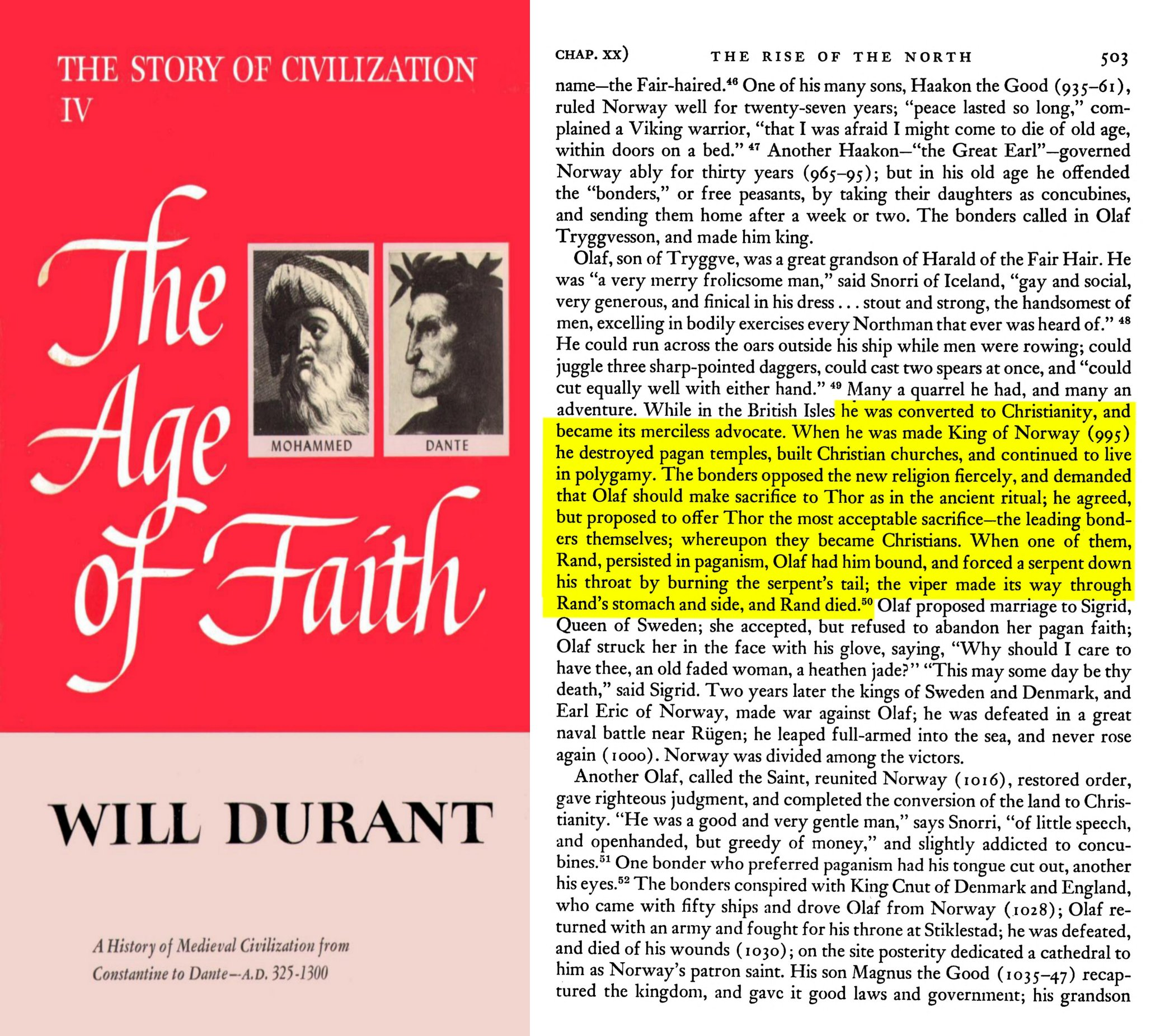
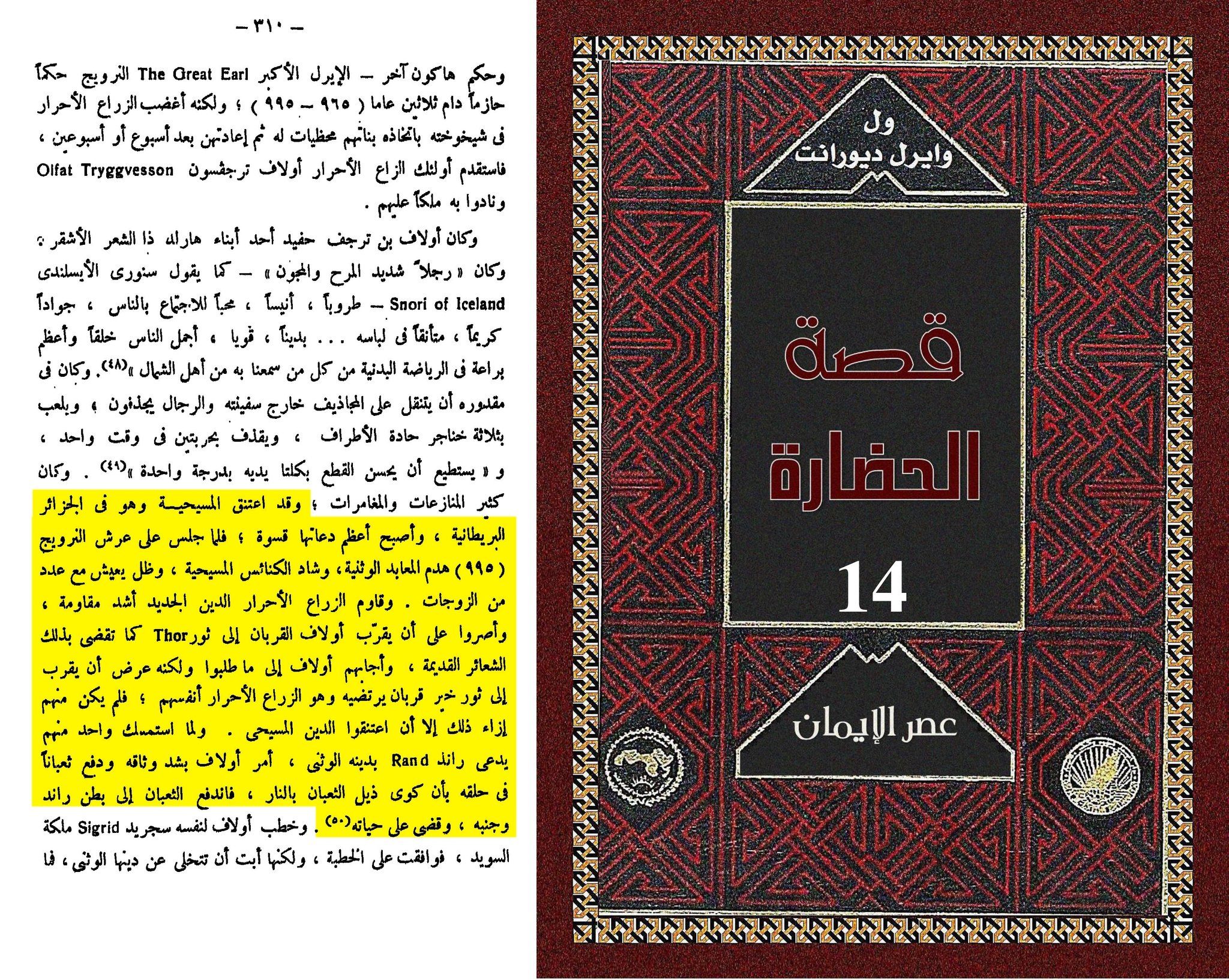
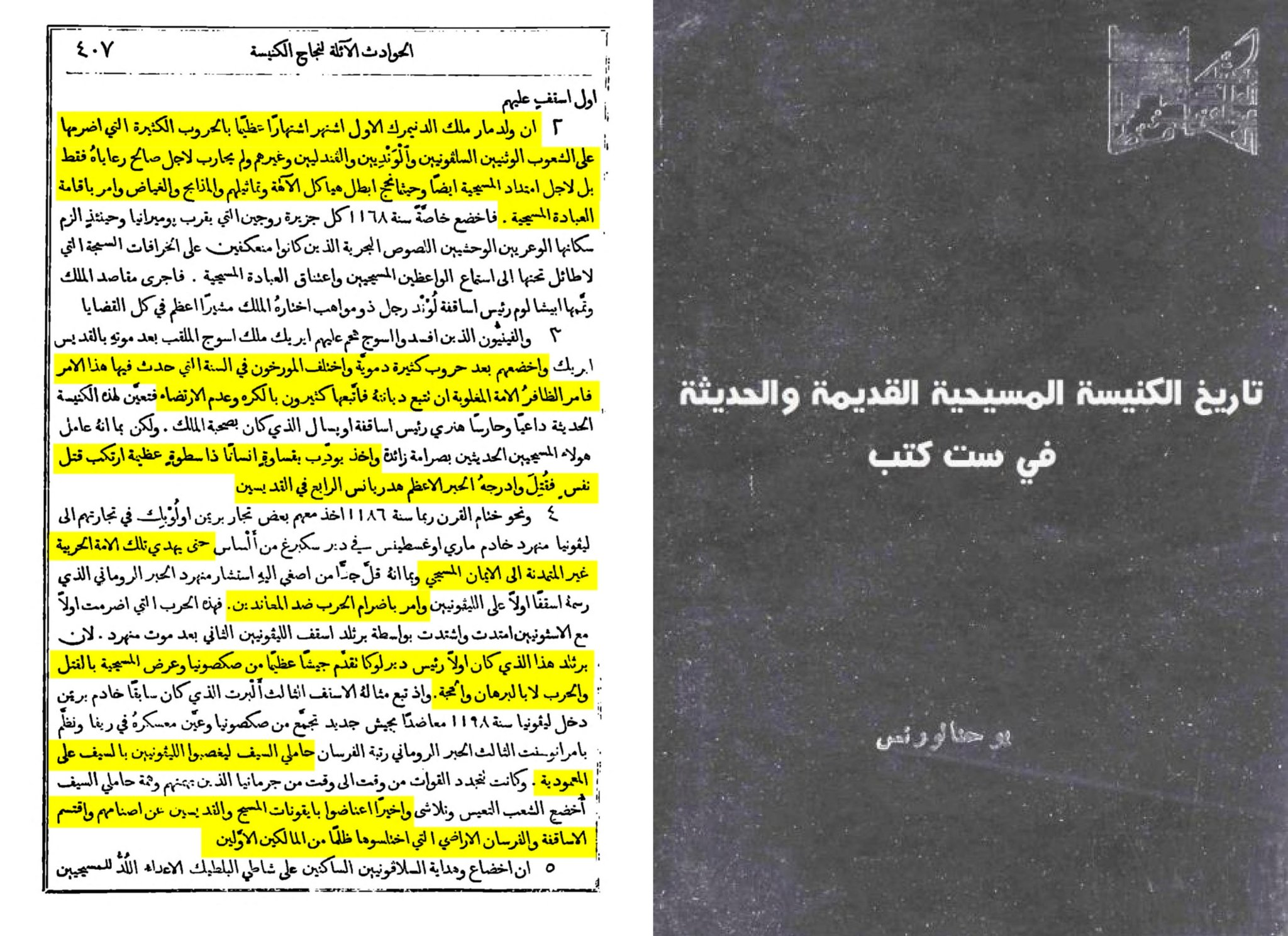
The spread of Christianity across northern Europe followed a single pattern: convert or die. The examples are too numerous to dismiss as exceptions — they constitute the rule.
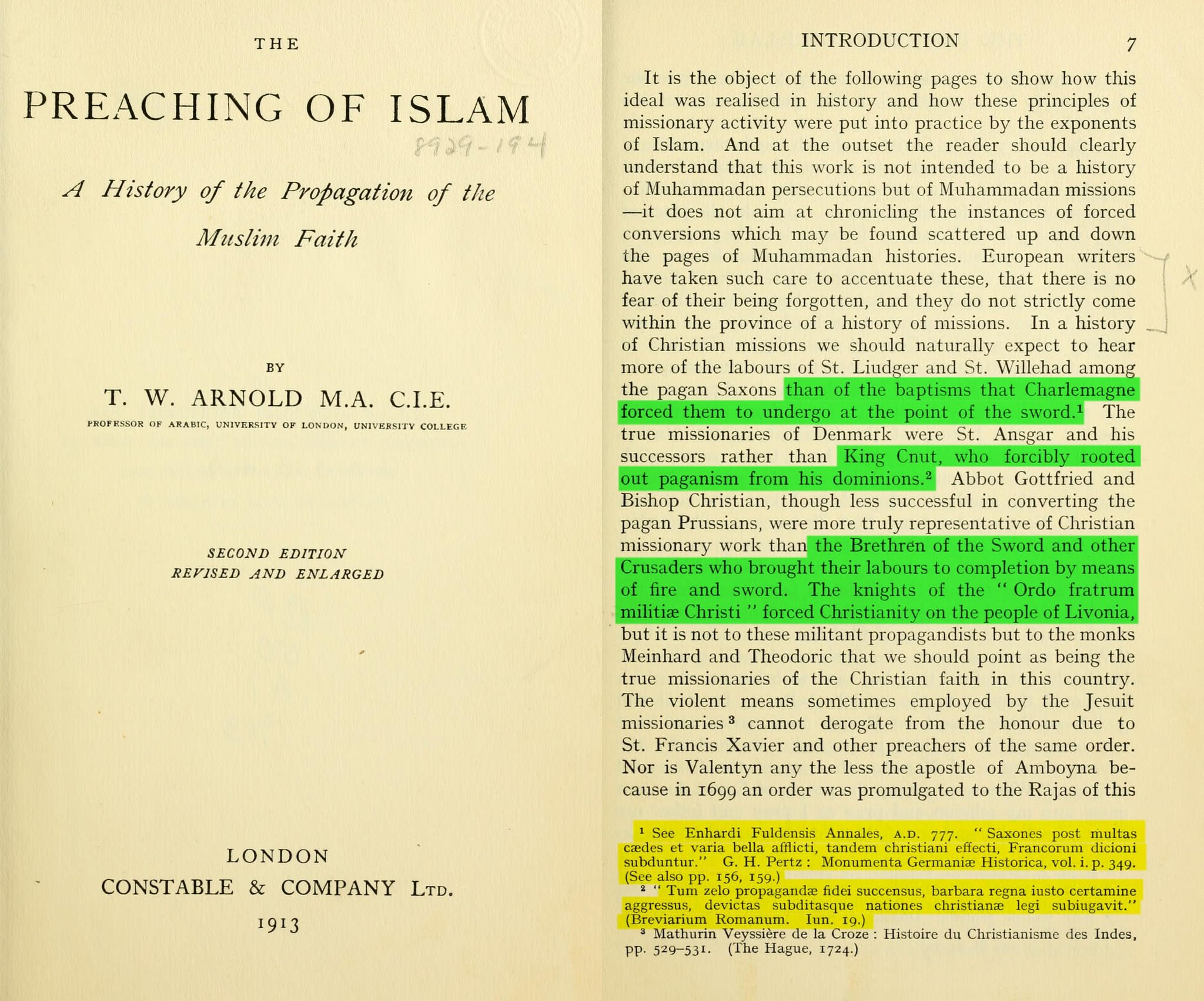
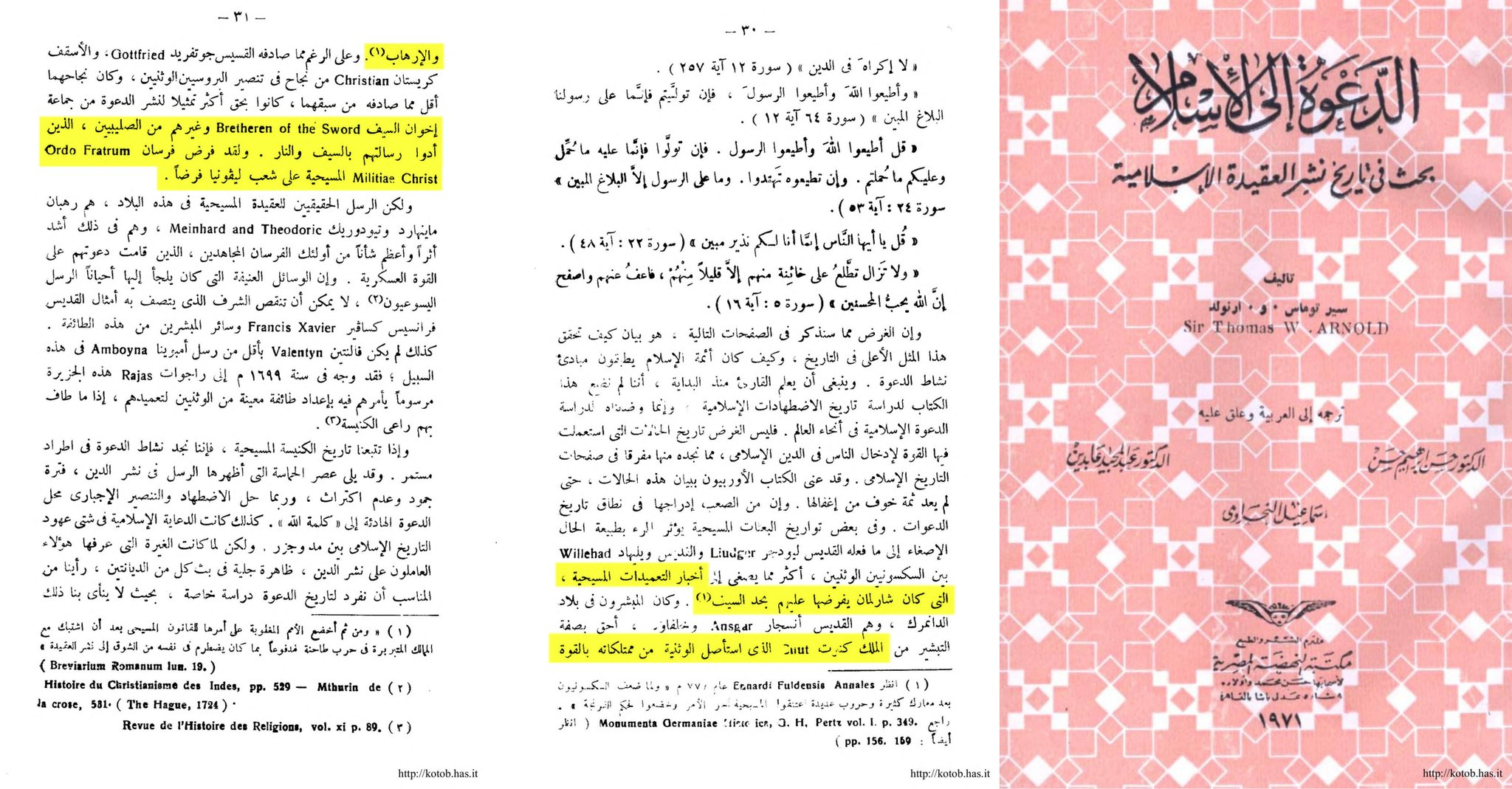
The Knights of the Sword and other Crusaders imposed Christianity on the people of Livonia by force. King Canute uprooted paganism from Denmark and imposed Christianity on its people by the sword and terror. King Charlemagne imposed Christian baptisms on the Saxon tribes by sword and fire.
Sweden, Denmark, the Saxons — Baptism or Death
A pastor. Describing his own religion’s spread. In his own words: harsh physical punishments, even unto death. This is the methodology of Christianity’s northward expansion.
The Church and Native American Genocide
In South America and among the indigenous peoples of the Americas, Christian conquest followed the same template — but with the added dimension of a formal papal theological justification for the extermination.
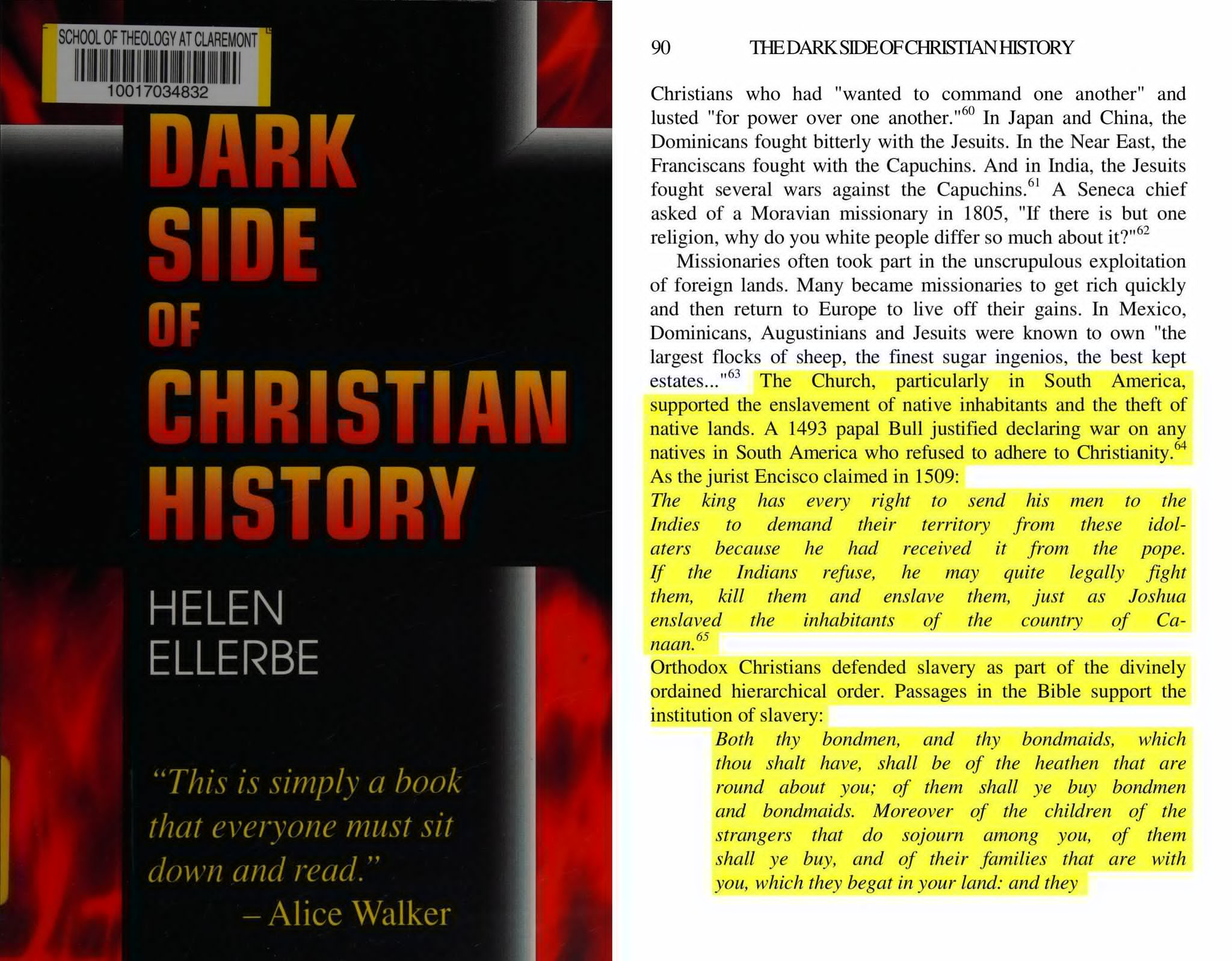
In 1493, a papal bull was issued justifying the declaration of war on any indigenous peoples who refused to convert to Christianity. The Church endorsed the enslavement of indigenous populations and the theft of local lands. Orthodox Christians defended slavery as part of divine law, citing biblical texts that supported the system of servitude.
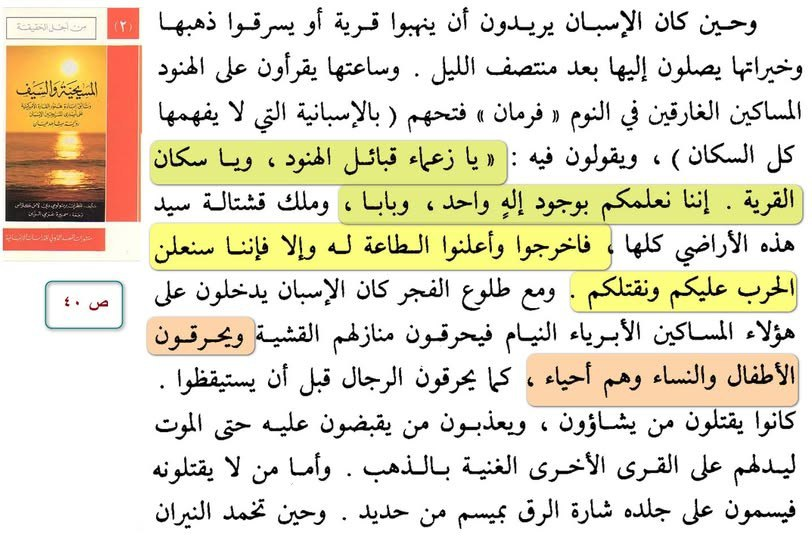
The herald would stand in the darkness of night, warning the Native Americans in Spanish — a language they did not understand — and inviting them to embrace Christianity. In the morning, the barbecue would begin: the roasting of children and women alive. Because they had not accepted Christianity, they were deemed to deserve what happened to them for not learning Spanish before the arrival of the messengers of love and peace.
What Christian Historians Say About How Christianity Spread
The most damning testimony on this subject comes not from Muslims but from Christian historians, Christian clergy, and Western secular scholars — all writing from within the tradition they are describing.
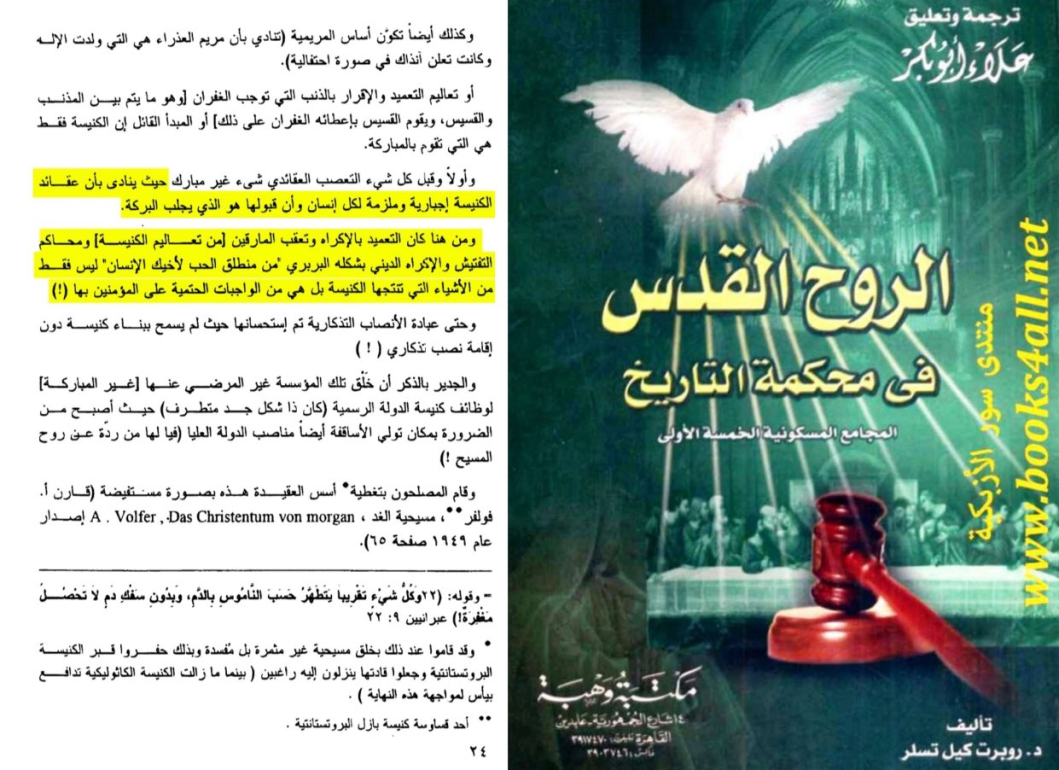
Christianity was so tolerated in Rome that it itself became intolerant — even a bitter persecutor of all religions. When it began to dominate, it attacked not only pagans but banned all its Christian rivals as well.
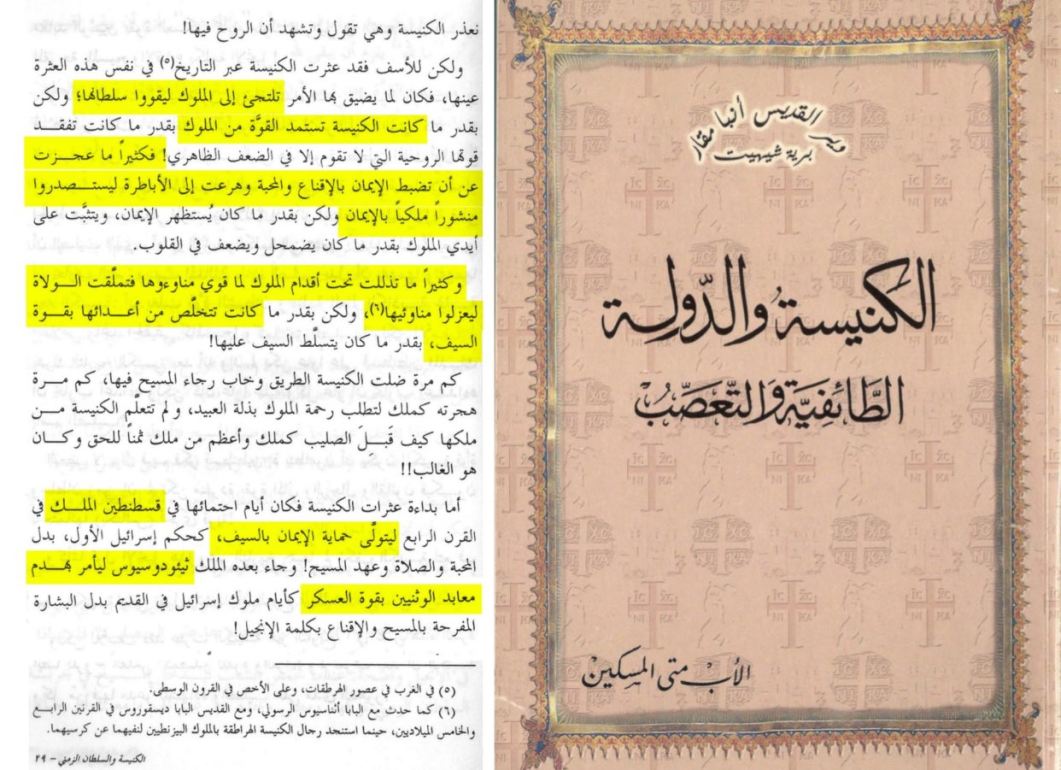
Christianity spread in early centuries by submitting to emperors and convincing them to issue decrees of faith — demolishing pagan temples by military force, not by theological persuasion. This is the admission of Father Matta El Meskeen, writing from within the Coptic Orthodox tradition.
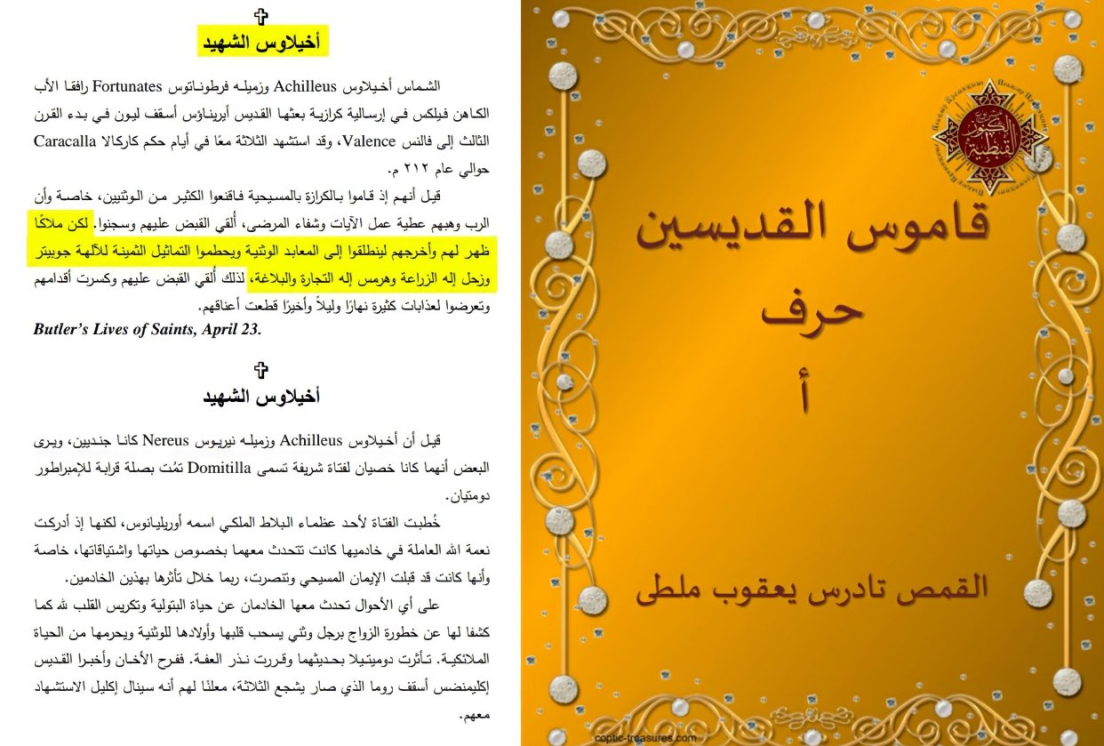
Saint Achilles the Martyr and his companions, guided by an angel, went to pagan temples and destroyed statues and shrines, including those of Jupiter, Saturn, and Hermes. This destruction of religious sites is venerated in Christian hagiography as a holy act.
The Roman Decree — Cut Off the Nose and Ear of Dissenters
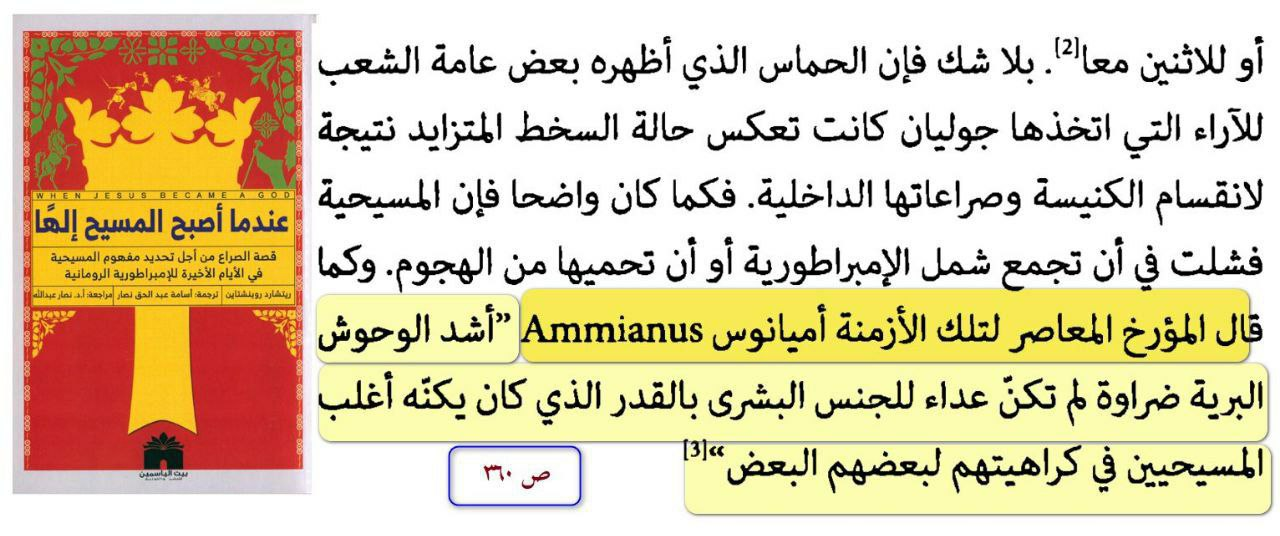
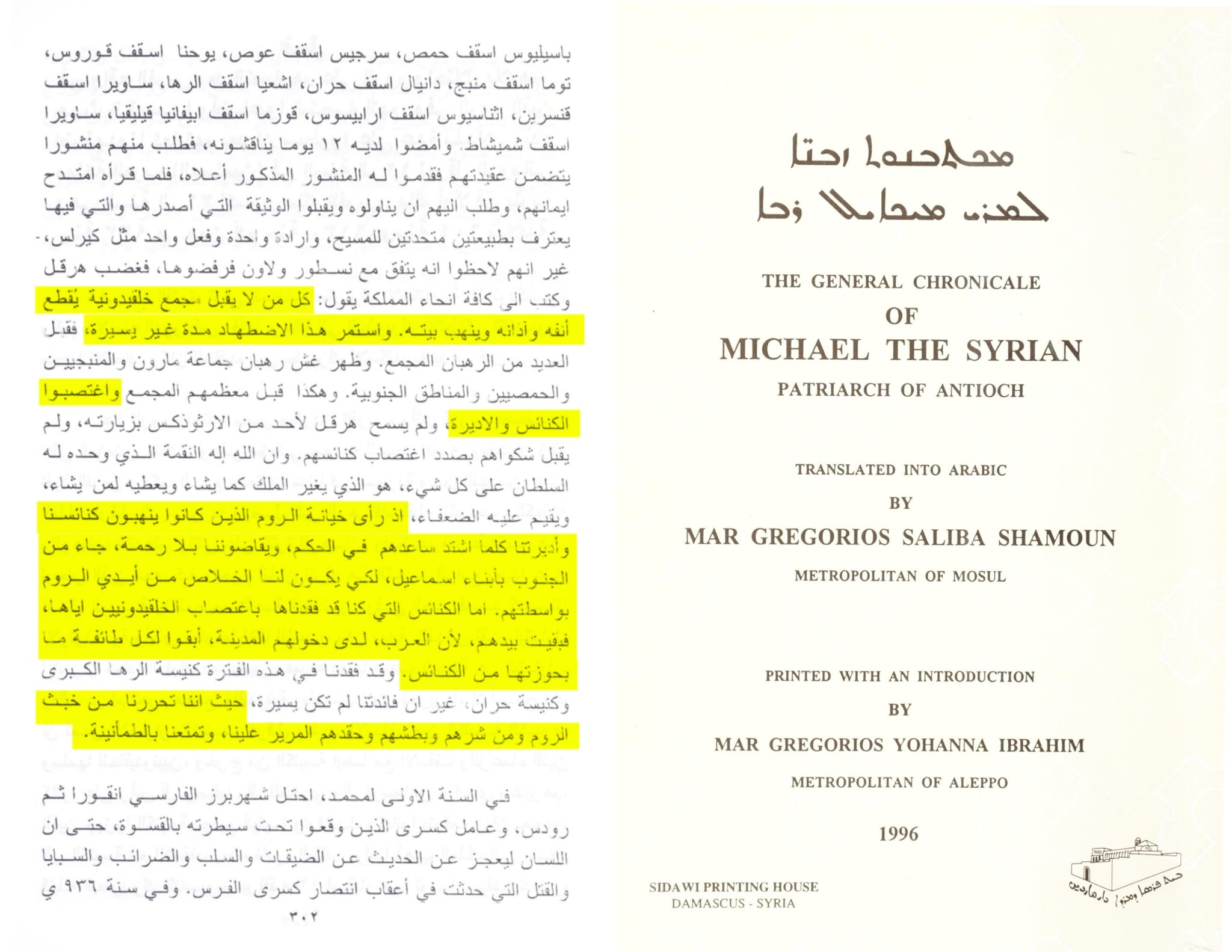
The Romans issued a decree to cut off the nose and ear of everyone who did not accept the law of the Council of Chalcedon, and to plunder his house. The series of persecutions against the Coptic and Syriac Orthodox continued — the Romans plundered their churches and their wealth. Nothing freed them from this bitter persecution except the Islamic conquest. Therefore, the inhabitants considered the Islamic conquest of these countries a mercy from God to them.
The Dhimmi Concept Exists in the Torah — Not Only in Islam
When critics raise the concept of dhimma in Islam as evidence of second-class treatment, they ignore that the same legal concept exists in their own scripture.
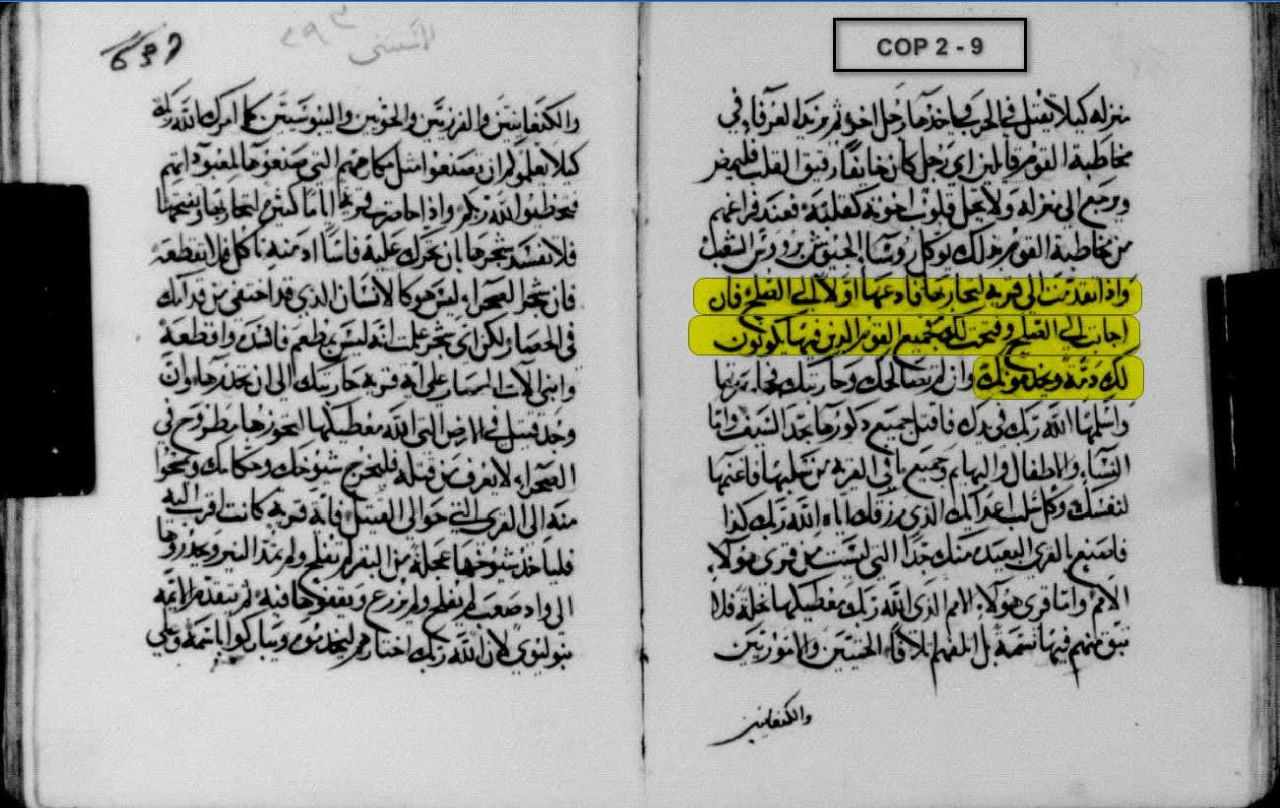
The Torah commands subjugation of conquered peoples and their service to the victors. The Islamic jizya system — which exempted women, children, the elderly, monks, the poor, and the disabled — was categorically more merciful than the system of dhimma prescribed in Deuteronomy. See also: Jizya
Conclusion — The Contrast with Islamic Governance
See also: Did Islam Spread by the Sword? What Historians Actually Say
See Also
- Did Islam Spread by the Sword? What Historians Actually Say
- Jizya
- Who Really Destroyed the Library of Alexandria? The Myth Against Muslims Exposed
- Filth as Holiness — The Christian Tradition of Rejecting Cleanliness and Its Contrast with Islamic Purity
- Strange Rulings in the Torah — A Critical Examination of Biblical Civil, Criminal, and Ritual Law
- Violence and Killing in the Bible: A Complete Verse-by-Verse Record
...storian — was the direct consequence of how hollow and coerced the Christian conversion had been.