Claim: Mecca Didn’t Exist Before the 4th Century — REFUTED
Disbelievers commonly argue that Mecca didn’t exist before the 4th century but this is wrong
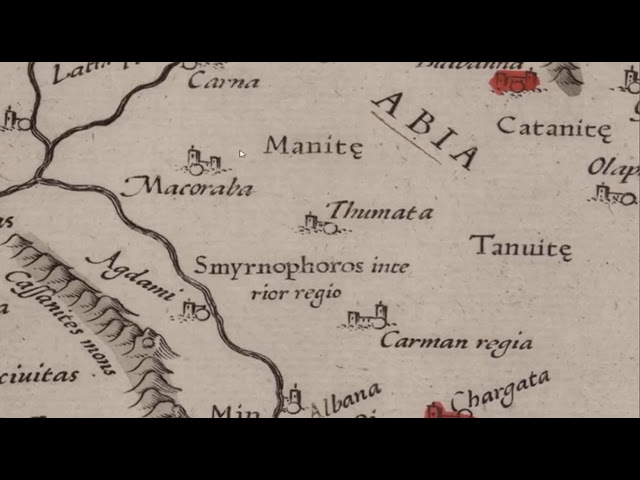
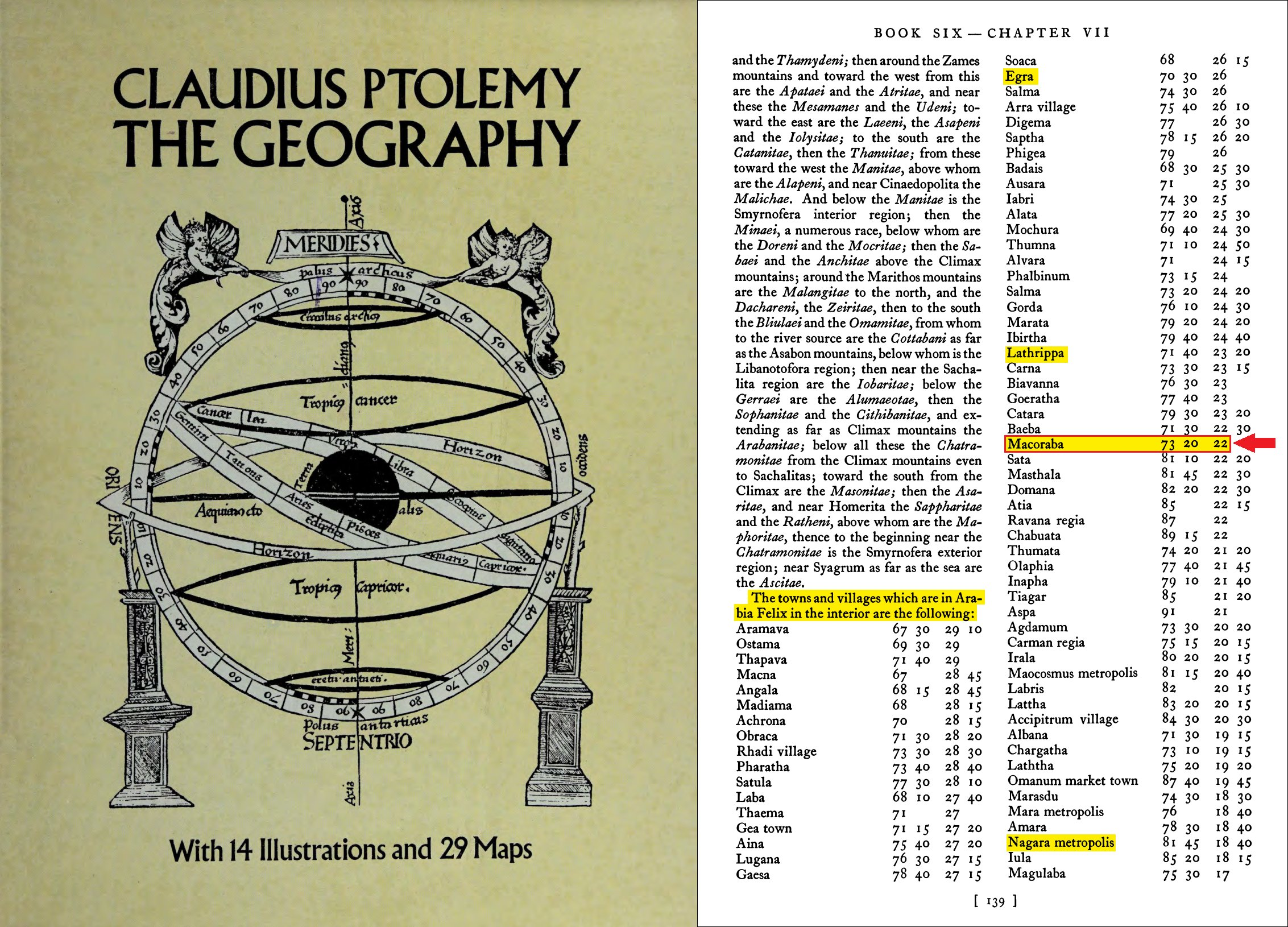
Ptolemy Map from the Second Century
Ptolemy map from the second century
Ptolemy map from the second century
sddefault 2edb1af6d69a5640
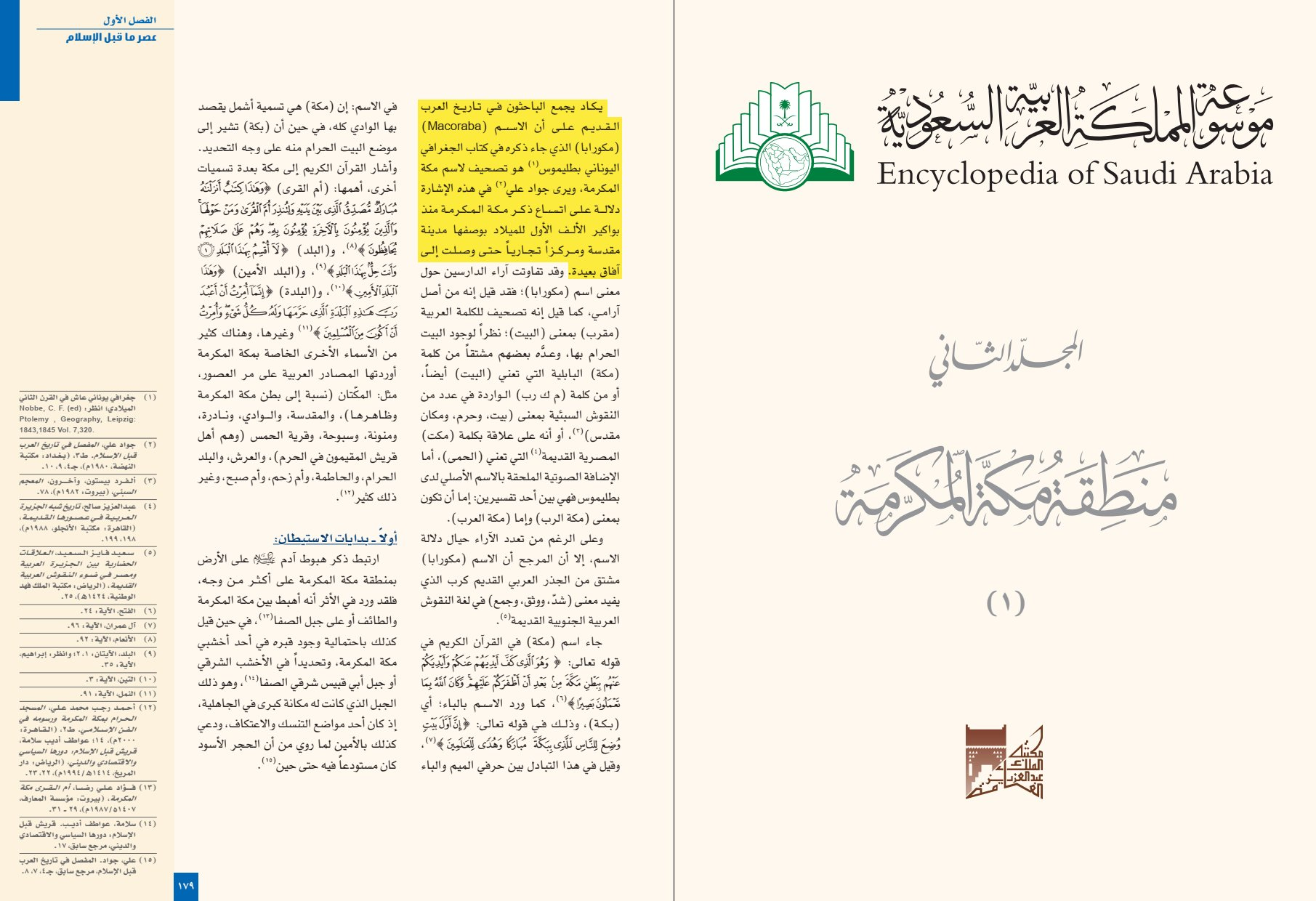
Someone might ask what is the proof that Macoraba is Mecca
Analyzation: Makkah is Older than Christianity
https://en.m.wikipedia.org/wiki/The_Asatir The Asatir
The Asaṭīr (Arabic: الاساطير, al-Asāṭīr), also known as the Samaritan Book of the Secrets of Moses, is a collection of Samaritan Biblical legends, parallel to the Jewish Midrash, and which draws heavily upon oral traditions known among Jews in the 2nd and 3rd centuries CE. Moses Gaster places its compilation about the middle or end of the third …
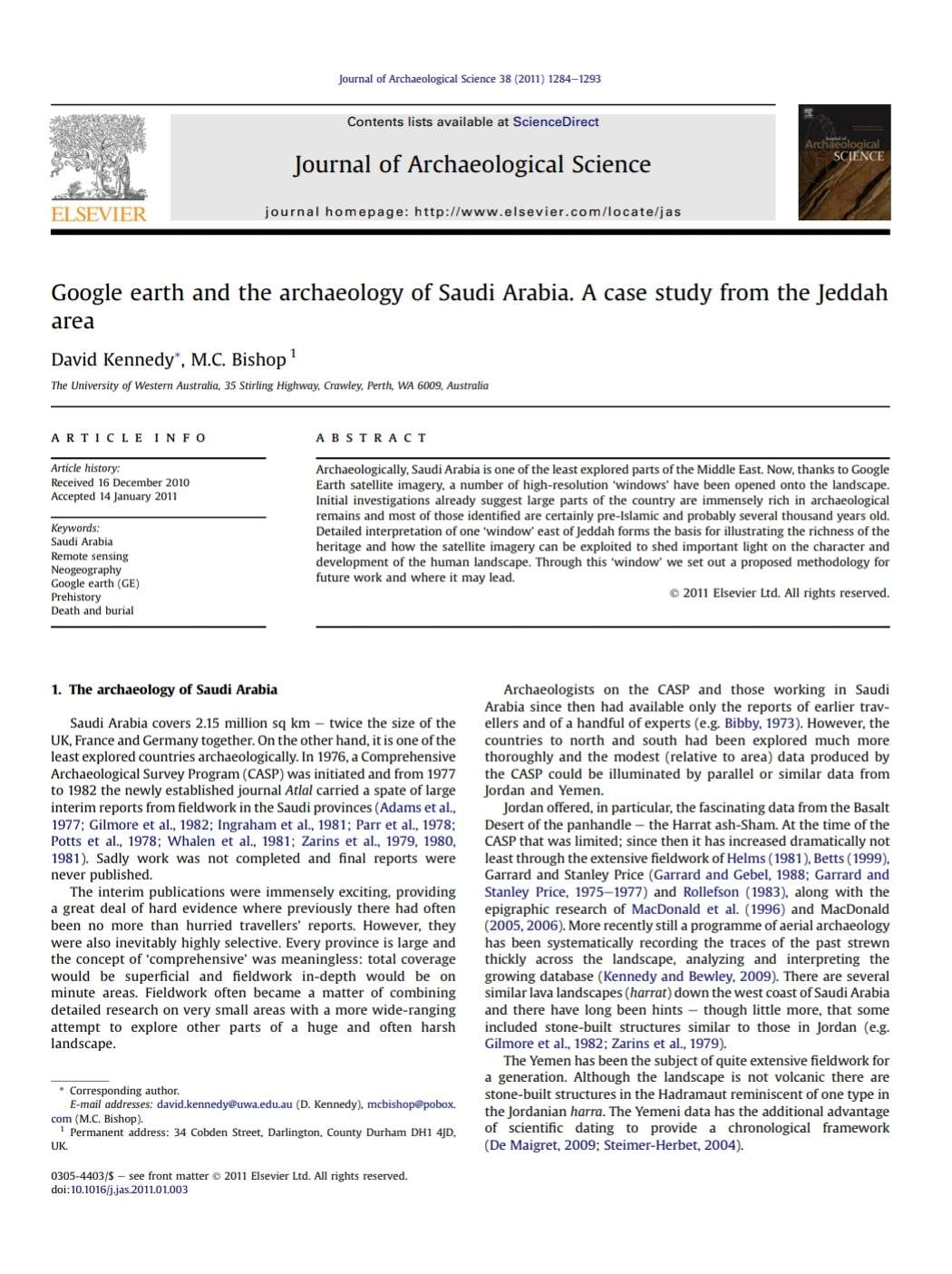
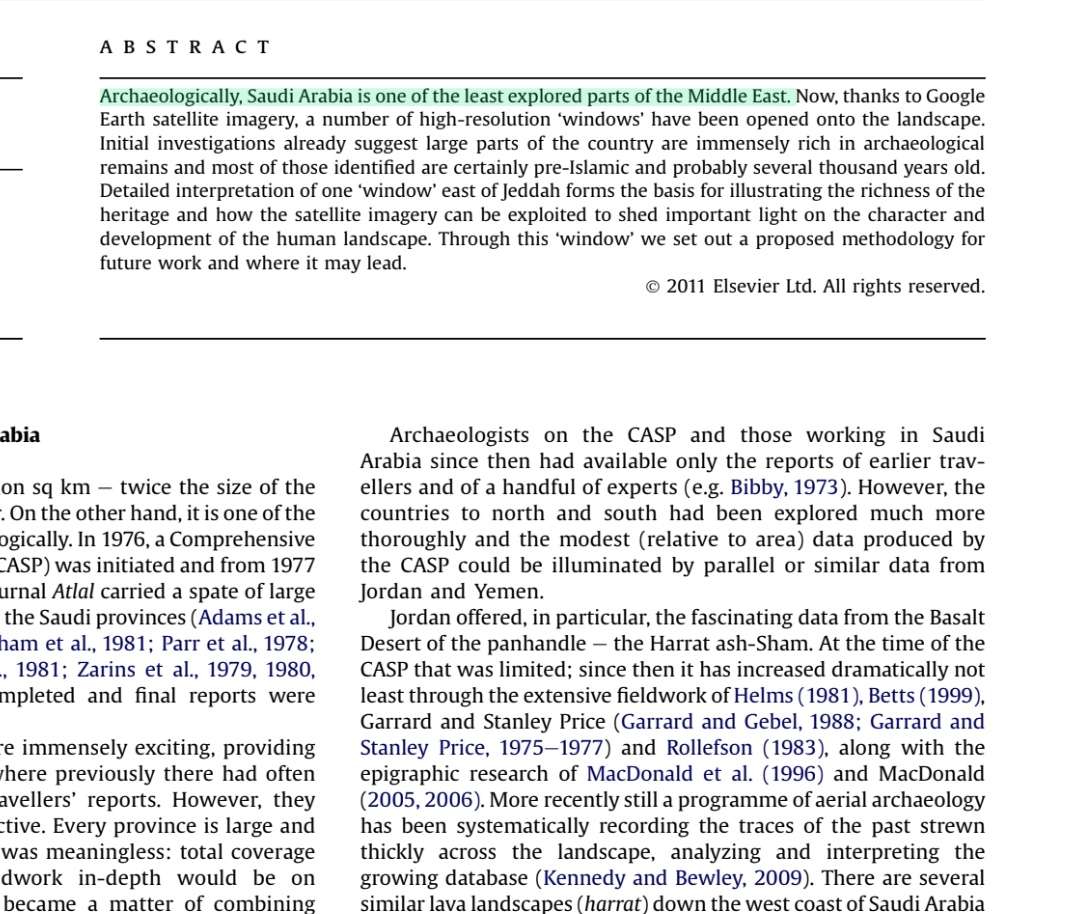
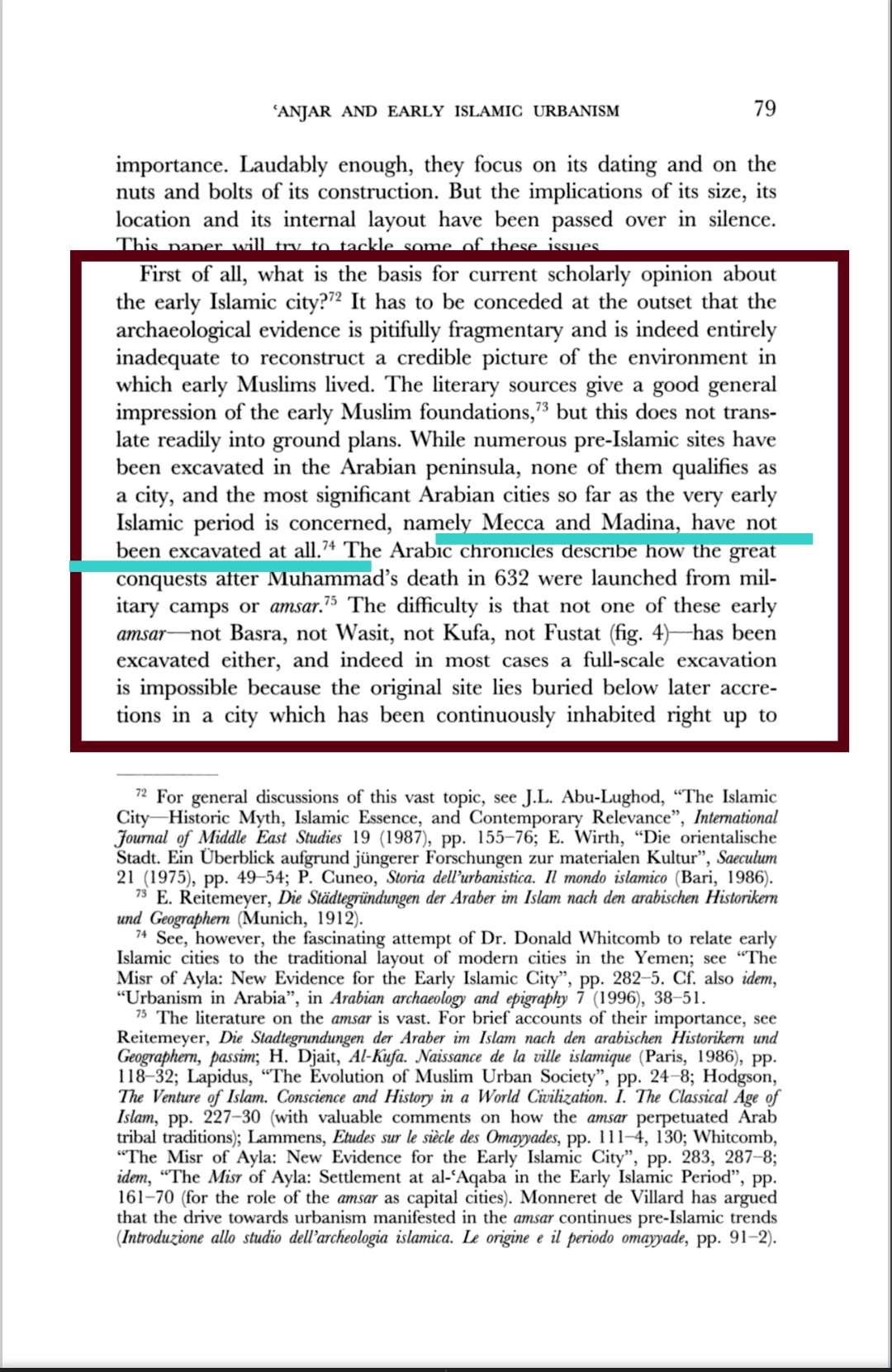
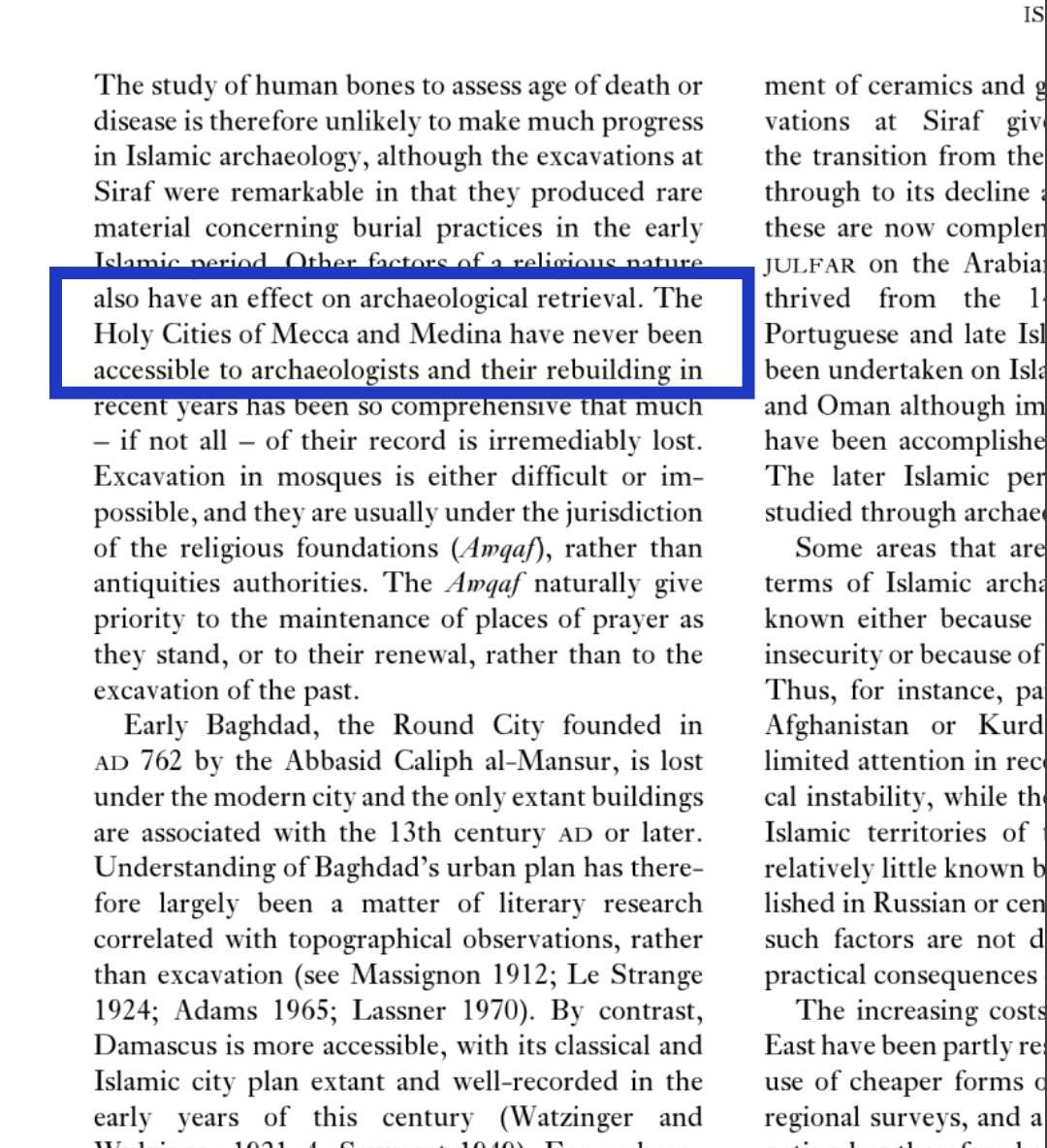
First we need to realize that Saudi Arabia is one of the least excavated areas in the whole middle east. So this is one of the reasons that archeologically, there have not been many discoveries in that area. So if one claims that this lack of archeological discoveries is a problem for the pre-islamic history of Saudi Arabia. Then we know he is full of hot air and has not done his research (Dan Gibson cough cough)
Mecca and the Holy Kaaba in Ancient Historical Sources
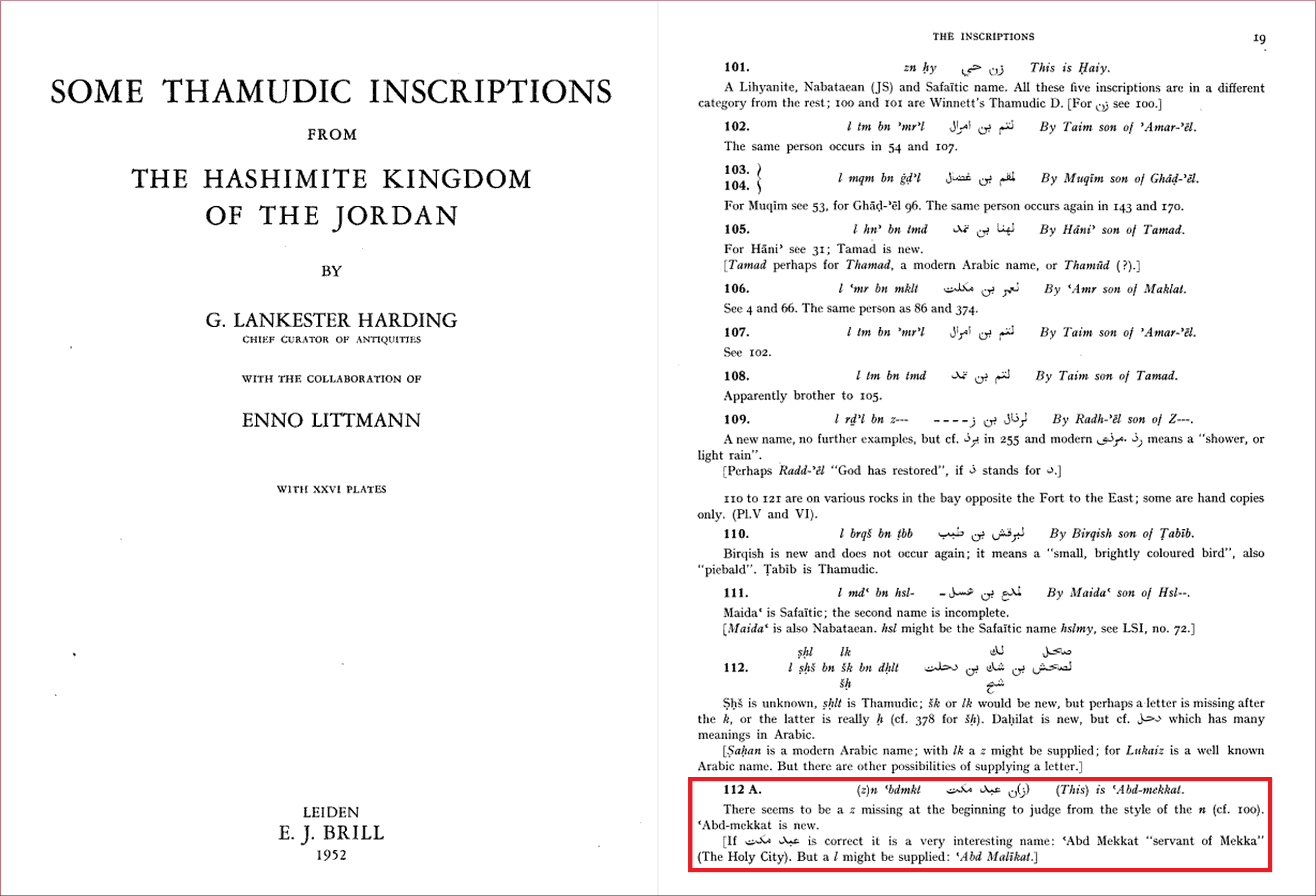
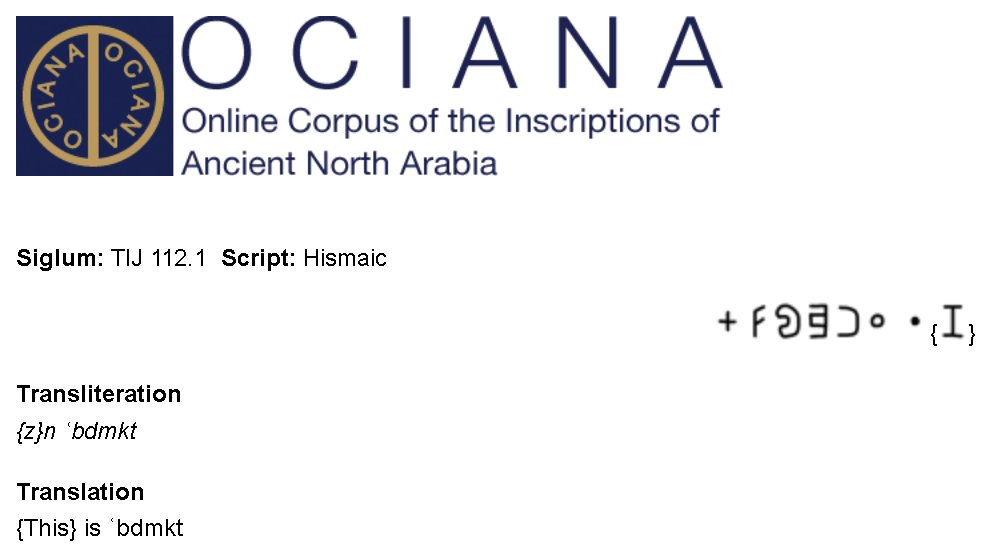
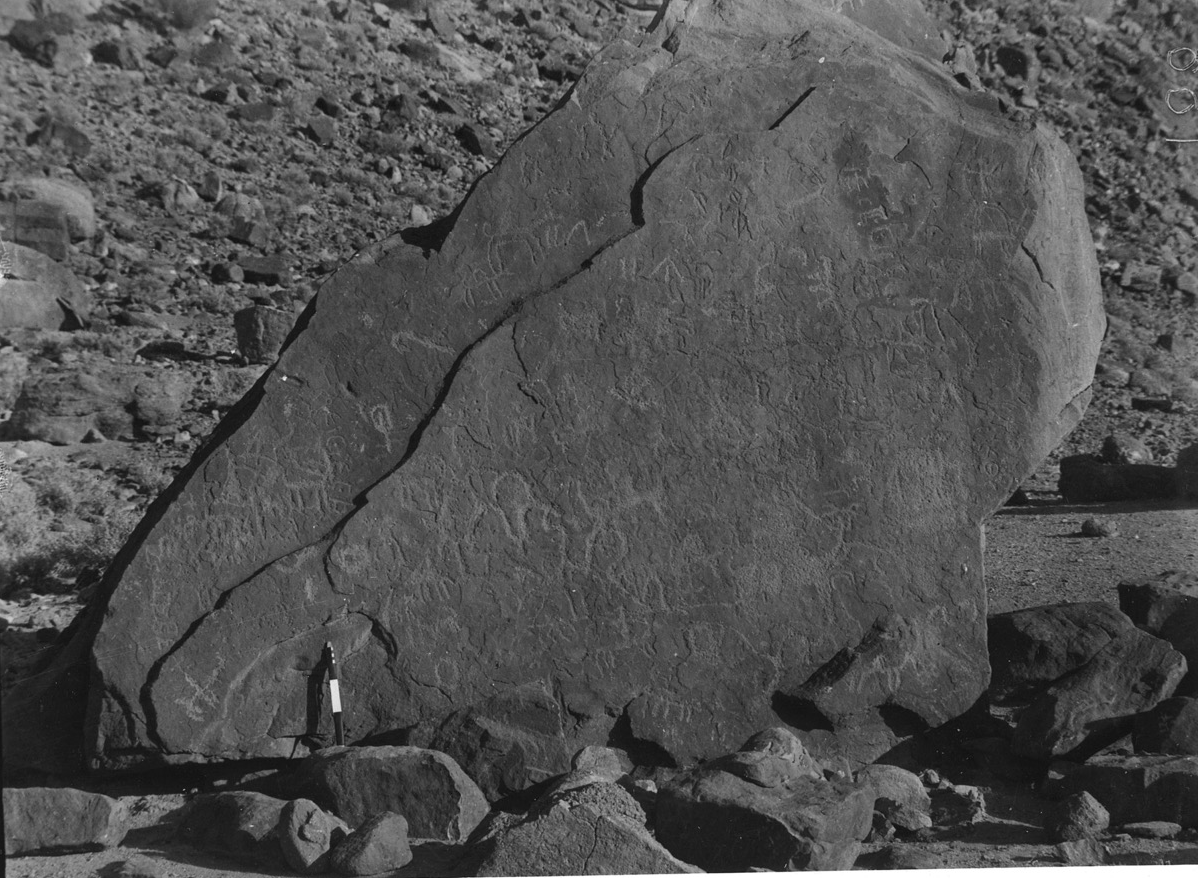
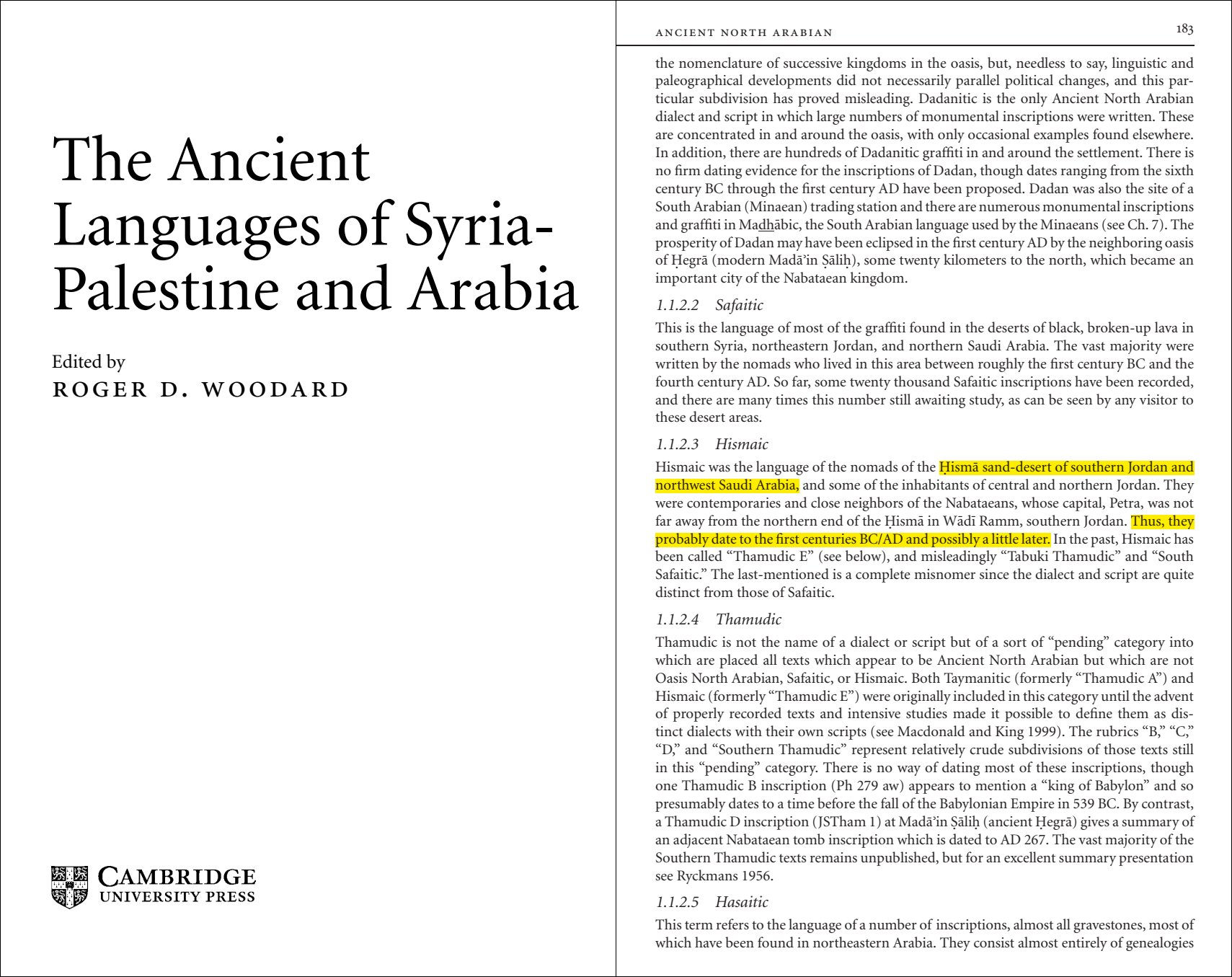
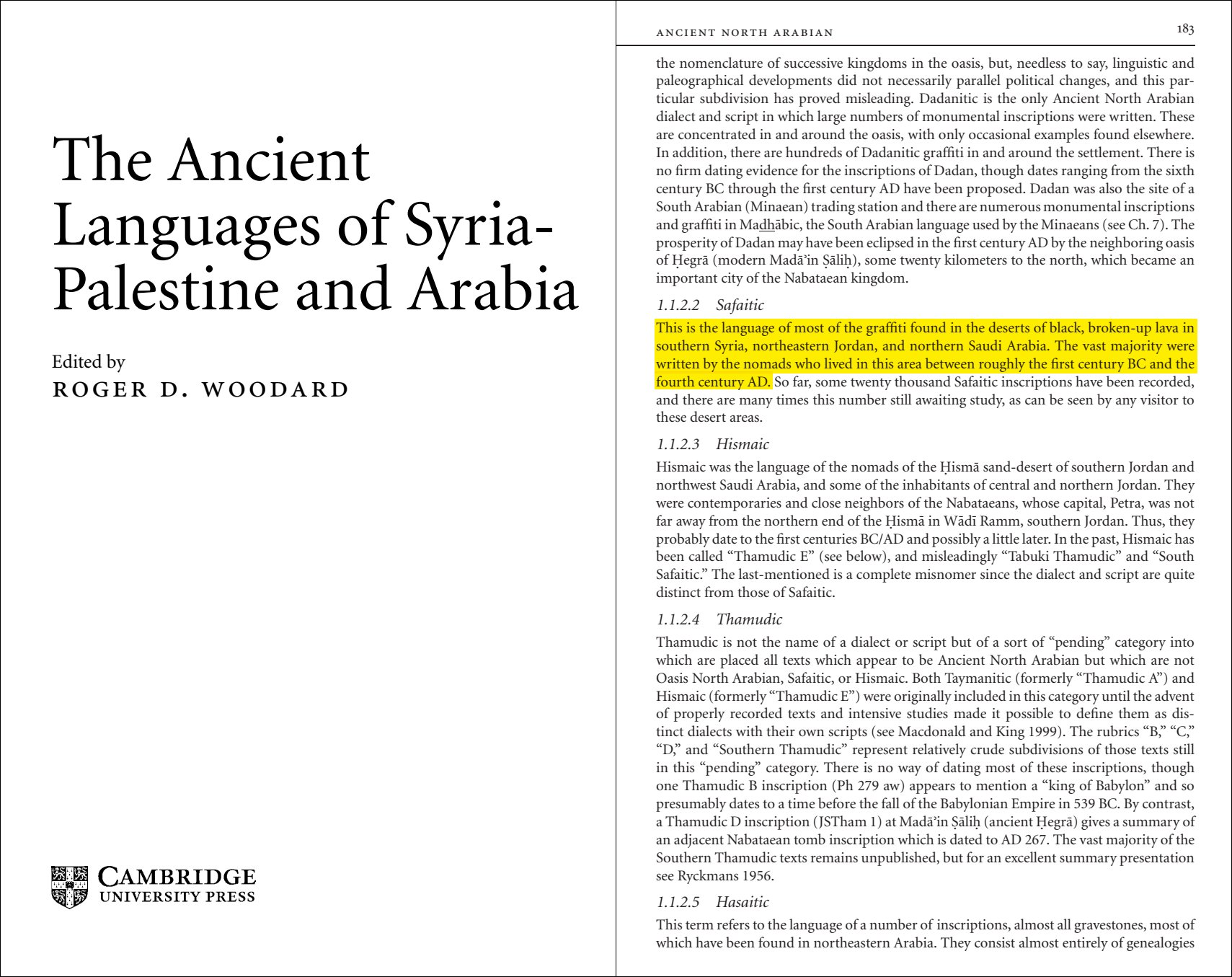
1️⃣ The oldest textual documentation of the name “Mecca” dates back to the first century BC in a Hasmaite inscription written by a man named “Abd Mecca.”
Its name refers to the sanctity and status of Mecca.
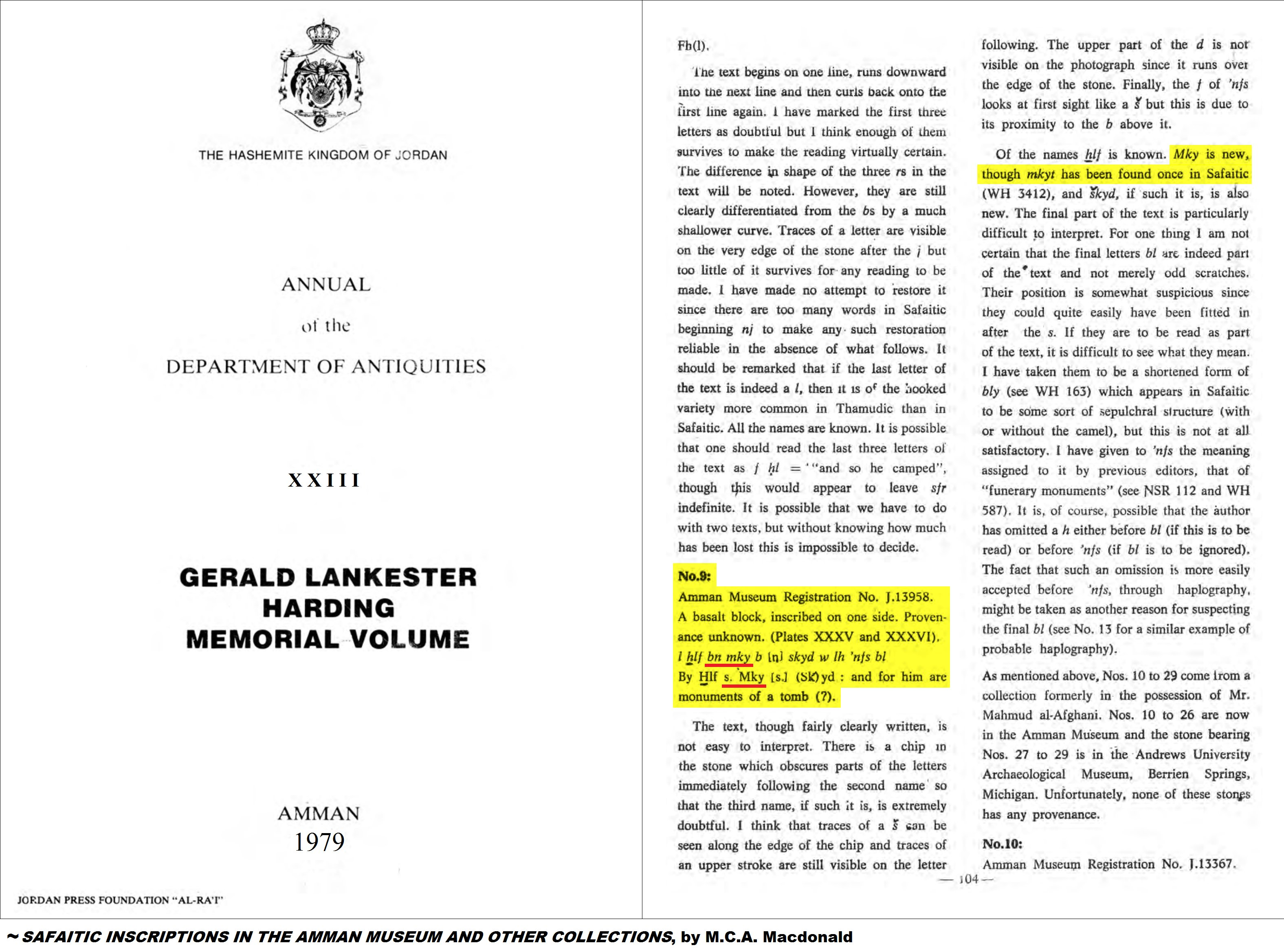
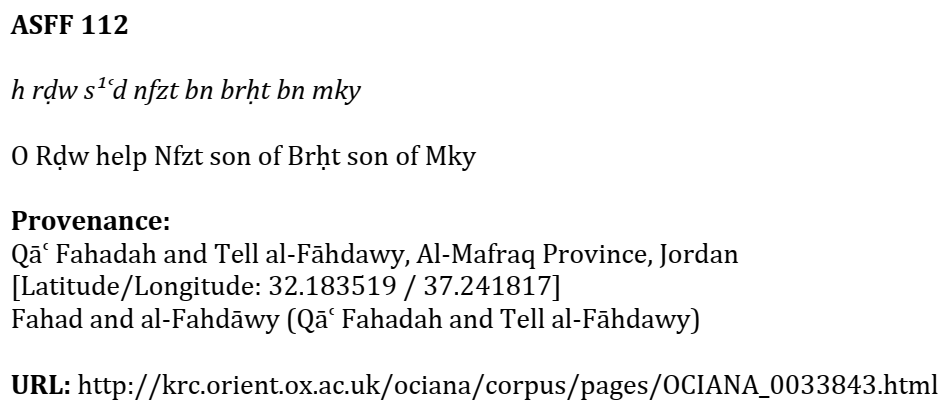
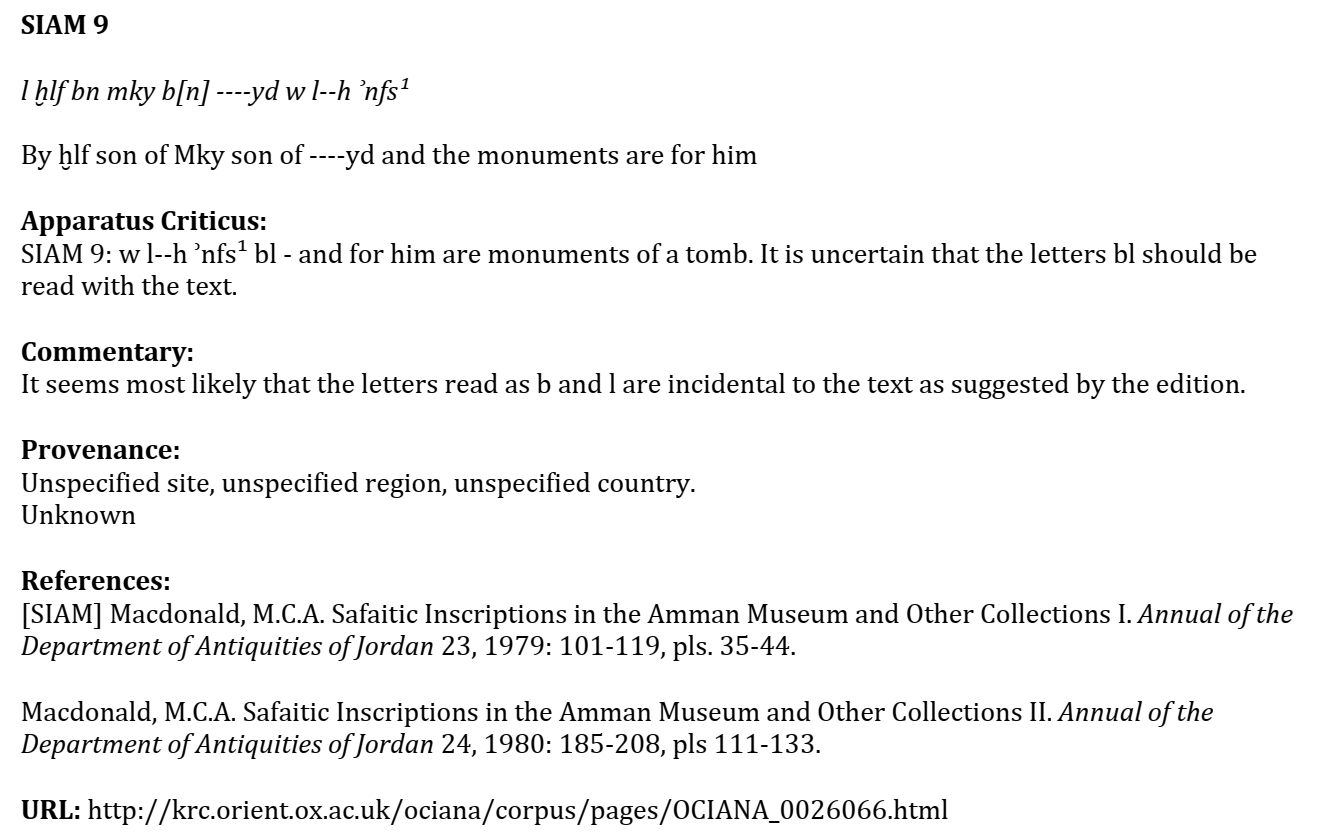
The names of men and women such as “Maki” and “Makkiyya” (based on the weight of the relation to Mecca) were mentioned in several Safaitic inscriptions dating back to between the first century BC and the fourth century AD.
It was mentioned as “Makoraba” by the Roman geographer Claudius Ptolemy of Alexandria in the 2nd century AD, when listing the cities of the western part of the island.
He mentioned with it several cities that are still known by their names in the modern era, such as Al-Hijr, Tayma, Yathrib, and Najran.
Despite the objections of skeptics, the majority of historians and scholars agree that Makkah = Mecca.
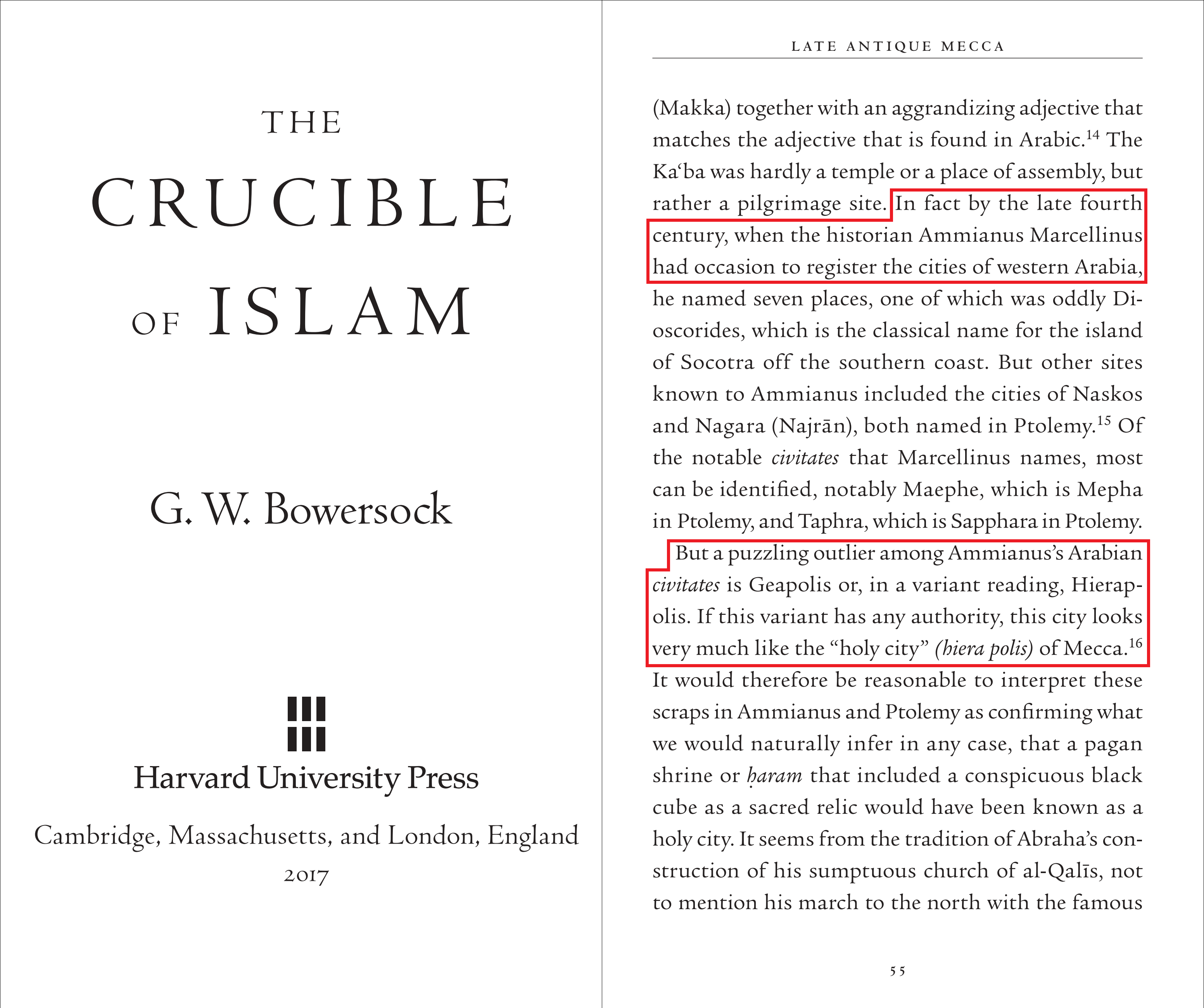
It was mentioned by the Roman historian Ammianus Marcellinus in the 4th century AD, under the name “Hierapolis,” meaning “holy city,” in his list of the cities and capitals of the western Arabian Peninsula.
It appears from the intersection of many of the city names with the names mentioned by Ptolemy that they are an alternative to Macoraba, which he mentioned more than 200 years before him.
F7LZNlyXMAA8la5 4f4a6d322ab365a7
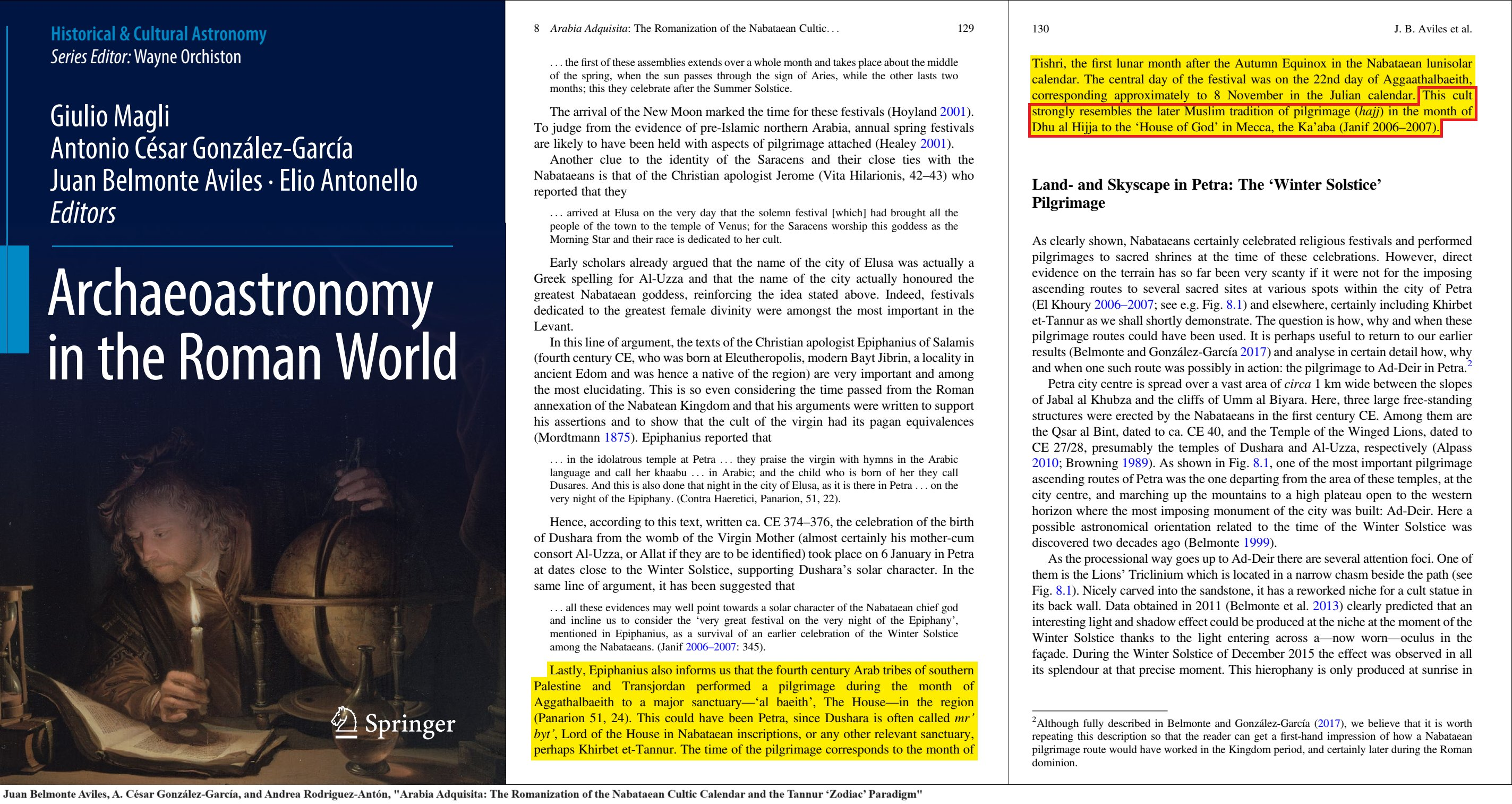
We find in the writings of Saint Epiphanius of Salamis, a contemporary of Ammianus, a reference to a religious season among the Arabs called “Agathalbaith,” meaning “pilgrimage to the House,” in its Greek accent.
Scholars have not agreed on the house intended by this pilgrimage, but it is evident from its description that there is a strong, almost identical similarity between it and the Meccan pilgrimage season during the month of Dhul-Hijjah.
F7LZY4SX0AA4Lw0 d42f92fb0befd617
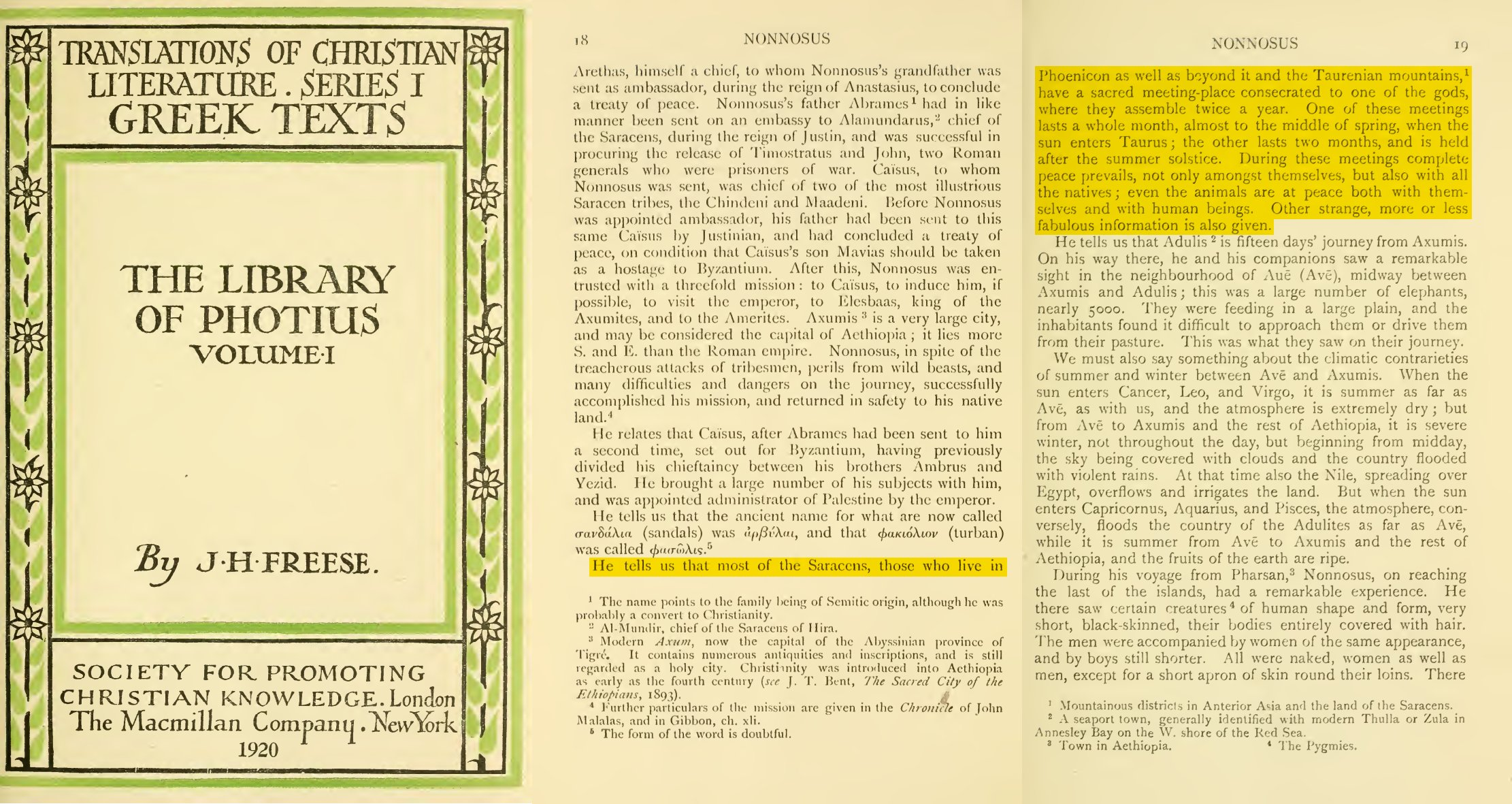
This is supported by what Nonnisus, the ambassador of the Byzantine Emperor Justinian I, mentioned during the 6th century AD, in his report that the Arabs living in the south of the Levant and the north of the Arabian Peninsula and beyond the Tayy Mountains have a holy place of unknown religious affiliation where they meet twice a year in the months of sanctuary in which peace prevails and in which they forbid fighting and hunting animals.
F7LZjCRWAAADVrB 1e45b34c93024658
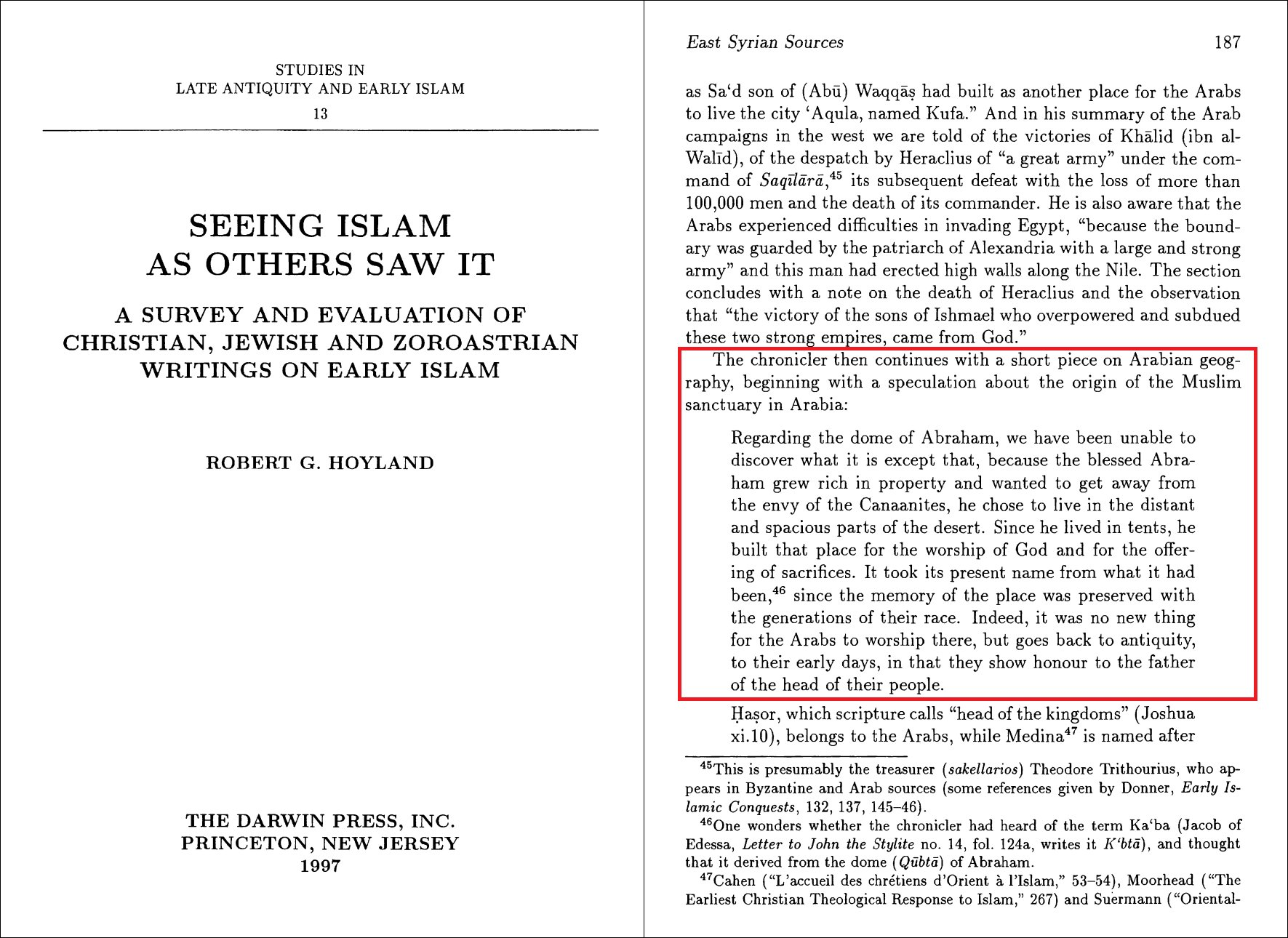
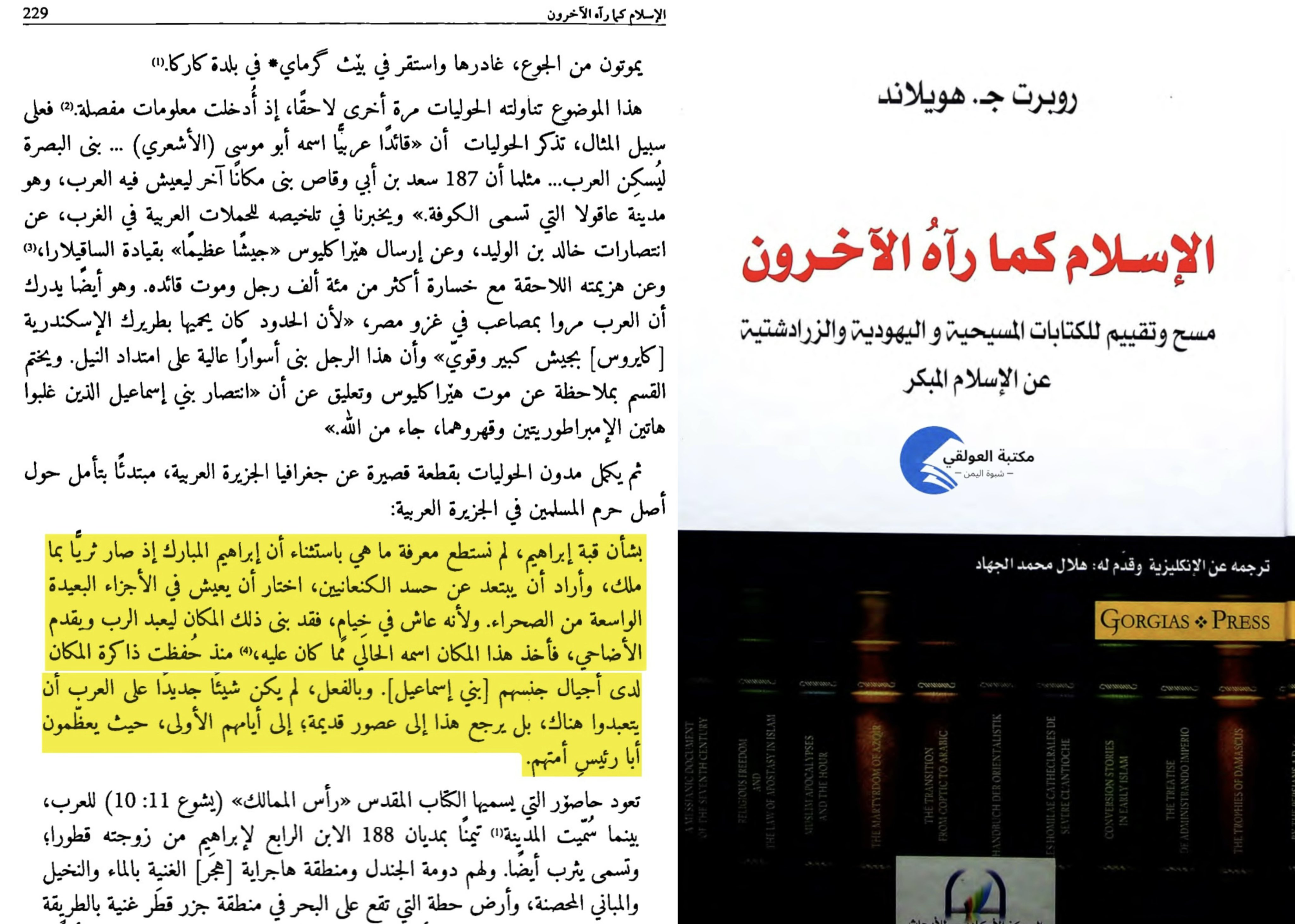
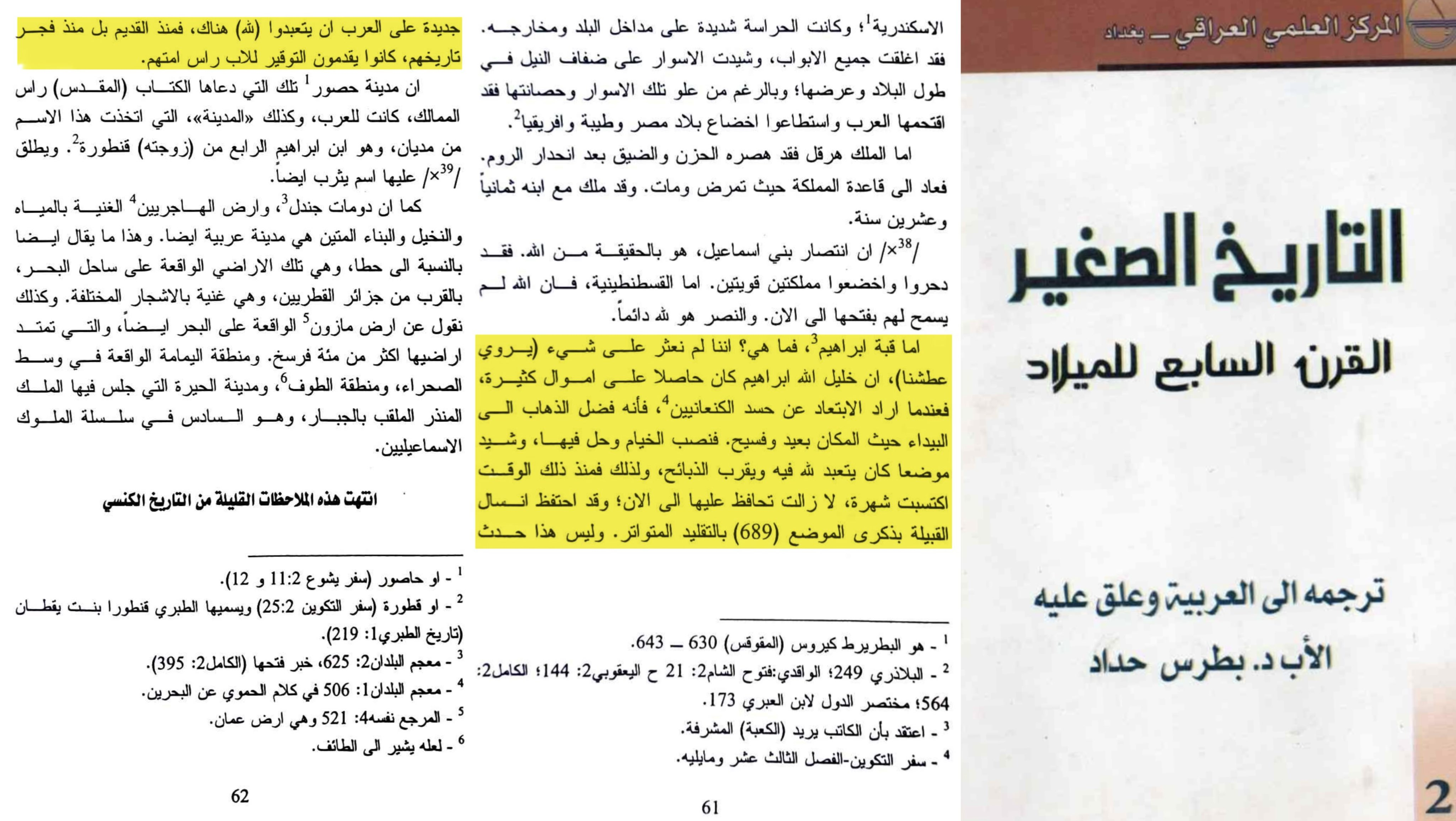
Finally, the Syriac Chronicle of Khuzestan, contemporary with the Islamic conquests, mentions that the conquering Arabs make pilgrimages to the “Tomb of Abraham,” located far inside the Arabian Peninsula, and offer sacrifices there in imitation of “the father of their father.”
He stressed that the Arabs’ pilgrimage to it and worship there is not a new phenomenon, but rather an ancient practice dating back to ancient times
F7LZtvrWUAA7bTB 85a39e7baf5ff938
These are three Arabic translations of the text in the Khuzestan Chronicle about the Kaaba, which it calls the “Dome of Abraham” 🕋👇