Mecca and Yathrib in Bible
Mecca and Medina in Genesis 10:30
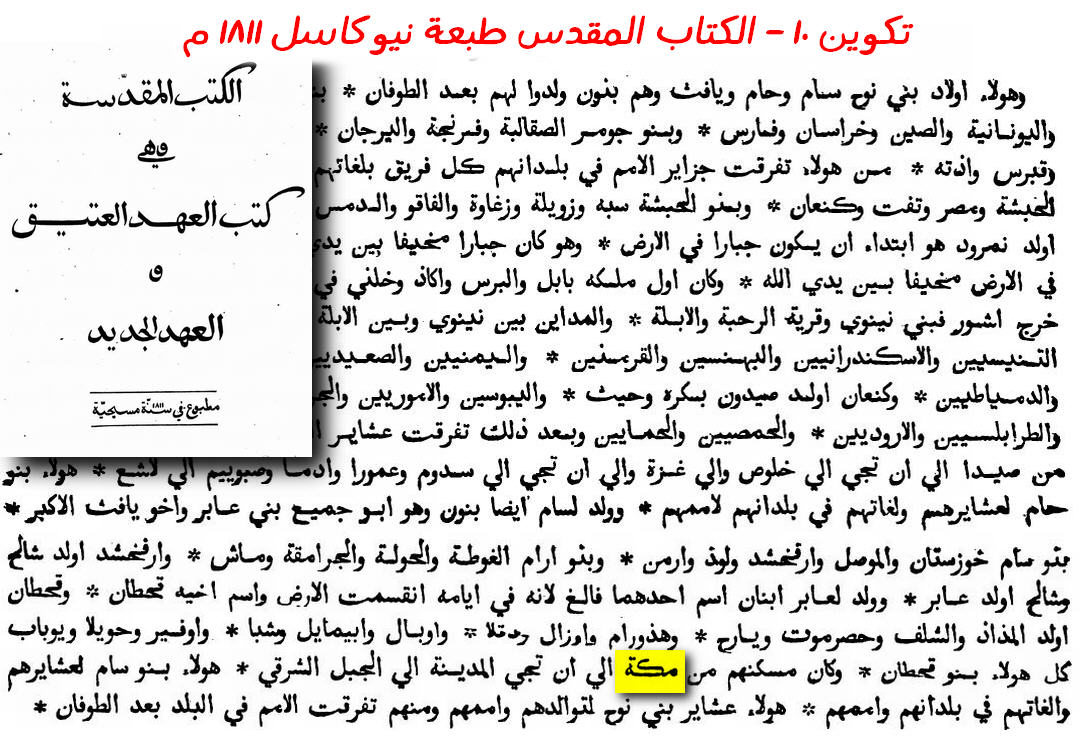
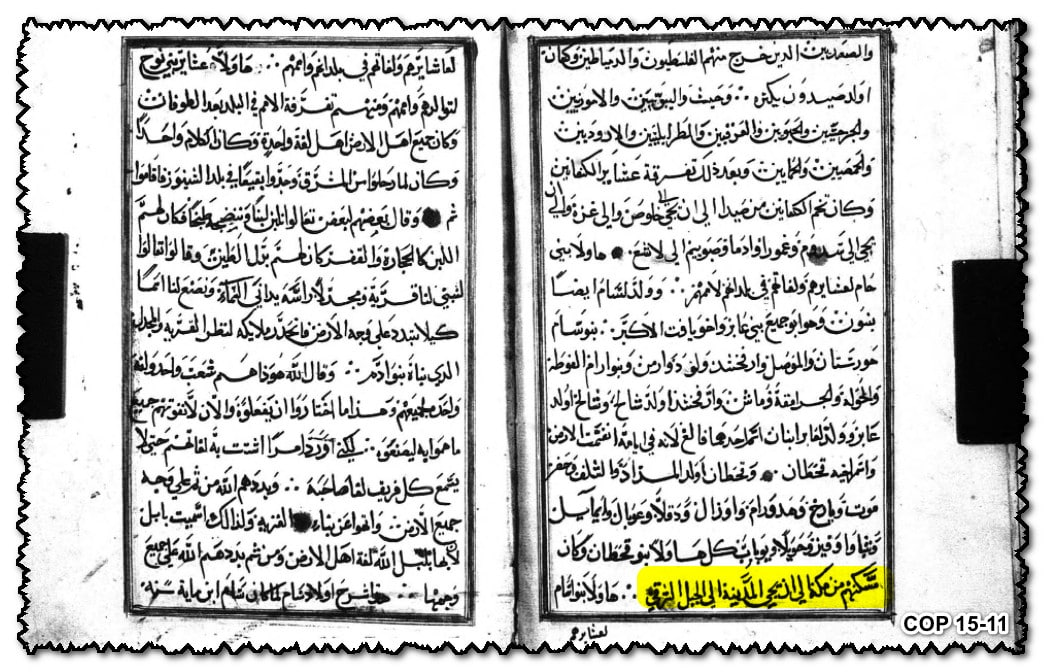
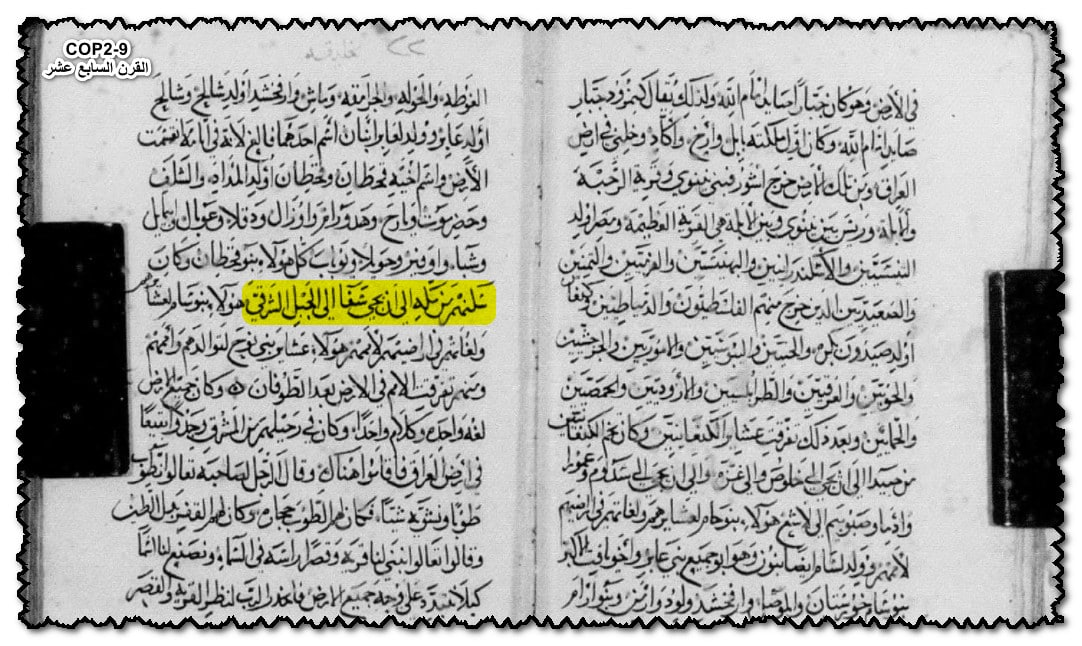
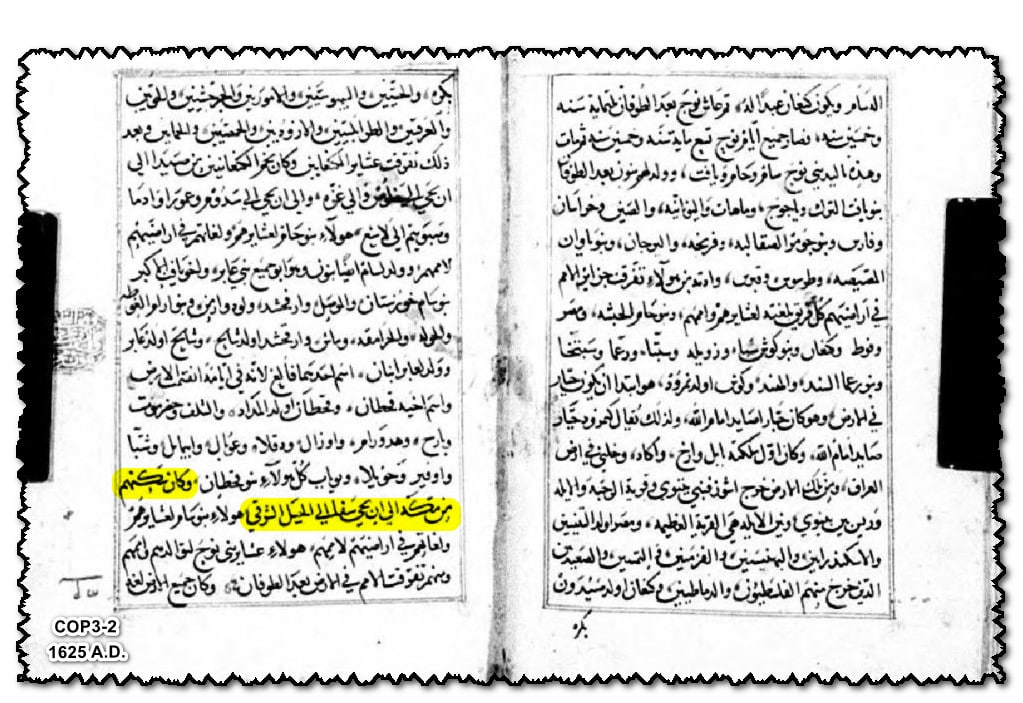
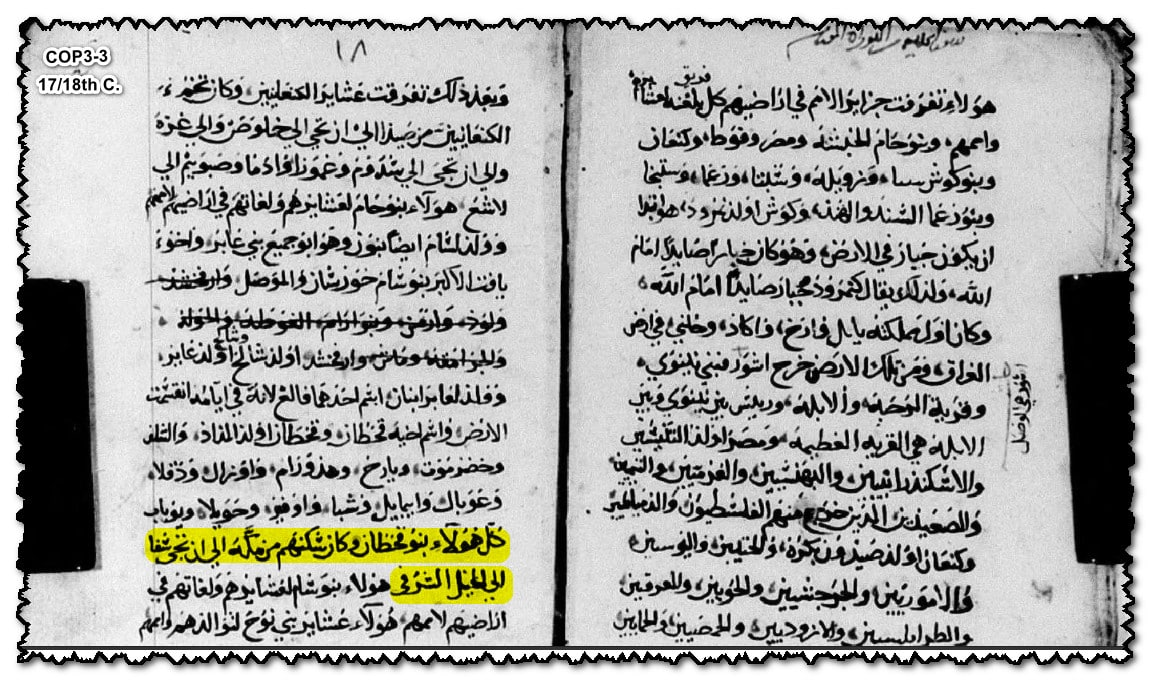
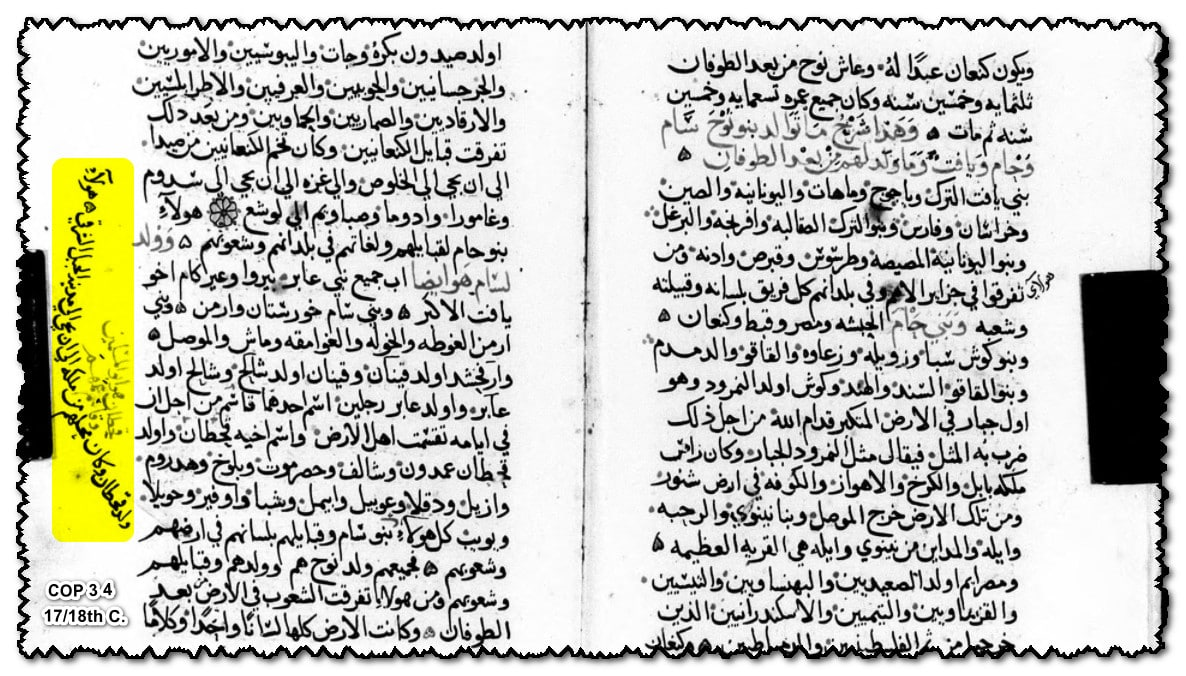
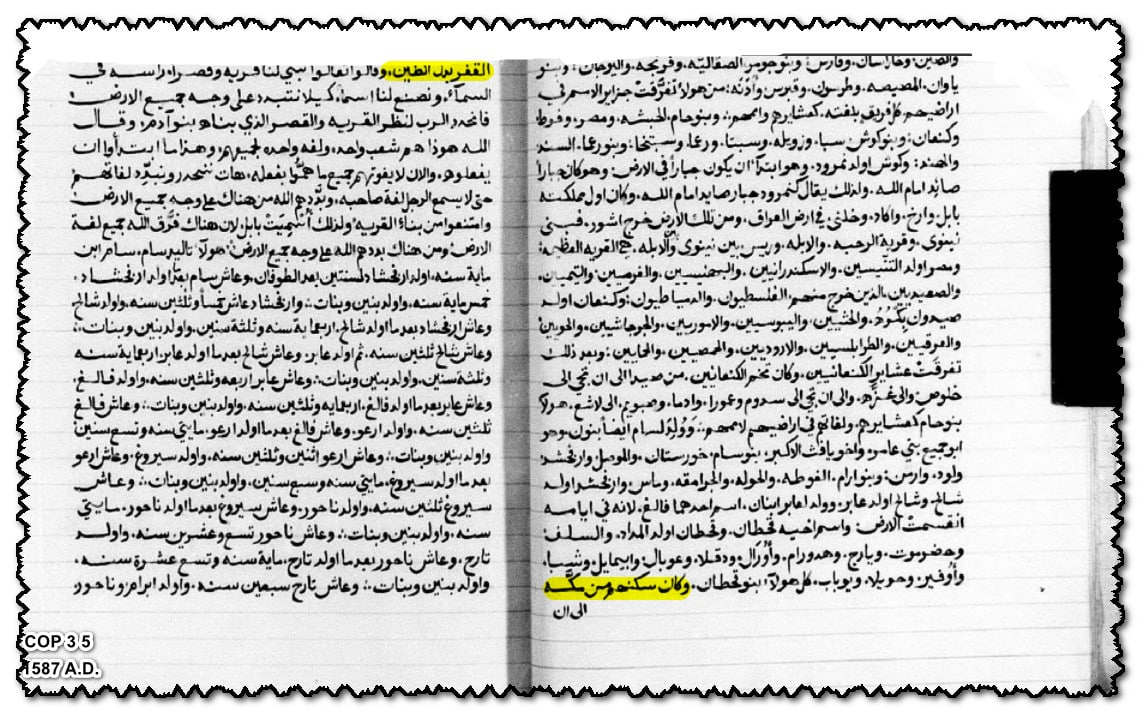
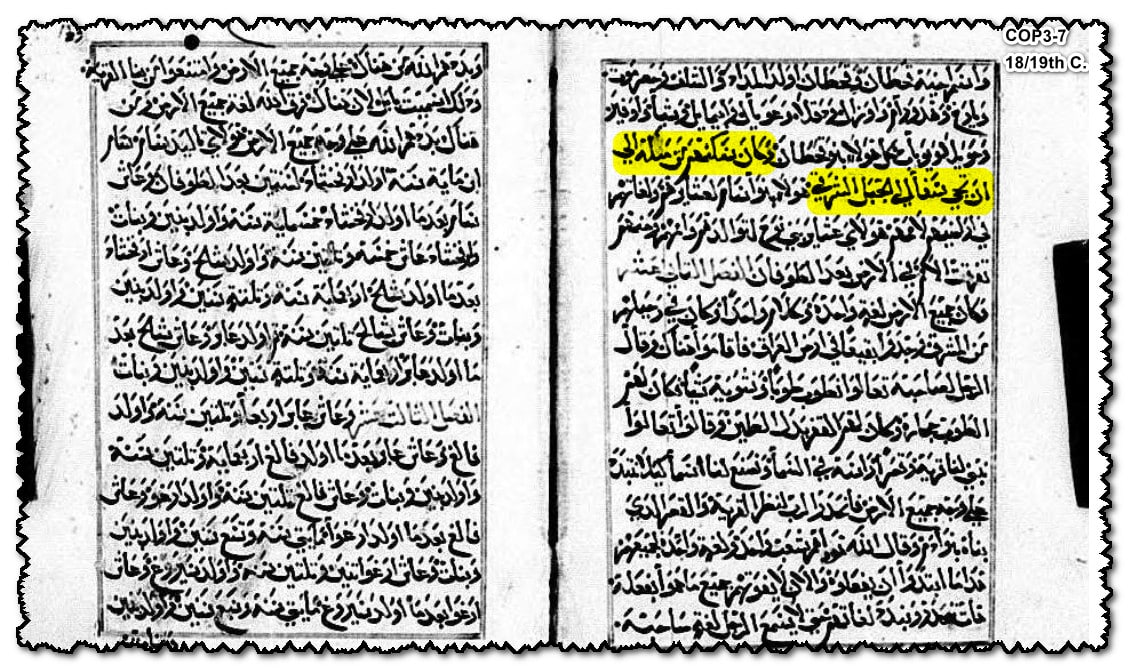
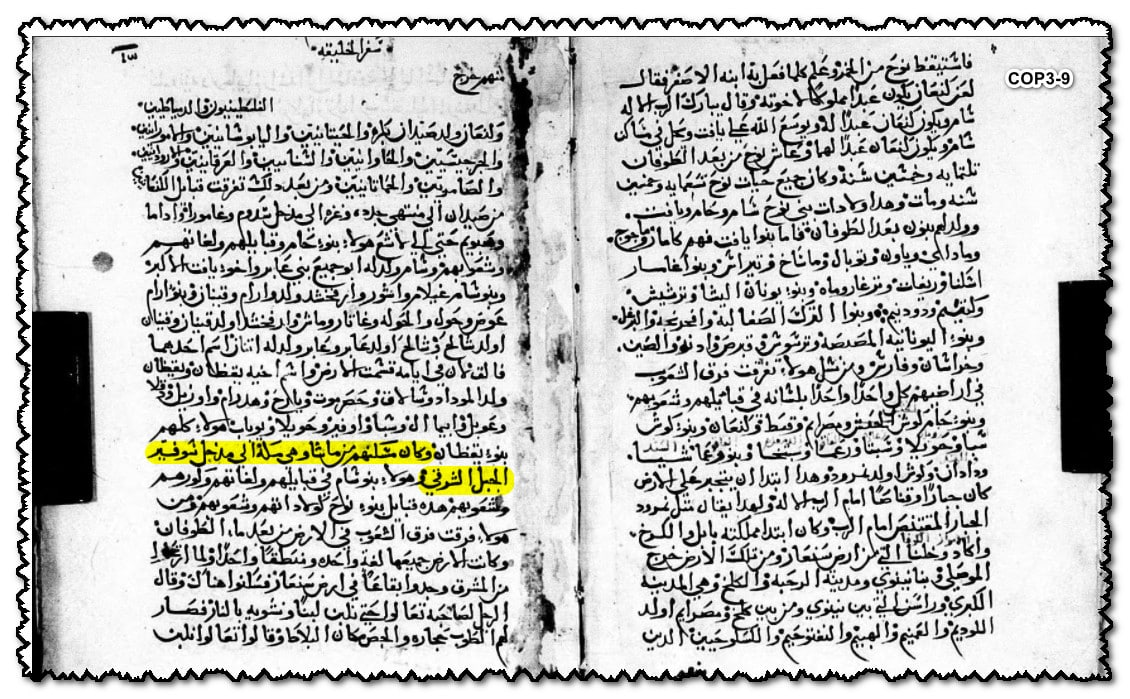
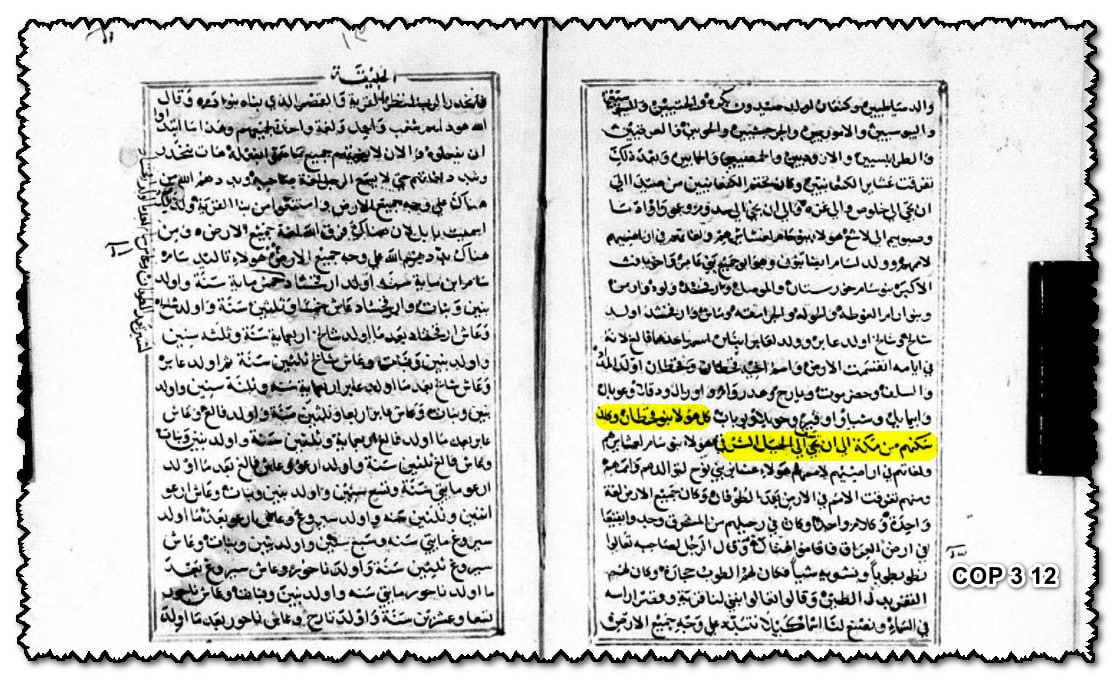
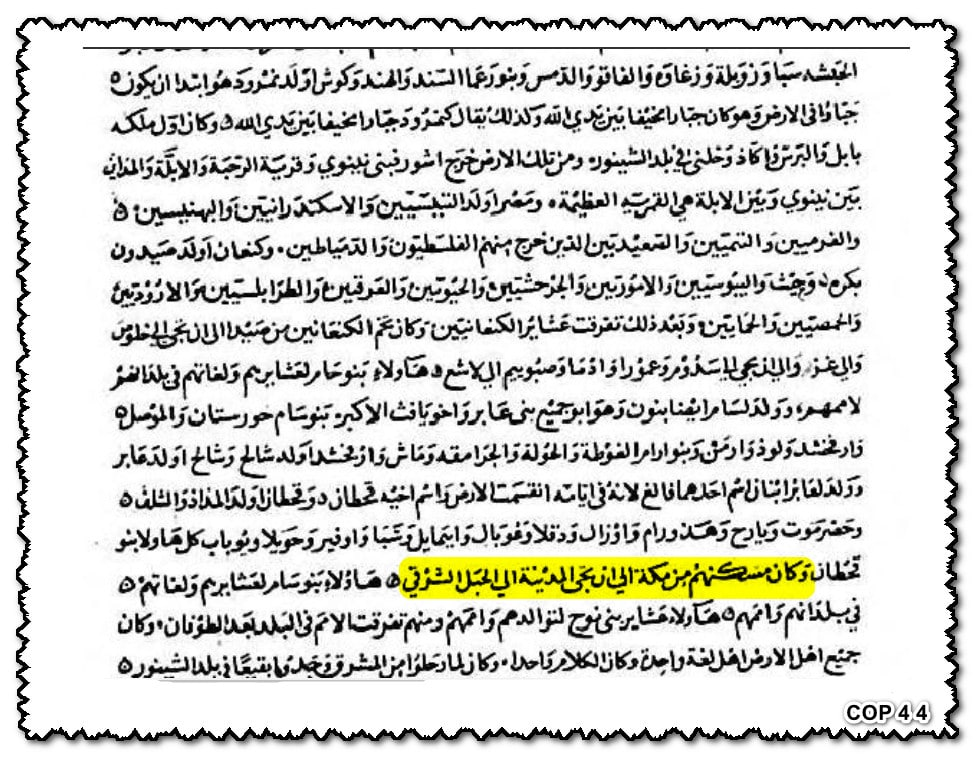
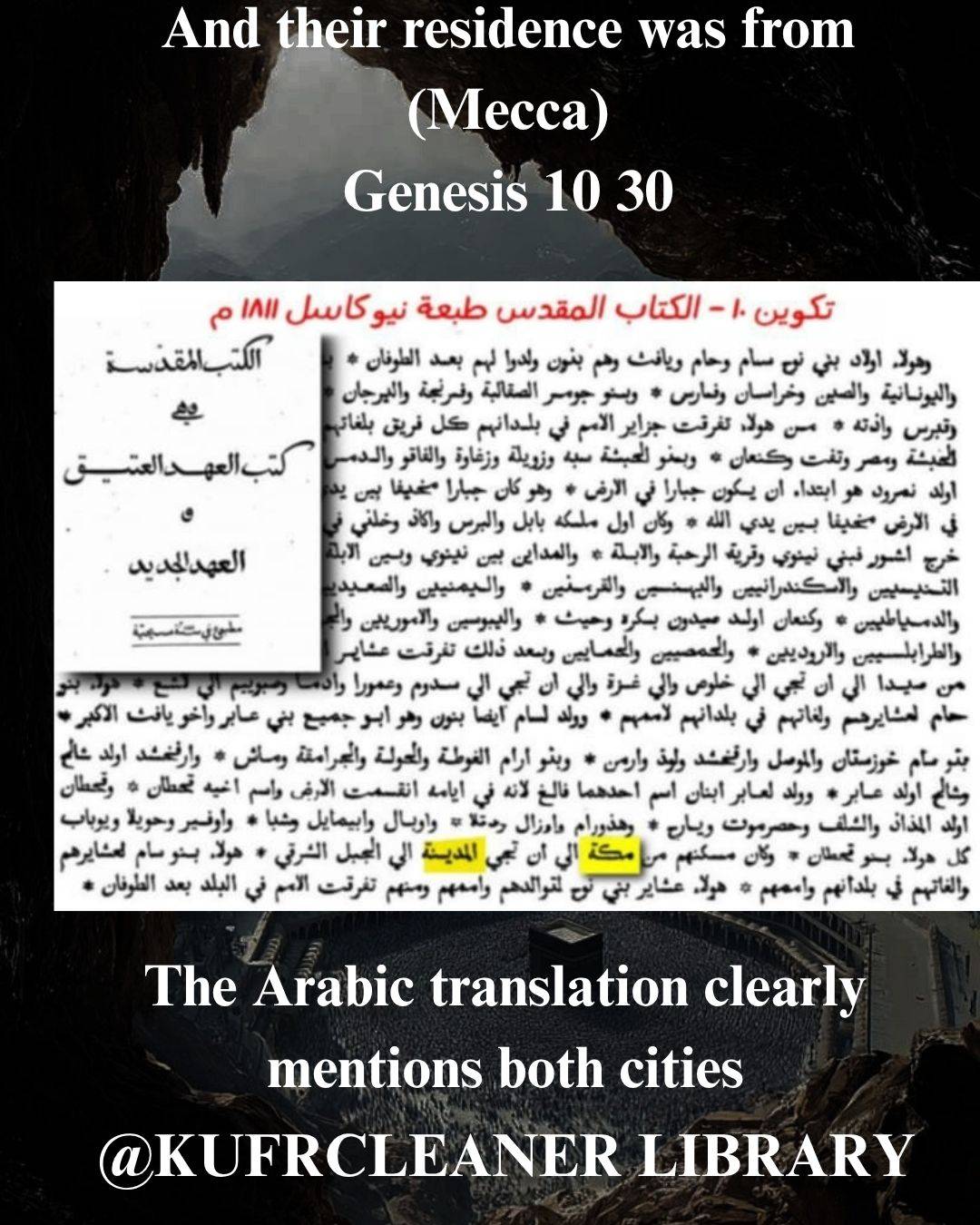
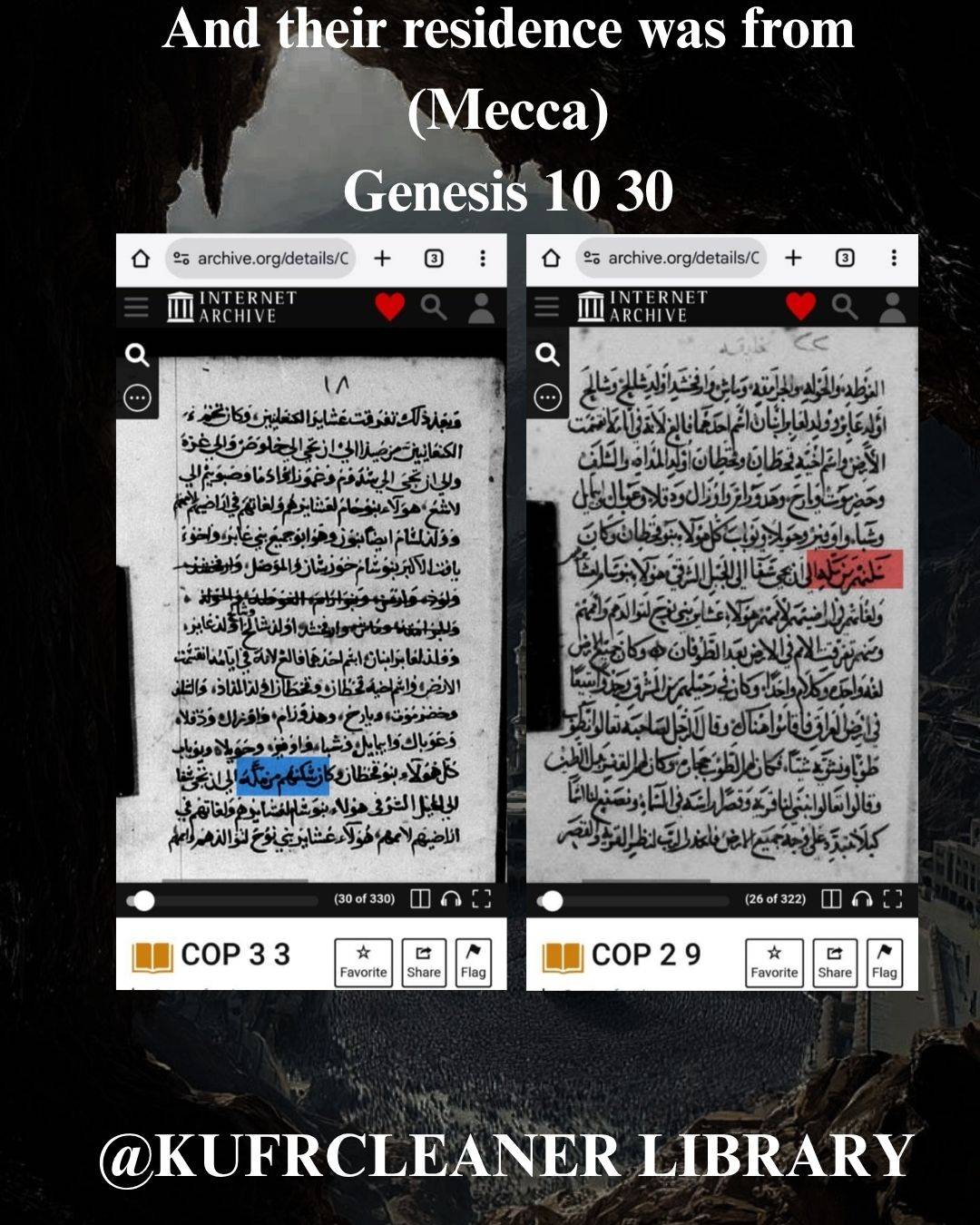
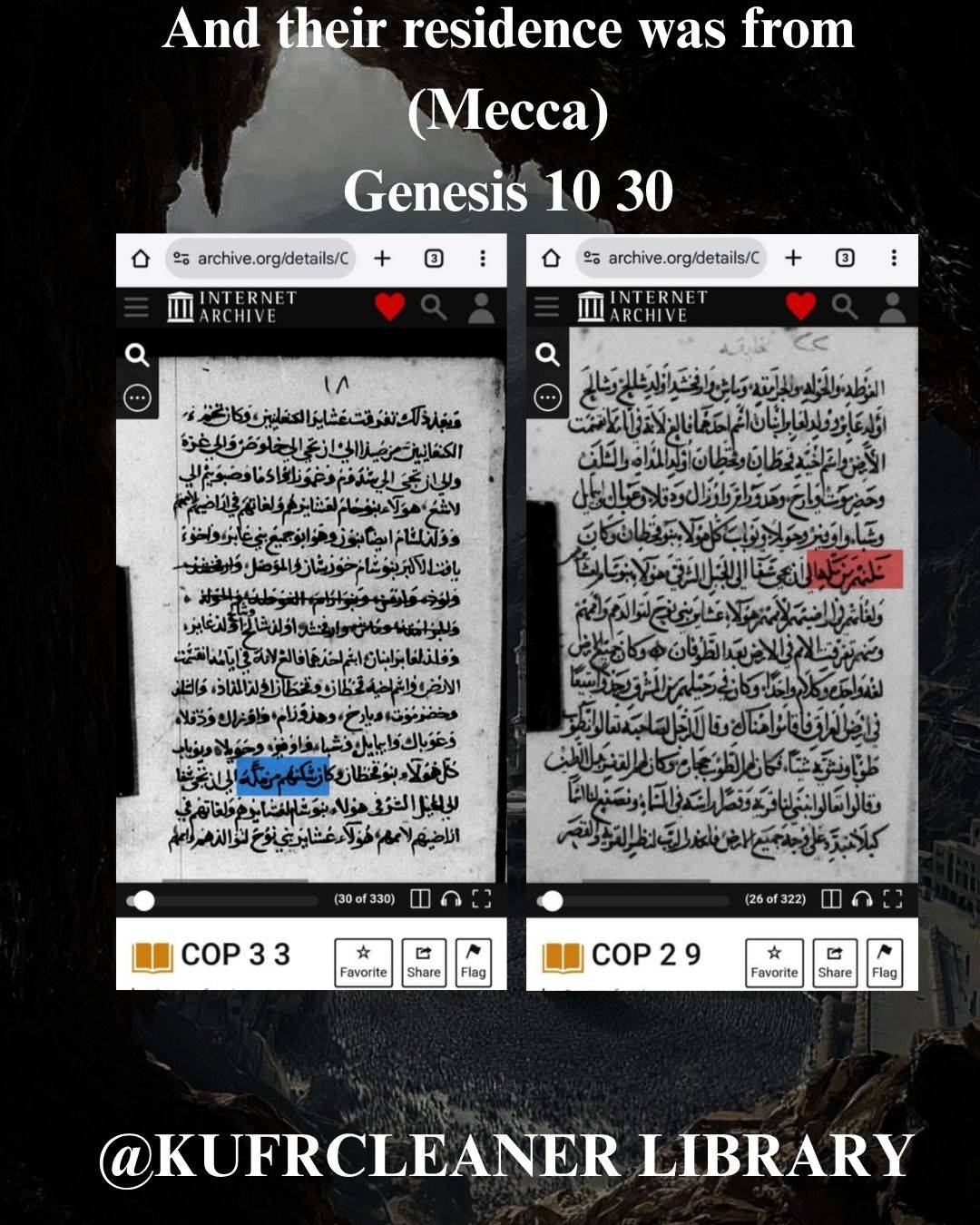
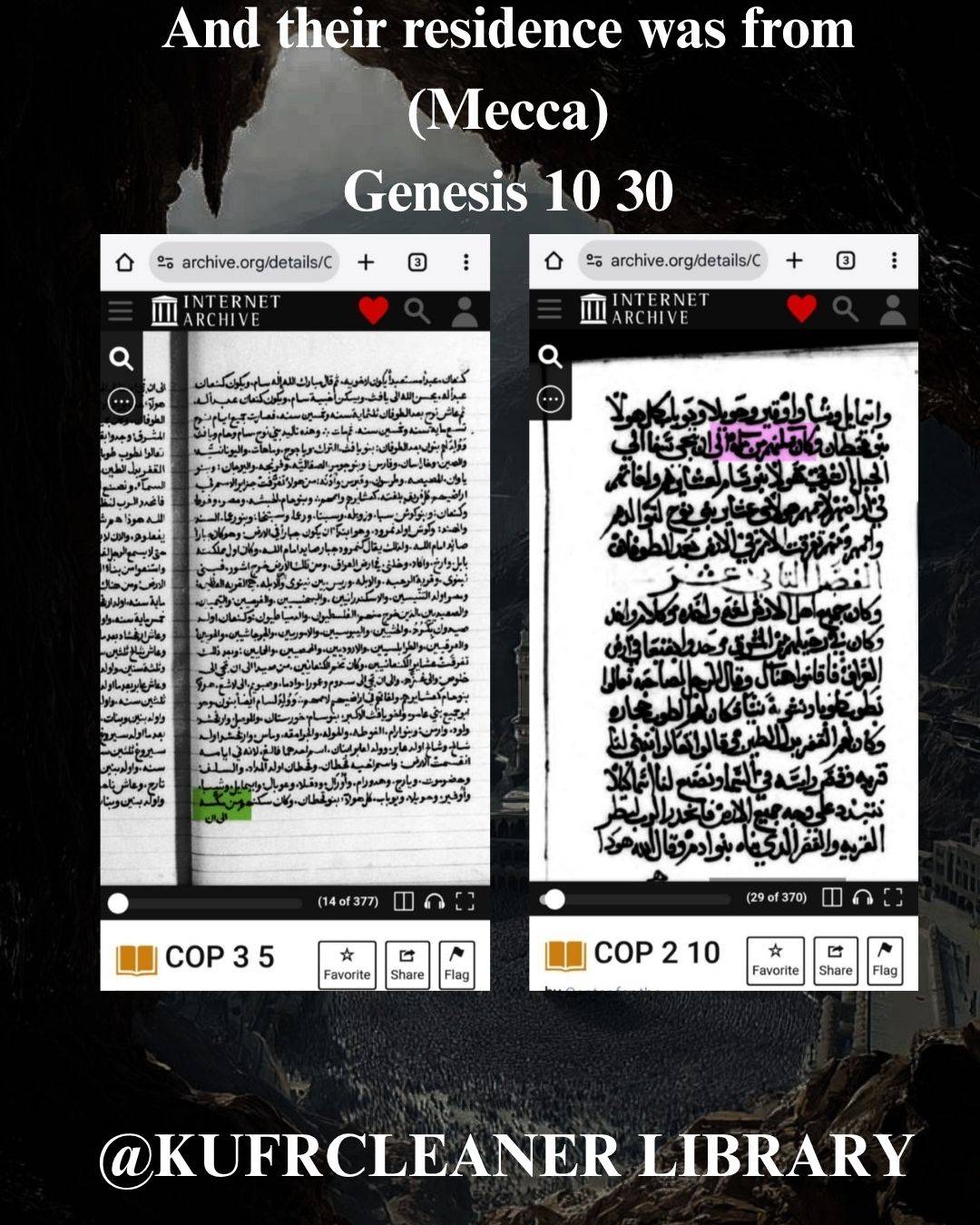
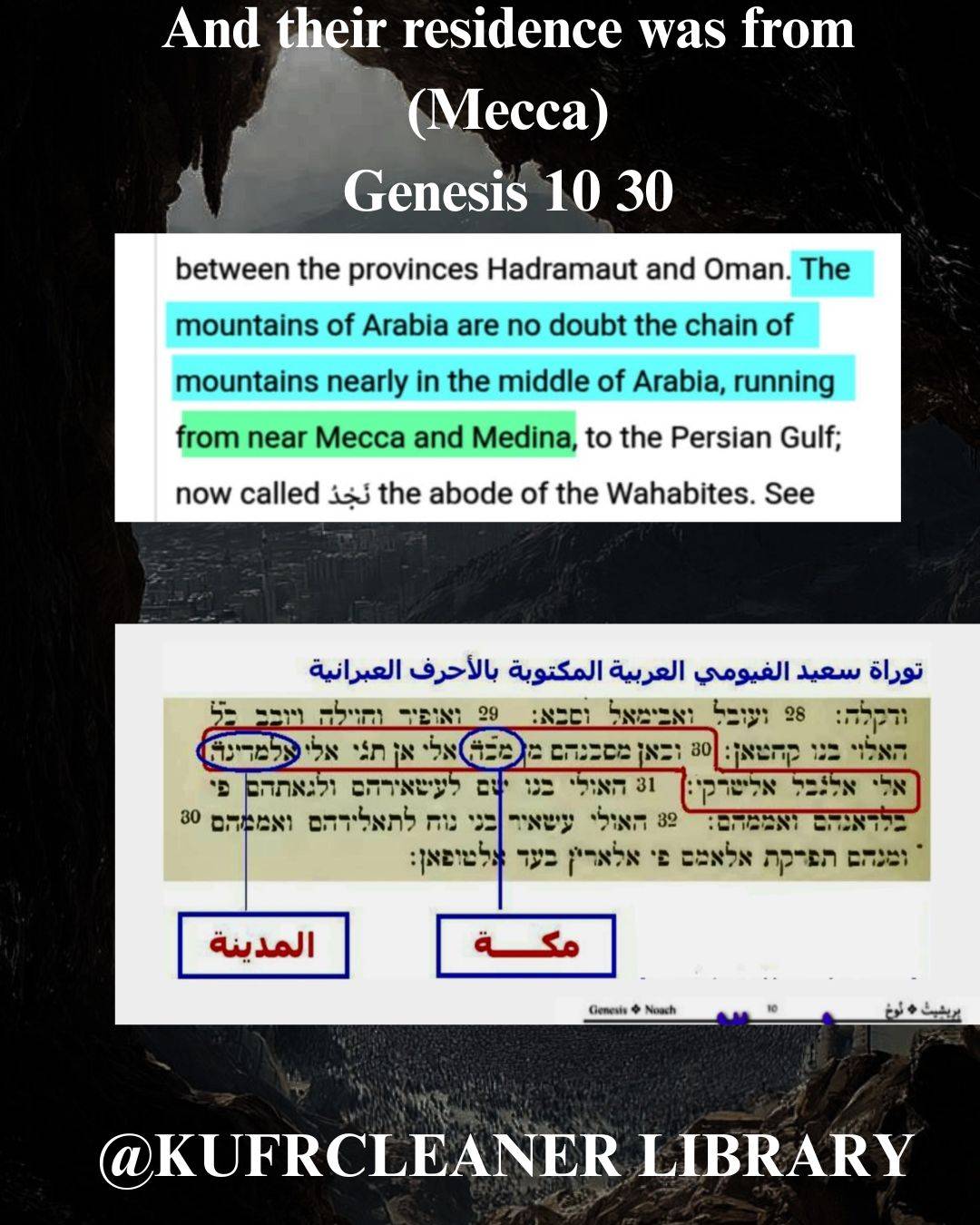
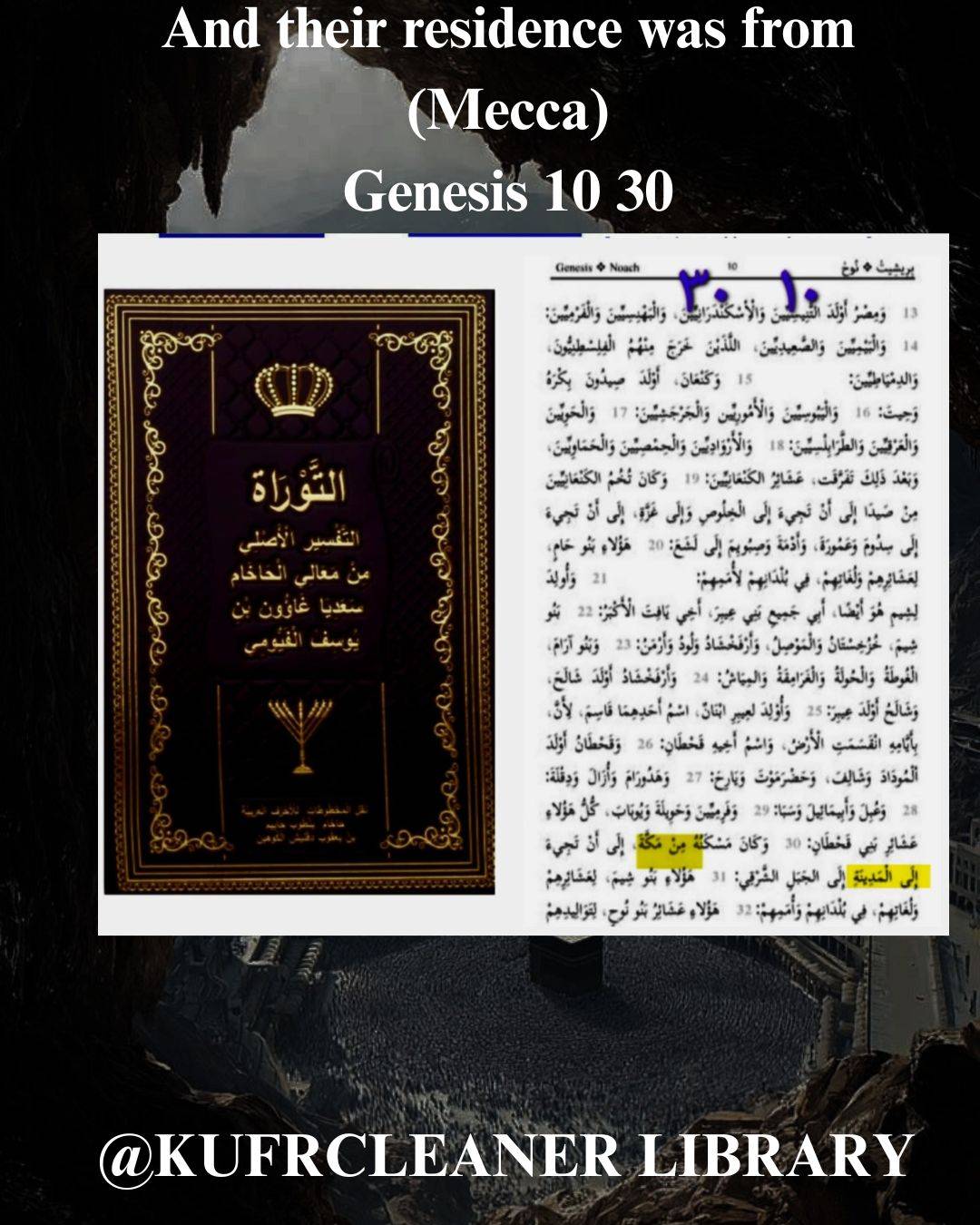
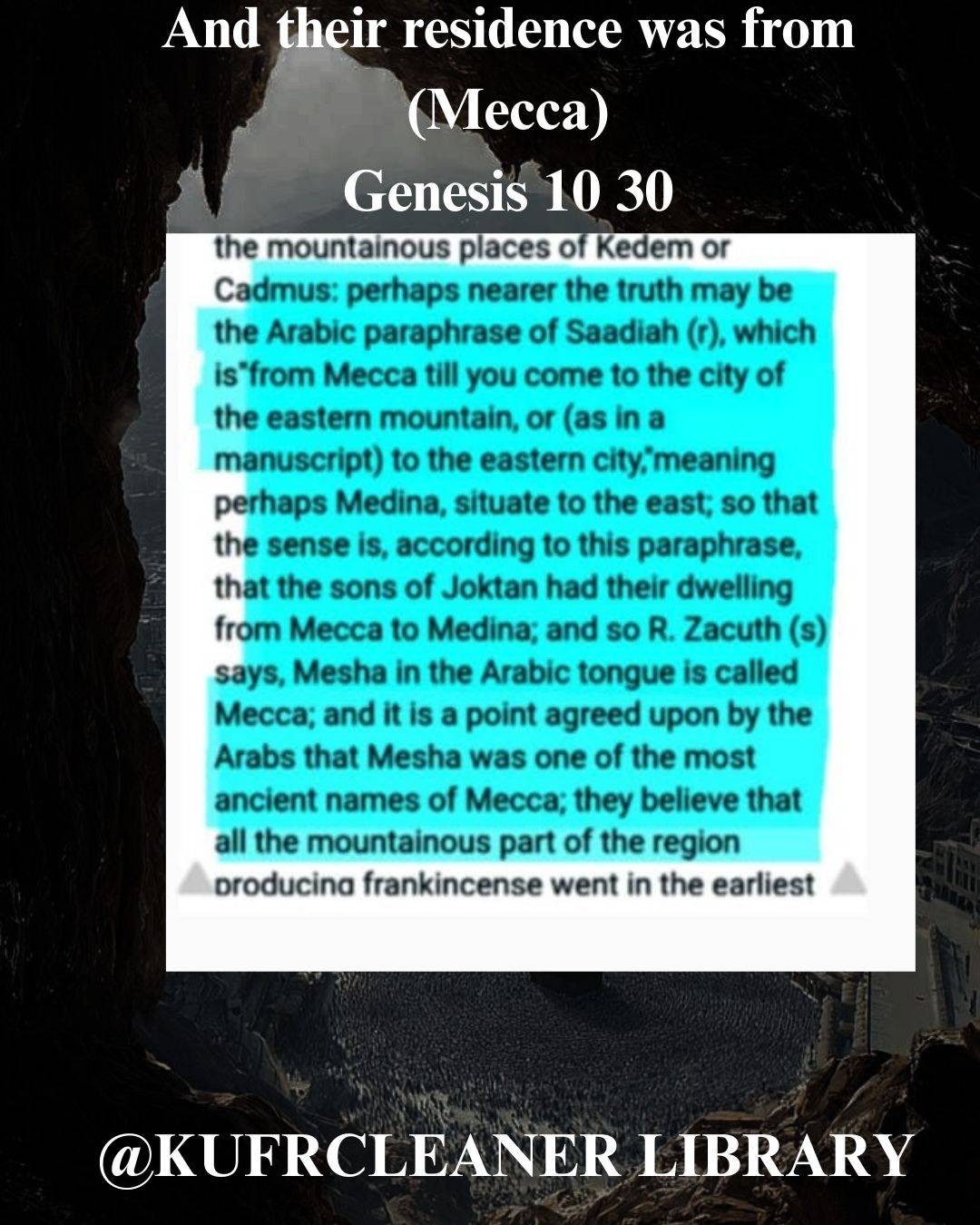
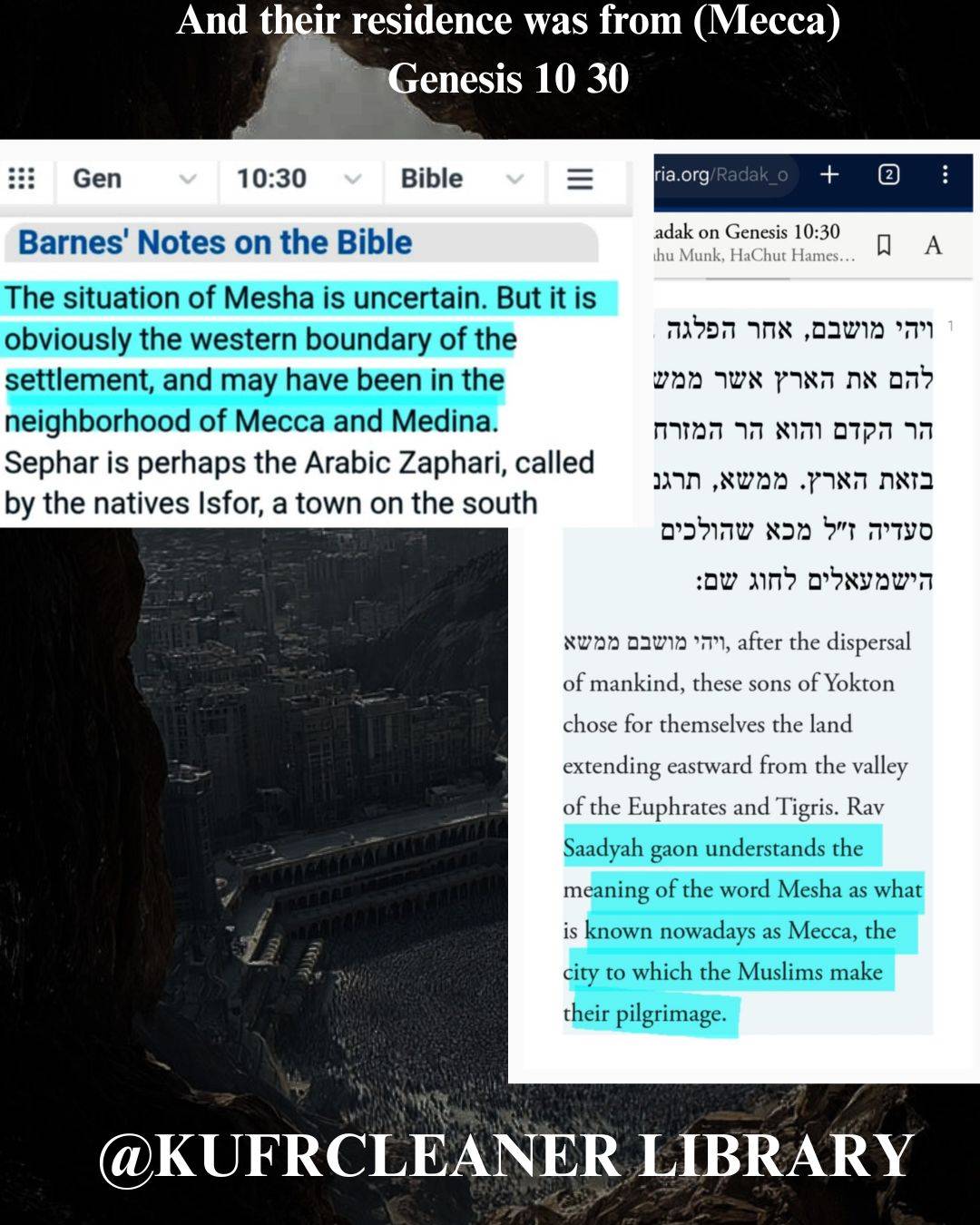
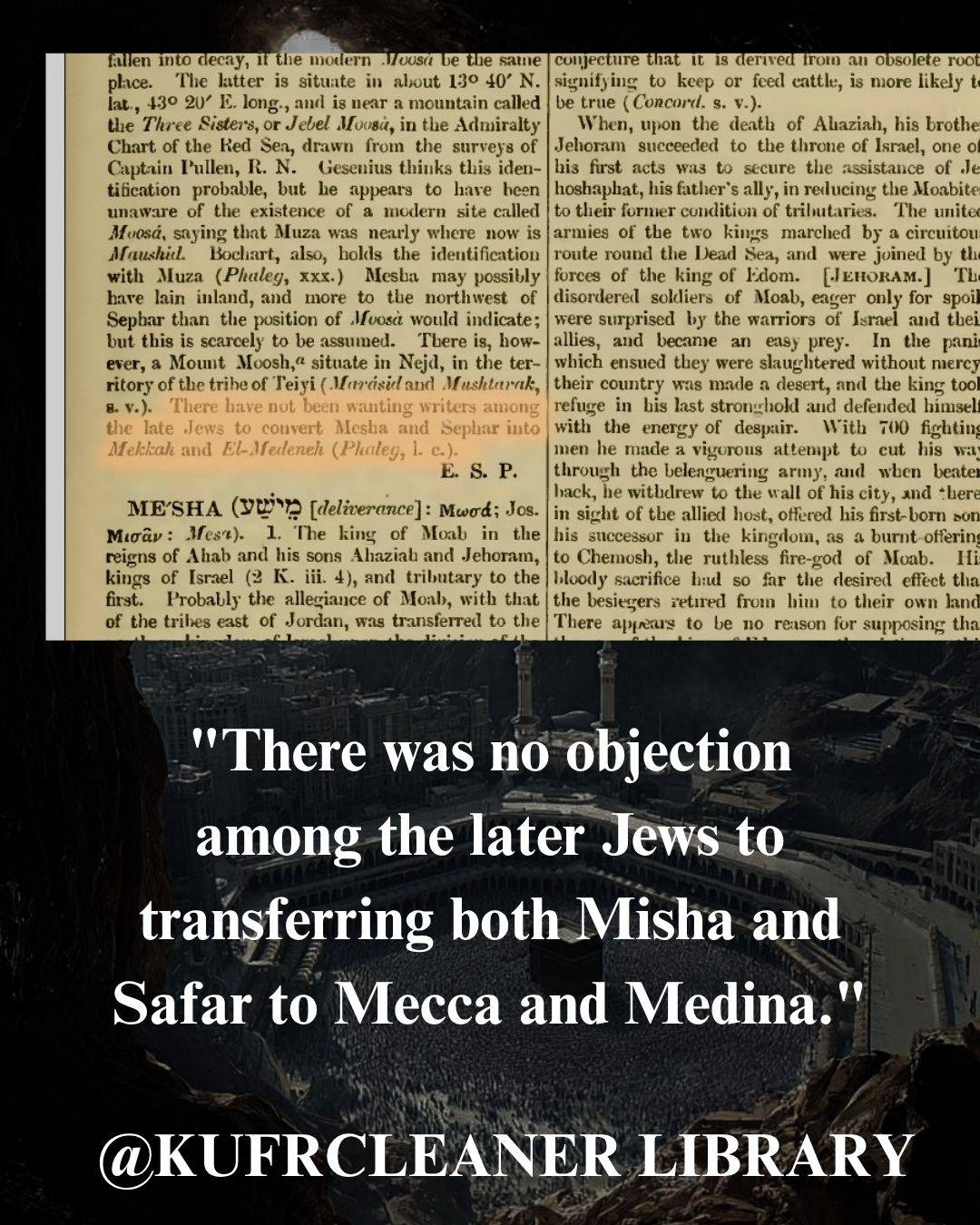
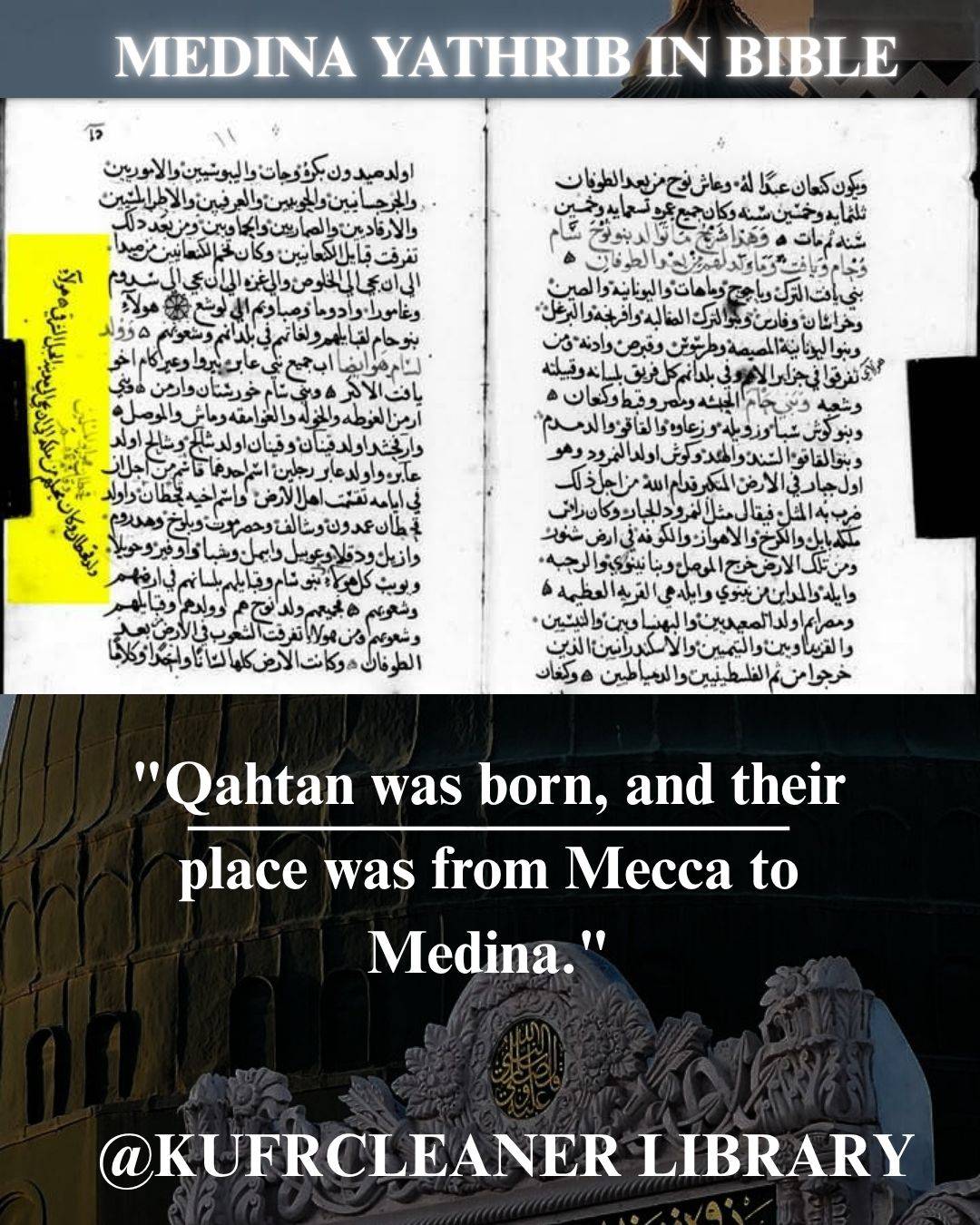
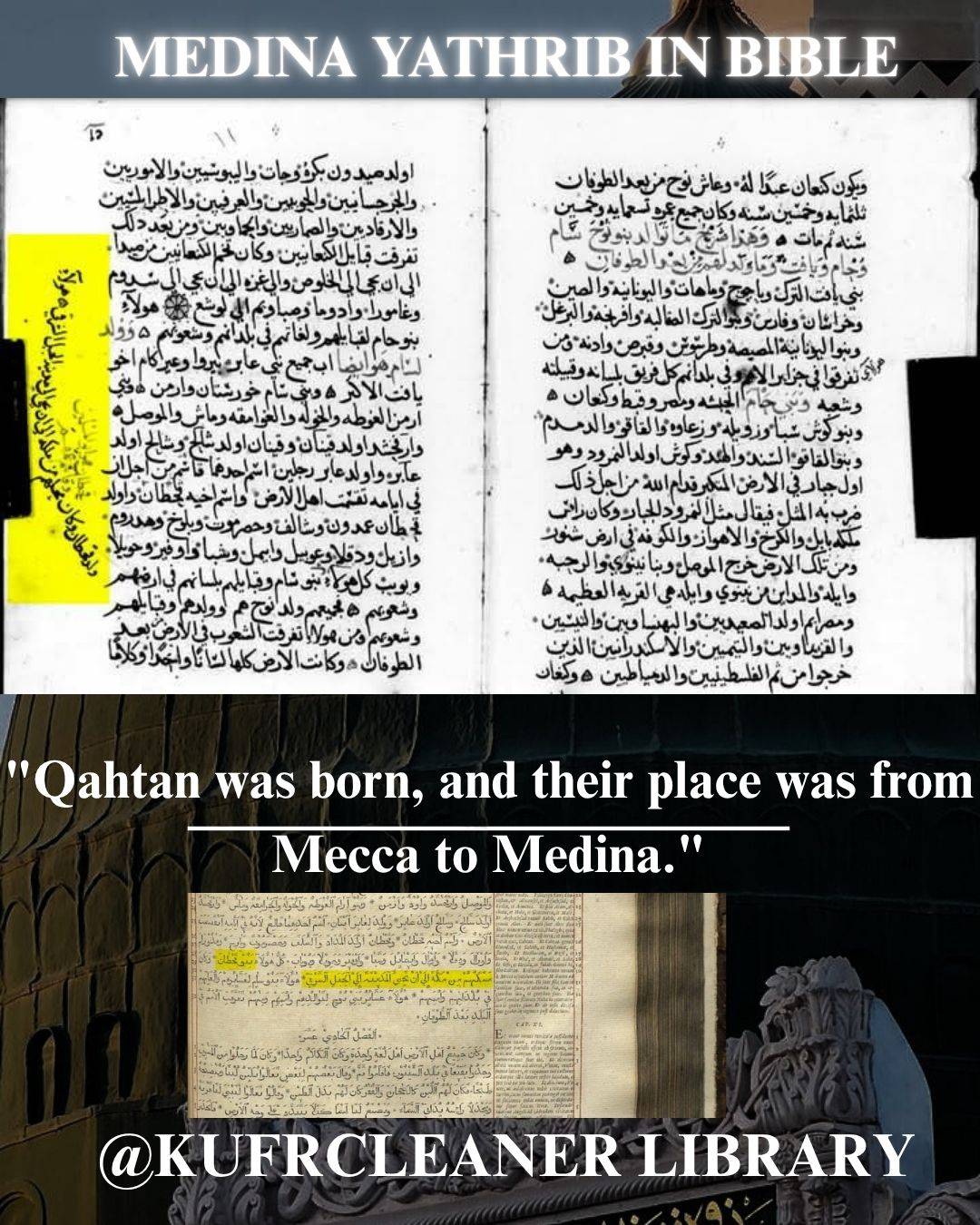
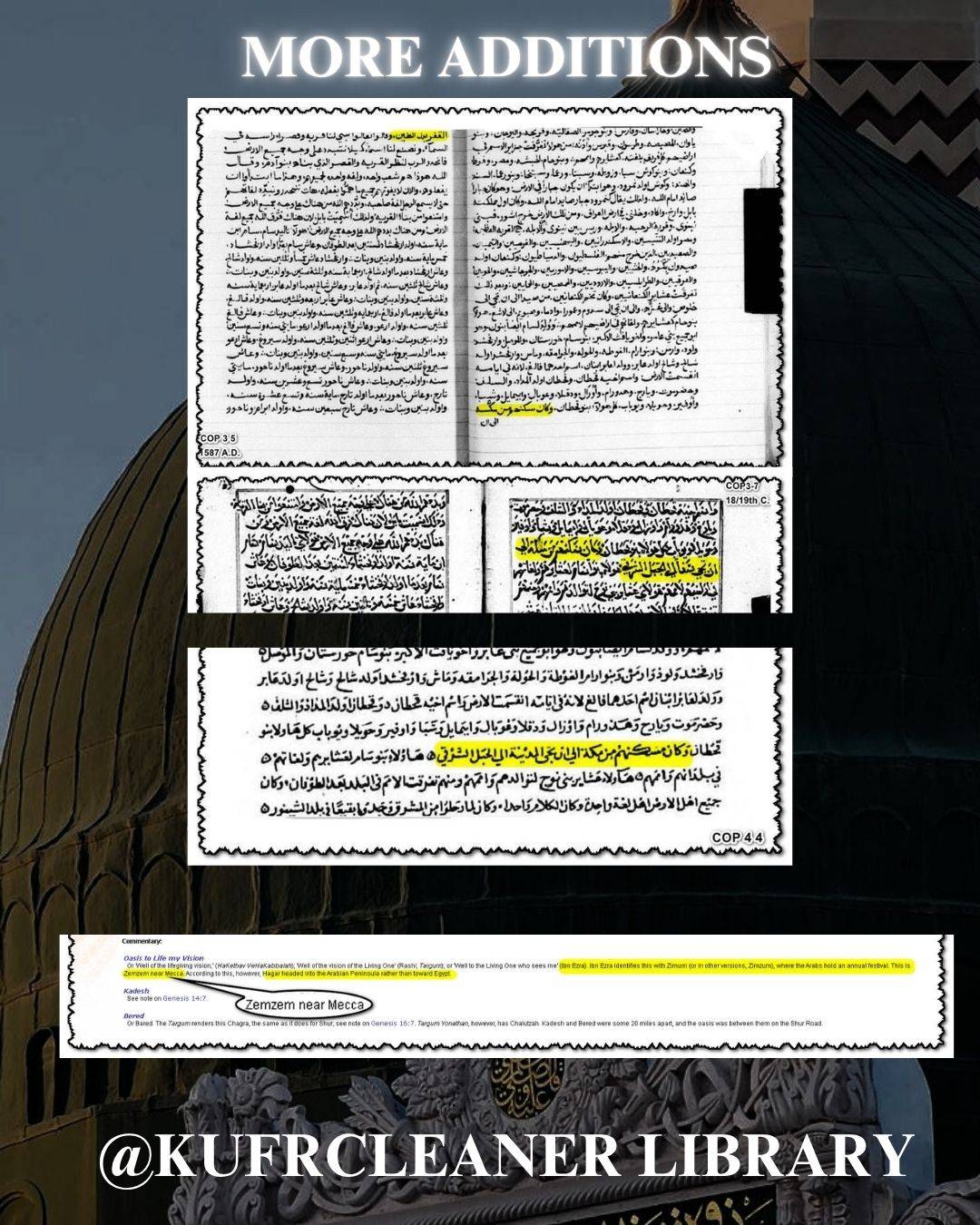
The translation of 1811 AD and the translation of Gaon al-Fayyumi, one of the most important Jewish scholars and the most important of them in the Middle Ages, explicitly mention Mecca and Medina in the text of Genesis 10:30, and there are other manuscripts that mentioned this
وَكَانَ مَسْكَنُهُمْ مِنْ مِيشَا حِينَمَا تَجِيءُ نَحْوَ سَفَارَ جَبَلِ الْمَشْرِقِ.
, and even the word “Masha” or “Massa” mentioned in the current translations is the same as Mecca in what is known as “Kashksha.”
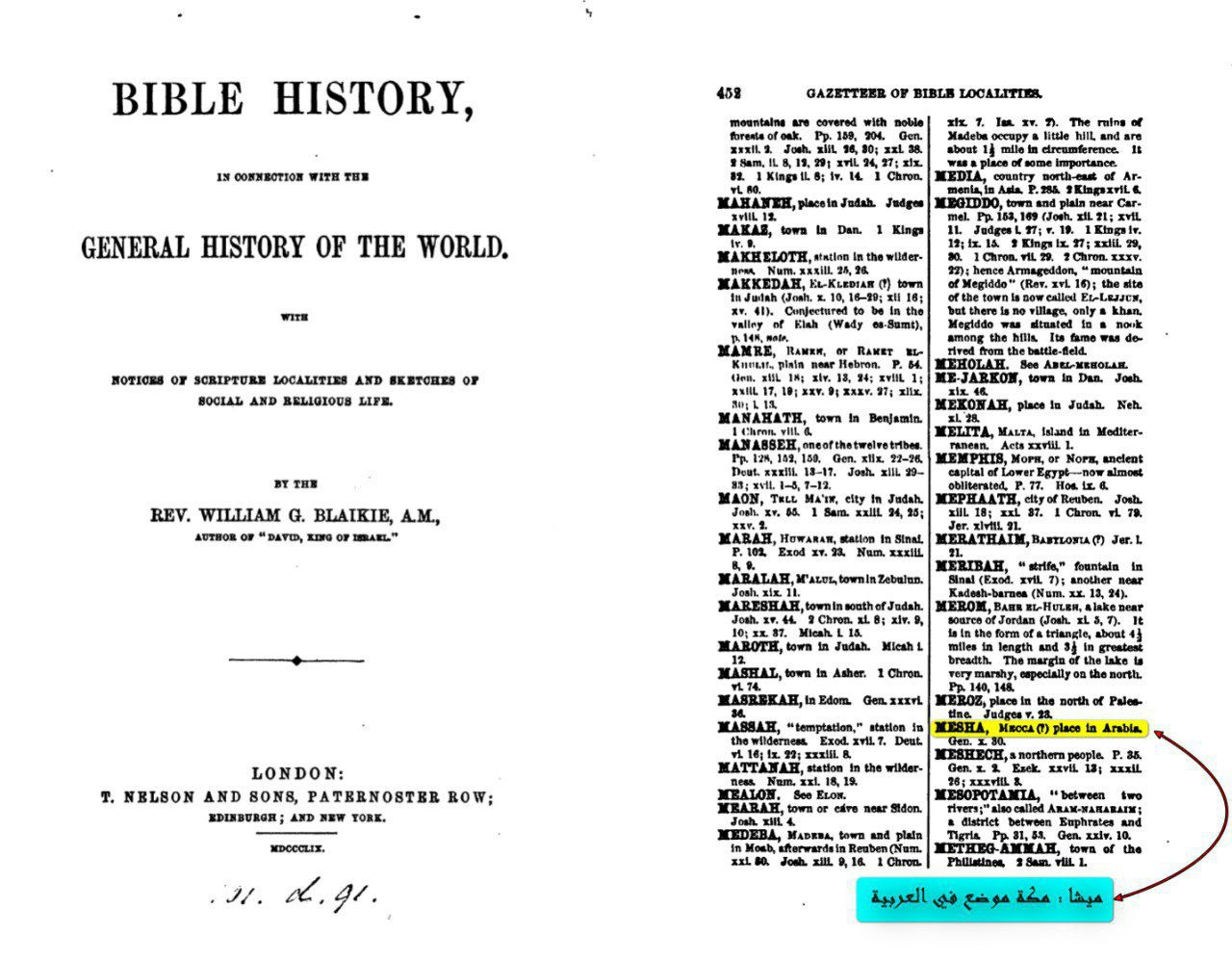
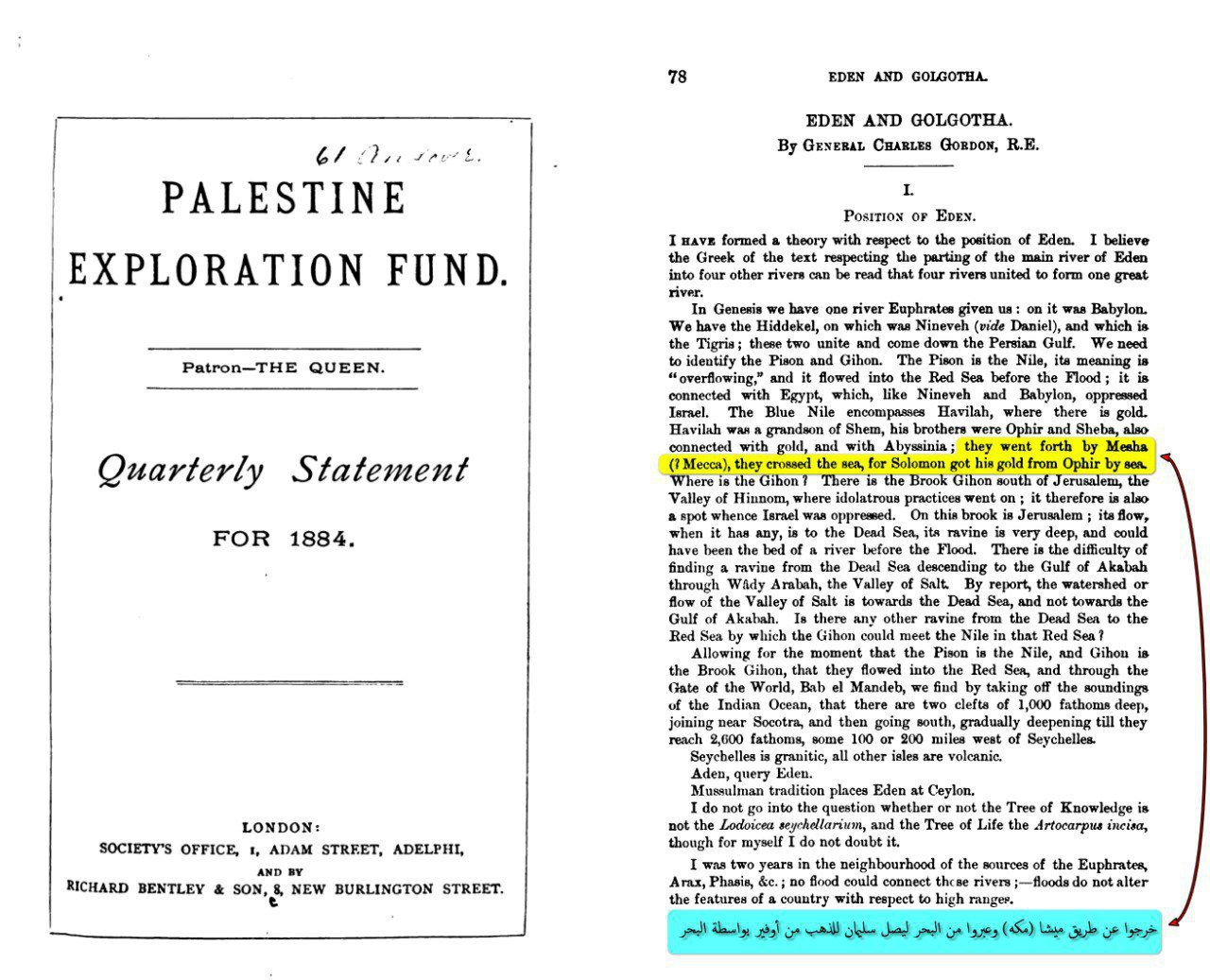
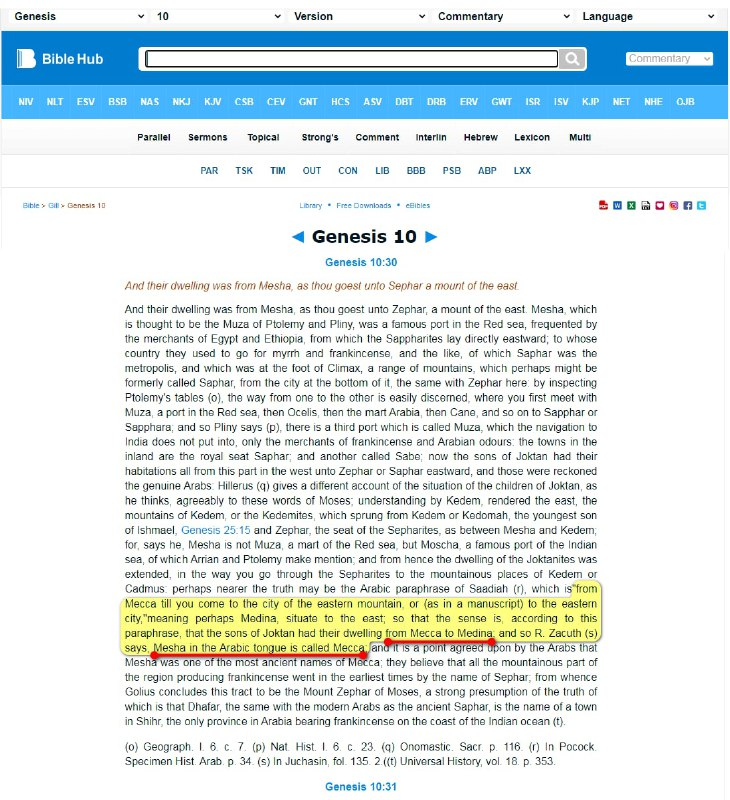
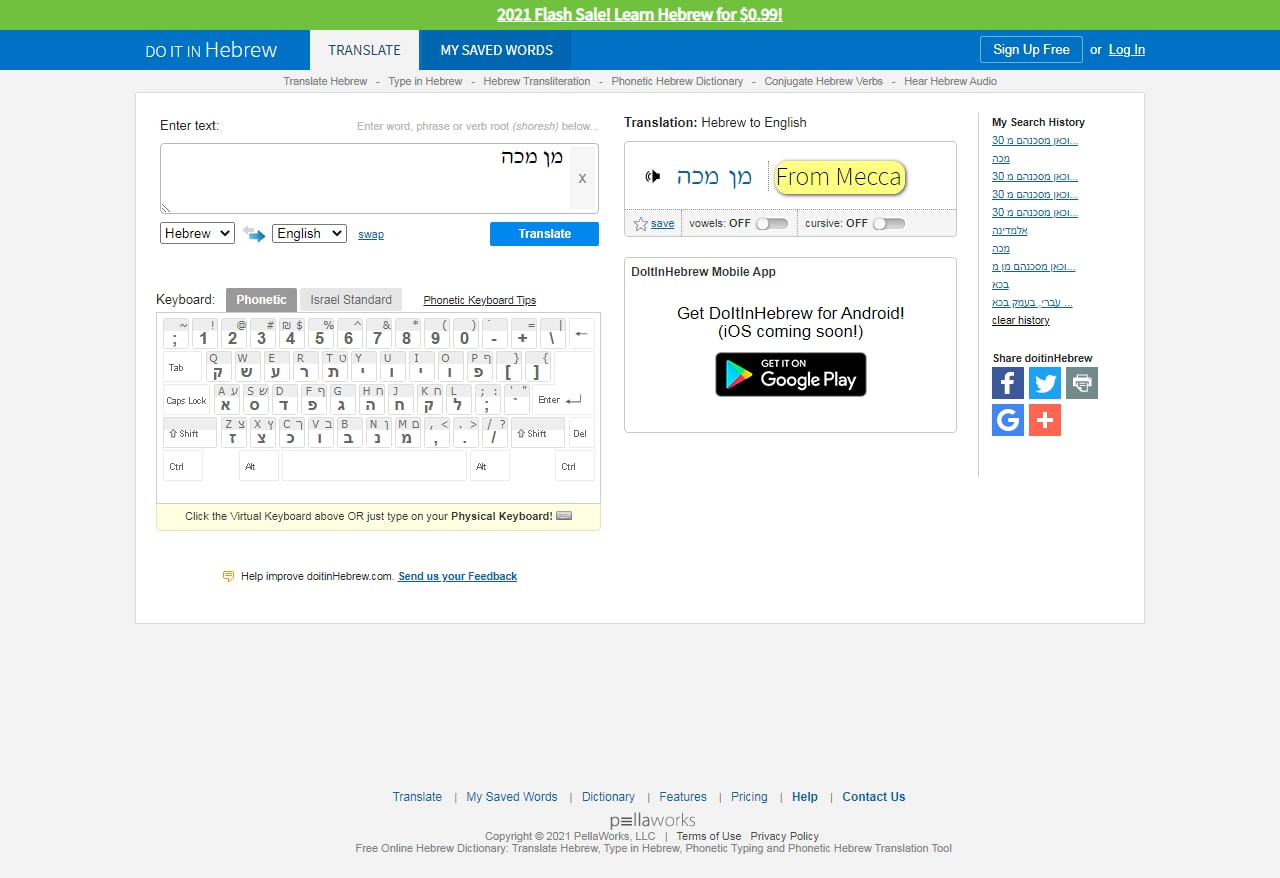
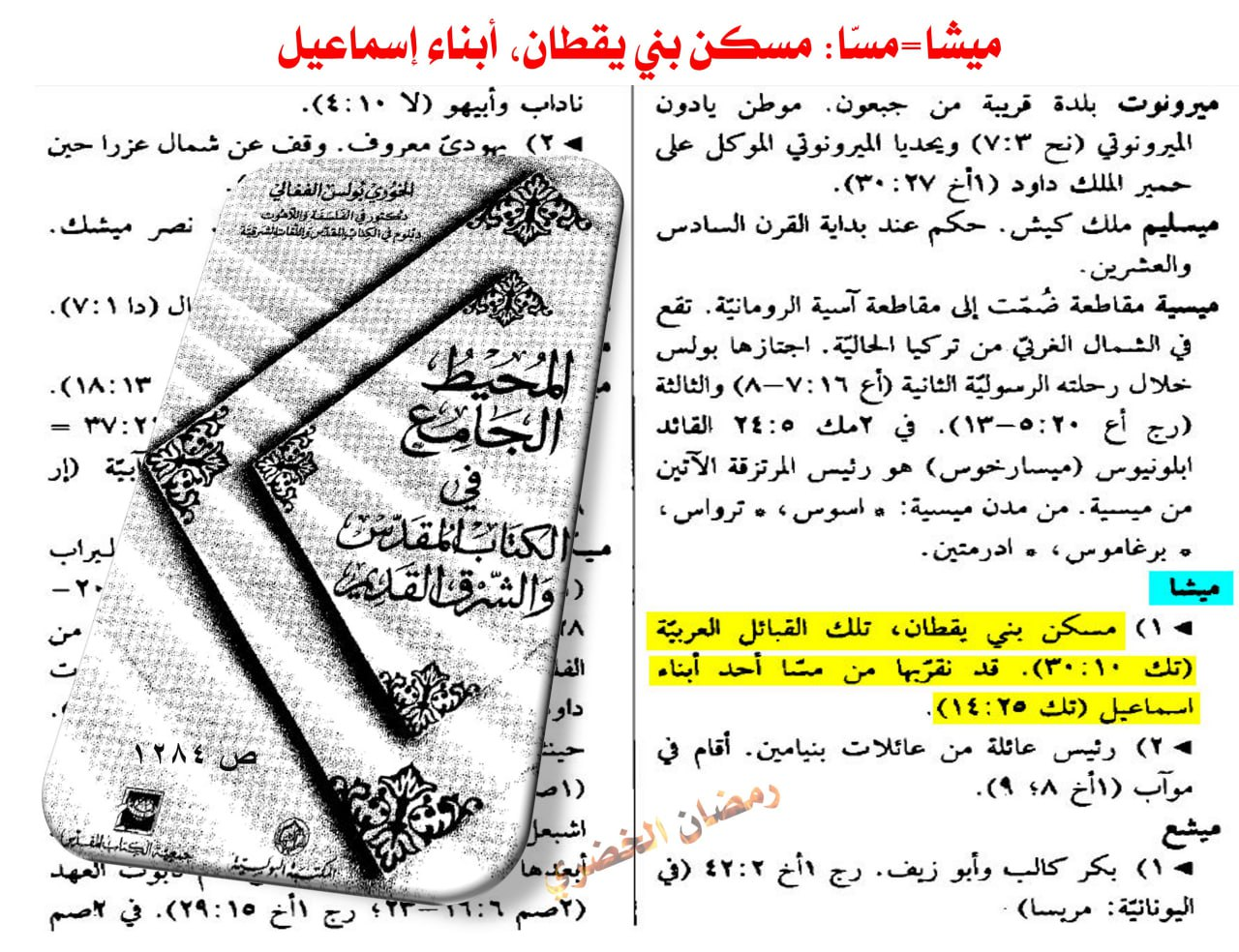
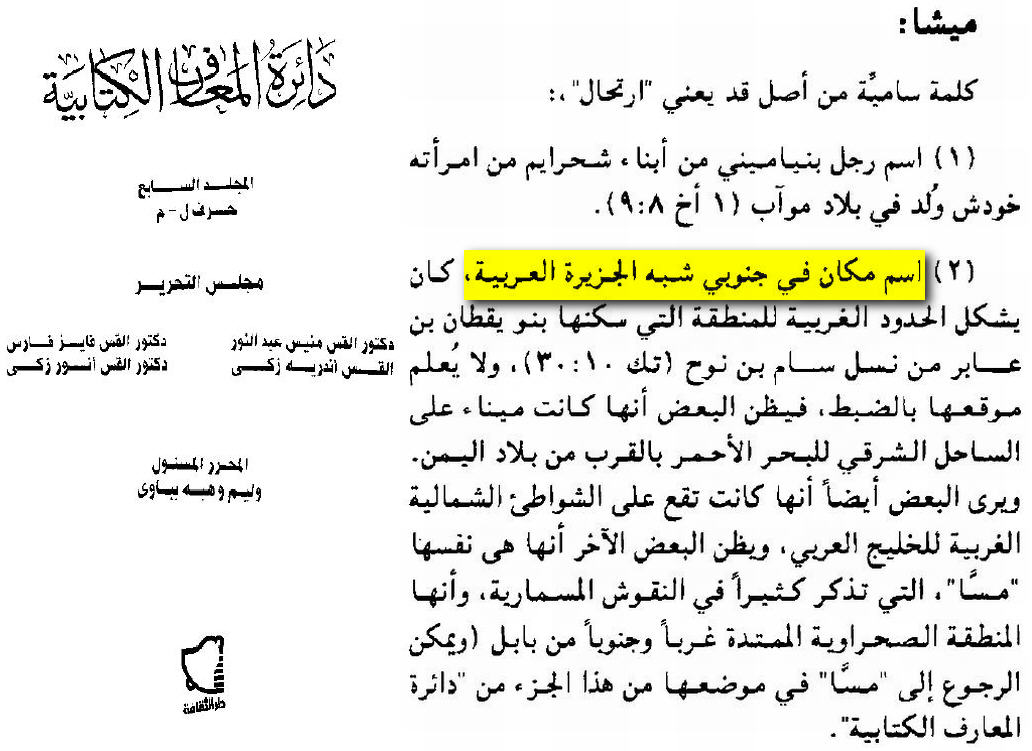
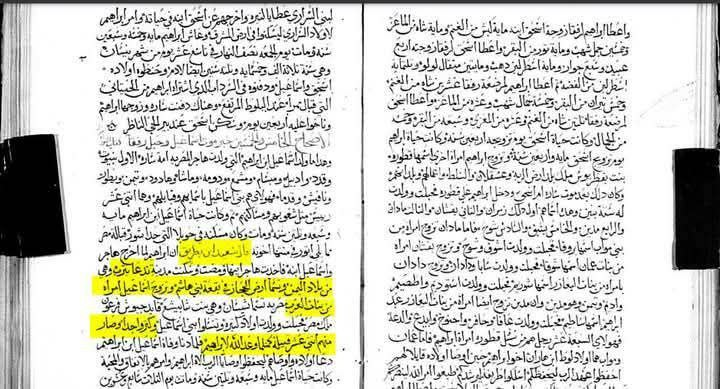
The highlighted citation discusses Mesha (ميشا) and states that “Mesha” was a settlement of the sons of Joktan, and that the tribes of Kedar (descendants of Ishmael) had approached or settled near Mesha.
The note explicitly links Kedar/Ishmaelite Arab tribes with Mesha, presenting it as a geographic association used in discussions of Arab/Ishmaelite presence in biblical regions.
Highlighted text (summary):
“A dwelling place of the Kedar tribes, those Arab tribes (Genesis 10:30); some said it was near Mesha, one of the sons of Ishmael (Genesis 25:14).”
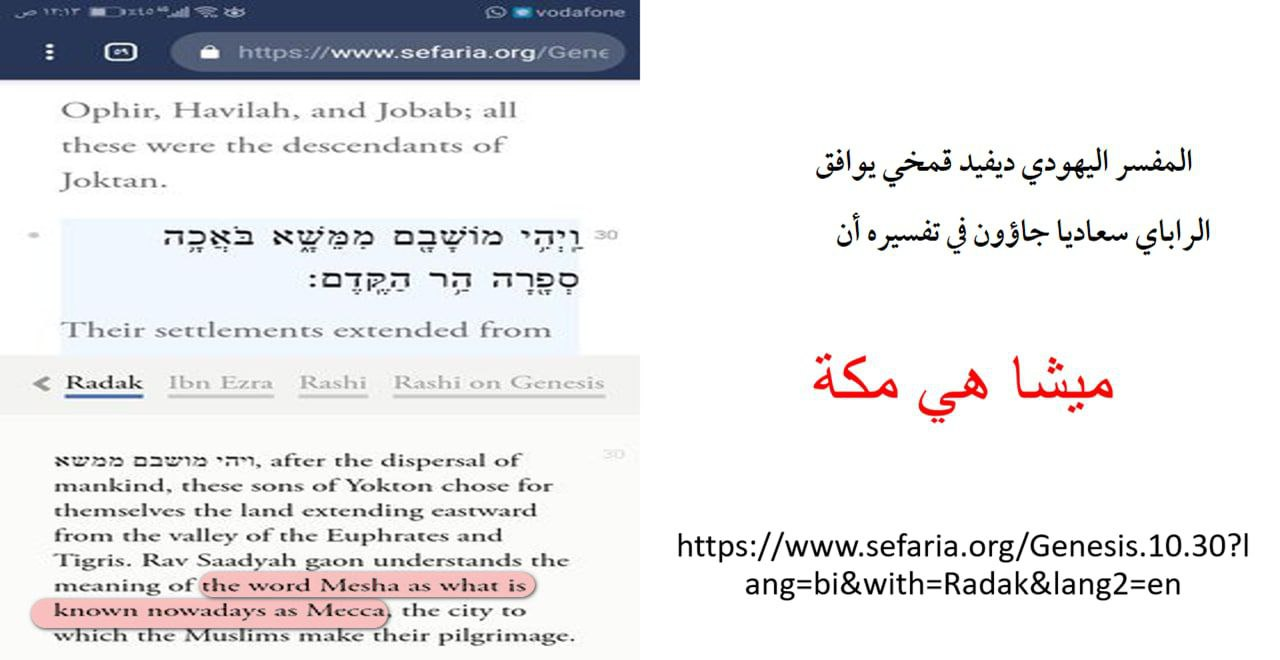
One of the most prominent and well-known Jewish scholars, Rashi, equates Misha with Mecca. Source: https://www.sefaria.org/Radak_on_Genesis.10.30.1?lang=en
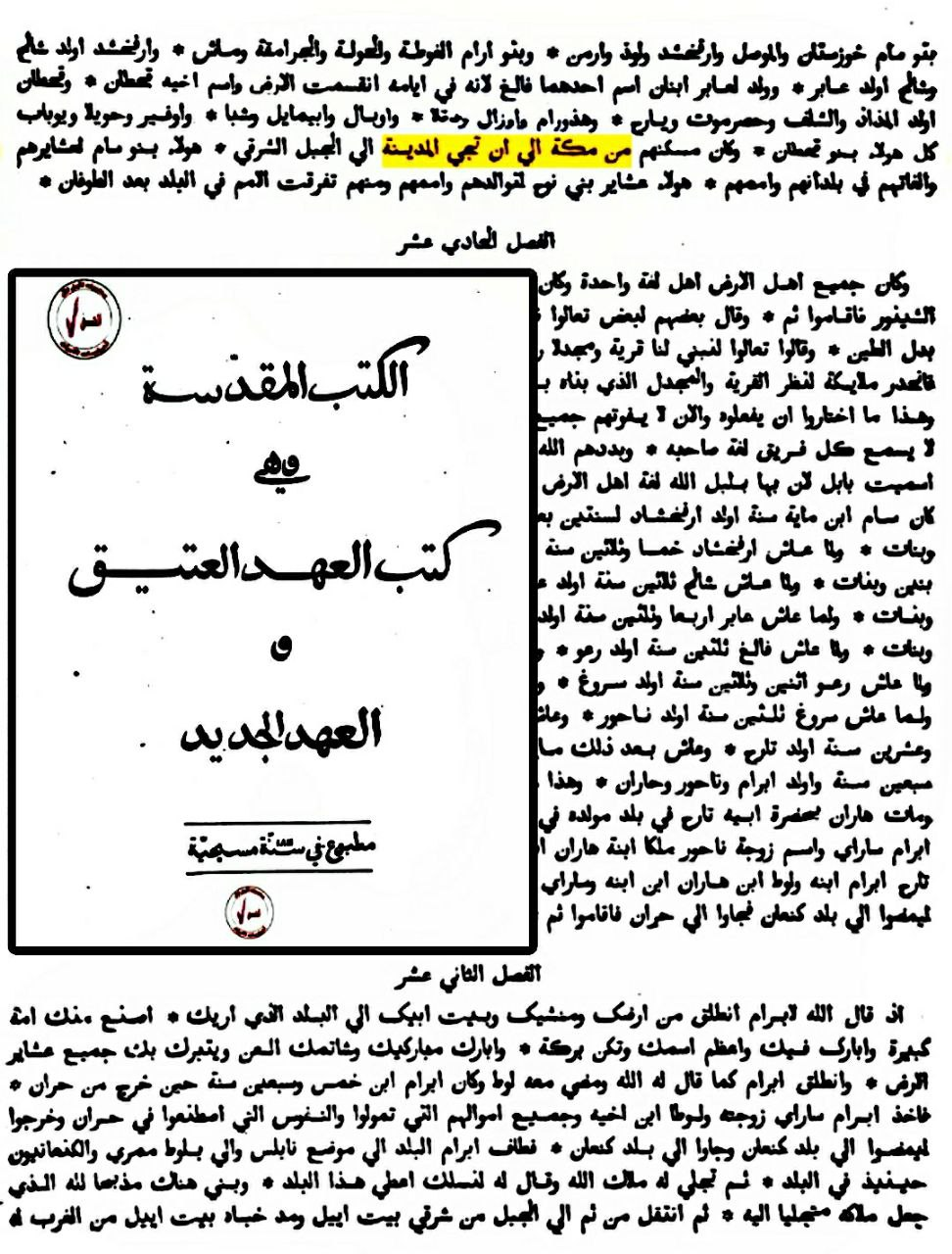
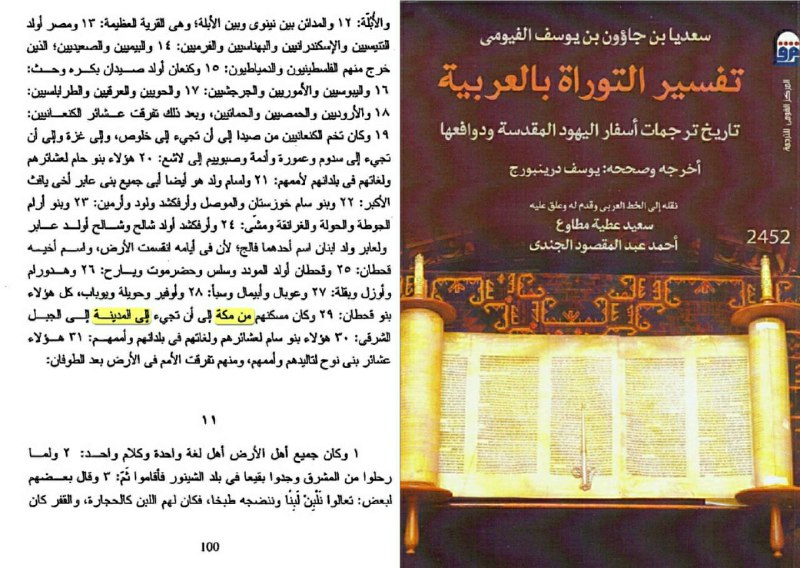
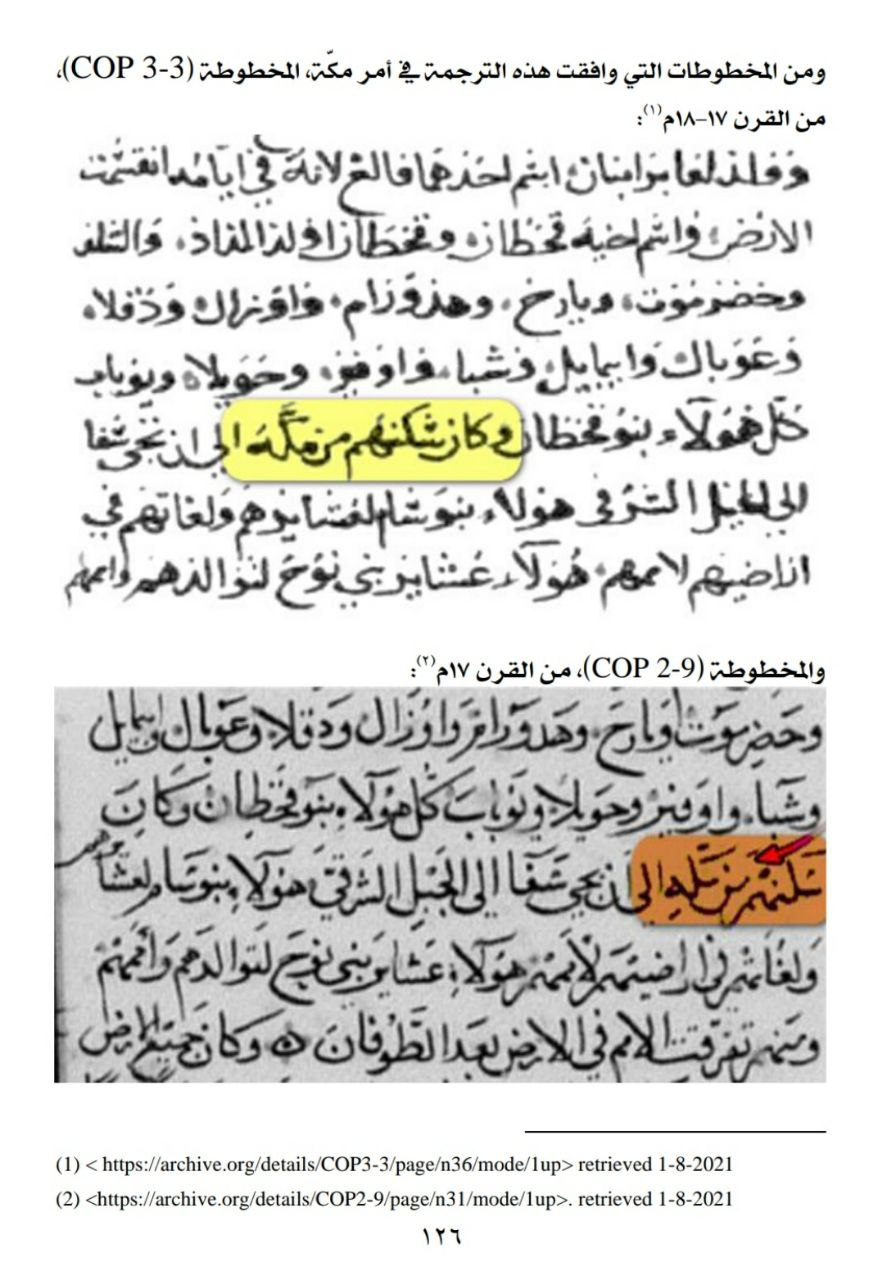
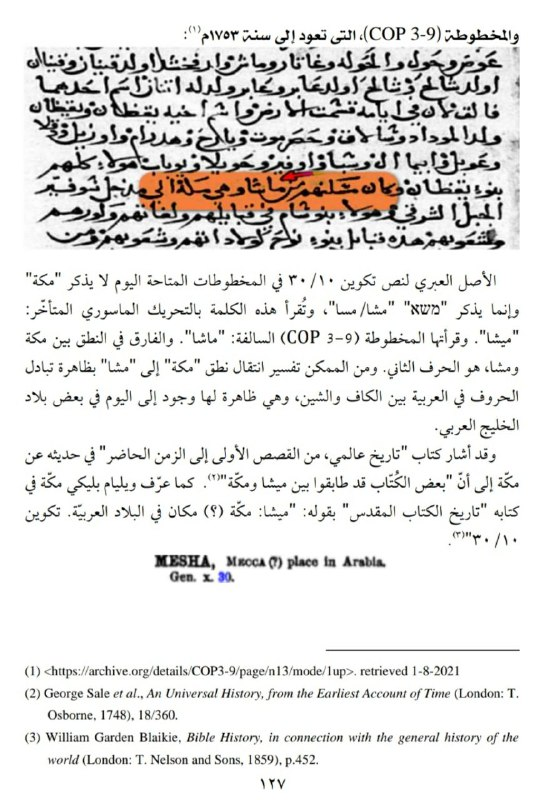
In the issue of Misha, which was mentioned in the Arabic translations, and what is meant by it is Mecca, as it was mentioned in many ancient translations, by replacing the Kaf with Sheen, as in some Arabic languages, and this is what is called Kashkash, and Kashkash is present in the language of the people of Ash Shihr, who are people from Quda’ah bin Himyar.
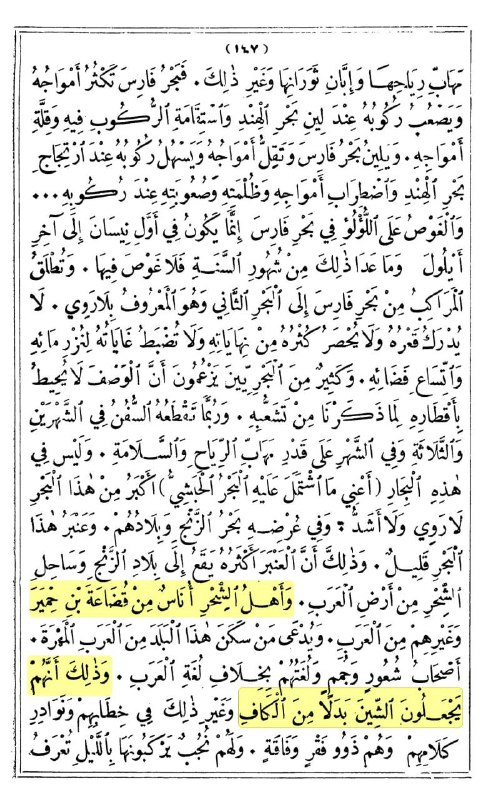
*A text in the Book of Genesis mentions the place where the sons of Joktan lived….
In Genesis 10:30
“These are the sons of Joktan. Their dwelling place was from Mesha, as you go toward Separ, the hill country of the east.”
- This text is almost identical in most editions and translations of the Bible. Sometimes the name is mentioned as (Misha) and sometimes as (Massa), and the two are the same.
👈 So what is the location of (Misha) or (Massa) mentioned in the text? 🤔
..;
- Refer to the Bible dictionary under the heading The Place of Misha
(A place on the eastern border of the land of the Joktanites (Genesis 10:30). It may have been the same area inhabited by the tribe of Massa.)
- This means (Misha) or (Massa), this is the name of a person who had a famous tribe living in the land of the Goats… Perfect! 👍
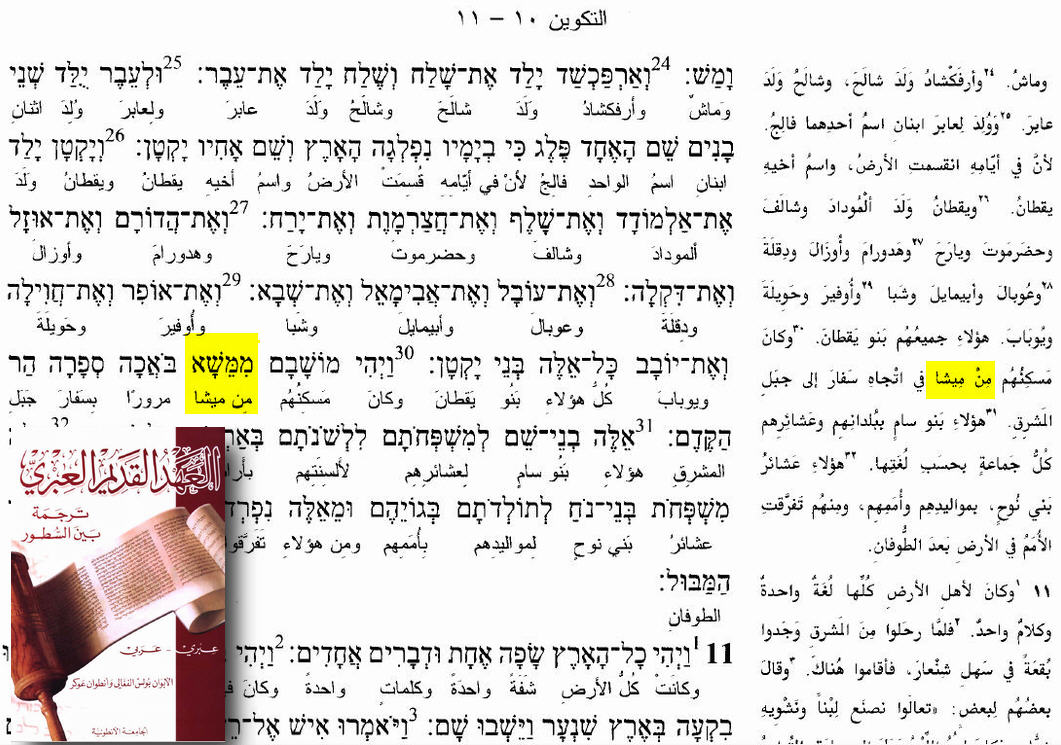
👈 The question is… where did the pumpkin people live? 🤔
- Joktan or Qahtan was the first king in the Arabian Peninsula and he ruled the southern Arabian Peninsula in Yemen, then his son Ya’rub followed him, and this was hundreds of years before Christ; and according to the Bible dictionary, the land of the Joktanites is the same region that was inhabited by the tribe of (Mesha) or (Messa).
– If we go back to the Hebrew text (Hebrew OT)
We looked up the meaning of the word (ממשׁא) in the Strong dictionary and found that it says:
It is a place in Arabia (Mesha, a place in Arabia)
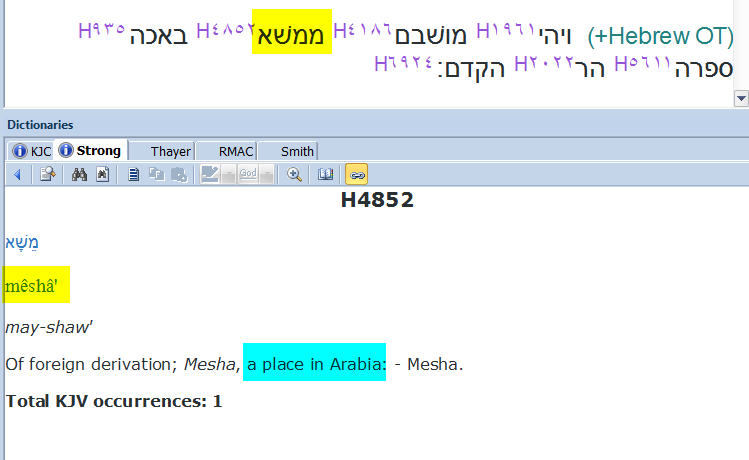
The people of the Gothic kingdom, including the tribe of (Misha) or (Masa), lived in the Arabian Peninsula.
—– ;
👈 The question now is: Who is (Mesha) or (Massa) mentioned in Genesis 30:10, whom the authors of the Bible Dictionary say lived in the land of the Joktanites in the Arabian Peninsula? 🤔
– According to the Biblical Encyclopedia, under the name “Massa”:
(This is the name of one of Abraham’s descendants through his son Ishmael… They lived in the eastern Arabian Peninsula, near Babylon. The first verse of Proverbs chapter 31 reads: “The words of Lemuel, king of Massa,” meaning he was king of a tribe descended from Massa, son of Ishmael, or a region inhabited by this tribe.) 👍
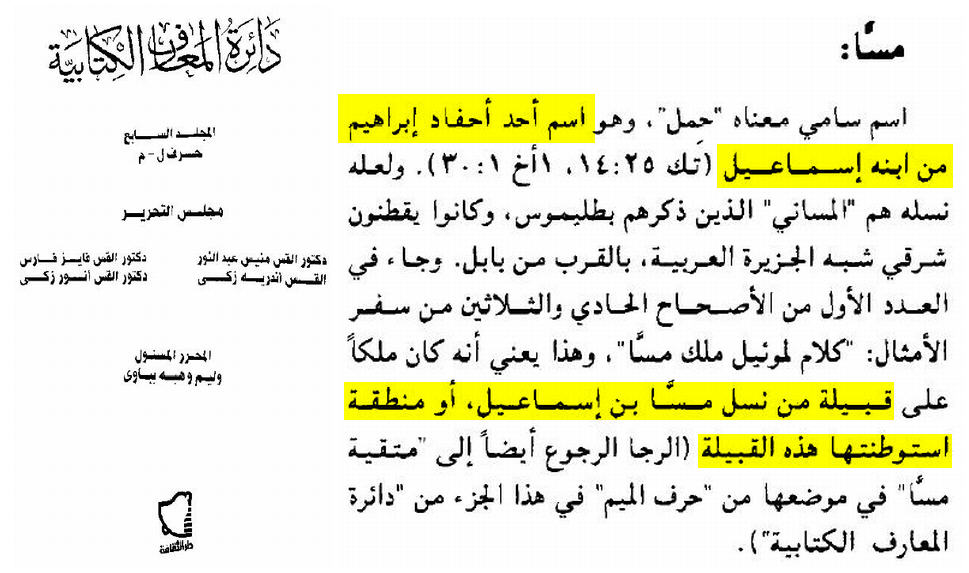
- This means (Misha) or (Massa), one of Abraham’s descendants through his son Ishmael, who lived in the land of the Goths in the Arabian Peninsula… This is very, very beautiful indeed! 👍
But in which part of the Arabian Peninsula did he live? 🤔
🔥 Here’s the surprise… hidden in most Bible translations; distorted from ancient manuscripts and copies… but it crept into some Bible translations
👇👇
For example, in the 1811 edition of the Bible published in Newcastle, the location of the tribe of “Messa” is mentioned explicitly and by name… “Mecca”.
“And their dwelling was from Mecca until you come to Medina towards the eastern mountain.”
“And their dwelling was from Mecca until you come to Medina towards the eastern mountain.”
“And their dwelling was from Mecca until you come to Medina towards the eastern mountain.”
👈 Do you know why the scribes and translators of the Bible hid the name “Mecca” from the Bible? 🤔
- A desperate attempt by them to deceive and distort the Old Testament prophecies of the final prophet emerging from Mecca, the mountainous city where the House of the Lord is located, to which people from all nations make pilgrimage.
;
So that ordinary Christians do not understand from the text of Psalm 26, “I will go around your altar, O Lord,” that it is a prophecy about circumambulating the Kaaba… in Mecca.
So that the common Christians do not understand from Isaiah 42, “Sing to the Lord a new song, his praise from the ends of the earth… the cities that Kedar inhabits,” that it is a prophecy about a new prophet who will come out of the land of Kedar… which is Mecca.
So that no one may understand from Psalm 93, “Holiness befits your house, O Lord, forevermore,” that the holy house of God forevermore is in Mecca.
So that no one imagines that the text of Haggai 2 “The Desire of all nations will come, and I will fill this house with glory” is talking about a prophet who will fill the House of God with glory… in Mecca.
So that no one understands from the text of Isaiah 35, “And there will be a highway and a road there, which will be called the Holy Road. No one unclean will travel on it,” that this holy road is the road to… Mecca.
So that no one may link the revelation that will come from the land of Arabia in Isaiah 21, “The revelation concerning Arabia,” with… Mecca.
—- ;
…etc. Dozens of prophecies describing the characteristics of Mecca, the land of Mecca, the visitors of Mecca, and the pilgrimage to Mecca.
Therefore, the early Christian fathers tried to remove everything related to Mecca or to the prophecies concerning the Arab prophet who would emerge from Mecca.
👇
However, the clear and explicit characteristics that are still present in the Bible, which apply only to the Prophet Muhammad, peace and blessings be upon him, and to the place from which the Prophet Muhammad, peace and blessings be upon him, will emerge…
It still bears witness to the Christians’ distortion of their book and their manipulation of its sacred texts. 🙂
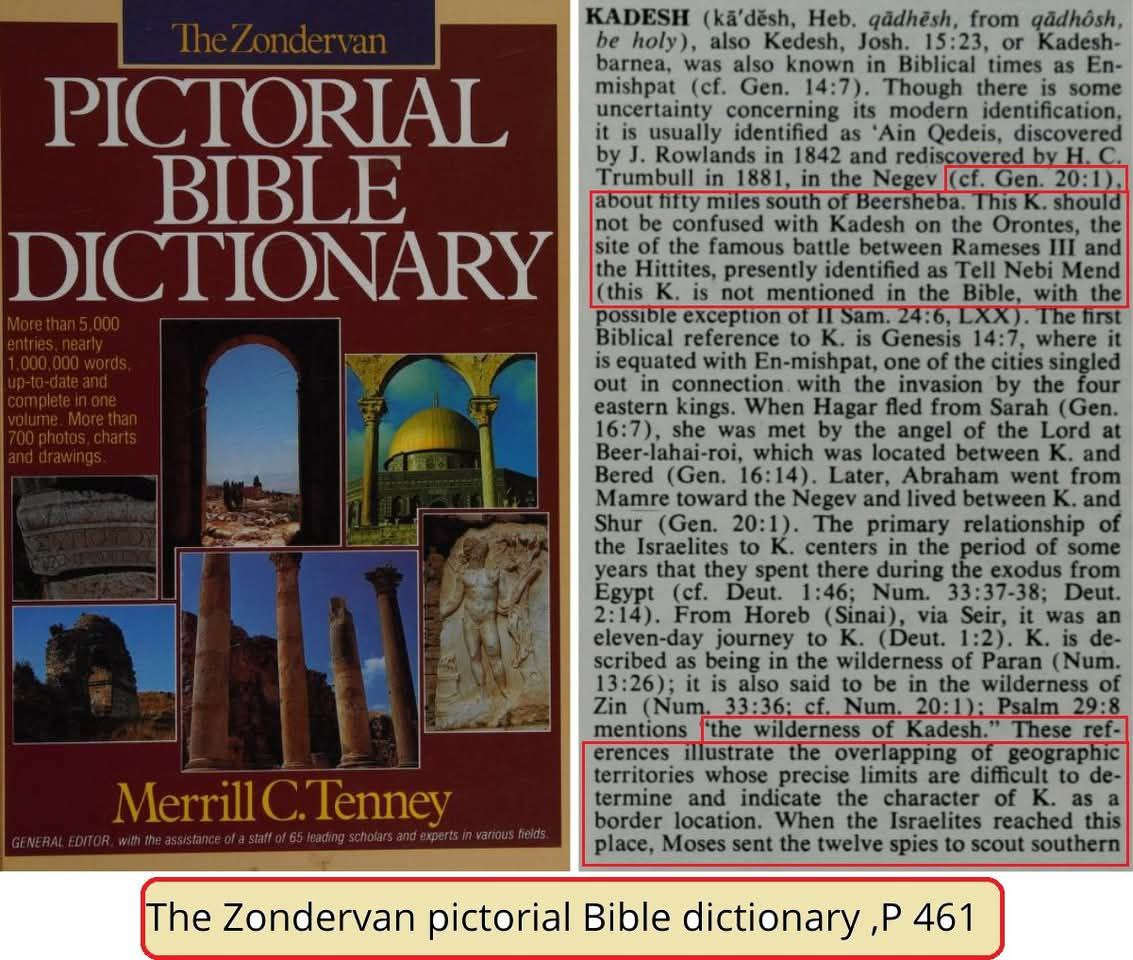
In the oldest Jewish sources, the descendants of Ishmael ﷺ (Adnan and Qahtan) were explicitly defined as “the Arabs,” and their language, Arabic, was included among the four languages in which God spoke when giving the Torah, according to the “Book of Zohar Bereshit.”
And the mention of “Mount Paran,” that is, Mecca, was associated with their language, as it is considered the abode of Ishmael in the Torah (Genesis 21:21).
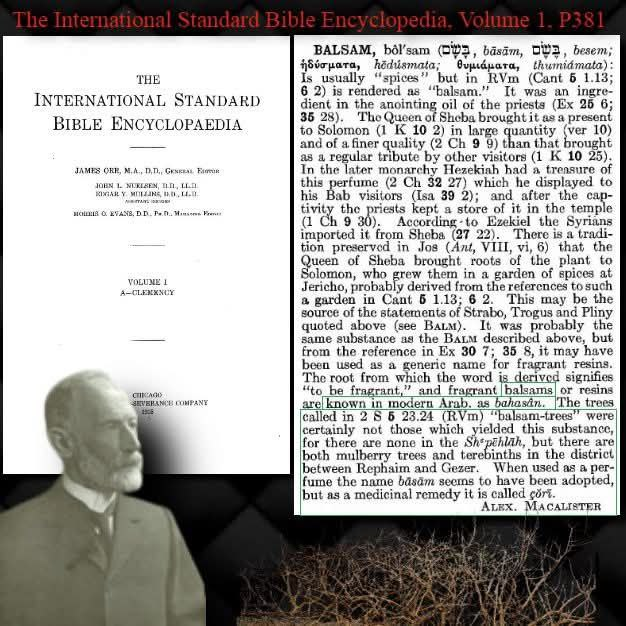
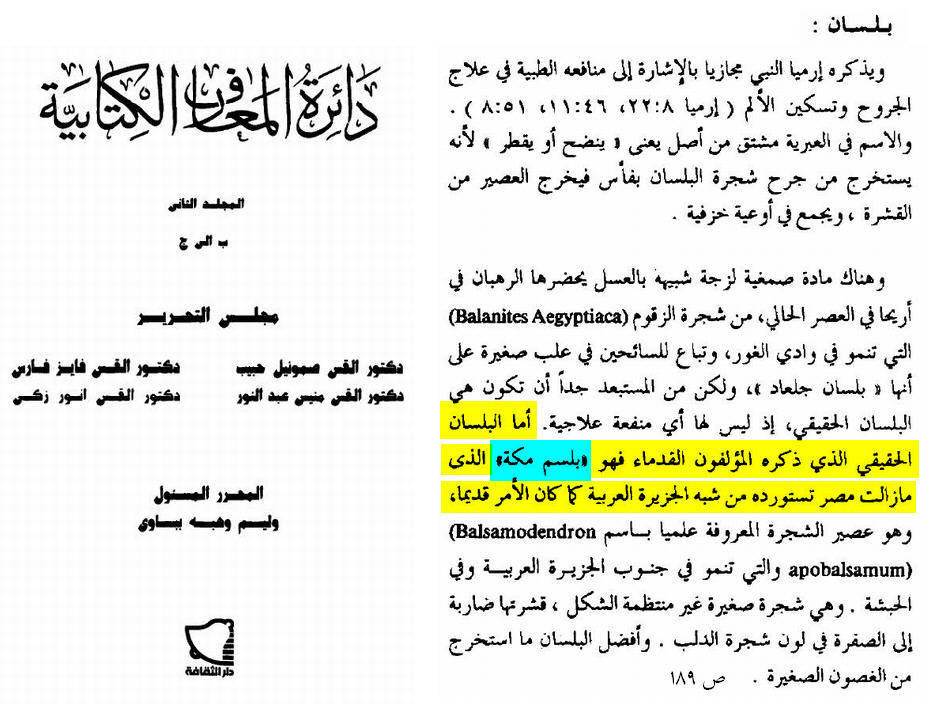
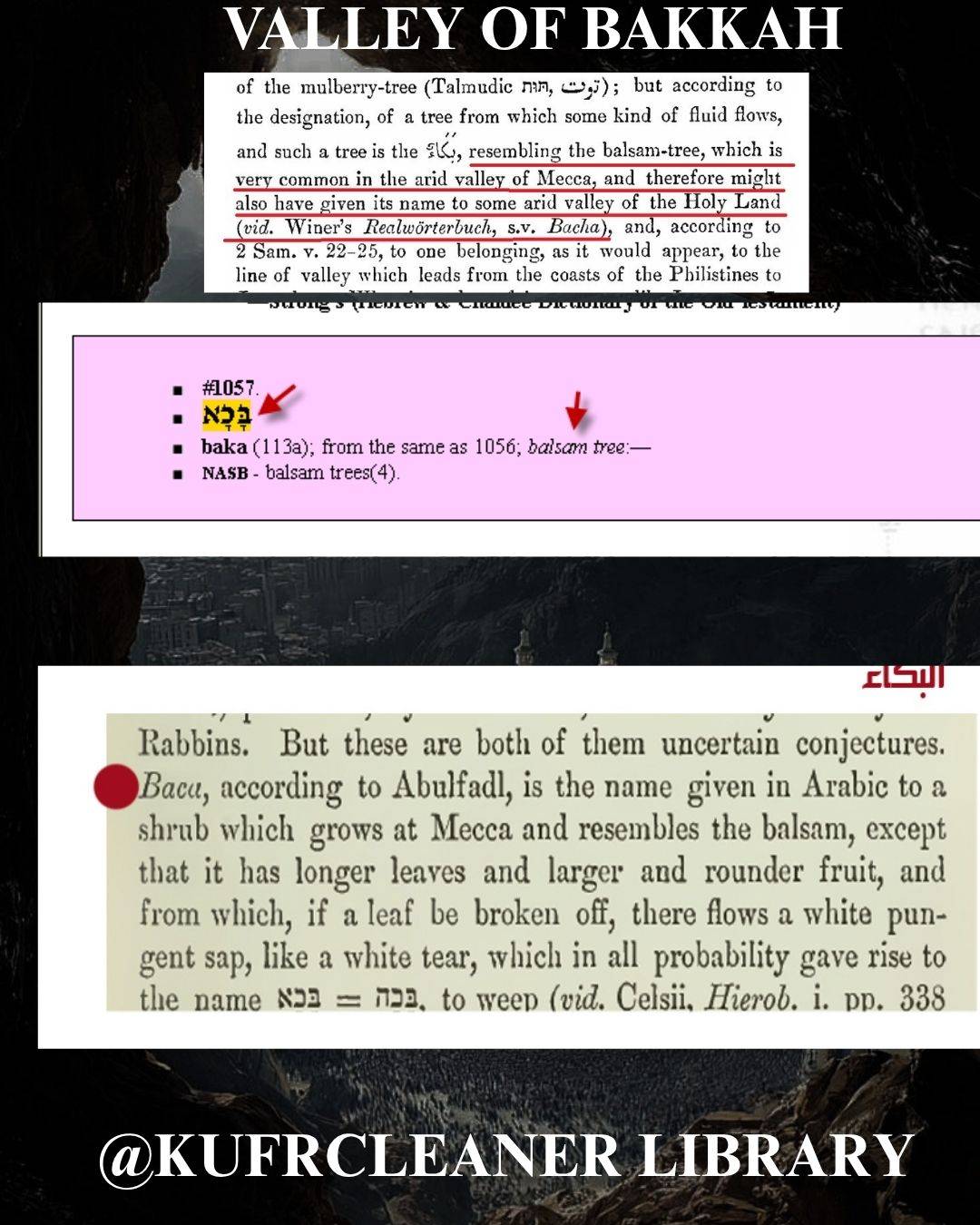
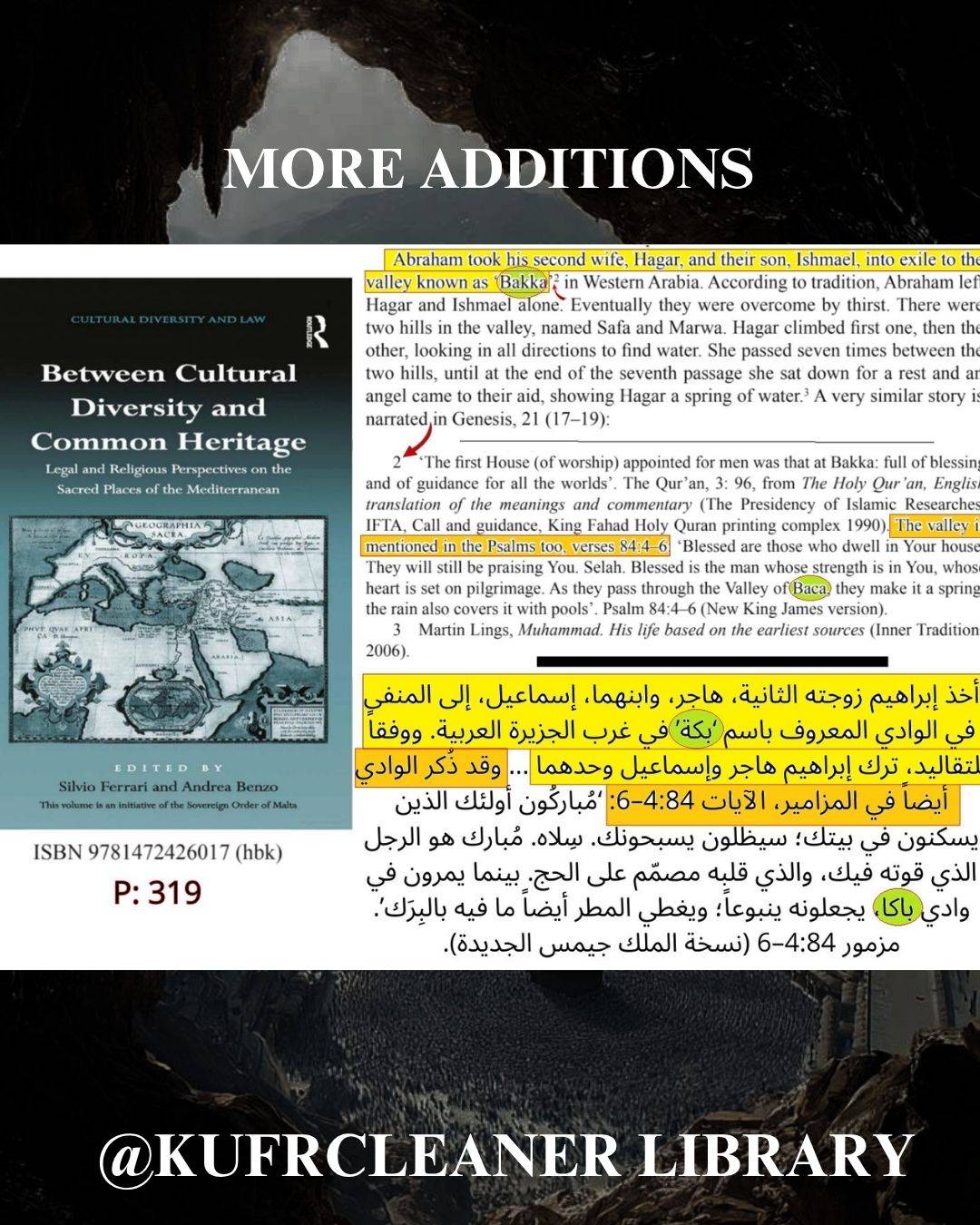
The phrase “Be’emek Habka,” meaning the Valley of Baca, mentioned in Psalm 84, has been translated into several ways: 1The Valley of Weeping. 2The Valley of Drought. 3The Valley of Balsam. 4The Valley of Baca. The first translation, “Weeping,” is incorrect because the Hebrew word is (בכא) Beka, not (בכה). As for the translations “Valley of Drought” and “Valley of Balsam,” drought is certainly a characteristic of Mecca, and balsam is a plant of Mecca, as stated by biblical scholars. But do they acknowledge that this valley is Mecca? Of course not! They claim that the balsam plant existed in ancient Palestine but no longer exists there! However, their justifications are weak. The archaeologist Alexander MacAllister states that the balsam plant did not exist in Palestine.
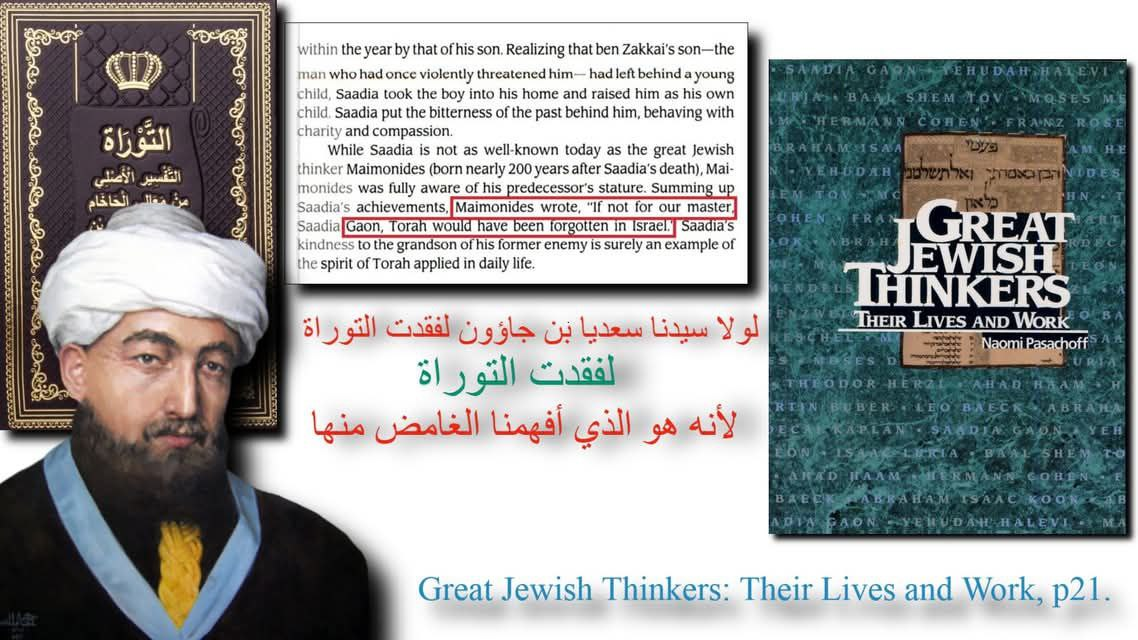
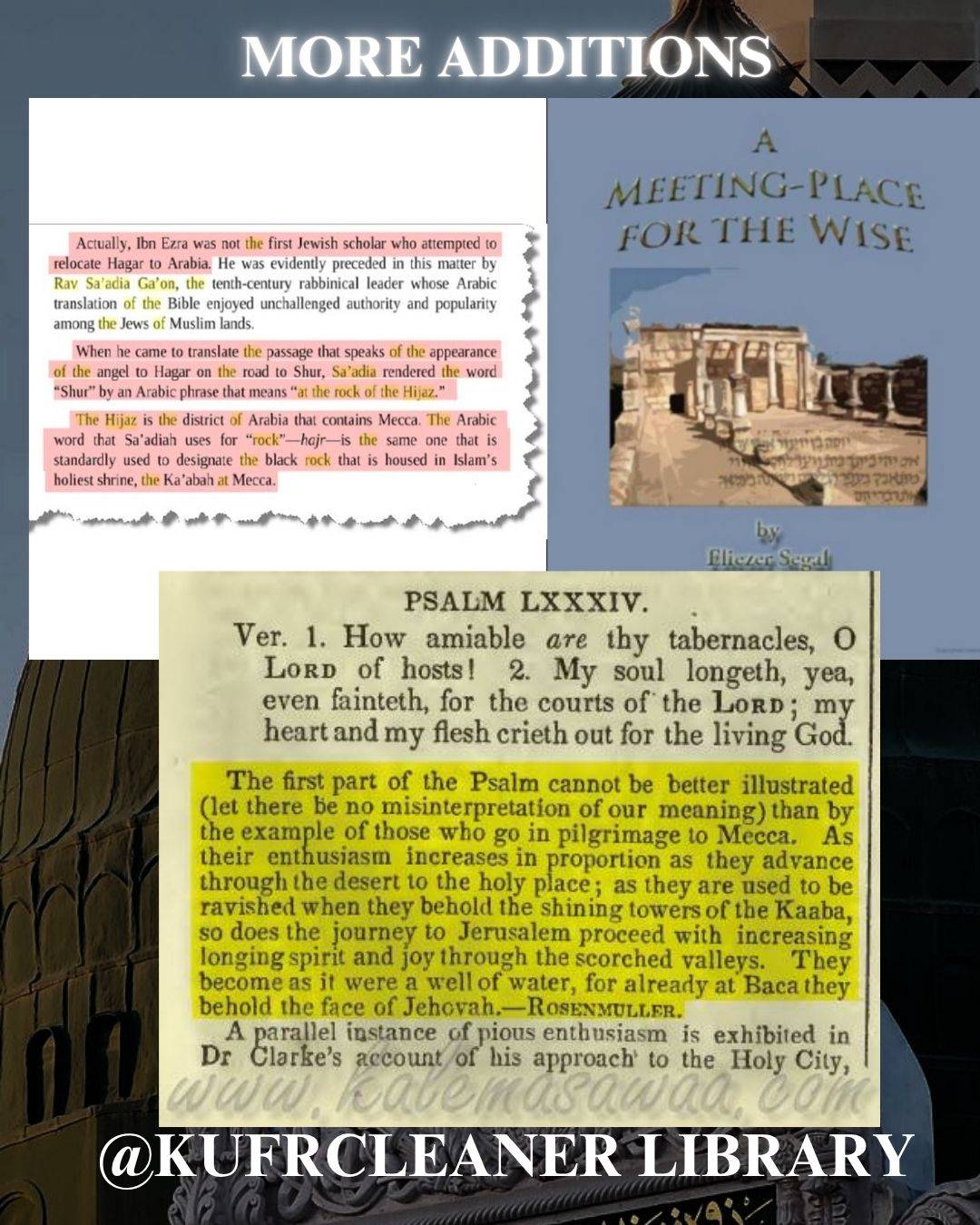
Some Christian missionaries criticized Rabbi Saadia Gaon’s translation of the Torah because he mentioned Mecca, claiming he was influenced by Islamic culture. However, cultural influence doesn’t necessarily alter geography; it only affects names. For example, Arabs pronounce Mecca as “Misha,” so if you were in an Islamic culture, you would say “Mecca,” but this wouldn’t change the geographical location. Rabbi Moshe Maimonides said, “Were it not for our master Saadia Gaon, the Torah of Israel would have been lost, for he clarified its obscure aspects for us.”
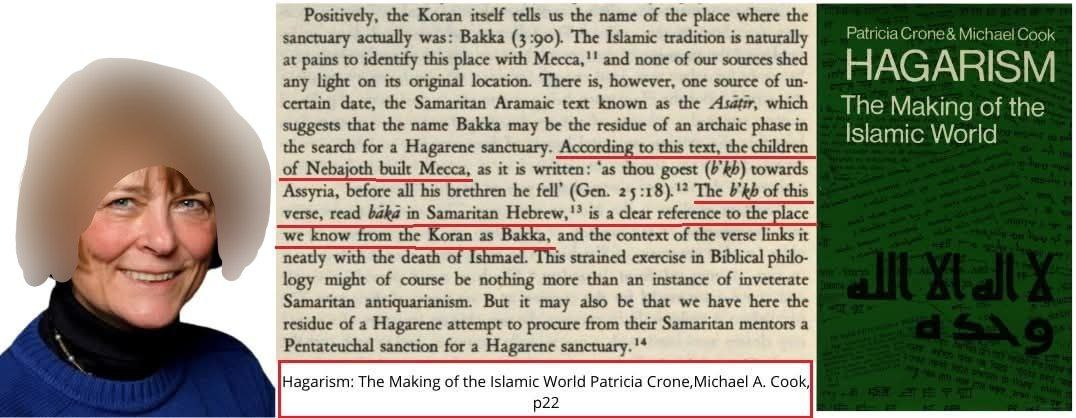
Our Christian colleagues have often entertained us with the claim that the Bakkah mentioned in the Old Testament has no connection to Mecca, which witnessed the mission of the Master of Mankind, Muhammad, may God bless him and grant him peace. When we read their words and their interpreters, we find that they do not cease to mislead and confuse regarding the meaning of Bakkah. Their interpretations are sometimes mercurial, and sometimes spiral and acrobatic, according to the Samaritan Aramaic text known as “Asaatir.” The sons of Nebaioth (Nebaioth is the firstborn of our master Ishmael, peace be upon him) are the ones who built Mecca. The Bakkah mentioned in this text is read as Bakkah in the Samaritan Hebrew text, and it is a clear reference to the place mentioned in the Qur’an as Bakkah (Mecca). The context of the text also links it to the death of Ishmael.
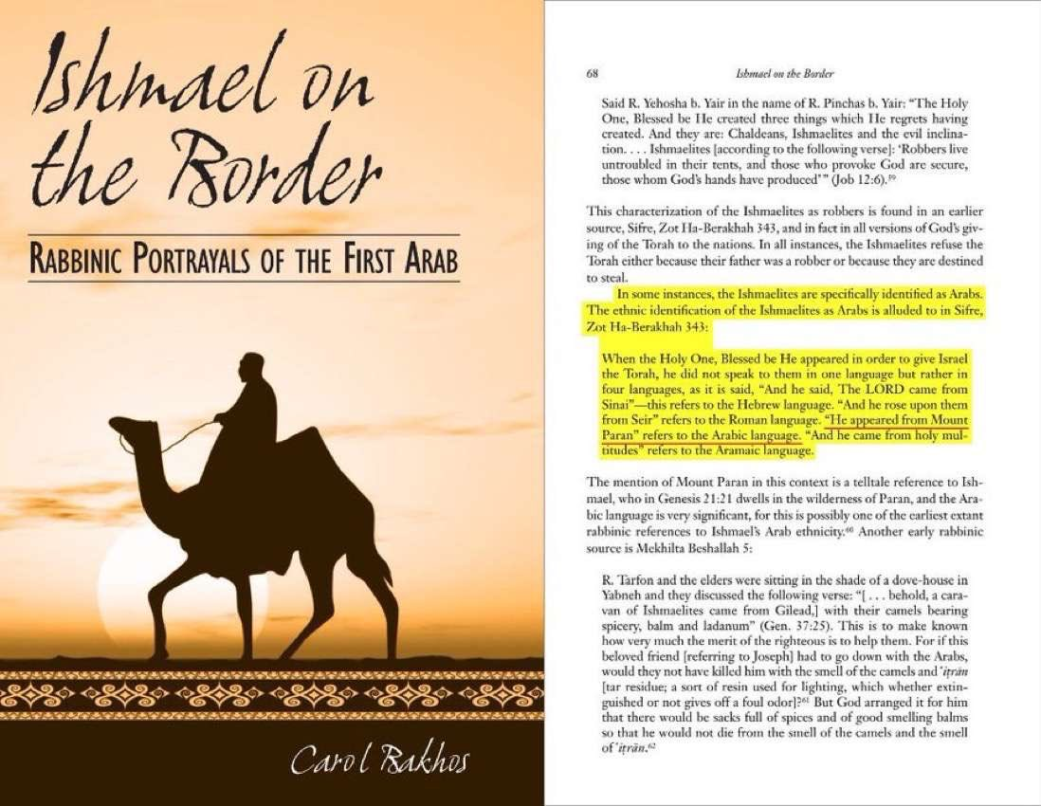
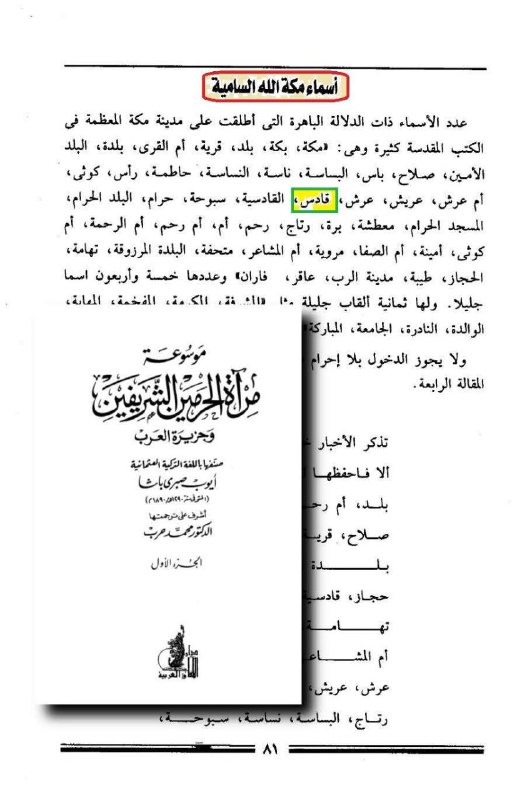
The Torah recounts the life of Abraham, peace be upon him, stating that he “left Hauran and migrated to the land of the Canaanites. He settled in the valley of Shechem, and from there he went out to the Promised Land, and dwelt between Kadesh and Shur.” “From there Abraham moved to the Negev and settled between Kadesh and Shur, and sojourned in Gerar.” (Genesis 20:1). The location of Kadesh is a point of contention, as it appears in different places throughout the Torah, making it difficult to pinpoint. It is known that Abraham lived in Mecca, but why does the Torah state that he lived near Kadesh? The Hebrew word (קָדֵ֖שׁ) is pronounced (Kadesh), and in Arabic it is Qadis, due to the exchange of the letter Shin with the letter Sin, especially between Hebrew and Arabic, such as Moses Moshe, Salam Shalom, etc. It is very strange that Qadis was one of the names of Mecca in the past.
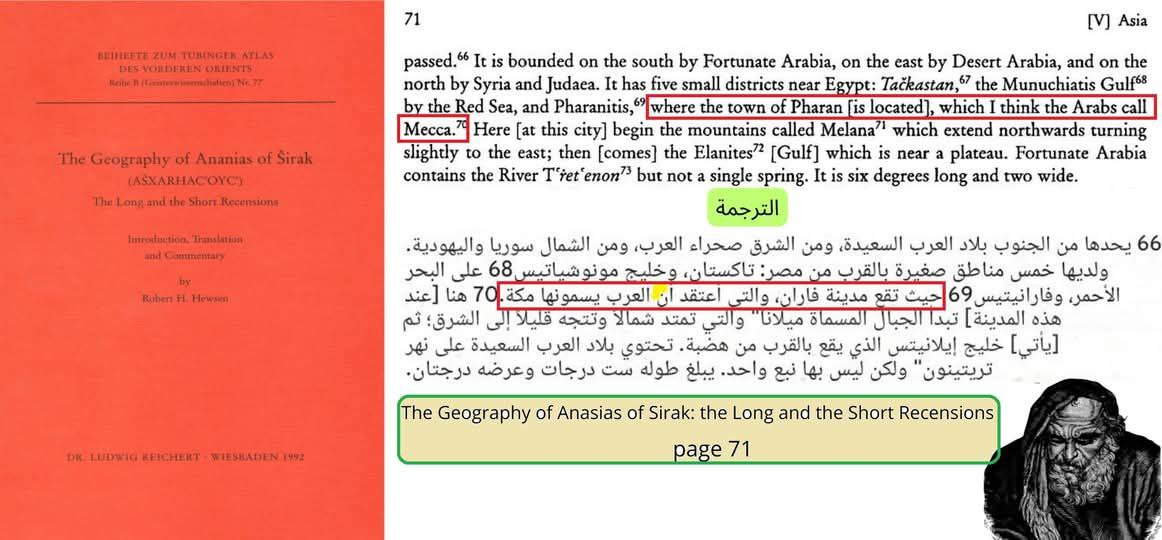
The mention of Mecca in the writings of Anasias of Sirak appears in The Geography of Anasias of Sirak: The Long and the Short Recensions, translated by Robert H. Hewsen. The text reads: “ew z-Fa[ṙ]anitē yorum Faṙan awan, zor karcem ‘i Tačkac’ Mak’a koč’el.” This translates to: “…where the town of Faran is located, which I believe the Arabs call Mecca.” Anasias was an astrologer influenced by the writings of Ptolemy and Pappus on ancient geographies in Greece and Armenia. Therefore, his writings are a mixture of details drawn from sources spanning the 2nd to 7th centuries CE. The reference to Mecca is found in a chapter titled “Rocky Arabia,” a geographical unit recorded by Ptolemy that extended across northwestern Arabia and the Sinai Peninsula. Interestingly, Ananias’s writings identify Paran as Mecca, making them among the earliest known texts linking Mecca to Paran. If the writing predates 636 CE, it would mean that the Armenians were aware of Mecca and its significance before the Islamic conquests, perhaps even before the mission of the Prophet Muhammad (peace be upon him). However, some Orientalists claim that the inclusion of Mecca in Ananias’s writings occurred after the Islamic conquest. It is astonishing that they assert the Arabs sometimes burned books and sometimes altered them.
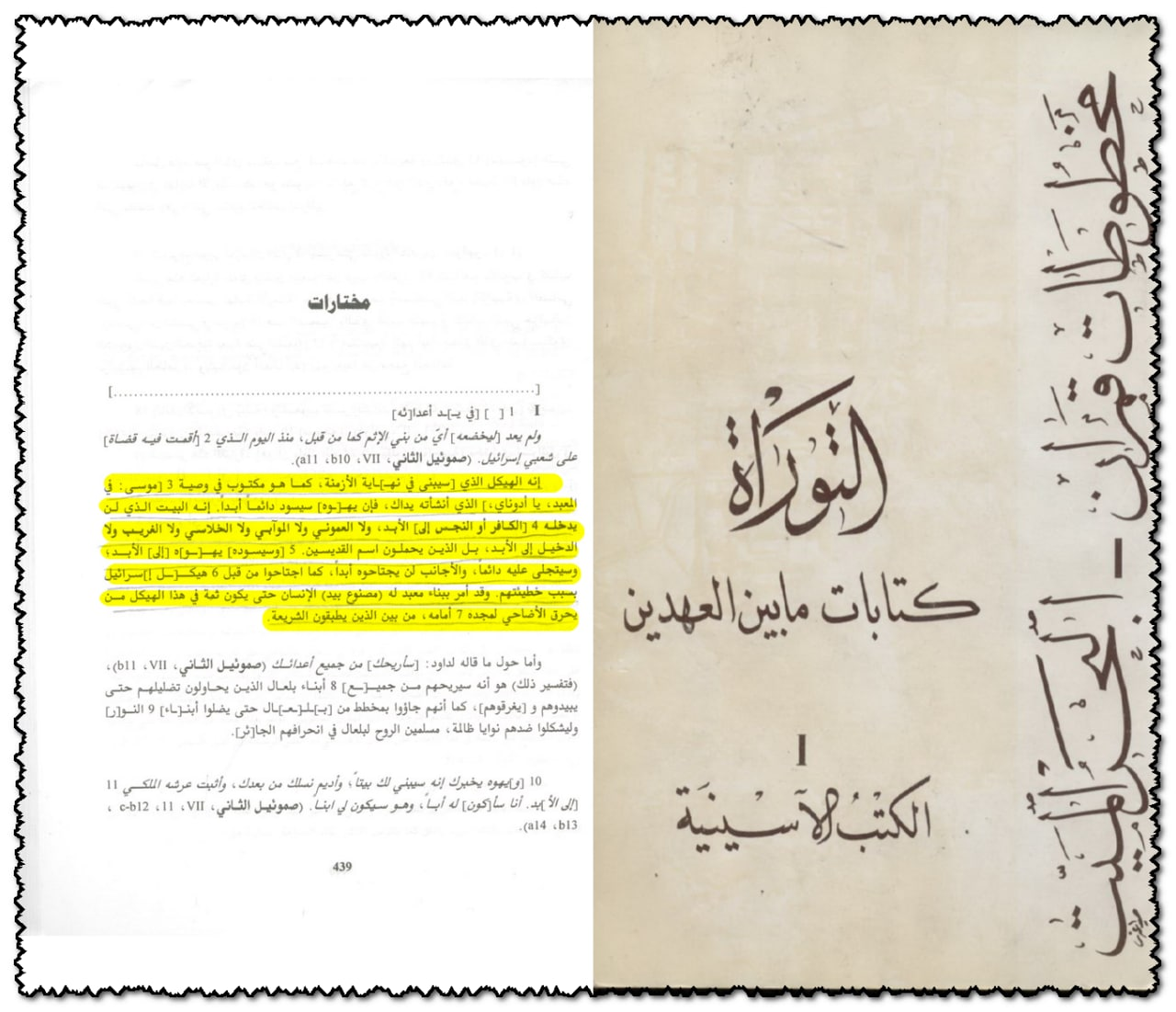
Midrash of the Last Days — Prophecy of the Sacred House of God (Mecca) in Qumran
-
The Midrash contains a prophecy concerning the coming of Messiahs sent by God.
-
The manuscript was discovered in Qumran Cave 4 (4Q) and is dated to the first century BCE.
-
It speaks of a House of God to be established at the end of time, linked to the prophecy of Moses in Exodus 15:17–18.
-
This House is described as a sanctuary into which Jews, unbelievers, the unclean, and strangers will not enter; only the circumcised nation will enter it.
-
Those sanctified by God will remain in it continually, and its glory will endure forever.
-
God will be glorified in it all day long.
-
Strangers will neither enter nor destroy it, unlike what happened to the first House.
-
From this sanctuary will proceed:
-
Works of the Law
-
Words of the Lord
-
His decrees
-
-
It is portrayed as a sacred sanctuary of God, where:
-
Fighting is forbidden
-
Vandalism is forbidden
-
Chaos is forbidden
-
Disorder is forbidden
-
Mecca in Bible versions
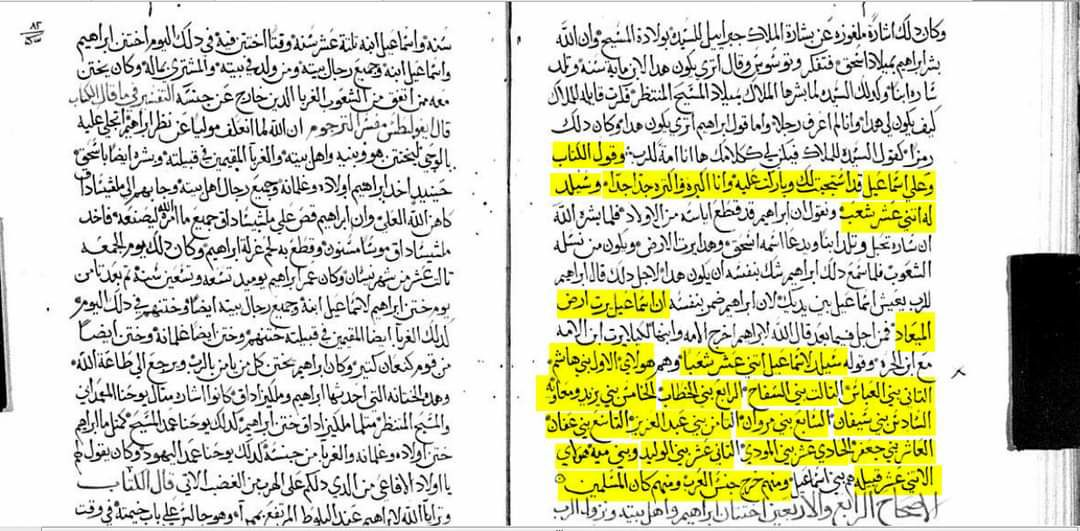
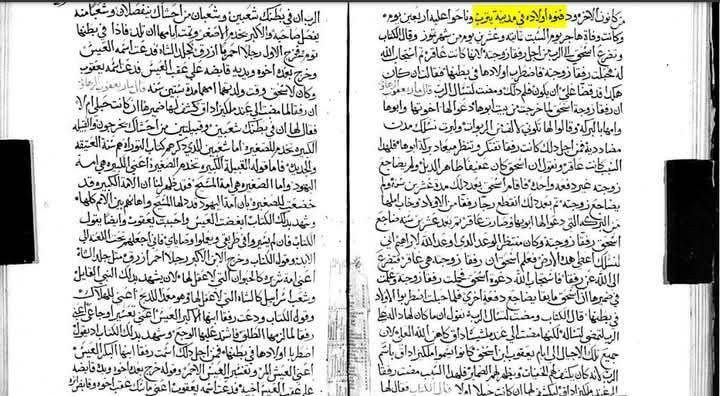
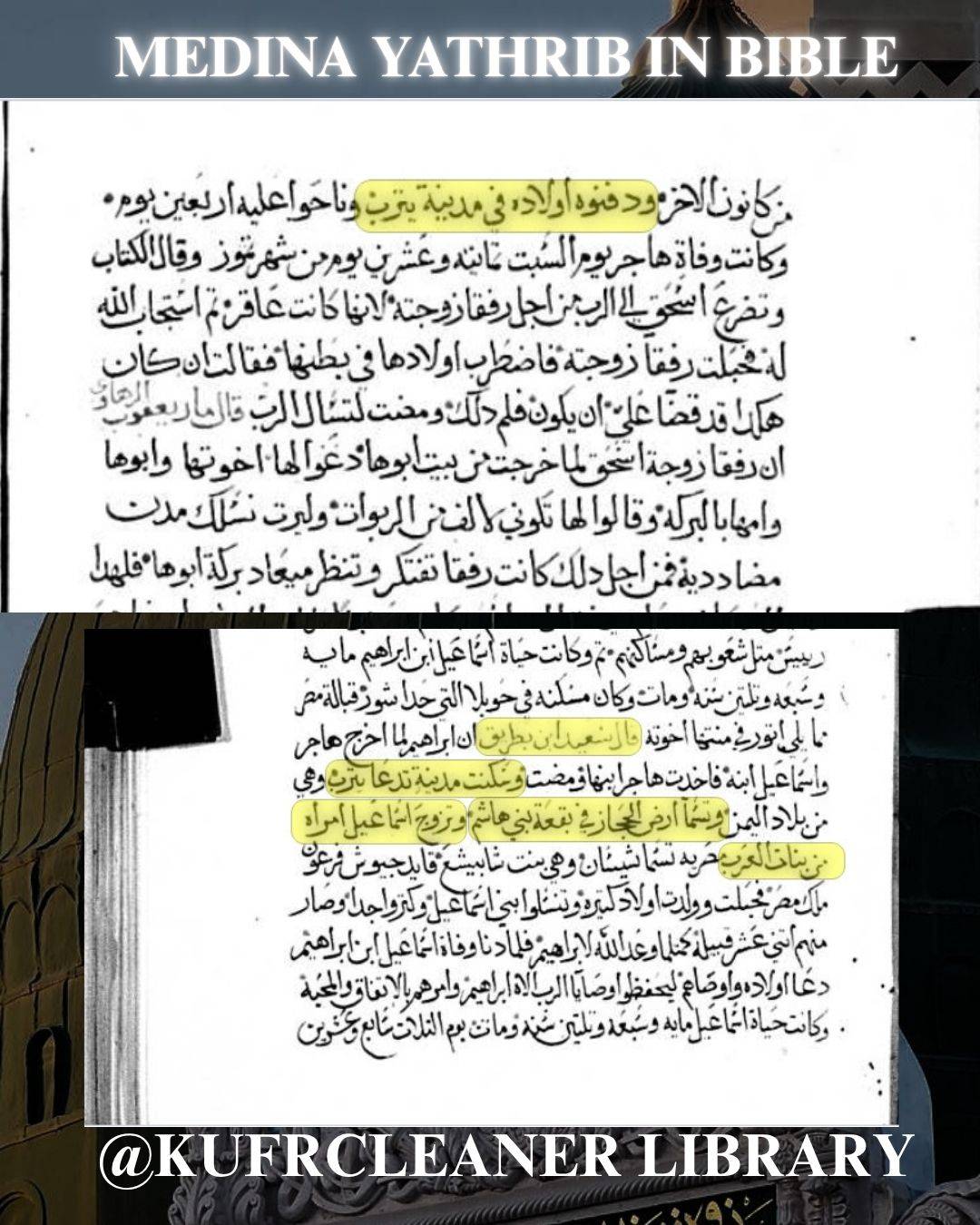
[Yathrib in the Bible] (Genesis 25) Sa’id ibn Batriq said: When Abraham sent Hagar and his son Ishmael out, Hagar took her son and went and settled in a city called #Yathrib, which is in the land of Yemen, also called the land of Hijaz, in the area of Banu Hashim. Ishmael married a woman from among the Arab women… and she conceived and bore many children, and from them came twelve tribes, just as God had promised Abraham… and they buried him (Ishmael) in the city of Yathrib. Reference: The Five Books of Moses, Commentary by Sa’id ibn Batriq, 1773 AD, Version No.: COP 18-7 Theology 7
More Notes
. Here, one of the Church Fathers and a prominent commentator explains the text, clarifying how it perfectly aligns with the Muslims’ situation and their beliefs: [Genesis 17] “And as for Ishmael, I have heard you; behold, I have blessed him and will make him fruitful and multiply him exceedingly. He shall father twelve princes, and I will make him a great nation.” Ishmael will inherit the Promised Land, and he will father twelve peoples, namely: the Banu Hashim, the Banu Abbas, the Banu al-Saffah, the Banu al-Khattab, the Banu Yazid and Muawiyah, the Banu Sufyan, the Banu Marwan, the Banu Abd al-Aziz, the Banu Affan, the Banu Ja’far, the Banu al-Mudi, the Banu al-Walid, and the Banu Umayya. From them descended the Arab race, and from them came the Muslims. Manuscript number: COP 18-7 Theology 7. Manuscript date: 1773 CE. Manuscript link: https://archive.org/details/COP18-7
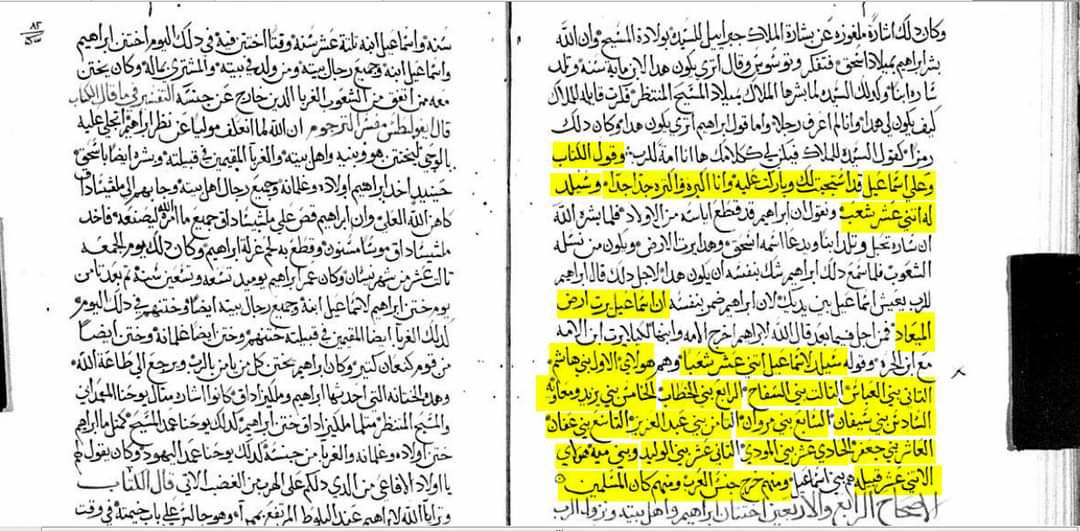
Abraham and his wife settled in the city of Yathrib in the Hijaz, among the Banu Hashim. Ishmael married Arab women and fathered 12 tribes, as God had promised him.
The version of the monastery of Saint Catherine of the Egyptian church ..
Edition date: 1773 A.D.
Copy number: COP 18 7 Theology 7..
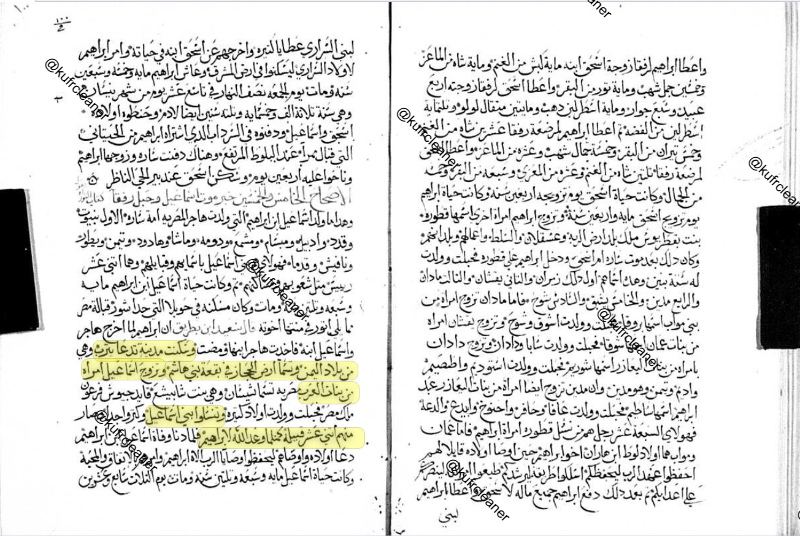
[Saeed Ibn Batriq’s interpretation of the Five Journeys]
This copy belongs to St. Catherine’s Monastery of the Egyptian Church.
Date of version: 1773 AD.
Version number: COP 18 7 Theology 7
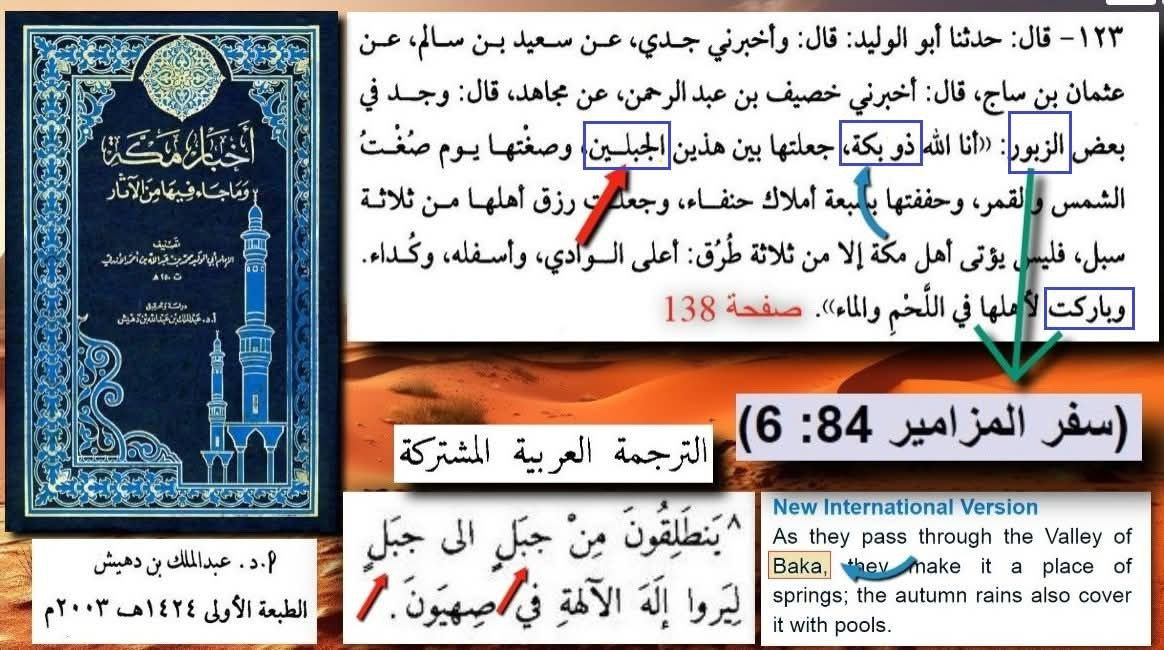
Christians raise a doubt regarding the prophecy in Psalm 84 concerning the valley of Bakkah, asking why the early Muslims did not mention this clear prophecy as they did the prophecies of Paran and Isaiah about the coming servant, etc. By the grace of God, I found a reliable narration from Mujahid (d. 104 AH) who said: “I found in the Psalms: ‘I am God of Bakkah’ (Psalm 84:6), ‘passing through the valley of Bakkah, I have placed it between two mountains’ (Psalm 84:7), ‘going from mountain to mountain’ (Psalm 84:6), ‘I have blessed its inhabitants’ (Psalm 84:6), ‘with blessings they cover.’” Therefore, Muslims were aware of this prophecy from the very dawn of Islam.
Mecca in the Bible: The Hidden Prophecy of Psalm 84 & Bakkah
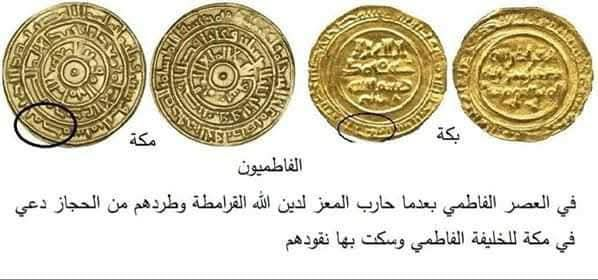
Fatimid coins refer to Mecca as Bakkah, confirming that Mecca is indeed Bakkah.
...the sons of Ishmael — the forefather of the Arabs and the ancestor of the Prophet Muhammad ﷺ. [[Mecca and Yathrib in Bible]]
GCRXAAAjEJS 35aed85b36ccfdef](https://pub-7bca7524425e4a1b8efbb7265e7ec52e.r2.dev/attachments/GGF-GCRXAAAjEJS-35aed85b36ccfdef.png) ![[GGF GCRWYAAVdDd]]
A](https://pub-7bca7524425e4a1b8efbb7265e7ec52e.r2.dev/attachments/1%2A5lfeNv0IGzKDgMBGThKeyA.png) [[Mecca and Yathrib in Bible]] Now Let's Return to Isaiah 42!(which is...
...a and make it a spring." [[Jehovah Calls for Pilgrimage! Hajj]] [[Mecca and Yathrib in Bible]] This prophet will be illiterate (Isaiah...
...rom his own effort. So farewell to the holiness of this book forever. [[Mecca in the Bible: The Hidden Prophecy of Psalm 84 & Bakkah]]
...524425e4a1b8efbb7265e7ec52e.r2.dev/attachments/image-d994118cddf8575e.png) IS PARAN THE HIJAZ? [[Mecca and Yathrib in Bible]] Now we will prove that Paran is located in the Arabian First: We previously...