Does Hosea 9:6 Mention Muhammad by Name? The Hebrew Word Machmas Explained
The Name of Muhammad (ﷺ) in Hosea 9:6
A Linguistic and Textual Analysis
Related: Isaiah 42:1 — Name of Ahmad · Haggai 2:7 — Desire of All Nations · Song of Songs 5:16 — Mahmad
Before engaging with the translation, the reader must know that the original Hebrew text of the Old Testament — the Sacred Scripture — was written without vowel markings. It remained without vocalization until the Masoretes, between the 6th and 10th centuries AD, added the vocalization system that identifies the correct pronunciation and meaning of each word.
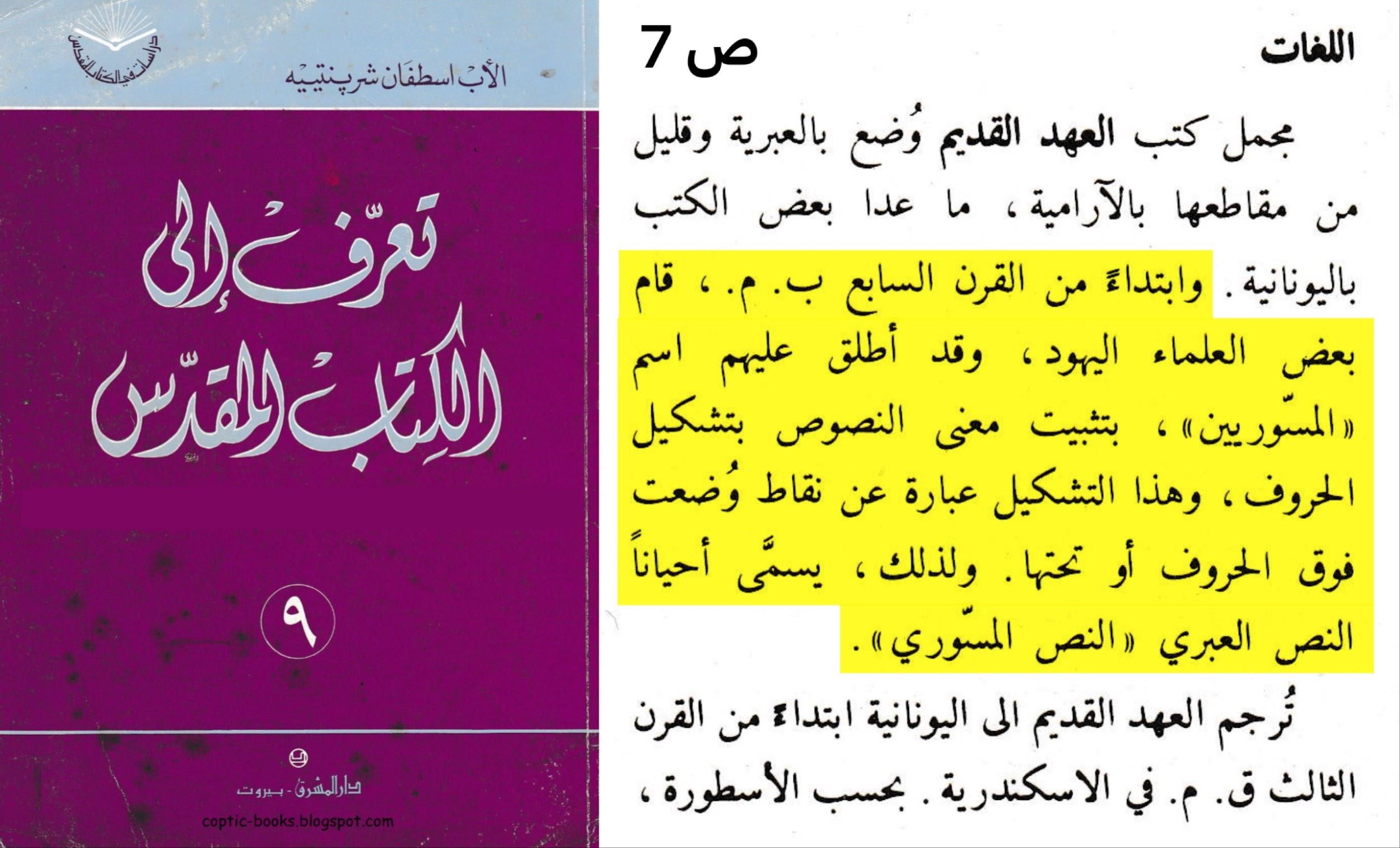
“Introduction to Holy Scripture” — the Old Testament was written in Hebrew and a few sections in Aramaic, with the Greek translation beginning in the 3rd century BC in Alexandria. Starting from the 7th century BC, some Jewish scholars — called the Masoretes — fixed the meaning of the texts by adding vowel points above or below the letters.
This means that the Hebrew text of the Old Testament, before vocalization is added, could be read in more than one way. The vocalization we see today in Hosea 9:6 reflects the Masoretes’ own understanding and interpretation of the text — written centuries after Islam had already appeared.
The Verse — Hosea 9:6 (Unvocalized Hebrew)
The unvocalized Hebrew text of Hosea 9:6:
כי הנה הלכו משד מצרים תקבצם מף תקברם מחמד לכספם קמוש יירשם חוח באהליהם
The four-letter word highlighted in red — מחמד — is the subject of this analysis. It contains the letters:
מ (Mem) — ח (Het) — מ (Mem) — ד (Dalet)
Before vocalization, this word can legitimately be read as either:
- A proper name: מֻחַמַּד / Muhammad (ﷺ)
- An adjective: מַחְמַד / Mahmad (“precious thing”)
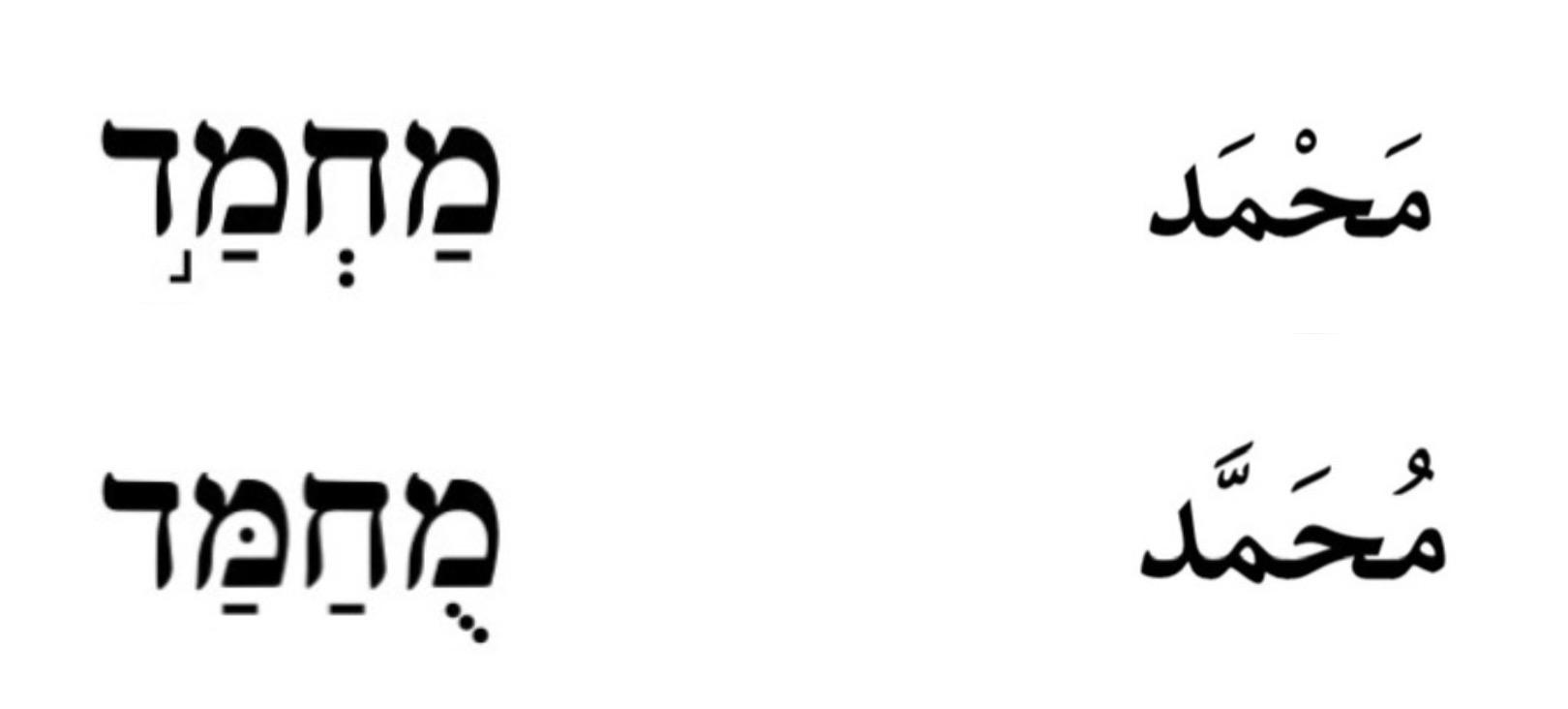
Both readings of the same four Hebrew letters: top row — the name מֻחַמַּד (Muhammad) and its Arabic equivalent; bottom row — the adjective מַחְמַד (mahmad / precious) and its Arabic equivalent.
The Masoretes chose the adjective reading. We argue that the correct reading is the proper name Muhammad — based on four lines of evidence.
The Structure of Hosea 9:6 — A Rhyming Chain of Punishments
The verse appears within a chain of punishments directed against the Jews, organized in a strict, consistent two-part rhyming pattern:
Pattern: Each unit = (Name) + (Fate)
Every clause in the chain follows this structure exactly — a brief punishment stated in one sentence of two words, the first being a name and the second their fate — and all end with the suffix ם (mem) rhyming with “them,” referring to the Jews as a collective.
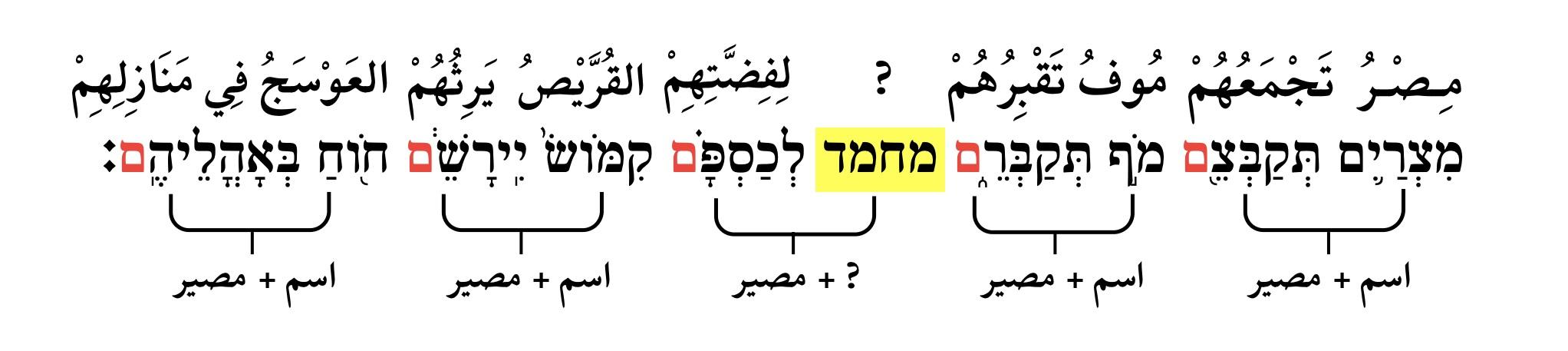
The unvocalized Hebrew of Hosea 9:6 — with the punishment pattern labelled: each unit = name + fate. The position of מחמד is marked with a question mark, showing the one slot whose reading is contested.
With the Name Reading (Muhammad)
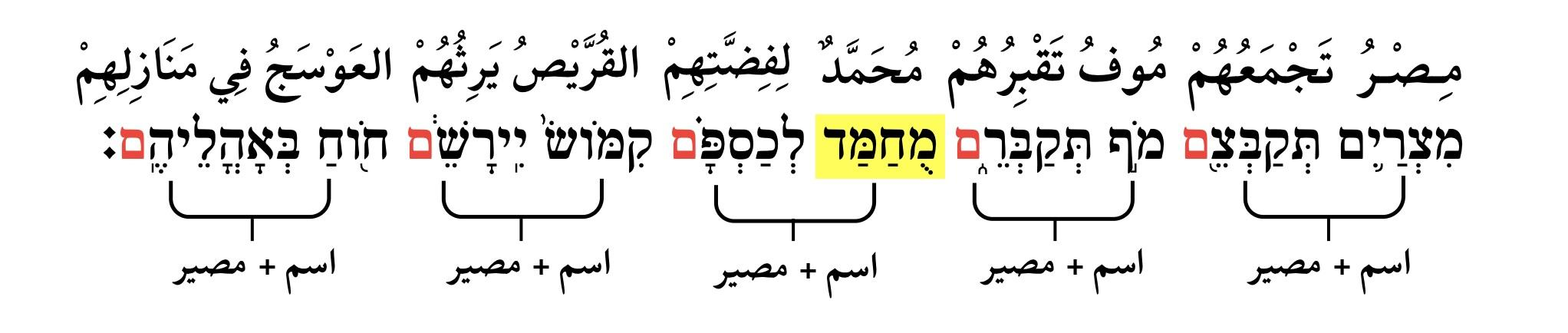
When מחמד is read as the proper name Muhammad ﷺ, the pattern is consistent throughout: every unit is name + fate. Translation: “Egypt shall gather them, Memphis shall bury them, Muhammad shall inherit their silver, Kemosh shall inherit them, thorns shall be in their tents.”
With the Adjective Reading (Mahmad — “precious thing”)
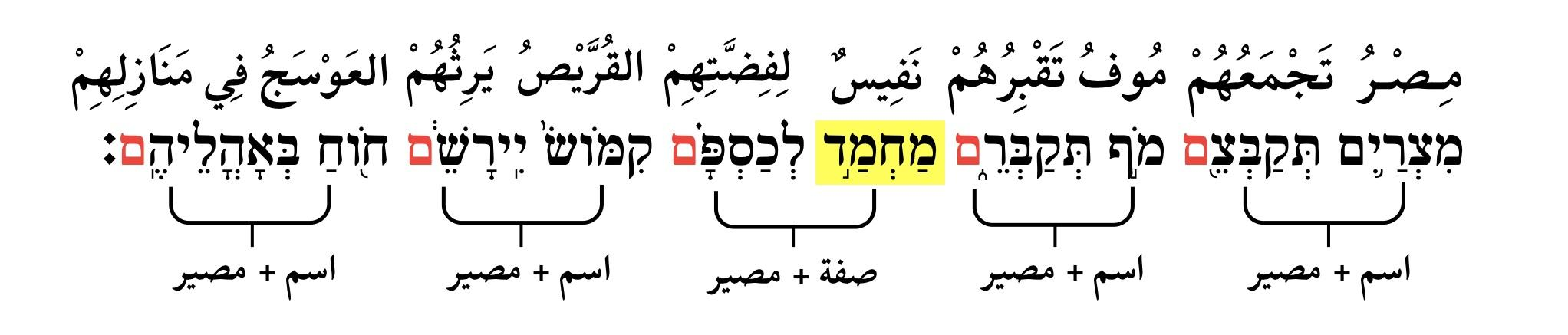
When מחמד is read as an adjective (“precious thing”), the middle slot becomes “adjective + fate” rather than “name + fate” — breaking the consistent pattern of the chain without justification.
This is consistent with the general pattern in Scripture: whenever God wanted to punish the Jews by seizing their wealth, He always sent a person to do so — not a thorn bush.
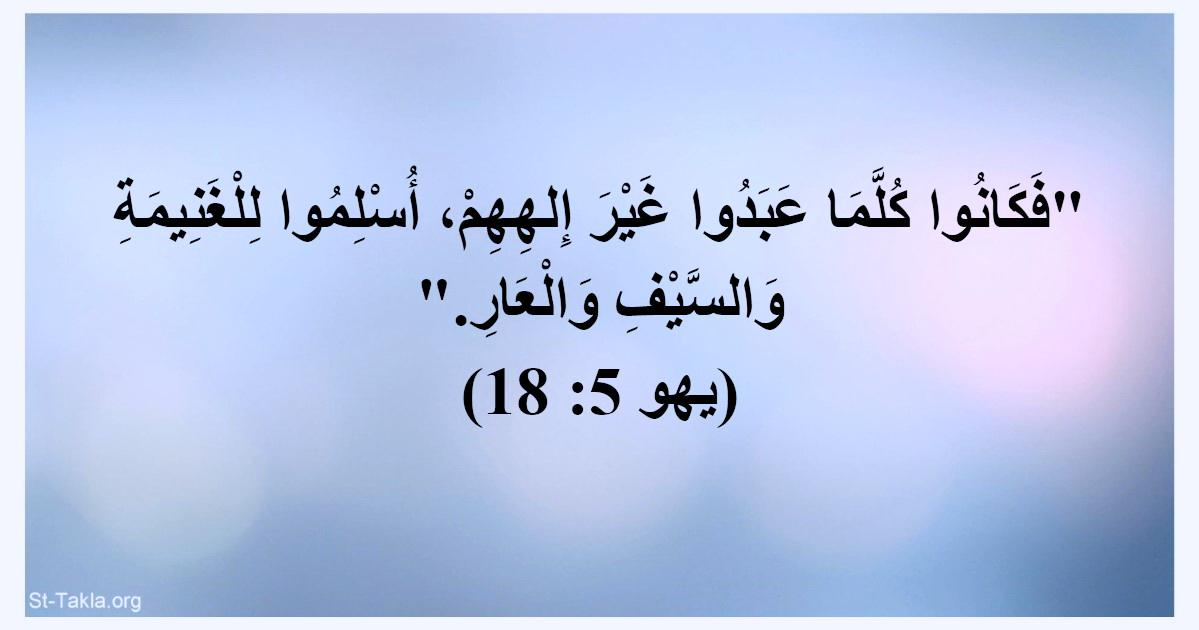
Judges 5:18 (Arabic) — a parallel verse: “They were always handed over to their enemies to be plundered by the sword and the shame” — showing God’s pattern of using human agents, not plants, to punish and dispossess.
Conclusion from the pattern: The correct vocalization must make the word a name, not an adjective — as a name is what the consistent, methodical pattern of the text requires.
Gesenius’ Hebrew Grammar Confirms the Name Reading
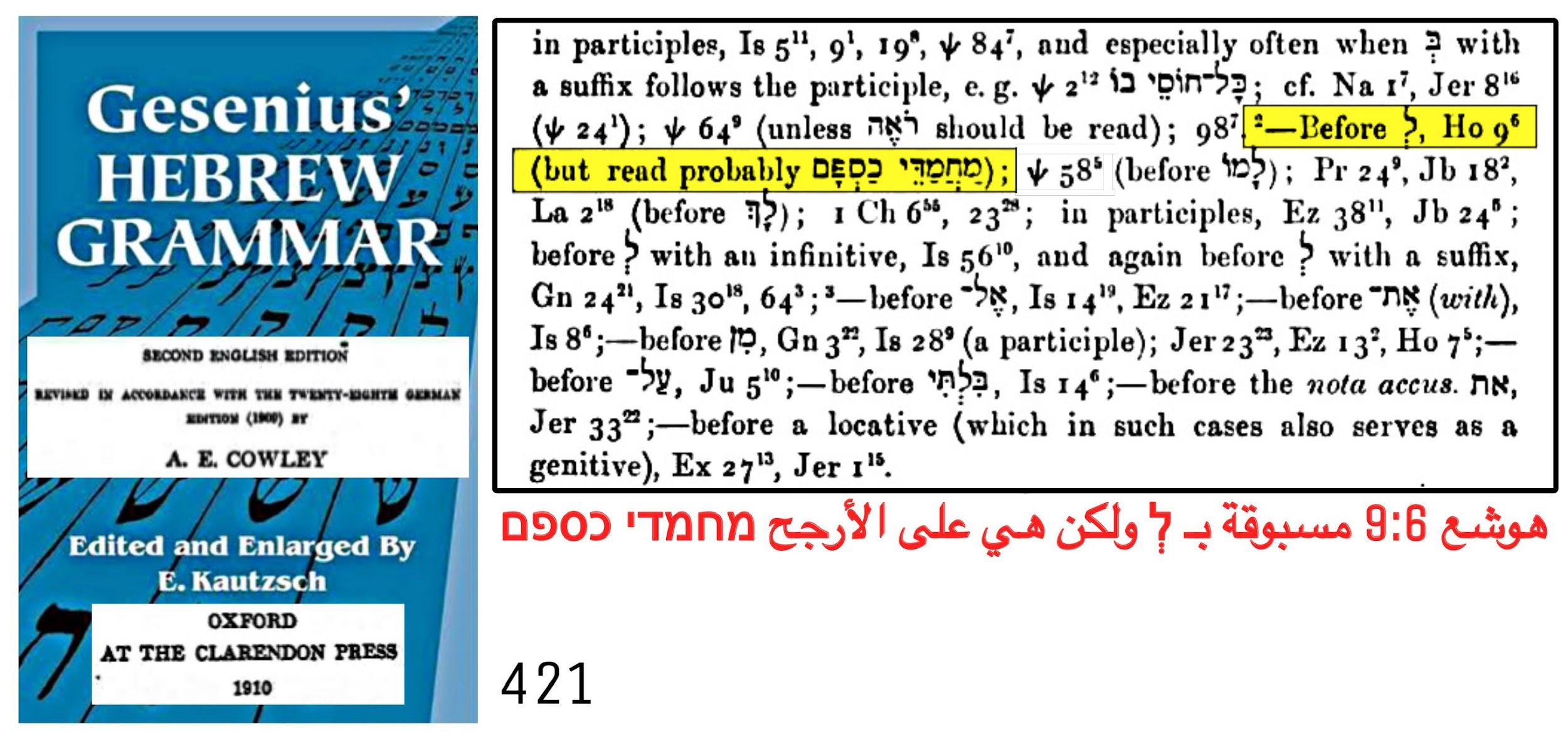
Gesenius’ Hebrew Grammar (Oxford, Clarendon Press, 1910), p. 421 — on Hosea 9:6:
“But read probably מחמדי כספם (Muhammadi kaspam)”
Gesenius — the foremost authority on classical Hebrew grammar — explicitly recommends the reading מחמדי כספם (Muhammadi kaspam), meaning “Muhammad for their silver/wealth.” This is not a marginal view; it appears in the standard second English edition of the most authoritative Hebrew grammar in existence.
This modified reading means: the wealth of the Jews will become spoils for Muhammad (ﷺ) — a concise punishment statement perfectly matching the pattern of the verse.
The Corrected Reading — Restoring the Pattern
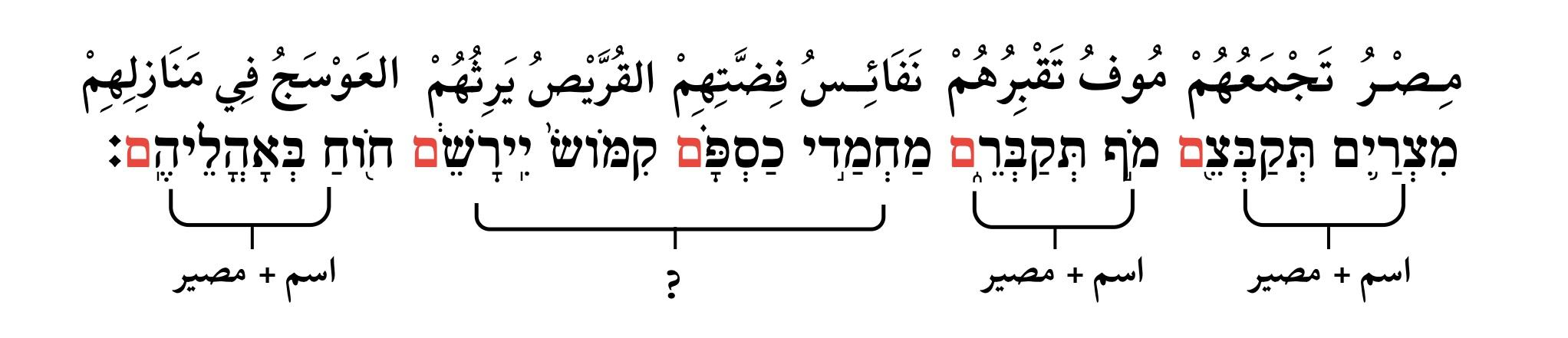
The corrected reading following the Gesenius suggestion: “Muhammad for their wealth” — with מחמד as a name and לכספם as its fate. Every slot now reads name + fate, and the rhyme in ם is preserved throughout.
This adjustment removes the grammatical difficulty identified by all major commentators and restores the text to a fully consistent pattern.
The Translation Problem in Standard Versions
The Syriac Peshitta — one of the oldest Bible translations — confirms the reading of desire/lust (shehwa) for the word מחמד in Hosea 9:6:
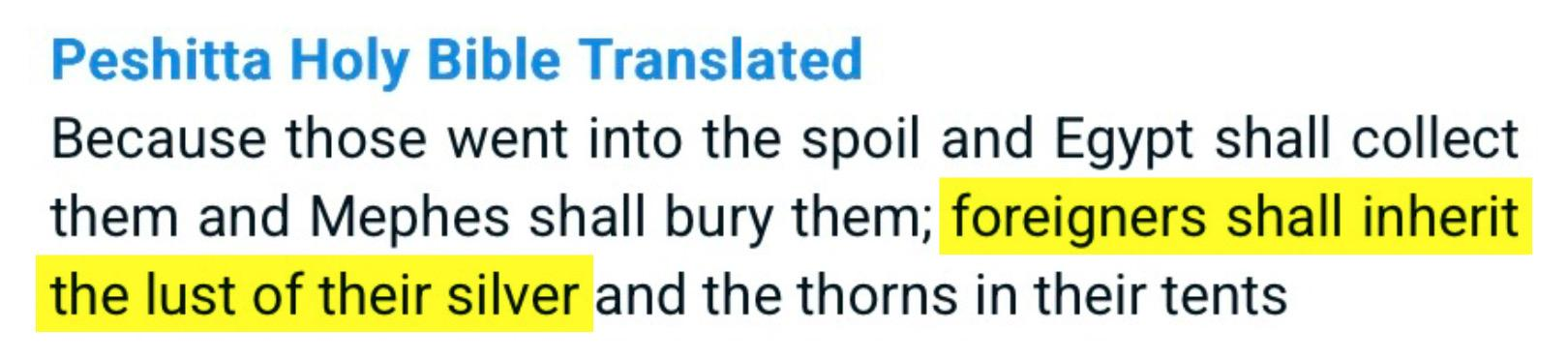
Peshitta Holy Bible Translated — Hosea 9:6: “Because those went into the spoil and Egypt shall collect them and Mephes shall bury them; foreigners shall inherit the lust of their silver and the thorns in their tents.”
Translation: foreigners — inherit — the lust of their silver. This confirms that even the Peshitta understood the word מחמד as referring to something desired/lusted after — not a plant or weed — and that a person (foreigners) inherits it.
The Arabic Van Dyck Bible translates the verse:
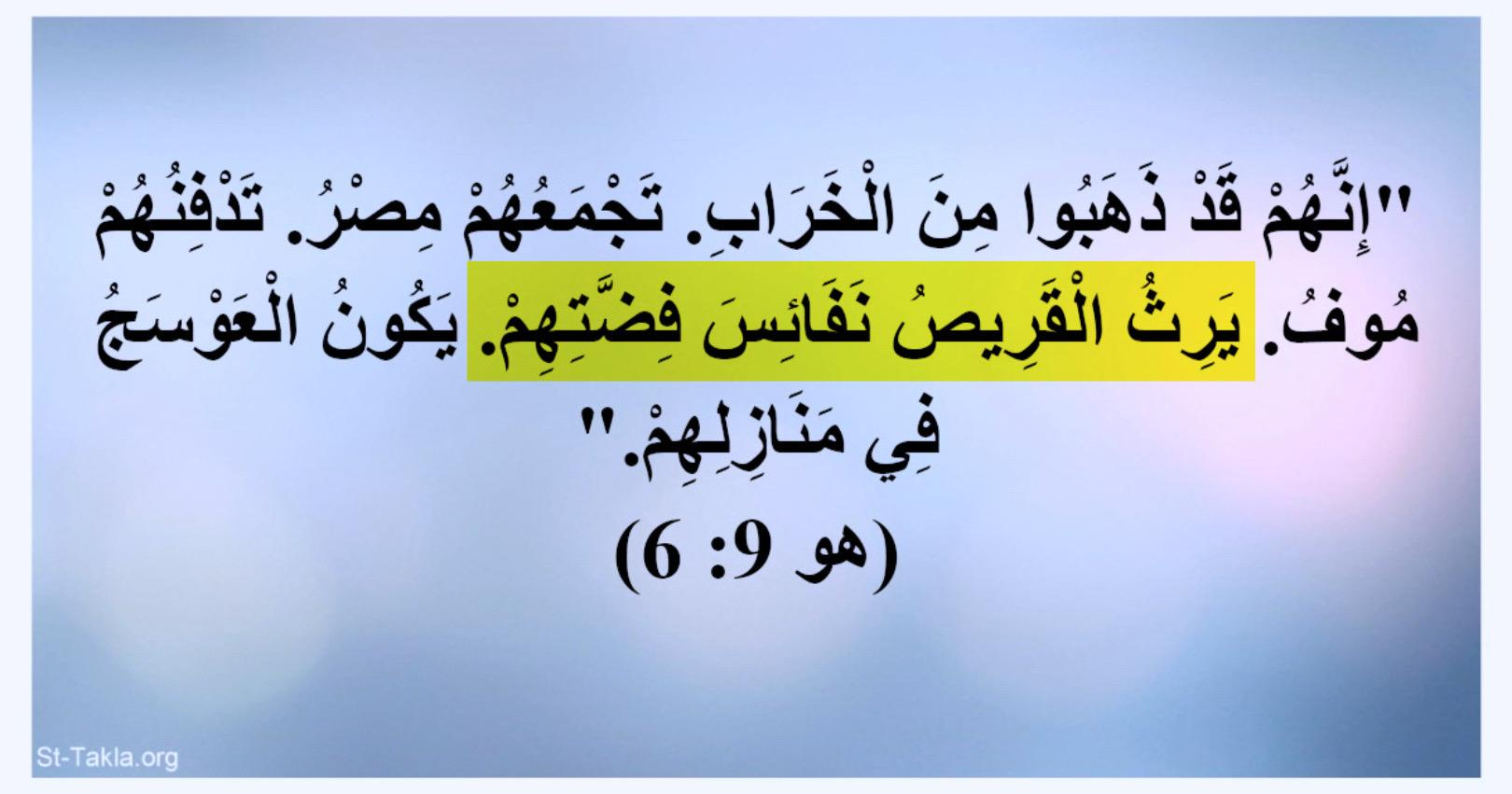
“They have gone into destruction from Egypt; Memphis shall gather them, Memphis shall bury them. The* precious things of their silver** — the bramble shall inherit them; thorns shall be in their tents.”* — Hosea 9:6
This translation is grammatically forced: the phrase “precious things of their silver” creates an embedded parenthetical clause with no relationship to the chain of punishments the text is announcing. It disrupts the text’s internal logic.
The Oxford Annotated Bible openly admits this:
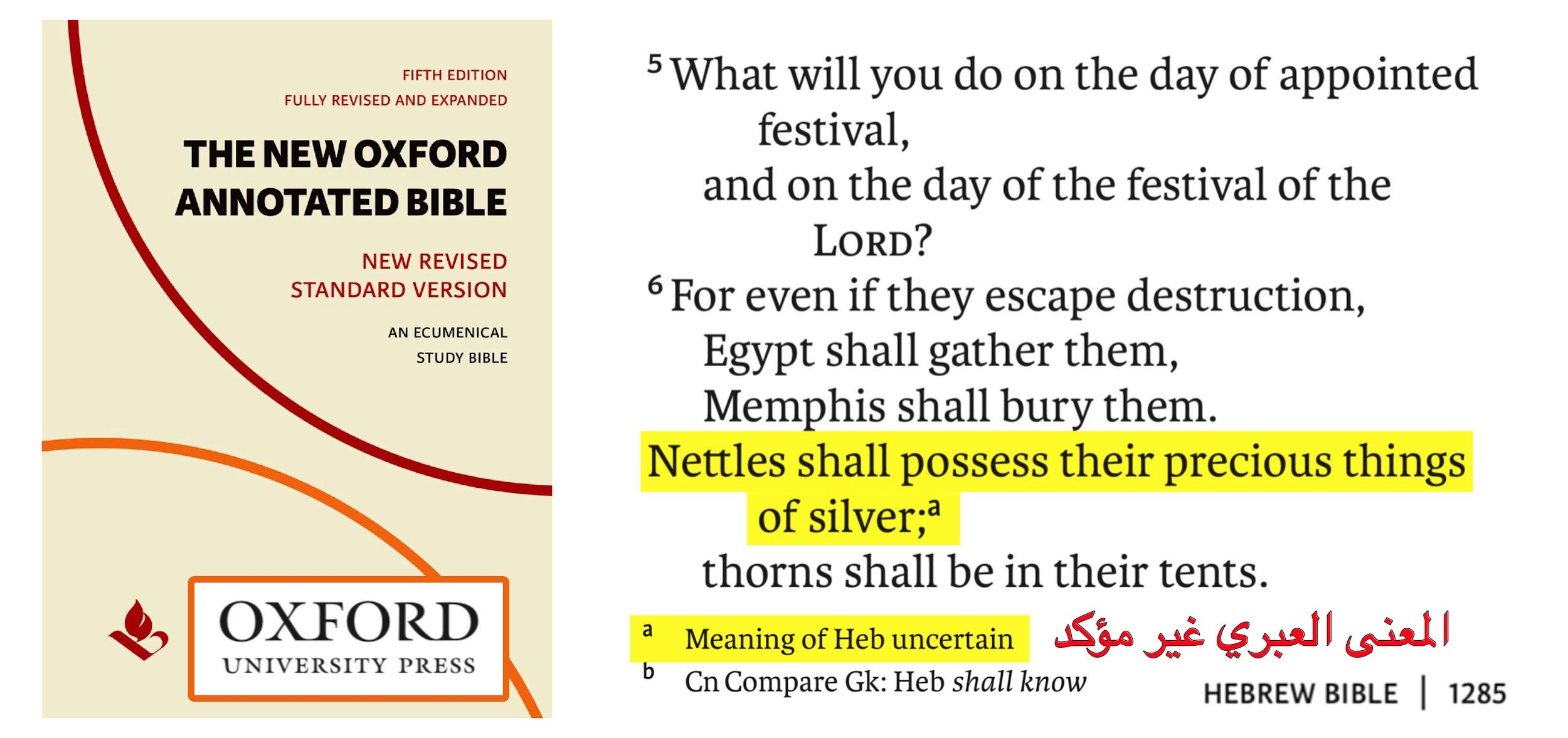
“Nettles shall possess their precious things of silver”
Footnote: “Meaning of Heb uncertain” — Hebrew Bible, p. 1285
The New Oxford Annotated Bible acknowledges in its own footnote that the meaning of the Hebrew is uncertain — precisely because the adjective reading creates an incoherent sentence.
The Macintosh Commentary — Scholarly Acknowledgment of the Problem
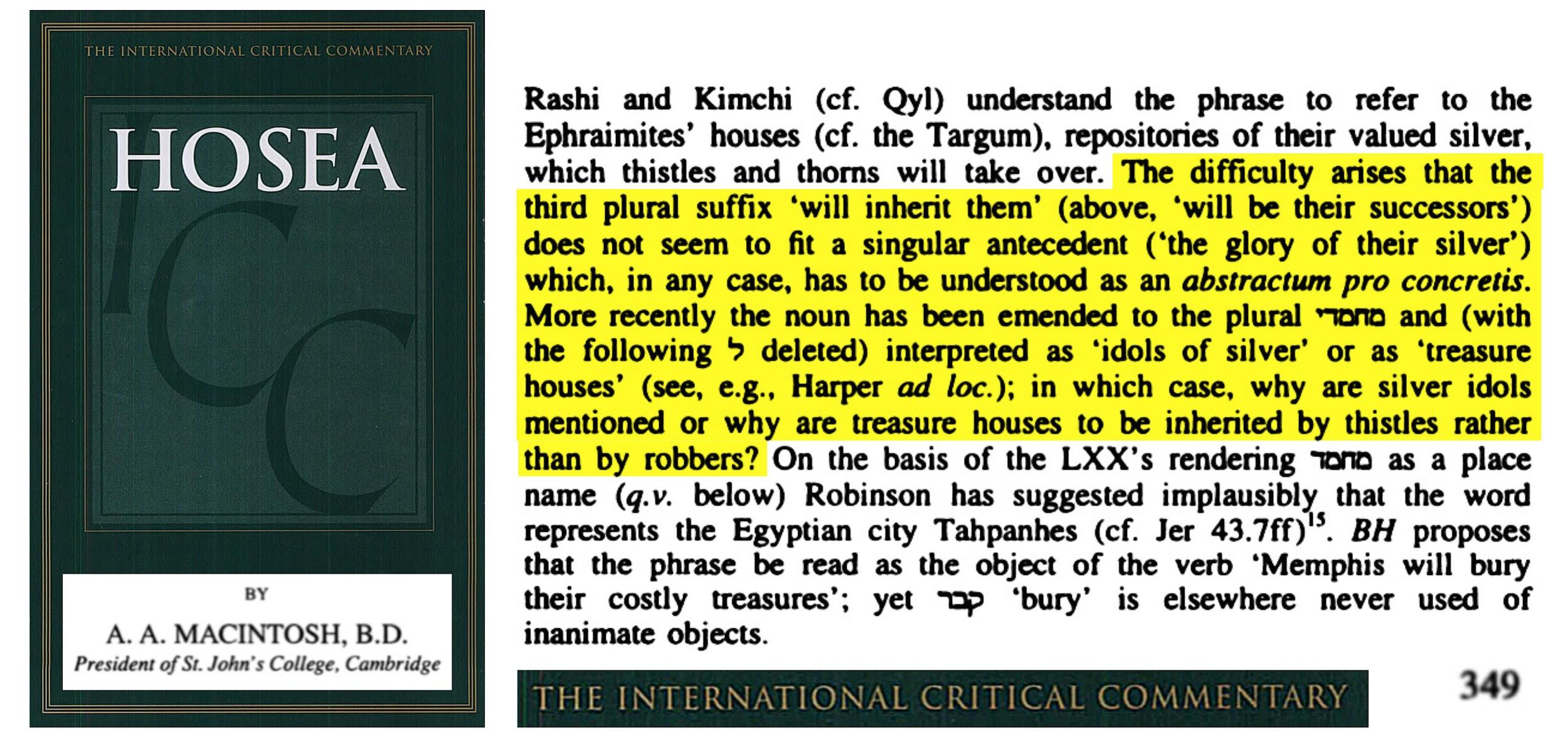
A. A. Macintosh, “Hosea” (The International Critical Commentary, Cambridge), p. 349:
“The difficulty arises that the third plural suffix ‘will inherit them’ (above, ‘will be their successors’) does not seem to fit a singular antecedent (‘the glory of their silver’) which, in any case, has to be understood as an abstractum pro concretis*. More recently the noun has been emended to the plural* ממדי and (with the following ל deleted) interpreted as ‘idols of silver’ or as ‘treasure houses’… in which case, why are silver idols mentioned or why are treasure houses to be inherited by thistles rather than by robbers?”
Even Macintosh — who holds to the Masoretic vocalization on confessional grounds — explicitly acknowledges all the grammatical problems we have identified, and then rejects the vocalization that makes the word a name, stating the word must be an abstractum pro concretis (a name of a concrete thing used abstractly) — i.e., it must be the name of a person rather than a quality.
The Septuagint — The LXX Translators Recognized Muhammad as a Proper Name
The Septuagint (LXX) — the ancient Greek translation of the Hebrew Bible — renders Hosea 9:6 using the name Μαχμάς (Machmas):
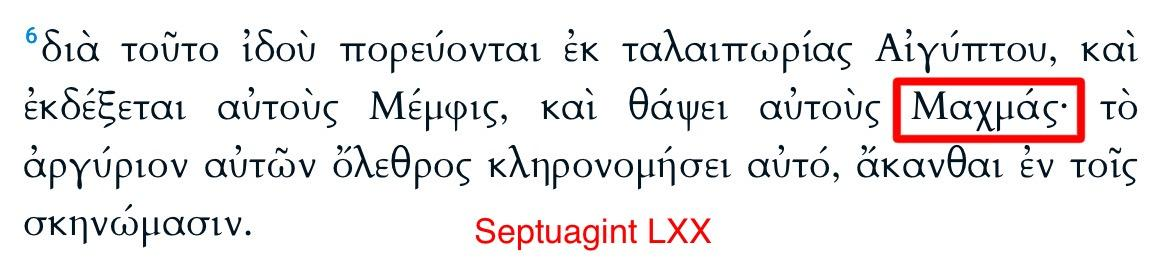
Septuagint LXX — Hosea 9:6 in Greek: “…καὶ θάψει αὐτοὺς Μαχμάς” — “and Machmas shall bury them.”
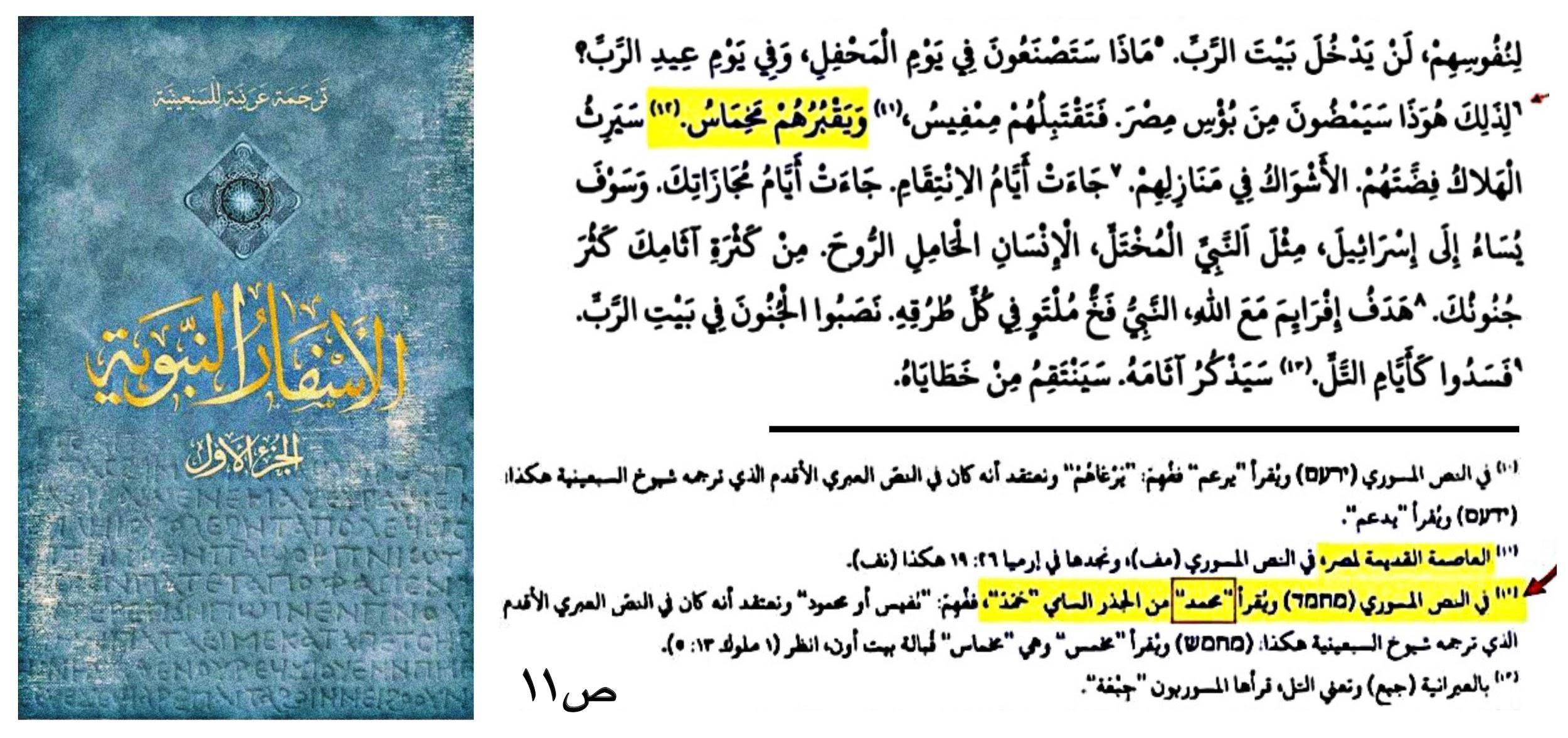
Arabic translation of the Septuagint (الأسفار النبوية) — with footnotes noting that the Masoretic text reads محمد (Muhammad), and that the LXX translators, believing it to be a city name, rendered it as “Mikhmas.”
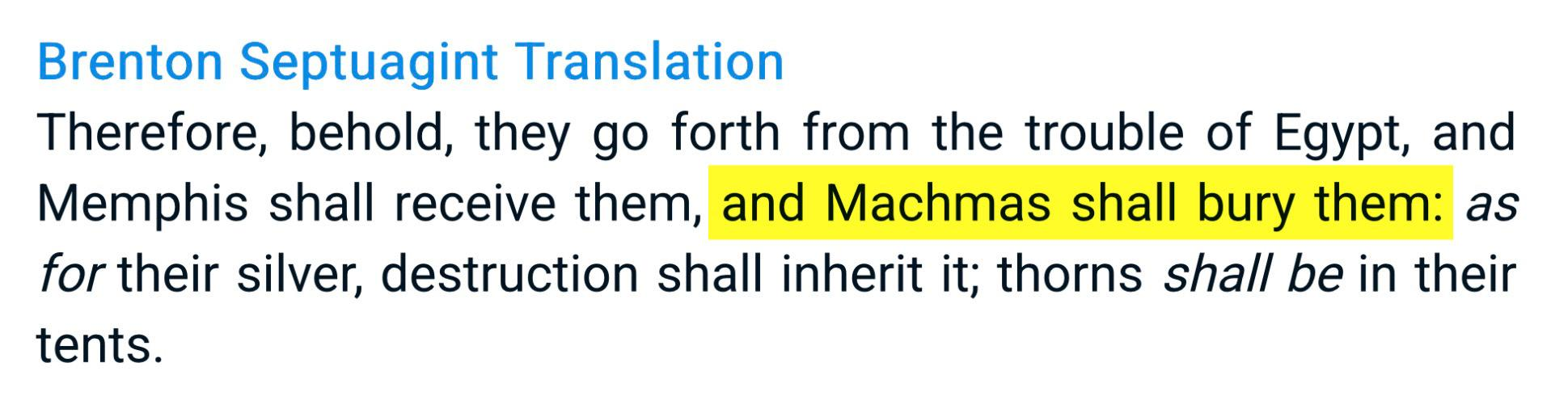
Brenton’s English Septuagint Translation: “…and Machmas shall bury them: as for their silver, destruction shall inherit it; thorns shall be in their tents.”
The LXX translators clearly recognized מחמד as a proper name — not an adjective — because:
- They transliterated it phonetically into Greek as Μαχμάς (Machmas)
- They treated it as a grammatical subject that performs an action (“shall bury them”)
- Their rendering preserves the name + fate pattern: “Machmas shall bury them”
This is confirmed by the Pulpit Commentary, written by Christian scholars:
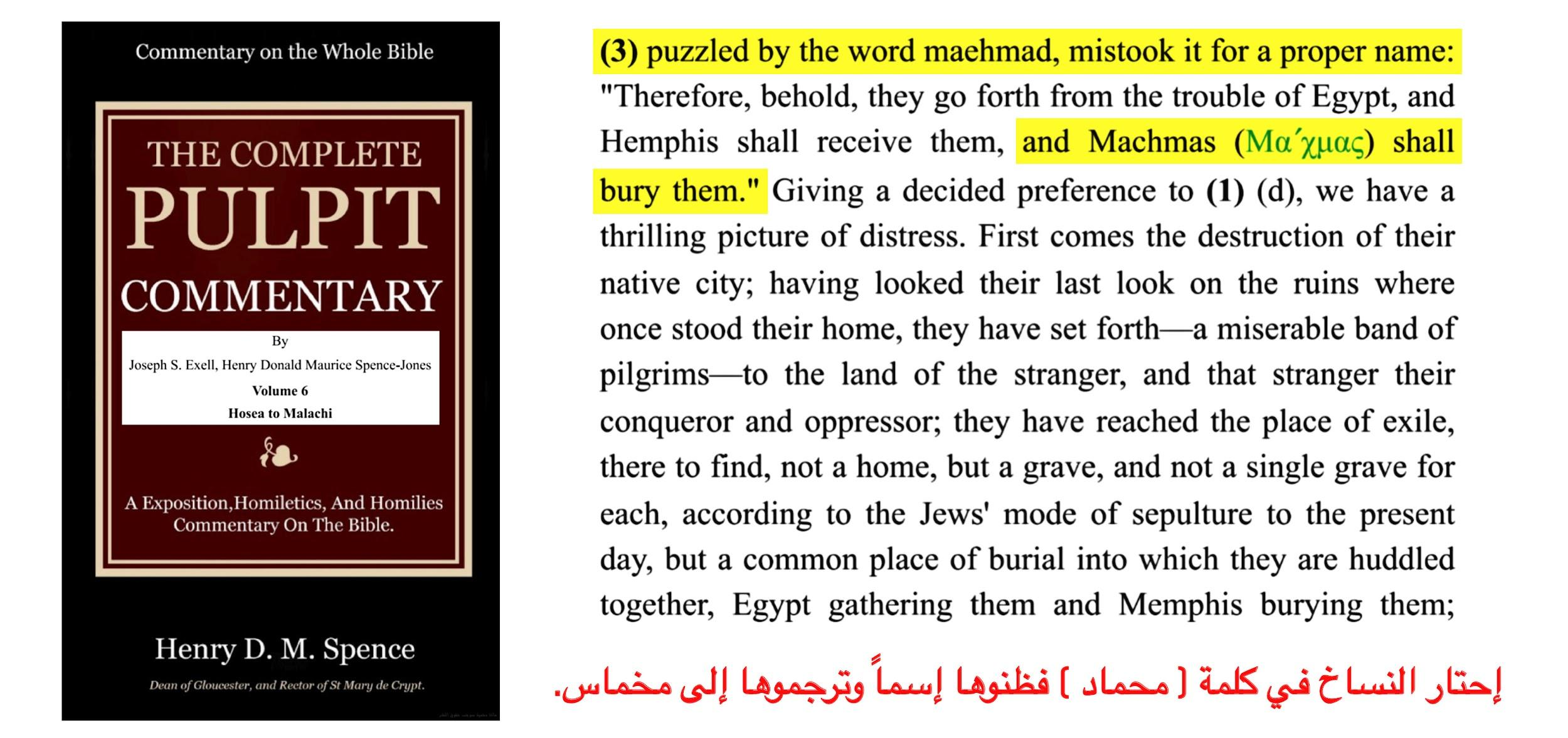
The Complete Pulpit Commentary (Vol. 6, Hosea to Malachi), by Joseph S. Exell & Henry D. M. Spence:
“(3) puzzled by the word maehmad, mistook it for a proper name: ‘Therefore, behold, they go forth from the trouble of Egypt, and Memphis shall receive them, and Machmas (Μα᾽χμας) shall bury them.’”
The commentary explicitly states the LXX translators were puzzled by the word maehmad (Muhammad) and mistook it for a proper name — which in fact it is. They then rendered it phonetically as Machmas.
Why “Machmas” Cannot Be a City Name
This word — pronounced Machmas / Mikhmas — matches the pronunciation of the town Michmash (מִכְמָשׁ) in the Holy Land. However, it is impossible to apply the Masoretic text’s meaning of this passage to a Palestinian village:
No rational person can argue that an obscure village in Palestine would “inherit the silver” of the Jews in Hosea’s prophetic context.
The word מחמד in this passage cannot be a place name. It can only be a person’s name — and that person, in whose name the root חמד consistently appears, is the Prophet Muhammad ﷺ.
Cross-Reference: The Same Root in Isaiah 42:1
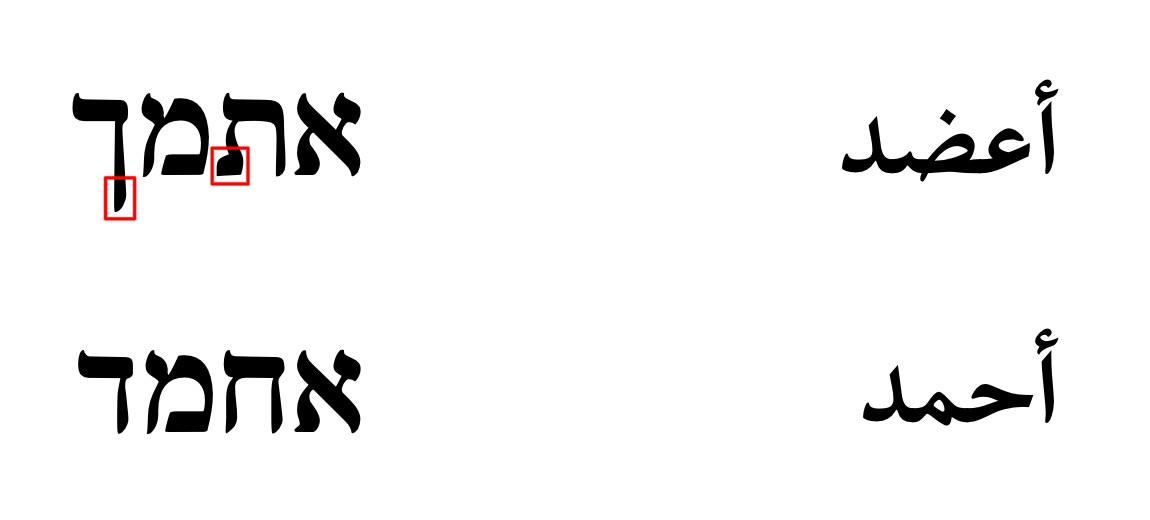
The same visual comparison between אתמך (atamakh / “I uphold”) and אחמד (Ahmad) from Isaiah 42:1 — confirming that the root חמד consistently corresponds to the Prophet’s name across multiple Biblical texts.
See also: Isaiah 42:1 — Name of Ahmad
The Prophecy Fulfilled — Bani al-Nadir
The restored reading of Hosea 9:6 — “Muhammad for their wealth” (מחמד לכספם / Muhammad li-kaspam) — was fulfilled with striking precision in the Expedition of Bani al-Nadir, when the Prophet ﷺ besieged the Jewish tribe of Bani al-Nadir after they betrayed their covenant with him, and they fled Medina abandoning their properties and wealth.
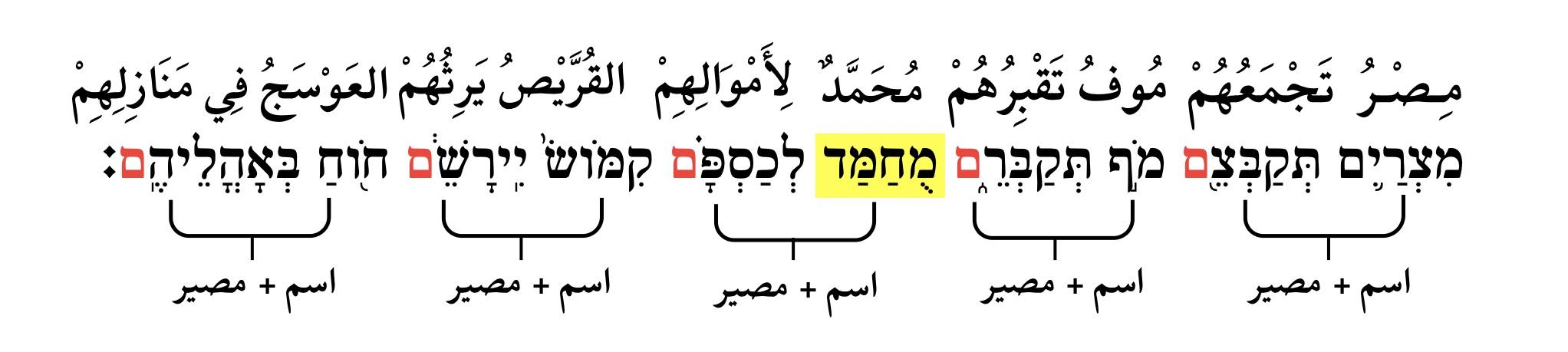
The fully restored Hosea 9:6 with consistent pattern — “Egypt shall gather them, Memphis shall bury them, Muhammad shall inherit their wealth, Kemosh shall inherit them, thorns shall be in their tents.”
Allah ﷻ described this in the Quran:
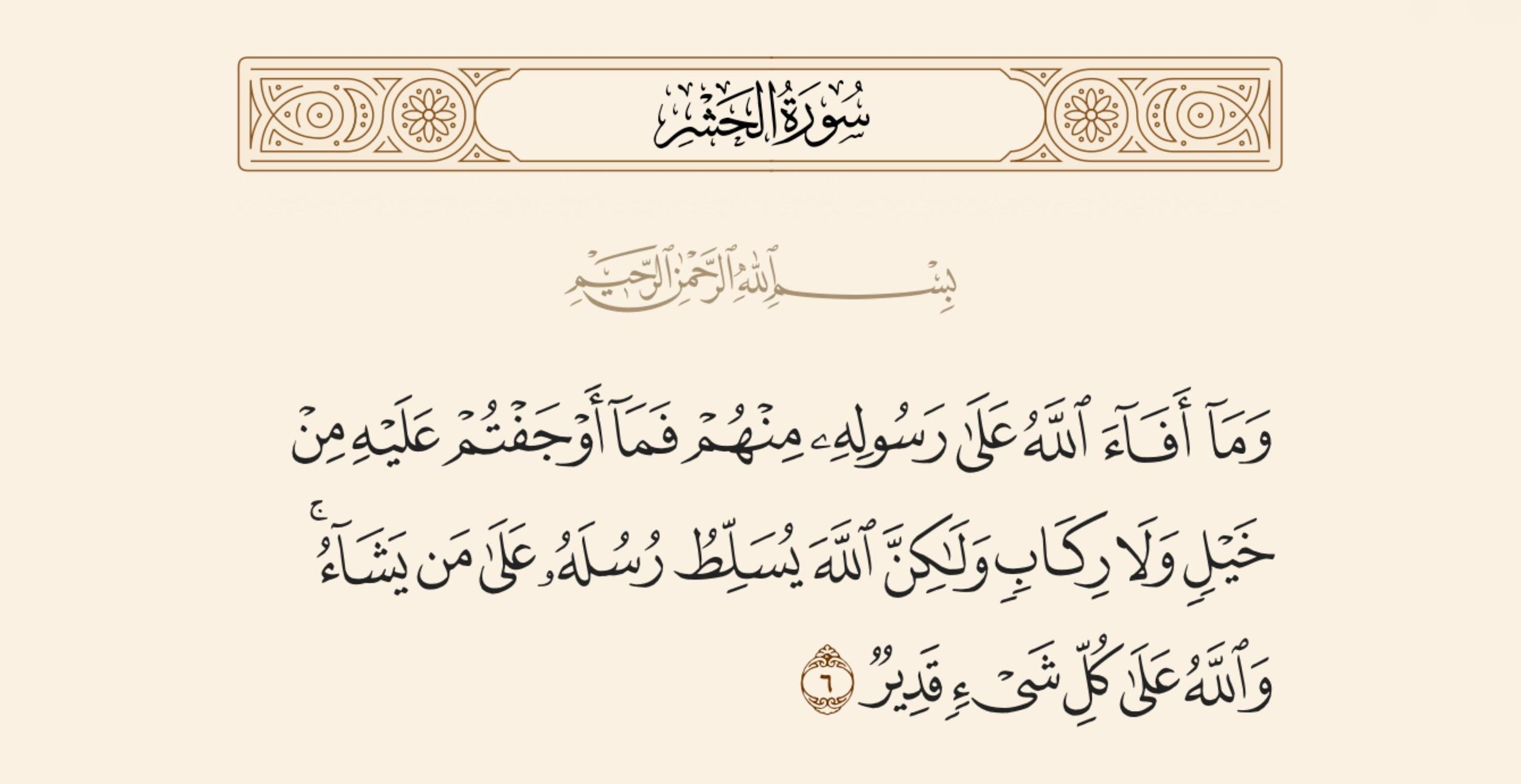
“And what Allah restored to His Messenger from them — you did not spur for it any horses or camels, but Allah gives His messengers power over whom He wills, and Allah is over all things competent.” — Surat Al-Hashr: 6
And this is confirmed by the narration of Umar ibn al-Khattab (may Allah be pleased with him):
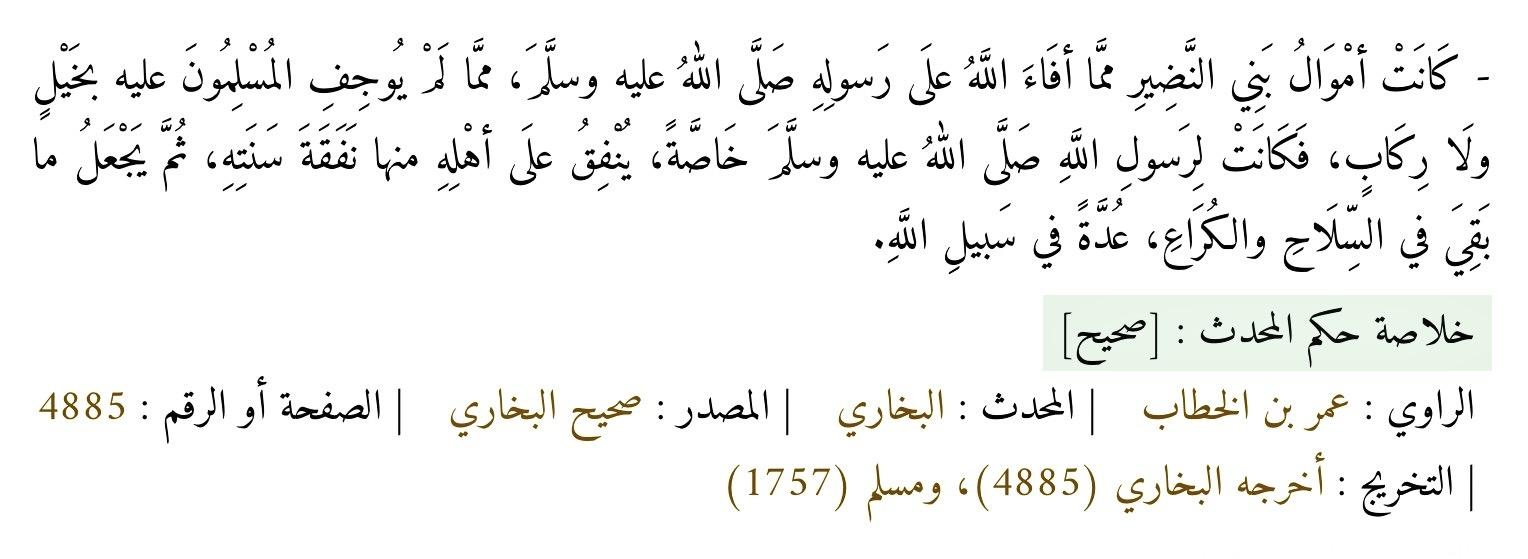
“The wealth of Bani al-Nadir was from what Allah restored to His Messenger ﷺ — without the Muslims driving horses or camels for it. It belonged exclusively to the Messenger of Allah ﷺ, who spent from it on his family’s yearly expenses, then placed the remainder in weapons and provisions for the sake of Allah.” — Narrator: Umar ibn al-Khattab | Source: Sahih Bukhari 4885 | Grade: Sahih
Conclusion — In Brief
In summary, all lines of evidence point to the same reading:
| Evidence | What It Shows |
|---|---|
| Rhyme pattern of the verse | Every unit = name + fate; only the name reading preserves this |
| Gesenius’ Hebrew Grammar | Explicitly recommends Muhammadi kaspam for Hosea 9:6 |
| Oxford Annotated Bible | Admits “Meaning of Heb uncertain” for the adjective reading |
| Macintosh ICC Commentary | Acknowledges the plural suffix problem — implies the word must be a concrete name |
| Septuagint (LXX) | Recognized מחמד as a proper name and transliterated it phonetically |
| Pulpit Commentary | Admits LXX translators “mistook it for a proper name” — it is |
| Historical fulfillment | Bani al-Nadir wealth became Muhammad’s ﷺ without war |
And finally, at the close of this discussion, we cannot help but recall the words of the Prophet ﷺ himself:
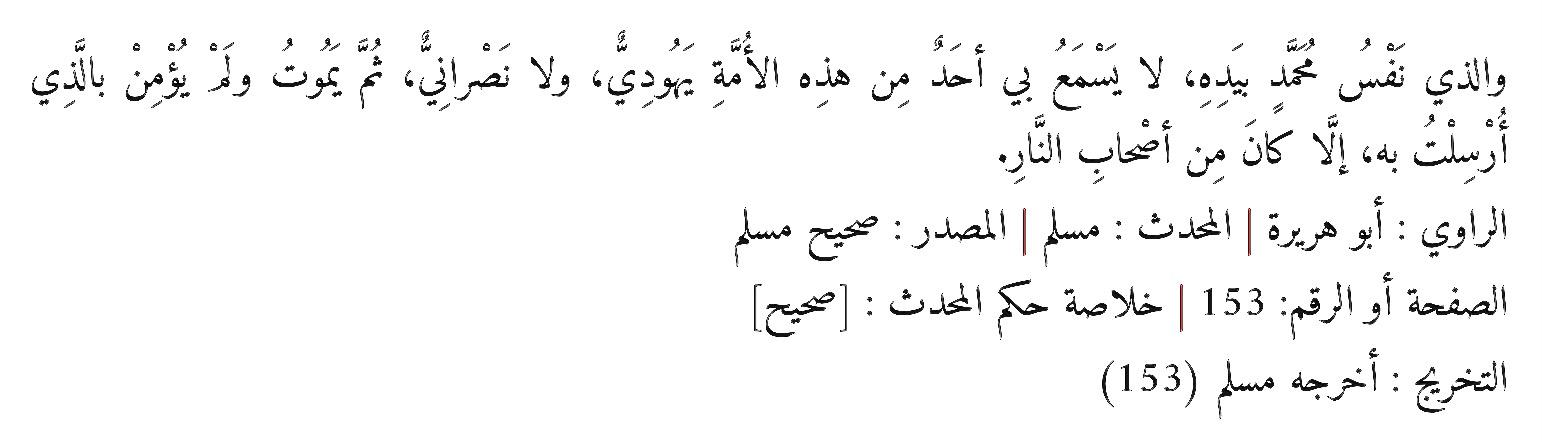
“By the One in whose hand is the soul of Muhammad — no one from this nation, neither Jew nor Christian, will hear of me, then die without having believed in what I was sent with, except that he will be among the people of the Hellfire.” — Narrator: Abu Hurayra | Source: Sahih Muslim 153 | Grade: Sahih
For more details on the context of this prophecy, see: “Tanbih Uli al-Albab ila Sifat Muhammad fi As far Ahl al-Kitab” (p. 113)
...is Tags: #dawah #islamicapologetics #biblical-prophecy #isaiah #muhammad #ahmad Related: [[Book of Hosea]] ·...