Circumambulating the Kaaba Is Paganism? — The Bible Answers
Circumambulating the Kaaba Is Paganism? — The Bible Answers
Table of Contents
- Introduction
- Section 1 — The Bible Approves of Circumambulation
- Section 2 — Christians Circumambulate in Their Own Worship
- Section 3 — The Holy Kaaba Is the Temple of God
- Section 4 — Christians Object to Muslims While Doing Worse
- Conclusion
Introduction
This article responds to that accusation using the Bible itself — showing that circumambulation around sacred objects is not only practiced in Christianity, but explicitly commanded and praised in their own scripture. It then turns the accusation around with documented Christian practices that far exceed anything done in Islam.
Section 1 — The Bible Approves of Circumambulation
“I will wash my hands in innocence, so I will go around your altar, O Lord.” — Psalm 26:6
The priest’s circumambulation is in the form of a circle because the circle indicates eternity — it has no beginning and no end. It is as if the blood of the sacrifice offered by the priest is a symbol of the blood of Christ that works in us eternally and takes us to heaven itself…
The Coptic priest walks around the altar in a circle with the lamb, and walks with his finger over the cup with the same concept. Here, when David mentions that he walks around the altar, he is, in the spirit of prophecy, desiring the heavenly things in eternity.”
Section 2 — Christians Circumambulate in Their Own Worship
2a — Circumambulation Around the Altar
2b — Circumambulation Around the Relics of Saints
- Praying before holy relics (body parts of dead saints)
- Holding meetings and celebrations around them
- Kissing them before receiving Holy Communion
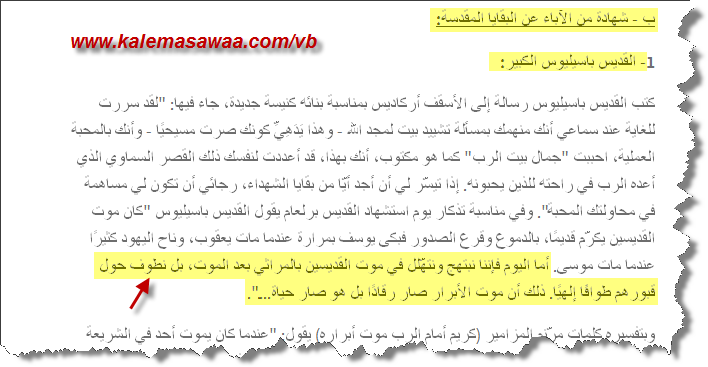
- Wishing to be buried beside them
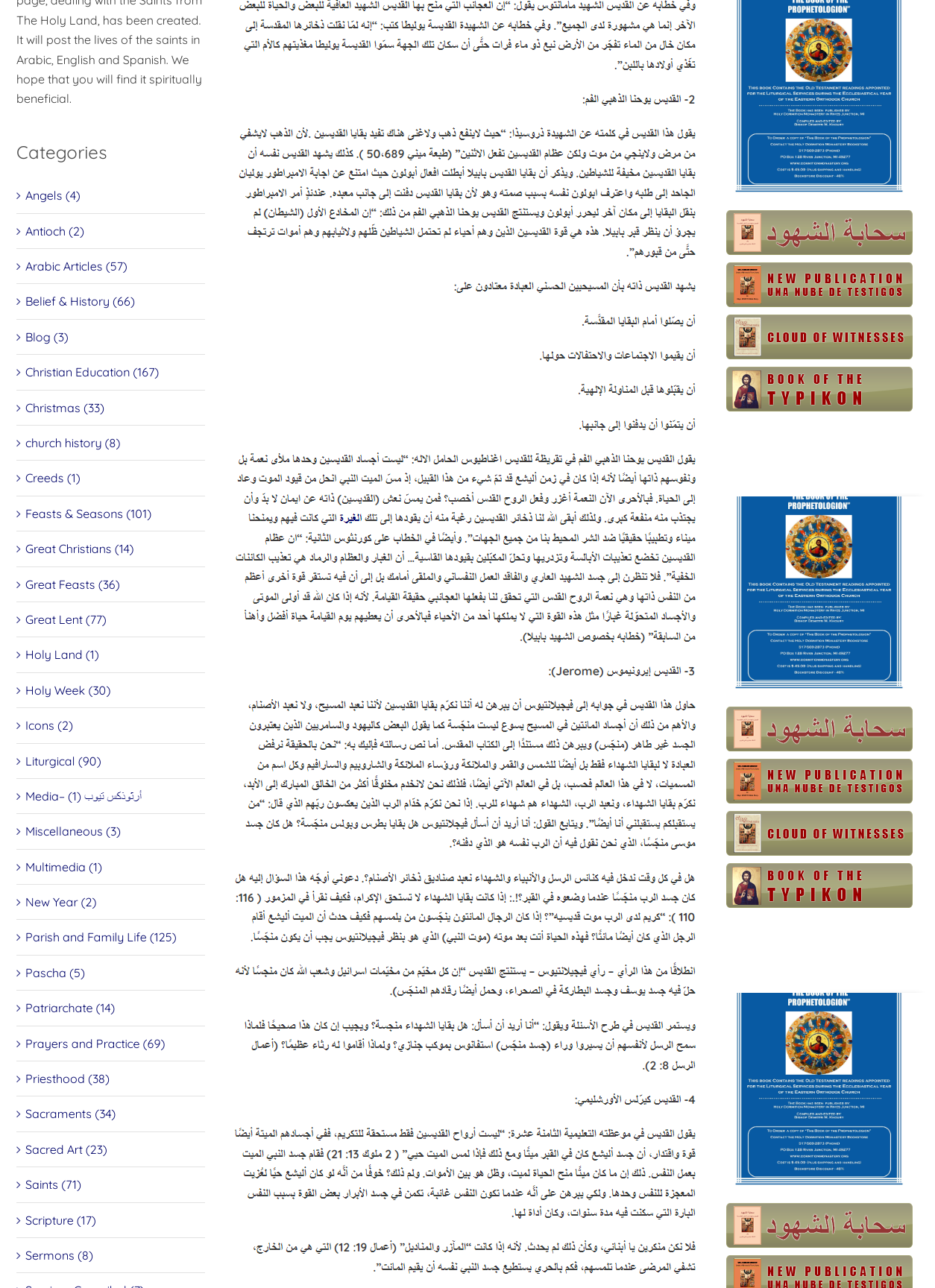
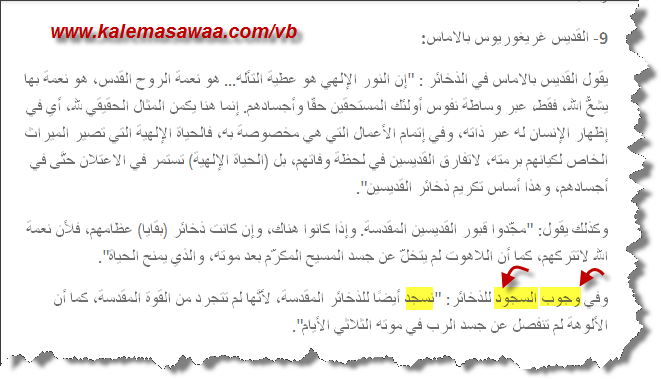
🔗 Source: البقايا المقدسة — ذخائر القدِّيسين (Holy Relics of the Saints)
2c — The Holy Foreskin of Jesus
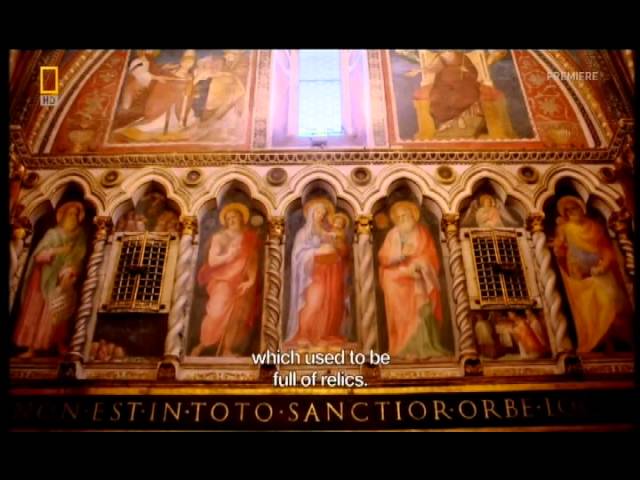
🔗 Video:
(David Farley’s quest to find the foreskin of Jesus Christ across Italy and France)
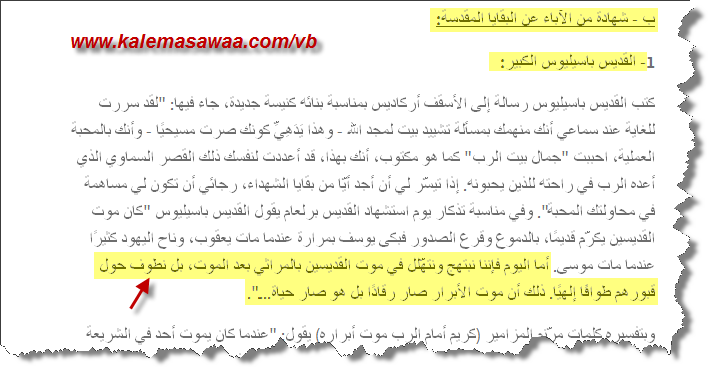
2d — Circumambulating Around the Rotting Bodies of Saints
Section 3 — The Holy Kaaba Is the Temple of God
3a — The Prophecy of Isaiah
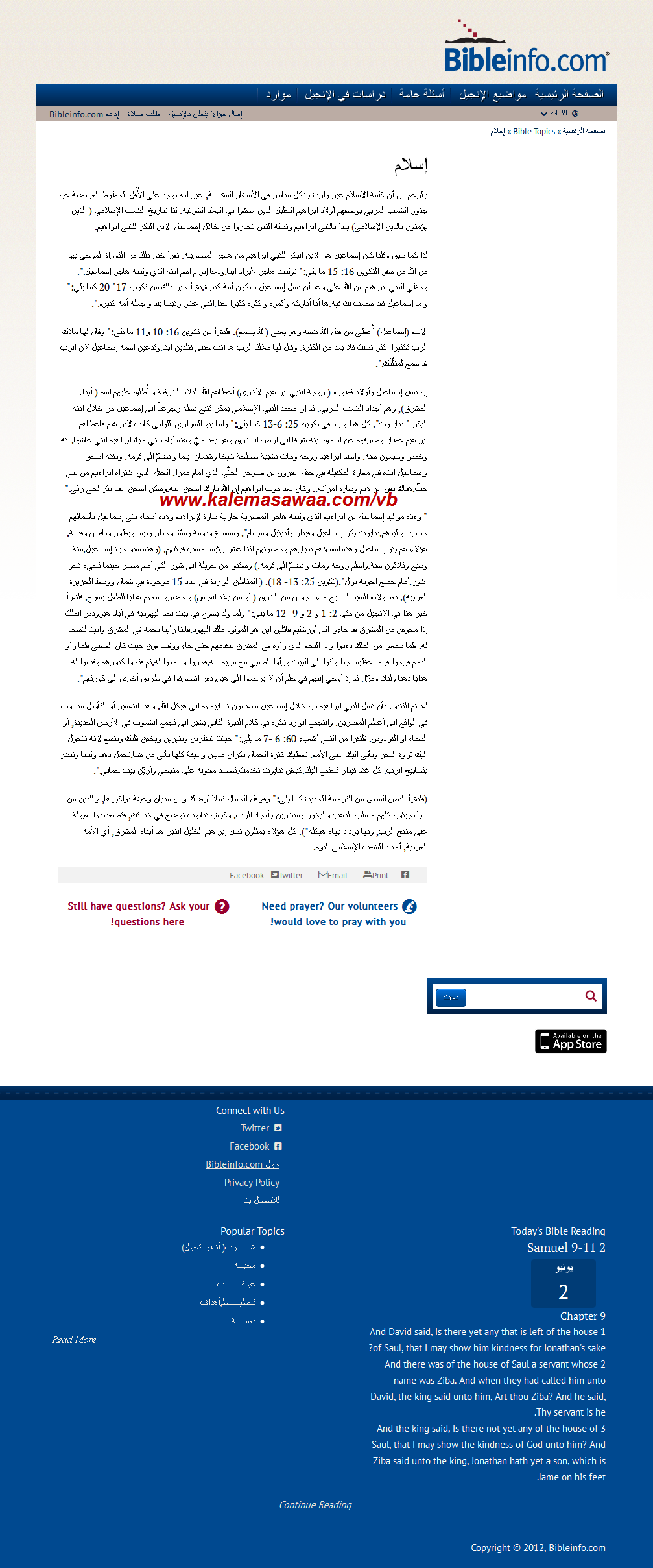
“Although the word Islam is not mentioned directly in the Holy Books, there are at least broad outlines of the roots of the Arab people as the sons of Abraham who lived in the eastern countries. Thus the history of the Islamic people begins with the Prophet Abraham and his descendants who descended through Ishmael, the firstborn son of the Prophet Abraham.
It was prophesied that the descendants of Abraham through Ishmael would offer their praises to the temple of God.”
(New Translation): “And caravans of camels shall fill your land, and from Midian and Ephah their first fruits, and those from Sheba shall come, all bearing gold and incense, and bringing good tidings of the glories of the Lord. And the rams of Nebaioth shall be placed at your service, and you shall offer them acceptable upon the altar of the Lord, and through them the splendor of His temple shall be increased.”
Kedar and Nebaioth are the sons of Ishmael — the forefather of the Arabs and the ancestor of the Prophet Muhammad ﷺ.
Isa42 (Even Accepted by Jews of Medina
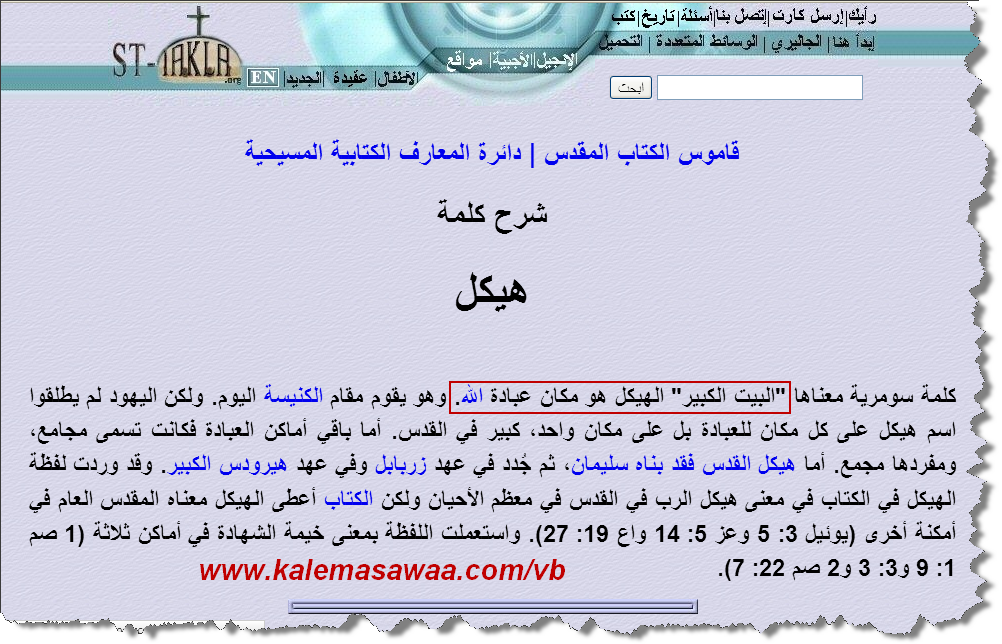
3b — Jacob’s Stone Pillar in Genesis
Genesis 28:18–22:
“18 And Jacob rose early in the morning, and took the stone which he had put under his head, and set it up for a pillar, and poured oil on the top of it. 19 And he called the name of that place Bethel. 20 And Jacob made a vow, saying, ‘If God will be with me, and will keep me in this way that I am going… 22 And this stone, which I have set up for a pillar, will be God’s house. And of all that you give me, I will give a tenth to you.’”
Muslims kiss the Black Stone and circumambulate the House of Allah — built by Ibrahim ﷺ by divine command. The principle is identical. The only difference is the standard being applied.
Section 4 — Christians Object to Muslims While Doing Worse
4a — Worshipping Skulls
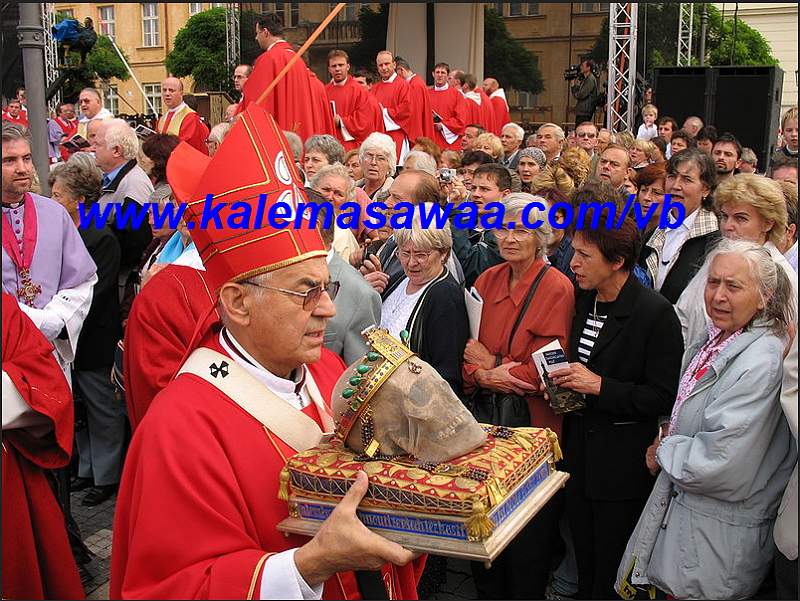
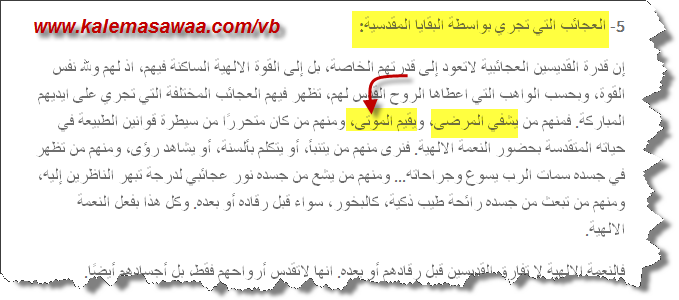
4b — Circumambulating and Kissing Rotting Corpses

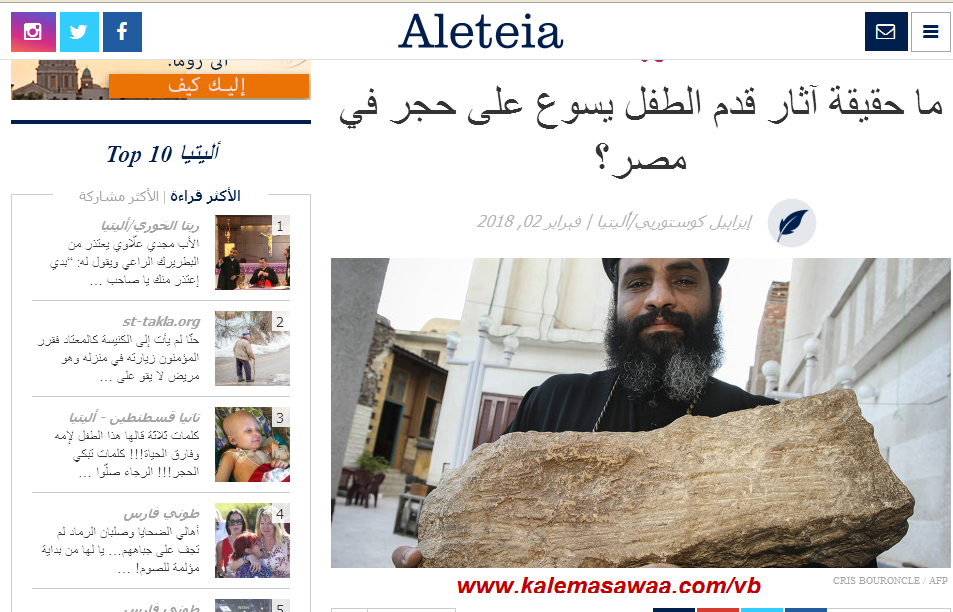
4c — The Footprint Stone of Jesus
“The Patriarch of Alexandria Theophilus (died 412) narrated in his book The Journey of the Holy Family that the family walked from Bethlehem to Al-Falama… then to Sakha near Kafr El-Sheikh, where the baby Jesus put his foot on a stone and it was imprinted on it.
This stone was hidden for fear of being stolen, and it was not found until 1986. Today, it is preserved in the Church of the Virgin Mary in Sakha, which is considered one of the most beautiful and important churches in Egypt.
Tracing the footsteps of the Holy Family to Egypt is one of the most important projects of the Egyptian Ministry of Tourism… UNESCO declared the ‘Holy Family Trail’ a World Heritage Site. In October 2017, Pope Francis blessed the Holy Family’s journey to Egypt… The Pope’s blessing is considered an invitation to Catholic pilgrims around the world to perform their religious rituals in Egypt.”
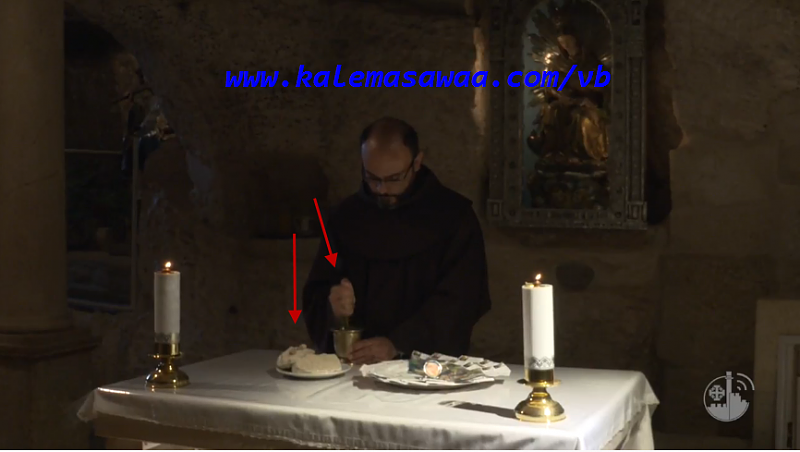
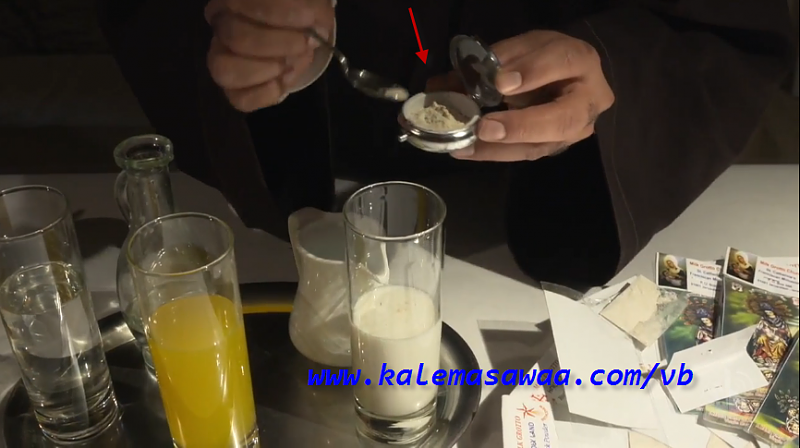
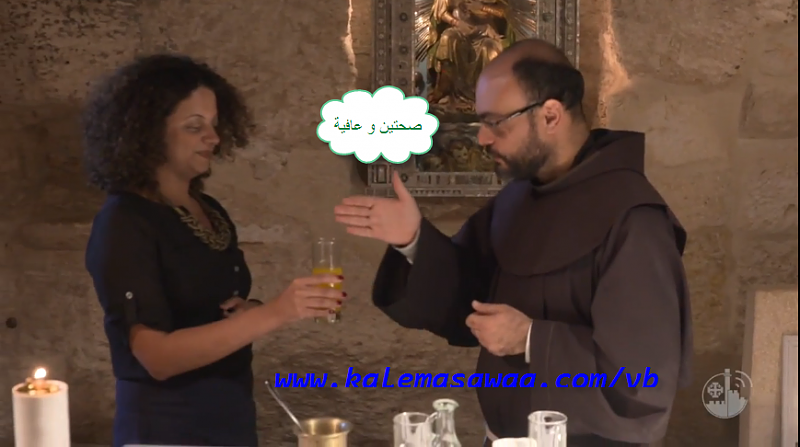
4d — The Milk Grotto Stones
Conclusion
1 — The Bible commands circumambulation: Psalm 26:6 explicitly praises walking around the altar. Coptic priests do it to this day during Mass.
2 — Christians circumambulate around far worse things: They circumambulate around, kiss, and prostrate before the rotting corpses of saints — believing they can heal the sick and raise the dead.
3 — Christians venerate stranger objects than the Black Stone: A foreskin, a skull, a stone with a footprint, and powdered grotto stones mixed into drinks.
4 — The Bible prophesies about the Kaaba: Isaiah 60:6–7 foretells the descendants of Ishmael (the Arabs) glorifying the House of God — which BibleInfo itself attributes to the Islamic people.
5 — Jacob did the same thing: He poured oil on a stone, named it the House of God, and vowed devotion before it. No Christian calls this paganism.
6 — The standard is applied selectively: Everything Christians accuse Muslims of doing, they do themselves — only with objects that are far less dignified than the House of Allah built by Ibrahim ﷺ.
“You hypocrite! First remove the plank from your own eye.” — Matthew 7:5
Do Muslims Worship the Kaaba? — The Qibla Accusation Refuted with Christian & Biblical Evidence
...— proof that the direction is obedience to Allah, not worship of a building. 5 — The Kaaba was built by Ibrahim ﷺ: It is not a pagan inheritance — it is a prophetic one, purified by Muhammad ﷺ when...