Did the Prophet Muhammad Really Exist? Historical Proof from Coins, Inscriptions, and Non-Muslim Chronicles
3 min read 595 words
Historical Evidence of the Messenger of God ﷺ
Table of Contents
- Introduction
- Proof 1 — Dirham of Abd al-Malik ibn Abdullah, 66 AH
- Proof 2 — Seal of Abd al-Malik ibn Marwan, 65–86 AH
- Proof 3 — Grave of Abbasa Jarir, 71 AH
- Proof 4 — Umayyad Dinar of Caliph Abd al-Malik, 72–74 AH
- Proof 5 — Inscription of Caliph Abd al-Malik ibn Marwan, 73 AH
- Proof 6 — Inscription of the Reconstruction of the Sanctuary, 78 AH
- Proof 7 — Manuscript in the Paris Museum, First Century AH
- Proof 8 — The Chronicle of the Monk Thomas, 636–637 CE
- Note on Earliest Sources
Introduction
Historical evidence of the Messenger of God ﷺ — and this is the level we have reached when the heretics went bankrupt and began to deny the basics of things.
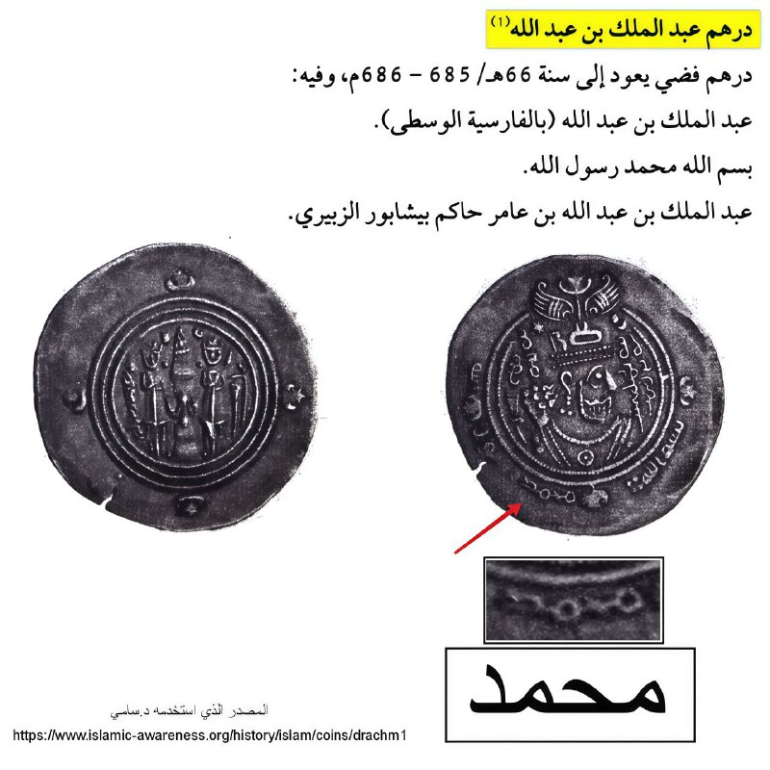
Proof 1 — Dirham of Abd al-Malik ibn Abdullah, 66 AH
First Historical Proof A dirham of Abd al-Malik ibn Abdullah, dated 66 AH, which contains the name Muhammad.
Quoted from Dr. Sami Amri’s book: The Historical Existence of the Prophets.
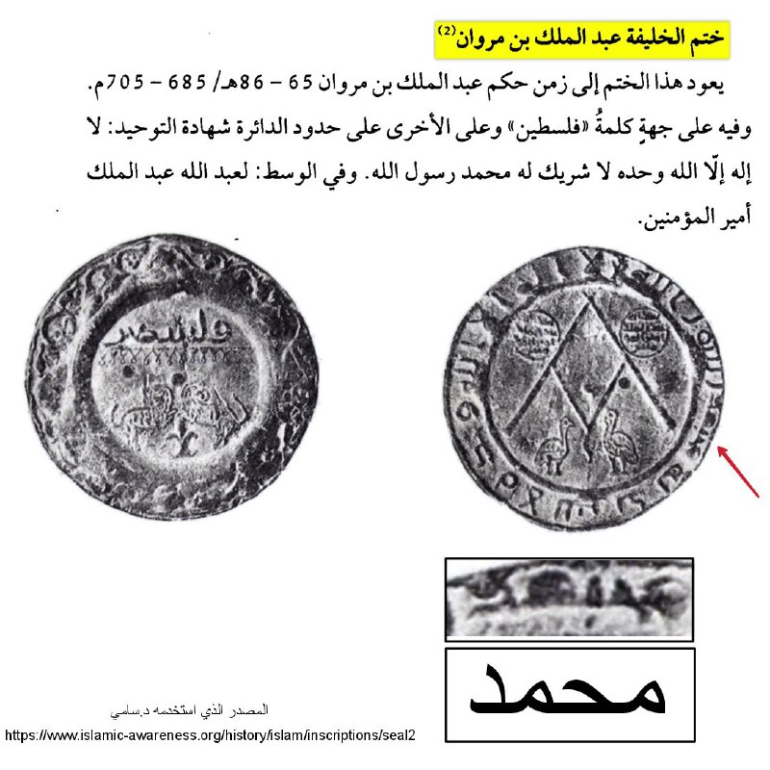
Proof 2 — Seal of Abd al-Malik ibn Marwan, 65–86 AH
Second Historical Proof The seal of Abd al-Malik ibn Marwan, dated 65–86 AH, which contains the name Muhammad.
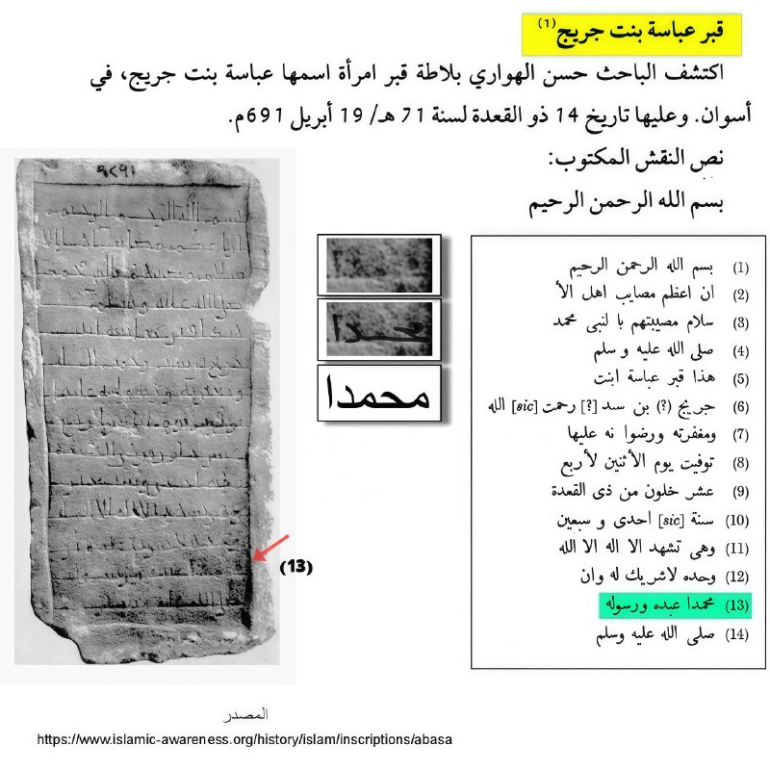
Proof 3 — Grave of Abbasa Jarir, 71 AH
Third Historical Proof The grave of Abbasa Jarir in the year 71 AH, which contains the name Muhammad.
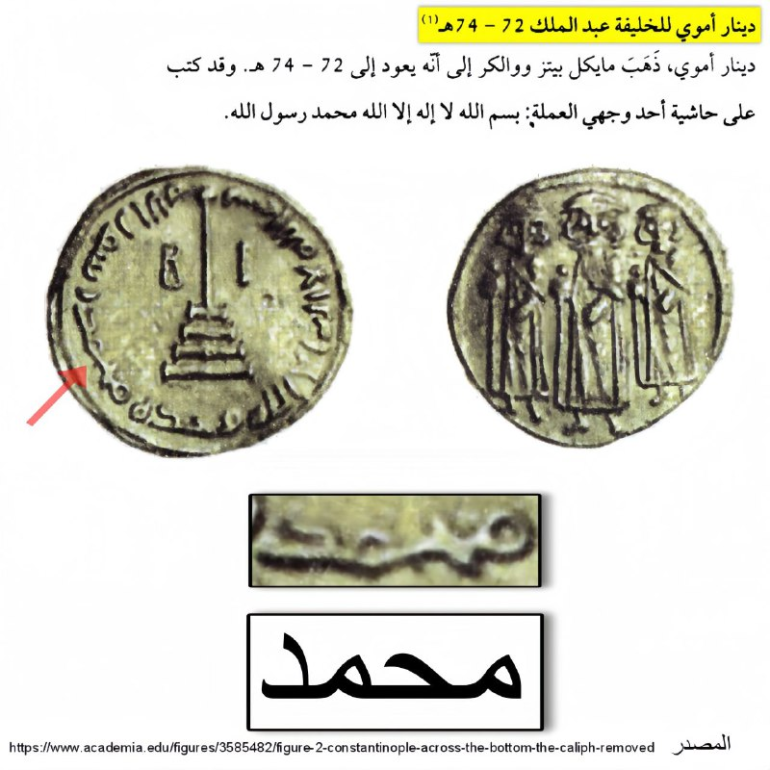
Proof 4 — Umayyad Dinar of Caliph Abd al-Malik, 72–74 AH
Fourth Historical Proof An Umayyad dinar of Caliph Abd al-Malik, dated 72–74 AH, which has the name Muhammad on it.
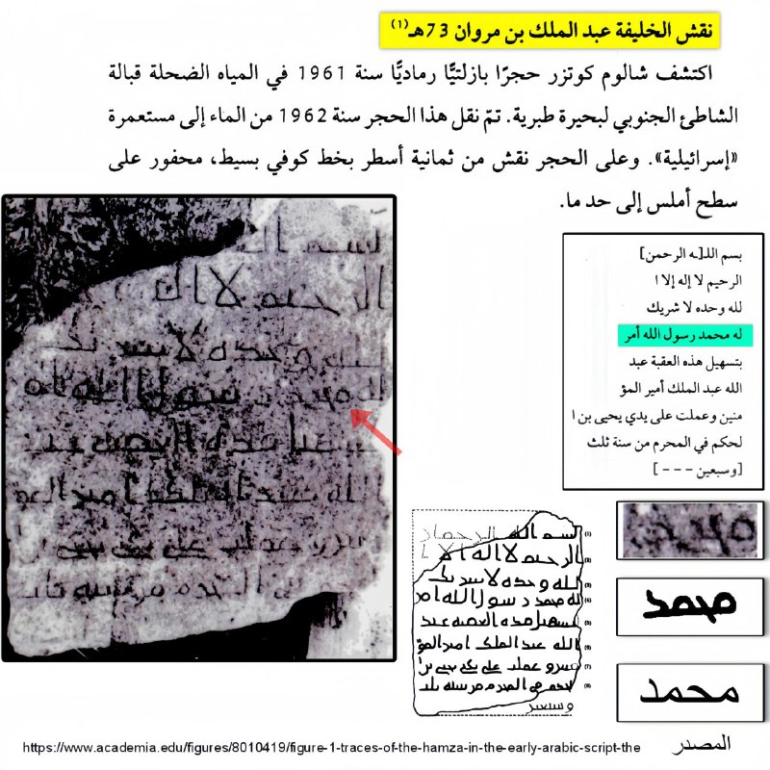
Proof 5 — Inscription of Caliph Abd al-Malik ibn Marwan, 73 AH
Fifth Historical Proof An inscription of Caliph Abd al-Malik ibn Marwan in the year 73 AH, which contains the name Muhammad.
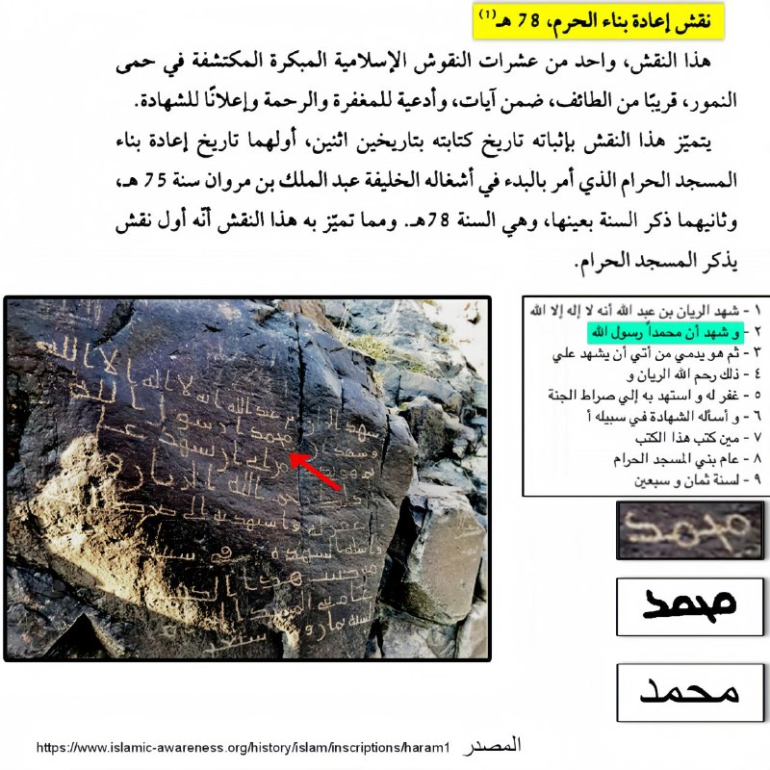
Proof 6 — Inscription of the Reconstruction of the Sanctuary, 78 AH
Sixth Historical Proof An inscription of the reconstruction of the sanctuary in the year 78 AH, which contains the name Muhammad.
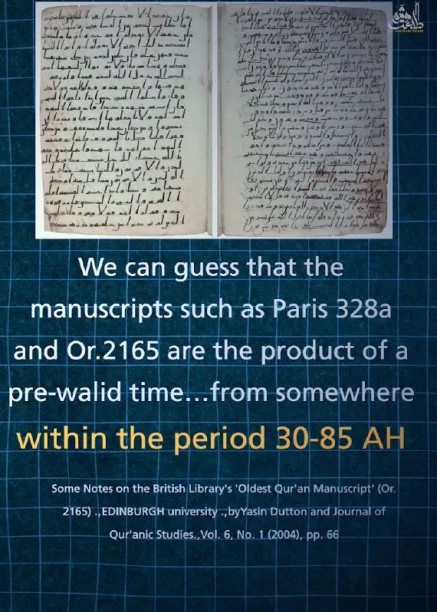
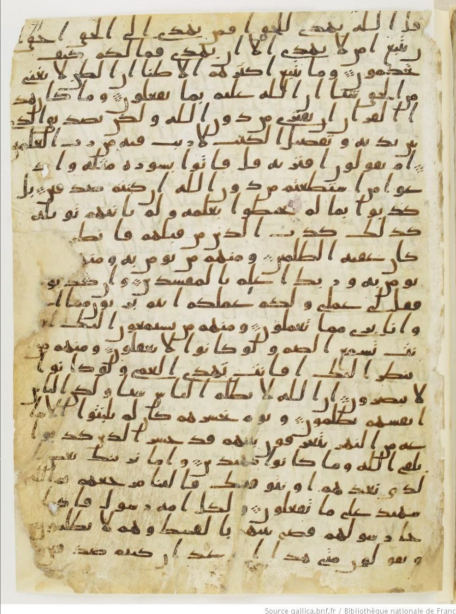
Proof 7 — Manuscript in the Paris Museum, First Century AH
Seventh Historical Proof A manuscript in the Paris Museum, dated to the first century AH (30–85 AH).
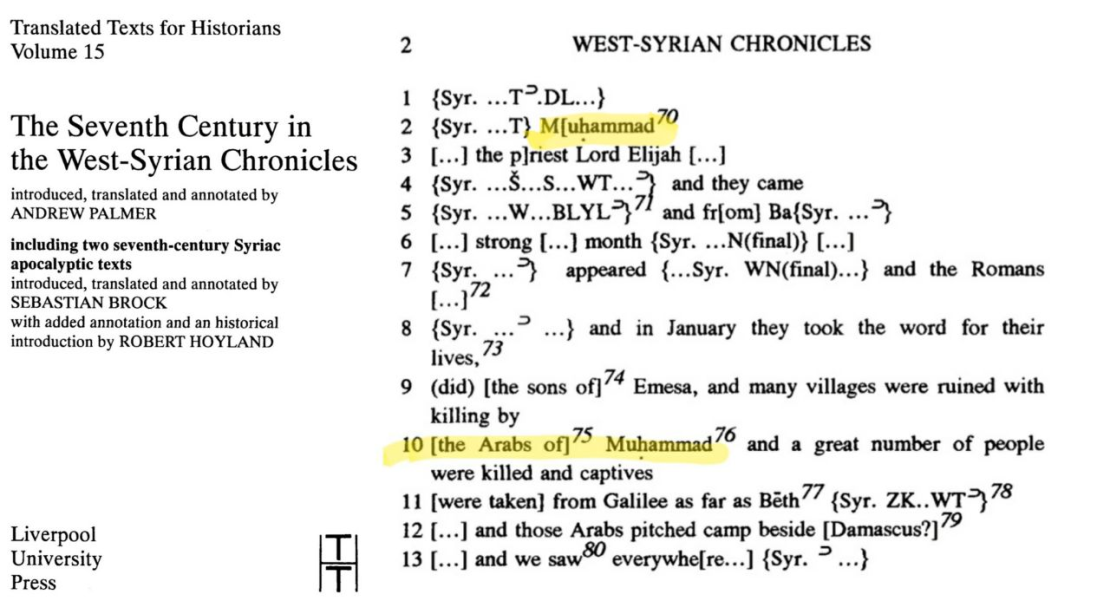
Proof 8 — The Chronicle of the Monk Thomas, 636–637 CE
Eighth Historical Proof — Earliest Non-Muslim Source The earliest mention of the Prophet Muhammad ﷺ in non-Islamic sources appears in the chronicle of the monk Thomas, dating back to 636–637 CE.
He mentions the Prophet Muhammad ﷺ twice:
- Once by name
- Once by the phrase “Arab Muhammad” — meaning that Arab Muslims are attributed to Muhammad ﷺ through their adherence to his religion and their following of Islam.
This is considered the oldest ancient evidence from non-Muslim sources mentioning the Prophet ﷺ.
This indicates that the name Muhammad ﷺ does not mean “the glorified one,” nor is it a Syriac name for Christ or any other name.
Source The Seventh Century in the West-Syrian Chronicles, introduced, translated and annotated by Andrew Palmer, p. 2
Note on Earliest Sources
Note
- The earliest Islamic source mentioning the Prophet Muhammad ﷺ is an inscription dating back to the 3rd or 4th year of the Hijra.
- The earliest non-Muslim source mentioning him is between the 15th and 16th years of the Hijra.