Does Deuteronomy 18:18 Prophesy Muhammad? The Prophet "Like Moses" Explained
**#Explanation of this Prophecy by Islam Library# **
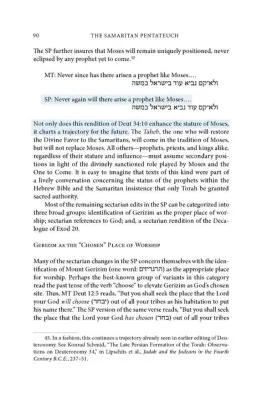
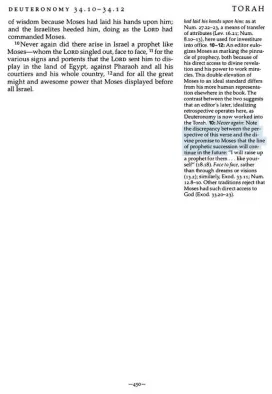
Never again will there arise a prophet like Moses.
(Samaritarian pentauch version of deuteronomy 34:10, which talks in future tense indicating forever there will not arise a prophet like moses in Israel).
(Source: The samaritarian penteauch page 90)
“Tisdall, 196. Moucarry addresses the Moses-Muhammad parallel as well: Moucarry, 243-246, cf. Geisler and Saleeb, 153ff. Watt proposes that, “The passage in Deuteronomy 18:14-19 … seems to state a general principle, namely, that when God’s people need divine guidance or other help God will send a prophet to give them that… From this standpoint a Christian can admit that in a sense it also applies to Muhammad.” Watt, Muslim-Christian Encounters: Perceptions and Misperceptions.”.
“Gersonides focuses on the words ‘in Israel’, which he believes are a clear proof that a prophet like Moses will arise among the nations… he concludes that the messiah is intended, for he will not simply be a prophet for Israel but for the nations as well. Thus, the verse means that, while a prophet like Moses will not arise in Israel, that is, to prophesy for Israel exclusively, one will arise to prophesy for both Israel and the nations.”
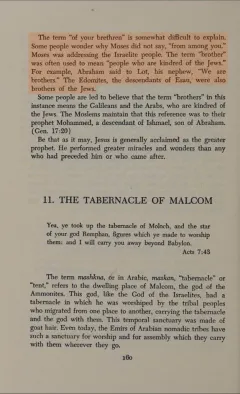
The linguist George M. Lamsa wrote:
“The term “of your brethren” is somewhat difficult to explain. Some people wonder why Moses did not say, “from among you”. Moses was addressing the Israelite people. The term “brother” was oftenused to mean “people who are kindred of the Jews”. For example, Abraham said to Lot, his nephew, “We are brothers”. The Edomites, the descendants of Esau, were also brothers of the Jews.”
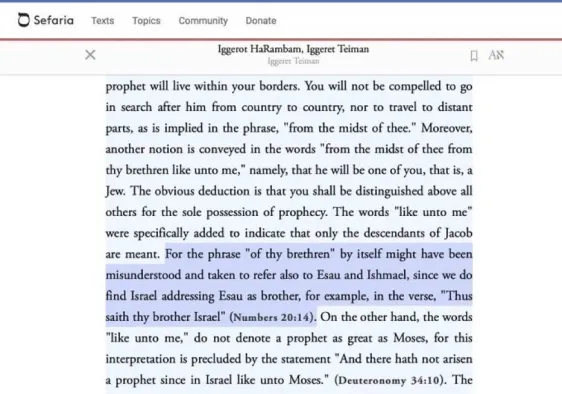
Maimonides says:
“Moreover, another notion is conveyed in the words “from the
midst of thee from thy brethren like unto me,” namely, that he
will be one of you, that is, a Jew. The obvious deduction is that
you shall be distinguished above all others for the sole possession of prophecy. The words “like unto me” were specifically added to indicate that only the descendants of Jacob are meant. For the phrase “of thy brethren” by itself might have been misunderstood and taken to refer also to Esau and Ishmael, since we do find Israel addressing Esau as brother, for example, in the verse, “Thus saith thy brother Israel” (Numbers 20:14).”⁷.
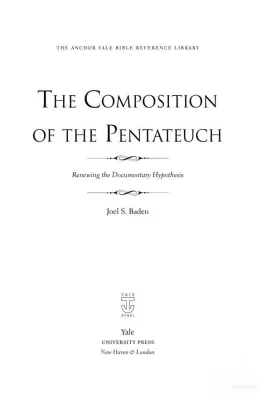
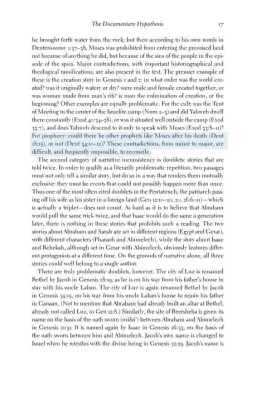
Joel S. Baden:
For prophecy: could there be other prophets like Moses after his death (Deuteronomy 18:15), or not (Deuteronomy 34:10-12) These contradictions, from minor to major, are difficult and frequently impossible, to reconcile.⁸
Sources
**¹ The Jewish Study Bible, commentary on Deuteronomy 34:10.
² HaChaim on Deuteronomy, Deuteronomy 34:10.
³ Jeffrey H. Tigay, The JPS Torah Commentary (Deuteronomy), see commentary on Deuteronomy 18:15. commentary on verse 34:10.
⁴ John Sailhamer, Introduction to Old Testament Theology, pp. 247-248.
⁵ Marc B. Shapiro, The Limits of Orthodox Theology: Maimonides’ Thirteen Principles Reappraised, p. 89.
⁶ George M. Lamsa, New Testament Light, p. 160.
⁷ Maimonides, Epistle to Yemen, Chapter 10.
⁸ Joel S. Baden, The Composition of the Pentateuch, p. 17**
“Like Moses”
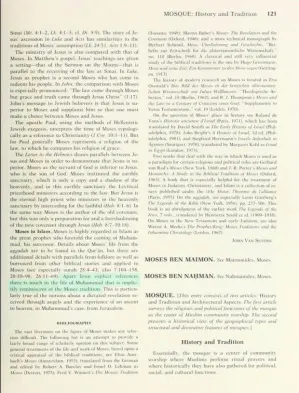
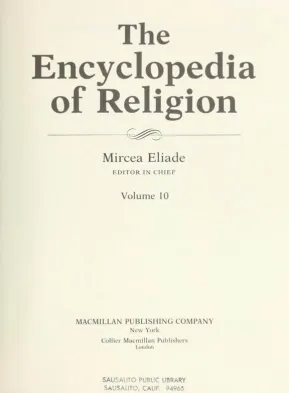
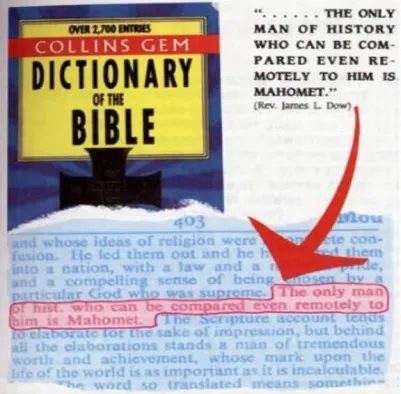
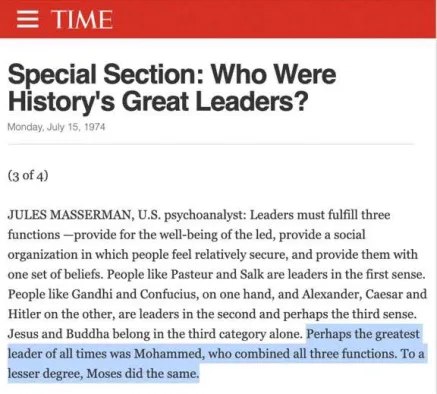
The similarity Between Moses and Muḥammad, is so striking, that even the non-Muslim sources specifically mention it. Including,
- The TIME Magazine 1974
- Collins Gem Dictionary of the Bible
- The Encyclopedia of Religion
The Quran too affirms that Musa عَلَیهِ السَّلام is Like Muhammad صَلَّى اللَّهُ عَلَيْهِ وَسَلَّمَ
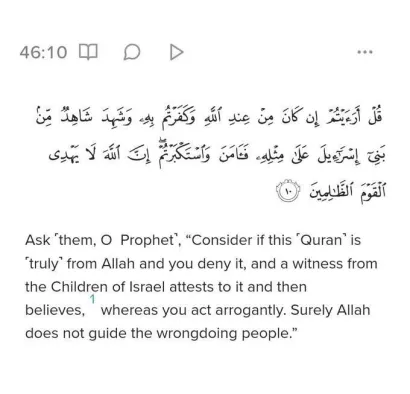
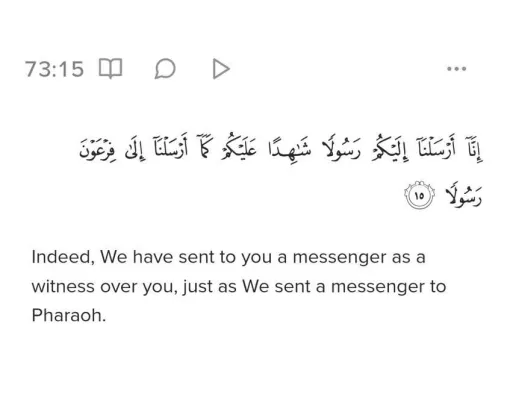
“From your Brethren”
Genesis 25:18; 16:12 says Ishmael dwelt among his Brethren (Israel and Edom)
Deut 23:7 calls Edomite, Brethren of the Israelites,
Hence, Ishmaelites are the Brethren of the Israelites, as recognized by the Rabbis as well.
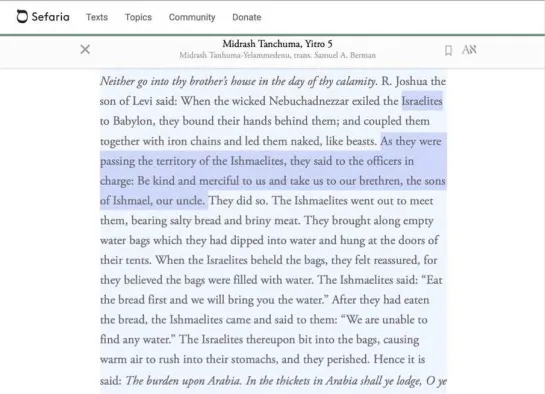
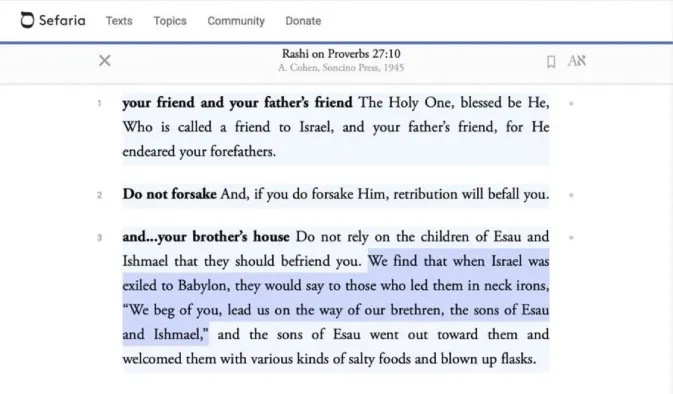
Biblical Scholar Admits the term “of your Brother” refers to the non-Israelites.
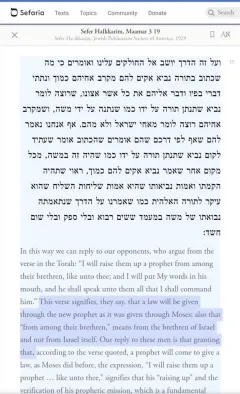
Rabbis too admit it
Some may ask, what about the extra letters in V. 15 “from within you”. does it not restrict it within the Israelites?
A: Itʼs only present in the Masoretic Text (MT), which is post-Islāmic.
All other versions, including the SP, LXX and even when the NT cites it, it’s not there.
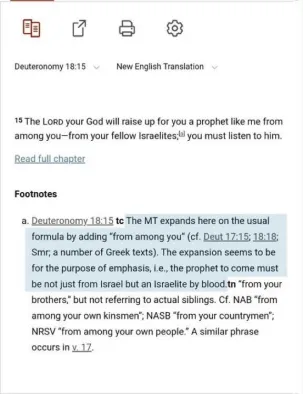
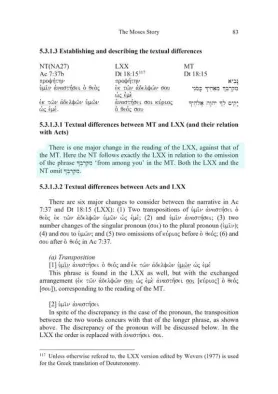
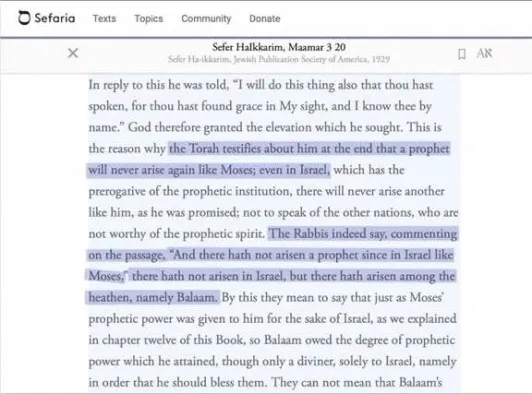
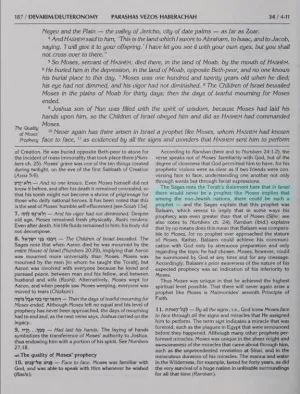
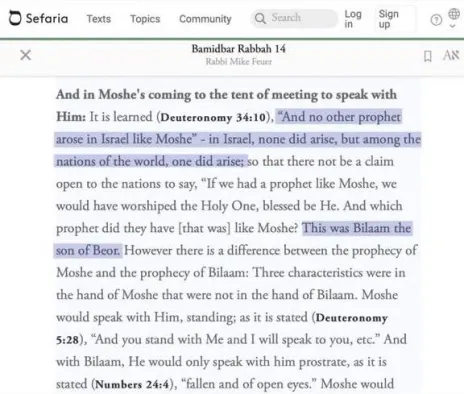
To further prove, it is a non-Israelite, Dt 34:10 says,
“There since has there arise in Israel a Prophet like Moses”
According to the Samaritans it is,
“There Never will arise in Israel Prophet like Moses”
Meaning, the Prophet like Moses must arise outside Israel.
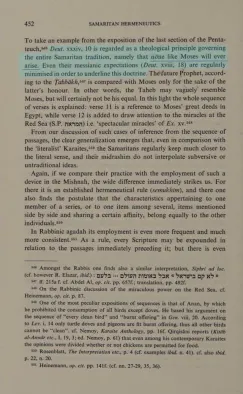
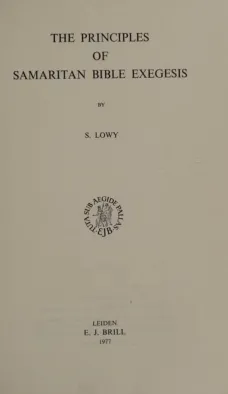
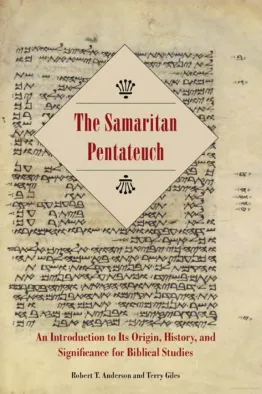
Rabbis Admit, this means the Prophet must arise among the Non-Israelite Nation (i.e the Ishmaelites)
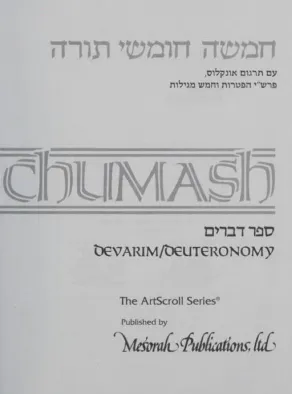
Even the secular scholars, admit there is a contradiction between Dt 18:18 and Dt 34:10,
In order to avoid it, you have to admit Dt 18:18 is not about an Israelite.
“iʼll put My Words in his mouth, he shall speak all that i command”
Prophet Muḥammad ﷺ spoke not, except it was a revelation. In fact any Muslim he believes his sayingʼs are mere human thoughts, he’s a disbeliever.
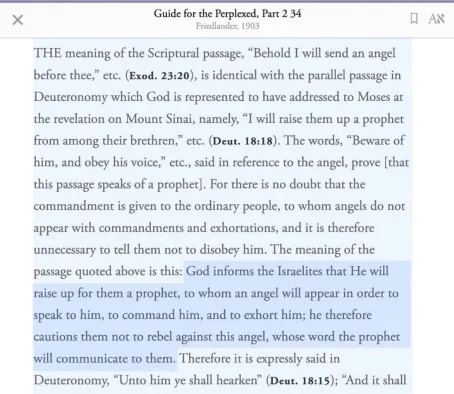
Rabbis say this verse means angel will bring revelation to That Prophet.
We know Jibrīl (Gabriel) bought revelation of Allāh ﷻ, to Muḥammad ﷺ.
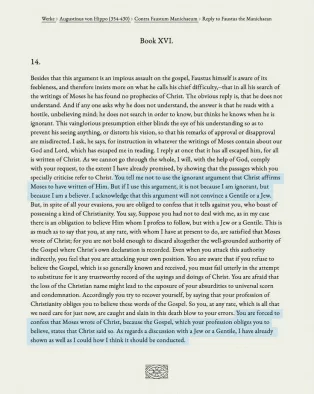
Some may ask, doesnʼt the NT say Jesus was the Prophet like Moses in John 5:46?
No, Bible scholars mentioned the meaning to be something else.
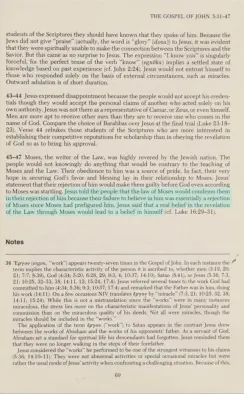
St. Augustine admits Jesus is not like Moses, it wonʼt ever convince a jew, and we (Christians) are forced to accept him as such.
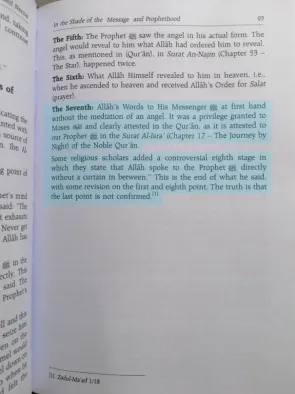
“Spoke to God face to face” Dt 34:10
Scholars mention it to mean, speaking freely like a Friend,
Muḥammad ﷺ was the friend of Allāh.
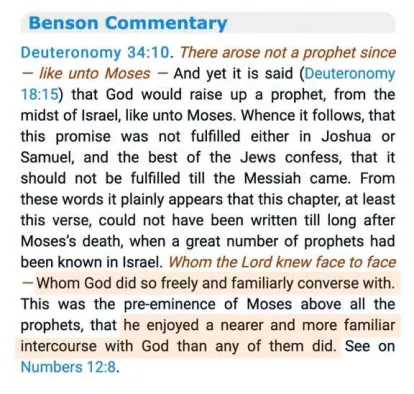
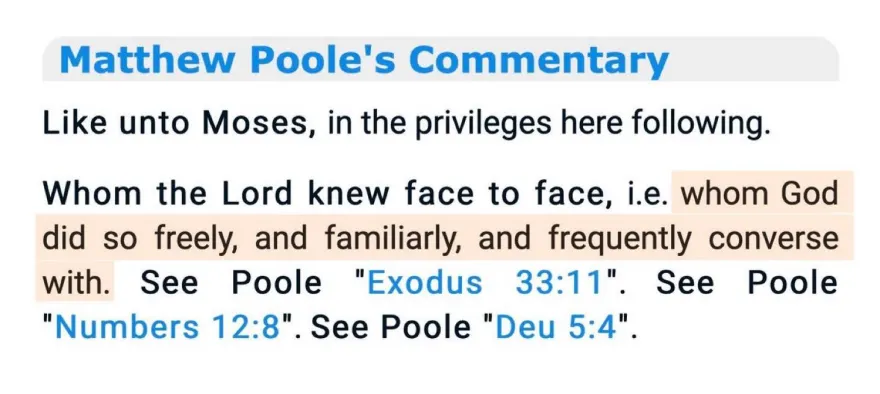
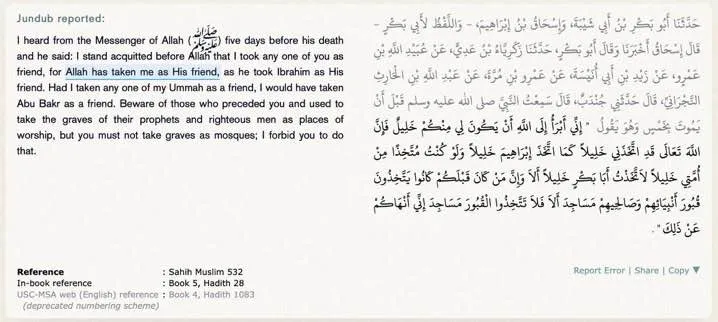
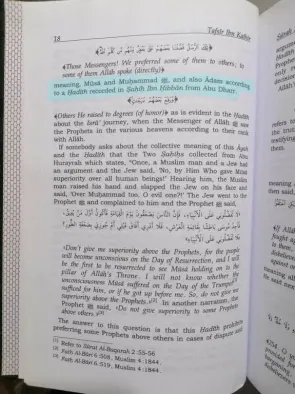
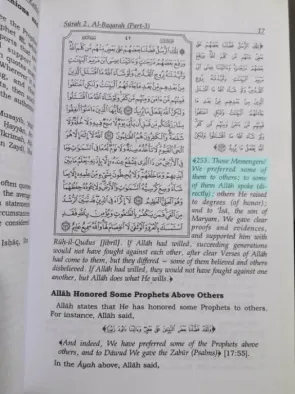
He ﷺ spoke to God, without any intermediary, as mentioned by,
1. al-Ḥāfiḏh Ibn Kaṯhīr
- Ibn Al-Qayyim رحمه الله compares Moses speaking with Muḥammad ﷺ
Some may ask what about Dt 17:15 limiting Brethren to the Israelites?
Scholars Mention this passage originally comes centuries later, and was retrojected in Deut. Nothing to do with Dt 18:18
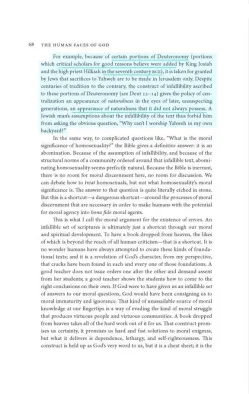
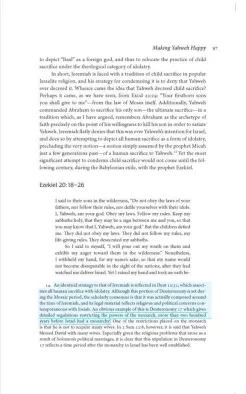
The Constitution of The Monarchy in Israel, Baruch Halpern.
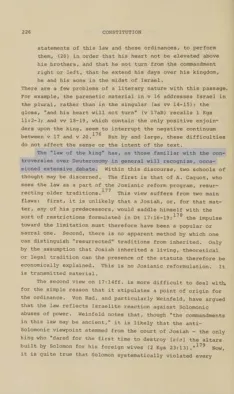
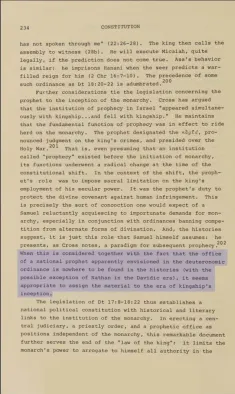
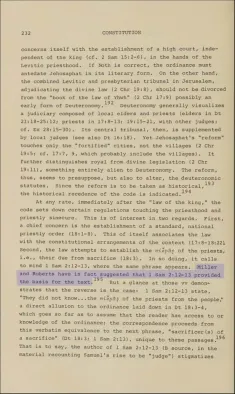
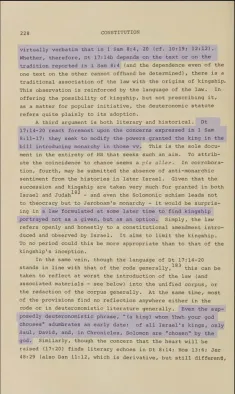
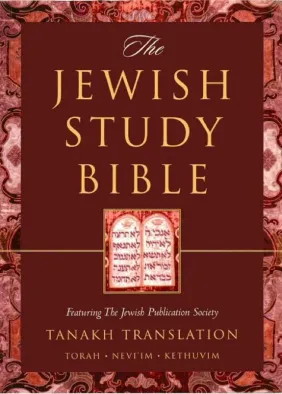
The Jewish Study Bible,
The Pentateuch (Oxford Bible Commentary) by Barton, John.
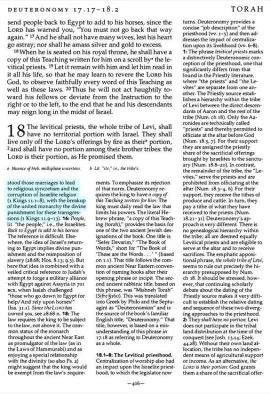
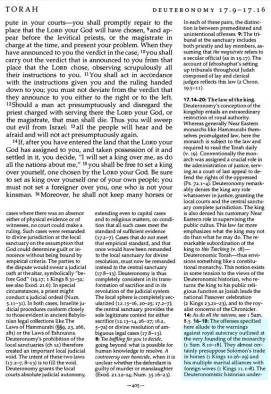
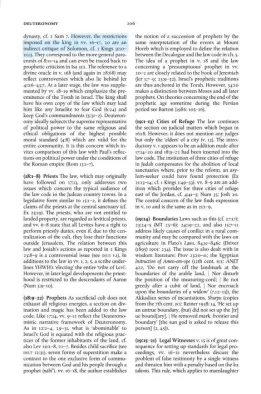
Retrojecting something in the Text is a common Jewish Habit, even Jewish-Christian scholar Michael Brown admits it.
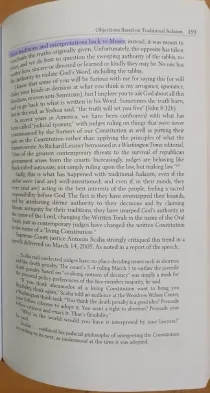
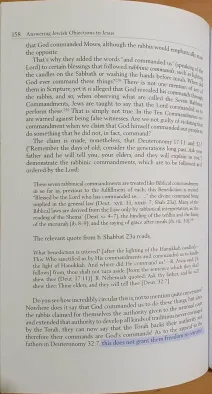
🔝🔝This article debunks claims of Christian on this prophecy
📍Rest is the explanation of this prophecy
15 - The Lord your God will raise up for you a prophet like me from among your brothers. You shall listen to him.
16 - According to all that I asked of the Lord your God at Horeb on the day of the assembly, saying, “Let me not hear again the voice of the Lord my God, nor see this great fire any more, lest I die.
” 17 - The Lord said to me, “They have spoken well.”
18 - I will raise up for them a prophet like you from among their brothers, and I will put my words in his mouth, and he shall speak to them all that I command him.
Christians try to use verse 15 of chapter 18 in Deuteronomy to prove that the awaited prophet is from the children of Israel.
They say that this verse explains verse 18 and the word “from among you,” meaning from among the Israelite community!
The response is as follows:
This word “from among you” is a deliberate, added distortion.
The evidence is from the manuscripts:
For example, in the Septuagint, which was written in the second century B.C., you do not find the word “from among you”:
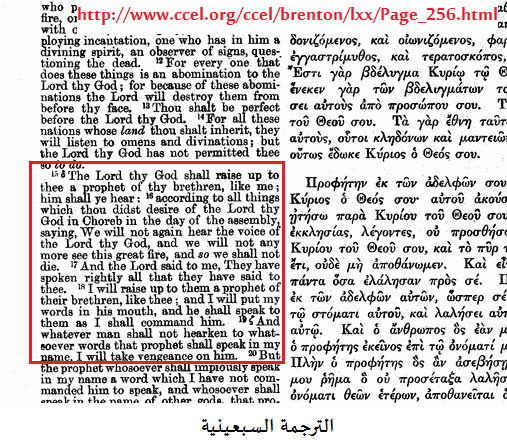
In
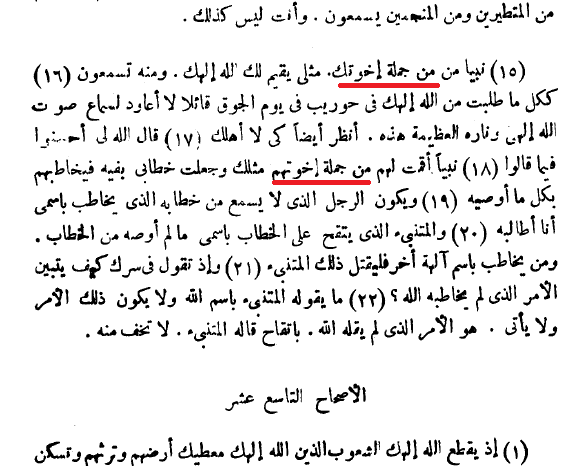
the Samaritan Torah, the Arabic translation
(by the Samaritan priest Isaac of Tyre)
you do not find that:
Download that version from here:
https://archive.org/details/20210409_20210409_0718
{Embed}
https://archive.org/details/20210409_20210409_0718
التوراة السامرية ابو الحسن اسحق الصوري : Free Download, Borrow, and…
التوراة السامرية ابو الحسن اسحق الصوري
In
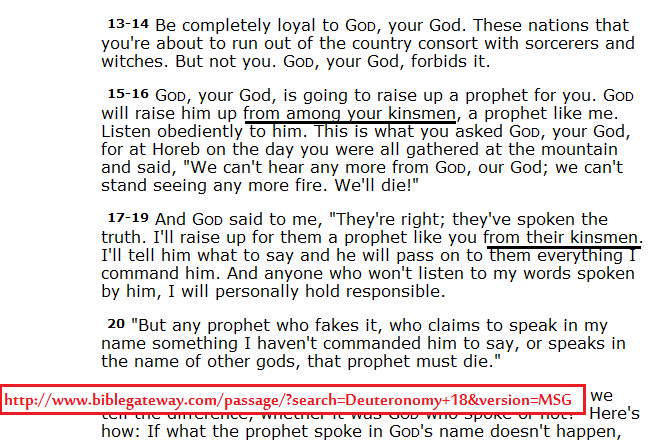
the English translation of The Massage
you do not find that either:
Rather, this prophet will appear from the kinsmen of the children of Israel,
not from them:
Assuming
that all these documents (Septuagint-Samaritan-English translation…) are invalid
and that the origin and basis is “from among you, from your brothers”, the response would be as follows:
from among you means from the Abrahamic community or from the descendants of Abraham.
From your brothers is the precise definition of the lineage of this prophet, so he would be from the brothers of the children of Isaac or the children of Israel, and not from them.
In any case, the other remaining gospels and other manuscripts have expanded on explaining more details about this prophet:
- He is an Arab, an Ismaili, illiterate, a warrior, an immigrant and a lawgiver, and is called the Truthful and Trustworthy.
His call will be in a society of idolatry. All these characteristics are present in the two testaments with great precision.
As for determining the date of his appearance, it was mentioned in Abraham’s vision that he would appear around the sixth century AD!!
So how could he be the Messiah?!?!?!?!?!
Which of the aforementioned characteristics apply to the Messiah???
TOP 👆
emoji_4
...makes the text speak of "the prophet," who is like Moses mentioned in Deuteronomy 18:15. [[[does-deuteronomy-18-18-prophesy-muhammad-the-prophet-like-moses-explained|Prophet Muhammad in Deuteronomy]]