

Does Deuteronomy 18:18 Prophesy Muhammad? The Prophet "Like Moses" Explained
Deuteronomy 18:18 contains one of the clearest prophetic references to Muhammad ﷺ in the entire Bible. The verse reads: “I will raise up for them a prophet like you from among their brothers; I will put my words in his mouth, and he will tell them everything I command him.” This article examines that prophecy from every textual, linguistic, and theological angle — using Jewish rabbis, Christian scholars, secular academics, manuscript evidence, and the Quran itself — to demonstrate that the awaited prophet like Moses can only be Muhammad ﷺ.
Table of Contents
- The Four Conditions of the Prophecy
- ”Like Moses” — The Striking Similarity Acknowledged by Non-Muslims
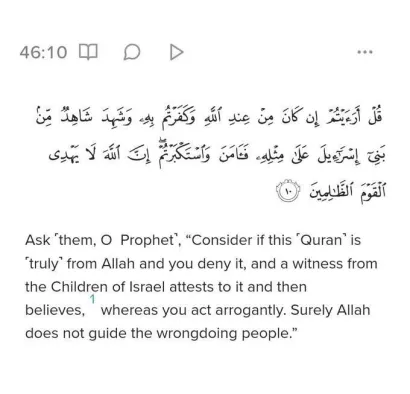
- The Quran Affirms the Parallel Between Musa and Muhammad ﷺ
- Vision of Heraclius
- ”From Your Brethren” — Who Are the Brothers of Israel?
- Biblical Scholars Admit “Brethren” Refers to Non-Israelites
- Rabbis Too Admit It
- The Phrase “From Among You” — A Post-Islamic Addition to the Masoretic Text
- Deuteronomy 34:10 — The Prophet Must Arise Outside Israel
- The Samaritan Pentateuch — “Never Again” Will a Prophet Like Moses Arise in Israel
- The Secular Scholars’ Dilemma — The Contradiction Between Dt 18:18 and Dt 34:10
- “I Will Put My Words in His Mouth” — The Unlettered Prophet
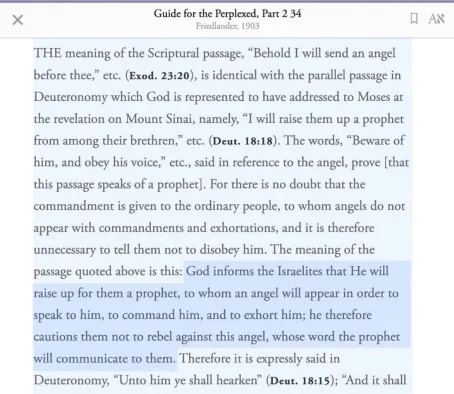
- Rabbis on the Revelation Mechanism — An Angel Brings It
- Does John 5:46 Mean Jesus Is the Prophet Like Moses? No
- St. Augustine Admits Jesus Cannot Convince the Jews
- “Spoke To God Face to Face” — Muhammad ﷺ Was the Friend of Allah
- Ibn Kathir and Ibn al-Qayyim on the Prophet Speaking to God
- Deuteronomy 17:15 — The “Brethren Restriction” Is a Later Retroject
- The Awaited Prophet Has the Right to Abrogate the Torah
- Core Texts Referenced
- Key Arguments Presented
- Core Biblical Text Highlighted
- Key Commentary Points
- The Twelve-Point Comparison — Moses and Muhammad ﷺ vs. Jesus
- Jesus Left His Message Unfinished — John 16:12
- The Masoretic Word מִקִּרְבְּךָ Means “From Your Relatives,” Not “From Your Midst”
- Core Biblical Text Highlighted
- Key Commentary Points
- Acts 3 — A Pious Scribe Added “You Must Listen to Him” to Match the Torah
- The Jews’ Knowledge of the Coming of Muhammad ﷺ
- The Chronicle of 693 — Jews Awaiting a Prophet in the Sixth Century
- Key Historical Developments
- Key Historical Events
- Bernard Lewis on Rabbi Shimon Ben Yochai and the Ishmaelite Deliverer
- Core Historical Text
- Jewish Leaders in the Hejaz Believed in Muhammad ﷺ Based on Their Prophecies
- Paul Al-Feghali — A Catholic Priest Admits Jesus Cannot Be the Prophet Like Moses
- Source Document Details
- Key Argument: “Literalist Interpretation”
- The Masoretic vs. Samaritan Deuteronomy 34:10 — A Textual Comparison
- Conclusion
The Four Conditions of the Prophecy
The text lays down four explicit conditions for the awaited prophet:
First: He will be a prophet — not a god, not a divine-human hybrid, but a prophet. Second: He will be from among the brothers of the Children of Israel — not from the Children of Israel themselves. Third: He will be like Moses. Fourth: God will put His words in his mouth — meaning he will receive direct verbal revelation.
Every one of these four conditions is fulfilled by Muhammad ﷺ and none of them is fulfilled by Jesus.
Jews initially claimed this prophecy was fulfilled in Joshua or Samuel. Most of them then claimed it refers to a prophet who will come at the end of time — and they are still waiting. Christians claim it refers to Jesus. Both positions collapse under textual scrutiny.
”Like Moses” — The Striking Similarity Acknowledged by Non-Muslims
The similarity between Moses and Muhammad ﷺ is so striking that even non-Muslim sources specifically mention it. Among them:
- TIME Magazine (1974)
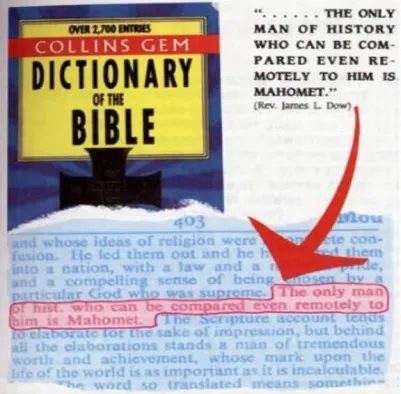
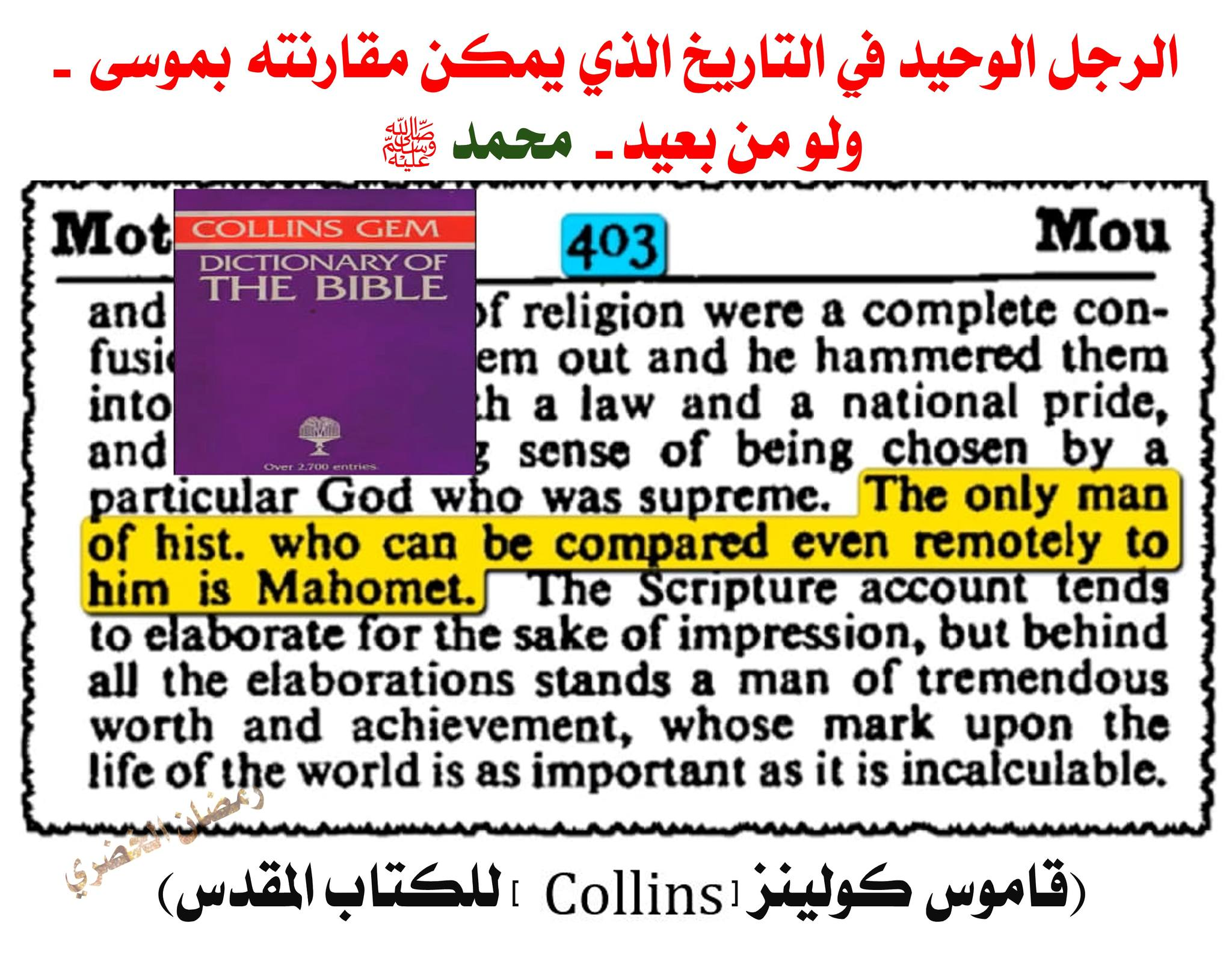
- Collins Gem Dictionary of the Bible (p. 403): “The only man of history who can be compared even remotely to him is Mahomet.”
- The Encyclopedia of Religion
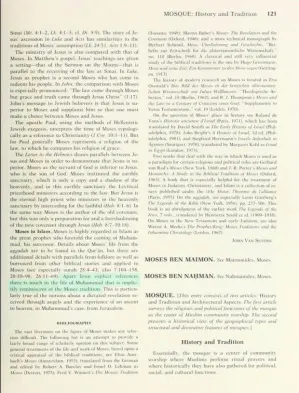
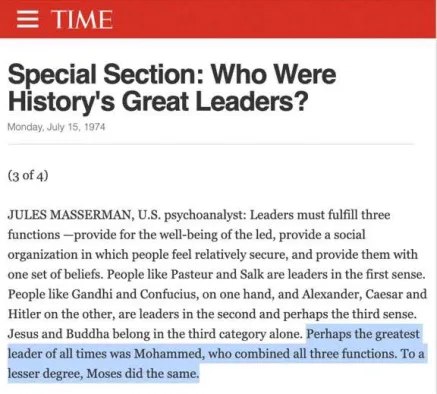
Several Western scholars have also engaged seriously with the parallel. W. Montgomery Watt proposes that Deuteronomy 18:14–19 “seems to state a general principle, namely, that when God’s people need divine guidance or other help God will send a prophet to give them that… From this standpoint a Christian can admit that in a sense it also applies to Muhammad.” Moucarry addresses the Moses-Muhammad ﷺ parallel at length in his work. Tisdall also acknowledges the comparison.
The Quran Affirms the Parallel Between Musa and Muhammad ﷺ
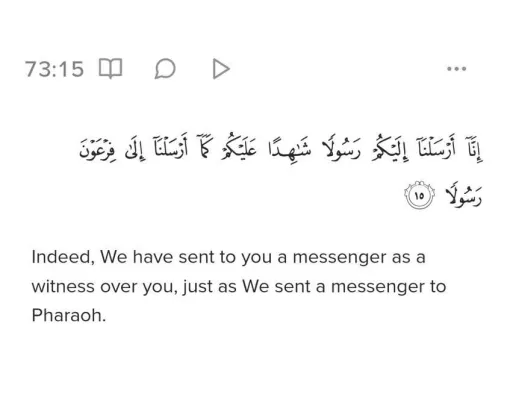
“Indeed, We have sent to you a messenger as a witness over you, just as We sent to Pharaoh a messenger.”
The Quran itself draws the parallel between Musa عَلَيْهِ السَّلَام and Muhammad ﷺ — a parallel established in both divine books.
Vision of Heraclius
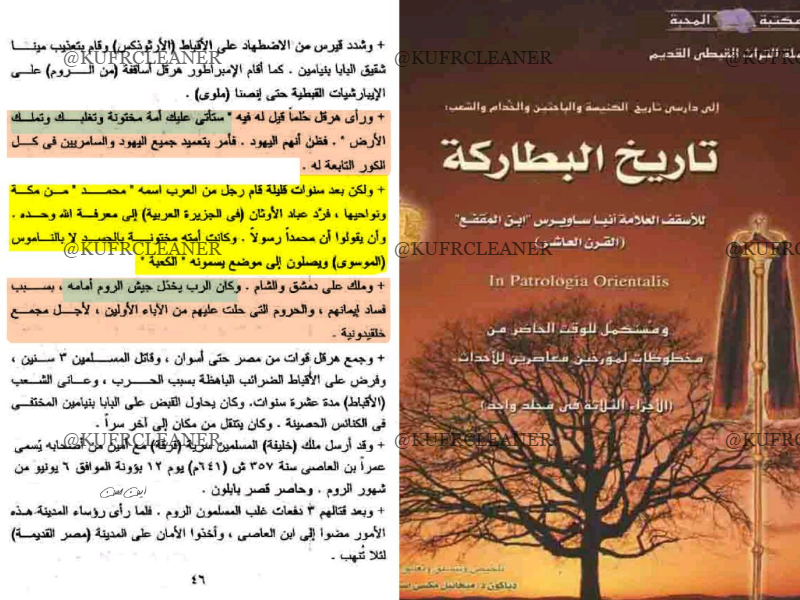
History of the Patriarchs, Severus ibn al-Muqaffa, p. 46. Heraclius had a dream in which he was told,
A circumcised nation will come against you, conquer you, and rule the land.” He thought they were the Jews. So he ordered the baptism of all the Jews and Samaritans in all the districts under his rule. But after a few years, a man from the Arabs named Muhammad from Mecca and its surroundings came and brought the idolaters (in the Arabian Peninsula) back to the knowledge of God alone, and to say that Muhammad was a messenger.
His nation was circumcised physically, not according to the (Mosaic) law, and they prayed towards a place they called the Kaaba. He ruled over Damascus and the Levant. And the Lord caused the Roman army to falter before him because of the corruption of their women and the excommunications that had been imposed upon them by the early fathers because of the Council of Chalcedon.]
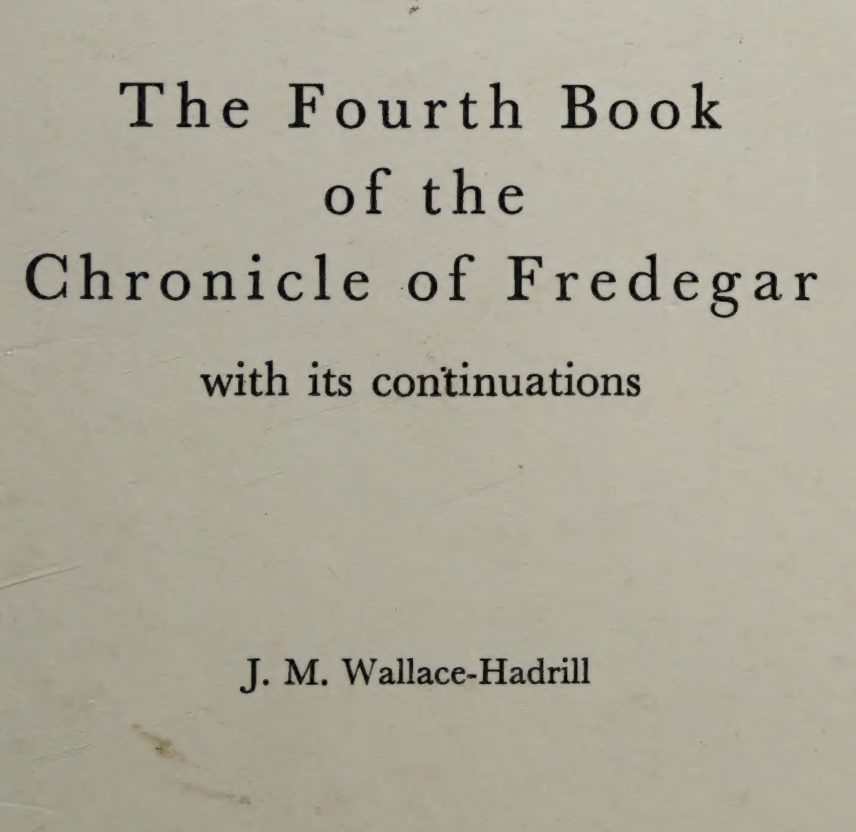
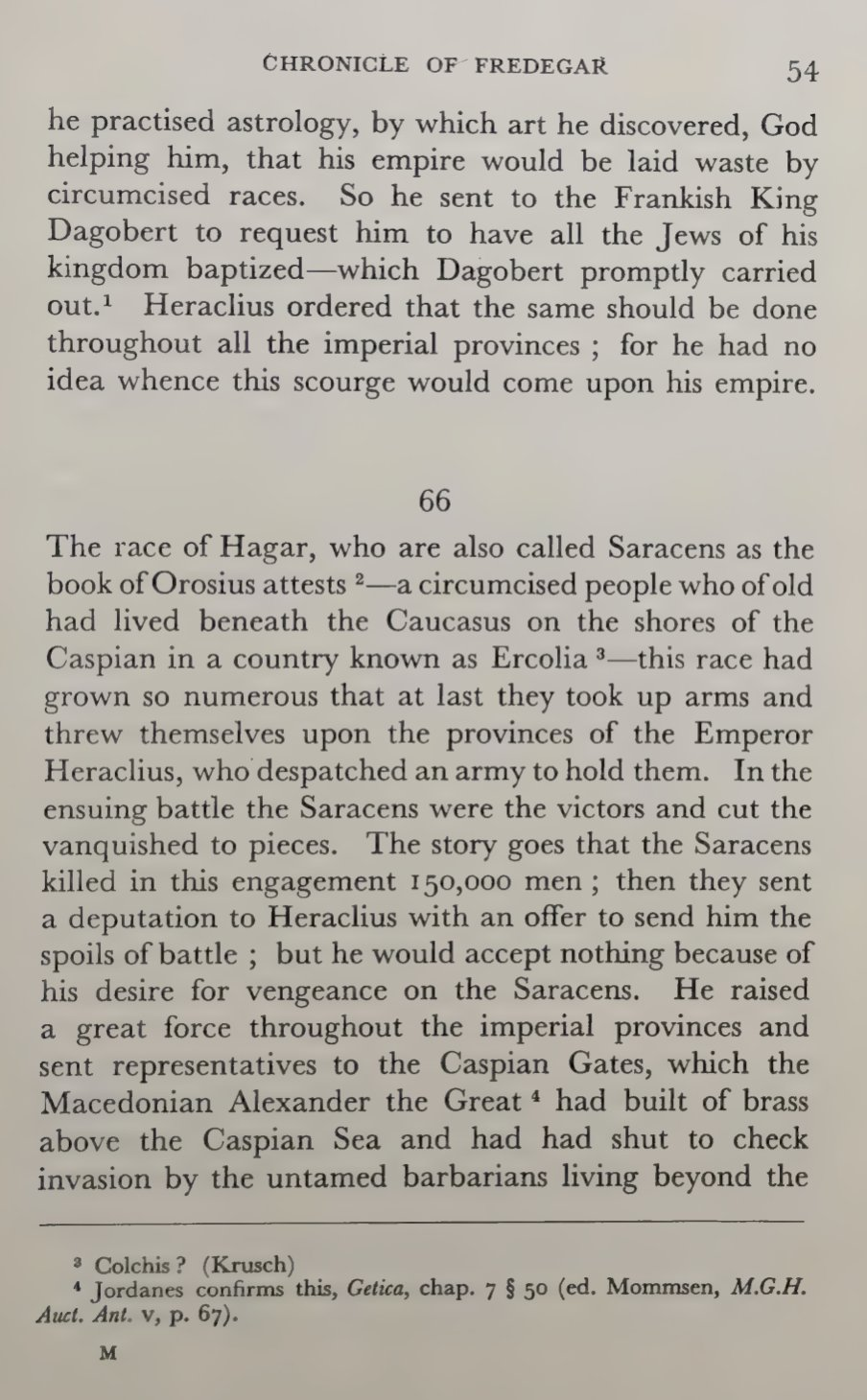
The tradition is also mentioned in the chronicle of 741 as well as the chronicle of 754. It should be noted that the chronicle if 754 is a biased source (biased against muslims)…

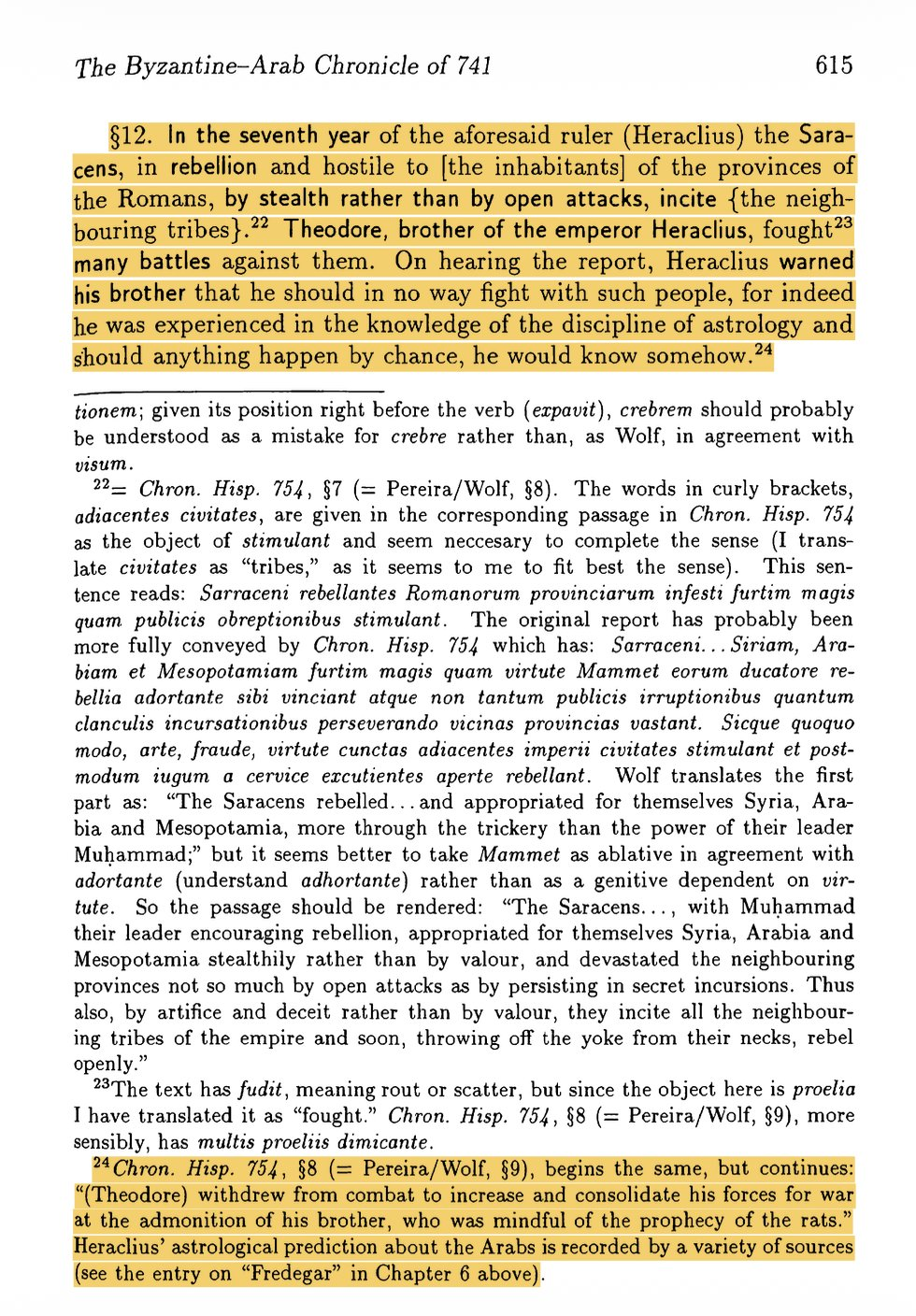
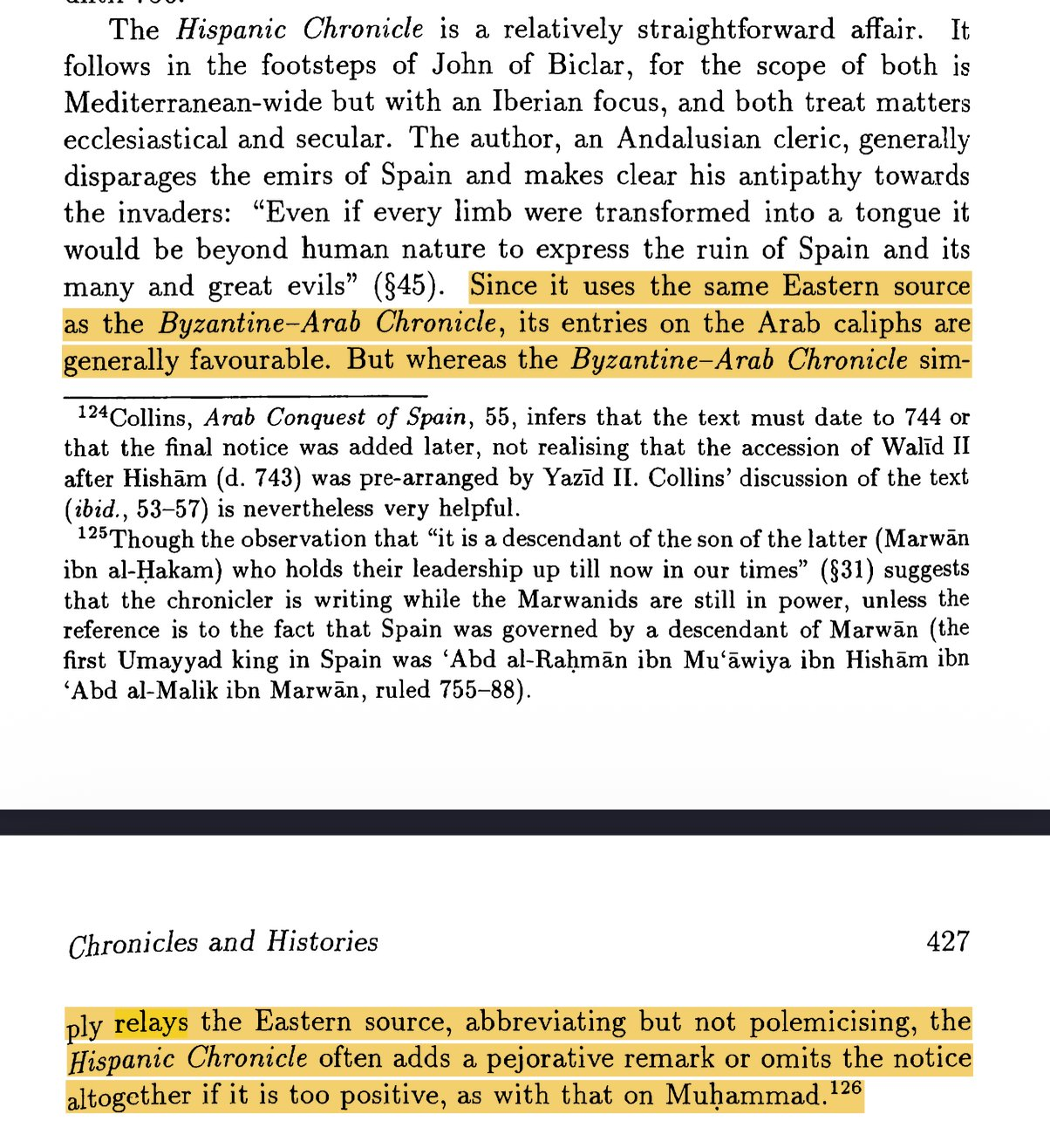
Sean Anthony says that in fact the tradition appears in many many sources and in different geographical areas…
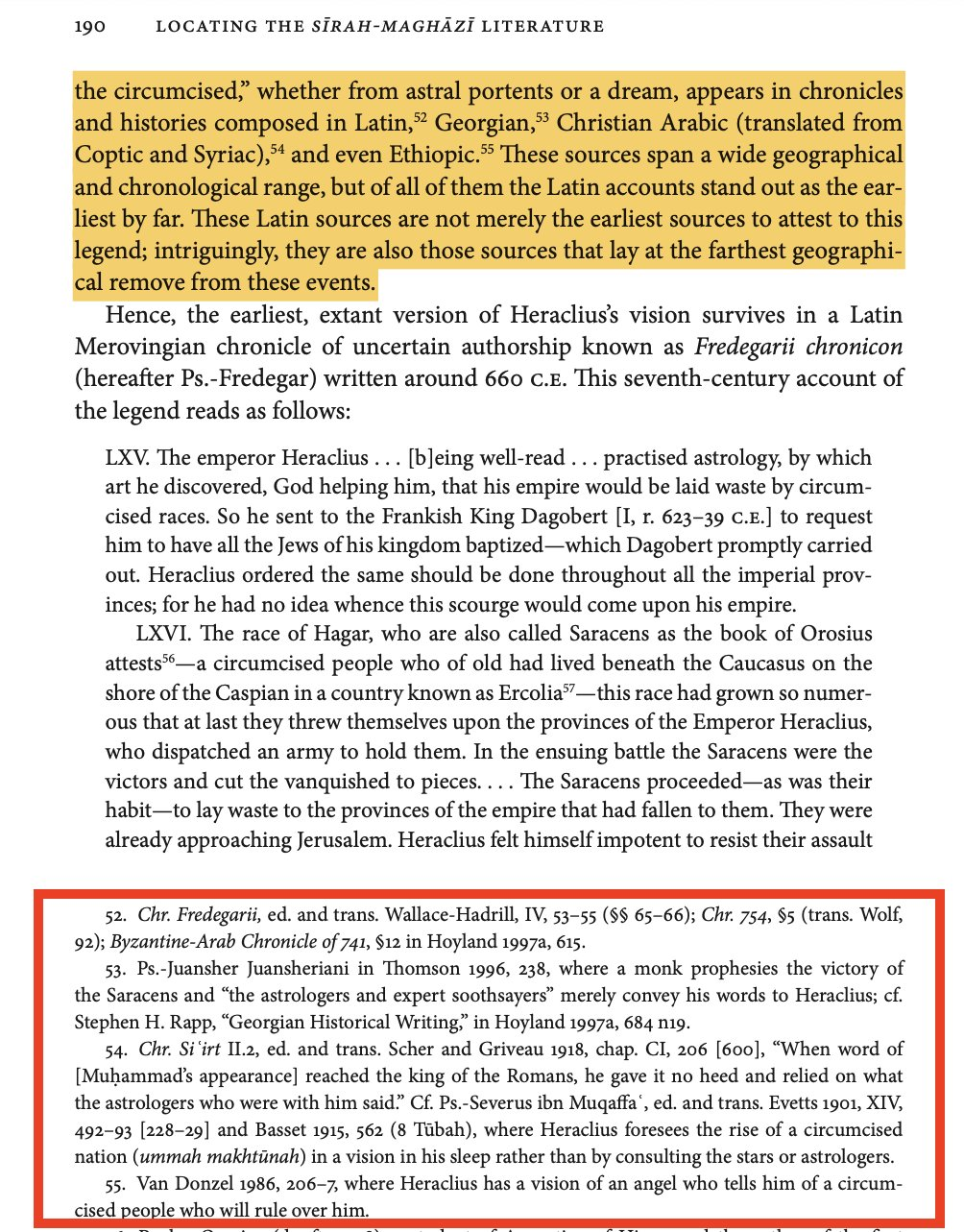
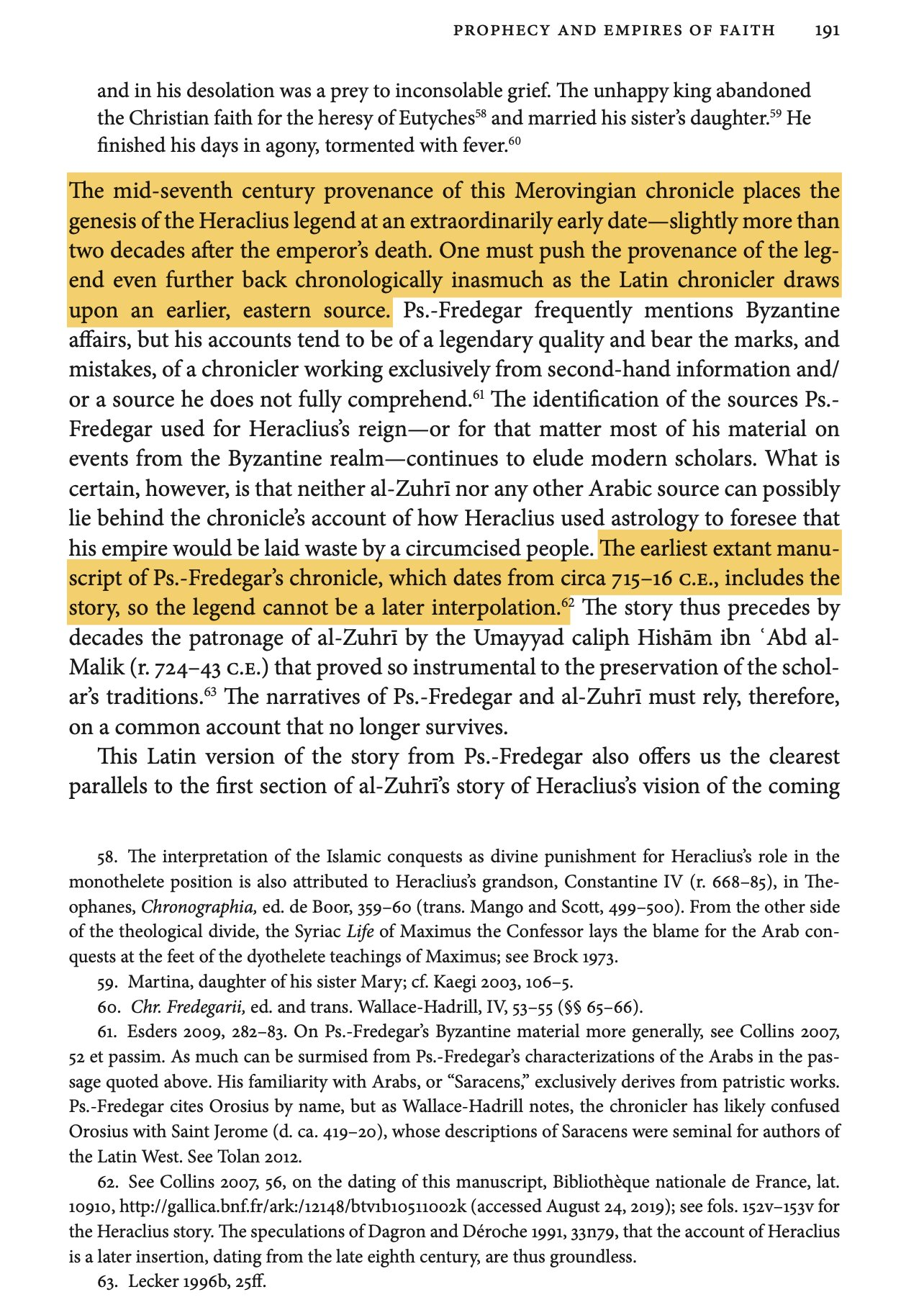
He also says that the Chronicle of Fredegar is relying on a source, so the 660 date should be pushed back even further! He also notes that the story is present in a manuscript of the chronicle from 715 CEproving this story is not an interpolation…
The story is amazing not only because it shows Heraclius miraculously foresaw the rise of the Prophet ﷺ, but also because of how it shows that the Prophet ﷺ is similar to Moses. Moses was also foreseen through astrology by Pharoah’s astrologers. See the Talmud & Josephus…
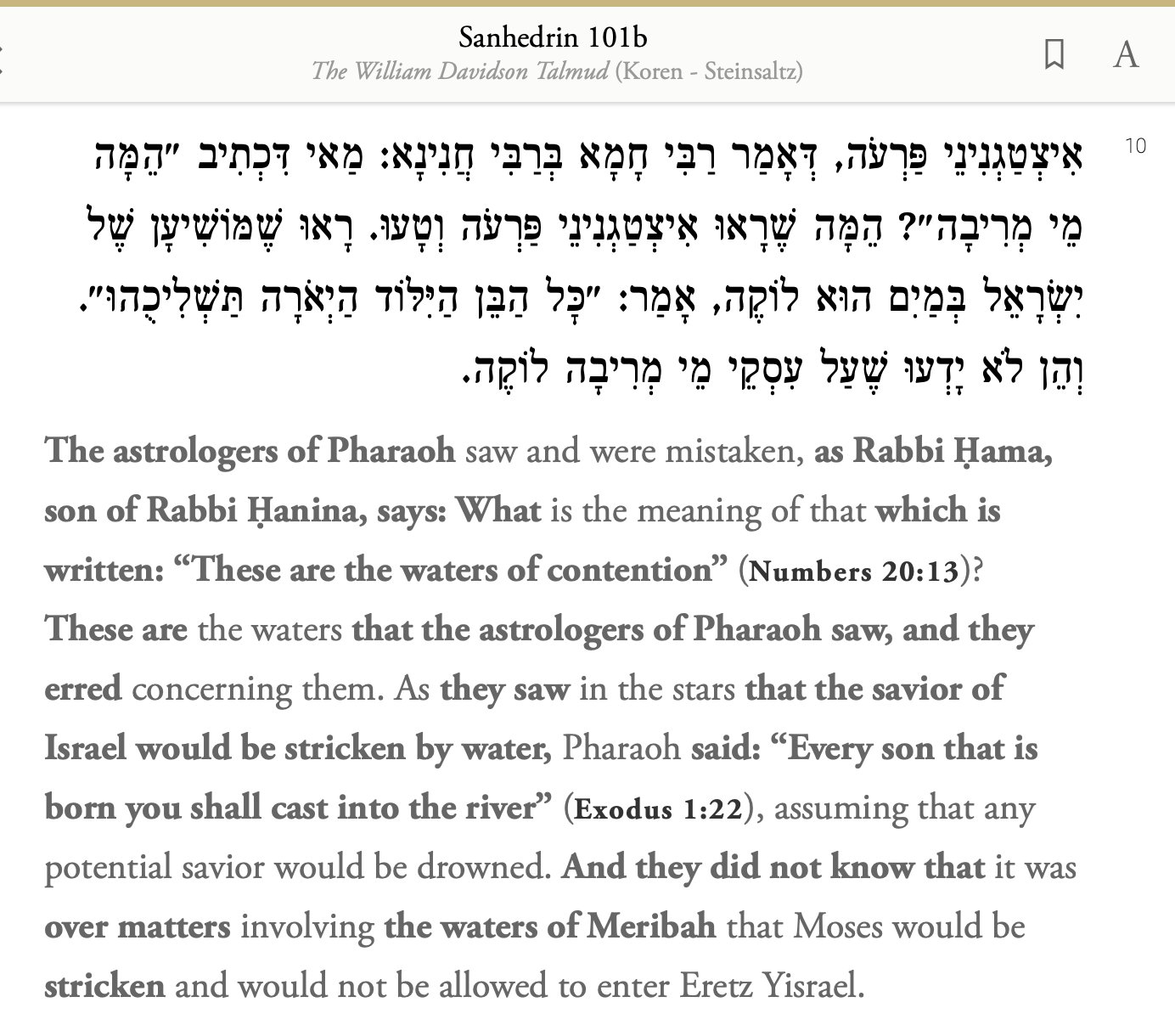
So consider this, Pharaoh’s astrologers foresaw Moses’ rise. (according to the talmud they slightly misunderstood what they saw). So Pharaoh ordered the Israelite babies to be killed. Yet Moses survivedin a way that Pharaoh did not anticipate. And He freed Bani Israel!… Similarly, Heraclius foresaw the rise of the Arabs. But he misunderstood what he saw, thinking it referred to the jews. Per the chronicle of fredegar, he ordered the forced baptism of the jews. Yet, like Pharaoh, he couldn’t stop God’s plan…
The circumcised nation he saw actually referred to The Arabssomething he did not anticipate. They came and defeated Heraclius. They also freed many Jews from Heraclius’ oppression, like how Moses had freed them from Pharaoh…
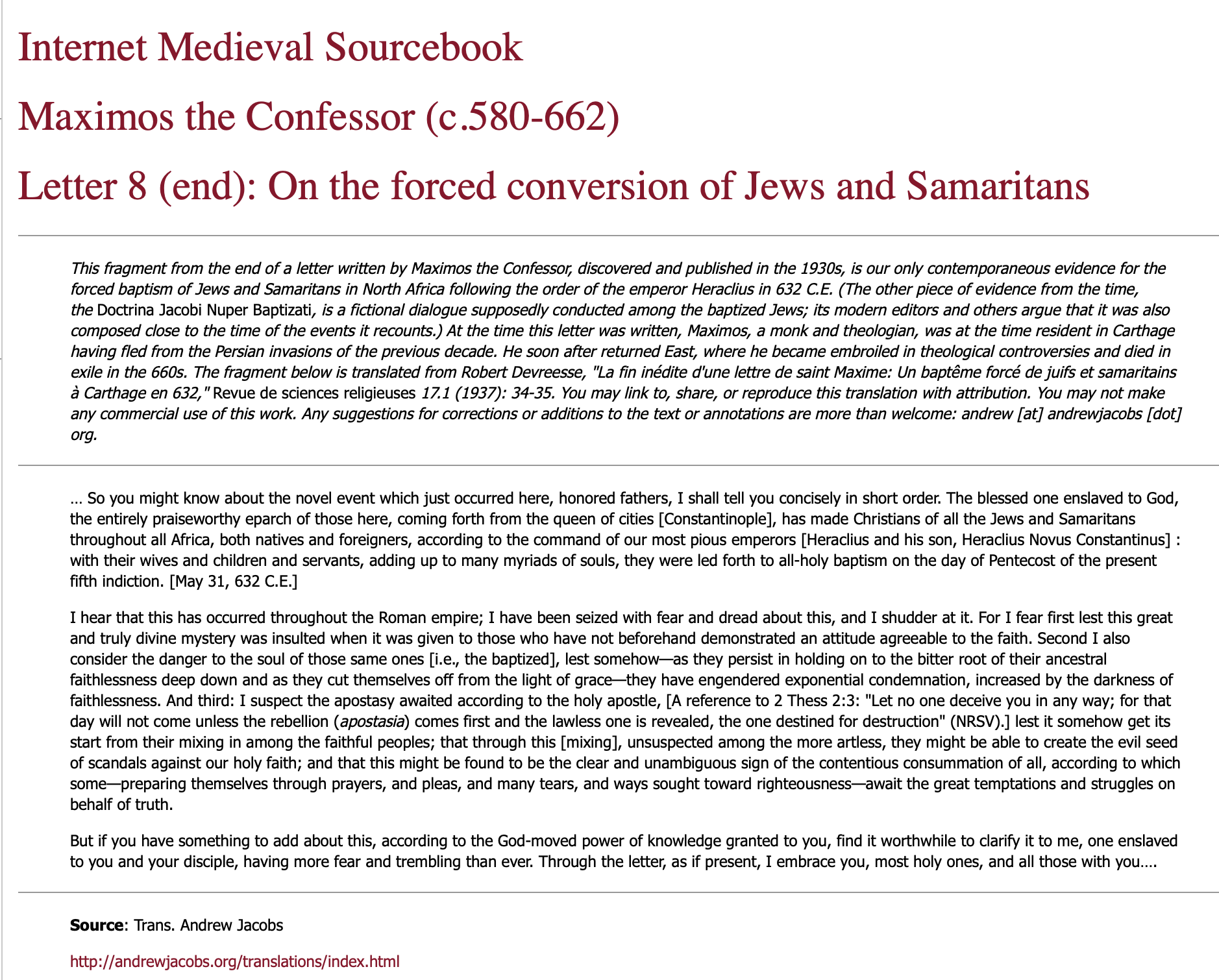
Regarding the forced baptism of the Jews, this certainly happened. It is corroborated by Maximum the Confessor and The Teaching of Jacob the Newly Baptized. Although they don’t link it to Heraclius’ vision, they mention forced baptism of the jews was ordered by Heraclius…
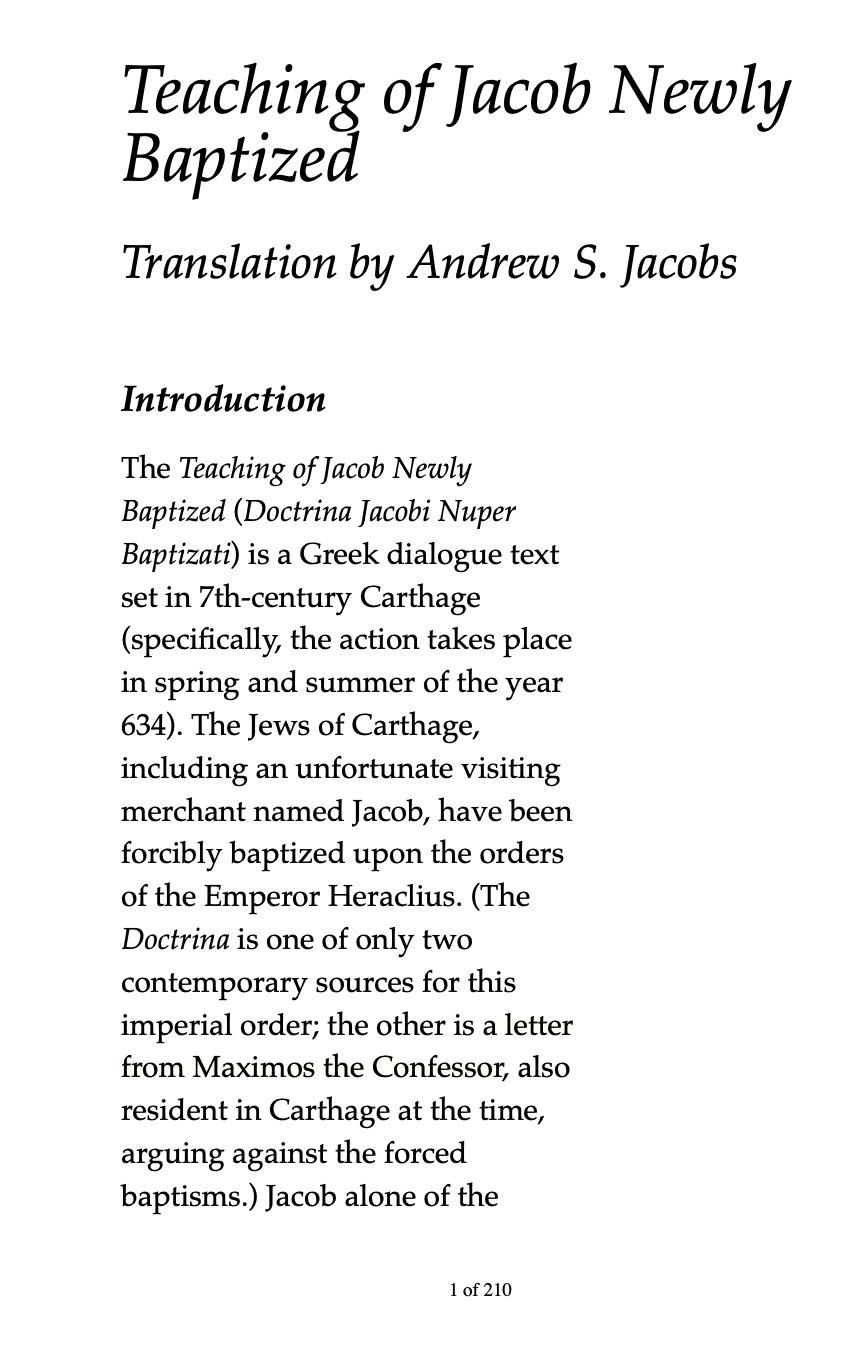
Watch youtube.com/watch?si=vYFOpLmdPKWYQVHf&v=zaFVLo2lLGY&feature=youtu.be
”From Your Brethren” — Who Are the Brothers of Israel?
The prophecy says the awaited prophet will come “from among their brothers” — not from among them. The identity of the “brothers” is therefore the central question of the entire debate.
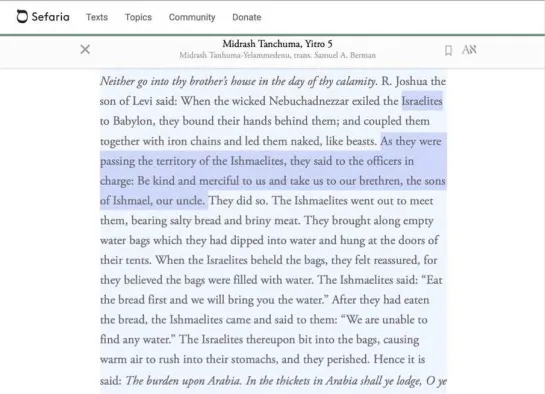
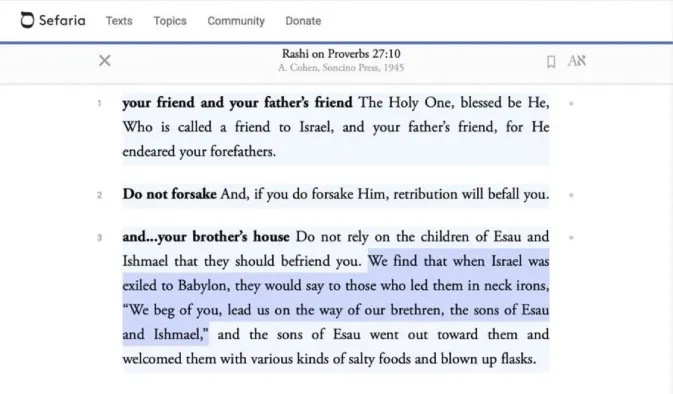
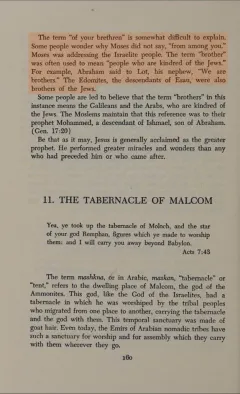
The Bible itself resolves this. Genesis 25:18 and 16:12 state that Ishmael dwelt among his brethren — a term that included Israel and Edom. Deuteronomy 23:7 explicitly calls the Edomites the brethren of the Israelites. Since the Edomites — descendants of Esau — are called brethren despite being cousins, the Ishmaelites are likewise brethren of the Israelites by the same logic, as recognized by the rabbis.
Although the sons of Esau were cousins and not biological brothers, the Lord called them brothers. The Ishmaelites stand in the same relationship to Israel. The prophet like Moses therefore comes from the Ishmaelites — from the Arabs — from Muhammad ﷺ.
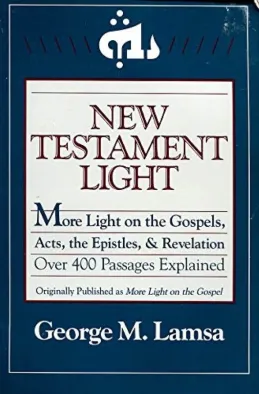
The linguist George M. Lamsa wrote:
Biblical Scholars Admit “Brethren” Refers to Non-Israelites
Rabbis Too Admit It
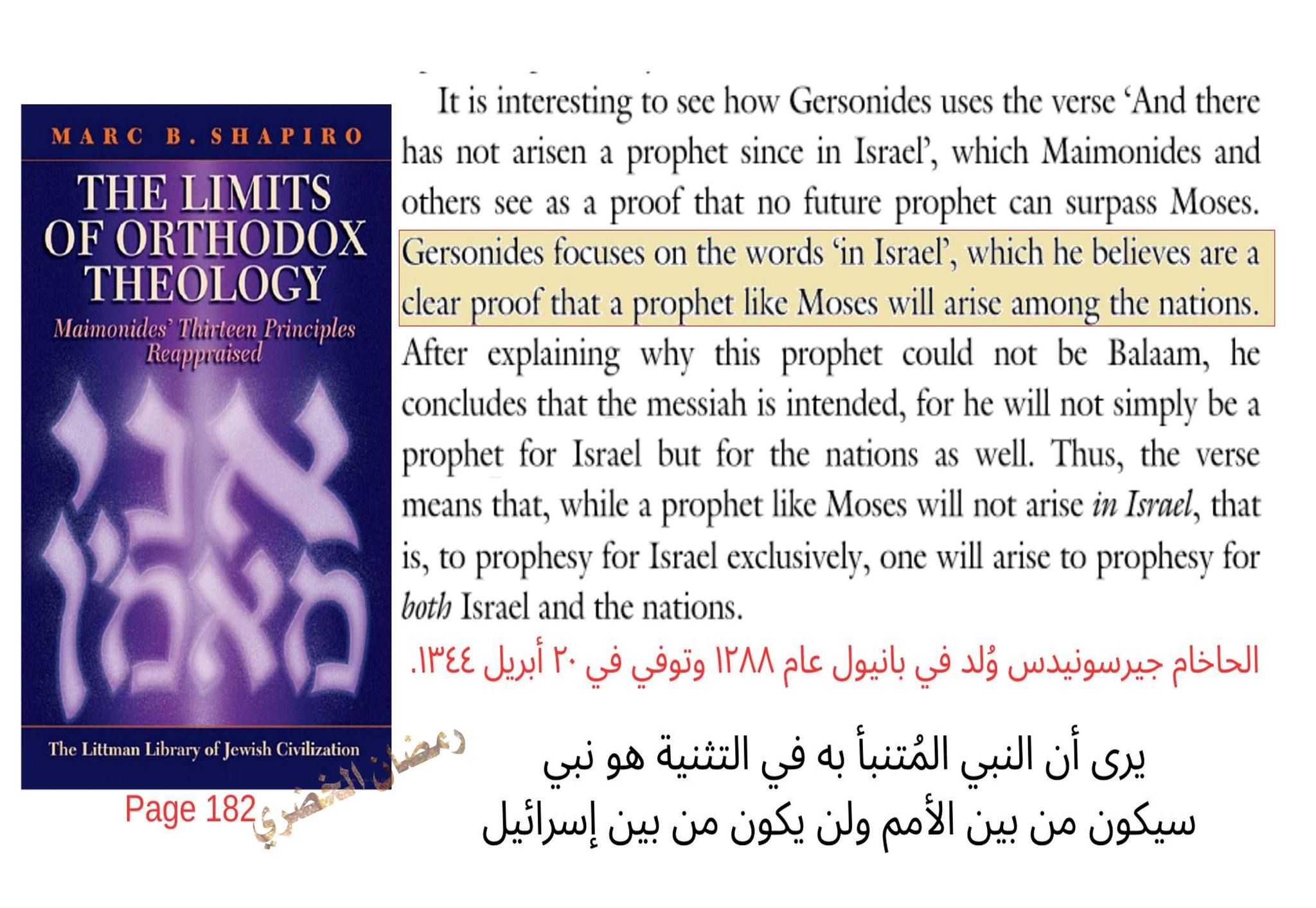
Gersonides focuses on the words “in Israel” in Deuteronomy 34:10, which he believes are a clear proof that a prophet like Moses will arise among the nations. He concludes that this verse means: while a prophet like Moses will not arise in Israel — that is, to prophesy for Israel exclusively — one will arise to prophesy for both Israel and the nations.
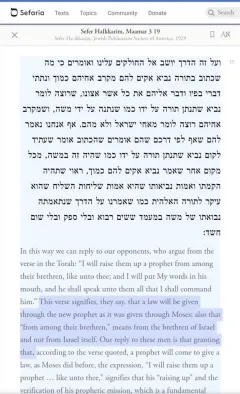
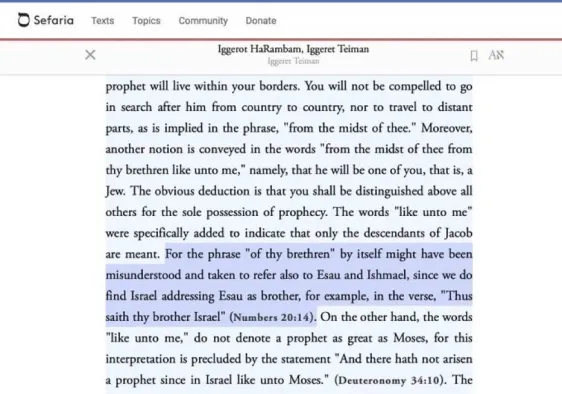
Maimonides himself wrestled with this question in his Epistle to Yemen:
Maimonides himself acknowledges that “of thy brethren” — without further qualification — naturally applies to Esau and Ishmael. He had to add a special argument to limit it. His limitation, however, rests on the Masoretic addition “from among you” — a phrase absent from all older manuscripts, as shown below.
The Phrase “From Among You” — A Post-Islamic Addition to the Masoretic Text
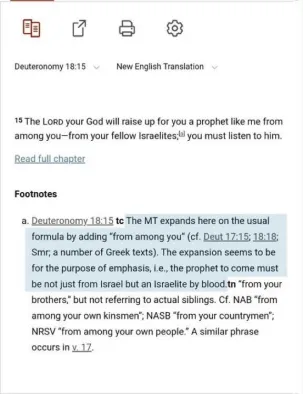
Christians argue that Deuteronomy 18:15 — “The Lord your God will raise up for you a prophet like me from among you” — restricts the prophecy to the Israelites. This argument rests entirely on the phrase “from among you” found in the Masoretic Text (MT).
The problem: that phrase is absent from every older manuscript tradition.
It does not appear in the Septuagint (LXX), written in the second century BC. It does not appear in the Samaritan Pentateuch (SP). It does not appear in the Arabic translation of the Samaritan Pentateuch by the Samaritan priest Isaac of Tyre. It does not appear in any of the approximately 29 Deuteronomy manuscripts discovered at Qumran and the Dead Sea. When the New Testament cites this passage in Acts, the phrase is also absent — and critical scholars such as Comfort identify the later addition in Acts as a deliberate scribal insertion to make the New Testament text match the Torah.
The Masoretic Text is a post-Islamic compilation. The phrase “from among you” appears to have been inserted to restrict the prophecy to the Israelites — after Muhammad ﷺ had already fulfilled it.
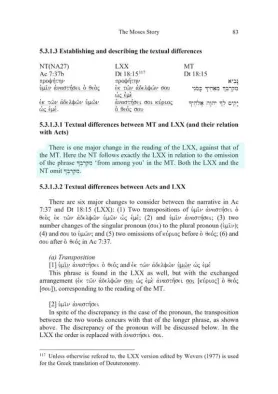
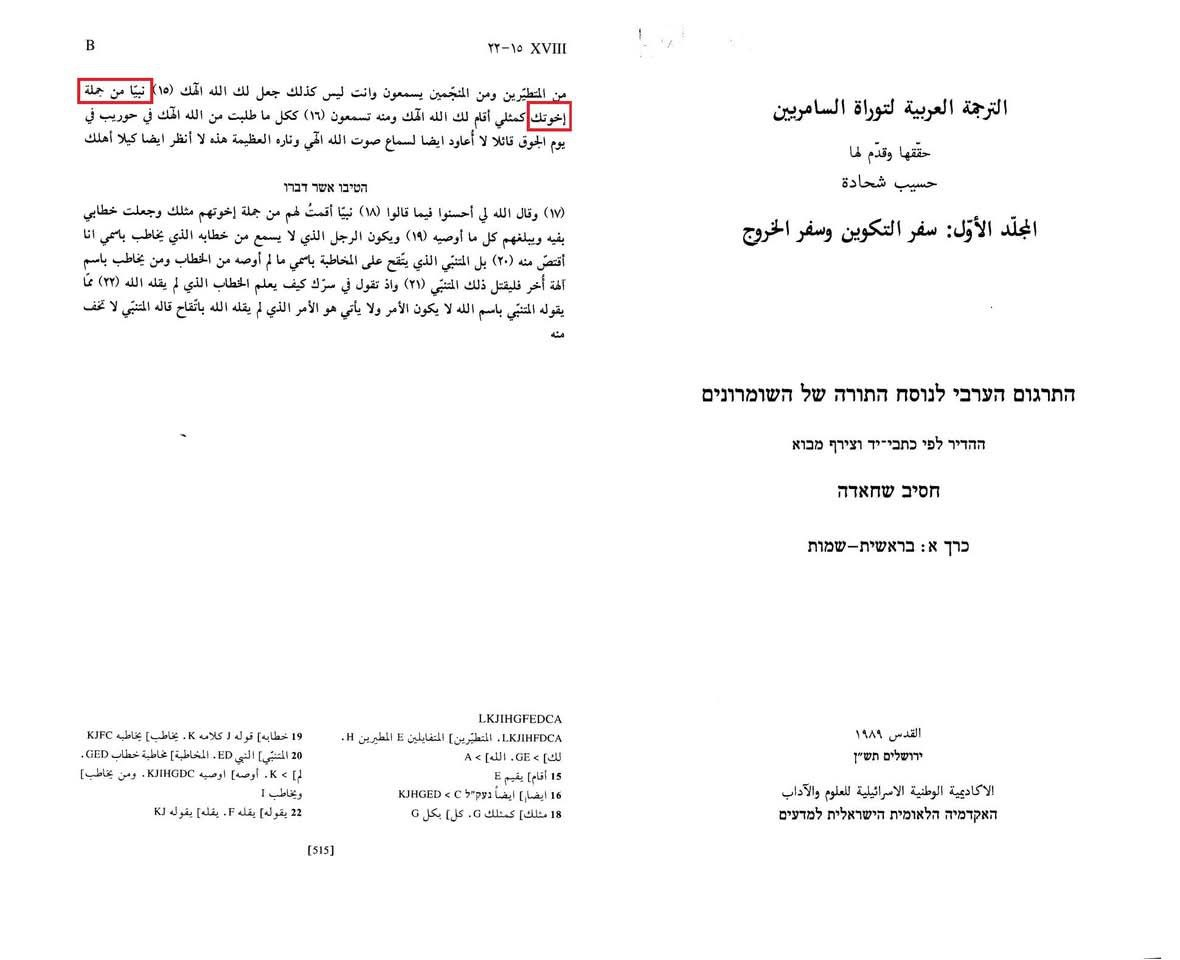
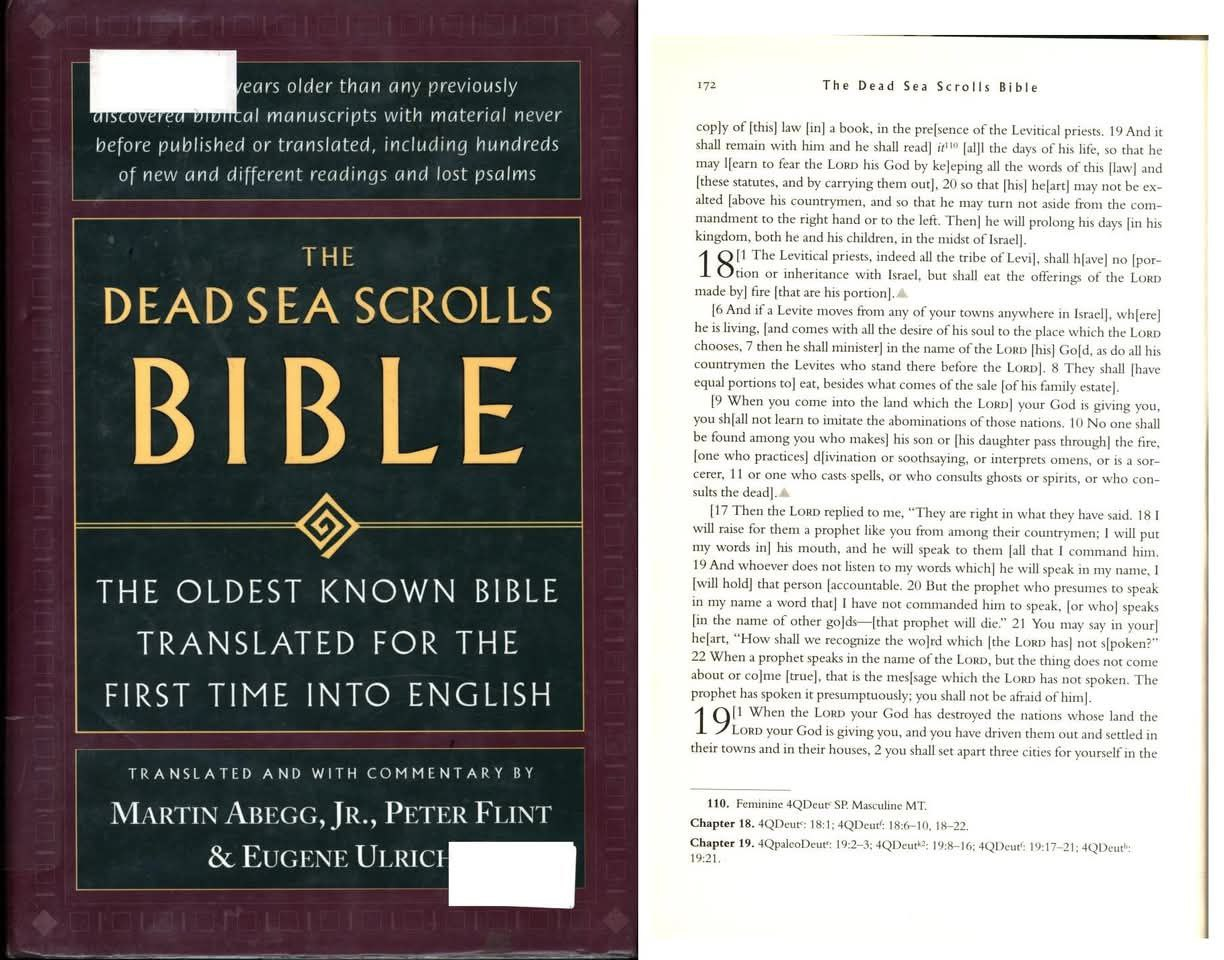
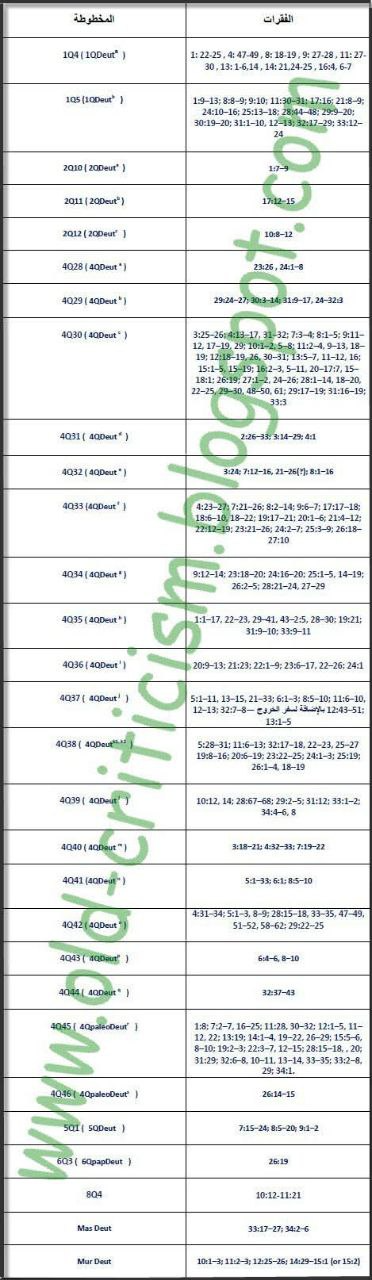
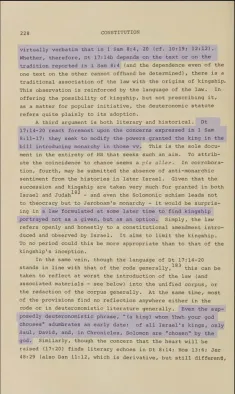
Even assuming all older manuscripts are dismissed and the Masoretic “from among you, from your brothers” is accepted as original, the argument still fails. “From among you” in that case refers to the Abrahamic community or the descendants of Abraham — while “from your brothers” is the precise genealogical specification, placing the prophet among the brothers of the Children of Isaac, not among the Children of Isaac themselves.
Deuteronomy 34:10 — The Prophet Must Arise Outside Israel
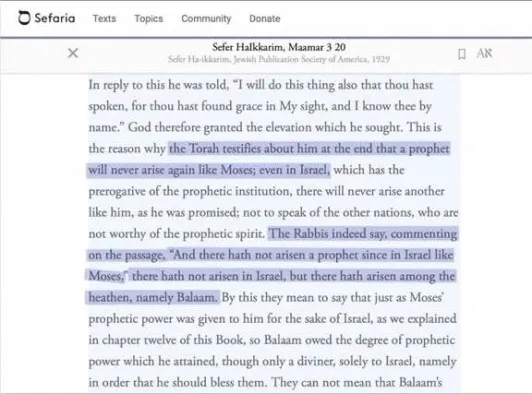
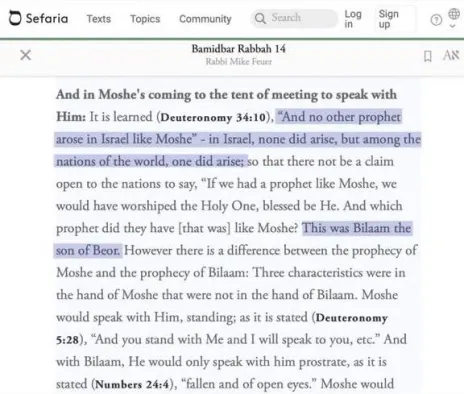
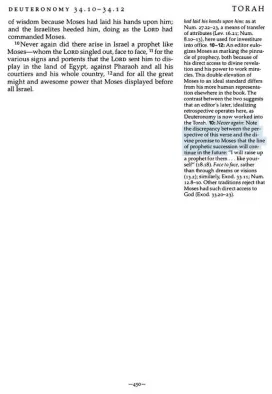
Deuteronomy 34:10 provides the decisive confirmation:
If the text says no prophet like Moses has arisen in Israel, and Deuteronomy 18:18 promises that one will arise — then that prophet must arise outside Israel. The Jews cannot simultaneously claim that the prophet of Deuteronomy 18:18 will be an Israelite and that Deuteronomy 34:10 says no such prophet arose in Israel. The two claims contradict each other.
The only resolution is that the prophet like Moses was always meant to arise outside Israel.
The Samaritan Pentateuch — “Never Again” Will a Prophet Like Moses Arise in Israel
The Samaritan version of Deuteronomy 34:10 is even more explicit:
Where the Hebrew Masoretic text uses the past tense (no such prophet has yet arisen), the Samaritan text uses a permanent future negation: never again will a prophet like Moses arise in Israel. This is not a historical observation — it is a permanent prohibition. The prophet like Moses will never come from Israel. He must come from outside.
This difference over Deuteronomy 34:10 was one of the theological causes of the historical rift between the Jews and the Samaritans, with the Samaritans rejecting the later prophets and books of the Old Testament on this basis.
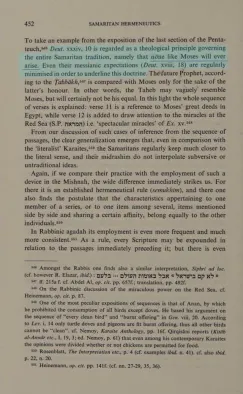
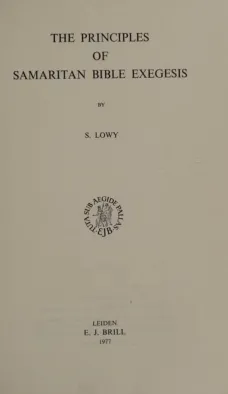
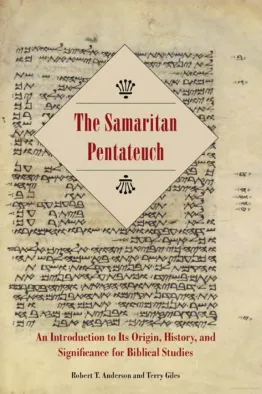
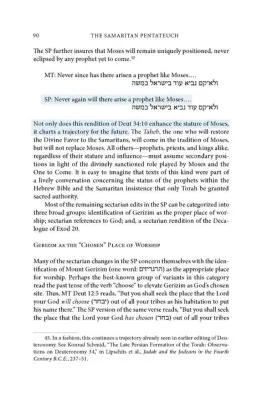
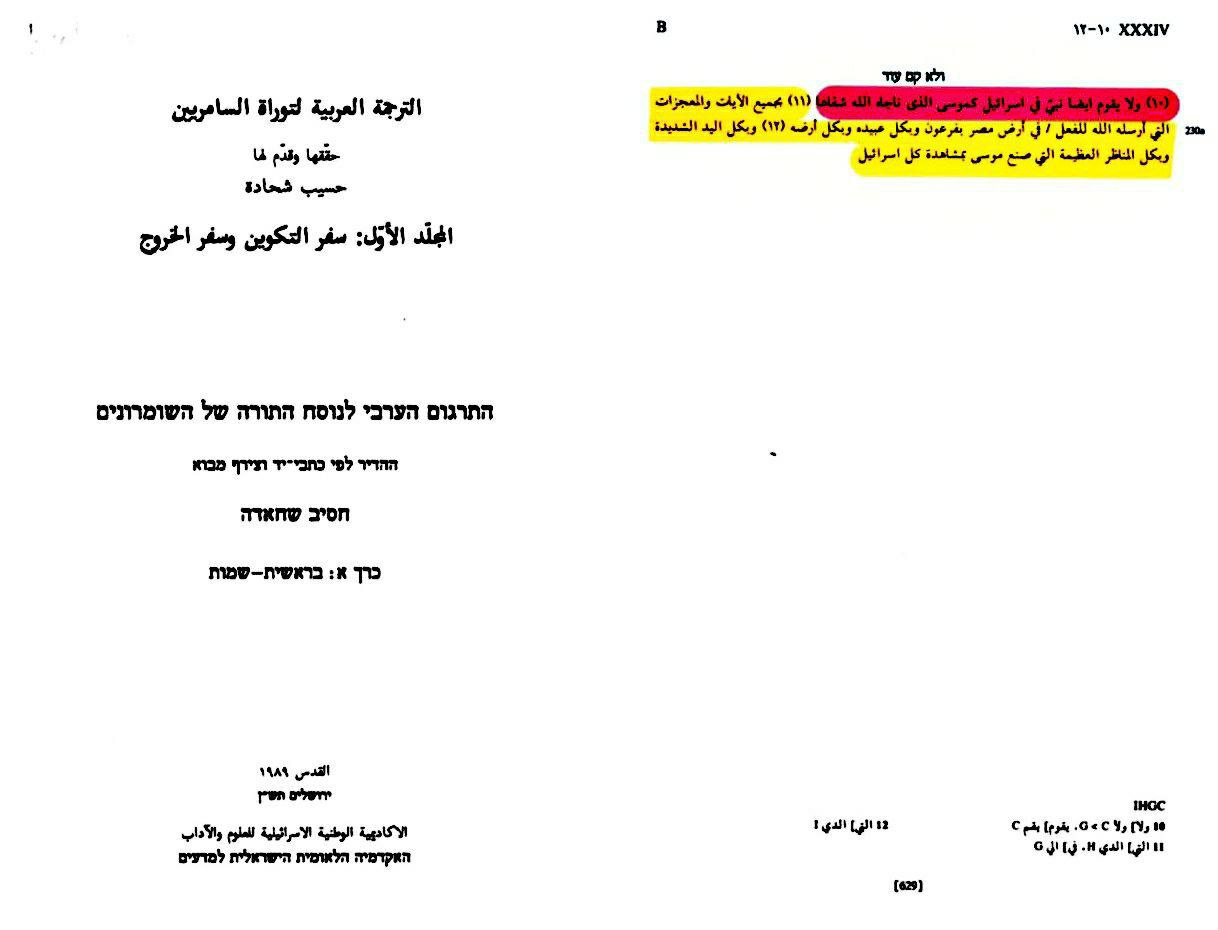
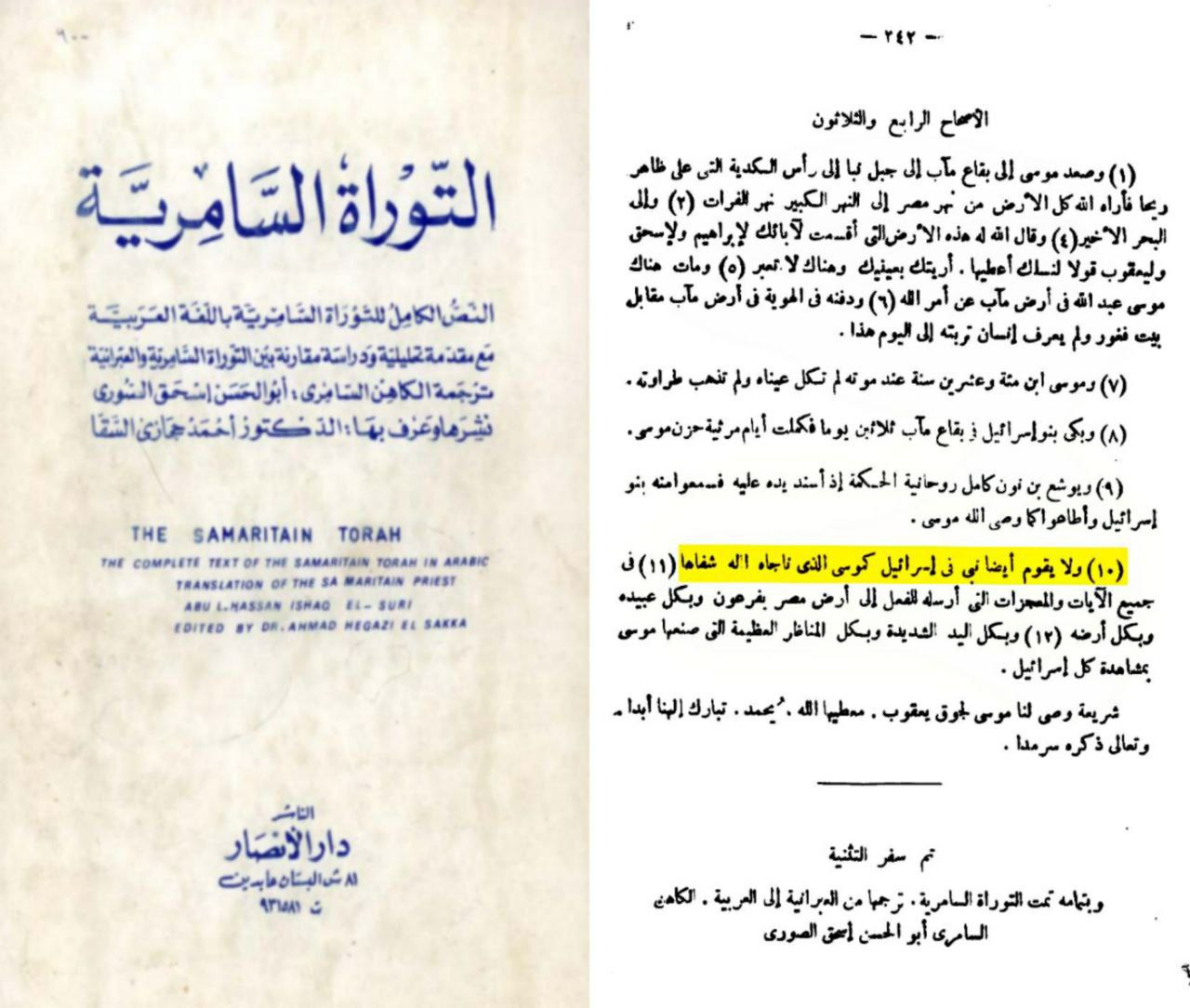
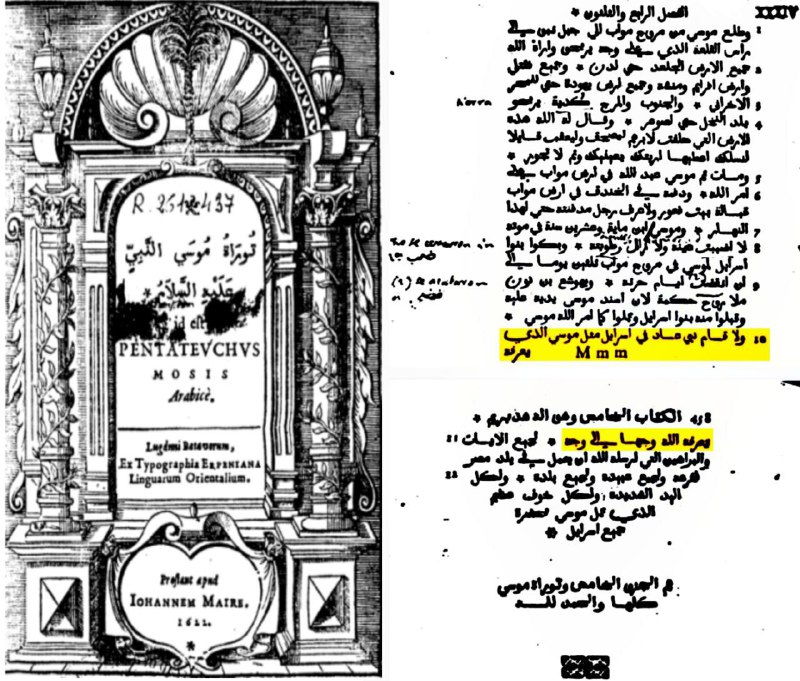
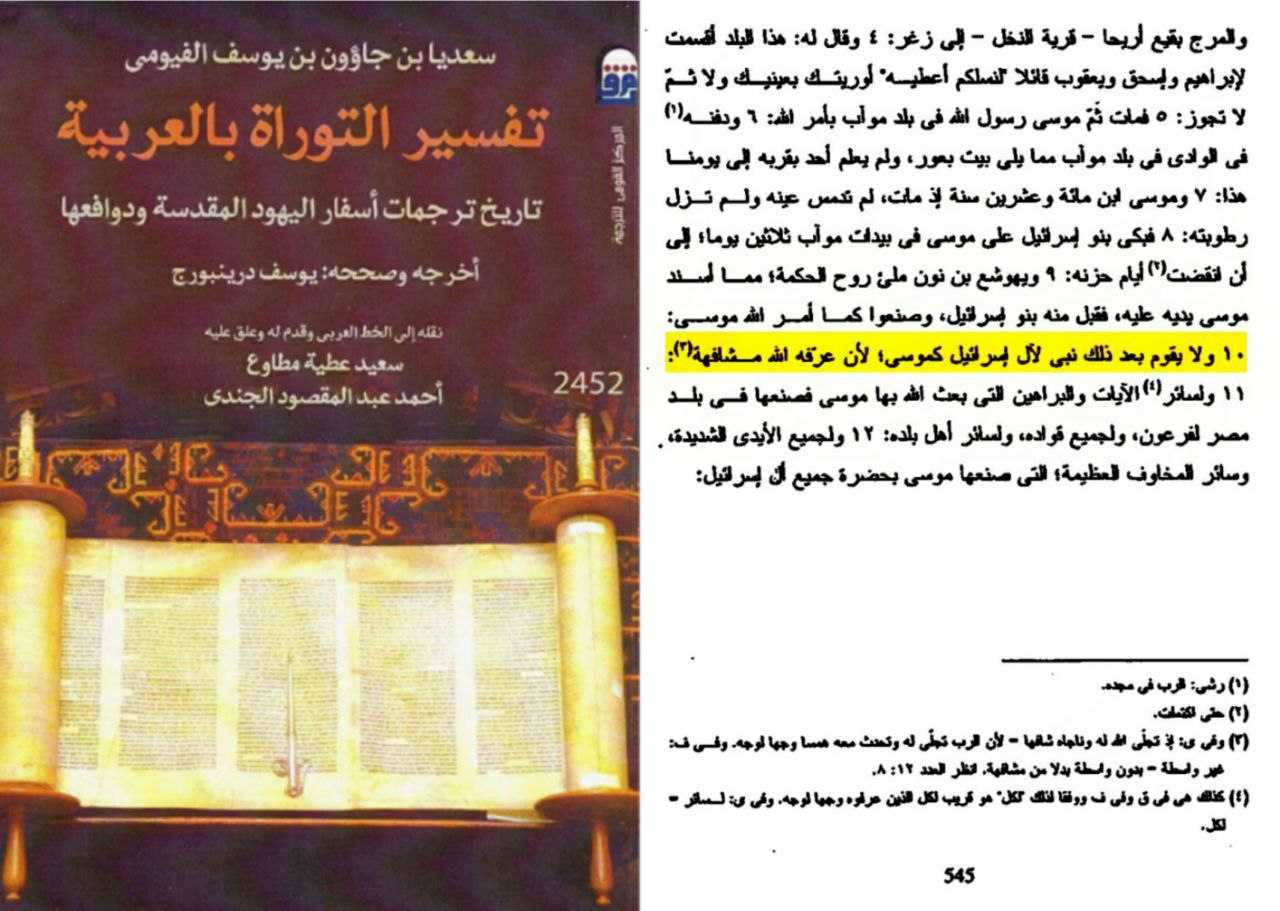
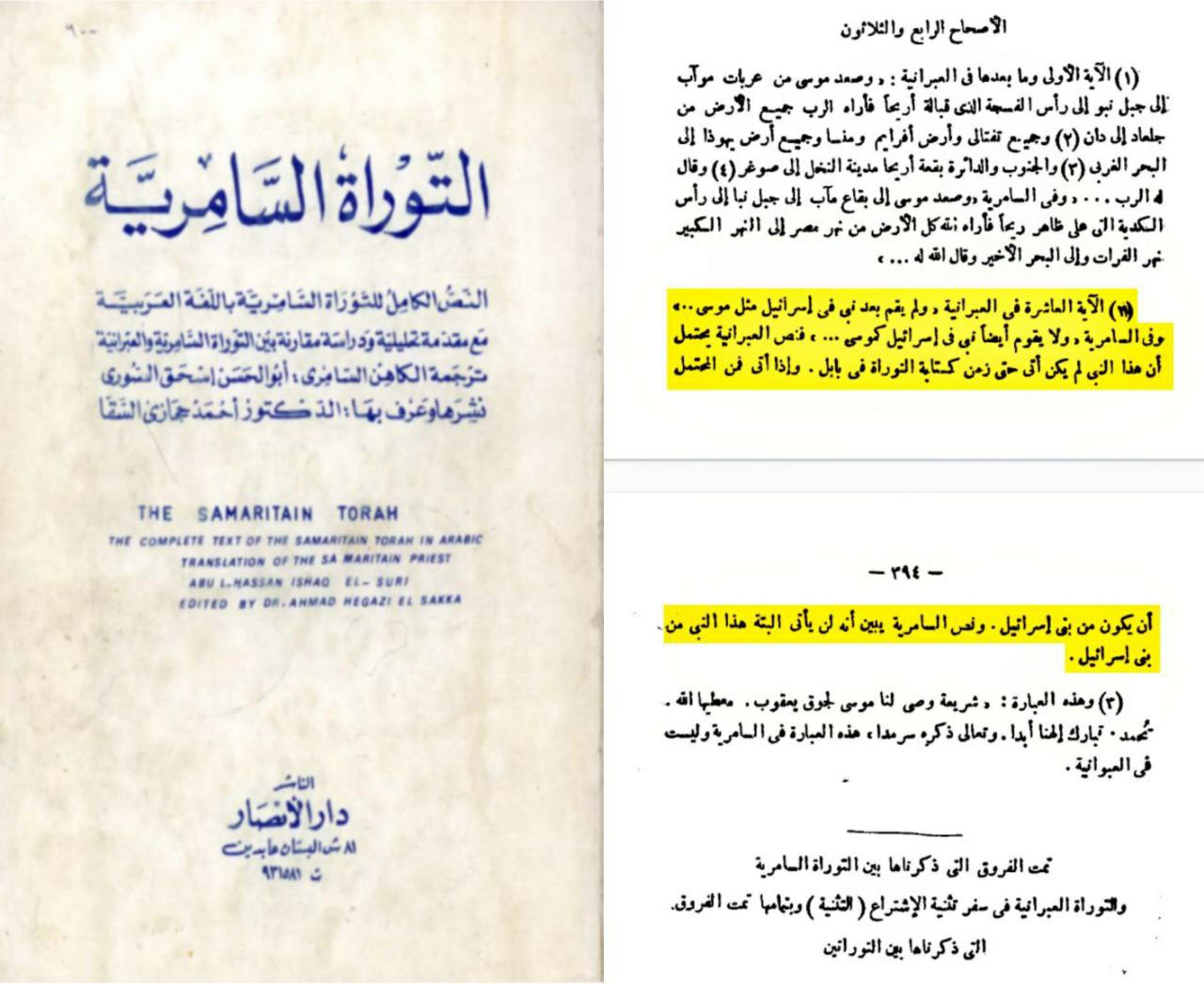
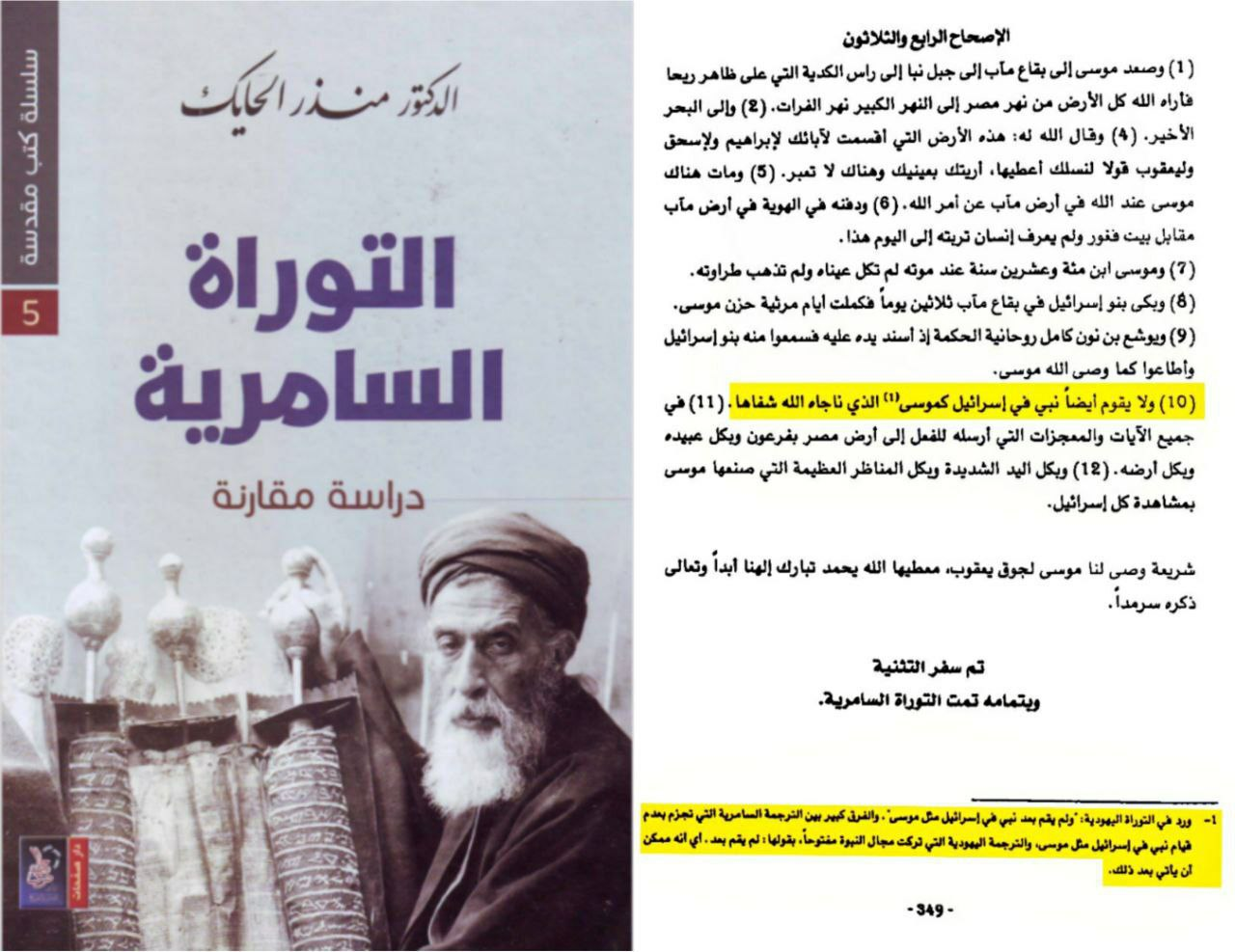
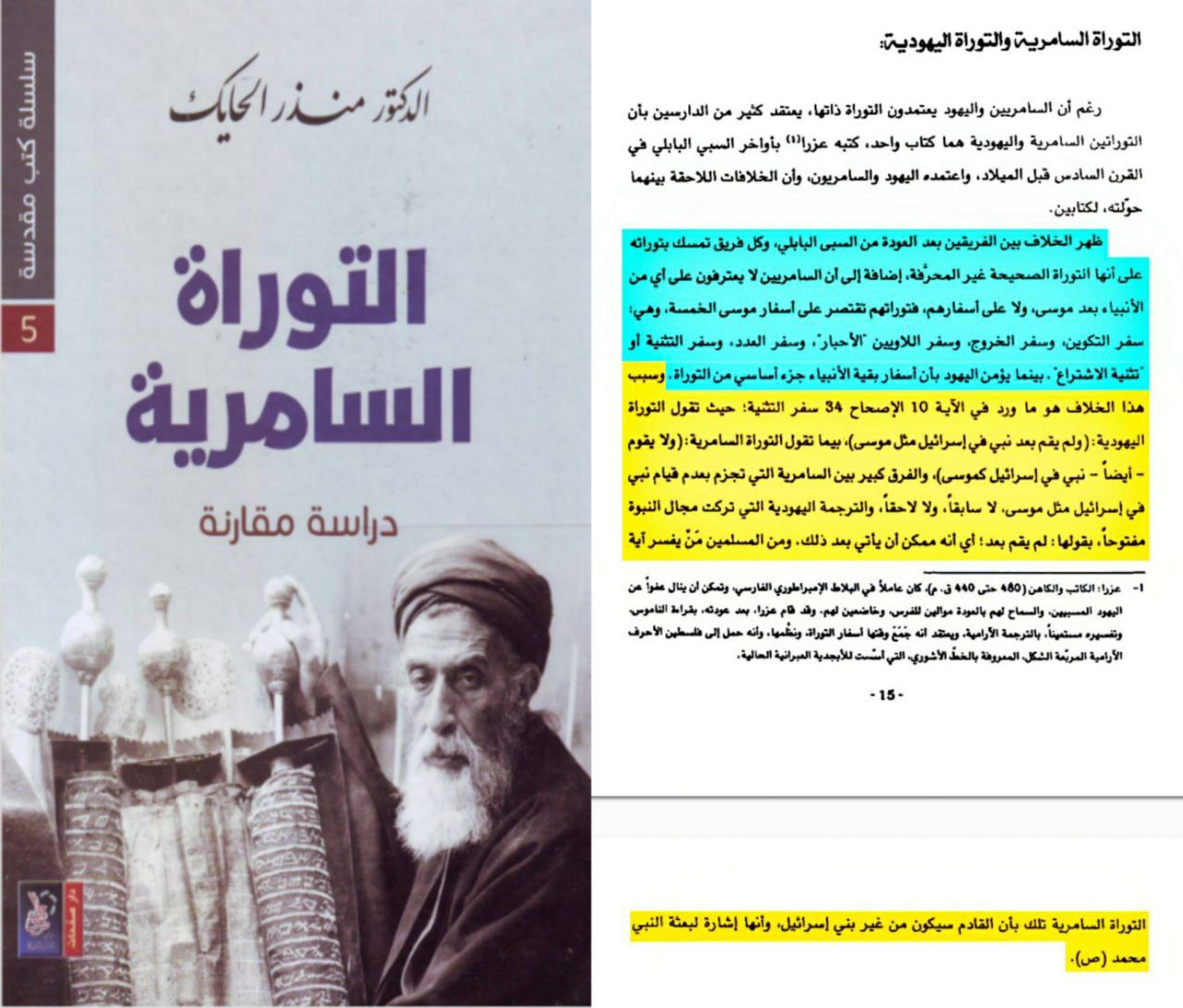
- The Discrepancy: The Masoretic Hebrew text states a prophet like Moses has not yet arisen in Israel, leaving the door open for a future one. The Samaritan text reads: “And there shall not arise again a prophet in Israel like Moses” — permanently closing the prophetic line within Israel.
- The Conclusion: The Samaritan phrasing permanently seals and closes the prophetic line within Israel, which Muslim commentators use as textual evidence that Deuteronomy 18:18 must apply to an external lineage — specifically pointing to Muhammad ﷺ.
Gersonides reaches the same conclusion through his rabbinic analysis of Deuteronomy 34:10. He concludes that the prophet who will be like Moses for the nations — not exclusively for Israel — will arise among the non-Israelite peoples.
The Secular Scholars’ Dilemma — The Contradiction Between Dt 18:18 and Dt 34:10
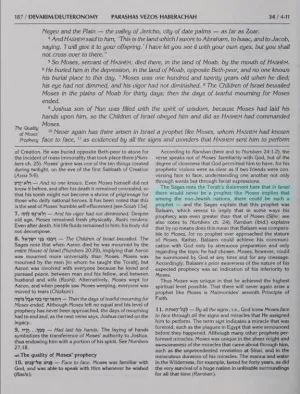
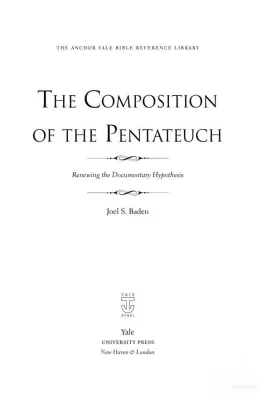
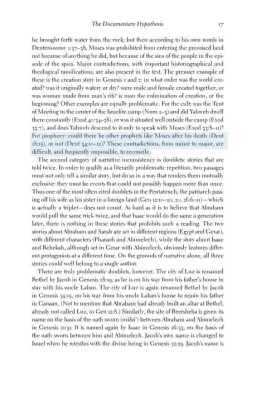
Secular scholars of the Pentateuch have recognized the contradiction between Deuteronomy 18:18 and Deuteronomy 34:10 and acknowledge that it cannot be resolved while maintaining both as referring to an Israelite prophet.
The only resolution that eliminates the contradiction is accepting that Deuteronomy 18:18 refers to a prophet arising outside Israel — which is precisely the Muslim position.
“I Will Put My Words in His Mouth” — The Unlettered Prophet
The fourth condition of the prophecy is the most distinctive: God will put His words directly in the mouth of this prophet. This description fits Muhammad ﷺ with unmistakable precision.
Muhammad ﷺ was the ummi prophet — unlettered, who did not write a book in his life. The words of God were placed in his mouth and conveyed to his companions by recitation from his mouth, not by writing. The Quran was revealed to the heart of the Prophet ﷺ in separate parts and emerged from his mouth — it was not revealed as scrolls or tablets, as with other prophets.
God Almighty confirmed this in the Quran:
“Nor does he speak of [his own] desire. It is not but a revelation revealed.”
Any Muslim who believes the Prophet’s sayings are mere human thoughts is a disbeliever — because the Prophet ﷺ spoke not except it was a revelation. This is exactly what Deuteronomy 18:18 describes.
The rabbis themselves acknowledge what this condition means:
Rabbis on the Revelation Mechanism — An Angel Brings It
We know that Jibrīl (Gabriel) عَلَيْهِ السَّلَام brought the revelation of Allah ﷻ to Muhammad ﷺ. The rabbinic description of the revelation mechanism matches exactly the Islamic account of how the Quran was revealed.
Does John 5:46 Mean Jesus Is the Prophet Like Moses? No
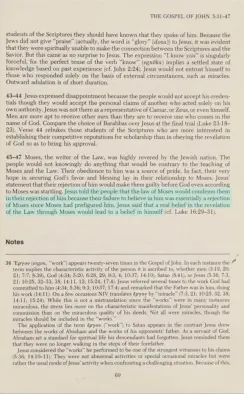
Christians sometimes cite John 5:46 — “For if you had believed Moses, you would have believed me” — to argue that Jesus is the prophet foretold in Deuteronomy. Bible scholars have specifically addressed and rejected this reading.

St. Augustine Admits Jesus Cannot Convince the Jews
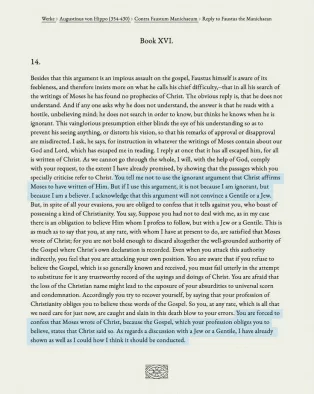
St. Augustine made a remarkable admission: arguing that Jesus is like Moses will never convince a Jew, and Christians are effectively forced to accept the comparison without being able to prove it.
This is a patristic admission that the Jesus-as-Moses-prophet argument is theologically unconvincing — even to the Church’s own greatest theologian.
“Spoke To God Face to Face” — Muhammad ﷺ Was the Friend of Allah
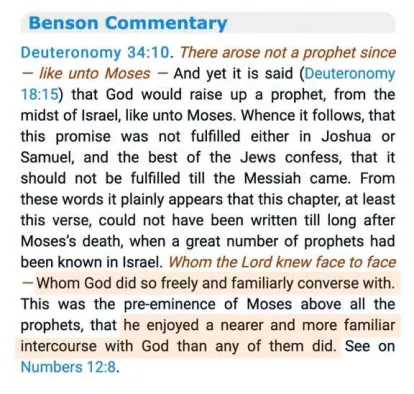
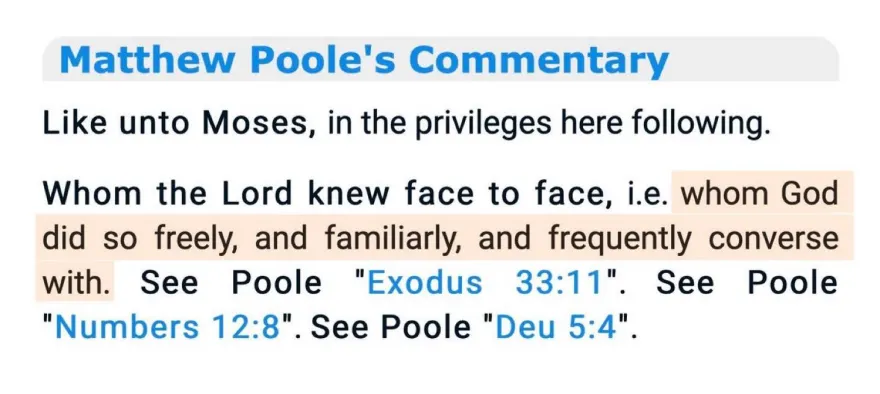
Deuteronomy 34:10 also states that Moses was unique in speaking to God “face to face.” Scholars note this phrase means speaking freely, like a friend — not literal physical sight.
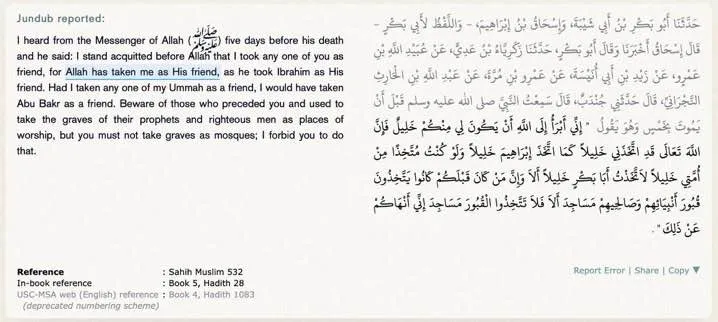
Muhammad ﷺ was the Khalīl Allah — the Friend of God. Scholars specifically connect this title to the same quality of direct, intimate communication with the Divine that characterized Moses.
“And Allah took Abraham as a close friend (khalīl).”
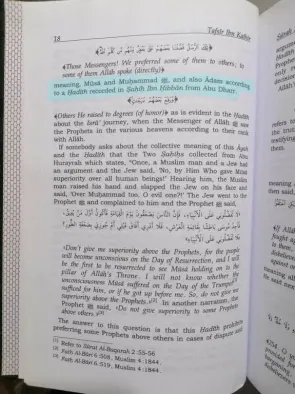
The Prophet Muhammad ﷺ spoke to God without any intermediary — as documented by the Islamic scholarly tradition.
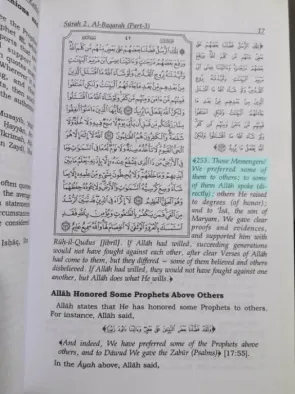
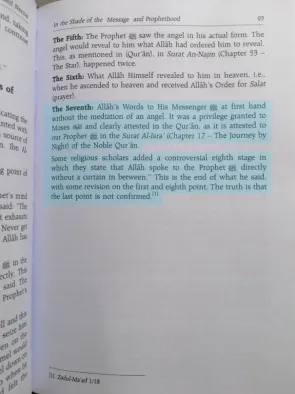
Ibn Kathir and Ibn al-Qayyim on the Prophet Speaking to God

Deuteronomy 17:15 — The “Brethren Restriction” Is a Later Retroject
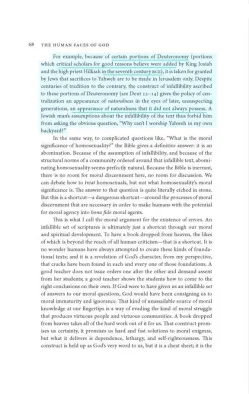
Some raise Deuteronomy 17:15 — which appears to limit the king “from among your brethren” to an Israelite — as evidence that “brethren” in chapter 18 must also mean Israelite.
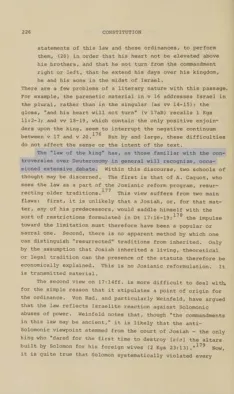
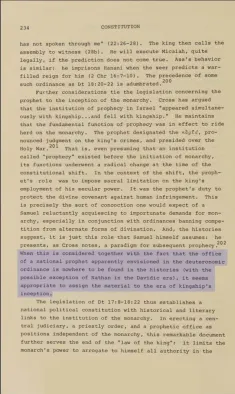
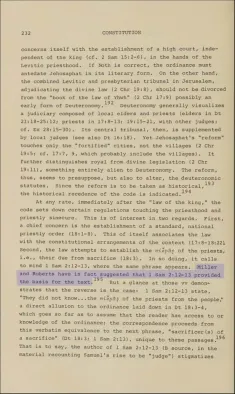
Scholars have conclusively demonstrated that this passage originally comes from centuries later and was retroJected into Deuteronomy. It has nothing to do with Deuteronomy 18:18.
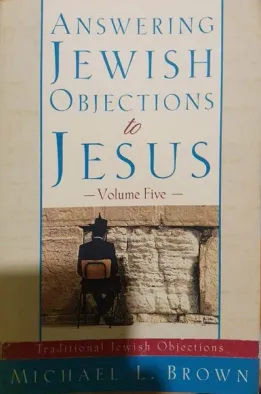
Retrojecting content into an earlier text is, moreover, a documented practice. Even the Jewish-Christian scholar Michael Brown admits that retroJection of later material into earlier texts is a known phenomenon in the transmission of the biblical corpus.
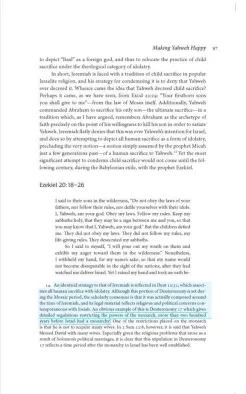
The Awaited Prophet Has the Right to Abrogate the Torah
Ancient Jewish studies acknowledge the coming of a prophet after Moses who would supersede the rulings of the Torah. This is in fact one of the primary reasons Jews did not believe in Muhammad ﷺ — his abrogation of the rulings of the Torah and the law of Moses.
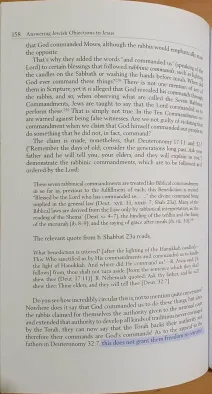
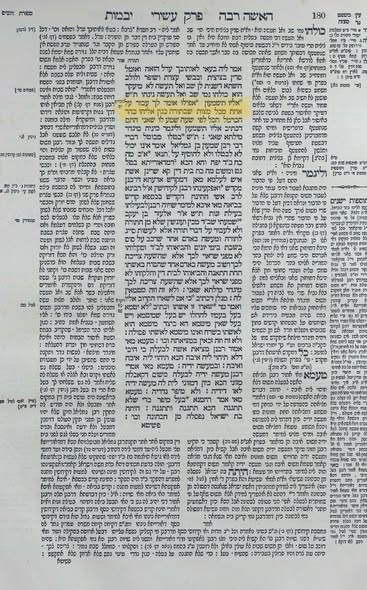
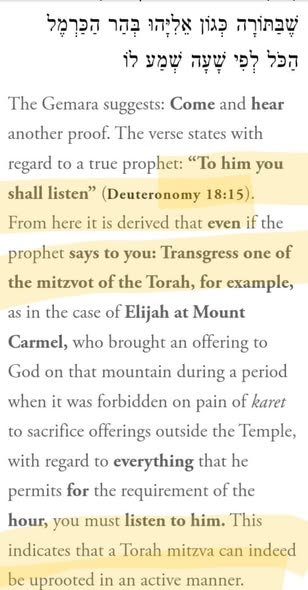
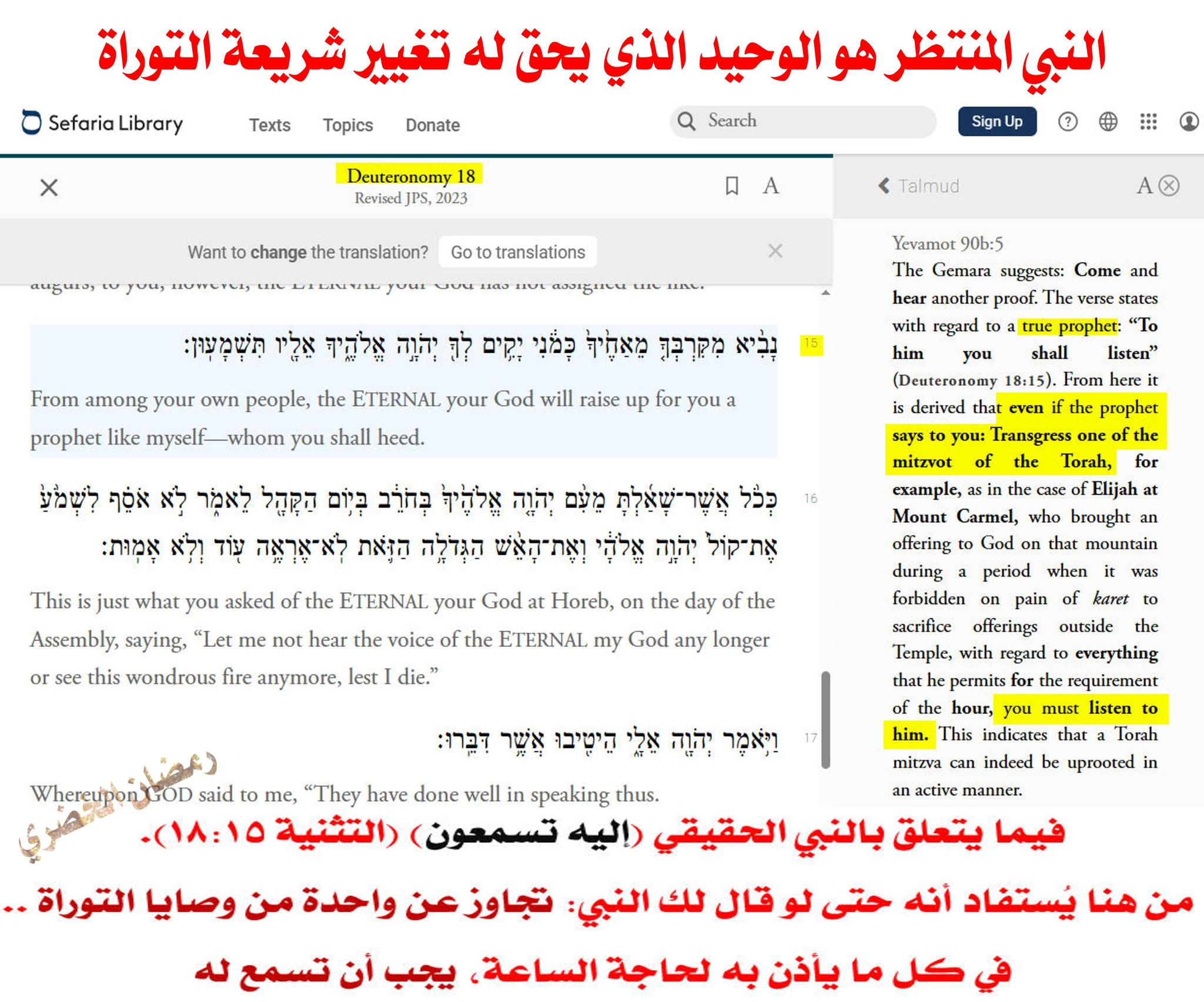
However, Deuteronomy 18:18 itself anticipates this. The Babylonian Talmud confirms it:
The Talmud explicitly states that the awaited prophet of Deuteronomy has the authority to command the temporary suspension of Torah commandments — and that the people must obey him. This is precisely what Muhammad ﷺ did: he confirmed what was before him of the Scripture and was placed as a criterion over it.
“And We have revealed to you the Book in truth, confirming what was before it of the Scripture and as a criterion over it.”
The word muhaymin means witness, trustee, overseer, and ruler over previous books. The Talmud predicted this authority. The Quran fulfilled it.
Core Texts Referenced
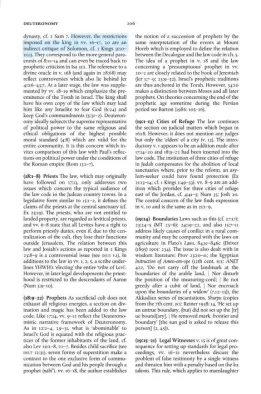
- Deuteronomy 18:15: “From among your own people, the ETERNAL your God will raise up for you a prophet like myself — whom you shall heed.”
- Talmud (Yevamot 90b:5): A Gemara passage suggesting that if a true prophet explicitly commands you to temporarily transgress a mitzvah of the Torah — as Elijah did at Mount Carmel — you must listen to him, indicating that a Torah law can be temporarily uprooted by prophetic decree.
Key Arguments Presented
- The Ultimate Authority: The awaited prophet is the only one who has the right to change the law of the Torah.
- Prophetic Dispensation: Regarding the true prophet, even if he tells you to bypass a specific commandment of the Torah due to the urgent necessity of the hour, you must listen to him.
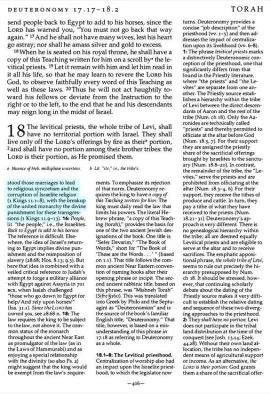
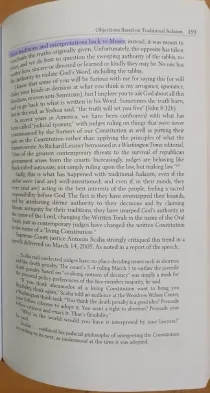
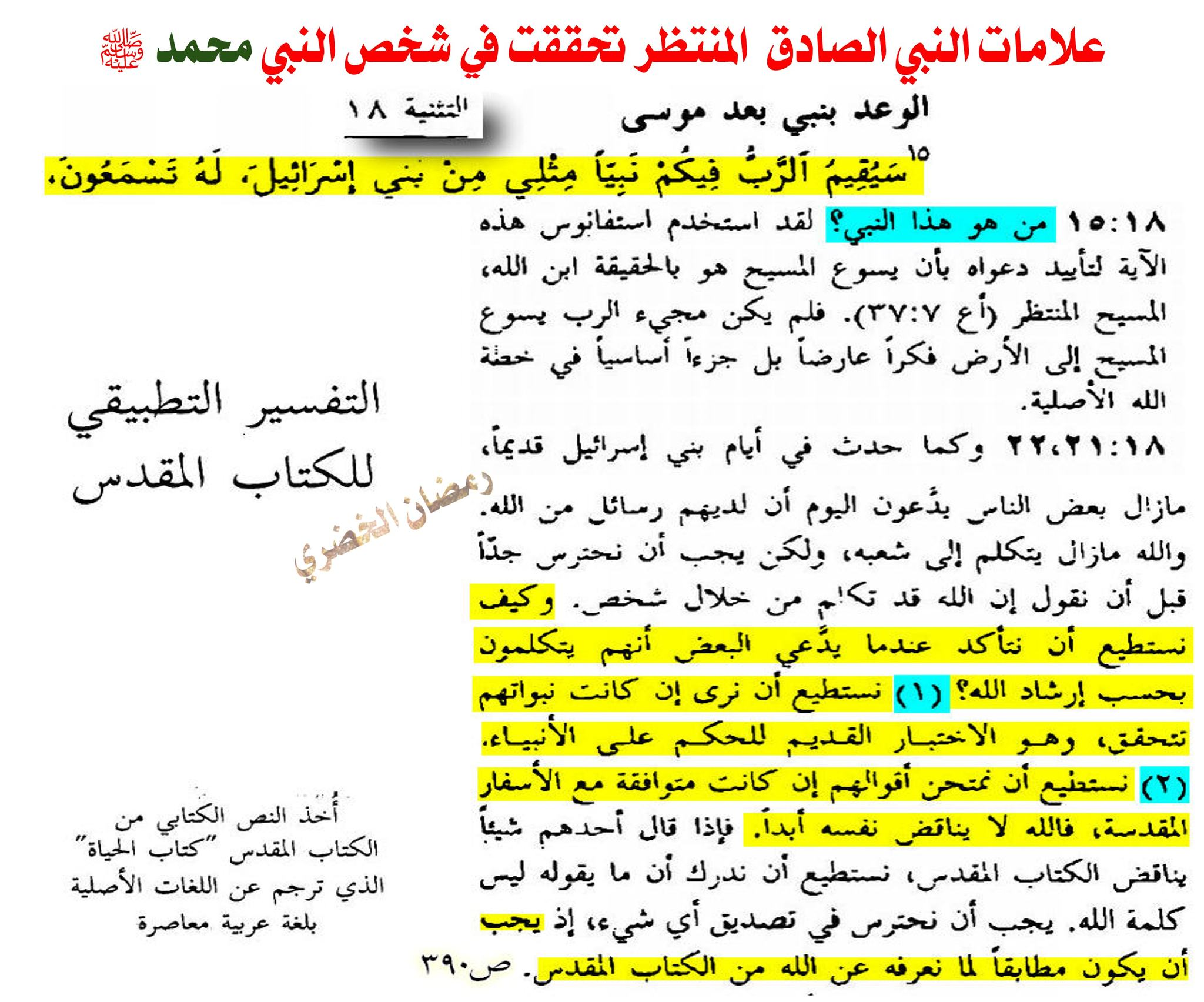
The image displays a page excerpt from the Applied Commentary of the Holy Bible (التفسير التطبيقي للكتاب المقدس), focusing on Deuteronomy 18 and its theological application.
Core Biblical Text Highlighted
- Deuteronomy 18:15: “The LORD your God will raise up for you a prophet like me from among you, from your fellow Israelites. You must listen to him.”
- Red Headline (added): “The signs of the true awaited prophet are fulfilled in the person of the Prophet Muhammad ﷺ.”
Key Commentary Points
- Christian Context: Early Christians such as Stephen (Acts 7:37) historically used this verse to argue that Jesus is the promised prophet.
- Testing Prophecy (Dt 18:21–22): The test of a true prophet: (1) The Test of Fulfillment — the prophecy must come to pass. (2) The Test of Scriptural Harmony — the prophet’s words must align with prior Scripture.

The Twelve-Point Comparison — Moses and Muhammad ﷺ vs. Jesus
A straightforward comparison reveals which of the two — Muhammad ﷺ or Jesus — is truly “like Moses”:
| Criterion | Moses | Muhammad ﷺ | Jesus |
|---|---|---|---|
| Father and mother | ✓ | ✓ | No father |
| Human messenger | ✓ | ✓ | Human + divine nature (Christian claim) |
| Married with children | ✓ | ✓ | Did not marry |
| Brought a new law | ✓ | ✓ | Said “I came not to abolish but to fulfill” |
| Carried the sword and fought | ✓ | ✓ | Did not struggle; surrendered to crucifixion |
| Emigrated from the land of his mission | ✓ | ✓ | Did not emigrate |
| Had a profession | ✓ | ✓ | No recorded profession |
| Was a leader of his people | ✓ | ✓ | Was not a leader among his people |
| Established legal punishments | ✓ | ✓ | Did not establish punishments; abolished adultery ruling |
| Defeated and subdued enemies | ✓ | ✓ | His enemies defeated him |
| Died and was buried in the ground | ✓ | ✓ | According to Christians: ascended to heaven |
After this comparison, how can a Christian dare to say that Jesus, the incarnate God, who died to save the world from its sins, was like Moses the human prophet?
We Muslims do not deny that Jesus عَلَيْهِ السَّلَام is the Messiah whom God sent to the Children of Israel. But what is stated in Deuteronomy 18:18 does not refer to the Messiah. It is a clear prophecy about Muhammad ﷺ.
Jesus Left His Message Unfinished — John 16:12
One of the reasons the prophecy of Deuteronomy 18:18 cannot apply to Jesus is that the prophet would say everything God commanded him to say. This did not apply to Jesus:
Jesus himself admitted his message was incomplete. The awaited prophet would speak everything God commanded — not defer what was too much for his audience to bear.
Muhammad ﷺ, by contrast, delivered the complete religion. Allah ﷻ confirmed:
“This day I have perfected for you your religion and completed My favor upon you and have approved for you Islam as religion.”
- Torah (Deuteronomy 18:18): The prophet will speak everything God commands him to say.
- New Testament (John 16:12): Jesus states, “I have much more to say to you, more than you can now bear” — meaning his message was unfinished.
- Quran (Al-Ma’idah 5:3): “This day I have perfected for you your religion” — the message was fully completed and delivered through Muhammad ﷺ.
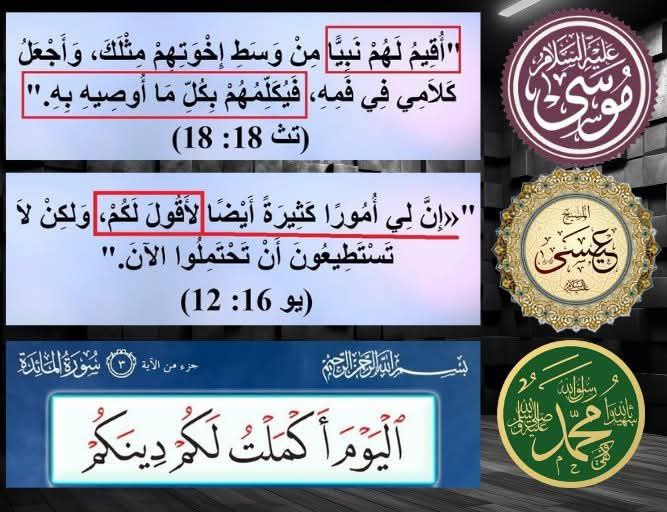
- The Torah (Deuteronomy 18:18): Features the divine promise to raise a prophet from among their brothers like Moses, who will speak everything God commands him to say.
- The New Testament (John 16:12): Quotes Jesus stating, “I have much more to say to you, more than you can now bear.” The argument uses this text to claim that Jesus left his message unfinished, meaning he did not fulfill the criteria of speaking “everything.”
- The Quran (Surah Al-Ma’idah 5:3): Quotes the verse, “This day I have perfected for you your religion,” matching it with Muhammad to argue that his message was fully completed and delivered, thereby satisfying the Old Testament prophecy.
The Masoretic Word מִקִּרְבְּךָ Means “From Your Relatives,” Not “From Your Midst”
A detailed linguistic analysis of the Hebrew reveals that the Masoretic word מִקִּרְבְּךָ is itself not a restriction to Israelites, even on its own terms.
The word is composed of three parts: the letter מִ (meaning “from”), the word קִּרְבְּ (meaning “relative” or “relatives”), and the possessive suffix ךָ. The Prophet Moses is therefore addressing the Children of Israel saying: “The Lord your God will give you a prophet like me from among your relatives, from your brothers.” The relatives of the Children of Israel are, by biblical definition, the descendants of Ishmael — there are no other cousins.
The word was translated as “from among you” or “from your midst” because the root קֶרֶב can also mean “proximity” or “those around you” — but this secondary meaning was deliberately chosen to introduce ambiguity that the primary meaning — kinship — does not contain.
The Masoretic Text therefore, even on its own terms, does not restrict the prophecy to the Israelites. It points to the kindred people — the Ishmaelites.
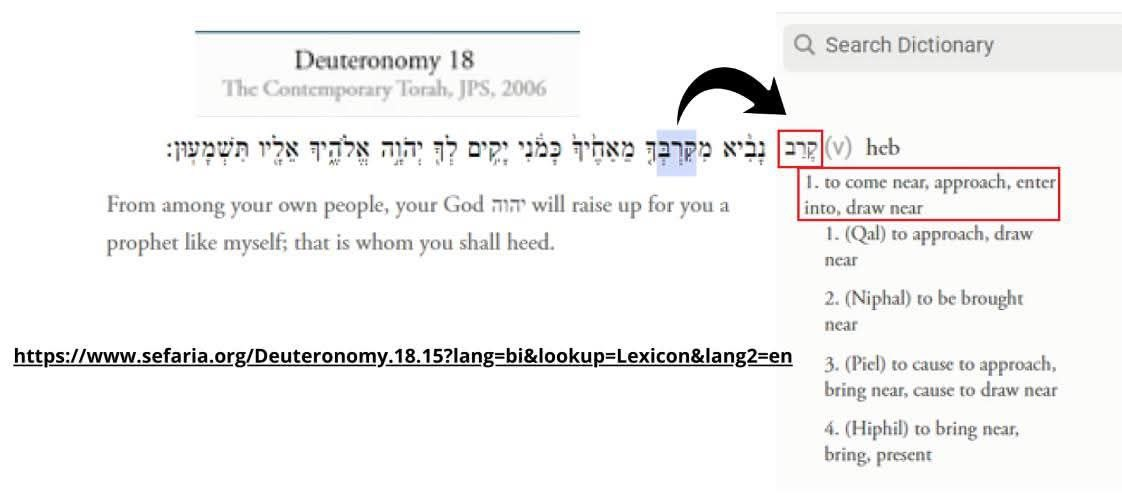
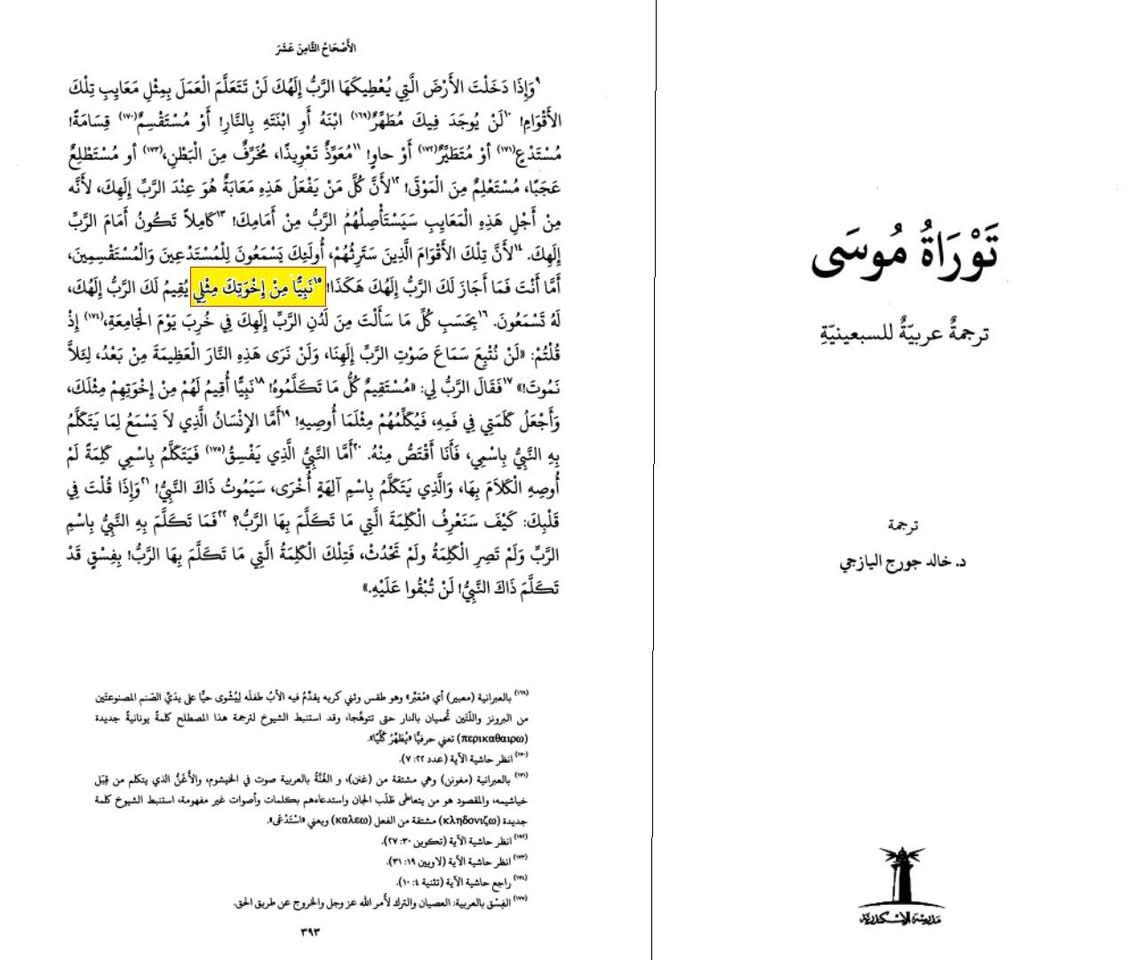
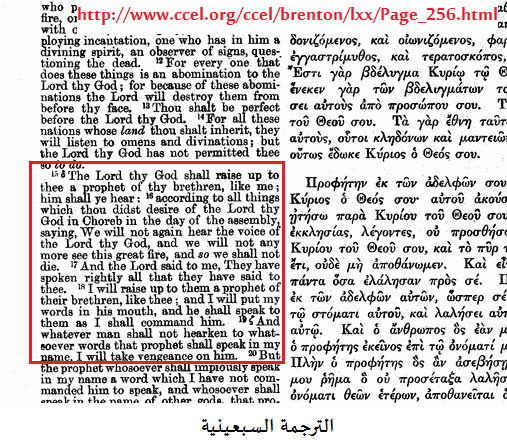
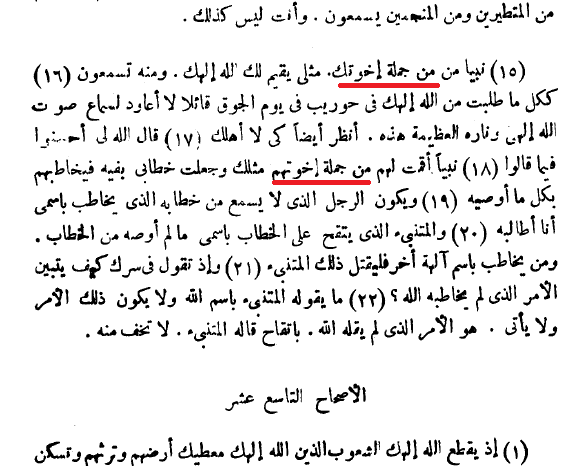
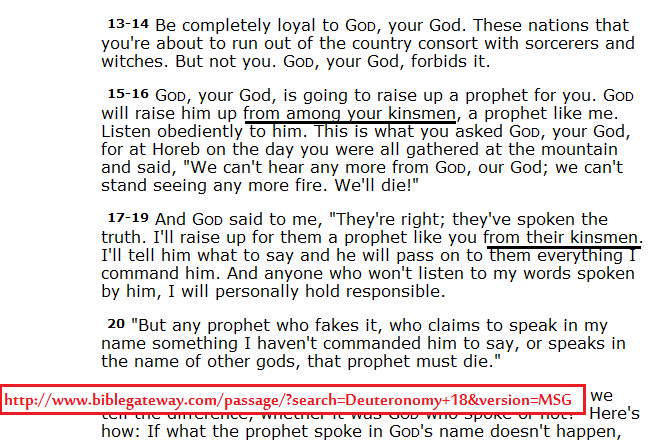
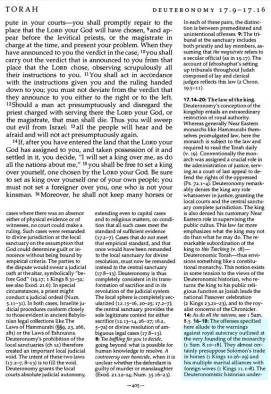
Core Biblical Text Highlighted
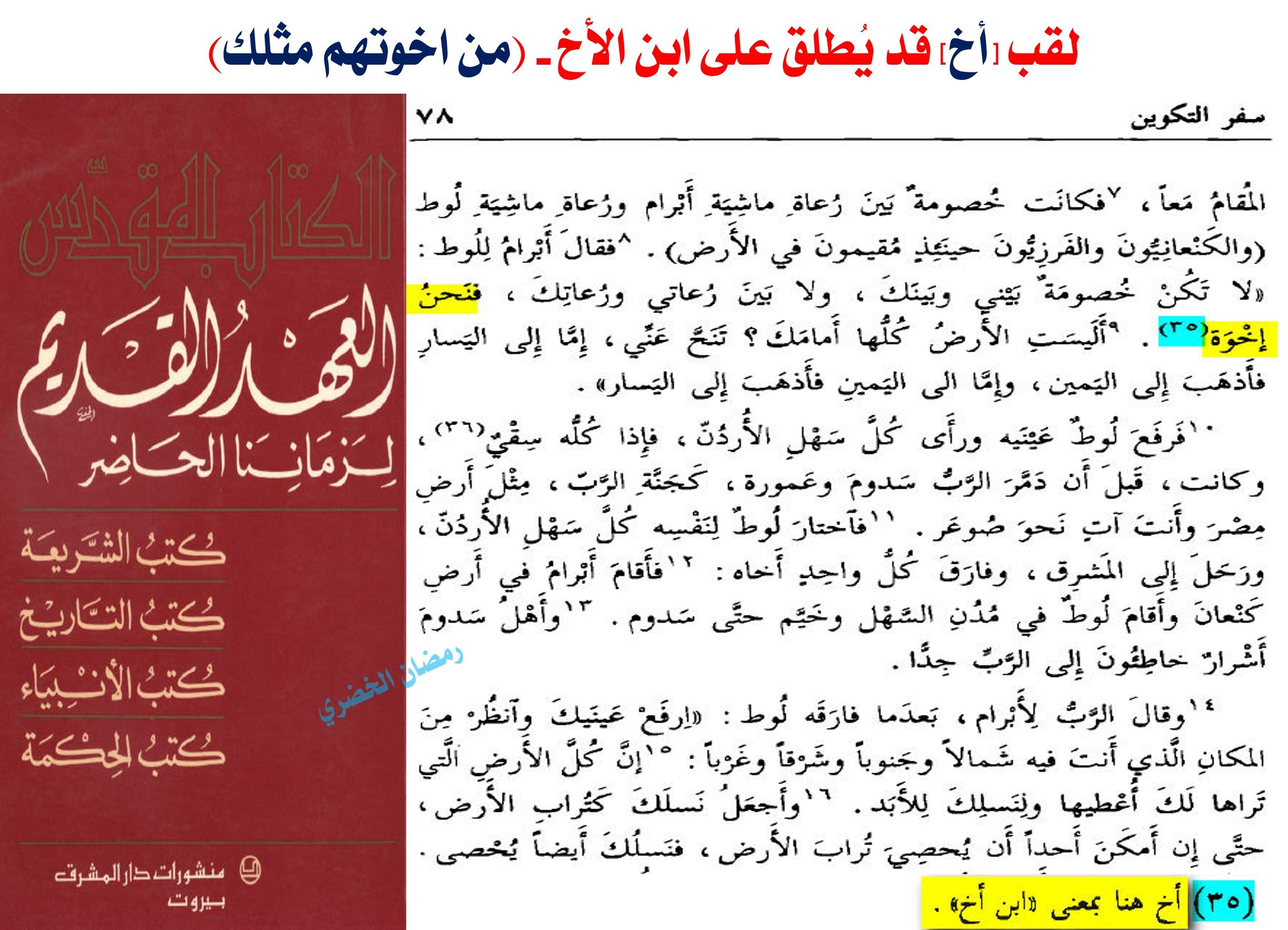
- Genesis 13:8: “…for we are close relatives [brothers]” — Abraham (Abram) speaking to his nephew, Lot.
- Red Headline: “The title ‘Brother’ can be applied to a nephew — (From among their brothers like you).”
Key Commentary Points
- Linguistic Clarification: The footnote explicitly notes that the word “brother” (أخ) is used here to mean “nephew” (ابن أخ).
- Contextual Argument: In biblical terminology, words like “brother” or “brethren” are used broadly to denote close relatives rather than strictly biological brothers.
Acts 3 — A Pious Scribe Added “You Must Listen to Him” to Match the Torah
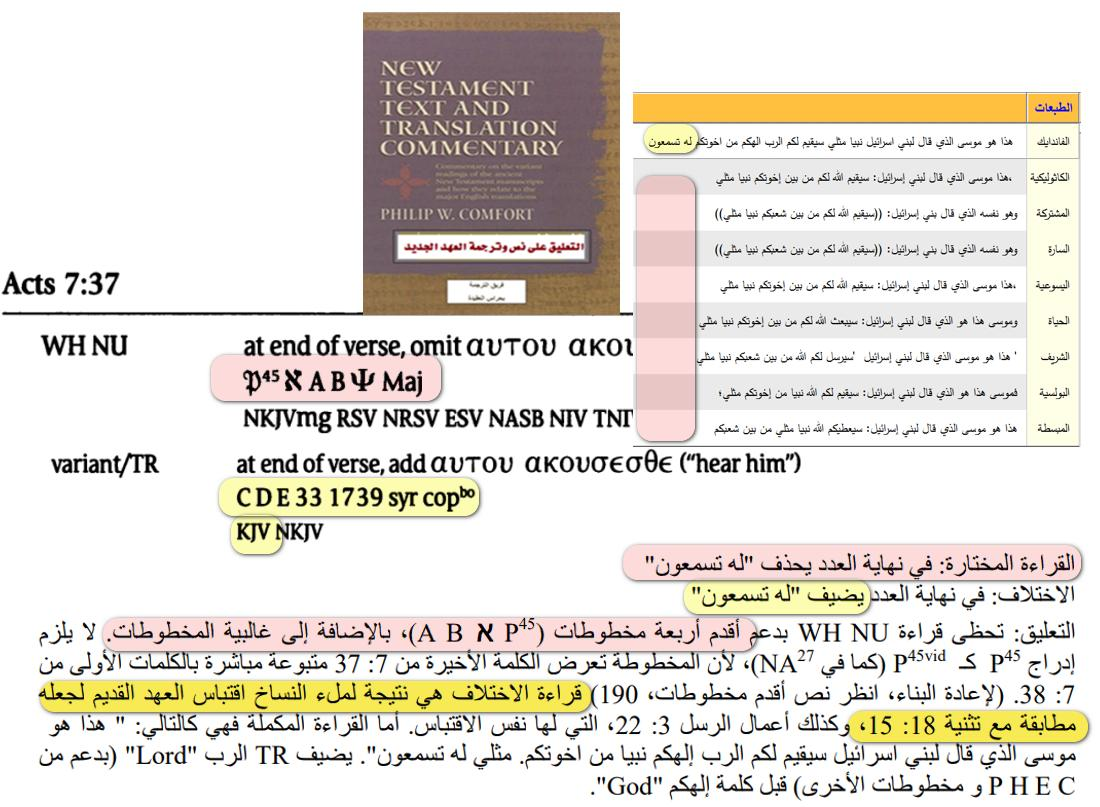
In Deuteronomy 18:15, the text reads: “you shall listen to him.” But when Luke quotes this passage in Acts 3, all ancient and reliable manuscripts agree that the phrase “you listen to him” is absent. A pious scribe later added it to make the New Testament text match the Torah.
Critical scholars such as Comfort view this addition as a later insertion and a deliberate distortion.
The Jews’ Knowledge of the Coming of Muhammad ﷺ
From the Biography of Ibn Hisham — A Jewish Neighbor Foretells Muhammad ﷺ
Salama ibn Salama ibn Waqsh reported: A Jewish neighbor of the Banu Abd al-Ashhal stood before the community and spoke of the Resurrection, the Gathering, the Reckoning, the Scales, Paradise, and Hell. They asked him: what is the sign of this? He said: “A prophet sent from around these lands” — and pointed his hand toward Mecca and Yemen. They asked: when will you see him? He looked at the youngest child present and said: “If this boy lives to see him, he will see him.”
Salama said: “By God, night and day had not passed before God sent Muhammad, His Messenger, may God bless him and grant him peace, while he was alive among us. We believed in him, while others disbelieved in him out of malice and envy.”
The chain of this narration was evaluated by Shu’ayb al-Arna’ut, who affirmed it in his commentary on Siyar A’lam al-Nubala’ (Part Two, First Class): its chain of transmission is strong, as Ibn Ishaq explicitly stated that he heard it directly.
The Ansari Companions — Jews Threatening the Arabs with a Coming Prophet
Asim ibn Omar ibn Qatada reported: What prompted us to embrace Islam — along with God’s mercy — was what we used to hear from Jewish men. We were polytheists while they were People of the Book. Whenever we inflicted something they disliked upon them, they would say: “The time of a prophet who will be sent is near, and we will kill you with him as the people of Ad and Thamud were killed.” We often heard this from them. When God sent His Messenger, we responded to him when he called us to God Almighty — and we knew what they were threatening us with. So we hastened to him and believed in him, while they disbelieved in him.
Sheikh Muqbil al-Wadi’i evaluated this narration in The Authentic and Attributed Narrations on the Reasons for Revelation (p. 20): it is a good hadith, for if Ibn Ishaq explicitly states that he heard it, then his hadith is good, as Al-Hafiz Al-Dhahabi confirmed in Al-Mizan.
It was regarding these events that the following verse was revealed:
“And when there came to them a Book from God confirming what was with them — and they used to seek victory before over those who disbelieved — but when there came to them that which they recognized, they disbelieved in it; so the curse of God is upon the disbelievers.”
The Chronicle of 693 — Jews Awaiting a Prophet in the Sixth Century
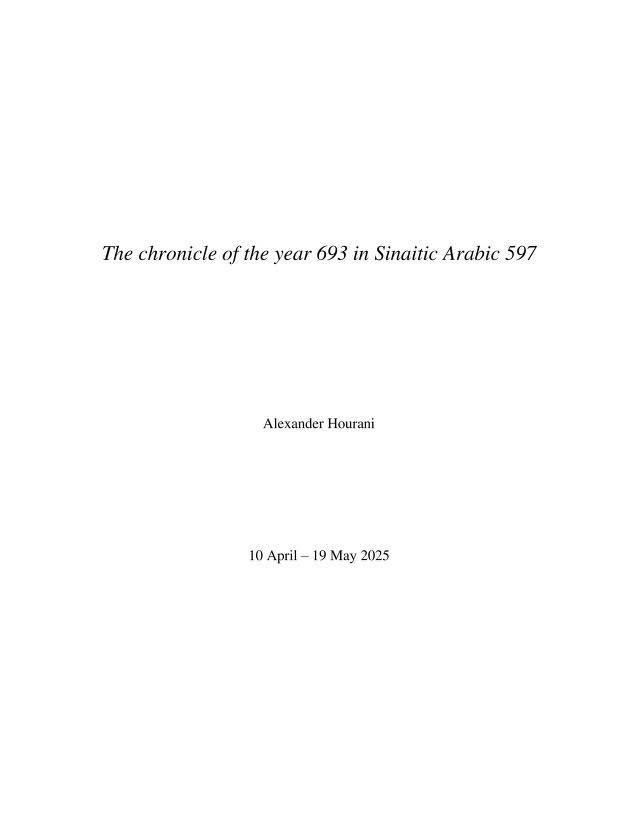
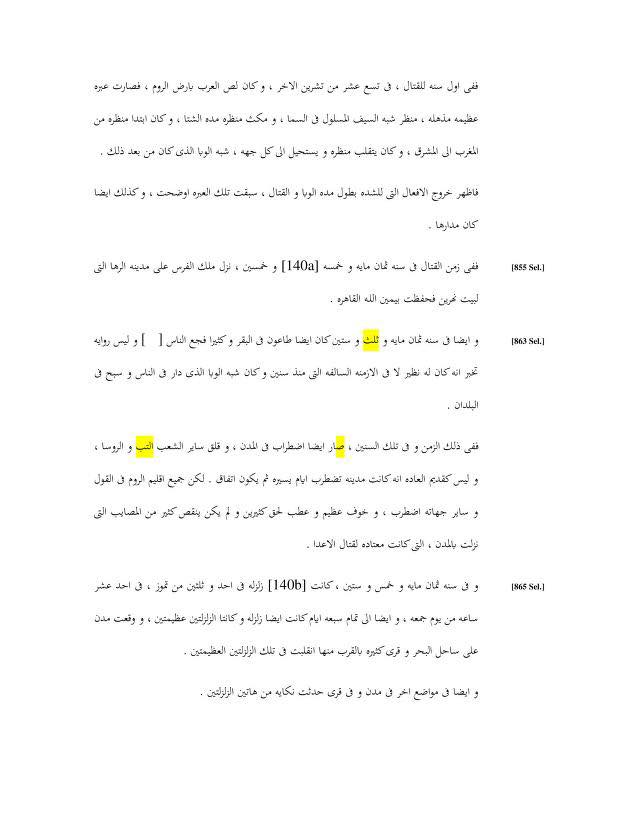
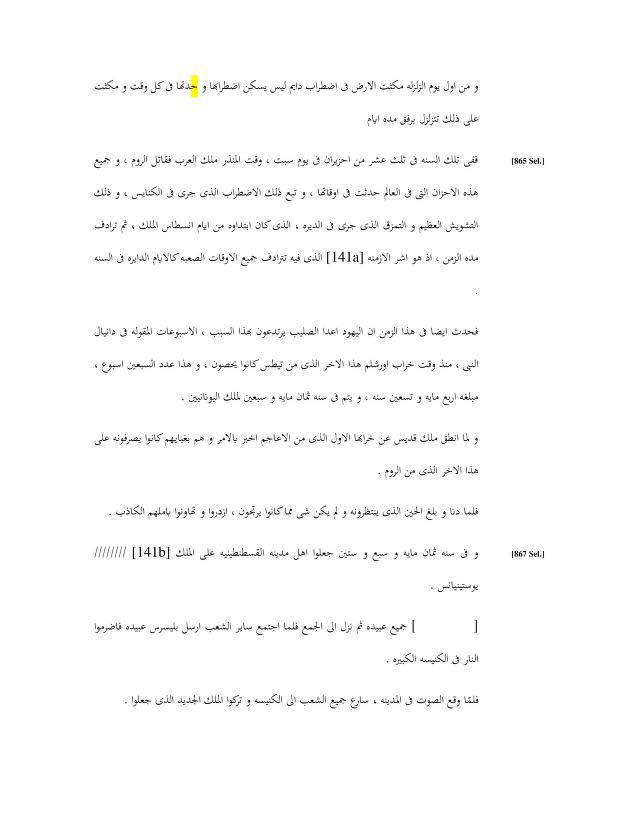
The chronicle of the year 693 in Sinaitic Arabic 597, written at the end of the seventh century (beginning of the first century AH), pages 43–44, contains a remarkable passage. The chronicler records that the Jews, based on their calculation of the “seventy weeks” prophecy from Daniel, were awaiting a decisive prophetic event in the year 865 of the Seleucid calendar — corresponding to approximately 554 CE — during the reign of Al-Mundhir, father of Al-Nu’man ibn Al-Mundhir, in the sixth century.
When the time they were waiting for arrived and nothing of what they had hoped came to pass in the expected form, the chronicler records their despair. This is significant: the Jews in the Hejaz in the sixth century were actively awaiting a prophetic appearance in that era — not centuries later.
Key Historical Developments
- Celestial Signs: An unusual celestial phenomenon resembling a drawn sword appeared in the sky, moving from east to west during the winter, coinciding with conflicts between the “King of the Arabs” and the Romans (Byzantines).
- The Seventy Weeks Prophecy: The chronicle records Jewish communities anticipating events based on the “Seventy Weeks” prophecy from Daniel, tracking a timeline from the destruction of Jerusalem.
- Chronological Markers: Manuscript foliation markers include [855 Sel.], [863 Sel.], [865 Sel.] in the Seleucid calendar.
Key Historical Events
- Natural Disasters and Warfare: The text describes the earth in continuous turmoil following earthquakes, with Mundhir (king of the Arabs) battling the Byzantines.
- Ecclesiastical Unrest: Widespread disturbances in monasteries and churches are traced back to the Emperor’s days.
- The Seventy Weeks Prophecy: Jewish communities were anticipating events based on Daniel’s prophecy, tracking 490 years from the destruction of Jerusalem by Titus.
- Historical Figures: The text references Justinian and events at Constantinople’s Great Church.
Bernard Lewis on Rabbi Shimon Ben Yochai and the Ishmaelite Deliverer
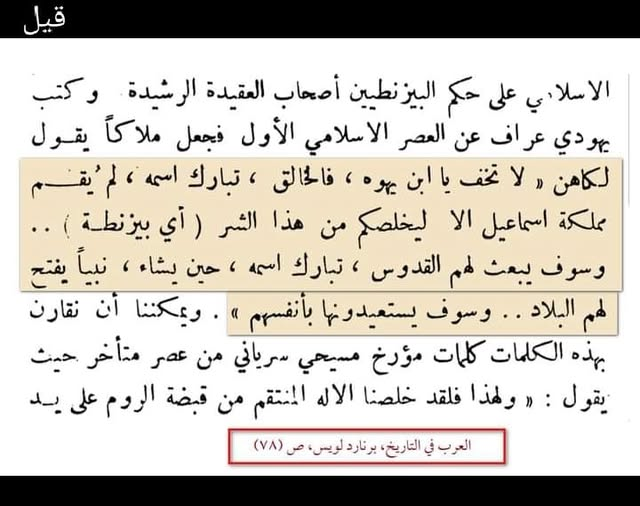
Bernard Lewis mentioned in his book The Arabs in History (p. 78) a Jewish reference attributed to Rabbi Shimon Ben Yochai, who died in 165 AD. Scholars believe the text in its present form was written in the seventh century AD, after the prophetic mission of Muhammad ﷺ.
In this reference, the rabbi recounts that he saw an angel from God who told him that God would empower the Ishmaelites against the Byzantines through the emissary in Arabia. At the end of the vision, the rabbi asks the angel: “How do they understand our salvation?” The angel reminded him of the prophecy of the camel rider in Isaiah 21:7 and said: “Therefore, they are salvation for Israel.”
Regardless of the exact date of composition, the context confirms what the Islamic sources also confirm: the Jews of the Hejaz at the time of the Prophet ﷺ knew, from their scriptures and traditions, that a prophet from Arabia was expected. Some of their leaders initially embraced him for this reason.
Core Historical Text
- The Angelic Vision: A divine messenger comforts a priest: “Do not fear — the Holy One only raises the kingdom of Ishmael to save you from this evil [Byzantium]… and they will send them a prophet when He wills, who will conquer the land for them.”
- Context of Salvation: Both the Jewish text and a Syriac Christian chronicler record that non-Muslim populations viewed the arrival of the Islamic forces as relief from Byzantine oppression.
Jewish Leaders in the Hejaz Believed in Muhammad ﷺ Based on Their Prophecies
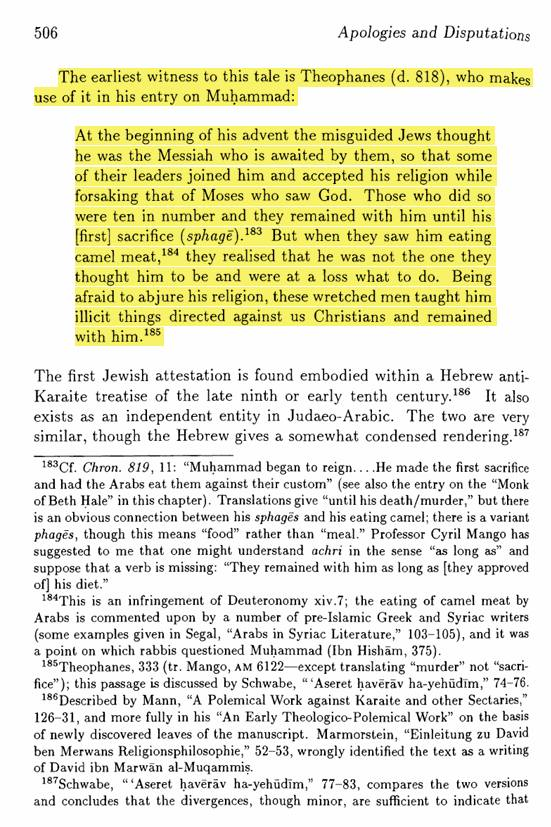
Theophanes (d. 818) recorded the following:
Ten Jewish leaders — not ordinary people — believed in the prophethood of Muhammad ﷺ based on their prophetic expectations. They subsequently left him when they saw him eating camel meat, which the Torah prohibits (Deuteronomy 14:7). But their initial belief proves the point: the Jews of the Hejaz had a prophecy about the imminent appearance of the awaited messenger, and they recognized in Muhammad ﷺ its fulfillment.
The earliest Jewish attestation to this narrative appears embedded within a Hebrew letter critical of the Karaites, dating from the late ninth or early tenth century CE, and also exists in an independent Judeo-Arabic version.
Paul Al-Feghali — A Catholic Priest Admits Jesus Cannot Be the Prophet Like Moses
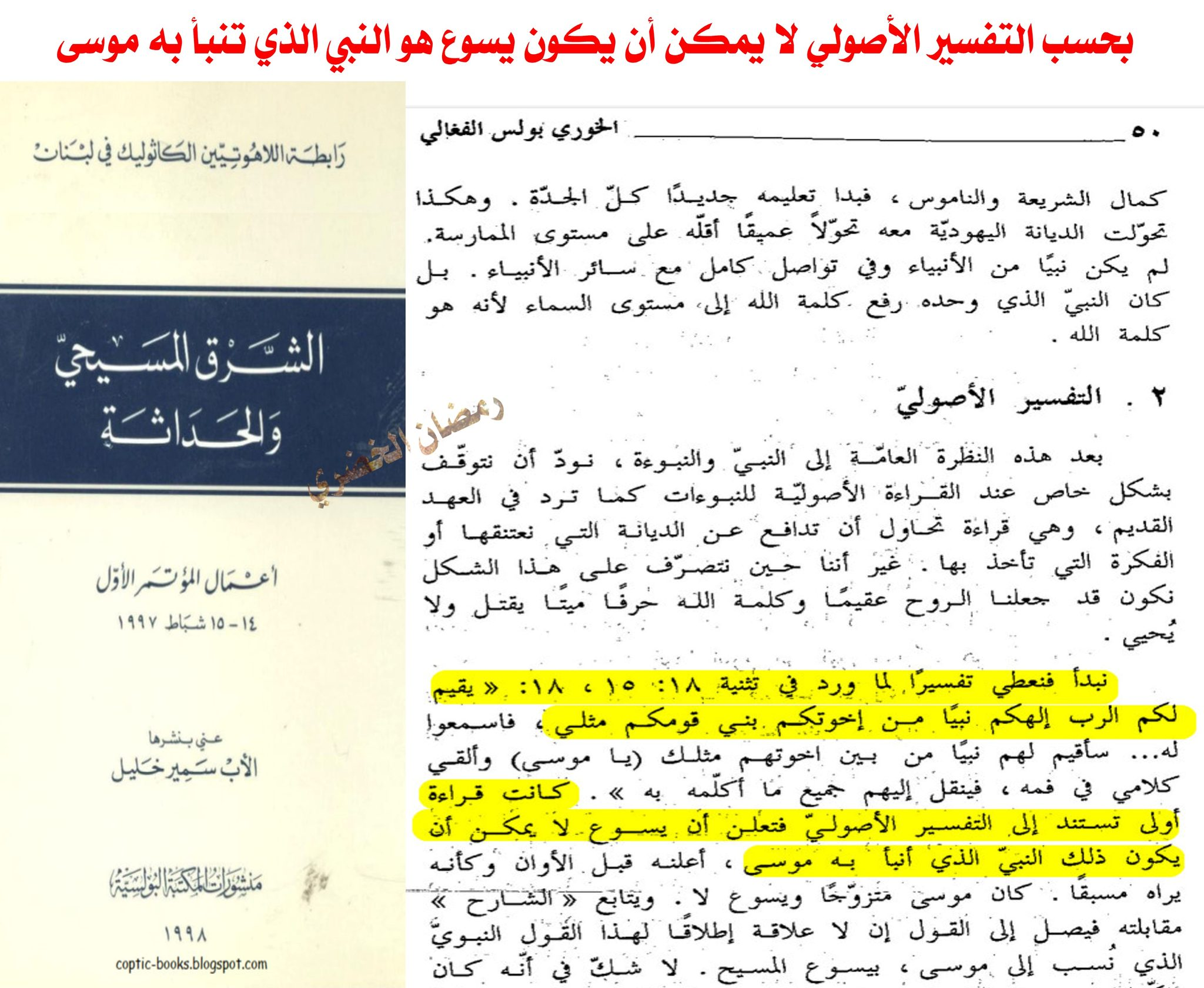
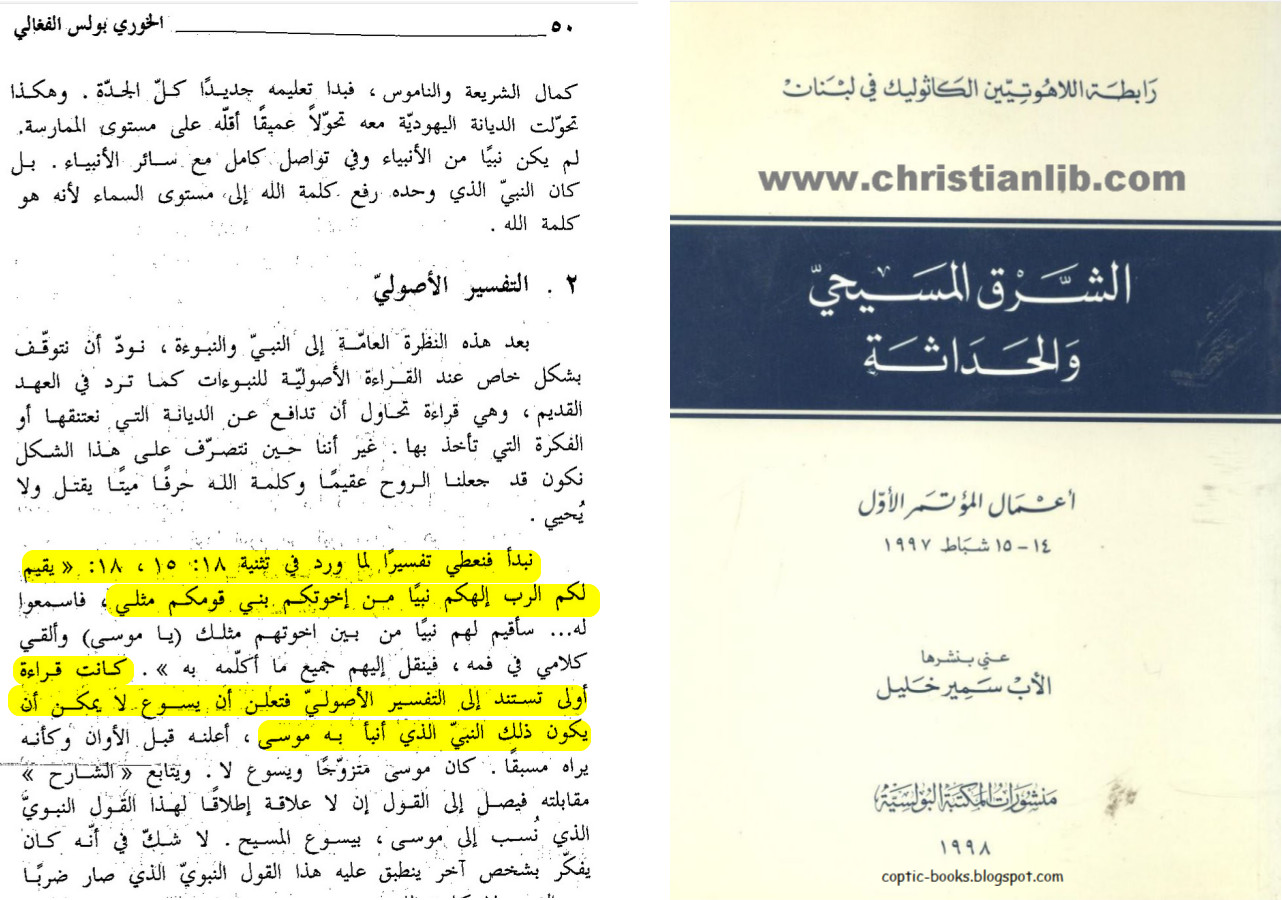
The book The Christian East and Modernity (الشرق المسيحي والحداثة), published in 1998 by the Catholic Theological Association in Lebanon, contains a remarkable admission from Father Paul Al-Feghali:
His reasoning: Moses was married; Jesus was not. Moses had a father and mother; Jesus, in Christian theology, had no human father. These literal mismatches between Moses and Jesus mean that a strict reading of Deuteronomy 18:18 points away from Jesus entirely.
Source Document Details
- Book Title: The Christian East and Modernity, published 1998 by the Catholic Theological Association in Lebanon.
- Authors: Father Paul Al-Feghali / Father Samir Khalil.
Key Argument: “Literalist Interpretation”
The highlighted text focuses on Deuteronomy 18:15–18. From a strict, literalist analytical standpoint, this prophecy cannot apply to Jesus Christ. Moses was married, whereas Jesus was not. Because of this and other literal mismatches, a strict reading shows no direct relation between this prophetic text and Jesus — leading some to deduce it points to a different figure entirely.
The Masoretic vs. Samaritan Deuteronomy 34:10 — A Textual Comparison
The difference between the two textual traditions on Deuteronomy 34:10 is decisive:
This difference was one of the theological causes of the historical rift between the Hebrew Jews and the Samaritans. The Samaritans rejected the later Jewish prophets because, based on their reading of Deuteronomy 34:10, no prophet like Moses could ever arise in Israel again — making those subsequent figures false prophets by their reckoning.
This same Samaritan reading constitutes additional evidence that the prophecy of Deuteronomy 18:18 was always understood to point outside Israel.
- The Discrepancy: The Masoretic Hebrew text states a prophet like Moses has not yet arisen in Israel, leaving the door open for a future one. The Samaritan text reads: “And there shall not arise again a prophet in Israel like Moses” — permanently closing the prophetic line within Israel.
- The Conclusion: The Samaritan phrasing permanently seals and closes the prophetic line within Israel, which Muslim commentators use as textual evidence that Deuteronomy 18:18 must apply to an external lineage — specifically pointing to Muhammad ﷺ.
Conclusion
The awaited prophet of Deuteronomy — described as an Arab, an Ishmaelite, illiterate, a warrior, an emigrant, a lawgiver, called the Truthful and Trustworthy, whose call will be in a society of idolatry, whose approximate date of appearance was foretold in Abraham’s vision as the sixth century AD — matches Muhammad ﷺ with a precision that no other figure in history comes close to satisfying.
The Collins Gem Dictionary of the Bible put it plainly at page 403, in a passage about Moses comparing him to other historical figures: “The only man of history who can be compared even remotely to him is Mahomet.”
Peace and blessings be upon him.
...makes the text speak of "the prophet," who is like Moses mentioned in Deuteronomy 18:15. [[[does-deuteronomy-18-18-prophesy-muhammad-the-prophet-like-moses-explained|Prophet Muhammad in Deuteronomy]]