Does John 17:5 Indicate the Divinity of Christ?
Does John 17:5 Indicate the Divinity of Christ?
Table of Contents
- The Christian Argument from John 17:5
- The Meaning of Glory
- The Text Indicates Crucifixion, Not Divinity
- Response to the Argument from “Only Son” and “Bosom of the Father”
- Christ’s Sonship Compared to the Sonship of the Jews
- The Meaning of “Only Son”
- The Meaning of “In the Bosom of the Father”
- Conclusion
The Christian Argument from John 17:5
John 17:5
“How does God glorify Christ?”
The Meaning of Glory
We tell them that the word “glory” means honor.
The Gospel has shown that the intended glorification means God’s permission for Christ to die on the cross and that it was predestined by God before the creation of the world, according to the belief of the Gospel writers.
The Text Indicates Crucifixion, Not Divinity
The text indicates the crucifixion of Christ, and this denies his divinity.
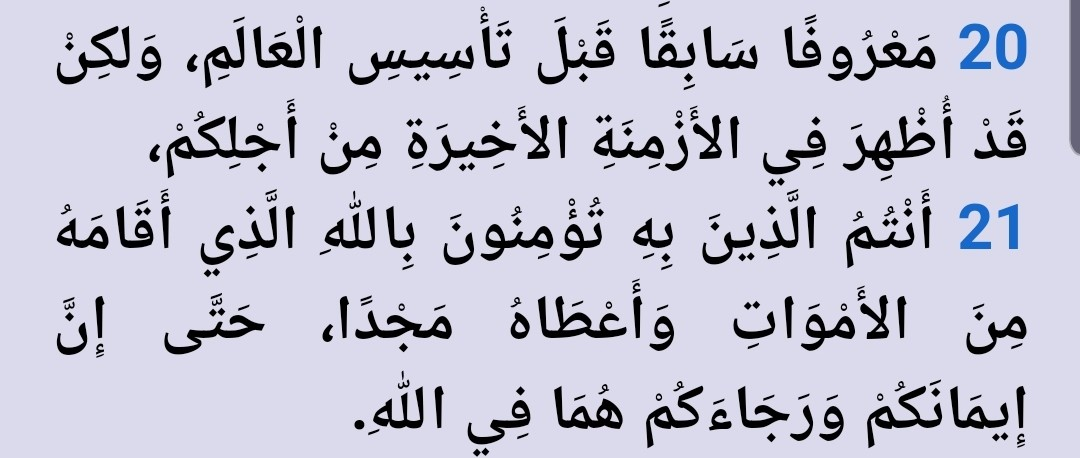
The important point here is that the same “in me / in You / in us” language is applied to the disciples. So if Christians claim that being “in the Father” proves literal divine union, then they would also have to say the disciples are literally united with God in the same divine sense. That is absurd. The wording therefore supports a metaphorical meaning: unity in faith, purpose, mission, and obedience — not literal shared divinity.
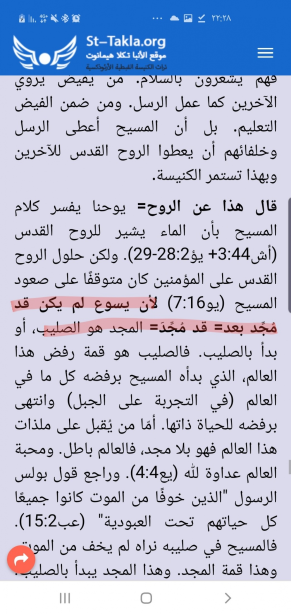
The page explains that when Jesus spoke about being glorified, this was connected to the coming events of his death, resurrection, and the sending of the Holy Spirit. The highlighted section is important because it shows that even Christian explanation links “glorification” here to the crucifixion/resurrection narrative, not to a simple declaration that Jesus is God.
So the scan supports the argument that “glory” in this context means an appointed honor/status connected to the crucifixion event according to the Gospel’s theology. It is not automatically proof of inherent divinity.
Response to the Argument from “Only Son” and “Bosom of the Father”
The response to the Christians’ inference of the divinity of Christ from this text, where they say that he said about Christ the only son, which indicates that he is distinct from the sonship of the Jews to God, and he said in the bosom of the Father, which indicates true union with the Father.
Christ’s Sonship Compared to the Sonship of the Jews
We respond to them by saying that the sonship of Christ to God is no different from the sonship of the Jews.
He responded to them that he meant the metaphorical sense, just as David said about them:
“I said, ‘You are gods, and you are all sons of the Most High.’”
Then the Jews took up stones again to stone him.
32 Jesus answered them, “I have shown you many good works from my Father. For which of these do you stone me?”
33 The Jews answered him, “For a good work we do not stone you, but for blasphemy, and because you, being a man, make yourself out to be God.”
34 Jesus answered them, “Is it not written in your law, ‘I said, ‘You are gods’?
35 If he calls them gods to whom the word of God came, and the Scripture cannot be broken,
36 do you say of him whom the Father sanctified and sent into the world, ‘You blaspheme,’ because I said, ‘I am the Son of God’?
The Meaning of “Only Son”
As for describing Christ as the only son, it means that he is the only son of God among the Jews who chose him to be the Messiah, or that he is the only one born without a father, or that he is the beloved.
Just as the book described Isaac as the only son of Abraham, although he had fathered Ishmael, but he described him as the only son because according to the writer’s belief, he is the only one who chose him to be a prophet and the covenant is with his children without Ishmael and his children.
Genesis 22:2
The Meaning of “In the Bosom of the Father”
As for his saying that the son is in the bosom of the Father, it does not mean a real union, but a metaphorical union.
Does this mean that they are gods and in a real union?
John 17:21
Conclusion
But Christians reject this doctrine.
Since the Son in the bosom of the Father means a metaphorical union in purpose and faith.