

Galatians 1:6–9: Paul Was Fighting Christians, Not Muslims
Christians cite Galatians 1:6–9 to reject Muhammad, but Paul was condemning the Jerusalem apostles — James’ followers — not Islam. The “other gospel” Paul raged against was an intra-Christian dispute, not a prophecy about a 7th-century Arabian prophet.
The Missionary Objection
Christians claim Paul condemned anyone preaching a message different from his own, and since Muhammad brought the Quran, he falls under Paul’s anathema.
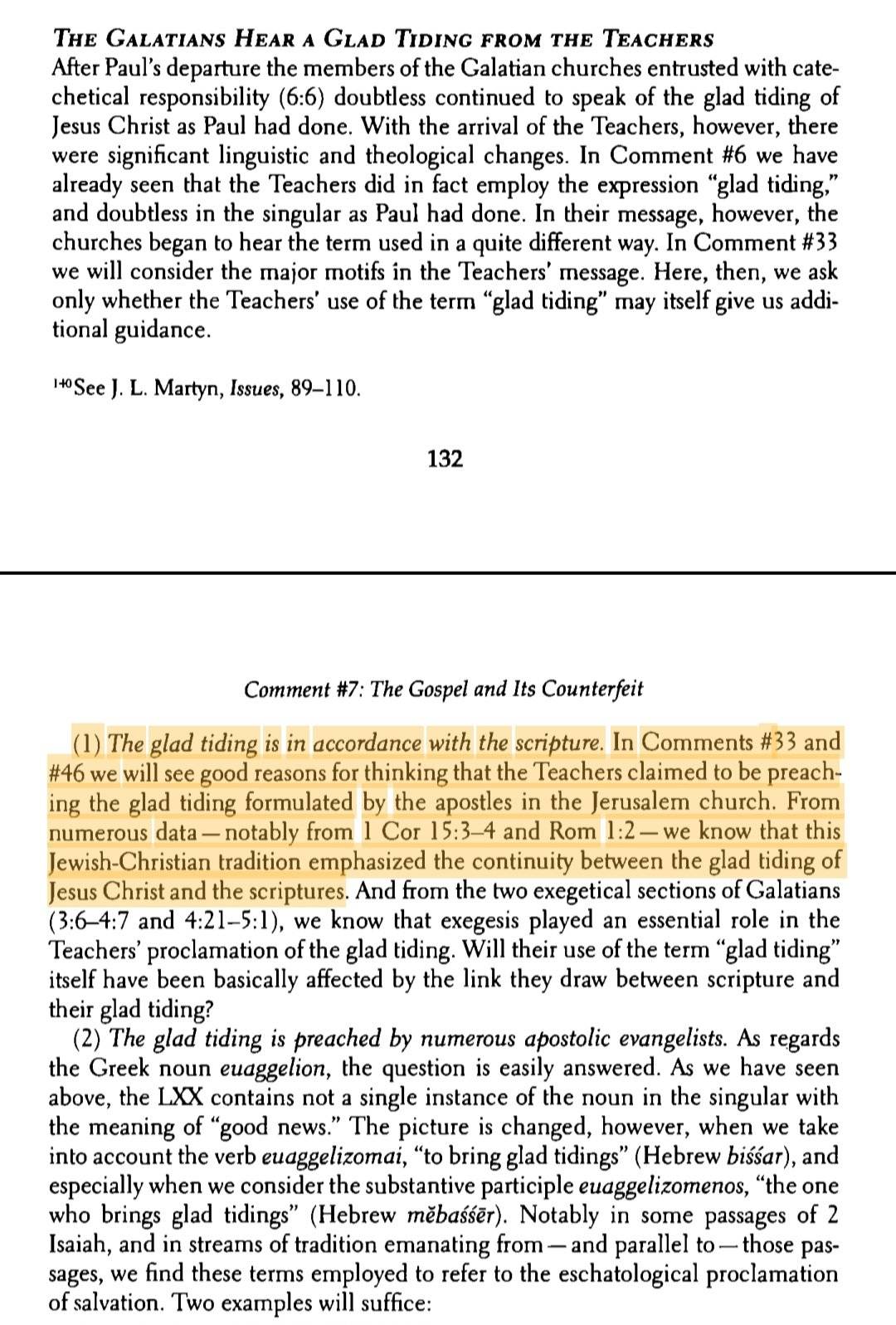
Paul was not talking about Muhammad. He was talking about other Christians — specifically the Jerusalem church under James, the brother of Jesus. The “other gospel” was the message of the original apostles, whom Paul could not stand because they rejected his self-declared apostleship.
Who Was Paul Actually Fighting?
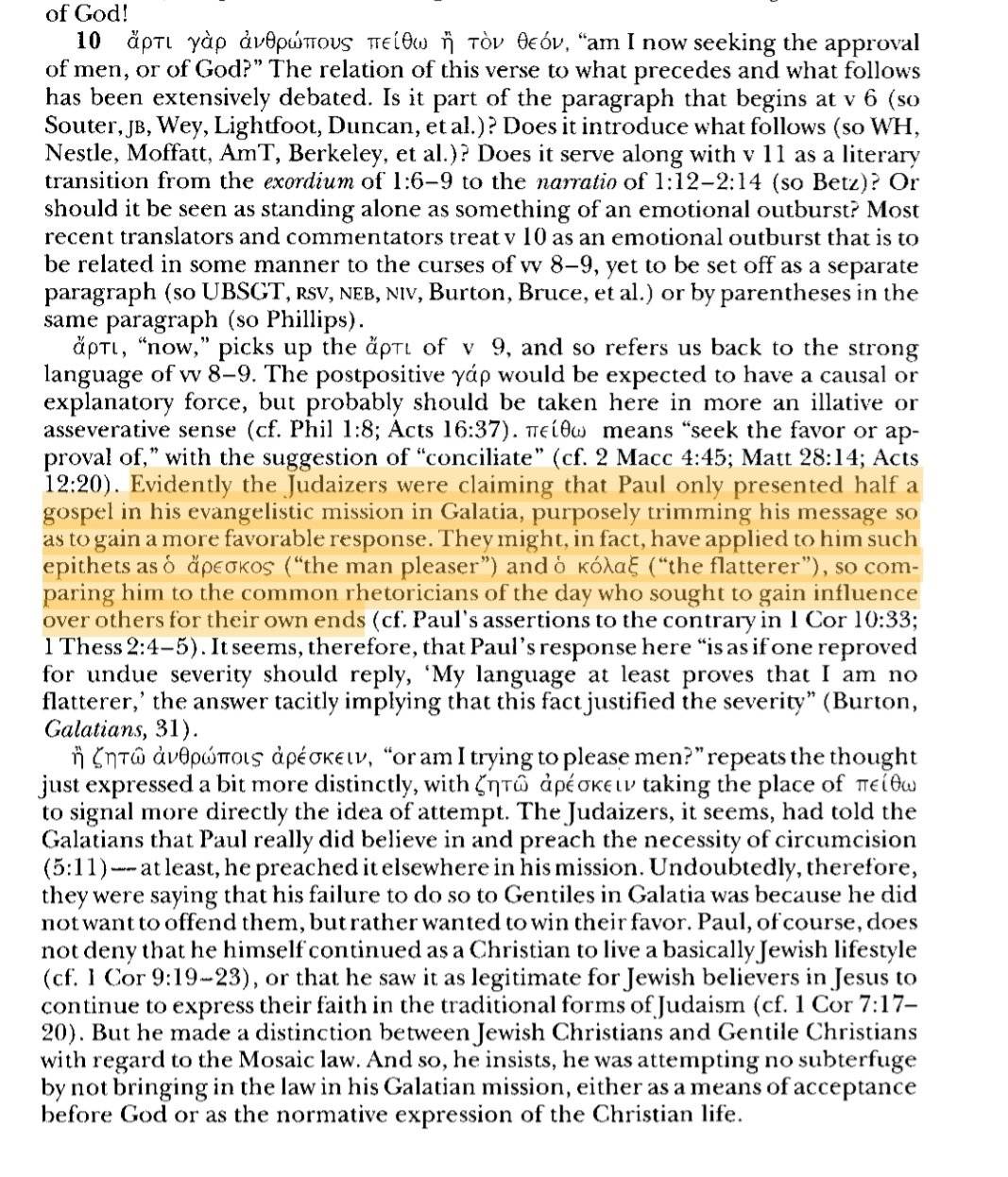
Paul’s opponents in Galatia were not Muslims or pagans — they were Jewish Christians from the Jerusalem church, likely sent by James himself. You know, the ones from the Jerusalem church, probably sent by James, Jesus’ actual brother. The apostles. The original crew. Not Muhammad. Not Islam. Not Arabs. The actual followers of Jesus that Paul couldn’t stand because they didn’t buy his self-declared gospel.
In fact, Paul says he got his message directly from a vision. No eyewitnesses needed. Meanwhile, the others were saying, “Uhh… that’s not what Jesus taught us.” Paul calls their message “a different gospel.”
“I am astonished that you are so quickly deserting him who called you in the grace of Christ and are turning to a different gospel — not that there is another one, but there are some who trouble you and want to distort the gospel of Christ. But even if we or an angel from heaven should preach to you a gospel contrary to the one we preached to you, let him be accursed.”
The context makes the target unmistakable. Paul is writing to Gentile converts who are being influenced by Jewish Christians insisting on Torah observance — circumcision, dietary laws, Sabbath keeping. These were not outsiders inventing a new religion; they were the very people who had walked with Jesus.
Paul the People-Pleaser
Even Paul’s own letters reveal he adapted his message to his audience — hardly the stance of someone defending an unchangeable divine revelation. Even funnier, Paul was already being accused of being a people pleaser. And guess what? He literally admits:
“To the Jews I became like a Jew, to win the Jews. To those under the law I became like one under the law (though I myself am not under the law), so as to win those under the law. To those outside the law I became like one outside the law (not being outside the law of God but under the law of Christ), so as to win those outside the law. To the weak I became weak, so as to win the weak. I have become all things to all people, that by all means I might save some.”
So when Christians quote Galatians at Muslims, you’ve got to ask: Do you even know who Paul was fighting with? Hint: it wasn’t us. It was your guys.
The Lost Word of God
Jesus preached the word of God, but the Church does not preserve that message — it follows Paul’s private visions and the theological editing of anonymous authors. Paul calls his own revelation the “gospel,” a message he didn’t get from Jesus’ disciples, didn’t learn from eyewitnesses, but supposedly received in a private vision. Then, decades later, anonymous authors write biographies of Jesus, each one shaping the story differently, and that evolving mess somehow becomes “the Gospel of God.”
Meanwhile, the Bible itself says Jesus preached the word of God, meaning he was delivering a message distinct from himself, a divine revelation from God. But where is that message? You said it yourself: Jesus never received a revelation called “the Gospel.” So what was he preaching then? And why don’t we have it?
Let’s be real: the Gospels admit they’re not preserving everything Jesus said:
“Now there are also many other things that Jesus did. Were every one of them to be written, I suppose that the world itself could not contain the books that would be written.”
They summarize, theologize, and reshape his words sometimes drastically. The Gospel of John has Jesus talking like a Greek philosopher, which sounds nothing like the short, punchy sayings in Matthew, Mark, and Luke. And Paul? He barely quotes Jesus at all. Not one parable. Not one Sermon on the Mount line. His “gospel” is a completely different beast.
The Devastating Conclusion
What survives is not Jesus’ divine message but a patchwork of theology, agenda, and hearsay — and Christians call it the Word of God.
Jesus preached the word of God. The Church doesn’t have that word. Instead, it follows Paul’s private visions and the theological editing of anonymous authors. Then it has the audacity to call that “the Word of God.”
Let’s call it what it is: the actual message Jesus delivered, the true divine revelation, is lost, overwritten, or ignored. What survives is a patchwork of theology, agenda, and hearsay.
And yet modern Christians run around claiming the Bible is “God’s perfect word,” while their own book tells them Jesus preached something they never preserved. That’s not faith, that’s historical amnesia dressed up as divine truth.
The manuscript evidence confirms the editorial reshaping:
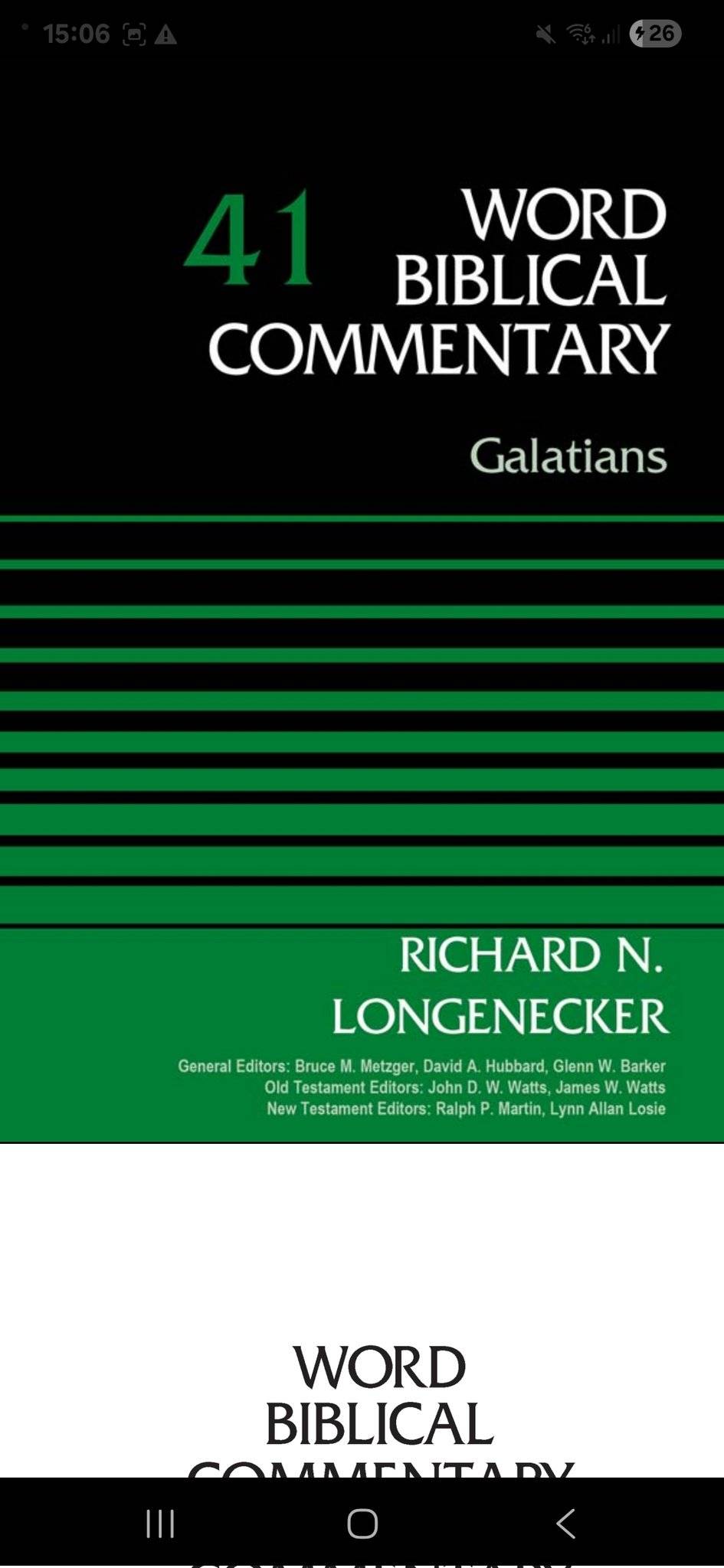
Conclusion
The next time a Christian quotes Galatians 1:6–9 at a Muslim, the response is simple: Paul was cursing the Jerusalem church, not prophesying about Arabia. The “other gospel” was the message of Jesus’ own brother and the apostles who knew him. Paul’s anathema fell on the original Christian community, not on a religion that would not exist for six more centuries. The irony is complete: Christians use a text about Paul excommunicating their own founding figures to reject a prophet those figures never knew.