Hindu Revisionism on Cosmology
introduction
In the Hindu tradition, ancient Puranic texts described a cosmology centered on a flat, disc-shaped Earth supported by mythical elements. However, as intellectual exchange grew and new methods of inquiry emerged, certain scholars—both within and outside the Hindu tradition—began to question these cosmological views. Influenced by contemporary thinkers and cultures that were actively investigating the Earth’s form, these scholars gradually rejected some elements of the Puranic model and incorporated ideas from external sources to align with evolving knowledge and observational insights.
__
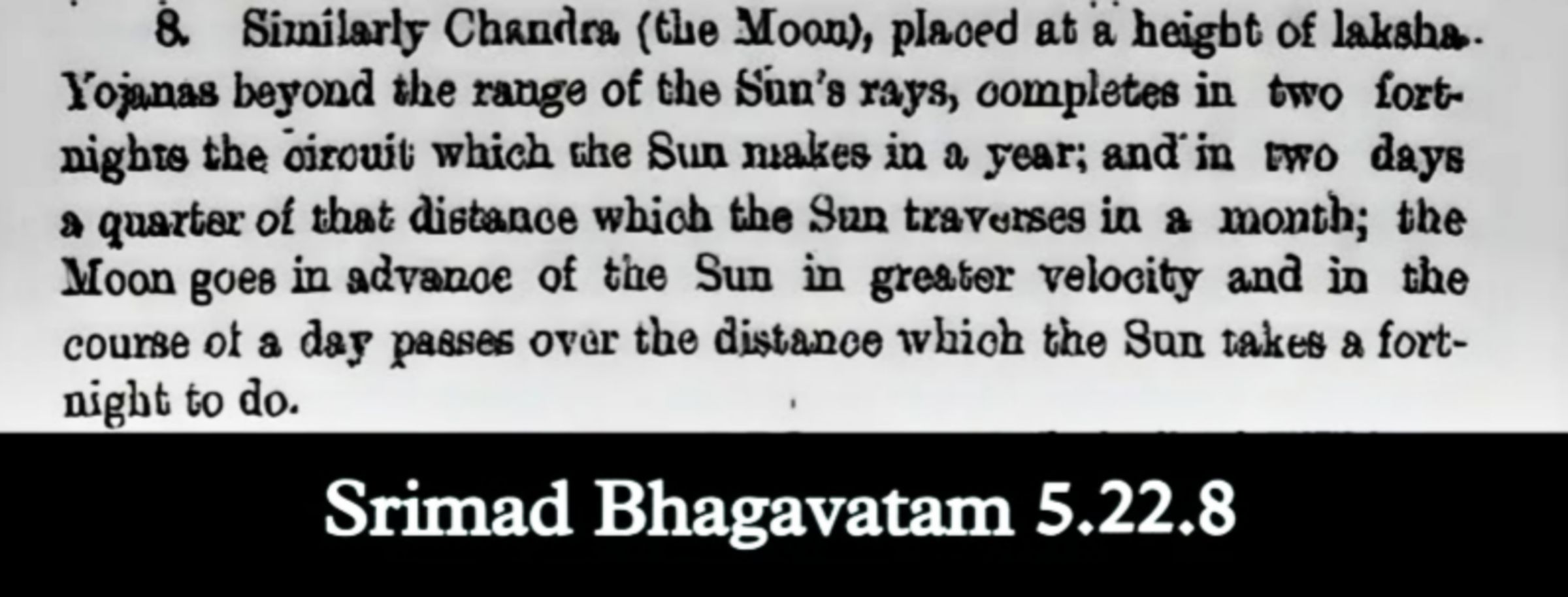
Siddhantic astronomers, rooted in the broader Hindu religious tradition, actively engaged with Puranic cosmology while also assimilating cosmographical concepts from Buddhism and Jainism. Puranic cosmography itself is a composite of ideas from different historical periods, resulting in a mixture of speculative and inherited notions. This blend includes elements that often conflict with the observational and mathematical approaches of ancient and medieval Indian astronomy. For example, some Puranas claim that the sun is closer to the Earth than the moon—a position directly contradicted by established astronomical models of the time.
In the Puranas, the term bhūmaṇḍala is commonly used to refer to the Earth. This compound combines bhū (meaning ‘Earth’) and maṇḍala (meaning ‘circle’ or ‘disc’), resulting in the translation ‘earth-circle.’ While this might suggest a concept of a round Earth, the term ‘round’ remains ambiguous in both Sanskrit and English, as it can apply to various shapes—such as discs, rings, or spheres.
__
According to the Puranic description, bhūmaṇḍala is composed of alternating continents (dvīpas) and oceans, laid out in a concentric circular structure. A more detailed breakdown of this layout is available in my previous thread.
__
Importantly, the bhūmaṇḍala depicted in the Puranas is vastly larger and structurally different from the Earth described in the astronomical Siddhāntas. This contrast underlines the divergence between Puranic cosmology and both traditional astronomical models and modern scientific understanding of the Earth.
__
As the discussion unfolds, it becomes clear that some astronomers within the Siddhāntic tradition interpreted Puranic cosmography as presenting the Earth in the form of a flat disc. This view is echoed by several modern scholars who also recognize the flat Earth model in Puranic descriptions. However, interpretations of bhūmaṇḍala are not limited to flatness alone; alternative models—such as an inverted bowl or a turtle shell—are also found in various Purāṇic texts.
__
Siddhāntic astronomers often employed a selective approach toward Puranic cosmology, integrating elements that could be reconciled with their observational frameworks while discarding those that conflicted with astronomical findings. For example, they retained Mount Meru by symbolically situating it at the Earth’s North Pole—a form of conceptual adaptation. Conversely, they rejected the Puranic claim that the sun is closer to the Earth than the moon, as it directly contradicted empirical evidence.
__
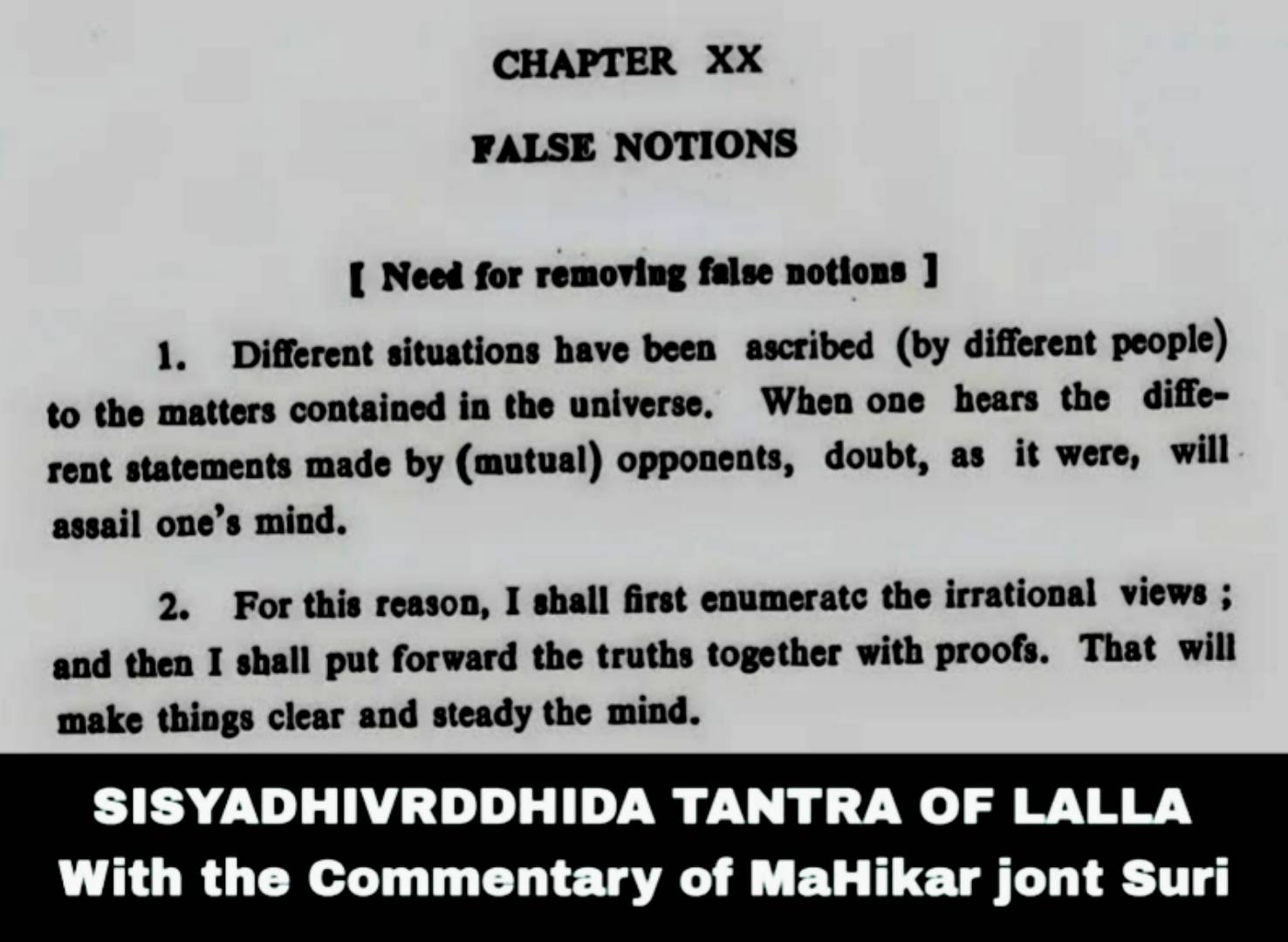
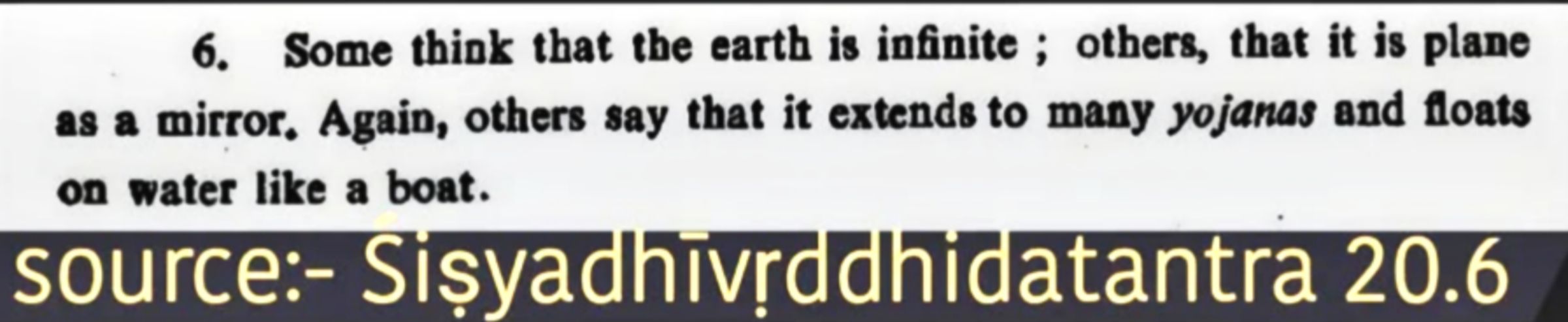
The approach known as ‘standard accommodation’—characterized as substantially standardized, though not entirely stable or uniform—was employed by Lalla in Chapter 20 of his Śiṣyadhīvṛddhidatantra to dismiss cosmological elements incompatible with observational astronomy. This method became influential from the 8th or early 9th century CE onward and was later adopted by prominent astronomers such as Śrīpati and Bhāskara II.
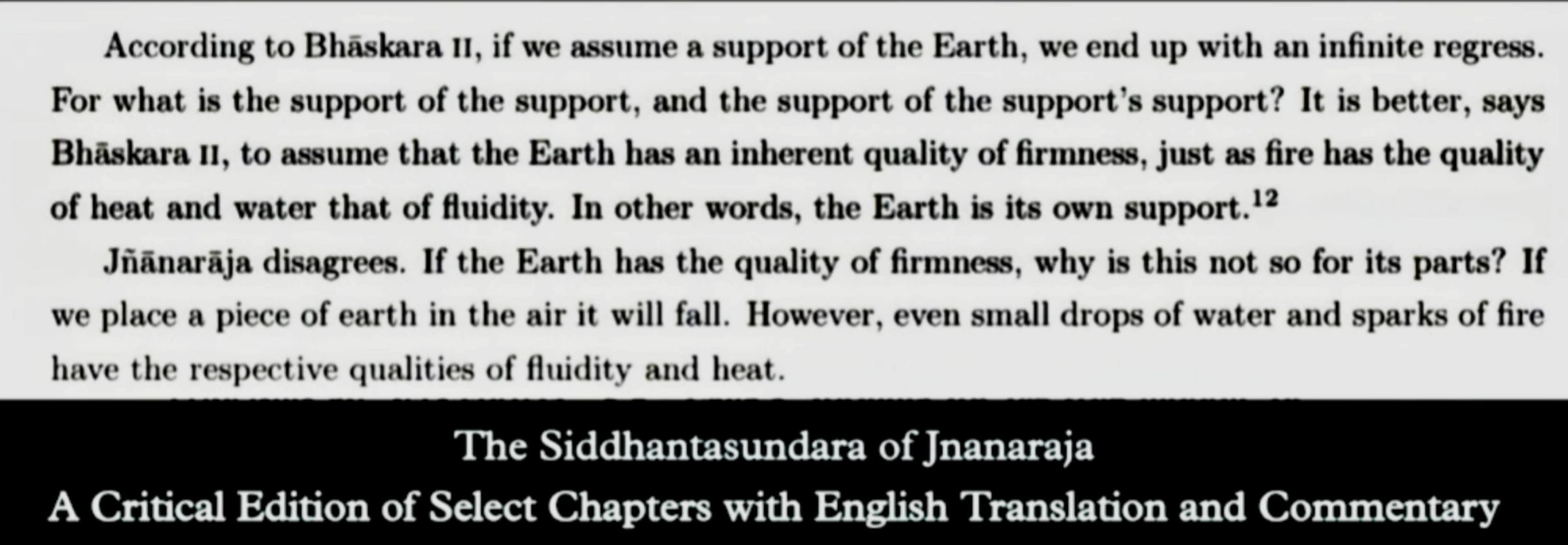
In the Siddhāntic tradition, the Earth is understood to remain stationary in space without the need for any external support, thereby rejecting the idea that such support is necessary. In contrast, Jñānarāja endorses the Puranic view that divine beings are responsible for sustaining the Earth’s fixed position. He also explicitly disagrees with the argument presented in Bhāskara II’s Siddhāntaśiromaṇi, which denies the necessity of external support for the Earth.
__
In siddhantic tradition also there were people who holds different opinion wheather they should ignore some of those verses or not like you just saw now.
__
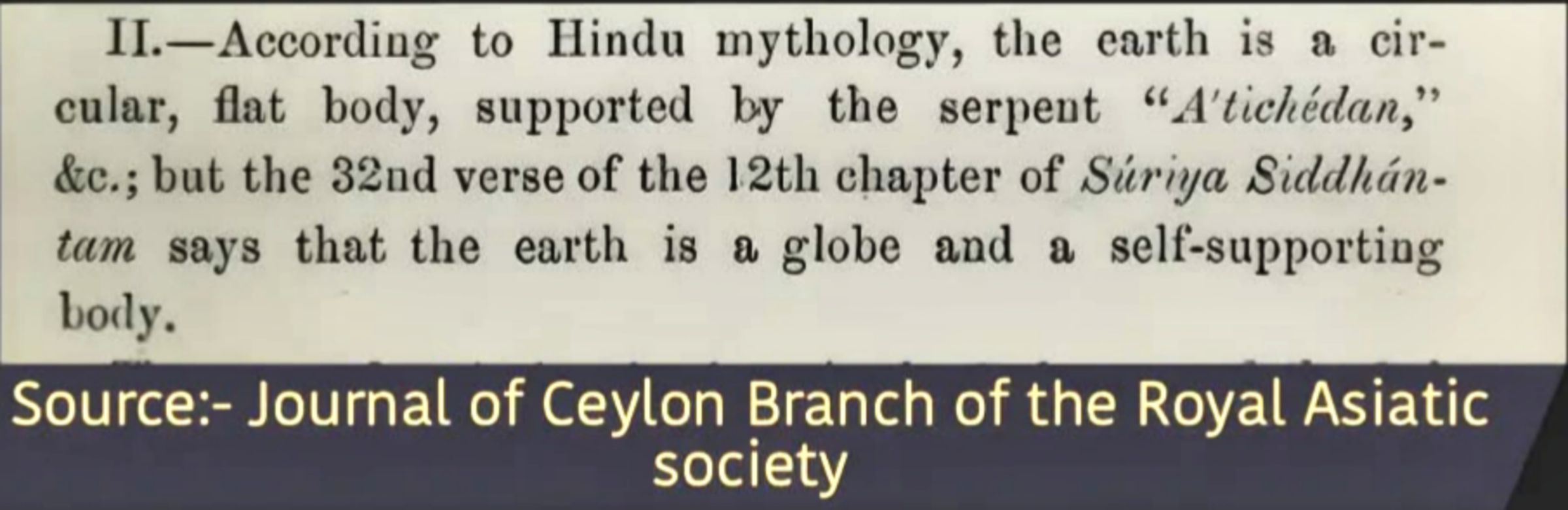
Apart from internal contradiction Siddhāntic cosmology asserts that the earth is both small and spherical due to the method of standard accommodation, as explained in this thread. Nevertheless, alternative traditions held differing beliefs regarding the size and shape of the earth in Hindusim.
__
***Conclusion:- ***
It's well clear, different scholars from different traditions of hindusim had different views on shape of earth. people who assumed the earth as sphere shaped picked and left the elements of their own choice. Hindus who claim their text clearly mentioned the shape of earth as spherical is a big lie.
Additional attachments:

Links:
Shrimad bhagvatam:-
https://archive.org/details/in.ernet.dli.2015.232200 /page/n746/mode/1up
{Embed}
https://archive.org/details/in.ernet.dli.2015.232200
Srimad Bhagavata Purana (english Vol-i) : S. Lakshmana Rao. : Free …
Book Source: Digital Library of India Item 2015.232200dc.date.accessioned: 2015-07-10T18:24:31Zdc.date.available:…
Kufrcleaner Library 📚 - 『🔞』flat-earth-in-hinduism - Hindu Revisionism on cosmology [1378415580910063801].txt_Files\in.ernet.dli.2015-73faae5bda215baa.232200
Śişya Dhī Vṛddhida Tantra:-
https://archive.org/details/SisyaDhiVrddhidaTantra /mode/1up?q=Standard+
{Embed}
https://archive.org/details/SisyaDhiVrddhidaTantra
Śiṣya Dhī Vṛddhida Tantra : Free Download, Borrow, and Stream…
Sanskrit Astronomy text by Lalla (6th century) with English commentary by Bina Chatterji
Kufrcleaner Library 📚 - 『🔞』flat-earth-in-hinduism - Hindu Revisionism on cosmology [1378415580910063801].txt_Files\SisyaDhiVrddhidaTantra-ad47c0a83a4dd0fb
Śişya Dhī Vṛddhida Tantra:-
{Embed}
https://www.amazon.in/Siddhantasundara-J%C3%B1anaraja-English-Translation-Commentary/dp/1421414422
The Siddhantasundara of Jnanaraja: An English Translation With Comm…
