JESUS DIED IN 120 AGE
:emoji_4:
the desperate attempts of Qadianis to authenticate weak Ahadith end up disproving their own religion.
Trying to prove their made-up narrative of Isa ﷺ dying at the age of 120 in India through Ahadith,
Qadianis argued that the authentication of At-Tirmidhi and Ibn Hibban who are known for being overly lenient in authenticating narrators is enough to consider Zaid Al-Anmati thiqah (trustworthy) despite him being weakened by scholars like Abu Hatim, Ibn Hajar and Adh-Dhahabi.
In the following Hadith while prophet Muhammad ﷺ was discussing the matter of the hour with Ibrahim ﷺ, Musa ﷺ and Isa ﷺ on the night of Isra’ and Mi’raj, Isa ﷺ said that Allah ﷻ told him that he will descend and kill the Dajjal.
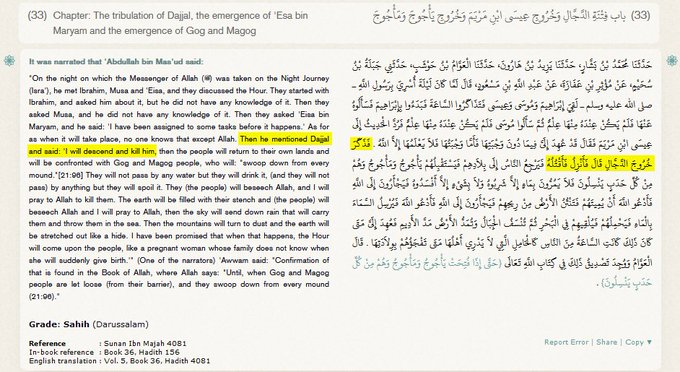
The authenticity of this hadith is disputed because of Mu’thir Ibn ‘Afazah who was authenticated by Ibn Hibban, Al-‘Ijli and Adh-Dhahabi, and was mentioned by others like Abu Hatim Ar-Razi and Al-Bukhari without grading him.
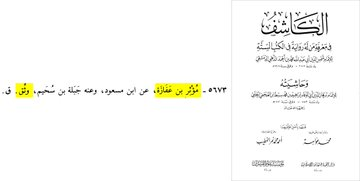
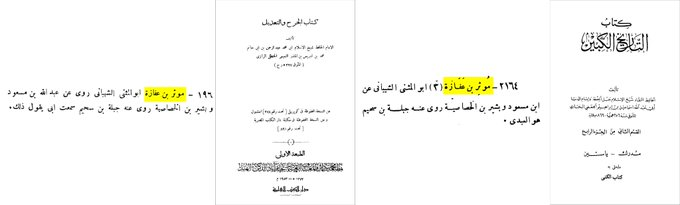
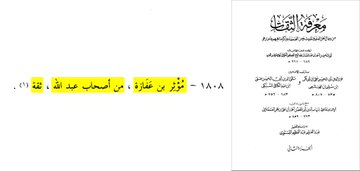
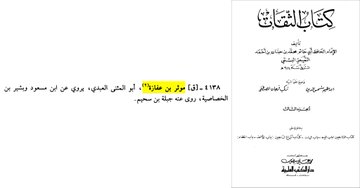
This Hadith is graded weak by multiple scholars including Al-Albani and Al-Arna’ut as they (rightly) considered any narrator authenticated only by those scholars who are known for being overly lenient in authenticating narrators to be مجهول الحال (his status is unknown).
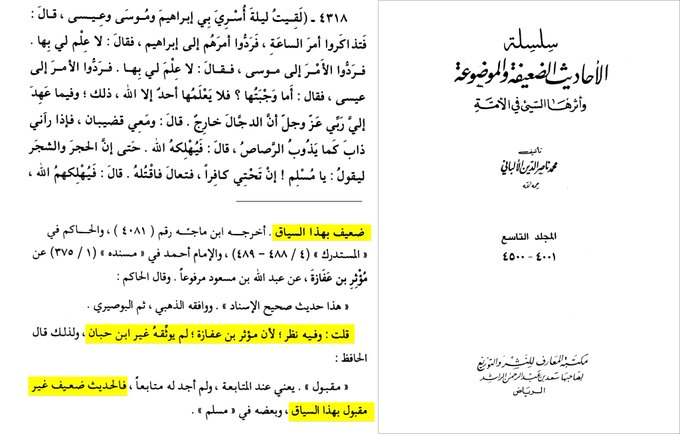
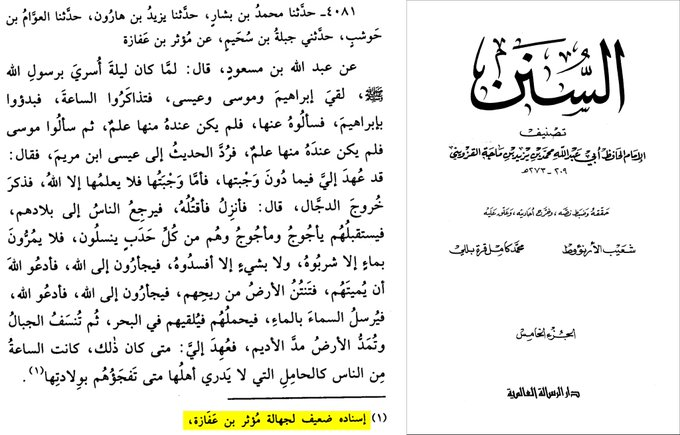
Scholars like Al-Hakim, Adh-Dhahabi, Al-Busiri and Ahmad Shakir authenticated the Hadith as they considered the authentication of Ibn ‘Afazah by Ibn Hibban and Al-‘Ijli coupled with the fact that the other scholars didn’t weaken him to be enough evidence to accept his narrations.
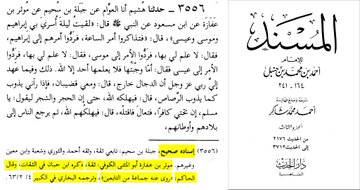
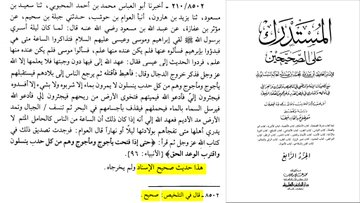
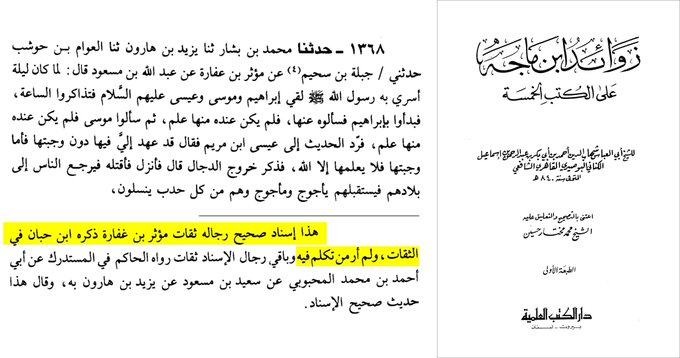
Now if we went by the Qadiani standards mentioned earlier in the Hadith about Isa ﷺ dying at the age of 120,then Mu’thir Ibn ‘Afazah is even more reliable than Zaid Al-Anmati and as a result the Hadith of Mi’raj is Sahih and their core belief of MGA being the Masih is false.
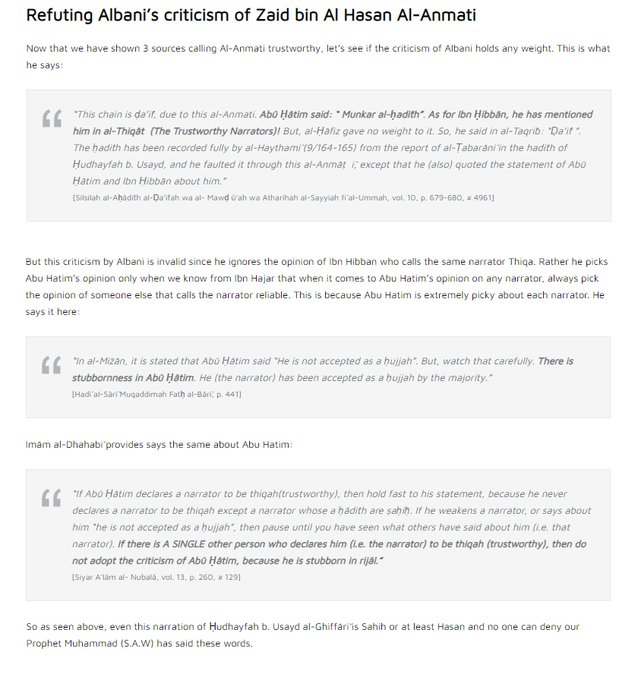
But you will find Qadianis citing Al-Albani as evidence that the Hadith is weak despite “refuting” him when he used the exact same argument against a Hadith they needed to authenticate.
:emoji_4:
weak Ahadith that Qadianis use trying to justify their narrative of the death of Isa ﷺ at the age of 120.
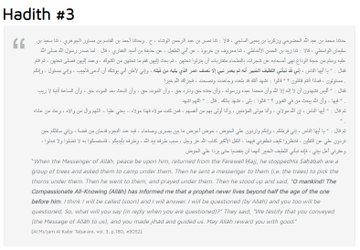
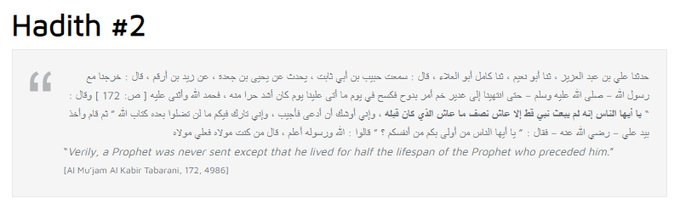
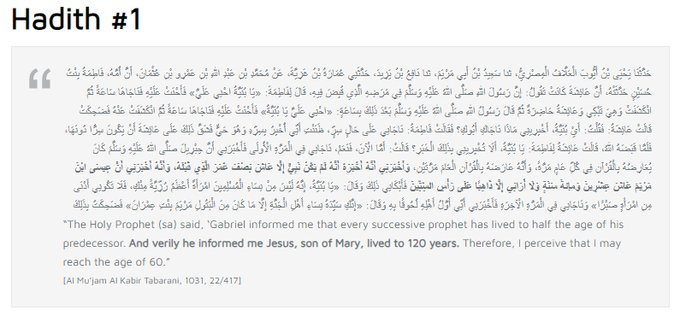
Hadith 1:
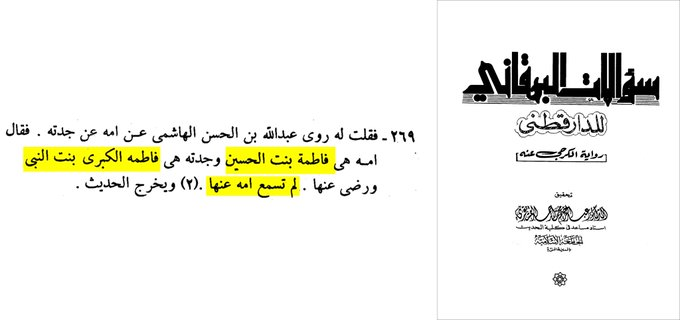
The chain of this Hadith has 2 variations; one includes Fatimah bint Al-Husayn narrating from A’ishah (RA) and the other includes Fatimah bint Al-Husayn narrating from her grandmother Fatimah Az-Zahra’ (RA), both are weak chains and here is why:
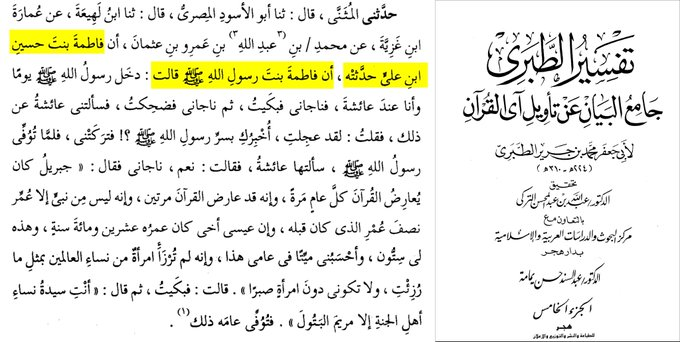
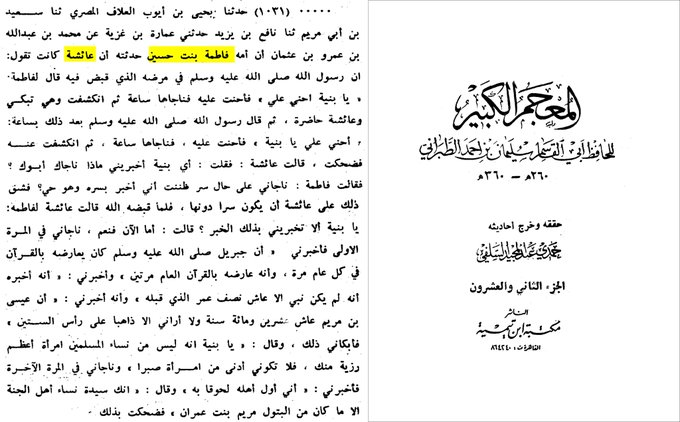
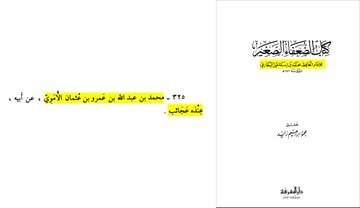
Both variations include Muhammad ibn Abdellah ibn Amr narrating from his mother Fatimah bint Al-Husayn, and he is graded weak by many scholars including both Al-Bukhari and Muslim.
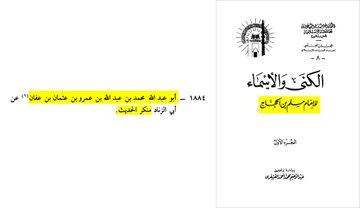
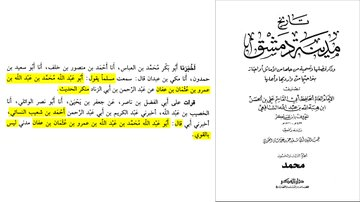
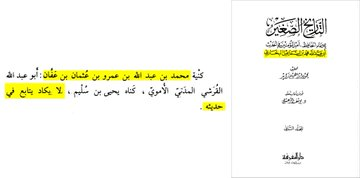
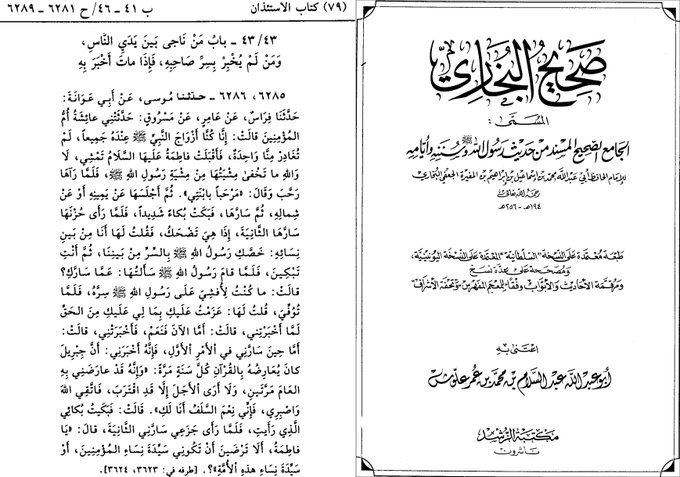
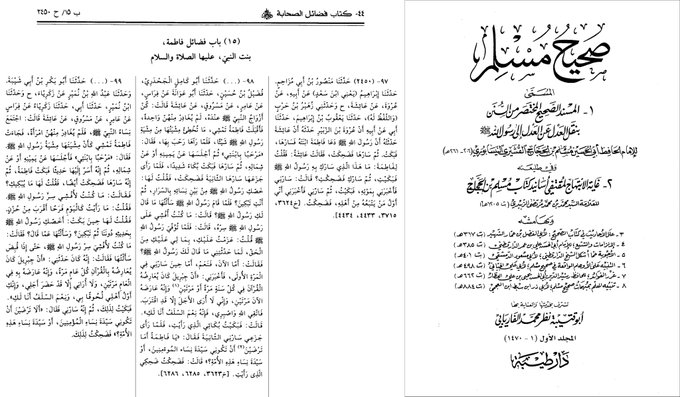
The authentic narration from A’ishah (RA) is in both Sahih Al-Bukhari and Sahih Muslim and doesn’t include the part about Isa ﷺ or the ages of the prophets.
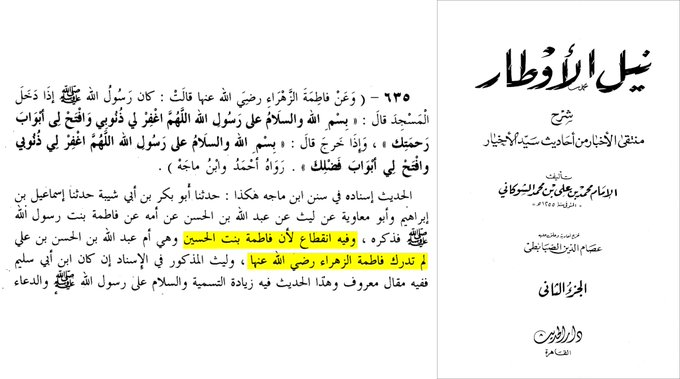
The narration from Fatimah Az-Zahra’ (RA) is disconnected as Fatimah bint Al-Husayn didn’t hear directly from her.
**Hadith 2 : **
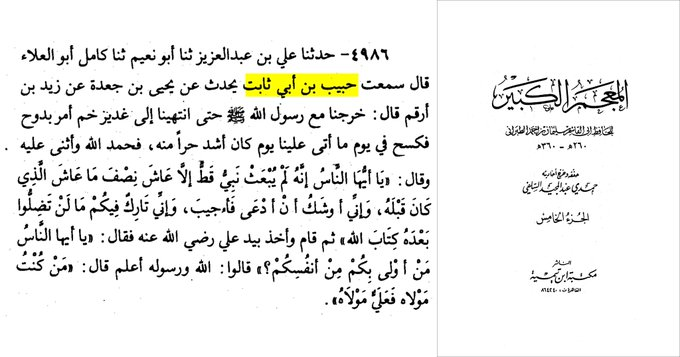
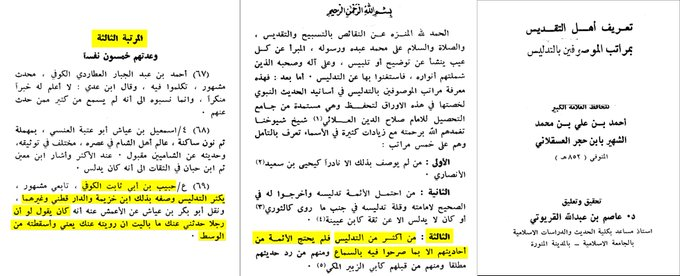
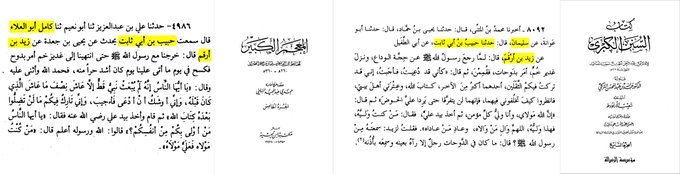
The chain of this Hadith includes Habib ibn Abi Thabit, and he is known for Tadlis (concealing the identity of the source).
Ibn Hajar put him in his third category of Tadlis which means that he must use words that denote getting the narration directly from the source he quotes for his narration to be accepted, which isn’t the case in this Hadith since he used عن (on the authority of).
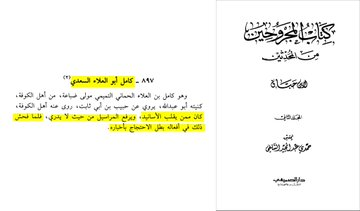
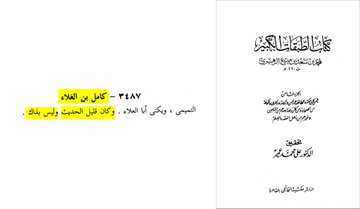
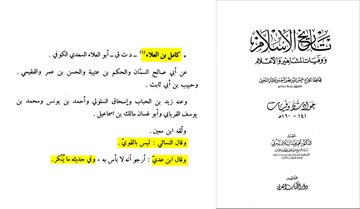
The chain also includes Kamel Abu Al-‘Ala’ who was criticized by many scholars, narrating from Habib ibn Abi Thabit. We have a much more reliable narrator Suliman Al-A’mash narrating the same Hadith also from Habib ibn Abi Thabit without the part about the ages of the prophets.
Hadith 3 :
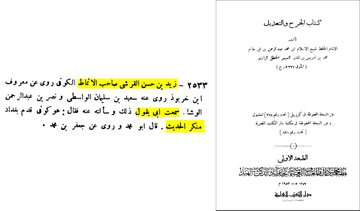
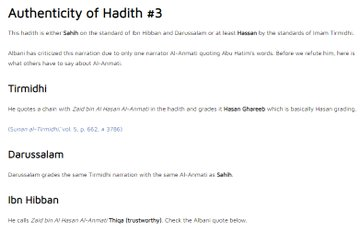
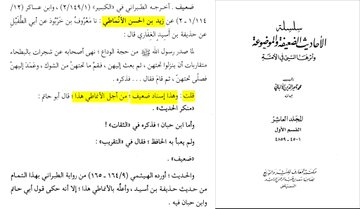
The chain of this Hadith includes Zaid Al-Anmati who is graded weak by Abu Hatim Ar-Razi.
Al-Albani graded this Hadith weak for the same reason.
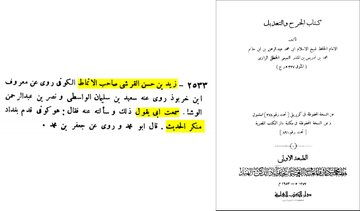
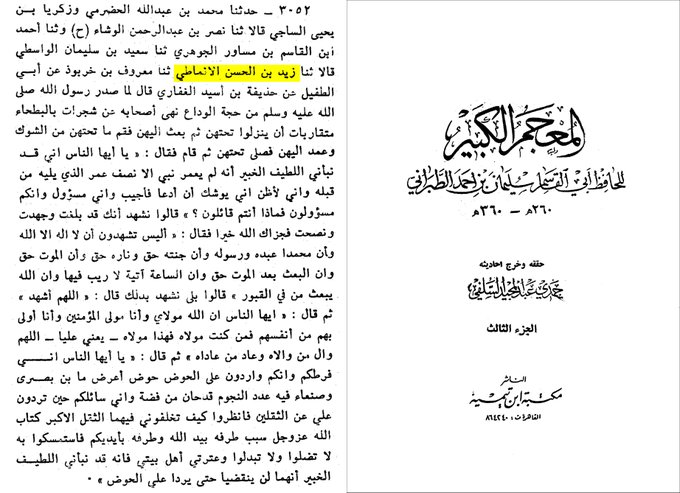
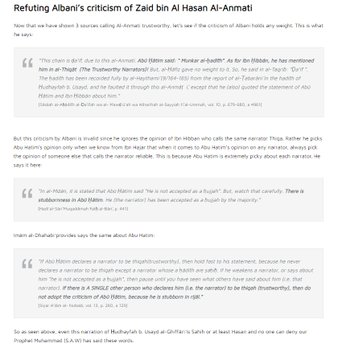
Qadianis use the statements of Ibn Hajar and Adh-Dhahabi regarding Abu Hatim being overly strict in grading narrators, and the gradings of At-Tirmidhi and Ibn Hibban as evidence of the reliability of Al-Anmati.
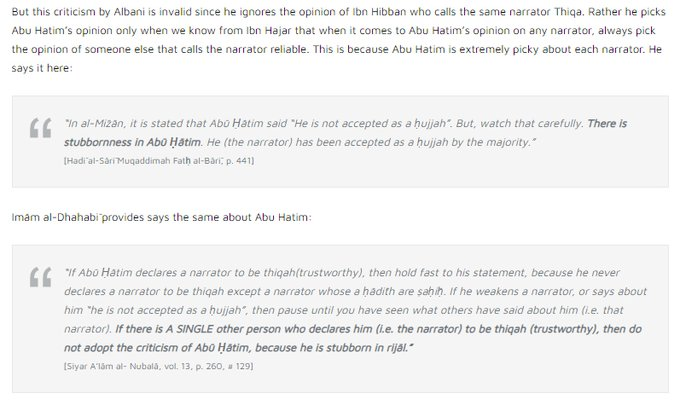
So since Qadianis are happy to use Ibn Hajar and Adh-Dhahabi as authorities in this topic, let’s see what they said about the rules of authentication of At-Tirmidhi and Ibn Hibban and about Al-Anmati himself.
Ibn Hajar:
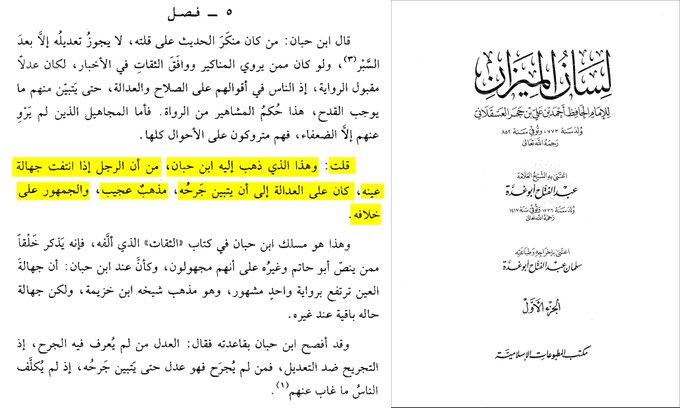
He described Ibn Hibban’s overly lenient rule of authenticating narrators as strange, said that the majority of scholars are contrary to it.
Ibn Hibban considered every narrator to be reliable until proven otherwise,so he ended up authenticating many weak narrators.
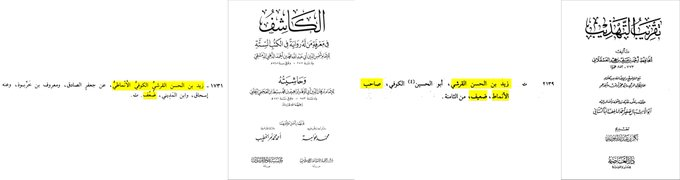
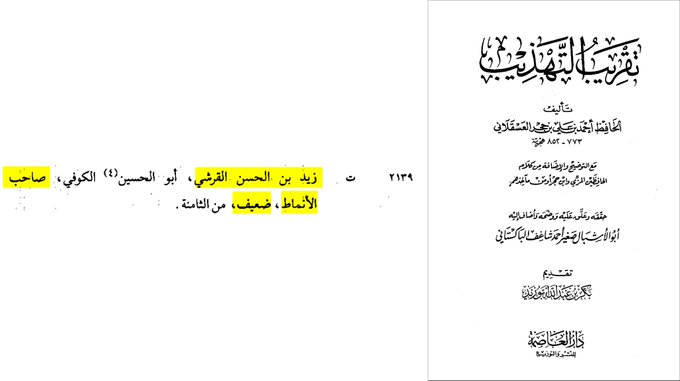
In his book Taqrib At-Tahdhib, Ibn Hajar graded Al-Anmati as weak giving no weight to the gradings of At-Tirmidhi and Ibn Hibban.
Adh-Dhahabi:
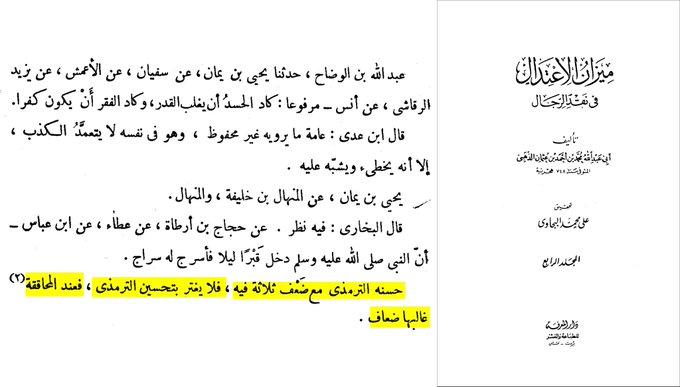
After mentioning a Hadith that was graded Hasan by At-Tirmidhi despite including 3 weak narrators in its chain, Adh-Dhahabi said “One shouldn’t be deceived by the Hasan gradings of At-Tirmidhi as most of these Ahadith turn out to be weak”.
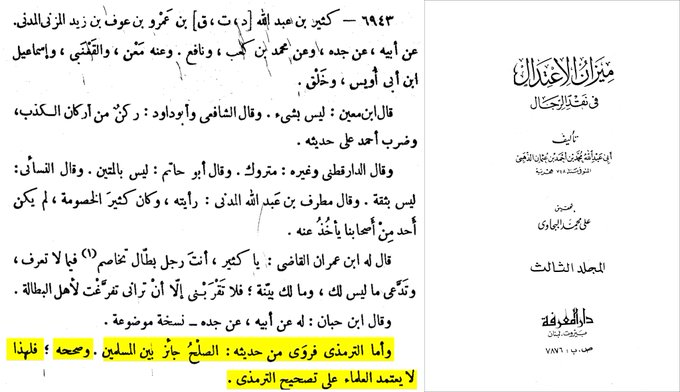
After mentioning a Hadith that was authenticated by At-Tirmidhi despite being narrated by a narrator who is graded weak by almost all scholars and was even called a liar by some of them, Adh-Dhahabi said “This is why scholars do not rely on At-Tirmidhi’s authentication”.
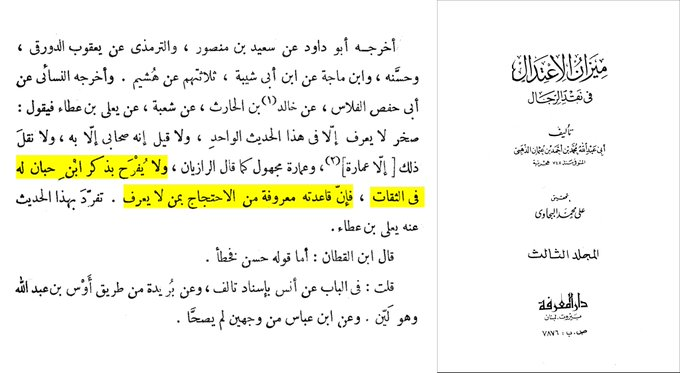
He mentioned a narrator who is graded as Majhul (unknown) by Abu Hatim and Abu Zar’ah, but Ibn Hibban included him in his book “Ath-Thiqat”.
Adh-Dhahabi then said that this should be given no weight since Ibn Hibban is known for authenticating unknown narrators.
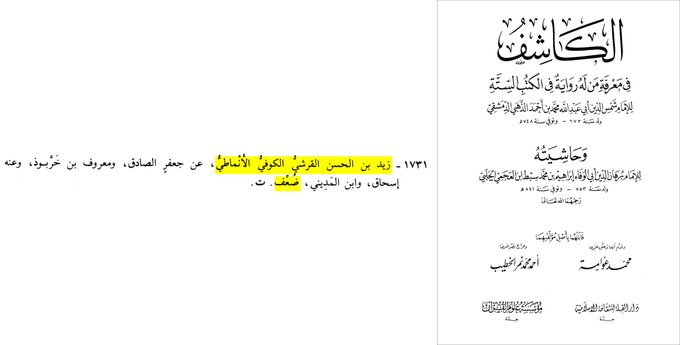
In his book Al-Kashif, Adh-Dhahabi mentioned that Al-Anmati was graded weak and disregarded the gradings of At-Tirmidhi and Ibn Hibban.