Christanity

Jesus Wasn’T Born on December 25Th

1 min read 216 words

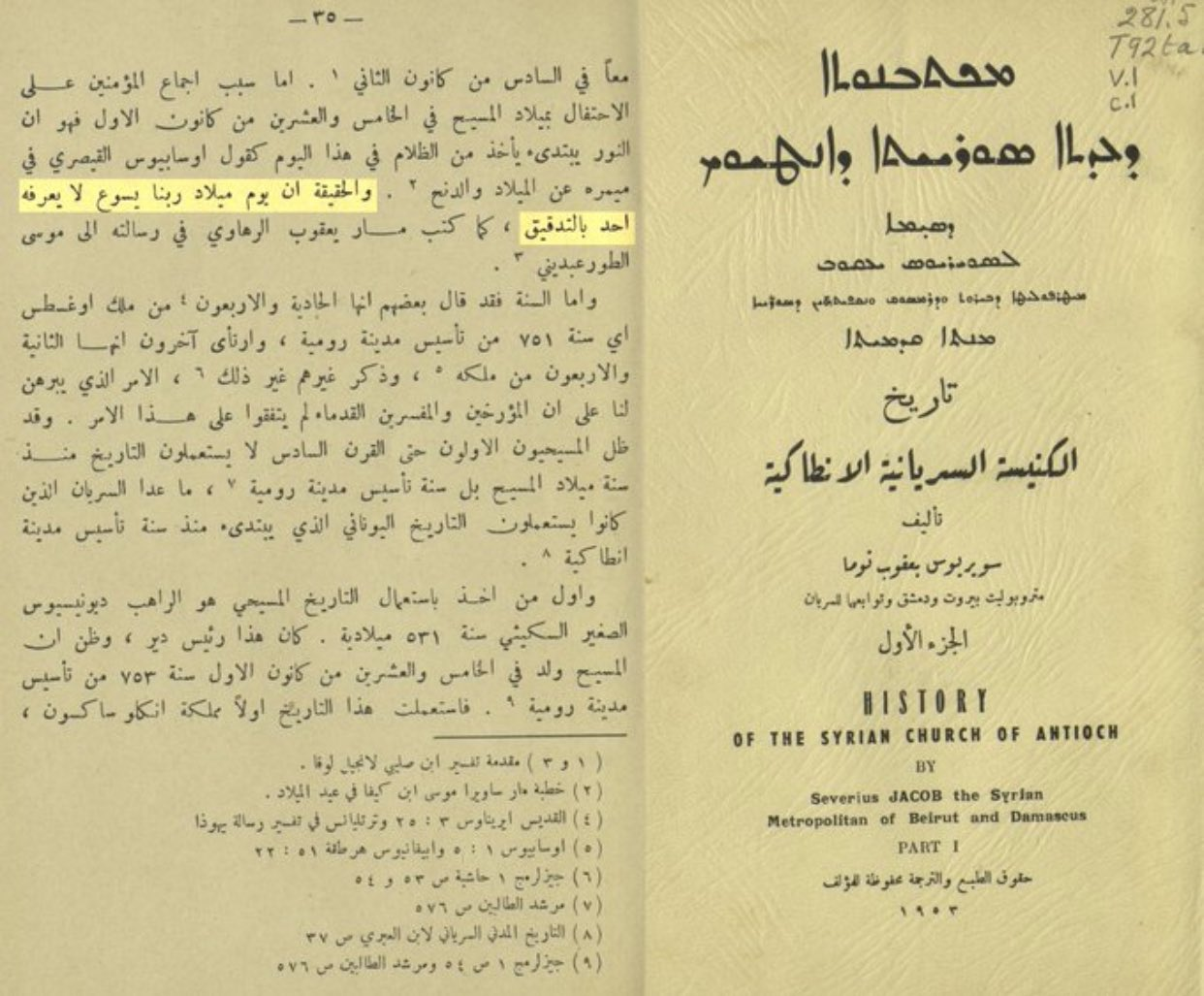
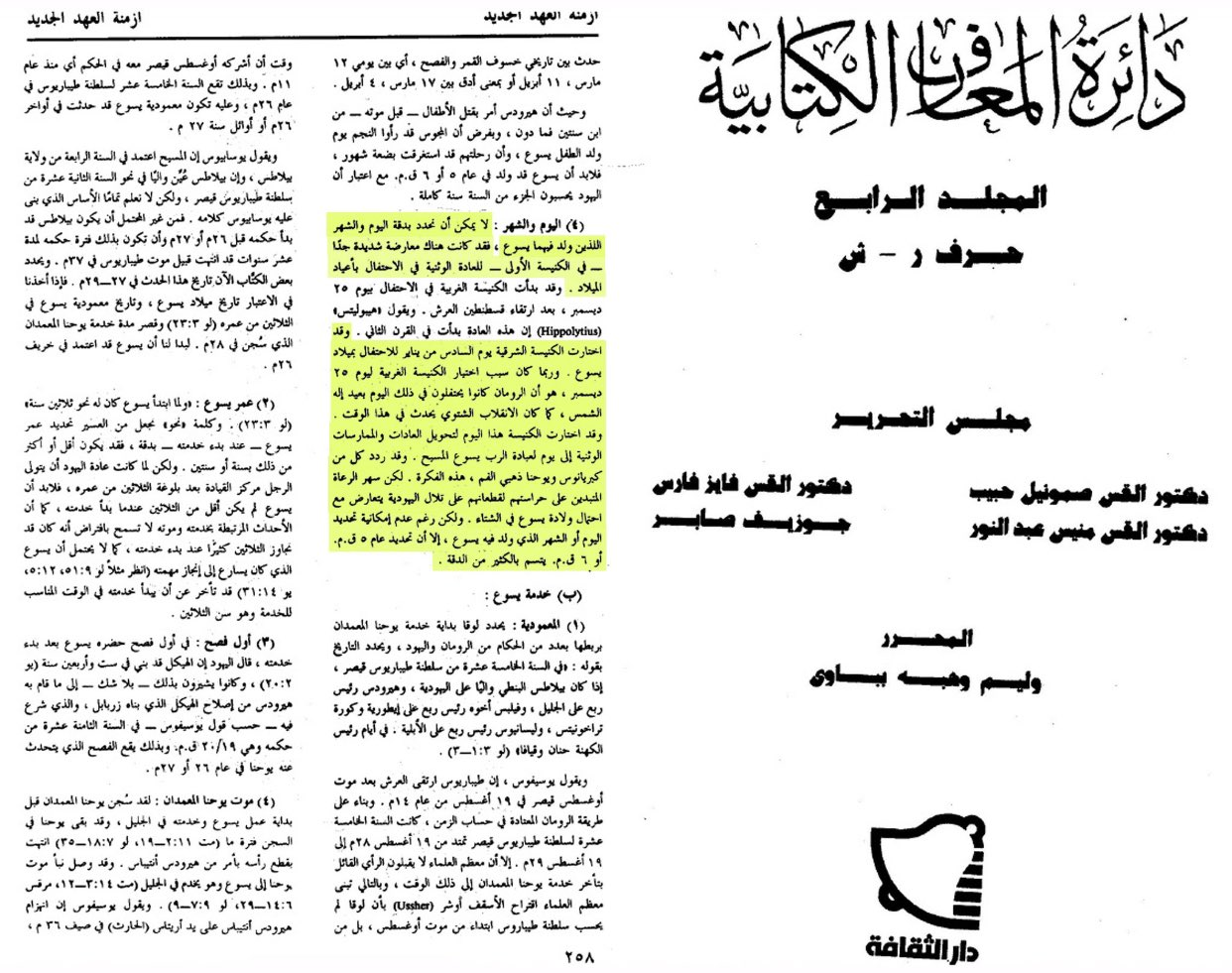
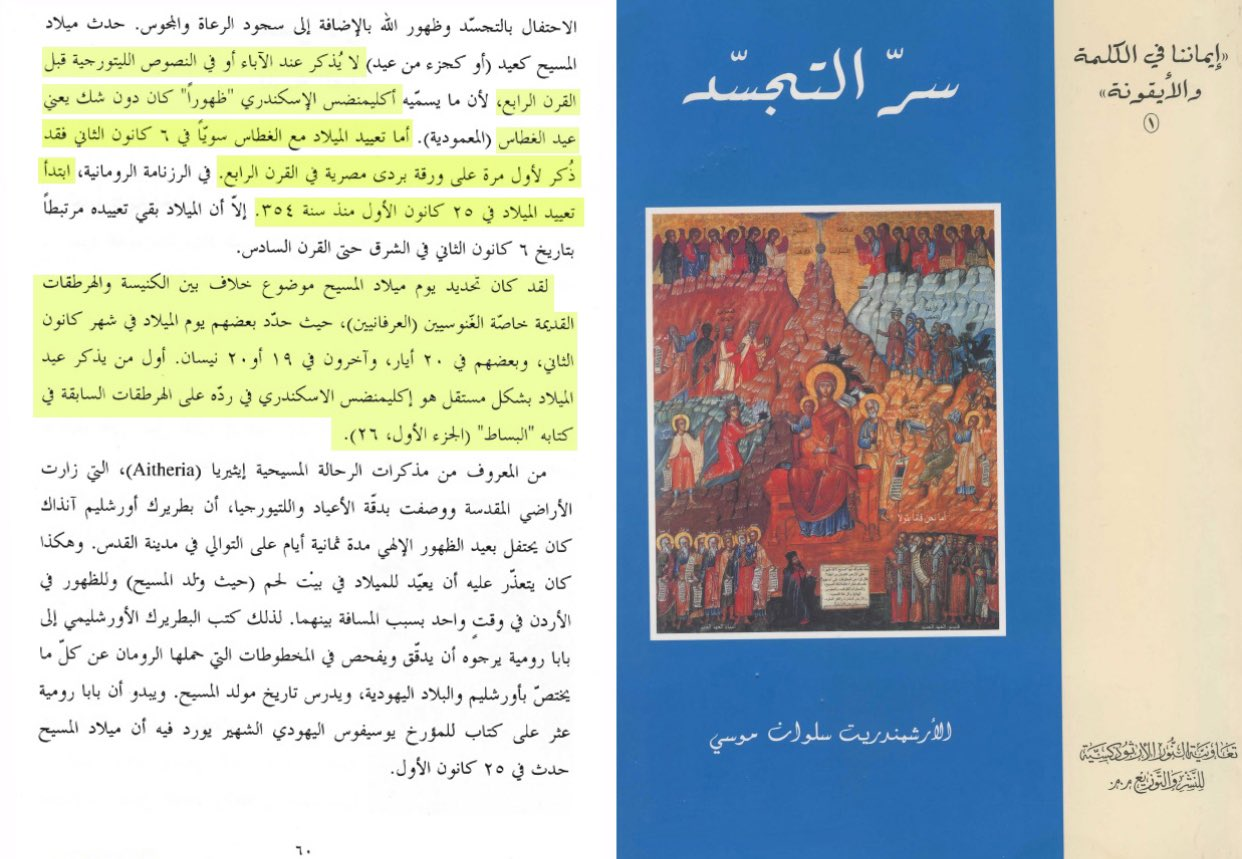
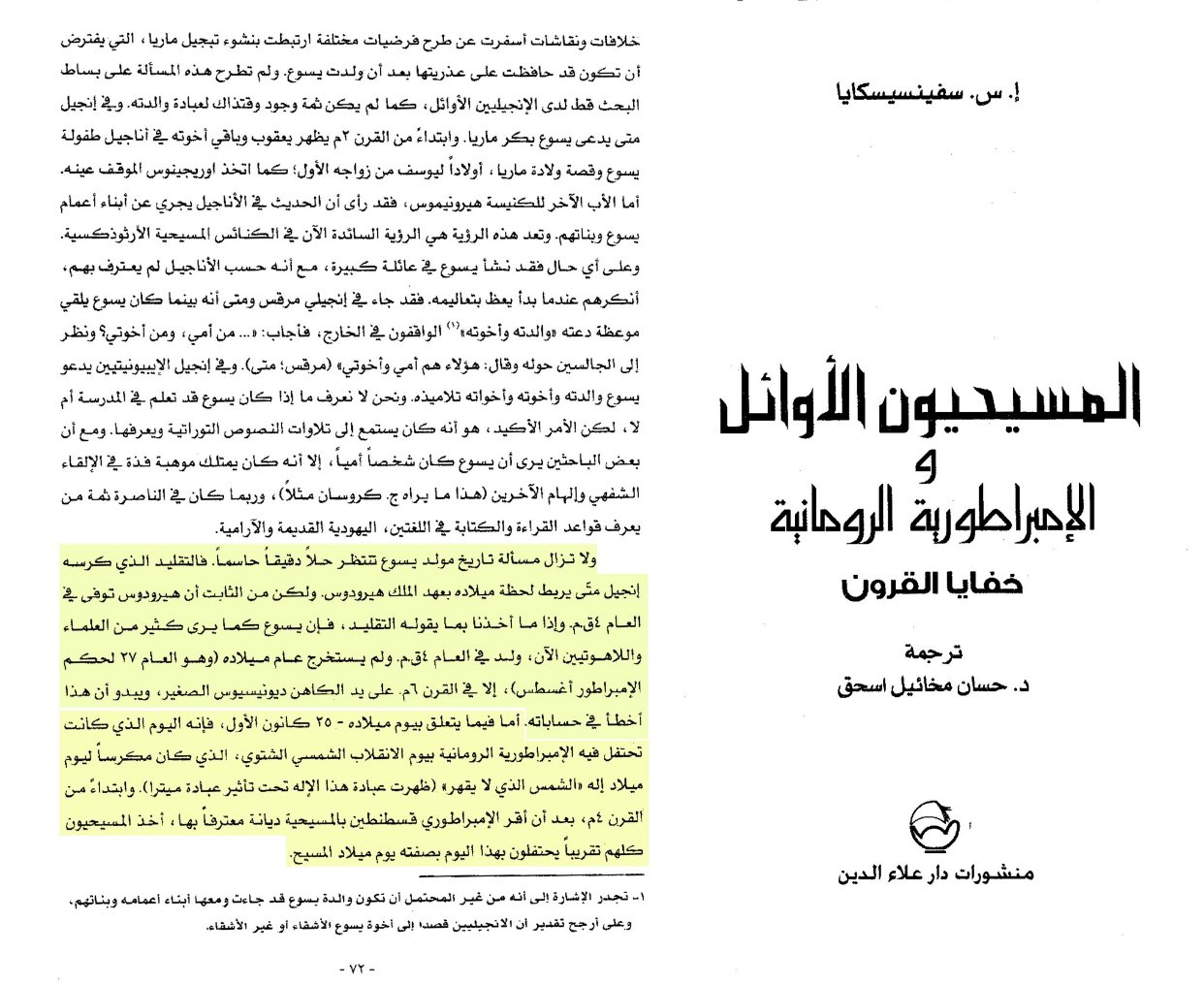
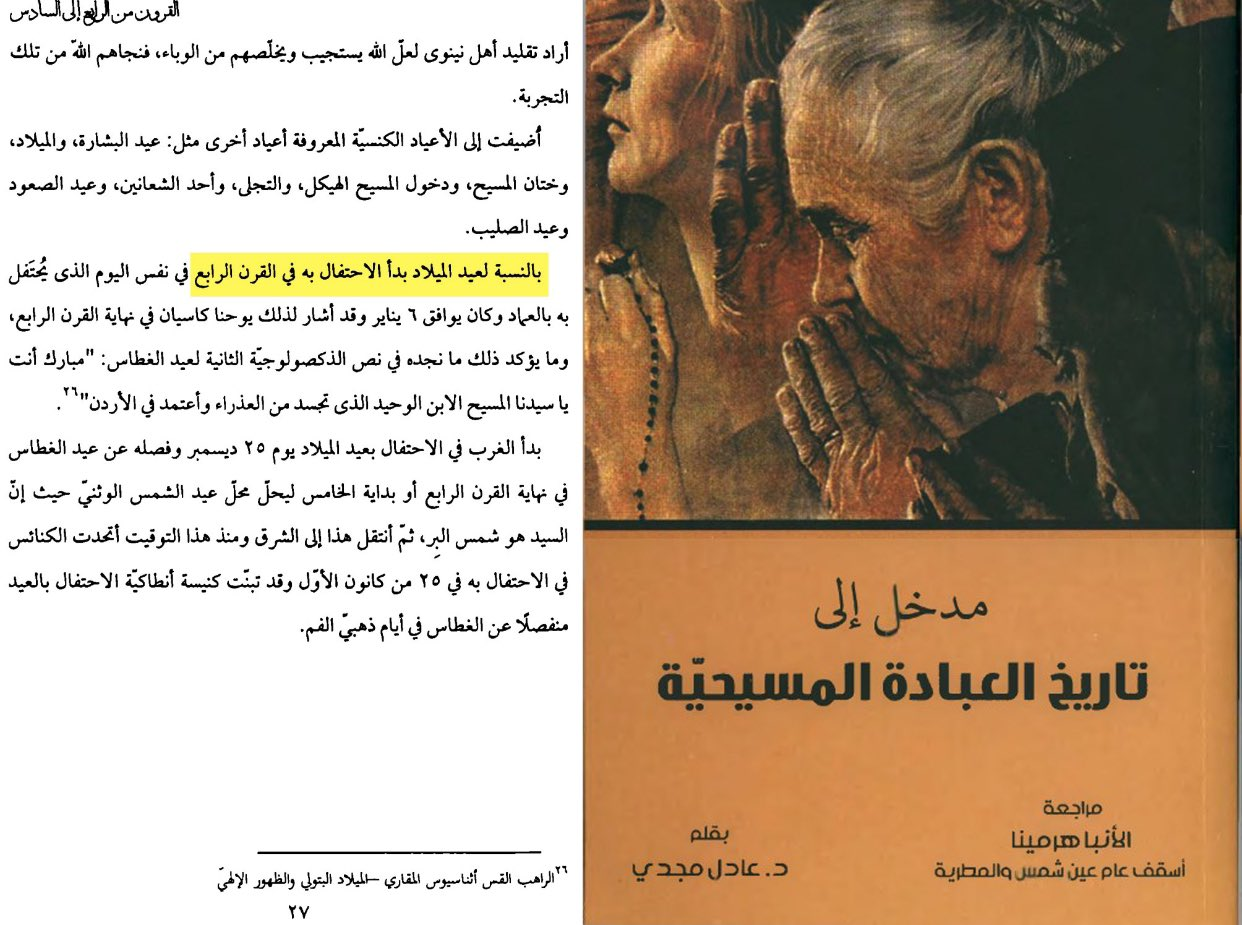
Jesus’ birth date is unknown. Early Christians never celebrated it—Christmas was added in the 4th century to align with Mithra’s birthday. And January 6? That’s the Epiphany, not his birth.
GnszGj4W0AAE iP aee2be66add3eb94

GnszGj0WYAA4ixo 21c01be2d1a29fb8

GnszGkuXoAAFI1p e0f368427c82ea9d

GnszGj8WUAAvTo  67ae332b6ec7dd02
GnszGj8WUAAvTo 67ae332b6ec7dd02

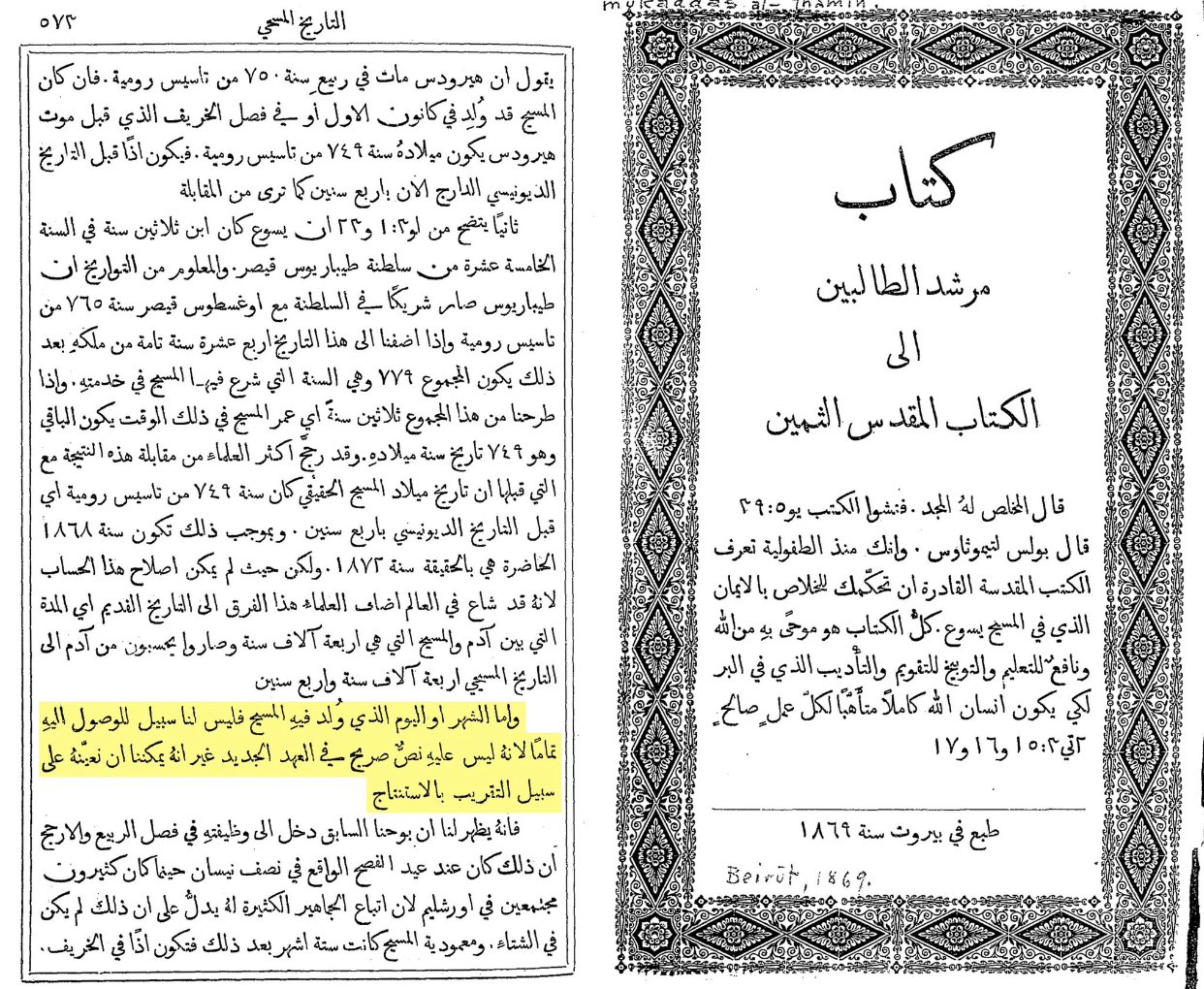
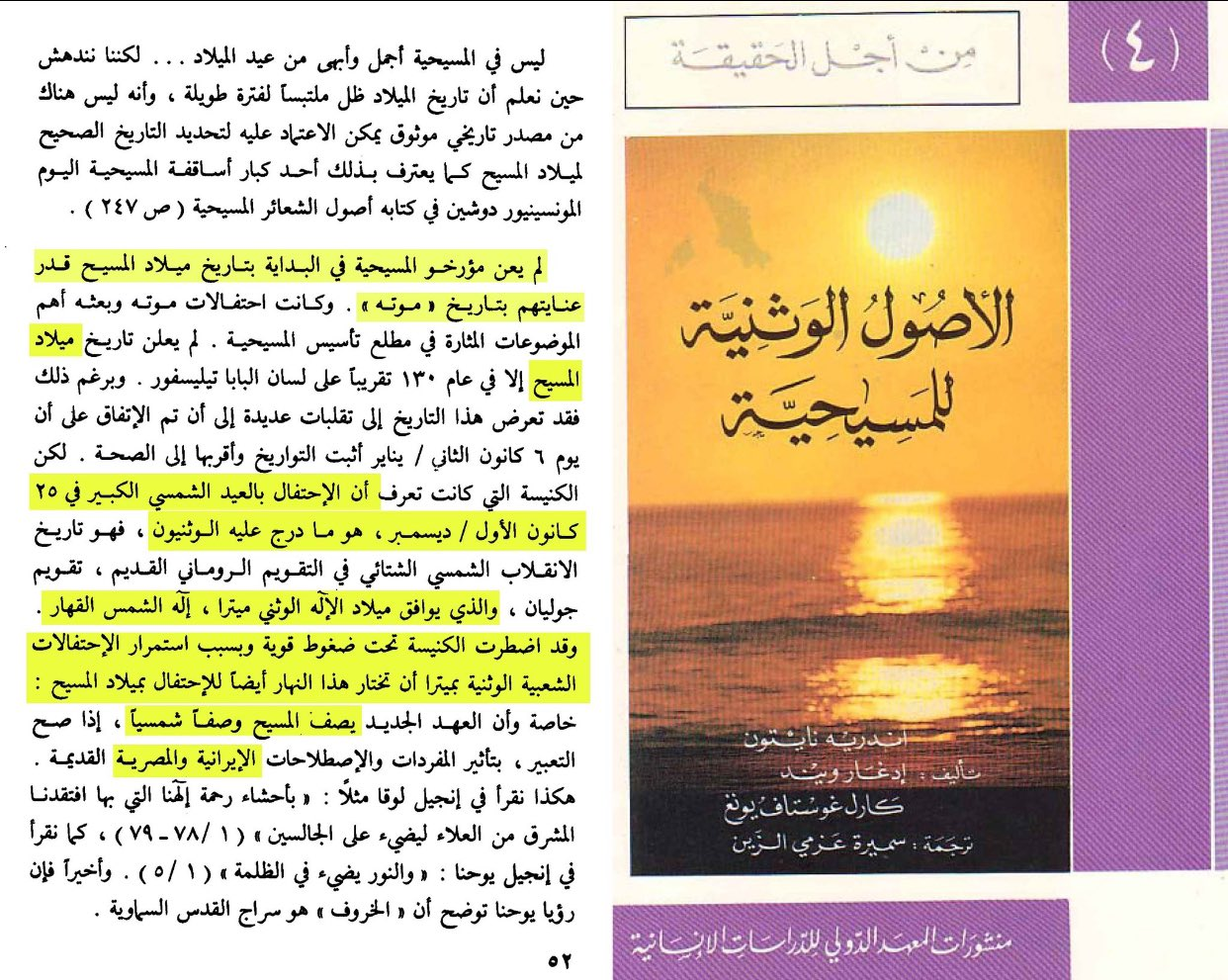
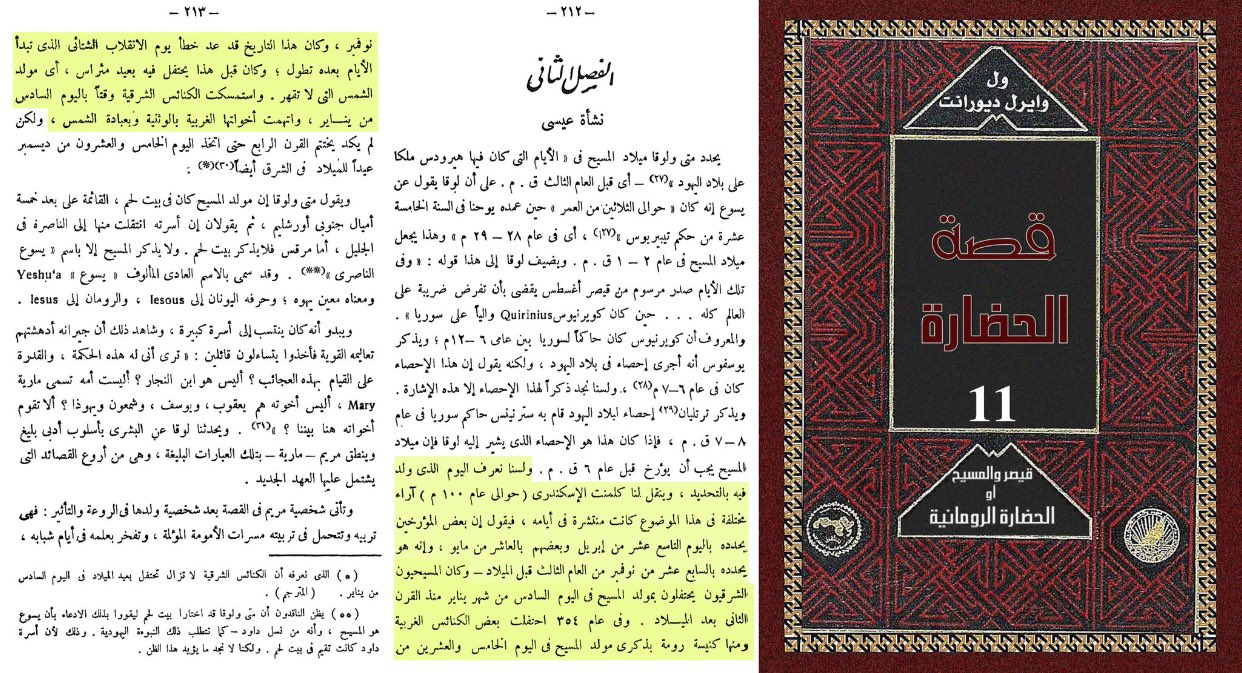
Jesus’ birth year is unknown, likely between the 4th–6th century BC. December 25 and January 6 are unlikely dates, as shepherds wouldn’t be out at night in winter. The date actually aligns with a pagan feast, not historical fact.
GnszHhgWoAAlTYj 25a713e7b04a6fd6

GnszHhPWEAAttQm 810c821c50222606

GnszHhcXIAAhurZ 8512ff28568a0c4b

GnszHhPWkAA73Yu 58870d75022013d6

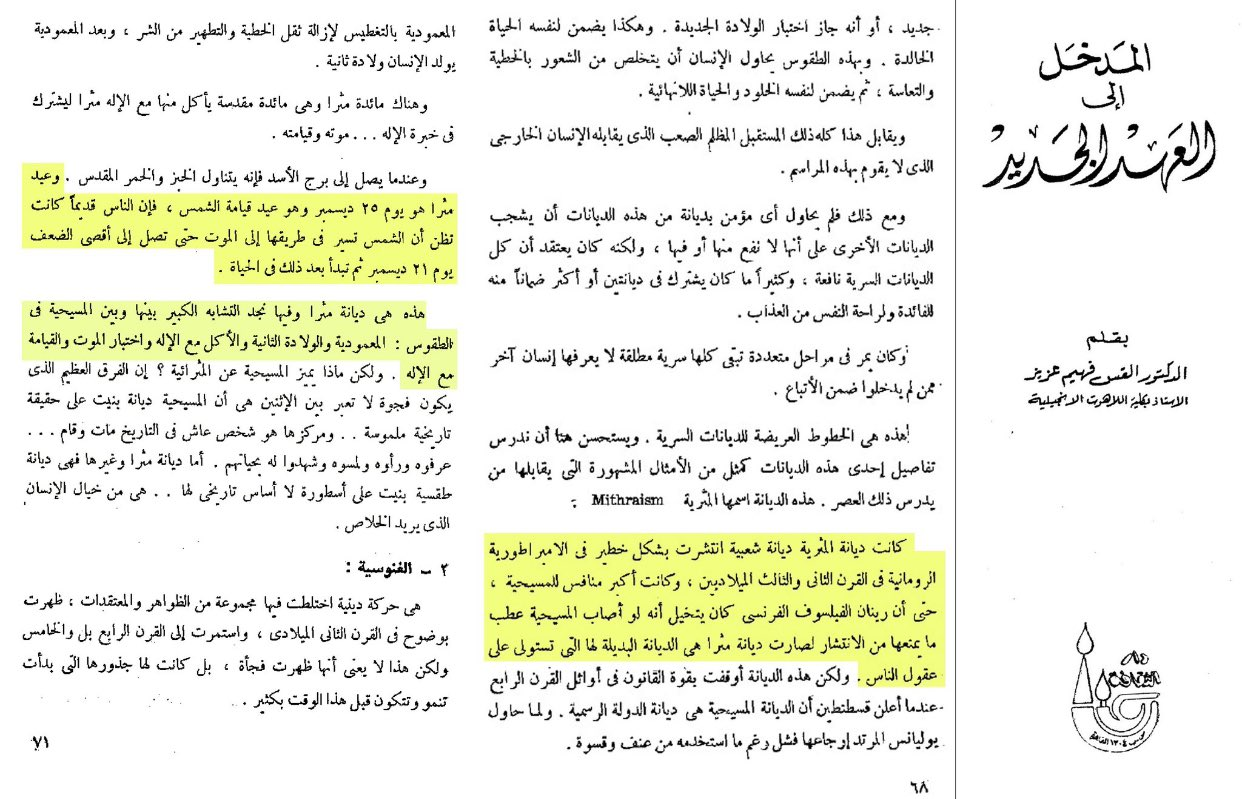
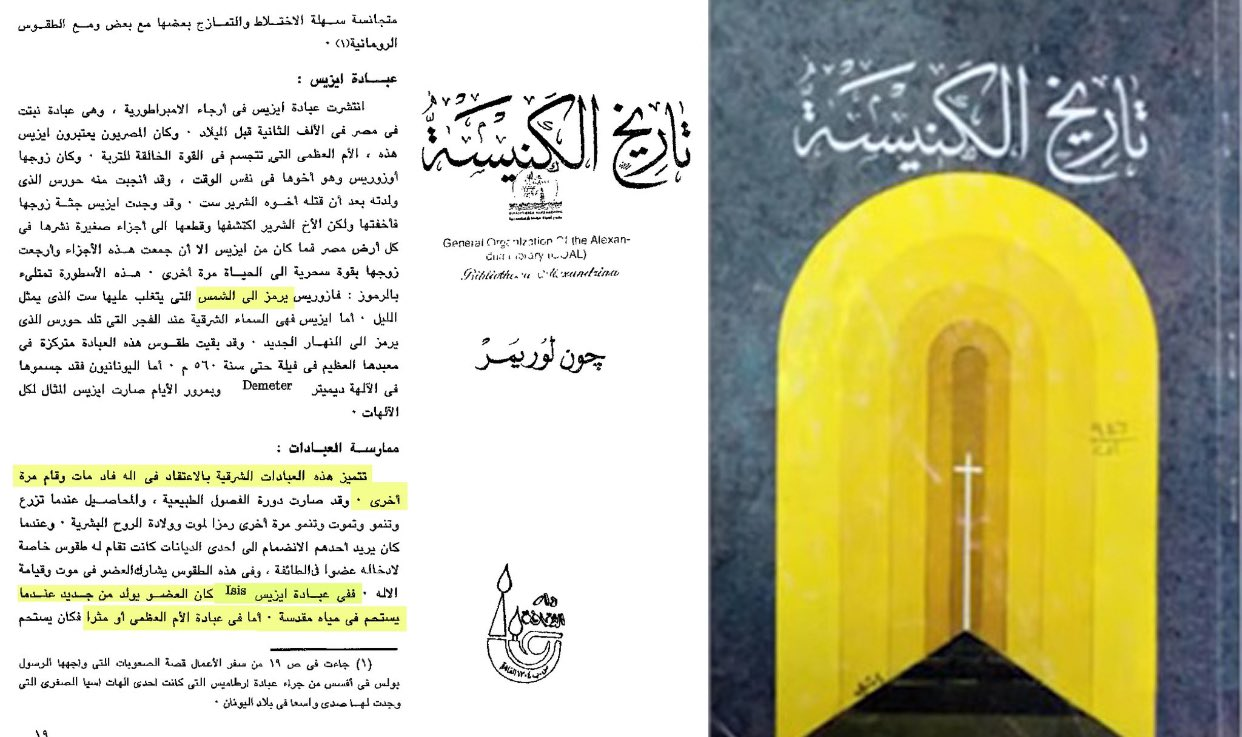
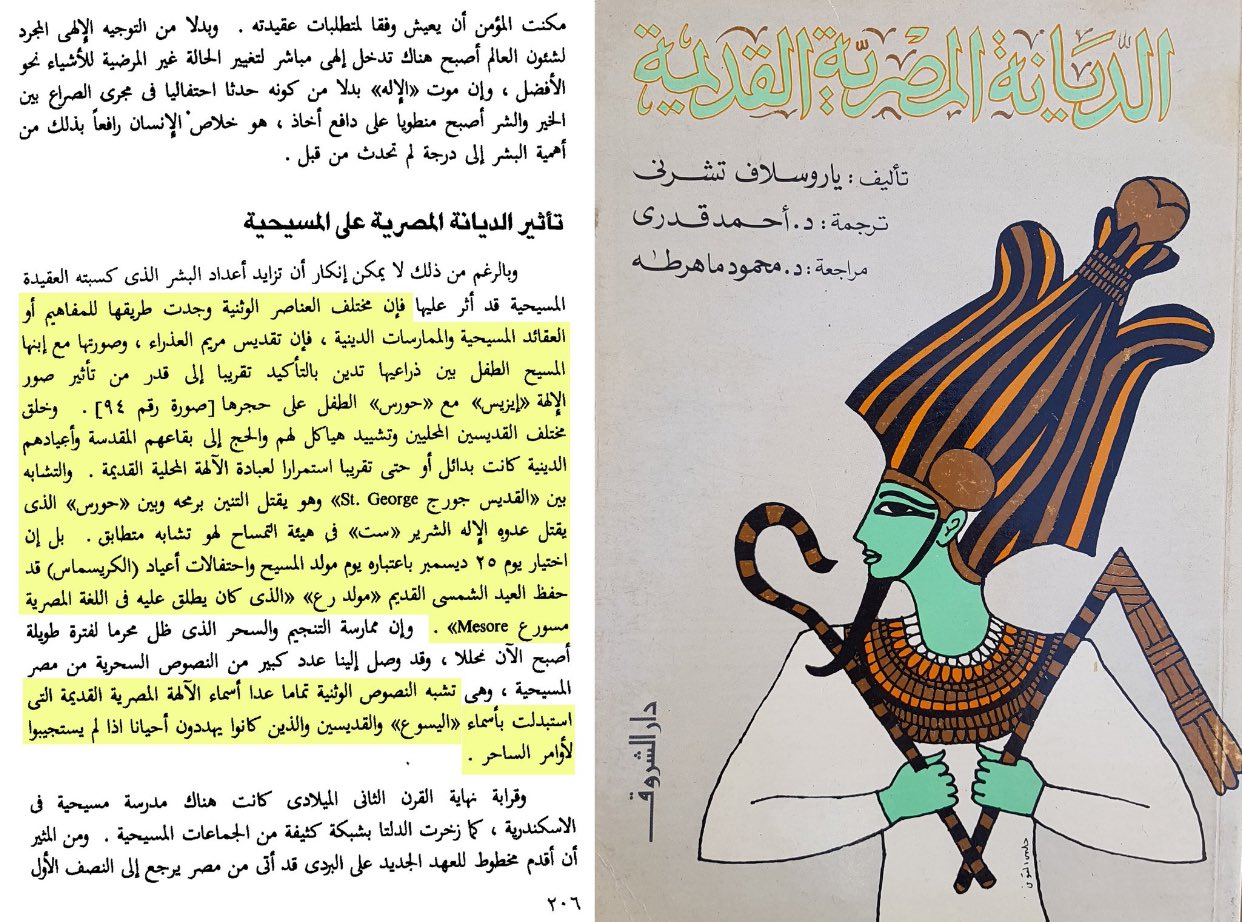
The striking similarities between Christianity and pagan religions—especially Mithraism—are hard to ignore, particularly when comparing Mithra to Jesus.
GnszKgVWoAAtTMU 30cba4c25d19c0f6

GnszKgaXIAAap2S a70728c88ca177f3

GnszKf WQAAu B0 d632c379dc7f73a3

GnszKgFXgAAqEFn 7154562e198ba2dc

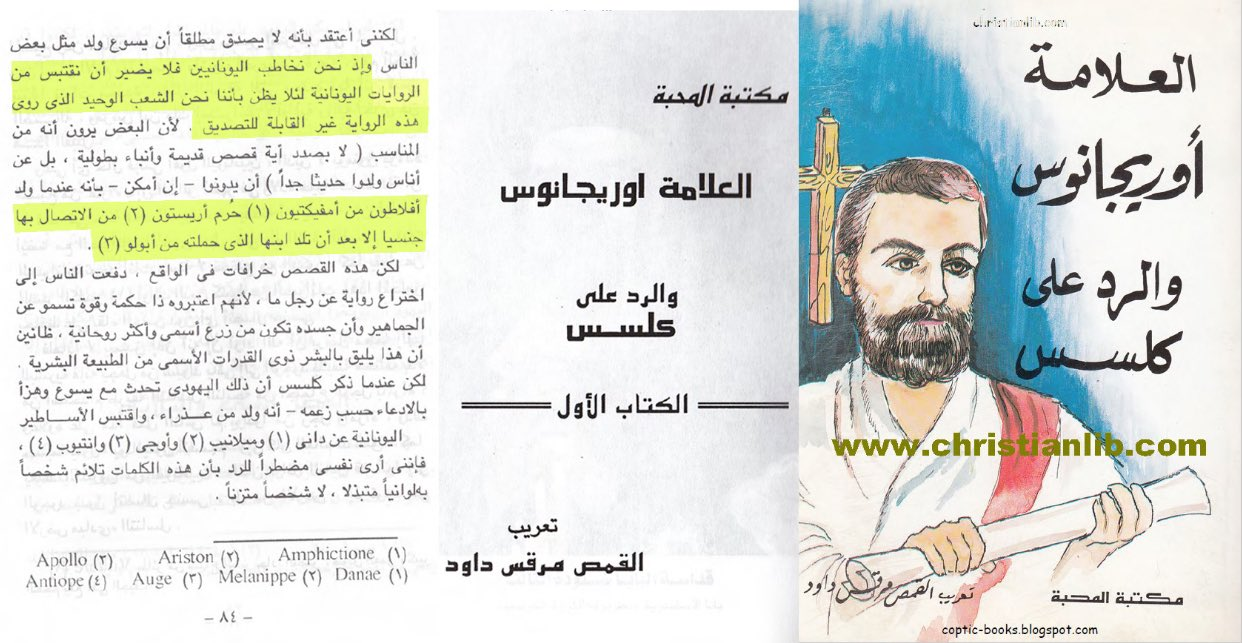
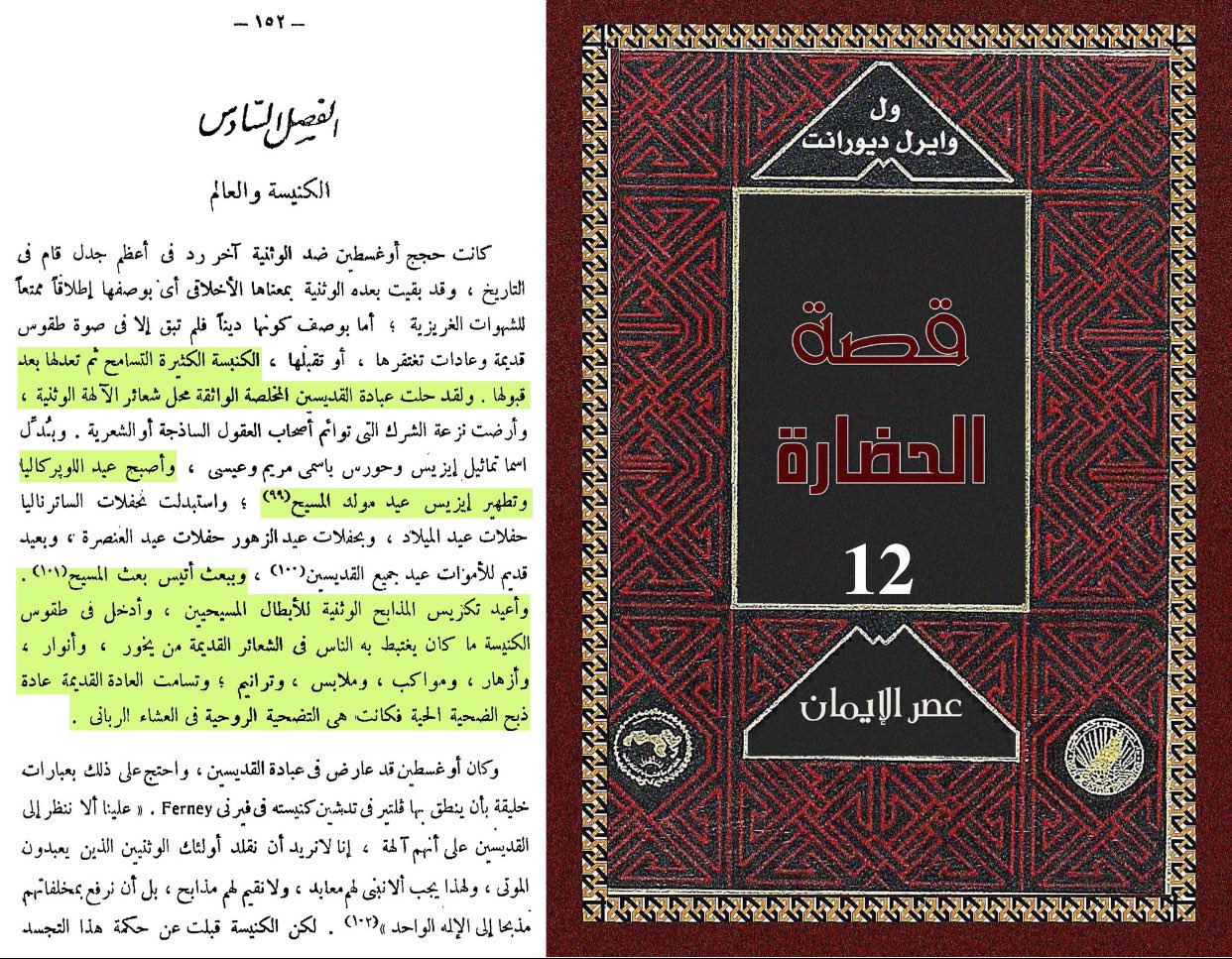
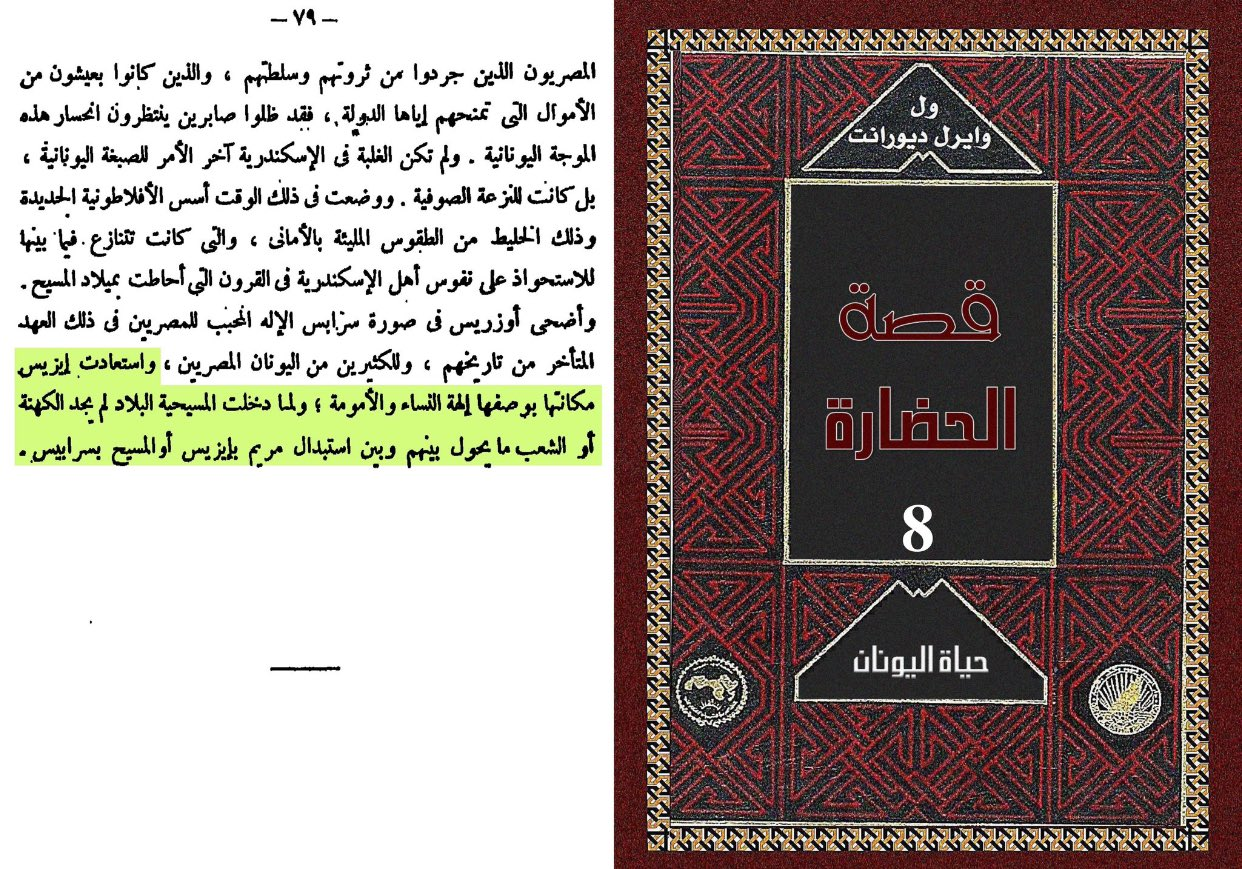
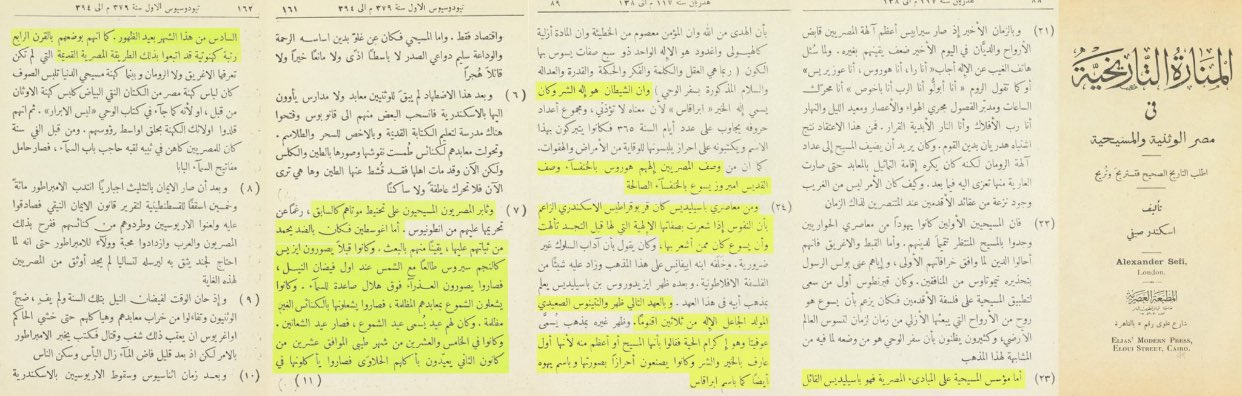
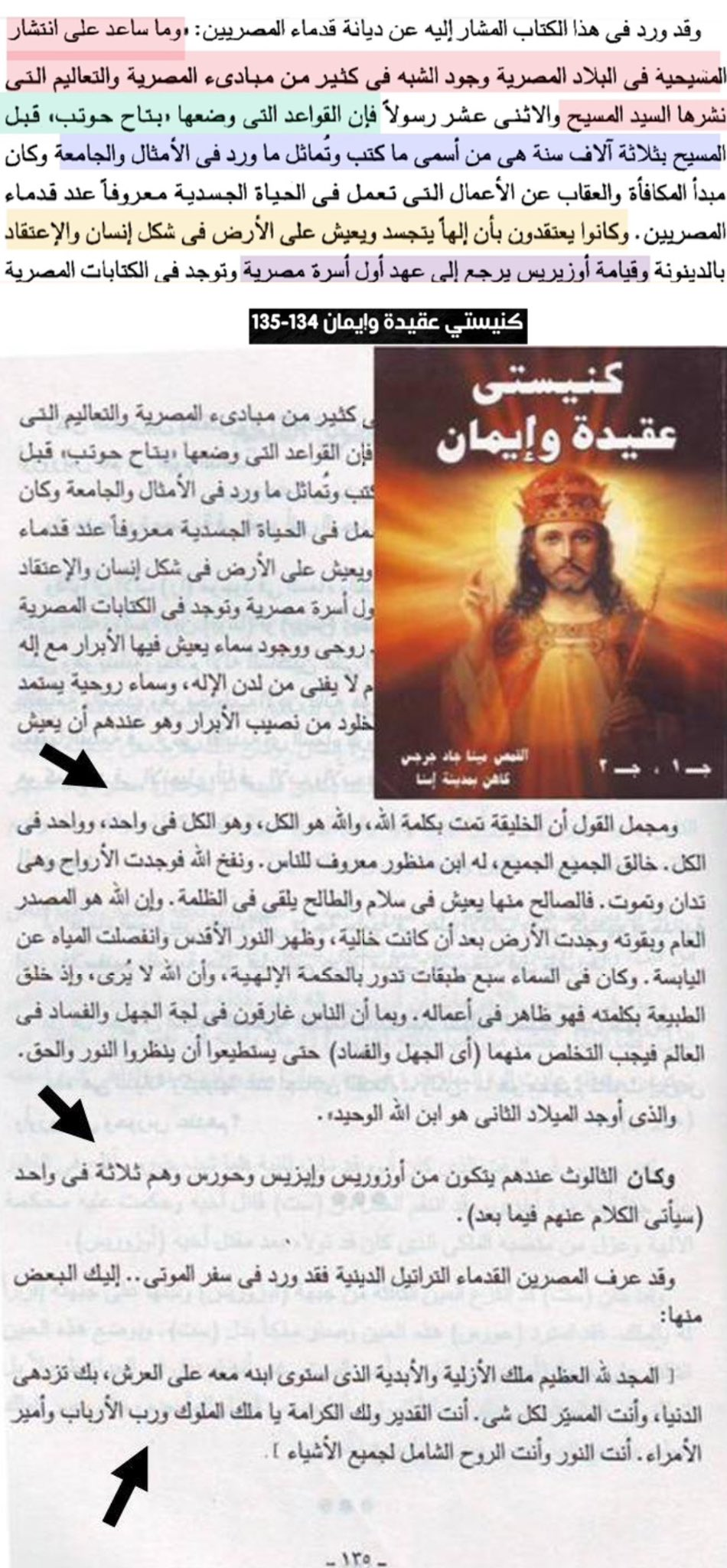
Christian Church Fathers openly acknowledged borrowing from pagan traditions, with Christianity heavily influenced by ancient Egyptian beliefs—especially the concept of Jesus as the “savior king.”
GnszLT7XMAA2i 1 1afa531452412732

GnszLT8WIAAua O bd84f414c367a31c

GnszLUNXIAA1xXO 21a66a7e59735885

GnszLUGWoAA6vLF 4afdc60054e10b37

Christianity’s adoption of pagan practices is clear in many of its holidays, including Christmas.

GnszhsgWEAApNzb a1e50205f7ab4cf5

GnszhseWwAAAyVn 9d3e259406d459f6

GnszhsbWQAAHjmg 8db66ec911ce9345

GnszhscWMAA3JlJ 8c76231cb186c8c4

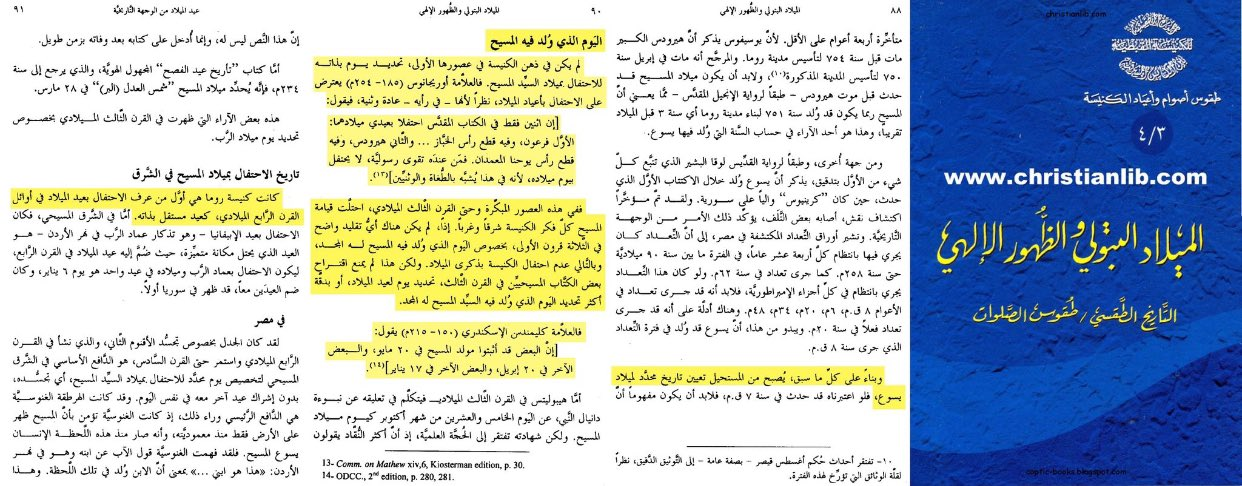
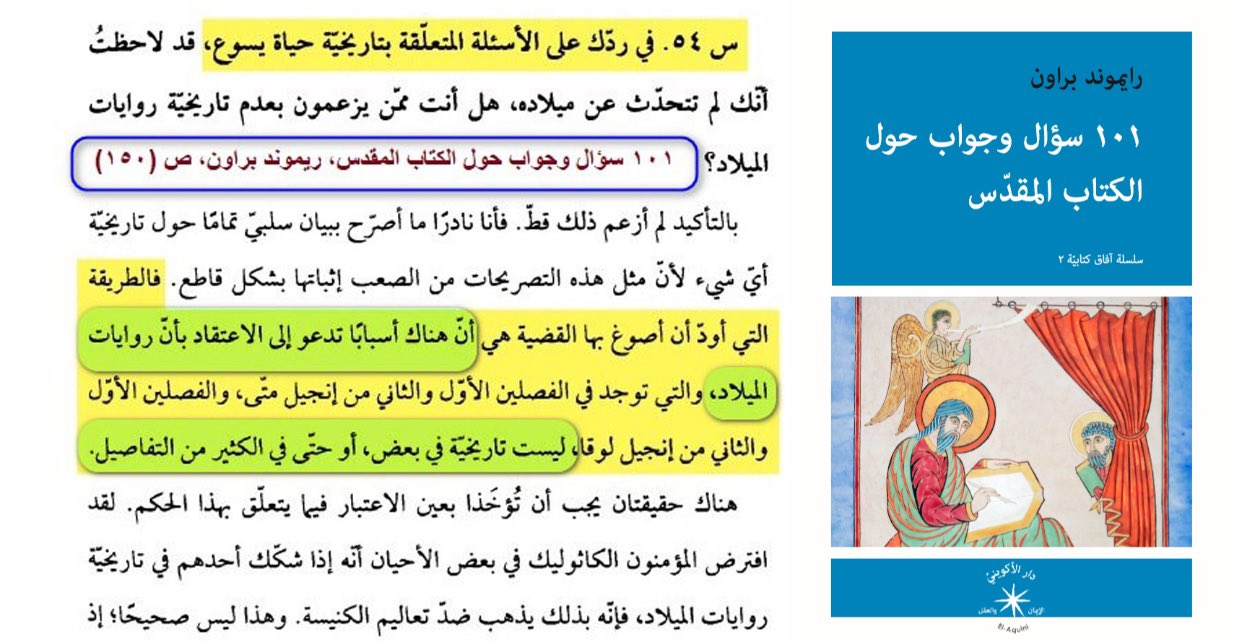
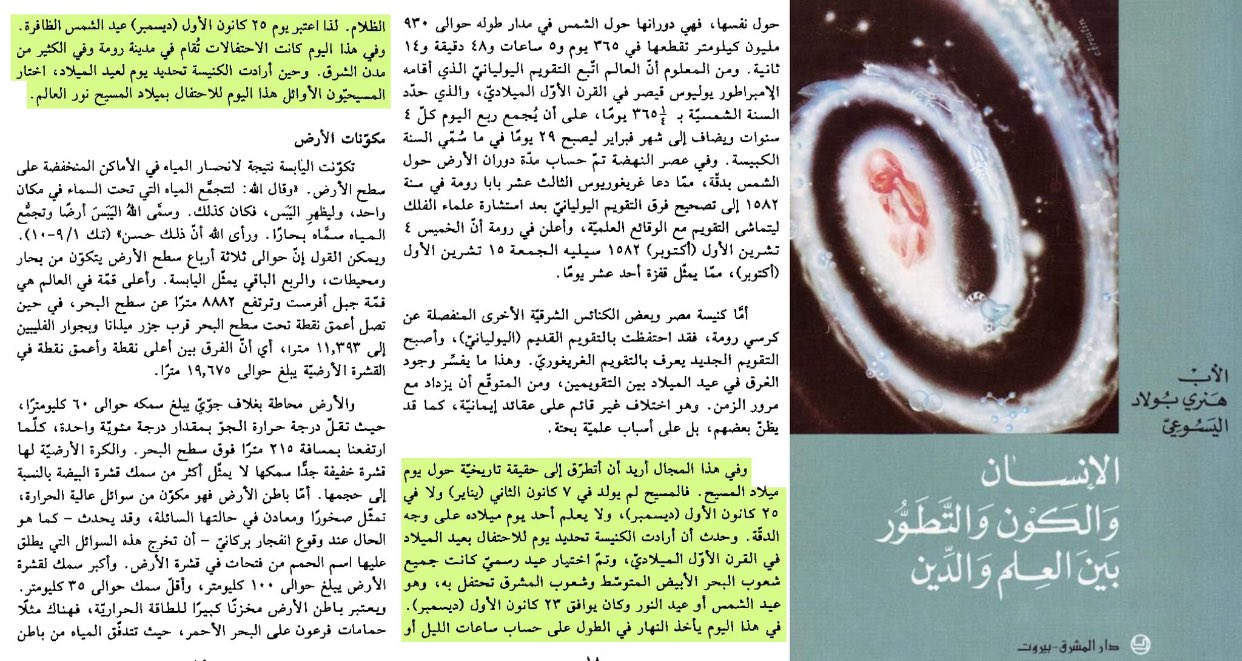
Father Basilius Girgis, Bishop Cyril Selim Bustros, and Father Paul Feghali all affirmed that Christmas was not originally a Christian celebration but began in the 4th century. The Church chose December 25 to align with pagan festivals
GnsziTcWQAAce4V 04f8fe927eb693a3

GnsziTZXkAAKMLh 1a7853fbfc11f114

GnsziTrW4AAd2kq 49b10b348b76b047

GnsziTZXEAAXhm6 b89979268aef30c4

like the winter solstice, symbolizing the return of light. They admit that the actual date of Christ’s birth is unknown and was never historically established—just a later church tradition.

In Conclusion, Christmas is a Later Christian Invention. As Many Church Fathers and Scholars Acknowledge, it Incorporates Numerous Pagan Elements and Traditions

@everyone

ADDITIONS