Did Aisha Wash in Front of Men? The Shiite Objection to Sahih al-Bukhari 249 — Full Refutation
Refuting the Doubt About Lady Aisha Washing in Front of Two Men
Table of Contents
- The Objection
- The Hadith Texts
- First — Who Are the Two Men?
- Second — No Body Was Exposed
- Third — What Were They Actually Asking About?
- Fourth — Practical Demonstration Behind a Veil
- Fifth — The Doubt About the Judges’ Words
- Sixth — Testimonies of Aisha’s Modesty
- Seventh — For the Shiites
The Objection
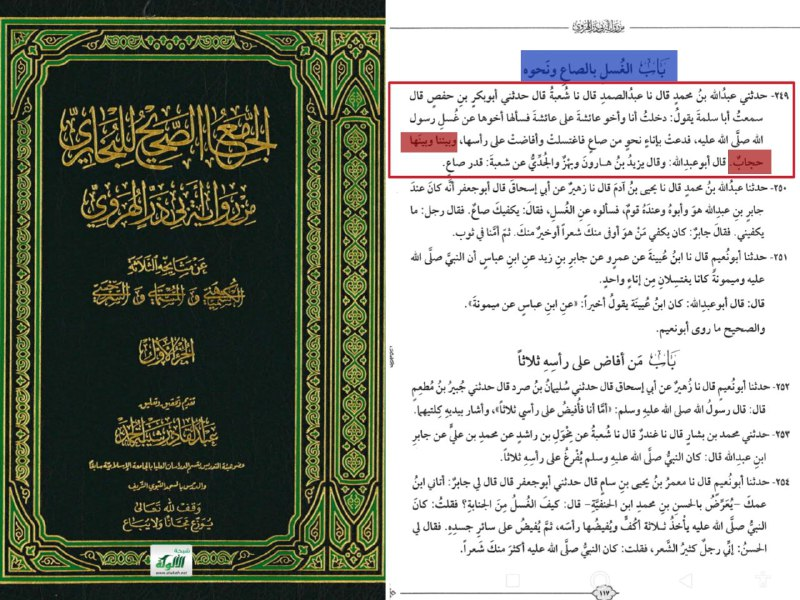
“Abdullah bin Muhammad told me, Abd al-Samad told us, Shu’bah told us, Abu Bakr bin Hafs told me, he heard Abu Salamah say: Aisha’s brother and I entered upon Aisha, and her brother asked her about the ritual ablution of the Messenger of Allah (blessings and peace of Allah be upon him). She called for a vessel about a sa’ and performed ritual ablution, pouring water over her head, and between us and her was a veil.” — Sahih al-Bukhari: 249
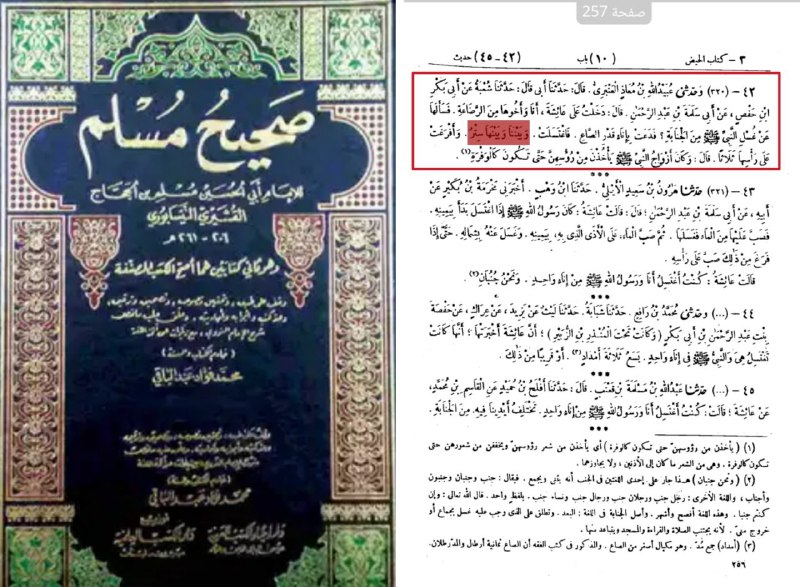
The same narration is mentioned in Sahih Muslim, but with a slight difference in the word ‘veil’, as we find the word ‘screen’.
These hadiths are used by some of the Rafidis, including their fanatical leader Yasser Al-Habib — may Allah punish him for what he deserves — who claimed that Lady Aisha would allow foreign men to enter upon her, and then she would wash herself in front of them.
The Hadith Texts
He said: “The wives of the Prophet, may God bless him and grant him peace, used to take from their heads until it was like a crown.”
Abu Abdullah said: Yazid bin Harun, Bahz, and Al-Jadi said, on the authority of Shu’bah: “the amount of a sa’.”
“I and Aisha’s foster brother entered upon Aisha, and her brother asked her about the washing of the Messenger of God, may God bless him and grant him peace. So she called for a vessel about a sa’, washed herself, and poured water over her head three times, and between us and her was a veil.”
“I entered upon Aisha, may God be pleased with her, and her foster brother, and he asked her about the washing of the Prophet, so she called for a vessel containing water about a sa’, covered herself with a veil, washed herself, and poured water over her head three times.”
First — Who Are the Two Men?
-
Al-Bukhari and others reported that he is her brother without restriction. Al-Dawudi went in his commentary on Al-Bukhari that he is Abd Al-Rahman bin Abi Bakr Al-Siddiq. It was said that he is her brother from her mother, Al-Tufayl bin Abdullah.
-
Al-Hafiz said in Al-Fath: “Neither of them is authentic, because Muslim narrated from the path of Muadh, and Al-Nasa’i from the path of Khalid bin Al-Harith, and Abu ‘Awana from the path of Yazid bin Harun, all of them from Shu’bah in this hadith that he is her brother from breastfeeding.”
-
Muslim and others reported that he is her brother from breastfeeding. An-Nawawi and a group said that he was Abdullah bin Yazid Al-Basri, and others said that he was her foster brother Abu Saeed Katheer bin Ubaid Al-Kufi.
Conclusion: The first man is her brother by blood or by breastfeeding. There is no meaning to the claim that this is just a patchwork by the jurists, because the hadith of Muslim mentioned verbatim that he was her foster brother — so it is an internal evidence within the text.
Some commentators claimed that Abu Salamah was the foster nephew of Sayyida Aisha, and that Umm Kulthum bint Abi Bakr breastfed him. Some claimed he was her nephew by blood.
However, it was reported in a hadith narrated by Muslim that Abu Salamah said: “The wives of the Prophet (peace and blessings of Allah be upon him) used to take from their heads until they were like a mane.”
This means that Abu Salamah saw the hair of the wives of the Prophet — not of Sayyida Aisha in particular. If he was a mahram to Sayyida Aisha only, how would he have seen the rest of the hair of the other wives?
Ibn Rajab al-Hanbali said in Fath al-Bari: “It appears that Abu Salamah was young at that time and had not reached puberty, and the other was her foster brother.”
The most correct view is that Abu Salamah was young — under the age of twelve — when he did not enter upon Sayyida Aisha. This means the story happened before the year 44 AH. Sayyida Aisha died in the year 58 AH.
Responding to the Doubt About Breastfeeding an Adult in Detail
Second — No Body Was Exposed
- Muslim’s narration: “And between us and her is a veil.”
- Al-Bukhari and Ahmad’s narration: “And between us and her is a veil.”
- Al-Nasa’i’s narration: “She covered herself with a veil.”
It is not understood from the words of Allah the Almighty:
{And when you ask them for something, ask them from behind a partition. That is purer for your hearts and their hearts} [Al-Ahzab: 53]
— that some of her body would be exposed. The Qur’an interpreted the reason for the veil as the purity of the hearts, meaning the veil of sight in general.
The curtain completely blocks the view. It is not transparent as some of the Rafidis try to portray.
This is evidence that when he was a boy he saw Sayyida Aisha’s hair and the hair of the rest of the wives in other than this incident — and that what he said is merely an addition indicating that short hair does not need a large amount of water when washing.
Third — What Were They Actually Asking About?
The evidence for this is the phrase “so she called for a vessel the size of a sa’” — proving they were asking about the quantity, not about how to wash.
Al-Ayni said: “That is, this is a chapter explaining the ruling on washing with water the size of a sa’, because a sa’ is the name for a piece of wood, so washing with it cannot be imagined.”
This is why:
- Imam Al-Bukhari titled this hadith: “Chapter on washing with a Sa’ and the like.”
- Imam Al-Nasa’i titled it: “Chapter on mentioning the amount of water that is sufficient for a man.”
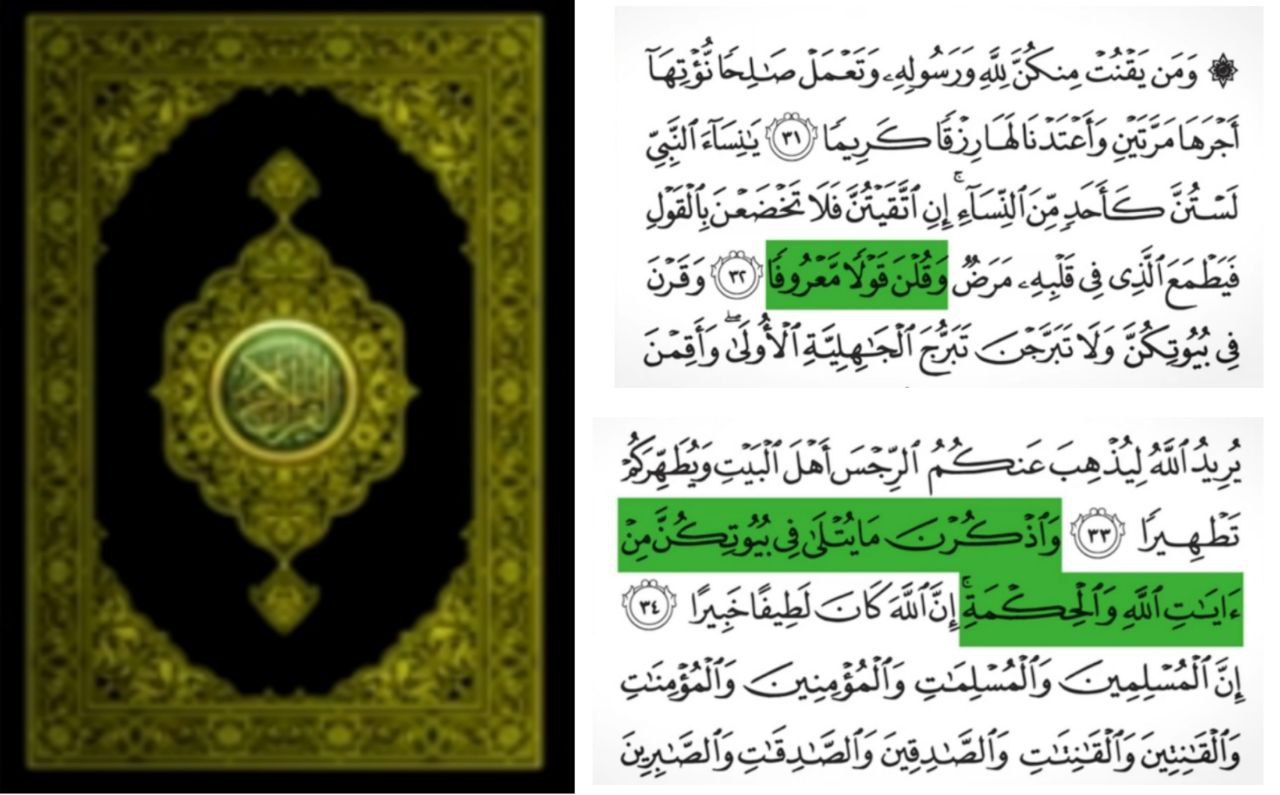
The response is simple: The wives of the Prophet, may God bless him and grant him peace, were the most knowledgeable about how he performed ritual ablution. In fact, Aisha described how he did it. Allah Almighty said:
{There has certainly been for you in the Messenger of God an excellent pattern}
{And speak words of appropriate kindness}
{And remember what is recited in your houses of the verses of God and wisdom}
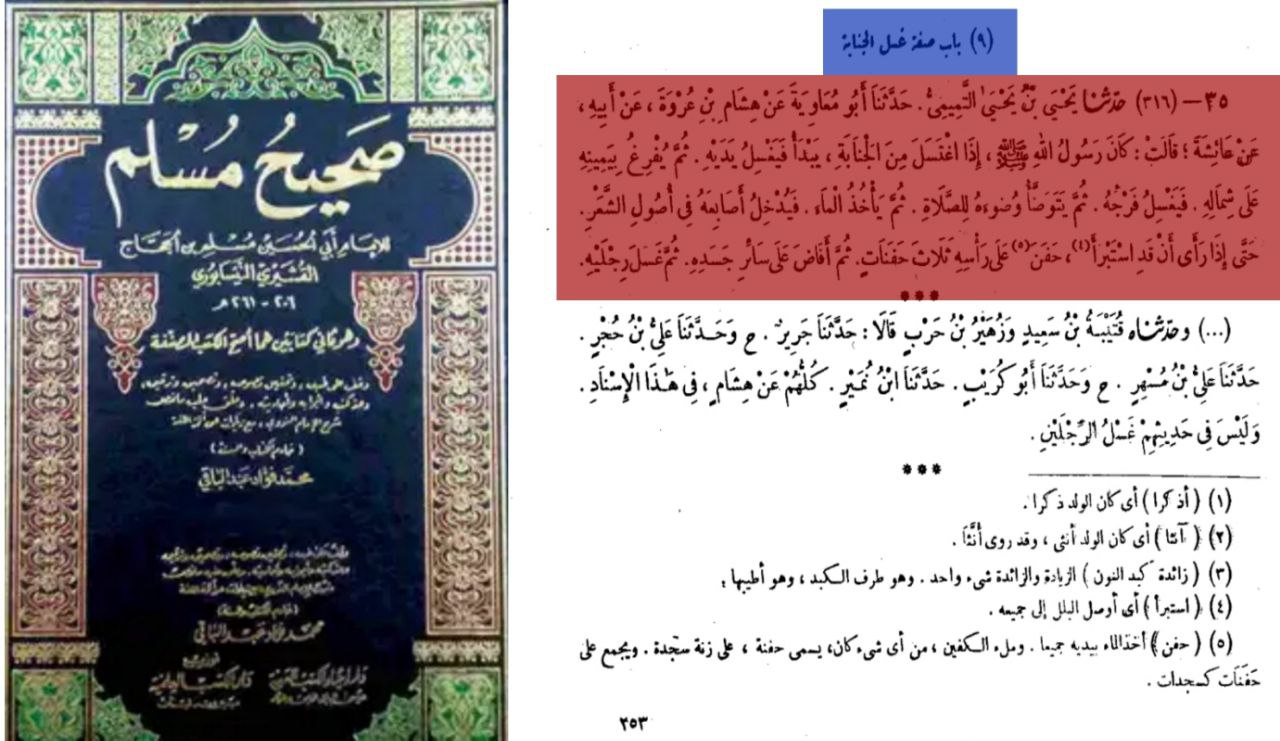
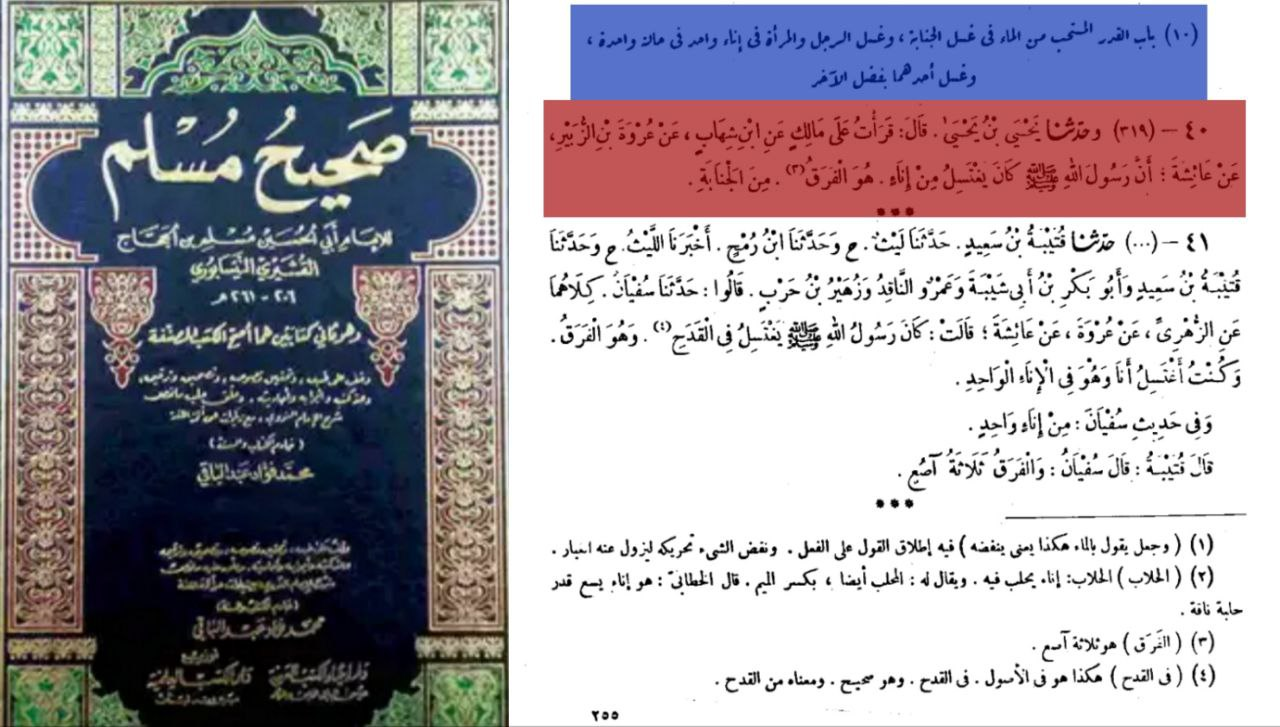
It was stated in “Al-Jami’ Al-Kabir” by Al-Tirmidhi:
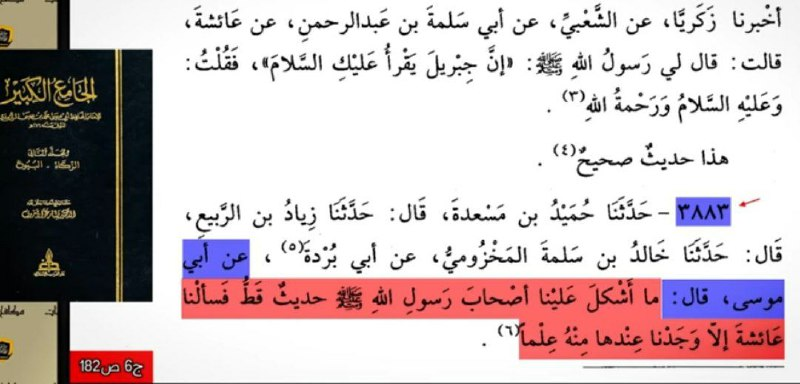
This means that this is a divine command to them, and they know how — more than any companion or man at that time.
Fourth — Practical Demonstration Behind a Veil
Sayyida Aisha left her clothes on her body on the part that the mahram is not permitted to look at, and she poured water on the outside of the clothes — because she was not doing that for an obligatory washing, but rather for teaching.
She did not want to teach that the student must look at the teacher’s body, but rather to teach how to divide that sa’ over the parts of the body — upper and lower.
She would take an amount of water from that sa’ each time and mention the places where the water would overflow, from behind the cover. Her brother would only see the decrease in water from the sa’ and hear the description of the washing — and nothing else.
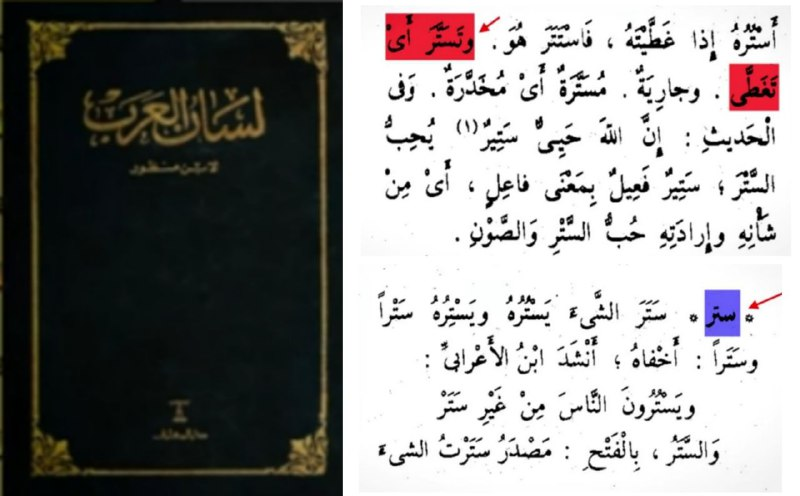
Fifth — The Doubt About the Judges’ Words
Important clarification: The judge’s words here should be understood to mean that the questioners were looking at her head and the upper parts of her body while she was wearing clothes — because the ruling on a man looking at the body of his mahrams is different from a foreign woman. It is not permissible for him to look at anything below her face and hands without an excuse.
Although this is an effort on his part to interpret the hadith, it is unlikely that Abu Salamah was the foster son of Umm Kulthum due to their close ages. Rather, it is more correct that the incident occurred when Abu Salamah was young and had not reached puberty.
Ibn Rajab al-Hanbali said in Fath al-Bari commenting on al-Qurtubi’s words: “‘Abu Salamah was her nephew by blood’ — an obvious mistake; because Abu Salamah is the son of Abd al-Rahman ibn Abi Bakr, he is al-Qasim. It appears that Abu Salamah was at that time young and had not reached puberty, and the other was her foster brother.”
“And between us and her is a veil” — Al-Bukhari
“A veil” — Muslim
We do not know from where they were able to specify the veil for one place and not another on the body. The clear text refutes the interpretation based on conjecture.
Rather, Lady Aisha concealed the lower parts of her body so that when she poured water on her clothes, it would not stick to her body and the details of her body would be visible.
Sixth — Testimonies of Aisha’s Modesty
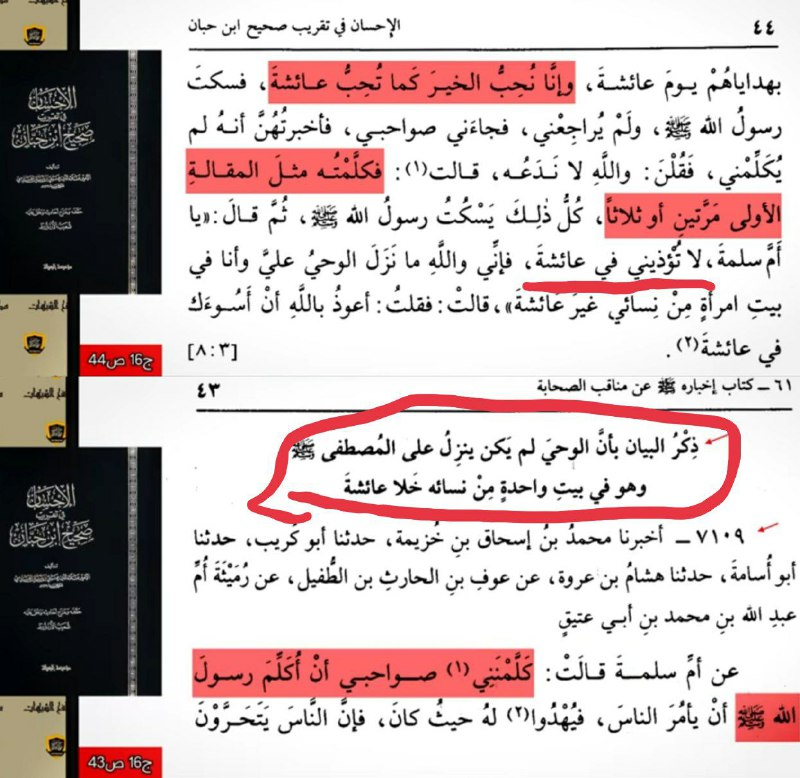
The Messenger, may God bless him and grant him peace, said word for word:“Do not harm me regarding Aisha.”
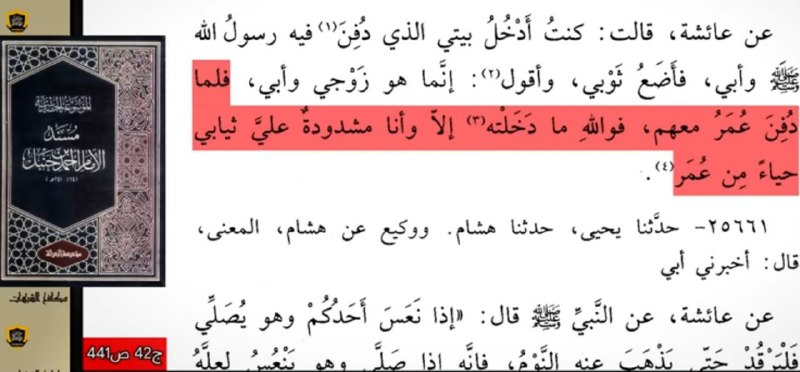
On the authority of Aisha, she said:“I used to enter my house in which the Messenger of God and my father were buried, and I would take off my clothes and say: He is only my husband and my father. But when Umar was buried with them, by God, I did not enter it except with my clothes tied tightly around me out of modesty before Umar.”
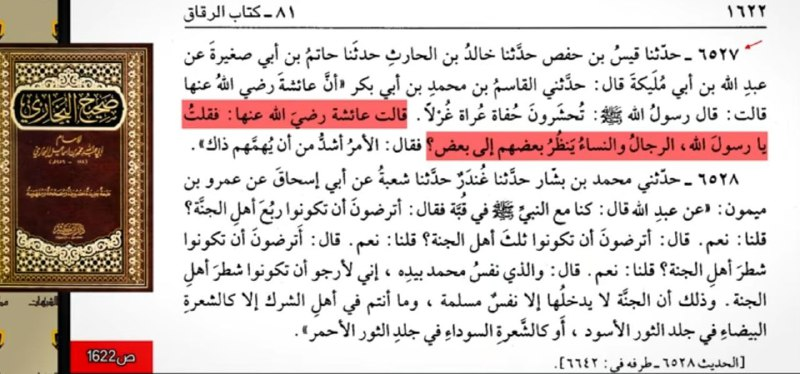
Aisha, may God be pleased with her, said:“The Messenger of God said: ‘You will be gathered barefoot, naked, and like gazelles.’” So I said: “O Messenger of God, will men and women look at each other?” He said: “The matter is more serious than that should concern them.”
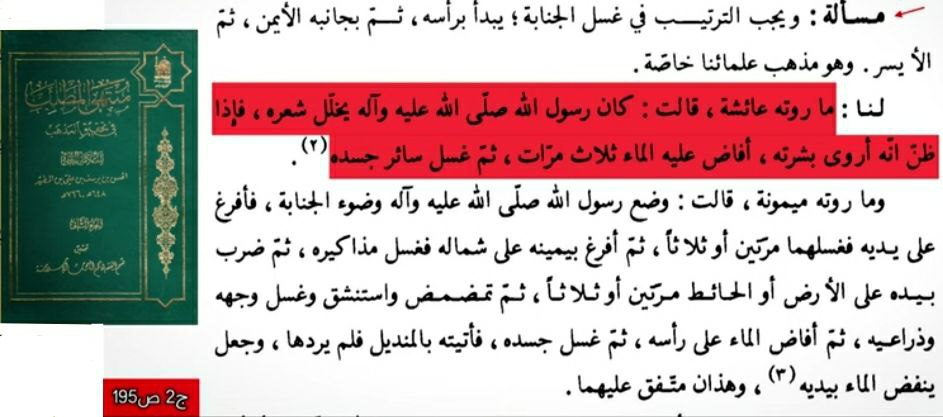
Seventh — For the Shiites
It is stated in the book Wasa’il al-Shi’a, Vol. 2, p. 244:
“On the authority of Maymuna, she said: I and the Messenger of God, may God bless him and grant him peace, became ritually impure, so I washed from a basin, and some water remained in it, so the Messenger of God came and washed from it. So I said: O Messenger of God, it is leftover from me. So he said: Water is not ritual impurity.”
“And we benefit from this narration and others that the truthful one (i.e. Fatima) used to meet men and answer their questions and their legal inquiries or preach to them some religious sermons.”
Is it permissible for them, may God be pleased with them — but not for Aisha, may God be pleased with her???
[[posts/debunking-the-myth-of-adult-breastfeeding-in-islam-revisited|Debunking the Myth of Adult Breastfeeding in Islam(Revisited]]
Responding to the Doubt About Breastfeeding an Adult in Detail